

CAR/FoxP3-engineered T regulatory cells target the CNS and suppress EAE upon intranasal delivery
Open accessThe DOI matches its Crossref record; 41 of the 42 references it cites were found in a registry or an index.
Abstract
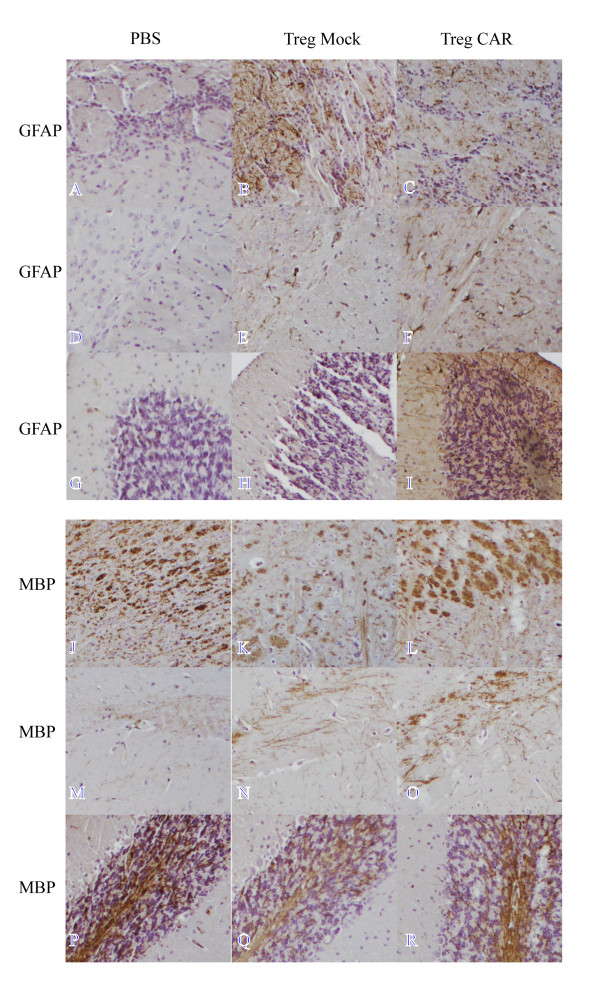
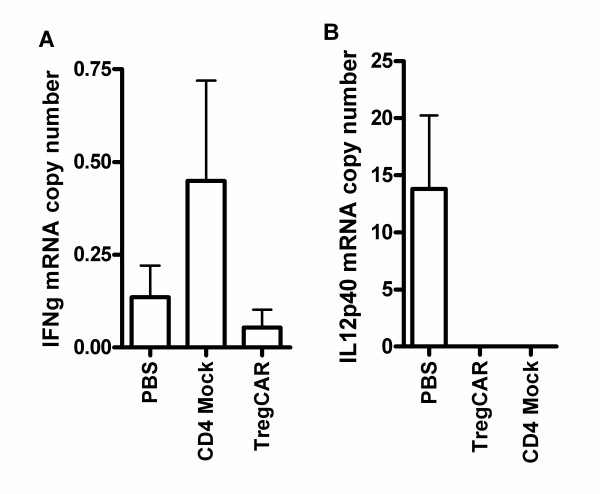
BACKGROUND: Multiple sclerosis (MS) is an autoimmune disease of the central nervous system (CNS). In the murine experimental autoimmune encephalomyelitis (EAE) model of MS, T regulatory (Treg) cell therapy has proved to be beneficial, but generation of stable CNS-targeting Tregs needs further development. Here, we propose gene engineering to achieve CNS-targeting Tregs from naïve CD4 cells and demonstrate their efficacy in the EAE model. METHODS: CD4+ T cells were modified utilizing a lentiviral vector system to express a chimeric antigen receptor (CAR) targeting myelin oligodendrocyte glycoprotein (MOG) in trans with the murine FoxP3 gene that drives Treg differentiation. The cells were evaluated in vitro for suppressive capacity and in C57BL/6 mice to treat EAE. Cells were administered by intranasal (i.n.) cell delivery. RESULTS: The engineered Tregs demonstrated suppressive capacity in vitro and could efficiently access various regions in the brain via i.n cell delivery. Clinical score 3 EAE mice were treated and the engineered Tregs suppressed ongoing encephalomyelitis as demonstrated by reduced disease symptoms as well as decreased IL-12 and IFNgamma mRNAs in brain tissue. Immunohistochemical markers for myelination (MBP) and reactive astrogliosis (GFAP) confirmed recovery in mice treated with engineered Tregs compared to controls. Symptom-free mice were rechallenged with a second EAE-inducing inoculum but remained healthy, demonstrating the sustained effect of engineered Tregs. CONCLUSION: CNS-targeting Tregs delivered i.n. localized to the CNS and efficiently suppressed ongoing inflammation leading to diminished disease symptoms.
Overview
The claims and statistics of this paper haven’t been checked yet.
Free: it reads the open-access text and checks the first 5 claims that cite a source we can check. Create a free account to check every claim.
Integrity signals
Registry
Cites
Statistics
Figures
Verification
Claims the paper makes
The claims and statistics of this paper haven’t been checked yet.
Free: it reads the open-access text and checks the first 5 claims that cite a source we can check. Create a free account to check every claim.
Claims other papers make about this one
Each is checked against this paper’s own text: does it say what the citing paper says it does?
In the citing paper
“studies have shown that transfection of T cells with FoxP3 induces regulatory activity.”
From Modulating immune responses to AAV by expanded polyclonal T-regs and capsid specific chimeric antigen receptor T-regulatory cells (2021) · cites this paper as [17]
Self-check
Percentages, sums and reported differences re-computed from the paper’s own numbers.
The self-check needs the paper’s full text.
Citations
Cites
Control of Regulatory T Cell Development by the Transcription Factor Foxp3
Hori, S., Nomura, T., & Sakaguchi, S. (2003) · Science · doi:10.1126/science.1079490 · Cited by 8,187
The Role of Tumoral FOXP3 on Cell Proliferation, Migration, and Invasion in Gastric Cancer
Zhang, L., Xu, J., Zhang, X., Zhang, Y., Wang, L., Huang, X., & Xu, Z. (2017) · Cellular Physiology and Biochemistry · doi:10.1159/000479442 · Cited by 4,088
In Vitro–expanded Antigen-specific Regulatory T Cells Suppress Autoimmune Diabetes
Tang, Q., Henriksen, K. J., Bi, M., Finger, E. B., Szot, G., Ye, J., Masteller, E. L., McDevitt, H., Bonyhadi, M., & Bluestone, J. A. (2004) · The Journal of Experimental Medicine · doi:10.1084/jem.20040139 · Cited by 1,221 · cited 1×
“Genetically engineered and cultured Tregs have been evaluated for treatment efficacy in a wide variety of adoptive transfer models of autoimmune diseases [9,23,25-27].”
BackgroundRegulatory T cells in the control of immune pathology
Maloy, K. J., & Powrie, F. (2001) · Nature Immunology · doi:10.1038/ni0901-816 · Cited by 1,175 · cited 2×
“; licensee BioMed Centr Commons Attribution License (http://creativec reproduction in any medium, provided the or regulate ongoing immune reactions and are important in the control of autoimmunity [2,3].”
BackgroundHori, S., Nomura, T., & Sakaguchi, S. (2017) · The Journal of Immunology · doi:10.1093/jimmunol/198.3.981 · Cited by 1,066
Szymczak, A. L., Workman, C. J., Wang, Y., Vignali, K. M., Dilioglou, S., Vanin, E. F., & Vignali, D. A. A. (2004) · Nature Biotechnology · doi:10.1038/nbt957 · Cited by 1,059 · cited 1×
“gene transfer of murine FoxP3 into CD4CD25 T cells, Chai and coworkers generated Tregs and used them in an animal model for transplantation with promising results [23], and this was later confirmed using a lentiviral vector system [24].”
BackgroundZiegler, S. F. (2006) · Annual Review of Immunology · doi:10.1146/annurev.immunol.24.021605.090547 · Cited by 922 · cited 1×
“Furthermore, Tregs block T cell activation indirectly via their interaction with antigen-presenting cells (APCs), preventing APC maturation and consequently downregulate their expression of costimulatory molecules and cytokine secretion [4,5].”
BackgroundTransport of drugs from the nasal cavity to the central nervous system
Illum, L. (2000) · European Journal of Pharmaceutical Sciences · doi:10.1016/s0928-0987(00)00087-7 · Cited by 907 · cited 1×
“The olfactory pathways have been extensively investigated as potential entry for pharmaceutical drugs into the brain [35,36].”
BackgroundMyelin-specific regulatory T cells accumulate in the CNS but fail to control autoimmune inflammation
Korn, T., Reddy, J., Gao, W., Bettelli, E., Awasthi, A., Petersen, T. R., Bäckström, B. T., Sobel, R. A., Wucherpfennig, K. W., Strom, T. B., et al. (2007) · Nature Medicine · doi:10.1038/nm1564 · Cited by 811 · cited 1×
“Hence the effector cell resistance to Treg suppression demonstrated by Korn and coworkers [34] may not occur using engineered Tregs.”
BackgroundKohm, A. P., Carpentier, P. A., Anger, H. A., & Miller, S. D. (2002) · The Journal of Immunology · doi:10.4049/jimmunol.169.9.4712 · Cited by 782
Cited by
Sun, L., Su, Y., Jiao, A., Wang, X., & Zhang, B. (2023) · Signal Transduction and Targeted Therapy · doi:10.1038/s41392-023-01471-y · Cited by 1,014
Mechanism of intranasal drug delivery directly to the brain
Crowe, T. P., Greenlee, M. H. W., Kanthasamy, A. G., & Hsu, W. H. (2018) · Life Sciences · doi:10.1016/j.lfs.2017.12.025 · Cited by 721
Alloantigen-specific regulatory T cells generated with a chimeric antigen receptor
MacDonald, K. G., Hoeppli, R. E., Huang, Q., Gillies, J., Luciani, D. S., Orban, P. C., Broady, R., & Levings, M. K. (2016) · Journal of Clinical Investigation · doi:10.1172/jci82771 · Cited by 494
The Emerging Landscape of Immune Cell Therapies
Weber, E. W., Maus, M. V., & Mackall, C. L. (2020) · Cell · doi:10.1016/j.cell.2020.03.001 · Cited by 446
“Similar results were observed in murine models of multiple sclerosis and transplant rejection (Boroughs et al., 2019; Fransson et al., 2012; MacDonald et al., 2016).”
Expression and Function of the Cholinergic System in Immune Cells
Fujii, T., Mashimo, M., Moriwaki, Y., Misawa, H., Ono, S., Horiguchi, K., & Kawashima, K. (2017) · Frontiers in Immunology · doi:10.3389/fimmu.2017.01085 · Cited by 374
“Studies examining the effects of adoptive transfer of antigenspecific Tregs have demonstrated their contribution to the protection and recovery of an animal model of autoimmune EAE (144).”
BackgroundBoardman, D. A., Philippeos, C., Fruhwirth, G. O., Ibrahim, M. A. A., Hannen, R. F., Cooper, D., Marelli-Berg, F. M., Watt, F. M., Lechler, R. I., Maher, J., et al. (2017) · American Journal of Transplantation · doi:10.1111/ajt.14185 · Cited by 324
“Furthermore, in preclinical models of colitis (16,44,45) and multiple sclerosis (46), CAR Tregs were found to migrate to locations where their cognate antigen was expressed and suppress undesired immune responses more effectively than polyclonal Tregs.”
Song, Y., Li, J., & Wu, Y. (2024) · Signal Transduction and Targeted Therapy · doi:10.1038/s41392-024-01952-8 · Cited by 259
T-cell-mediated regulation of neuroinflammation involved in neurodegenerative diseases
González, H., & Pacheco, R. (2014) · Journal of Neuroinflammation · doi:10.1186/s12974-014-0201-8 · Cited by 266
Pemphigus: Current and Future Therapeutic Strategies
Didona, D., Maglie, R., Eming, R., & Hertl, M. (2019) · Frontiers in Immunology · doi:10.3389/fimmu.2019.01418 · Cited by 245
“Myelin targeting Treg cells successfully suppressed inflammation and improved symptoms in the treated mice (275).”
BackgroundTreg Enhancing Therapies to Treat Autoimmune Diseases
Eggenhuizen, P. J., Ng, B. H., & Ooi, J. D. (2020) · International Journal of Molecular Sciences · doi:10.3390/ijms21197015 · Cited by 246
Clinical development of gene therapy: results and lessons from recent successes
Kumar, S. R., Markusic, D. M., Biswas, M., High, K. A., & Herzog, R. W. (2016) · Molecular Therapy - Methods & Clinical Development · doi:10.1038/mtm.2016.34 · Cited by 232
Antigen-specific therapeutic approaches for autoimmunity
Serra, P., & Santamaria, P. (2019) · Nature Biotechnology · doi:10.1038/s41587-019-0015-4 · Cited by 228
CAR T cells for infection, autoimmunity and allotransplantation
Maldini, C. R., Ellis, G. I., & Riley, J. L. (2018) · Nature Reviews Immunology · doi:10.1038/s41577-018-0042-2 · Cited by 229
Tenspolde, M., Zimmermann, K., Weber, L. C., Hapke, M., Lieber, M., Dywicki, J., Frenzel, A., Hust, M., Galla, M., Buitrago-Molina, L. E., et al. (2019) · Journal of Autoimmunity · doi:10.1016/j.jaut.2019.05.017 · Cited by 221
Therapeutic efficacy of anti-CD19 CAR-T cells in a mouse model of systemic lupus erythematosus
Jin, X., Xu, Q., Pu, C., Zhu, K., Lu, C., Jiang, Y., Xiao, L., Han, Y., & Lu, L. (2021) · Cellular & Molecular Immunology · doi:10.1038/s41423-020-0472-1 · Cited by 210
Physiological functions of the cholinergic system in immune cells
Fujii, T., Mashimo, M., Moriwaki, Y., Misawa, H., Ono, S., Horiguchi, K., & Kawashima, K. (2017) · Journal of Pharmacological Sciences · doi:10.1016/j.jphs.2017.05.002 · Cited by 204
Evaluation of Recent Intranasal Drug Delivery Systems to the Central Nervous System
Crowe, T. P., & Hsu, W. H. (2022) · Pharmaceutics · doi:10.3390/pharmaceutics14030629 · Cited by 183
Chimeric Antigen Receptor (CAR) Treg: A Promising Approach to Inducing Immunological Tolerance
Zhang, Q., Lu, W., Liang, C.-L., Chen, Y., Liu, H., Qiu, F., & Dai, Z. (2018) · Frontiers in Immunology · doi:10.3389/fimmu.2018.02359 · Cited by 164
Kim, Y. C., Zhang, A.-H., Su, Y., Rieder, S. A., Rossi, R. J., Ettinger, R. A., Pratt, K. P., Shevach, E. M., & Scott, D. W. (2015) · Blood · doi:10.1182/blood-2014-04-566786 · Cited by 158
“In contrast to polyclonal Tregs, antigen-specific Tregs can recognize the disease-associated antigen and exert their suppressive action at sites of inflammation, eg, islets of Langerhans or the central nervous system.(16,17) Recently, the generation of antigenspecific human Tregs via viral transduction of a tumor-asso…”
BackgroundTherapeutic induction of antigen-specific immune tolerance
Kenison, J. E., Stevens, N. A., & Quintana, F. J. (2023) · Nature reviews. Immunology · doi:10.1038/s41577-023-00970-x · Cited by 179
“CAR T reg cells were reported to ameliorate GVHD 142 and other immune-mediated disorders 143 , and myelin oligodendrocyte glycoprotein (MOG)-targeting CAR T reg cells homed to the CNS in a mouse model of MS 144 .”
Autoreactive lymphocytes in multiple sclerosis: Pathogenesis and treatment target
Liu, R., Du, S., Zhao, L., Jain, S., Sahay, K., Rizvanov, A. A., Lezhnyova, V., Хайбуллин, Т. И., Martynova, E. V., Khaiboullina, S. F., et al. (2022) · Frontiers in Immunology · doi:10.3389/fimmu.2022.996469 · Cited by 210
CAR-T Regulatory (CAR-Treg) Cells: Engineering and Applications
Arjomandnejad, M., Kopec, A. L., & Keeler, A. M. (2022) · Biomedicines · doi:10.3390/biomedicines10020287 · Cited by 171
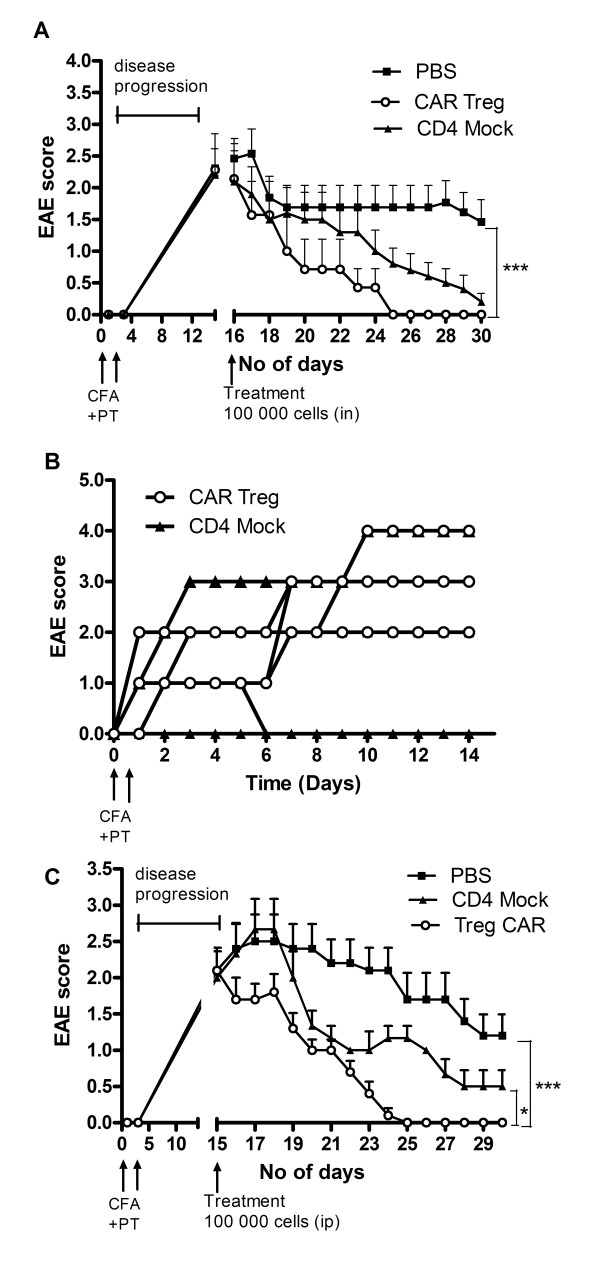
“The MOG-CAR Tregs reduced disease symptoms and decreased proinflammatory cytokine mRNAs in brain tissue in EAE mice [37].”
BackgroundDanielyan, L., Beer-Hammer, S., Stolzing, A., Schäfer, R., Siegel, G., Fabian, C., Kahle, P., Biedermann, T., Lourhmati, A., Buadze, M., et al. (2014) · Cell Transplantation · doi:10.3727/096368914x684970 · Cited by 151
“Besides our previously published data on INA of MSCs in the 6-OHDA model of PD, therapeutically efficient intranasal delivery of different types of cells (MSCs, T-regulatory cells, neural stem/progenitor cells) was successfully shown in a variety of disease models [for review, see (12)], such as neonatal ischemia (71)…”
BackgroundWu, D., Jin, Y., Xing, Y., Abate, M. D., Abbasian, M., Abbasi‐Kangevari, M., Abbasi-Kangevari, Z., Abd-Allah, F., Abdelmasseh, M., Abdollahifar, M.-A., et al. (2023) · EClinicalMedicine · doi:10.1016/j.eclinm.2023.102193 · Cited by 187
Dawson, N. A. J., Rosado-Sánchez, I., Novakovsky, G. E., Fung, V. C. W., Huang, Q., McIver, E., Sun, G., Gillies, J., Speck, M., Orban, P. C., et al. (2020) · Science Translational Medicine · doi:10.1126/scitranslmed.aaz3866 · Cited by 147
Multiple sclerosis: molecular pathogenesis and therapeutic intervention
Boutitah-Benyaich, I., Eixarch, H., Villacieros‐Álvarez, J., Hervera, A., Cobo‐Calvo, Á., Montalbán, X., & Espejo, C. (2025) · Signal Transduction and Targeted Therapy · doi:10.1038/s41392-025-02415-4 · Cited by 161
The Tolerogenic Function of Regulatory T Cells in Pregnancy and Cancer
Jørgensen, N., Persson, G., & Hviid, T. V. F. (2019) · Frontiers in Immunology · doi:10.3389/fimmu.2019.00911 · Cited by 152
“So far, engineered Tregs have been shown to target the central nervous system reducing symptoms of multiple sclerosis by suppression of inflammation and in colitis patients CAR T cells could hinder development of colorectal cancer (167, 168).”
BackgroundCAR-based therapies: opportunities for immuno-medicine beyond cancer
Aghajanian, H. K., Rurik, J. G., & Epstein, J. A. (2022) · Nature Metabolism · doi:10.1038/s42255-022-00537-5 · Cited by 135
Regulatory T Cells: Serious Contenders in the Promise for Immunological Tolerance in Transplantation
Safinia, N., Scottà, C., Vaikunthanathan, T., Lechler, R. I., & Lombardi, G. (2015) · Frontiers in Immunology · doi:10.3389/fimmu.2015.00438 · Cited by 140
“However, several studies in animals suggest that CAR-expressing Tregs can be efficacious in preventing experimental autoimmune encephalitis (EAE) (113) or colitis (114).”
BackgroundŠkuljec, J., Chmielewski, M. M., Happle, C., Habener, A., Busse, M., Abken, H., & Hansen, G. (2017) · Frontiers in Immunology · doi:10.3389/fimmu.2017.01125 · Cited by 120
“, for the treatment of colitis (22) and multiple sclerosis (23).”
BackgroundIn vivo reprogramming of immune cells: Technologies for induction of antigen-specific tolerance
Pearson, R. M., Casey, L. M., Hughes, K. R., Miller, S. D., & Shea, L. D. (2017) · Advanced Drug Delivery Reviews · doi:10.1016/j.addr.2017.04.005 · Cited by 121
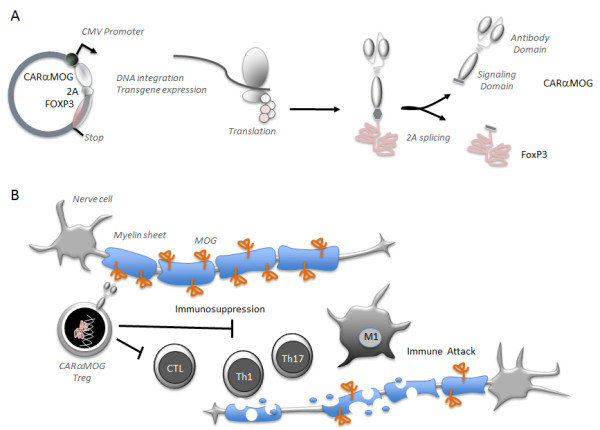
“used a lentiviral vector system to express both a CAR single-chain variable fragment (scFv) for MOG as well as to stably express Foxp3 in CD4 T cells [148].”
Engineered Treg cells as putative therapeutics against inflammatory diseases and beyond
Bittner, S., Hehlgans, T., & Feuerer, M. (2023) · Trends in Immunology · doi:10.1016/j.it.2023.04.005 · Cited by 114
TGF‐β–responsive CAR‐T cells promote anti‐tumor immune function
Hou, A. J., Chang, Z. L., Lorenzini, M. H., Zah, E., & Chen, Y. Y. (2018) · Bioengineering & Translational Medicine · doi:10.1002/btm2.10097 · Cited by 106
Antigen-Specific Regulatory T Cell Therapy in Autoimmune Diseases and Transplantation
Selck, C., & Dominguez‐Villar, M. (2021) · Frontiers in Immunology · doi:10.3389/fimmu.2021.661875 · Cited by 115
“cells with transgenic FOXP3 expression Increased migration into the brain + better control of MOG-induced EAE than MOCKtreated FOXP3 T cells (53)”
BackgroundCARs: Synthetic Immunoreceptors for Cancer Therapy and Beyond
Chang, Z. L., & Chen, Y. Y. (2017) · Trends in Molecular Medicine · doi:10.1016/j.molmed.2017.03.002 · Cited by 103
“In cases where autoreactive immune cells cannot be identified or do not exist, CARs can direct Treg activity to the site of inflammation—such as the brain (in the case of EAE) [145] or the colon (in the case of murine colitis) [146]—to attenuate local inflammatory activity.”
Application of CAR-T Cell Therapy beyond Oncology: Autoimmune Diseases and Viral Infections
Zmievskaya, E., Valiullina, A., Ganeeva, I., Petukhov, A., Rizvanov, A. A., & Bulatov, E. (2021) · Biomedicines · doi:10.3390/biomedicines9010059 · Cited by 112
“Multiple sclerosis Myelin oligodendrocyte glycoprotein [11]”
BackgroundEmerging Therapeutics for Immune Tolerance: Tolerogenic Vaccines, T cell Therapy, and IL-2 Therapy
Moorman, C. D., Sohn, S. J., & Phee, H. (2021) · Frontiers in Immunology · doi:10.3389/fimmu.2021.657768 · Cited by 115
“Murine CD4+ Tregs were transduced with the OVA-reactive TCR construct that lacked Foxp3 while CD4+ T cells were transduced with the OVA-reactive TCR construct Frontiers in Immunology | www.frontiersin.org 20 containing Foxp3.”
BackgroundInfluentialCD19-targeted CAR regulatory T cells suppress B cell pathology without GvHD
Imura, Y., Ando, M., Kondo, T., Ito, M., & Yoshimura, A. (2020) · JCI Insight · doi:10.1172/jci.insight.136185 · Cited by 106
“Some studies have shown that the adoptive transfer of CAR-Tregs 5 suppresses autoimmunity against GvHD (19), hemophilia A (20), EAE (21), and colitis 6 (22) at the preclinical level.”
BackgroundInfluentialChung, Y.-S., Lam, C.-Y., Tan, P.-H., Tsang, H. F., & Wong, S. C. C. (2024) · International Journal of Molecular Sciences · doi:10.3390/ijms25158155 · Cited by 143
Methods to manufacture regulatory T cells for cell therapy
MacDonald, K. N., Piret, J. M., & Levings, M. K. (2019) · Clinical & Experimental Immunology · doi:10.1111/cei.13297 · Cited by 106
Dawson, N. A. J., Lamarche, C., Hoeppli, R. E., Bergqvist, P. J., Fung, V. C. W., McIver, E., Huang, Q. B., Gillies, J. K., Speck, M., Orban, P. C., et al. (2019) · JCI Insight · doi:10.1172/jci.insight.123672 · Cited by 135
Greco, R., Alexander, T., Papa, N. D., Müller, F., Saccardi, R., Sanchez-Guijo, F. M., Schett, G. A., Sharrack, B., Snowden, J. A., Tarte, K., et al. (2024) · EClinicalMedicine · doi:10.1016/j.eclinm.2024.102476 · Cited by 109
Self-citationRegulatory T cells for tolerance
Kawai, K., Uchiyama, M., Hester, J., Wood, K. J., & Issa, F. (2017) · Human Immunology · doi:10.1016/j.humimm.2017.12.013 · Cited by 105
“Studies indicate that although CD80/86 is mainly expressed by APCs, naive T cells can also express these molecules, providing a further target for CTLA-4 [20].”
BackgroundInfluentialCAR T cells for treating autoimmune diseases
Blache, U., Tretbar, S., Koehl, U., Mougiakakos, D., & Fricke, S. (2023) · RMD Open · doi:10.1136/rmdopen-2022-002907 · Cited by 104
“22 23 However, using CAR Tregs to target antigens that can be tumour-associated, such as CEA, bears the risk that the CAR Tregs will also induce immune tolerance in CEA-specific T effectors cells thus promoting tumour immune escape.”
MethodFrontiers in CAR-T cell therapy for autoimmune diseases
Li, Y.-R., Lyu, Z., Chen, Y., Fang, Y., & Yang, L. (2024) · Trends in Pharmacological Sciences · doi:10.1016/j.tips.2024.07.005 · Cited by 103
Targeting Treg signaling for the treatment of autoimmune diseases
Spence, A., Klementowicz, J. E., Bluestone, J. A., & Tang, Q. (2015) · Current Opinion in Immunology · doi:10.1016/j.coi.2015.09.002 · Cited by 92
Teisseyre, M., Crémoni, M., Boyer‐Suavet, S., Ruetsch-Chelli, C., Graça, D., Esnault, V. L. M., Brglez, V., & Seitz‐Polski, B. (2022) · Frontiers in Immunology · doi:10.3389/fimmu.2022.859419 · Cited by 103
Liston, A., Pasciuto, E., Fitzgerald, D. C., & Yshii, L. (2023) · Nature reviews. Immunology · doi:10.1038/s41577-023-00960-z · Cited by 101
The therapeutic potential of regulatory T cells for the treatment of autoimmune disease
Bluestone, J. A., Trotta, E., & Xu, D. (2015) · Expert Opinion on Therapeutic Targets · doi:10.1517/14728222.2015.1037282 · Cited by 100
“Treatments such as anti-thymocyte globulin modulate autoimmunity, including EAE and spontaneous T1D in the NOD mouse model by both depleting Teff cells and inducing de novo pTregs [57-60].”
BackgroundDe Paula Pohl, A., Schmidt, A., Zhang, A.-H., Maldonado, T., Königs, C., & Scott, D. W. (2020) · Cellular Immunology · doi:10.1016/j.cellimm.2020.104222 · Cited by 91
CAR-T cell therapy: developments, challenges and expanded applications from cancer to autoimmunity
Kong, Y., Li, J., Zhao, X., Wu, Y., & Chen, L. (2025) · Frontiers in Immunology · doi:10.3389/fimmu.2024.1519671 · Cited by 120
Posttransplant chimeric antigen receptor therapy
Smith, M. M., Zakrzewski, J. L., James, S. E., & Sadelain, M. (2018) · Blood · doi:10.1182/blood-2017-08-752121 · Cited by 102
Pinto, E., Lione, L., Compagnone, M., Paccagnella, M., Salvatori, E., Greco, M., Frezza, V., Marra, E., Aurisicchio, L., Roscilli, G., et al. (2025) · Journal of Translational Medicine · doi:10.1186/s12967-024-06052-3 · Cited by 102
Surface-Engineered Lentiviral Vectors for Selective Gene Transfer into Subtypes of Lymphocytes
Frank, A. M., & Buchholz, C. J. (2018) · Molecular Therapy — Methods & Clinical Development · doi:10.1016/j.omtm.2018.10.006 · Cited by 97
“12 In autoimmunity, Tregs are equipped with CARs specific for self-antigens,13,14 in some studies in combination with engineered expression of FOXP3.”
BackgroundThe Route by Which Intranasally Delivered Stem Cells Enter the Central Nervous System
Galeano, C., Qiu, Z., Mishra, A., Farnsworth, S. L., Hemmi, J. J., Moreira, A. G., Edenhoffer, P., & Hornsby, P. J. (2018) · Cell Transplantation · doi:10.1177/0963689718754561 · Cited by 95
“, Rochester, NY, USA): (1) excitation filter FF01-380/14, dichroic mirror FF409-Di03, and dual-band emission filter Em01-R405/ 568 (labeled cell detection); (2) same excitation filter and dichroic mirror with multiband emission filter FF01-432/ 515/595/730 (labeled cell detection); (3) same excitation filter and dichr…”
MethodAntigen-specific immunotherapies in rheumatic diseases
Pozsgay, J., Szekanecz, Z., & Sármay, G. (2017) · Nature Reviews Rheumatology · doi:10.1038/nrrheum.2017.107 · Cited by 90
Treg cell therapy: How cell heterogeneity can make the difference
Giganti, G., Atif, M., Mohseni, Y., Mastronicola, D., Grageda, N., Povoleri, G. A., Miyara, M., & Scottà, C. (2021) · European Journal of Immunology · doi:10.1002/eji.201948131 · Cited by 82
Cell-Based Therapies with T Regulatory Cells
Gliwiński, M., Iwaszkiewicz-Grześ, D., & Trzonkowski, P. (2017) · BioDrugs · doi:10.1007/s40259-017-0228-3 · Cited by 79
Zhang, X., Lund, H., Mia, S., Parsa, R., & Harris, R. A. (2014) · Glia · doi:10.1002/glia.22643 · Cited by 78
“We have previously used this strategy to deliver Tregs to the CNS (Fransson et al., 2012).”
MethodSelf-citationYan, S., Kotschenreuther, K., Deng, S., & Kofler, D. M. (2022) · Cellular and Molecular Life Sciences · doi:10.1007/s00018-022-04563-0 · Cited by 90
Dhawan, M. K., Rabaan, A. A., Alwarthan, S. M., Alhajri, M. M., Halwani, M. A., Alshengeti, A., Najim, M. A., Alwashmi, A. S. S., Alshehri, A. A., Alshamrani, S., et al. (2023) · Vaccines · doi:10.3390/vaccines11030699 · Cited by 84
Intranasal delivery of stem cells as therapy for central nervous system disease
Lǐ, Y., Feng, L., Zhang, G., & Ma, C. (2015) · Experimental and Molecular Pathology · doi:10.1016/j.yexmp.2015.01.016 · Cited by 76
Sepsis: developing new alternatives to reduce neuroinflammation and attenuate brain injury
Meneses, G., Cárdenas, G., Espinosa, A., Rassy, D., Pérez‐Osorio, I. N., Bárcena, B., Fleury, A., Besedovsky, H. O., Fragoso, G., & Sciutto, E. (2018) · Annals of the New York Academy of Sciences · doi:10.1111/nyas.13985 · Cited by 80
Duggleby, R. C., Danby, R., Madrigal, J. A., & Saudemont, A. (2018) · Frontiers in Immunology · doi:10.3389/fimmu.2018.00252 · Cited by 81
“with myelin oligodendrocyte glycoproteinspecific CAR Tregs to protect against experimental autoimmune encephalomyelitis, a model of multiple sclerosis (104).”
BackgroundDevelopment of gene transfer for induction of antigen-specific tolerance
Sack, B. K., Herzog, R. W., Terhorst, C., & Markusic, D. M. (2014) · Molecular Therapy - Methods & Clinical Development · doi:10.1038/mtm.2014.13 · Cited by 70
Nezhad, M. S., Seifalian, A. M., Bagheri, N., Yaghoubi, S., Karimi, M. H., & Adbollahpour-Alitappeh, M. (2020) · Frontiers in Immunology · doi:10.3389/fimmu.2020.603237 · Cited by 73
Spanier, J. A., Fung, V. C. W., Wardell, C. M., Alkhatib, M. H., Chen, Y., Swanson, L. A., Dwyer, A. J., Weno, M. E., Silva, N., Mitchell, J. S., et al. (2023) · Journal of Clinical Investigation · doi:10.1172/jci168601 · Cited by 100
Regulatory T cell therapy for type 1 diabetes: May the force be with you
Gitelman, S. E., & Bluestone, J. A. (2016) · Journal of Autoimmunity · doi:10.1016/j.jaut.2016.03.011 · Cited by 73
Immunomodulation for Tissue Repair and Regeneration
Moon, S., Hong, J., Go, S., & Kim, B. (2023) · Tissue Engineering and Regenerative Medicine · doi:10.1007/s13770-023-00525-0 · Cited by 77
“In a mouse EAE model, Treg cells edited with myelin oligodendrocyte glycoprotein(MOG) encoded genes could modulate cytokine release, leading to the relief of EAE symptoms [86].”
BackgroundEsmaeilzadeh, A., Tahmasebi, S., & Athari, S. S. (2019) · Biomedicine & Pharmacotherapy · doi:10.1016/j.biopha.2019.109685 · Cited by 69
CAR T-cell therapy in autoimmune diseases: where are we and where are we going?
Scherlinger, M., Nocturne, G., Radic, M. Z., Launay, D., Richez, C., Bousso, P., Forcade, É., Meyer, A., Jørgensen, C., Bigenwald, C., et al. (2025) · The Lancet Rheumatology · doi:10.1016/s2665-9913(24)00377-1 · Cited by 75
CAR T-Cell Therapy: Progress and Prospects
Wilkins, O., Keeler, A. M., & Flotte, T. R. (2017) · Human Gene Therapy Methods · doi:10.1089/hgtb.2016.153 · Cited by 68
Regulatory T cells: tolerance induction in solid organ transplantation
Vaikunthanathan, T., Safinia, N., Boardman, D. A., Lechler, R. I., & Lombardi, G. (2017) · Clinical & Experimental Immunology · doi:10.1111/cei.12978 · Cited by 70
Promises and limitations of immune cell-based therapies in neurological disorders
Hu, X., Leak, R. K., Thomson, A. W., Yu, F., Xia, Y., Wechsler, L. R., & Chen, J. (2018) · Nature Reviews Neurology · doi:10.1038/s41582-018-0028-5 · Cited by 67
Orvain, C., Boulch, M., Bousso, P., Allanore, Y., & Avouac, J. (2021) · Arthritis & Rheumatology · doi:10.1002/art.41812 · Cited by 66
“These findings highlight the sustained effects of engineered CAR- Treg cells (52).”
BackgroundImmune mechanisms and shared immune targets in neurodegenerative diseases
Weiner, H. L. (2024) · Nature Reviews Neurology · doi:10.1038/s41582-024-01046-7 · Cited by 74
“Although this approach has not yet been widely applied to neurological diseases, its use has been successful in the EAE mouse model 305,306 of MS, and CAR T reg cells that are selective for abnormal human SOD1 and are active in vivo have been designed for application in ALS 307 .”
Mashimo, M., Komori, M., Matsui, Y. Y., Murase, M. X., Fujii, T., Takeshima, S., Okuyama, H., Ono, S., Moriwaki, Y., Misawa, H., et al. (2019) · Frontiers in Immunology · doi:10.3389/fimmu.2019.01102 · Cited by 68
“Studies of the effects of adoptive transfer of antigen-specific Tregs have demonstrated their contribution to the protection and recovery of an animal model of autoimmune encephalomyelitis (60).”
BackgroundPaving the way towards an effective treatment for multiple sclerosis: advances in cell therapy
Mansilla, M. J., Presas‐Rodríguez, S., Teniente‐Serra, A., González-Larreategui, Í., Quirant‐Sánchez, B., Fondelli, F., Djedović, N., Iwaszkiewicz‐Grześ, D., Chwojnicki, K., Miljković, D. M., et al. (2021) · Cellular and Molecular Immunology · doi:10.1038/s41423-020-00618-z · Cited by 70
“).(102) Nevertheless, the number of cells used for i.”
BackgroundMethodInfluentialCastellanos-Rueda, R., Roberto, R. B. D., Bieberich, F., Schlatter, F. S., Palianina, D., Nguyen, O. T. P., Kapetanovic, E., Laubli, H. P., Hierlemann, A. R., Khanna, N., et al. (2022) · Nature Communications · doi:10.1038/s41467-022-34141-8 · Cited by 71
Zhang, Z., Xu, Q., & Huang, L. (2023) · Frontiers in Immunology · doi:10.3389/fimmu.2023.1126421 · Cited by 82
Ohno, R., & Nakamura, A. (2024) · Seminars in Arthritis and Rheumatism · doi:10.1016/j.semarthrit.2024.152479 · Cited by 67
Impact of aging immune system on neurodegeneration and potential immunotherapies
Liang, Z., Zhao, Y., Ruan, L., Zhu, L., Jin, K., Zhuge, Q., Su, D., & Zhao, Y. L. (2017) · Progress in Neurobiology · doi:10.1016/j.pneurobio.2017.07.006 · Cited by 67
Duffy, S. S., Keating, B. A., & Moalem‐Taylor, G. (2019) · Frontiers in Neuroscience · doi:10.3389/fnins.2019.01107 · Cited by 252
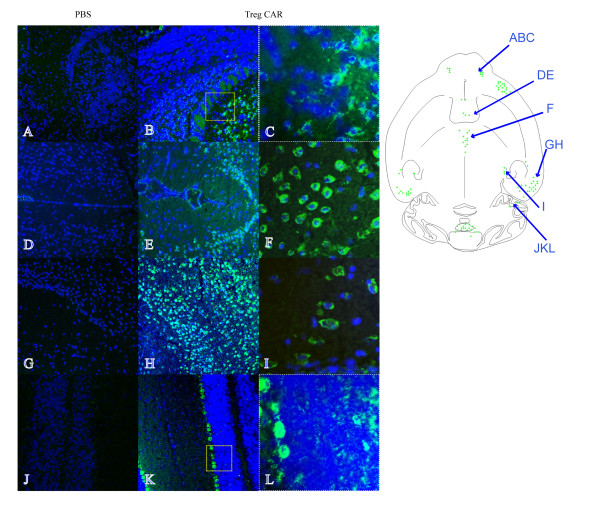
“Following intranasal delivery, these cells effectively trafficked to various regions of the brain, and suppressed clinical EAE and neuroinflammatory changes (Fransson et al., 2012).”
The Therapeutic Potential of Regulatory T Cells: Challenges and Opportunities
Bayati, F., Mohammadi, M., Valadi, M., Jamshidi, S., Foma, A. M., & Sharif‐Paghaleh, E. (2021) · Frontiers in Immunology · doi:10.3389/fimmu.2020.585819 · Cited by 68
Jethwa, H., Adami, A. A., & Maher, J. (2013) · Clinical Immunology · doi:10.1016/j.clim.2013.11.004 · Cited by 66
HBV Immune-Therapy: From Molecular Mechanisms to Clinical Applications
Boni, C., Barili, V., Acerbi, G., Rossi, M., Vecchi, A. L., Laccabue, D., Penna, A., Missale, G., Ferrari, C. I., & Fisicaro, P. (2019) · International Journal of Molecular Sciences · doi:10.3390/ijms20112754 · Cited by 64
“Recent reports indicate that adoptive cell transfer currently comprised of TCR-engineered and chimeric Ag receptor (CAR)-T cells have the potential to treat a variety of other diseases including multiple sclerosis, inflammatory intestinal diseases and autoimmune diseases [97] [98] [99] .”
BackgroundCAR Treg: A new approach in the treatment of autoimmune diseases
Beheshti, S. A., Shamsasenjan, K., Ahmadi, M., & Abbasi, B. (2021) · International Immunopharmacology · doi:10.1016/j.intimp.2021.108409 · Cited by 63
Richardson, N., Wootton, G. E., Bozward, A. G., & Oo, Y. H. (2022) · Seminars in Immunopathology · doi:10.1007/s00281-022-00940-w · Cited by 63
Regulatory T cells as a therapeutic approach for inflammatory bowel disease
Lauková, M., & Zaretsky, A. G. (2023) · European Journal of Immunology · doi:10.1002/eji.202250007 · Cited by 61
Regulatory T cell therapy: Current and future design perspectives
Rana, J., & Biswas, M. (2020) · Cellular Immunology · doi:10.1016/j.cellimm.2020.104193 · Cited by 62
Super-Treg: Toward a New Era of Adoptive Treg Therapy Enabled by Genetic Modifications
Amini, L., Greig, J., Schmueck‐Henneresse, M., Volk, H., Bézie, S., Reinke, P., Guillonneau, C., Wagner, D. L., & Anegón, I. (2021) · Frontiers in Immunology · doi:10.3389/fimmu.2020.611638 · Cited by 62
“induce resistance to MOG re-challenge (35)”
Engineered Tolerance: Tailoring Development, Function, and Antigen-Specificity of Regulatory T Cells
Dawson, N. A. J., Vent‐Schmidt, J., & Levings, M. K. (2017) · Frontiers in Immunology · doi:10.3389/fimmu.2017.01460 · Cited by 57
“org November 2017 | Volume 8 | Article 1460 oligodendrocyte glycoprotein (MOG), the disease-causing agent for experimental autoimmune encephalomyelitis (EAE) (73).”
BackgroundInfluentialImmunotherapy Deriving from CAR-T Cell Treatment in Autoimmune Diseases
Chen, Y., Sun, J., Liu, H., Yin, G., & Xie, Q. (2019) · Journal of Immunology Research · doi:10.1155/2019/5727516 · Cited by 60
“So transplantation of cells into the brain through intranasal delivery can reduce cell dose and systemic exposure [55].”
BackgroundRegulatory CAR-T cells in autoimmune diseases: Progress and current challenges
Riët, T., & Chmielewski, M. M. (2022) · Frontiers in Immunology · doi:10.3389/fimmu.2022.934343 · Cited by 64
“- To stabilize the in vivo suppressive function of Treg by i) epigenetic FOXP3 gene modification (66–69), ii) CRISPR/Cas9 mediated knocking-out of switch-point-receptors whose activation leads to loss of Treg function or even to the switch to effector cells (70, 71), or iii) mitochondrial modification (72– 74) iv) exp…”
BackgroundFlagellin-specific human CAR Tregs for immune regulation in IBD
Boardman, D. A., Wong, M. Q., Rees, W. D., Wu, D., Himmel, M. E., Orban, P. C., Vent‐Schmidt, J., Zachos, N. C., Steiner, T. S., & Levings, M. K. (2022) · Journal of Autoimmunity · doi:10.1016/j.jaut.2022.102961 · Cited by 62
Enhancing Regulatory T Cells to Treat Inflammatory and Autoimmune Diseases
Fiyouzi, T., Pelaez-Prestel, H. F., Reyes-Manzanas, R., Lafuente, E. M., & Reche, P. A. (2023) · International Journal of Molecular Sciences · doi:10.3390/ijms24097797 · Cited by 68
Zhou, Y., Leng, X., Luo, S., Su, Z., Luo, X., Guo, H., Mo, C., Zou, Q., Liu, Y., & Wang, Y. (2016) · Journal of Immunology Research · doi:10.1155/2016/5021537 · Cited by 52
“Previous studies have investigated the suppressive function of iTregs both in the EAE model and in MS patients, and the adoptive transfer of Tregs to EAE mice significantly reduced disease severity [18, 32].”
Regulatory T-cell therapy approaches
McCallion, O., Bilici, M., Hester, J., & Issa, F. (2022) · Clinical & Experimental Immunology · doi:10.1093/cei/uxac078 · Cited by 53
“CAR-Tregs present a route to alloantigen-specific tolerance with therapeutic relevance towards numerous pathologies including type 1 diabetes [66], inflammatory bowel disease [67], multiple sclerosis [68], haemophilia [69], vitiligo [70], transplant rejection, and GvHD [71, 72].”
BackgroundAntigen-specific regulatory T cells: are police CARs the answer?
Dawson, N. A. J., & Levings, M. K. (2017) · Translational research · doi:10.1016/j.trsl.2017.06.009 · Cited by 52
“Fransson et al used a CAR specific for myelin oligodendrocyte glycoprotein, a wellcharacterized autoantigen in multiple sclerosis.(18) In this case, rather than transducing Tregs, the authors employed a lentiviral vector system encoding both the CAR and the mouse Foxp3 cDNA so that conventional T cells could be simult…”
MethodCAR- and TRuC-redirected regulatory T cells differ in capacity to control adaptive immunity to FVIII
Rana, J., Perry, D. J., Kumar, S. R. P., Muñoz-Melero, M., Saboungi, R., Brusko, T. M., & Biswas, M. (2021) · Molecular Therapy · doi:10.1016/j.ymthe.2021.04.034 · Cited by 53
Metadata
- Authors
- Fransson, M., Piras, E., Burman, J., Nilsson, B., Essand, M., Lu, B., Harris, R. A., Magnusson, P. U., Brittebo, E., & Loskog, A. S.
- Affiliations
- Uppsala University (SE)
- University of Pittsburgh (US)
- Karolinska Institutet (SE)
- Corresponding author
- Fransson, Moa
- Piras, Elena
- Loskog, Angelica SI
- ORCID
- Venue
- Journal of Neuroinflammation
- Published
- 2012-05-30
- Volume
- 9
- Issue
- 1
- Pages
- 112-112
- ISSN
- 1742-2094 (ISSN-L)
- PMC
- PMC3403996
- OpenAlex
- W2149184543
- Semantic Scholar
- 18bee0cf8a5a2439df63b51185e4704ca9f003c0
- Cited by
- 372
- References
- 42
- Citations by year
- 2026: 36 · 2025: 41 · 2024: 46 · 2023: 39 · 2022: 40 · 2021: 34 · 2020: 29 · 2019: 29 · 2018: 18 · 2017: 25 · 2016: 11 · 2015: 9 · 2014: 8 · 2013: 5 · 2012: 2
- FWCI
- 5.24
- Type
- journal article
- Language
- en
- Open access
- gold
- doi.org
- Locations
- Journal of Neuroinflammation (publishedVersion, cc-by)
- Europe PMC (PubMed Central) (publishedVersion, cc-by)
- PubMed Central (publishedVersion, cc-by)
- PubMed (publishedVersion)
- D-Scholarship@Pitt (University of Pittsburgh) (acceptedVersion)
- Uppsala University Publications (Uppsala University) (submittedVersion, other-oa)
- DOAJ (DOAJ: Directory of Open Access Journals) (submittedVersion)
- Funders
- Vetenskapsrådet
- Uppsala Universitet
- Topics
- Health Sciences › Medicine › Clinical Neurology › Multiple Sclerosis Research Studies
- Life Sciences › Immunology and Microbiology › Immunology › T-cell and B-cell Immunology
- Health Sciences › Medicine › Oncology › CAR-T cell therapy research
- Keywords
- regulatory T cells, chimeric antigen receptor, Foxp3, myelin oligodendrocyte glycoprotein, experimental autoimmune encephalomyelitis, multiple sclerosis, lentiviral transduction, adoptive immunotherapy, immunosuppression, myelination, reactive astrogliosis, IL-12, interferon-gamma
- MeSH terms
- Administration, Intranasal, Animals, Cell Line, Central Nervous System, Encephalomyelitis, Autoimmune, Experimental, Female, Genetic Vectors, Mice, Inbred C57BL, Receptors, Antigen, T-Cell, Genetic Therapy, Lentivirus, Gene Transfer Techniques, T-Lymphocytes, Regulatory, Mice, Forkhead Transcription Factors, Cell Engineering
About these checks
Registry, retraction, Cites and statistics results are computed, not judged, with one exception: a printed reference that no index lists is read once by a model before it counts as a citation error. Claims are extracted by a model and kept only when their quote appears verbatim in the text; each cited source is then checked, with a model’s help, for whether it says what the claim relies on. Those verdicts can be wrong — read the claim’s quote and the cited source before relying on one.
Statistics and arithmetic are recomputed, not judged.
Confidence bands are shown only for fields calibrated on our annotated test set. None is calibrated yet, so no band is shown.
What counts as a claim ›How we measure confidence ›How we check this ›
Are you an author, or do you see a problem with this page? Request a review
Data sources
Bibliographic data: Semantic Scholar, OpenAlex, Crossref.
Contains information from the Semantic Scholar Academic Graph Datasets, made available under the ODC Attribution License (ODC-BY 1.0).
Semantic Scholar’s data is described in: Kinney, R., et al. (2023). The Semantic Scholar Open Data Platform. arXiv:2301.10140.
