

Susceptibility of juvenile and adult blood–brain barrier to endothelin-1: regulation of P-glycoprotein and breast cancer resistance protein expression and transport activity
Open accessThe DOI matches its Crossref record; 64 of the 64 references it cites were found in a registry or an index.
Abstract
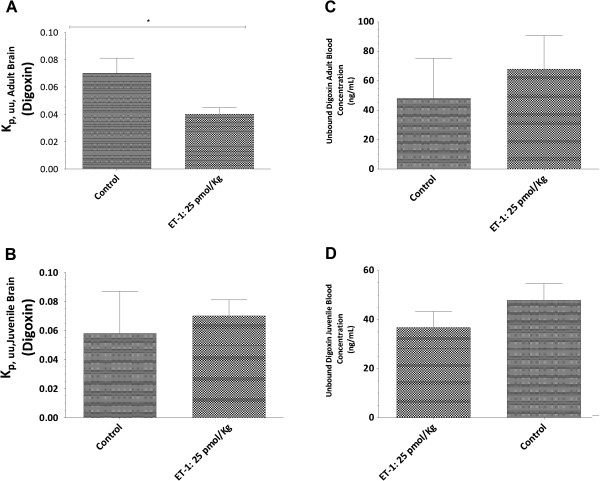
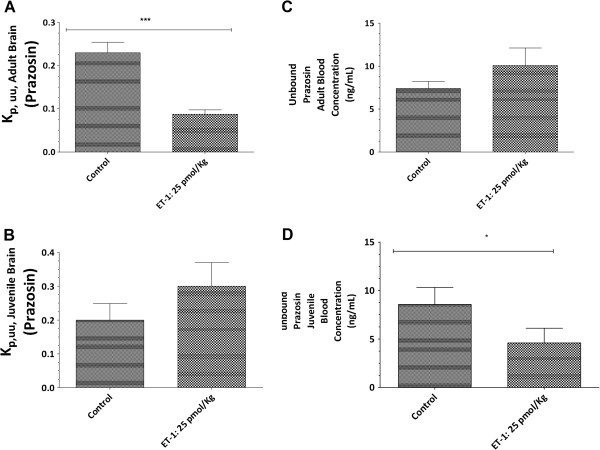
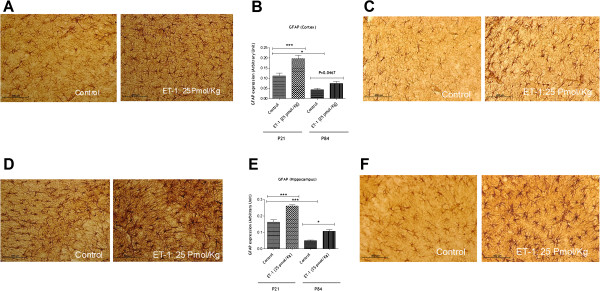
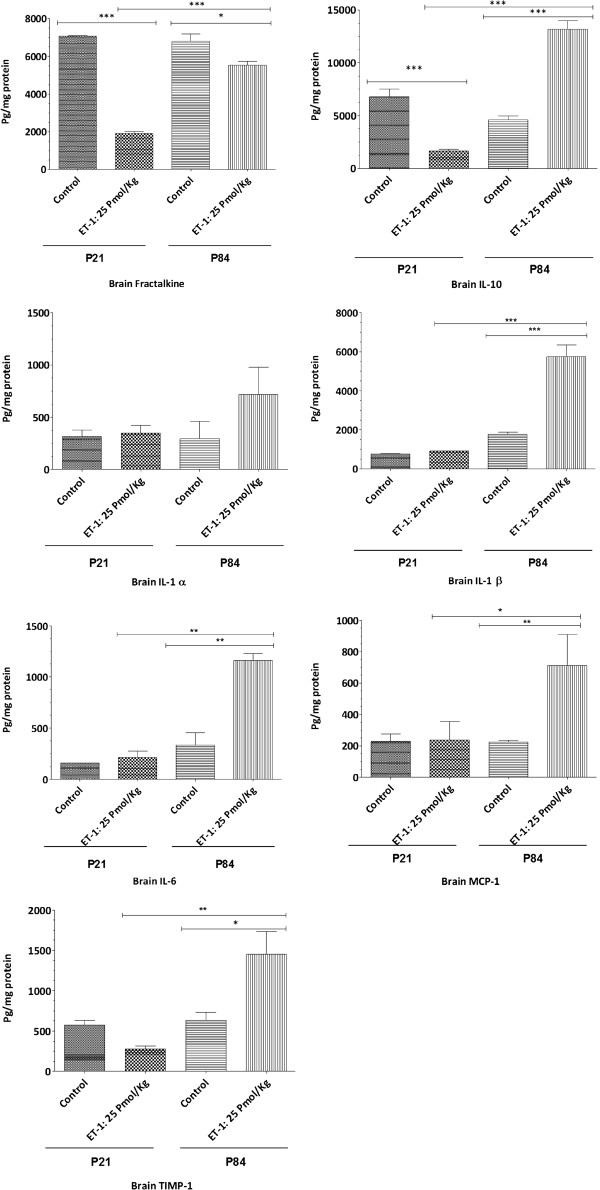
Background: P-glycoprotein (P-gp) and breast cancer resistance protein (BCRP) play a critical role in keeping neurotoxic substances from entering the brain. We and others have previously reported an impact of inflammation on the regulation of adult blood–brain barrier (BBB) efflux transporters. However, studies in children have not been done. From the pediatric clinical perspective, it is important to understand how the central nervous system (CNS) and BBB drug efflux transporters differ in childhood from those of adults under normal and inflammatory conditions. Therefore, we examined and compared the regulation of P-gp and BCRP expression and transport activity in young and adult BBB and investigated the molecular mechanisms underlying inflammatory responses. Methods: Rats at postnatal day (P) P21 and P84, corresponding to the juvenile and adult stages of human brain maturation, respectively, were treated with endothelin-1 (ET-1) given by the intracerebroventricular (icv) route. Twenty-four hours later, we measured P-gp and BCRP protein expression in isolated brain capillary by immunoblotting as well as by transport activity in vivo by measuring the unbound drug partitioning coefficient of the brain (K p,uu,brain) of known efflux transporter substrates administered intravenously. Glial activation was measured by immunohistochemistry. The release of cytokines/chemokines (interleukins-1α, 1-β (IL-1β), -6 (IL-6), -10 (IL-10), monocyte chemoattractant protein (MCP-1/CCL2), fractalkine and tissue inhibitor of metalloproteinases-1 (TIMP-1)) were simultaneously measured in brain and serum samples using the Agilent Technology cytokine microarray. Results: We found that juvenile and adult BBBs exhibited similar P-gp and BCRP transport activities in the normal physiological conditions. However, long-term exposure of the juvenile brain to low-dose of ET-1 did not change BBB P-gp transport activity but tended to decrease BCRP transport activity in the juvenile brain, while a significant increase of the activity of both transporters was evidenced at the BBB in the adult brain. Moreover, juvenile and adult brain showed differences in their expression profiles of cytokines and chemokines mediated by ET-1. Conclusions: BBB transporter activity during neuroinflammation differs between the juvenile and adult brains. These findings emphasize the importance of considering differential P-gp and BCRP transport regulation mechanisms between adult and juvenile BBB in the context of neuroinflammation.
Overview
The claims and statistics of this paper haven’t been checked yet.
Free: it reads the open-access text and checks the first 5 claims that cite a source we can check. Create a free account to check every claim.
Integrity signals
Registry
Cites
Statistics
Figures
Verification
Claims the paper makes
The claims and statistics of this paper haven’t been checked yet.
Free: it reads the open-access text and checks the first 5 claims that cite a source we can check. Create a free account to check every claim.
Self-check
Percentages, sums and reported differences re-computed from the paper’s own numbers.
The self-check needs the paper’s full text.
Citations
Cites
Microglia: a sensor for pathological events in the CNS
Kreutzberg, G. W. (1996) · Trends in Neurosciences · doi:10.1016/0166-2236(96)10049-7 · Cited by 4,396 · cited 9×
“All cytokines, IL-1 β, IL-6, IL-10, MCP-1/ccl2, fractalkine, TIMP-1, IL-13, cinculin (CINC-1) were simultaneously measured in brain and serum samples using the Agilent technology cytokine microarray (Tebu bio).”
BackgroundInfluentialCyclooxygenases: Structural, cellular, and molecular biology
Smith, W. L., DeWitt, D. L., & Garavito, R. M. (2000) · Annual Review of Biochemistry · doi:10.1146/annurev.biochem.69.1.145 · Cited by 2,925 · cited 1×
“Inflammation regulates a number of intracellular signal transduction pathways [59-61] involved in the regulation of transporter activity.”
BackgroundReactive astrocytes: cellular and molecular cues to biological function
Ridet, J. L., Privat, A., Malhotra, S. K., & Gage, F. H. (1997) · Trends in Neurosciences · doi:10.1016/s0166-2236(97)01139-9 · Cited by 1,766 · cited 1×
“Indeed, IL6 is a well-known marker of glial activation [56] and the autocrine action of this interleukin on glial cells might account for an increase of ABC transporters at the cell surface.”
BackgroundMicroglia as a source and target of cytokines
Hanisch, U. (2002) · Glia · doi:10.1002/glia.10161 · Cited by 1,645 · cited 1×
“and once activated they release numerous inflammatory molecules, particularly pro and anti-inflammatory cytokines and chemokines [47] (Proinflammatory molecules such as tumor necrosis factor-α (TNF-α), interleukin-1β (IL-1β), interleukin-6 (IL-6) [48-50], chemokines (IL-8, MIP-1α, MIP-1β, MCP-1) [51,52], proteases [53…”
BackgroundBasic Neurochemistry: Molecular, Cellular, and Medical Aspects
Siegel, G. J., & Agranoff, B. W. (1989) · Cited by 1,359
Astrocytes are active players in cerebral innate immunity
Farina, C., Aloisi, F., & Meinl, E. (2007) · Trends in Immunology · doi:10.1016/j.it.2007.01.005 · Cited by 1,304 · cited 3×
“Concomitant with GFAP overexpression, astrocytes release many proinflammatory mediators and upregulate the expression of several inflammatory molecules, contributing to the amplification of inflammation [34].”
BackgroundResultBasic Neurochemistry???Molecular, Cellular, and Medical Aspects
Long, D. M. (2006) · Neurosurgery Quarterly · doi:10.1097/01.wnq.0000203279.82150.41 · Cited by 1,284
Aloisi, F. (2001) · Glia · doi:10.1002/glia.1106 · Cited by 1,280 · cited 9×
“All cytokines, IL-1 β, IL-6, IL-10, MCP-1/ccl2, fractalkine, TIMP-1, IL-13, cinculin (CINC-1) were simultaneously measured in brain and serum samples using the Agilent technology cytokine microarray (Tebu bio).”
BackgroundInfluentialMicroglia as neuroprotective, immunocompetent cells of the CNS
Streit, W. J. (2002) · Glia · doi:10.1002/glia.10154 · Cited by 919 · cited 1×
“Rapidly, in response to infection or injury, microglia, major inflammatory cells of the monocyte/microphage lineage that reside in the brain, are activated [46].”
BackgroundDrug resistance in brain diseases and the role of drug efflux transporters
Löscher, W., & Potschka, H. (2005) · Nature Reviews Neuroscience · doi:10.1038/nrn1728 · Cited by 900 · cited 1×
“Adenosine triphosphate-binding cassette (ABC) transporters play a critical role in keeping neurotoxic substances from entering the brain and in transporting toxic metabolites out of the brain [1,2].”
BackgroundRole of drug efflux transporters in the brain for drug disposition and treatment of brain diseases
Löscher, W., & Potschka, H. (2005) · Progress in Neurobiology · doi:10.1016/j.pneurobio.2005.04.006 · Cited by 617 · cited 1×
“These transporters are largely responsible for the multidrug resistance (MDR) phenomenon, which plays a crucial role in treatment failure for several brain diseases such as seizure [3] and human immunodeficiency (HIV-1) infection disease [4,5].”
BackgroundABC Transporters and the Blood-Brain Barrier
Begley, D. (2004) · Current Pharmaceutical Design · doi:10.2174/1381612043384844 · Cited by 545 · cited 1×
“Adenosine triphosphate-binding cassette (ABC) transporters play a critical role in keeping neurotoxic substances from entering the brain and in transporting toxic metabolites out of the brain [1,2].”
BackgroundOn The Rate and Extent of Drug Delivery to the Brain
Hammarlund-Udenaes, M., Fridén, M., Syvänen, S., & Gupta, A. (2008) · Pharmaceutical Research · doi:10.1007/s11095-007-9502-2 · Cited by 513 · cited 3×
“Twenty-four hours after ET-1 icv administration, we measured P-gp and BCRP protein expression in isolated brain capillary by immunoblotting, and we assessed their transport activity in vivo by measuring the unbound brain/plasma concentration ratios (Kp,uu, brain) of known efflux transporter substrates [38,39] administ…”
MethodBarrier Mechanisms in the Developing Brain
Saunders, N. R., Liddelow, S. A., & Dziegielewska, K. M. (2012) · Frontiers in Pharmacology · doi:10.3389/fphar.2012.00046 · Cited by 502
Transcriptional regulation of ABC drug transporters
Scotto, K. W. (2003) · Oncogene · doi:10.1038/sj.onc.1206950 · Cited by 392 · cited 1×
“Inflammation regulates a number of intracellular signal transduction pathways [59-61] involved in the regulation of transporter activity.”
BackgroundRegulation of P-glycoprotein and other ABC drug transporters at the blood–brain barrier
Miller, D. S. (2010) · Trends in Pharmacological Sciences · doi:10.1016/j.tips.2010.03.003 · Cited by 361 · cited 3×
“As inflammation occurs in nearly all CNS disorders [8], it is important to understand how it alters the function of drug efflux transporters since these alterations will affect the efficacy of CNS drugs [37].”
BackgroundInflammation in central nervous system injury
Allan, S. M., & Rothwell, N. J. (2003) · Philosophical Transactions of the Royal Society of London. Series B: Biological Sciences · doi:10.1098/rstb.2003.1358 · Cited by 345 · cited 2×
“Previous works in our laboratory as well as studies from other laboratories have shown that proinflammatory cytokines such as TNFα and IL1β cause a release of ET1 at the BBB level [28-35].”
BackgroundResultMolecular insights on the cerebral innate immune system
Rivest, S. (2003) · Brain, Behavior, and Immunity · doi:10.1016/s0889-1591(02)00055-7 · Cited by 338 · cited 2×
“Previous works in our laboratory as well as studies from other laboratories have shown that proinflammatory cytokines such as TNFα and IL1β cause a release of ET1 at the BBB level [28-35].”
BackgroundResultTranscriptional regulation of the endothelin-1 gene by TNF-alpha
Marsden, P. A., & Brenner, B. M. (1992) · American Journal of Physiology-Cell Physiology · doi:10.1152/ajpcell.1992.262.4.c854 · Cited by 287 · cited 2×
“Previous works in our laboratory as well as studies from other laboratories have shown that proinflammatory cytokines such as TNFα and IL1β cause a release of ET1 at the BBB level [28-35].”
BackgroundResultBauer, B., Hartz, A. M. S., & Miller, D. S. (2007) · Molecular Pharmacology · doi:10.1124/mol.106.029512 · Cited by 275
Erickson, M. A., & Banks, W. A. (2011) · Brain, Behavior, and Immunity · doi:10.1016/j.bbi.2011.06.006 · Cited by 261 · cited 4×
“All brain values were corrected for individual serum measurements as follows and described previously [6]: Graph plotted as mean ± S.”
BackgroundMethodSelf-citationStolp, H. B., & Dziegielewska, K. M. (2009) · Neuropathology and Applied Neurobiology · doi:10.1111/j.1365-2990.2008.01005.x · Cited by 257 · cited 1×
“There is growing evidence suggesting that the immune system, through systemic or cerebral inflammation, disturbs the BBB efflux transporters [45], and these alterations can affect the efficacy of CNS-acting drugs.”
BackgroundCytokine Regulation of Human Microglial Cell IL-8 Production
Ehrlich, L. C., Hu, S., Sheng, W. S., Sutton, R. L., Rockswold, G. L., Peterson, P. K., & Chao, C. C. (1998) · The Journal of Immunology · doi:10.4049/jimmunol.160.4.1944 · Cited by 232 · cited 2×
“and once activated they release numerous inflammatory molecules, particularly pro and anti-inflammatory cytokines and chemokines [47] (Proinflammatory molecules such as tumor necrosis factor-α (TNF-α), interleukin-1β (IL-1β), interleukin-6 (IL-6) [48-50], chemokines (IL-8, MIP-1α, MIP-1β, MCP-1) [51,52], proteases [53…”
BackgroundInfluentialEvaluation of the dye-protein tracers in pathophysiology of the blood-brain barrier
Wolman, M., Klatzo, I., Chui, E., Wilmes, F., Nishimoto, K., Fujiwara, K., & Spatz, M. (1981) · Acta Neuropathologica · doi:10.1007/bf00691332 · Cited by 223 · cited 1×
“Evans blue binds to serum albumin, giving rise to a high molecular complex which remains in intravascular spaces and diffuses to the extravascular space with BBB disruption [41].”
BackgroundDidier, N., Romero, I. A., Créminon, C., Wijkhuisen, A., Grassi, J., & Mabondzo, A. (2003) · Journal of Neurochemistry · doi:10.1046/j.1471-4159.2003.01829.x · Cited by 221 · cited 4×
“Previous works in our laboratory as well as studies from other laboratories have shown that proinflammatory cytokines such as TNFα and IL1β cause a release of ET1 at the BBB level [28-35].”
BackgroundResultSelf-citationIncreased plasma endothelin-1 in acute ischemic stroke.
Ziv, I., Fleminger, G., Djaldetti, R., Achiron, A., Melamed, E., & Sokolovsky, M. (1992) · Stroke · doi:10.1161/01.str.23.7.1014 · Cited by 221 · cited 2×
“Endothelin-1 (ET-1), an arterial vasoconstrictive and vasodilator peptide cytokine [14], is released in several CNS disorders [15-25].”
BackgroundSuzuki, R., Masaoka, H., Hirata, Y., Marumo, F., Isotani, E., & Hirakawa, K. (1992) · Journal of Neurosurgery · doi:10.3171/jns.1992.77.1.0096 · Cited by 214 · cited 2×
“Endothelin-1 (ET-1), an arterial vasoconstrictive and vasodilator peptide cytokine [14], is released in several CNS disorders [15-25].”
BackgroundDifferential Production of and Migratory Response to Chemokines by Human Microglia and Astrocytes
Peterson, P. K., Hu, S., Salak-Johnson, J., Molitor, T. W., & Chao, C. C. (1997) · Journal of Infectious Diseases · doi:10.1093/infdis/175.2.478 · Cited by 209 · cited 1×
“and once activated they release numerous inflammatory molecules, particularly pro and anti-inflammatory cytokines and chemokines [47] (Proinflammatory molecules such as tumor necrosis factor-α (TNF-α), interleukin-1β (IL-1β), interleukin-6 (IL-6) [48-50], chemokines (IL-8, MIP-1α, MIP-1β, MCP-1) [51,52], proteases [53…”
BackgroundWright, C. E., & Fozard, J. R. (1988) · European Journal of Pharmacology · doi:10.1016/0014-2999(88)90425-6 · Cited by 200 · cited 1×
“Endothelin-1 (ET-1), an arterial vasoconstrictive and vasodilator peptide cytokine [14], is released in several CNS disorders [15-25].”
BackgroundImmunological aspects of microglia: relevance to Alzheimer's disease
Benveniste, E. N., Nguyen, V. T., & O'Keefe, G. M. (2001) · Neurochemistry International · doi:10.1016/s0197-0186(01)00045-6 · Cited by 187 · cited 12×
“All cytokines, IL-1 β, IL-6, IL-10, MCP-1/ccl2, fractalkine, TIMP-1, IL-13, cinculin (CINC-1) were simultaneously measured in brain and serum samples using the Agilent technology cytokine microarray (Tebu bio).”
BackgroundInfluentialLiu, X., Smith, B. J., Chen, C., Callegari, E., Becker, S. L., Chen, X., Cianfrogna, J., Doran, A. C., Doran, S. D., Gibbs, J. P., et al. (2005) · The Journal of Pharmacology and Experimental Therapeutics · doi:10.1124/jpet.104.079319 · Cited by 181 · cited 1×
“Twenty-four hours after ET-1 icv administration, we measured P-gp and BCRP protein expression in isolated brain capillary by immunoblotting, and we assessed their transport activity in vivo by measuring the unbound brain/plasma concentration ratios (Kp,uu, brain) of known efflux transporter substrates [38,39] administ…”
MethodRonaldson, P. T., & Bendayan, R. (2006) · Molecular Pharmacology · doi:10.1124/mol.106.025973 · Cited by 163 · cited 1×
“There is now a wealth of evidence that age could have a significant effect on response to cytokines, which, in turn, could modulate BBB efflux transporters expression and activity [10-13] in an age-dependent manner.”
BackgroundRapid Regulation of P-Glycoprotein at the Blood-Brain Barrier by Endothelin-1
Hartz, A. M. S., Bauer, B., Fricker, G., & Miller, D. S. (2004) · Molecular Pharmacology · doi:10.1124/mol.104.001503 · Cited by 161 · cited 3×
“As inflammation occurs in nearly all CNS disorders [8], it is important to understand how it alters the function of drug efflux transporters since these alterations will affect the efficacy of CNS drugs [37].”
BackgroundMethodMicroglia, Scavenger Receptors, and the Pathogenesis of Alzheimer’s Disease
El Khoury, J., Hickman, S. E., Thomas, C. A., Loike, J. D., & Silverstein, S. C. (1998) · Neurobiology of Aging · doi:10.1016/s0197-4580(98)00036-0 · Cited by 159 · cited 9×
“All cytokines, IL-1 β, IL-6, IL-10, MCP-1/ccl2, fractalkine, TIMP-1, IL-13, cinculin (CINC-1) were simultaneously measured in brain and serum samples using the Agilent technology cytokine microarray (Tebu bio).”
BackgroundInfluentialMicroglial Functions and Proteases
Nakanishi, H. (2003) · Molecular Neurobiology · doi:10.1385/mn:27:2:163 · Cited by 159 · cited 1×
“and once activated they release numerous inflammatory molecules, particularly pro and anti-inflammatory cytokines and chemokines [47] (Proinflammatory molecules such as tumor necrosis factor-α (TNF-α), interleukin-1β (IL-1β), interleukin-6 (IL-6) [48-50], chemokines (IL-8, MIP-1α, MIP-1β, MCP-1) [51,52], proteases [53…”
BackgroundCerebral microvessel endothelium is producing endothelin
Yoshimoto, S., Ishizaki, Y., Kurihara, H., Sasaki, T., Yoshizumi, M., Yanagisawa, M., Yazaki, Y., Masaki, T., Takakura, K., & Murota, S. (1990) · Brain Research · doi:10.1016/0006-8993(90)90407-3 · Cited by 137 · cited 3×
“Previous works in our laboratory as well as studies from other laboratories have shown that proinflammatory cytokines such as TNFα and IL1β cause a release of ET1 at the BBB level [28-35].”
BackgroundResultGoralski, K. B., Hartmann, G., Piquette‐Miller, M., & Renton, K. W. (2003) · British Journal of Pharmacology · doi:10.1038/sj.bjp.0705227 · Cited by 130 · cited 1×
“There is now a wealth of evidence that age could have a significant effect on response to cytokines, which, in turn, could modulate BBB efflux transporters expression and activity [10-13] in an age-dependent manner.”
BackgroundBrochu, M.-E., Girard, S., Lavoie, K., & Sébire, G. (2011) · Journal of Neuroinflammation · doi:10.1186/1742-2094-8-55 · Cited by 127 · cited 1×
“There is now a wealth of evidence that age could have a significant effect on response to cytokines, which, in turn, could modulate BBB efflux transporters expression and activity [10-13] in an age-dependent manner.”
BackgroundOrlowski, S., Martin, S., & Escargueil, A. E. (2006) · Cellular and Molecular Life Sciences · doi:10.1007/s00018-005-5554-9 · Cited by 120 · cited 1×
“At the BBB, P-gp has been localized to plasma membrane surfaces as well as several subcellular sites, and there is overwhelming evidence suggesting that the localization of P-gp and its trafficking within brain endothelial cells contributes to its function [62,63].”
BackgroundAcquired immunodeficiency syndrome and the blood-brain barrier
Ivey, N. S., MacLean, A. G., & Lackner, A. A. (2009) · Journal of Neurovirology · doi:10.1080/13550280902769764 · Cited by 115 · cited 1×
“Later, astrocytes are activated [55].”
Seelbach, M. J., Brooks, T. A., Egleton, R. D., & Davis, T. P. (2007) · Journal of Neurochemistry · doi:10.1111/j.1471-4159.2007.04644.x · Cited by 99 · cited 1×
“Modulation of transport activity for P-gp in response to peripheral pain inflammation with no increase in its protein expression has been previously reported [58].”
BackgroundEndothelin Peptides in Brain Diseases
Nie, X. J., & Olsson, Y. (1996) · Reviews in the Neurosciences · doi:10.1515/revneuro.1996.7.3.177 · Cited by 95 · cited 2×
“Endothelin-1 (ET-1), an arterial vasoconstrictive and vasodilator peptide cytokine [14], is released in several CNS disorders [15-25].”
BackgroundKooij, G., Mizee, M. R., van Horssen, J., Reijerkerk, A., Witte, M. E., Drexhage, J. A. R., van der Pol, S. M. A., van het Hof, B., Scheffer, G., Scheper, R., et al. (2011) · Brain · doi:10.1093/brain/awq330 · Cited by 90 · cited 1×
“This increase is important in the secretion of ccl2/ MCP-1 by astrocytes upon toll-like receptor 3 activation as reported recently [57].”
BackgroundPharmacology and Physiopathology of the Brain Endothelin System: An Overview
Schinelli, S. (2006) · Current Medicinal Chemistry · doi:10.2174/092986706776055652 · Cited by 87 · cited 2×
“Endothelin-1 (ET-1), an arterial vasoconstrictive and vasodilator peptide cytokine [14], is released in several CNS disorders [15-25].”
BackgroundJorajuria, S., Dereuddre‐Bosquet, N., Bécher, F., Martin, S., Porcheray, F., Garrigues, A., Mabondzo, A. M., Bénech, H., Grassi, J. J., Orlowski, S., et al. (2004) · Antiviral Therapy · doi:10.1177/135965350400900403 · Cited by 85 · cited 1×
“These transporters are largely responsible for the multidrug resistance (MDR) phenomenon, which plays a crucial role in treatment failure for several brain diseases such as seizure [3] and human immunodeficiency (HIV-1) infection disease [4,5].”
BackgroundSelf-citationCyclooxygenase-2: Potential Role in Regulation of Drug Efflux and Multidrug Resistance Phenotype
Sorokin, A. (2004) · Current Pharmaceutical Design · doi:10.2174/1381612043453117 · Cited by 82 · cited 1×
“Inflammation regulates a number of intracellular signal transduction pathways [59-61] involved in the regulation of transporter activity.”
BackgroundSalkeni, M. A., Lynch, J. L., Otamis-Price, T., & Banks, W. A. (2009) · Journal of Neuroimmune Pharmacology · doi:10.1007/s11481-008-9138-y · Cited by 72 · cited 2×
“We suspected a role of neuroinflammatory response triggered by ET-1 because it is likely that cytokine secretion in adult and juvenile brains controls the regulation of BBB transporters [9].”
BackgroundSelf-citationChen, P., Shibata, M., Zidovetzki, R., Fisher, M., Zloković, B. V., & Hofman, F. M. (2001) · Journal of Neuroimmunology · doi:10.1016/s0165-5728(01)00280-6 · Cited by 71 · cited 14×
“All cytokines, IL-1 β, IL-6, IL-10, MCP-1/ccl2, fractalkine, TIMP-1, IL-13, cinculin (CINC-1) were simultaneously measured in brain and serum samples using the Agilent technology cytokine microarray (Tebu bio).”
BackgroundMethodInfluentialEndothelin and nitric oxide levels in cerebrospinal fluid of patients with multiple sclerosis.
Speciale, L., Sarasella, M., Ruzzante, S., Caputo, D., Mancuso, R., Calvo, M. G., Guerini, F. R., & Ferrante, P. (2000) · PubMed · Cited by 67
Lacombe, O., Videau, O., Chevillon, D., Guyot, A.-C., Contreras, C., Blondel, S., Nicolas, L., Ghettas, A., Bénech, H., Thevenot, E., et al. (2011) · Molecular Pharmaceutics · doi:10.1021/mp1004614 · Cited by 66
Self-citationNwaozuzu, O. M., Sellers, L. A., & Barrand, M. A. (2003) · Journal of Neurochemistry · doi:10.1046/j.1471-4159.2003.02061.x · Cited by 64 · cited 1×
“At the BBB, P-gp has been localized to plasma membrane surfaces as well as several subcellular sites, and there is overwhelming evidence suggesting that the localization of P-gp and its trafficking within brain endothelial cells contributes to its function [62,63].”
BackgroundEndothelin Evokes Efflux of Glutamate in Cultures of Rat Astrocytes
Sasaki, Y., Takimoto, M., Oda, K., Früh, T., Takai, M., Okada, T., & Hori, S. (1997) · Journal of Neurochemistry · doi:10.1046/j.1471-4159.1997.68052194.x · Cited by 64 · cited 2×
“Endothelin-1 (ET-1), an arterial vasoconstrictive and vasodilator peptide cytokine [14], is released in several CNS disorders [15-25].”
BackgroundAntiretrovirals Induce Direct Endothelial Dysfunction In Vivo
Jiang, B., Hebert, V. Y., Zavecz, J. H., & Dugas, T. R. (2006) · JAIDS Journal of Acquired Immune Deficiency Syndromes · doi:10.1097/01.qai.0000228790.40235.0c · Cited by 64 · cited 1×
“Endothelin-1 (ET-1), an arterial vasoconstrictive and vasodilator peptide cytokine [14], is released in several CNS disorders [15-25].”
BackgroundEffects of HIV Drug Combinations on Endothelin-1 and Vascular Cell Proliferation
Hebert, V. Y., Crenshaw, B. L., Romanoff, R. L., Ekshyyan, V., & Dugas, T. R. (2004) · Cardiovascular Toxicology · doi:10.1385/ct:4:2:117 · Cited by 60 · cited 1×
“Endothelin-1 (ET-1), an arterial vasoconstrictive and vasodilator peptide cytokine [14], is released in several CNS disorders [15-25].”
BackgroundHIV-1-induced production of endothelin-1 in an in vitro model of the human blood???brain barrier
Didier, N., Banks, W. A., Cr??minon, C., Dereuddre-Bosquet, N., & Mabondzo, A. (2002) · Neuroreport · doi:10.1097/00001756-200207020-00022 · Cited by 56
Self-citationThéron, D., de Lagerie, S. B., Tardivel, S., Pélerin, H., Demeuse, P., Mercier, C., Mabondzo, A. M., Farinotti, R., Lacour, B., Roux, F. S., et al. (2003) · Biochemical Pharmacology · doi:10.1016/s0006-2952(03)00340-x · Cited by 55
Self-citationBousquet, L., Pruvost, A., Guyot, A.-C., Farinotti, R., & Mabondzo, A. M. (2008) · Antimicrobial Agents and Chemotherapy · doi:10.1128/aac.00733-08 · Cited by 53 · cited 2×
“These transporters are largely responsible for the multidrug resistance (MDR) phenomenon, which plays a crucial role in treatment failure for several brain diseases such as seizure [3] and human immunodeficiency (HIV-1) infection disease [4,5].”
BackgroundMethodSelf-citationTherapeutic effects of endothelin receptor antagonists in stroke
Barone, F. C., Willette, R. N., Yue, T.-L., & Feurestein, G. (1995) · Neurological Research · doi:10.1080/01616412.1995.11740323 · Cited by 44 · cited 1×
“Endothelin-1 (ET-1), an arterial vasoconstrictive and vasodilator peptide cytokine [14], is released in several CNS disorders [15-25].”
BackgroundChauhan, A., Hahn, S., Gartner, S., Pardo, C. A., Netesan, S. K., McArthur, J. C., & Nath, A. (2006) · The FASEB Journal · doi:10.1096/fj.06-7054com · Cited by 44 · cited 2×
“It is released during the activation of the brain’s innate immune response [19-31] triggered by a variety of stimuli, including infection, trauma, disease, and cell stress and characterized mainly by glial activation and the release of proinflammatory cytokines and chemokines [32-36].”
BackgroundBiochemical and analytical development of the CIME cocktail for drug fate assessment in humans
Videau, O., Delaforge, M., Levi, M., Thévenot, E., Gal, O., Becquemont, L., Beaune, P. H., & Bénech, H. (2010) · Rapid Communications in Mass Spectrometry · doi:10.1002/rcm.4641 · Cited by 30 · cited 1×
“The ratio between brain concentrations and plasma concentrations to estimate the delivery of drug to the brain was calculated [39,43].”
MethodHembury, A., & Mabondzo, A. M. (2008) · Cellular and Molecular Neurobiology · doi:10.1007/s10571-008-9277-y · Cited by 28 · cited 2×
“Previous in vitro results suggest that short-term exposure of adult rat brain endothelial cells to ET-1 decreases P-glycoprotein [31], whereas longer-term exposure (24 h) of adult human brain endothelial cells causes no changes in P-glycoprotein expression [7].”
BackgroundResultSelf-citationEndothelin-1 in cerebrospinal fluid in elderly patients with hypertension and dementia.
Nakajima, M., Morimoto, S., Takamoto, S., Kitano, S., Fukuo, K., Onishi, T., & Ogihara, T. (1994) · Hypertension · doi:10.1161/01.hyp.24.1.97 · Cited by 23 · cited 1×
“Endothelin-1 (ET-1), an arterial vasoconstrictive and vasodilator peptide cytokine [14], is released in several CNS disorders [15-25].”
BackgroundEndothelin-1 1s Elevated in the Cerebrospinal Fluid of HIV-Infected Patients with Encephalopathy
Rolinski, B., Heigermoser, A., Lederer, E., Bogner, J. R., Loch, O., & Goebel, F. D. (1999) · Infection · doi:10.1007/s150100050020 · Cited by 21 · cited 2×
“Endothelin-1 (ET-1), an arterial vasoconstrictive and vasodilator peptide cytokine [14], is released in several CNS disorders [15-25].”
BackgroundThe Brain Endothelin System as Potential Target for Brain-Related Pathologies
Schinelli, B. S. P. S. (2002) · CNS & Neurological Disorders - Drug Targets · doi:10.2174/1568007023338950 · Cited by 21
Cited by
The blood–brain barrier: Structure, regulation and drug delivery
Wu, D., Chen, Q., Chen, X., Han, F., Chen, Z., & Wang, Y. (2023) · Signal Transduction and Targeted Therapy · doi:10.1038/s41392-023-01481-w · Cited by 1,906
“28,29 But it also limits the drugs that enter into the CNS for treating brain diseases such as neurodegenerative diseases and brain cancer.”
BackgroundCrossing the blood-brain barrier with nanoparticles
Zhou, Y., Peng, Z., Seven, E. S., & Leblanc, R. M. (2018) · Journal of Controlled Release · doi:10.1016/j.jconrel.2017.12.015 · Cited by 837
“The BBB protects the brain from foreign substances in the blood that may damage the brain and keep a constant brain environment [3].”
BackgroundBlood-Brain Barrier Overview: Structural and Functional Correlation
Alahmari, A. (2021) · Neural Plasticity · doi:10.1155/2021/6564585 · Cited by 299
Efflux transporters in blood-brain interfaces of the developing brain
Strazielle, N., & Ghersi-Egea, J.-F. (2015) · Frontiers in Neuroscience · doi:10.3389/fnins.2015.00021 · Cited by 157
Schulz, J., Hartz, A. M. S., & Bauer, B. (2023) · Pharmacological Reviews · doi:10.1124/pharmrev.120.000025 · Cited by 122
“At later stages of development, TNFa signaling decreases Abcg2 activity at the rat bloodbrain barrier (Harati et al., 2012).”
Background
Metadata
- Authors
- Harati, R., Villégier, A.-S., Banks, W. A., & Mabondzo, A.
- Affiliations
- Commissariat à l'Énergie Atomique et aux Énergies Alternatives (FR)
- Institut national de l'environnement industriel et des risques (FR)
- University of Washington (US)
- Venue
- Journal of Neuroinflammation
- Published
- 2012-12
- Volume
- 9
- Issue
- 1
- Pages
- 273-273
- ISSN
- 1742-2094 (ISSN-L)
- PMC
- PMC3547749
- OpenAlex
- W2124502931
- Cited by
- 45
- References
- 64
- Citations by year
- 2026: 2 · 2025: 9 · 2024: 3 · 2023: 5 · 2022: 3 · 2021: 5 · 2020: 2 · 2019: 2 · 2018: 1 · 2017: 3 · 2016: 1 · 2015: 5 · 2014: 2 · 2013: 2
- FWCI
- 1.42
- Type
- journal article
- Language
- en
- Open access
- gold
- doi.org
- Licence
- cc-by
- creativecommons.org/licenses/by/2.0 (tdm)
- creativecommons.org/licenses/by/2.0 (vor, 18 d)
- Locations
- Journal of Neuroinflammation (publishedVersion, cc-by)
- Europe PMC (PubMed Central) (publishedVersion, cc-by)
- PubMed Central (publishedVersion, cc-by)
- PubMed (publishedVersion)
- HAL (submittedVersion)
- DOAJ (DOAJ: Directory of Open Access Journals) (submittedVersion)
- Funders
- Styrelsen för Internationellt Utvecklingssamarbete
- Topics
- Health Sciences › Medicine › Oncology › Drug Transport and Resistance Mechanisms
- Life Sciences › Neuroscience › Neurology › Barrier Structure and Function Studies
- Physical Sciences › Materials Science › Biomaterials › Nanoparticle-Based Drug Delivery
- Keywords
- blood-brain barrier, endothelin-1, P-glycoprotein, ABCG2, efflux pumps, neuroinflammation, brain maturation, juvenile brain, adult brain, cytokines and chemokines, glial activation, brain capillary endothelium, drug efflux, neuroprotection, postnatal development, rats, interleukin-1
- MeSH terms
- ATP Binding Cassette Transporter, Subfamily G, Member 2, Age Factors, Analysis of Variance, Animals, Animals, Newborn, Biological Transport, Biological Transport, Active, Blood-Brain Barrier, Brain, Drug Administration Routes, Glial Fibrillary Acidic Protein, Male, Methylene Blue, RNA, Messenger, Cytokines, Rats, Wistar, ATP Binding Cassette Transporter, Subfamily B, Gene Expression Regulation, Developmental, ATP-Binding Cassette Transporters, Endothelin-1, Rats, Microvessels, Zonula Occludens-1 Protein
About these checks
Registry, retraction, Cites and statistics results are computed, not judged, with one exception: a printed reference that no index lists is read once by a model before it counts as a citation error. Claims are extracted by a model and kept only when their quote appears verbatim in the text; each cited source is then checked, with a model’s help, for whether it says what the claim relies on. Those verdicts can be wrong — read the claim’s quote and the cited source before relying on one.
Statistics and arithmetic are recomputed, not judged.
Confidence bands are shown only for fields calibrated on our annotated test set. None is calibrated yet, so no band is shown.
What counts as a claim ›How we measure confidence ›How we check this ›
Are you an author, or do you see a problem with this page? Request a review
Data sources
Bibliographic data: Semantic Scholar, OpenAlex, Crossref.
Contains information from the Semantic Scholar Academic Graph Datasets, made available under the ODC Attribution License (ODC-BY 1.0).
Semantic Scholar’s data is described in: Kinney, R., et al. (2023). The Semantic Scholar Open Data Platform. arXiv:2301.10140.
