

LEDGINs inhibit late stage HIV-1 replication by modulating integrase multimerization in the virions
Open accessThe DOI matches its Crossref record; 45 of the 46 references it cites were found in a registry or an index.
Abstract
Background: LEDGINs are novel allosteric HIV integrase (IN) inhibitors that target the lens epithelium-derived growth factor (LEDGF)/p75 binding pocket of IN. They block HIV-1 integration by abrogating the interaction between LEDGF/p75 and IN as well as by allosterically inhibiting the catalytic activity of IN. Results: Here we demonstrate that LEDGINs reduce the replication capacity of HIV particles produced in their presence. We systematically studied the molecular basis of this late effect of LEDGINs and demonstrate that HIV virions produced in their presence display a severe replication defect. Both the late effect and the previously described, early effect on integration contribute to LEDGIN antiviral activity as shown by time-of-addition, qPCR and infectivity assays. The late effect phenotype requires binding of LEDGINs to integrase without influencing proteolytic cleavage or production of viral particles. LEDGINs augment IN multimerization during virion assembly or in the released viral particles and severely hamper the infectivity of progeny virions. About 70% of the particles produced in LEDGIN-treated cells do not form a core or display aberrant empty cores with a mislocalized electron-dense ribonucleoprotein. The LEDGIN-treated virus displays defective reverse transcription and nuclear import steps in the target cells. The LEDGIN effect is possibly exerted at the level of the Pol precursor polyprotein. Conclusion: Our results suggest that LEDGINs modulate IN multimerization in progeny virions and impair the formation of regular cores during the maturation step, resulting in a decreased infectivity of the viral particles in the target cells. LEDGINs thus profile as unique antivirals with combined early (integration) and late (IN assembly) effects on the HIV replication cycle.
Overview
The claims and statistics of this paper haven’t been checked yet.
Free: it reads the open-access text and checks the first 5 claims that cite a source we can check. Create a free account to check every claim.
Integrity signals
Registry
Cites
Statistics
Figures
Verification
Claims the paper makes
The claims and statistics of this paper haven’t been checked yet.
Free: it reads the open-access text and checks the first 5 claims that cite a source we can check. Create a free account to check every claim.
Claims other papers make about this one
Each is checked against this paper’s own text: does it say what the citing paper says it does?
The cited source doesn’t support the claim as written.
In the citing paper
“Counterintuitively, the underlying mode of ALLINI action is not via inhibition of integration140,142,174–177,179–181.”
From Structure and function of retroviral integrase (2022) · cites this paper as [176]
Checked by a reasoning model — may be wrong.
Experimental — accuracy not yet measuredThe source backs part of the claim, not all of it — or backs it for a different population, condition or comparison.
In the citing paper
“Under these conditions, it became clear that HIV-1 was more susceptible to ALLINIs when exposed to the compounds during egress as compared to ingress140,142,174–176.”
From Structure and function of retroviral integrase (2022) · cites this paper as [176]
Experimental — accuracy not yet measuredThe source backs part of the claim, not all of it — or backs it for a different population, condition or comparison.
In the citing paper
“Detailed analysis of virus particles produced in the presence of ALLINIs revealed that although viral RNA and proteins were incorporated properly, IN-RNA binding was disrupted, and the ribonucleoprotein complex was located eccentrically (Fig. 6B)140–142,174–176.”
From Structure and function of retroviral integrase (2022) · cites this paper as [176]
Experimental — accuracy not yet measuredThe source backs part of the claim, not all of it — or backs it for a different population, condition or comparison.
In the citing paper
“The common biochemical consequence of ALLINI binding is aberrant HIV-1 IN hyper-multimerization140,142,174–181.”
From Structure and function of retroviral integrase (2022) · cites this paper as [176]
Experimental — accuracy not yet measured
Self-check
Percentages, sums and reported differences re-computed from the paper’s own numbers.
The self-check needs the paper’s full text.
Citations
Cites
Inhibitors of Strand Transfer That Prevent Integration and Inhibit HIV-1 Replication in Cells
Hazuda, D. J., Felock, P., Witmer, M., Wolfe, A., Stillmock, K., Grobler, J. A., Espeseth, A., Gabryelski, L., Schleif, W., Blau, C., et al. (2000) · Science · doi:10.1126/science.287.5453.646 · Cited by 1,131 · cited 2×
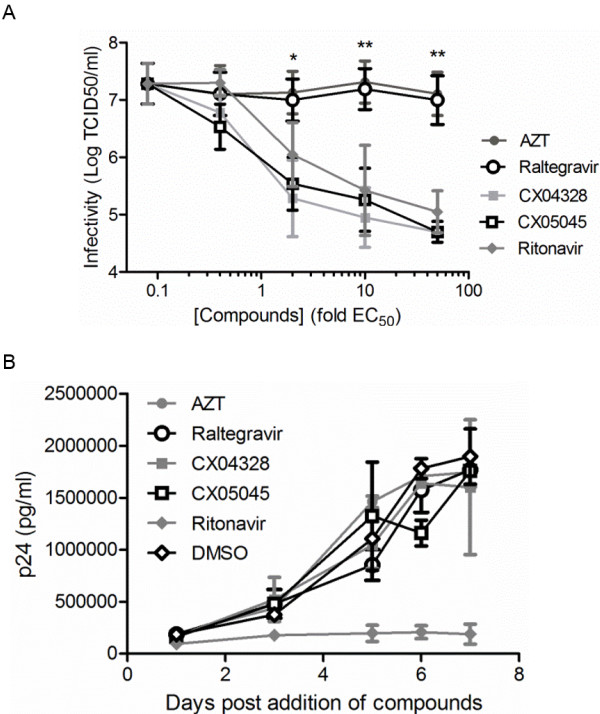
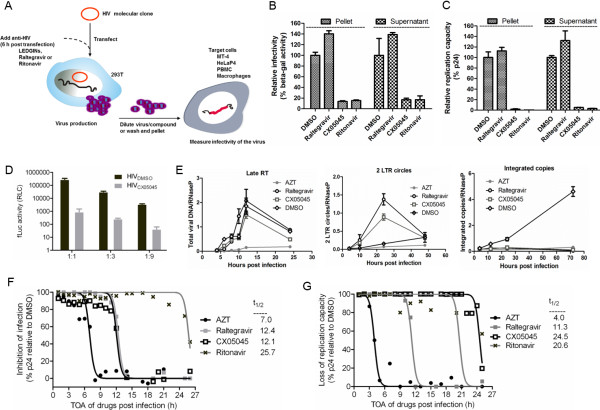
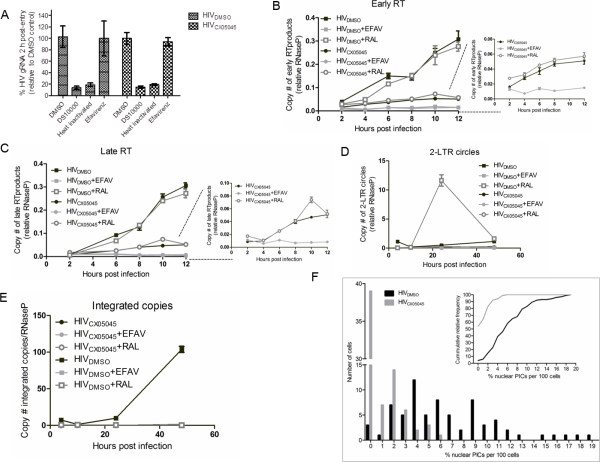
“While only AZT inhibited RT activity, both CX05045 and raltegravir significantly blocked integration resulting in an accumulation of 2long terminal repeat (2-LTR) circles at 24 hpi (Figure 2E), a hallmark of IN inhibitors [12,20,30].”
BackgroundHIV-1 Antiretroviral Drug Therapy
Arts, E. J., & Hazuda, D. J. (2012) · Cold Spring Harbor Perspectives in Medicine · doi:10.1101/cshperspect.a007161 · Cited by 851
HIV-1 Integrase Forms Stable Tetramers and Associates with LEDGF/p75 Protein in Human Cells
Cherepanov, P., Maertens, G., Proost, P., Devreese, B., Van Beeumen, J., Engelborghs, Y., De Clercq, E., & Debyser, Z. (2003) · Journal of Biological Chemistry · doi:10.1074/jbc.m209278200 · Cited by 704 · cited 1×
“Integration of lentiviruses including HIV is dictated by the specific interaction between IN and the cellular cofactor lens epithelium-derived growth factor (LEDGF/p75) that acts as a molecular tether linking IN to the chromatin [5-10].”
BackgroundSelf-citationA quantitative assay for HIV DNA integration in vivo
Butler, S. L., Hansen, M. S. T., & Bushman, F. D. (2001) · Nature Medicine · doi:10.1038/87979 · Cited by 687 · cited 2×
“DNA extractions and quantification of the kinetics of early and late reverse transcripts, 2-long terminal repeat (LTR) circles and integrants were done as described earlier [18,43].”
MethodA role for LEDGF/p75 in targeting HIV DNA integration
Ciuffi, A., Llano, M., Poeschla, E., Hoffmann, C., Leipzig, J., Shinn, P., Ecker, J. R., & Bushman, F. (2005) · Nature Medicine · doi:10.1038/nm1329 · Cited by 658 · cited 1×
“Integration of lentiviruses including HIV is dictated by the specific interaction between IN and the cellular cofactor lens epithelium-derived growth factor (LEDGF/p75) that acts as a molecular tether linking IN to the chromatin [5-10].”
BackgroundKim, S. Y., Byrn, R., Groopman, J., & Baltimore, D. (1989) · Journal of Virology · doi:10.1128/jvi.63.9.3708-3713.1989 · Cited by 577 · cited 1×
“Next, we designed and carried out a TOA experiment in MT-4 cells in which the antivirals were added every hour post infection and the supernatants were harvested 31 hpi, the average duration of a single HIV replication cycle in laboratory-adapted T cells [21,22].”
MethodAn essential role for LEDGF/p75 in HIV integration
Llano, M., Saenz, D. T., Meehan, A., Wongthida, P., Peretz, M., Walker, W. H., Teo, W., & Poeschla, E. M. (2006) · Science · doi:10.1126/science.1132319 · Cited by 537
LEDGF/p75 Is Essential for Nuclear and Chromosomal Targeting of HIV-1 Integrase in Human Cells
Maertens, G., Cherepanov, P., Pluymers, W., Busschots, K., De Clercq, E., Debyser, Z., & Engelborghs, Y. (2003) · Journal of Biological Chemistry · doi:10.1074/jbc.m303594200 · Cited by 493 · cited 1×
“Integration of lentiviruses including HIV is dictated by the specific interaction between IN and the cellular cofactor lens epithelium-derived growth factor (LEDGF/p75) that acts as a molecular tether linking IN to the chromatin [5-10].”
BackgroundSelf-citationChrist, F., Voet, A., Marchand, A., Nicolet, S., Desimmie, B. A., Marchand, D., Bardiot, D., Van der Veken, N. J., Van Remoortel, B., Strelkov, S. V., et al. (2010) · Nature Chemical Biology · doi:10.1038/nchembio.370 · Cited by 479
Self-citationMultiple effects of mutations in human immunodeficiency virus type 1 integrase on viral replication
Engelman, A., Englund, G., Orenstein, J. M., Martin, M. A., & Craigie, R. (1995) · Journal of Virology · doi:10.1128/jvi.69.5.2729-2736.1995 · Cited by 445 · cited 1×
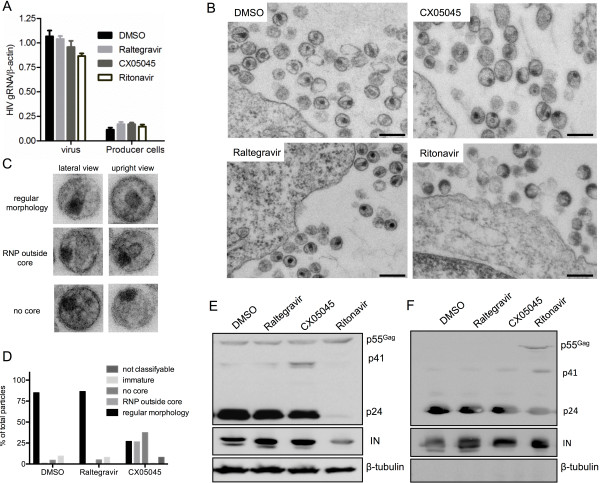
“The phenotype of empty cores with misplaced RNP was previously observed with IN mutants [32].”
Background
Research works printed but not linked: 2
- 19. Van Acker K, Lodewij K, Van Acker K, Lodewij k, August, BUNKENS L, Elisabeth, Louis, DAMS G, Karel, Julia, HERTOGS K, IVENS T, Pauline, Eduard, NIJS E, Jos, Amandus: Time-of-addition assay for identifying anti-viral compounds. World Intellectual Property Organization; 2005. WO/2005/ 028669.
- 31. Yant S, Tsai L, O'Sullivan C, Cihlar T, Balakrishnan M: Non-Catalytic Site Integrase Inhibitors Target the Integrase Domain during Virus Production and Induce a Reverse Transcription Block. 2013. http://www. retroconference.org/2013b/Abstracts/46625.htm.
Cited by
Items 101–156 of 156
Porte, A. L., Cano, J., Wu, X., Mitra, D., & Kalpana, G. V. (2016) · Journal of Virology · doi:10.1128/jvi.00323-16 · Cited by 12
“Additional studies have also shown that drugs (LEDGINs) that disrupt the interaction between IN and LEDGF, an essential cellular cofactor for IN, as well as allosteric inhibitors of IN (ALLINIs), impair particle morphogenesis and the infectivity of the virions (18, 19).”
BackgroundAgharbaoui, F. E., Hoyte, A. C., Ferro, S., Gitto, R., Buemi, M. R., Fuchs, J. R., Kvaratskhelia, M., & Luca, L. D. (2016) · European Journal of Medicinal Chemistry · doi:10.1016/j.ejmech.2016.07.077 · Cited by 11
Characterization of the Role of Host Cellular Factor Histone Deacetylase 10 during HIV-1 Replication
Ran, X., Ao, Z., Olukitibi, T. A., & Yao, X. (2019) · Viruses · doi:10.3390/v12010028 · Cited by 10
Host Factors in Retroviral Integration and the Selection of Integration Target Sites
Craigie, R., & Bushman, F. D. (2015) · ASM Press eBooks · doi:10.1128/9781555819217.ch45 · Cited by 10
A Conformational Escape Reaction of HIV-1 against an Allosteric Integrase Inhibitor
Nakamura, T., Nakamura, T., Amano, M., Miyakawa, T., Yamagata, Y., Matsuoka, M., & Nakata, H. (2020) · Journal of Virology · doi:10.1128/jvi.00486-20 · Cited by 9
“protein (RNP) is translocated from the capsid lattice during HIV-1 maturation (15, 17, 20).”
BackgroundMethodInfluentialSivaprakasam, P., Wang, Z., Meanwell, N. A., Khan, J., Langley, D. R., Johnson, S. R., Guo, L., Pendri, A., Connolly, T. P., Gao, M., et al. (2020) · Bioorganic & Medicinal Chemistry Letters · doi:10.1016/j.bmcl.2020.127531 · Cited by 9
Methods for the Analyses of Inhibitor-Induced Aberrant Multimerization of HIV-1 Integrase
Kessl, J. J., Sharma, A., & Kvaratskhelia, M. (2015) · Methods in molecular biology · doi:10.1007/978-1-4939-3046-3_10 · Cited by 9
HIV-1 Integrase Drug Discovery Comes of Age
Demeulemeester, J., Maeyer, M. D., & Debyser, Z. (2013) · Topics in medicinal chemistry · doi:10.1007/7355_2013_33 · Cited by 9
Self-citationPellaers, E., Bhat, A., Christ, F., & Debyser, Z. (2022) · Viruses · doi:10.3390/v15010032 · Cited by 8
“Moreover, the particles formed in the presence of LEDGINs are characterized by less efficient reverse transcription, nuclear import and integration [69,85,86].”
BackgroundInfluentialSelf-citationSun, Q., Vijayan, R. S. K., Levy, R. M., & Deng, N. (2020) · Protein Science · doi:10.1002/pro.4004 · Cited by 7
Cis-Allosteric Regulation of HIV-1 Reverse Transcriptase by Integrase
Masuda, T., Kotani, O., Yokoyama, M., Abe, Y., Kawai, G., & Sato, H. (2022) · Viruses · doi:10.3390/v15010031 · Cited by 6
“Meanwhile, the additional roles of IN at steps prior to integration, including viral maturation and reverse transcription, have been reported for HIV-1 [4,7–12], which has become a target for the development of a new class of IN inhibitors known as allosteric inhibitors (ALLINIs) [13,14].”
BackgroundAoki, M., Ogata-Aoki, H., Bulut, H., Hayashi, H., Takamune, N., Kishimoto, N., Tanaka, H., Higashi‐Kuwata, N., Hattori, S.-I., Das, D., et al. (2023) · Science Advances · doi:10.1126/sciadv.adg2955 · Cited by 6
Adachi, K., Manabe, T., Yamasaki, T., Suma, A., Orita, T., Furuzono, T., Adachi, T., Ohata, Y., Akiyama, Y., & Miyazaki, S. (2024) · Bioorganic & Medicinal Chemistry Letters · doi:10.1016/j.bmcl.2024.129864 · Cited by 5
Patacchini, E., Madia, V. N., Albano, A., Ruggieri, G., Messore, A., Ialongo, D., Saccoliti, F., Scipione, L., Cosconati, S., Koneru, P. C., et al. (2024) · ACS Medicinal Chemistry Letters · doi:10.1021/acsmedchemlett.4c00268 · Cited by 4
Wang, C., Adam, G. C., Burlein, C., Carroll, S. S., Dankulich, W., Diamond, T. L., Grobler, J. A., Heath, J., Johnson, A. J., Klein, D. J., et al. (2023) · Bioorganic & Medicinal Chemistry Letters · doi:10.1016/j.bmcl.2023.129303 · Cited by 4
Oligomerization of Retrovirus Integrases
Grandgenett, D. P., & Aihara, H. (2018) · Sub-cellular biochemistry/Subcellular biochemistry · doi:10.1007/978-981-10-8456-0_10 · Cited by 4
The Preserved HTH-Docking Cleft of HIV-1 Integrase Is Functionally Critical
Galilee, M., Britan‐Rosich, E., Griner, S. L., Uysal, S., Baumgärtel, V., Lamb, D. C., Kossiakoff, A. A., Kotler, M., Stroud, R. M., Marx, A., et al. (2016) · Structure · doi:10.1016/j.str.2016.08.015 · Cited by 4
“…production of non-infectious viral particles as a result of certain non-catalytic IN mutations or in response to allosteric IN inhibitors (ALLINIs) (Desimmie et al., 2013; Gupta et al., 2014; Jurado et al., 2013) emphasizes the multifunctional role facilitated by IN during HIV-1 replication and…”
BackgroundCellular proteins as potential targets for antiretroviral therapy
Mr, B. (2023) · Problems of Virology · doi:10.36233/0507-4088-207 · Cited by 3
Retroviral restriction: nature's own solution
Jones, C. E., & McKnight, Á. (2016) · Current Opinion in Infectious Diseases · doi:10.1097/qco.0000000000000322 · Cited by 3
Analysis of ex vivo HIV-1 infection in a controller-discordant couple
Madlala, P., de Velde, P. V., Remoortel, B. V., Vets, S., Wijngaerden, E. V., Laethem, K. V., Gijsbers, R., Schrijvers, R., & Debyser, Z. (2018) · Journal of Virus Eradication · doi:10.1016/s2055-6640(20)30268-5 · Cited by 3
“Cell lysates, harvested 48 h after transduction, were used for detection of integrated proviral HIV-1 DNA using Alu-Gag PCR, as previously described [18].”
MethodSelf-citationGetting IN on Viral RNA Condensation and Virion Maturation
Freed, E. O. (2016) · Cell · doi:10.1016/j.cell.2016.08.013 · Cited by 2
“More recently, a new class of IN-specific inhibitors referred to as allosteric IN inhibitors (ALLINIs) were shown to induce a similar phenotype (Balakrishnan et al., 2013; Desimmie et al., 2013; Fontana et al., 2015; Jurado et al., 2013).”
BackgroundKoneru, P. C. (2019) · OhioLink ETD Center (Ohio Library and Information Network) · Cited by 2
Noncoding RNAs in Retrovirus Replication
Duchon, A. A., & Musier-Forsyth, K. (2018) · Retrovirus-Cell Interactions · doi:10.1016/b978-0-12-811185-7.00012-1 · Cited by 1
“Previously, allosteric IN inhibitors (ALLINIs) had been shown to inhibit late stages of HIV1, disrupting viral maturation and resulting in impaired viral infectivity (Jurado et al., 2013; Fontana et al., 2015; Desimmie et al., 2013), although the mechanism was unknown.”
BackgroundКапуста, К., Sizochenko, N., Anderson, M. L., Kołodziejczyk, W., Voronkov, E. O., Saloni, J., Leszczyński, J., & Hill, G. (2020) · Journal of Biomolecular Structure and Dynamics · doi:10.1080/07391102.2020.1719203 · Cited by 1
“Such LEDGINs as 2-(quinolin-3-yl)acetic acid derivatives (Christ et al., 2012)-(Desimmie et al., 2013), aryl or heteroaryl-tertbutoxy-acetic acid family (Le Rouzic et al., 2013), thieno[2,3-b]pyridine derivatives and many others (Demeulemeester et al., 2014) have already been synthesized and tested.”
BackgroundRanaweera, A., Andino-Moncada, J. R., Dillon, S. E., Singh, S. P., Stagg, S. M., Engelman, A., Aiken, C., & Francis, A. C. (2026) · iScience · doi:10.1016/j.isci.2026.116378 · Cited by 1
“…morphology and mislocalization of vRNP-electron density outside of capsid structures following disruption of IN-gRNA interactions, 7,8,11,33,39 affinity captured cores (CCs) from ALLINI-treated or IN-deleted virions showed a strong depletion of gRNA, IN, and NC components—validating the…”
InfluentialAdachi, K., Manabe, T., Yamasaki, T., Suma, A., Ogoshi, Y., Takahashi, A., Orita, T., Nomura, A., Adachi, T., Ohata, Y., et al. (2025) · Bioorganic & Medicinal Chemistry · doi:10.1016/j.bmc.2025.118526 · Cited by 1
Nakamura, T., Campbell, J. R., Moore, A. R., Otsu, S., Aikawa, H., Tamamura, H., & Mitsuya, H. (2016) · Journal of Virological Methods · doi:10.1016/j.jviromet.2016.07.023 · Cited by 1
“…(inducing IN over-multimerization), resulting in the production of immature virions (late stage inhibition) (Christ et al., 2010, 2012; Tsiang et al., 2012; Kessl et al., 2012; Desimmie et al., 2013; Le Rouzic et al., 2013; Jurado et al., 2013; Balakrishnan et al., 2013; Sharma et al., 2014).”
BackgroundDesimmie, B. A., Schrijvers, R., Demeulemeester, J., Borrenberghs, D., Weydert, C., Thys, W., Vets, S., Remoortel, B. V., Hofkens, J., Rijck, J. D., et al. (2020) · Retrovirology · doi:10.1186/s12977-020-00530-4 · Cited by 1
Self-citationIdentification of specific phylogenetic properties of HIV-1 M and O integrases
Toccafondi, E. (2022) · theses.fr (ABES) · doi:10.70675/2facab6ezc20az472dz8350z9fb6e718e1d4 · Cited by 1
Patent Highlights October–November 2016
Mucke, H. A. (2017) · Pharmaceutical Patent Analyst · doi:10.4155/ppa-2017-0001
Amadori, C. (2016) · theses.fr (ABES) · doi:10.70675/2da75a32z2820z4ceaz8909zee47e88e36ee
“Au contraire la production de particules virales en présence de l’INLAI (CX05045) induit la synthèse de virions majoritairement eccentriques (figure 24B) [352].”
BackgroundInfluentialCeresola, E. R. (2019) · IrInSubria (University of Insubria)
Carta, F., & Sechi, M. (2023) · Elsevier eBooks · doi:10.1016/b978-0-12-823974-2.00006-1
Diversité des virus VIH-1 infectieux induits à partir du réservoir de patients sous traitement
Nicolas, A. (2020) · theses.fr (ABES) · doi:10.70675/7ddbca96z962dz41d9za522z516823fe8649
Retrointegration2023—Papers from the 7th International Conference on Retroviral Integration
Engelman, A., Grandgenett, D. P., Maertens, G. N., Yoder, K. E., & Kvaratskhelia, M. (2025) · Viruses · doi:10.3390/v17070879
“Such virions are defective for reverse transcription in the next round of infection, accounting for the potency of ALLINIs in inhibiting the late stage of HIV-1 replication [7,8,14,15].”
Torres, C., Lagadec, F., Basyuk, E. I., Recordon-Pinson, P., & Métifiot, M. (2025) · Viruses · doi:10.3390/v17081138
“Accordingly, molecules targeting the LEDGF binding site of IN were developed [14].”
Zhou, K., Lei, Y., Zhou, Y., & Zhan, J. (2025) · Journal of Virus Eradication · doi:10.1016/j.jve.2025.100610
“32 Split-GFP imaging subsequently revealed dynamic HIV-1 Gag assembly at plasma membrane budding sites.”
Current treatment of HIV and prospects for cure
Kŕause, W. (2025) · Exploration of Medicine · doi:10.37349/emed.2025.1001364
HIV nucleaire import en chromatine lezing als nieuwe doelwitten voor geneesmiddelenontwikkeling
Blokken, J. (2018) · Lirias
Structural And Biochemical Studies Of Hiv-1 Integration And Inhibition
Eilers, G. (2001) · Scholarly Commons (University of Pennsylvania)
Rol van integratie plaatsen in HIV-1 pathogenese
Vansant, G. (2020) · Lirias
Structuur en functie van DNA-eiwitcomplexen betrokken bij retrovirale integratie
Brouns, T. (2019) · Lirias
Van theorie tot praktijk: inzichten in FRET-metingen gebaseerd op phasor analyse
Coucke, Q. (2024) · Lirias
Caractérisation des voies d’échappement aux inhibiteurs d’intégrase du VIH-1
Thierry, E. (2015) · theses.fr (ABES) · doi:10.70675/602eaec1z5d9az4bb2za08dz10755e91efc2
Protéine kinase GCN2 et phosphorylation de l’intégrase du VIH-1
Jaspart, A. (2014) · theses.fr (ABES) · doi:10.70675/8d5920aaz4e0ez4d15zaa45z5aec133d5bbb
Molecular basis of the interaction between HIV-1 integrase and viral RNA
Rocchi, C. (2022) · theses.fr (ABES) · doi:10.70675/56a488fez1f79z4d34z81d9z905314a2ca30
The LEDGIN GS-9822 inhibits HIV-2 infection and enhances HIV-2 latency
Bruggemans, A., Vansant, G., Pellaers, E., de Velde, P. V., Christ, F., & Debyser, Z. (2026) · Microbiology Spectrum · doi:10.1128/spectrum.01699-25
“LEDGINs were designed to interrupt the LEDGF/p75-HIV-1 IN interaction specifically, and previous generations of LEDGINs were not effective against HIV-2 or SIV (23, 27, 44), which has hampered studies in non-human primate models.”
InfluentialSelf-citationHIV-1 Integrase C-terminal Domain Mutations Regulate ALLINI SensitivityPreprint
Kumar, A., Dinh, T., Mugisha, C. S., Boateng, A. T., Zhou, Q., Kvaratskhelia, M., & Kutluay, S. B. (2026) · bioRxiv (Cold Spring Harbor Laboratory) · doi:10.64898/2026.10.22.761050
Metadata
- Authors
- Desimmie, B. A., Schrijvers, R., Demeulemeester, J., Borrenberghs, D., Weydert, C., Thys, W., Vets, S., Van Remoortel, B., Hofkens, J., De Rijck, J., Hendrix, J., Bannert, N., Gijsbers, R., Christ, F., & Debyser, Z.
- Affiliations
- KU Leuven (BE)
- Robert Koch Institute (DE)
- Corresponding author
- Debyser, Zeger
- ORCID
- Venue
- Retrovirology
- Published
- 2013-05-30
- Volume
- 10
- Issue
- 1
- Pages
- 57-57
- ISSN
- 1742-4690 (ISSN-L)
- PMC
- PMC3671127
- OpenAlex
- W2129084136
- Cited by
- 139
- References
- 46
- Citations by year
- 2026: 2 · 2025: 7 · 2024: 4 · 2023: 9 · 2022: 10 · 2021: 9 · 2020: 13 · 2019: 10 · 2018: 15 · 2017: 11 · 2016: 19 · 2015: 11 · 2014: 14 · 2013: 5
- FWCI
- 11.86
- Type
- journal article
- Language
- en
- Update notices
- correction (2020-07-29)
- Open access
- gold
- doi.org
- Licence
- cc-by
- creativecommons.org/licenses/by/2.0 (tdm)
- creativecommons.org/licenses/by/2.0 (vor)
- Locations
- Retrovirology (publishedVersion, cc-by)
- Europe PMC (PubMed Central) (publishedVersion, cc-by)
- PubMed Central (publishedVersion, cc-by)
- PubMed (publishedVersion)
- Lirias (submittedVersion, other-oa)
- Publication server of the Robert Koch Institute (Robert Kock Institute) (submittedVersion)
- Funders
- Fonds Wetenschappelijk Onderzoek
- KU Leuven
- Vlaamse regering
- Topics
- Health Sciences › Medicine › Infectious Diseases › HIV/AIDS drug development and treatment
- Life Sciences › Immunology and Microbiology › Virology › HIV Research and Treatment
- Life Sciences › Biochemistry, Genetics and Molecular Biology › Genetics › Virus-based gene therapy research
- Keywords
- HIV-1 integrase inhibitors, integrase multimerization, LEDGF/p75, viral infectivity, reverse transcription, nuclear import, allosteric inhibition, HIV-1 integration
- MeSH terms
- Cells, Cultured, Humans, Leukocytes, Mononuclear, Virus Replication, HIV-1, Virus Assembly, HIV Integrase, HIV Integrase Inhibitors, Protein Multimerization
About these checks
Registry, retraction, Cites and statistics results are computed, not judged, with one exception: a printed reference that no index lists is read once by a model before it counts as a citation error. Claims are extracted by a model and kept only when their quote appears verbatim in the text; each cited source is then checked, with a model’s help, for whether it says what the claim relies on. Those verdicts can be wrong — read the claim’s quote and the cited source before relying on one.
Statistics and arithmetic are recomputed, not judged.
Confidence bands are shown only for fields calibrated on our annotated test set. None is calibrated yet, so no band is shown.
What counts as a claim ›How we measure confidence ›How we check this ›
Are you an author, or do you see a problem with this page? Request a review
Data sources
Bibliographic data: Semantic Scholar, OpenAlex, Crossref.
Contains information from the Semantic Scholar Academic Graph Datasets, made available under the ODC Attribution License (ODC-BY 1.0).
Semantic Scholar’s data is described in: Kinney, R., et al. (2023). The Semantic Scholar Open Data Platform. arXiv:2301.10140.
