

LEDGINs inhibit late stage HIV-1 replication by modulating integrase multimerization in the virions
Open accessThe DOI matches its Crossref record; 45 of the 46 references it cites were found in a registry or an index.
Abstract
Background: LEDGINs are novel allosteric HIV integrase (IN) inhibitors that target the lens epithelium-derived growth factor (LEDGF)/p75 binding pocket of IN. They block HIV-1 integration by abrogating the interaction between LEDGF/p75 and IN as well as by allosterically inhibiting the catalytic activity of IN. Results: Here we demonstrate that LEDGINs reduce the replication capacity of HIV particles produced in their presence. We systematically studied the molecular basis of this late effect of LEDGINs and demonstrate that HIV virions produced in their presence display a severe replication defect. Both the late effect and the previously described, early effect on integration contribute to LEDGIN antiviral activity as shown by time-of-addition, qPCR and infectivity assays. The late effect phenotype requires binding of LEDGINs to integrase without influencing proteolytic cleavage or production of viral particles. LEDGINs augment IN multimerization during virion assembly or in the released viral particles and severely hamper the infectivity of progeny virions. About 70% of the particles produced in LEDGIN-treated cells do not form a core or display aberrant empty cores with a mislocalized electron-dense ribonucleoprotein. The LEDGIN-treated virus displays defective reverse transcription and nuclear import steps in the target cells. The LEDGIN effect is possibly exerted at the level of the Pol precursor polyprotein. Conclusion: Our results suggest that LEDGINs modulate IN multimerization in progeny virions and impair the formation of regular cores during the maturation step, resulting in a decreased infectivity of the viral particles in the target cells. LEDGINs thus profile as unique antivirals with combined early (integration) and late (IN assembly) effects on the HIV replication cycle.
Overview
The claims and statistics of this paper haven’t been checked yet.
Free: it reads the open-access text and checks the first 5 claims that cite a source we can check. Create a free account to check every claim.
Integrity signals
Registry
Cites
Statistics
Figures
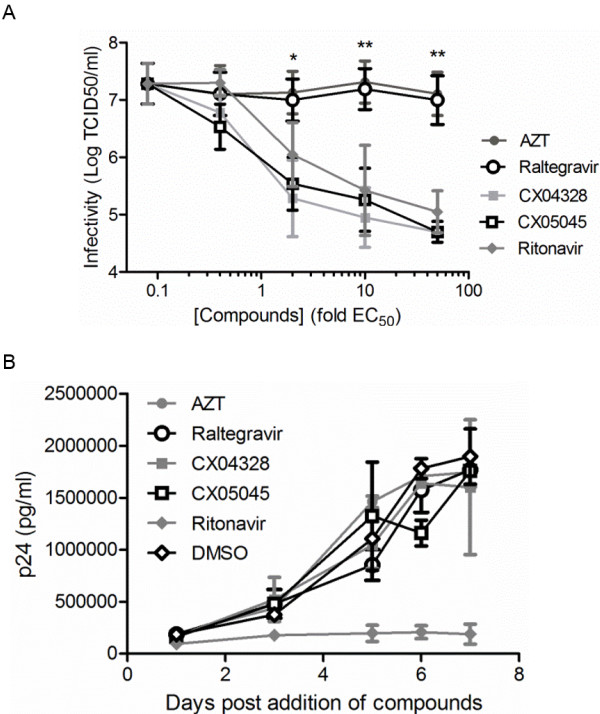
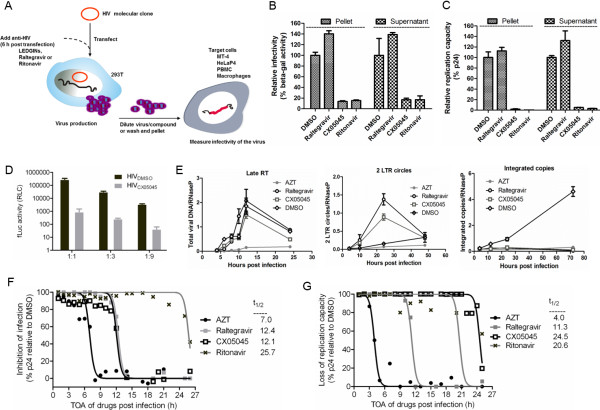
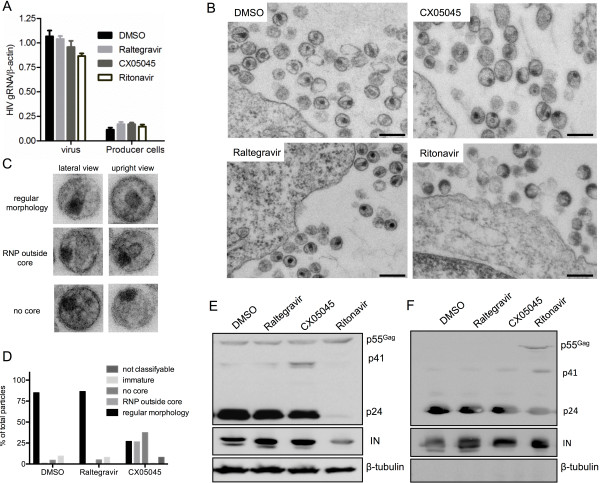
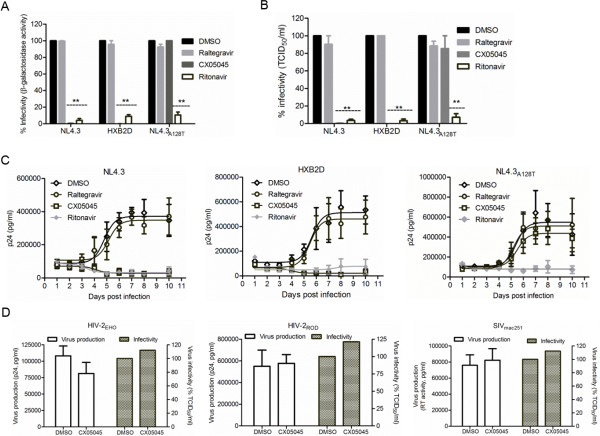
Verification
Claims the paper makes
The claims and statistics of this paper haven’t been checked yet.
Free: it reads the open-access text and checks the first 5 claims that cite a source we can check. Create a free account to check every claim.
Claims other papers make about this one
Each is checked against this paper’s own text: does it say what the citing paper says it does?
The cited source doesn’t support the claim as written.
In the citing paper
“Counterintuitively, the underlying mode of ALLINI action is not via inhibition of integration140,142,174–177,179–181.”
From Structure and function of retroviral integrase (2022) · cites this paper as [176]
Checked by a reasoning model — may be wrong.
Experimental — accuracy not yet measuredThe source backs part of the claim, not all of it — or backs it for a different population, condition or comparison.
In the citing paper
“Under these conditions, it became clear that HIV-1 was more susceptible to ALLINIs when exposed to the compounds during egress as compared to ingress140,142,174–176.”
From Structure and function of retroviral integrase (2022) · cites this paper as [176]
Experimental — accuracy not yet measuredThe source backs part of the claim, not all of it — or backs it for a different population, condition or comparison.
In the citing paper
“Detailed analysis of virus particles produced in the presence of ALLINIs revealed that although viral RNA and proteins were incorporated properly, IN-RNA binding was disrupted, and the ribonucleoprotein complex was located eccentrically (Fig. 6B)140–142,174–176.”
From Structure and function of retroviral integrase (2022) · cites this paper as [176]
Experimental — accuracy not yet measuredThe source backs part of the claim, not all of it — or backs it for a different population, condition or comparison.
In the citing paper
“The common biochemical consequence of ALLINI binding is aberrant HIV-1 IN hyper-multimerization140,142,174–181.”
From Structure and function of retroviral integrase (2022) · cites this paper as [176]
Experimental — accuracy not yet measured
Self-check
Percentages, sums and reported differences re-computed from the paper’s own numbers.
The self-check needs the paper’s full text.
Citations
Cites
Inhibitors of Strand Transfer That Prevent Integration and Inhibit HIV-1 Replication in Cells
Hazuda, D. J., Felock, P., Witmer, M., Wolfe, A., Stillmock, K., Grobler, J. A., Espeseth, A., Gabryelski, L., Schleif, W., Blau, C., et al. (2000) · Science · doi:10.1126/science.287.5453.646 · Cited by 1,131 · cited 2×
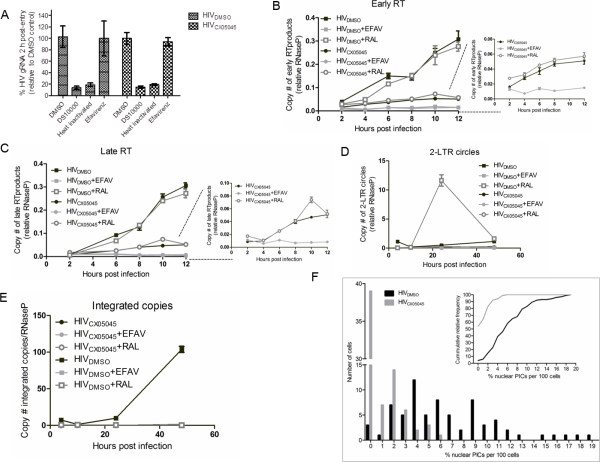
“While only AZT inhibited RT activity, both CX05045 and raltegravir significantly blocked integration resulting in an accumulation of 2long terminal repeat (2-LTR) circles at 24 hpi (Figure 2E), a hallmark of IN inhibitors [12,20,30].”
BackgroundHIV-1 Antiretroviral Drug Therapy
Arts, E. J., & Hazuda, D. J. (2012) · Cold Spring Harbor Perspectives in Medicine · doi:10.1101/cshperspect.a007161 · Cited by 851
HIV-1 Integrase Forms Stable Tetramers and Associates with LEDGF/p75 Protein in Human Cells
Cherepanov, P., Maertens, G., Proost, P., Devreese, B., Van Beeumen, J., Engelborghs, Y., De Clercq, E., & Debyser, Z. (2003) · Journal of Biological Chemistry · doi:10.1074/jbc.m209278200 · Cited by 704 · cited 1×
“Integration of lentiviruses including HIV is dictated by the specific interaction between IN and the cellular cofactor lens epithelium-derived growth factor (LEDGF/p75) that acts as a molecular tether linking IN to the chromatin [5-10].”
BackgroundSelf-citationA quantitative assay for HIV DNA integration in vivo
Butler, S. L., Hansen, M. S. T., & Bushman, F. D. (2001) · Nature Medicine · doi:10.1038/87979 · Cited by 687 · cited 2×
“DNA extractions and quantification of the kinetics of early and late reverse transcripts, 2-long terminal repeat (LTR) circles and integrants were done as described earlier [18,43].”
MethodA role for LEDGF/p75 in targeting HIV DNA integration
Ciuffi, A., Llano, M., Poeschla, E., Hoffmann, C., Leipzig, J., Shinn, P., Ecker, J. R., & Bushman, F. (2005) · Nature Medicine · doi:10.1038/nm1329 · Cited by 658 · cited 1×
“Integration of lentiviruses including HIV is dictated by the specific interaction between IN and the cellular cofactor lens epithelium-derived growth factor (LEDGF/p75) that acts as a molecular tether linking IN to the chromatin [5-10].”
BackgroundKim, S. Y., Byrn, R., Groopman, J., & Baltimore, D. (1989) · Journal of Virology · doi:10.1128/jvi.63.9.3708-3713.1989 · Cited by 577 · cited 1×
“Next, we designed and carried out a TOA experiment in MT-4 cells in which the antivirals were added every hour post infection and the supernatants were harvested 31 hpi, the average duration of a single HIV replication cycle in laboratory-adapted T cells [21,22].”
MethodAn essential role for LEDGF/p75 in HIV integration
Llano, M., Saenz, D. T., Meehan, A., Wongthida, P., Peretz, M., Walker, W. H., Teo, W., & Poeschla, E. M. (2006) · Science · doi:10.1126/science.1132319 · Cited by 537
LEDGF/p75 Is Essential for Nuclear and Chromosomal Targeting of HIV-1 Integrase in Human Cells
Maertens, G., Cherepanov, P., Pluymers, W., Busschots, K., De Clercq, E., Debyser, Z., & Engelborghs, Y. (2003) · Journal of Biological Chemistry · doi:10.1074/jbc.m303594200 · Cited by 493 · cited 1×
“Integration of lentiviruses including HIV is dictated by the specific interaction between IN and the cellular cofactor lens epithelium-derived growth factor (LEDGF/p75) that acts as a molecular tether linking IN to the chromatin [5-10].”
BackgroundSelf-citationChrist, F., Voet, A., Marchand, A., Nicolet, S., Desimmie, B. A., Marchand, D., Bardiot, D., Van der Veken, N. J., Van Remoortel, B., Strelkov, S. V., et al. (2010) · Nature Chemical Biology · doi:10.1038/nchembio.370 · Cited by 479
Self-citationMultiple effects of mutations in human immunodeficiency virus type 1 integrase on viral replication
Engelman, A., Englund, G., Orenstein, J. M., Martin, M. A., & Craigie, R. (1995) · Journal of Virology · doi:10.1128/jvi.69.5.2729-2736.1995 · Cited by 445 · cited 1×
“The phenotype of empty cores with misplaced RNP was previously observed with IN mutants [32].”
Background
Research works printed but not linked: 2
- 19. Van Acker K, Lodewij K, Van Acker K, Lodewij k, August, BUNKENS L, Elisabeth, Louis, DAMS G, Karel, Julia, HERTOGS K, IVENS T, Pauline, Eduard, NIJS E, Jos, Amandus: Time-of-addition assay for identifying anti-viral compounds. World Intellectual Property Organization; 2005. WO/2005/ 028669.
- 31. Yant S, Tsai L, O'Sullivan C, Cihlar T, Balakrishnan M: Non-Catalytic Site Integrase Inhibitors Target the Integrase Domain during Virus Production and Induce a Reverse Transcription Block. 2013. http://www. retroconference.org/2013b/Abstracts/46625.htm.
Cited by
Lesbats, P., Engelman, A. N., & Cherepanov, P. (2016) · Chemical Reviews · doi:10.1021/acs.chemrev.6b00125 · Cited by 233
Hindmarsh, P., & Leis, J. (1999) · Microbiology and Molecular Biology Reviews · doi:10.1128/mmbr.63.4.836-843.1999 · Cited by 202
Nuclear landscape of HIV-1 infection and integration
Lušić, M., & Siliciano, R. F. (2016) · Nature Reviews Microbiology · doi:10.1038/nrmicro.2016.162 · Cited by 206
Block-And-Lock Strategies to Cure HIV Infection
Vansant, G., Bruggemans, A., Janssens, J., & Debyser, Z. (2020) · Viruses · doi:10.3390/v12010084 · Cited by 169
Self-citationHIV-1 Integrase Binds the Viral RNA Genome and Is Essential during Virion Morphogenesis
Kessl, J. J., Kutluay, S. B., Townsend, D., Rebensburg, S., Slaughter, A., Larue, R. C., Shkriabai, N., Bakouche, N., Fuchs, J. R., Bieniasz, P. D., et al. (2016) · Cell · doi:10.1016/j.cell.2016.07.044 · Cited by 152
Establishment of latent HIV-1 reservoirs: what do we really know?
Vanhamel, J., Bruggemans, A., & Debyser, Z. (2019) · Journal of Virus Eradication · doi:10.1016/s2055-6640(20)30275-2 · Cited by 152
Self-citationLe Rouzic, E., Bonnard, D., Chasset, S., Bruneau, J.-M., Chevreuil, F., Le Strat, F., Nguyen, J., Beauvoir, R., Amadori, C., Brias, J., et al. (2013) · Retrovirology · doi:10.1186/1742-4690-10-144 · Cited by 127
“An inhibitory effect of LEDGINs on the infectivity of progeny virions has been reported lately [35,41-45].”
BackgroundInfluentialStructure and function of retroviral integrase
Maertens, G. N., Engelman, A. N., & Cherepanov, P. (2022) · Nature Reviews Microbiology · doi:10.1038/s41579-021-00586-9 · Cited by 124
A New Class of Multimerization Selective Inhibitors of HIV-1 Integrase
Sharma, A., Slaughter, A., Jena, N., Feng, L., Kessl, J. J., Fadel, H. J., Malani, N., Male, F., Wu, L., Poeschla, E., et al. (2014) · PLoS Pathogens · doi:10.1371/journal.ppat.1004171 · Cited by 124
“Strikingly, RNPs were mislocalized between the core and viral membrane [38,41,42].”
BackgroundVranckx, L. S., Demeulemeester, J., Saleh, S., Boll, A., Vansant, G., Schrijvers, R., Weydert, C., Battivelli, E., Verdin, E., Cereseto, A., et al. (2016) · EBioMedicine · doi:10.1016/j.ebiom.2016.04.039 · Cited by 113
Self-citationCellular and molecular mechanisms of HIV-1 integration targeting
Engelman, A., & Singh, P. K. (2018) · Cellular and Molecular Life Sciences · doi:10.1007/s00018-018-2772-5 · Cited by 115
Host factors for retroviral integration site selection
Debyser, Z., Christ, F., Rijck, J. D., & Gijsbers, R. (2014) · Trends in Biochemical Sciences · doi:10.1016/j.tibs.2014.12.001 · Cited by 104
Self-citationPreclinical Profile of BI 224436, a Novel HIV-1 Non-Catalytic-Site Integrase Inhibitor
Fenwick, C., Amad, M., Bailey, M. D., Bethell, R., Bös, M., Bonneau, P., Cordingley, M., Coulombe, R., Duan, J., Edwards, P., et al. (2014) · Antimicrobial Agents and Chemotherapy · doi:10.1128/aac.02719-13 · Cited by 99
“This was shown by evaluating the formation of electron-dense HIV-1 cores by electron microscopy (43, 44, 53).”
MethodLEDGINs, non-catalytic site inhibitors of HIV-1 integrase: a patent review (2006 – 2014)
Demeulemeester, J., Chaltin, P., Marchand, A., De Maeyer, M., Debyser, Z., & Christ, F. (2014) · Expert Opinion on Therapeutic Patents · doi:10.1517/13543776.2014.898753 · Cited by 83
“Possibly due to this reduced competition, LEDGIN potency at the late stage may be higher than at the early stage [106,115,116] and the overall potency of LEDGINs in multiple round Upright view Lateral view”
BackgroundInfluentialSelf-citationFontana, J., Jurado, K. A., Cheng, N., Ly, N. L., Fuchs, J. R., Gorelick, R. J., Engelman, A. N., & Steven, A. C. (2015) · Journal of Virology · doi:10.1128/jvi.01522-15 · Cited by 96
Multifaceted HIV integrase functionalities and therapeutic strategies for their inhibition
Engelman, A. N. (2019) · Journal of Biological Chemistry · doi:10.1074/jbc.rev119.006901 · Cited by 78
“Whereas recombinant T124N virus was, as expected, similarly infectious as the WT, the infectivity of T124N/T174I was reduced almost 1,000-fold, and T124N/T174I virions failed to mature due to processing defects in both Gag and Gag-Pol precursor proteins (243).”
BackgroundInfluentialThe role of integration and clonal expansion in HIV infection: live long and prosper
Anderson, E. M., & Maldarelli, F. M. (2018) · Retrovirology · doi:10.1186/s12977-018-0448-8 · Cited by 86
Allosteric Inhibition of Human Immunodeficiency Virus Integrase
Gupta, K., Brady, T., Dyer, B. M., Malani, N., Hwang, Y., Male, F., Nolte, R. T., Wang, L., Velthuisen, E., Jeffrey, J., et al. (2014) · Journal of Biological Chemistry · doi:10.1074/jbc.m114.551119 · Cited by 81
“We thus conclude that GSK1264 exerts its effects primarily in the late steps of the viral replication cycle, resulting in the formation of replication-deficient particles, a conclusion that has also been reached by others in studies of structurally related molecules (20, 22, 23, 25, 26).”
BackgroundResultThe chromatin landscape at the HIV-1 provirus integration site determines viral expression
Vansant, G., Chen, H.-C., Zorita, E., Trejbalová, K., Miklík, D., Filion, G., & Debyser, Z. (2020) · Nucleic Acids Research · doi:10.1093/nar/gkaa536 · Cited by 78
Self-citationFadel, H. J., Morrison, J. H., Saenz, D. T., Fuchs, J. R., Kvaratskhelia, M., Ekker, S. C., & Poeschla, E. M. (2014) · Journal of Virology · doi:10.1128/jvi.01397-14 · Cited by 70
“This finding is consistent with data showing that proteolytic processing of the Gag-Pol precursor assessed by immunoblotting was unaffected by several allosteric integrase inhibitors (BI-D, GS-A, GS-B, and CXC05045), while the particle morphology was strongly aberrant (23, 27, 28), and that virion endogenous RT activi…”
BackgroundResultMultiple, Switchable Protein:RNA Interactions Regulate Human Immunodeficiency Virus Type 1 Assembly
Bieniasz, P., & Telesnitsky, A. (2018) · Annual Review of Virology · doi:10.1146/annurev-virology-092917-043448 · Cited by 64
HIV-1 Integrase Multimerization as a Therapeutic Target
Feng, L., Larue, R. C., Slaughter, A., Kessl, J. J., & Kvaratskhelia, M. (2015) · Current Topics in Microbiology and Immunology · doi:10.1007/82_2015_439 · Cited by 45
“(i) The protein cross-linking and florescence studies have revealed that ALLINI treatments enhanced IN multimerization in virions (Balakrishnan et al. 2013; Sharma et al. 2014; Desimmie et al. 2013; Jurado et al. 2013).”
BackgroundInfluentialIntegrase-RNA interactions underscore the critical role of integrase in HIV-1 virion morphogenesis
Elliott, J. L., Eschbach, J. E., Koneru, P. C., Li, W., Puray-Chavez, M., Townsend, D., Lawson, D. Q., Engelman, A. N., Kvaratskhelia, M., & Kutluay, S. B. (2020) · eLife · doi:10.7554/elife.54311 · Cited by 59
“Eccentric virions generated via class II IN substitutions or ALLINI treatment are defective 93 for reverse transcription in target cells [10, 11, 17, 19-21, 23, 25-44, 48, 49, 51, 54, 58, 62] 94 despite containing equivalent levels of RT and vRNA genome as wild type (WT) particles [26, 95”
BackgroundMethodHost Factors in Retroviral Integration and the Selection of Integration Target Sites
Craigie, R., & Bushman, F. D. (2014) · Microbiology Spectrum · doi:10.1128/microbiolspec.mdna3-0026-2014 · Cited by 45
Recent Advances in the Discovery of Small-Molecule Inhibitors of HIV-1 Integrase
Choi, E., Mallareddy, J. R., Lu, D., & Kolluru, S. (2018) · Future Science OA · doi:10.4155/fsoa-2018-0060 · Cited by 51
Going beyond Integration: The Emerging Role of HIV-1 Integrase in Virion Morphogenesis
Elliott, J. L., & Kutluay, S. B. (2020) · Viruses · doi:10.3390/v12091005 · Cited by 51
HIV-1 integrase tetramers are the antiviral target of pyridine-based allosteric integrase inhibitors
Koneru, P. C., Francis, A. C., Deng, N., Rebensburg, S. V., Hoyte, A. C., Lindenberger, J., Adu-Ampratwum, D., Larue, R. C., Wempe, M. F., Engelman, A. N., et al. (2019) · eLife · doi:10.7554/elife.46344 · Cited by 49
Serrao, E., Xu, Z.-L., Debnath, B., Christ, F., Debyser, Z., Long, Y.-Q., & Neamati, N. (2013) · Bioorganic & Medicinal Chemistry · doi:10.1016/j.bmc.2013.07.047 · Cited by 47
Self-citationMultimodal mechanism of action of allosteric HIV-1 integrase inhibitors
Jurado, K. A., & Engelman, A. (2013) · Expert Reviews in Molecular Medicine · doi:10.1017/erm.2013.15 · Cited by 40
Debyser, Z., Vansant, G., Bruggemans, A., Janssens, J., & Christ, F. (2018) · Viruses · doi:10.3390/v11010012 · Cited by 46
Self-citationBonnard, D., Le Rouzic, E., Eiler, S., Amadori, C., Orlov, I., Bruneau, J.-M., Brias, J., Barbion, J., Chevreuil, F., Spehner, D., et al. (2018) · Journal of Biological Chemistry · doi:10.1074/jbc.m117.816793 · Cited by 42
“Given their dual biochemical activities, INLAIs were shown to block HIV-1 replication at two different steps: the inhibition of IN-LEDGF/p75-binding accounts for an “early” block at integration, and the INLAI-promoted IN multimerization results in a “late” effect during virus maturation (11, 12, 17, 18).”
BackgroundInduced Maturation of Human Immunodeficiency Virus
Mattei, S., Anders, M., Konvalinka, J., Kräusslich, H.-G., Briggs, J. A. G., & Müller, B. (2014) · Journal of Virology · doi:10.1128/jvi.02271-14 · Cited by 42
Slaughter, A., Jurado, K. A., Deng, N., Feng, L., Kessl, J. J., Shkriabai, N., Larue, R. C., Fadel, H. J., Patel, P. A., Jena, N., et al. (2014) · Retrovirology · doi:10.1186/s12977-014-0100-1 · Cited by 39
“Virions produced in the presence of ALLINIs exhibited an eccentric morphology characterized by the electron dense material being mislocalized outside of the capsid core and were furthermore defective for reverse transcription during the subsequent round of infection [39,45,46].”
BackgroundMultimodal Functionalities of HIV-1 Integrase
Engelman, A., & Kvaratskhelia, M. (2022) · Viruses · doi:10.3390/v14050926 · Cited by 41
“Accordingly, viruses made from ALLINI-treated cells harbor a predominance of eccentric particles [7,58,176,210,223,224,226,229–231] and are defective for reverse transcription [58,140,176,210,223] due to preferential degradation of IN and vRNA in infected target cells [57,111].”
BackgroundInfluentialDifferent Pathways Leading to Integrase Inhibitors Resistance
Thierry, E., Deprez, E., & Delelis, O. (2017) · Frontiers in Microbiology · doi:10.3389/fmicb.2016.02165 · Cited by 40
“Second, they can favor the formation of inactive IN multimers (Desimmie et al., 2013; Le Rouzic et al., 2013).”
BackgroundMaehigashi, T., Ahn, S., Kim, U.-I., Lindenberger, J. J., Oo, A., Koneru, P. C., Mahboubi, B., Engelman, A., Kvaratskhelia, M., Kim, K., et al. (2021) · PLoS Pathogens · doi:10.1371/journal.ppat.1009671 · Cited by 40
Dynamic Oligomerization of Integrase Orchestrates HIV Nuclear Entry
Borrenberghs, D., Dirix, L., Wit, F. D., Rocha, S., Blokken, J., Houwer, S. D., Gijsbers, R., Christ, F., Hofkens, J., Hendrix, J., et al. (2016) · Scientific Reports · doi:10.1038/srep36485 · Cited by 38
“In contrast to the viral particles used in previous studies 49,53,54 , we now retained the wild-type (WT) IN sequence (and not the catalysis defective D64E mutant 53,55 ) in the packaging construct, resulting in viral particles that maintain 100% of the WT single-round infectivity (Fig.”
InfluentialSelf-citationRetroviral Integrase: Then and Now
Andrake, M., & Skalka, A. M. (2015) · Annual Review of Virology · doi:10.1146/annurev-virology-100114-055043 · Cited by 38
Feng, L., Dharmarajan, V., Serrao, E., Hoyte, A., Larue, R. C., Slaughter, A., Sharma, A., Plumb, M. R., Kessl, J. J., Fuchs, J. R., et al. (2016) · ACS Chemical Biology · doi:10.1021/acschembio.6b00167 · Cited by 37
“improper maturation of virus particles (26, 28, 35-37).”
HIV-1 Gag as an Antiviral Target: Development of Assembly and Maturation Inhibitors
Spearman, P. W. (2015) · Current Topics in Medicinal Chemistry · doi:10.2174/1568026615666150902102143 · Cited by 38
Zhang, D., Yan, H.-L., Xu, X., Xu, L., Yin, Z., Chang, S., & Luo, H. (2020) · Journal of Enzyme Inhibition and Medicinal Chemistry · doi:10.1080/14756366.2020.1743282 · Cited by 37
Deng, N., Hoyte, A., Mansour, Y. E., Mohamed, M. S., Fuchs, J. R., Engelman, A. N., Kvaratskhelia, M., & Levy, R. (2016) · Protein Science · doi:10.1002/pro.2997 · Cited by 36
Madison, M. K., Lawson, D. Q., Elliott, J., Ozantürk, A. N., Koneru, P. C., Townsend, D., Errando, M., Kvaratskhelia, M., & Kutluay, S. B. (2017) · Journal of Virology · doi:10.1128/jvi.00821-17 · Cited by 34
GS-9822, a Preclinical LEDGIN Candidate, Displays a Block-and-Lock Phenotype in Cell Culture
Bruggemans, A., Vansant, G., Balakrishnan, M., Mitchell, M. L., Cai, R., Christ, F., & Debyser, Z. (2021) · Antimicrobial Agents and Chemotherapy · doi:10.1128/aac.02328-20 · Cited by 35
“The source of this chimeric molecular clone is the HIV-1 NY5 isolate (59) and the HIV-1 LAV isolate (39) cloned directly from genomic DNA (83–85).”
BackgroundSelf-citationGuo, L., Meanwell, N. A., Krystal, M., Langley, D. R., Naidu, B. N., Sivaprakasam, P., Lewis, H. A., Kish, K., Khan, J., Ng, A., et al. (2020) · Journal of Medicinal Chemistry · doi:10.1021/acs.jmedchem.9b01681 · Cited by 35
Protein–protein and protein–chromatin interactions of LEDGF/p75 as novel drug targets
Blokken, J., Rijck, J. D., Christ, F., & Debyser, Z. (2017) · Drug Discovery Today Technologies · doi:10.1016/j.ddtec.2017.11.002 · Cited by 34
Self-citationImpact of LEDGIN treatment during virus production on residual HIV-1 transcription
Vansant, G., Vranckx, L. S., Zurnic, I., Looveren, D. V., de Velde, P. V., Nobles, C. L., Gijsbers, R., Christ, F., & Debyser, Z. (2019) · Retrovirology · doi:10.1186/s12977-019-0472-3 · Cited by 33
Self-citationShkriabai, N., Dharmarajan, V., Slaughter, A., Kessl, J. J., Larue, R. C., Feng, L., Fuchs, J. R., Griffin, P. R., & Kvaratskhelia, M. (2014) · Journal of Biological Chemistry · doi:10.1074/jbc.m114.589572 · Cited by 30
“In infected cells, ALLINIs impair both the early and late stage of HIV-1 replication underscoring the multifunctional nature of IN during HIV-1 replication (12, 39, 44, 45).”
BackgroundHoyte, A. C., Jamin, A. V., Koneru, P. C., Kobe, M. J., Larue, R. C., Fuchs, J. R., Engelman, A. N., & Kvaratskhelia, M. (2017) · Journal of Biological Chemistry · doi:10.1074/jbc.m117.816645 · Cited by 30
Second Generation Imaging of Nuclear/Cytoplasmic HIV-1 Complexes
Francis, A. C., Di Primio, C., Quercioli, V., Valentini, P., Boll, A., Girelli, G., Demichelis, F., Arosio, D., & Cereseto, A. (2014) · AIDS Research and Human Retroviruses · doi:10.1089/aid.2013.0277 · Cited by 27
“9,10 15 This result might be explained by improper formation of functional IN tetramers.”
Patel, D., Antwi, J., Koneru, P. C., Serrao, E., Forli, S., Kessl, J. J., Feng, L., Deng, N., Levy, R. M., Fuchs, J. R., et al. (2016) · Journal of Biological Chemistry · doi:10.1074/jbc.m116.753384 · Cited by 30
“particle maturation, likely due to reduced competition with LEDGF/p75 (20,24-28).”
BackgroundParveen, N., Borrenberghs, D., Rocha, S., & Hendrix, J. (2018) · Viruses · doi:10.3390/v10050250 · Cited by 31
Self-citationJanssens, J., De Wit, F., Parveen, N., & Debyser, Z. (2022) · mBio · doi:10.1128/mbio.00007-22 · Cited by 28
“LEDGINs potently inhibit HIV-1 replication by interfering with both the integration and virus assembly steps (24, 27, 31).”
BackgroundSelf-citationvan Bel, N., van der Velden, Y., Bonnard, D., Le Rouzic, E., Das, A. T., Benarous, R., & Berkhout, B. (2014) · PLoS ONE · doi:10.1371/journal.pone.0103552 · Cited by 23
“This result confirms earlier reports that used qPCR methods to quantify HIV-1 RNA [15,16].”
BackgroundResultInfluentialAnderson-Daniels, J., Singh, P. K., Sowd, G. A., Li, W., Engelman, A. N., & Aiken, C. (2019) · Journal of Virology · doi:10.1128/jvi.01118-19 · Cited by 23
The Multifaceted Contributions of Chromatin to HIV-1 Integration, Transcription, and Latency
Crignis, E. D., & Mahmoudi, T. (2016) · International review of cytology · doi:10.1016/bs.ircmb.2016.08.006 · Cited by 24
“during virion maturation, the increased multimerization of IN impairs the formation of regular cores and thus decreases the infectivity of newly synthetized viruses (Desimmie et al., 2013).”
BackgroundEsposito, F., Sechi, M., Pala, N., Sanna, A., Koneru, P. C., Kvaratskhelia, M., Naesens, L. M. J., Corona, A., Grandi, N., Santo, R. D., et al. (2019) · Antiviral Research · doi:10.1016/j.antiviral.2019.104671 · Cited by 24
Impact of Chromatin on HIV Replication
Agosto, L. M., Gagné, M., & Henderson, A. J. (2015) · Genes · doi:10.3390/genes6040957 · Cited by 24
Multifunctional facets of retrovirus integrase
Grandgenett, D. P., Pandey, K. K., Bera, S., & Aihara, H. (2015) · World Journal of Biological Chemistry · doi:10.4331/wjbc.v6.i3.83 · Cited by 23
Amadori, C., van der Velden, Y. U., Bonnard, D., Orlov, I., van Bel, N., Le Rouzic, E., Miralles, L., Brias, J., Chevreuil, F., Spehner, D., et al. (2017) · Retrovirology · doi:10.1186/s12977-017-0373-2 · Cited by 22
“Several studies indicated that the first step of reverse transcription (initiation and production of strong-stop cDNA) is inhibited [9, 14, 15].”
BackgroundInfluentialZinc Finger Endonuclease Targeting PSIP1 Inhibits HIV-1 Integration
Badía, R., Pauls, E., Riveira‐Muñoz, E., Clotet, B., Esté, J. A., & Ballana, E. (2014) · Antimicrobial Agents and Chemotherapy · doi:10.1128/aac.02690-14 · Cited by 22
“Aberrant IN complexes lead to the formation of defective regular 85 cores during the maturation process, resulting in an impaired the infectivity of the new 86 viral particles (25-27) 87 On the other hand, a series of PSIP1 single nucleotide polymorphisms (SNP) 88 were associated to HIV-1 disease progression in cohort…”
BackgroundHadpech, S., Nangola, S., Chupradit, K., Fanhchaksai, K., Furnon, W., Urvoas, A., Valerio‐Lepiniec, M., Minard, P., Boulanger, P. A., Hong, S. S., et al. (2017) · Scientific Reports · doi:10.1038/s41598-017-16451-w · Cited by 22
“A recent example of the design of novel antivirals based on HIV-1 interactors was given by LEDGINs 9,10 , allosteric inhibitors of integrase (IN) which block the interaction of IN with lens epithelium-derived growth factor (LEDGF) or p75 11 .”
BackgroundRetroviral integrase: Structure, mechanism, and inhibition
Passos, D. O., Li, M., Craigie, R., & Lyumkis, D. (2021) · The Enzymes · doi:10.1016/bs.enz.2021.06.007 · Cited by 23
“The basis of their mechanism of action is the rapid hyper-multimerization of IN [51,138,203,207,209,212-217].”
BackgroundResultInfluentialThe Drug-Induced Interface That Drives HIV-1 Integrase Hypermultimerization and Loss of Function
Singer, M. R., Dinh, T., Levintov, L., Annamalai, A. S., Rey, J. S., Briganti, L., Cook, N., Pye, V. E., Taylor, I. A., Kim, K., et al. (2023) · mBio · doi:10.1128/mbio.03560-22 · Cited by 21
“cells, these virions are unable to complete reverse transcription (11, 12, 15, 26, 28, 29).”
BackgroundHIV-1 IN/Pol recruits LEDGF/p75 into viral particles
Desimmie, B. A., Weydert, C., Schrijvers, R., Vets, S., Demeulemeester, J., Proost, P., Paron, I., Rijck, J. D., Mast, J., Bannert, N., et al. (2015) · Retrovirology · doi:10.1186/s12977-014-0134-4 · Cited by 21
“[24,28,30-33], with virions produced in the presence of LEDGINs displaying severe replication defects at the level of reverse transcription (RT), nuclear import and integration [30,32,33].”
Self-citationDing, J., Zhao, J., Yang, Z., Ma, L., Mi, Z., Wu, Y., Guo, J., Zhou, J., Li, X., Guo, Y., et al. (2017) · Viruses · doi:10.3390/v9050105 · Cited by 21
Quashie, P. K., Han, Y.-S., Hassounah, S. A., Mésplède, T., & Wainberg, M. A. (2015) · PLoS ONE · doi:10.1371/journal.pone.0128310 · Cited by 21
“Given that LEDGINs have been reported to inhibit IN at multiple steps of the integration process and viral life cycle, this may be an indication of the ability of these compounds to bind at more than one site within IN or to act at different steps of integration and the viral life cycle [70, 71].”
BackgroundParticle-based phasor-FLIM-FRET resolves protein-protein interactions inside single viral particles
Coucke, Q., Parveen, N., Solís‐Fernández, G., Qian, C., Hofkens, J., Debyser, Z., & Hendrix, J. (2023) · Biophysical Reports · doi:10.1016/j.bpr.2023.100122 · Cited by 20
Self-citationGupta, K., Allen, A., Giraldo, C., Eilers, G., Sharp, R., Hwang, Y., Murali, H., Cruz, K., Janmey, P., Bushman, F., et al. (2021) · Structure · doi:10.1016/j.str.2020.12.001 · Cited by 19
“, 2017) and the formation of defective virions with reduced infectivity (Desimmie et al., 2013; Fontana et al., 2015; Gupta et al., 2014; Gupta et al., 2016; Jurado et al., 2013).”
BackgroundCLIP-related methodologies and their application to retrovirology
Bieniasz, P. D., & Kutluay, S. B. (2018) · Retrovirology · doi:10.1186/s12977-018-0417-2 · Cited by 19
The C-Terminal Domain of HIV-1 Integrase: A Swiss Army Knife for the Virus?
Rocchi, C., Gouet, P., Parissi, V., & Fiorini, F. (2022) · Viruses · doi:10.3390/v14071397 · Cited by 19
Y-box-binding protein 1 supports the early and late steps of HIV replication
Weydert, C., van Heertum, B., Dirix, L., Houwer, S. D., Wit, F. D., Mast, J., Husson, S. J., Busschots, K., König, R., Gijsbers, R., et al. (2018) · PLoS ONE · doi:10.1371/journal.pone.0200080 · Cited by 19
Self-citationZheng, Y., Jayappa, K. D., Ao, Z., Qiu, X., Su, R., & Yao, X. (2019) · Virology Journal · doi:10.1186/s12985-019-1134-8 · Cited by 18
Towards a Functional Cure of HIV-1: Insight Into the Chromatin Landscape of the Provirus
Janssens, J., Bruggemans, A., Christ, F., & Debyser, Z. (2021) · Frontiers in Microbiology · doi:10.3389/fmicb.2021.636642 · Cited by 18
Self-citationDebyser, Z., Bruggemans, A., Belle, S. V., Janssens, J., & Christ, F. (2021) · Advances in experimental medicine and biology · doi:10.1007/978-981-16-0267-2_4 · Cited by 18
Self-citationMugisha, C. S., Dinh, T., Kumar, A., Tenneti, K., Eschbach, J. E., Davis, K., Gifford, R. J., Kvaratskhelia, M., & Kutluay, S. B. (2022) · mBio · doi:10.1128/mbio.00431-22 · Cited by 18
Takahata, T., Takeda, E., Tobiume, M., Tokunaga, K., Yokoyama, M., Huang, Y.-L., Hasegawa, A., Shioda, T., Sato, H., Kannagi, M., et al. (2016) · Journal of Virology · doi:10.1128/jvi.02003-16 · Cited by 19
Targeted editing of the PSIP1 gene encoding LEDGF/p75 protects cells against HIV infection
Lampi, Y., Looveren, D. V., Vranckx, L. S., Thiry, I., Bornschein, S., Debyser, Z., & Gijsbers, R. (2019) · Scientific Reports · doi:10.1038/s41598-019-38718-0 · Cited by 18
Self-citationBiological and Structural Analyses of New Potent Allosteric Inhibitors of HIV-1 Integrase
Bonnard, D., Rouzic, E. L., Singer, M. R., Yu, Z., Strat, F. L., Batisse, C., Batisse, J., Amadori, C., Chasset, S., Pye, V. E., et al. (2023) · Antimicrobial Agents and Chemotherapy · doi:10.1128/aac.00462-23 · Cited by 17
BRD4 modulator ZL0580 and LEDGINs additively block and lock HIV-1 transcription
Pellaers, E., Janssens, J., Wils, L., Denis, A., Bhat, A., Belle, S. V., Feng, D., Christ, F., Zhan, P., & Debyser, Z. (2025) · Nature Communications · doi:10.1038/s41467-025-59398-7 · Cited by 17
Self-citationTargeting Virus-host Interactions of HIV Replication
Weydert, C., Rijck, J. D., Christ, F., & Debyser, Z. (2015) · Current Topics in Medicinal Chemistry · doi:10.2174/1568026615666150901115106 · Cited by 17
Self-citationQuantitative evaluation of the antiretroviral efficacy of dolutegravir
Laskey, S. B., & Siliciano, R. F. (2016) · JCI Insight · doi:10.1172/jci.insight.90033 · Cited by 17
HIV-1 integrase binding to genomic RNA 5′-UTR induces local structural changes in vitro and in virio
Liu, S., Koneru, P. C., Li, W., Pathirage, C., Engelman, A., Kvaratskhelia, M., & Musier‐Forsyth, K. (2021) · Retrovirology · doi:10.1186/s12977-021-00582-0 · Cited by 16
Inhibitors of the integrase–transportin-SR2 interaction block HIV nuclear import
Demeulemeester, J., Blokken, J., Houwer, S. D., Dirix, L., Klaassen, H., Marchand, A., Chaltin, P., Christ, F., & Debyser, Z. (2018) · Retrovirology · doi:10.1186/s12977-018-0389-2 · Cited by 15
Self-citationMeixenberger, K., Yousef, K. P., Smith, M. R., Somogyi, S., Fiedler, S., Gunsenheimer‐Bartmeyer, B., Hamouda, O., Bannert, N., von Kleist, M., & Kücherer, C. (2017) · Virology Journal · doi:10.1186/s12985-017-0887-1 · Cited by 16
“Various allosteric inhibitors of integrase (ALLINIs), which modulate integrase multimerisation [9] and interfere with the cellular transcription factor LEDGF/p75 [10] are in development but have not so far made it further than Phase I clinical trial [11].”
BackgroundSelf-citationPatel, M., Cianci, C., Allard, C. W., Parker, D. D., Simmermacher, J., Jenkins, S., McAuliffe, B. V., Minassian, B., Discotto, L. F., Krystal, M., et al. (2020) · Bioorganic & Medicinal Chemistry Letters · doi:10.1016/j.bmcl.2020.127516 · Cited by 15
Dinh, T., Tber, Z., Rey, J. S., Mengshetti, S., Annamalai, A. S., Haney, R., Briganti, L., Amblard, F., Fuchs, J. R., Cherepanov, P., et al. (2024) · mBio · doi:10.1128/mbio.00465-24 · Cited by 14
c-SRC protein tyrosine kinase regulates early HIV-1 infection post-entry
McCarthy, S. D. S., Sakac, D., Neschadim, A., & Branch, D. R. (2016) · AIDS · doi:10.1097/qad.0000000000001028 · Cited by 15
“For example, some drugs disrupt allosteric interactions between viral integrase and host proteins LEDGF/p75 [4], and other therapeutics can inhibit histone r Health, Inc.”
BackgroundBurlein, C., Wang, C., Xu, M., Bhatt, T., Stahlhut, M. W., Ou, Y., Adam, G. C., Heath, J., Klein, D. J., Sanders, J. M., et al. (2017) · ACS Chemical Biology · doi:10.1021/acschembio.7b00550 · Cited by 14
Ohata, Y., Tomonaga, M., Watanabe, Y., Tomura, K., Kimura, K., Akaki, T., Adachi, K., Kodama, E. N., Matsuzaki, Y., & Hayashi, H. (2022) · Journal of Virology · doi:10.1128/jvi.01843-21 · Cited by 14
Optimized binding of substituted quinoline ALLINIs within the HIV-1 integrase oligomer
Sun, J., Patel, K., Hume, J. D., Pigza, J. A., Donahue, M. G., & Kessl, J. J. (2021) · Journal of Biological Chemistry · doi:10.1016/j.jbc.2021.100363 · Cited by 14
Lessons Learned: HIV Points the Way Towards Precision Treatment of Mixed-Lineage Leukemia
Čermáková, K., Weydert, C., Christ, F., Rijck, J. D., & Debyser, Z. (2016) · Trends in Pharmacological Sciences · doi:10.1016/j.tips.2016.05.005 · Cited by 14
Self-citationSingh, P., Li, W., Bedwell, G., Fadel, H., Poeschla, E., & Engelman, A. (2022) · Viruses · doi:10.3390/v14091883 · Cited by 13
1,2,3,4‐Tetrahydroisoquinolines as inhibitors of HIV ‐1 integrase and human LEDGF /p75 interaction
George, A., Reddy, A. G. K., Satyanarayana, G., & Raghavendra, N. K. (2018) · Chemical Biology & Drug Design · doi:10.1111/cbdd.13175 · Cited by 13
Rashamuse, T. J., Fish, M. Q., Coyanis, E. M., & Bode, M. L. (2021) · Molecules · doi:10.3390/molecules26206203 · Cited by 13
HIV Virions as Nanoscopic Test Tubes for Probing Oligomerization of the Integrase Enzyme
Borrenberghs, D., Thys, W., Rocha, S., Demeulemeester, J., Weydert, C., Dedecker, P., Hofkens, J., Debyser, Z., & Hendrix, J. (2014) · ACS Nano · doi:10.1021/nn406615v · Cited by 13
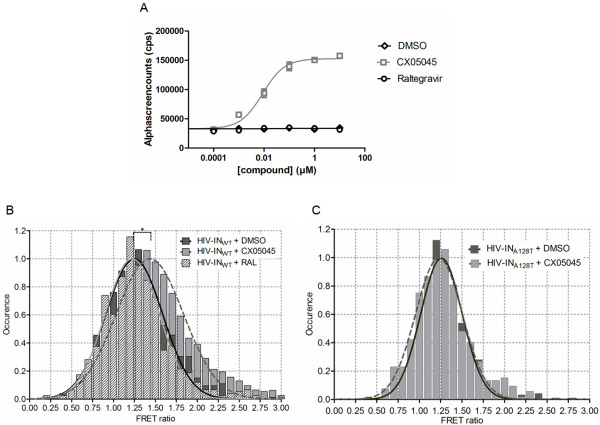
“oligomerization), and the CX05045 LEDGIN and performed FRET experiments.(48) No increase in rFRET could be observed in the presence of Raltegravir or DMSO,”
BackgroundMethodSelf-citationVirus–Host Interactions in Retrovirus Integration
Engelman, A. N., & Maertens, G. N. (2018) · Retrovirus-Cell Interactions · doi:10.1016/b978-0-12-811185-7.00004-2 · Cited by 12
Ballana, E., & Esté, J. A. (2013) · Antiviral Research · doi:10.1016/j.antiviral.2013.09.017 · Cited by 12
The Integrase: An Overview of a Key Player Enzyme in the Antiviral Scenario
Renzi, G., Carta, F., & Supuran, C. T. (2023) · International Journal of Molecular Sciences · doi:10.3390/ijms241512187 · Cited by 12
“Moreover, the potential action of chelating two magnesium metal ions in their active sites by the two enzymes is carried out through the presence of key acid amino acids (i.e., D443, E478, D498, and D549 for the RNase H domain and D64, D116, and E152 for HIV-1 IN) [126].”
InfluentialOptimizing the Multimerization Properties of Quinoline-Based Allosteric HIV-1 Integrase Inhibitors
Sun, J., & Kessl, J. J. (2024) · Viruses · doi:10.3390/v16020200 · Cited by 12
Metadata
- Authors
- Desimmie, B. A., Schrijvers, R., Demeulemeester, J., Borrenberghs, D., Weydert, C., Thys, W., Vets, S., Van Remoortel, B., Hofkens, J., De Rijck, J., Hendrix, J., Bannert, N., Gijsbers, R., Christ, F., & Debyser, Z.
- Affiliations
- KU Leuven (BE)
- Robert Koch Institute (DE)
- Corresponding author
- Debyser, Zeger
- ORCID
- Venue
- Retrovirology
- Published
- 2013-05-30
- Volume
- 10
- Issue
- 1
- Pages
- 57-57
- ISSN
- 1742-4690 (ISSN-L)
- PMC
- PMC3671127
- OpenAlex
- W2129084136
- Cited by
- 139
- References
- 46
- Citations by year
- 2026: 2 · 2025: 7 · 2024: 4 · 2023: 9 · 2022: 10 · 2021: 9 · 2020: 13 · 2019: 10 · 2018: 15 · 2017: 11 · 2016: 19 · 2015: 11 · 2014: 14 · 2013: 5
- FWCI
- 11.86
- Type
- journal article
- Language
- en
- Update notices
- correction (2020-07-29)
- Open access
- gold
- doi.org
- Licence
- cc-by
- creativecommons.org/licenses/by/2.0 (tdm)
- creativecommons.org/licenses/by/2.0 (vor)
- Locations
- Retrovirology (publishedVersion, cc-by)
- Europe PMC (PubMed Central) (publishedVersion, cc-by)
- PubMed Central (publishedVersion, cc-by)
- PubMed (publishedVersion)
- Lirias (submittedVersion, other-oa)
- Publication server of the Robert Koch Institute (Robert Kock Institute) (submittedVersion)
- Funders
- Fonds Wetenschappelijk Onderzoek
- KU Leuven
- Vlaamse regering
- Topics
- Health Sciences › Medicine › Infectious Diseases › HIV/AIDS drug development and treatment
- Life Sciences › Immunology and Microbiology › Virology › HIV Research and Treatment
- Life Sciences › Biochemistry, Genetics and Molecular Biology › Genetics › Virus-based gene therapy research
- Keywords
- HIV-1 integrase inhibitors, integrase multimerization, LEDGF/p75, viral infectivity, reverse transcription, nuclear import, allosteric inhibition, HIV-1 integration
- MeSH terms
- Cells, Cultured, Humans, Leukocytes, Mononuclear, Virus Replication, HIV-1, Virus Assembly, HIV Integrase, HIV Integrase Inhibitors, Protein Multimerization
About these checks
Registry, retraction, Cites and statistics results are computed, not judged, with one exception: a printed reference that no index lists is read once by a model before it counts as a citation error. Claims are extracted by a model and kept only when their quote appears verbatim in the text; each cited source is then checked, with a model’s help, for whether it says what the claim relies on. Those verdicts can be wrong — read the claim’s quote and the cited source before relying on one.
Statistics and arithmetic are recomputed, not judged.
Confidence bands are shown only for fields calibrated on our annotated test set. None is calibrated yet, so no band is shown.
What counts as a claim ›How we measure confidence ›How we check this ›
Are you an author, or do you see a problem with this page? Request a review
Data sources
Bibliographic data: Semantic Scholar, OpenAlex, Crossref.
Contains information from the Semantic Scholar Academic Graph Datasets, made available under the ODC Attribution License (ODC-BY 1.0).
Semantic Scholar’s data is described in: Kinney, R., et al. (2023). The Semantic Scholar Open Data Platform. arXiv:2301.10140.
