

Identification of host proteins associated with HIV-1 preintegration complexes isolated from infected CD4+ cells
Open accessThe DOI matches its Crossref record; 31 of the 31 references it cites were found in a registry or an index.
Abstract
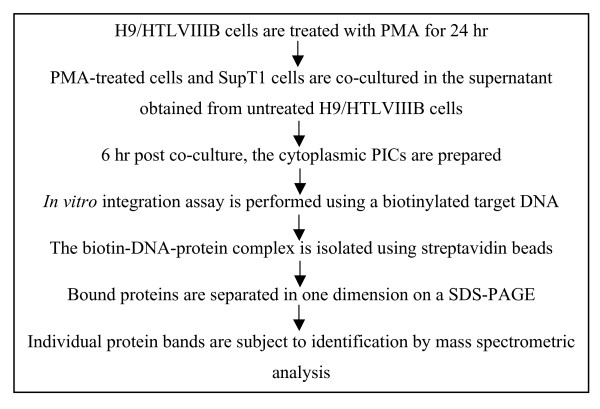
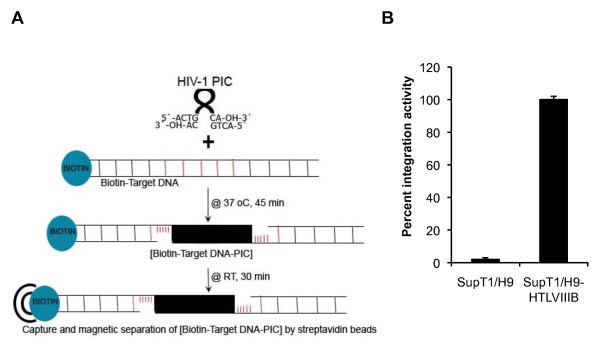
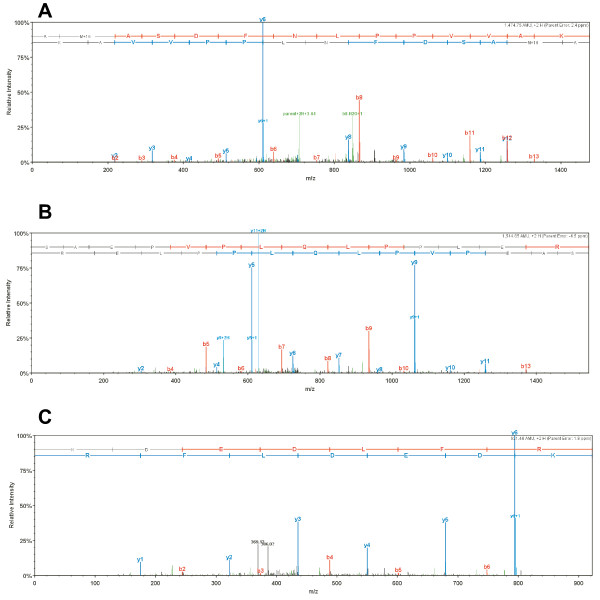
An integrated HIV-1 genomic DNA leads to an infected cell becoming either an active or a latent virus-producing cell. Upon appropriate activation, a latently infected cell can result in production of progeny viruses that spread the infection to uninfected cells. The host proteins influence several steps of HIV-1 infection including formation of the preintegration complex (PIC), a key nucleoprotein intermediate essential for integration of reverse transcribed viral DNA into the chromosome. Much effort has gone into the identification of host proteins contributing to the assembly of functional PICs. Experimental approaches included the use of yeast two-hybrid system, co-immunoprecipitation, affinity tagged HIV-1 viral proteins and in vitro reconstitution of salt-stripped PIC activity. Several host proteins identified using these approaches have been shown to affect HIV-1 replication in cells and influence catalytic activities of recombinant IN in vitro. However, the comprehensive identification and characterization of host proteins associated with HIV-1 PICs of infected cells have been hindered in part by the technical limitation in acquiring sufficient amount of catalytically active PICs. To efficiently identify additional host factors associated with PICs in infected cells, we have developed the following novel approach. The catalytically active PICs from HIV-1-infected CD4+ cells were isolated using biotinylated target DNA, and the proteins selectively co-purifying with PICs have been analyzed by mass spectrometry. This technology enabled us to reveal at least 19 host proteins that are associated with HIV-1 PICs, of which 18 proteins have not been described previously with respect to HIV-1 integration. Physiological functions of the identified proteins range from chromatin organization to protein transport. A detailed characterization of these host proteins could provide new insights into the mechanism of HIV-1 integration and uncover new antiviral targets to block HIV-1 integration.
Overview
The claims and statistics of this paper haven’t been checked yet.
Free: it reads the open-access text and checks the first 5 claims that cite a source we can check. Create a free account to check every claim.
Integrity signals
Registry
Cites
Statistics
Figures
Verification
Claims the paper makes
The claims and statistics of this paper haven’t been checked yet.
Free: it reads the open-access text and checks the first 5 claims that cite a source we can check. Create a free account to check every claim.
Claims other papers make about this one
Each is checked against this paper’s own text: does it say what the citing paper says it does?
The cited source says what the claim attributes to it.
In the citing paper
“AP-MS has been employed to determine the identity of such host proteins, for instance, proteins in replication complexes at viral promoters in herpesviruses (67–69), viral polymerases of influenza virus (53), and preintegration complexes in HIV-1 (70).”
From The Impact of Mass Spectrometry–Based Proteomics on Fundamental Discoveries in Virology (2014) · cites this paper as [70]
Self-check
Percentages, sums and reported differences re-computed from the paper’s own numbers.
The self-check needs the paper’s full text.
Citations
Cites
Popovic, M., Sarngadharan, M. G., Read, E., & Gallo, R. C. (1984) · Science · doi:10.1126/science.6200935 · Cited by 3,535
The abc's (and xyz's) of peptide sequencing
Steen, H., & Mann, M. (2004) · Nature Reviews Molecular Cell Biology · doi:10.1038/nrm1468 · Cited by 1,150 · cited 1×
“providing thus complementary sequence information [25].”
Comprehensive proteomic analysis of the human spliceosome
Zhou, Z., Licklider, L. J., Gygi, S. P., & Reed, R. (2002) · Nature · doi:10.1038/nature01031 · Cited by 893 · cited 1×
“Proteins from complex mixtures such as cell lysates have been identified successfully by using mass spectrometric (MS) techniques [9].”
MethodHIV-1 Integrase Forms Stable Tetramers and Associates with LEDGF/p75 Protein in Human Cells
Cherepanov, P., Maertens, G., Proost, P., Devreese, B., Van Beeumen, J., Engelborghs, Y., De Clercq, E., & Debyser, Z. (2003) · Journal of Biological Chemistry · doi:10.1074/jbc.m209278200 · Cited by 704
Binding and Stimulation of HIV-1 Integrase by a Human Homolog of Yeast Transcription Factor SNF5
Kalpana, G. V., Marmon, S., Wang, W., Crabtree, G. R., & Goff, S. P. (1994) · Science · doi:10.1126/science.7801128 · Cited by 530 · cited 1×
“Integrase interactor 1 THS [29]”
Shun, M.-C., Raghavendra, N. K., Vandegraaff, N., Daigle, J. E., Hughes, S., Kellam, P., Cherepanov, P., & Engelman, A. (2007) · Genes & Development · doi:10.1101/gad.1565107 · Cited by 467 · cited 1×
“A similar analysis of nuclear PICs is expected to reveal proteins such as LEDGF/p75 that function at the site of integration in the nucleus [ 16 ].”
Self-citationFarnet, C. M., & Bushman, F. D. (1997) · Cell · doi:10.1016/s0092-8674(00)81888-7 · Cited by 358 · cited 1×
“The PICs isolated from such co-cultured cells were demonstrated to exhibit high integration activity into naked plasmid DNA [8].”
BackgroundA previously unidentified host protein protects retroviral DNA from autointegration
Lee, M. S., & Craigie, R. (1998) · Proceedings of the National Academy of Sciences · doi:10.1073/pnas.95.4.1528 · Cited by 281 · cited 1×
“While barrier-to-autointegration factor (BAF) is the only host protein that was characterized previously [11,12], the identification of 18 new host proteins associated with HIV-1 PICs reflects the uniqueness of our approach.”
BackgroundThe barrier-to-autointegration protein is a host factor for HIV type 1 integration
Chen, H., & Engelman, A. (1998) · Proceedings of the National Academy of Sciences · doi:10.1073/pnas.95.26.15270 · Cited by 207 · cited 1×
“While barrier-to-autointegration factor (BAF) is the only host protein that was characterized previously [11,12], the identification of 18 new host proteins associated with HIV-1 PICs reflects the uniqueness of our approach.”
BackgroundAcetylation of HIV‐1 integrase by p300 regulates viral integration
Cereseto, A., Manganaro, L., Gutierrez, M. I., Terreni, M., Fittipaldi, A., Lusic, M., Marcello, A., & Giacca, M. (2005) · The EMBO Journal · doi:10.1038/sj.emboj.7600770 · Cited by 181 · cited 1×
“HAT p300 IP [26]”
Cited by
Magnetic separations in biotechnology
Borlido, L., Azevedo, A. M., Roque, A. C. A., & Aires-Barros, M. R. (2013) · Biotechnology Advances · doi:10.1016/j.biotechadv.2013.05.009 · Cited by 235
Lesbats, P., Engelman, A. N., & Cherepanov, P. (2016) · Chemical Reviews · doi:10.1021/acs.chemrev.6b00125 · Cited by 233
Hindmarsh, P., & Leis, J. (1999) · Microbiology and Molecular Biology Reviews · doi:10.1128/mmbr.63.4.836-843.1999 · Cited by 202
Protein-protein interaction networks: probing disease mechanisms using model systems
Kuzmanov, U., & Emili, A. (2013) · Genome Medicine · doi:10.1186/gm441 · Cited by 197
“A mixture of approaches, including tag-based AP and co-IP followed by MS identification, has been used to identify the host proteins that interact with the HIV pre-integration complex, a key nucleoprotein required for the insertion of the reverse-transcribed viral DNA [38].”
BackgroundMethodPromoter Methylation Regulates SAMHD1 Gene Expression in Human CD4+ T Cells
de Silva, S., Hoy, H., Hake, T. S., Wong, H. K., Porcu, P., & Wu, L. J. (2013) · Journal of Biological Chemistry · doi:10.1074/jbc.m112.447201 · Cited by 91
“The CD4 T cell line Sup-T1 (derived from an acute T cell leukemia patient) was obtained from the National Institutes of Health AIDS Research and Reference Reagent Program and maintained in RPMI 1640 medium supplemented with 10% fetal bovine serum as described (19).”
MethodSelf-citationViral Integration and Consequences on Host Gene Expression
Desfarges, S., & Ciuffi, A. (2012) · Springer eBooks · doi:10.1007/978-94-007-4899-6_7 · Cited by 80
“…translocation, integration of the viral genome, and subsequent immediate transcription, and which composition may vary along the way to the host genome (Belshan et al. 2009 ; Farnet and Haseltine 1991 ; Fassati and Goff 2001 ; Lin and Engelman 2003 ; Miller et al. 1997 ; Raghavendra et al. 2010 ) .”
BackgroundThe Impact of Mass Spectrometry–Based Proteomics on Fundamental Discoveries in Virology
Greco, T. M., Diner, B. A., & Cristea, I. M. (2014) · Annual Review of Virology · doi:10.1146/annurev-virology-031413-085527 · Cited by 67
“IFI16 senses DNA forms of the lentiviral replication cycle and controls HIV-1 replication.”
MethodInfluentialPost-translational Modification-Based Regulation of HIV Replication
Chen, L., Keppler, O. T., & Scholz, C. W. (2018) · Frontiers in Microbiology · doi:10.3389/fmicb.2018.02131 · Cited by 56
“…viral cDNA, The viral proteins IN, RT, VPR, and HIV matrix protein (MA/P17) as well as an incompletely characterized group of host factors (Fassati and Goff, 2001; Lin and Engelman, 2003; Llano et al., 2004b; Iordanskiy et al., 2006; Raghavendra et al., 2010; Matreyek and Engelman, 2013).”
BackgroundElucidating the in vivo interactome of HIV-1 RNA by hybridization capture and mass spectrometry
Knoener, R. A., Becker, J. T., Scalf, M., Sherer, N. M., & Smith, L. M. (2017) · Scientific Reports · doi:10.1038/s41598-017-16793-5 · Cited by 54
Host Factors in Retroviral Integration and the Selection of Integration Target Sites
Craigie, R., & Bushman, F. D. (2014) · Microbiology Spectrum · doi:10.1128/microbiolspec.mdna3-0026-2014 · Cited by 45
“MA (45), IN (23, 46), and Vpr (24, 47, 48) have all been proposed to mediate nuclear localization of HIV-1 PICs, as has a DNA structure near the center of the viral DNA called the central fl ap (49).”
BackgroundInfluentialQuantitative Phosphoproteomics of CXCL12 (SDF-1) Signaling
Wojcechowskyj, J. A., Lee, J. Y., Seeholzer, S. H., & Doms, R. W. (2011) · PLoS ONE · doi:10.1371/journal.pone.0024918 · Cited by 47
“For example, BMP2K has been shown to be important for early steps in HIV infection [73], HMGA1 and XRCC6 have been implicated in HIV integration into host genomic DNA [74,75] and GATA3, SFRS7, SNW1 have all been linked to HIV gene expression [76,77,78].”
BackgroundPF74 Inhibits HIV-1 Integration by Altering the Composition of the Preintegration Complex
Balasubramaniam, M., Zhou, J., Addai, A. B., Martinez, P., Pandhare, J., Aiken, C., & Dash, C. (2018) · Journal of Virology · doi:10.1128/jvi.01741-18 · Cited by 43
Patterns of resistance development with integrase inhibitors in HIV
Cane, P., Mbisa, J. L., & Martín (2011) · Infection and Drug Resistance · doi:10.2147/idr.s7775 · Cited by 41
From promoting to inhibiting: diverse roles of helicases in HIV-1 Replication
Lorgeoux, R.-P., Guo, F., & Liang, C. (2012) · Retrovirology · doi:10.1186/1742-4690-9-79 · Cited by 41
“In addition to a number of cellular proteins such as BAF (barrier-toautointegration factor), Gemin2, EED (embryonic ectoderm development), integrase interactor 1, and LEDGF/ p75 (lens epithelium-derived growth factor), the helicase DDX19A was recently shown to likely associate with the PIC [97].”
BackgroundInfluentialProteomic Analysis of Early HIV-1 Nucleoprotein Complexes
Schweitzer, C. J., Jagadish, T., Haverland, N. A., Ciborowski, P. S., & Belshan, M. (2013) · Journal of Proteome Research · doi:10.1021/pr300869h · Cited by 39
Retroviral Integrase: Then and Now
Andrake, M., & Skalka, A. M. (2015) · Annual Review of Virology · doi:10.1146/annurev-virology-100114-055043 · Cited by 38
Bacitracin resistance and enhanced virulence of Streptococcus suis via a novel efflux pump
Ma, J., Liu, J., Zhang, Y., Wang, D., Liu, R., Liu, G., Yao, H., & Pan, Z. (2019) · BMC Veterinary Research · doi:10.1186/s12917-019-2115-2 · Cited by 34
Addai, A. B., Pandhare, J., Paromov, V. M., Mantri, C. K., Pratap, S., & Dash, C. (2015) · Journal of Leukocyte Biology · doi:10.1189/jlb.4a0714-356r · Cited by 32
“regions from the PCR products of the first round [43, 44].”
BackgroundXie, L., Chen, L., Zhong, C., Yu, T., Ju, Z., Wang, M., Xiong, H., Zeng, Y., Wang, J., Hu, H., et al. (2020) · Retrovirology · doi:10.1186/s12977-020-00524-2 · Cited by 30
Retroviral integrase protein and intasome nucleoprotein complex structures
Grawenhoff, J., & Engelman, A. (2017) · World Journal of Biological Chemistry · doi:10.4331/wjbc.v8.i1.32 · Cited by 27
Antiretroviral APOBEC3 cytidine deaminases alter HIV-1 provirus integration site profiles
Ajoge, H. O., Renner, T. M., Bélanger, K., Greig, M., Dankar, S. K., Kohio, H. P., Coleman, M. D., Ndashimye, E., Arts, E. J., Langlois, M., et al. (2023) · Nature Communications · doi:10.1038/s41467-022-35379-y · Cited by 23
The Role of Capsid in the Early Steps of HIV-1 Infection: New Insights into the Core of the Matter
AlBurtamani, N., Paul, A., & Fassati, A. (2021) · Viruses · doi:10.3390/v13061161 · Cited by 24
“Moreover, it is worth noting that the viral DNA in purified RTCs seems quite resistant to nuclease digestion [34,60], and fully reverse-transcribed, integrationcompetent “pre-integration complexes” can be extracted from the cytoplasm of acutely infected cells [61,62], which suggests that sensing of viral nucleic acids…”
BackgroundGelais, C. S., Roger, J. C., & Wu, L. J. (2015) · AIDS Research and Human Retroviruses · doi:10.1089/aid.2014.0313 · Cited by 23
“9 To determine the significance of this interaction for HIV-1 replication in CD4 + T cells, we generated a stable NonO KD Jurkat cell line and a nonsilencing shRNA control cell line using lentiviral shRNA vectors.”
Self-citationRetroviral integrase: Structure, mechanism, and inhibition
Passos, D. O., Li, M., Craigie, R., & Lyumkis, D. (2021) · The Enzymes · doi:10.1016/bs.enz.2021.06.007 · Cited by 23
“Numerous other factors have been pulled down with HIV PICs (which contain numerous other proteins in addition to IN) [114,125].”
BackgroundDing, J., Zhao, J., Yang, Z., Ma, L., Mi, Z., Wu, Y., Guo, J., Zhou, J., Li, X., Guo, Y., et al. (2017) · Viruses · doi:10.3390/v9050105 · Cited by 21
“Several host proteins including lens epithelium-derived growth factor (LEDGF/p75), barrier-to-autointegration factor (BAF), and integrase interactor 1 have also been found in PIC [9].”
BackgroundExploring HIV-1 Maturation: A New Frontier in Antiviral Development
McGraw, A., Hillmer, G., Mehedincu, S. M., Hikichi, Y., Gagliardi, S., Narayan, K., Tibebe, H., Marquez, D., Bose, L. M., Keating, A., et al. (2024) · Viruses · doi:10.3390/v16091423 · Cited by 20
The transmembrane nucleoporin Pom121 ensures efficient HIV-1 pre-integration complex nuclear import
Guo, J., Liu, X., Wu, C., Hu, J., Peng, K., Wu, L. J., Xiong, S., & Dong, C. (2018) · Virology · doi:10.1016/j.virol.2018.06.008 · Cited by 19
“The complex included viral components such as integrase, nucleocapsid, matrix, viral protein R, and reverse transcriptase (Sherman and Greene, 2002) as well as host cellular proteins such as lens epithelium-derived growth factor and barrier autointegration factor (Raghavendra et al., 2010).”
BackgroundSelf-citationDynein Regulators Are Important for Ecotropic Murine Leukemia Virus Infection
Valle-Tenney, R., Opazo, T., Cancino, J., Goff, S. P., & Arriagada, G. (2016) · Journal of Virology · doi:10.1128/jvi.00863-16 · Cited by 19
“(9), and functional screens of cDNA overexpression libraries (10,”
BackgroundMass Spectrometry-Based Proteomic Approaches for Discovery of HIV–Host Interactions
Luo, Y., & Muesing, M. A. (2014) · Future Virology · doi:10.2217/fvl.14.86 · Cited by 17
Davids, B.-O., Balasubramaniam, M., Sapp, N., Prakash, P., Ingram, S., Li, M., Craigie, R., Hollis, T., Pandhare, J., & Dash, C. (2021) · Journal of Virology · doi:10.1128/jvi.00555-21 · Cited by 16
“Then, the DNA integration activity of the PICs was assessed in an in vitro integration assay, and the copies of viral DNA integrated into the linear target DNA were quantified by qPCR (49, 50).”
MethodProteomics in the investigation of HIV‐1 interactions with host proteins
Li, M. (2015) · PROTEOMICS - CLINICAL APPLICATIONS · doi:10.1002/prca.201400101 · Cited by 16
“Molecular functions of the identified proteins range from chromatin organization to protein transport [80].”
BackgroundAlterations in the nuclear proteome of HIV-1 infected T-cells
DeBoer, J., Jagadish, T., Haverland, N. A., Madson, C. J., Ciborowski, P. S., & Belshan, M. (2014) · Virology · doi:10.1016/j.virol.2014.08.029 · Cited by 16
“Consistent with that idea it was previously identified in a proteomic screen of HIV-1 preintegration complexes (Raghavendra et al., 2010).”
BackgroundMethodInfluentialTsuruyama, T., Hiratsuka, T., Jin, G., Imai, Y., Takeuchi, H., Maruyama, Y., Kanaya, K., Ozeki, M., Takakuwa, T., Haga, H., et al. (2011) · American Journal Of Pathology · doi:10.1016/j.ajpath.2010.12.012 · Cited by 15
Sarkar, S., Balakrishnan, K., Chintala, K., Mohareer, K., Luedde, T., Vasudevan, A. A. J., Münk, C., & Banerjee, S. (2022) · Viruses · doi:10.3390/v14112503 · Cited by 15
DEAD-ly Affairs: The Roles of DEAD-Box Proteins on HIV-1 Viral RNA Metabolism
Rao, S., & Mahmoudi, T. (2022) · Frontiers in Cell and Developmental Biology · doi:10.3389/fcell.2022.917599 · Cited by 14
Tan, B. H., Suzuki, Y., Takahashi, H., Ying, P. H. R., Takahashi, C., Han, Q., Chin, W. X., Chao, S., Sawasaki, T., Yamamoto, N., et al. (2014) · Journal of Biological Chemistry · doi:10.1074/jbc.m114.561662 · Cited by 14
“With respect to the cellular cofactors of the PIC function, many previously identified factors, including BAF, are DNA-binding proteins (12, 14, 15, 43, 44).”
BackgroundStephenson, S. T., Boštík, P., Song, B., Rajan, D., Bhimani, S. J., Řehulka, P., Mayne, A. E., & Ansari, A. A. (2010) · Retrovirology · doi:10.1186/1742-4690-7-107 · Cited by 13
“An example of the former is the recent characterization of 19 host proteins that appear to specifically interact with the pre-integration complex (PIC) of HIV-1 [69].”
The Integrase: An Overview of a Key Player Enzyme in the Antiviral Scenario
Renzi, G., Carta, F., & Supuran, C. T. (2023) · International Journal of Molecular Sciences · doi:10.3390/ijms241512187 · Cited by 12
Host Factors in Retroviral Integration and the Selection of Integration Target Sites
Craigie, R., & Bushman, F. D. (2015) · ASM Press eBooks · doi:10.1128/9781555819217.ch45 · Cited by 10
Taylor, I. A., & Fassati, A. (2023) · Journal of Molecular Cell Biology · doi:10.1093/jmcb/mjad076 · Cited by 9
“Reverse transcription can be initiated and completed in the cytoplasm, from which catalytically active PICs can be extracted ( Engelman, 2009 ; Raghavendra et al., 2010 ) , but DNA synthesis is not a prerequisite for HIV-1 nuclear import ( Zaitseva et al., 2009 ) .”
BackgroundProteomic profiling of HIV-infected T-cells by SWATH mass spectrometry
DeBoer, J., Wojtkiewicz, M. S., Haverland, N. A., Li, Y., Harwood, E., Leshen, E., George, J. W., Ciborowski, P. S., & Belshan, M. (2018) · Virology · doi:10.1016/j.virol.2018.01.025 · Cited by 7
“, 2012), and HIV reverse transcription and preintegration complexes (Raghavendra et al., 2010; Schweitzer et al., 2013).”
BackgroundResultShadrina, O., Kikhai, T. F., Agapkina, Y. Y., & Gottikh, M. (2022) · Molecular Biology · doi:10.1134/s0026893322020133 · Cited by 5
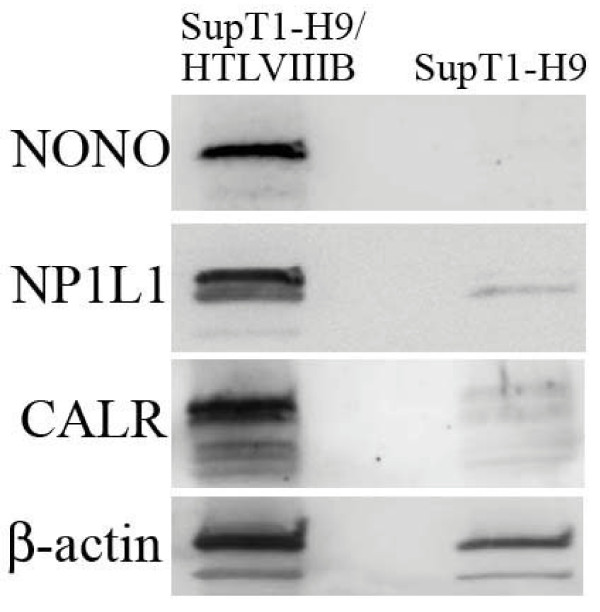
“NONO was identified as part of the catalytically active PIC isolated from the cytoplasmic fraction of infected CD4+ T cells [78].”
BackgroundThe cellular SFPQ protein as a positive factor in the HIV-1 integration
Kikhai, T. F., Agapkina, Y. Y., Silkina, M. O., Prikazchikova, T. A., & Gottikh, M. (2024) · Biochimie · doi:10.1016/j.biochi.2024.02.002 · Cited by 4
George, A., & Raghavendra, N. K. (2017) · Biochemical and Biophysical Research Communications · doi:10.1016/j.bbrc.2017.06.035 · Cited by 4
Self-citationCellular RNA Helicases Support Early and Late Events in Retroviral Replication
Singh, G., Heng, X., & Boris‐Lawrie, K. (2018) · Elsevier eBooks · doi:10.1016/b978-0-12-811185-7.00007-8 · Cited by 3
“Binds to topoisomerase II alpha complex that remodels chromatin structure for HIV-1 integration (Raghavendra et al., 2010).”
Evaluation of the NIH clinical collection to identify potential HIV-1 integrase inhibitors
Abrahams, S. (2014) · University of the Witwatersrand, Johannesburg Institutional Repository on DSpace (University of the Witwatersrand, Johannesburg) · Cited by 2
Core nucleosomes are refractory to lentiviral DNA integration
Hope, J., Punch, E. K., Cook, N., Singer, M. R., Joshi, D., Singh, P. K., Nans, A., Sweeney, N. P., Vanderlinden, W., Engelman, A., et al. (2026) · Nature Communications · doi:10.1038/s41467-026-76698-8 · Cited by 2
“During viral infection, the intasome is part of a much larger nucleo-protein complex known as the preintegration complex (PIC), which contains ~9 – 10 kb vDNA, IN, and a variety of incompletely characterized host-derived components 15 – 18 .”
HIV and gay men in the era of antiretroviral therapy
Jaspal, R. (2018) · Psychology of Sexualities Review · doi:10.53841/bpssex.2018.9.2.2 · Cited by 1
Structures and functions of the C-Terminal domain of HIV-1 integration
Oladosu, O. (2017) · theses.fr (ABES) · doi:10.70675/ad8059d5z788dz4aafza31dz85b0c784be62 · Cited by 1
Manic, G. (2012) · theses.fr (ABES) · doi:10.70675/c8610e55ze6baz4272zbd43za5edfe019908 · Cited by 1
Identification of specific phylogenetic properties of HIV-1 M and O integrases
Toccafondi, E. (2022) · theses.fr (ABES) · doi:10.70675/2facab6ezc20az472dz8350z9fb6e718e1d4 · Cited by 1
Darazi, P. E. (2021) · theses.fr (ABES) · doi:10.70675/7bb07492ze915z4ca3z845fzba3bb62a3520 · Cited by 1
Hiv Integrase Mechanisms Of Resistance To Raltegravir, Elvitegravir, And Dolutegravir
Ross, K. T. (2015) · Human Biology
Analyzing the role of NonO, a host protein, in the HIV-1 lifecycle
Roger, J. C. (2014) · OhioLink ETD Center (Ohio Library and Information Network)
Foamy virus vector integration and application in gene therapy
Sweeney, N. P. (2015) · Spiral (Imperial College London) · doi:10.25560/50704
Strategies to Discover Novel Cellular Factors Involved in Retrovirus Replication
Maldonado, R. J. K., Chen, E. C., & Parent, L. J. (2018) · Elsevier eBooks · doi:10.1016/b978-0-12-811185-7.00014-5
An improved lentivirus vector for safer transgene integration and protein transduction
Schenkwein, D. (2013) · UEF eRepo (University of Eastern Finland)
Eichler, M. (2023) · Publication Server of Goethe University Frankfurt am Main (Goethe University Frankfurt) · doi:10.21248/gups.74656
Carta, F., & Sechi, M. (2023) · Elsevier eBooks · doi:10.1016/b978-0-12-823974-2.00006-1
Estévez Gómez, J. A., & Universitat Autònoma de Barcelona. Departament de Farmacologia, D. T. I. D. T. (2016) · LA Referencia (Red Federada de Repositorios Institucionales de Publicaciones Científicas)
İnsan immünyetmezlik virus-1 (HIV-1) pozitif bireylerde integraz gen mutasyonlarının araştırılması
Özgüler, K. (2019) · Marmara University Open Access System
Imaging of intracellular trafficking of the HIV-1 nucleocapsid protein
Lysova, I. (2017) · theses.fr (ABES) · doi:10.70675/84144144z02cbz4d62zb92cz97858cebc61d
Réplication et séquestration du VIH-1 dans les macrophages
Lepont, L. (2020) · theses.fr (ABES) · doi:10.70675/40f6be5ez97e5z4043za0cdz0099a87dd935
Metadata
- Authors
- Raghavendra, N. K., Shkriabai, N., Graham, R. L., Hess, S., Kvaratskhelia, M., & Wu, L.
- Affiliations
- The Ohio State University (US)
- California Institute of Technology (US)
- Corresponding author
- Wu, Li
- Venue
- Retrovirology
- Published
- 2010-08-11
- Volume
- 7
- Issue
- 1
- Pages
- 66-66
- ISSN
- 1742-4690 (ISSN-L)
- PMC
- PMC2924840
- OpenAlex
- W2122895102
- Cited by
- 56
- References
- 31
- Citations by year
- 2024: 2 · 2023: 5 · 2022: 4 · 2021: 4 · 2020: 2 · 2019: 1 · 2018: 7 · 2017: 5 · 2016: 2 · 2015: 6 · 2014: 7 · 2013: 5 · 2012: 2
- FWCI
- 1.24
- Type
- journal article
- Language
- en
- Open access
- gold
- doi.org
- Licence
- cc-by
- Locations
- Retrovirology (publishedVersion, cc-by)
- PubMed Central (publishedVersion, cc-by)
- PubMed (publishedVersion)
- CaltechAUTHORS (California Institute of Technology) (submittedVersion, cc-by)
- DOAJ (DOAJ: Directory of Open Access Journals) (submittedVersion, cc-by-sa)
- Research Explorer (The University of Manchester) (submittedVersion)
- Research Portal (Queen's University Belfast) (submittedVersion)
- Funders
- National Institutes of Health
- National Cancer Institute (P01CA100730)
- National Institute of Allergy and Infectious Diseases (R21AI078762, R01AI068493, R01AI062520)
- Topics
- Life Sciences › Immunology and Microbiology › Virology › HIV Research and Treatment
- Health Sciences › Medicine › Infectious Diseases › HIV/AIDS drug development and treatment
- Life Sciences › Biochemistry, Genetics and Molecular Biology › Genetics › Virus-based gene therapy research
- Keywords
- HIV-1, preintegration complex, host proteins, HIV-1 integration, reverse transcription, CD4+ T cells, antiviral drug targets, chromatin organization, protein trafficking
- MeSH terms
- DNA, Viral, Humans, Protein Binding, Proteins, Mass Spectrometry, Virology, CD4-Positive T-Lymphocytes, HIV-1, Virus Integration, Protein Interaction Mapping, Macromolecular Substances, Host-Pathogen Interactions
About these checks
Registry, retraction, Cites and statistics results are computed, not judged, with one exception: a printed reference that no index lists is read once by a model before it counts as a citation error. Claims are extracted by a model and kept only when their quote appears verbatim in the text; each cited source is then checked, with a model’s help, for whether it says what the claim relies on. Those verdicts can be wrong — read the claim’s quote and the cited source before relying on one.
Statistics and arithmetic are recomputed, not judged.
Confidence bands are shown only for fields calibrated on our annotated test set. None is calibrated yet, so no band is shown.
What counts as a claim ›How we measure confidence ›How we check this ›
Are you an author, or do you see a problem with this page? Request a review
Data sources
Bibliographic data: Semantic Scholar, OpenAlex, Crossref.
Contains information from the Semantic Scholar Academic Graph Datasets, made available under the ODC Attribution License (ODC-BY 1.0).
Semantic Scholar’s data is described in: Kinney, R., et al. (2023). The Semantic Scholar Open Data Platform. arXiv:2301.10140.
