

An autoimmune disease prevented by anti-retroviral drugs
Open accessThe DOI matches its Crossref record; 20 of the 20 references it cites were found in a registry or an index.
Abstract
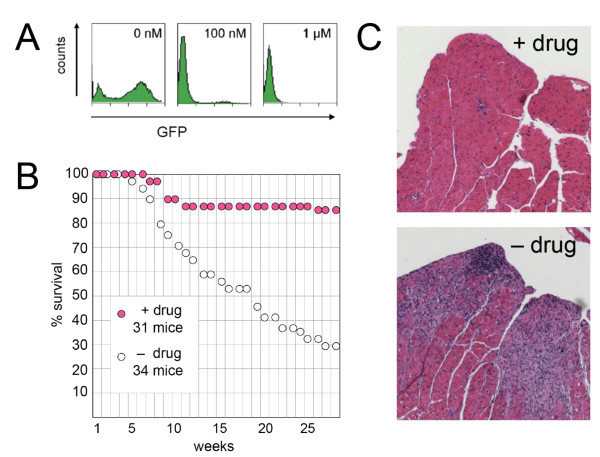
Background: Both Aicardi-Goutières syndrome, a Mendelian mimic of congenital infection, and the autoimmune disease systemic lupus erythematosus can result from mutations in the gene encoding the enzyme Trex1. In mice, the absence of Trex1 causes severe myocarditis. The enzyme is thought to degrade endogenous retroelements, thus linking them to autoimmune disease. However, inhibition of reverse transcription by the inhibitor zidovudine (AZT) did not ameliorate the disease, weakening the link to retroelements. Findings: Here, we show that two other FDA-approved drugs that inhibit reverse transcriptase can ameliorate the myocarditis in Trex1-null mouse. Conclusions: The result suggests that retroelements contribute to this hereditary form of autoimmunity, and that treatment with retroelement inhibitors might ameliorate Aicardi-Goutières syndrome in humans.
Overview
The claims and statistics of this paper haven’t been checked yet.
Free: it reads the open-access text and checks the first 5 claims that cite a source we can check. Create a free account to check every claim.
Integrity signals
Registry
Cites
Statistics
Figures
Verification
Claims the paper makes
The claims and statistics of this paper haven’t been checked yet.
Free: it reads the open-access text and checks the first 5 claims that cite a source we can check. Create a free account to check every claim.
Claims other papers make about this one
Each is checked against this paper’s own text: does it say what the citing paper says it does?
The source backs part of the claim, not all of it — or backs it for a different population, condition or comparison.
In the citing paper
“Treating TREX-deficient mice with a cocktail of NRTIs rescued their mortality120.”
From The role of retrotransposable elements in ageing and age-associated diseases (2021) · cites this paper as [120]
Experimental — accuracy not yet measured
Self-check
Percentages, sums and reported differences re-computed from the paper’s own numbers.
The self-check needs the paper’s full text.
Citations
Cites
Trex1 prevents cell-intrinsic initiation of autoimmunity
Stetson, D. B., Ko, J. S., Heidmann, T., & Medzhitov, R. (2008) · Cell · doi:10.1016/j.cell.2008.06.032 · Cited by 1,280 · cited 5×
“Trex1 is a ubiquitous DNA 3’ exonuclease [8] that can degrade retroelements (retroviruses and retrotransposons) [9-11].”
BackgroundInfluentialRecognition of Cytosolic DNA Activates an IRF3-Dependent Innate Immune Response
Stetson, D. B., & Medzhitov, R. (2006) · Immunity · doi:10.1016/j.immuni.2005.12.003 · Cited by 1,008
Crow, Y. J., Hayward, B. E., Parmar, R., Robins, P., Leitch, A., Ali, M., Black, D. N., van Bokhoven, H., Brunner, H. G., Hamel, B. C., et al. (2006) · Nature Genetics · doi:10.1038/ng1845 · Cited by 903 · cited 4×
“Like AGS [2], SLE is associated with a perturbation of type I interferon metabolism [3].”
BackgroundInfluentialInhibition of HIV-1 Replication by a Nonnucleoside Reverse Transcriptase Inhibitor
Merluzzi, V. J., Hargrave, K. D., Labadia, M., Grozinger, K., Skoog, M., Wu, J. C., Shih, C.-K., Eckner, K., Hattox, S., Adams, J., et al. (1990) · Science · doi:10.1126/science.1701568 · Cited by 743 · cited 1×
“Viramune (nevirapine) [20] blocks the reproduction of retrovirus earlier in its cycle than Truvada.”
BackgroundLee-Kirsch, M. A., Gong, M., Chowdhury, D., Senenko, L., Engel, K., Lee, Y.-A., de Silva, U., Bailey, S. L., Witte, T., Vyse, T. J., et al. (2007) · Nature Genetics · doi:10.1038/ng2091 · Cited by 730 · cited 1×
“Furthermore, mutations in TREX1 represent the single most common cause of monogenic SLE identified to date [7].”
BackgroundTrex1 Exonuclease Degrades ssDNA to Prevent Chronic Checkpoint Activation and Autoimmune Disease
Yang, Y.-G., Lindahl, T., & Barnes, D. E. (2007) · Cell · doi:10.1016/j.cell.2007.10.017 · Cited by 579 · cited 10×
“The interrupted or slowed reverse transcription may create persistent exposure to cytoplasmic DNA products that elicit an antiviral innate immune response [16] coordinated by activation of type I IFNs (the so-called IFN-stimulatory DNA response [17]).”
BackgroundInfluentialYan, N., Regalado-Magdos, A. D., Stiggelbout, B., Lee-Kirsch, M. A., & Lieberman, J. (2010) · Nature Immunology · doi:10.1038/ni.1941 · Cited by 529 · cited 1×
“Trex1 is a ubiquitous DNA 3’ exonuclease [8] that can degrade retroelements (retroviruses and retrotransposons) [9-11].”
BackgroundAbortive HIV Infection Mediates CD4 T Cell Depletion and Inflammation in Human Lymphoid Tissue
Doitsh, G., Cavrois, M., Lassen, K. G., Zepeda, O., Yang, Z., Santiago, M. L., Hebbeler, A. M., & Greene, W. C. (2010) · Cell · doi:10.1016/j.cell.2010.11.001 · Cited by 452 · cited 1×
“The interrupted or slowed reverse transcription may create persistent exposure to cytoplasmic DNA products that elicit an antiviral innate immune response [16] coordinated by activation of type I IFNs (the so-called IFN-stimulatory DNA response [17]).”
Rice, G., Newman, W. G., Dean, J., Patrick, T., Parmar, R., Flintoff, K., Robins, P., Harvey, S., Hollis, T., O’Hara, A., et al. (2007) · The American Journal of Human Genetics · doi:10.1086/513443 · Cited by 410 · cited 1×
“Both AGS [4], and a cutaneous subtype of SLE called familial chilblain lupus [5,6], can result from mutations in TREX1.”
BackgroundMorita, M., Stamp, G., Robins, P., Dulic, A., Rosewell, I., Hrivnak, G., Daly, G., Lindahl, T., & Barnes, D. E. (2004) · Molecular and Cellular Biology · doi:10.1128/mcb.24.15.6719-6727.2004 · Cited by 380 · cited 2×
“In Trex1-deficient mice, single-stranded DNA [12] derived from retroelement cDNA [9] accumulates in the cytoplasm of cells in the heart and is thought to trigger the sterile inflammatory myocarditis [13].”
Background
Cited by
Aicardi–Goutières syndrome and the type I interferonopathies
Crow, Y. J., & Manel, N. (2015) · Nature Reviews Immunology · doi:10.1038/nri3850 · Cited by 925
Mutations in ADAR1 cause Aicardi-Goutières syndrome associated with a type I interferon signature
Rice, G. I., Kasher, P. R., Forte, G. M. A., Mannion, N. M., Greenwood, S. M., Szynkiewicz, M., Dickerson, J. E., Bhaskar, S. S., Zampini, M., Briggs, T. A., et al. (2012) · Nature Genetics · doi:10.1038/ng.2414 · Cited by 923
Recognition of Endogenous Nucleic Acids by the Innate Immune System
Roers, A., Hiller, B., & Hornung, V. (2016) · Immunity · doi:10.1016/j.immuni.2016.04.002 · Cited by 541
The type I interferonopathies: 10 years on
Crow, Y. J., & Stetson, D. B. (2022) · Nature Reviews Immunology · doi:10.1038/s41577-021-00633-9 · Cited by 489
The role of retrotransposable elements in ageing and age-associated diseases
Gorbunova, V., Seluanov, A., Mita, P., McKerrow, W., Fenyö, D., Boeke, J. D., Linker, S. B., Gage, F. H., Kreiling, J. A., Petrashen, A. P., et al. (2021) · Nature · doi:10.1038/s41586-021-03542-y · Cited by 446
Restricting retrotransposons: a review
Goodier, J. L. (2016) · Mobile DNA · doi:10.1186/s13100-016-0070-z · Cited by 436
“Significantly, a combination of nucleoside RT inhibitors expected to inhibit both retroviruses and L1 retrotransposons attenuated the autoimmune myocarditis [499].”
BackgroundRodero, M. P., & Crow, Y. J. (2016) · Journal of Experimental Medicine · doi:10.1084/jem.20161596 · Cited by 433
“…might, in certain AGS-related genotypes, be induced by cytosolic recognition of DNA derived from endogenous retroelements (Stetson et al., 2008; Beck-Engeser et al., 2011), we are currently running the first ever clinical trial in AGS, using reverse transcription inhibitors (https…”
BackgroundNew frontiers in the cGAS-STING intracellular DNA-sensing pathway
Dvorkin, S., Cambier, S., Volkman, H. E., & Stetson, D. B. (2024) · Immunity · doi:10.1016/j.immuni.2024.02.019 · Cited by 352
Studies of endogenous retroviruses reveal a continuing evolutionary saga
Stoye, J. P. (2012) · Nature Reviews Microbiology · doi:10.1038/nrmicro2783 · Cited by 350
The enemy within: endogenous retroelements and autoimmune disease
Volkman, H. E., & Stetson, D. B. (2014) · Nature Immunology · doi:10.1038/ni.2872 · Cited by 333
Role of the cGAS–STING pathway in systemic and organ-specific diseases
Skopelja-Gardner, S., An, J., & Elkon, K. B. (2022) · Nature Reviews Nephrology · doi:10.1038/s41581-022-00589-6 · Cited by 307
Hartmann, G. (2017) · Advances in Immunology · doi:10.1016/bs.ai.2016.11.001 · Cited by 285
Immune responses to endogenous retroelements: taking the bad with the good
Kassiotis, G., & Stoye, J. P. (2016) · Nature Reviews Immunology · doi:10.1038/nri.2016.27 · Cited by 274
HERV Envelope Proteins: Physiological Role and Pathogenic Potential in Cancer and Autoimmunity
Grandi, N., & Tramontano, E. (2018) · Frontiers in Microbiology · doi:10.3389/fmicb.2018.00462 · Cited by 223
Intracellular Nucleic Acid Detection in Autoimmunity
Crowl, J. T., Gray, E. E., Pestal, K., Volkman, H. E., & Stetson, D. B. (2017) · Annual Review of Immunology · doi:10.1146/annurev-immunol-051116-052331 · Cited by 223
“Finally, treatment of Trex1−/− mice with a cocktail of reverse transcriptase inhibitors ameliorates disease (70).”
BackgroundModulation of LINE-1 and Alu/SVA Retrotransposition by Aicardi-Goutières Syndrome-Related SAMHD1
Zhao, K., Du, J., Han, X., Goodier, J. L., Li, P., Zhou, X., Wei, W., Evans, S. L., Li, L., Zhang, W., et al. (2013) · Cell Reports · doi:10.1016/j.celrep.2013.08.019 · Cited by 194
“Interestingly, reverse transcriptase inhibitors could reduce disease symptoms generated in TREX1 -knockout mice (Beck-Engeser et al., 2011).”
Behrendt, R., Schumann, T., Gerbaulet, A., Nguyen, L. A., Schubert, N., Alexopoulou, D., Berka, U., Lienenklaus, S., Peschke, K., Gibbert, K., et al. (2013) · Cell Reports · doi:10.1016/j.celrep.2013.07.037 · Cited by 154
“Intriguingly, a combination of HIV-1 reverse transcriptase (RT) inhibitors, which are also used to treat HIV infection, significantly ameliorated the pathology of Trex1 / mice (Beck-Engeser et al., 2011).”
A type I interferon signature identifies bilateral striatal necrosis due to mutations in ADAR1
Livingston, J. H., Lin, J.-P., Dale, R. C., Gill, D., Brogan, P., Munnich, A., Kurian, M. A., Gonzalez-Martinez, V., De Goede, C. G. E. L., Falconer, A., et al. (2014) · Journal of Medical Genetics · doi:10.1136/jmedgenet-2013-102038 · Cited by 155
SAMHD1‐dependent retroviral control and escape in mice
Rehwinkel, J., Maelfait, J., Bridgeman, A., Rigby, R. E., Hayward, B. E., Liberatore, R. A., Bieniasz, P. D., Towers, G. J., Moita, L. F., Crow, Y. J., et al. (2013) · The EMBO Journal · doi:10.1038/emboj.2013.163 · Cited by 173
“Disease in TREX1-deficient mice can be ameliorated by administering reverse transcriptase (RT) inhibitors (Beck-Engeser et al , 2011).”
Activation of the innate immune response by endogenous retroviruses
Hurst, T. P., & Magiorkinis, G. (2015) · Journal of General Virology · doi:10.1099/jgv.0.000017 · Cited by 125
“Interestingly, the use of reverse transcriptase inhibitors in TREX1 knockout mice resulted in improved survival and reduced markers of inflammation in autoimmune myocarditis (Beck-Engeser et al., 2011).”
BackgroundRNase H2 roles in genome integrity revealed by unlinking its activities
Chon, H., Sparks, J. L., Rychlik, M., Nowotny, M., Burgers, P. M., Crouch, R. J., & Cerritelli, S. M. (2013) · Nucleic Acids Research · doi:10.1093/nar/gkt027 · Cited by 145
“In addition, antiretroviral drugs prevented autoimmune response and restored the viability of Trex1-knockout mice (50).”
BackgroundGonçalves, A., Karayel, E., Rice, G., Bennett, K. L., Crow, Y. J., Superti‐Furga, G., & Bürckstümmer, T. (2012) · Human Mutation · doi:10.1002/humu.22087 · Cited by 155
“Based on observations made in TREX1-deficient mice and cells [Beck-Engeser et al., 2011; Stetson et al., 2008], it has been proposed that endogenous retroelements represent a major species which, in the absence of TREX1, accumulate in the cytosol and trigger innate immune activation.”
BackgroundSelf-Awareness: Nucleic Acid–Driven Inflammation and the Type I Interferonopathies
Uggenti, C., Lepelley, A., & Crow, Y. J. (2019) · Annual Review of Immunology · doi:10.1146/annurev-immunol-042718-041257 · Cited by 137
Diseases of the nERVous system: retrotransposon activity in neurodegenerative disease
Tam, O. H., Ostrow, L. W., & Gale Hammell, M. (2019) · Mobile DNA · doi:10.1186/s13100-019-0176-1 · Cited by 117
Activation of human endogenous retroviruses and its physiological consequences
Dopkins, N., & Nixon, D. F. (2024) · Nature Reviews Molecular Cell Biology · doi:10.1038/s41580-023-00674-z · Cited by 122
“Moreover, a clinical trial testing the efficacy of RTase inhibitors in AGS has had positive results and the treatment is a possible therapeutic strategy 110 .”
MAVS, cGAS, and endogenous retroviruses in T-independent B cell responses
Zeng, M., Hu, Z., Shi, X., Li, X., Zhan, X., Li, X.-D., Wang, J., Choi, J. H., Wang, K.-W., Purrington, T., et al. (2014) · Science · doi:10.1126/science.346.6216.1486 · Cited by 112
RetractedTreatments in Aicardi–Goutières syndrome
Crow, Y. J., Shetty, J., & Livingston, J. H. (2019) · Developmental Medicine & Child Neurology · doi:10.1111/dmcn.14268 · Cited by 116
Sensing of transposable elements by the antiviral innate immune system
Gázquez-Gutiérrez, A., Witteveldt, J., Heras, S. R., & Macías, S. (2021) · RNA · doi:10.1261/rna.078721.121 · Cited by 109
“Beck-Engeser et al. reported an improved survival and reduced inflammatory infiltrates in the heart after combinatorial RTi treatment (Beck-Engeser et al. 2011), but Achleitner et al. failed to reproduce these results (Achleitner et al. 2017).”
ResultType I Interferonopathies in Children: An Overview
d’Angelo, D. M., Filippo, P. D., Breda, L., & Chiarelli, F. (2021) · Frontiers in Pediatrics · doi:10.3389/fped.2021.631329 · Cited by 101
“Retroelements and mobile genetic elements represent up to half of the human genome; they can move within the genome by a reverse transcription of an RNA intermediate (cDNA) and insertion of its cDNA, a process called retrotransposition (44, 118).”
BackgroundTherapies in Aicardi–Goutières syndrome
Crow, Y. J., Vanderver, A., Orcesi, S., Kuijpers, T. W., & Rice, G. I. (2013) · Clinical and Experimental Immunology · doi:10.1111/cei.12115 · Cited by 88
The Immunological Conundrum of Endogenous Retroelements
Kassiotis, G. (2023) · Annual Review of Immunology · doi:10.1146/annurev-immunol-101721-033341 · Cited by 91
“These have shown efficacy in early human AGS trials (37), although results from mouse models of AGS have been conflicting (36, 163).”
Type I interferon-mediated autoinflammation and autoimmunity
Kretschmer, S., & Lee‐Kirsch, M. A. (2017) · Current Opinion in Immunology · doi:10.1016/j.coi.2017.09.003 · Cited by 89
L1 retrotransposition in the soma: a field jumping ahead
Faulkner, G. J., & Billon, V. (2018) · Mobile DNA · doi:10.1186/s13100-018-0128-1 · Cited by 79
Innate Immune Sensing of HIV-1 by Dendritic Cells
Luban, J. (2012) · Cell Host & Microbe · doi:10.1016/j.chom.2012.10.002 · Cited by 90
“Amazingly, reverse transcriptase inhibitors that prevent synthesis of retroviral cDNA limited the inflammatory disease in TREX1-null mice (Beck-Engeser et al., 2011).”
BackgroundLoss of Trex1 in Dendritic Cells Is Sufficient To Trigger Systemic Autoimmunity
Peschke, K., Achleitner, M., Frenzel, K., Gerbaulet, A., Ada, S. R., Zeller, N., Lienenklaus, S., Lesche, M., Poulet, C., Naumann, R., et al. (2016) · The Journal of Immunology · doi:10.4049/jimmunol.1600722 · Cited by 79
“The pathogenic nucleic acid still remains undefined and may originate from endogenous retroelements or might be generated during physiological DNA repair or replication (6, 9, 17).”
BackgroundAicardi–Goutières syndrome: a model disease for systemic autoimmunity
Lee‐Kirsch, M. A., Wolf, C., & Günther, C. (2013) · Clinical & Experimental Immunology · doi:10.1111/cei.12160 · Cited by 85
Nakaya, Y., Lilue, J., Stavrou, S., Moran, E. A., & Ross, S. R. (2017) · mBio · doi:10.1128/mbio.00944-17 · Cited by 74
“TREX1, which degrades cytosolic DNA, inhibits retrotransposition in vitro , and Trex1 knockout mice develop autoimmune myocarditis that is ameliorated by reverse transcriptase inhibitors (3, 52).”
LINE-1 Retrotransposable Element DNA Accumulates in HIV-1-Infected Cells
Jones, R. B., Song, H., Xu, Y., Garrison, K. E., Buzdin, A. A., Anwar, N., Hunter, D. V., Mujib, S., Mihajlovic, V., Martin, E., et al. (2013) · Journal of Virology · doi:10.1128/jvi.02257-13 · Cited by 66
Sources of Pathogenic Nucleic Acids in Systemic Lupus Erythematosus
Mustelin, T., Lood, C., & Giltiay, N. V. (2019) · Frontiers in Immunology · doi:10.3389/fimmu.2019.01028 · Cited by 78
Repetitive elements in aging and neurodegeneration
Copley, K. E., & Shorter, J. (2023) · Trends in Genetics · doi:10.1016/j.tig.2023.02.008 · Cited by 70
“The ef fi cacy of RTIs as AGS treatments is unclear, because two studies using RTIs to treat TREX1-de fi cient mice yielded con fl icting fi ndings [103,104].”
ResultType I interferon dysregulation and neurological disease
McGlasson, S. L., Jury, A., Jackson, A. P., & Hunt, D. P. J. (2015) · Nature Reviews Neurology · doi:10.1038/nrneurol.2015.143 · Cited by 62
TREX1 – Apex predator of cytosolic DNA metabolism
Simpson, S. R., Hemphill, W. O., Hudson, T., & Perrino, F. W. (2020) · DNA repair · doi:10.1016/j.dnarep.2020.102894 · Cited by 58
Mustelin, T., & Ukadike, K. C. (2020) · Frontiers in Immunology · doi:10.3389/fimmu.2020.593891 · Cited by 60
Disease specific therapies in leukodystrophies and leukoencephalopathies
Helman, G., Van Haren, K., Bonkowsky, J. L., Bernard, G., Pizzino, A., Braverman, N., Suhr, D., Patterson, M. C., Ali Fatemi, S., Leonard, J., et al. (2015) · Molecular Genetics and Metabolism · doi:10.1016/j.ymgme.2015.01.014 · Cited by 54
“Within the murine model of AGS, the use of reverse transcriptase inhibitors presumably targeting production of endogenous retroelements has been studied with promising results [27].”
Monogenic Autoinflammatory Diseases: State of the Art and Future Perspectives
Donato, G. D., d’Angelo, D. M., Breda, L., & Chiarelli, F. (2021) · International Journal of Molecular Sciences · doi:10.3390/ijms22126360 · Cited by 57
“Moreover, TREX1 knockout mice or reprogrammed neurons have a reduction in IFN clinical inflammation by treatment with a combination of RT inhibitor [236,237].”
BackgroundRegulation and inhibition of the DNA sensor cGAS
Hertzog, J., & Rehwinkel, J. (2020) · EMBO Reports · doi:10.15252/embr.202051345 · Cited by 55
“However, conflicting results have been obtained in Trex1 - deficient mice (Beck-Engeser et al , 2011; Achleitner et al , 2017), highlighting a lack of consensus and complete understanding of the source of immunostimulatory DNA in the context of AGS.”
Ashrafi, M. R., & Tavasoli, A. R. (2017) · Brain and Development · doi:10.1016/j.braindev.2017.01.001 · Cited by 53
Banuelos‐Sanchez, G., Sánchez, L., Benitez‐Guijarro, M., Sanchez-Carnerero, V., Salvador‐Palomeque, C., Tristán-Ramos, P., Benkaddour-Boumzaouad, M., Morell, S., García-Puche, J. L., Heras, S. R., et al. (2019) · Cell chemical biology · doi:10.1016/j.chembiol.2019.04.010 · Cited by 50
Lack of Trex1 Causes Systemic Autoimmunity despite the Presence of Antiretroviral Drugs
Achleitner, M., Kleefisch, M., Hennig, A., Peschke, K., Polikarpova, A., Oertel, R., Gabriel, B., Schulze, L., Lindeman, D., Gerbaulet, A., et al. (2017) · The Journal of Immunology · doi:10.4049/jimmunol.1700714 · Cited by 50
“(27) (Supplemental Table I), who reported rescue of pathology by this treatment.”
BackgroundRibonuclease H2 in health and disease
Reijns, M. A. M., & Jackson, A. P. (2014) · Biochemical Society Transactions · doi:10.1042/bst20140079 · Cited by 45
Endogenized viral sequences in mammals
Parrish, N. F., & Tomonaga, K. (2016) · Current Opinion in Microbiology · doi:10.1016/j.mib.2016.03.002 · Cited by 46
Endogenous retroelements and autoimmune disease
Stetson, D. B. (2012) · Current Opinion in Immunology · doi:10.1016/j.coi.2012.09.007 · Cited by 46
“Indeed, Wabl and colleagues have found that treatment of Trex1deficient mice from conception with a cocktail of three FDA-approved antiretroviral drugs dramatically reduces mortality and ameliorates tissue inflammation [43 ].”
BackgroundDoes type-I interferon drive systemic autoimmunity?
Picard, C., & Bélot, A. (2017) · Autoimmunity Reviews · doi:10.1016/j.autrev.2017.07.001 · Cited by 43
Systemic lupus erythematosus (SLE): emerging therapeutic targets
Mathias, L. M., & Stohl, W. (2020) · Expert Opinion on Therapeutic Targets · doi:10.1080/14728222.2020.1832464 · Cited by 40
Vogt, J., Agrawal, S., Ibrahim, Z., Southwood, T. R., Philip, S., MacPherson, L. K. R., Bhole, M. V., Crow, Y. J., & Oley, C. (2013) · American Journal of Medical Genetics Part A · doi:10.1002/ajmg.a.35712 · Cited by 39
“The presence of an acute encephalopathic phase suggests that there may be opportunities in the future for the administration of disease modifying treatments to preserve neurological function in AGS patients [Beck-Engeser et al., 2011].”
BackgroundThe Role of Nucleic Acid Sensing in Controlling Microbial and Autoimmune Disorders
Matz, K. M., Guzman, R. M., & Goodman, A. G. (2018) · International review of cytology · doi:10.1016/bs.ircmb.2018.08.002 · Cited by 36
“has shown that these types of drugs do not improve disease (Achleitner et al., 2017; Beck-Engeser et al., 2011).”
BackgroundGlial cells in the driver seat of leukodystrophy pathogenesis
Garcia, L., Hacker, J. L., Sase, S., Adang, L. A., & Almad, A. (2020) · Neurobiology of Disease · doi:10.1016/j.nbd.2020.105087 · Cited by 35
The Interplay Among HIV, LINE-1, and the Interferon Signaling System
Zhao, X., Zhao, Y., Du, J., Gao, P., & Zhao, K. (2021) · Frontiers in Immunology · doi:10.3389/fimmu.2021.732775 · Cited by 36
“Truvada [a mixture of two NRTIs termed emtricitabine (FTC) and tenofovir disoproxil fumarate (TDF)] was shown to be effective in suppressing the murine IFN signaling system if used in combination with Viramune [containing nevirapine (NVP) as a nonnucleoside reverse transcriptase inhibitor or NNRTI] (93).”
MethodNew insights into an X-traordinary viral protein
Schaller, T., Bauby, H., Hué, S., Malim, M. H., & Goujon, C. (2014) · Frontiers in Microbiology · doi:10.3389/fmicb.2014.00126 · Cited by 33
“…2013), suggesting that increased retrotransposition might be leading to immune sensing of DNA and activation of signaling pathways in AGS patients with SAMHD1 mutations, as proposed for the 3′-5′ exonuclease TREX1 (three prime repair exonuclease) (Stetson et al., 2008; Beck-Engeser et al., 2011).”
BackgroundTREX1 plays multiple roles in human diseases
Wang, Q., Du, J., Hua, S., & Zhao, K. (2022) · Cellular Immunology · doi:10.1016/j.cellimm.2022.104527 · Cited by 31
Aicardi–Goutières syndrome: clues from the RNase H2 knock-out mouse
Rabe, B. (2013) · Journal of Molecular Medicine · doi:10.1007/s00109-013-1061-x · Cited by 32
“Additional support was provided by the observation that treatment of TREX1 knock-out mice with antiretroviral drugs inhibiting reverse transcription results in an amelioration of disease symptoms [46].”
Therapeutic Approaches to Type I Interferonopathies
Bienias, M., Brück, N., Griep, C., Wolf, C., Kretschmer, S., Kind, B., Tüngler, V., Berner, R., & Lee‐Kirsch, M. A. (2018) · Current Rheumatology Reports · doi:10.1007/s11926-018-0743-3 · Cited by 31
The potential role of retroviruses in autoimmunity
Yu, P. (2015) · Immunological Reviews · doi:10.1111/imr.12371 · Cited by 29
“In particular, experiments which demonstrated an enhanced disease progression after treatment with an integrase inhibitor suggest that a retroviral nucleic acid species could play a role in exacerbation of the inflammation (80, 81).”
BackgroundTsubata, T. (2019) · Immune Network · doi:10.4110/in.2019.19.e1 · Cited by 30
“TREX1 prefers single-stranded DNA (30,31) and the nicked strand of double-stranded DNA (32,33) as substrates, and is suggested to catalyze cDNA derived from retroelements because reverse transcriptase inhibitors ameliorate inflammatory disease in TREX1−/− mice (34).”
BackgroundGenetic Basis of Myocarditis: Myth or Reality?
Arbustini, E., Narula, N., Giuliani, L., & Toro, A. D. (2020) · Springer eBooks · doi:10.1007/978-3-030-35276-9_4 · Cited by 27
Behrendt, R., & Roers, A. (2013) · Clinical & Experimental Immunology · doi:10.1111/cei.12147 · Cited by 27
LINE-1 Retroelements Complexed and Inhibited by Activation Induced Cytidine Deaminase
Metzner, M., Jäck, H., & Wabl, M. R. (2012) · PLoS ONE · doi:10.1371/journal.pone.0049358 · Cited by 27
“[16,19,66,67].”
Self-citationUmiker, B., McDonald, G., Larbi, A. A., Medina, C. O., Hobeika, E., Reth, M. G., & Imanishi‐Kari, T. (2014) · European Journal of Immunology · doi:10.1002/eji.201344282 · Cited by 26
Elevation of proinflammatory cytokines in patients with Aicardi-Goutières syndrome
Takanohashi, A., Prust, M., Wang, J., Gordish-Dressman, H., Bloom, M., Rice, G. I., Schmidt, J. L., Crow, Y. J., Lebon, P., Kuijpers, T. W., et al. (2013) · Neurology · doi:10.1212/wnl.0b013e3182872694 · Cited by 25
“The exact mechanisms underlying activation of the innate cellular immune response and subsequent disease remains unclear; however, these observations indicate that the disease might be treatable by interrupting the accumulation of endogenous nucleic acids.(6) Thus, identifying biomarkers, both to monitor disease progr…”
BackgroundGao, K. M., Marshak‐Rothstein, A., & Fitzgerald, K. A. (2023) · Current Opinion in Immunology · doi:10.1016/j.coi.2022.102280 · Cited by 25
Hardy, T. A., Young, S. H., Sy, J. S., Colley, A., Terwindt, G. M., Ferrari, M. D., Hayes, M. W., & Hodgkinson, S. J. (2017) · Journal of Neurology Neurosurgery & Psychiatry · doi:10.1136/jnnp-2017-316142 · Cited by 24
Animal models of leukodystrophy: a new perspective for the development of therapies
Rutherford, H. A., & Hamilton, N. (2019) · FEBS Journal · doi:10.1111/febs.15060 · Cited by 24
Recognize Yourself—Innate Sensing of Non-LTR Retrotransposons
Lagisquet, J., Zuber, K., & Gramberg, T. (2021) · Viruses · doi:10.3390/v13010094 · Cited by 21
Emerging Treatments for Pediatric Leukodystrophies
Helman, G., van Haren, K. P., Escolar, M. L., & Vanderver, A. L. (2015) · Pediatric Clinics of North America · doi:10.1016/j.pcl.2015.03.006 · Cited by 20
Inflammatory myopathy in a patient with Aicardi-Goutières syndrome
Tumiene, B., Voisin, N., Preikšaitienė, E., Petroška, D., Grikinienė, J., Samaitienė, R., Utkus, A., Reymond, A., & Kučinskas, V. (2017) · European Journal of Medical Genetics · doi:10.1016/j.ejmg.2016.12.004 · Cited by 20
Systems approaches to human autoimmune diseases
Banchereau, R., Cepika, A., & Pascual, V. (2013) · Current Opinion in Immunology · doi:10.1016/j.coi.2013.08.005 · Cited by 19
“For example, Trex1−/− mice develop inflammatory myocarditis that responds to a cocktail of reverse transcriptase inhibitors, opening the door for this type of approach in AGS patients [62].”
BackgroundDavids, B.-O., Balasubramaniam, M., Sapp, N., Prakash, P., Ingram, S., Li, M., Craigie, R., Hollis, T., Pandhare, J., & Dash, C. (2021) · Journal of Virology · doi:10.1128/jvi.00555-21 · Cited by 16
“Accordingly, inhibition of the ISD response in TREX1-null mice by a reverse transcriptase inhibitor has solidified TREX1’s role in the degradation of DNA from retroelements (59).”
BackgroundAGS, SLE, and RNASEH2 mutations: translating insights into therapeutic advances
Pendergraft, W. F., & Means, T. K. (2014) · Journal of Clinical Investigation · doi:10.1172/jci78533 · Cited by 16
Induction of transposable element expression is central to innate sensingPreprint
Rookhuizen, D. C., Bonté, P., Ye, M., Hoyler, T., Gentili, M., Burgdorf, N., Durand, S., Aprahamian, F., Kroemer, G., Manel, N., et al. (2021) · bioRxiv (Cold Spring Harbor Laboratory) · doi:10.1101/2021.09.10.457789 · Cited by 16
“This was 664 previously suggested in the AGS model, Trex1 mice (70).”
Les interféronopathies de type I. Mise au point et revue de la littérature
Picard, C., & Bélot, A. (2016) · La Revue de Médecine Interne · doi:10.1016/j.revmed.2016.08.016 · Cited by 15
B Cell Tolerance and Positive Selection in Lupus
Eilat, D., & Wabl, M. R. (2012) · The Journal of Immunology · doi:10.4049/jimmunol.1200848 · Cited by 14
“retroelements contribute to this form of autoimmunity (66).”
BackgroundSelf-citationReverse transcriptase inhibitors in Aicardi–Goutières syndrome: A crossover clinical trial
Crow, Y. J., Briggs, T. A., Eleftheriou, D., Parida, A., Battison, C. G., Giddings, A., Kennel, T., Parker, R. A., & AGS‐RTIs Study Group (2024) · Developmental Medicine & Child Neurology · doi:10.1111/dmcn.16199 · Cited by 12
Exploring emerging JAK inhibitors in the treatment of Aicardi–Goutières syndrome
Politano, D., Tonduti, D., Battini, R., Fazzi, E. M., & Orcesi, S. (2024) · Expert Opinion on Emerging Drugs · doi:10.1080/14728214.2024.2445508 · Cited by 12
“Also in 2008, retroelements were proposed as a potential driver of AGS [40], followed by the report of phenotype rescue in Trex1 null mice through the use of reverse transcriptase inhibitors (RTIs) [41].”
Rutherford, H. A., Kasher, P. R., & Hamilton, N. (2021) · Frontiers in Immunology · doi:10.3389/fimmu.2020.623650 · Cited by 12
“In support of this, preclinical and initial clinical studies have suggested that reverse transcriptase inhibitors (RTIs) may have clinical benefits in AGS (7, 45, 46).”
BackgroundMahlab‐Guri, K., Asher, I., Rosenberg-Bezalel, S., Elbirt, D., Burke, M. J., & Sthoeger, Z. M. (2016) · Medicine · doi:10.1097/md.0000000000005465 · Cited by 12
Repositioning Drugs for Rare Immune Diseases: Hopes and Challenges for a Precision Medicine
Valencic, E., Šmid, A., Jakopin, Ž., Tommasini, A., & Mlinarič‐Raščan, I. (2018) · Current Medicinal Chemistry · doi:10.2174/0929867324666170830101215 · Cited by 12
van der Made, C. I., Hoischen, A., Netea, M. G., & van de Veerdonk, F. L. (2020) · Immunological Reviews · doi:10.1111/imr.12898 · Cited by 11
Genome Replication Is Associated With Release of Immunogenic DNA Waste
Schubert, N., Schumann, T., Daum, E., Flade, K., Ge, Y., Hagedorn, L., Edelmann, W., Müller, L., Schmitz, M., Kuut, G., et al. (2022) · Frontiers in Immunology · doi:10.3389/fimmu.2022.880413 · Cited by 10
“TREX1 may serve to continuously degrade replication intermediates of endogenous retroelements (24, 31).”
BackgroundHuman Endogenous Retroviruses Expression in Autoimmunity
Viret, C., & Bynoe, M. S. (2024) · The Yale Journal of Biology and Medicine · doi:10.59249/oikf8301 · Cited by 9
Pulliero, A., Marengo, B., Longobardi, M. G., Fazzi, E. M., Orcesi, S., Olivieri, I., Cereda, C., Domenicotti, C., Balottin, U., & Izzotti, A. (2012) · Biochemical and Biophysical Research Communications · doi:10.1016/j.bbrc.2012.11.131 · Cited by 9
“Based on observations made in TREX1-deficient mice and cells [28,29], it has been proposed that endogenous retro-elements represent a major species which, in the absence of TREX1, accumulate in the cytosol and trigger innate immune activation.”
BackgroundMobile DNA Elements: The Seeds of Organic Complexity on Earth
Habibi, L., Pedram, M., Amirfiroozi, A., & Bonyadi, K. (2015) · DNA and Cell Biology · doi:10.1089/dna.2015.2938 · Cited by 9
“As an example of supporting evidence for this hypothesis, drugs that inhibit the activity of viruses could also deactivate TEs (Beck-Engeser et al. , 2011).”
Chattopadhyay, A., & Ganapathiraju, M. K. (2017) · Data · doi:10.3390/data2020015 · Cited by 8
“published a paper on the efficacy of zidovudine treatment against lupus erythematosus [14].”
BackgroundThe methyl-CpG-binding protein 2 inhibits cGAS-associated signaling
Chamma, H., Guha, S., Eloiflin, R.-J., Augereau, A., Hars, P. L., Schüssler, M., Messaoud-Nacer, Y., Salma, M., McKellar, J., Re, J., et al. (2025) · Nature Communications · doi:10.1038/s41467-025-65713-z · Cited by 7
“In support of this, previous work has shown that treatment with reverse transcriptase inhibitors ef fi ciently prevented endogenous retroelement activity in this model and decreased in fl ammatory responses and symptoms in vivo 34 and in patients 44 .”
Lupus-engelures familial : quatre cas sur trois générations
Beltoise, A.-S., Audouin-Pajot, C., Lucas, P., Tournier, É., Rice, G., Crow, Y. J., & Mazereeuw‐Hautier, J. (2018) · Annales de Dermatologie et de Vénéréologie · doi:10.1016/j.annder.2018.07.014 · Cited by 7
HIV suppressors against LINE-1: one functions as two
Du, J., & Zhao, K. (2021) · Critical Reviews in Biochemistry and Molecular Biology · doi:10.1080/10409238.2021.1893640 · Cited by 7
“In addition, recent studies have associated LINE-1 replication with innate immune activation (Stetson et al. 2008; Beck-Engeser et al. 2011; Zhao et al. 2013; Thomas et al. 2017; Zhao et al. 2018).”
BackgroundCardelli, M., & Marchegiani, F. (2013) · Current Pharmaceutical Design · doi:10.2174/1381612811319090021 · Cited by 7
Contribution of Retrotransposable Elements to Aging
Kreiling, J. A., Jones, B. C., Wood, J. G., Cecco, M. D., Criscione, S. W., Neretti, N., Helfand, S. L., & Sedivy, J. M. (2017) · Springer eBooks · doi:10.1007/978-3-319-48344-3_13 · Cited by 7
Kottyan, L. C., Kelly, J. A., & Harley, J. B. (2015) · Elsevier eBooks · doi:10.1016/b978-0-323-09138-1.00127-3 · Cited by 4
Duarte, D. M., Lima, M. B. D. S., & Sepodes, B. M. N. (2020) · Regulatory Toxicology and Pharmacology · doi:10.1016/j.yrtph.2020.104810 · Cited by 4
Retrotransposons in embryogenesis and neurodevelopment
Talley, M. J., & Longworth, M. S. (2024) · Biochemical Society Transactions · doi:10.1042/bst20230757 · Cited by 3
Metadata
- Authors
- Beck-Engeser, G. B., Eilat, D., & Wabl, M.
- Affiliations
- Hebrew University of Jerusalem (IL)
- University of California, San Francisco (US)
- Corresponding author
- Wabl, Matthias
- Venue
- Retrovirology
- Published
- 2011-11-08
- Volume
- 8
- Issue
- 1
- Pages
- 91-91
- ISSN
- 1742-4690 (ISSN-L)
- PMC
- PMC3264515
- OpenAlex
- W2128211133
- Cited by
- 117
- References
- 20
- Citations by year
- 2026: 1 · 2025: 1 · 2024: 7 · 2023: 4 · 2022: 4 · 2021: 11 · 2020: 9 · 2019: 9 · 2018: 7 · 2017: 12 · 2016: 9 · 2015: 9 · 2014: 9 · 2013: 17 · 2012: 8
- FWCI
- 7.92
- Type
- journal article
- Language
- en
- Open access
- gold
- doi.org
- Licence
- cc-by
- Locations
- Retrovirology (publishedVersion, cc-by)
- Europe PMC (PubMed Central) (publishedVersion, cc-by)
- PubMed Central (publishedVersion, cc-by)
- PubMed (publishedVersion)
- DOAJ (DOAJ: Directory of Open Access Journals) (submittedVersion)
- eScholarship (California Digital Library) (submittedVersion)
- Funders
- Lupus Research Institute
- Lupus Research Alliance
- National Institutes of Health
- National Institute of Allergy and Infectious Diseases (R01AI041570)
- Topics
- Health Sciences › Medicine › Rheumatology › Systemic Lupus Erythematosus Research
- Life Sciences › Immunology and Microbiology › Immunology › interferon and immune responses
- Health Sciences › Medicine › Infectious Diseases › Viral Infections and Immunology Research
- Keywords
- Aicardi-Goutières syndrome, TREX1, systemic lupus erythematosus, reverse transcriptase inhibitors, zidovudine, retroelements, autoimmunity, myocarditis
- MeSH terms
- Emtricitabine, Tenofovir Disoproxil Fumarate Drug Combination, Animals, Autoimmune Diseases, Deoxycytidine, Drug Combinations, Exodeoxyribonucleases, Lupus Erythematosus, Systemic, Myocarditis, Nervous System Malformations, Organophosphorus Compounds, Phosphoproteins, Zidovudine, Mice, Knockout, Retroelements, Reverse Transcriptase Inhibitors, Nevirapine, Autoimmune Diseases of the Nervous System, Green Fluorescent Proteins, Mice
About these checks
Registry, retraction, Cites and statistics results are computed, not judged, with one exception: a printed reference that no index lists is read once by a model before it counts as a citation error. Claims are extracted by a model and kept only when their quote appears verbatim in the text; each cited source is then checked, with a model’s help, for whether it says what the claim relies on. Those verdicts can be wrong — read the claim’s quote and the cited source before relying on one.
Statistics and arithmetic are recomputed, not judged.
Confidence bands are shown only for fields calibrated on our annotated test set. None is calibrated yet, so no band is shown.
What counts as a claim ›How we measure confidence ›How we check this ›
Are you an author, or do you see a problem with this page? Request a review
Data sources
Bibliographic data: Semantic Scholar, OpenAlex, Crossref.
Contains information from the Semantic Scholar Academic Graph Datasets, made available under the ODC Attribution License (ODC-BY 1.0).
Semantic Scholar’s data is described in: Kinney, R., et al. (2023). The Semantic Scholar Open Data Platform. arXiv:2301.10140.
