

Thoracic and respirable particle definitions for human health risk assessment
Open accessThe DOI matches its Crossref record; 25 of the 25 references it cites were found in a registry or an index.
Abstract
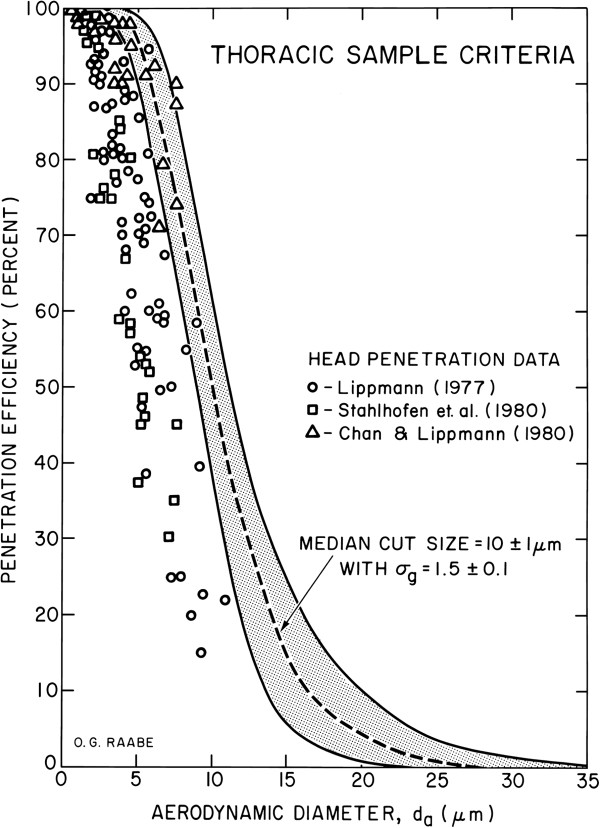
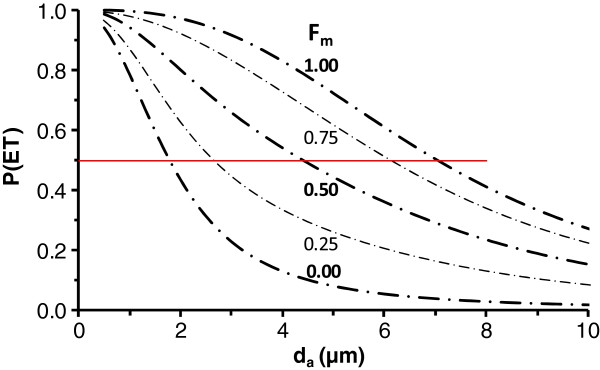
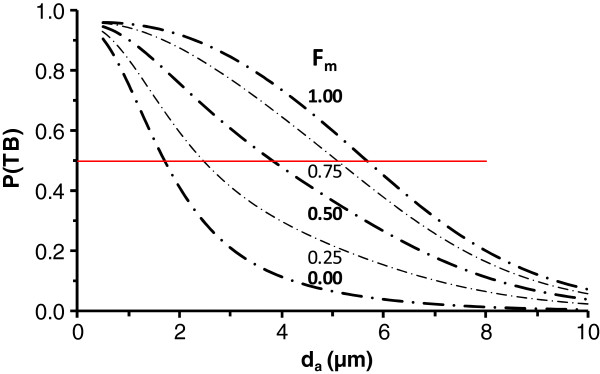
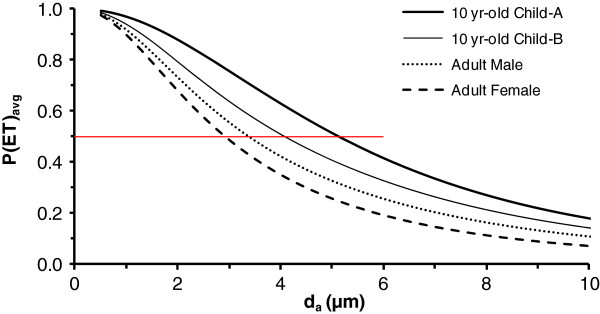
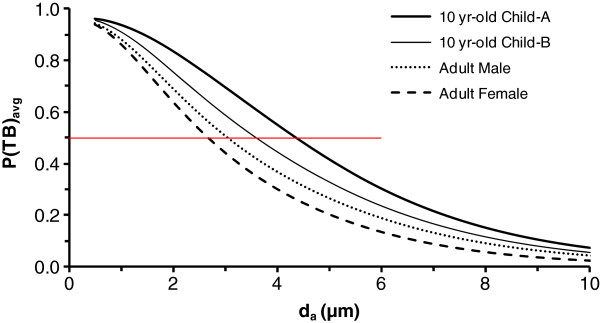
BACKGROUND: Particle size-selective sampling refers to the collection of particles of varying sizes that potentially reach and adversely affect specific regions of the respiratory tract. Thoracic and respirable fractions are defined as the fraction of inhaled particles capable of passing beyond the larynx and ciliated airways, respectively, during inhalation. In an attempt to afford greater protection to exposed individuals, current size-selective sampling criteria overestimate the population means of particle penetration into regions of the lower respiratory tract. The purpose of our analyses was to provide estimates of the thoracic and respirable fractions for adults and children during typical activities with both nasal and oral inhalation, that may be used in the design of experimental studies and interpretation of health effects evidence. METHODS: We estimated the fraction of inhaled particles (0.5-20 μm aerodynamic diameter) penetrating beyond the larynx (based on experimental data) and ciliated airways (based on a mathematical model) for an adult male, adult female, and a 10 yr old child during typical daily activities and breathing patterns. RESULTS: Our estimates show less penetration of coarse particulate matter into the thoracic and gas exchange regions of the respiratory tract than current size-selective criteria. Of the parameters we evaluated, particle penetration into the lower respiratory tract was most dependent on route of breathing. For typical activity levels and breathing habits, we estimated a 50% cut-size for the thoracic fraction at an aerodynamic diameter of around 3 μm in adults and 5 μm in children, whereas current ambient and occupational criteria suggest a 50% cut-size of 10 μm. CONCLUSIONS: By design, current size-selective sample criteria overestimate the mass of particles generally expected to penetrate into the lower respiratory tract to provide protection for individuals who may breathe orally. We provide estimates of thoracic and respirable fractions for a variety of breathing habits and activities that may benefit the design of experimental studies and interpretation of particle size-specific health effects.
Overview
The claims and statistics of this paper haven’t been checked yet.
Free: it reads the open-access text and checks the first 5 claims that cite a source we can check. Create a free account to check every claim.
Integrity signals
Registry
Cites
Statistics
Figures
Verification
Claims the paper makes
The claims and statistics of this paper haven’t been checked yet.
Free: it reads the open-access text and checks the first 5 claims that cite a source we can check. Create a free account to check every claim.
Self-check
Percentages, sums and reported differences re-computed from the paper’s own numbers.
The self-check needs the paper’s full text.
Citations
Cites
Models of human lung airways and their application to inhaled particle deposition
Yeh, H.-C., & Schum, G. M. (1980) · Bulletin of Mathematical Biology · doi:10.1007/bf02460796 · Cited by 717
A Multiple-Path Model of Particle Deposition in the Rat Lung
Anjilvel, S. (1995) · Fundamental and Applied Toxicology · doi:10.1006/faat.1995.1144 · Cited by 498 · cited 3×
“Millage KK, Bergman J, Asgharian B, McClellan G: A review of inhalability fraction models: discussion and recommendations.”
MethodInfluentialStahlhofen, W., Gebhart, J., & Heyder, J. (1980) · American Industrial Hygiene Association Journal · doi:10.1080/15298668091424933 · Cited by 444 · cited 1×
“, light exercise [5-7].”
CHAN, T. L., & LIPPMANN, M. (1980) · American Industrial Hygiene Association Journal · doi:10.1080/15298668091424942 · Cited by 402 · cited 1×
“, light exercise [5-7].”
Oronasal distribution of respiratory airflow
Niinimaa, V., Cole, P., & Shephard, R. J. (1981) · Respiration Physiology · doi:10.1016/0034-5687(81)90089-x · Cited by 184 · cited 4×
“[17], who examined the route of breathing as a function of activity in healthy adults (14 males, 16 females).”
BackgroundMethodInfluentialRegional Deposition of Particles in the Human Respiratory Tract
Lippmann, M. (1977) · Comprehensive Physiology · doi:10.1002/cphy.cp090114 · Cited by 177
Size Considerations for Establishing a Standard for Inhalable Particles
Miller, F. J., Gardner, D. E., Graham, J. A., Lee, R. E., Wilson, W. E., & Bachmann, J. D. (1979) · Journal of the Air Pollution Control Association · doi:10.1080/00022470.1979.10470831 · Cited by 175 · cited 1×
“[10] also specifically recommended a particle size cut-point of ≤ 2.”
BackgroundLong-term clearance from small airways decreases with age
Svartengren, M., Falk, R., & Philipson, K. (2005) · European Respiratory Journal · doi:10.1183/09031936.05.00002105 · Cited by 144
Air Sampling Instruments for Evaluation of Atmospheric Contaminants
Mccammon, C., & Cohen, B. S. (1995) · Cited by 129
Research works printed but not linked: 3
- American Conference of Governmental Industrial Hygienis (ACGIH) TLVs and BEIs: Based on the documentation of the threshold limit values for chemical substances and physical agents and biological exposure indices 2005 Cincinnati, OH: ACGIH
- American Conference of Governmental Industrial Hygienis (ACGIH) Particle size-selective sampling in the workplace. Report of the ACGIH Technical Committee on Air Sampling Procedures 1985 Cincinnati, OH: ACGIH
- International Organization for Standardization (ISO) Air quality – Sampling conventions for airborne particle deposition in the human respiratory system 2012 Geneva, Switzerland: ISO 13138, First edition
Cited by
A review on the human health impact of airborne particulate matter
Kim, K.-H., Kabir, E., & Kabir, S. (2015) · Environment International · doi:10.1016/j.envint.2014.10.005 · Cited by 2,954
“, breathing mode, rate, and volume of a person), the size of particles has been directly linked to being the main cause of health problems (Brown et al., 2013).”
BackgroundNhung, N. T. T., Amini, H., Schindler, C., Kutlar Joss, M., Dien, T. M., Probst-Hensch, N., Perez, L., & Künzli, N. (2017) · Environmental Pollution · doi:10.1016/j.envpol.2017.07.063 · Cited by 289
Collection, particle sizing and detection of airborne viruses
Pan, M., Lednicky, J. A., & Wu, C. ‐. (2019) · Journal of Applied Microbiology · doi:10.1111/jam.14278 · Cited by 261
“…found that influenza A virus (IAV) RNA was detected by RTPCR in 11 out of 81 samples, and more than half of the aerosol particles that contained the virus were <4 lm, within the respirable particle size range (inhaled particles capable of passing beyond the ciliated airways) (Brown et al. 2013).”
BackgroundKastury, F., Smith, E., & Juhasz, A. L. (2017) · Science of The Total Environment · doi:10.1016/j.scitotenv.2016.09.056 · Cited by 238
Alarabi, A. B., Mohsen, A. S., Taleb, Z. B., Mizuguchi, K., Alshbool, F. Z., & Khasawneh, F. T. (2023) · Life Sciences · doi:10.1016/j.lfs.2023.121694 · Cited by 239
“In fact, studies have shown that particulate matter of smaller size, namely ultra-fine particles can penetrate deeper and hence produce more severe negative health effects [61].”
Downward, G. S., van Nunen, E. J. H. M., Kerckhoffs, J., Vineis, P., Brunekreef, B., Boer, J. M. A., Messier, K. P., Roy, A., Verschuren, W. M. M., van der Schouw, Y. T., et al. (2018) · Environmental Health Perspectives · doi:10.1289/ehp3047 · Cited by 206
“…≤ 10 l m (PM 10 ) can be deposited within the respiratory tract, while particles ≤ 2 : 5 (PM 2 : 5 ) have a higher fractional deposition within alveoli, resulting in tissue in fl ammation, oxidative stress, and systemic health e ff ects (Brown et al. 2013; Meng et al. 2016).”
Morakinyo, O., Mokgobu, M., Mukhola, M., & Hunter, R. (2016) · International Journal of Environmental Research and Public Health · doi:10.3390/ijerph13060592 · Cited by 205
“Whereas, respirable PM are fractions of inhaled particles that are capable of passi g beyon the human larynx and ciliated airw ys [8].”
BackgroundUnderstanding the pathogenesis of occupational coal and silica dust-associated lung disease
Vanka, K. S., Shukla, S., Gomez, H. M., James, C., Palanisami, T., Williams, K., Chambers, D. C., Britton, W. J., Ilic, D., Hansbro, P. M., et al. (2022) · European Respiratory Review · doi:10.1183/16000617.0250-2021 · Cited by 163
Cell death pathways of particulate matter toxicity
Peixoto, M. S., de Oliveira Galvão, M. F., & Batistuzzo de Medeiros, S. R. (2017) · Chemosphere · doi:10.1016/j.chemosphere.2017.08.076 · Cited by 172
Zhang, L., Ou, C., Magana-Arachchi, D., Vithanage, M., Vanka, K. S., Palanisami, T., Masakorala, K., Wijesekara, H., Yan, Y., Bolan, N., et al. (2021) · International Journal of Environmental Research and Public Health · doi:10.3390/ijerph182111055 · Cited by 130
“Depending on the size of the inhaled particles, they are categorized as “extrathoracic,” which cannot pass the larynx; “thoracic,” which are particles that reach beyond the larynx (relates to particles with Dae < 10 μm); and “respirable,” which are particles that manage to pass into the pulmonary or alveolar region (r…”
BackgroundAir pollutant particulate matter 2.5 induces dry eye syndrome in mice
Tan, G., Li, J., Yang, Q., Wu, A., Qu, D.-Y., Wang, Y., Ye, L., Bao, J., & Shao, Y. (2018) · Scientific Reports · doi:10.1038/s41598-018-36181-x · Cited by 136
Influence of rain on the abundance of bioaerosols in fine and coarse particles
Rathnayake, C. M., Metwali, N., Jayarathne, T., Kettler, J., Huang, Y., Thorne, P. S., O’Shaughnessy, P. T., & Stone, E. A. (2017) · Atmospheric chemistry and physics · doi:10.5194/acp-17-2459-2017 · Cited by 149
“Once inhaled, bioaerosols reach different regions of the respiratory system based on their size (Oberdörster et al., 2005; Brown et al., 2013), which is dependent on the route of breathing, age, gender, and activity level (Brown et al., 2013).”
BackgroundQian, L., Xu, C., Ji, G., Liu, H., Wentao, S., Chunlan, Z., Aihua, G., & Zhao, P. (2017) · Journal of Biomedical Research · doi:10.7555/jbr.31.20160071 · Cited by 151
“Entry of PM into the respiratory tract depends on the physical characteristics, breathing mode and rate, and size of an individual([10]).”
BackgroundDavid, L. M., Ravishankara, A. R., Kodros, J. K., Pierce, J. R., Venkataraman, C., & Sadavarte, P. (2018) · GeoHealth · doi:10.1029/2018gh000169 · Cited by 133
“PM10 (particles with aerodynamic diameter smaller than 10 μm, sometimes referred to as “respirable PM fraction”; Brown et al., 2013) and PM2.”
BackgroundSize-Resolved Field Performance of Low-Cost Sensors for Particulate Matter Air Pollution
Rueda, E. M., Carter, E. M., L’Orange, C., Quinn, C. W., & Volckens, J. (2023) · Environmental Science & Technology Letters · doi:10.1021/acs.estlett.3c00030 · Cited by 142
Air Quality Effects on Human Health and Approaches for Its Assessment through Microfluidic Chips
Schulze, F., Gao, X., Viržonis, D., Damiati, S., Schneider, M. R., & Kodzius, R. (2017) · Genes · doi:10.3390/genes8100244 · Cited by 136
“Most of the particles that enter the respiratory tract of humans are filtered via cilia and mucus, and removed on the mucociliary escalator [100].”
BackgroundWright, S. L., Gouin, T., Koelmans, A. A., & Scheuermann, L. (2021) · Microplastics and Nanoplastics · doi:10.1186/s43591-021-00006-y · Cited by 118
“For instance, it has been shown that approximately 100% of particles with D ≥ 10 μm deposit in the nasopharyngeal region of the respiratory tract when breathing through the nose and that approximately 40% of PM with D ≥ 10 μm depositing in the lower respiratory tract of the thorax when breathing completely through the…”
BackgroundGalvão, M. F. D. O., Alves, N. D. O., Ferreira, P. A., Caumo, S. E. D. S., Vasconcellos, P. D. C., Artaxo, P. E., Hacon, S. D. S., Roubicek, D. A., & de Medeiros, S. R. B. (2017) · Environmental Pollution · doi:10.1016/j.envpol.2017.09.068 · Cited by 121
Mitochondrial toxicity of tobacco smoke and air pollution
Fetterman, J. L., Sammy, M. J., & Ballinger, S. W. (2017) · Toxicology · doi:10.1016/j.tox.2017.08.002 · Cited by 121
Liu, H.-Y., Dunea, D., Iordache, Ș., & Pohoaţă, A. (2018) · Atmosphere · doi:10.3390/atmos9040150 · Cited by 116
“(2013) [35] found that approximately 20% or less of PM10 particles penetrate through the extra thoracic airways and into the lower respiratory tract.”
BackgroundInfluence of PM1 and PM2.5 on lung function parameters in healthy schoolchildren—a panel study
Zwoździak, A., Sówka, I., Willak-Janc, E., Zwoździak, J., Kwiecińska, K., & Balińska-Miśkiewicz, W. (2016) · Environmental Science and Pollution Research · doi:10.1007/s11356-016-7605-1 · Cited by 116
“5, and PM1 is broadly accepted, the complexity of the problem with classification of particles is still under discussion since the deposition of particle in lungs depends on various factors including sex, age, breathing habits, and activities (Brown et al. 2013).”
BackgroundInfluentialRecent advancements in the measurement of pathogenic airborne viruses
Bhardwaj, J., Hong, S., Jang, J., Han, C.-H., Lee, J., & Jang, J. (2021) · Journal of Hazardous Materials · doi:10.1016/j.jhazmat.2021.126574 · Cited by 107
“The SARS-CoV-2 virus was also collected using gelatin filters at 5 and 9 LPM for several hours or more, and qPCR was used for RNA quantification (Liu et al., 2020).”
MethodInfluentialClippinger, A. J., Allen, D., Jarabek, A. M., Corvaro, M., Gaça, M., Gehen, S. C., Hotchkiss, J. A., Patlewicz, G. Y., Melbourne, J., Hinderliter, P. M., et al. (2017) · Toxicology in Vitro · doi:10.1016/j.tiv.2017.12.011 · Cited by 110
Jankowska-Kieltyka, M., Roman, A., & Nalepa, I. (2021) · Frontiers in Cellular Neuroscience · doi:10.3389/fncel.2021.647643 · Cited by 100
Wooster, M. J., Gaveau, D., Salim, M., Zhang, T., Xu, W., Green, D. C., Huijnen, V., Murdiyarso, D., Gunawan, D., Borchard, N., et al. (2018) · Remote Sensing · doi:10.3390/rs10040495 · Cited by 106
“5 size classes dominating the particulate load, and their smaller diameters mean they are more concerning for human health [79].”
BackgroundZazouli, M. A., Dehbandi, R., Mohammadyan, M., Aarabi, M., Dominguez, A. O., Kelly, F. J., Khodabakhshloo, N., Rahman, M. M., & Naidu, R. (2020) · Journal of Hazardous Materials · doi:10.1016/j.jhazmat.2020.124185 · Cited by 99
Sources, Degradation, Ingestion and Effects of Microplastics on Humans: A Review
Lin, Y.-D., Huang, P., Chen, Y., Hsieh, C., Tain, Y., Lee, B., Hou, C., & Shih, M. (2023) · Toxics · doi:10.3390/toxics11090747 · Cited by 106
Environment indoor air quality assessment using fuzzy inference system
Dionova, . W., Mohammed, M. N., Al-Zubaidi, S. S., & Yusuf, E. (2020) · ICT Express · doi:10.1016/j.icte.2020.05.007 · Cited by 92
Sah, D., Verma, P. K., Kandikonda, M. K., & Lakhani, A. (2018) · Urban Climate · doi:10.1016/j.uclim.2018.11.010 · Cited by 97
Abdeldayem, O. M., Dabbish, A. M., Habashy, M. M., Mostafa, M. K., Elhefnawy, M., Amin, L., Al-Sakkari, E. G., Ragab, A., & Rene, E. R. (2021) · The Science of The Total Environment · doi:10.1016/j.scitotenv.2021.149834 · Cited by 106
“It was reported that physical damage might have occurred to the viruses due to the impaction forces created during the sampling process (Blachere et al., 2009; Brown et al., 2013; Cao et al., 2011; Pan et al., 2019).”
Lyu, Y., Zhang, K., Chai, F., Cheng, T., Yang, Q. S., Zheng, Z., & Li, X. (2017) · Environmental Pollution · doi:10.1016/j.envpol.2017.02.039 · Cited by 96
Nowakowski, M., Rykowska, I., Wolski, R., & Andrzejewski, P. (2021) · Environmental Processes · doi:10.1007/s40710-021-00555-7 · Cited by 82
“The PM10 fraction is called the ‘chest fraction’ because of presenting danger on chest organs – heart, bronchi (Brown et al. 2013).”
BackgroundTrechera, P., Moreno, T., Córdoba, P., Moreno, N., Zhuang, X., Li, B., Li, J., Shangguan, Y., Kandler, K., Dominguez, A. O., et al. (2020) · Journal of Hazardous Materials · doi:10.1016/j.jhazmat.2020.122935 · Cited by 83
Blond, J. S. L., Woskie, S., Horwell, C. J., & Williamson, B. J. (2016) · Atmospheric Environment · doi:10.1016/j.atmosenv.2016.11.012 · Cited by 98
“In these calculations, a highly active adult male (defined as ~23e30 years old) has a daily ventilation rate of ~22 m3 day 1 (e.g., Brown et al., 2013; Brochu et al., 2006).”
BackgroundMethodExposure of Canadian electronic waste dismantlers to flame retardants
Nguyễn, L. V., Diamond, M. L., Venier, M., Stubbings, W. A., Romanak, K., Bajard, L., Melymuk, L. E., Jantunen, L. M., & Arrandale, V. H. (2019) · Environment International · doi:10.1016/j.envint.2019.04.056 · Cited by 89
HENDRYX, M. S., Islam, M. S., Dong, G., & Paul, G. E. (2020) · International Journal of Environmental Research and Public Health · doi:10.3390/ijerph17051570 · Cited by 85
“Respirable coal mine particles influence overproduction of reactive oxygen species at the deeper airways, which eventually devastate the antioxidant system of the respiratory cell [15].”
BackgroundIn-utero exposure to air pollution and early-life neural development and cognition
Yi, C., Wang, Q., Qu, Y., Niu, J., Oliver, B. G. G., & Chen, H. (2022) · Ecotoxicology and Environmental Safety · doi:10.1016/j.ecoenv.2022.113589 · Cited by 79
Lv, H., Li, H., Qiu, Z., Zhang, F., & Song, J. (2021) · Atmospheric Pollution Research · doi:10.1016/j.apr.2021.02.018 · Cited by 73
Exposure to construction dust and health impacts – A review
Wang, M., Yao, G., Sun, Y., Yang, Y., & Deng, R. (2022) · Chemosphere · doi:10.1016/j.chemosphere.2022.136990 · Cited by 81
Salikandi, M., Ranjbar, B., Shirkhan, E., Priya, S. S., Thirunavukkarasu, I., & Sudhakar, K. (2020) · Journal of Building Engineering · doi:10.1016/j.jobe.2020.101579 · Cited by 68
Preclinical hazard evaluation strategy for nanomedicines
Siegrist, S., Çörek, E., Detampel, P., Sandström, J., Wick, P., & Huwyler, J. (2018) · Nanotoxicology · doi:10.1080/17435390.2018.1505000 · Cited by 74
“Inhalables are based on particle size distributions that exceed the nano-range (Brown et al. 2013).”
BackgroundOral bioaccessibility of metal(loid)s in dust materials from mining areas of northern Namibia
Ettler, V., Cihlová, M., Jarošíková, A., Mihaljevič, M., Drahota, P., Kříbek, B., Vaněk, A., Penížek, V., Šráček, O., Klementová, M., et al. (2019) · Environment International · doi:10.1016/j.envint.2018.12.027 · Cited by 70
2014 Atomic Spectrometry Update – a review of advances in X-ray fluorescence spectrometry
West, M., Ellis, A. T., Potts, P. J., Streli, C., Vanhoof, C., & Wobrauschek, P. (2014) · Journal of Analytical Atomic Spectrometry · doi:10.1039/c4ja90038c · Cited by 67
Kastury, F., Smith, E., Karna, R. R., Scheckel, K. G., & Juhasz, A. L. (2018) · The Science of The Total Environment · doi:10.1016/j.scitotenv.2018.02.337 · Cited by 70
An Overview of Carbon Footprint of Coal Mining to Curtail Greenhouse Gas Emissions
Ivanova, S. A., Vesnina, A. D., Fotina, N., & Prosekov, A. Y. (2022) · Sustainability · doi:10.3390/su142215135 · Cited by 73
Zhang, X., Lyu, J., Zeng, Y., Sun, N., Liu, C., & Yin, S. (2020) · Environmental Pollution · doi:10.1016/j.envpol.2020.116385 · Cited by 62
Yuan, M., Xu, X., Xie, G., Zhang, Y., Chen, S., Qiu, Y., Zhu, Z., Zhang, H., & Yin, D. (2022) · Environment International · doi:10.1016/j.envint.2022.107209 · Cited by 61
Respirable Coal Mine Dust: A Review of Respiratory Deposition, Regulations, and Characterization
Shekarian, Y., Rahimi, E., Rezaee, M., Su, W., & Roghanchi, P. (2021) · Minerals · doi:10.3390/min11070696 · Cited by 61
Sánchez-Soberón, F., Mari, M., Kumar, V., Rovira, J., Nadal, M., & Schuhmacher, M. (2015) · Environmental Research · doi:10.1016/j.envres.2015.09.008 · Cited by 61
“, 2008) e (INE, 2012); f :(US EPA, 2011) g (ICRP, 1994) h (Stocks and Quanjer, 1995) i (Brown et al., 2013) F.”
Exposures to Atmospheric PM10 and PM10–2.5 Affect Male Semen Quality: Results of MARHCS Study
Zhou, N., Jiang, C., Chen, Q., Yang, H., Wang, X., Zou, P., Sun, L., Liu, J., Li, L., Li, L., et al. (2018) · Environmental Science & Technology · doi:10.1021/acs.est.7b05206 · Cited by 59
Braun, M., Koger, F., Klingelhöfer, D., Müller, R., & Groneberg, D. A. (2019) · International Journal of Environmental Research and Public Health · doi:10.3390/ijerph16020263 · Cited by 67
“The smaller the particles the deeper they penetrate and the more severely are the health effects [16,17].”
BackgroundWildland firefighter exposure to smoke and COVID-19: A new risk on the fire line
Navarro, K. M., Clark, K. A., Hardt, D. J., Reid, C. E., Lahm, P. W., Domitrovich, J. W., Butler, C., & Balmes, J. R. (2020) · The Science of The Total Environment · doi:10.1016/j.scitotenv.2020.144296 · Cited by 60
“particles will be deposited into more distal airways and the alveolar region (Brown et al., 2013; Wu et al., 2018).”
BackgroundWoodall, G. M., Hoover, M. D., Williams, R. W., Benedict, K., Harper, M., Soo, J., Jarabek, A. M., Stewart, M. J., Brown, J. S., Hulla, J., et al. (2017) · Atmosphere · doi:10.3390/atmos8100182 · Cited by 58
“Development of a dosimeter for PM is complicated due to the dependence of particle deposition on inhaled particle size, route of breathing, tidal volume, breathing rate, and lung size [82].”
Self-citationMorakinyo, O. M., Mukhola, M. S., & Mokgobu, M. I. (2021) · International Journal of Environmental Research and Public Health · doi:10.3390/ijerph18073653 · Cited by 54
“5 denotes a toxic fraction of PM and is recognised as a major threat to human health due to its chemical toxicity and its ability to pass beyond the human larynx and ciliated airways [8,9].”
BackgroundOrgan-on-a-Chip: Opportunities for Assessing the Toxicity of Particulate Matter
Yang, J.-W., Shen, Y., Lin, K.-C., Cheng, S.-J., Chen, S.-L., Chen, C., Kumar, P. V., Lin, S., Lu, H.-E., & Chen, G. (2020) · Frontiers in Bioengineering and Biotechnology · doi:10.3389/fbioe.2020.00519 · Cited by 58
“Although the effects of PM exposure depend on individual physical characteristics, such as the pattern and rate of breathing, weight, and age, the size of the particles has been identified as a direct cause of health problems (Brown et al., 2013).”
BackgroundSARS-CoV-2 in residential rooms of two self-isolating persons with COVID-19
Shankar, S. N., Witanachchi, C. T., Morea, A. F., Lednicky, J. A., Loeb, J. C., Alam, M. M., Fan, Z. H., Eiguren-Fernandez, A., & Wu, C. (2021) · Journal of Aerosol Science · doi:10.1016/j.jaerosci.2021.105870 · Cited by 54
“In general, particles in the respirable size range, i.e., particles of size 4 μm can reach the alveoli upon inhalation (Brown et al., 2013).”
Air pollution and childhood obesity
Seo, M. Y., Kim, S.-H., & Park, M. J. (2020) · Korean Journal of Pediatrics · doi:10.3345/cep.2020.00010 · Cited by 54
Calderón-Garcidueñas, L., Reynoso-Robles, R., Pérez-Guillé, B., Mukherjee, P. S., & Gónzalez-Maciel, A. (2017) · Environmental Research · doi:10.1016/j.envres.2017.08.008 · Cited by 52
“Children have large increases in ventilation and GI intake of particles with increasing activity (Stahlhofen et al., 1980; Lippmann et al., 1980; Brown et al., 2013), 3.”
BackgroundNovel inhalation therapy in pulmonary fibrosis: principles, applications and prospects
Zheng, M., Zhu, W., Gao, F., Zhuo, Y., Mo, Z., Wu, G., & Feng, C. (2024) · Journal of Nanobiotechnology · doi:10.1186/s12951-024-02407-6 · Cited by 56
“Aerosols with aerodynamic diameters less than 5 µm and 3 µm have the greatest potential for deposition in the lungs of adults [33] and children [58] respectively.”
BackgroundBesis, A., Botsaropoulou, E., Voutsa, D., & Samara, C. A. (2015) · Atmospheric Environment · doi:10.1016/j.atmosenv.2015.01.019 · Cited by 49
Kim, D., Kim, J., Jeong, J., & Choi, M. (2019) · Environmental Research · doi:10.1016/j.envres.2019.03.042 · Cited by 51
Ramkissoon, C., Gaskin, S. E., Thredgold, L. D., Hall, T., Rowett, S., & Gun, R. T. (2022) · Scientific Reports · doi:10.1038/s41598-022-08378-8 · Cited by 59
Assessment of temporal variation for the risk of particulate matters on asthma hospitalization
Kim, H., Kim, H., Park, Y. H., & Lee, J.-T. (2017) · Environmental Research · doi:10.1016/j.envres.2017.04.012 · Cited by 48
“They can penetrate easily into the respiratory track (Brown et al., 2013).”
Ganesh, H. S., Seo, K., Fritz, H., Edgar, T. F., Novoselac, A., & Bâldea, M. (2020) · Journal of Building Engineering · doi:10.1016/j.jobe.2020.101552 · Cited by 50
Wood dust exposure and lung cancer risk: a meta-analysis
Hancock, D. G., Langley, M. E., Chia, K. L., Woodman, R. J., & Shanahan, E. M. (2015) · Occupational and Environmental Medicine · doi:10.1136/oemed-2014-102722 · Cited by 48
Polk, W. W., Sharma, M., Sayes, C. M., Hotchkiss, J. A., & Clippinger, A. J. (2015) · Particle and Fibre Toxicology · doi:10.1186/s12989-016-0131-y · Cited by 51
“For instance, to assess the risk to humans, the ideal aerosol generator would be capable of generating MWCNTs in the human respirable size range (that is, particles that enter the lower respiratory tract and have a mass median aerodynamic diameter (MMAD) of between 1 and 3 microns) [32, 33].”
BackgroundKobza, J., Geremek, M., & Dul, L. (2018) · Environmental Monitoring and Assessment · doi:10.1007/s10661-018-6797-x · Cited by 46
Trees help reduce street-side air pollution: A focus on cyclist and pedestrian exposure risk
Ren, F., Qiu, Z., Liu, Z. Q., Hua, B., & Gao, H. (2022) · Building and Environment · doi:10.1016/j.buildenv.2022.109923 · Cited by 47
Slezáková, K., Peixoto, C., Pereira, M. D. C., & Morais, S. (2018) · Journal of Hazardous Materials · doi:10.1016/j.jhazmat.2018.07.015 · Cited by 51
“oral) is also relevant as particle penetration into the lower respiratory tract is dependent on breathing route [100].”
BackgroundAkther, T., Ahmed, M., Shohel, M., Ferdousi, F., & Salam, A. (2019) · Environmental Science and Pollution Research · doi:10.1007/s11356-018-4043-2 · Cited by 50
Slag dusts from Kabwe (Zambia): Contaminant mineralogy and oral bioaccessibility
Ettler, V., Štěpánek, D., Mihaljevič, M., Drahota, P., Jedlička, R., Křı́bek, B., Vaněk, A., Penížek, V., Šráček, O., & Nyambe, I. A. (2020) · Chemosphere · doi:10.1016/j.chemosphere.2020.127642 · Cited by 45
Schindler, M., Santosh, M., Dotto, G. L., Silva, L. F. O., & Hochella, M. F. (2021) · Gondwana Research · doi:10.1016/j.gr.2021.07.011 · Cited by 48
Increased airborne transmission of COVID-19 with new variants, Implications for health policies
Rowe, B. R., Canosa, A., Meslem, A., & Rowe, F. (2022) · Building and Environment · doi:10.1016/j.buildenv.2022.109132 · Cited by 48
Bonilla, V. M. C., Díaz, V., & Sirois, C. M. (2017) · Innate Immunity · doi:10.1177/1753425917699864 · Cited by 43
“While PM10 is thought to be relatively less toxic, it can also be deposited into the upper respiratory tract, and several studies have correlated exposition to this material with health problems.(20,21) Given the clear influence of air pollution on human health, it is necessary to investigate and characterize the heal…”
BackgroundSpatial Analysis of Ambient PM2.5 Exposure and Bladder Cancer Mortality in Taiwan
Yeh, H. L., Hsu, S., Chang, Y.-C., Chan, T., Tsou, H.-C., Chang, Y., & Chiang, P. (2017) · International Journal of Environmental Research and Public Health · doi:10.3390/ijerph14050508 · Cited by 43
“Subtypes of atmospheric particulate matter include suspended particulate matter (SPM), thoracic and respirable particles [1], inhalable coarse particles, which are particles with a diameter between 2.”
BackgroundUsing Machine Learning for the Calibration of Airborne Particulate Sensors
Wijeratne, L. O. H., Kiv, D., Aker, A., Talebi, S., & Lary, D. J. (2019) · Sensors · doi:10.3390/s20010099 · Cited by 45
Can extraoral suction units minimize droplet spatter during a simulated dental procedure?
Chavis, S. E., Hines, S. E., Dyalram, D., Wilken, N. C., & Dalby, R. N. (2021) · The Journal of the American Dental Association · doi:10.1016/j.adaj.2020.10.010 · Cited by 50
“Smaller aerosols remain suspended in the air for a protracted length of time owing to their low sedimentation rate and can be inhaled into the upper and lower respiratory tracts.(12,13) Droplets larger than 10 micrometers in aerodynamic diameter sediment rapidly in air.”
Role of Macrophages in Air Pollution Exposure Related Asthma
Li, C.-H., Tsai, M.-L., Chiou, H.-Y. (., Lin, Y.-C., Liao, W., & Hung, C. (2022) · International Journal of Molecular Sciences · doi:10.3390/ijms232012337 · Cited by 47
“Therefore, they have the most influence on human health [7].”
BackgroundParticulate Matter Exposure of Passengers at Bus Stations: A Review
Ngoc, L. T. N., Kim, M., Bui, V. K. H., Park, D., & Lee, Y. (2018) · International Journal of Environmental Research and Public Health · doi:10.3390/ijerph15122886 · Cited by 42
“Particle size is primarily responsible for the association betwe n PM and human health problems: smaller particles can more easily penetrate into the human body and eposit deep into the respiratory tract [19,27].”
BackgroundIslam, M. S., Saha, S. C., Gemci, T., Yang, I. A., Sauret, E., & Gu, Y. (2018) · Scientific Reports · doi:10.1038/s41598-018-34804-x · Cited by 42
Passi, A., Nagendra, S. M. S., & Maiya, M. P. (2021) · Atmospheric Pollution Research · doi:10.1016/j.apr.2021.101218 · Cited by 43
Janta, R., Sekiguchi, K., Yamaguchi, R., Sopajaree, K., Pongpiachan, S., & Chetiyanukornkul, T. (2019) · Atmospheric Pollution Research · doi:10.1016/j.apr.2019.09.003 · Cited by 45
Characterization of sub-pollen particles in size-resolved atmospheric aerosol using chemical tracers
Mampage, C. B. A., Hughes, D. D., Jones, L. M., Metwali, N., Thorne, P. S., & Stone, E. A. (2022) · Atmospheric Environment X · doi:10.1016/j.aeaoa.2022.100177 · Cited by 45
The in vitro respiratory toxicity of cristobalite-bearing volcanic ash
Damby, D. E., Murphy, F. A., Horwell, C. J., Raftis, J., & Donaldson, K. (2016) · Environmental Research · doi:10.1016/j.envres.2015.11.020 · Cited by 38
“Particles below a maximum theoretical aerodynamic diameter of 6 mm (i.e., within the respirable range; Brown et al., 2013), calculated for a specific airflow and particle density in the system, then entered a sampling chamber for collection.”
BackgroundPlastic waste generation and emissions from the domestic open burning of plastic waste in Guatemala
Cruz, M. B., Saikawa, E., Hengstermann, M., Ramirez, A., McCracken, J. P., & Thompson, L. M. (2022) · Environmental Science Atmospheres · doi:10.1039/d2ea00082b · Cited by 52
Wang, Y., Wang, Y., Liu, W., Chen, D., Wu, C., & Xie, J. (2019) · Sensors and Actuators A Physical · doi:10.1016/j.sna.2019.01.013 · Cited by 38
Impact of reactive iron in coal mine dust on oxidant generation and epithelial lung cell viability
Sun, Y., Kinsela, A. S., Cen, X., Sun, S., Collins, R. N., Cliff, D. I., Wu, Y., & Waite, T. D. (2021) · The Science of The Total Environment · doi:10.1016/j.scitotenv.2021.152277 · Cited by 42
Shekarian, Y., Rahimi, E., Rezaee, M., & Roghanchi, P. (2023) · International Journal of Coal Science & Technology · doi:10.1007/s40789-023-00586-5 · Cited by 37
Zheng, M., Liu, K., Li, L., Feng, C., & Wu, G. (2024) · Journal of Nanobiotechnology · doi:10.1186/s12951-023-02251-0 · Cited by 40
“The most optimized aerodynamic diameters provide the greatest potential for deposition in the lungs, which are less than 5 μm and 3 μm in adults [22] and children [23], respectively.”
BackgroundA mineralogical and chemical investigation of road dust in Philadelphia, PA, USA
O’Shea, M. J., Vann, D. R., Hwang, W., & Gieré, R. (2020) · Environmental Science and Pollution Research · doi:10.1007/s11356-019-06746-y · Cited by 37
Schaeffer, J. W., Adgate, J. L., Reynolds, S. J., Butler-Dawson, J., Krisher, L. K., Dally, M. J., Johnson, R. J., James, K. A., Jaramillo, D., & Newman, L. S. (2020) · International Journal of Environmental Research and Public Health · doi:10.3390/ijerph17165708 · Cited by 38
“An occupational exposure limit (OEL) of 230 μg/m3 has been recommended for agricultural workers based on the respirable size fraction, which includes those particles with a 50% cut point of 4 μm and lung function [51,52].”
BackgroundMethodGonzales, P., Félix, O. I., Alexander, C., Lutz, E., Ela, W. P., & Sáez, A. E. (2014) · Journal of Hazardous Materials · doi:10.1016/j.jhazmat.2014.09.002 · Cited by 36
Viegas, C. S. B., Monteiro, A., Caetano, L. A., Faria, T., Carolino, E., & Viegas, S. (2018) · Atmosphere · doi:10.3390/atmos9020064 · Cited by 38
“The bioburden diversity in occupational environments such as bakeries depends on several variables, including the microbiological contamination of the raw materials, which can be high and can occur at any time, considering cereal grains, from the crop period, through harvest and processing, up to storage and transport…”
BackgroundGopinathan, P., Santosh, M. S., Kumar, O. P., Subramani, T., Antoniadis, V., Shaheen, S. M., & Santosh, M. S. (2024) · Process Safety and Environmental Protection · doi:10.1016/j.psep.2024.02.067 · Cited by 36
Yang, S., Lu, X., & Wang, X. (2024) · Environmental Science & Technology · doi:10.1021/acs.est.4c03182 · Cited by 35
Wu, J., Shi, Y., Asweto, C. O., Feng, L., Yang, X., Zhang, Y., Hu, H., Duan, J., & Sun, Z. (2016) · Environmental Science and Pollution Research · doi:10.1007/s11356-016-7559-3 · Cited by 37
Nozza, E., Valentini, S., Melzi, G., Vecchi, R., & Corsini, E. (2021) · The Science of The Total Environment · doi:10.1016/j.scitotenv.2021.146391 · Cited by 36
Wang, S., Wang, P., Zhang, R., Meng, X., Kan, H., & Zhang, H. (2023) · Chemosphere · doi:10.1016/j.chemosphere.2023.138742 · Cited by 34
Costabile, F., Gualtieri, M., Canepari, S., Tranfo, G., Consales, C., Grollino, M. G., Paci, E., Petralia, E., Pigini, D., & Simonetti, G. (2019) · Atmospheric Environment · doi:10.1016/j.atmosenv.2019.06.023 · Cited by 39
Wylie, A. G., Korchevskiy, A. A., Orden, D. R. V., & Chatfield, E. J. (2022) · Computational Toxicology · doi:10.1016/j.comtox.2022.100233 · Cited by 32
Metadata
- Authors
- Brown, J. S., Gordon, T., Price, O., & Asgharian, B.
- Affiliations
- Environmental Protection Agency (US)
- NYU Langone Health (US)
- Applied Research Associates (United States) (US)
- Corresponding author
- Brown, James S
- Venue
- Particle and Fibre Toxicology
- Published
- 2013
- Volume
- 10
- Issue
- 1
- Pages
- 12
- ISSN
- 1743-8977 (ISSN-L)
- PMC
- PMC3640939
- OpenAlex
- W2137087705
- Cited by
- 474
- References
- 24
- Citations by year
- 2026: 32 · 2025: 41 · 2024: 37 · 2023: 51 · 2022: 66 · 2021: 64 · 2020: 39 · 2019: 37 · 2018: 39 · 2017: 30 · 2016: 15 · 2015: 13 · 2014: 9 · 2013: 1
- FWCI
- 9.31
- Type
- journal article
- Language
- en
- Open access
- gold
- doi.org
- Licence
- cc-by
- Locations
- Particle and Fibre Toxicology (publishedVersion, cc-by)
- Europe PMC (PubMed Central) (publishedVersion, cc-by)
- PubMed Central (publishedVersion, cc-by)
- PubMed (publishedVersion)
- Funders
- U.S. Environmental Protection Agency
- Oak Ridge Institute for Science and Education
- National Center For Environmental Assessment
- National Institute for Occupational Safety and Health
- Topics
- Physical Sciences › Environmental Science › Health, Toxicology and Mutagenesis › Air Quality and Health Impacts
- Health Sciences › Medicine › Pulmonary and Respiratory Medicine › Inhalation and Respiratory Drug Delivery
- Physical Sciences › Environmental Science › Health, Toxicology and Mutagenesis › Indoor Air Quality and Microbial Exposure
- Keywords
- respirable fraction, particle penetration, respiratory tract deposition, cut size, oral inhalation, nasal inhalation, breathing pattern, children, coarse particles, human health risk assessment
- MeSH terms
- Activities of Daily Living, Adult, Aerosols, Age Factors, Air Pollutants, Body Burden, Child, Female, Humans, Male, Models, Biological, Terminology as Topic, Particle Size, Respiration, Respiratory System, Risk Factors, Sex Factors, Toxicology, Linear Models, Risk Assessment, Inhalation Exposure, Young Adult
About these checks
Registry, retraction, Cites and statistics results are computed, not judged, with one exception: a printed reference that no index lists is read once by a model before it counts as a citation error. Claims are extracted by a model and kept only when their quote appears verbatim in the text; each cited source is then checked, with a model’s help, for whether it says what the claim relies on. Those verdicts can be wrong — read the claim’s quote and the cited source before relying on one.
Statistics and arithmetic are recomputed, not judged.
Confidence bands are shown only for fields calibrated on our annotated test set. None is calibrated yet, so no band is shown.
What counts as a claim ›How we measure confidence ›How we check this ›
Are you an author, or do you see a problem with this page? Request a review
Data sources
Bibliographic data: Semantic Scholar, OpenAlex, Crossref.
Contains information from the Semantic Scholar Academic Graph Datasets, made available under the ODC Attribution License (ODC-BY 1.0).
Semantic Scholar’s data is described in: Kinney, R., et al. (2023). The Semantic Scholar Open Data Platform. arXiv:2301.10140.
