

Thoracic and respirable particle definitions for human health risk assessment
Open accessThe DOI matches its Crossref record; 25 of the 25 references it cites were found in a registry or an index.
Abstract
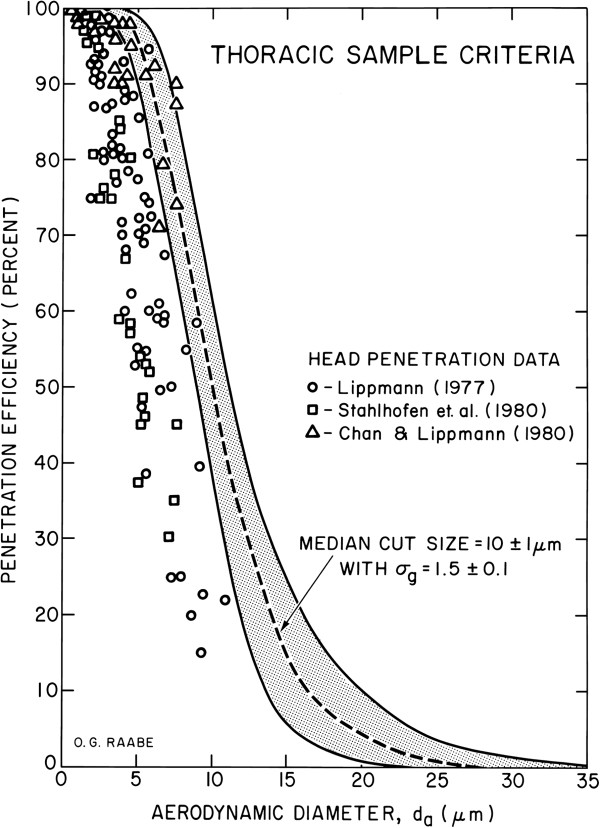
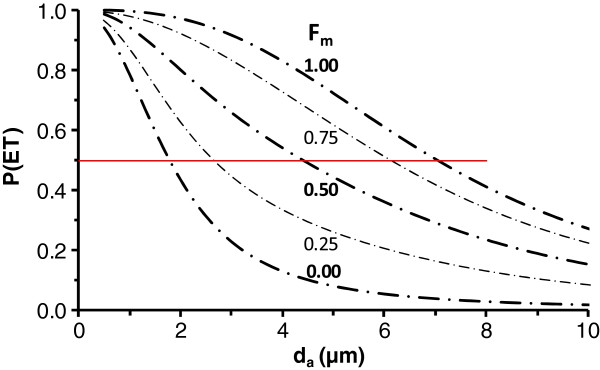
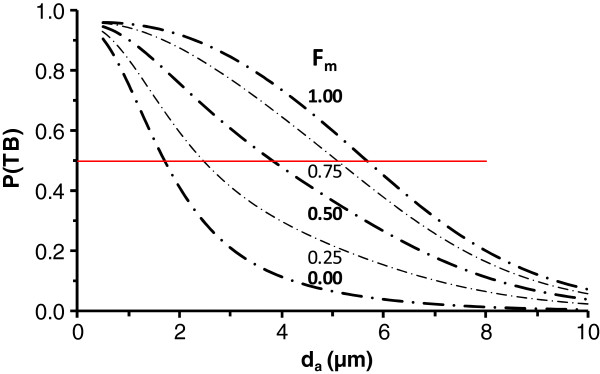
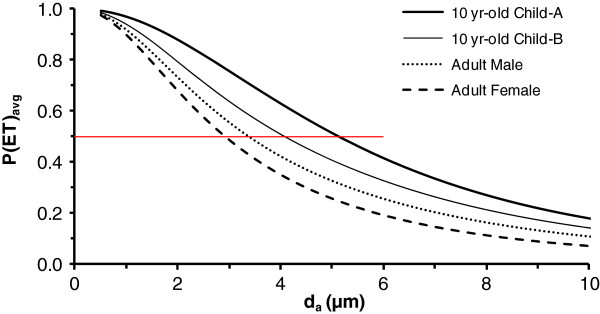
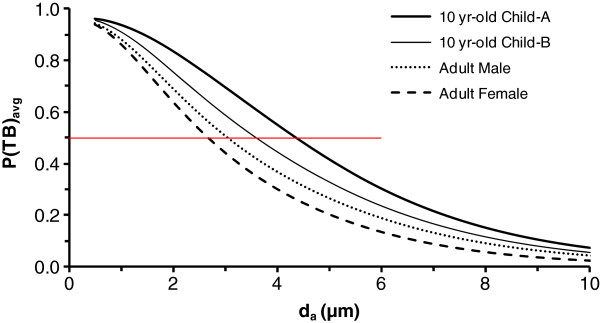
BACKGROUND: Particle size-selective sampling refers to the collection of particles of varying sizes that potentially reach and adversely affect specific regions of the respiratory tract. Thoracic and respirable fractions are defined as the fraction of inhaled particles capable of passing beyond the larynx and ciliated airways, respectively, during inhalation. In an attempt to afford greater protection to exposed individuals, current size-selective sampling criteria overestimate the population means of particle penetration into regions of the lower respiratory tract. The purpose of our analyses was to provide estimates of the thoracic and respirable fractions for adults and children during typical activities with both nasal and oral inhalation, that may be used in the design of experimental studies and interpretation of health effects evidence. METHODS: We estimated the fraction of inhaled particles (0.5-20 μm aerodynamic diameter) penetrating beyond the larynx (based on experimental data) and ciliated airways (based on a mathematical model) for an adult male, adult female, and a 10 yr old child during typical daily activities and breathing patterns. RESULTS: Our estimates show less penetration of coarse particulate matter into the thoracic and gas exchange regions of the respiratory tract than current size-selective criteria. Of the parameters we evaluated, particle penetration into the lower respiratory tract was most dependent on route of breathing. For typical activity levels and breathing habits, we estimated a 50% cut-size for the thoracic fraction at an aerodynamic diameter of around 3 μm in adults and 5 μm in children, whereas current ambient and occupational criteria suggest a 50% cut-size of 10 μm. CONCLUSIONS: By design, current size-selective sample criteria overestimate the mass of particles generally expected to penetrate into the lower respiratory tract to provide protection for individuals who may breathe orally. We provide estimates of thoracic and respirable fractions for a variety of breathing habits and activities that may benefit the design of experimental studies and interpretation of particle size-specific health effects.
Overview
The claims and statistics of this paper haven’t been checked yet.
Free: it reads the open-access text and checks the first 5 claims that cite a source we can check. Create a free account to check every claim.
Integrity signals
Registry
Cites
Statistics
Figures
Verification
Claims the paper makes
The claims and statistics of this paper haven’t been checked yet.
Free: it reads the open-access text and checks the first 5 claims that cite a source we can check. Create a free account to check every claim.
Self-check
Percentages, sums and reported differences re-computed from the paper’s own numbers.
The self-check needs the paper’s full text.
Citations
Cites
Models of human lung airways and their application to inhaled particle deposition
Yeh, H.-C., & Schum, G. M. (1980) · Bulletin of Mathematical Biology · doi:10.1007/bf02460796 · Cited by 717
A Multiple-Path Model of Particle Deposition in the Rat Lung
Anjilvel, S. (1995) · Fundamental and Applied Toxicology · doi:10.1006/faat.1995.1144 · Cited by 498 · cited 3×
“Millage KK, Bergman J, Asgharian B, McClellan G: A review of inhalability fraction models: discussion and recommendations.”
MethodInfluentialStahlhofen, W., Gebhart, J., & Heyder, J. (1980) · American Industrial Hygiene Association Journal · doi:10.1080/15298668091424933 · Cited by 444 · cited 1×
“, light exercise [5-7].”
CHAN, T. L., & LIPPMANN, M. (1980) · American Industrial Hygiene Association Journal · doi:10.1080/15298668091424942 · Cited by 402 · cited 1×
“, light exercise [5-7].”
Oronasal distribution of respiratory airflow
Niinimaa, V., Cole, P., & Shephard, R. J. (1981) · Respiration Physiology · doi:10.1016/0034-5687(81)90089-x · Cited by 184 · cited 4×
“[17], who examined the route of breathing as a function of activity in healthy adults (14 males, 16 females).”
BackgroundMethodInfluentialRegional Deposition of Particles in the Human Respiratory Tract
Lippmann, M. (1977) · Comprehensive Physiology · doi:10.1002/cphy.cp090114 · Cited by 177
Size Considerations for Establishing a Standard for Inhalable Particles
Miller, F. J., Gardner, D. E., Graham, J. A., Lee, R. E., Wilson, W. E., & Bachmann, J. D. (1979) · Journal of the Air Pollution Control Association · doi:10.1080/00022470.1979.10470831 · Cited by 175 · cited 1×
“[10] also specifically recommended a particle size cut-point of ≤ 2.”
BackgroundLong-term clearance from small airways decreases with age
Svartengren, M., Falk, R., & Philipson, K. (2005) · European Respiratory Journal · doi:10.1183/09031936.05.00002105 · Cited by 144
Air Sampling Instruments for Evaluation of Atmospheric Contaminants
Mccammon, C., & Cohen, B. S. (1995) · Cited by 129
Research works printed but not linked: 3
- American Conference of Governmental Industrial Hygienis (ACGIH) TLVs and BEIs: Based on the documentation of the threshold limit values for chemical substances and physical agents and biological exposure indices 2005 Cincinnati, OH: ACGIH
- American Conference of Governmental Industrial Hygienis (ACGIH) Particle size-selective sampling in the workplace. Report of the ACGIH Technical Committee on Air Sampling Procedures 1985 Cincinnati, OH: ACGIH
- International Organization for Standardization (ISO) Air quality – Sampling conventions for airborne particle deposition in the human respiratory system 2012 Geneva, Switzerland: ISO 13138, First edition
Cited by
Items 101–200 of 475
Crawford, M. S., Nordgren, T. M., & McCole, D. F. (2021) · American Journal of Physiology-Gastrointestinal and Liver Physiology · doi:10.1152/ajpgi.00423.2020 · Cited by 38
“Particle penetration into respiratory regions can be identified as either “inhalable fractions” or “respirable fractions” (80).”
BackgroundInfluentialQuantification and Characterization of Metals in Ultrafine Road Dust Particles
Beauchemin, S., Levesque, C., Wiseman, C. L. S., & Rasmussen, P. E. (2021) · Atmosphere · doi:10.3390/atmos12121564 · Cited by 30
“PM10 is defined as the “thoracic” fraction, with 50% of particles small enough to penetrate beyond the larynx [4].”
BackgroundSun, Y., Kinsela, A. S., & Waite, T. D. (2022) · The Science of The Total Environment · doi:10.1016/j.scitotenv.2022.153727 · Cited by 35
TSP, PM 10 , and PM 2.5 emissions from a beef cattle feedlot using the flux-gradient technique
Bonifacio, H. F., Maghirang, R. G., Trabue, S. L., McConnell, L. L., Prueger, J. H., & Bonifacio, E. R. (2014) · Atmospheric Environment · doi:10.1016/j.atmosenv.2014.11.017 · Cited by 30
Segura, S., Estellés, V., Utrillas, M. P., & Martı́nez-Lozano, J. A. (2017) · Atmospheric Environment · doi:10.1016/j.atmosenv.2017.08.012 · Cited by 30
Lai, C.-H., Lin, C., & Liao, C.-C. (2017) · Air Quality Atmosphere & Health · doi:10.1007/s11869-017-0515-7 · Cited by 30
Jiang, S., Tong, X., Yu, K., Yin, P., Shi, S., Meng, X., Chen, R., Zhou, M., Kan, H., Niu, Y., et al. (2024) · EBioMedicine · doi:10.1016/j.ebiom.2024.105270 · Cited by 33
“35,36 In addition, we explored the lagged effect of PMs on COPD mortality.”
BackgroundA multi-factor CFD simulation to dust suppression in dynamic tunnel excavation
Wang, C., Zhang, H., Xue, T., & Fang, L. (2025) · Tunnelling and Underground Space Technology · doi:10.1016/j.tust.2025.106458 · Cited by 29
Tian, Y., Li, Y., Yongli, L., Xue, Q., Feng, X. B., & Feng, Y. (2020) · Journal of Hazardous Materials · doi:10.1016/j.jhazmat.2020.124355 · Cited by 29
Cocârță, D. M., Prodana, M., Demetrescu, I., Lungu, P. E. M., & Didilescu, A. C. (2021) · Sustainability · doi:10.3390/su13020599 · Cited by 43
“Exposure to air pollution and especially high levels of particles are associated with the development of cancer through several processes, such as oxidative stress and inflammatory processes at the cellular level [47].”
BackgroundZhang, Y., Wong, C. Y. J., Gholizadeh, H., Aluigi, A., Tiboni, M., Casettari, L., Young, P. M., Traini, D., Li, M., Cheng, S., et al. (2023) · International Journal of Pharmaceutics · doi:10.1016/j.ijpharm.2023.122667 · Cited by 32
Brown, J. S. (2015) · Elsevier eBooks · doi:10.1016/b978-0-12-404577-4.00027-8 · Cited by 31
Self-citationRussia–Ukraine war impacts on environment: warfare chemical pollution and recovery prospects
Yutilova, K., Shved, E. N., Rozantsev, G. M., & Adamski, A. (2025) · Environmental Science and Pollution Research · doi:10.1007/s11356-025-36098-9 · Cited by 28
“PM 2.5 and PM 10 are defined as fine airborne solid particles with diameters of up to 2.5 and 10 μm, respectively (Brown et al. 2013).”
InfluentialExperimental study on engine combustion and particle size distributions fueled with Jet A-1
Yu, W., Zong, Y., Lin, Q., Tay, K., Zhao, F., Yang, W., & Kraft, M. (2019) · Fuel · doi:10.1016/j.fuel.2019.116747 · Cited by 28
Scavenging of submicron aerosol particles in a suburban atmosphere: The raindrop size factor
Blanco‐Alegre, C., Calvo, A., Castro, A., Oduber, F., Alonso‐Blanco, E., & Fraile, R. (2021) · Environmental Pollution · doi:10.1016/j.envpol.2021.117371 · Cited by 28
Plutino, M., Bianchetto, E., Durazzo, A., Lucarini, M., Lucini, L., & Negri, I. (2022) · International Journal of Environmental Research and Public Health · doi:10.3390/ijerph19052997 · Cited by 37
Mastroianni, N., Postigo, C., de Alda, M. L., Viana, M., Rodríguez, A., Alástuey, A., Querol, X., & Barceló, . (2015) · The Science of The Total Environment · doi:10.1016/j.scitotenv.2015.06.027 · Cited by 29
Yang, M., Jalava, P., Hakkarainen, H., Roponen, M., Leskinen, A., Komppula, M., Dong, G., Lao, X. Q., Xu, S.-L., Xu, S.-L., et al. (2021) · The Science of The Total Environment · doi:10.1016/j.scitotenv.2022.155618 · Cited by 27
Fatima, S., Mishra, S. K., Kumar, U., Ahlawat, A., Dabodiya, T. S., & Khosla, D. (2022) · Urban Climate · doi:10.1016/j.uclim.2022.101344 · Cited by 31
SELEZNEV, A. A., & Рудаков, М. Е. (2018) · Carpathian Journal of Earth and Environmental Sciences · doi:10.26471/cjees/2019/014/062 · Cited by 30
Valley fever under a changing climate in the United States
Howard, M., Sayes, C. M., Giesy, J. P., & Li, Y. (2024) · Environment International · doi:10.1016/j.envint.2024.109066 · Cited by 31
Braun, M., Fromm, E.-L., Gerber, A., Klingelhöfer, D., Müller, R., & Groneberg, D. A. (2019) · BMJ Open · doi:10.1136/bmjopen-2018-024400 · Cited by 28
So, B., Park, J.-H., Jang, J.-H., Lim, W., Imdad, S., & Kang, C. (2022) · Frontiers in Physiology · doi:10.3389/fphys.2021.773539 · Cited by 28
“Recent studies have shown that exposure to PM affects respiratory frequency, the number of breaths, and breathing volume (Brown et al., 2013).”
BackgroundMcClendon, C. J., Gerald, C. L., & Waterman, J. T. (2015) · Current Opinion in Allergy and Clinical Immunology · doi:10.1097/aci.0000000000000143 · Cited by 30
Modeling Lung Surfactant Interactions with Benzo[a]pyrene
Stachowicz‐Kuśnierz, A., Trojan, S., Cwiklik, L., Korchowiec, B., & Korchowiec, J. (2017) · Chemistry - A European Journal · doi:10.1002/chem.201605945 · Cited by 26
Kapwata, T., Language, B., Piketh, S., & Wright, C. Y. (2018) · Atmosphere · doi:10.3390/atmos9040124 · Cited by 34
“This is the mass fraction of inhaled particles that penetrates to the unciliated airways [31].”
BackgroundAssociation of air pollution with osteoporotic fracture risk among women over 50 years of age
Sung, J.-W., Kim, K., Cho, Y., Choi, S., Chang, J., Kim, S. M., Kim, S. R., Lee, G., Son, J. S., & Park, S. M. (2020) · Journal of Bone and Mineral Metabolism · doi:10.1007/s00774-020-01117-x · Cited by 28
Jahn, L. G., Bland, G. D., Monroe, L., Sullivan, R. C., & Meyer, M. E. (2021) · Aerosol Science and Technology · doi:10.1080/02786826.2021.1874610 · Cited by 27
“inhaled particles tend to increase as particle size decreases, as smaller particles are able to penetrate further into the respiratory system (Brown et al. 2013; Oberd€ orster 2000; WHO 1999).”
BackgroundInfluentialRahimi, E., Shekarian, Y., Shekarian, N., & Roghanchi, P. (2023) · Scientific Reports · doi:10.1038/s41598-022-24745-x · Cited by 29
Fentanyls and the safety of first responders: Science and recommendations
Howard, J., & Hornsby‐Myers, J. (2018) · American Journal of Industrial Medicine · doi:10.1002/ajim.22874 · Cited by 28
Marian, N. M., Giorgetti, G., Magrini, C., Capitani, G., Galimberti, L., Cavallo, A., Salvini, R., Vanneschi, C., & Viti, C. (2021) · Journal of Hazardous Materials · doi:10.1016/j.jhazmat.2021.125419 · Cited by 25
Metal(loid) bioaccessibility of atmospheric particulate matter from mine tailings at Zimapan, Mexico
Corona-Sánchez, J.-E., Gónzalez‐Chávez, M. D. C. A., Carrillo‐González, R., Scheckel, K. G., Maruri, D. T., & Cúe, J. L. G. (2021) · Environmental Science and Pollution Research · doi:10.1007/s11356-020-11887-6 · Cited by 26
“According to Brown et al. (2013) and Kastury et al. (2017), it was expected to find a prevalence of fine particles (< 2.5 μm) and absence of coarse particles (> 2.5–10 μm) in filters from the PM2.”
BackgroundInfluentialImproved estimation of particulate matter in China based on multisource data fusion
Wang, S., Wang, P., Qi, Q., Wang, S., Meng, X., Kan, H., Zhu, S., & Zhang, H. (2023) · The Science of The Total Environment · doi:10.1016/j.scitotenv.2023.161552 · Cited by 26
Air pollution, governance quality, and health outcomes: evidence from developing countries
Ahmad, N. A., Ismail, N. W., Sidique, S. F., & Mazlan, N. S. (2023) · Environmental Science and Pollution Research · doi:10.1007/s11356-023-25183-6 · Cited by 25
Tan, Y., Fu, Y., Yao, H., Li, H., Wu, X., Guo, Z., Liang, X., Kuang, M., Tan, L., & Jing, C. (2023) · The Science of The Total Environment · doi:10.1016/j.scitotenv.2023.168169 · Cited by 25
Hedbrant, A., Andersson, L., Bryngelsson, I., Eklund, D., Westberg, H., Särndahl, E., & Persson, A. (2020) · Mediators of Inflammation · doi:10.1155/2020/8490908 · Cited by 26
“In addition, the thoracic fraction, measured as PM10, constitutes PM that can reach beyond the larynx and the inhalable fraction constitutes all PM inhaled through nose and mouth [3].”
BackgroundDisentangling multiple PM emission sources in the Po Valley (Italy) using honey bees
Capitani, G., Papa, G., Pellecchia, M., & Negri, I. (2021) · Heliyon · doi:10.1016/j.heliyon.2021.e06194 · Cited by 25
Bralewska, K., & Rakowska, J. (2020) · International Journal of Environmental Research and Public Health · doi:10.3390/ijerph17093202 · Cited by 23
“These criteria have been developed specifically for the workplace atmospheres, and the occupational exposure data from PM are characterized based on an AED less than 4 μm [16,17].”
MethodManojkumar, N., & Srimuruganandam, B. (2021) · Building and Environment · doi:10.1016/j.buildenv.2021.107914 · Cited by 23
Could soluble minerals be hazardous to human health? Evidence from fibrous epsomite
Giordani, M., Meli, M. A., Roselli, C., Betti, M., Peruzzi, F., Taussi, M., Valentini, L., Fagiolino, I., & Mattioli, M. (2021) · Environmental Research · doi:10.1016/j.envres.2021.112579 · Cited by 24
The histopathological and functional consequences of microplastic exposure
Lee, Y., Sung, M. K., Sung, S., Choi, J.-H., Kang, K., Park, J. W., Kim, Y., & Lee, S. (2025) · Discover Applied Sciences · doi:10.1007/s42452-025-06470-y · Cited by 27
“Finally, if the particles are polar, they are likely to damage the upper airways, whereas, if they are non-polar, they can damage the lower airways [101, 102].”
Viegas, C. S. B., Santos, P., Almeida, B., Monteiro, A., Carolino, E., Gomes, A. Q., & Viegas, S. (2019) · Air Quality Atmosphere & Health · doi:10.1007/s11869-018-0650-9 · Cited by 24
“In fact, these particles can reach alveoli and act in the entire organism, depending on their chemical and biological composition (Brown et al. 2013).”
BackgroundAssessing chainsaw operators’ exposure to wood dust during timber harvesting
Dimou, V., Malesios, C., & Chatzikosti, V. (2020) · SN Applied Sciences · doi:10.1007/s42452-020-03735-6 · Cited by 22
Epigenetic Regulation in Exposome-Induced Tumorigenesis: Emerging Roles of ncRNAs
Olmedo-Suárez, M. Á., Ramírez‐Díaz, I., Pérez-González, A., Molina-Herrera, A., Coral-García, M. Á., Lobato, S., Sarvari, P., Barreto, G., & Rubio, K. (2022) · Biomolecules · doi:10.3390/biom12040513 · Cited by 25
“5 is the most harmful fraction for public health [67,69].”
BackgroundPavan, C., Casado, G. E., Bellomo, C., Cananà, S., Tomatis, M., Leinardi, R., Mino, L., & Turci, F. (2023) · Frontiers in Chemistry · doi:10.3389/fchem.2022.1092221 · Cited by 25
“, silica particles with an aerodynamic diameter lower than 4 μm (Brown et al., 2013), is associated with severe lung diseases, which include silicosis, lung cancer, and autoimmune diseases (Iarc, 2012; Leung et al.”
BackgroundChen, R., Yang, C., Guo, Y., Chen, G., Li, S., Li, P., Wang, J., Meng, R., Wang, H., Peng, S., et al. (2024) · Journal of Hazardous Materials · doi:10.1016/j.jhazmat.2024.133827 · Cited by 22
Sánchez-Soberón, F., Cuykx, M., Serra, N., Linares, V., Bellés, M., Covaci, A., & Schuhmacher, M. (2018) · Chemosphere · doi:10.1016/j.chemosphere.2018.06.065 · Cited by 22
Organic dust exposure in veterinary clinics: a case study of a small-animal practice in Portugal
Viegas, C. S. B., Monteiro, A., Ribeiro, E., Caetano, L. A., Carolino, E., Assunção, R., & Viegas, S. (2018) · Archives of Industrial Hygiene and Toxicology · doi:10.2478/aiht-2018-69-3171 · Cited by 22
“Higher loads in the treatment, imaging, and chemotherapy room were expected, as these are more frequented by staff and animals as carriers of fungi (19).”
BackgroundUtilization of pyrolytic wastewater in oil shale fired CFBC boiler
Konist, A., Järvik, O., Pikkor, H., Neshumayev, D., & Pihu, T. (2019) · Journal of Cleaner Production · doi:10.1016/j.jclepro.2019.06.213 · Cited by 23
Secondary organic aerosol formation from the ozonolysis and oh-photooxidation of 2,5-dimethylfuran
Tajuelo, M., Rodríguez, D., Rodríguez, A., Escalona, A., Viteri, G., Aranda, A., & Díaz-de-Mera, Y. (2020) · Atmospheric Environment · doi:10.1016/j.atmosenv.2020.118041 · Cited by 23
Geochemistry and oxidative potential of the respirable fraction of powdered mined Chinese coals
Trechera, P., Moreno, T., Córdoba, P., Moreno, N., Amato, F., Cortés, J., Zhuang, X., Li, B., Li, J., Shangguan, Y., et al. (2021) · The Science of The Total Environment · doi:10.1016/j.scitotenv.2021.149486 · Cited by 23
“This fraction is attributed to coal dust particles <4 μ m mass median diameter (D 50 = 4 μ m) (Brown et al., 2013; European Committee for Standardization, 1992; Sánchez Jiménez et al., 2011).”
Labohá, P., Sychrová, E., Brózman, O., Sovadinová, I., Bláhová, L., Prokeš, R., Ondráček, J., & Babica, P. (2023) · Environmental Toxicology and Pharmacology · doi:10.1016/j.etap.2023.104073 · Cited by 23
Moazami, T. N., Svendsen, K., Buhagen, M., & Jørgensen, R. B. (2023) · Heliyon · doi:10.1016/j.heliyon.2023.e16127 · Cited by 21
Hypothetical Interventions to Limit Metalworking Fluid Exposures and Their Effects on COPD Mortality
Picciotto, S., Chevrier, J., Balmes, J. R., & Eisen, E. A. (2014) · Epidemiology · doi:10.1097/ede.0000000000000082 · Cited by 21
Shangguan, Y., Zhuang, X., Querol, X., Li, B., Li, J., Moreno, N., Trechera, P., Córdoba, P., & Uzu, G. (2021) · International Journal of Coal Geology · doi:10.1016/j.coal.2021.103863 · Cited by 23
Vig, P., Atack, N. E., Sandy, J. R., Sherriff, M., & Ireland, A. J. (2019) · American Journal of Orthodontics and Dentofacial Orthopedics · doi:10.1016/j.ajodo.2019.02.010 · Cited by 20
Murugadoss, S., Godderis, L., Ghosh, M., & Hoet, P. (2021) · Nanomaterials · doi:10.3390/nano11071793 · Cited by 23
“5 μm) is far greater than DE-AGGR aggregates (100 nm) yet falls under the category of respirable particles [30].”
BackgroundWong, C. Y. J., Cuendet, M., Spaleniak, W., Gholizadeh, H., Marasini, N., Ong, H. X., & Traini, D. (2022) · International Journal of Pharmaceutics · doi:10.1016/j.ijpharm.2022.122024 · Cited by 20
Bennouna, Y., Cachorro, V. E., Mateos, D., Burgos, M. A., Toledano, C., Torres, B., & de Frutos, A. M. (2016) · Atmospheric Environment · doi:10.1016/j.atmosenv.2016.05.061 · Cited by 20
“41 The PM10, often called “inhalable particles” (EMEP, 1996; Brown et al., 2013), refers to particle 42 fraction with aerodynamic diameters less than 10 μm.”
BackgroundMeasuring the administered dose of particles on the facial mucosa of a realistic human model
Duan, M., Liu, L., Da, G., Géhin, É., Nielsen, P. V., Weinreich, U. M., Lin, B., Wang, Y., Zhang, T., & Sun, W. (2019) · Indoor Air · doi:10.1111/ina.12612 · Cited by 19
Bioaccessibility of potentially toxic elements in mine residue particles
Eulises, C.-S. J., Gónzalez‐Chávez, M. D. C. A., Carrillo‐González, R., Cúe, J. L. G., Fernández-Reynoso, D. S., Noerpel, M. R., & Scheckel, K. G. (2021) · Environmental Science Processes & Impacts · doi:10.1039/d0em00447b · Cited by 19
Combined effects of different leaf traits on foliage dust-retention capacity and stability
Xu, L., Yan, Q., He, P. J., Zhen, Z., Jing, Y., Duan, Y., & Chen, X. (2022) · Air Quality Atmosphere & Health · doi:10.1007/s11869-021-01141-4 · Cited by 19
“PM pollution is a pervasive and increasing threat to both human and ecosystem health, which requires practical remediation methods (Brown et al. 2013; Kim et al. 2015; Samek et al. 2018; Deng et al. 2019).”
BackgroundShi, S., Chen, R., Wang, P., Zhang, H., Kan, H., & Meng, X. (2024) · Environmental Science & Technology · doi:10.1021/acs.est.4c08610 · Cited by 20
Toxicity assessment of air-delivered particle-bound polybrominated diphenyl ethers
Kim, J. S., Klösener, J., Flor, S., Peters, T. M., Ludewig, G., Thorne, P. S., Robertson, L. W., & Luthe, G. M. (2014) · Toxicology · doi:10.1016/j.tox.2014.01.005 · Cited by 21
“The size of the spherical silica and PBDE coated particles is in the range of respirable particles (smaller than 3 μm in adults and 5 μm in children) (Brown et al. 2013), including dusts that contain PBDEs.”
BackgroundThe effect of meteorological conditions on aerosol size distribution in Istanbul
Kuzu, S. L., & Saral, A. (2017) · Air Quality Atmosphere & Health · doi:10.1007/s11869-017-0491-y · Cited by 21
“nose and mouth; thoracic fraction refers to inhaled particles penetrating beyond the larynx; the respirable fraction is the inhaled particles penetrating to the unciliated airways (Brown et al. 2013).”
BackgroundInfluentialThe toxicology of chrysotile-containing brake debris: implications for mesothelioma
Poland, C. A., & Duffin, R. (2019) · Critical Reviews in Toxicology · doi:10.1080/10408444.2019.1568385 · Cited by 21
Particulate matter less than 10 μm (PM10) activates cancer related genes in lung epithelial cells
Kang, D., Jung, I. B., Lee, S. Y., Park, S. J., Kwon, S. J., Park, D. H., & Son, J. W. (2020) · Inhalation Toxicology · doi:10.1080/08958378.2020.1850936 · Cited by 20
Romeo, D., Nowack, B., & Wick, P. (2021) · NanoImpact · doi:10.1016/j.impact.2021.100376 · Cited by 21
Thermal decomposition of cement–asbestos at 1100 °C: how much “safe” is “safe”?
Vergani, F., Galimberti, L., Marian, N. M., Giorgetti, G., Viti, C., & Capitani, G. (2021) · Journal of Material Cycles and Waste Management · doi:10.1007/s10163-021-01320-6 · Cited by 18
Cheliotis, K. S., Jewell, C., Solórzano, C., Urban, B. C., Collins, A. M., Mitsi, E., Pojar, S., Nikolaou, E., German, E. L., Reiné, J., et al. (2022) · ERJ Open Research · doi:10.1183/23120541.00586-2021 · Cited by 23
Dust dispersion patterns during building construction processes: A multi-process simulation study
Song, X. G., Li, Q., Liu, S., & Ji, K. (2023) · Journal of Building Engineering · doi:10.1016/j.jobe.2023.107478 · Cited by 18
Knight, R. M., Tong, X., Liu, Z., Hong, S.-W., & Zhao, L. (2019) · Transactions of the ASABE · doi:10.13031/trans.12950 · Cited by 18
Air pollution, respiratory illness and behavioral adaptation: Evidence from South Korea
Jun, T., & Min, I. (2019) · PLoS ONE · doi:10.1371/journal.pone.0221098 · Cited by 19
Health risks of titanium dioxide (TiO2) dust exposure in occupational settings – A scoping review
Hansa, J., Merzenich, H., Ortolano, L. C., Klug, S. J., Blettner, M., & Gianicolo, E. (2023) · International Journal of Hygiene and Environmental Health · doi:10.1016/j.ijheh.2023.114212 · Cited by 20
Chan, E., Buckley, B., Farraj, A. K., & Thompson, L. C. (2016) · Pharmacology & Therapeutics · doi:10.1016/j.pharmthera.2016.05.006 · Cited by 18
“In humans, the site and amount of PM deposition are highly influenced by inhalation route (nasal vs. oronasal) and inhaled particle size fraction (Brown et al., 2013).”
BackgroundAcosta, M. F., Muralidharan, P., Grijalva, C. L., Abrahamson, M. D., Hayes, D., Fineman, J. R., Black, S. M., & Mansour, H. M. (2021) · Therapeutic Advances in Respiratory Disease · doi:10.1177/1753466621998245 · Cited by 19
Jovan, S., Monleón, V. J., Donovan, G. H., Gatziolis, D., & Amacher, M. C. (2021) · Atmospheric Environment · doi:10.1016/j.atmosenv.2021.118433 · Cited by 18
Cipoli, Y. A., Targino, A. C., Krecl, P., Furst, L., Alves, C. A., & Feliciano, M. (2022) · Atmospheric Pollution Research · doi:10.1016/j.apr.2022.101512 · Cited by 18
Zakaria, M., Ezani, E., Hassan, N., Ramli, N. A., & Wahab, M. I. A. (2019) · IOP Conference Series Earth and Environmental Science · doi:10.1088/1755-1315/228/1/012017 · Cited by 17
Harper, M., Weis, C., Pleil, J. D., Blount, B. C., Miller, A., Hoover, M. D., & Jahn, S. D. (2015) · Journal of Exposure Science & Environmental Epidemiology · doi:10.1038/jes.2014.91 · Cited by 21
Air pollution: Sources, regulation, and health effects
Duffney, P. F., Stanek, L. W., & Brown, J. S. (2023) · Elsevier eBooks · doi:10.1016/b978-0-12-824315-2.00754-5 · Cited by 18
Self-citationIndu, G., Shiva, N. S. N., & Mahesh, P. A. (2024) · Atmospheric Environment · doi:10.1016/j.atmosenv.2024.120732 · Cited by 16
Airborne particulate matter inhalation bioaccessibility: A review of methodological aspects
Soares, M., Oliveira, H., & Alves, C. A. (2025) · Chemico-Biological Interactions · doi:10.1016/j.cbi.2025.111403 · Cited by 19
Das, M., Salinas, V., LeBoeuf, J., Khan, R., Jacquez, Q., Camacho, A., Hovingh, M., Zychowski, K. E., Rezaee, M., Roghanchi, P., et al. (2023) · Minerals · doi:10.3390/min13030433 · Cited by 16
Nayek, S., & Padhy, P. K. (2016) · Aerosol and Air Quality Research · doi:10.4209/aaqr.2016.01.0028 · Cited by 16
“Respirable particulate exposure assessment is particularly important in case of health hazard explanation because it can enter into the deepest of the lung, at the non-ciliated gas exchange regions (Brown et al. , 2013).”
InfluentialStach, R., Barone, T. L., Cauda, E. G., Krebs, P., Pejcic, B., Daboss, S., & Mizaikoff, B. (2020) · Analytical and Bioanalytical Chemistry · doi:10.1007/s00216-020-02565-0 · Cited by 16
Sensitivity optimisation of tuberculosis bioaerosol sampling
Patterson, B., Dinkele, R., Gessner, S., Morrow, C. D., Kamariza, M., Bertozzi, C. R., Kamholz, A. E., Bryden, W. A., Call, C. J., Warner, D. F., et al. (2020) · PLoS ONE · doi:10.1371/journal.pone.0238193 · Cited by 16
“with prior observations [6], these are the particles thought most likely to reach the peripheral lungs of 227 susceptible individuals sharing an indoor location [17].”
BackgroundAssessment of Occupational Exposure to Indium Dust for Indium-Tin-Oxide Manufacturing Workers
Kim, B., Cha, W.-S., Choi, S., Shin, J.-A., Choi, B.-S., & Kim, M. (2021) · Biomolecules · doi:10.3390/biom11030419 · Cited by 16
“01 mg/m3 as the respirable dust fraction [2] in 2018.”
BackgroundEfficacy of aerosol reduction measures for dental aerosol generating procedures
He, Z., Gao, Q., Henley, A., Khatchadourian, Z. D., Somerville, W., Wiseman, M. A., Mongeau, L., & Tamimi, F. (2022) · Aerosol Science and Technology · doi:10.1080/02786826.2022.2040729 · Cited by 20
“For reference, over 90% of particles below 1 mm in diameter are expected to reach the lungs (Brown et al. 2013).”
BackgroundResultInfluentialSalinas, V., Das, M., Jacquez, Q., Camacho, A., Zychowski, K. E., Hovingh, M., Medina, A., Rubasinghege, G., Rezaee, M., Baltrušaitis, J., et al. (2022) · Minerals · doi:10.3390/min12070898 · Cited by 18
A systematic review of the harmful effects of surgical smoke inhalation on operating room personnel
Dixon, K., Dasgupta, P., & Vasdev, N. (2023) · Health Sciences Review · doi:10.1016/j.hsr.2023.100077 · Cited by 28
Zong, Y., Botero, M. L., Yu, L. E., & Kraft, M. (2018) · Environmental Pollution · doi:10.1016/j.envpol.2018.09.124 · Cited by 19
Singh, A. K., Pathak, A. K., & Saini, G. (2025) · Scientific Reports · doi:10.1038/s41598-025-26663-0 · Cited by 15
Xu, C., Zheng, X., & Shen, S. (2020) · Inhalation Toxicology · doi:10.1080/08958378.2020.1840679 · Cited by 15
Bałaga, D., Kalita, M., Dobrzaniecki, P., Jendrysik, S., Kaczmarczyk, K., Kotwica, K., & Jończy, I. (2021) · Energies · doi:10.3390/en14175527 · Cited by 15
“5) that can penetrate into the gas exchange zone in the lungs [17,18].”
BackgroundVinnikov, D. V., Romanova, Z., Raushanova, A., Beisbekova, A., Vitale, E., Bimuratova, G. A., & Rapisarda, V. (2023) · International Journal of Environmental Research and Public Health · doi:10.3390/ijerph20032429 · Cited by 15
“Despite ongoing debate over the exact size distribution of the respirable fraction (PM penetrating beyond ciliated airways) [18], exposure to respirable PM has been shown to have an association with many respiratory and cardiovascular outcomes and even cancer [19–21].”
BackgroundIdentification and quantification of micro–nano-plastics in polypropylene-bottled injections
Wang, J., Xie, L.-G., Wu, X., Zhao, Z.-G., Yang, H. Y., & Sun, H.-M. (2024) · Heliyon · doi:10.1016/j.heliyon.2024.e35101 · Cited by 16
Jovan, S., Zuidema, C., Derrien, M. M., Bidwell, A., Brinkley, W., Smith, R. J., Blahna, D. J., Barnhill, R., Gould, L., Rodríguez, A. J., et al. (2022) · Ecosphere · doi:10.1002/ecs2.4109 · Cited by 16
Rakowska, J., Rachwał, M., & Walczak, A. (2022) · Atmosphere · doi:10.3390/atmos13081263 · Cited by 15
Metadata
- Authors
- Brown, J. S., Gordon, T., Price, O., & Asgharian, B.
- Affiliations
- Environmental Protection Agency (US)
- NYU Langone Health (US)
- Applied Research Associates (United States) (US)
- Corresponding author
- Brown, James S
- Venue
- Particle and Fibre Toxicology
- Published
- 2013
- Volume
- 10
- Issue
- 1
- Pages
- 12
- ISSN
- 1743-8977 (ISSN-L)
- PMC
- PMC3640939
- OpenAlex
- W2137087705
- Cited by
- 474
- References
- 24
- Citations by year
- 2026: 32 · 2025: 41 · 2024: 37 · 2023: 51 · 2022: 66 · 2021: 64 · 2020: 39 · 2019: 37 · 2018: 39 · 2017: 30 · 2016: 15 · 2015: 13 · 2014: 9 · 2013: 1
- FWCI
- 9.31
- Type
- journal article
- Language
- en
- Open access
- gold
- doi.org
- Licence
- cc-by
- Locations
- Particle and Fibre Toxicology (publishedVersion, cc-by)
- Europe PMC (PubMed Central) (publishedVersion, cc-by)
- PubMed Central (publishedVersion, cc-by)
- PubMed (publishedVersion)
- Funders
- U.S. Environmental Protection Agency
- Oak Ridge Institute for Science and Education
- National Center For Environmental Assessment
- National Institute for Occupational Safety and Health
- Topics
- Physical Sciences › Environmental Science › Health, Toxicology and Mutagenesis › Air Quality and Health Impacts
- Health Sciences › Medicine › Pulmonary and Respiratory Medicine › Inhalation and Respiratory Drug Delivery
- Physical Sciences › Environmental Science › Health, Toxicology and Mutagenesis › Indoor Air Quality and Microbial Exposure
- Keywords
- respirable fraction, particle penetration, respiratory tract deposition, cut size, oral inhalation, nasal inhalation, breathing pattern, children, coarse particles, human health risk assessment
- MeSH terms
- Activities of Daily Living, Adult, Aerosols, Age Factors, Air Pollutants, Body Burden, Child, Female, Humans, Male, Models, Biological, Terminology as Topic, Particle Size, Respiration, Respiratory System, Risk Factors, Sex Factors, Toxicology, Linear Models, Risk Assessment, Inhalation Exposure, Young Adult
About these checks
Registry, retraction, Cites and statistics results are computed, not judged, with one exception: a printed reference that no index lists is read once by a model before it counts as a citation error. Claims are extracted by a model and kept only when their quote appears verbatim in the text; each cited source is then checked, with a model’s help, for whether it says what the claim relies on. Those verdicts can be wrong — read the claim’s quote and the cited source before relying on one.
Statistics and arithmetic are recomputed, not judged.
Confidence bands are shown only for fields calibrated on our annotated test set. None is calibrated yet, so no band is shown.
What counts as a claim ›How we measure confidence ›How we check this ›
Are you an author, or do you see a problem with this page? Request a review
Data sources
Bibliographic data: Semantic Scholar, OpenAlex, Crossref.
Contains information from the Semantic Scholar Academic Graph Datasets, made available under the ODC Attribution License (ODC-BY 1.0).
Semantic Scholar’s data is described in: Kinney, R., et al. (2023). The Semantic Scholar Open Data Platform. arXiv:2301.10140.
