

Reduced orbitofrontal cortical thickness in male adolescents with internet addiction
Open accessThe DOI matches its Crossref record; 30 of the 32 references it cites were found in a registry or an index.
Abstract
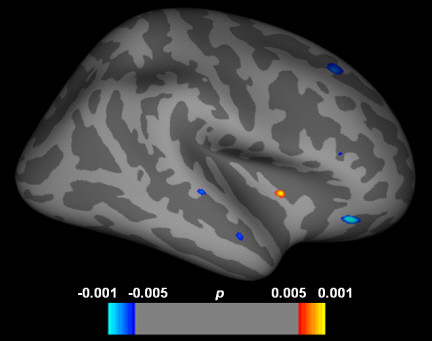
Background: The orbitofrontal cortex (OFC) has consistently been implicated in the pathology of both drug and behavioral addictions. However, no study to date has examined OFC thickness in internet addiction. In the current study, we investigated the existence of differences in cortical thickness of the OFC in adolescents with internet addiction. On the basis of recently proposed theoretical models of addiction, we predicted a reduction of thickness in the OFC of internet addicted individuals. Findings: Participants were 15 male adolescents diagnosed as having internet addiction and 15 male healthy comparison subjects. Brain magnetic resonance images were acquired on a 3T MRI and group differences in cortical thickness were analyzed using FreeSurfer. Our results confirmed that male adolescents with internet addiction have significantly decreased cortical thickness in the right lateral OFC (p<0.05). Conclusion: This finding supports the view that the OFC alterations in adolescents with internet addiction reflect a shared neurobiological marker of addiction-related disorders in general.
Overview
The claims and statistics of this paper haven’t been checked yet.
Free: it reads the open-access text and checks the first 5 claims that cite a source we can check. Create a free account to check every claim.
Integrity signals
Registry
Cites
Statistics
Figures
Verification
Claims the paper makes
The claims and statistics of this paper haven’t been checked yet.
Free: it reads the open-access text and checks the first 5 claims that cite a source we can check. Create a free account to check every claim.
Claims other papers make about this one
Each is checked against this paper’s own text: does it say what the citing paper says it does?
In the citing paper
“a fundamental structure in the reward circuit pathway responsible for decisionmaking and addiction disorders in adolescence and adulthood [25,31,96].”
Self-check
Percentages, sums and reported differences re-computed from the paper’s own numbers.
The self-check needs the paper’s full text.
Citations
Cites
Desikan, R. S., Ségonne, F., Fischl, B., Quinn, B. T., Dickerson, B. C., Blacker, D., Buckner, R. L., Dale, A. M., Maguire, R. P., Hyman, B. T., et al. (2006) · NeuroImage · doi:10.1016/j.neuroimage.2006.01.021 · Cited by 13,324 · cited 2×
“Region-of-interest (ROI)-based analyses were conducted comparing the cortical thickness of the OFC generated by FreeSurfer based on the Desikan-Killiany atlas [20].”
BackgroundMethodKAUFMAN, J., BIRMAHER, B., BRENT, D., RAO, U., FLYNN, C., MORECI, P., WILLIAMSON, D., & RYAN, N. (1997) · Journal of the American Academy of Child & Adolescent Psychiatry · doi:10.1097/00004583-199707000-00021 · Cited by 10,148 · cited 2×
“Kaufman J, Birmaher B, Brent D, Rao U, Flynn C, Moreci P, Williamson D, Ryan N: Schedule for Affective Disorders and Schizophrenia for SchoolAge Children-Present and Lifetime Version (K-SADS-PL): initial reliability and validity data.”
MethodSeparate neural systems value immediate and delayed monetary rewards
McClure, S. M., Laibson, D. I., Loewenstein, G., & Cohen, J. D. (2004) · Science · doi:10.1126/science.1100907 · Cited by 3,089 · cited 1×
“For example, the medial OFC has been found to be preferentially activated in choices involving immediate rewards, whereas the lateral OFC has been implicated in choices concerning delayed rewards or suppression of previously rewarded responses [23,24].”
BackgroundGoldstein, R. Z., & Volkow, N. D. (2002) · American Journal of Psychiatry · doi:10.1176/appi.ajp.159.10.1642 · Cited by 2,667 · cited 1×
“; licensee BioMed Central L Commons Attribution License (http://creativec reproduction in any medium, provided the or drug addiction [4,7].”
BackgroundIntellectual ability and cortical development in children and adolescents
Shaw, P., Greenstein, D., Lerch, J., Clasen, L., Lenroot, R., Gogtay, N., Evans, A., Rapoport, J., & Giedd, J. (2006) · Nature · doi:10.1038/nature04513 · Cited by 1,543 · cited 1×
“reports on normal brain development have shown that cortical thickness peaks at approximately 8–9 years of age and then global cortical thinning begins afterward [30].”
BackgroundIssues for DSM-V: Internet Addiction
Block, J. J. (2008) · American Journal of Psychiatry · doi:10.1176/appi.ajp.2007.07101556 · Cited by 1,385 · cited 2×
“Specifically, we conducted a case–control comparison of cortical thickness in adolescents with and without internet addiction, particularly focusing on excessive online gaming, which is among the major subtypes of this disorder [15].”
BackgroundMethodAddiction, a disease of compulsion and drive: involvement of the orbitofrontal cortex
Volkow, N. D. (2000) · Cerebral Cortex · doi:10.1093/cercor/10.3.318 · Cited by 1,240 · cited 3×
“; licensee BioMed Central L Commons Attribution License (http://creativec reproduction in any medium, provided the or drug addiction [4,7].”
BackgroundResultThe psychometric properties of the Internet addiction test
Widyanto, L., & McMurran, M. (2004) · CyberPsychology & Behavior · doi:10.1089/cpb.2004.7.443 · Cited by 1,073 · cited 3×
“diagnosis of internet addiction we used the Young Internet Addiction Scale (YIAS) [16].”
MethodInfluentialThe association between Internet addiction and psychiatric disorder: A review of the literature
Ko, C.-H., Yen, J.-Y., Yen, C.-F., Chen, C.-S., & Chen, C.-C. (2012) · European Psychiatry · doi:10.1016/j.eurpsy.2010.04.011 · Cited by 895 · cited 2×
“The prevalence of internet addiction has been estimated to be much higher in males than in females [1].”
BackgroundElliott, R. (2000) · Cerebral Cortex · doi:10.1093/cercor/10.3.308 · Cited by 887 · cited 1×
“For example, the medial OFC has been found to be preferentially activated in choices involving immediate rewards, whereas the lateral OFC has been implicated in choices concerning delayed rewards or suppression of previously rewarded responses [23,24].”
Background
Cited by
Brand, M., Young, K. S., Laier, C., Wölfling, K., & Potenza, M. N. (2016) · Neuroscience & Biobehavioral Reviews · doi:10.1016/j.neubiorev.2016.08.033 · Cited by 2,416
Brand, M., Young, K. S., & Laier, C. (2014) · Frontiers in Human Neuroscience · doi:10.3389/fnhum.2014.00375 · Cited by 565
Epidemiology of Internet Behaviors and Addiction Among Adolescents in Six Asian Countries
Mak, K.-K., Lai, C.-M., Watanabe, H., Kim, D.-I., Bahar, N., Ramos, M., Young, K. S., Ho, R. C. M., Aum, N.-R., & Cheng, C. (2014) · Cyberpsychology, Behavior, and Social Networking · doi:10.1089/cyber.2014.0139 · Cited by 422
“In addition, clinical evidence of the adverse effect of Internet addictive behavior on brain functions has been reported.(8,9) Various treatments for Internet addiction have been developed and evaluated.”
Internet addiction in adolescence: neurobiological, psychosocial and clinical issues
Cerniglia, L., Zoratto, F., Cimino, S., Laviola, G., Ammaniti, M., & Adriani, W. (2017) · Neuroscience & Biobehavioral Reviews · doi:10.1016/j.neubiorev.2016.12.024 · Cited by 371
Internet addiction: coping styles, expectancies, and treatment implications
Brand, M., Laier, C., & Young, K. S. (2014) · Frontiers in Psychology · doi:10.3389/fpsyg.2014.01256 · Cited by 297
“ORIGINAL RESEARCH ARTICLE published: 11 November 2014 doi: 10.3389/fpsyg.2014.01256 Internet addiction: coping styles, expectancies, and treatment implications”
BackgroundInfluentialShanmugasundaram, M., & Tamilarasu, A. (2023) · Frontiers in Cognition · doi:10.3389/fcogn.2023.1203077 · Cited by 291
How Has the Internet Reshaped Human Cognition?
Loh, K. K., & Kanai, R. (2016) · The Neuroscientist · doi:10.1177/1073858415595005 · Cited by 272
Neuroscience of Internet Pornography Addiction: A Review and Update
Love, T., Laier, C., Brand, M., Hatch, L., & Hajela, R. (2015) · Behavioral Sciences · doi:10.3390/bs5030388 · Cited by 262
“23 structural MRI studies [124,128,131,133,200–218], 6 nuclear imaging (PET/SPECT) studies [117,129,219–222], 15 EEG studies [42,139,141,143,144,146,148,149,150,152–155,223,224], and 7 physiological studies [121,138,225–229].”
New developments in brain research of internet and gaming disorder
Weinstein, A., Livny, A., & Weizman, A. (2017) · Neuroscience & Biobehavioral Reviews · doi:10.1016/j.neubiorev.2017.01.040 · Cited by 257
Kühn, S., & Gallinat, J. (2014) · JAMA Psychiatry · doi:10.1001/jamapsychiatry.2014.93 · Cited by 252
Sex differences in addictive disorders
Fattore, L., Melis, M., Fadda, P., & Fratta, W. (2014) · Frontiers in Neuroendocrinology · doi:10.1016/j.yfrne.2014.04.003 · Cited by 250
Neophytou, E., Manwell, L. A., & Eikelboom, R. (2021) · International Journal of Mental Health and Addiction · doi:10.1007/s11469-019-00182-2 · Cited by 231
“Hussain and Griffiths 2019 -”
BackgroundGriffiths, M., Pontes, H., & Kuss, D. (2015) · Neuroscience and Neuroeconomics · doi:10.2147/nan.s60982 · Cited by 223
“…addicts have morphometric brain abnormalities, including a significantly lower orbitofrontal cortical thickness in comparison with healthy controls, 92 decreased right frontal pole gray matter volume, better functional connectivity between their right frontal pole and the left ventral striatum,…”
Abnormal gray matter and white matter volume in ‘Internet gaming addicts’
Lin, X., Dong, G., Wang, Q., & Du, X. (2014) · Addictive Behaviors · doi:10.1016/j.addbeh.2014.09.010 · Cited by 132
Current Research and Viewpoints on Internet Addiction in Adolescents
Bickham, D. S. (2021) · Current Pediatrics Reports · doi:10.1007/s40124-020-00236-3 · Cited by 203
Manwell, L. A., Tadros, M., Ciccarelli, T. M., & Eikelboom, R. (2022) · Journal of Integrative Neuroscience · doi:10.31083/j.jin2101028 · Cited by 122
An Update Overview on Brain Imaging Studies of Internet Gaming Disorder
Weinstein, A. M. (2017) · Frontiers in Psychiatry · doi:10.3389/fpsyt.2017.00185 · Cited by 114
“(35) Cortical thickness in MRI Fifteen male adolescents diagnosed with Internet addiction and 15 male control participants Decreased cortical thickness in the right lateral OFC Evaluation—a cross-sectional study with preliminary results of cortical thickness”
BackgroundMethodHigher volume of ventral striatum and right prefrontal cortex in pathological gambling
Koehler, S., Hasselmann, E., Wüstenberg, T., Heinz, A., & Romanczuk‐Seiferth, N. (2013) · Brain Structure and Function · doi:10.1007/s00429-013-0668-6 · Cited by 126
“Anyhow, brain structural differences in terms of grey as well as white matter alterations were related to other behaviours, such as excessive internet use (Han et al. 2012; Hong et al. 2013; Lin et al. 2012; Yuan et al. 2011) and frequent video gaming (Kuhn et al. 2011), respectively.”
The developing brain in a multitasking world
Rothbart, M. K., & Posner, M. I. (2015) · Developmental Review · doi:10.1016/j.dr.2014.12.006 · Cited by 115
“…disorder with addictive potential in its own right, and Internet excess as a problematic behavior only indirectly in relation to other specific compulsive online activities such as gambling or gaming, shopping, sexual preoccupation , or email/text messaging (Block, 2008; Hong et al., 2013).”
BackgroundInfluentialMarciano, L., Camerini, A.-L., & Morese, R. (2021) · Frontiers in Psychology · doi:10.3389/fpsyg.2021.671817 · Cited by 109
Internet addiction disorder and youth
Wallace, P. E. (2014) · EMBO Reports · doi:10.1002/embr.201338222 · Cited by 176
“Anatomically, one study found reduced cortical thickness in the orbitofrontal region among boys diagnosed with Internet addiction compared to normal children [9].”
Wang, Y., Yin, Y., Sun, Y.-W., Zhou, Y., Chen, X., Ding, W.-N., Wang, W., Li, W., Xu, J.-R., & Du, Y.-S. (2015) · PLOS ONE · doi:10.1371/journal.pone.0118733 · Cited by 78
“The OFC is a prefrontal cortex region in the frontal lobes that consists of the association cortex areas Brodmann areas 10, 11 and 47 [34].”
BackgroundInfluentialImpaired Frontal-Basal Ganglia Connectivity in Adolescents with Internet Addiction
Li, B., Friston, K. J., Liu, J., Liu, Y., Zhang, G., Cao, F., Su, L., Yao, S., Lu, H., & Hu, D. (2014) · Scientific Reports · doi:10.1038/srep05027 · Cited by 87
Brains online: structural and functional correlates of habitual Internet use
Kühn, S., & Gallinat, J. (2015) · Addiction Biology · doi:10.1111/adb.12128 · Cited by 78
Neurobiological findings related to Internet use disorders
Park, B., Han, D. H., & Roh, S. (2017) · Psychiatry and Clinical Neurosciences · doi:10.1111/pcn.12422 · Cited by 73
Li, W., Li, Y., Yang, W., Zhang, Q., Wei, D., Li, W., Hitchman, G., & Qiu, J. (2015) · Neuropsychologia · doi:10.1016/j.neuropsychologia.2015.02.019 · Cited by 76
“…abnormalities in individuals with substance addiction might be similar to those in IAD (e.g., similar behavior symptoms, such as tolerance, withdrawal, preoccupation, and negative repercussions; Feng et al., 2013; Hong et al., 2013; Ko et al., 2009; Ng and Wiemer-Hastings, 2005; Young, 1997).”
BackgroundMethodResultInfluentialMunno, D., Cappellin, F., Saroldi, M., Bechon, E., Guglielmucci, F., Passera, R., & Zullo, G. (2016) · Psychiatry Research · doi:10.1016/j.psychres.2016.11.008 · Cited by 114
Compulsive sexual behavior: prefrontal and limbic volume and interactions
Schmidt, C., Morris, L. S., Kvamme, T. L., Hall, P., Birchard, T., & Voon, V. (2017) · Human Brain Mapping · doi:10.1002/hbm.23447 · Cited by 69
Ding, K., Shen, Y., Liu, Q., & Li, H. (2023) · Healthcare · doi:10.3390/healthcare12010015 · Cited by 113
“Second, Study 10 [22], Study 21 [23], Study 23 [29], and Study 27 [5] focused on children with internet gaming disorder/internet addiction (IGD/IA).”
BackgroundMethodSchettler, L. M., Thomasius, R., & Paschke, K. (2021) · Addiction Biology · doi:10.1111/adb.13093 · Cited by 81
“The cortical thickness of previously defined regions of interest (ROI) was compared between HCs and adolescents with PG in a study by Hong et al.15 The latter showed reduced cortical thickness in the lateral OFC, isthmus of the cingulate cortex (CC), pars orbitalis of the right hemisphere, and lateral occipital cortex…”
InfluentialAltered Structural Correlates of Impulsivity in Adolescents with Internet Gaming Disorder
Du, X., Qi, X., Yang, Y., Du, G., Gao, P., Zhang, Y., Qin, W., Li, X., & Zhang, Q. (2016) · Frontiers in Human Neuroscience · doi:10.3389/fnhum.2016.00004 · Cited by 54
“…insula and the orbitofrontal cortex (OFC), the right amygdala and the left fusiform gyrus decreased in the IGD group compared to the HCs. Region-of-interest (ROI) analysis revealed that GMV in all these clusters showed significant positive correlations with BIS score in the HCs, while no…”
Lateral orbitofrontal gray matter abnormalities in subjects with problematic smartphone use
Lee, D., Namkoong, K., Lee, J., Lee, B. O., & Jung, Y.-C. (2019) · Journal of Behavioral Addictions · doi:10.1556/2006.8.2019.50 · Cited by 64
Sun, Y., Sun, J., Zhou, Y., Ding, W., Chen, X., Zhuang, Z., Xu, J., & Du, Y. (2014) · Behavioral and Brain Functions · doi:10.1186/1744-9081-10-37 · Cited by 48
“confirmed that adolescent boys with IA had significantly smaller cortical thicknesses in the right lateral OFC than controls, supporting the hypothesis that changes in the OFC of adolescents with IA was a neurobiological marker of addiction-related disorders in general [37].”
ResultZhou, F., Montag, C., Sariyska, R., Lachmann, B., Reuter, M., Weber, B., Trautner, P., Kendrick, K. M., Markett, S., & Becker, B. (2019) · Addiction Biology · doi:10.1111/adb.12570 · Cited by 68
Lee, D., Park, J., Namkoong, K., Kim, I., & Jung, Y. (2018) · Journal of Behavioral Addictions · doi:10.1556/2006.7.2018.20 · Cited by 58
“Previous studies have reported a thinner cortex in the lateral OFC and pars orbitalis of adolescents with IGD (Hong et al., 2013; Yuan et al., 2013).”
BackgroundScreen Dependency Disorders: a new challenge for child neurology
Sigman, A. (2017) · Journal of the International Child Neurology Association · doi:10.17724/jicna.2017.119 · Cited by 103
“Extensive research is increasingly finding that adolescents and young adults with SDD exhibit microstructural and volumetric differences in, or abnormalities of, both grey and white matter compared to healthy controls [50,51,52,53,54 ,55,56,57,58,59].”
BackgroundThe neurobiology of addiction: the perspective from magnetic resonance imaging present and future
Suckling, J., & Nestor, L. J. (2017) · Addiction · doi:10.1111/add.13474 · Cited by 67
“Interestingly, the lateral orbitofrontal cortex is also reduced in adolescents with internet addiction [63], indicating some similarities with a predisposition to alcohol abuse.”
BackgroundTrading Later Rewards for Current Pleasure: Pornography Consumption and Delay Discounting
Negash, S., Sheppard, N. V. N., Lambert, N. M., & Fincham, F. D. (2015) · The Journal of Sex Research · doi:10.1080/00224499.2015.1025123 · Cited by 69
“Our results also bolster findings that differences in delay discounting are largely due to behavior rather than genetic predispositions (e.g., Garcia et al., 2010; Hong et al., 2013.”
ResultLin, X., Jia, X., Zang, Y.-F., & Dong, G. (2015) · Frontiers in Psychology · doi:10.3389/fpsyg.2015.01471 · Cited by 29
“We divided the full frequency range (0–0.25 Hz) into five sub-bands: slow-6 (0–0.01 Hz), slow-5 (0.01–0.027 Hz), slow-4 (0.027–0.073 Hz), slow-3 (0.073–0.198 Hz), and slow-2 (0.198– 0.25 Hz) (35, 46, 30), and computed fALFF of each frequency bands.”
BackgroundInfluentialD’Hondt, F., Billieux, J., & Maurage, P. (2015) · Neuroscience & Biobehavioral Reviews · doi:10.1016/j.neubiorev.2015.10.005 · Cited by 74
Molecular and Functional Imaging of Internet Addiction
Zhu, Y., Zhang, H., & Tian, M. (2015) · BioMed Research International · doi:10.1155/2015/378675 · Cited by 54
“Consistent with this, another study also reported reduced thickness in the OFC of Internet addicted adolescents [24].”
ResultSolly, J. E., Hook, R. W., Grant, J. E., Cortese, S., & Chamberlain, S. R. (2021) · Molecular Psychiatry · doi:10.1038/s41380-021-01315-7 · Cited by 68
Is the Internet gaming‐addicted brain close to be in a pathological state?
Park, C.-H., Chun, J.-W., Cho, H.-M., Jung, Y., Choi, J., & Kim, D.-J. (2017) · Addiction Biology · doi:10.1111/adb.12282 · Cited by 52
“…was shown for heroin dependents as a tendency for the shift toward the random configuration (Jiang et al. 2013), global changes in the topology were not clearly seen in the addicts’ brain functional networks (Breckel et al. 2013; Hong et al. 2013a; Tschernegg et al. 2013; Wee et al. 2014).”
BackgroundInfluentialYoon, E. J., Choi, J., Kim, H., Sohn, B. K., Jung, H. Y., Lee, J., Kim, D., Park, S., & Kim, Y. K. (2017) · Scientific Reports · doi:10.1038/s41598-017-06057-7 · Cited by 62
Self-citationAberrant corticostriatal functional circuits in adolescents with Internet addiction disorder
Lin, F., Zhou, Y., Du, Y., Zhao, Z., Qin, L.-D., Xu, J., & Lei, H. C. (2015) · Frontiers in Human Neuroscience · doi:10.3389/fnhum.2015.00356 · Cited by 49
Impact of Internet Addiction on Mental Health: An Integrative Therapy Is Needed
Tripathi, A. (2018) · Integrative Medicine International · doi:10.1159/000491997 · Cited by 72
Cortical Thickness in Adolescents with a Family History of Alcohol Use Disorder
Henderson, K. E., Vaidya, J. G., Kramer, J., Kuperman, S., Langbehn, D. R., & OʼLeary, D. S. (2017) · Alcoholism Clinical and Experimental Research · doi:10.1111/acer.13543 · Cited by 46
Zhou, Z., Li, C., & Zhu, H. (2013) · Frontiers in Behavioral Neuroscience · doi:10.3389/fnbeh.2013.00131 · Cited by 42
“Another study which investigated the existence of differences in cortical thickness of the Orbitofrontal cortex (OFC) in adolescents with IAD displayed that subjects with IAD have significantly decreased cortical thickness in the right lateral OFC (Hong et al., 2013), which supports the view that the OFC alterations i…”
BackgroundGao, Y., Hu, Y., Wang, J., Liu, C., Im, H., Jin, W., Zhu, W., Ge, W., Zhao, G., Yao, Q., et al. (2025) · NeuroImage · doi:10.1016/j.neuroimage.2025.121029 · Cited by 43
“Reduced cortical thickness and increased OFC activation have also been consistently documented in those with internet addiction (Hong et al., 2013).”
Wang, Z., Hu, Y., Zheng, H., Yuan, K., Du, X., & Dong, G. (2018) · Psychiatry Research Neuroimaging · doi:10.1016/j.pscychresns.2018.11.001 · Cited by 59
Altbäcker, A., Plózer, E., Darnai, G., Perlaki, G., Horváth, R., Orsi, G., Nagy, S. A., Bogner, P., Schwarcz, A., Kovács, N., et al. (2016) · Brain Imaging and Behavior · doi:10.1007/s11682-015-9454-9 · Cited by 42
“Functional changes in the striatum have already been related to misuse of the Internet, as putamen is revealed to be the mostly involved subcortical region of the brain reward system with decreased functional connectivity (Hong et al. 2013a, b).”
BackgroundResultWang, Z., Wu, L., Yuan, K., Hu, Y., Zheng, H., Du, X., & Dong, G. (2018) · European Journal of Neuroscience · doi:10.1111/ejn.13987 · Cited by 50
“An increasing number of neuroimaging studies have investigated brain structures in IGD, with most of them focusing on the comparison between IGD subjects and healthy controls (Hong et al., 2013; Lin et al., 2015; Yuan et al., 2011, 2013; Zhou et al., 2011).”
BackgroundResultInternet addiction in university medical students
Capetillo-Ventura, N., & Juárez-Treviño, M. (2015) · Medicina Universitaria · doi:10.1016/j.rmu.2015.02.003 · Cited by 46
Zhang, J., Chen, S., Jiang, Q. Y., Dong, H., Zhao, Z., Du, X., & Dong, G. (2021) · Journal of Psychiatric Research · doi:10.1016/j.jpsychires.2021.05.051 · Cited by 41
Alterations in White Matter Integrity in Young Adults with Smartphone Dependence
Hu, Y., Long, X., Lyu, H., Zhou, Y., & Chen, J. (2017) · Frontiers in Human Neuroscience · doi:10.3389/fnhum.2017.00532 · Cited by 53
“Evidence has shown altered gray matter density (Yuan et al., 2011; Weng et al., 2013), cortical thickness (Hong et al., 2012; Yuan et al., 2013), cerebral blood flow (Feng et al., 2013), and functional connectivity (Ding et al., 2013; Hong et al., 2013) in regions involved in addictive or…”
BackgroundBehavioral addictions in addiction medicine
Banz, B. C., Yip, S. W., Yau, Y. H. C., & Potenza, M. N. (2016) · Progress in Brain Research · doi:10.1016/bs.pbr.2015.08.003 · Cited by 44
“Decreased cortical thickness (Hong et al., 2013) has also been observed in regions of the executive-control network among individuals with PIU.”
BackgroundSuenderhauf, C., Walter, A., Lenz, C., Lang, U. E., & Borgwardt, S. (2016) · Neuroscience & Biobehavioral Reviews · doi:10.1016/j.neubiorev.2016.03.018 · Cited by 38
Chun, J.-W., Choi, J., Cho, H. I., Lee, S., & Kim, D. J. (2015) · Translational Psychiatry · doi:10.1038/tp.2015.106 · Cited by 37
Relationship between impulsivity, uncontrolled eating and body mass index: a hierarchical model
García‐García, I., Neseliler, S., Morys, F., Dadar, M., Yau, Y. H. C., Scala, S. G., Zeighami, Y., Sun, N., Collins, D. L., Vainik, U., et al. (2021) · International Journal of Obesity · doi:10.1038/s41366-021-00966-4 · Cited by 39
Kim, D., Lee, D., Lee, J., Namkoong, K., & Jung, Y. (2017) · Journal of Behavioral Addictions · doi:10.1556/2006.6.2017.044 · Cited by 35
“Similarly, recent studies have demonstrated that IA might cause functional, structural changes, and abnormalities in brain (Hong et al., 2013a, 2013b; Kuss & Grif fi ths, 2012; Lin et al., 2012; Weng et al., 2013; Yuan et al., 2011; Zhou et al., 2011).”
BackgroundResultKong, D., Liu, R., Song, L., Zheng, J., Zhang, J., & Chen, W. (2018) · Frontiers in Neurology · doi:10.3389/fneur.2018.00546 · Cited by 38
Lai, C., Altavilla, D., Mazza, M., Scappaticci, S., Tambelli, R., Aceto, P., Luciani, M., Corvino, S., Martinelli, D., Alimonti, F., et al. (2017) · Journal of Mental Health · doi:10.1080/09638237.2017.1294745 · Cited by 33
“This finding confirms a generalized impairment in emotional and cognitive processing abilities in the clinical group according to previous studies which found structural and functional brain abnormalities (Ding et al., 2013, 2014; Dong et al., 2013a,b; Han et al., 2015; Hong et al., 2013; Ko et al., 2014, 2015; Luijte…”
BackgroundResultInfluentialXue, C., Wang, Y., Zhou, Y., Sun, Y., Ding, W., Zhuang, Z., Xu, J., & Du, Y. (2014) · BioMed Research International · doi:10.1155/2014/825787 · Cited by 32
“was also suggested that the cerebellum is essential in craving induced by IGA, especially during preparation, execution, working memory [50], and fine-motor processes modulated by extrapyramidal systems.”
BackgroundSeok, J.-W., & Sohn, J.-H. (2018) · Brain Research · doi:10.1016/j.brainres.2018.01.035 · Cited by 29
Zhang, C., Brook, J. S., Leukefeld, C. G., & Brook, D. W. (2016) · Addictive Behaviors · doi:10.1016/j.addbeh.2016.06.019 · Cited by 24
“Hong et al. (2013) found that male adolescents with IA have significantly decreased cortical thickness in the right lateral orbitofrontal cortex (OFC).”
BackgroundLin, H., Chang, Y., Chen, M., Liu, S.-T., Chen, B.-S., Li, L., Lee, C., Sue, Y., Sung, T.-M., Sun, C., et al. (2022) · International Journal of Environmental Research and Public Health · doi:10.3390/ijerph192316277 · Cited by 40
Sina, E., Buck, C., Ahrens, W., Coumans, J. M. J., Eiben, G., Formisano, A., Lissner, L., Mazur, A., Michels, N., Molnár, D., et al. (2023) · Scientific Reports · doi:10.1038/s41598-023-45944-0 · Cited by 43
Du, X.-F., Liu, J., Hua, Q., & Wu, Y.-J. (2019) · Frontiers in Neurology · doi:10.3389/fneur.2019.01136 · Cited by 24
Unterrainer, H., Hiebler‐Ragger, M., Koschutnig, K., Fuchshuber, J., Ragger, K., Perchtold‐Stefan, C. M., Papousek, I., Weiss, E. M., & Fink, A. (2019) · Frontiers in Psychiatry · doi:10.3389/fpsyt.2019.00667 · Cited by 28
“CT abnormalities have been observed to be associated with SUD such as alcohol dependence (57), marijuana misuse (58), and nicotine smoking (59), as well as nonsubstance-related disorders such as excessive internet use (60) and online gaming (61).”
BackgroundEthical Challenges in Digital Psychology and Cyberpsychology
Parsons, T. D. (2019) · Cambridge University Press eBooks · doi:10.1017/9781108553384 · Cited by 39
Altered topological connectivity of internet addiction in resting-state EEG through network analysis
Sun, Y., Wang, H., & Bo, S. (2019) · Addictive Behaviors · doi:10.1016/j.addbeh.2019.02.015 · Cited by 25
I Am a Fake Loop: the Effects of Advertising-Based Artificial Selection
Hendlin, Y. H. (2018) · Biosemiotics · doi:10.1007/s12304-018-9341-z · Cited by 29
Ma, C., Yan, J., Hu, H., Shi, C.-Y., Li, F., & Zeng, X.-Y. (2022) · International Journal of Environmental Research and Public Health · doi:10.3390/ijerph192416873 · Cited by 21
Brain Cortical Thickness Differences in Adolescent Females with Substance Use Disorders
Boulos, P. K., Dalwani, M. S., Tanabe, J., Mikulich‐Gilbertson, S. K., Banich, M. T., Crowley, T. J., & Sakai, J. T. (2016) · PLoS ONE · doi:10.1371/journal.pone.0152983 · Cited by 25
“Adolescents with "gaming addiction" [49] and "internet addiction" [50] have shown cortical thinning in the orbitofrontal cortex and elsewhere.”
BackgroundSadeghi, S., Takeuchi, H., Shalani, B., Taki, Y., Nouchi, R., Yokoyama, R., Kotozaki, Y., Nakagawa, S., Sekiguchi, A., Iizuka, K., et al. (2021) · PLoS ONE · doi:10.1371/journal.pone.0259259 · Cited by 28
Theoretical Models of the Development and Maintenance of Internet Addiction
Brand, M. (2017) · Studies in neuroscience, psychology and behavioral economics · doi:10.1007/978-3-319-46276-9_2 · Cited by 16
Gaming disorder: Neural mechanisms and ongoing debates
Zheng, Y., Zhang, S.-N., Tang, H.-D., Wang, S.-W., Lin, X., Bao, Y., Wang, Y.-M., Griffiths, M. D., Sun, J., Han, Y., et al. (2025) · Journal of Behavioral Addictions · doi:10.1556/2006.2024.00071 · Cited by 17
“These findings suggest that alterations in the OFC are also involved in individuals with GD. Structural analyses have suggested that the cortical thickness of the OFC is decreased in adolescents with GD (Hong et al., 2013; Weng et al., 2013; Yuan et al., 2013).”
Park, M., Jang, J. H., Yoo, S. Y., Choi, A., Kim, H., & Choi, J. (2023) · Journal of Behavioral Addictions · doi:10.1556/2006.2023.00063 · Cited by 17
“Individuals with IGD had decreased gray matter volume in the OFC (Jin et al., 2016; Weng et al., 2013) and decreased cortical thickness in the OFC (Hong et al., 2013), suggesting changes in the neural mechanism that underlies cognitive behavioral performance.”
BackgroundInfluentialSelf-citationEngel, J., Gkavanozi, A., Veit, M., Kneer, J., Krüger, T. H. C., & Sinke, C. (2023) · Journal of Behavioral Addictions · doi:10.1556/2006.2023.00056 · Cited by 16
“…the following 5 brain regions were defined as ROIs: The orbitofrontal cortex (OFC (Dolan, 2007; Probst & van Eimeren, 2013) is chosen due to its role in motivation drive, salience evaluation (Volkow & Fowler, 2000) and its implication in several addictions (Draps et al., 2020; Hong et al., 2013).”
BackgroundWang, S., Liu, J., Tian, L., Chen, L., Wang, J., Tang, Q., Zhang, F., & Zhou, Z. (2018) · Frontiers in Psychiatry · doi:10.3389/fpsyt.2018.00099 · Cited by 20
“Reassuringly, as comparable references, one study has demonstrated the reduction of orbitofrontal CT in male adolescents with Internet addiction (24), and the other revealed a changed CT pattern in late adolescence with online gaming addiction (25).”
MethodResultPark, M., Kim, Y. J., Kim, D., & Choi, J. (2017) · Scientific Reports · doi:10.1038/s41598-017-09679-z · Cited by 17
Petro, N. M., Picci, G., Webert, L. K., Schantell, M. D., Son, J. J., Ward, T. W., McDonald, K. M., Livermore, C. L., Killanin, A. D., Rice, D. L., et al. (2024) · Developmental Cognitive Neuroscience · doi:10.1016/j.dcn.2024.101479 · Cited by 16
Liu, T., Chen, Y., Li, C., Li, Y., & Wang, J. (2017) · Oncotarget · doi:10.18632/oncotarget.14734 · Cited by 15
“The Desikan-Killiany template includes 68 separate anatomical cortical regions of interest (34 in each hemisphere, Figure 1B and Appendix A), and has been widely used in segmentation of the cerebral cortex of adolescents and children [53, 54].”
MethodA.R. Luria’s cultural neuropsychology in the 21st century
Kotik-Friedgut, B., & Ardila, A. (2019) · Culture & Psychology · doi:10.1177/1354067x19861053 · Cited by 20
“In an illustrative study, brain magnetic resonance images were acquired from 15 male adolescents diagnosed as having Internet addiction and 15 male healthy comparison subjects (Hong et al., 2013).”
Internet addiction associated with right pars opercularis in females
Inhóf, O., Zsido, A. N., Perlaki, G., Orsi, G., Lábadi, B., Kovács, N., Szente, A. T., Doczi, T. P., Janszky, J., & Darnai, G. (2019) · Journal of Behavioral Addictions · doi:10.1556/2006.7.2018.135 · Cited by 14
“Earlier studies revealed decreased cortical thickness in the lateral orbitrofontal (Hong et al., 2013; Yuan et al., 2013) and precentral gyri (Yuan et al.”
BackgroundInfluence of internet addiction on academic, sportive, and recreative activities in adolescents
Koca, T. T., & Berk, E. (2018) · Journal of Public Health · doi:10.1007/s10389-018-0965-x · Cited by 17
STRUCTURAL BRAIN NETWORK ABNORMALITIES IN SUBJECTS WITH INTERNET ADDICTION
Lee, M., Min, A., Hwang, Y. H., Kim, D. Y., Han, B. S., & Seo, H. S. (2017) · Journal of Mechanics in Medicine and Biology · doi:10.1142/s0219519417400310 · Cited by 10
Rettew, D. C., Althoff, R. R., & Hudziak, J. J. (2018) · Elsevier eBooks · doi:10.1016/b978-0-323-54854-0.00012-6 · Cited by 4
Meruelo, A. D., Brumback, T., Nagel, B. J., Baker, F. C., Brown, S. A., & Tapert, S. F. (2021) · Journal of Affective Disorders · doi:10.1016/j.jad.2021.03.071 · Cited by 9
Behaviors Associated with Internet Use in Military Medical Students and Residents
Schmidt, G. L., Valdez, M. M., Farrell, M. E., Bishop, F. M., Klam, W. P., & Doan, A. P. (2019) · Military Medicine · doi:10.1093/milmed/usz043 · Cited by 11
Structural Brain Imaging and Internet Addiction
Lin, F., & Lei, H. C. (2015) · Studies in neuroscience, psychology and behavioral economics · doi:10.1007/978-3-319-07242-5_2 · Cited by 14
Brain Anatomy Alterations and Mental Health Challenges Correlate to Email Addiction Tendency
Sadeghi, S., Takeuchi, H., Shalani, B., Taki, Y., Nouchi, R., Yokoyama, R., Kotozaki, Y., Nakagawa, S., Sekiguchi, A., Iizuka, K., et al. (2022) · Brain Sciences · doi:10.3390/brainsci12101278 · Cited by 8
Wang, H., Sun, Y., Lv, J., & Bo, S. (2019) · Brain and Behavior · doi:10.1002/brb3.1218 · Cited by 6
Hsu, W.-Y., Chang, S., Chiu, N., Lin, S. S. J., & Tseng, Y.-H. (2015) · Psychopathology · doi:10.1159/000441477 · Cited by 6
Sain, D., Demirci, H., & Bilge, Y. (2026) · Psicologia Reflexão e Crítica · doi:10.1186/s41155-026-00381-6 · Cited by 5
“Another study reported a decrease in the thickness of the OFC in adolescents with internet addiction (Hong et al., 2013).”
Yan, Y., Li, M., Jia, H., Fu, L., Qiu, J., & Yang, W. (2023) · Brain and Cognition · doi:10.1016/j.bandc.2023.105976 · Cited by 4
Wang, X., Li, W., Kang, Y., Ma, L., Mei, B., Zhang, H., Tian, J., Lv, Q., Han, S., Zhang, Y., et al. (2025) · Brain Research Bulletin · doi:10.1016/j.brainresbull.2025.111588 · Cited by 4
Common and Distinct Neural Connectomes Between Thought Control Ability and Happiness
Shi, L. (2025) · Journal of Happiness Studies · doi:10.1007/s10902-025-00865-9 · Cited by 4
“For example, impairment in the OFC is associated with more impulsive and addictive behaviors (Hong et al., 2013; Schoenbaum et al., 2006; Winstanley, 2007).”
Ma, X., Jiang, A., Dai, J., Li, S., Chen, H., Xie, Y., Wang, S., Yang, B., Wang, L., & Dong, G. (2024) · Journal of Behavioral Addictions · doi:10.1556/2006.2024.00044 · Cited by 5
“For instance, Hong et al. (2013) suggested a link between the orbitofrontal cortex (OFC) and pathology of substance and behavioral addictions.”
BackgroundYüce, A. E. (2025) · Psikiyatride Guncel Yaklasimlar - Current Approaches in Psychiatry · doi:10.18863/pgy.1433144 · Cited by 4
Metadata
- Authors
- Hong, S.-B., Kim, J.-W., Choi, E.-J., Kim, H.-H., Suh, J.-E., Kim, C.-D., Klauser, P., Whittle, S., Yűcel, M., Pantelis, C., & Yi, S.-H.
- Affiliations
- The University of Melbourne (AU)
- Seoul National University (KR)
- Corresponding author
- Yi, Soon-Hyung
- ORCID
- Venue
- Behavioral and Brain Functions
- Published
- 2013-03-12
- Volume
- 9
- Issue
- 1
- Pages
- 11-11
- ISSN
- 1744-9081 (ISSN-L)
- PMC
- PMC3608995
- OpenAlex
- W2168628650
- Cited by
- 136
- References
- 32
- Citations by year
- 2026: 6 · 2025: 5 · 2024: 3 · 2023: 12 · 2022: 5 · 2021: 8 · 2020: 1 · 2019: 27 · 2018: 10 · 2017: 15 · 2016: 12 · 2015: 19 · 2014: 11 · 2013: 2
- FWCI
- 45.27
- Type
- journal article
- Language
- en
- Open access
- gold
- doi.org
- Licence
- cc-by
- Locations
- Behavioral and Brain Functions (publishedVersion, cc-by)
- Europe PMC (PubMed Central) (publishedVersion, cc-by)
- PubMed Central (publishedVersion, cc-by)
- PubMed (publishedVersion)
- Minerva Access (University of Melbourne) (submittedVersion, cc-by)
- Figshare (submittedVersion)
- Seoul National University Open Repository (Seoul National University) (submittedVersion)
- Seoul National University Open Repository (Seoul National University) (submittedVersion, cc-by)
- Funders
- National Research Foundation
- Seoul National University
- National Research Foundation of Korea
- National Health and Medical Research Council (1021973)
- Topics
- Social Sciences › Sociology and Political Science › Impact of Technology on Adolescents
- Life Sciences › Neuroscience › Cognitive Neuroscience › Neural and Behavioral Psychology Studies
- Social Sciences › Psychology › Clinical Psychology › Gambling Behavior and Treatments
- Keywords
- internet addiction, orbitofrontal cortex, cortical thickness, adolescents, neurobiology of addiction, behavioral addiction
- MeSH terms
- Adolescent, Data Interpretation, Statistical, Humans, Image Processing, Computer-Assisted, Magnetic Resonance Imaging, Male, Psychiatric Status Rating Scales, Case-Control Studies, Behavior, Addictive, Prefrontal Cortex, Video Games, Internet
About these checks
Registry, retraction, Cites and statistics results are computed, not judged, with one exception: a printed reference that no index lists is read once by a model before it counts as a citation error. Claims are extracted by a model and kept only when their quote appears verbatim in the text; each cited source is then checked, with a model’s help, for whether it says what the claim relies on. Those verdicts can be wrong — read the claim’s quote and the cited source before relying on one.
Statistics and arithmetic are recomputed, not judged.
Confidence bands are shown only for fields calibrated on our annotated test set. None is calibrated yet, so no band is shown.
What counts as a claim ›How we measure confidence ›How we check this ›
Are you an author, or do you see a problem with this page? Request a review
Data sources
Bibliographic data: Semantic Scholar, OpenAlex, Crossref.
Contains information from the Semantic Scholar Academic Graph Datasets, made available under the ODC Attribution License (ODC-BY 1.0).
Semantic Scholar’s data is described in: Kinney, R., et al. (2023). The Semantic Scholar Open Data Platform. arXiv:2301.10140.
