

On the origin of the translation system and the genetic code in the RNA world by means of natural selection, exaptation, and subfunctionalization
Open accessThe DOI matches its Crossref record; 155 of the 157 references it cites were found in a registry or an index; none of the 132 sources its claims cite is checked for support yet.
Abstract
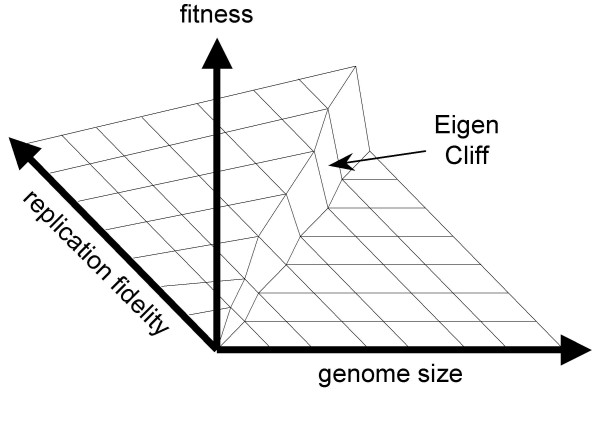
The origin of the translation system is... the hardest problem in evolutionary biology. The catch-22 aspect: high translation fidelity requires complex proteins, but complex proteins require high translation fidelity.
Overview
CoChat Summary
## TL;DR
This paper proposes a stepwise, RNA-world-based model for the origin of translation and the genetic code, arguing that translation arose by exaptation rather than selection for protein synthesis itself. The authors combine comparative genomics, aptamer/codon-anticodon data, and ribozyme experiments to outline a sequence of selectively advantageous transitions from RNA catalysis to modern translation.
## Key findings
- The authors argue that modern translation is too complex to have arisen in one step, noting the ribosome’s core includes at least 3 RNA molecules and 60–80 proteins, plus ~40 tRNA species, 18–20 aaRS, and at least 7–8 translation factors.
- Comparative genomics is used to infer that many protein folds and translation factors diversified before the modern translation system was complete; the paper states that the core translation machinery was already fully shaped in LUCA and that translation proteins are late arrivals relative to earlier fold diversification.
- The paper summarizes experimental support that ribozymes can catalyze all three elementary translation reactions: amino acid activation, tRNA aminoacylation, and transpeptidation; it also notes that the best self-aminoacylating ribozymes in vitro had rate and specificity greater than the respective aaRS.
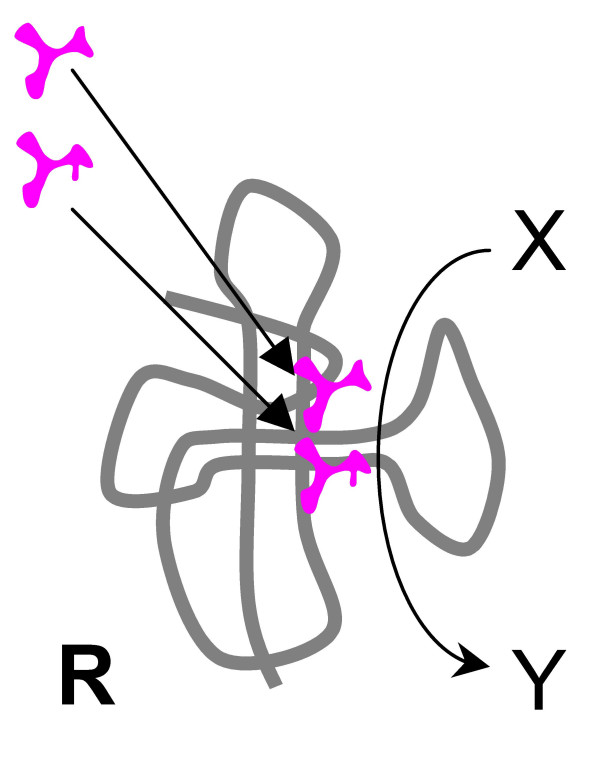
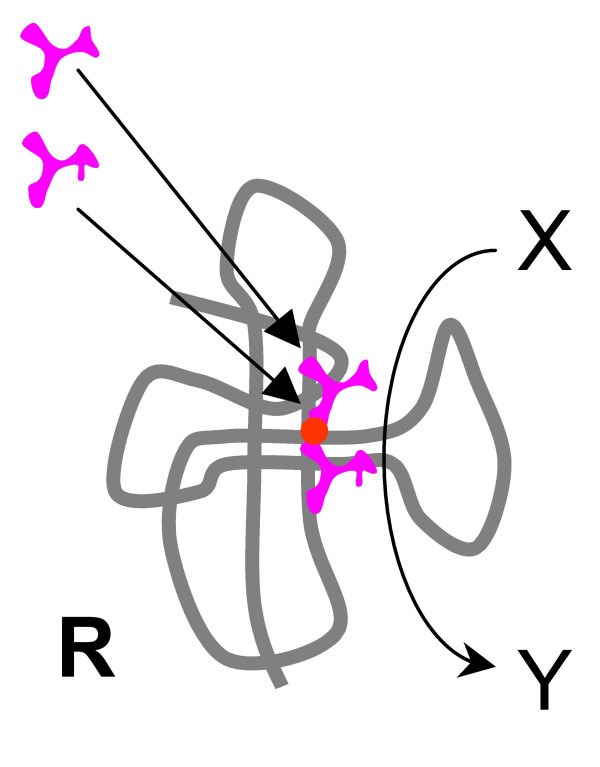
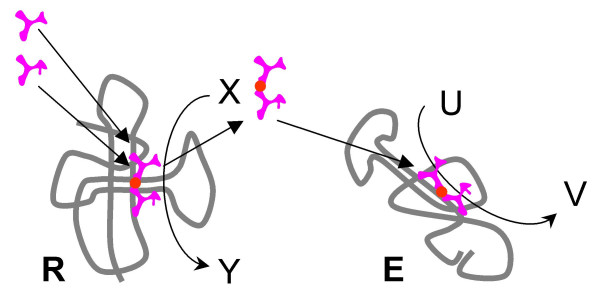
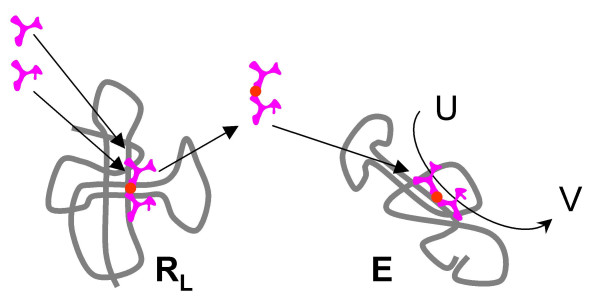
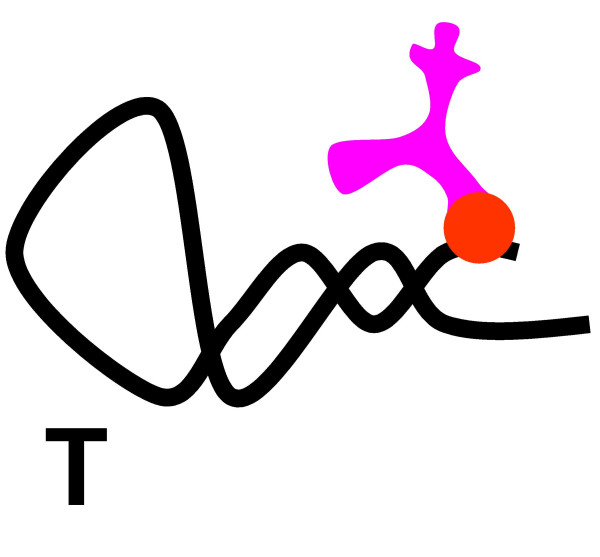
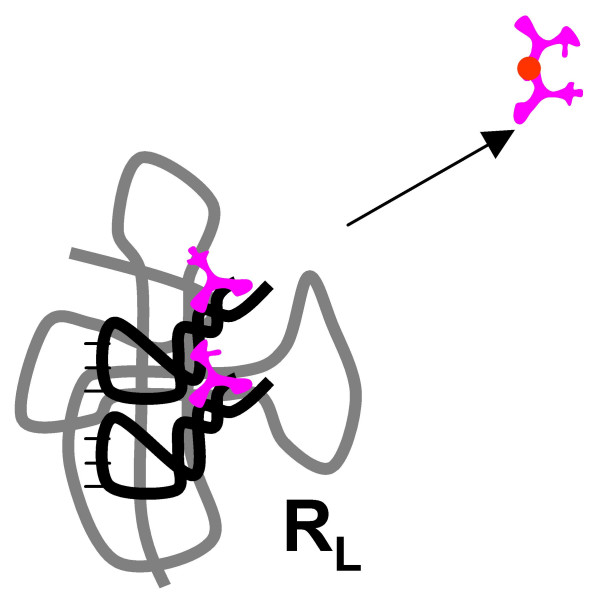
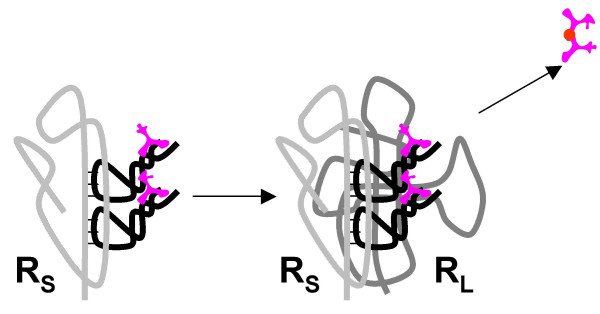
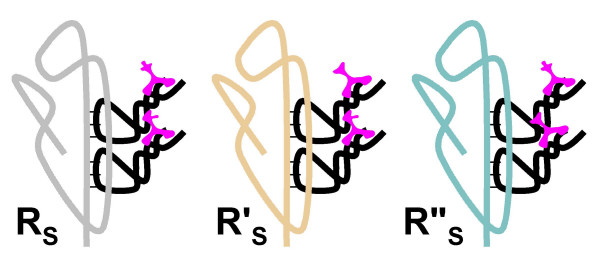
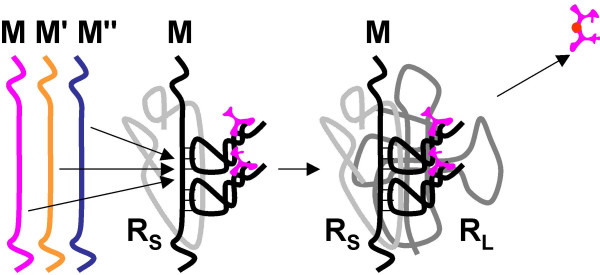
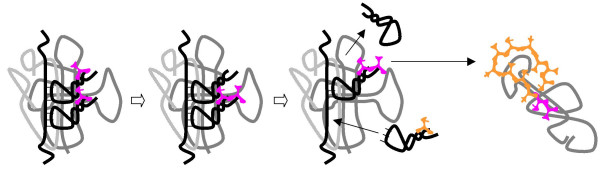
- The proposed scenario is a sequence of selective steps: amino acids stimulate ribozymes; a peptide ligase/protoribosome evolves; proto-tRNAs evolve self-charging and then specificity; an accessory RNA subunit increases binding/positioning; and translocation enables longer peptides and the “Protein Breakthrough.”
## Methods
- Conceptual/theoretical modeling rather than a direct empirical study: the paper builds alternative evolutionary scenarios for the origin of translation and the genetic code under the Continuity Principle.
- Evidence base: comparative genomics of translation components, experimental data on amino-acid/codon/anticodon recognition (including aptamer/SELEX results), and published ribozyme evolution/selection studies.
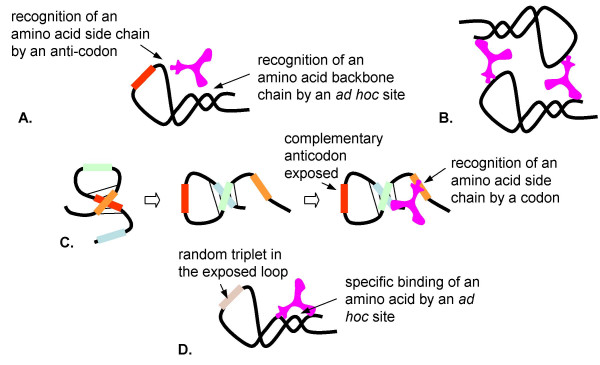
- Main analysis: stepwise reconstruction of three model variants for code origin—CRM (codon recognition), ARM (anticodon recognition), and FAM (frozen accident)—embedded in an RNA-world exaptation framework.
## Limitations
- The authors state that the scenarios are “sketchy and highly speculative,” that the required succession of evolutionary steps may be “far fetched,” and that the model is only a “best effort” conceptual framework.
- They explicitly note that the postulated complex RNA-mediated functions have not been demonstrated experimentally, and that the crucial adaptor-like molecules and their interactions with larger ribozymes remain hypothetical.
- Evident from the text: several conclusions rest on assumptions the authors themselves label as conjectural, including the existence of a complex RNA world, the hydrothermal-vent compartment setting, and unresolved details of amino-acid/proto-tRNA recognition.
Model-written summary. Check it against the paper before relying on it.
Integrity signals
Registry
Cites
Statistics
Figures
Verification
Claims the paper makes
0 Valid · 8 Not valid · 56 Not checked · 78 Own results and interpretations
A conclusion the paper draws from its own results — it cites no other source for it, so there is none to check. The quote shows it is in the paper.
In the paper
“The proposed scenario for the evolution of translation consists of the following steps: binding of amino acids to a ribozyme resulting in an enhancement of its catalytic activity;”
§ On the origin of the translation system and the genetic code in the RNA world by means of natural selection, exaptation, and subfunctionalization > Abstract > Results
plainstates a cause- Asserted: passes — The authors put it forward as true.
- Checkable: passes — It can be checked against evidence.
- Load-bearing: passes — The paper’s conclusions depend on it.
- Based: passes — The paper gives a reason why it holds.
- Rests on an assumption not shown here.
The paper states this without a source or data behind it here, so there is nothing to check it against. The quote shows it is in the paper.
In the paper
“Indeed, we are unaware of translation being possible without the involvement of ribosomes, the complete sets of tRNA and aminoacyl-tRNA synthetases (aaRS), and (at least, for translation to occur at a reasonable rate and accuracy) several translation factors.”
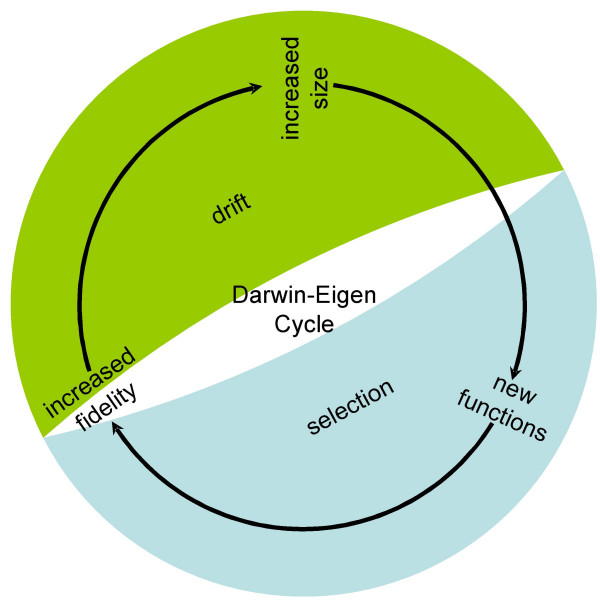
§ On the origin of the translation system and the genetic code in the RNA world by means of natural selection, exaptation, and subfunctionalization > Background > The Darwin-Eigen cycle, the emergence of biological complexity, and the continuity principle
hedgedstates a cause- Asserted: passes — The authors put it forward as true.
- Checkable: passes — It can be checked against evidence.
- Load-bearing: passes — The paper’s conclusions depend on it.
- Based: unclear — It is unclear why the paper says it holds.
A conclusion the paper draws from its own results — it cites no other source for it, so there is none to check. The quote shows it is in the paper.
In the paper
“evolution of the ability of the peptide ligase to assemble peptides using exogenous RNAs as template for complementary binding of charged proteo-tRNAs, yielding peptides with the potential to activate different ribozymes;”
§ On the origin of the translation system and the genetic code in the RNA world by means of natural selection, exaptation, and subfunctionalization > Abstract > Results
plainstates a cause- Asserted: passes — The authors put it forward as true.
- Checkable: passes — It can be checked against evidence.
- Load-bearing: passes — The paper’s conclusions depend on it.
- Based: passes — The paper gives a reason why it holds.
None of the sources cited for this claim could be matched to a paper, so there is nothing to check it against.
In the paper
“The origin of translation appears to be truly unique among all innovations in the history of life in that it involves the invention of a basic and highly non-trivial molecular-biological principle, the encoding of amino acid sequences in the sequences of nucleic acid bases via the triplet code[15,16].”
§ On the origin of the translation system and the genetic code in the RNA world by means of natural selection, exaptation, and subfunctionalization > Background > The Darwin-Eigen cycle, the emergence of biological complexity, and the continuity principle
What the sources say
- Not matchedcites [15]
The reference list we hold has no entry [15].
- Not matchedcites [16]
The reference list we hold has no entry [16].
hedged- Asserted: passes — The authors put it forward as true.
- Checkable: passes — It can be checked against evidence.
- Load-bearing: unclear — It is unclear whether the paper’s conclusions depend on it.
- Based: passes — The paper gives a reason why it holds.
- Not matched
A conclusion the paper draws from its own results — it cites no other source for it, so there is none to check. The quote shows it is in the paper.
In the paper
“joining of the peptide ligase with a distinct RNA molecule (predecessor of the small ribosomal subunit) carrying a built-in template for more efficient, complementary binding of charged proto-tRNAs;”
§ On the origin of the translation system and the genetic code in the RNA world by means of natural selection, exaptation, and subfunctionalization > Abstract > Results
plainstates a cause- Asserted: passes — The authors put it forward as true.
- Checkable: passes — It can be checked against evidence.
- Load-bearing: passes — The paper’s conclusions depend on it.
- Based: unclear — It is unclear why the paper says it holds.
71 more claims
Create a free account to see all 142 claims and every source verdict.
- Probably not a substantial claim. 45
- It may state two separate claims as one. 33
- The quote only partly states this claim. 2
Claims other papers make about this one
Each is checked against this paper’s own text: does it say what the citing paper says it does?
The source backs part of the claim, not all of it — or backs it for a different population, condition or comparison.
In the citing paper
“While still shrouded in mystery [175,176,177], the consequences of the development of protein synthesis were enormous, with proteins serving a wide range of functions, for example, structural support, transport, signaling, etc.”
From ‘Whole Organism’, Systems Biology, and Top-Down Criteria for Evaluating Scenarios for the Origin of Life (2021) · cites this paper as [177]
Experimental — accuracy not yet measuredThe source backs part of the claim, not all of it — or backs it for a different population, condition or comparison.
In the citing paper
“While the steps involved in the evolution of the complex process of translation are not well understood [175,176,177], but see [181], it is clear that the catalytic capacity afforded by protein synthesis dramatically increased rates of reaction. Thus, the rate at which energy could be extracted from the environment and the rate of evolution increased, probably by many orders of magnitude.”
From ‘Whole Organism’, Systems Biology, and Top-Down Criteria for Evaluating Scenarios for the Origin of Life (2021) · cites this paper as [177]
Experimental — accuracy not yet measuredIn the citing paper
“This bootstrapping process is analogous to what is thought to have driven the evolution of more complex genomes in the RNA world (3, 33).”
From An RNA polymerase ribozyme that synthesizes its own ancestor (2020) · cites this paper as [33]
Citations
Cites
The spandrels of San Marco and the Panglossian paradigm: a critique of the adaptationist programme
Gould, S. J., & Lewontin, R. C. (1979) · Proceedings of the Royal Society of London. Series B. Biological Sciences · doi:10.1098/rspb.1979.0086 · Cited by 7,770 · cited 1×
“Instead, the evolving system must have a selectable function(s) distinct from the modern one, a possibility recognized by Darwin [1] and emphasized by Gould in the concept of exaptation, that is, reassignment of function in the course of evolution [11,12].”
BackgroundThe Neutral Theory of Molecular Evolution
Kimura, M. (1979) · Scientific American · doi:10.1038/scientificamerican1179-98 · Cited by 7,666
Darwin, C., Burndy Library, Darwin, C., Edmonds & Remnants, & Henry Sotheran Ltd. (1859) · J. Murray eBooks · doi:10.5962/bhl.title.59991 · Cited by 6,984
The Neutral Theory of Molecular Evolution
Kimura, M. (1983) · Cambridge University Press eBooks · doi:10.1017/cbo9780511623486 · Cited by 6,347
Lodish, H. F. (1986) · Cited by 5,650
Selforganization of matter and the evolution of biological macromolecules
Eigen, M. (1971) · Die Naturwissenschaften · doi:10.1007/bf00623322 · Cited by 3,788 · cited 3×
“The theory of self-replicating systems that was developed, primarily, by Eigen and coworkers in the 1970ies [3] revealed an important limit (hereinafter the Eigen threshold) on the relationships between the reproduction fidelity and the amount of information contained in the system.”
BackgroundCentral Dogma of Molecular Biology
CRICK, F. (1970) · Nature · doi:10.1038/227561a0 · Cited by 3,444
Crick, F. (1958) · PubMed · Cited by 2,722
Gilbert, W. (1986) · Nature · doi:10.1038/319618a0 · Cited by 2,721
The RNA moiety of ribonuclease P is the catalytic subunit of the enzyme
Guerrier-Takada, C., Gardiner, K., Marsh, T., Pace, N., & Altman, S. (1983) · Cell · doi:10.1016/0092-8674(83)90117-4 · Cited by 2,684 · cited 1×
“This notion has been greatly boosted by the study of ribozymes (RNA enzymes), which was pioneered by Cech and coworkers' discovery, in 1982, of the autocatalytic cleavage of the Tetrahymena rRNA intron [38], and by the demonstration, in 1983, by Altman and coworkers, that RNAse P is a ribozyme [39].”
Background
Research works printed but not linked: 1
- Cold Spring Harbor Gesteland RF, Cech TR, Atkins JF The RNA World 2006 Cold Spring Harbor Laboratory Press
Cited by
Origin and evolution of the genetic code: The universal enigma
Koonin, E. V., & Novozhilov, A. S. (2009) · IUBMB Life · doi:10.1002/iub.146 · Cited by 392
“Moreover, ribozymes whose catalytic activity is stimulated by peptides have been selected (140), hinting at the possible origins of the RNA-protein connection (134).”
BackgroundSelf-citationBernhardt, H. S. (2012) · Biology Direct · doi:10.1186/1745-6150-7-23 · Cited by 276
“Wolf YI, Koonin EV: On the origin of the translation system and the genetic code in the RNA world by means of natural selection, exaptation, and subfunctionalization.”
InfluentialOrigin and evolution of the ribosome
Fox, G. E. (2010) · Cold Spring Harbor Perspectives in Biology · doi:10.1101/cshperspect.a003483 · Cited by 258
Origin and Evolution of the Universal Genetic Code
Koonin, E. V., & Novozhilov, A. S. (2017) · Annual Review of Genetics · doi:10.1146/annurev-genet-120116-024713 · Cited by 200
Self-citationEvolution of the ribosome at atomic resolution
Petrov, A. S., Bernier, C. R., Hsiao, C., Norris, A. M., Kovacs, N. A., Waterbury, C. C., Stepanov, V. G., Harvey, S. C., Fox, G. E., Wartell, R. M., et al. (2014) · Proceedings of the National Academy of Sciences · doi:10.1073/pnas.1407205111 · Cited by 214
Conformational dynamics and enzyme evolution
Petrović, D., Risso, V. A., Kamerlin, S. C. L., & Sanchez-Ruiz, J. M. (2018) · Journal of The Royal Society Interface · doi:10.1098/rsif.2018.0330 · Cited by 211
How a neutral evolutionary ratchet can build cellular complexity
Lukeš, J., Archibald, J. M., Keeling, P. J., Doolittle, W. F., & Gray, M. W. (2011) · IUBMB Life · doi:10.1002/iub.489 · Cited by 200
Root of the Tree: The Significance, Evolution, and Origins of the Ribosome
Bowman, J. C., Petrov, A. S., Frenkel-Pinter, M., Penev, P. I., & Williams, L. D. (2020) · Chemical Reviews · doi:10.1021/acs.chemrev.9b00742 · Cited by 197
Viruses and mobile elements as drivers of evolutionary transitions
Koonin, E. V. (2016) · Philosophical Transactions of the Royal Society B: Biological Sciences · doi:10.1098/rstb.2015.0442 · Cited by 161
Self-citationKoonin, E. V. (2017) · Biology Direct · doi:10.1186/s13062-017-0177-2 · Cited by 158
“However, these must have been abiogenic or at least not nucleic acid-encoded peptide as discussed at length in an earlier paper [137].”
BackgroundSelf-citationHiggs, P. G. (2009) · Biology Direct · doi:10.1186/1745-6150-4-16 · Cited by 137
“Finally, I would note that this careful and interesting study, as well as other studies of the code evolution conducted in the same tradition, by virtue of their design, does not address the central question: how did the coding principle itself evolve? This is a huge problem that can be reasonably approached only in c…”
BackgroundAn RNA polymerase ribozyme that synthesizes its own ancestor
Tjhung, K. F., Shokhirev, M. N., Horning, D. P., & Joyce, G. F. (2020) · Proceedings of the National Academy of Sciences · doi:10.1073/pnas.1914282117 · Cited by 121
“This bootstrapping process is analogous to what is thought to have driven the evolution of more complex genomes in the RNA world (3, 33).”
MethodMulkidjanian, A. Y., & Galperin, M. Y. (2009) · Biology Direct · doi:10.1186/1745-6150-4-27 · Cited by 128
“This is clear when the authors speak of proteins that have been "attributed to the very early life", including in that category DNA repair and replication proteins.”
BackgroundInfluentialOn the Origin of Cells and Viruses: Primordial Virus World Scenario
Koonin, E. V. (2009) · Annals of the New York Academy of Sciences · doi:10.1111/j.1749-6632.2009.04992.x · Cited by 124
Self-citationNovozhilov, A. S., Wolf, Y. I., & Koonin, E. V. (2007) · Biology Direct · doi:10.1186/1745-6150-2-24 · Cited by 122
“However, despite extensive experimentation in this area [32], the reality and relevance of any affinities between amino acid and cognate triplets, codons or anticodons, remain questionable (see [33] for a recent discussion).”
BackgroundSelf-citationBarbieri, M. (2017) · Biosystems · doi:10.1016/j.biosystems.2017.10.005 · Cited by 133
The replication machinery of LUCA: common origin of DNA replication and transcription
Koonin, E., Krupovìč, M., Ishino, S., & Ishino, Y. (2020) · BMC Biology · doi:10.1186/s12915-020-00800-9 · Cited by 83
Self-citationMulkidjanian, A. Y. (2009) · Biology Direct · doi:10.1186/1745-6150-4-26 · Cited by 116
“The Zn world concept is in accord with the RNA world (RNA life) hypothesis [37-73]; the RNA-based life forms may have inhabited the photosynthesizing, porous ZnS edifices that could help to (photo)select first RNA organisms, provide a shelter and nourish them.”
BackgroundInfluentialToward a theory of evolution as multilevel learning
Vanchurin, V., Wolf, Y. I., Katsnelson, M. I., & Koonin, E. V. (2022) · Proceedings of the National Academy of Sciences · doi:10.1073/pnas.2120037119 · Cited by 151
“At face value, this conclusion might seem to be at odds with the magnitude of complexification involved in the origin of life [suffice it to consider the complexity of the translation system (7)] and the uniqueness of this event, at least on Earth and probably, on a much greater cosmic scale.”
Self-citationThe Ribosome Challenge to the RNA World
Bowman, J. C., Hud, N. V., & Williams, L. D. (2015) · Journal of Molecular Evolution · doi:10.1007/s00239-015-9669-9 · Cited by 99
On origin of genetic code and tRNA before translation
Rodin, A. S., Szathmáry, E., & Rodin, S. N. (2011) · Biology Direct · doi:10.1186/1745-6150-6-14 · Cited by 98
“Together with data of other amino acids in [12] and also recent evidence in [31,33], it is also reasonable to conclude that anticodons, not codons, are more often significantly over-represented in aa-binding sites, and that in some cases, “codons might simply follow anticodons (like hitch hikers)” This conclusion is “…”
BackgroundInfluentialKoonin, E. V. (2007) · Biology Direct · doi:10.1186/1745-6150-2-15 · Cited by 97
Self-citationKoonin, E. (2017) · doi:10.20944/preprints201705.0121.v1 · Cited by 85
Self-citationCamprubí, E., de Leeuw, J. W., House, C. H., Raulin, F., Russell, M. J., Spang, A., Tirumalai, M. R., & Westall, F. (2019) · Space Science Reviews · doi:10.1007/s11214-019-0624-8 · Cited by 84
Koonin, E. (2017) · Life · doi:10.3390/life7020022 · Cited by 85
“The transition from the primordial, RNA only translation system to the modern RNA-protein machinery would follow the previously outlined path [90,92], in which the first translated peptides would serve as cofactors for the ribozymes, in particular, the proto-tRNAs (Figure 3).”
BackgroundSelf-citationImprints of the genetic code in the ribosome
Johnson, D. B. F., & Wang, L. (2010) · Proceedings of the National Academy of Sciences · doi:10.1073/pnas.1000704107 · Cited by 83
“Whether codons or anticodons played the role in the origin of the genetic code has remainedelusive (30,31).”
BackgroundChatterjee, S., & Yadav, S. (2019) · Life · doi:10.3390/life9010025 · Cited by 80
“This is a combination of model between the one Koonin-developed model [72] describing a polymer transition out of the RNA world and the model of Carter [17] for the role of aaRS in the initial stages of code formation and translation.”
MethodThe fundamental units, processes and patterns of evolution, and the Tree of Life conundrum
Koonin, E. V., & Wolf, Y. I. (2009) · Biology Direct · doi:10.1186/1745-6150-4-33 · Cited by 78
“Conceptually (but not necessarily in practice) the paradox is resolved by the "Darwin-Eigen cycle" in which a mutation leading to an increase in the complexity of the replicase is fixed if it leads to increase in fidelity that is greater than that required to replicate the evolved version of the replicase, and this in…”
BackgroundSelf-citationA general model on the origin of biological codes
Barbieri, M. (2019) · Biosystems · doi:10.1016/j.biosystems.2019.04.010 · Cited by 79
Milner-White, E. J., & Russell, M. J. (2008) · Biology Direct · doi:10.1186/1745-6150-3-3 · Cited by 70
Origins of Life: The Primal Self-Organization
Egel, R., Mulkidjanian, A. Y., & Lankenau, D. (2011) · Springer eBooks · doi:10.1007/978-3-642-21625-1 · Cited by 70
Structural Co-Evolution of Viruses and Cells in the Primordial World
Jalasvuori, M., & Bamford, J. K. H. (2008) · Origins of Life and Evolution of Biospheres · doi:10.1007/s11084-008-9121-x · Cited by 68
“At some point a protocell comes up with a way to synthesize a protein ( Wolf and Koonin 2007 ).”
BackgroundInterdependence, Reflexivity, Fidelity, Impedance Matching, and the Evolution of Genetic Coding
Carter, C. W., & Wills, P. R. (2018) · Molecular Biology and Evolution · doi:10.1093/molbev/msx265 · Cited by 63
Interdependence, Reflexivity, Fidelity, Impedance Matching, and the Evolution of Genetic Coding
Carter, C. W., & Wills, P. (2017) · doi:10.1101/139139 · Cited by 63
Innovation in gene regulation: The case of chromatin computation
Prohaska, S. J., Stadler, P. F., & Krakauer, D. C. (2010) · Journal of Theoretical Biology · doi:10.1016/j.jtbi.2010.03.011 · Cited by 61
“Most researchers agree on the existence of an “RNA-Protein World” stage preceeding the divergence of Eubacteria, Archaea, and Eukarya, in which genetic information was stored in RNA [24, 61, 140, 168, 187].”
BackgroundDomains and Major Transitions of Social Evolution
Boomsma, J. J. (2022) · doi:10.1093/oso/9780198746171.001.0001 · Cited by 74
Codon Size Reduction as the Origin of the Triplet Genetic Code
Baranov, P. V., Venin, M., & Provan, G. M. (2009) · PLoS ONE · doi:10.1371/journal.pone.0005708 · Cited by 58
“While the accidental nature of the genetic code is still a matter of scientific dispute”
BackgroundFunctional Capabilities of the Earliest Peptides and the Emergence of Life
Milner-White, E. J., & Russell, M. J. (2011) · Genes · doi:10.3390/genes2040671 · Cited by 51
“Many ideas about the emergence of life have been presented [1-6].”
The origin of modern terrestrial life
Forterre, P., & Gribaldo, S. (2007) · HFSP journal · doi:10.2976/1.2759103 · Cited by 78
“, 2005) (Taylor, 2006) (Szathmary, 1999) (Wolf and Koonin, 2007).”
Coding of Class I and II Aminoacyl-tRNA Synthetases
Carter, C. W. (2017) · Advances in Experimental Medicine and Biology · doi:10.1007/5584_2017_93 · Cited by 52
“In particular, if, as appears to be the case, a bi-directional synthetase protozyme gene preceded most of the proteome, then phylogenies (Wolf and Koonin 2007; ; Aravind et al. 1998, 2002; Leipe et al. 2002; Wolf et al. 1999) that imply that the Class I synthetase superfamily branched off a…”
BackgroundInfluentialEvolution of the genetic code: The ambiguity-reduction theory
Barbieri, M. (2019) · Biosystems · doi:10.1016/j.biosystems.2019.104024 · Cited by 56
The Coevolutionary Roots of Biochemistry and Cellular Organization Challenge the RNA World Paradigm
Caetano-Anollés, G., & Seufferheld, M. J. (2013) · Microbial Physiology · doi:10.1159/000346551 · Cited by 50
“Similarly, the ‘principle of continuity’ that is generally invoked in molecular evolution [discussed in Caetano-Anollés et al., 2012] is disregarded in arguments of phylogenetic thresholds without considering principles of emergence and complexity [however, see Wolf and Koonin, 2007].”
BackgroundRNA–Magnesium–Protein Interactions in Large Ribosomal Subunit
Petrov, A. S., Bernier, C. R., Hsiao, C., Okafor, C. D., Tannenbaum, E., Stern, J., Gaucher, E., Schneider, D., Hud, N. V., Harvey, S. C., et al. (2012) · The Journal of Physical Chemistry B · doi:10.1021/jp304723w · Cited by 50
Single nucleotide translation without ribosomes
Jash, B., Tremmel, P., Jovanovic, D., & Richert, C. (2021) · Nature Chemistry · doi:10.1038/s41557-021-00749-4 · Cited by 53
CRISPR: a new principle of genome engineering linked to conceptual shifts in evolutionary biology
Koonin, E. V. (2019) · Biology & Philosophy · doi:10.1007/s10539-018-9658-7 · Cited by 50
Self-citationMolecular paleontology: a biochemical model of the ancestral ribosome
Hsiao, C., Lenz, T. K., Peters, J. K., Fang, P.-Y., Schneider, D. M., Anderson, E. J., Preeprem, T., Bowman, J. C., O'Neill, E. B., Lie, L., et al. (2013) · Nucleic Acids Research · doi:10.1093/nar/gkt023 · Cited by 45
The Roots of Genetic Coding in Aminoacyl-tRNA Synthetase Duality
Carter, C. W., & Wills, P. R. (2021) · Annual Review of Biochemistry · doi:10.1146/annurev-biochem-071620-021218 · Cited by 43
Just how Lamarckian is CRISPR-Cas immunity: the continuum of evolvability mechanisms
Koonin, E. V., & Wolf, Y. I. (2016) · Biology Direct · doi:10.1186/s13062-016-0111-z · Cited by 44
Self-citationOn the origin of degeneracy in the genetic code
Gonzalez, D. L., Giannerini, S., & Rosa, R. (2019) · Interface Focus · doi:10.1098/rsfs.2019.0038 · Cited by 47
“The theory is consistent with many attempts to describe the origin and evolution of degeneracy, for example, those regarding stereo-chemical recognition of long oligonucleotide sequences by ribozymes in a RNAworld (see [36,60] and references therein), those regarding different symmetry approaches [1–3,8–10,12–14], and…”
BackgroundCarl Woese's vision of cellular evolution and the domains of life
Koonin, E. V. (2014) · RNA Biology · doi:10.4161/rna.27673 · Cited by 41
“Although the principal features of the translation system that provide for high efficiency and accuracy of protein synthesis are fixed in all extant life forms, it is unimaginable that the translation system emerged in this advanced form.(72) Thus, some type of progenote stage appears to be an almost inevitable evolut…”
Self-citationBernhardt, H., & Tate, W. (2010) · Biology Direct · doi:10.1186/1745-6150-5-16 · Cited by 40
“However, as Wolf and Koonin [1] point out, a triplicase/protoribosome would have to be a "tremendously advanced, complex RNA machine", concluding that, "the triplicase might not be the most likely solution to the origin of translation problem".”
BackgroundMethodResultInfluentialCarter, C. W., & Wills, P. R. (2019) · IUBMB Life · doi:10.1002/iub.2094 · Cited by 41
Kim, Y., Opron, K., & Burton, Z. F. (2019) · Life · doi:10.3390/life9020037 · Cited by 42
Genomics Insights: The DNA Habitat and its RNA Inhabitants: At the Dawn of RNA Sociology
Villarreal, L. P., & Witzany, G. (2013) · Genomics Insights · doi:10.4137/gei.s11490 · Cited by 43
Exceptional error minimization in putative primordial genetic codes
Novozhilov, A. S., & Koonin, E. V. (2009) · Biology Direct · doi:10.1186/1745-6150-4-44 · Cited by 37
“In conformity with this continuity principle [6,7], it appears almost certain that the genetic code employed by the primordial translation system was substantially simpler than the modern code, which then evolved incrementally.”
BackgroundSelf-citationCrucial steps to life: From chemical reactions to code using agents
Witzany, G. (2015) · Biosystems · doi:10.1016/j.biosystems.2015.12.007 · Cited by 39
“…is the translation process, the transfer f genetically encoded information into protein language, its reglation of all developmental processes (Wolf and Koonin, 2007). he initiation of the translation process is also regulated by longange RNA-RNA interactions, i.e. the interactions of RNA…”
BackgroundEvidence from glycine transfer RNA of a frozen accident at the dawn of the genetic code
Bernhardt, H. S., & Tate, W. P. (2008) · Biology Direct · doi:10.1186/1745-6150-3-53 · Cited by 36
“The idea of a 'bottleneck' through which only a single proto-tRNA passed has also been made by Wolf and Koonin, and explains the observation that contemporary tRNAs appear to be descended from a single ancestral molecule [24].”
BackgroundInfluentialWhat roles for viruses in origin of life scenarios?
Kostyrka, G. (2016) · Studies in History and Philosophy of Science Part C Studies in History and Philosophy of Biological and Biomedical Sciences · doi:10.1016/j.shpsc.2016.02.014 · Cited by 39
In the Beginning was a Mutualism - On the Origin of Translation
Vitas, M., & Dobovišek, A. (2018) · Origins of Life and Evolution of Biospheres · doi:10.1007/s11084-018-9557-6 · Cited by 37
A ribonucleopeptide world at the origin of life
Saad, N. Y. (2017) · Journal of Systematics and Evolution · doi:10.1111/jse.12287 · Cited by 37
A Model for the Origin of the First mRNAs
Giulio, M. D. (2015) · Journal of Molecular Evolution · doi:10.1007/s00239-015-9691-y · Cited by 31
“…of evolution of the genetic code the catalysis (Wolf and Koonin 2007; Rodin et al. 2011), but that they suggest that the genetic code evolved for another reason and it has been after utilized for the current purposes, that is to say, it has been exaptated (Wolf and Koonin 2007; Rodin et al. 2011).”
BackgroundMethodInfluentialRodin, A. S., Szathmáry, E., & Rodin, S. N. (2009) · Biology Direct · doi:10.1186/1745-6150-4-4 · Cited by 33
“It has been shown by logical arguments that a prolonged coevolution of metabolic networks with membranes is likely to have taken place [60], which makes it likely that selective retention of important metabolites like some amino acids by binding them to, say, RNA molecules was of a selective advantage [33].”
BackgroundThe Phylogenetic Forest and the Quest for the Elusive Tree of Life
Koonin, E. V., Wolf, Y. I., & Puigbò, P. (2009) · Cold Spring Harbor Symposia on Quantitative Biology · doi:10.1101/sqb.2009.74.006 · Cited by 31
“Qualitative and quantitative models of this early, collective phase in the evolution of life were developed (Szathmary and Demeter 1987; Zintzaras et al. 2002; Koonin and Martin 2005; Wolf and Koonin 2007; Takeuchi et al. 2008).”
BackgroundSelf-citationBiology transcends the limits of computation
Marshall, P. (2021) · Progress in Biophysics and Molecular Biology · doi:10.1016/j.pbiomolbio.2021.04.006 · Cited by 33
Evolution of the Genetic Code: The Ribosome-Oriented Model
Barbieri, M. (2015) · Biological Theory · doi:10.1007/s13752-015-0225-z · Cited by 29
“…of these molecules to protein synthesis, on the other hand, was greatly enhanced by a third type of RNAs, because at the site of synthesis it is necessary that the amino acids be kept in place for a long enough time to allow the formation of a peptide bond (Wolf and Koonin 2007; Fox 2010).”
BackgroundThe Origin(s) of Cell(s): Pre-Darwinian Evolution from FUCAs to LUCA
Tang, S. (2021) · Journal of Molecular Evolution · doi:10.1007/s00239-021-10014-4 · Cited by 28
On the origin of life: an RNA-focused synthesis and narrative
Fine, J. L., & Pearlman, R. E. (2023) · RNA · doi:10.1261/rna.079598.123 · Cited by 33
The Protein Invasion: A Broad Review on the Origin of the Translational System
Morgens, D. W. (2013) · Journal of Molecular Evolution · doi:10.1007/s00239-013-9592-x · Cited by 27
Brunk, C. F., & Marshall, C. R. (2021) · Life · doi:10.3390/life11070690 · Cited by 23
The scenario on the origin of translation in the RNA world: in principle of replication parsimony
Ma, W. (2010) · Biology Direct · doi:10.1186/1745-6150-5-65 · Cited by 28
“Koonin EV, Novozhilov AS: Origin and evolution of the genetic code: The universal enigma.”
BackgroundMethodInfluentialKunnev, D., & Gospodinov, A. (2018) · Life · doi:10.3390/life8040044 · Cited by 24
“Prebiotic synthesis: As a result of chemical prebiotic expansion activated ribonucleotides [60,61], (reviewed by References [62,63]) and amino-acids [64], (reviewed by References [65–67]) would emerge in the early Earth conditions (reviewed by Reference [68]), [4,69].”
BackgroundMethodInfluentialEmergent properties as by-products of prebiotic evolution of aminoacylation ribozymes
Janzen, E., Shen, Y., Vázquez-Salazar, A., Liu, Z., Blanco, C., Kenchel, J., & Chen, I. A. (2022) · Nature Communications · doi:10.1038/s41467-022-31387-0 · Cited by 27
Babajanyan, S. G., Wolf, Y. I., Khachatryan, A., ALLAHVERDYAN, A. E., López‐García, P., & Koonin, E. V. (2023) · Proceedings of the National Academy of Sciences · doi:10.1073/pnas.2301522120 · Cited by 29
“The information transmission pathways of modern cells that underpin evolution are exquisitely complex and themselves must have evolved under selection (39, 40).”
BackgroundSelf-citationThe “Wow! signal” of the terrestrial genetic code
Shcherbak, V. I., & Makukov, M. A. (2013) · Icarus · doi:10.1016/j.icarus.2013.02.017 · Cited by 31
“…2006), affinities between (anti)codons and amino acids (Yarus et al ., 2009), selection for the increased diversity of proteins (Higgs, 2009), energetics of codon-anticodon interactions (Klump, 2006; Travers, 2006), or various pre-translational mechanisms (Wolf & Koonin, 2007; Rodin et al ., 2011).”
BackgroundThe origin of life and the last universal common ancestor: do we need a change of perspective?
Glansdorff, N., Xu, Y., & Labedan, B. (2009) · Research in Microbiology · doi:10.1016/j.resmic.2009.05.003 · Cited by 28
Backbone Brackets and Arginine Tweezers delineate Class I and Class II aminoacyl tRNA synthetases
Kaiser, F., Bittrich, S., Salentin, S., Leberecht, C., Haupt, V. J., Krautwurst, S., Schroeder, M., & Labudde, D. (2018) · PLoS Computational Biology · doi:10.1371/journal.pcbi.1006101 · Cited by 26
“A comparison of the catalytic rate enhancement, 514 relative to the uncatalyzed second-order rate for the Urzyme with added Motif “3”, but 515 without the preceding insertion domain (similar comparisons have been made 516 previously [45,108] and are concluded in [9, 11]) is reasonable.”
BackgroundMeyer, S. C. (2012) · Wiley eBooks · doi:10.1002/9781118241455.ch24 · Cited by 23
Social Networking of Quasi-Species Consortia drive Virolution via Persistence
Villarreal, L. P., Witzany, G., & Telos-Philosophische Praxis, B. (2021) · AIMS Microbiology · doi:10.3934/microbiol.2021010 · Cited by 27
Origin of Life: The Point of No Return
Kunnev, D. (2020) · Life · doi:10.3390/life10110269 · Cited by 25
“According to some theories, the link between the codon and its cognate amino acid originates in a manner different from peptide or protein synthesis and only later adapts to the need for protein translation [40,42,44,47].”
BackgroundA Short Tale of the Origin of Proteins and Ribosome Evolution
Farías‐Rico, J. A., & Mourra-Díaz, C. M. (2022) · Microorganisms · doi:10.3390/microorganisms10112115 · Cited by 26
Strazewski, P. (2015) · Israel Journal of Chemistry · doi:10.1002/ijch.201400175 · Cited by 21
Domain III of the T. thermophilus 23S rRNA folds independently to a near-native state
Athavale, S. S., Gossett, J. J., Hsiao, C., Bowman, J. C., O’Neill, E. B., Hershkovitz, E., Preeprem, T., Hud, N. V., Wartell, R. M., Harvey, S. C., et al. (2012) · RNA · doi:10.1261/rna.030692.111 · Cited by 23
“The ribosome is our most direct macromolecular connection to the distant evolutionary past and to early life (Woese 2001; Wolf and Koonin 2007; Smith et al. 2008; Bokov and Steinberg 2009; Hsiao et al. 2009; Belousoff et al. 2010; Fox 2010).”
BackgroundDNA Before Proteins? Recent Discoveries in Nucleic Acid Catalysis Strengthen the Case
Burton, A. S., & Lehman, N. (2009) · Astrobiology · doi:10.1089/ast.2008.0240 · Cited by 21
“In its simplest modern form, the ribosome itself has three or more rRNAs and 60 proteins, 40 tRNAs are charged with amino acids by 18–20 amino-acyl tRNA synthetases, and 7–8 translation factors are required; thus a total of 130 discrete genes are needed for translation (Wolf and Koonin, 2007).”
The Ancient Heart of the Ribosomal Large Subunit: A Response to Caetano-Anolles
Petrov, A. S., & Williams, L. D. (2015) · Journal of Molecular Evolution · doi:10.1007/s00239-015-9678-8 · Cited by 20
The progene hypothesis: the nucleoprotein world and how life began
Altstein, A. D. (2015) · Biology Direct · doi:10.1186/s13062-015-0096-z · Cited by 20
“Evolution of translation is the main way of transition to the modern cells [37, 40, 97].”
BackgroundA Realistic Model Under Which the Genetic Code is Optimal
Buhrman, H., van der Gulik, P. T. S., Klau, G. W., Schaffner, C., Speijer, D., & Stougie, L. (2013) · Journal of Molecular Evolution · doi:10.1007/s00239-013-9571-2 · Cited by 24
“During this process, error robustness was built into the code (see e.g. Ardell 1998; Caporaso et al. 2005; Crick 1968; Di Giulio 2008; Freeland et al. 2003; Higgs 2009; Ikehara et al. 2002; Massey 2008; Vetsigian et al. 2006; Wolf and Koonin 2007; Wong 2005).”
MethodKondratyeva, L. G., Dyachkova, M. S., & Galchenko, A. V. (2022) · Biochemistry (Moscow) · doi:10.1134/s0006297922020079 · Cited by 21
Fournier, G. P., Neumann, J. E., & Gogarten, J. P. (2010) · PLoS ONE · doi:10.1371/journal.pone.0009437 · Cited by 17
“As such, the ribosome itself co-evolved with translation and the genetic code, growing in complexity and efficiency as ribosomal proteins were added over time [4].”
BackgroundThe origins and evolution of translation factors
Fer, E., Yao, T., McGrath, K. M., Goldman, A. D., & Kaçar, B. (2025) · Trends in Genetics · doi:10.1016/j.tig.2025.02.004 · Cited by 18
“Without direct physical evidence, the early history of translation must instead be inferred from extant genomes by analyzing the universal molecular features shared across all known life forms [10].”
The Ancient Operational Code is Embedded in the Amino Acid Substitution Matrix and aaRS Phylogenies
Shore, J. A., Holland, B. R., Sumner, J. G., Nieselt, K., & Wills, P. R. (2019) · Journal of Molecular Evolution · doi:10.1007/s00239-019-09918-z · Cited by 17
“chaea the lysyl-RS is a Class I instead of Class II-type enzyme. Each aaRS superfamily has an origin and phylogeny which apparently predates the Last Universal Common Ancestor (LUCA) of all organisms [34,53,5] or at least the transition across the \Darwinian threshold" and the slowing down of horizontal gene tran…”
Theory of the Origin, Evolution, and Nature of Life
Andrulis, E. D. (2011) · Life · doi:10.3390/life2010001 · Cited by 26
“Despite a great deal of hypothesizing about the origin of the translation complex [487,488], there has not been one idea or model to gain wide scientific approval.”
BackgroundRNA Sociology: Group Behavioral Motifs of RNA Consortia
Witzany, G. (2014) · Life · doi:10.3390/life4040800 · Cited by 19
“It seems that the evolution of protein synthesis has coordinated a variety of older genetic agents and represents another example of co-opted adaptation [96,97].”
BackgroundIn silico evolution of globular protein folds from random sequences
Sahakyan, H., Babajanyan, S. G., Wolf, Y. I., & Koonin, E. V. (2025) · Proceedings of the National Academy of Sciences · doi:10.1073/pnas.2509015122 · Cited by 15
“A detailed scenario has been proposed in which proteins would evolve in the primordial RNA world when ribozymes using amino acids and short peptides as cofactors gained peptidyl transferase activity, and gradually, this mechanism evolved into the translation system ( 17 ).”
Self-citationBandhu, A. V., Aggarwal, N., & Sengupta, S. (2013) · Origins of Life and Evolution of Biospheres · doi:10.1007/s11084-014-9353-x · Cited by 14
RNA‐Directed Amino Acid Coupling as a Model Reaction for Primitive Coded Translation
Harada, K., Aoyama, S., Matsugami, A., Kumar, P. K. R., Katahira, M., Kato, N., & Ohkanda, J. (2014) · ChemBioChem · doi:10.1002/cbic.201400029 · Cited by 13
Robin, A. N., Denton, K. K., Lowell, E. S. H., Dulay, T., Ebrahimi, S., Johnson, G. C., Mai, D., O’Fallon, S., Philson, C. S., Speck, H. P., et al. (2021) · Frontiers in Ecology and Evolution · doi:10.3389/fevo.2021.711556 · Cited by 16
The Stereochemical Basis of the Genetic Code and the (Mostly) Autotrophic Origin of Life
Fontecilla-Camps, J. C. (2014) · Life · doi:10.3390/life4041013 · Cited by 14
Origin and evolution of the genetic code: The universal enigma
Koonin, E. V., & Novozhilov, A. S. (2009) · IUBMB Life · doi:10.1002/iub.190 · Cited by 96
Self-citationFaure, É., & Barthelemy, R. (2018) · InTech eBooks · doi:10.5772/intechopen.75555 · Cited by 14
“Moreover, evolution of self-charging prototRNAs may also be selected [93], it has even been proposed that the activity of the juxtaposed 2′/3′-OHs of the tRNA A76 ribose qualifies tRNA as a ribozyme [94] and some RNAs (the early tRNA adaptor) must have had the ability to undergo 3′-aminoacylation.”
BackgroundThe Lamarckian chicken and the Darwinian egg
Pilpel, Y., & Rechavi, O. (2015) · Biology Direct · doi:10.1186/s13062-015-0062-9 · Cited by 13
“The highly complicated translation system (RNAs and proteins) is needed for its own creation [23].”
Background
Metadata
- Authors
- Wolf, Y. I., & Koonin, E. V.
- Affiliations
- National Institutes of Health (US)
- Corresponding author
- Koonin, Eugene V
- Venue
- Biology Direct
- Published
- 2007
- Volume
- 2
- Issue
- 1
- Pages
- 14
- ISSN
- 1745-6150 (ISSN-L)
- PMC
- PMC1894784
- OpenAlex
- W2144820252
- Cited by
- 235
- References
- 157
- Citations by year
- 2026: 10 · 2025: 17 · 2024: 12 · 2023: 16 · 2022: 28 · 2021: 19 · 2020: 10 · 2019: 11 · 2018: 8 · 2017: 10 · 2016: 8 · 2015: 10 · 2014: 9 · 2013: 10 · 2012: 8
- FWCI
- 4.77
- Type
- journal article
- Language
- en
- Open access
- gold
- doi.org
- Licence
- cc-by
- Locations
- Biology Direct (publishedVersion, cc-by)
- PubMed Central (publishedVersion, cc-by)
- PubMed (publishedVersion)
- DOAJ (DOAJ: Directory of Open Access Journals) (submittedVersion)
- Funders
- National Institutes of Health
- U.S. National Library of Medicine
- Topics
- Life Sciences › Biochemistry, Genetics and Molecular Biology › Molecular Biology › RNA and protein synthesis mechanisms
- Physical Sciences › Physics and Astronomy › Astronomy and Astrophysics › Origins and Evolution of Life
- Life Sciences › Biochemistry, Genetics and Molecular Biology › Genetics › Evolution and Genetic Dynamics
- Keywords
- origin of translation, origin of the genetic code, RNA world, exaptation, subfunctionalization, ribozymes, peptide ligase, natural selection, origin of life, translation fidelity, ribosomal RNA evolution, codon optimization
About these checks
Registry, retraction, Cites and statistics results are computed, not judged, with one exception: a printed reference that no index lists is read once by a model before it counts as a citation error. Claims are extracted by a model and kept only when their quote appears verbatim in the text; each cited source is then checked, with a model’s help, for whether it says what the claim relies on. Those verdicts can be wrong — read the claim’s quote and the cited source before relying on one.
A language model drew the claims from the paper on 2026-09-29, under version 3 of the claim definition (model deepseek-v4.1-flash, prompt extract-v3).
A second model labelled each claim on 2026-09-29 (model jev-1.13-20260917, definition revision gold-guideline-v0.2).
Statistics and arithmetic are recomputed, not judged.
Confidence bands are shown only for fields calibrated on our annotated test set. None is calibrated yet, so no band is shown.
What counts as a claim ›How we measure confidence ›How we check this ›
Are you an author, or do you see a problem with this page? Request a review
Data sources
Bibliographic data: Semantic Scholar, OpenAlex, Crossref.
Contains information from the Semantic Scholar Academic Graph Datasets, made available under the ODC Attribution License (ODC-BY 1.0).
Semantic Scholar’s data is described in: Kinney, R., et al. (2023). The Semantic Scholar Open Data Platform. arXiv:2301.10140.
