

Estimation of alternative splicing isoform frequencies from RNA-Seq data
Open accessThe DOI matches its Crossref record; 32 of the 32 references it cites were found in a registry or an index.
Abstract
BACKGROUND: Massively parallel whole transcriptome sequencing, commonly referred as RNA-Seq, is quickly becoming the technology of choice for gene expression profiling. However, due to the short read length delivered by current sequencing technologies, estimation of expression levels for alternative splicing gene isoforms remains challenging. RESULTS: In this paper we present a novel expectation-maximization algorithm for inference of isoform- and gene-specific expression levels from RNA-Seq data. Our algorithm, referred to as IsoEM, is based on disambiguating information provided by the distribution of insert sizes generated during sequencing library preparation, and takes advantage of base quality scores, strand and read pairing information when available. The open source Java implementation of IsoEM is freely available at http://dna.engr.uconn.edu/software/IsoEM/. CONCLUSIONS: Empirical experiments on both synthetic and real RNA-Seq datasets show that IsoEM has scalable running time and outperforms existing methods of isoform and gene expression level estimation. Simulation experiments confirm previous findings that, for a fixed sequencing cost, using reads longer than 25-36 bases does not necessarily lead to better accuracy for estimating expression levels of annotated isoforms and genes.
Overview
The claims and statistics of this paper haven’t been checked yet.
Free: it reads the open-access text and checks the first 5 claims that cite a source we can check. Create a free account to check every claim.
Integrity signals
Registry
Cites
Statistics
Figures
Verification
Claims the paper makes
The claims and statistics of this paper haven’t been checked yet.
Free: it reads the open-access text and checks the first 5 claims that cite a source we can check. Create a free account to check every claim.
Claims other papers make about this one
Each is checked against this paper’s own text: does it say what the citing paper says it does?
The source backs part of the claim, not all of it — or backs it for a different population, condition or comparison.
In the citing paper
“At the transcript level, sample-specific biases that current methods correct for include the fragment length distribution induced by size selection, positional bias along the transcript due to RNA degradation and mRNA selection techniques, and sequence-based bias in read start positions arising from the differential binding efficiency of random hexamer primers2,12-16”
From Modeling of RNA-seq fragment sequence bias reduces systematic errors in transcript abundance estimation (2016) · cites this paper as [15]
Experimental — accuracy not yet measuredThe cited source says what the claim attributes to it.
In the citing paper
“The posterior probability that a read originated from one of the loci to which it aligns can be computed using an expectation-maximization (EM) algorithm (Li et al. 2010; Nicolae et al. 2011; Roberts and Pachter 2013; Patro et al. 2014).”
From RNA-Seq Alignment to Individualized Genomes Improves Transcript Abundance Estimates in Multiparent Populations (2014) · cites this paper as Nicolae et al. 2011
The cited source says what the claim attributes to it.
In the citing paper
“The inclusion of multireads adds complexity to the abundance estimation problem but EM algorithms are well suited to this task (Li and Dewey 2011; Nicolae et al. 2011; Turro et al. 2011; Roberts and Pachter 2013).”
From RNA-Seq Alignment to Individualized Genomes Improves Transcript Abundance Estimates in Multiparent Populations (2014) · cites this paper as Nicolae et al. 2011
In the citing paper
“Collapsing fragments into equivalence classes is a well-established idea in the transcript quantification literature, and numerous different notions of equivalence classes have been previously introduced, and shown to greatly reduce the time required to perform iterative optimization such as that described in Offline phase.”
From Salmon provides fast and bias-aware quantification of transcript expression (2017) · cites this paper as [26]
Self-check
Percentages, sums and reported differences re-computed from the paper’s own numbers.
The self-check needs the paper’s full text.
Citations
Cites
Ultrafast and memory-efficient alignment of short DNA sequences to the human genome.
Langmead, B., Trapnell, C., Pop, M., & Salzberg, S. L. (2009) · Genome Biology · doi:10.1186/gb-2009-10-3-r25 · Cited by 21,849 · cited 4×
“Our approach is to map them onto the library of known isoforms using any one of the many available ungapped aligners (we used Bowtie [26] with default parameters in our experiments).”
MethodInfluentialTrapnell, C., Williams, B. A., Pertea, G., Mortazavi, A., Kwan, G., van Baren, M. J., Salzberg, S. L., Wold, B. J., & Pachter, L. (2010) · Nature Biotechnology · doi:10.1038/nbt.1621 · Cited by 15,556
Mapping and quantifying mammalian transcriptomes by RNA-Seq
Mortazavi, A., Williams, B. A., McCue, K., Schaeffer, L., & Wold, B. (2008) · Nature Methods · doi:10.1038/nmeth.1226 · Cited by 13,696 · cited 4×
“Mortazavi et al. [9] proposed a multiread “ rescue ” method whereby initial gene expression levels are estimated from unique reads and used to fractionally allocate multireads, with final expression levels obtained by re-estimation based on total counts obtained after multiread allocation.”
MethodInfluentialRNA-Seq: a revolutionary tool for transcriptomics
Wang, Z., Gerstein, M., & Snyder, M. (2009) · Nature Reviews Genetics · doi:10.1038/nrg2484 · Cited by 13,174 · cited 1×
“Massively parallel whole transcriptome sequencing, commonly referred to as RNA-Seq, is quickly replacing microarrays as the technology of choice for performing GE due to their wider dynamic range and digital quantitation capabilities [8].”
BackgroundTopHat: discovering splice junctions with RNA-Seq
Trapnell, C., Pachter, L., & Salzberg, S. L. (2009) · Bioinformatics · doi:10.1093/bioinformatics/btp120 · Cited by 11,617
Alternative isoform regulation in human tissue transcriptomes
Wang, E. T., Sandberg, R., Luo, S., Khrebtukova, I., Zhang, L., Mayr, C., Kingsmore, S. F., Schroth, G. P., & Burge, C. B. (2008) · Nature · doi:10.1038/nature07509 · Cited by 5,181 · cited 1×
“Most prevalently, alternative splicing is estimated to take place for over 90% of the multi-exon human genes across diverse cell types [1], with as much as 68% of multi-exon genes expressing multiple isoforms in a clonal cell line of colorectal cancer origin [2].”
BackgroundReal-Time DNA Sequencing from Single Polymerase Molecules
Eid, J., Fehr, A., Gray, J., Luong, K., Lyle, J., Otto, G., Peluso, P., Rank, D., Baybayan, P., Bettman, B., et al. (2009) · Science · doi:10.1126/science.1162986 · Cited by 3,732
The Transcriptional Landscape of the Mammalian Genome
Carninci, P., Kasukawa, T., Katayama, S., Gough, J., Frith, M. C., Maeda, N., Oyama, R., Ravasi, T., Lenhard, B., Wells, C., et al. (2005) · Science · doi:10.1126/science.1112014 · Cited by 3,499
Continuous base identification for single-molecule nanopore DNA sequencing
Clarke, J., Wu, H.-C., Jayasinghe, L., Patel, A., Reid, S., & Bayley, H. (2009) · Nature Nanotechnology · doi:10.1038/nnano.2009.12 · Cited by 1,810 · cited 1×
“…these libraries is expected to continue to increase rapidly following ultra-deep paired-end transcriptome sequencing projects such as [19,20] and the widely anticipated deployment of third-generation sequencing technologies such as [24,25], which deliver reads with significantly increased length.”
BackgroundImproving RNA-Seq expression estimates by correcting for fragment bias
Roberts, A., Trapnell, C., Donaghey, J., Rinn, J. L., & Pachter, L. (2011) · Genome Biology · doi:10.1186/gb-2011-12-3-r22 · Cited by 1,725 · cited 1×
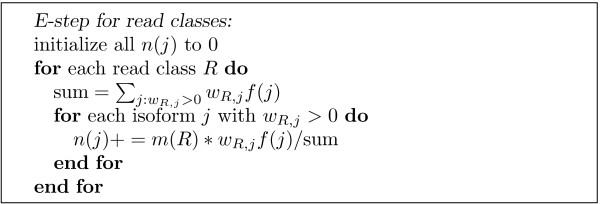
“:3) j : w R,j > 0 w R,j f ( j ) for each isoform j with w R,j > 0 do n ( j )+ = m ( R ) ∗ w R,j f ( j ) / sum end for end for methods [29] also target biases surrounding the start site of the read in addition to within reads.”
Background
Cited by
RSEM: accurate transcript quantification from RNA-Seq data with or without a reference genome
Li, B., & Dewey, C. N. (2011) · BMC Bioinformatics · doi:10.1186/1471-2105-12-323 · Cited by 22,179
“Figure 3 gives the distributions of the errors of the abundance estimates from the five methods on the RefSeq simulated sets, using a style of plot introduced by [4].”
BackgroundMethodResultInfluentialSalmon provides fast and bias-aware quantification of transcript expression
Patro, R., Duggal, G., Love, M. I., Irizarry, R. A., & Kingsford, C. (2017) · Nature Methods · doi:10.1038/nmeth.4197 · Cited by 12,700
Trapnell, C., Roberts, A., Goff, L., Pertea, G., Kim, D., Kelley, D. R., Pimentel, H., Salzberg, S. L., Rinn, J. L., & Pachter, L. (2012) · Nature Protocols · doi:10.1038/nprot.2012.016 · Cited by 12,116
Differential analysis of gene regulation at transcript resolution with RNA-seq
Trapnell, C., Hendrickson, D. G., Sauvageau, M., Goff, L., Rinn, J. L., & Pachter, L. (2013) · Nature Biotechnology · doi:10.1038/nbt.2450 · Cited by 3,492
Improving RNA-Seq expression estimates by correcting for fragment bias
Roberts, A., Trapnell, C., Donaghey, J., Rinn, J. L., & Pachter, L. (2011) · Genome Biology · doi:10.1186/gb-2011-12-3-r22 · Cited by 1,725
“This observation has been the basis of assumptions underlying a number of RNA-Seq analysis approaches that, in computer science terms, invert the ‘reduction’ of transcriptome estimation to DNA sequencing [2-6].”
BackgroundEBSeq: an empirical Bayes hierarchical model for inference in RNA-seq experiments
Leng, N., Dawson, J. A., Thomson, J. A., Ruotti, V., Rissman, A. I., Smits, B. M. G., Haag, J. D., Gould, M. N., Stewart, R. M., & Kendziorski, C. (2013) · Bioinformatics · doi:10.1093/bioinformatics/btt087 · Cited by 1,302
Patro, R., Mount, S. M., & Kingsford, C. (2014) · Nature Biotechnology · doi:10.1038/nbt.2862 · Cited by 586
(2020) · doi:10.1093/nar/gkaa609 · Cited by 268
“…estimate such as: (i) the inclusion of libraries only constructed with paired-end read to improve estimation accuracy over single-end reads (46,47); (ii) high sequencing depth with at least twenty millions of reads to improve the estimation of low abundant genes and exons and splice junctions…”
BackgroundMeasuring differential gene expression with RNA-seq: challenges and strategies for data analysis
Finotello, F., & Di Camillo, B. (2015) · Briefings in Functional Genomics · doi:10.1093/bfgp/elu035 · Cited by 238
“More recent methods, such as RSEM, define a probabilistic model of RNA-Seq data and calculate maximum likelihood estimates of isoform expression levels using the Expectation-Maximization algorithm [38, 51].”
MethodIdentifying differentially expressed transcripts from RNA-seq data with biological variation
Glaus, P., Honkela, A., & Rattray, M. (2012) · Bioinformatics · doi:10.1093/bioinformatics/bts260 · Cited by 198
“These probabilities are used in step 3 of the analysis, MCMC sampling from the posterior distribution in Eq.”
MethodLove, M. I., Hogenesch, J. B., & Irizarry, R. A. (2016) · Nature Biotechnology · doi:10.1038/nbt.3682 · Cited by 186
Umap and Bismap: quantifying genome and methylome mappability
Karimzadeh, M., Ernst, C., Kundaje, A., & Hoffman, M. M. (2018) · Nucleic Acids Research · doi:10.1093/nar/gky677 · Cited by 142
“Other methods distribute reads among transcripts by modeling strand, mapped position, distribution of insert sizes (25) and transcript length (26) or”
MethodKanitz, A., Gypas, F., Gruber, A. J., Gruber, A. R., Martin, G., & Zavolan, M. (2015) · Genome Biology · doi:10.1186/s13059-015-0702-5 · Cited by 140
“IsoEM [71] takes as input a GTF file with transcript annotations and a SAM file of genomic alignments, sorted by read name (randomized).”
MethodRNA Sequencing Data: Hitchhiker's Guide to Expression Analysis
den Berge, K. V., Hembach, K., Soneson, C., Tiberi, S., Clement, L., Love, M. I., Patro, R., & Robinson, M. D. (2019) · Annual Review of Biomedical Data Science · doi:10.1146/annurev-biodatasci-072018-021255 · Cited by 187
“It is worth noting that the underlying likelihood function of the equivalence classbased model is not equivalent to that of the fragmentlevel model in RSEM, although subsequent work explored other factorizations of the full fragmentlevel likelihood that either preserved equality with the RSEM model while speeding u…”
ResultGenome-wide identification and differential analysis of translational initiation
Zhang, P., He, D., Xu, Y., Hou, J., Pan, B.-F., Wang, Y., Liu, T., Davis, C. M., Ehli, E. A., Tan, L., et al. (2017) · Nature Communications · doi:10.1038/s41467-017-01981-8 · Cited by 155
RNA-seq data science: From raw data to effective interpretation
Deshpande, D., Chhugani, K., Chang, Y., Karlsberg, A., Loeffler, C., Zhang, J., Muszyńska, A., Munteanu, V., Yang, H. T., Rotman, J., et al. (2023) · Frontiers in Genetics · doi:10.3389/fgene.2023.997383 · Cited by 181
“An alternative approach that utilizes a larger fraction of the RNA-seq reads is to probabilistically assign reads to the isoforms from which they likely originated (Li and Dewey, 2011; Nicolae et al., 2011; Trapnell et al., 2012; Pertea et al., 2015).”
BackgroundSelf-citationEvaluation of the coverage and depth of transcriptome by RNA-Seq in chickens
Wang, Y., Ghaffari, N., Johnson, C. D., Braga-Neto, U. M., Wang, H., Chen, R., & Zhou, H. (2011) · BMC Bioinformatics · doi:10.1186/1471-2105-12-s10-s5 · Cited by 124
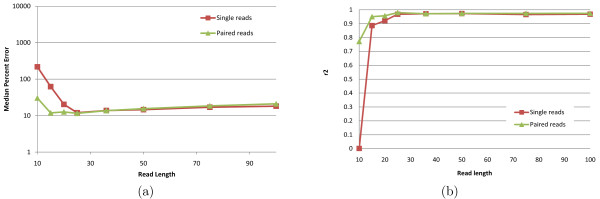
“However, people have noted that the number of reads is more important than the read length once reaching a minimum read length of 25 bp [9,10].”
BackgroundEndocannabinoid system acts as a regulator of immune homeostasis in the gut
Acharya, N., Penukonda, S., Shcheglova, T., Hagymasi, A. T., Basu, S., & Srivastava, P. K. (2017) · Proceedings of the National Academy of Sciences · doi:10.1073/pnas.1612177114 · Cited by 166
“We performed RNA sequencing and IsoEM/IsoDE analysis (13, 14) (as described in SI Materials and Methods) on the total MNPs of siLP to study the changes mediated by treatment with CP; the heat map for hierarchical clustering of the top 1,200 differentially expressed genes (DEGs) shows a clear presence of genes that are…”
MethodA discriminative learning approach to differential expression analysis for single-cell RNA-seq
Ntranos, V., Yi, L., Melsted, P., & Pachter, L. (2019) · Nature Methods · doi:10.1038/s41592-018-0303-9 · Cited by 155
The barcode, UMI, set format and BUStools
Melsted, P., Ntranos, V., & Pachter, L. (2019) · Bioinformatics · doi:10.1093/bioinformatics/btz279 · Cited by 165
Systematic benchmarking of omics computational tools
Mangul, S., Martin, L. S., Hill, B. L., Lam, A. K.-M., Distler, M. G., Zelikovsky, A., Eskin, E., & Flint, J. (2019) · Nature Communications · doi:10.1038/s41467-019-09406-4 · Cited by 164
Self-citationTechnology dictates algorithms: recent developments in read alignment
Alser, M., Rotman, J., Deshpande, D., Taraszka, K., Shi, H., Baykal, P. I., Yang, H. T., Xue, V., Knyazev, S., Singer, B. D., et al. (2021) · Genome Biology · doi:10.1186/s13059-021-02443-7 · Cited by 144
“Since many alternatively spliced isoforms share exons, which are usually longer than the short reads, probabilistic models are used as it is impossible to uniquely assign reads to the isoform transcripts [189].”
BackgroundSelf-citationiReckon: Simultaneous isoform discovery and abundance estimation from RNA-seq data
Mezlini, A. M., Smith, E. J. M., Fiume, M., Buske, O., Savich, G. L., Shah, S., Aparicio, S., Chiang, D. Y., Goldenberg, A., & Brudno, M. (2013) · Genome Research · doi:10.1101/gr.142232.112 · Cited by 127
“Our method is an extension of previous EM-based approaches for transcript quantification (Li et al. 2010; Nicolae et al. 2011).”
BackgroundMethodInfluentialRapMap: a rapid, sensitive and accurate tool for mapping RNA-seq reads to transcriptomes
Srivastava, A., Sarkar, H., Gupta, N., & Patro, R. (2016) · Bioinformatics · doi:10.1093/bioinformatics/btw277 · Cited by 105
“These equivalence classes are similar to those used in Nicolae et al. (2011), except that the position of each fragment within a transcript is not considered when defining the equivalence relation.”
MethodPseudoalignment for metagenomic read assignment
Schaeffer, L., Pimentel, H., Bray, N., Melsted, P., & Pachter, L. (2017) · Bioinformatics · doi:10.1093/bioinformatics/btx106 · Cited by 103
A normalization strategy for comparing tag count data
Kadota, K., Nishiyama, T., & Shimizu, K. (2012) · Algorithms for Molecular Biology · doi:10.1186/1748-7188-7-5 · Cited by 108
“Previous approaches for normalizing length include defining an effective length of a gene that may have two or more transcript isoforms of different lengths, and normalizing by the length [7-11].”
MethodExploring the gonad transcriptome of two extreme male pigs with RNA-seq
Esteve‐Codina, A., Kofler, R., Palmieri, N., Bussotti, G., Notredame, C., & Pérez-Enciso, M. (2011) · BMC Genomics · doi:10.1186/1471-2164-12-552 · Cited by 131
Fast and accurate single-cell RNA-seq analysis by clustering of transcript-compatibility counts
Ntranos, V., Kamath, G. M., Zhang, J. M., Pachter, L., & Tse, D. N. (2016) · Genome Biology · doi:10.1186/s13059-016-0970-8 · Cited by 110
“In the same way that “genes” represent groupings of transcripts [45], equivalence classes as introduced by [39] are also groups of transcripts.”
BackgroundMethodHandling multi-mapped reads in RNA-seq
Deschamps-Francoeur, G., Simoneau, J., & Scott, M. S. (2020) · Computational and Structural Biotechnology Journal · doi:10.1016/j.csbj.2020.06.014 · Cited by 124
“Several subsequent tools were proposed including IsoEM, which can also deal with multi-mapping reads between both transcripts and genes [47] and EMASE, which manages multireads between genes, transcripts and alleles [48].”
MethodHierarchical analysis of RNA-seq reads improves the accuracy of allele-specific expression
Raghupathy, N., Choi, K., Vincent, M. J., Beane, G. L., Sheppard, K. S., Munger, S. C., Korstanje, R., Pardo-Manual de Villena, F., & Churchill, G. A. (2018) · Bioinformatics · doi:10.1093/bioinformatics/bty078 · Cited by 97
Dual RNA-Sequencing to Elucidate the Plant-Pathogen Duel
Naidoo, S., Visser, E. A., Zwart, L., du Toit, Y., Bhadauria, V., & Shuey, L. S. (2017) · Current Issues in Molecular Biology · doi:10.21775/cimb.027.127 · Cited by 111
Reddy, A. S. N., Rogers, M. F., Richardson, D. N., Hamilton, M., & Ben‐Hur, A. (2012) · Frontiers in Plant Science · doi:10.3389/fpls.2012.00018 · Cited by 110
“Several studies have validated RNA-Seq expression estimates using qRT-PCR and these have demonstrated that the two methods produce estimates that are consistent with one another (see, e.g., Wang et al., 2008b; Nicolae et al., 2010; Richard et al., 2010; Lee et al., 2011).”
BackgroundMethodResearch progress in allele-specific expression and its regulatory mechanisms
Gaur, U., Li, K., Mei, S., & Liu, G. (2013) · Journal of Applied Genetics · doi:10.1007/s13353-013-0148-y · Cited by 105
“…those that map to more than one isoform, incorporating additional sources of disambiguation information, such as the distribution of RNA-seq fragments lengths, and correcting biases introduced by library preparation and sequencing protocols (Duitama et al. 2010, 2012; Nicolae et al. 2011).”
BackgroundWilliams, C., Baccarella, A., Parrish, J. Z., & Kim, C. C. (2017) · BMC Bioinformatics · doi:10.1186/s12859-016-1457-z · Cited by 103
Chung, D., Kuan, P. F., Li, B., Sanalkumar, R., Liang, K., Bresnick, E. H., Dewey, C., & Keleş, S. (2011) · PLoS Computational Biology · doi:10.1371/journal.pcbi.1002111 · Cited by 89
“Shortcomings of discarding multi-reads have been recognized in transcriptome sequencing (RNA-Seq) [13–18].”
BackgroundMunger, S. C., Raghupathy, N., Choi, K., Simons, A. K., Gatti, D. M., Hinerfeld, D. A., Svenson, K. L., Keller, M. P., Attie, A. D., Hibbs, M. A., et al. (2014) · Genetics · doi:10.1534/genetics.114.165886 · Cited by 100
“The inclusion of multireads adds complexity to the abundance estimation problem but EM algorithms are well suited to this task (Li and Dewey 2011; Nicolae et al. 2011; Turro et al. 2011; Roberts and Pachter 2013).”
BackgroundMethodPatro, R., Duggal, G., & Kingsford, C. (2012) · KiltHub Repository · doi:10.1184/r1/6702233 · Cited by 100
Transcriptome assembly and isoform expression level estimation from biased RNA-Seq reads
Li, W., & Jiang, T. (2012) · Bioinformatics · doi:10.1093/bioinformatics/bts559 · Cited by 97
Hayer, K. E., Pizarro, A., Lahens, N. F., Hogenesch, J. B., & Grant, G. R. (2015) · Bioinformatics · doi:10.1093/bioinformatics/btv488 · Cited by 93
“These results point to the need for new algorithm development to solve this difficult, but important, problem.”
BackgroundRNA‐seq Data: Challenges in and Recommendations for Experimental Design and Analysis
Williams, A. G., Thomas, S., Wyman, S. K., & Holloway, A. K. (2014) · Current Protocols in Human Genetics · doi:10.1002/0471142905.hg1113s83 · Cited by 93
“Others that we did not test include IsoEM (Nicolae et al., 2011) and FDM (Singh et al., 2011).”
BackgroundMethodChallenges in estimating percent inclusion of alternatively spliced junctions from RNA-seq data
Kakaradov, B., Xiong, H. Y., Lee, L. J., Jojic, N., & Frey, B. J. (2012) · BMC Bioinformatics · doi:10.1186/1471-2105-13-s6-s11 · Cited by 83
“To compute the posterior, we could use advanced approximate inference methods such as Expectation Maximization used by IsoEM [8], Markov Chain Monte Carlo used by MISO [7], and combinatorial optimization used by Cufflinks [5,12].”
MethodKnyazev, S., Tsyvina, V., Shankar, A., Melnyk, A., Artyomenko, A., Malygina, T., Porozov, Y. B., Campbell, E. M., Switzer, W. M., Skums, P., et al. (2021) · Nucleic Acids Research · doi:10.1093/nar/gkab576 · Cited by 89
“CliqueSNV estimates the frequencies of the assembled intra-host haplotypes via an EM algorithm similar to the one used in IsoEM (62).”
Self-citationMethods to Study Splicing from High-Throughput RNA Sequencing Data
Alamancos, G. P., Agirre, E., & Eyras, E. (2014) · Methods in molecular biology · doi:10.1007/978-1-62703-980-2_26 · Cited by 92
“DRUT uses a modified version of the IsoEM algorithm (56) in combination with a de novo reconstruction method similar to Cufflinks, to complete partial existing annotations as well as to estimate isoform frequencies.”
BackgroundMethodInfluentialT Cell Epitope Prediction and Its Application to Immunotherapy
Schaap-Johansen, A.-L., Vujović, M., Borch, A., Hadrup, S. R., & Marcatili, P. (2021) · Frontiers in Immunology · doi:10.3389/fimmu.2021.712488 · Cited by 74
LIQA: long-read isoform quantification and analysis
Hu, Y., Li, F., Chen, X., Zhong, J. F., Li, M., & Wang, K. (2021) · Genome biology · doi:10.1186/s13059-021-02399-8 · Cited by 89
Baaijens, J. A., Zulli, A., Ott, I. M., Nika, I., van der Lugt, M. J., Petrone, M. E., Alpert, T., Fauver, J. R., Kalinich, C. C., Vogels, C. B. F., et al. (2022) · Genome biology · doi:10.1186/s13059-022-02805-9 · Cited by 87
“Second, we evaluated RSEM [25] and Iso-EM2 [26], both of which are EM-based algorithms based on regular read-to-transcriptome alignment [27].”
MethodTAPAS: tool for alternative polyadenylation site analysis
Arefeen, A., Liu, J., Xiao, X. G., & Jiang, T. (2018) · Bioinformatics · doi:10.1093/bioinformatics/bty110 · Cited by 85
Haplotype-aware pantranscriptome analyses using spliced pangenome graphs
Sibbesen, J. A., Eizenga, J. M., Novak, A. M., Sirén, J., Chang, X., Garrison, E., & Paten, B. (2023) · Nature Methods · doi:10.1038/s41592-022-01731-9 · Cited by 83
“This is a well known algorithm that is used by many other transcript quantification tools [1, 3, 4, 63].”
BackgroundMethodComparison of Metagenomics and Metatranscriptomics Tools: A Guide to Making the Right Choice
Terron-Camero, L. C., Gordillo-González, F., Salas‐Espejo, E., & Andrés‐León, E. (2022) · Genes · doi:10.3390/genes13122280 · Cited by 83
“Furthermore, when combined with the EM algorithm, reads can be mapped much more accurately and quickly, allowing accurate statistical resolution of mapping ambiguities [136].”
Methylome Dynamics of Bovine Gametes and in vivo Early Embryos
Duan, J. E., Jiang, Z., Alqahtani, F. A., Măndoiu, I., Dong, H., Zheng, X., Marjani, S. L., Chen, J., & Tian, X. (2019) · Frontiers in Genetics · doi:10.3389/fgene.2019.00512 · Cited by 80
Self-citationSpliceDisease database: linking RNA splicing and disease
Wang, J., Zhang, J., Li, K., Zhao, W., & Cui, Q. (2012) · Nucleic Acids Research · doi:10.1093/nar/gkr1171 · Cited by 56
“IsoEM (31) Tool for the estimation of alternative splicing isoform frequencies from RNA-Seq data http://dna.”
BackgroundBaumgartner, M., Olthof, A. M., Aquino, G. S., Hyatt, K. C., Lemoine, C., Drake, K., Sturrock, N., Nguyen, N., al Seesi, S., & Kanadia, R. N. (2018) · Development · doi:10.1242/dev.166322 · Cited by 61
Mangul, S., Yang, H. T., Strauli, N. B., Gruhl, F., Porath, H. T., Hsieh, K., Chen, L., Daley, T., Christenson, S. A., Wesolowska‐Andersen, A., et al. (2018) · Genome biology · doi:10.1186/s13059-018-1403-7 · Cited by 64
Self-citationBootstrap-based differential gene expression analysis for RNA-Seq data with and without replicates
Seesi, S. A., Temate‐Tiagueu, Y., Zelikovsky, A., & Măndoiu, I. (2014) · BMC Genomics · doi:10.1186/1471-2164-15-s8-s2 · Cited by 64
“algorithm [16], an expectation-maximization (EM) algorithm that takes into account gene isoforms in the inference process to ensure accurate length normalization.”
MethodSelf-citationLi, H. L., Lin, H., & Xia, J. (2017) · Marine Biotechnology · doi:10.1007/s10126-017-9774-4 · Cited by 62
“The assessment of the extent of differences in mRNA isoform expression between tissues or treatments is widely believed to be critical for unraveling gene functions and transcription regulation mechanisms (Nicolae et al. 2011).”
BackgroundMandric, I., Temate‐Tiagueu, Y., Shcheglova, T. V., Seesi, S. A., Zelikovsky, A., & Măndoiu, I. (2017) · Bioinformatics · doi:10.1093/bioinformatics/btx365 · Cited by 61
“This is achieved by implementing the re-sampling in IsoEM2 based on internal data structures representing connected components of the read-isoform compatibility graph (Nicolae et al., 2011).”
MethodResultInfluentialSelf-citationJousheghani, Z. Z., Singh, N., & Patro, R. (2025) · Bioinformatics · doi:10.1093/bioinformatics/btaf240 · Cited by 60
“While the methods developed for short-read transcript quantification, e.g. (Nicolae et al. 2011, Li and Dewey 2011, Turro et al. 2011, Glaus et al. 2012, Nariai et al. 2013, Patro et al. 2014, Hensman et al. 2015, Bray et al. 2016, Patro et al. 2017) have led to improved quantification accuracy and…”
RNA-Skim: a rapid method for RNA-Seq quantification at transcript level
Zhang, Z., & Wang, W. W. (2014) · Bioinformatics · doi:10.1093/bioinformatics/btu288 · Cited by 54
“Contact: weiwang@cs.ucla.edu Supplementary information: Supplementary data are available at Bioinformatics online.”
BackgroundCIDANE: comprehensive isoform discovery and abundance estimation
Canzar, S., Andreotti, S., Weese, D., Reinert, K., & Klau, G. W. (2016) · Genome biology · doi:10.1186/s13059-015-0865-0 · Cited by 53
“Adopting the definition in [28], the relative error for a transcript t with non-zero true abundance θ∗ t and predicted abundance θ ′ t is defined as |θ∗ t − θ ′ t |/θ∗ t .”
Benchmark of long non-coding RNA quantification for RNA sequencing of cancer samples
Zheng, H., Brennan, K., Hernáez, M., & Gevaert, O. (2019) · GigaScience · doi:10.1093/gigascience/giz145 · Cited by 51
“Other methods using an expectation maximization algorithm such as IsoEM [41] might achieve similar accuracy to pseudoalignment methods and RSEM.”
Benchmarking RNA-Seq quantification tools
Chandramohan, R., Wu, P.-Y., Phan, J. H., & Wang, M. D. (2013) · Annual International Conference of the IEEE Engineering in Medicine and Biology Society (EMBC) · doi:10.1109/embc.2013.6609583 · Cited by 52
RNA-Seq Mapping and Detection of Gene Fusions with a Suffix Array Algorithm
Sakarya, O., Breu, H., Radovich, M., Chen, Y., Wang, Y., Bárbácioru, C., Utiramerur, S., Whitley, P., Brockman, J. P., Vatta, P., et al. (2012) · PLoS Computational Biology · doi:10.1371/journal.pcbi.1002464 · Cited by 50
“Paired-end RNA-Seq further enhances quantification of alternative transcripts [13–16].”
BackgroundXu, H., Kong, X., Chen, F., Huang, J.-X., Lou, X., & Zhao, J. (2015) · BMC Genomics · doi:10.1186/s12864-015-2062-7 · Cited by 49
“In addition to Cufflinks, there are several other softwares such as IsoEM that can be used to infer isoform and gene expression levels from high-throughput transcriptome sequencing [27, 28], and MaLTA [28] that can be used to transcriptome assembly and quantification from Ion Torrent RNA-Seq data.”
Method◾ Differential Expression Analysis
Korpelainen, E., Tuimala, J., Somervuo, P., Huss, M., & Wong, G. (2014) · Chapman & Hall/CRC eBooks · doi:10.1201/b17457-12 · Cited by 46
Nariai, N., Hirose, O., Kojima, K., & Nagasaki, M. (2013) · Bioinformatics · doi:10.1093/bioinformatics/btt381 · Cited by 37
Zhao, S., Li, X., Quan, J., Xi, H. S., Zhang, Y., von Schack, D., Vincent, M. S., & Zhang, B. (2016) · BMC Genomics · doi:10.1186/s12864-015-2356-9 · Cited by 43
“A number of algorithms have been developed to infer gene and isoform abundance [17, 18], including RSEM [19, 20], Cufflinks [21], IsoEM [22], featureCounts [23], and HTSeq [24].”
MethodHu, Y., Liu, Y., Mao, X., Cheng, J., Ferguson, J. F., Xue, C., Reilly, M. P., Li, H., & Li, M. (2013) · Nucleic Acids Research · doi:10.1093/nar/gkt1304 · Cited by 41
“This measure has been used by various methods including Cufflinks (8,25), IsoEM (17) and CEM (19).”
MethodInteroperable RNA-Seq analysis in the cloud
Lachmann, A., Clarke, D. J. B., Torre, D., Xie, Z., & Ma’ayan, A. (2020) · Biochimica et Biophysica Acta (BBA) - Gene Regulatory Mechanisms · doi:10.1016/j.bbagrm.2020.194521 · Cited by 35
Union Exon Based Approach for RNA-Seq Gene Quantification: To Be or Not to Be?
Zhao, S., Li, X., & Zhang, B. (2015) · PLoS ONE · doi:10.1371/journal.pone.0141910 · Cited by 36
“Since RNA-seq has become a commonplace in molecular biology laboratories, quite a number of methods have been developed for the inference of gene and isoform abundance, including RSEM [22–23], Cufflinks [24], IsoEM [25], featureCounts [26] and HTSeq [27].”
MethodNeurotranscriptomics: The Effects of Neonatal Stimulus Deprivation on the Rat Pineal Transcriptome
Hartley, S. W., Coon, S. L., Savastano, L. E., Mullikin, J. C., Program, N. C. S., Fu, C., & Klein, D. C. (2015) · PLoS ONE · doi:10.1371/journal.pone.0137548 · Cited by 33
Improved data-driven likelihood factorizations for transcript abundance estimation
Zakeri, M., Srivastava, A., Almodaresi, F., & Patro, R. (2017) · Bioinformatics · doi:10.1093/bioinformatics/btx262 · Cited by 33
“In fact, this is the equivalence relation proposed by Nicolae et al. (2011). However, this particular factorization can have a negative impact on performance since most of the time probabilities of fragments are not exactly proportional.”
Tuerk, A., Wiktorin, G., & Güler, S. (2017) · PLoS Computational Biology · doi:10.1371/journal.pcbi.1005515 · Cited by 30
A fuzzy method for RNA-Seq differential expression analysis in presence of multireads
Consiglio, A., Mencar, C., Grillo, G., Marzano, F., Caratozzolo, M. F., & Liuni, S. (2016) · BMC Bioinformatics · doi:10.1186/s12859-016-1195-2 · Cited by 28
“…way is to assign multireads to genes proportionally to the expression of uniquely mapping reads (named Rescue Method) [9]; some more complex techniques compute an estimation of the read counts using probabilistic models, such as IsoEM [10], RSEM [11], Rcount [12], TEtranscript [13], MMR [14].”
MethodBioinformatics for RNA‐Seq Data Analysis
Zhao, S., Zhang, B., Zhang, Y., Gordon, W., Du, S., Paradis, T., Vincent, M. S., & von Schack, D. (2016) · InTech eBooks · doi:10.5772/63267 · Cited by 27
“Since RNA‐seq has become a common technology in molecular biology laboratories, a number of methods have been developed for the inference of gene and isoform abundance, including RSEM [43], Cufflinks [44], IsoEM [45], featureCounts [46], and HTSeq [47].”
MethodTranscriptome Analysis for Non-Model Organism: Current Status and Best-Practices
Eldem, V., Zararsız, G., Taşçi, T., Duru, İ. P., Bakır, Y., & Erkan, M. (2017) · InTech eBooks · doi:10.5772/intechopen.68983 · Cited by 27
Modeling Alternative Splicing Variants from RNA-Seq Data with Isoform Graphs
Beretta, S., Bonizzoni, P., Vedova, G. D., Pirola, Y., & Rizzi, R. (2013) · Journal of Computational Biology · doi:10.1089/cmb.2013.0112 · Cited by 26
“Challenging tasks of transcriptome analysis via RNA-Seq data (Trapnell et al., 2010; Nicolae et al., 2011; Feng et al., 2011) are reconstructing full-length transcripts (or isoforms) of genes and estimating their expression levels.”
Grouper: graph-based clustering and annotation for improved de novo transcriptome analysis
Malik, L. I., Almodaresi, F., & Patro, R. (2018) · Bioinformatics · doi:10.1093/bioinformatics/bty378 · Cited by 24
Gene Expression and Transcriptome Sequencing: Basics, Analysis, Advances
Magar, N. D., Shah, P., Harish, K., Bosamia, T. C., Barbadikar, K. M., Shukla, Y., Phule, A. S., Zala, H. N., Madhav, M. S., Mangrauthia, S. K., et al. (2022) · IntechOpen eBooks · doi:10.5772/intechopen.105929 · Cited by 25
Ambiguous fragment assignment for high-throughput sequencing experiments
Roberts, A. (2013) · eScholarship (California Digital Library) · Cited by 25
Chavan, S. S., Bauer, M., Peterson, E. A., Heuck, C. J., & Johann, D. J. (2013) · BMC Bioinformatics · doi:10.1186/1471-2105-14-s14-s4 · Cited by 23
“following our tool and file independent design approach, other reconstruction tools such as IsoLasso[29] or TRIP [30], and/or other quantification tools IsoEM[31] or RSEM[32] may be utilized.”
MethodWu, P.-Y., Chandramohan, R., Phan, J. H., Mahle, W. T., Gaynor, J. W., Maher, K., & Wang, M. D. (2014) · Circulation Cardiovascular Genetics · doi:10.1161/circgenetics.113.000129 · Cited by 23
An optimized protocol for generation and analysis of Ion Proton sequencing reads for RNA-Seq
Yuan, Y., Xu, H., & Leung, R. K. (2016) · BMC Genomics · doi:10.1186/s12864-016-2745-8 · Cited by 22
“One is alignmentbased, calculating from transcriptome alignment results such as RSEM [36], BitSeq [37], eXpress [38], IsoEM and its variation tailor-made for Ion Torrent Data MaLTAIsoEM [39, 40] or genome alignment results such as Cufflinks/Cuffdiff [41], HTseq [42] and MISO [43]; it is also important to differentiate…”
MethodAn integer programming approach to novel transcript reconstruction from paired-end RNA-Seq reads
Mangul, S., Caciula, A., Seesi, S. A., Brinza, D., Banday, A. R., & Kanadia, R. (2012) · ACM International Conference on Bioinformatics, Computational Biology, and Health Informatics (ACM-BCB) · doi:10.1145/2382936.2382983 · Cited by 23
“However, accurate normalization of RNA-Seq data critically requires knowledge of expressed transcript sequences [13, 22, 14, 8].”
BackgroundSelf-citationTranscriptome assembly and quantification from Ion Torrent RNA-Seq data
Mangul, S., Caciula, A., Seesi, S. A., Brinza, D., Măndoiu, I., & Zelikovsky, A. (2014) · BMC Genomics · doi:10.1186/1471-2164-15-s5-s7 · Cited by 22
“Several independent implementations of EM algorithm exist in the literature [7,40].”
BackgroundMethodInfluentialSelf-citationLiu, Q., Zhao, S., Su, P.-F., & Shyr, Y. (2013) · BMC Systems Biology · doi:10.1186/1752-0509-7-s5-s7 · Cited by 20
“The digital nature of RNAseq technology coupled with powerful bioinformatics methods including Alexa-seq [25], IsoEM [26], Multisplice [27], MISO [28], Cufflinks [29,30], iReckon [31] and RSEM [32,33], which aim to quantify isoform expression accurately, provides the opportunity of systematically studying expression a…”
MethodORMAN: Optimal resolution of ambiguous RNA-Seq multimappings in the presence of novel isoforms
Dao, P., Numanagić, I., Lin, Y., Hach, F., Karakoç, E., Donmez, N., Collins, C. C., Eichler, E. E., & Şahinalp, S. C. (2013) · Bioinformatics · doi:10.1093/bioinformatics/btt591 · Cited by 20
A Robust Method for Transcript Quantification with RNA-Seq Data
Huang, Y., Hu, Y., Jones, C. D., MacLeod, J. N., Chiang, D. Y., Liu, Y., Prins, J. F., & Liu, J. (2013) · Journal of Computational Biology · doi:10.1089/cmb.2012.0230 · Cited by 19
Lee, S., Seo, C. H., Alver, B., Lee, S., & Park, P. J. (2015) · BMC Bioinformatics · doi:10.1186/s12859-015-0704-z · Cited by 19
“RSEM [8] IsoEM [9] and Seqem [10] are among the methods based on this Multinomial-MLE-EM scheme.”
MethodNext generation quantitative genetics in plants
Jiménez‐Gómez, J. M. (2011) · Frontiers in Plant Science · doi:10.3389/fpls.2011.00077 · Cited by 19
“The most promising methods to address this complex problem take advantage from the information offered by pairedend and/or unambiguously mapped reads (Guttman et al., 2010; Katz et al., 2010; Li et al., 2010a; Trapnell et al., 2010; Nicolae et al., 2011).”
BackgroundA context-based approach to identify the most likely mapping for RNA-seq experiments
Bonfert, T., Csaba, G., Zimmer, R., & Friedel, C. C. (2012) · BMC Bioinformatics · doi:10.1186/1471-2105-13-s6-s9 · Cited by 18
Statistical modeling of isoform splicing dynamics from RNA-seq time series data
Huang, Y., & Sanguinetti, G. (2016) · Bioinformatics · doi:10.1093/bioinformatics/btw364 · Cited by 17
“For a thorough review of GPs and their use in modern machine learning, we refer the reader to the excellent book (Rasmussen and Williams, 2006).”
BackgroundTang, X., Tang, Z., Huang, S., Liu, J., Liu, J., Shi, W. M., Tian, X., Li, Y., Zhang, D., Yang, J., et al. (2013) · Planta · doi:10.1007/s00425-013-1942-9 · Cited by 17
“…of sample rna, and provide a number of transcriptome analyses, including transcript quantification (Katz et al. 2010; trapnell et al. 2010; nicolae et al. 2011), differential expression testing (anders and Huber 2010; robinson et al. 2010), reference-based gene annotation (trapnell et al.…”
BackgroundA direct comparison of genome alignment and transcriptome pseudoalignmentPreprint
Yi, L., Liu, L., Melsted, P., & Pachter, L. S. (2018) · bioRxiv (Cold Spring Harbor Laboratory) · doi:10.1101/444620 · Cited by 17
“Specifically, in pseudoalignment, reads are assigned to these sets of transcripts, i.e. “equivalence classes” of transcripts (Nicolae et al., 2011).”
BackgroundLocality Sensitive Imputation for Single Cell RNA-Seq Data
Moussa, M., & Măndoiu, I. I. (2019) · Journal of Computational Biology · doi:10.1089/cmb.2018.0236 · Cited by 18
“There are also some methods for clustering with implicit imputation, such as BISCUIT Azizi et al. (2017), Prabhakaran et al. (2016), and CIDR Lin et al. (2017).”
MethodSelf-citationEffects of maternal nutrition on the expression of genomic imprinted genes in ovine fetuses
Duan, J. E., Zhang, M., Flock, K., Seesi, S. A., Măndoiu, I., Jones, A. K., Johnson, E., Pillai, S. M., Hoffman, M. L., McFadden, K. K., et al. (2018) · Epigenetics · doi:10.1080/15592294.2018.1503489 · Cited by 15
“5 [65] was used to quantify levels of gene expression to transcripts per kilobase million (TPM) using default parameters.”
MethodSelf-citationEvent Analysis: Using Transcript Events To Improve Estimates of Abundance in RNA-seq Data
Newman, J. R. B., CONCANNON, P. J., Tardáguila, M., Conesa, A., & McIntyre, L. M. (2018) · G3 Genes Genomes Genetics · doi:10.1534/g3.118.200373 · Cited by 14
“…and Pachter 2013), and more recently iReckon (Mezlini et al. 2013) and CIDANE (Canzar et al. 2016), and others ( e.g. , (Jiang and Wong 2009; Nicolae et al. 2011; Turro et al. 2011; Li and Jiang 2012; Sun 2012; Sturgill et al. 2013; Glaus et al. 2012; Patro et al. 2014; Nariai et al. 2014;…”
BackgroundIRescue: uncertainty-aware quantification of transposable elements expression at single cell level
Polimeni, B., Marasca, F., Ranzani, V., & Bodega, B. (2024) · Nucleic Acids Research · doi:10.1093/nar/gkae793 · Cited by 13
“As a solution to assign a unique feature to multi-mapping UMIs, we leveraged on equivalence classes (ECs), a well-known concept used to count reads compatible to multiple isoforms in bulk RNAseq (20, 21, 53), recently applied to gene expression quantification in scRNA-seq as well (43, 44).”
MethodDuitama, J., Srivastava, P. K., & Măndoiu, I. (2011) · IEEE International Conference on Computational Advances in Bio and Medical Sciences · doi:10.1109/iccabs.2011.5729949 · Cited by 13
Self-citationHoeng, J., Talikka, M., Martin, F. P., Ansari, S., Drubin, D. A., Elamin, A., Gebel, S., Ivanov, N. V., Deehan, R., Kogel, U., et al. (2014) · CRC Press eBooks · doi:10.1201/b17359-9 · Cited by 13
Lin, Z., Li, M., Šestan, N., & Zhao, H. (2016) · Statistical Applications in Genetics and Molecular Biology · doi:10.1515/sagmb-2015-0070 · Cited by 12
Metadata
- Authors
- Nicolae, M., Mangul, S., Măndoiu, I. I., & Zelikovsky, A.
- Affiliations
- University of Connecticut (US)
- Georgia State University (US)
- Corresponding author
- Nicolae, Marius
- Venue
- Algorithms for Molecular Biology
- Published
- 2011-04-19
- Volume
- 6
- Issue
- 1
- Pages
- 9-9
- ISSN
- 1748-7188 (ISSN-L)
- PMC
- PMC3107792
- OpenAlex
- W2093253451
- Cited by
- 178
- References
- 32
- Citations by year
- 2025: 2 · 2023: 2 · 2022: 9 · 2021: 9 · 2020: 6 · 2019: 12 · 2018: 17 · 2017: 14 · 2016: 24 · 2015: 14 · 2014: 14 · 2013: 16 · 2012: 23
- FWCI
- 8.97
- Type
- journal article
- Language
- en
- Open access
- gold
- doi.org
- Licence
- cc-by
- creativecommons.org/licenses/by/2.0 (tdm)
- Locations
- Algorithms for Molecular Biology (publishedVersion, cc-by)
- PubMed Central (publishedVersion, cc-by)
- PubMed (publishedVersion)
- DROPS (Schloss Dagstuhl – Leibniz Center for Informatics) (submittedVersion, cc-by)
- Digital Archive @ GSU (submittedVersion, cc-by)
- DOAJ (DOAJ: Directory of Open Access Journals) (submittedVersion)
- Counseling And Psychological Services Dissertations (Georgia State University) (submittedVersion, cc-by)
- DROPS (Schloss Dagstuhl – Leibniz Center for Informatics) (cc-by)
- Funders
- National Science Foundation (0916948, 0546457, 0916401, 0543365)
- National Institute of Food and Agriculture (201167016-30331, IIS-0916401)
- Topics
- Life Sciences › Biochemistry, Genetics and Molecular Biology › Molecular Biology › Genomics and Phylogenetic Studies
- Life Sciences › Biochemistry, Genetics and Molecular Biology › Molecular Biology › RNA Research and Splicing
- Life Sciences › Biochemistry, Genetics and Molecular Biology › Molecular Biology › Single-cell and spatial transcriptomics
- Keywords
- alternative splicing, gene expression estimation, RNA-seq, expectation-maximization algorithm, insert size distribution, read length, gene isoforms
About these checks
Registry, retraction, Cites and statistics results are computed, not judged, with one exception: a printed reference that no index lists is read once by a model before it counts as a citation error. Claims are extracted by a model and kept only when their quote appears verbatim in the text; each cited source is then checked, with a model’s help, for whether it says what the claim relies on. Those verdicts can be wrong — read the claim’s quote and the cited source before relying on one.
Statistics and arithmetic are recomputed, not judged.
Confidence bands are shown only for fields calibrated on our annotated test set. None is calibrated yet, so no band is shown.
What counts as a claim ›How we measure confidence ›How we check this ›
Are you an author, or do you see a problem with this page? Request a review
Data sources
Bibliographic data: Semantic Scholar, OpenAlex, Crossref.
Contains information from the Semantic Scholar Academic Graph Datasets, made available under the ODC Attribution License (ODC-BY 1.0).
Semantic Scholar’s data is described in: Kinney, R., et al. (2023). The Semantic Scholar Open Data Platform. arXiv:2301.10140.
