

Modulation of γ-secretase by EVP-0015962 reduces amyloid deposition and behavioral deficits in Tg2576 mice
Open accessThe DOI matches its Crossref record; 60 of the 60 references it cites were found in a registry or an index.
Abstract
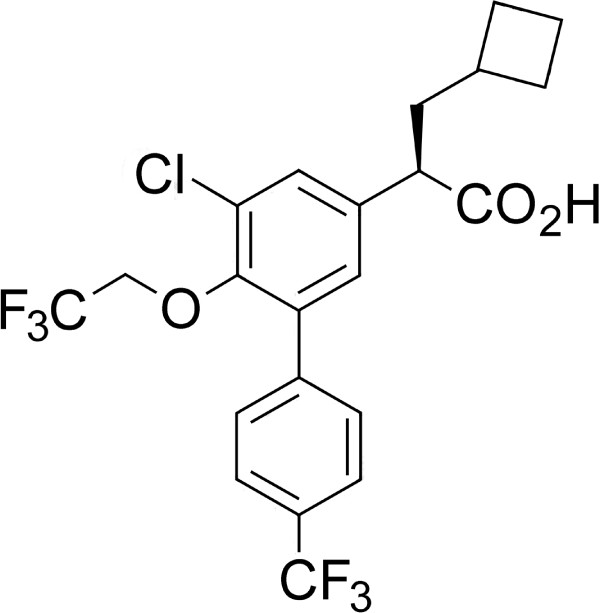
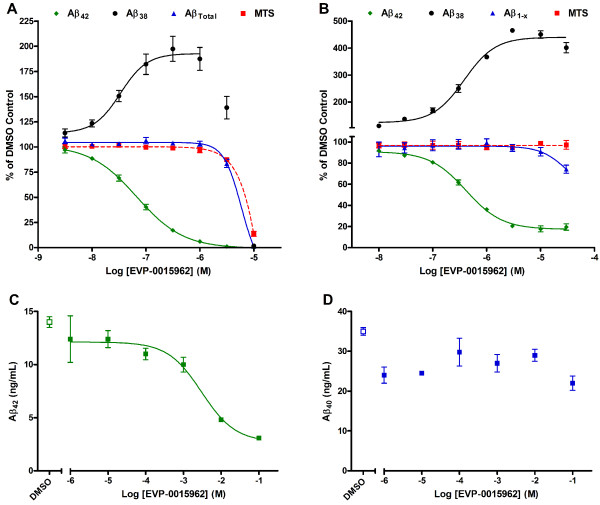
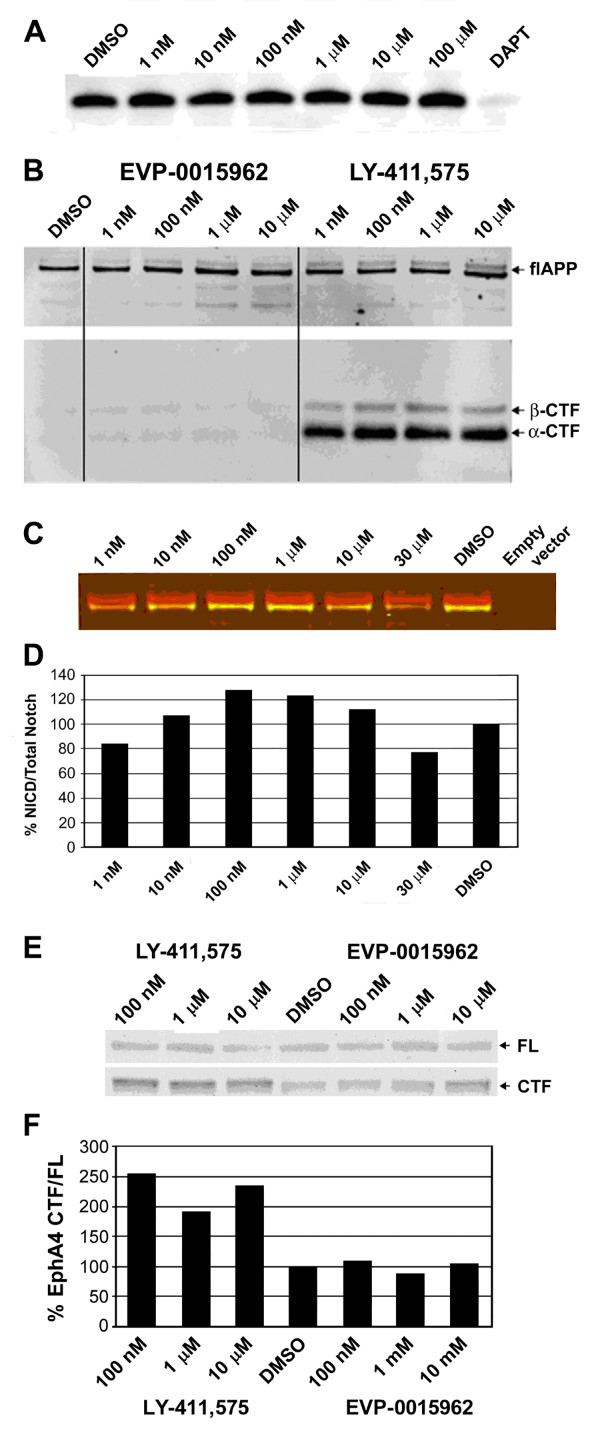
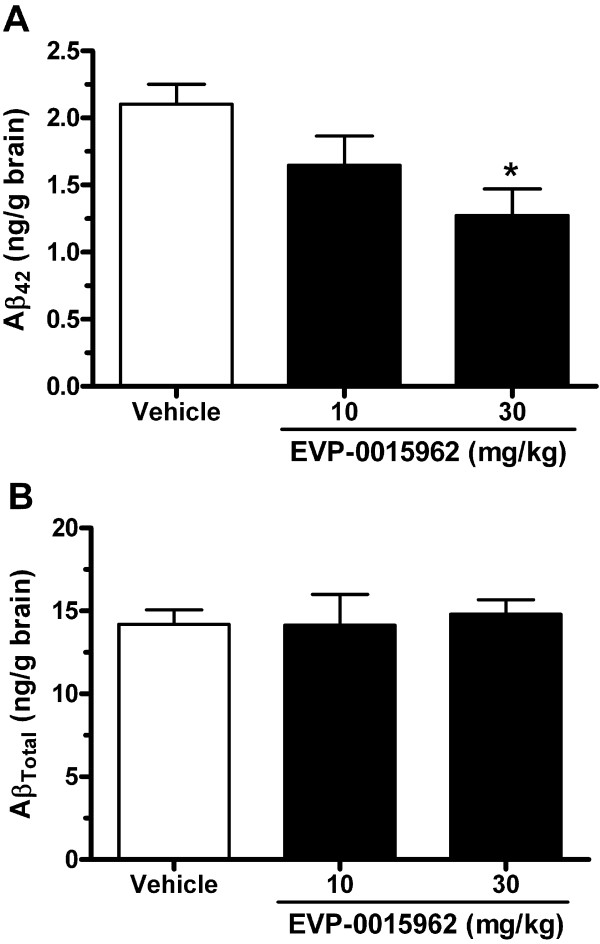
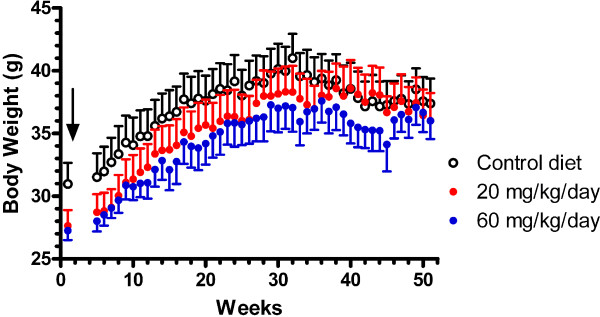
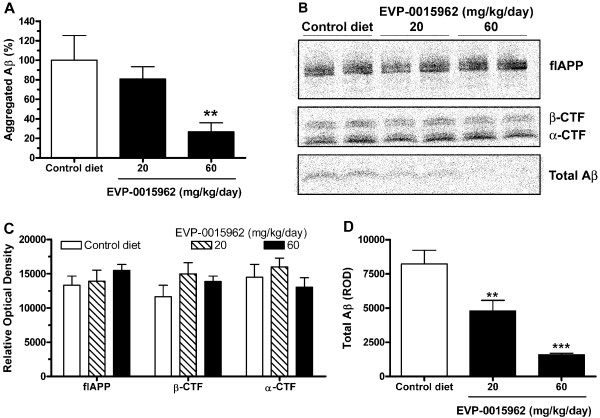
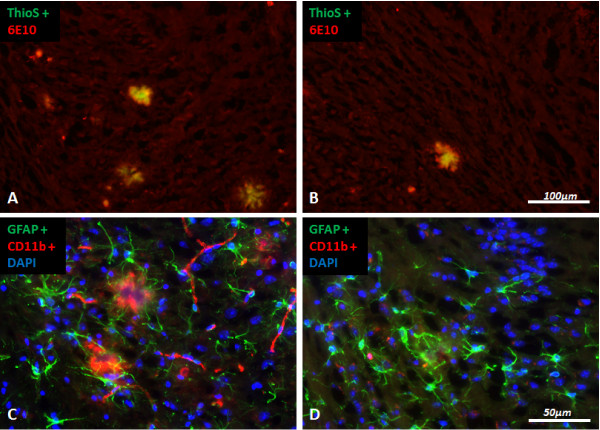
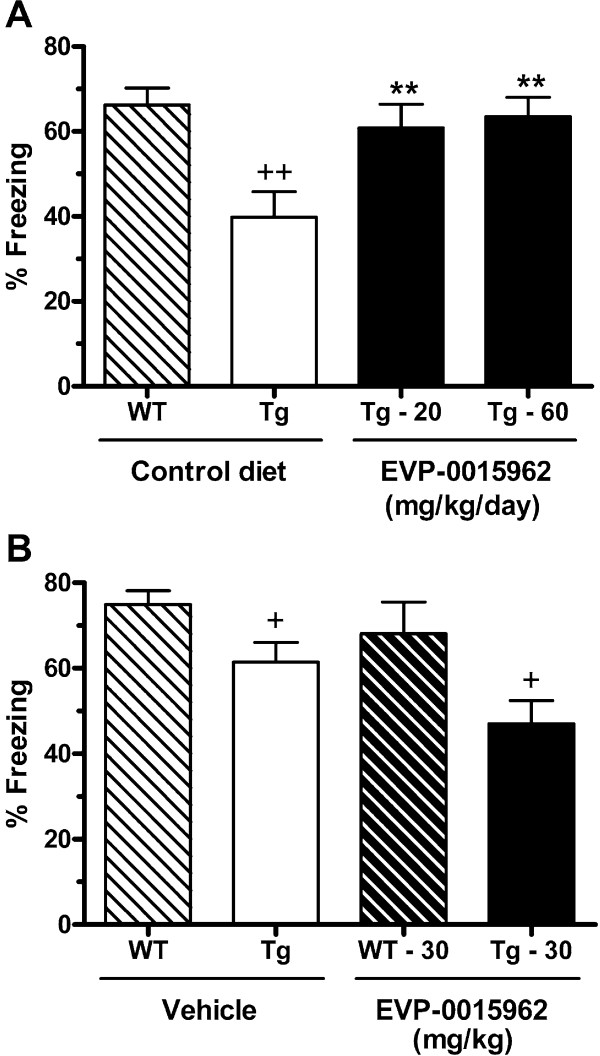
Background: A hallmark of Alzheimer’s disease is the presence of senile plaques in human brain primarily containing the amyloid peptides Aβ 42 and Aβ 40. Many drug discovery efforts have focused on decreasing the production of Aβ 42 through γ-secretase inhibition. However, identification of γ-secretase inhibitors has also uncovered mechanism-based side effects. One approach to circumvent these side effects has been modulation of γ-secretase to shift Aβ production to favor shorter, less amyloidogenic peptides than Aβ 42, without affecting the overall cleavage efficiency of the enzyme. This approach, frequently called γ-secretase modulation, appears more promising and has lead to the development of new therapeutic candidates for disease modification in Alzheimer’s disease. Results: Here we describe EVP-0015962, a novel small molecule γ-secretase modulator. EVP-0015962 decreased Aβ 42 in H4 cells (IC 50 = 67 nM) and increased the shorter Aβ 38 by 1.7 fold at the IC 50 for lowering of Aβ 42. Aβ Total, as well as other carboxyl-terminal fragments of amyloid precursor protein, were not changed. EVP-0015962 did not cause the accumulation of other γ-secretase substrates, such as the Notch and ephrin A4 receptors, whereas a γ-secretase inhibitor reduced processing of both. A single oral dose of EVP-0015962 (30 mg/kg) decreased Aβ 42 and did not alter Aβ Total peptide levels in a dose-dependent manner in Tg2576 mouse brain at an age when overt Aβ deposition was not present. In Tg2576 mice, chronic treatment with EVP-0015962 (20 or 60 mg/kg/day in a food formulation) reduced Aβ aggregates, amyloid plaques, inflammatory markers, and cognitive deficits. Conclusions: EVP-0015962 is orally bioavailable, detected in brain, and a potent, selective γ-secretase modulator in vitro and in vivo. Chronic treatment with EVP-0015962 was well tolerated in mice and lowered the production of Aβ 42, attenuated memory deficits, and reduced Aβ plaque formation and inflammation in Tg2576 transgenic animals. In summary, these data suggest that γ-secretase modulation with EVP-0015962 represents a viable therapeutic alternative for disease modification in Alzheimer’s disease.
Overview
The claims and statistics of this paper haven’t been checked yet.
Free: it reads the open-access text and checks the first 5 claims that cite a source we can check. Create a free account to check every claim.
Integrity signals
Registry
Cites
Statistics
Figures
Verification
Claims the paper makes
The claims and statistics of this paper haven’t been checked yet.
Free: it reads the open-access text and checks the first 5 claims that cite a source we can check. Create a free account to check every claim.
Claims other papers make about this one
Each is checked against this paper’s own text: does it say what the citing paper says it does?
The source backs part of the claim, not all of it — or backs it for a different population, condition or comparison.
In the citing paper
“It also improved the memory deficits in AD model mice.317”
From Amyloid β-based therapy for Alzheimer’s disease: Challenges, successes and future (2023) · cites this paper as [317]
Experimental — accuracy not yet measured
Self-check
Percentages, sums and reported differences re-computed from the paper’s own numbers.
The self-check needs the paper’s full text.
Citations
Cites
McKhann, G. M., Knopman, D. S., Chertkow, H., Hyman, B. T., Jack, C. R., Kawas, C. H., Klunk, W. E., Koroshetz, W. J., Manly, J. J., Mayeux, R., et al. (2011) · Alzheimer's & Dementia · doi:10.1016/j.jalz.2011.03.005 · Cited by 18,657
Neuropathological stageing of Alzheimer-related changes.
Braak, H., & Braak, E. (1991) · Acta Neuropathologica · doi:10.1007/bf00308809 · Cited by 16,123
Alzheimer's Disease: Genes, Proteins, and Therapy
Selkoe, D. J. (2001) · Physiological Reviews · doi:10.1152/physrev.2001.81.2.741 · Cited by 6,063 · cited 3×
“Mutations in PS, the putative catalytic site of the γ-secretase complex, and in APP around the γ-secretase cleavage site, were shown to increase the ratio of Aβ42/Aβ40, strengthening support for γ-secretase inhibition for disease modification in AD [8,12].”
BackgroundInflammation and Alzheimer’s disease
Akiyama, H. (2000) · Neurobiology of Aging · doi:10.1016/s0197-4580(00)00124-x · Cited by 4,514
Amyloid plaque core protein in Alzheimer disease and Down syndrome.
Masters, C. L., Simms, G., Weinman, N. A., Multhaup, G., McDonald, B. L., & Beyreuther, K. (1985) · Proceedings of the National Academy of Sciences · doi:10.1073/pnas.82.12.4245 · Cited by 4,431 · cited 5×
“Since Aβ deposits contain all lengths of Aβ peptides but are primarily composed of Aβ42 and Aβ40 [4-7], this finding is consistent with a reduction in Aβ deposition and is supportive of a potential disease”
BackgroundResultInfluentialCorrelative Memory Deficits, Aβ Elevation, and Amyloid Plaques in Transgenic Mice
Hsiao, K., Chapman, P., Nilsen, S., Eckman, C., Harigaya, Y., Younkin, S., Yang, F., & Cole, G. (1996) · Science · doi:10.1126/science.274.5284.99 · Cited by 4,210
Brewer, G. J., Torricelli, J. R., Evege, E. K., & Price, P. J. (1993) · Journal of Neuroscience Research · doi:10.1002/jnr.490350513 · Cited by 2,325
Karran, E., Mercken, M., & Strooper, B. D. (2011) · Nature Reviews Drug Discovery · doi:10.1038/nrd3505 · Cited by 2,188 · cited 6×
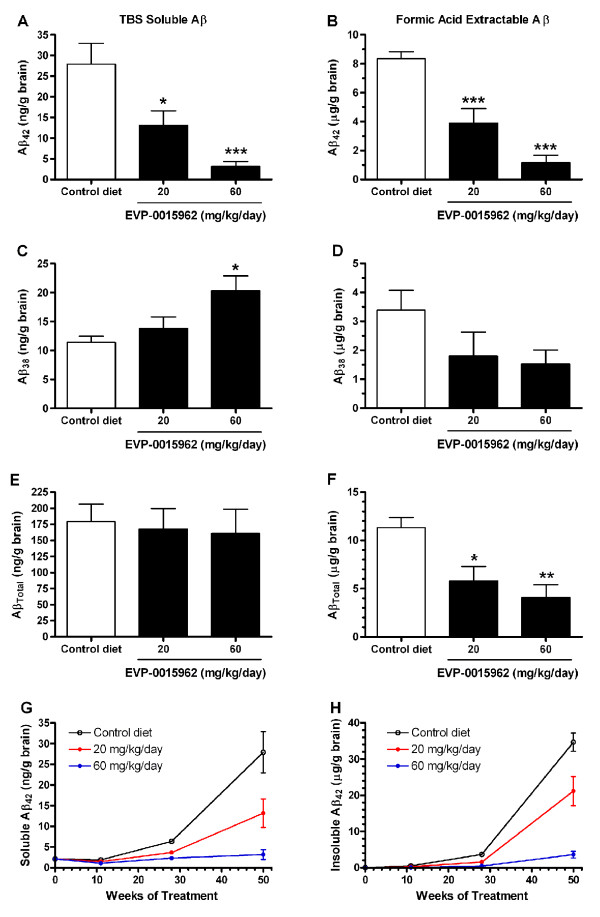
“Aβ42 was significantly lowered in both the TBS soluble and formic acid extractable fractions (TBS, F[2,12] = 12.”
BackgroundInfluentialA presenilin-1-dependent γ-secretase-like protease mediates release of Notch intracellular domain
De Strooper, B., Annaert, W., Cupers, P., Saftig, P., Craessaerts, K., Mumm, J. S., Schroeter, E. H., Schrijvers, V., Wolfe, M. S., Ray, W. J., et al. (1999) · Nature · doi:10.1038/19083 · Cited by 2,100
Deficiency of presenilin-1 inhibits the normal cleavage of amyloid precursor protein
De Strooper, B., Saftig, P., Craessaerts, K., Vanderstichele, H., Guhde, G., Annaert, W., Von Figura, K., & Van Leuven, F. (1998) · Nature · doi:10.1038/34910 · Cited by 1,818 · cited 2×
“the γ-secretase substrates [15,19,29-33].”
Result
Research works printed but not linked: 3
- Kim KS Wen GY Bancher C Chen CMJ Sapienza VJ Hong H Wisniewski HM Detection and quantitation of amyloid B-peptide with 2 monoclonal antibodies Neurosci Res Commun 1990 7 113 122
- Shapiro G Chesworth R Tetrasubstituted benzenes 2009 PCT publication WO2009/086277
- Bottenstein JE Barker JL, McKelvy JF Defined media for dissociated neural cultures Current Methods in Cellular Neurobiology 1983 John Wiley and Sons, New York 107 130 Volume 4
Cited by
Amyloid β-based therapy for Alzheimer’s disease: Challenges, successes and future
Zhang, Y., Chen, H., Li, R., Sterling, K., & Song, W. (2023) · Signal Transduction and Targeted Therapy · doi:10.1038/s41392-023-01484-7 · Cited by 988
“It also improved the memory deficits in AD model mice.(317) Unfortunately, all of them have been discontinued in the clinical trials.”
BackgroundInconsistencies and Controversies Surrounding the Amyloid Hypothesis of Alzheimer's Disease
Morris, G. P., Clark, I. A., & Vissel, B. (2014) · Acta Neuropathologica Communications · doi:10.1186/s40478-014-0135-5 · Cited by 522
γ-Secretase inhibitors and modulators
Golde, T. E., Koo, E. H., Felsenstein, K. M., Osborne, B. A., & Miele, L. (2013) · Biochimica et Biophysica Acta (BBA) - Biomembranes · doi:10.1016/j.bbamem.2013.06.005 · Cited by 272
Self-citationDevelopment and Mechanism of γ-Secretase Modulators for Alzheimer’s Disease
Crump, C. J., Johnson, D. S., & Li, Y.-M. (2013) · Biochemistry · doi:10.1021/bi400377p · Cited by 171
Targeting Amyloidogenic Processing of APP in Alzheimer’s Disease
Zhao, J., Liu, X., Xia, W., Zhang, Y., & Wang, C. (2020) · Frontiers in Molecular Neuroscience · doi:10.3389/fnmol.2020.00137 · Cited by 162
The γ-secretase complex: from structure to function
Zhang, X., Li, Y., Xu, H., & Zhang, Y.-W. (2014) · Frontiers in Cellular Neuroscience · doi:10.3389/fncel.2014.00427 · Cited by 160
Therapeutic Strategies Targeting Amyloid-β in Alzheimer’s Disease
Pinheiro, L. M. V., & Faustino, C. M. C. (2019) · Current Alzheimer Research · doi:10.2174/1567205016666190321163438 · Cited by 155
Gamma Secretase Modulators: New Alzheimer’s Drugs on the Horizon?
Bursavich, M. G., Harrison, B. A., & Blain, J.-F. (2016) · Journal of Medicinal Chemistry · doi:10.1021/acs.jmedchem.5b01960 · Cited by 137
Self-citationAwasthi, M., Singh, S., Pandey, V. P., & Dwivedi, U. N. (2016) · Journal of the Neurological Sciences · doi:10.1016/j.jns.2016.01.008 · Cited by 149
Precision pharmacology for Alzheimer’s disease
Hampel, H., Vergallo, A., Aguilar, L. F., Benda, N., Broich, K., Cuello, A. C., Cummings, J., Dubois, B., Federoff, H. J., Fiandaca, M., et al. (2018) · Pharmacological Research · doi:10.1016/j.phrs.2018.02.014 · Cited by 108
Learning by Failing: Ideas and Concepts to Tackle γ-Secretases in Alzheimer's Disease and Beyond
De Strooper, B., & Chávez Gutiérrez, L. (2015) · Annual Review of Pharmacology and Toxicology · doi:10.1146/annurev-pharmtox-010814-124309 · Cited by 119
The therapeutics of Alzheimer's disease: Where we stand and where we are heading
Selkoe, D. J. (2013) · Annals of Neurology · doi:10.1002/ana.24001 · Cited by 113
Complex regulation of γ-secretase: from obligatory to modulatory subunits
Gertsik, N., Chiu, D., & Li, Y.-M. (2015) · Frontiers in Aging Neuroscience · doi:10.3389/fnagi.2014.00342 · Cited by 68
Pharmacogenomics of Alzheimer’s Disease: Novel Therapeutic Strategies for Drug Development
Cacabelos, R., Cacabelos, P., Torrellas, C., Tellado, I., & Carril, J. C. (2014) · Methods in molecular biology · doi:10.1007/978-1-4939-0956-8_13 · Cited by 91
Li, H., Guo, Q., Inoue, T., Polito, V. A., Tabuchi, K., Hammer, R. E., Pautler, R. G., Taffet, G. E., & Zheng, H. (2014) · Molecular Neurodegeneration · doi:10.1186/1750-1326-9-28 · Cited by 86
Fowler, S. W., Chiang, A. C. A., Savjani, R. R., Larson, M. E., Sherman, M. A., Schuler, D. R., Cirrito, J. R., Lesne, S. E., & Jankowsky, J. L. (2014) · Journal of Neuroscience · doi:10.1523/jneurosci.0572-14.2014 · Cited by 77
Review on anti-alzheimer drug development: approaches, challenges and perspectives
Abdallah, A. E. (2024) · RSC Advances · doi:10.1039/d3ra08333k · Cited by 72
Gonzales, C., Zaleska, M. M., Riddell, D. R., Atchison, K. P., Robshaw, A., Zhou, H., & Rizzo, S. J. S. (2014) · Pharmacology Biochemistry and Behavior · doi:10.1016/j.pbb.2014.08.010 · Cited by 68
Furazans in Medicinal Chemistry
Mancini, R. S., Barden, C., Weaver, D. F., & Reed, M. A. (2021) · Journal of Medicinal Chemistry · doi:10.1021/acs.jmedchem.0c01901 · Cited by 62
Insight into the emerging and common experimental in-vivo models of Alzheimer’s disease
Dhapola, R., Kumari, S., Sharma, P., & HariKrishnaReddy, D. (2023) · Laboratory Animal Research · doi:10.1186/s42826-023-00184-1 · Cited by 57
Pettersson, M., Stepan, A. F., Kauffman, G. W., & Johnson, D. S. (2013) · Expert Opinion on Therapeutic Patents · doi:10.1517/13543776.2013.821465 · Cited by 56
Brendel, M., Jaworska, A., Herms, J., Trambauer, J., Rötzer, C., Gildehaus, F.-J., Carlsen, J., Cumming, P., Bylund, J., Luebbers, T., et al. (2015) · Molecular Psychiatry · doi:10.1038/mp.2015.74 · Cited by 50
Amyloid beta modulators and neuroprotection in Alzheimer's disease: a critical appraisal
Kuruva, C. S., & Reddy, P. H. (2017) · Drug Discovery Today · doi:10.1016/j.drudis.2016.10.010 · Cited by 49
Recent developments of small molecule γ-secretase modulators for Alzheimer's disease
Mekala, S., Nelson, G., & Li, Y.-M. (2020) · RSC Medicinal Chemistry · doi:10.1039/d0md00196a · Cited by 49
Hall, A., & Patel, T. R. (2014) · Progress in medicinal chemistry · doi:10.1016/b978-0-444-63380-4.00003-2 · Cited by 51
Gamma-secretase modulators: a promising route for the treatment of Alzheimer's disease
Nordvall, G., Lundkvist, J., & Sandin, J. (2023) · Frontiers in Molecular Neuroscience · doi:10.3389/fnmol.2023.1279740 · Cited by 44
Weissmiller, A. M., Natera-Naranjo, O., Reyna, S. M., Pearn, M. L., Zhao, X., Nguyen, P., Cheng, S., Goldstein, L. S. B., Tanzi, R. E., Wagner, S. L., et al. (2015) · PLOS ONE · doi:10.1371/journal.pone.0118379 · Cited by 39
Interpreting Alzheimer’s disease clinical trials in light of the effects on amyloid-β
Toyn, J. H., & Ahlijanian, M. K. (2014) · Alzheimer s Research & Therapy · doi:10.1186/alzrt244 · Cited by 39
Self-citationOumata, N., Lu, K., Teng, Y., Cavé, C., Yu, P., Galons, H., & Roques, B. P. (2022) · European Journal of Medicinal Chemistry · doi:10.1016/j.ejmech.2022.114578 · Cited by 38
Raven, F., Ward, J. F., Zoltowska, K. M., Wan, Y., Bylykbashi, E., Miller, S., Shen, X., Choi, S. H., Rynearson, K. D., Berezovska, O., et al. (2017) · EBioMedicine · doi:10.1016/j.ebiom.2017.08.028 · Cited by 37
De Strooper, B., & Karran, E. (2024) · The EMBO Journal · doi:10.1038/s44318-024-00057-w · Cited by 36
“…cause amyloid deposition have demonstrated prevention of amyloid deposition, i.e., tested compounds were administered prior to plaque deposition (Rogers et al, 2012; Van Broeck et al, 2011; Imbimbo et al, 2009; Scannevin et al, 2016; Brendel et al, 2015) rather than in mice with pre-existing…”
BackgroundEmerging roles of the γ-secretase-notch axis in inflammation
Cheng, Y., Choi, Y., Sobey, C. G., Arumugam, T. V., & Jo, D. (2014) · Pharmacology & Therapeutics · doi:10.1016/j.pharmthera.2014.11.005 · Cited by 33
Parsons, C. G., & Rammes, G. (2017) · Expert Opinion on Investigational Drugs · doi:10.1080/13543784.2017.1313832 · Cited by 33
Molecular imaging of Alzheimer’s disease–related gamma-secretase in mice and nonhuman primates
Xu, Y., Wang, C., Wey, H., Liang, Y., Chen, Z., Choi, S. H., Ran, C., Rynearson, K. D., Bernales, D. R., Koegel, R. E., et al. (2020) · The Journal of Experimental Medicine · doi:10.1084/jem.20182266 · Cited by 32
Trambauer, J., Fukumori, A., & Steiner, H. (2020) · Current Opinion in Neurobiology · doi:10.1016/j.conb.2020.01.011 · Cited by 31
Intramembrane proteolysis within lysosomes
Schröder, B., & Säftig, P. (2016) · Ageing Research Reviews · doi:10.1016/j.arr.2016.04.012 · Cited by 30
Efficacy of SPI-1865, a novel gamma-secretase modulator, in multiple rodent models
Loureiro, R. M. B., Dumin, J. A., McKee, T. D., Austin, W., Fuller, N. O., Hubbs, J. L., Shen, R., Jonker, J., Ives, J. L., Bronk, B. S., et al. (2013) · Alzheimer s Research & Therapy · doi:10.1186/alzrt173 · Cited by 27
Beyond immunotherapy: new approaches for disease modifying treatments for early Alzheimer’s disease
Ruthirakuhan, M. T., Herrmann, N., Suridjan, I., Abraham, E. H., Farber, I., & Lanctôt, K. L. (2016) · Expert Opinion on Pharmacotherapy · doi:10.1080/14656566.2016.1258060 · Cited by 27
Kuo, Y., & Rajesh, R. (2019) · Expert Review of Neurotherapeutics · doi:10.1080/14737175.2019.1621750 · Cited by 28
Organofluorine Compounds in Neurological Disorders
Reddy, V. P. (2015) · Elsevier eBooks · doi:10.1016/b978-0-444-53748-5.00008-3 · Cited by 21
Blain, J., Bursavich, M. G., Freeman, E. A., Hrdlicka, L., Hodgdon, H., Chen, T., Costa, D., Harrison, B. A., Kapadnis, S., Murphy, D. A., et al. (2016) · Alzheimer s Research & Therapy · doi:10.1186/s13195-016-0199-5 · Cited by 21
Self-citationStructural and Chemical Biology of Presenilin Complexes
Johnson, D. S., Li, Y., Pettersson, M., & George‐Hyslop, P. S. (2017) · Cold Spring Harbor Perspectives in Medicine · doi:10.1101/cshperspect.a024067 · Cited by 21
Ashwini, P., Bodhankar, S. L., Muthal, A., Kumar, D., Pawar, A., & Kulkarni, R. (2024) · Acta Pharmaceutica Sinica B · doi:10.1016/j.apsb.2024.11.016 · Cited by 19
Wuli, W., Tsai, S., Chiou, T., & Harn, H. (2020) · International Journal of Molecular Sciences · doi:10.3390/ijms21041327 · Cited by 17
Identification and Preclinical Pharmacology of the γ -Secretase Modulator BMS-869780
Toyn, J. H., Thompson, L. A., Lentz, K. A., Meredith, J. E., Burton, C. R., Sankaranararyanan, S., Guss, V. L., Hall, T., Iben, L. G., Krause, C., et al. (2014) · International Journal of Alzheimer s Disease · doi:10.1155/2014/431858 · Cited by 14
Self-citationGerlach, K., Hobson, S., Eickmeier, C., Gross, U., Braun, C., Sieger, P., Garneau, M., Hoerer, S., & Heine, N. B. (2018) · Bioorganic & Medicinal Chemistry · doi:10.1016/j.bmc.2018.04.053 · Cited by 13
Dziewa, M., Złotek, M., Herbet, M., & Piątkowska‐Chmiel, I. (2024) · Cellular and Molecular Neurobiology · doi:10.1007/s10571-024-01514-0 · Cited by 13
γ-Secretase Modulators as Aβ42-Lowering Pharmacological Agents to Treat Alzheimer’s Disease
Johnson, D. S., & Pettersson, M. (2017) · Topics in medicinal chemistry · doi:10.1007/7355_2016_19 · Cited by 12
Allosteric Modulators of Potential Targets Related to Alzheimer's Disease: a Review
Silva, G. M., Barcelos, M. P., Poiani, J. G. C., Hage-Melim, L. I. D. S., & da Silva, C. H. T. D. P. (2019) · ChemMedChem · doi:10.1002/cmdc.201900299 · Cited by 12
Discovery of the Oxadiazine FRM-024: A Potent CNS-Penetrant Gamma Secretase Modulator
Bursavich, M. G., Harrison, B. A., Acharya, R. A., Costa, D. E., Freeman, E. A., Hrdlicka, L., Jin, H. Y., Kapadnis, S., Moffit, J. S., Murphy, D., et al. (2021) · Journal of Medicinal Chemistry · doi:10.1021/acs.jmedchem.1c00904 · Cited by 11
Self-citationCharacterizing the Chemical Space of γ-Secretase Inhibitors and Modulators
Santiago, Á., Guzmán‐Ocampo, D. C., Aguayo‐Ortiz, R., & Domínguez, L. (2021) · ACS Chemical Neuroscience · doi:10.1021/acschemneuro.1c00313 · Cited by 10
PARKINSON, J. R., Ploeger, B. A., Appelkvist, P., Bogstedt, A., Bergstedt, K. D., Eketjäll, S., & Visser, S. A. G. (2013) · Pharmacology Research & Perspectives · doi:10.1002/prp2.12 · Cited by 9
Qiu, J., Ma, L., Wang, T., Chen, J., Wang, D., Guo, Y., Li, Y., Ma, X., Chen, G., Luo, Y., et al. (2023) · Clinical & Translational Oncology · doi:10.1007/s12094-023-03083-y · Cited by 8
Development of CBAP-BPyne, a probe for γ-secretase and presenilinase
Gertsik, N., Ballard, T. E., Ende, C. W. A., Johnson, D. S., & Li, Y. (2014) · MedChemComm · doi:10.1039/c3md00281k · Cited by 9
Proposed Therapeutic Strategy to Combat Alzheimer’s Disease by Targeting Beta and Gamma Secretases
Kumar, D., Anand, P., & Singh, S. K. (2025) · Current Alzheimer Research · doi:10.2174/0115672050380899250602042028 · Cited by 6
Alzheimer’s Disease: Evolving Therapeutics, Scientific Progress, and Key Challenges
Sai Yasasvi, K., Goswami, A. K., Prasad, M. R., Chauhan, V. S., & Yadav, N. (2026) · Journal of Medicinal Chemistry · doi:10.1021/acs.jmedchem.5c02468 · Cited by 7
Synergistic inhibition of Aβ production by combinations of γ-secretase modulators
Robertson, A. S., Iben, L. G., Wei, C., Meredith, J. E., Drexler, D. M., Banks, M. N., Vite, G. D., Olson, R. E., Thompson, L. A., Albright, C. F., et al. (2017) · European Journal of Pharmacology · doi:10.1016/j.ejphar.2017.07.019 · Cited by 5
Self-citationRavasse, P., Shehadi, T., Sijelmassi, R., Gandon, S., & Delmas, P. (1989) · PubMed · Cited by 5
γ-secretase targeting in Alzheimer's disease
Du, L., Li, G., Wei, Y., & Han, G. (2025) · Journal of Alzheimer s Disease Reports · doi:10.1177/25424823251349529 · Cited by 4
Park, I., Lee, D., Hong, R. S., Kim, H. R., & Kim, Y. (2026) · Experimental Neurobiology · doi:10.5607/en25040 · Cited by 4
β- and γ-secretases as therapeutic targets for Alzheimer's disease
Swarup, G., Kanik, P., Shekhar, V., & Gupta, S. K. (2024) · Elsevier eBooks · doi:10.1016/b978-0-443-23841-3.00011-x · Cited by 4
GNG5 is a novel regulator of Aβ42 production in Alzheimer’s disease
Li, C., Yang, Y., Luo, S., Qiu, W., Wang, X., & Ge, W. (2024) · Cell Death and Disease · doi:10.1038/s41419-024-07218-z · Cited by 4
Stem Cell Approaches for Treatment of Neurodegenerative Diseases
Anand, S. (2014) · Clinical Pharmacology & Biopharmaceutics · doi:10.4172/2167-065x.1000126 · Cited by 4
Hayama, T., Murakami, K., Watanabe, T., Maeda, R., Kamata, M., & Kondo, S. (2015) · Brain Research · doi:10.1016/j.brainres.2015.12.020 · Cited by 3
Alzheimer’s Disease Drugs in Clinical Trials
Sheerin, M., & Adejare, A. A. (2016) · Elsevier eBooks · doi:10.1016/b978-0-12-802810-0.00013-1 · Cited by 3
Alzheimer Hastalığı ve Anti-Alzheimer Etkili Bileşiklerin Yapılarının Araştırılması
Tari, O., & YAĞMURTAŞAN, R. (2023) · Hacettepe University Journal of the Faculty of Pharmacy · doi:10.52794/hujpharm.1175099 · Cited by 3
Targeting γ-Secretase for the Treatment of Alzheimer’s Disease
Hall, A., & Velter, A. I. (2017) · Elsevier eBooks · doi:10.1016/b978-0-12-409547-2.13789-8 · Cited by 3
Alzheimer’s Disease: Causes, Mechanisms, and Steps Toward Prevention
Choi, S. H., & Tanzi, R. E. (2020) · Oxford University Press eBooks · doi:10.1093/oxfordhb/9780190069162.013.18 · Cited by 3
Baron, S. K. V. (2024) · theses.fr (ABES) · doi:10.70675/652f012dz5154z4a59z9326zdc0fca7e4638 · Cited by 3
Lindemann, L., Lambotte, J., Rothe, J., Messer, J., Diener, C., Pichereau, S., Cantrill, C., Mueggler, T., Honer, M., Beck, J., et al. (2026) · Frontiers in Pharmacology · doi:10.3389/fphar.2026.1783414 · Cited by 2
Mehta, P. D., Blain, J., Freeman, E. A., Patrick, B. A., Barshatzky, M., Hrdlicka, L., Mehta, S. P., Frackowiak, J., Mazur‐Kolecka, B., Węgiel, J., et al. (2017) · Journal of Alzheimer s Disease · doi:10.3233/jad-161207 · Cited by 2
Self-citationCurrent and Prospective Treatments for Alzheimer's Disease (and Other Neurodegenerative Diseases)
Pedrini, S., Morici, M., & Martins, R. N. (2019) · Wiley eBooks · doi:10.1002/9781119356752.ch14 · Cited by 2
Belavadi, S., & Kadiri, S. K. (2026) · European Journal of Pharmacology · doi:10.1016/j.ejphar.2026.178913 · Cited by 1
Pons, M. (2019) · theses.fr (ABES) · doi:10.70675/75f4a497zf3cez442dza5a6zf016abc384ad · Cited by 1
Golde, T. E., Lessard, C. B., & Ran, Y. (2016) · Elsevier eBooks · doi:10.1016/b978-0-12-802173-6.00005-8
Rötzer, C. (2016) · Elektronische Hochschulschriften der LMU München (Ludwig-Maximilians-Universität München) · doi:10.5282/edoc.20056
Development of novel therapeutic approaches for treatment of Alzheimer's disease
Choo, X. Y. (2018) · Minerva Access (University of Melbourne)
Pharmaceutical applications of organofluorine compounds
Reddy, V. P. (2020) · Elsevier eBooks · doi:10.1016/b978-0-12-813286-9.00005-5
DESIGN, SYNTHESIS, AND EVALUATION OF 5-LIPOXYGENASE INHIBITOR PRODRUGS FOR ALZHEIMER’S DISEASE
Fan, R. (2016) · TUScholarShare (Temple University)
Yukti, Sharma, A., Dhar, S., Ojha, R., & Prajapati, V. K. (2025) · Advances in protein chemistry and structural biology · doi:10.1016/bs.apcsb.2025.11.004
Trambauer, J. (2020) · Elektronische Hochschulschriften der LMU München (Ludwig-Maximilians-Universität München) · doi:10.5282/edoc.26870
Overhoff, F. (2021) · Electronic Theses of LMU Munich (Ludwig-Maximilians-Universität München) · doi:10.5282/edoc.28004
Dansokho, D. C. (2015) · theses.fr (ABES) · doi:10.70675/437ccce4z4280z4deez849fzaf930edfd424
Treatment Using Anti-Amyloid Antibodies for Alzheimer’s Disease
Chatterjee, S., Gayen, S., & Roy, S. (2026) · BENTHAM SCIENCE PUBLISHERS eBooks · doi:10.2174/9798898815646126010012
BindingDB Entry 50006058: Development of CBAP-BPyne, a probe for γ-secretase and presenilinase.
BindingDB (2020) · UC San Diego · doi:10.7270/q2zp493s
BindingDB Entry 50018520: Furazans in Medicinal Chemistry.
BindingDB (2024) · UC San Diego · doi:10.7270/q2280ct9
BindingDB (2022) · UC San Diego · doi:10.7270/q2rv0sjr
BindingDB (2022) · UC San Diego · doi:10.7270/q2v69p6t
BindingDB Entry 50010006: Gamma Secretase Modulators: New Alzheimer's Drugs on the Horizon?
BindingDB (2021) · UC San Diego · doi:10.7270/q2b56p74
Metadata
- Authors
- Rogers, K., Felsenstein, K. M., Hrdlicka, L., Tu, Z., Albayya, F., Lee, W., Hopp, S., Miller, M.-J., Spaulding, D., Yang, Z., Hodgdon, H., Nolan, S., Wen, M., Costa, D., Blain, J.-F., Freeman, E., De Strooper, B., Vulsteke, V., Scrocchi, L., Zetterberg, H., Portelius, E., Hutter-Paier, B., Havas, D., Ahlijanian, M., Flood, D., Leventhal, L., Shapiro, G., Patzke, H., Chesworth, R., & Koenig, G.
- Affiliations
- FORUM Pharmaceuticals (United States) (US)
- KU Leuven (BE)
- Amorfix (Canada) (CA)
- National Hospital for Neurology and Neurosurgery (GB)
- University of Gothenburg (SE)
- QPS (Austria) (AT)
- Corresponding author
- Koenig, Gerhard
- ORCID
- Venue
- Molecular Neurodegeneration
- Published
- 2012-12
- Volume
- 7
- Issue
- 1
- Pages
- 61-61
- ISSN
- 1750-1326 (ISSN-L)
- PMC
- PMC3573960
- OpenAlex
- W2153156005
- Cited by
- 75
- References
- 60
- Citations by year
- 2026: 4 · 2025: 3 · 2024: 6 · 2023: 5 · 2022: 1 · 2021: 3 · 2020: 7 · 2019: 4 · 2018: 2 · 2017: 7 · 2016: 8 · 2015: 5 · 2014: 12 · 2013: 7
- FWCI
- 5.15
- Type
- journal article
- Language
- en
- Open access
- gold
- doi.org
- Licence
- cc-by
- Locations
- Molecular Neurodegeneration (publishedVersion, cc-by)
- Europe PMC (PubMed Central) (publishedVersion, cc-by)
- PubMed Central (publishedVersion, cc-by)
- PubMed (publishedVersion)
- DOAJ (DOAJ: Directory of Open Access Journals) (submittedVersion)
- Topics
- Life Sciences › Neuroscience › Cellular and Molecular Neuroscience › Alzheimer's disease research and treatments
- Health Sciences › Medicine › Psychiatry and Mental health › Dementia and Cognitive Impairment Research
- Health Sciences › Medicine › Pharmacology (medical) › Cholinesterase and Neurodegenerative Diseases
- Keywords
- γ-secretase modulators, Alzheimer's disease, amyloid-beta 42, amyloid plaques, Tg2576 mice, neuroinflammation, memory impairment, oral bioavailability, amyloid precursor protein, disease-modifying therapy
- MeSH terms
- Alzheimer Disease, Animals, Behavior, Animal, Biphenyl Compounds, Humans, Mice, Transgenic, Phenylpropionates, Propionates, Transfection, Amyloid beta-Peptides, Cell Line, Tumor, Mice, Amyloid Precursor Protein Secretases
About these checks
Registry, retraction, Cites and statistics results are computed, not judged, with one exception: a printed reference that no index lists is read once by a model before it counts as a citation error. Claims are extracted by a model and kept only when their quote appears verbatim in the text; each cited source is then checked, with a model’s help, for whether it says what the claim relies on. Those verdicts can be wrong — read the claim’s quote and the cited source before relying on one.
Statistics and arithmetic are recomputed, not judged.
Confidence bands are shown only for fields calibrated on our annotated test set. None is calibrated yet, so no band is shown.
What counts as a claim ›How we measure confidence ›How we check this ›
Are you an author, or do you see a problem with this page? Request a review
Data sources
Bibliographic data: Semantic Scholar, OpenAlex, Crossref.
Contains information from the Semantic Scholar Academic Graph Datasets, made available under the ODC Attribution License (ODC-BY 1.0).
Semantic Scholar’s data is described in: Kinney, R., et al. (2023). The Semantic Scholar Open Data Platform. arXiv:2301.10140.
