

HDAC6 as a target for neurodegenerative diseases: what makes it different from the other HDACs?
Open accessThe DOI matches its Crossref record; 123 of the 126 references it cites were found in a registry or an index.
Abstract
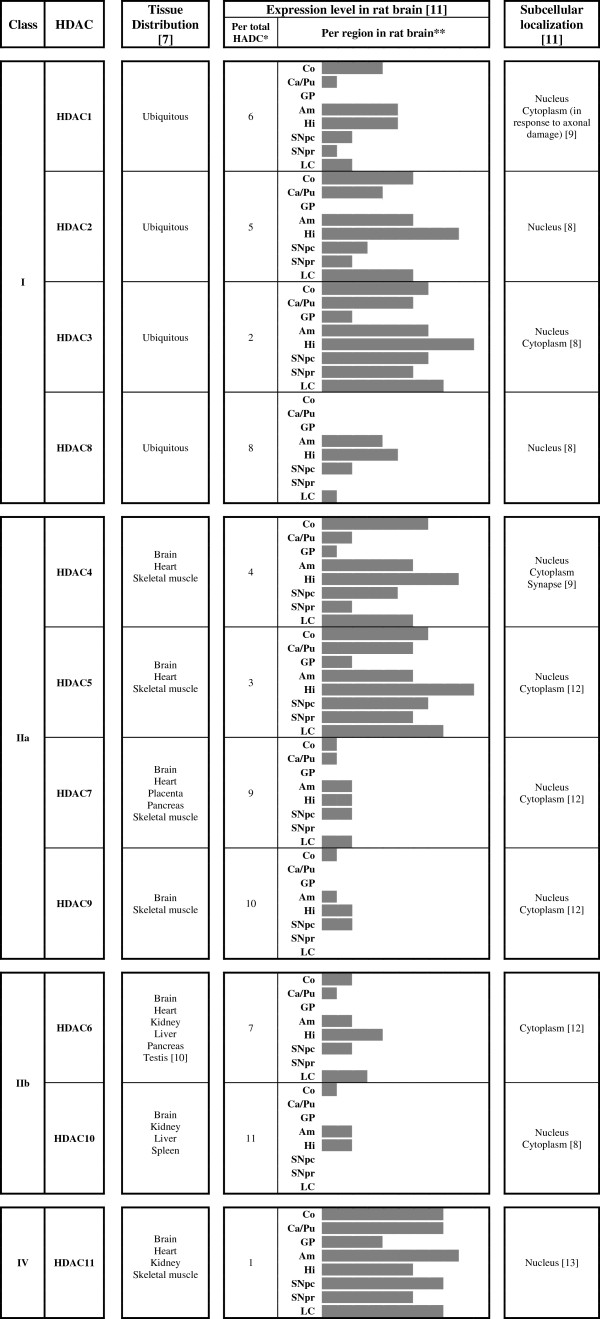
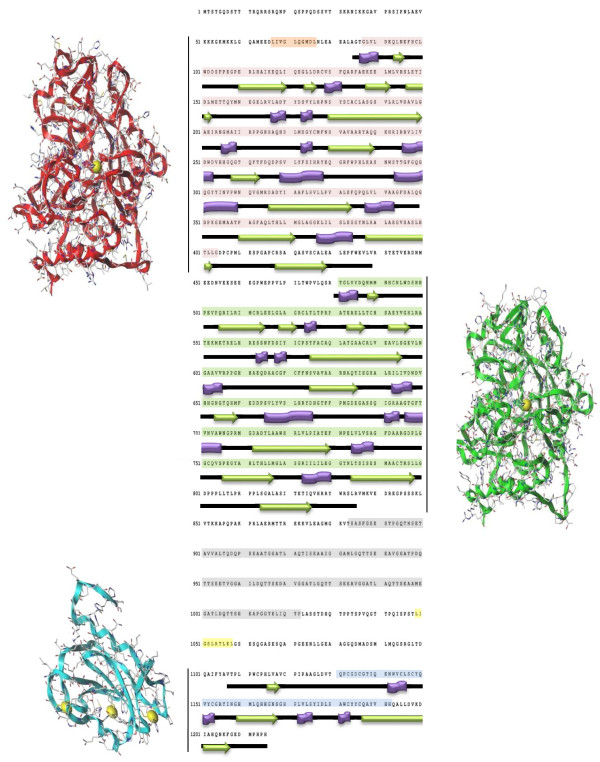
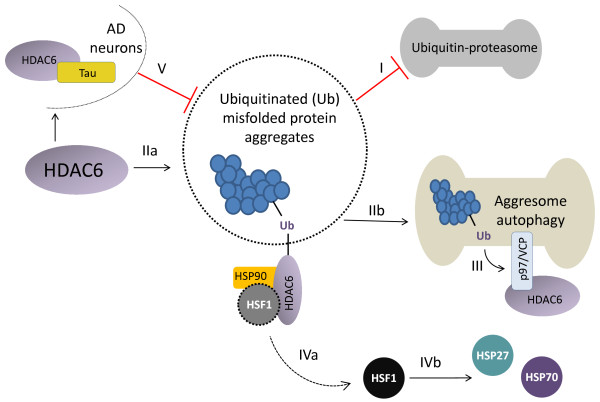
Histone deacetylase (HDAC) inhibitors have been demonstrated to be beneficial in animal models of neurodegenerative diseases. Such results were mainly associated with the epigenetic modulation caused by HDACs, especially those from class I, via chromatin deacetylation. However, other mechanisms may contribute to the neuroprotective effect of HDAC inhibitors, since each HDAC may present distinct specific functions within the neurodegenerative cascades. Such an example is HDAC6 for which the role in neurodegeneration has been partially elucidated so far. The strategy to be adopted in promising therapeutics targeting HDAC6 is still controversial. Specific inhibitors exert neuroprotection by increasing the acetylation levels of α-tubulin with subsequent improvement of the axonal transport, which is usually impaired in neurodegenerative disorders. On the other hand, an induction of HDAC6 would theoretically contribute to the degradation of protein aggregates which characterize various neurodegenerative disorders, including Alzheimer’s, Parkinson’s and Hutington’s diseases. This review describes the specific role of HDAC6 compared to the other HDACs in the context of neurodegeneration, by collecting in silico , in vitro and in vivo results regarding the inhibition and/or knockdown of HDAC6 and other HDACs. Moreover, structure, function, subcellular localization, as well as the level of HDAC6 expression within brain regions are reviewed and compared to the other HDAC isoforms. In various neurodegenerative diseases, the mechanisms underlying HDAC6 interaction with other proteins seem to be a promising approach in understanding the modulation of HDAC6 activity.
Overview
The claims and statistics of this paper haven’t been checked yet.
Free: it reads the open-access text and checks the first 5 claims that cite a source we can check. Create a free account to check every claim.
Integrity signals
Registry
Cites
Statistics
Figures
Verification
Claims the paper makes
The claims and statistics of this paper haven’t been checked yet.
Free: it reads the open-access text and checks the first 5 claims that cite a source we can check. Create a free account to check every claim.
Claims other papers make about this one
Each is checked against this paper’s own text: does it say what the citing paper says it does?
The cited source says what the claim attributes to it.
In the citing paper
“Among them, HDAC6 has two catalytic domains and a C-terminal zinc finger domain, interacts with tau and α-tubulin, and is involved in the degradation of protein aggregates, mitochondrial transport, and cognitive memory,506–509 making it relevant to AD pathology.”
From Recent advances in Alzheimer's disease: Mechanisms, clinical trials and new drug development strategies. (2024) · cites this paper as [506]
Self-check
Percentages, sums and reported differences re-computed from the paper’s own numbers.
The self-check needs the paper’s full text.
Citations
Cites
Mirra, S. S., Heyman, A., McKeel, D., Sumi, S. M., Crain, B. J., Brownlee, L. M., Vogel, F. S., Hughes, J. P., Belle, G. V., Berg, L., et al. (1991) · Neurology · doi:10.1212/wnl.41.4.479 · Cited by 4,961
Molecular Chaperones in the Cytosol: from Nascent Chain to Folded Protein
Hartl, F. U., & Hayer-Hartl, M. (2002) · Science · doi:10.1126/science.1068408 · Cited by 3,347
Histone deacetylases (HDACs): characterization of the classical HDAC family
RUIJTER, A. J. M. D., GENNIP, A. H. V., CARON, H. N., KEMP, S., & KUILENBURG, A. B. P. V. (2003) · Biochemical Journal · doi:10.1042/bj20021321 · Cited by 3,114
Haberland, M., Montgomery, R. L., & Olson, E. N. (2009) · Nature Reviews Genetics · doi:10.1038/nrg2485 · Cited by 2,526
Impairment of the Ubiquitin-Proteasome System by Protein Aggregation
Bence, N. F., Sampat, R. M., & Kopito, R. R. (2001) · Science · doi:10.1126/science.292.5521.1552 · Cited by 2,187
Davies, S. W., Turmaine, M., Cozens, B. A., DiFiglia, M., Sharp, A. H., Ross, C. A., Scherzinger, E., Wanker, E. E., Mangiarini, L., & Bates, G. P. (1997) · Cell · doi:10.1016/s0092-8674(00)80513-9 · Cited by 2,181
Reaching for high-hanging fruit in drug discovery at protein–protein interfaces
Wells, J. A., & McClendon, C. L. (2007) · Nature · doi:10.1038/nature06526 · Cited by 1,960
Enriched environments, experience-dependent plasticity and disorders of the nervous system
Nithianantharajah, J., & Hannan, A. J. (2006) · Nature Reviews Neuroscience · doi:10.1038/nrn1970 · Cited by 1,771
Masliah, E., Rockenstein, E., Veinbergs, I., Mallory, M., Hashimoto, M., Takeda, A., Sagara, Y., Sisk, A., & Mucke, L. (2000) · Science · doi:10.1126/science.287.5456.1265 · Cited by 1,765
Structures of a histone deacetylase homologue bound to the TSA and SAHA inhibitors
Finnin, M. S., Donigian, J. R., Cohen, A., Richon, V. M., Rifkind, R. A., Marks, P. A., Breslow, R., & Pavletich, N. P. (1999) · Nature · doi:10.1038/43710 · Cited by 1,714
Cited by
Histone deacetylases and their inhibitors in cancer, neurological diseases and immune disorders
Falkenberg, K. J., & Johnstone, R. W. (2014) · Nature Reviews Drug Discovery · doi:10.1038/nrd4360 · Cited by 1,564
Zhang, J., Zhang, Y., Wang, J., Xia, Y., Zhang, J., & Chen, L. (2024) · Signal Transduction and Targeted Therapy · doi:10.1038/s41392-024-01911-3 · Cited by 1,138
“504,505 Among them, HDAC6 has two catalytic domains and a C-terminal zinc fi nger domain, interacts with tau and α -tubulin, and is involved in the degradation of protein aggregates, mitochondrial transport, and cognitive memory, 506 – 509 making it relevant to AD pathology.”
BackgroundRecent developments of HDAC inhibitors: Emerging indications and novel molecules
Bondarev, A. D., Attwood, M. M., Jonsson, J., Chubarev, V. N., Tarasov, V. V., & Schiöth, H. B. (2021) · British Journal of Clinical Pharmacology · doi:10.1111/bcp.14889 · Cited by 416
The epigenetics of aging and neurodegeneration
Lardenoije, R., Iatrou, A., Kenis, G., Kompotis, K., Steinbusch, H. W. M., Mastroeni, D., Coleman, P., Lemere, C. A., Hof, P. R., van den Hove, D. L. A., et al. (2015) · Progress in Neurobiology · doi:10.1016/j.pneurobio.2015.05.002 · Cited by 381
“Studies on HDAC6 suggest that the role of HDACs in neurodegeneration might not solely depend on the deacetylation of histones, but also on the deacetylation of other targets, such as αtubulin in the case of HDAC6 (Govindarajan et al., 2013; Simões-Pires et al., 2013; Xiong et al., 2013).”
BackgroundInfluentialGodena, V. K., Brookes-Hocking, N., Moller, A., Shaw, G., Oswald, M., Sancho, R. M., Miller, C. C. J., Whitworth, A. J., & De Vos, K. J. (2014) · Nature Communications · doi:10.1038/ncomms6245 · Cited by 280
HDAC6 as privileged target in drug discovery: A perspective
Pulya, S., Amin, S. A., Adhikari, N., Biswas, S., Jha, T., & Ghosh, B. (2021) · Pharmacological Research · doi:10.1016/j.phrs.2020.105274 · Cited by 253
Histone Deacetylase 6 in Health and Disease
Seidel, C., Schnekenburger, M., Dicato, M., & Diederich, M. (2015) · Epigenomics · doi:10.2217/epi.14.69 · Cited by 217
Jenke, R., Reßing, N., Hansen, F. K., Aigner, A., & Büch, T. (2021) · Cancers · doi:10.3390/cancers13040634 · Cited by 180
The Role of Dietary Histone Deacetylases (HDACs) Inhibitors in Health and Disease
Bassett, S., & Barnett, M. (2014) · Nutrients · doi:10.3390/nu6104273 · Cited by 178
Hyttinen, J. M. T., Amadio, M., Viiri, J., Pascale, A., Salminen, A., & Kaarniranta, K. (2014) · Ageing Research Reviews · doi:10.1016/j.arr.2014.07.002 · Cited by 170
Autophagy induction by trehalose: Molecular mechanisms and therapeutic impacts
Hosseinpour‐Moghaddam, K., Caraglia, M., & Sahebkar, A. (2018) · Journal of Cellular Physiology · doi:10.1002/jcp.26583 · Cited by 168
“…are more prone to stress oxidative injury, particularly through HDAC6 activation, to activate protective chap- erones as well as formation of aggregations, and are less responsive than WT glial cultures to hydrogen-peroxide- induced toxicity (Perucho et al., 2016; Simões-Pires et al., 2013).”
BackgroundYoun, G. S., Lee, K., Choi, S. Y., & Park, J. (2016) · Free Radical Biology and Medicine · doi:10.1016/j.freeradbiomed.2016.05.014 · Cited by 163
Light‐Controlled Histone Deacetylase (HDAC) Inhibitors: Towards Photopharmacological Chemotherapy
Szymański, W., Ourailidou, M. E., Velema, W. A., Dekker, F. J., & Feringa, B. L. (2015) · Chemistry - A European Journal · doi:10.1002/chem.201502809 · Cited by 159
Selenica, M.-L., Benner, L., Housley, S. B., Manchec, B., Lee, D. C., Nash, K. R., Kalin, J., Bergman, J. A., Kozikowski, A., Gordon, M. N., et al. (2014) · Alzheimer's Research & Therapy · doi:10.1186/alzrt241 · Cited by 140
Relationships between Stress Granules, Oxidative Stress, and Neurodegenerative Diseases
Chen, L., & Liu, B. (2017) · Oxidative Medicine and Cellular Longevity · doi:10.1155/2017/1809592 · Cited by 139
ApoE4 and Aβ Oligomers Reduce BDNF Expression via HDAC Nuclear Translocation
Sen, A., Nelson, T. J., & Alkon, D. L. (2015) · The Journal of Neuroscience · doi:10.1523/jneurosci.0260-15.2015 · Cited by 133
“This is consistent with previous findings showing that HDAC6 is increased by 91% in AD hippocampus (Simões-Pires et al., 2013) and PKC is lower in the AD brain (Matsushima et al.”
MethodResultInfluentialMicrotubule Dysfunction: A Common Feature of Neurodegenerative Diseases
Sferra, A., Nicita, F., & Bertini, E. (2020) · International Journal of Molecular Sciences · doi:10.3390/ijms21197354 · Cited by 131
Therapeutic perspectives of epigenetically active nutrients
Remely, M., Lovrecic, L., de la Garza, A. L., Migliore, L., Peterlin, B., Milagro, F. I., Martinez, A. J., & Haslberger, A. G. (2015) · British Journal of Pharmacology · doi:10.1111/bph.12854 · Cited by 126
Yang, K., Wu, H., Zhang, Z., Leisten, E. D., Nie, X., Liu, B., Wen, Z., Zhang, J., Cunningham, M. D., & Tang, W. (2020) · ACS Medicinal Chemistry Letters · doi:10.1021/acsmedchemlett.0c00046 · Cited by 124
Brindisi, M., Saraswati, A. P., Brogi, S., Gemma, S., Butini, S., & Campiani, G. (2020) · Journal of Medicinal Chemistry · doi:10.1021/acs.jmedchem.9b00924 · Cited by 111
Prior, R. C., Helleputte, L. V., Benoy, V., & Bosch, L. V. D. (2017) · Neurobiology of Disease · doi:10.1016/j.nbd.2017.02.009 · Cited by 131
Mo, Z., Zhao, X., Liu, H., Hu, Q., Chen, X., Pham, J., Wei, N., Liu, Z., Zhou, J., Burgess, R. W., et al. (2018) · Nature Communications · doi:10.1038/s41467-018-03461-z · Cited by 116
Roca-Agujetas, V., Barbero-Camps, E., de Dios, C., Podlesniy, P., Abadin, X., Morales, A., Marí, M., Trullàs, R., & Colell, A. (2021) · Molecular Neurodegeneration · doi:10.1186/s13024-021-00435-6 · Cited by 111
Fazal, R., Boeynaems, S., Swijsen, A., De Decker, M., Fumagalli, L., Moisse, M., Vanneste, J., Guo, W., Boon, R., Vercruysse, T., et al. (2021) · The EMBO Journal · doi:10.15252/embj.2020106177 · Cited by 108
Fischer, A. (2014) · Neuropharmacology · doi:10.1016/j.neuropharm.2014.01.038 · Cited by 123
Vögerl, K., Ong, N., Senger, J., Herp, D., Schmidtkunz, K., Marek, M., Müller, M., Bartel, K., Shaik, T. B., Porter, N. J., et al. (2019) · Journal of Medicinal Chemistry · doi:10.1021/acs.jmedchem.8b01090 · Cited by 104
Inclusion body formation, macroautophagy, and the role of HDAC6 in neurodegeneration
Richter‐Landsberg, C., & Leyk, J. (2013) · Acta Neuropathologica · doi:10.1007/s00401-013-1158-x · Cited by 112
Histone deacetylases function as novel potential therapeutic targets for cancer
Zhang, H., Shang, Y., Chen, H., & Li, J. (2016) · Hepatology Research · doi:10.1111/hepr.12757 · Cited by 110
Husain, M., & Cheung, C. (2014) · Journal of Virology · doi:10.1128/jvi.00727-14 · Cited by 108
Thaler, F., & Mercurio, C. (2014) · ChemMedChem · doi:10.1002/cmdc.201300413 · Cited by 95
A patent review of histone deacetylase 6 inhibitors in neurodegenerative diseases (2014-2019)
Shen, S., & Kozikowski, A. P. (2020) · Expert Opinion on Therapeutic Patents · doi:10.1080/13543776.2019.1708901 · Cited by 90
Characterizing the “POAGome”: A bioinformatics-driven approach to primary open-angle glaucoma
Danford, I. D., Verkuil, L. D., Choi, D. J., Collins, D. W., Gudiseva, H. V., Uyhazi, K. E., Lau, M. K., Kanu, L. N., Grant, G. R., Chavali, V. R. M., et al. (2017) · Progress in Retinal and Eye Research · doi:10.1016/j.preteyeres.2017.02.001 · Cited by 90
Epigenetic drug discovery for Alzheimer’s disease
Cacabelos, R., & Torrellas, C. (2014) · Expert Opinion on Drug Discovery · doi:10.1517/17460441.2014.930124 · Cited by 96
Role of histone deacetylases and their inhibitors in neurological diseases
Zhang, L.-Y., Zhang, S.-Y., Wen, R., Zhang, T.-N., & Yang, N. (2024) · Pharmacological Research · doi:10.1016/j.phrs.2024.107410 · Cited by 84
Sidibé, H., Dubinski, A. F., & Velde, C. V. (2021) · Journal of Neurochemistry · doi:10.1111/jnc.15280 · Cited by 94
Human histone deacetylase 6 shows strong preference for tubulin dimers over assembled microtubules
Skultetyova, L., Ustinova, K., Kutil, Z., Novakova, Z., Pavlicek, J., Mikesova, J., Trapl, D., Baranova, P., Havlinova, B., Hubalek, M., et al. (2017) · Scientific Reports · doi:10.1038/s41598-017-11739-3 · Cited by 82
KLF4 regulates adult lung tumor-initiating cells and represses K-Ras-mediated lung cancer
Yu, T., Chen, X., Zhang, W., Liu, J., Avdiushko, R., Napier, D. L., Liu, A., Neltner, J. H., Wang, C., Cohen, D. A., et al. (2015) · Cell Death and Differentiation · doi:10.1038/cdd.2015.85 · Cited by 83
Cosín‐Tomás, M., Álvarez‐López, M. J., Sanchez‐Roige, S., Lalanza, J. F., Bayod, S., Sanfeliu, C., s, M. P., Escorihuela, R. M., & Kaliman, P. (2014) · Frontiers in Aging Neuroscience · doi:10.3389/fnagi.2014.00051 · Cited by 87
Releasing the brake: restoring fast axonal transport in neurodegenerative disorders
Hinckelmann, M.-V., Zala, D., & Saudou, F. (2013) · Trends in Cell Biology · doi:10.1016/j.tcb.2013.08.007 · Cited by 92
Noack, M., Leyk, J., & Richter‐Landsberg, C. (2014) · Glia · doi:10.1002/glia.22624 · Cited by 77
Li, Y., Sang, S., Ren, W., Pei, Y., Bian, Y., Chen, Y., & Sun, H. (2021) · European Journal of Medicinal Chemistry · doi:10.1016/j.ejmech.2021.113874 · Cited by 77
Pharmacological intervention of histone deacetylase enzymes in the neurodegenerative disorders
Gupta, R., Ambasta, R. K., & Kumar, P. (2020) · Life Sciences · doi:10.1016/j.lfs.2020.117278 · Cited by 74
Rodrigues, D. A., Pinheiro, P. D. S. M., Sagrillo, F. S., Bolognesi, M. L., & Fraga, C. A. M. (2020) · Medicinal Research Reviews · doi:10.1002/med.21701 · Cited by 70
Yan, S., Wei, X., Jian, W., Qin, Y., Liu, J., Zhu, S., Jiang, F., Lou, H., & Zhang, B. (2020) · Frontiers in Aging Neuroscience · doi:10.3389/fnagi.2020.00078 · Cited by 80
Liu, P., Xiao, J., Wang, Y., Song, X., Huang, L., Ren, Z., Kitazato, K., & Wang, Y. (2021) · Molecular Medicine · doi:10.1186/s10020-021-00375-3 · Cited by 87
The role of altered protein acetylation in neurodegenerative disease
Kabir, F., Atkinson, R., Cook, A. L., Phipps, A. J., & King, A. E. (2023) · Frontiers in Aging Neuroscience · doi:10.3389/fnagi.2022.1025473 · Cited by 75
Rabal, O., Sánchez-Arias, J. A., Cuadrado‐Tejedor, M., de Miguel, I., Pérez-González, M., García, C., Ugarte, A., de Mendoza, A. E., Sáez, E., Espelosin, M., et al. (2018) · European Journal of Medicinal Chemistry · doi:10.1016/j.ejmech.2018.03.005 · Cited by 74
Attenuation of NLRP3 Inflammasome Activation by Indirubin-Derived PROTAC Targeting HDAC6
Cao, Z., Gu, Z., Lin, S., Chen, D., Wang, J., Zhao, Y., Li, Y., Liu, T., Li, Y., Wang, Y., et al. (2021) · ACS Chemical Biology · doi:10.1021/acschembio.1c00681 · Cited by 64
Emerging Therapies for Charcot-Marie-Tooth Inherited Neuropathies
Stavrou, M., Sargiannidou, I., Georgiou, E., Kagiava, A., & Kleopa, K. A. (2021) · International Journal of Molecular Sciences · doi:10.3390/ijms22116048 · Cited by 78
Anderson, K. W., Chen, J., Wang, M., Mast, N., Pikuleva, I. A., & Turko, I. V. (2015) · PLOS ONE · doi:10.1371/journal.pone.0126592 · Cited by 69
Epigenetics of Huntington’s Disease
Bassi, S., Tripathi, T., Monziani, A., Leva, F. D., & Biagioli, M. (2017) · Advances in experimental medicine and biology · doi:10.1007/978-3-319-53889-1_15 · Cited by 72
Cognitive impairment in a rat model of neuropathic pain: role of hippocampal microtubule stability
You, Z., Zhang, S., Shen, S., Yang, J., Ding, W., Yang, L., Lim, G., Doheny, J. T., Tate, S., Chen, L. L., et al. (2018) · Pain · doi:10.1097/j.pain.0000000000001233 · Cited by 67
Inhibition of HDAC6 activity protects dopaminergic neurons from alpha-synuclein toxicity
Francelle, L., Outeiro, T. F., & Rappold, G. (2020) · Scientific Reports · doi:10.1038/s41598-020-62678-5 · Cited by 69
Opportunities and Challenges of Small Molecule Induced Targeted Protein Degradation
He, M., Lv, W., & Rao, Y. (2021) · Frontiers in Cell and Developmental Biology · doi:10.3389/fcell.2021.685106 · Cited by 65
Majid, T., Griffin, D., Criss, Z., Jarpe, M., & Pautler, R. G. (2015) · Alzheimer's & Dementia: Translational Research & Clinical Interventions · doi:10.1016/j.trci.2015.08.001 · Cited by 60
Tubulin Post-Translational Modifications: The Elusive Roles of Acetylation
Carmona, B., Marinho, H. S., Matos, C. L., Nolasco, S., & Soares, H. (2023) · Biology · doi:10.3390/biology12040561 · Cited by 74
The Zinc-Binding Group Effect: Lessons from Non-Hydroxamic Acid Vorinostat Analogs
Geurs, S., Clarisse, D., De Bosscher, K., & D’hooghe, M. (2023) · Journal of Medicinal Chemistry · doi:10.1021/acs.jmedchem.3c00226 · Cited by 58
Translational molecular imaging and drug development in Parkinson’s disease
Haider, A., Elghazawy, N. H., Dawoud, A., Gebhard, C., Wichmann, T., Sippl, W., Hoener, M. C., Arenas, E., & Liang, S. H. (2023) · Molecular Neurodegeneration · doi:10.1186/s13024-023-00600-z · Cited by 65
Sreenivasmurthy, S. G., Iyaswamy, A., Krishnamoorthi, S., Senapati, S., Malampati, S., Zhu, Z., Su, C.-F., Liu, J., Guan, X.-J., Tong, B. C., et al. (2021) · Phytomedicine · doi:10.1016/j.phymed.2021.153887 · Cited by 64
Rui, Y., & Zheng, J. Q. (2016) · Molecular Brain · doi:10.1186/s13041-016-0261-z · Cited by 57
Ma, J., Trinh, R. T. P., Mahant, I., Peng, B., Matthias, P., Heijnen, C. J., & Kavelaars, A. (2019) · Pain · doi:10.1097/j.pain.0000000000001667 · Cited by 60
König, B., Watson, P. R., Reßing, N., Cragin, A. D., Schäker‐Hübner, L., Christianson, D. W., & Hansen, F. K. (2023) · Journal of Medicinal Chemistry · doi:10.1021/acs.jmedchem.3c01345 · Cited by 58
Kim, J.-Y., Woo, S.-Y., Hong, Y. B., Choi, H., Kim, J., Choi, H., Mook-Jung, I., Ha, N., Kyung, J., Koo, S. K., et al. (2016) · Stem Cells International · doi:10.1155/2016/9475981 · Cited by 56
Ha, N., Choi, Y. I., Jung, N., Song, J. Y., Bae, D. K., Kim, M. C., Lee, Y. J., Song, H., Kwak, G., Jeong, S., et al. (2020) · British Journal of Pharmacology · doi:10.1111/bph.15231 · Cited by 55
Thomas, E. (2014) · Pharmaceuticals · doi:10.3390/ph7060634 · Cited by 55
Akbari, E., Mousazadeh, H., Sabet, Z., Fattahi, T., Dehnad, A., Akbarzadeh, A., & Alizadeh, E. (2020) · Journal of Drug Delivery Science and Technology · doi:10.1016/j.jddst.2020.102294 · Cited by 57
Jian, W., Wei, X., Chen, L., Wang, Z., Sun, Y., Zhu, S., Lou, H., Yan, S., Li, X., Zhou, J., et al. (2017) · Neuroscience Letters · doi:10.1016/j.neulet.2017.08.029 · Cited by 54
Transcriptional dysregulation in Huntington’s disease: The role of histone deacetylases
Sharma, S., & Taliyan, R. (2015) · Pharmacological Research · doi:10.1016/j.phrs.2015.08.002 · Cited by 61
Sixto‐López, Y., Gómez-Vidal, J. A., de Pedro, N., Bello, M., Rosales‐Hernández, M. C., & Correa‐Basurto, J. (2020) · Scientific Reports · doi:10.1038/s41598-020-67112-4 · Cited by 60
Reßing, N., Sönnichsen, M., Osko, J. D., Schöler, A., Schliehe‐Diecks, J., Skerhut, A. J., Borkhardt, A., Hauer, J., Kassack, M. U., Christianson, D. W., et al. (2020) · Journal of Medicinal Chemistry · doi:10.1021/acs.jmedchem.9b01888 · Cited by 56
Landucci, E., Brindisi, M., Bianciardi, L., Catania, L. M., Daga, S., Croci, S., Frullanti, E., Fallerini, C., Butini, S., Brogi, S., et al. (2018) · Experimental Cell Research · doi:10.1016/j.yexcr.2018.05.001 · Cited by 60
Imbalance of Lysine Acetylation Contributes to the Pathogenesis of Parkinson’s Disease
Wang, R., Sun, H., Wang, G., & Ren, H. (2020) · International Journal of Molecular Sciences · doi:10.3390/ijms21197182 · Cited by 53
Balmik, A. A., Sonawane, S. K., & Chinnathambi, S. (2021) · Cell Communication and Signaling · doi:10.1186/s12964-021-00736-9 · Cited by 61
Development of a potential PET probe for HDAC6 imaging in Alzheimer's disease
Bai, P., Mondal, P., Bagdasarian, F. A., Rani, N., Liu, Y., Gomm, A., Tocci, D. R., Choi, S. H., Wey, H., Tanzi, R. E., et al. (2022) · Acta Pharmaceutica Sinica B · doi:10.1016/j.apsb.2022.05.017 · Cited by 53
Histone deacetylase-6 modulates Tau function in Alzheimer's disease
Qureshi, T., & Chinnathambi, S. (2022) · Biochimica et Biophysica Acta (BBA) - Molecular Cell Research · doi:10.1016/j.bbamcr.2022.119275 · Cited by 57
Youn, G. S., Ju, S. M., Choi, S. Y., & Park, J. (2015) · Glia · doi:10.1002/glia.22865 · Cited by 51
Sinatra, L., Vogelmann, A., Friedrich, F., Tararina, M. A., Neuwirt, E., Colcerasa, A., König, P., Toy, L., Yesiloglu, T. Z., Hilscher, S., et al. (2023) · Journal of Medicinal Chemistry · doi:10.1021/acs.jmedchem.3c01385 · Cited by 47
HDAC6 inhibition disrupts maturational progression and meiotic apparatus assembly in mouse oocytes
Li, L., Hu, F., Ying, X., Ge, J., & Wang, Q. (2017) · Cell Cycle · doi:10.1080/15384101.2017.1329067 · Cited by 47
Rabal, O., Sánchez-Arias, J. A., Cuadrado‐Tejedor, M., de Miguel, I., Pérez-González, M., García, C., Ugarte, A., de Mendoza, A. E., Sáez, E., Espelosin, M., et al. (2019) · ACS Chemical Neuroscience · doi:10.1021/acschemneuro.9b00303 · Cited by 50
HDAC6 inhibitors: Translating genetic and molecular insights into a therapy for axonal CMT
Rossaert, E., & Van Den Bosch, L. (2020) · Brain Research · doi:10.1016/j.brainres.2020.146692 · Cited by 45
Mechanochemistry in Organic Synthesis: An Italian Journey through Innovations
Basoccu, F., Luca, L. D., & Porcheddu, A. (2024) · European Journal of Organic Chemistry · doi:10.1002/ejoc.202400425 · Cited by 53
The Current State of Charcot–Marie–Tooth Disease Treatment
Okamoto, Y., & Takashima, H. (2023) · Genes · doi:10.3390/genes14071391 · Cited by 57
Du, Y., Yang, X. M., Li, Z., Le, W., Hao, Y., Song, Y., Wang, F., & Guan, Y. (2021) · Neurochemistry International · doi:10.1016/j.neuint.2021.105141 · Cited by 43
Natural bioactive compounds in Alzheimer's disease: From the perspective of type 3 diabetes mellitus
Huang, J., Huang, N., Mao, Q., Shi, J., & Qiu, Y. (2023) · Frontiers in Aging Neuroscience · doi:10.3389/fnagi.2023.1130253 · Cited by 45
Morales-Martínez, A., Martínez-Gómez, P. A., Martínez‐Fong, D., Villegas-Rojas, M. M., Pérez‐Severiano, F., Toro-Colín, M. A. D., Delgado-Minjares, K. M., Blanco-Álvarez, V. M., León‐Chávez, B. A., Aparicio‐Trejo, O. E., et al. (2022) · International Journal of Molecular Sciences · doi:10.3390/ijms231911394 · Cited by 42
Chen, M.-C., Lin, Y., Liao, Y.-H., Liou, J., & Chen, C. (2019) · Cancers · doi:10.3390/cancers11101617 · Cited by 44
Genetic networks in Parkinson’s and Alzheimer’s disease
Kelly, J., Moyeed, R. A., Carroll, C., Luo, S., & Li, X. (2020) · Aging · doi:10.18632/aging.102943 · Cited by 47
A Rational Approach for the Identification of Non-Hydroxamate HDAC6-Selective Inhibitors
Goracci, L., Deschamps, N., Randazzo, G. M., Petit, C., Passos, C. D. S., Carrupt, P., Simões‐Pires, C. A., & Nurisso, A. (2016) · Scientific Reports · doi:10.1038/srep29086 · Cited by 44
Self-citationDifferential molecular mechanistic behavior of HDACs in cancer progression
Singh, T., Kaur, P., Singh, P., Singh, S., & Munshi, A. (2022) · Medical Oncology · doi:10.1007/s12032-022-01770-4 · Cited by 46
Lv, W., Zhang, G., Bařinka, C., Eubanks, J. H., & Kozikowski, A. P. (2017) · ACS Medicinal Chemistry Letters · doi:10.1021/acsmedchemlett.7b00012 · Cited by 39
Microtubule Destabilization Paves the Way to Parkinson’s Disease
Cartelli, D., & Cappelletti, G. (2016) · Molecular Neurobiology · doi:10.1007/s12035-016-0188-5 · Cited by 48
Sundaramurthi, H., Roche, S. L., Grice, G. L., Moran, A. L., Dillion, E., Campiani, G., Nathan, J. A., & Kennedy, B. N. (2020) · Frontiers in Cell and Developmental Biology · doi:10.3389/fcell.2020.00689 · Cited by 37
Aurones as histone deacetylase inhibitors: Identification of key features
Zwick, V., Chatzivasileiou, A. O., Deschamps, N., Roussaki, M., Simões‐Pires, C. A., Nurisso, A., Denis, I., Blanquart, C., Martinet, N., Carrupt, P., et al. (2014) · Bioorganic & Medicinal Chemistry Letters · doi:10.1016/j.bmcl.2014.10.019 · Cited by 43
Self-citationSreenivasmurthy, S. G., Iyaswamy, A., Krishnamoorthi, S., Reddi, R. N., Kammala, A. K., Vasudevan, K., Senapati, S., Zhu, Z., Su, C.-F., Liu, J., et al. (2022) · Frontiers in Molecular Biosciences · doi:10.3389/fmolb.2022.1030534 · Cited by 39
Inhibition of HDAC6 Attenuates Diabetes-Induced Retinal Redox Imbalance and Microangiopathy
Abouhish, H., Thounaojam, M. C., Jadeja, R. N., Gutsaeva, D. R., Powell, F. L., Khriza, M. M., Martin, P. M., & Bartoli, M. (2020) · Antioxidants · doi:10.3390/antiox9070599 · Cited by 41
HDAC6: A Key Link Between Mitochondria and Development of Peripheral Neuropathy
English, K., & Barton, M. C. (2021) · Frontiers in Molecular Neuroscience · doi:10.3389/fnmol.2021.684714 · Cited by 41
Chen, S., Zhang, X.-J., Li, L.-X., Wang, Y., Zhong, R.-J., & Le, W. (2015) · Neuroscience Bulletin · doi:10.1007/s12264-015-1539-3 · Cited by 37
How the flexibility of human histone deacetylases influences ligand binding: an overview
Deschamps, N., Simões‐Pires, C. A., Carrupt, P., & Nurisso, A. (2015) · Drug Discovery Today · doi:10.1016/j.drudis.2015.01.004 · Cited by 39
Self-citationAggresome formation is regulated by RanBPM through an interaction with HDAC6
Salemi, L. M., Almawi, A. W., Lefebvre, K. J., & Schild‐Poulter, C. (2014) · Biology Open · doi:10.1242/bio.20147021 · Cited by 42
HDAC6 regulates IL-17 expression in T lymphocytes: implications for HDAC6-targeted therapies
Yan, B., Liu, Y., Bai, H., Chen, M., Xie, S., Li, D., Liu, M., & Zhou, J. (2017) · Theranostics · doi:10.7150/thno.17615 · Cited by 38
Metadata
- Authors
- Simões-Pires, C., Zwick, V., Nurisso, A., Schenker, E., Carrupt, P.-A., & Cuendet, M.
- Affiliations
- University of Geneva (CH)
- Institut de Recherches Internationales Servier (France) (FR)
- Corresponding author
- Cuendet, Muriel
- Venue
- Molecular Neurodegeneration
- Published
- 2013-01-29
- Volume
- 8
- Issue
- 1
- Pages
- 7-7
- ISSN
- 1750-1326 (ISSN-L)
- PMC
- PMC3615964
- OpenAlex
- W2129635356
- Cited by
- 341
- References
- 126
- Citations by year
- 2026: 21 · 2025: 30 · 2024: 44 · 2023: 34 · 2022: 19 · 2021: 33 · 2020: 34 · 2019: 23 · 2018: 20 · 2017: 18 · 2016: 18 · 2015: 23 · 2014: 19 · 2013: 4
- FWCI
- 2.04
- Type
- journal article
- Language
- en
- Open access
- gold
- doi.org
- Licence
- cc-by
- Locations
- Molecular Neurodegeneration (publishedVersion, cc-by)
- Europe PMC (PubMed Central) (publishedVersion, cc-by)
- PubMed Central (publishedVersion, cc-by)
- PubMed (publishedVersion)
- Archive ouverte UNIGE (University of Geneva) (publishedVersion, other-oa)
- Archive ouverte UNIGE (University of Geneva) (submittedVersion, cc-by)
- Topics
- Life Sciences › Biochemistry, Genetics and Molecular Biology › Molecular Biology › Histone Deacetylase Inhibitors Research
- Life Sciences › Neuroscience › Cellular and Molecular Neuroscience › Alzheimer's disease research and treatments
- Life Sciences › Neuroscience › Cellular and Molecular Neuroscience › Genetic Neurodegenerative Diseases
- Keywords
- HDAC6, histone deacetylase inhibitors, neurodegenerative diseases, alpha-tubulin acetylation, axonal transport, epigenetic modulation, HDAC isoforms, Alzheimer's disease, Parkinson's disease, Huntington's disease, neuroprotection, subcellular localization
- MeSH terms
- Animals, Histone Deacetylases, Humans, Neurodegenerative Diseases
About these checks
Registry, retraction, Cites and statistics results are computed, not judged, with one exception: a printed reference that no index lists is read once by a model before it counts as a citation error. Claims are extracted by a model and kept only when their quote appears verbatim in the text; each cited source is then checked, with a model’s help, for whether it says what the claim relies on. Those verdicts can be wrong — read the claim’s quote and the cited source before relying on one.
Statistics and arithmetic are recomputed, not judged.
Confidence bands are shown only for fields calibrated on our annotated test set. None is calibrated yet, so no band is shown.
What counts as a claim ›How we measure confidence ›How we check this ›
Are you an author, or do you see a problem with this page? Request a review
Data sources
Bibliographic data: Semantic Scholar, OpenAlex, Crossref.
Contains information from the Semantic Scholar Academic Graph Datasets, made available under the ODC Attribution License (ODC-BY 1.0).
Semantic Scholar’s data is described in: Kinney, R., et al. (2023). The Semantic Scholar Open Data Platform. arXiv:2301.10140.
