

HDAC6 as a target for neurodegenerative diseases: what makes it different from the other HDACs?
Open accessThe DOI matches its Crossref record; 123 of the 126 references it cites were found in a registry or an index.
Abstract
Histone deacetylase (HDAC) inhibitors have been demonstrated to be beneficial in animal models of neurodegenerative diseases. Such results were mainly associated with the epigenetic modulation caused by HDACs, especially those from class I, via chromatin deacetylation. However, other mechanisms may contribute to the neuroprotective effect of HDAC inhibitors, since each HDAC may present distinct specific functions within the neurodegenerative cascades. Such an example is HDAC6 for which the role in neurodegeneration has been partially elucidated so far. The strategy to be adopted in promising therapeutics targeting HDAC6 is still controversial. Specific inhibitors exert neuroprotection by increasing the acetylation levels of α-tubulin with subsequent improvement of the axonal transport, which is usually impaired in neurodegenerative disorders. On the other hand, an induction of HDAC6 would theoretically contribute to the degradation of protein aggregates which characterize various neurodegenerative disorders, including Alzheimer’s, Parkinson’s and Hutington’s diseases. This review describes the specific role of HDAC6 compared to the other HDACs in the context of neurodegeneration, by collecting in silico , in vitro and in vivo results regarding the inhibition and/or knockdown of HDAC6 and other HDACs. Moreover, structure, function, subcellular localization, as well as the level of HDAC6 expression within brain regions are reviewed and compared to the other HDAC isoforms. In various neurodegenerative diseases, the mechanisms underlying HDAC6 interaction with other proteins seem to be a promising approach in understanding the modulation of HDAC6 activity.
Overview
The claims and statistics of this paper haven’t been checked yet.
Free: it reads the open-access text and checks the first 5 claims that cite a source we can check. Create a free account to check every claim.
Integrity signals
Registry
Cites
Statistics
Figures
Verification
Claims the paper makes
The claims and statistics of this paper haven’t been checked yet.
Free: it reads the open-access text and checks the first 5 claims that cite a source we can check. Create a free account to check every claim.
Claims other papers make about this one
Each is checked against this paper’s own text: does it say what the citing paper says it does?
The cited source says what the claim attributes to it.
In the citing paper
“Among them, HDAC6 has two catalytic domains and a C-terminal zinc finger domain, interacts with tau and α-tubulin, and is involved in the degradation of protein aggregates, mitochondrial transport, and cognitive memory,506–509 making it relevant to AD pathology.”
From Recent advances in Alzheimer's disease: Mechanisms, clinical trials and new drug development strategies. (2024) · cites this paper as [506]
Self-check
Percentages, sums and reported differences re-computed from the paper’s own numbers.
The self-check needs the paper’s full text.
Citations
Cites
Mirra, S. S., Heyman, A., McKeel, D., Sumi, S. M., Crain, B. J., Brownlee, L. M., Vogel, F. S., Hughes, J. P., Belle, G. V., Berg, L., et al. (1991) · Neurology · doi:10.1212/wnl.41.4.479 · Cited by 4,961
Molecular Chaperones in the Cytosol: from Nascent Chain to Folded Protein
Hartl, F. U., & Hayer-Hartl, M. (2002) · Science · doi:10.1126/science.1068408 · Cited by 3,347
Histone deacetylases (HDACs): characterization of the classical HDAC family
RUIJTER, A. J. M. D., GENNIP, A. H. V., CARON, H. N., KEMP, S., & KUILENBURG, A. B. P. V. (2003) · Biochemical Journal · doi:10.1042/bj20021321 · Cited by 3,114
Haberland, M., Montgomery, R. L., & Olson, E. N. (2009) · Nature Reviews Genetics · doi:10.1038/nrg2485 · Cited by 2,526
Impairment of the Ubiquitin-Proteasome System by Protein Aggregation
Bence, N. F., Sampat, R. M., & Kopito, R. R. (2001) · Science · doi:10.1126/science.292.5521.1552 · Cited by 2,187
Davies, S. W., Turmaine, M., Cozens, B. A., DiFiglia, M., Sharp, A. H., Ross, C. A., Scherzinger, E., Wanker, E. E., Mangiarini, L., & Bates, G. P. (1997) · Cell · doi:10.1016/s0092-8674(00)80513-9 · Cited by 2,181
Reaching for high-hanging fruit in drug discovery at protein–protein interfaces
Wells, J. A., & McClendon, C. L. (2007) · Nature · doi:10.1038/nature06526 · Cited by 1,960
Enriched environments, experience-dependent plasticity and disorders of the nervous system
Nithianantharajah, J., & Hannan, A. J. (2006) · Nature Reviews Neuroscience · doi:10.1038/nrn1970 · Cited by 1,771
Masliah, E., Rockenstein, E., Veinbergs, I., Mallory, M., Hashimoto, M., Takeda, A., Sagara, Y., Sisk, A., & Mucke, L. (2000) · Science · doi:10.1126/science.287.5456.1265 · Cited by 1,765
Structures of a histone deacetylase homologue bound to the TSA and SAHA inhibitors
Finnin, M. S., Donigian, J. R., Cohen, A., Richon, V. M., Rifkind, R. A., Marks, P. A., Breslow, R., & Pavletich, N. P. (1999) · Nature · doi:10.1038/43710 · Cited by 1,714
HDAC2 negatively regulates memory formation and synaptic plasticity
Guan, J.-S., Haggarty, S. J., Giacometti, E., Dannenberg, J.-H., Joseph, N., Gao, J., Nieland, T. J. F., Zhou, Y., Wang, X., Mazitschek, R., et al. (2009) · Nature · doi:10.1038/nature07925 · Cited by 1,644 · cited 5×
“Up to now, four HDAC isoforms seem to be closely involved in memory processes: HDACs 1 to 4 [5,8,50-60].”
BackgroundInfluentialConversion of p35 to p25 deregulates Cdk5 activity and promotes neurodegeneration
Patrick, G. N., Zukerberg, L., Nikolic, M., de la Monte, S., Dikkes, P., & Tsai, L.-H. (1999) · Nature · doi:10.1038/45159 · Cited by 1,545
Histone deacetylase inhibitors: molecular mechanisms of action
Xu, W. S., Parmigiani, R. B., & Marks, P. A. (2007) · Oncogene · doi:10.1038/sj.onc.1210620 · Cited by 1,542 · cited 1×
“Classes I, II, and IV belong to the Rpd3/Hda1 family [1].”
BackgroundKawaguchi, Y., Kovacs, J. J., McLaurin, A., Vance, J. M., Ito, A., & Yao, T.-P. (2003) · Cell · doi:10.1016/s0092-8674(03)00939-5 · Cited by 1,524
Gregoretti, I., Lee, Y.-M., & Goodson, H. V. (2004) · Journal of Molecular Biology · doi:10.1016/j.jmb.2004.02.006 · Cited by 1,456
α-Synuclein Blocks ER-Golgi Traffic and Rab1 Rescues Neuron Loss in Parkinson's Models
Cooper, A. A., Gitler, A. D., Cashikar, A., Haynes, C. M., Hill, K. J., Bhullar, B., Liu, K., Xu, K., Strathearn, K. E., Liu, F., et al. (2006) · Science · doi:10.1126/science.1129462 · Cited by 1,376
Toxic Proteins in Neurodegenerative Disease
Taylor, J. P., Hardy, J., & Fischbeck, K. H. (2002) · Science · doi:10.1126/science.1067122 · Cited by 1,251 · cited 1×
“This results in an increased number of highly ubiquitinated misfolded proteins commonly observed in AD, PD and HD [78-87].”
BackgroundRecovery of learning and memory is associated with chromatin remodelling
Fischer, A., Sananbenesi, F., Wang, X., Dobbin, M., & Tsai, L.-H. (2007) · Nature · doi:10.1038/nature05772 · Cited by 1,227 · cited 1×
“hippocampus and the cortex of mice few hours after being treated [47,48].”
BackgroundThe proteasome: a suitable antineoplastic target
Adams, J. (2004) · Nature Reviews Cancer · doi:10.1038/nrc1361 · Cited by 1,201
Histone Deacetylase Inhibitors: Overview and Perspectives
Dokmanovic, M., Clarke, C., & Marks, P. A. (2007) · Molecular Cancer Research · doi:10.1158/1541-7786.mcr-07-0324 · Cited by 1,164
HDAC family: What are the cancer relevant targets?
Witt, O., Deubzer, H. E., Milde, T., & Oehme, I. (2009) · Cancer Letters · doi:10.1016/j.canlet.2008.08.016 · Cited by 1,069
Zarow, C., Lyness, S. A., Mortimer, J. A., & Chui, H. C. (2003) · Archives of Neurology · doi:10.1001/archneur.60.3.337 · Cited by 1,002
The Ubiquitin Proteasome System in Neurodegenerative Diseases
Ciechanover, A., & Brundin, P. (2003) · Neuron · doi:10.1016/s0896-6273(03)00606-8 · Cited by 982
Altered Histone Acetylation Is Associated with Age-Dependent Memory Impairment in Mice
Peleg, S., Sananbenesi, F., Zovoilis, A., Burkhardt, S., Bahari-Javan, S., Agis-Balboa, R. C., Cota, P., Wittnam, J. L., Gogol-Doering, A., Opitz, L., et al. (2010) · Science · doi:10.1126/science.1186088 · Cited by 951 · cited 2×
“Moreover, WT-161, a selective HDAC6 inhibitor failed to improve cognitive function in a mouse memory test [49].”
BackgroundMethodCritical role of the hippocampus in memory for sequences of events
Fortin, N. J., Agster, K. L., & Eichenbaum, H. B. (2002) · Nature Neuroscience · doi:10.1038/nn834 · Cited by 881 · cited 1×
“Then, tau pathology reaches the hippocampus, which plays a major role in memory formation (memory training) and more specifically in the memory of events, called declarative or explicit memory [101,102].”
BackgroundVecsey, C. G., Hawk, J. D., Lattal, K. M., Stein, J. M., Fabian, S. A., Attner, M. A., Cabrera, S. M., McDonough, C. B., Brindle, P. K., Abel, T., et al. (2007) · Journal of Neuroscience · doi:10.1523/jneurosci.0296-07.2007 · Cited by 831
Autophagy gone awry in neurodegenerative diseases
Wong, E., & Cuervo, A. M. (2010) · Nature Neuroscience · doi:10.1038/nn.2575 · Cited by 815
Rational Design and Simple Chemistry Yield a Superior, Neuroprotective HDAC6 Inhibitor, Tubastatin A
Butler, K. V., Kalin, J., Brochier, C., Vistoli, G., Langley, B., & Kozikowski, A. P. (2010) · Journal of the American Chemical Society · doi:10.1021/ja102758v · Cited by 801 · cited 3×
“For instance, HDAC6 selectivity was enhanced by adding a large and rigid cap group, such as in tubastatin A [40].”
BackgroundInfluentialDompierre, J. P., Godin, J. D., Charrin, B. C., Cordelières, F. P., King, S. J., Humbert, S., & Saudou, F. (2007) · The Journal of Neuroscience · doi:10.1523/jneurosci.0037-07.2007 · Cited by 792
Xu, J., Kao, S.-Y., Lee, F. J. S., Song, W., Jin, L.-W., & Yankner, B. A. (2002) · Nature Medicine · doi:10.1038/nm0602-600 · Cited by 757
Gao, L., Cueto, M. A., Asselbergs, F., & Atadja, P. (2002) · Journal of Biological Chemistry · doi:10.1074/jbc.m111871200 · Cited by 744 · cited 2×
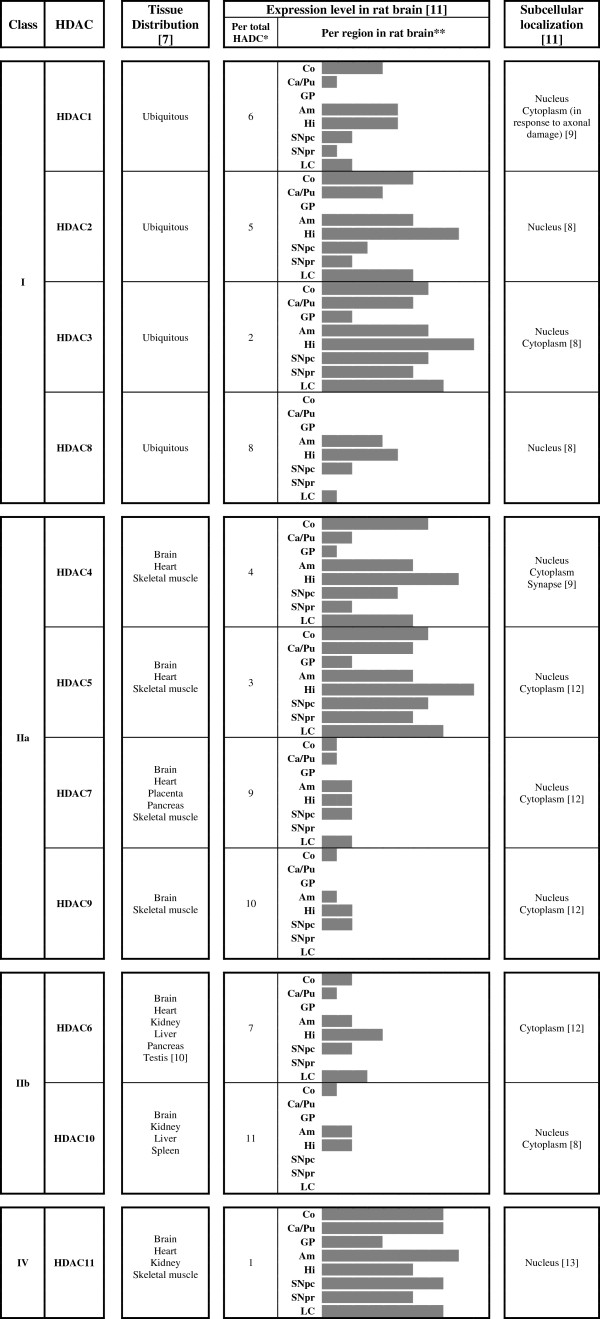
“Nucleus [13] Ca/Pu”
HDAC6 and microtubules are required for autophagic degradation of aggregated huntingtin.
Iwata, A., Riley, B. E., Johnston, J. A., & Kopito, R. R. (2005) · Journal of Biological Chemistry · doi:10.1074/jbc.m508786200 · Cited by 719 · cited 2×
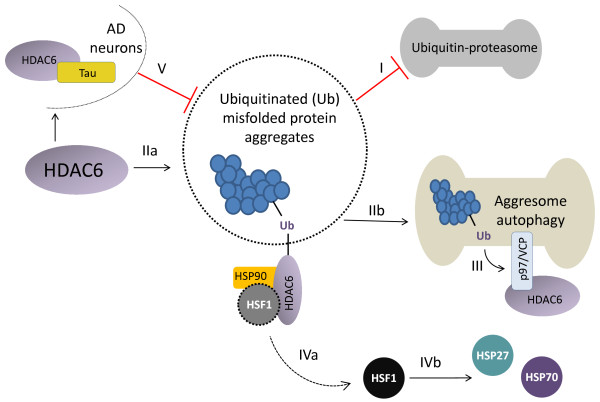
“ND and Co Disruption of autophagic degradation of aggregated huntingtin [66] Neuro2a [66]”
BackgroundDetermination of the class and isoform selectivity of small-molecule histone deacetylase inhibitors
Khan, N., Jeffers, M., Kumar, S., Hackett, C., Boldog, F., Khramtsov, N., Qian, X., Mills, E., Berghs, S. C., Carey, N., et al. (2008) · Biochemical Journal · doi:10.1042/bj20070779 · Cited by 713
Ferrante, R. J., Kubilus, J. K., Lee, J., Ryu, H., Beesen, A., Zucker, B., Smith, K., Kowall, N. W., Ratan, R. R., Luthi-Carter, R., et al. (2003) · The Journal of Neuroscience · doi:10.1523/jneurosci.23-28-09418.2003 · Cited by 693
Diagnosis and treatment of Parkinson disease: molecules to medicine
Savitt, J. M. (2006) · Journal of Clinical Investigation · doi:10.1172/jci29178 · Cited by 650
Gunawardena, S., Her, L.-S., Brusch, R. G., Laymon, R. A., Niesman, I. R., Gordesky-Gold, B., Sintasath, L., Bonini, N. M., & Goldstein, L. S. B. (2003) · Neuron · doi:10.1016/s0896-6273(03)00594-4 · Cited by 646
Perry, G., Friedman, R., Shaw, G., & Chau, V (1987) · Proceedings of the National Academy of Sciences · doi:10.1073/pnas.84.9.3033 · Cited by 623 · cited 1×
“This results in an increased number of highly ubiquitinated misfolded proteins commonly observed in AD, PD and HD [78-87].”
BackgroundA Role for α-Synuclein in the Regulation of Dopamine Biosynthesis
Perez, R. G., Waymire, J. C., Lin, E., Liu, J. J., Guo, F., & Zigmond, M. J. (2002) · The Journal of Neuroscience · doi:10.1523/jneurosci.22-08-03090.2002 · Cited by 598
Neurological abnormalities in a knock-in mouse model of Huntington's disease
Lin, C.-H. (2001) · Human Molecular Genetics · doi:10.1093/hmg/10.2.137 · Cited by 592
Unraveling the hidden catalytic activity of vertebrate class IIa histone deacetylases
Lahm, A., Paolini, C., Pallaoro, M., Nardi, M. C., Jones, P., Neddermann, P., Sambucini, S., Bottomley, M. J., Lo Surdo, P., Carfı́, A., et al. (2007) · Proceedings of the National Academy of Sciences · doi:10.1073/pnas.0706487104 · Cited by 566
Lowe, J., Blanchard, A., Morrell, K., Lennox, G., Reynolds, L., Billett, M., Landon, M., & Mayer, R. J. (1988) · The Journal of Pathology · doi:10.1002/path.1711550105 · Cited by 539
Lee, J.-Y., Nagano, Y., Taylor, J. P., Lim, K. L., & Yao, T.-P. (2010) · Journal of Cell Biology · doi:10.1083/jcb.201001039 · Cited by 520
Bennett, E. J., Bence, N. F., Jayakumar, R., & Kopito, R. R. (2005) · Molecular Cell · doi:10.1016/j.molcel.2004.12.021 · Cited by 509
HDAC3 Is a Critical Negative Regulator of Long-Term Memory Formation
McQuown, S. C., Barrett, R. M., Matheos, D. P., Post, R. J., Rogge, G. A., Alenghat, T., Mullican, S. E., Jones, S., Rusche, J. R., Lazar, M. A., et al. (2011) · The Journal of Neuroscience · doi:10.1523/jneurosci.5052-10.2011 · Cited by 507
Proteasome inhibition by paired helical filament‐tau in brains of patients with Alzheimer's disease
Keck, S., Nitsch, R., Grune, T., & Ullrich, O. (2003) · Journal of Neurochemistry · doi:10.1046/j.1471-4159.2003.01642.x · Cited by 483
Gardian, G., Browne, S. E., Choi, D.-K., Klivenyi, P., Gregorio, J., Kubilus, J. K., Ryu, H., Langley, B., Ratan, R. R., Ferrante, R. J., et al. (2005) · Journal of Biological Chemistry · doi:10.1074/jbc.m410210200 · Cited by 456
d'Ydewalle, C., Krishnan, J., Chiheb, D. M., Van Damme, P., Irobi, J., Kozikowski, A. P., Berghe, P. V., Timmerman, V., Robberecht, W., & Van Den Bosch, L. (2011) · Nature Medicine · doi:10.1038/nm.2396 · Cited by 454
HATs and HDACs in neurodegeneration: a tale of disconcerted acetylation homeostasis
Saha, R. N., & Pahan, K. (2006) · Cell Death & Differentiation · doi:10.1038/sj.cdd.4401769 · Cited by 441
Class II Histone Deacetylases: from Sequence to Function, Regulation, and Clinical Implication
Yang, X.-J., & Grégoire, S. (2005) · Molecular and Cellular Biology · doi:10.1128/mcb.25.8.2873-2884.2005 · Cited by 419
Leroy, K., Yilmaz, Z., & Brion, J. ‐. (2007) · Neuropathology and Applied Neurobiology · doi:10.1111/j.1365-2990.2006.00795.x · Cited by 404 · cited 2×
“However, GSK3-β remains a controversial target in NDs since this protein kinase is involved in many biological processes [99].”
BackgroundProteasomal Inhibition by α-Synuclein Filaments and Oligomers
Lindersson, E., Beedholm, R., Højrup, P., Moos, T., Gai, W., Hendil, K. B., & Jensen, P. H. (2004) · Journal of Biological Chemistry · doi:10.1074/jbc.m306390200 · Cited by 397
Histone deacetylase 6 interacts with the microtubule‐associated protein tau
Ding, H., Dolan, P. J., & Johnson, G. V. W. (2008) · Journal of Neurochemistry · doi:10.1111/j.1471-4159.2008.05564.x · Cited by 387
DeLaBarre, B., & Brunger, A. T. (2003) · Nature Structural & Molecular Biology · doi:10.1038/nsb972 · Cited by 384
HDAC6 controls major cell response pathways to cytotoxic accumulation of protein aggregates
Boyault, C., Zhang, Y., Fritah, S., Caron, C., Gilquin, B., Kwon, S. H., Garrido, C., Yao, T.-P., Vourc’h, C., Matthias, P., et al. (2007) · Genes & Development · doi:10.1101/gad.436407 · Cited by 368
Functional significance of histone deacetylase diversity
Khochbin, S., Verdel, A., Lemercier, C., & Seigneurin-Berny, D. (2001) · Current Opinion in Genetics & Development · doi:10.1016/s0959-437x(00)00174-x · Cited by 366 · cited 3×
“Cytoplasm [12] Ca/Pu”
Inside HDAC with HDAC inhibitors
Bertrand, P. (2010) · European Journal of Medicinal Chemistry · doi:10.1016/j.ejmech.2010.02.030 · Cited by 363 · cited 2×
“Class I is characterized by four ubiquitous and relatively small enzymes (∼500 amino acids) essentially located in the nucleus of cells [25,26].”
BackgroundTargeting the correct HDAC(s) to treat cognitive disorders
Fischer, A., Sananbenesi, F., Mungenast, A., & Tsai, L.-H. (2010) · Trends in Pharmacological Sciences · doi:10.1016/j.tips.2010.09.003 · Cited by 354
Distribution of histone deacetylases 1–11 in the rat brain
Broide, R. S., Redwine, J. M., Aftahi, N., Young, W., Bloom, F. E., & Winrow, C. J. (2007) · Journal of Molecular Neuroscience · doi:10.1007/bf02686117 · Cited by 347
Reducing HDAC6 ameliorates cognitive deficits in a mouse model for Alzheimer's disease
Govindarajan, N., Rao, P., Burkhardt, S., Sananbenesi, F., Schlüter, O. M., Bradke, F., Lu, J., & Fischer, A. (2013) · EMBO Molecular Medicine · doi:10.1002/emmm.201201923 · Cited by 342
Olzmann, J. A., Li, L., Chudaev, M. V., Chen, J., Perez, F. A., Palmiter, R. D., & Chin, L.-S. (2007) · The Journal of Cell Biology · doi:10.1083/jcb.200611128 · Cited by 339
Reyes-Turcu, F. E., Horton, J. R., Mullally, J. E., Heroux, A., Cheng, X., & Wilkinson, K. D. (2006) · Cell · doi:10.1016/j.cell.2006.02.038 · Cited by 335
Seigneurin-Berny, D., Verdel, A., Curtet, S., Lemercier, C., Garin, J., Rousseaux, S., & Khochbin, S. (2001) · Molecular and Cellular Biology · doi:10.1128/mcb.21.23.8035-8044.2001 · Cited by 335 · cited 1×
“The enzyme could bind polyubiquitinated proteins thanks to its zinc-finger containing domain [89].”
BackgroundHDAC6 is a target for protection and regeneration following injury in the nervous system
Rivieccio, M. A., Brochier, C., Willis, D. E., Walker, B. A., D'Annibale, M. A., McLaughlin, K., Siddiq, A., Kozikowski, A. P., Jaffrey, S. R., Twiss, J. L., et al. (2009) · Proceedings of the National Academy of Sciences · doi:10.1073/pnas.0907935106 · Cited by 322 · cited 21×
“Even if the specific inhibition of HDAC6 would be beneficial to countervail mitochondrial transport impairement and oxidative stress in NDs [67,68,96], as well as tau accumulation [95] in general cell assays, the role of HDAC6 in protein aggregate elimination was also highlighted [88].”
BackgroundInfluentialHDAC6 is a specific deacetylase of peroxiredoxins and is involved in redox regulation
Parmigiani, R. B., Xu, W. S., Venta-Perez, G., Erdjument-Bromage, H., Yaneva, M., Tempst, P., & Marks, P. A. (2008) · Proceedings of the National Academy of Sciences · doi:10.1073/pnas.0803749105 · Cited by 321
Deregulation of HDAC1 by p25/Cdk5 in Neurotoxicity
Kim, D., Frank, C. L., Dobbin, M. M., Tsunemoto, R. K., Tu, W., Peng, P. L., Guan, J.-S., Lee, B.-H., Moy, L. Y., Giusti, P., et al. (2008) · Neuron · doi:10.1016/j.neuron.2008.10.015 · Cited by 286
HDAC6 Regulates Mitochondrial Transport in Hippocampal Neurons
Chen, S., Owens, G. C., Makarenkova, H., & Edelman, D. B. (2010) · PLoS ONE · doi:10.1371/journal.pone.0010848 · Cited by 270
HDAC6–p97/VCP controlled polyubiquitin chain turnover
Boyault, C., Gilquin, B., Zhang, Y., Rybin, V., Garman, E., Meyer‐Klaucke, W., Matthias, P., Müller, C. W., & Khochbin, S. (2006) · The EMBO Journal · doi:10.1038/sj.emboj.7601210 · Cited by 267
Schuetz, A., Min, J., Allali-Hassani, A., Schapira, M., Shuen, M., Loppnau, P., Mazitschek, R., Kwiatkowski, N. P., Lewis, T. A., Maglathin, R. L., et al. (2008) · Journal of Biological Chemistry · doi:10.1074/jbc.m707362200 · Cited by 257
Knockdown of transactive response DNA‐binding protein (TDP‐43) downregulates histone deacetylase 6
Fiesel, F. C., Voigt, A., Weber, S. S., Van den Haute, C., Waldenmaier, A., Görner, K., Walter, M., Anderson, M. L., Kern, J. V., Rasse, T. M., et al. (2010) · The EMBO Journal · doi:10.1038/emboj.2009.324 · Cited by 226
Hook, S. S., Orian, A., Cowley, S. M., & Eisenman, R. N. (2002) · Proceedings of the National Academy of Sciences · doi:10.1073/pnas.172511699 · Cited by 224
Ouyang, H., Ali, Y. O., Ravichandran, M., Dong, A., Qiu, W., MacKenzie, F., Dhe-Paganon, S., Arrowsmith, C. H., & Zhai, R. G. (2012) · Journal of Biological Chemistry · doi:10.1074/jbc.m111.273730 · Cited by 221
Wang, D.-F., Helquist, P., Wiech, N. L., & Wiest, O. (2005) · Journal of Medicinal Chemistry · doi:10.1021/jm0505011 · Cited by 208
Chaperoning brain degeneration
Bonini, N. M. (2002) · Proceedings of the National Academy of Sciences · doi:10.1073/pnas.152330499 · Cited by 206
HDAC4 Regulates Neuronal Survival in Normal and Diseased Retinas
Chen, B., & Cepko, C. L. (2009) · Science · doi:10.1126/science.1166226 · Cited by 193
Intracellular Trafficking of Histone Deacetylase 4 Regulates Neuronal Cell Death
Bolger, T. A., & Yao, T.-P. (2005) · The Journal of Neuroscience · doi:10.1523/jneurosci.1826-05.2005 · Cited by 191
Kozikowski, A. P., Tapadar, S., Luchini, D. N., Kim, K. H., & Billadeau, D. D. (2008) · Journal of Medicinal Chemistry · doi:10.1021/jm8002894 · Cited by 189
Mai, A., Massa, S., Pezzi, R., Simeoni, S., Rotili, D., Nebbioso, A., Scognamiglio, A., Altucci, L., Loidl, P., & Brosch, G. (2005) · Journal of Medicinal Chemistry · doi:10.1021/jm049002a · Cited by 184
Tau – an inhibitor of deacetylase HDAC6 function
Perez, M., Santa‐Maria, I., De Barreda, E. G., Zhu, X., Cuadros, R., Cabrero, J. R., Sanchez‐Madrid, F., Dawson, H. N., Vitek, M. P., Perry, G., et al. (2009) · Journal of Neurochemistry · doi:10.1111/j.1471-4159.2009.06102.x · Cited by 182
Nonoverlapping but synergetic tau and APP pathologies in sporadic Alzheimer’s disease
Delacourte, A., Sergeant, N., Champain, D., Wattez, A., Maurage, C.-A., Lebert, F., Pasquier, F., & David, J.-P. (2002) · Neurology · doi:10.1212/wnl.59.3.398 · Cited by 168
HDAC6 α-tubulin deacetylase: A potential therapeutic target in neurodegenerative diseases
Li, G., Jiang, H., Chang, M., Xie, H., & Hu, L. (2011) · Journal of the Neurological Sciences · doi:10.1016/j.jns.2011.02.017 · Cited by 163
Characterization of the two catalytic domains in histone deacetylase 6
Zou, H., Wu, Y., Navre, M., & Sang, B. (2006) · Biochemical and Biophysical Research Communications · doi:10.1016/j.bbrc.2005.12.144 · Cited by 160
Role of the Tetradecapeptide Repeat Domain of Human Histone Deacetylase 6 in Cytoplasmic Retention
Bertos, N. R., Gilquin, B., Chan, G. K. T., Yen, T. J., Khochbin, S., & Yang, X.-J. (2004) · Journal of Biological Chemistry · doi:10.1074/jbc.m408583200 · Cited by 160
Selective Toxicity by HDAC3 in Neurons: Regulation by Akt and GSK3β
Bardai, F. H., & D'Mello, S. R. (2011) · The Journal of Neuroscience · doi:10.1523/jneurosci.5704-10.2011 · Cited by 156
Akhtar, M. W., Raingo, J., Nelson, E. D., Montgomery, R. L., Olson, E. N., Kavalali, E. T., & Monteggia, L. M. (2009) · Journal of Neuroscience · doi:10.1523/jneurosci.0097-09.2009 · Cited by 151
Role of the ubiquitin proteasome system in Parkinson's disease
Lim, K.-L., & Tan, J. M. (2007) · BMC Biochemistry · doi:10.1186/1471-2091-8-s1-s13 · Cited by 151
Immunoreactivity profile of hippocampal CA2/3 neurites in diffuse Lewy body disease
Dickson, D. W., Schmidt, M. L., Lee, V. M. Y., Zhao, M., Yen, S. H., & Trojanowski, J. Q. (1994) · Acta Neuropathologica · doi:10.1007/bf00296742 · Cited by 147
Altered transcription in yeast expressing expanded polyglutamine
Hughes, R. E., Lo, R. S., Davis, C. P., Strand, A. D., Neal, C. L., Olson, J. M., & Fields, S. (2001) · Proceedings of the National Academy of Sciences · doi:10.1073/pnas.191498198 · Cited by 137
Tuning acetylation levels with HAT activators: Therapeutic strategy in neurodegenerative diseases
Selvi, B. R., Cassel, J., Kundu, T. K., & Boutillier, A. (2010) · Biochimica et Biophysica Acta (BBA) - Gene Regulatory Mechanisms · doi:10.1016/j.bbagrm.2010.08.012 · Cited by 130
Loss of HDAC6, a novel CHIP substrate, alleviates abnormal tau accumulation
Cook, C., Gendron, T. F., Scheffel, K., Carlomagno, Y., Dunmore, J., DeTure, M., & Petrucelli, L. (2012) · Human Molecular Genetics · doi:10.1093/hmg/dds125 · Cited by 128
HDAC inhibitors and neurodegeneration: At the edge between protection and damage
Dietz, K. C., & Casaccia, P. (2010) · Pharmacological Research · doi:10.1016/j.phrs.2010.01.011 · Cited by 126
Subtype Selective Substrates for Histone Deacetylases
Heltweg, B., Dequiedt, F., Marshall, B. L., Brauch, C., Yoshida, M., Nishino, N., Verdin, E., & Jung, M. (2004) · Journal of Medicinal Chemistry · doi:10.1021/jm0497592 · Cited by 126
Kozikowski, A. P., Chen, Y., Gaysin, A., Chen, B., D'Annibale, M. A., Suto, C. M., & Langley, B. C. (2007) · Journal of Medicinal Chemistry · doi:10.1021/jm070178x · Cited by 118
Du, G., Liu, X., Chen, X., Song, M., Yan, Y., Jiao, R., & Wang, C.-C. (2010) · Molecular Biology of the Cell · doi:10.1091/mbc.e10-03-0200 · Cited by 115
Bobrowska, A., Paganetti, P., Matthias, P., & Bates, G. P. (2011) · PLoS ONE · doi:10.1371/journal.pone.0020696 · Cited by 112
Structural Origin of Selectivity in Class II-Selective Histone Deacetylase Inhibitors
Estiu, G., Greenberg, E., Harrison, C. B., Kwiatkowski, N. P., Mazitschek, R., Bradner, J. E., & Wiest, O. (2008) · Journal of Medicinal Chemistry · doi:10.1021/jm7015254 · Cited by 110
Tang, H., Wang, X. S., Huang, X., Roth, B. L., Butler, K. V., Kozikowski, A. P., Jung, M., & Tropsha, A. (2009) · Journal of Chemical Information and Modeling · doi:10.1021/ci800366f · Cited by 109
Neuronal apoptosis induced by histone deacetylase inhibitors
Salminen, A., Tapiola, T., Korhonen, P., & Suuronen, T. (1998) · Molecular Brain Research · doi:10.1016/s0169-328x(98)00210-1 · Cited by 108
Kalveram, B., Schmidtke, G., & Groettrup, M. (2008) · Journal of Cell Science · doi:10.1242/jcs.035006 · Cited by 97
Role of histone acetylation in cell physiology and diseases: An update
Khan, S. N., & Khan, A. U. (2010) · Clinica Chimica Acta · doi:10.1016/j.cca.2010.06.020 · Cited by 95
Hawk, J. D., Florian, C., & Abel, T. (2011) · Learning & Memory · doi:10.1101/lm.2097411 · Cited by 90
Strategies in developing promising histone deacetylase inhibitors
Zhang, L., Fang, H., & Xu, W. (2009) · Medicinal Research Reviews · doi:10.1002/med.20169 · Cited by 88
Schäfer, S., Saunders, L. R., Eliseeva, E. D., Velena, A., Jung, M., Schwienhorst, A., Strasser, A., Dickmanns, A., Ficner, R., Schlimme, S., et al. (2007) · Bioorganic & Medicinal Chemistry · doi:10.1016/j.bmc.2007.10.092 · Cited by 80
Su, M., Shi, J., Yang, Y., Li, J., Zhang, Y., Chen, J., Hu, L., & Liu, C. (2011) · Journal of Neurochemistry · doi:10.1111/j.1471-4159.2011.07180.x · Cited by 79
Sleiman, S. F., Basso, M., Mahishi, L., Kozikowski, A. P., Donohoe, M. E., Langley, B., & Ratan, R. R. (2009) · Expert Opinion on Investigational Drugs · doi:10.1517/13543780902810345 · Cited by 74
Pai, M., Tzeng, S., Kovacs, J. J., Keaton, M., Li, S. S. ‐., Yao, T., & Zhou, P. (2007) · Journal of Molecular Biology · doi:10.1016/j.jmb.2007.04.015 · Cited by 62
Charrier, C., Clarhaut, J. A., Gesson, J., Estiu, G. L., Wiest, O., Roche, J., & Bertrand, P. (2009) · Journal of Medicinal Chemistry · doi:10.1021/jm9002439 · Cited by 57
Jiang, Q., Ren, Y., & Feng, J. (2008) · The Journal of Neuroscience · doi:10.1523/jneurosci.2860-08.2008 · Cited by 57
Wang, D. (2009) · Current Topics in Medicinal Chemistry · doi:10.2174/156802609788085287 · Cited by 54
The ubiquitin pathway: An emerging drug target in cancer therapy
Ande, S. R., Chen, J., & Maddika, S. (2009) · European Journal of Pharmacology · doi:10.1016/j.ejphar.2009.08.042 · Cited by 54
Histone deacetylases as transducers and targets of nuclear signaling
Walkinshaw, D. R., Tahmasebi, S., Bertos, N., & Yang, X. (2008) · Journal of Cellular Biochemistry · doi:10.1002/jcb.21746 · Cited by 54
Carbamate Prodrug Concept for Hydroxamate HDAC Inhibitors
Schlimme, S., Hauser, A., Carafa, V., Heinke, R., Kannan, S., Stolfa, D. A., Cellamare, S., Carotti, A., Altucci, L., Jung, M., et al. (2011) · ChemMedChem · doi:10.1002/cmdc.201100007 · Cited by 48
Histone Deacetylase Cytoplasmic Trapping by a Novel Fluorescent HDAC Inhibitor
Kong, Y., Jung, M., Wang, K., Grindrod, S. C., Velena, A., Lee, S. A., Dakshanamurthy, S., Yang, Y., Miessau, M., Zheng, C., et al. (2011) · Molecular Cancer Therapeutics · doi:10.1158/1535-7163.mct-10-0779 · Cited by 46
Induction of clusterin/apoJ expression by histone deacetylase inhibitors in neural cells
Nuutinen, T., Suuronen, T., Kyrylenko, S., Huuskonen, J., & Salminen, A. (2005) · Neurochemistry International · doi:10.1016/j.neuint.2005.07.007 · Cited by 46
Intracellular Trafficking of Histone Deacetylase 4 Regulates Long‐Term Memory Formation
Wang, W., Cheng, L., Pan, F., Xue, B., Wang, D., Chen, Z., & Li, C. (2011) · The Anatomical Record · doi:10.1002/ar.21389 · Cited by 42
Pyridylalanine‐Containing Hydroxamic Acids as Selective HDAC6 Inhibitors
Schäfer, S., Saunders, L., Schlimme, S., Valkov, V., Wagner, J. M., Kratz, F., Sippl, W., Verdin, E., & Jung, M. (2009) · ChemMedChem · doi:10.1002/cmdc.200800196 · Cited by 41
Vannini, A., Volpari, C., & Marco, S. D. (2004) · Journal of Biological Chemistry · doi:10.1074/jbc.m401855200 · Cited by 38
The heavy metal cadmium induces valosin-containing protein (VCP)-mediated aggresome formation
Song, C., Xiao, Z., Nagashima, K., Li, C.-C. H., Lockett, S., Dai, R., Cho, E. H., Conrads, T. P., Veenstra, T. D., Colburn, N. H., et al. (2008) · Toxicology and Applied Pharmacology · doi:10.1016/j.taap.2007.12.026 · Cited by 35
Heat Shock Proteins in Neural Cells
Richter‐Landsberg, C. (2009) · Springer eBooks · doi:10.1007/978-0-387-39954-6 · Cited by 35
Targeting Huntington’s disease through histone deacetylases
Gray, S. G. (2011) · Clinical Epigenetics · doi:10.1007/s13148-011-0025-7 · Cited by 34
Wyttenbach, A., & Arrigo, A. P. (2009) · Springer eBooks · doi:10.1007/978-0-387-39954-6_7 · Cited by 22
HDAC1 in axonal degeneration: A matter of subcellular localization
Kim, J. Y., & Casaccia, P. (2010) · Cell Cycle · doi:10.4161/cc.9.18.12716 · Cited by 21
To prevent neurodegeneration: HDAC6 uses different strategies for different challenges
Du, G., & Jiao, R. (2011) · Communicative & Integrative Biology · doi:10.4161/cib.4.2.14272 · Cited by 16
HDAC1 in axonal degeneration: A matter of subcellular localization
Kim, J. Y., & Casaccia, P. (2010) · Cell Cycle · doi:10.4161/cc.9.17.12716 · Cited by 15
Cited by
Histone deacetylases and their inhibitors in cancer, neurological diseases and immune disorders
Falkenberg, K. J., & Johnstone, R. W. (2014) · Nature Reviews Drug Discovery · doi:10.1038/nrd4360 · Cited by 1,564
Zhang, J., Zhang, Y., Wang, J., Xia, Y., Zhang, J., & Chen, L. (2024) · Signal Transduction and Targeted Therapy · doi:10.1038/s41392-024-01911-3 · Cited by 1,138
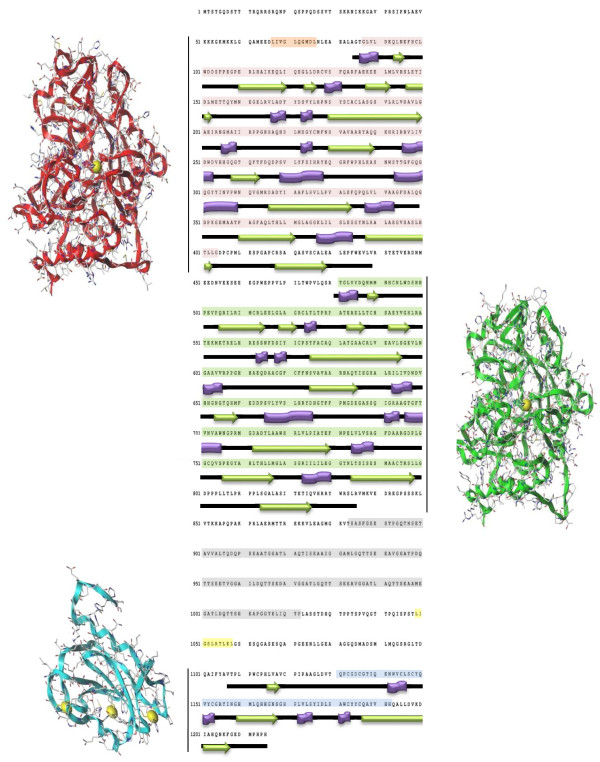
“504,505 Among them, HDAC6 has two catalytic domains and a C-terminal zinc fi nger domain, interacts with tau and α -tubulin, and is involved in the degradation of protein aggregates, mitochondrial transport, and cognitive memory, 506 – 509 making it relevant to AD pathology.”
BackgroundRecent developments of HDAC inhibitors: Emerging indications and novel molecules
Bondarev, A. D., Attwood, M. M., Jonsson, J., Chubarev, V. N., Tarasov, V. V., & Schiöth, H. B. (2021) · British Journal of Clinical Pharmacology · doi:10.1111/bcp.14889 · Cited by 416
The epigenetics of aging and neurodegeneration
Lardenoije, R., Iatrou, A., Kenis, G., Kompotis, K., Steinbusch, H. W. M., Mastroeni, D., Coleman, P., Lemere, C. A., Hof, P. R., van den Hove, D. L. A., et al. (2015) · Progress in Neurobiology · doi:10.1016/j.pneurobio.2015.05.002 · Cited by 381
“Studies on HDAC6 suggest that the role of HDACs in neurodegeneration might not solely depend on the deacetylation of histones, but also on the deacetylation of other targets, such as αtubulin in the case of HDAC6 (Govindarajan et al., 2013; Simões-Pires et al., 2013; Xiong et al., 2013).”
BackgroundInfluentialGodena, V. K., Brookes-Hocking, N., Moller, A., Shaw, G., Oswald, M., Sancho, R. M., Miller, C. C. J., Whitworth, A. J., & De Vos, K. J. (2014) · Nature Communications · doi:10.1038/ncomms6245 · Cited by 280
Metadata
- Authors
- Simões-Pires, C., Zwick, V., Nurisso, A., Schenker, E., Carrupt, P.-A., & Cuendet, M.
- Affiliations
- University of Geneva (CH)
- Institut de Recherches Internationales Servier (France) (FR)
- Corresponding author
- Cuendet, Muriel
- Venue
- Molecular Neurodegeneration
- Published
- 2013-01-29
- Volume
- 8
- Issue
- 1
- Pages
- 7-7
- ISSN
- 1750-1326 (ISSN-L)
- PMC
- PMC3615964
- OpenAlex
- W2129635356
- Cited by
- 341
- References
- 126
- Citations by year
- 2026: 21 · 2025: 30 · 2024: 44 · 2023: 34 · 2022: 19 · 2021: 33 · 2020: 34 · 2019: 23 · 2018: 20 · 2017: 18 · 2016: 18 · 2015: 23 · 2014: 19 · 2013: 4
- FWCI
- 2.04
- Type
- journal article
- Language
- en
- Open access
- gold
- doi.org
- Licence
- cc-by
- Locations
- Molecular Neurodegeneration (publishedVersion, cc-by)
- Europe PMC (PubMed Central) (publishedVersion, cc-by)
- PubMed Central (publishedVersion, cc-by)
- PubMed (publishedVersion)
- Archive ouverte UNIGE (University of Geneva) (publishedVersion, other-oa)
- Archive ouverte UNIGE (University of Geneva) (submittedVersion, cc-by)
- Topics
- Life Sciences › Biochemistry, Genetics and Molecular Biology › Molecular Biology › Histone Deacetylase Inhibitors Research
- Life Sciences › Neuroscience › Cellular and Molecular Neuroscience › Alzheimer's disease research and treatments
- Life Sciences › Neuroscience › Cellular and Molecular Neuroscience › Genetic Neurodegenerative Diseases
- Keywords
- HDAC6, histone deacetylase inhibitors, neurodegenerative diseases, alpha-tubulin acetylation, axonal transport, epigenetic modulation, HDAC isoforms, Alzheimer's disease, Parkinson's disease, Huntington's disease, neuroprotection, subcellular localization
- MeSH terms
- Animals, Histone Deacetylases, Humans, Neurodegenerative Diseases
About these checks
Registry, retraction, Cites and statistics results are computed, not judged, with one exception: a printed reference that no index lists is read once by a model before it counts as a citation error. Claims are extracted by a model and kept only when their quote appears verbatim in the text; each cited source is then checked, with a model’s help, for whether it says what the claim relies on. Those verdicts can be wrong — read the claim’s quote and the cited source before relying on one.
Statistics and arithmetic are recomputed, not judged.
Confidence bands are shown only for fields calibrated on our annotated test set. None is calibrated yet, so no band is shown.
What counts as a claim ›How we measure confidence ›How we check this ›
Are you an author, or do you see a problem with this page? Request a review
Data sources
Bibliographic data: Semantic Scholar, OpenAlex, Crossref.
Contains information from the Semantic Scholar Academic Graph Datasets, made available under the ODC Attribution License (ODC-BY 1.0).
Semantic Scholar’s data is described in: Kinney, R., et al. (2023). The Semantic Scholar Open Data Platform. arXiv:2301.10140.
