

COBRApy: COnstraints-Based Reconstruction and Analysis for Python
Open accessThe DOI matches its Crossref record; 41 of the 42 references it cites were found in a registry or an index.
Abstract
BACKGROUND: COnstraint-Based Reconstruction and Analysis (COBRA) methods are widely used for genome-scale modeling of metabolic networks in both prokaryotes and eukaryotes. Due to the successes with metabolism, there is an increasing effort to apply COBRA methods to reconstruct and analyze integrated models of cellular processes. The COBRA Toolbox for MATLAB is a leading software package for genome-scale analysis of metabolism; however, it was not designed to elegantly capture the complexity inherent in integrated biological networks and lacks an integration framework for the multiomics data used in systems biology. The openCOBRA Project is a community effort to promote constraints-based research through the distribution of freely available software. RESULTS: Here, we describe COBRA for Python (COBRApy), a Python package that provides support for basic COBRA methods. COBRApy is designed in an object-oriented fashion that facilitates the representation of the complex biological processes of metabolism and gene expression. COBRApy does not require MATLAB to function; however, it includes an interface to the COBRA Toolbox for MATLAB to facilitate use of legacy codes. For improved performance, COBRApy includes parallel processing support for computationally intensive processes. CONCLUSION: COBRApy is an object-oriented framework designed to meet the computational challenges associated with the next generation of stoichiometric constraint-based models and high-density omics data sets. AVAILABILITY: http://opencobra.sourceforge.net/
Overview
The claims and statistics of this paper haven’t been checked yet.
Free: it reads the open-access text and checks the first 5 claims that cite a source we can check. Create a free account to check every claim.
Integrity signals
Registry
Cites
Statistics
Figures
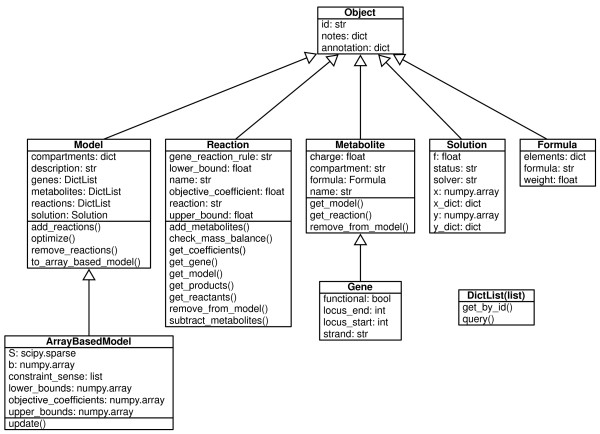
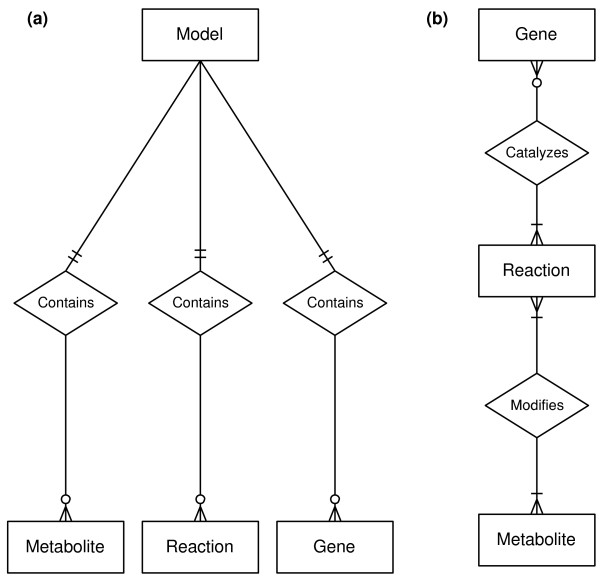
Verification
Claims the paper makes
The claims and statistics of this paper haven’t been checked yet.
Free: it reads the open-access text and checks the first 5 claims that cite a source we can check. Create a free account to check every claim.
Self-check
Percentages, sums and reported differences re-computed from the paper’s own numbers.
The self-check needs the paper’s full text.
Citations
Cites
What is flux balance analysis?
Orth, J. D., Thiele, I., & Palsson, B. Ø. (2010) · Nature Biotechnology · doi:10.1038/nbt.1614 · Cited by 3,903 · cited 2×
“A common operation performed with M-Models is to optimize for the maximum flux through a specific reaction in a defined growth medium [35].”
MethodSelf-citationQuantitative prediction of cellular metabolism with constraint-based models: the COBRA Toolbox v2.0
Schellenberger, J., Que, R., Fleming, R. M. T., Thiele, I., Orth, J. D., Feist, A. M., Zielinski, D. C., Bordbar, A., Lewis, N. E., Rahmanian, S., et al. (2011) · Nature Protocols · doi:10.1038/nprot.2011.308 · Cited by 1,835 · cited 3×
“We have previously published the COBRA Toolbox [19] for MATLAB to provide systems biology researchers with a high-level interface to a variety of methods for constraint-based modeling of genome-scale stoichiometric models of cellular biochemistry.”
BackgroundMethodInfluentialSelf-citationSchaechter, M., MaalOe, O., & Kjeldgaard, N. O. (1958) · Journal of General Microbiology · doi:10.1099/00221287-19-3-592 · Cited by 1,435 · cited 1×
“It is important to note that cellular composition can vary as a function of growth rate [37], therefore, for biological accuracy it may be necessary to construct a new biomass reaction if the simulated, or experimentally-observed, growth rate is substantially different [10,38].”
BackgroundBurgard, A. P., Pharkya, P., & Maranas, C. D. (2003) · Biotechnology and Bioengineering · doi:10.1002/bit.10803 · Cited by 1,256 · cited 1×
“The lists of essential genes and synthetic lethal gene-pairs may then be targeted to inhibit microbial growth or excluded from manipulation when constructing designer strains [39].”
BackgroundThe effects of alternate optimal solutions in constraint-based genome-scale metabolic models
Mahadevan, R., & Schilling, C. H. (2003) · Metabolic Engineering · doi:10.1016/j.ymben.2003.09.002 · Cited by 1,203 · cited 4×
“Because constraints-based models are often underdetermined they may provide multiple mathematically-equivalent solutions to a specific question – these equivalent solutions must be assessed with experimental data for biological relevance [18].”
BackgroundMethodInfluentialHigh-throughput generation, optimization and analysis of genome-scale metabolic models
Henry, C. S., DeJongh, M., Best, A. A., Frybarger, P. M., Linsay, B., & Stevens, R. L. (2010) · Nature Biotechnology · doi:10.1038/nbt.1672 · Cited by 1,090 · cited 1×
“Additionally, COBRApy can read SBML-formatted models [32] downloaded from a variety of sources, such as the Model SEED [33] and the BioModels database [34].”
MethodA comprehensive genome-scale reconstruction of Escherichia coli metabolism—2011
Orth, J. D., Conrad, T. M., Na, J., Lerman, J. A., Nam, H., Feist, A. M., & Palsson, B. Ø. (2011) · Molecular Systems Biology · doi:10.1038/msb.2011.65 · Cited by 1,006 · cited 1×
“COBRApy comes with variants of the published metabolic network models (M-Models) for Salmonella enterica Typhimurium LT2 [30] and Escherichia coli K-12 MG1655 [31].”
MethodSelf-citationConstraining the metabolic genotype–phenotype relationship using a phylogeny of in silico methods
Lewis, N. E., Nagarajan, H., & Palsson, B. O. (2012) · Nature Reviews Microbiology · doi:10.1038/nrmicro2737 · Cited by 779 · cited 1×
“…is a constraint-based modeling package that is designed to accommodate the biological complexity of the next generation of COBRA models [10] and provides access to commonly used COBRA methods, such as flux balance analysis [35], flux variability analysis [18], and gene deletion analyses [43].”
MethodSelf-citationUncovering transcriptional regulation of metabolism by using metabolic network topology
Patil, K. R., & Nielsen, J. (2005) · Proceedings of the National Academy of Sciences · doi:10.1073/pnas.0406811102 · Cited by 646 · cited 1×
“(3) cobra.topology: a package for performing structural analysis – the current version contains the reporter metabolites algorithm of Patil & Nielsen [22].”
MethodThermodynamics-Based Metabolic Flux Analysis
Henry, C. S., Broadbelt, L. J., & Hatzimanikatis, V. (2007) · Biophysical Journal · doi:10.1529/biophysj.106.093138 · Cited by 607 · cited 1×
“These constraints include compartmentalization, mass conservation, molecular crowding [11], thermodynamic directionality [12], and transcription factor activity [13].”
Background
Cited by
Items 901–1,000 of 1,007
Acetol biosynthesis enables NADPH balance during nitrogen limitation in engineered Escherichia coli
Sudarsan, S., Demling, P., Özdemir, E., Ammar, A. B., Mennicken, P., Buescher, J. M., Meurer, G., Ebert, B. E., & Blank, L. M. (2025) · Microbial Cell Factories · doi:10.1186/s12934-025-02687-z · Cited by 4
“A metabolic network (Supplementary File S2) based on a SUMOFLUX model was generated using COBRApy (0.11.3) [41].”
InfluentialComputer-assisted multilevel optimization of malonyl-CoA availability in Pseudomonas putida
Batianis, C., van Rosmalen, R. P., Fernández, P. M., Labanaris, K., Asin‐Garcia, E., Martín‐Pascual, M., Jeschek, M., Weusthuis, R. A., Diez, M. S., & dos Santos, V. A. P. M. (2025) · Metabolic Engineering · doi:10.1016/j.ymben.2025.03.008 · Cited by 4
Sasikumar, S., Kumar, S. P., Bhatt, N., & Sinha, H. (2025) · npj Systems Biology and Applications · doi:10.1038/s41540-025-00503-3 · Cited by 4
“10 72 wasusedinthisstudytosample10,000 fl ux solutions, and the thinning factor was set to 100 for all models.”
Current Challenges in Modeling Cellular Metabolism
Sonnenschein, N., Zhuang, K. H., Machado, D., & Herrgård, M. J. (2016) · Frontiers research topics · doi:10.3389/978-2-88919-754-5 · Cited by 4
Strain Design as Multiobjective Network Interdiction Problem: A Preliminary Approach
Torres, M., Jiang, S., Pelta, D. A., Kaiser, M., & Krasnogor, N. (2018) · Lecture notes in computer science · doi:10.1007/978-3-030-00374-6_26 · Cited by 4
“It uses Cobrapy [6], a metabolic constraint-based reconstruction and analysis python package.”
MethodGenome sequence of the potential probiotic eukaryote Saccharomyces cerevisiae KCCM 51299
Hwang, J., Bang, I., Kim, D., Shin, S. C., Chin, Y., Kim, T., & Kim, H. J. (2020) · 3 Biotech · doi:10.1007/s13205-020-02174-9 · Cited by 4
Cabbia, A., Hilbers, P. A. J., & van Riel, N. A. W. (2021) · Metabolites · doi:10.3390/metabo11100695 · Cited by 4
Ortiz, J. P. M., McClure, D. D., Shanahan, E. R., Dehghani, F., Holmes, A. J., & Read, M. N. (2021) · Gut Microbes · doi:10.1080/19490976.2021.1965698 · Cited by 4
Gao, Y., Yuan, Q., Mao, Z., Liu, H., & Ma, H. (2021) · BMC Microbiology · doi:10.1186/s12866-021-02357-1 · Cited by 4
Song, X., Dong, M., & Liu, M. (2022) · PLoS ONE · doi:10.1371/journal.pone.0266783 · Cited by 4
Frioux, C., Huet, S., Labarthe, S., Martinelli, J., Malou, T., Sherman, D. J., Taupin, M., & Ugalde‐Salas, P. (2023) · ESAIM Proceedings and Surveys · doi:10.1051/proc/202373187 · Cited by 4
“The FBA models are taken from the literature: the S th model is taken from [27] as provided by Cobrapy [9].”
MethodIntricate Genetic Programs Controlling Dormancy in Mycobacterium tuberculosis
Peterson, E. J. R., Abidi, A. A., Arrieta‐Ortiz, M. L., Aguilar, B. H., Yurkovich, J. T., Kaur, A., Pan, M., Srinivas, V., Shmulevich, I., & Baliga, N. S. (2021) · Cell Reports · doi:10.1016/j.celrep.2021.109287 · Cited by 4
FluxomicsExplorer: Differential visual analysis of Flux Sampling based on Metabolomics
Holzapfel, C., Hoene, M., Zhao, X., Hu, C., Weigert, C., Niess, A. M., Xu, G., Lehmann, R., Dräger, A., & Krone, M. (2022) · Computers & Graphics · doi:10.1016/j.cag.2022.08.008 · Cited by 4
Coupling constrained-based flux sampling and clustering to tackle cancer metabolic heterogeneity
Galuzzi, B. G., Izzo, S., Giampaolo, F., Cuomo, S., Vanoni, M., Alberghina, L., Damiani, C., & Piccialli, F. (2023) · Euromicro International Conference on Parallel, Distributed and Network-Based Processing (PDP) · doi:10.1109/pdp59025.2023.00037 · Cited by 4
“For the flux sampling simulation, we exploited the implementation of optGpSampler algorithm [18] available in COBRApy [5].”
MethodMetaLo: metabolic analysis of Logical models extracted from molecular interaction maps
Aghakhani, S., Niarakis, A., & Soliman, S. (2024) · Berichte aus der medizinischen Informatik und Bioinformatik/Journal of integrative bioinformatics · doi:10.1515/jib-2023-0048 · Cited by 4
“MetaLo relies on four external packages (i.e. CaSQ [9], CobraPy [11], Pandas, and Trappist [10]) and provides the following additional options to: (i) infer a Boolean model only from specific sub-parts downstream and/or upstream of specific components of the MIM, (ii) provide an additional CSV file…”
MethodScalable enumeration and sampling of minimal metabolic pathways for organisms and communities
Øyås, O., Theorell, A., & Stelling, J. (2026) · Cell Systems · doi:10.1016/j.cels.2026.101653 · Cited by 4
Modeling Plant Metabolism: Advancements and Future Capabilities
Simons, M., Sarkar, D., & Maranas, C. D. (2018) · Springer eBooks · doi:10.1007/978-3-319-92958-3_4 · Cited by 4
Giordano, N. (2017) · theses.fr (ABES) · doi:10.70675/796b2942zc443z47eazb0c7z4ee048373509 · Cited by 4
“, compartmentalization, mass conservation, molecular crowding, and thermodynamic directionality [52].”
BackgroundFilippo, M. D., Ortiz‐Merino, R. A., Damiani, C., Frascotti, G., Porro, D., Wolfe, K. H., Branduardi, P., & Pescini, D. (2018) · bioRxiv (Cold Spring Harbor Laboratory) · doi:10.1101/373621 · Cited by 4
“All the FBA and FVA simulations has been performed by using the COBRApy Toolbox functions [38] and the Gurobi solver.”
MethodMedlock, G. L., & Papin, J. A. (2018) · bioRxiv (Cold Spring Harbor Laboratory) · doi:10.1101/460071 · Cited by 4
Benchmarking kinetic models of Escherichia coli metabolismPreprint
Shepelin, D., Machado, D., Nielsen, L. K., & Herrgård, M. J. (2020) · bioRxiv (Cold Spring Harbor Laboratory) · doi:10.1101/2020.01.16.908921 · Cited by 4
“iML1515: For simulation of the constraint-based model iML1515 with lMOMA we used cobrapy (26) and cameo packages (27).”
MethodeQuilibrator 3.0 -- a platform for the estimation of thermodynamic constantsPreprint
Noor, Ε., Gollub, M. G., Mozaffari, D., Shebek, K. M., & Noor, Ε. (2021) · arXiv (Cornell University) · doi:10.48550/arxiv.2103.00621 · Cited by 4
“In addition, the software package can now be much more easily integrated into other python-based frameworks and pipelines such as COBRApy [10, 28], MEMOTE [27], ModelSEED [45], and CarveMe [31].”
MethodGawthrop, P. J., Pan, M., & Crampin, E. J. (2021) · bioRxiv (Cold Spring Harbor Laboratory) · doi:10.1101/2021.03.24.436792 · Cited by 4
Tamasco, G. (2022) · Digital Library of Theses and Dissertations (Universidade de São Paulo) · doi:10.11606/d.17.2022.tde-08112022-173558 · Cited by 4
Bactabolize: A tool for high-throughput generation of bacterial strain-specific metabolic modelsPreprint
Vezina, B., Watts, S. C., Hawkey, J., Cooper, H. B., Judd, L. M., Jenney, A. W. J., Monk, J. M., Holt, K. E., & Wyres, K. L. (2023) · eLife · doi:10.7554/elife.87406.1 · Cited by 4
Integration and Analysis of Omics Data Using Genome-Scale Metabolic Models
Moškon, M., & Režen, T. (2024) · Metabolites · doi:10.3390/metabo14110595 · Cited by 4
Lee, J., Kim, J., Bae, H., Kim, M., Jung, B. K., Kim, J., Lee, S., & Kim, H. U. (2024) · bioRxiv (Cold Spring Harbor Laboratory) · doi:10.1101/2024.12.09.627468 · Cited by 4
Structural divergence of G6PD variants shapes red blood cell storage and transfusion performancePreprint
Issaian, A., Bevers, S., Marsh, E., Karafin, M. S., Schlimgen, R. R., Reisz, J. A., Hay, A., Keele, G. R., Dzieciątkowska, M., Cendali, F. I., et al. (2025) · bioRxiv (Cold Spring Harbor Laboratory) · doi:10.1101/2025.11.21.689741 · Cited by 4
Self-citationMetabolic flux analysis in Euglena gracilis
Inwongwan, S. (2020) · Oxford University Research Archive (ORA) (University of Oxford) · doi:10.5287/ora-vyzbkpdor · Cited by 4
Kundu, P., & Ghosh, A. (2025) · Biotechnology and Bioengineering · doi:10.1002/bit.28918 · Cited by 3
Gao, Q., Zhang, L., Huang, W., Zhang, Y., Hewage, R., Zhou, M., Xu, Y., Han, Y., Yu, J., Wang, Z., et al. (2025) · International Journal of Biological Macromolecules · doi:10.1016/j.ijbiomac.2025.146335 · Cited by 3
Paré, L., Bordron, P., David, L., Mahé, M. M., Bihouée, A., & Eveillard, D. (2025) · Bioinformatics · doi:10.1093/bioinformatics/btaf448 · Cited by 3
“HUMESS avoids these limitations by using Raftery & Lewis and Geweke’s convergence tests (Fallahi et al. 2020) to find the optimal number of samples for exploring solutions.”
Fermentative growth decreases the iron demand of Staphylococcus aureus
Boyd, J. M., Rios-Delgado, G., Esquilín-Lebrón, K., Kaler, K. R., Mereddy, G., Norambuena, J., Zheng, V., Beavers, W. N., Kim, J., Parker, D., et al. (2025) · Journal of Inorganic Biochemistry · doi:10.1016/j.jinorgbio.2025.113085 · Cited by 3
Multiobjective Design of Growth Media with Genome-Scale Metabolic Models and Bayesian Optimization
Hallmann, N., Guerra-Cornejo, C., Burgess, K. E., Merzbacher, C., & Oyarzún, D. A. (2026) · Computational and Structural Biotechnology Journal · doi:10.34133/csbj.0072 · Cited by 3
Mariën, Q., Regueira, A., Petrognani, C., Scarborough, M., & Ganigué, R. (2025) · Bioresource Technology · doi:10.1016/j.biortech.2025.133886 · Cited by 3
An atlas of primate insular cortex reveals a signal-processing strategy in von Economo neurons
Liu, R.-F., Huang, M., Shen, Y., Shao, M., Jing, J., Xu, N. W., Tang, L., Liu, B. Q., Shi, J., Chen, F. N., et al. (2026) · Nature Cell Biology · doi:10.1038/s41556-026-02009-4 · Cited by 3
Metabolic design considerations for recycling of respiratory CO 2 in leaves
Hartinger, C., Smith, E. N., & Sweetlove, L. J. (2026) · The Plant Journal · doi:10.1111/tpj.71003 · Cited by 3
Oliveira, A., Cunha, E., Cruz, F., Capela, J., Sequeira, J. C., Sampaio, M., Sampaio, C., & Dias, Ó. (2022) · Berichte aus der medizinischen Informatik und Bioinformatik/Journal of integrative bioinformatics · doi:10.1515/jib-2022-0014 · Cited by 3
“The COBRApy package [22] was used to read the draft models in SBML [18] format.”
MethodThe limitations of phenotype prediction in metabolism
Yubero, P., Lavin, A. A., & Poyatos, J. F. (2023) · PLoS Computational Biology · doi:10.1371/journal.pcbi.1011631 · Cited by 3
Improvement of Oleanolic Acid Production in Saccharomyces Cerevisiae Based on OptKnock Framework
Li, X., & Hu, B. (2023) · Studies in health technology and informatics · doi:10.3233/shti230831 · Cited by 3
Klapper, I., Szyld, D. B., Yu, X., Zengler, K., Zhang, T., & Zúñiga, C. (2024) · SIAM Journal on Applied Mathematics · doi:10.1137/22m1511023 · Cited by 3
“0 for Matlab [5, 9, 36] together with high-quality genome-scale metabolic models for S. aureus and S. epidemidis [38].”
BackgroundDiscretised Flux Balance Analysis for Reaction–Diffusion Simulation of Single-Cell Metabolism
Chew, Y. H., & Spill, F. (2024) · Bulletin of Mathematical Biology · doi:10.1007/s11538-024-01264-6 · Cited by 3
“Our API uses COBRApy, a constraint-based modeling package that is commonly used for running conventional FBA (Ebrahim et al. 2013).”
Convex Representation of Metabolic Networks with Michaelis–Menten Kinetics
Taylor, J. A., Rapaport, A., & Dochain, D. (2024) · Bulletin of Mathematical Biology · doi:10.1007/s11538-024-01293-1 · Cited by 3
“We take all parameters for the FBA routine (7) from the COBRA Toolbox [12, 13].”
MethodPitfalls in Metaheuristics Solving Stoichiometric-Based Optimization Models for Metabolic Networks
Briones-Báez, M. F., Aguilera‐Vázquez, L., Rangel-Valdez, N., Zúñiga, C., Martínez-Salazar, A. L., & Gomez-Santillan, C. G. (2024) · Algorithms · doi:10.3390/a17080336 · Cited by 3
Beura, S., Das, A. K., & Ghosh, A. (2024) · STAR Protocols · doi:10.1016/j.xpro.2024.103291 · Cited by 3
Isewon, I., Binaansim, S., Adegoke, F., Emmanuel, J., & Oyelade, J. O. (2024) · PLoS ONE · doi:10.1371/journal.pone.0315530 · Cited by 3
“…3, utilising various libraries, including scikit-learn [41], networkX [42], MFG_updatepy (a modified script of MFGpy for automated MFG graph generation and centrality features) [11], GraphRole (utilized for automated Recursive Feature Extraction and node role analysis) [37], and COBRApy [43].”
MiNEApy: enhancing enrichment network analysis in metabolic networks
Pandey, V. (2025) · Bioinformatics · doi:10.1093/bioinformatics/btaf077 · Cited by 3
“The COBRA toolbox (Heirendt et al. 2019) and COBRApy (Ebrahim et al. 2013) are the most commonly used packages for conducting FBA-based studies.”
Taherkhani, H., KavianFar, A., Lanjanian, H., Hosseinkhan, N., Salimi, M., Nematzadeh, S., Naghizadeh, M. M., Jamalkandi, S. A., & Masoudi‐Nejad, A. (2025) · Heliyon · doi:10.1016/j.heliyon.2025.e42944 · Cited by 3
“Models of metabolic interactions between two species can be generated with the COBRA tool for Python (COBRApy) [43].”
Engineering the hyperthermophilic archaeon Pyrococcus furiosus for 1-propanol production
O'Quinn, H. C., Vailionis, J. L., Tanwee, T. N. N., Holandez-Lopez, K. S., Bing, R. G., Poole, F. L., Zhang, Y., Kelly, R. M., & Adams, M. W. W. (2025) · Applied and Environmental Microbiology · doi:10.1128/aem.00471-25 · Cited by 3
“The genome-scale metabolic model of P. furiosus (35) was simulated using PSAMM version 1.2.1 (for flux balance analysis and flux variability analysis) and cobrapy version 0.26.2 (for random flux sampling) packages in Python 3.9.15 ( 47, 48).”
InfluentialDynamic metabolic regulation of histone modifications during the yeast metabolic cycle
Guzmán-Dinamarca, B., Conejeros, R., & Rivas‐Astroza, M. (2025) · PLoS ONE · doi:10.1371/journal.pone.0323242 · Cited by 3
“Thus conditioned, we implemented this transcriptome-aware CBM [42] using the COBRApy 0.22.196 library [55] in Python 3.8.3 [56].”
InfluentialGerlin, L., Gaget, K., Lapetoule, G., Quivet, Y., Bâa-Puyoulet, P., Rahioui, I., Lopes, M. R., Silva, P. D., Calevro, F., & Charles, H. (2025) · Metabolic Engineering · doi:10.1016/j.ymben.2025.07.011 · Cited by 3
Elementary vectors reveal minimal interactions in microbial communities
Müller, S., Predl, M., Széliová, D., & Zanghellini, J. (2026) · Journal of The Royal Society Interface · doi:10.1098/rsif.2025.0869 · Cited by 3
Pearson, A. N., Lynch, J. M., Ho, C. N., Hudson, G. A., Roberts, J. B., Menasalvas, J., Vilchez, A. A., Incha, M. R., Schmidt, M., Mukhopadhyay, A., et al. (2025) · Applied and Environmental Microbiology · doi:10.1128/aem.00924-25 · Cited by 3
“This analysis was done in Python with CobraPy version 0.29.0 (85).”
InfluentialFinding Pathways in Reaction Networks Guided by Energy Barriers Using Integer Linear Programing
Pal, A., Fagerberg, R., Andersen, J. L., Dittrich, P., & Merkle, D. (2026) · Molecular Informatics · doi:10.1002/minf.70021 · Cited by 3
“For instance, open-source tools such as COBRApy [52] perform flux analysis on a reaction network supplied to them.”
MCC: automated mass and charge curation at the genome scale applied to C. tuberculostearicum
Mostolizadeh, R., Mier, F., & Dräger, A. (2025) · Microbiology Spectrum · doi:10.1128/spectrum.03200-24 · Cited by 3
López-Massaguer, O., Pastor, M., Sanz, F., & Carbonell, P. (2018) · Methods in molecular biology · doi:10.1007/978-1-4939-7899-1_23 · Cited by 3
Intracellular Flux Prediction of Recombinant Escherichia coli Producing Gamma-Aminobutyric Acid
Bae, S. H., Sim, M. S., Jeong, K. J., He, D. N., Kwon, I., Kim, T., Kim, H. U., & Choi, J. (2024) · Journal of Microbiology and Biotechnology · doi:10.4014/jmb.2312.12022 · Cited by 3
“The overall process of reconstructing and simulating the GEM was implemented with COBRApy version 0.25.0 [26] and gurobipy version 9.5.1 (Gurobi Optimization, LLC).”
InfluentialEsembaeva, M. A., Kulyashov, M. A., Kolpakov, F., & Akberdin, I. R. (2024) · International Journal of Molecular Sciences · doi:10.3390/ijms252212469 · Cited by 3
“The computational platform includes Python-based tools, such as COBRApy [50], MewPy [51], and PyCoMo [31], to give an opportunity for the reconstruction of the”
InfluentialComparative Metabolic Network Flux Analysis to Identify Differences in Cellular Metabolism
McGarrity, S., Karvelsson, S. T., Sigurjónsson, Ó. E., & Rolfsson, Ó. (2020) · Methods in molecular biology · doi:10.1007/978-1-0716-0159-4_11 · Cited by 3
Flux-based hierarchical organization of Escherichia coli’s metabolic network
Robaina‐Estévez, S., & Nikoloski, Z. (2020) · PLoS Computational Biology · doi:10.1371/journal.pcbi.1007832 · Cited by 3
High-Quality Genome-Scale Models From Error-Prone, Long-Read Assemblies
Broddrick, J. T., Szubin, R., Norsigian, C. J., Monk, J. M., Palsson, B. Ø., & Parenteau, M. N. (2020) · Frontiers in Microbiology · doi:10.3389/fmicb.2020.596626 · Cited by 3
“Model simulations and reconstruction were performed in the Python programming language with COBRApy (Ebrahim et al., 2013) using the default GLPK solver in Jupyter Notebooks (Kluyver et al., 2016).”
MethodInfluentialSelf-citationChung, W. Y., Rahim, N. A., Maifiah, M. H. M., Shivashekaregowda, N. K. H., Zhu, Y., & Wong, E. H. (2022) · Frontiers in Pharmacology · doi:10.3389/fphar.2022.880352 · Cited by 3
“Manual curation and metabolic simulations were performed using COBRApy (Ebrahim et al., 2013).”
MethodStaphylococcus epidermidis RP62A’s Metabolic Network: Validation and Intervention Strategies
Guil, F., Sánchez-Cid, G., & García, J. M. (2022) · Metabolites · doi:10.3390/metabo12090808 · Cited by 3
“In our approach, the analysis of the model was performed using the COBRApy (Constraint-Based Reconstruction and Analysis in Python) package [13] working within a Jupyter-Notebook [14] with Python 3.”
MethodOn the geometry of elementary flux modes
Wieder, F., Henk, M., & Bockmayr, A. (2023) · Journal of Mathematical Biology · doi:10.1007/s00285-023-01982-w · Cited by 3
Development of SynBio Tools for Pseudomonas chlororaphis: A Versatile Non-Pathogenic Bacterium Host
Bello-González, M. Á., Bedoya‐Pérez, L. P., Pantoja-Zepeda, M. A., & Utrilla, J. (2024) · SynBio · doi:10.3390/synbio2020007 · Cited by 3
fnyzer: A Python Package for the Analysis of Flexible Nets
Júlvez, J., & Oliver, S. G. (2020) · Lecture notes in computer science · doi:10.1007/978-3-030-60327-4_19 · Cited by 3
Correia, K., Khusnutdinova, A. N., Li, P. Y., Joo, J. C., Brown, G., Yakunin, A. F., & Mahadevan, R. (2018) · bioRxiv (Cold Spring Harbor Laboratory) · doi:10.1101/390401 · Cited by 3
Reconstrução da Rede Metabólica da Pseudomonas aeruginosa CCBH4851
Ramos, T. G. (2018) · Americanae (AECID Library) · Cited by 3
Vitale, L., Piovesan, A., Antonaros, F., Strippoli, P., Pelleri, M. C., & Caracausi, M. (2019) · Data in Brief · doi:10.1016/j.dib.2019.103835 · Cited by 3
Schinn, S.-M., Morrison, C., Wei, W., Zhang, L., & Lewis, N. E. (2020) · bioRxiv (Cold Spring Harbor Laboratory) · doi:10.1101/2020.09.02.279687 · Cited by 3
Schinn, S., Morrison, C., Wei, W., Zhang, L., & Lewis, N. E. (2020) · doi:10.22541/au.159986472.28149413 · Cited by 3
Canto-Encalada, G., Armstrong, J., Focil-Espinosa, C., Ademikanra, A. F., Peeler, I., Gebbie, W., Nunez-Garcia, J., Saldivar, A., Martinez, D., & Zúñiga, C. (2023) · Preprints.org · doi:10.20944/preprints202311.0461.v1 · Cited by 3
dos Santos, J. R., Batista, B., de Carvalho, L. M., dos Santos, L. V., Pereira, G. A. G., & Carazzolle, M. F. (2024) · SSRN Electronic Journal · doi:10.2139/ssrn.4834432 · Cited by 3
Co-Substrate Free Valorisation of Lignin Monomers by Assimilation of C1 and C2 By-ProductsPreprint
Bergen, D., Puiggené, Ò., Marcellin, E., Speight, R. E., Nikel, P. I., & Ebert, B. E. (2025) · bioRxiv (Cold Spring Harbor Laboratory) · doi:10.1101/2025.02.17.638771 · Cited by 3
“Simulations were carried out with the curated genome-scale model i JN1463 in COBRApy extended with the reactions for the C1 assimilation pathways.”
InfluentialMorrissey, J., Monteiro, M., Betenbaugh, M. J., & Kontoravdi, C. (2025) · bioRxiv (Cold Spring Harbor Laboratory) · doi:10.1101/2025.09.23.677837 · Cited by 3
“For this optGpSampler 90 was applied using the ‘model.sample’ function in the flux analysis submodule of COBRApy 88 .”
Skelton, J., Hallinan, J. S., Park, S., & Wipat, A. (2016) · IEEE Conference on Computational Intelligence in Bioinformatics and Computational Biology (CIBCB) · doi:10.1109/cibcb.2016.7758101 · Cited by 2
“The model was run using COBRApy [20], with the Gurobi linear programming solver (LPS) to solve linear equations [21].”
MethodZulqarnain, F., Zhao, X., Setchell, K. D. R., Sharma, Y., Fernandes, P., Srivastava, S., Shrivastava, A., Ehsan, L., Jain, V., Raghavan, S. S., et al. (2024) · iScience · doi:10.1016/j.isci.2024.110013 · Cited by 2
“73,74 Twoindependentmodelswerecon-structed for the Zambia and Pakistan datasets for metabolic network modeling (Figure 4A).”
NOODAI: a webserver for network-oriented multi-omics data analysis and integration pipeline
Totu, T., Puig, R. R., Hauser, L., Tomasoni, M., Bolck, H. A., & Buljan, M. (2025) · Bioinformatics · doi:10.1093/bioinformatics/btaf553 · Cited by 2
Mathematical Modeling of Metabolic Flux: Integrating COBRApy and Escher for Enhanced Analysis
Lopes, J. S., Rodrigues, J., & Serpa, J. (2024) · doi:10.17758/eares19.eap1224116 · Cited by 2
Modelling energy metabolism dysregulations in neuromuscular diseases: A case study of calpainopathy
Siharath, C., Biondi, O., & Pérès, S. (2024) · Heliyon · doi:10.1016/j.heliyon.2024.e40918 · Cited by 2
“Using COBRApy [38], an object-oriented Python library that provides the main COBRA methods and facilitates the representation of metabolic pathways and gene expression, the strategy is to maximise the ATP production, while constraining the dioxygen fluxes associated to each exercise intensity, and…”
Determining interaction directionality in complex biochemical networks from stationary measurements
Leibovich, N. (2025) · Scientific Reports · doi:10.1038/s41598-025-86332-0 · Cited by 2
Constraints on Metabolic Network Analysis in Bacterial Physiology
Zim, M., Euler, C., & Scott, M. (2025) · PRX Life · doi:10.1103/prxlife.3.022001 · Cited by 2
A Tale from the Trenches: Applying Metamorphic and Differential Testing to Bioinformatics Software
Marsh, A. L., Cohen, M. B., & Cottingham, R. W. (2025) · IEEE International Conference on Software Testing, Verification and Validation (ICST) · doi:10.1109/icst62969.2025.10988959 · Cited by 2
Fondi, M., Riccardi, C., Patti, F. D., Vaccaro, F., Coscione, F., Mengoni, A., & Perrin, E. (2025) · Communications Biology · doi:10.1038/s42003-025-08566-y · Cited by 2
Combining Knowledge About Metabolic Networks and Single-Cell Data with Maximum Entropy
Heinzel, C. S., Jadebeck, J. F., Zelle, E., Seiffarth, J., & Nöh, K. (2025) · doi:10.3390/psf2025012003 · Cited by 2
“These calculations were performed with COBRApy version 0.29 [25].”
InfluentialFocil-Espinosa, C., Dalldorf, C., Martínez, D., Zepeda, A., & Zúñiga, C. (2026) · Computational and Structural Biotechnology Journal · doi:10.34133/csbj.0190 · Cited by 3
“All reactions and metabolites added were checked for mass and charge balance using the COBRA Toolbox function (check-MassChargeBalance) [ 78 ].”
Nong, L. K., Sathesh‐Prabu, C., Lee, S. K., & Kim, D. (2025) · Metabolic Engineering · doi:10.1016/j.ymben.2025.11.014 · Cited by 2
Esembaeva, M. A., Kulyashov, M. A., Sokolova, T. V., Akberdin, I. R., & Sazonov, A. E. (2025) · Metabolites · doi:10.3390/metabo15120767 · Cited by 2
“However, the initial draft model exhibited unrealistically high growth rates and did not produce lactate, which necessitated manual curation using the COBRApy library [28].”
Sarwar, A., Nguyen, L. T., & Lee, E. Y. (2025) · Journal of Biological Engineering · doi:10.1186/s13036-025-00595-9 · Cited by 2
“Simulations were run in the COBRA environment (COBRA Toolbox and COBRApy) [29, 30], after adapting exchange and transport bounds to represent M9 minimal medium with ethanol as the sole carbon substrate.”
COBRAxy: constraint-based metabolic modeling in Galaxy
Lapi, F., Milazzo, L., Lin, L., Rizzo, I. C., Galuzzi, B. G., & Damiani, C. (2025) · Bioinformatics · doi:10.1093/bioinformatics/btaf670 · Cited by 2
“State of the art libraries, such as COBRApy (Ebrahim et al. 2013) and COBRA Toolbox (Heirendt et al. 2019), require programming skills, which often limits their use in studying complex metabolic shifts in health and disease.”
Microbial valorization of lignin to malic acid by Aspergillus niger
Jia, J., Dai, Z., Han, Y., Choudhary, H., Yuan, G., Gladden, J. M., Simmons, B. A., Baker, S., Magnuson, J. K., & Kim, J. (2026) · Bioresource Technology · doi:10.1016/j.biortech.2026.134018 · Cited by 2
Anabaena—a promising chassis for space exploration
Muddana, C., Desai, G. M., Wangikar, P. P., Zhang, F., Pakrasi, H. B., & Tang, Y. (2026) · npj Microgravity · doi:10.1038/s41526-026-00568-2 · Cited by 2
Pham, K., & Lee, E. Y. (2026) · Journal of Biological Engineering · doi:10.1186/s13036-026-00653-w · Cited by 2
“The calculation, simulation, and optimization of carbon flux were performed using COBRApy [39], Cnapy [40], and Cameo [41], respectively.”
Complete genome-derived metabolic interactions reveal the impact of gut ecology on human health
Gu, Y., Wang, H., Yang, J., Zeng, T., Liang, H., He, W., Wang, M., Wu, Z., Yang, L., Xu, Y., et al. (2026) · Cell Reports · doi:10.1016/j.celrep.2026.117913 · Cited by 2
Bras, J. E., Sánchez, B. J., Sonnenschein, N., & Zeidan, A. A. (2026) · mSystems · doi:10.1128/msystems.01517-25 · Cited by 3
“All model simulations were performed using COBRApy (0.25.0; [92]).”
InfluentialThermodynamically enabled and reaction attuned estimation of metabolic fluxes
Améstica-Toledo, N., Farías-Miño, M., Conejeros, R., Tourigny, D. S., & Rivas‐Astroza, M. (2026) · iScience · doi:10.1016/j.isci.2026.115822 · Cited by 2
“45,46 All computations were run in an Ubuntu 22.04.5 server with a 13th Gen Intel Core i7-13700KF (32 threads) and 32 Gb of RAM.”
InfluentialKrishnamurthy, M. B., Harish, P. S., & Subramanian, A. (2026) · Bioinformatics · doi:10.1093/bioinformatics/btag191 · Cited by 2
“…reconstruction and analysis software such as the COBRA toolbox, COBRApy, COBREXA, RAVEN toolbox, and CellNetAnalyzer demand specialized programming expertise in MATLAB, Python, or Julia (Klamt et al. 2007, Agren et al. 2013, Ebrahim et al. 2013, Heirendt et al. 2019, Kratochvil et al. 2022).”
AI-driven discovery of probiotic gene modules and their functional impact in food and health
Alshatari, S. S., & Ziarno, M. (2026) · Frontiers in Microbiology · doi:10.3389/fmicb.2026.1870115 · Cited by 2
“27.0 (Ebrahim et al., 2013) with GLPK v5.”
InfluentialHigh-Throughput Metabolic Profiling for Model Refinements of Microalgae
Alzahmi, A. S., Daakour, S., Assal, D. C. E., Dohai, B., Chaiboonchoe, A., Fu, W., Nelson, D. R., Mystikou, A., & Salehi‐Ashtiani, K. (2021) · Journal of Visualized Experiments · doi:10.3791/61913 · Cited by 2
Integration of Metabolomics and Flux Balance Analysis: Applications and Challenges
Abdi, G., Patil, N., Jain, M., & Barwant, M. M. (2024) · Springer eBooks · doi:10.1007/978-981-99-8401-5_10 · Cited by 2
Metadata
- Authors
- Ebrahim, A., Lerman, J. A., Palsson, B. O., & Hyduke, D. R.
- Affiliations
- University of California San Diego (US)
- Utah State University (US)
- Corresponding author
- Hyduke, Daniel R
- Venue
- BMC Systems Biology
- Published
- 2013-08-08
- Volume
- 7
- Issue
- 1
- Pages
- 74-74
- ISSN
- 1752-0509 (ISSN-L)
- PMC
- PMC3751080
- OpenAlex
- W2048465561
- Cited by
- 1,378
- References
- 41
- Citations by year
- 2026: 152 · 2025: 185 · 2024: 183 · 2023: 168 · 2022: 142 · 2021: 132 · 2020: 112 · 2019: 86 · 2018: 82 · 2017: 54 · 2016: 35 · 2015: 26 · 2014: 16 · 2013: 4
- FWCI
- 12.08
- Type
- journal article
- Language
- en
- Open access
- gold
- doi.org
- Licence
- cc-by
- Locations
- BMC Systems Biology (publishedVersion, cc-by)
- Europe PMC (PubMed Central) (publishedVersion, cc-by)
- PubMed Central (publishedVersion, cc-by)
- PubMed (publishedVersion)
- eScholarship (California Digital Library) (submittedVersion)
- Funders
- U.S. Department of Energy (-AC02-05CH11231, Contract No. DE-AC02-05-CH11231, 05CH11231, No. DE-AC02-05-CH11231, DE AC02 05CH11231, DE-AC02-)
- U.S. Department of Health and Human Services (Y1-AI-8401-01, DE-AC02-05CH11231)
- National Energy Research Scientific Computing Center (DE–AC02–05CH11231, 05CH11231, AC02-05CH11231, Contract No. DE-AC02-05CH11231)
- National Institutes of Health (DE-AC02–05CH11231, GM085764)
- Office of Science (No. DE-AC02- 05-CH11231, DEAC02–05CH11231, AC02-05CH11231, DE-AC02, 05CH11231, Contract No. DE-AC02-05CH11231)
- National Institute of General Medical Sciences (GM 085764, DE-AC02-05CH11231, P50GM085764, GM102098, U01GM102098)
- National Institute of Allergy and Infectious Diseases (Y1-AI-8401, Y1-AI8401-01)
- Topics
- Life Sciences › Biochemistry, Genetics and Molecular Biology › Molecular Biology › Microbial Metabolic Engineering and Bioproduction
- Life Sciences › Biochemistry, Genetics and Molecular Biology › Molecular Biology › Gene Regulatory Network Analysis
- Life Sciences › Biochemistry, Genetics and Molecular Biology › Molecular Biology › Bioinformatics and Genomic Networks
- Keywords
- COBRApy, constraint-based modeling, genome-scale metabolic networks, COBRA toolbox, multi-omics integration, stoichiometric modeling, gene expression, parallel computing, object-oriented framework
- MeSH terms
- Models, Biological, Programming Languages, Genomics, Metabolic Networks and Pathways
About these checks
Registry, retraction, Cites and statistics results are computed, not judged, with one exception: a printed reference that no index lists is read once by a model before it counts as a citation error. Claims are extracted by a model and kept only when their quote appears verbatim in the text; each cited source is then checked, with a model’s help, for whether it says what the claim relies on. Those verdicts can be wrong — read the claim’s quote and the cited source before relying on one.
Statistics and arithmetic are recomputed, not judged.
Confidence bands are shown only for fields calibrated on our annotated test set. None is calibrated yet, so no band is shown.
What counts as a claim ›How we measure confidence ›How we check this ›
Are you an author, or do you see a problem with this page? Request a review
Data sources
Bibliographic data: Semantic Scholar, OpenAlex, Crossref.
Contains information from the Semantic Scholar Academic Graph Datasets, made available under the ODC Attribution License (ODC-BY 1.0).
Semantic Scholar’s data is described in: Kinney, R., et al. (2023). The Semantic Scholar Open Data Platform. arXiv:2301.10140.
