

COBRApy: COnstraints-Based Reconstruction and Analysis for Python
Open accessThe DOI matches its Crossref record; 41 of the 42 references it cites were found in a registry or an index.
Abstract
BACKGROUND: COnstraint-Based Reconstruction and Analysis (COBRA) methods are widely used for genome-scale modeling of metabolic networks in both prokaryotes and eukaryotes. Due to the successes with metabolism, there is an increasing effort to apply COBRA methods to reconstruct and analyze integrated models of cellular processes. The COBRA Toolbox for MATLAB is a leading software package for genome-scale analysis of metabolism; however, it was not designed to elegantly capture the complexity inherent in integrated biological networks and lacks an integration framework for the multiomics data used in systems biology. The openCOBRA Project is a community effort to promote constraints-based research through the distribution of freely available software. RESULTS: Here, we describe COBRA for Python (COBRApy), a Python package that provides support for basic COBRA methods. COBRApy is designed in an object-oriented fashion that facilitates the representation of the complex biological processes of metabolism and gene expression. COBRApy does not require MATLAB to function; however, it includes an interface to the COBRA Toolbox for MATLAB to facilitate use of legacy codes. For improved performance, COBRApy includes parallel processing support for computationally intensive processes. CONCLUSION: COBRApy is an object-oriented framework designed to meet the computational challenges associated with the next generation of stoichiometric constraint-based models and high-density omics data sets. AVAILABILITY: http://opencobra.sourceforge.net/
Overview
The claims and statistics of this paper haven’t been checked yet.
Free: it reads the open-access text and checks the first 5 claims that cite a source we can check. Create a free account to check every claim.
Integrity signals
Registry
Cites
Statistics
Figures
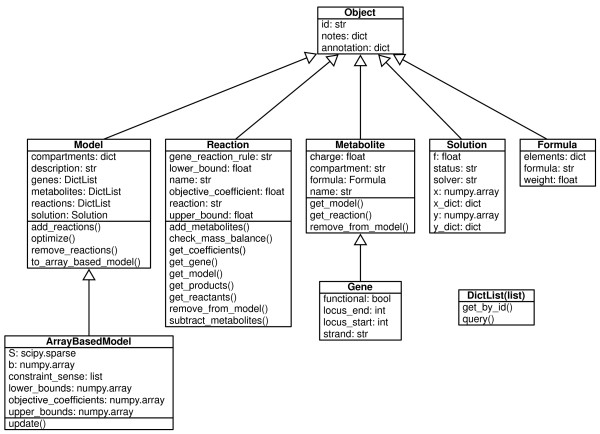
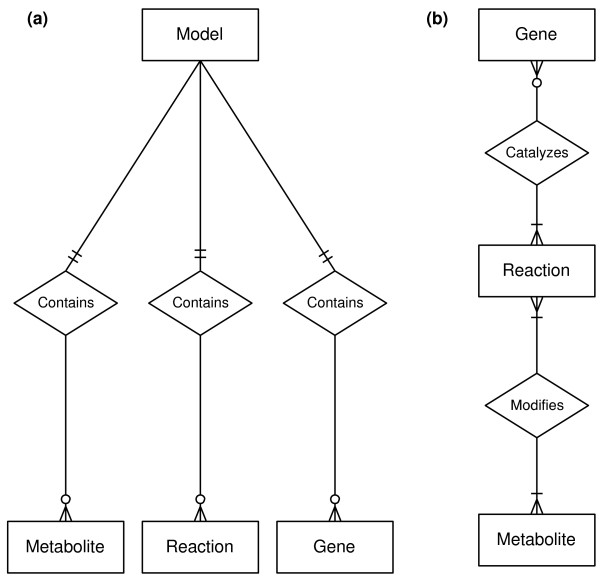
Verification
Claims the paper makes
The claims and statistics of this paper haven’t been checked yet.
Free: it reads the open-access text and checks the first 5 claims that cite a source we can check. Create a free account to check every claim.
Self-check
Percentages, sums and reported differences re-computed from the paper’s own numbers.
The self-check needs the paper’s full text.
Citations
Cites
What is flux balance analysis?
Orth, J. D., Thiele, I., & Palsson, B. Ø. (2010) · Nature Biotechnology · doi:10.1038/nbt.1614 · Cited by 3,903 · cited 2×
“A common operation performed with M-Models is to optimize for the maximum flux through a specific reaction in a defined growth medium [35].”
MethodSelf-citationQuantitative prediction of cellular metabolism with constraint-based models: the COBRA Toolbox v2.0
Schellenberger, J., Que, R., Fleming, R. M. T., Thiele, I., Orth, J. D., Feist, A. M., Zielinski, D. C., Bordbar, A., Lewis, N. E., Rahmanian, S., et al. (2011) · Nature Protocols · doi:10.1038/nprot.2011.308 · Cited by 1,835 · cited 3×
“We have previously published the COBRA Toolbox [19] for MATLAB to provide systems biology researchers with a high-level interface to a variety of methods for constraint-based modeling of genome-scale stoichiometric models of cellular biochemistry.”
BackgroundMethodInfluentialSelf-citationSchaechter, M., MaalOe, O., & Kjeldgaard, N. O. (1958) · Journal of General Microbiology · doi:10.1099/00221287-19-3-592 · Cited by 1,435 · cited 1×
“It is important to note that cellular composition can vary as a function of growth rate [37], therefore, for biological accuracy it may be necessary to construct a new biomass reaction if the simulated, or experimentally-observed, growth rate is substantially different [10,38].”
BackgroundBurgard, A. P., Pharkya, P., & Maranas, C. D. (2003) · Biotechnology and Bioengineering · doi:10.1002/bit.10803 · Cited by 1,256 · cited 1×
“The lists of essential genes and synthetic lethal gene-pairs may then be targeted to inhibit microbial growth or excluded from manipulation when constructing designer strains [39].”
BackgroundThe effects of alternate optimal solutions in constraint-based genome-scale metabolic models
Mahadevan, R., & Schilling, C. H. (2003) · Metabolic Engineering · doi:10.1016/j.ymben.2003.09.002 · Cited by 1,203 · cited 4×
“Because constraints-based models are often underdetermined they may provide multiple mathematically-equivalent solutions to a specific question – these equivalent solutions must be assessed with experimental data for biological relevance [18].”
BackgroundMethodInfluentialHigh-throughput generation, optimization and analysis of genome-scale metabolic models
Henry, C. S., DeJongh, M., Best, A. A., Frybarger, P. M., Linsay, B., & Stevens, R. L. (2010) · Nature Biotechnology · doi:10.1038/nbt.1672 · Cited by 1,090 · cited 1×
“Additionally, COBRApy can read SBML-formatted models [32] downloaded from a variety of sources, such as the Model SEED [33] and the BioModels database [34].”
MethodA comprehensive genome-scale reconstruction of Escherichia coli metabolism—2011
Orth, J. D., Conrad, T. M., Na, J., Lerman, J. A., Nam, H., Feist, A. M., & Palsson, B. Ø. (2011) · Molecular Systems Biology · doi:10.1038/msb.2011.65 · Cited by 1,006 · cited 1×
“COBRApy comes with variants of the published metabolic network models (M-Models) for Salmonella enterica Typhimurium LT2 [30] and Escherichia coli K-12 MG1655 [31].”
MethodSelf-citationConstraining the metabolic genotype–phenotype relationship using a phylogeny of in silico methods
Lewis, N. E., Nagarajan, H., & Palsson, B. O. (2012) · Nature Reviews Microbiology · doi:10.1038/nrmicro2737 · Cited by 779 · cited 1×
“…is a constraint-based modeling package that is designed to accommodate the biological complexity of the next generation of COBRA models [10] and provides access to commonly used COBRA methods, such as flux balance analysis [35], flux variability analysis [18], and gene deletion analyses [43].”
MethodSelf-citationUncovering transcriptional regulation of metabolism by using metabolic network topology
Patil, K. R., & Nielsen, J. (2005) · Proceedings of the National Academy of Sciences · doi:10.1073/pnas.0406811102 · Cited by 646 · cited 1×
“(3) cobra.topology: a package for performing structural analysis – the current version contains the reporter metabolites algorithm of Patil & Nielsen [22].”
MethodThermodynamics-Based Metabolic Flux Analysis
Henry, C. S., Broadbelt, L. J., & Hatzimanikatis, V. (2007) · Biophysical Journal · doi:10.1529/biophysj.106.093138 · Cited by 607 · cited 1×
“These constraints include compartmentalization, mass conservation, molecular crowding [11], thermodynamic directionality [12], and transcription factor activity [13].”
Background
Cited by
Items 601–700 of 1,007
Engineering Escherichia coli for Poly-β-hydroxybutyrate Production from Methanol
Wang, J., Chen, Z., Deng, X., Yuan, Q., & Ma, H. (2023) · Bioengineering · doi:10.3390/bioengineering10040415 · Cited by 14
“The FBA calculation was performed using the COBRApy [21].”
MethodJung, H., Song, H., & Meile, C. D. (2023) · Geoscientific model development · doi:10.5194/gmd-16-1683-2023 · Cited by 14
Xiao, Z., Connor, A. J., Worland, A. M., Tang, Y., Zha, R. H., & Koffas, M. A. G. (2023) · Metabolic Engineering · doi:10.1016/j.ymben.2023.03.011 · Cited by 14
Aghakhani, S., Silva-Saffar, S. E., Soliman, S., & Niarakis, A. (2023) · Computational and Structural Biotechnology Journal · doi:10.1016/j.csbj.2023.08.015 · Cited by 15
“Two FBAs were performed using the python package CobraPy [55] to highlight a potential change in fibroblast metabolism under disease-specific conditions.”
MethodCaivano, A., van Winden, W. V., Dragone, G. M., & Mussatto, S. (2023) · Computational and Structural Biotechnology Journal · doi:10.1016/j.csbj.2023.09.015 · Cited by 11
Hunt, H., Leape, S., Sidhu, J. S., Ajmera, I., Lynch, J. P., Ratcliffe, R. G., & Sweetlove, L. J. (2023) · The Plant Journal · doi:10.1111/tpj.16478 · Cited by 14
Consistency Analysis of Genome-Scale Models of Bacterial Metabolism: A Metamodel Approach
Ponce-de-León, M., Calle-Espinosa, J., Peretó, J. G., & Montero, F. (2015) · PLoS ONE · doi:10.1371/journal.pone.0143626 · Cited by 14
Hybrid Metabolic Network Completion
Frioux, C., Schaub, T. H., Schellhorn, S., Siegel, A., & Wanko, P. (2017) · Lecture notes in computer science · doi:10.1007/978-3-319-61660-5_28 · Cited by 14
ProbAnnoWeb and ProbAnnoPy: probabilistic annotation and gap-filling of metabolic reconstructions
King, B., Farrah, T., Richards, M. A., Mundy, M. B., Simeonidis, E., & Price, N. D. (2017) · Bioinformatics · doi:10.1093/bioinformatics/btx796 · Cited by 14
Clinical Applications of Metabolic Models in SBML Format
Renz, A., Mostolizadeh, R., & Dräger, A. (2020) · Elsevier eBooks · doi:10.1016/b978-0-12-801238-3.11524-7 · Cited by 14
Prediction of reaction knockouts to maximize succinate production by Actinobacillus succinogenes
Nag, A., John, P. C. S., Crowley, M. F., & Bomble, Y. J. (2018) · PLoS ONE · doi:10.1371/journal.pone.0189144 · Cited by 14
multiTFA: a Python package for multi-variate thermodynamics-based flux analysis
Mahamkali, V., McCubbin, T., Noor, Ε., Noor, Ε., Marcellin, E., & Nielsen, L. K. (2021) · Bioinformatics · doi:10.1093/bioinformatics/btab151 · Cited by 14
Fundamental metabolic strategies of heterotrophic bacteriaPreprint
Gralka, M., Pollak, S., & Cordero, O. X. (2022) · bioRxiv (Cold Spring Harbor Laboratory) · doi:10.1101/2022.08.04.502823 · Cited by 14
“Growth on various carbon sources was simulated using cobrapy, using custom media emulating the mineral content of the experimental media (42).”
MethodFreeFlux: A Python Package for Time-Efficient Isotopically Nonstationary Metabolic Flux Analysis
Wu, C., Guarnieri, M. T., & Xiong, W. (2023) · ACS Synthetic Biology · doi:10.1021/acssynbio.3c00265 · Cited by 14
Modeling host–pathway dynamics at the genome scale with machine learning
Merzbacher, C., Mac Aodha, O., & Oyarzún, D. A. (2025) · Metabolic Engineering · doi:10.1016/j.ymben.2025.05.008 · Cited by 13
Phenotype-specific estimation of metabolic fluxes using gene expression data
González-Arrué, N., Inostroza, I., Conejeros, R., & Rivas‐Astroza, M. (2023) · iScience · doi:10.1016/j.isci.2023.106201 · Cited by 13
Muriel, J. C., Long, C. P., & Sonnenschein, N. (2023) · Microbiology Spectrum · doi:10.1128/spectrum.01705-23 · Cited by 13
“Geckopy implements this, built on top of the established COBRA software cobrapy (17).”
MethodTransporter annotations are holding up progress in metabolic modeling
Casey, J. R., Bennion, B. J., D’haeseleer, P., Kimbrel, J. A., Marschmann, G. L., & Navid, A. (2024) · Frontiers in Systems Biology · doi:10.3389/fsysb.2024.1394084 · Cited by 13
Daems, S., Shameer, S., Ceusters, N., Sweetlove, L. J., & Ceusters, J. (2024) · New Phytologist · doi:10.1111/nph.20032 · Cited by 13
“In this study, steady-state diel metabolism of a CAM leaf was modelled using parsimonious FBA (pFBA) (Lewis et al ., 2012) with the export of sucrose and amino acids into the phloem (ID ‘Diel_phloem_export’) as the objective function, using the COBRA PY package v.0.22.1 (Ebrahim et al ., 2013).”
InfluentialAcetate and glycerol are not uniquely suited for the evolution of cross-feeding in E. coli
Román, M. S., & Wagner, A. (2020) · PLoS Computational Biology · doi:10.1371/journal.pcbi.1008433 · Cited by 13
“We performed pFBA in python, using the cobrapy package [47].”
MethodA contribution of metabolic engineering to addressing medical problems: Metabolic flux analysis
Lee, G., Lee, S. M., & Kim, H. U. (2023) · Metabolic Engineering · doi:10.1016/j.ymben.2023.04.008 · Cited by 13
Lipscomb, G. L., Crowley, A. T., Nguyen, D. M. N., Keller, M. W., O'Quinn, H. C., Tanwee, T. N. N., Vailionis, J. L., Zhang, K., Zhang, Y., Kelly, R. M., et al. (2023) · Applied and Environmental Microbiology · doi:10.1128/aem.00012-23 · Cited by 13
“The model was exported to sbml format for use with the COBRApy package (41) using the “sbmlexport” function in PSAMM.”
MethodGermann, A. T., Nakielski, A., Dietsch, M., Petzel, T., Moser, D., Triesch, S. S., Westhoff, P., & Axmann, I. M. I. (2023) · Frontiers in Plant Science · doi:10.3389/fpls.2023.1024981 · Cited by 13
Boscá, L., Povo‐Retana, A., Fariñas, M., Landauro‐Vera, R., Mojena, M., Alvarez‐Lucena, C., Fernández-Moreno, M., Castrillo, A., la Rosa, J. D., Sánchez‐García, S., et al. (2023) · Frontiers in Immunology · doi:10.3389/fimmu.2023.1211068 · Cited by 14
“Computational analyses were performed using Python and the COBRApy toolbox (36 – 38).”
Xue, B., Liu, Y., Yang, C., Liu, H., Yuan, Q., Wang, S., & Su, H. (2023) · Advanced Science · doi:10.1002/advs.202306662 · Cited by 13
Kulyashov, M. A., Kolmykov, S. K., Khlebodarova, T. M., & Akberdin, I. R. (2023) · Microorganisms · doi:10.3390/microorganisms11122987 · Cited by 13
“Inheriting the many strengths of the Python language, COBRApy provides the core capabilities of COBRA modeling and has a dedicated module for interfacing with the COBRA Toolbox [92].”
MethodHirose, Y., Zielinski, D. C., Poudel, S., Rychel, K., Baker, J. L., Toya, Y., Yamaguchi, M., Heinken, A., Thiele, I., Kawabata, S., et al. (2024) · mSystems · doi:10.1128/msystems.00736-24 · Cited by 14
“The reconstruction was converted to a mathematical model, using Constraint-Based Metabolic Modeling in Python (COBRApy) version 0.22.1 (56).”
MethodInfluentialSelf-citationWhole Cell Modeling: From Single Cells to Colonies
Cole, J. A., & Luthey-Schulten, Z. A. (2014) · Israel Journal of Chemistry · doi:10.1002/ijch.201300147 · Cited by 13
Merigueti, T. C., Carneiro, M. W., Carvalho-Assef, A. P. D., Silva, F. P., & da Silva, F. A. B. (2019) · Frontiers in Genetics · doi:10.3389/fgene.2019.00633 · Cited by 13
“Another advantage is the availability of the COBRApy package.”
MethodInfluentialVacher, M. A., & Small, I. (2019) · npj Systems Biology and Applications · doi:10.1038/s41540-019-0101-8 · Cited by 13
dfba: Software for efficient simulation of dynamic flux-balance analysis models in Python
Tourigny, D. S., Muriel, J. C., & Beber, M. E. (2020) · The Journal of Open Source Software · doi:10.21105/joss.02342 · Cited by 13
“Until now, COBRApy lacked an efficient implementation of DFBA using the DAE formulation.”
MethodInfluentialUnderground metabolism as a rich reservoir for pathway engineering
Kovács, S. C., Szappanos, B., Tengölics, R., Notebaart, R. A., & Papp, B. (2022) · Bioinformatics · doi:10.1093/bioinformatics/btac282 · Cited by 13
Liu, Y., & Westerhoff, H. V. (2023) · Journal of Inherited Metabolic Disease · doi:10.1002/jimd.12603 · Cited by 13
“Models were built in Cobra with Python.31,32 The model with transport competition was called “Recon2.”
MethodDeterminism and Contingency Shape Metabolic Complementation in an Endosymbiotic Consortium
Ponce-de-León, M., Tamarit, D., Calle-Espinosa, J., Mori, M., Latorre, A., Montero, F., & Peretó, J. G. (2017) · Frontiers in Microbiology · doi:10.3389/fmicb.2017.02290 · Cited by 13
“The different constraint-based methods used in the present work correspond to the current implementation found in COBRApy toolbox 0.6 (Ebrahim et al., 2013).”
MethodInfluentialCalmels, C., Arnoult, S., Yahia, B. B., Malphettes, L., & Andersen, M. R. (2019) · Metabolic Engineering Communications · doi:10.1016/j.mec.2019.e00097 · Cited by 13
Metcalf, A. J., Nagygyor, A., & Boyle, N. R. (2020) · Algal Research · doi:10.1016/j.algal.2020.101967 · Cited by 13
PyCoMo: a python package for community metabolic model creation and analysis
Predl, M., Mießkes, M., Rattei, T., & Zanghellini, J. (2024) · Bioinformatics · doi:10.1093/bioinformatics/btae153 · Cited by 13
“The input for PyCoMo are the metabolic models of the community members, in any of the file formats supported by COBRApy (SBML, MATLAB, JSON, and YAML).”
MethodInfluentialgeneRNIB: a living benchmark for gene regulatory network inferencePreprint
Nourisa, J., Passemiers, A., Kalfon, J., Stock, M., Zeller‐Plumhoff, B., Cannoodt, R., Arnold, C., Tong, A., Hartford, J., Netea, M. G., et al. (2025) · bioRxiv (Cold Spring Harbor Laboratory) · doi:10.1101/2025.02.25.640181 · Cited by 13
Modelling dynamic host-pathway interactions at the genome scale with machine learning
(2024) · doi:10.1101/2024.04.09.588720 · Cited by 13
Model of metabolism and gene expression predicts proteome allocation in Pseudomonas putida
Tibocha‐Bonilla, J. D., Gandhi, V. K., Lieng, C., Moyne, O., Santibáñez-Palominos, R., & Zengler, K. (2025) · npj Systems Biology and Applications · doi:10.1038/s41540-025-00521-1 · Cited by 14
Tarrado‐Castellarnau, M., Foguet, C., Tarragó‐Celada, J., Palobart, M., Hernández-Carro, C., Perarnau, J., Zodda, E., Polat, I. H., Marín, S., Suárez‐Bonnet, A., et al. (2025) · Oncogene · doi:10.1038/s41388-025-03495-w · Cited by 12
“1C), suggesting an early inhibition of cell division with a subsequent adaptation to this drug.”
Multi-omics integration in genome-scale metabolic models: a review of constraint-based approaches
Shahreen, N., Osinuga, A., Malla, S., Razmpour, T., Tabibian, M., & Saha, R. (2026) · Molecular Omics · doi:10.1093/molecular-omics/aaiag005 · Cited by 12
Predicting competition and substrate preferences for targeted microbiome alteration
Moyne, O., Norton, G. J., Al‐Bassam, M. M., Lieng, C., Thiruppathy, D., Kumar, M., Haddad, E., Weng, Y., Raffatellu, M., Zaramela, L. S., et al. (2026) · Cell · doi:10.1016/j.cell.2026.03.036 · Cited by 12
IMFLer: A Web Application for Interactive Metabolic Flux Analysis and Visualization
Petrovs, R., Stalidzāns, E., & Pentjuss, A. (2021) · Journal of Computational Biology · doi:10.1089/cmb.2021.0056 · Cited by 12
“Another important aspect of IMFLer is the open access to all components as follows: (1) Escher maps are freely accessible, (2) calculations are performed using CobraPy (Ebrahim et al., 2013)—free software that built on freely available Python, (3) free-of-charge Mozilla Firefox web browser allows IMFLer web-based acce…”
InfluentialRenewable carbon sources to biochemicals and -fuels: contributions of the smut fungi Ustilaginaceae
Becker, J., Liebal, U. W., Phan, A., Ullmann, L., & Blank, L. M. (2022) · Current Opinion in Biotechnology · doi:10.1016/j.copbio.2022.102849 · Cited by 12
A genome-scale metabolic model of parasitic whipworm
Bay, Ö. F., Hayes, K. S., Schwartz, J., Grencis, R. K., & Roberts, I. S. (2023) · Nature Communications · doi:10.1038/s41467-023-42552-4 · Cited by 12
“25.0) 46 , which is a Python version of the well-known constraint-based reconstruction and analysis (COBRA) toolbox 47 , was used to import the reference model, reconstruct the T. muris metabolic model and perform analyses such as Flux Balance Analysis (FBA) and Flux Variability Analysis (FVA)…”
InfluentialGenome scale metabolic network modelling for metabolic profile predictions
Cooke, J., Delmas, M., Wieder, C., Rodríguez-Mier, P., Frainay, C., Vinson, F., Ebbels, T. M. D., Poupin, N., & Jourdan, F. (2024) · PLoS Computational Biology · doi:10.1371/journal.pcbi.1011381 · Cited by 13
Genome-scale model development and genomic sequencing of the oleaginous clade Lipomyces
Czajka, J. J., Han, Y., Kim, J., Mondo, S. J., Hofstad, B. A., Robles, A. L., Haridas, S., Riley, R. W., LaButti, K. M., Pangilinan, J. L., et al. (2024) · Frontiers in Bioengineering and Biotechnology · doi:10.3389/fbioe.2024.1356551 · Cited by 12
CFSA: Comparative flux sampling analysis as a guide for strain design
van Rosmalen, R. P., Paz, S. M., Duman‐Özdamar, Z. E., & Diez, M. S. (2024) · Metabolic Engineering Communications · doi:10.1016/j.mec.2024.e00244 · Cited by 12
“The Optimal Gaussian Process (OptGP) sampler [17] implemented in cobrapy [18] is used to model the distribution of the target space and iteratively sample from this distribution.”
MethodA diel multi-tissue genome-scale metabolic model of Vitis vinifera
Sampaio, M., Rocha, M., & Dias, Ó. (2024) · PLoS Computational Biology · doi:10.1371/journal.pcbi.1012506 · Cited by 12
“All the main steps and analyses were performed using Python 3.8 and COBRApy version 0.25 [54] and are schematized in S2 Fig in S1 File.”
InfluentialCabbia, A., Hilbers, P. A. J., & van Riel, N. A. W. (2020) · Patterns · doi:10.1016/j.patter.2020.100080 · Cited by 12
Lloyd, C. J., Monk, J. M., Yang, L., Ebrahim, A., & Palsson, B. Ø. (2021) · PLoS Computational Biology · doi:10.1371/journal.pcbi.1007817 · Cited by 12
“All constraint-based modeling analyses were performed using Python 3.6 and the COBRApy software [58].”
MethodInfluentialSelf-citationIntelligent host engineering for metabolic flux optimisation in biotechnology
Munro, L. J., & Kell, D. B. (2021) · Biochemical Journal · doi:10.1042/bcj20210535 · Cited by 13
Nazarshodeh, E., Marashi, S., & Gharaghani, S. (2021) · PLoS ONE · doi:10.1371/journal.pone.0261267 · Cited by 12
CobraMod: a pathway-centric curation tool for constraint-based metabolic models
Camborda, S., Weder, J.-N., & Töpfer, N. (2022) · Bioinformatics · doi:10.1093/bioinformatics/btac119 · Cited by 12
Monk, J. M. (2022) · Philosophical Transactions of the Royal Society B Biological Sciences · doi:10.1098/rstb.2021.0236 · Cited by 13
Kim, S., Nam, Y., Kim, M., Kwon, S., Jeon, J., Shin, S. J., Park, S., Chang, S., Kim, H. U., Lee, Y. Y., et al. (2022) · Journal of Ginseng Research · doi:10.1016/j.jgr.2022.09.008 · Cited by 12
Enuh, B. M., Yaman, B. N., Tarzi, C., Çelik, P. A., Mutlu, M. B., & Angione, C. (2022) · MicrobiologyOpen · doi:10.1002/mbo3.1328 · Cited by 12
“with the COBRApy (Ebrahim et al., 2013) library in Python, and all”
MethodInfluentialPotter, A. D., Baiocco, C. M., Papin, J. A., & Criss, A. K. (2023) · mSystems · doi:10.1128/msystems.01265-22 · Cited by 12
“Using the homology matrix, a draft strain-specific model was generated using COBRApy (62).”
MethodInfluentialCruz, F., Capela, J., Ferreira, E. C., Rocha, M., & Dias, Ó. (2024) · IEEE Transactions on Computational Biology and Bioinformatics · doi:10.1109/tcbb.2023.3339972 · Cited by 12
“BioISO is a package developed in Python TM 3 using the FBA framework implemented in COBRApy [20].”
MethodInfluentialQuantifying complexity in metabolic engineering using the LASER database
Winkler, J. D., Halweg‐Edwards, A. L., & Gill, R. T. (2016) · Metabolic Engineering Communications · doi:10.1016/j.meteno.2016.07.002 · Cited by 12
“, 2014) to associate genes with reactions and cobrapy for metabolic model manipulation (Ebrahim et al., 2013).”
BackgroundMethodEcoSynther: A Customized Platform To Explore the Biosynthetic Potential in E. coli
Ding, S., Liao, X., Tu, W., Wu, L., Tian, Y. T., Sun, Q., Chen, J., & Hu, Q. (2017) · ACS Chemical Biology · doi:10.1021/acschembio.7b00605 · Cited by 12
CoBAMP: a Python framework for metabolic pathway analysis in constraint-based models
Vieira, V., & Rocha, M. (2019) · Bioinformatics · doi:10.1093/bioinformatics/btz598 · Cited by 12
Garcia, L. D. A., & Jones, P. R. (2020) · PLoS Computational Biology · doi:10.1371/journal.pcbi.1008125 · Cited by 12
Węglarz‐Tomczak, E., Rijlaarsdam, D. J., Tomczak, J. M., & Brul, S. (2021) · International Journal of Molecular Sciences · doi:10.3390/ijms22031470 · Cited by 12
First Genome-Scale Metabolic Model of Dolosigranulum pigrum Confirms Multiple Auxotrophies
Renz, A., Widerspick, L., & Dräger, A. (2021) · Metabolites · doi:10.3390/metabo11040232 · Cited by 13
Disentangling a metabolic cross-feeding in a halophilic archaea-bacteria consortium
Medina-Chávez, N. O., Torres-Cerda, A., Chacón, J. M., Harcombe, W. R., la Torre-Zavala, S. D., & Travisano, M. (2023) · Frontiers in Microbiology · doi:10.3389/fmicb.2023.1276438 · Cited by 11
“To predict potential minimal media, we used the “minimal_ medium” function in COBRApy, set to minimize the number of nutrients required (as opposed to minimizing total uptake flux).”
MethodLázaro, J., Wongprommoon, A., Júlvez, J., & Oliver, S. G. (2025) · Bioinformatics Advances · doi:10.1093/bioadv/vbaf166 · Cited by 3
“COBRApy (Ebrahim et al. 2013), a Python package to reconstruct constraint-based models, was used to translate the kinetic bounds and to run the FBA and FVA analyses.”
COBRA-k: A powerful framework bridging constraint-based and kinetic metabolic modeling
Bekiaris, P. S., & Klamt, S. (2026) · Science Advances · doi:10.1126/sciadv.aeb3022 · Cited by 10
Gene connectivity and enzyme evolution in the human metabolic network
Dobón, B., Montanucci, L., Peretó, J. G., Bertranpetit, J., & Laayouni, H. (2019) · Biology Direct · doi:10.1186/s13062-019-0248-7 · Cited by 11
Jeon, J., & Kim, H. U. (2020) · The Journal of Microbiology · doi:10.1007/s12275-020-9516-6 · Cited by 11
Nguyen, A. D., Nam, G., Kim, D., & Lee, E. Y. (2020) · Microbial Cell Factories · doi:10.1186/s12934-020-01382-5 · Cited by 11
Programmatic modeling for biological systems
Lubbock, A. L. R., & Lopez, C. F. (2021) · Current Opinion in Systems Biology · doi:10.1016/j.coisb.2021.05.004 · Cited by 11
Aichem, M., Klein, K., Czauderna, T., Garkov, D., Zhao, J., Li, J., & Schreiber, F. (2022) · Berichte aus der medizinischen Informatik und Bioinformatik/Journal of integrative bioinformatics · doi:10.1515/jib-2022-0034 · Cited by 11
“…components: biochemical databases and model repositories, such as KEGG, Reactome, BioModels, or BIGG, simulation, curation and analysis tools, such as CarveMe [70] or cobrapy [71], specific representations, such as SBML [72] or SBGN, and lastly the possibility to create figures for publications.”
MethodBayFlux: A Bayesian method to quantify metabolic Fluxes and their uncertainty at the genome scale
Backman, T. W. H., Schenk, C., Radivojević, T., Ando, D., Singh, J., Czajka, J. J., Costello, Z., Keasling, J. D., Tang, Y., Akhmatskaya, E. V., et al. (2023) · PLoS Computational Biology · doi:10.1371/journal.pcbi.1011111 · Cited by 11
“After incorporating the experimentally measured extracellular exchange fluxes to iAF1260, we compute the smallest set of essential media components using Mixed Integer Programming (MIP) as implemented in the COBRApy function minimal media with the option minimize components set to True [59].”
MethodInferring microbial interactions with their environment from genomic and metagenomic data
Brunner, J. D., Gallegos-Graves, L., & Kroeger, M. (2023) · PLoS Computational Biology · doi:10.1371/journal.pcbi.1011661 · Cited by 11
Unni, R., Andreani, N. A., Vallier, M., Heinzmann, S. S., Taubenheim, J., Guggeis, M. A., Tran, F., Vogler, O., Künzel, S., Hövener, J., et al. (2023) · Gut Microbes · doi:10.1080/19490976.2023.2286675 · Cited by 11
Valadez‐Cano, C., Olivares‐Hernández, R., Espino‐Vázquez, A. N., & Partida‐Martínez, L. P. (2023) · Environmental Microbiology · doi:10.1111/1462-2920.16551 · Cited by 11
Hassani, L., Moosavi, M. R., Setoodeh, P., & Zare, H. (2024) · Microbial Cell Factories · doi:10.1186/s12934-023-02277-x · Cited by 11
“We implemented the FastKnock algorithm using Python language programming (Version 2.7) and the COBRApy library (Version 0.15.4) [63].”
MethodInfluentialSaldivar, A., Ruiz‐Ruiz, P., Revah, S., & Zúñiga, C. (2024) · Frontiers in Systems Biology · doi:10.3389/fsysb.2024.1291612 · Cited by 11
Community metabolic modeling of host-microbiota interactions through multi-objective optimization
Lambert, A., Budinich, M., Mahé, M. M., Chaffron, S., & Eveillard, D. (2024) · iScience · doi:10.1016/j.isci.2024.110092 · Cited by 11
Simultaneous design of fermentation and microbe
Ziegler, A. L., Manchanda, A., Stumm, M., Blank, L. M., & Mitsos, A. (2024) · AIChE Journal · doi:10.1002/aic.18501 · Cited by 11
Constraint-based modelling predicts metabolic signatures of low and high-grade serous ovarian cancer
Meeson, K. E., & Schwartz, J. (2024) · npj Systems Biology and Applications · doi:10.1038/s41540-024-00418-5 · Cited by 11
“Theprocess of producing these enzyme-constrained GEMs (ecGEMs) is called constraint-based modelling (CBM), and such ecGEMs can be manipulated viageneticengineeringsimulations,suchasgeneoverexpressionordeletion, reactioninhibition,essentialitypredictionsanddrugsimulations 10 .”
BackgroundMethodEnuh, B. M., Çelik, P. A., & Angione, C. (2024) · Biotechnology Journal · doi:10.1002/biot.202400267 · Cited by 11
FastMM: an efficient toolbox for personalized constraint-based metabolic modeling
Li, G., Dai, S., Han, F., Li, W., Huang, J., & Xiao, W. (2020) · BMC Bioinformatics · doi:10.1186/s12859-020-3410-4 · Cited by 11
“FastMM is also faster than the most of other efficient metabolic modeling applications, such as Cobrapy [9] and Fast-SL [12].”
BackgroundMethodInfluentialMoreno, F., Utrilla, J., Bolívar, F., Nogales, J., & Escalante, A. (2020) · Applied Microbiology and Biotechnology · doi:10.1007/s00253-020-10913-4 · Cited by 11
“The model was analyzed using FBA (flux balance analysis) and its FVA (flux variability analysis) approximations through the diverse functional repertoire of COBRApy and CAMEO (Schellenberger et al. 2011; Ebrahim et al. 2013; Cardoso et al. 2018).”
MethodA Multi-Scale Approach to Modeling E. coli Chemotaxis
Agmon, E., & Spangler, R. K. (2020) · Entropy · doi:10.3390/e22101101 · Cited by 11
“This paper demonstrates such processes with pymunk [34] for the multi-body process and COBRA [35,36] for metabolism.”
The systems biology simulation core library
Panchiwala, H., Shah, S., Planatscher, H., Zakharchuk, M., König, M., & Dräger, A. (2021) · Bioinformatics · doi:10.1093/bioinformatics/btab669 · Cited by 12
Enuh, B. M., & Çelik, P. A. (2022) · Journal of Microbiological Methods · doi:10.1016/j.mimet.2022.106459 · Cited by 11
SALARECON connects the Atlantic salmon genome to growth and feed efficiency
Zakhartsev, M. V., Rotnes, F., Gulla, M., Øyås, O., van Dam, J. C. J., Diez, M. S., Grammes, F., Hafþórsson, R. A., van Helvoirt, W., Koehorst, J. J., et al. (2022) · PLoS Computational Biology · doi:10.1371/journal.pcbi.1010194 · Cited by 11
“…consistent with the hypothesis that the models capture organism-specific metabolism, suggesting that SALARECON captures 2) semi-automated annotation and curation using COBRApy [22], and (3) quality evaluation using the standardized metabolic model testing tool MEMOTE [34] and metabolic tasks [35].”
Multi-Objective Optimization of Microalgae Metabolism: An Evolutive Algorithm Based on FBA
Briones-Báez, M. F., Aguilera‐Vázquez, L., Rangel-Valdez, N., Martínez-Salazar, A. L., & Zúñiga, C. (2022) · Metabolites · doi:10.3390/metabo12070603 · Cited by 11
Towards the human nasal microbiome: Simulating D. pigrum and S. aureus
Mostolizadeh, R., Gloeckler, M., & Dräger, A. (2022) · Frontiers in Cellular and Infection Microbiology · doi:10.3389/fcimb.2022.925215 · Cited by 11
“The models were also curated using the FastCC algorithm implemented in COBRApy (Ebrahim et al., 2013).”
MethodInfluentialBuilding Mathematical Models of Biological Systems with modelbase
Ebenhöh, O., van Aalst, M., Saadat, N. P., Nies, T., & Matuszyńska, A. (2018) · Journal of Open Research Software · doi:10.5334/jors.236 · Cited by 11
Dromms, R., Lee, J. Y., & Styczynski, M. P. (2020) · BMC Bioinformatics · doi:10.1186/s12859-020-3422-0 · Cited by 11
Hall, R. J., Thorpe, S., Thomas, G. H., & Wood, A. J. (2020) · Microbial Genomics · doi:10.1099/mgen.0.000378 · Cited by 11
“Robustness analysis of the i RH830 network was executed using COBRApy [78] to conduct single reaction deletions. i RH830 was supplied with either famine or blood media under aerated conditions.”
Metabolic flux configuration determination using information entropy
Rivas‐Astroza, M., & Conejeros, R. (2020) · PLoS ONE · doi:10.1371/journal.pone.0243067 · Cited by 11
Zondervan, N. A., dos Santos, V. A. P. M., Diez, M. S., & Saccenti, E. (2021) · BMC Genomics · doi:10.1186/s12864-021-07388-6 · Cited by 11
Karakitsou, E., Foguet, C., Mostazo, M. G. C., Kurrle, N., Schnütgen, F., Michaelis, M., Cinatl, J. J., Marín, S., & Cascante, M. (2021) · Computational and Structural Biotechnology Journal · doi:10.1016/j.csbj.2021.06.049 · Cited by 11
Aziz, R. K., Khaw, V. L., Monk, J. M., Brunk, E., Lewis, R., Loh, S. I., Mishra, A., Nagle, A. A., Satyanarayana, C., Dhakshinamoorthy, S., et al. (2015) · Frontiers in Microbiology · doi:10.3389/fmicb.2015.00958 · Cited by 11
“Metabolic network reconstructions for E. coliK12MG1655 (Orth et al., 2011) were loaded into the COBRAToolbox (Ebrahim et al., 2013).”
MethodSelf-citationGinatt, A. A., Berihu, M., Castel, E., Medina, S., Carmi, G., Faigenboim‐Doron, A., Sharon, I., Tal, O., Droby, S., Somera, T. M., et al. (2024) · eLife · doi:10.7554/elife.94558 · Cited by 11
“Analyses and simulations of GSMMs, as well as retrieval of model attributes (reactions, metabolites, exchanges, etc.), were conducted via the vast array of methods found in COBRApy ( Ebrahim et al., 2013 ), a python coding language package for analyzing constraint-based reconstructions.”
Method
Metadata
- Authors
- Ebrahim, A., Lerman, J. A., Palsson, B. O., & Hyduke, D. R.
- Affiliations
- University of California San Diego (US)
- Utah State University (US)
- Corresponding author
- Hyduke, Daniel R
- Venue
- BMC Systems Biology
- Published
- 2013-08-08
- Volume
- 7
- Issue
- 1
- Pages
- 74-74
- ISSN
- 1752-0509 (ISSN-L)
- PMC
- PMC3751080
- OpenAlex
- W2048465561
- Cited by
- 1,378
- References
- 41
- Citations by year
- 2026: 152 · 2025: 185 · 2024: 183 · 2023: 168 · 2022: 142 · 2021: 132 · 2020: 112 · 2019: 86 · 2018: 82 · 2017: 54 · 2016: 35 · 2015: 26 · 2014: 16 · 2013: 4
- FWCI
- 12.08
- Type
- journal article
- Language
- en
- Open access
- gold
- doi.org
- Licence
- cc-by
- Locations
- BMC Systems Biology (publishedVersion, cc-by)
- Europe PMC (PubMed Central) (publishedVersion, cc-by)
- PubMed Central (publishedVersion, cc-by)
- PubMed (publishedVersion)
- eScholarship (California Digital Library) (submittedVersion)
- Funders
- U.S. Department of Energy (-AC02-05CH11231, Contract No. DE-AC02-05-CH11231, 05CH11231, No. DE-AC02-05-CH11231, DE AC02 05CH11231, DE-AC02-)
- U.S. Department of Health and Human Services (Y1-AI-8401-01, DE-AC02-05CH11231)
- National Energy Research Scientific Computing Center (DE–AC02–05CH11231, 05CH11231, AC02-05CH11231, Contract No. DE-AC02-05CH11231)
- National Institutes of Health (DE-AC02–05CH11231, GM085764)
- Office of Science (No. DE-AC02- 05-CH11231, DEAC02–05CH11231, AC02-05CH11231, DE-AC02, 05CH11231, Contract No. DE-AC02-05CH11231)
- National Institute of General Medical Sciences (GM 085764, DE-AC02-05CH11231, P50GM085764, GM102098, U01GM102098)
- National Institute of Allergy and Infectious Diseases (Y1-AI-8401, Y1-AI8401-01)
- Topics
- Life Sciences › Biochemistry, Genetics and Molecular Biology › Molecular Biology › Microbial Metabolic Engineering and Bioproduction
- Life Sciences › Biochemistry, Genetics and Molecular Biology › Molecular Biology › Gene Regulatory Network Analysis
- Life Sciences › Biochemistry, Genetics and Molecular Biology › Molecular Biology › Bioinformatics and Genomic Networks
- Keywords
- COBRApy, constraint-based modeling, genome-scale metabolic networks, COBRA toolbox, multi-omics integration, stoichiometric modeling, gene expression, parallel computing, object-oriented framework
- MeSH terms
- Models, Biological, Programming Languages, Genomics, Metabolic Networks and Pathways
About these checks
Registry, retraction, Cites and statistics results are computed, not judged, with one exception: a printed reference that no index lists is read once by a model before it counts as a citation error. Claims are extracted by a model and kept only when their quote appears verbatim in the text; each cited source is then checked, with a model’s help, for whether it says what the claim relies on. Those verdicts can be wrong — read the claim’s quote and the cited source before relying on one.
Statistics and arithmetic are recomputed, not judged.
Confidence bands are shown only for fields calibrated on our annotated test set. None is calibrated yet, so no band is shown.
What counts as a claim ›How we measure confidence ›How we check this ›
Are you an author, or do you see a problem with this page? Request a review
Data sources
Bibliographic data: Semantic Scholar, OpenAlex, Crossref.
Contains information from the Semantic Scholar Academic Graph Datasets, made available under the ODC Attribution License (ODC-BY 1.0).
Semantic Scholar’s data is described in: Kinney, R., et al. (2023). The Semantic Scholar Open Data Platform. arXiv:2301.10140.
