

COBRApy: COnstraints-Based Reconstruction and Analysis for Python
Open accessThe DOI matches its Crossref record; 41 of the 42 references it cites were found in a registry or an index.
Abstract
BACKGROUND: COnstraint-Based Reconstruction and Analysis (COBRA) methods are widely used for genome-scale modeling of metabolic networks in both prokaryotes and eukaryotes. Due to the successes with metabolism, there is an increasing effort to apply COBRA methods to reconstruct and analyze integrated models of cellular processes. The COBRA Toolbox for MATLAB is a leading software package for genome-scale analysis of metabolism; however, it was not designed to elegantly capture the complexity inherent in integrated biological networks and lacks an integration framework for the multiomics data used in systems biology. The openCOBRA Project is a community effort to promote constraints-based research through the distribution of freely available software. RESULTS: Here, we describe COBRA for Python (COBRApy), a Python package that provides support for basic COBRA methods. COBRApy is designed in an object-oriented fashion that facilitates the representation of the complex biological processes of metabolism and gene expression. COBRApy does not require MATLAB to function; however, it includes an interface to the COBRA Toolbox for MATLAB to facilitate use of legacy codes. For improved performance, COBRApy includes parallel processing support for computationally intensive processes. CONCLUSION: COBRApy is an object-oriented framework designed to meet the computational challenges associated with the next generation of stoichiometric constraint-based models and high-density omics data sets. AVAILABILITY: http://opencobra.sourceforge.net/
Overview
The claims and statistics of this paper haven’t been checked yet.
Free: it reads the open-access text and checks the first 5 claims that cite a source we can check. Create a free account to check every claim.
Integrity signals
Registry
Cites
Statistics
Figures
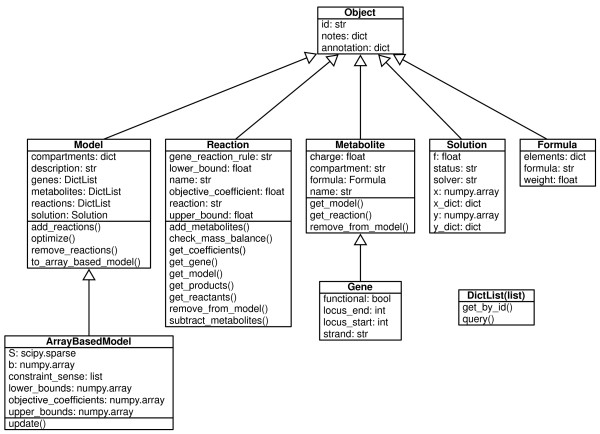
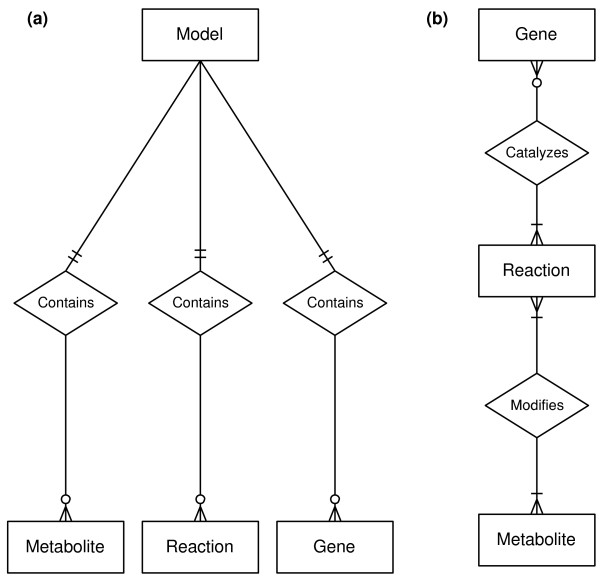
Verification
Claims the paper makes
The claims and statistics of this paper haven’t been checked yet.
Free: it reads the open-access text and checks the first 5 claims that cite a source we can check. Create a free account to check every claim.
Self-check
Percentages, sums and reported differences re-computed from the paper’s own numbers.
The self-check needs the paper’s full text.
Citations
Cites
What is flux balance analysis?
Orth, J. D., Thiele, I., & Palsson, B. Ø. (2010) · Nature Biotechnology · doi:10.1038/nbt.1614 · Cited by 3,903 · cited 2×
“A common operation performed with M-Models is to optimize for the maximum flux through a specific reaction in a defined growth medium [35].”
MethodSelf-citationQuantitative prediction of cellular metabolism with constraint-based models: the COBRA Toolbox v2.0
Schellenberger, J., Que, R., Fleming, R. M. T., Thiele, I., Orth, J. D., Feist, A. M., Zielinski, D. C., Bordbar, A., Lewis, N. E., Rahmanian, S., et al. (2011) · Nature Protocols · doi:10.1038/nprot.2011.308 · Cited by 1,835 · cited 3×
“We have previously published the COBRA Toolbox [19] for MATLAB to provide systems biology researchers with a high-level interface to a variety of methods for constraint-based modeling of genome-scale stoichiometric models of cellular biochemistry.”
BackgroundMethodInfluentialSelf-citationSchaechter, M., MaalOe, O., & Kjeldgaard, N. O. (1958) · Journal of General Microbiology · doi:10.1099/00221287-19-3-592 · Cited by 1,435 · cited 1×
“It is important to note that cellular composition can vary as a function of growth rate [37], therefore, for biological accuracy it may be necessary to construct a new biomass reaction if the simulated, or experimentally-observed, growth rate is substantially different [10,38].”
BackgroundBurgard, A. P., Pharkya, P., & Maranas, C. D. (2003) · Biotechnology and Bioengineering · doi:10.1002/bit.10803 · Cited by 1,256 · cited 1×
“The lists of essential genes and synthetic lethal gene-pairs may then be targeted to inhibit microbial growth or excluded from manipulation when constructing designer strains [39].”
BackgroundThe effects of alternate optimal solutions in constraint-based genome-scale metabolic models
Mahadevan, R., & Schilling, C. H. (2003) · Metabolic Engineering · doi:10.1016/j.ymben.2003.09.002 · Cited by 1,203 · cited 4×
“Because constraints-based models are often underdetermined they may provide multiple mathematically-equivalent solutions to a specific question – these equivalent solutions must be assessed with experimental data for biological relevance [18].”
BackgroundMethodInfluentialHigh-throughput generation, optimization and analysis of genome-scale metabolic models
Henry, C. S., DeJongh, M., Best, A. A., Frybarger, P. M., Linsay, B., & Stevens, R. L. (2010) · Nature Biotechnology · doi:10.1038/nbt.1672 · Cited by 1,090 · cited 1×
“Additionally, COBRApy can read SBML-formatted models [32] downloaded from a variety of sources, such as the Model SEED [33] and the BioModels database [34].”
MethodA comprehensive genome-scale reconstruction of Escherichia coli metabolism—2011
Orth, J. D., Conrad, T. M., Na, J., Lerman, J. A., Nam, H., Feist, A. M., & Palsson, B. Ø. (2011) · Molecular Systems Biology · doi:10.1038/msb.2011.65 · Cited by 1,006 · cited 1×
“COBRApy comes with variants of the published metabolic network models (M-Models) for Salmonella enterica Typhimurium LT2 [30] and Escherichia coli K-12 MG1655 [31].”
MethodSelf-citationConstraining the metabolic genotype–phenotype relationship using a phylogeny of in silico methods
Lewis, N. E., Nagarajan, H., & Palsson, B. O. (2012) · Nature Reviews Microbiology · doi:10.1038/nrmicro2737 · Cited by 779 · cited 1×
“…is a constraint-based modeling package that is designed to accommodate the biological complexity of the next generation of COBRA models [10] and provides access to commonly used COBRA methods, such as flux balance analysis [35], flux variability analysis [18], and gene deletion analyses [43].”
MethodSelf-citationUncovering transcriptional regulation of metabolism by using metabolic network topology
Patil, K. R., & Nielsen, J. (2005) · Proceedings of the National Academy of Sciences · doi:10.1073/pnas.0406811102 · Cited by 646 · cited 1×
“(3) cobra.topology: a package for performing structural analysis – the current version contains the reporter metabolites algorithm of Patil & Nielsen [22].”
MethodThermodynamics-Based Metabolic Flux Analysis
Henry, C. S., Broadbelt, L. J., & Hatzimanikatis, V. (2007) · Biophysical Journal · doi:10.1529/biophysj.106.093138 · Cited by 607 · cited 1×
“These constraints include compartmentalization, mass conservation, molecular crowding [11], thermodynamic directionality [12], and transcription factor activity [13].”
Background
Cited by
Items 201–300 of 1,007
Li, S., Ye, Z., Moreb, E. A., Hennigan, J. N., Castellanos, D. B., Yang, T., & Lynch, M. (2020) · Metabolic Engineering · doi:10.1016/j.ymben.2021.01.005 · Cited by 54
Salvy, P., & Hatzimanikatis, V. (2021) · Proceedings of the National Academy of Sciences · doi:10.1073/pnas.2013836118 · Cited by 51
van Tol, H. M., & Armbrust, E. V. (2021) · PLoS ONE · doi:10.1371/journal.pone.0241960 · Cited by 54
“These reactions were identified with the flux analysis module in COBRApy and the gapfilling module was used to identify gaps in the network [37].”
MethodInfluentialPublic good exploitation in natural bacterioplankton communities
Pollak, S., Gralka, M., Sato, Y., Schwartzman, J. A., Lu, L., & Cordero, O. X. (2021) · Science Advances · doi:10.1126/sciadv.abi4717 · Cited by 54
“Flux-balance analysis was performed using CobraPy with default parameters (35).”
MethodVivarium: an interface and engine for integrative multiscale modeling in computational biology
Agmon, E., Spangler, R. K., Skalnik, C. J., Poole, W., Peirce, S. M., Morrison, J. H., & Covert, M. W. (2022) · Bioinformatics · doi:10.1093/bioinformatics/btac049 · Cited by 53
Genome scale metabolic models as tools for drug design and personalized medicine
Raškevičius, V., Mikalayeva, V., Antanavičiūtė, I., Ceslevičienė, I., Skeberdis, V. A., Kairys, V., & Bordel, S. (2018) · PLoS ONE · doi:10.1371/journal.pone.0190636 · Cited by 54
Yang, D., Yoo, S. M., Gu, C., Ryu, J. Y., Lee, J. E., & Lee, S. Y. (2019) · Metabolic Engineering · doi:10.1016/j.ymben.2019.04.003 · Cited by 53
BioUML—towards a universal research platform
Kolpakov, F., Akberdin, I. R., Kiselev, I. N., Kolmykov, S. K., Kondrakhin, Y. V., Kulyashov, M. A., Kutumova, E. O., Pintus, S. S., Ryabova, A., Sharipov, R., et al. (2022) · Nucleic Acids Research · doi:10.1093/nar/gkac286 · Cited by 53
“3) using the Jupyter notebook that includes the well-known COBRAPy package (24).”
Hasibi, R., Michoel, T., & Oyarzún, D. A. (2024) · npj Systems Biology and Applications · doi:10.1038/s41540-024-00348-2 · Cited by 54
solveME: fast and reliable solution of nonlinear ME models
Yang, L., Ma, D., Ebrahim, A., Lloyd, C. J., Saunders, M. A., & Palsson, B. O. (2016) · BMC Bioinformatics · doi:10.1186/s12859-016-1240-1 · Cited by 51
“To interface the Fortran-based Quad MINOS shared library and custom Fortran source code to the cobrapy [32] Python package, we used the f2py [33] function in Numpy 1.”
Self-citationSystems biology based metabolic engineering for non-natural chemicals
Biz, A., Proulx, S., Xu, Z.-Q. J., Siddartha, K., Indrayanti, A. M., & Mahadevan, R. (2019) · Biotechnology Advances · doi:10.1016/j.biotechadv.2019.04.001 · Cited by 53
Nguyen, A. D., Kim, D., & Lee, E. Y. (2020) · Metabolic Engineering · doi:10.1016/j.ymben.2020.04.011 · Cited by 52
Nguyen, A. D., Park, J. Y., Hwang, I. Y., Hamilton, R., Kalyuzhnaya, M., Kim, D., & Lee, E. Y. (2019) · Metabolic Engineering · doi:10.1016/j.ymben.2019.10.004 · Cited by 51
Intricate Genetic Programs Controlling Dormancy in Mycobacterium tuberculosis
Peterson, E. J. R., Abidi, A. A., Arrieta‐Ortiz, M. L., Aguilar, B. H., Yurkovich, J. T., Kaur, A., Pan, M., Srinivas, V., Shmulevich, I., & Baliga, N. S. (2020) · Cell Reports · doi:10.1016/j.celrep.2020.107577 · Cited by 52
“We mapped the measured gene expression data against the most recent genome-scale metabolic network construction of M. tuberculosis H37Rv iEK1011 (Kavvas et al., 2018) using COBRApy (Ebrahim et al., 2013).”
Ferrer, L., Mindt, M., Diez, M. S., Jilg, T., Zagorščak, M., Lee, J., Gruden, K., Wendisch, V. F., & Cankar, K. (2022) · Journal of Agricultural and Food Chemistry · doi:10.1021/acs.jafc.2c01042 · Cited by 51
AutoResearchClaw: Self-Reinforcing Autonomous Research with Human-AI CollaborationPreprint
Liu, J.-Q., Qiu, S., Li, M., Li, B.-Z., Ji, H.-N., Han, S., Ye, X.-Y., Xia, P., Dong, Z.-H., Chen, M., et al. (2026) · arXiv.org · doi:10.48550/arxiv.2605.20025 · Cited by 32
“The biology column (mean 0.912 ranging from E. coli succinate knockout screens to M. tuberculosis essentiality and drug-target prioritization) is supported entirely by COBRApy-skilled sub-agents operating over BiGG genome-scale models; the orchestrator is never required to manipulate stoichiometric matrices directly.”
InfluentialKim, H., Kim, S., & Yoon, S. H. (2018) · PLoS ONE · doi:10.1371/journal.pone.0204375 · Cited by 50
A toolbox of machine learning software to support microbiome analysis
Marcos-Zambrano, L. J., López-Molina, V. M., Bakır-Güngör, B., Frohme, M., Karađuzović-Hadžiabdić, K., Klammsteiner, T., Ibrahimi, E., Lahti, L., Lončar-Turukalo, T., Dhamo, X., et al. (2023) · Frontiers in Microbiology · doi:10.3389/fmicb.2023.1250806 · Cited by 52
“The Python COBRApy was developed as a framework allowing to model complex biological processes using COBRA methods (Ebrahim et al., 2013).”
MethodAging and putative frailty biomarkers are altered by spaceflight
Camera, A., Tabetah, M., Castañeda, V., Kim, J., Galsinh, A. S., Haro-Vinueza, A., Salinas, I., Seylani, A., Arif, S., Das, S., et al. (2024) · Scientific Reports · doi:10.1038/s41598-024-57948-5 · Cited by 50
Hay, J. O., Shi, H., Heinzel, N., Hebbelmann, I., Rolletschek, H., & Schwender, J. (2014) · Frontiers in Plant Science · doi:10.3389/fpls.2014.00724 · Cited by 51
“We also provide a Python script which can be used to translate the database’s Excel worksheet into SMBL (File S2) for use with alternative programs such as COBRApy (Ebrahim et al., 2013).”
BackgroundMethodA community-driven reconstruction of the Aspergillus niger metabolic network
Brandl, J., Pontes, M. V. A., SchäPe, P., Noerregaard, A., Arvas, M., Ram, A. F. J., Meyer, V., Tsang, A., de Vries, R. P., & Andersen, M. R. (2018) · Fungal Biology and Biotechnology · doi:10.1186/s40694-018-0060-7 · Cited by 50
A comparison of Monte Carlo sampling methods for metabolic network models
Fallahi, S., Skaug, H. J., & Alendal, G. (2020) · PLoS ONE · doi:10.1371/journal.pone.0235393 · Cited by 50
Mirhakkak, M. H., Chen, X., Ni, Y., Heinekamp, T., Sae-Ong, T., Xu, L.-L., Kurzai, O., Barber, A. E., Brakhage, A. A., Boutin, S., et al. (2023) · Nature Communications · doi:10.1038/s41467-023-39982-5 · Cited by 51
Reliable and efficient solution of genome-scale models of Metabolism and macromolecular Expression
Ma, D., Yang, L., Fleming, R. M. T., Thiele, I., Palsson, B. O., & Saunders, M. A. (2017) · Scientific Reports · doi:10.1038/srep40863 · Cited by 39
“Ding Ma1, Laurence Yang2, Ronan M. T. Fleming3, Ines Thiele3, Bernhard O. Palsson2,4 &”
MethodSelf-citationNorsigian, C. J., Kavvas, E. S., Seif, Y., Palsson, B. Ø., & Monk, J. M. (2018) · Frontiers in Genetics · doi:10.3389/fgene.2018.00121 · Cited by 49
“6.1 (COnstraints-Based Reconstruction and Analysis for Python; Ebrahim et al., 2013) and GLPK 4.32 solver.”
MethodInfluentialSelf-citationFluxer: a web application to compute, analyze and visualize genome-scale metabolic flux networks
Hari, A., & Lobo, D. (2020) · Nucleic Acids Research · doi:10.1093/nar/gkaa409 · Cited by 49
“FBA optimization is performed with COBRApy (46) and the graph layouts use the D3.”
MethodThe LASER database: Formalizing design rules for metabolic engineering
Winkler, J. D., Halweg‐Edwards, A. L., & Gill, R. T. (2015) · Metabolic Engineering Communications · doi:10.1016/j.meteno.2015.06.003 · Cited by 49
“…LASER design representation, software tools can be developed to automatically implement the genetic modi fi cations speci fi ed in a LASER record in the corresponding metabolic (COBRA Schellenberger et al., 2011; Ebrahim et al., 2013) or regulatory model (Salgado et al., 2013; Teixeira et al., 2014).”
MethodMoVE identifies metabolic valves to switch between phenotypic states
Venayak, N., von Kamp, A., Klamt, S., & Mahadevan, R. (2018) · Nature Communications · doi:10.1038/s41467-018-07719-4 · Cited by 48
Jiménez, N. E., Gerdtzen, Z. P., Olivera‐Nappa, Á., Salgado, J. C., & Conca, C. (2019) · PLoS neglected tropical diseases · doi:10.1371/journal.pntd.0007678 · Cited by 48
Haiman, Z. B., Zielinski, D. C., Koike, Y., Yurkovich, J. T., & Palsson, B. O. (2021) · PLOS Computational Biology · doi:10.1371/journal.pcbi.1008208 · Cited by 39
“To facilitate the integration of constraint-based and dynamic modeling frameworks, MASSpy utilizes the COBRApy package [32] as a foundation to build upon and extend in order to support dynamic simulation and analysis capabilities.”
MethodSelf-citationCurrent advances in systems and integrative biology
Robinson, S. W., Fernandes, M., & Husi, H. (2014) · Computational and Structural Biotechnology Journal · doi:10.1016/j.csbj.2014.08.007 · Cited by 39
“One popular toolbox for implementing constraintbased models is COBRA, developed on MatLab but also available as a package for Python [80].”
MethodThe role of the Mediterranean diet in modulating the gut microbiome: A review of current evidence
Gündoğdu, A., & Nalbantoğlu, Ö. U. (2023) · Nutrition · doi:10.1016/j.nut.2023.112118 · Cited by 47
Karlsen, S. T., Rau, M. H., Sánchez, B. J., Jensen, K. L., & Zeidan, A. A. (2023) · FEMS Microbiology Reviews · doi:10.1093/femsre/fuad030 · Cited by 47
ssbio: a Python framework for structural systems biology
Mih, N., Brunk, E., Chen, K., Catoiu, E., Sastry, A., Kavvas, E., Monk, J. M., Zhang, Z., & Palsson, B. O. (2018) · Bioinformatics · doi:10.1093/bioinformatics/bty077 · Cited by 41
“Here, we present ssbio , a Python package designed with the goal of lowering the learning curve associated with efforts in structural systems biology. ssbio directly integrates with and builds upon the COBRApy toolkit (Ebrahim et al. 2013) allowing for seamless integration with existing GEMs.”
MethodSelf-citationPresta, L., Bosi, E., Mansouri, L., Dijkshoorn, L., Fani, R., & Fondi, M. (2017) · Scientific Reports · doi:10.1038/s41598-017-03416-2 · Cited by 47
McClure, R., Farris, Y., Danczak, R., Nelson, W. C., Song, H., Kessell, A. K., Lee, J., Couvillion, S., Henry, C. S., Jansson, J. K., et al. (2022) · mSystems · doi:10.1128/msystems.00372-22 · Cited by 46
Metabolic reprogramming in Rheumatoid Arthritis Synovial Fibroblasts: A hybrid modeling approach
Aghakhani, S., Soliman, S., & Niarakis, A. (2022) · PLoS Computational Biology · doi:10.1371/journal.pcbi.1010408 · Cited by 46
“Flux Balance Analysis (FBA) was performed using CobraPy [49] to evaluate MitoCore’s metabolic flux distribution.”
MethodBest Practices for Making Reproducible Biochemical Models
Porubsky, V. L., Goldberg, A. P., Rampadarath, A. K., Nickerson, D. P., Karr, J. R., & Sauro, H. M. (2020) · Cell Systems · doi:10.1016/j.cels.2020.06.012 · Cited by 45
Sahin, A., Weilandt, D., & Hatzimanikatis, V. (2023) · Nature Communications · doi:10.1038/s41467-023-38159-4 · Cited by 46
Kristjansdottir, T., Bosma, E. F., dos Santos, F. B., Özdemir, E., Herrgård, M. J., França, L., Ferreira, B. S., Nielsen, A. T., & Guðmundsson, S. (2019) · Microbial Cell Factories · doi:10.1186/s12934-019-1229-3 · Cited by 45
Plasma metabolome and cognitive skills in Down syndrome
Antonaros, F., Ghini, V., Pulina, F., Ramacieri, G., Cicchini, E., Mannini, E., Martelli, A., Feliciello, A., Lanfranchi, S., Onnivello, S., et al. (2020) · Scientific Reports · doi:10.1038/s41598-020-67195-z · Cited by 45
Alleman, A. B., Mus, F., & Peters, J. W. (2021) · mBio · doi:10.1128/mbio.02593-21 · Cited by 45
Distinct evolutionary trajectories in the Escherichia coli pangenome occur within sequence types
Cummins, E., Hall, R. J., Connor, C. H., McInerney, J. O., & McNally, A. (2022) · Microbial Genomics · doi:10.1099/mgen.0.000903 · Cited by 45
“The number of metabolic reactions and metabolites in each ST core metabolic profile were counted using the Python COBRA package [45].”
Kim, D., Kim, Y.-S., & Yoon, S. H. (2021) · International Journal of Molecular Sciences · doi:10.3390/ijms22042122 · Cited by 44
“FBA was performed using the COBRApy software [45].”
MethodPTEN ‐induced kinase 1 is associated with renal aging, via the cGAS ‐ STING pathway
Ha, M. H., Kim, M. S., An, H., Sung, M. J., Lee, Y. H., Yang, D. H., Jung, S. H., Baek, J., Choi, Y., Taylor, D. M., et al. (2023) · Aging Cell · doi:10.1111/acel.13865 · Cited by 44
“The simulation model is a context- specific genome- scale metabolic model that subsets all associations between genes and metabolic reactions from the imm1415 model (Sigurdsson et al., 2010), using cobrapy (Ebrahim et al., 2013) and CORDA (Schultz & Qutub, 2016).”
MethodKarp, P. D., Paley, S., Caspi, R., Kothari, A., Krummenacker, M., Midford, P. E., Moore, L. R., Subhraveti, P., Gama‐Castro, S., Tierrafría, V. H., et al. (2025) · EcoSal Plus · doi:10.1128/ecosalplus.esp-0019-2024 · Cited by 44
A genome-scale metabolic model of potato late blight suggests a photosynthesis suppression mechanism
Botero, K., Restrepo, S., & Pinzón, A. M. (2018) · BMC Genomics · doi:10.1186/s12864-018-5192-x · Cited by 45
“Transformation of reconstructed network into a genome scale metabolic model From the genome-scale metabolic reconstruction of potato, a SBML version was generated using the Python package COBRApy [100].”
MethodInfluentialFu, Y., He, L., Reeve, J., Beck, D. A. C., & Lidstrom, M. E. (2019) · mBio · doi:10.1128/mbio.00406-19 · Cited by 44
“Genome-scale model simulation was done in COBRApy (22) with an updated model.”
MethodMechanistic Modeling and Multiscale Applications for Precision Medicine: Theory and Practice
Stalidzāns, E., Zanin, M., Tieri, P., Castiglione, F., Polster, A. V., Scheiner, S., Pahle, J., Stres, B., List, M., Baumbach, J., et al. (2020) · Network and Systems Medicine · doi:10.1089/nsm.2020.0002 · Cited by 45
ECMpy, a Simplified Workflow for Constructing Enzymatic Constrained Metabolic Network Model
Mao, Z., Zhao, X., Yang, X., Zhang, P., Du, J., Yuan, Q., & Ma, H. (2022) · Biomolecules · doi:10.3390/biom12010065 · Cited by 42
Acetyl-CoA synthesis through a bicyclic carbon-fixing pathway in gas-fermenting bacteria
Wu, C., Lo, J., Urban, C., Gao, X., Yang, B., Humphreys, J. R., Shinde, S., Wang, X., Chou, K., Maness, P., et al. (2022) · Nature Synthesis · doi:10.1038/s44160-022-00095-4 · Cited by 44
Coppens, L., Tschirhart, T., Leary, D. H., Colston, S. M., Compton, J. R., Hervey, W. J., Dana, K. L., Vora, G. J., Bordel, S., & Ledesma‐Amaro, R. (2023) · Molecular Systems Biology · doi:10.15252/msb.202110523 · Cited by 45
“All simulations were carried out using the COBRApy package (Ebrahim et al, 2013).”
MethodInfluentialNattermann, M., Wenk, S., Pfister, P., He, H., Lee, S. H., Szymanski, W. G., Guntermann, N., Zhu, F., Nickel, L., Wallner, C., et al. (2023) · Nature Communications · doi:10.1038/s41467-023-38072-w · Cited by 44
“Flux balanceanalysis (FBA) modeling wasconducted with COBRApy (v 0.20.0) 38 using the most updated E. coli genome-scale metabolic model iML1515 39 .”
InfluentialBaker, M., Zhang, X., Maciel-Guerra, A., Babaarslan, K., Dong, Y., Wang, W., Hu, Y., Renney, D., Liu, L., Li, H., et al. (2024) · Nature Communications · doi:10.1038/s41467-023-44272-1 · Cited by 46
DLTKcat: deep learning-based prediction of temperature-dependent enzyme turnover rates
Qiu, S., Zhao, S., & Yang, A. (2023) · Briefings in Bioinformatics · doi:10.1093/bib/bbad506 · Cited by 43
“Flux balance analysis was conducted using COBRApy [33] in this study.”
MethodCommunity‐scale models of microbiomes: Articulating metabolic modelling and metagenome sequencing
Cerk, K., Ugalde‐Salas, P., Nedjad, C. G., Lecomte, M., Muller, C., Sherman, D. J., Hildebrand, F., Labarthe, S., & Frioux, C. (2024) · Microbial Biotechnology · doi:10.1111/1751-7915.14396 · Cited by 44
“The Cobra toolbox (Heirendt et al., 2019) and its Python interface (Ebrahim et al., 2013) provide numerous practical tools and implementations for constraint-based modelling.”
MethodBanerjee, D., Yunus, I. S., Wang, X., Kim, J., Srinivasan, A., Menchavez, R. N., Chen, Y., Gin, J., Petzold, C. J., Martín, H. G., et al. (2024) · Metabolic Engineering · doi:10.1016/j.ymben.2024.02.004 · Cited by 43
Genome‐wide characterization of Phytophthora infestans metabolism: a systems biology approach
Rodenburg, S. Y. A., Seidl, M. F., de Ridder, D., & Govers, F. (2018) · Molecular Plant Pathology · doi:10.1111/mpp.12623 · Cited by 44
“4.1 (Ebrahim et al ., 2013).”
InfluentialAhn, J. H., Junho, B., Kim, W. J., & Lee, S. Y. (2017) · Biotechnology and Bioengineering · doi:10.1002/bit.26435 · Cited by 43
Wenk, S., Schann, K., He, H., Rainaldi, V., Kim, S., Lindner, S. N., & Bar‐Even, A. (2020) · Biotechnology and Bioengineering · doi:10.1002/bit.27490 · Cited by 43
CAVE: a cloud-based platform for analysis and visualization of metabolic pathways
Mao, Z., Yuan, Q., Li, H., Zhang, Y., Huang, Y., Yang, C., Wang, R., Yang, Y., Wu, Y., Yang, S., et al. (2023) · Nucleic Acids Research · doi:10.1093/nar/gkad360 · Cited by 43
“By integrating COBRApy ( 18 ) for path-W76 Nucleic Acids Research, 2023, Vol. 51 , Web Server issue way calcula tion a t the backend and d3flux for pathway vi-sualiza tion a t the front end, CAVE allows users to choose a model, specify the substrate and product, set the conditions (aer obic / anaer…”
Antonakoudis, A., Strain, B., Barbosa, R., Jimenez del Val, I., & Kontoravdi, C. (2021) · Computers & Chemical Engineering · doi:10.1016/j.compchemeng.2021.107471 · Cited by 42
McDaniel, E., Scarborough, M., Mulat, D., Lin, X., Sampara, P., Olson, H. M., Young, R., Eder, E., Attah, I. K., Markillie, L. M., et al. (2023) · The ISME Journal · doi:10.1038/s41396-023-01542-6 · Cited by 42
“Metabolic reconstruction and modeling were performed using CobraPy [62].”
MethodTsementzi, D., Gordillo, J. C., Mahagna, M., Gottlieb, Y., & Konstantinidis, K. T. (2018) · Environmental Microbiology · doi:10.1111/1462-2920.14104 · Cited by 42
“FBA was performed with the COBRApy toolbox (Ebrahim et al., 2013).”
MethodLosoi, P., Santala, V. P., & Santala, S. (2019) · ACS Synthetic Biology · doi:10.1021/acssynbio.9b00316 · Cited by 42
Nguyen, A. D., Chau, T. H. T., & Lee, E. Y. (2020) · Chemical Engineering Journal · doi:10.1016/j.cej.2020.127632 · Cited by 42
Mao, Y., Yuan, Q., Yang, X. N., Liu, P., Cheng, Y., Luo, J., Liu, H., Yao, Y., Sun, H., Cai, T., et al. (2021) · Frontiers in Microbiology · doi:10.3389/fmicb.2021.677596 · Cited by 42
PSAMM: A Portable System for the Analysis of Metabolic Models
Steffensen, J. L., Dufault-Thompson, K., & Zhang, Y. (2016) · PLOS Computational Biology · doi:10.1371/journal.pcbi.1004732 · Cited by 43
“The COBRApy software is a more recent implementation of the COBRA Toolbox functions using the Python programming language and Jython, a Java implementation of Python [25].”
MethodRawls, K. D., Dougherty, B. V., Blais, E. M., Stancliffe, E., Kolling, G. L., Vinnakota, K. C., Pannala, V. R., Wallqvist, A., & Papin, J. A. (2018) · Computers in Biology and Medicine · doi:10.1016/j.compbiomed.2018.12.010 · Cited by 41
King, Z. A., O’Brien, E., Feist, A. M., & Palsson, B. Ø. (2016) · Metabolic Engineering · doi:10.1016/j.ymben.2016.12.004 · Cited by 41
Self-citationClosing the gap between formats for storing layout information in systems biology
Hoksza, D., Gawron, P., Ostaszewski, M., Hasenauer, J., & Schneider, R. (2019) · Briefings in Bioinformatics · doi:10.1093/bib/bbz067 · Cited by 41
Shaw, R., & Cheung, C. Y. M. (2019) · BMC Bioinformatics · doi:10.1186/s12859-019-2941-z · Cited by 42
Redox metabolism for improving whole-cell P450-catalysed terpenoid biosynthesis
Nowrouzi, B., & Rios‐Solis, L. (2021) · Critical Reviews in Biotechnology · doi:10.1080/07388551.2021.1990210 · Cited by 41
Computer-aided design for metabolic engineering
Fernández‐Castané, A., Fehér, T., Carbonell, P., Pauthenier, C., & Faulon, J. (2014) · Journal of Biotechnology · doi:10.1016/j.jbiotec.2014.03.029 · Cited by 41
Systems approach to characterize the metabolism of liver cancer stem cells expressing CD133
Hur, W., Ryu, J. Y., Kim, H. U., Hong, S. W., Lee, E. B., Lee, S. Y., & Yoon, S. K. (2017) · Scientific Reports · doi:10.1038/srep45557 · Cited by 42
Suthers, P. F., Dinh, H. V., Fatma, Z., Shen, Y., Chan, S. H. J., Rabinowitz, J. D., Zhao, H., & Maranas, C. D. (2020) · Metabolic Engineering Communications · doi:10.1016/j.mec.2020.e00148 · Cited by 40
“4) (Ebrahim et al., 2013) and used IBM ILOG CPLEX solver (version 12.”
MethodSynthetically-primed adaptation of Pseudomonas putida to a non-native substrate D-xylose
Dvořák, P., Burýšková, B., Popelářová, B., Ebert, B. E., Botka, T., Bujdoš, D., Sánchez-Pascuala, A., Schöttler, H., Hayen, H., de Lorenzo, V., et al. (2024) · Nature Communications · doi:10.1038/s41467-024-46812-9 · Cited by 40
Bioenergetic stress potentiates antimicrobial resistance and persistence
Li, B., Srivastava, S., Shaikh, M., Mereddy, G., Garcia, M. R., Chiles, E. N., Shah, A., Ofori-Anyinam, B., Chu, T., Cheney, N. J., et al. (2025) · Nature Communications · doi:10.1038/s41467-025-60302-6 · Cited by 40
“Flux sampling was performed using the COBRApy toolbox 133 with 10,000 fl ux samples collected for each model by optGpSampler 134 .”
Approaches to Computational Strain Design in the Multiomics Era
John, P. C. S., & Bomble, Y. J. (2019) · Frontiers in Microbiology · doi:10.3389/fmicb.2019.00597 · Cited by 39
“As the most mature method of the three, COBRA methods have relatively strong software support in both the MATLAB (Heirendt et al., 2017) and Python (Ebrahim et al., 2013) ecosystems.”
MethodA quantitative method for proteome reallocation using minimal regulatory interventions
Lastiri-Pancardo, G., Mercado-Hernández, J. S., Kim, J., Jiménez, J. I., & Utrilla, J. (2020) · Nature Chemical Biology · doi:10.1038/s41589-020-0593-y · Cited by 39
Engineering nonphotosynthetic carbon fixation for production of bioplastics by methanogenic archaea
Thevasundaram, K., Gallagher, J. J., Cherng, F., & Chang, M. C. Y. (2022) · Proceedings of the National Academy of Sciences · doi:10.1073/pnas.2118638119 · Cited by 39
“maripaludis (iMR539) (38) to perform flux balance analysis (39), assuming standard nutrient consumption rates in defined mineral medium with supplemented acetate.”
BackgroundPark, S.-H., Kim, G. B., Kim, H. U., Park, S. J., & Choi, J. (2019) · International Journal of Biological Macromolecules · doi:10.1016/j.ijbiomac.2019.03.044 · Cited by 39
Synthetic Formatotrophs for One‐Carbon Biorefinery
Junho, B., Ahn, J. H., Lee, J. A., Hwang, C. H., Kim, G. B., Lee, J., & Lee, S. Y. (2021) · Advanced Science · doi:10.1002/advs.202100199 · Cited by 38
Wang, C., Lempp, M., Farke, N., Donati, S., Glatter, T., & Link, H. (2021) · Nature Communications · doi:10.1038/s41467-021-25142-0 · Cited by 38
Metabolic modeling of the International Space Station microbiome reveals key microbial interactions
Kumar, R. K., Singh, N. K., Balakrishnan, S., Parker, C. W., Raman, K., & Venkateswaran, K. J. (2022) · Microbiome · doi:10.1186/s40168-022-01279-y · Cited by 38
Systems Biology and Pangenome of Salmonella O-Antigens
Seif, Y., Monk, J. M., Machado, H., Kavvas, E. S., & Palsson, B. Ø. (2019) · mBio · doi:10.1128/mbio.01247-19 · Cited by 38
“We used the COBRApy package to complete all of the steps described above (36).”
MethodSelf-citationScarborough, M., Hamilton, J. J., Erb, E. A., Donohue, T. J., & Noguera, D. R. (2020) · mSystems · doi:10.1128/msystems.00755-20 · Cited by 39
Statistical prediction of microbial metabolic traits from genomes
Li, Z., Selim, A., & Kuehn, S. (2023) · PLoS Computational Biology · doi:10.1371/journal.pcbi.1011705 · Cited by 38
“In brief, given a metabolic model, we initialized the medium with the built-in carbon-free M2 minimal medium (the same recipe used for gap-filling) plus one of the ten carbon sources, enabling the uptake reaction of the carbon source, and we simulated growth in COBRApy (version 0.26.0, [66, 67]).”
InfluentialManoli, M., Gargantilla-Becerra, Á., del Cerro, C., Rivero‐Buceta, V., Prieto, M. A., & Nogales, J. (2024) · Cell Reports · doi:10.1016/j.celrep.2024.113979 · Cited by 37
Øyås, O., Borrell, S., Trauner, A., Zimmermann, M., Feldmann, J., Liphardt, T., Gagneux, S., Stelling, J., Sauer, U., & Zampieri, M. (2020) · Proceedings of the National Academy of Sciences · doi:10.1073/pnas.1915551117 · Cited by 38
Novel two-stage processes for optimal chemical production in microbes
Raj, K., Venayak, N., & Mahadevan, R. (2020) · Metabolic Engineering · doi:10.1016/j.ymben.2020.08.006 · Cited by 37
“261 Packaging and availability 262 The TS-DySScO framework is written as a python 263 package that accepts COBRApy [42] compatible metabolic264 models.”
MethodInfluentialOfaim, S., Sulheim, S., Almaas, E., Sher, D., & Segrè, D. (2021) · Frontiers in Genetics · doi:10.3389/fgene.2021.586293 · Cited by 37
BioSimulators: a central registry of simulation engines and services for recommending specific tools
Shaikh, B. H., Smith, L. P., Vasilescu, D., Marupilla, G., Wilson, M., Agmon, E., Agnew, H., Andrews, S. S., Anwar, A., Beber, M. E., et al. (2022) · Nucleic Acids Research · doi:10.1093/nar/gkac331 · Cited by 37
“We developed most of the Python, command-line, and containerized interfaces to simulation tools by wrapping simulation tools, such as COBRApy and COPASI, with BioSimulators-utils, a library that we developed for orchestrating the execution of COMBINE archives.”
Wirth, N. T., Gurdo, N., Krink, N., Vidal‐Verdú, À., Donati, S., Fernández‐Cabezón, L., Wulff, T., & Nikel, P. I. (2022) · Metabolic Engineering · doi:10.1016/j.ymben.2022.09.004 · Cited by 37
Vo, T. M., Park, J. Y., Kim, D., & Park, S. (2024) · Metabolic Engineering · doi:10.1016/j.ymben.2024.05.004 · Cited by 36
Maarleveld, T. R., Boele, J., Bruggeman, F. J., & Teusink, B. (2014) · Plant Physiology · doi:10.1104/pp.113.224394 · Cited by 27
“Using VoNDA in combination with the Python Simulator for Cellular Systems-Constraint Based Modeling (PySCeS-CBM; Olivier et al., 2005) or COBRApy (Ebrahim et al., 2013) allows for (interactive) modeling and visualization in Python.”
BackgroundMethodIn Vivo Rate of Formaldehyde Condensation with Tetrahydrofolate
He, H., Noor, Ε., Ramos‐Parra, P. A., García-Valencia, L. E., Patterson, J. A., de la Garza, R. I. D., Hanson, A. D., & Bar‐Even, A. (2020) · Metabolites · doi:10.3390/metabo10020065 · Cited by 36
Mol, V., Bennett, M., Sánchez, B. J., Lisowska, B. K., Herrgård, M. J., Nielsen, A. T., Leak, D. J., & Sonnenschein, N. (2021) · Metabolic Engineering · doi:10.1016/j.ymben.2021.03.002 · Cited by 36
Guo, Y., Su, L., Liu, Q., Zhu, Y., Dai, Z., & Wang, Q. (2022) · Computational and Structural Biotechnology Journal · doi:10.1016/j.csbj.2022.05.018 · Cited by 36
“In silico single-gene deletion [34] was conducted to determine the condition-specific gene essentiality.”
BackgroundMethodHunt, H., Brueggen, N., Gallé, A., Vanderauwera, S., Frohberg, C., Fernie, A. R., Sonnewald, U., & Sweetlove, L. J. (2023) · PLANT PHYSIOLOGY · doi:10.1093/plphys/kiad154 · Cited by 36
Metadata
- Authors
- Ebrahim, A., Lerman, J. A., Palsson, B. O., & Hyduke, D. R.
- Affiliations
- University of California San Diego (US)
- Utah State University (US)
- Corresponding author
- Hyduke, Daniel R
- Venue
- BMC Systems Biology
- Published
- 2013-08-08
- Volume
- 7
- Issue
- 1
- Pages
- 74-74
- ISSN
- 1752-0509 (ISSN-L)
- PMC
- PMC3751080
- OpenAlex
- W2048465561
- Cited by
- 1,378
- References
- 41
- Citations by year
- 2026: 152 · 2025: 185 · 2024: 183 · 2023: 168 · 2022: 142 · 2021: 132 · 2020: 112 · 2019: 86 · 2018: 82 · 2017: 54 · 2016: 35 · 2015: 26 · 2014: 16 · 2013: 4
- FWCI
- 12.08
- Type
- journal article
- Language
- en
- Open access
- gold
- doi.org
- Licence
- cc-by
- Locations
- BMC Systems Biology (publishedVersion, cc-by)
- Europe PMC (PubMed Central) (publishedVersion, cc-by)
- PubMed Central (publishedVersion, cc-by)
- PubMed (publishedVersion)
- eScholarship (California Digital Library) (submittedVersion)
- Funders
- U.S. Department of Energy (-AC02-05CH11231, Contract No. DE-AC02-05-CH11231, 05CH11231, No. DE-AC02-05-CH11231, DE AC02 05CH11231, DE-AC02-)
- U.S. Department of Health and Human Services (Y1-AI-8401-01, DE-AC02-05CH11231)
- National Energy Research Scientific Computing Center (DE–AC02–05CH11231, 05CH11231, AC02-05CH11231, Contract No. DE-AC02-05CH11231)
- National Institutes of Health (DE-AC02–05CH11231, GM085764)
- Office of Science (No. DE-AC02- 05-CH11231, DEAC02–05CH11231, AC02-05CH11231, DE-AC02, 05CH11231, Contract No. DE-AC02-05CH11231)
- National Institute of General Medical Sciences (GM 085764, DE-AC02-05CH11231, P50GM085764, GM102098, U01GM102098)
- National Institute of Allergy and Infectious Diseases (Y1-AI-8401, Y1-AI8401-01)
- Topics
- Life Sciences › Biochemistry, Genetics and Molecular Biology › Molecular Biology › Microbial Metabolic Engineering and Bioproduction
- Life Sciences › Biochemistry, Genetics and Molecular Biology › Molecular Biology › Gene Regulatory Network Analysis
- Life Sciences › Biochemistry, Genetics and Molecular Biology › Molecular Biology › Bioinformatics and Genomic Networks
- Keywords
- COBRApy, constraint-based modeling, genome-scale metabolic networks, COBRA toolbox, multi-omics integration, stoichiometric modeling, gene expression, parallel computing, object-oriented framework
- MeSH terms
- Models, Biological, Programming Languages, Genomics, Metabolic Networks and Pathways
About these checks
Registry, retraction, Cites and statistics results are computed, not judged, with one exception: a printed reference that no index lists is read once by a model before it counts as a citation error. Claims are extracted by a model and kept only when their quote appears verbatim in the text; each cited source is then checked, with a model’s help, for whether it says what the claim relies on. Those verdicts can be wrong — read the claim’s quote and the cited source before relying on one.
Statistics and arithmetic are recomputed, not judged.
Confidence bands are shown only for fields calibrated on our annotated test set. None is calibrated yet, so no band is shown.
What counts as a claim ›How we measure confidence ›How we check this ›
Are you an author, or do you see a problem with this page? Request a review
Data sources
Bibliographic data: Semantic Scholar, OpenAlex, Crossref.
Contains information from the Semantic Scholar Academic Graph Datasets, made available under the ODC Attribution License (ODC-BY 1.0).
Semantic Scholar’s data is described in: Kinney, R., et al. (2023). The Semantic Scholar Open Data Platform. arXiv:2301.10140.
