

COBRApy: COnstraints-Based Reconstruction and Analysis for Python
Open accessThe DOI matches its Crossref record; 41 of the 42 references it cites were found in a registry or an index.
Abstract
BACKGROUND: COnstraint-Based Reconstruction and Analysis (COBRA) methods are widely used for genome-scale modeling of metabolic networks in both prokaryotes and eukaryotes. Due to the successes with metabolism, there is an increasing effort to apply COBRA methods to reconstruct and analyze integrated models of cellular processes. The COBRA Toolbox for MATLAB is a leading software package for genome-scale analysis of metabolism; however, it was not designed to elegantly capture the complexity inherent in integrated biological networks and lacks an integration framework for the multiomics data used in systems biology. The openCOBRA Project is a community effort to promote constraints-based research through the distribution of freely available software. RESULTS: Here, we describe COBRA for Python (COBRApy), a Python package that provides support for basic COBRA methods. COBRApy is designed in an object-oriented fashion that facilitates the representation of the complex biological processes of metabolism and gene expression. COBRApy does not require MATLAB to function; however, it includes an interface to the COBRA Toolbox for MATLAB to facilitate use of legacy codes. For improved performance, COBRApy includes parallel processing support for computationally intensive processes. CONCLUSION: COBRApy is an object-oriented framework designed to meet the computational challenges associated with the next generation of stoichiometric constraint-based models and high-density omics data sets. AVAILABILITY: http://opencobra.sourceforge.net/
Overview
The claims and statistics of this paper haven’t been checked yet.
Free: it reads the open-access text and checks the first 5 claims that cite a source we can check. Create a free account to check every claim.
Integrity signals
Registry
Cites
Statistics
Figures
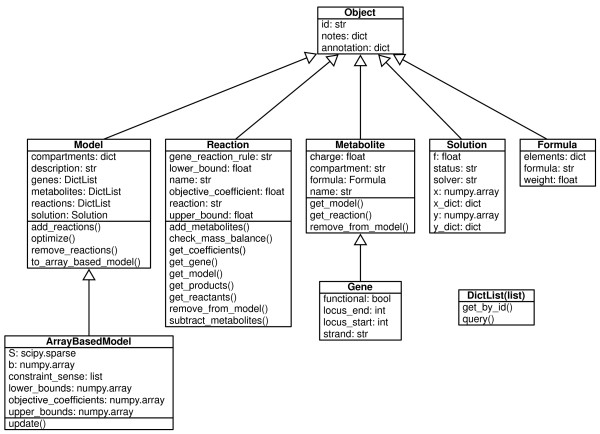
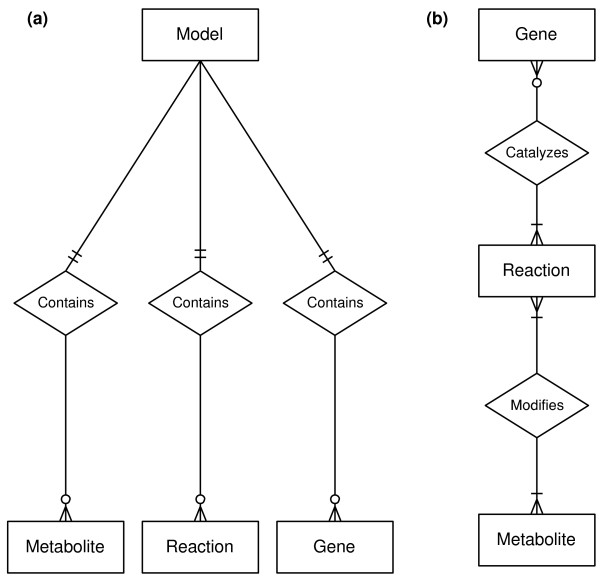
Verification
Claims the paper makes
The claims and statistics of this paper haven’t been checked yet.
Free: it reads the open-access text and checks the first 5 claims that cite a source we can check. Create a free account to check every claim.
Self-check
Percentages, sums and reported differences re-computed from the paper’s own numbers.
The self-check needs the paper’s full text.
Citations
Cites
What is flux balance analysis?
Orth, J. D., Thiele, I., & Palsson, B. Ø. (2010) · Nature Biotechnology · doi:10.1038/nbt.1614 · Cited by 3,903 · cited 2×
“A common operation performed with M-Models is to optimize for the maximum flux through a specific reaction in a defined growth medium [35].”
MethodSelf-citationQuantitative prediction of cellular metabolism with constraint-based models: the COBRA Toolbox v2.0
Schellenberger, J., Que, R., Fleming, R. M. T., Thiele, I., Orth, J. D., Feist, A. M., Zielinski, D. C., Bordbar, A., Lewis, N. E., Rahmanian, S., et al. (2011) · Nature Protocols · doi:10.1038/nprot.2011.308 · Cited by 1,835 · cited 3×
“We have previously published the COBRA Toolbox [19] for MATLAB to provide systems biology researchers with a high-level interface to a variety of methods for constraint-based modeling of genome-scale stoichiometric models of cellular biochemistry.”
BackgroundMethodInfluentialSelf-citationSchaechter, M., MaalOe, O., & Kjeldgaard, N. O. (1958) · Journal of General Microbiology · doi:10.1099/00221287-19-3-592 · Cited by 1,435 · cited 1×
“It is important to note that cellular composition can vary as a function of growth rate [37], therefore, for biological accuracy it may be necessary to construct a new biomass reaction if the simulated, or experimentally-observed, growth rate is substantially different [10,38].”
BackgroundBurgard, A. P., Pharkya, P., & Maranas, C. D. (2003) · Biotechnology and Bioengineering · doi:10.1002/bit.10803 · Cited by 1,256 · cited 1×
“The lists of essential genes and synthetic lethal gene-pairs may then be targeted to inhibit microbial growth or excluded from manipulation when constructing designer strains [39].”
BackgroundThe effects of alternate optimal solutions in constraint-based genome-scale metabolic models
Mahadevan, R., & Schilling, C. H. (2003) · Metabolic Engineering · doi:10.1016/j.ymben.2003.09.002 · Cited by 1,203 · cited 4×
“Because constraints-based models are often underdetermined they may provide multiple mathematically-equivalent solutions to a specific question – these equivalent solutions must be assessed with experimental data for biological relevance [18].”
BackgroundMethodInfluentialHigh-throughput generation, optimization and analysis of genome-scale metabolic models
Henry, C. S., DeJongh, M., Best, A. A., Frybarger, P. M., Linsay, B., & Stevens, R. L. (2010) · Nature Biotechnology · doi:10.1038/nbt.1672 · Cited by 1,090 · cited 1×
“Additionally, COBRApy can read SBML-formatted models [32] downloaded from a variety of sources, such as the Model SEED [33] and the BioModels database [34].”
MethodA comprehensive genome-scale reconstruction of Escherichia coli metabolism—2011
Orth, J. D., Conrad, T. M., Na, J., Lerman, J. A., Nam, H., Feist, A. M., & Palsson, B. Ø. (2011) · Molecular Systems Biology · doi:10.1038/msb.2011.65 · Cited by 1,006 · cited 1×
“COBRApy comes with variants of the published metabolic network models (M-Models) for Salmonella enterica Typhimurium LT2 [30] and Escherichia coli K-12 MG1655 [31].”
MethodSelf-citationConstraining the metabolic genotype–phenotype relationship using a phylogeny of in silico methods
Lewis, N. E., Nagarajan, H., & Palsson, B. O. (2012) · Nature Reviews Microbiology · doi:10.1038/nrmicro2737 · Cited by 779 · cited 1×
“…is a constraint-based modeling package that is designed to accommodate the biological complexity of the next generation of COBRA models [10] and provides access to commonly used COBRA methods, such as flux balance analysis [35], flux variability analysis [18], and gene deletion analyses [43].”
MethodSelf-citationUncovering transcriptional regulation of metabolism by using metabolic network topology
Patil, K. R., & Nielsen, J. (2005) · Proceedings of the National Academy of Sciences · doi:10.1073/pnas.0406811102 · Cited by 646 · cited 1×
“(3) cobra.topology: a package for performing structural analysis – the current version contains the reporter metabolites algorithm of Patil & Nielsen [22].”
MethodThermodynamics-Based Metabolic Flux Analysis
Henry, C. S., Broadbelt, L. J., & Hatzimanikatis, V. (2007) · Biophysical Journal · doi:10.1529/biophysj.106.093138 · Cited by 607 · cited 1×
“These constraints include compartmentalization, mass conservation, molecular crowding [11], thermodynamic directionality [12], and transcription factor activity [13].”
Background
Cited by
Items 501–600 of 1,007
Yeast Genome-Scale Metabolic Models for Simulating Genotype–Phenotype Relations
Castillo, S., Patil, K. R., & Jouhten, P. (2019) · Progress in molecular and subcellular biology · doi:10.1007/978-3-030-13035-0_5 · Cited by 18
Węglarz‐Tomczak, E., Mondeel, T. D. G. A., Piebes, D. G. E., & Westerhoff, H. V. (2021) · Biomolecules · doi:10.3390/biom11040490 · Cited by 19
Synthetic biology potential for carbon sequestration into biocommodities
Jatain, I., Dubey, K. K., Sharma, M., Usmani, Z., Sharma, M., & Gupta, V. K. (2021) · Journal of Cleaner Production · doi:10.1016/j.jclepro.2021.129176 · Cited by 18
Internal Safety Collapse in LLMs and Coding AgentsPreprint
Wu, Y., Liu, X., Huang, H., Zheng, X., Li, Y., Gao, Y., Wang, C., Li, B., Ma, X., & Jiang, Y.-G. (2026) · arXiv (Cornell University) · doi:10.48550/arxiv.2603.23509 · Cited by 18
Resource allocation in mammalian systems
Baghdassarian, H. M., & Lewis, N. E. (2024) · Biotechnology Advances · doi:10.1016/j.biotechadv.2023.108305 · Cited by 17
p13CMFA: Parsimonious 13C metabolic flux analysis
Foguet, C., Jayaraman, A., Marín, S., Selivanov, V. A., Moreno, P. A., Messeguer, R., de Atauri, P., & Cascante, M. (2019) · PLoS Computational Biology · doi:10.1371/journal.pcbi.1007310 · Cited by 17
“Free fluxes variables are sampled using the optGpSampler implemented into COBRApy[42,43].”
MethodMetabolic engineering strategies for microbial utilization of C1 feedstocks
Zhang, J., Guo, L., Gao, C., Song, W., Wu, J., Liu, L., & Chen, X. (2022) · Systems Microbiology and Biomanufacturing · doi:10.1007/s43393-022-00135-2 · Cited by 17
“For example, some novel C1-fixing pathways have been systematically designed, such as the reductive citramalyl-CoA cycle (rCCC) and the glycolaldehyde assimilation (GAA) pathway, based on reactions in databases, such as MetaCyc [60] and ATLAS [61], and algorithms, such as the COBRApy toolbox [62], the enzyme cost mini…”
MethodAn improved algorithm for flux variability analysis
Kenefake, D., Armingol, E., Lewis, N. E., & Pistikopoulos, E. N. (2022) · BMC Bioinformatics · doi:10.1186/s12859-022-05089-9 · Cited by 17
Advances in biorenewables-resource-waste systems and modelling
Guo, M., Wu, C., Chapman, S. P., Yu, X., Vinestock, T., Hastings, A., Smith, P., & Shah, N. (2023) · Carbon Capture Science & Technology · doi:10.1016/j.ccst.2023.100142 · Cited by 17
COMO: a pipeline for multi-omics data integration in metabolic modeling and drug discovery
Bessell, B., Loecker, J., Zhao, Z., Aghamiri, S. S., Mohanty, S., Amin, R., Helikar, T., & Puniya, B. L. (2023) · Briefings in Bioinformatics · doi:10.1093/bib/bbad387 · Cited by 17
Hedin, K. A., Mirhakkak, M. H., Vaaben, T. H., Sands, C., Pedersen, M., Baker, A., Vazquez-Uribe, R., Schäuble, S., Panagiotou, G., Wellejus, A., et al. (2024) · The ISME Journal · doi:10.1093/ismejo/wrae212 · Cited by 18
“17.1) [53].”
InfluentialAdamczyk, P., Hwang, H. J., Chang, T.-H., Gao, Y., Baidoo, E. E. K., Kim, J., Webb‐Robertson, B., Flores, J. E., Quijano, K. C., Burnet, M., et al. (2025) · Metabolic Engineering · doi:10.1016/j.ymben.2025.02.014 · Cited by 17
RBC-GEM: A genome-scale metabolic model for systems biology of the human red blood cell
Haiman, Z. B., Key, A., D’Alessandro, A., & Palsson, B. Ø. (2025) · PLoS Computational Biology · doi:10.1371/journal.pcbi.1012109 · Cited by 19
“For species compartmentalization requirements in COBRApy [285] and SBML [304], all proteins are considered to belong to a single compartment.”
InfluentialSelf-citationJiang, W., Newell, W., Liu, J., Coppens, L., Slater, K. B., Peng, H., Bell, D. J., Liu, L., Haritos, V. S., & Ledesma‐Amaro, R. (2025) · Metabolic Engineering · doi:10.1016/j.ymben.2025.03.014 · Cited by 17
Puiggené, Ò., Muñoz-Triviño, J., Civil-Ferrer, L., Gille, L., Schulz-Mirbach, H., Bergen, D., Erb, T. J., Ebert, B. E., & Nikel, P. I. (2025) · Trends in biotechnology · doi:10.1016/j.tibtech.2025.06.001 · Cited by 17
Reframing gene essentiality in terms of adaptive flexibility
Guzmán, G. I., Olson, C. A., Hefner, Y., Phaneuf, P. V., Catoiu, E., Crepaldi, L. B., Micas, L. G., Palsson, B. Ø., & Feist, A. M. (2018) · BMC Systems Biology · doi:10.1186/s12918-018-0653-z · Cited by 17
Self-citationWorkflow for Data Analysis in Experimental and Computational Systems Biology: Using Python as ‘Glue’
Badenhorst, M., Barry, C. J., Swanepoel, C. J., van Staden, C. T., Wissing, J., & Rohwer, J. M. (2019) · Processes · doi:10.3390/pr7070460 · Cited by 19
Publishing reproducible dynamic kinetic models
Porubsky, V. L., Smith, L. P., & Sauro, H. M. (2020) · Briefings in Bioinformatics · doi:10.1093/bib/bbaa152 · Cited by 17
“Models can be downloaded in standard SBML and used with constraint-based modeling tools such as COBRA [50, 59] or COBRApy [11, 36].”
MethodHe, L., Groom, J. D., & Lidstrom, M. E. (2020) · Applied and Environmental Microbiology · doi:10.1128/aem.02481-20 · Cited by 17
“The simulation was performed using COBRApy and GLPK solver (36).”
MethodAutomatic reconstruction of metabolic pathways from identified biosynthetic gene clusters
Sulheim, S., Fossheim, F. A., Wentzel, A., & Almaas, E. (2021) · BMC Bioinformatics · doi:10.1186/s12859-021-03985-0 · Cited by 17
Imaging and modelling of poly(3-hydroxybutyrate) synthesis in Paracoccus denitrificans
Bordel, S., van Spanning, R. J. M., & Santos‐Beneit, F. (2021) · AMB Express · doi:10.1186/s13568-021-01273-x · Cited by 17
Comparative analyses of parasites with a comprehensive database of genome-scale metabolic models
Carey, M. A., Medlock, G. L., Stolarczyk, M., Petri, W. A., Güler, J. L., & Papin, J. A. (2022) · PLoS Computational Biology · doi:10.1371/journal.pcbi.1009870 · Cited by 17
Oss, S. B. V., Parikh, S. B., Coelho, N. C., Wacholder, A. C., Belashov, I. A., Zdancewicz, S., Michaca, M., Xu, J., Kang, Y. P., Ward, N. P., et al. (2022) · Journal of Biological Chemistry · doi:10.1016/j.jbc.2022.102697 · Cited by 17
“Metabolic modeling simulations were performed with a Python script making use of the COBRApy toolkit (50) and the ecYeastGEM_batch model (25), an “enzyme-constrained” variant (51) of Yeast8.”
MethodIntegrated In Silico Analysis of Pathway Designs for Synthetic Photo-Electro-Autotrophy
Volpers, M., Claassens, N. J., Noor, Ε., John van der, O. O. S. T., de Vos, W. M., Kengen, S. W. M., & dos Santos, V. A. P. M. (2016) · PLoS ONE · doi:10.1371/journal.pone.0157851 · Cited by 17
Efficient estimation of the maximum metabolic productivity of batch systems
John, P. C. S., Crowley, M. F., & Bomble, Y. J. (2017) · Biotechnology for Biofuels · doi:10.1186/s13068-017-0709-0 · Cited by 17
Cortés, M. P., Mendoza, S. N., Travisany, D., Gaete, A., Siegel, A., Cambiazo, V., & Maass, A. (2017) · Frontiers in Microbiology · doi:10.3389/fmicb.2017.02462 · Cited by 17
“Flux Balance Analysis (FBA) was carried out using the python package COBRApy (Ebrahim et al., 2013) and the gurobi solver.”
MethodTopçuoğlu, B. D., Meydan, C., Orellana, R., & Holden, J. F. (2017) · Environmental Microbiology · doi:10.1111/1462-2920.14022 · Cited by 17
Mataragas, M., Alessandria, V., Ferrocino, I., Rantsiou, K., & Cocolin, L. (2018) · Food Microbiology · doi:10.1016/j.fm.2018.05.009 · Cited by 17
Correia, K., & Mahadevan, R. (2020) · Biotechnology Journal · doi:10.1002/biot.201900519 · Cited by 18
Genome-Scale Reconstruction of Microbial Dynamic Phenotype: Successes and Challenges
Panikov, N. S. (2021) · Microorganisms · doi:10.3390/microorganisms9112352 · Cited by 17
Peterson, J. R., Cole, J. A., & Luthey-Schulten, Z. A. (2017) · PLoS ONE · doi:10.1371/journal.pone.0182570 · Cited by 17
COBRAme: A Computational Framework for Genome-Scale Models of Metabolism and Gene ExpressionPreprint
Lloyd, C. J., Ebrahim, A., Yang, L., King, Z. A., Catoiu, E., O’Brien, E. J., Liu, J. K., & Palsson, B. O. (2017) · bioRxiv (Cold Spring Harbor Laboratory) · doi:10.1101/106559 · Cited by 17
Self-citationMetabolic similarity and the predictability of microbial community assemblyPreprint
Vila, J. C. C., Goldford, J. E., Estrela, S., Bajić, D., Sánchez-Gorostiaga, A., Damian‐Serrano, A., Lu, N., Marsland, R., Rebolleda‐Gómez, M., Mehta, P., et al. (2023) · bioRxiv (Cold Spring Harbor Laboratory) · doi:10.1101/2023.10.25.564019 · Cited by 17
“For all 48 carbon sources included in this study, we used the cobrapy implementation of Flux Balance Analysis to obtain a predicted vector of fluxes through a microbial metabolic network (Ebrahim et al. 2013).”
Turlin, J., Alván-Vargas, M. V. G., Puiggené, Ò., Donati, S., Wenk, S., & Nikel, P. I. (2025) · mBio · doi:10.1128/mbio.01976-25 · Cited by 16
“Simulations relied on the most recent genome-scale metabolic reconstruction, i JN1463 (106–108), implemented in COBRApy (109).”
Reconstruction of human metabolic models with large language models
Luo, J., Wang, H., Moyer, D. C., Guo, Z., Robinson, J. L., Gustafsson, J., Anton, M., Chen, Y., Kerkhoven, E. J., Nielsen, J., et al. (2026) · Proceedings of the National Academy of Sciences · doi:10.1073/pnas.2516511123 · Cited by 16
Calhoun, S., Kamel, B., Bell, T. A. S., Kruse, C. P. S., Riley, R. W., Singan, V. R., Kunde, Y. A., Gleasner, C. D., Chovatia, M., Sandor, L., et al. (2022) · Algal Research · doi:10.1016/j.algal.2022.102794 · Cited by 16
The Architecture of Metabolic Networks Constrains the Evolution of Microbial Resource Hierarchies
Takano, S., Vila, J. C. C., Miyazaki, R., Sánchez, Á., & Bajić, D. (2023) · Molecular Biology and Evolution · doi:10.1093/molbev/msad187 · Cited by 16
“Metabolic simulation of growth All FBA simulations were performed using the COBRApy package (Ebrahim et al. 2013).”
MethodMachine learning identifies key metabolic reactions in bacterial growth on different carbon sources
Woo, H., Kim, Y.-S., Kim, D., & Yoon, S. H. (2024) · Molecular Systems Biology · doi:10.1038/s44320-024-00017-w · Cited by 16
“Metabolic simulations were performed using the Python package COBRApy (Ebrahim et al, 2013) and Gurobi Optimizer version 9.1.2 (Gurobi Optimization, Beaverton, OR).”
MethodInfluentialMetabolic Flux Modeling in Marine Ecosystems
Scott, H., & Segrè, D. (2024) · Annual Review of Marine Science · doi:10.1146/annurev-marine-032123-033718 · Cited by 17
Improving genome-scale metabolic models of incomplete genomes with deep learning
Boer, M. D., Melkonian, C., Zafeiropoulos, H., Haas, A. F., Garza, D. R., & Dutilh, B. E. (2024) · iScience · doi:10.1016/j.isci.2024.111349 · Cited by 16
Silva, C., Hernández, S., Saa, P. A., Pérez‐Rueda, E., Garrido, D. A., & Martín, A. J. M. (2025) · PeerJ · doi:10.7717/peerj.19296 · Cited by 16
“The reconstruction process typically entails various steps and depends strongly on the amount of available information and intended purpose ( Loira, Zhukova & Sherman, 2015 ; Ebrahim et al., 2013 ; Thiele & Palsson, 2010 ).”
Genome-scale metabolic modelling of human gut microbes to inform rational community design
Ortiz, J. P. M., McClure, D. D., Holmes, A. J., Rice, S. A., Read, M. N., & Shanahan, E. R. (2025) · Gut Microbes · doi:10.1080/19490976.2025.2534673 · Cited by 16
“48 FBA is a mathematical optimization approach that maximizes an objective function based on upper and lower bounds imposed on reaction fluxes (constraints).”
A compact model of Escherichia coli core and biosynthetic metabolism
Corrao, M., He, H., Liebermeister, W., Noor, Ε., & Bar‐Even, A. (2025) · PLoS Computational Biology · doi:10.1371/journal.pcbi.1013564 · Cited by 16
“Model assembly, manipulation and validation were performed using the COBRA Toolbox [15].”
Troppo - A Python Framework for the Reconstruction of Context-Specific Metabolic Models
Ferreira, J., Vieira, V., Gomes, J., Correia, S., & Rocha, M. (2019) · Advances in intelligent systems and computing · doi:10.1007/978-3-030-23873-5_18 · Cited by 16
“This is intended, since external wrappers for cobrapy [9] and framed (https://github.”
BackgroundBayesian Inference for Integrating Yarrowia lipolytica Multiomics Datasets with Metabolic Modeling
McNaughton, A. D., Bredeweg, E., Manzer, J., Zucker, J., Munoz, N. M., Burnet, M., Nakayasu, E. S., Pomraning, K., Merkley, E. D., Dai, Z., et al. (2021) · ACS Synthetic Biology · doi:10.1021/acssynbio.1c00267 · Cited by 16
Reconstruction of tissue-specific genome-scale metabolic models for human cancer stem cells
Barata, T., Vieira, V., Rodrigues, R., das Neves, R. P., & Rocha, M. (2021) · Computers in Biology and Medicine · doi:10.1016/j.compbiomed.2021.105177 · Cited by 16
Jo, H.-G., Adidjaja, J. J., Kim, D.-K., Park, B.-S., Lee, N., Cho, B., Kim, H. U., & Oh, M. (2022) · Scientific Reports · doi:10.1038/s41598-022-14199-6 · Cited by 16
Gencturk, E., & Ülgen, K. Ö. (2022) · Process Biochemistry · doi:10.1016/j.procbio.2022.07.015 · Cited by 16
Combining denoising of RNA-seq data and flux balance analysis for cluster analysis of single cells
Galuzzi, B. G., Vanoni, M., & Damiani, C. (2022) · BMC Bioinformatics · doi:10.1186/s12859-022-04967-6 · Cited by 16
“For FBA, we used the functions provided by the Cobrapy toolkit [40], and GLPK solver.”
MethodWu, Y., Yuan, Q., Yang, Y., Liu, D., Yang, S., & Ma, H. (2023) · Synthetic and Systems Biotechnology · doi:10.1016/j.synbio.2023.07.001 · Cited by 17
“COBRApy is a Python-based toolkit package, which can be used to modify model, generate executable file, and simulate analyses such as FBA, Parsimonious flux balance analysis (pFBA), flux variability analysis (FVA), and gene necessity analysis [37].”
MethodCOVID-19: A complex disease with a unique metabolic signature
Ghini, V., Vieri, W., Celli, T., Pecchioli, V., Boccia, N., Alonso-Vásquez, T., Pelagatti, L., Fondi, M., Luchinat, C., Bertini, L., et al. (2023) · PLoS Pathogens · doi:10.1371/journal.ppat.1011787 · Cited by 16
Resources and tools for the high-throughput, multi-omic study of intestinal microbiota
Blanco‐Míguez, A., Fdez‐Riverola, F., Sánchez, B., & Lourenço, A. M. G. (2017) · Briefings in Bioinformatics · doi:10.1093/bib/bbx156 · Cited by 16
“COBRA Toolbox can be also useful for methodologies such as regulatory on/off minimization and flux variability analysis [271].”
MethodHe, Y., Wang, Y., Zhang, B., Li, Y., Diao, L., Lu, L., Yao, J., Liu, Z., Li, D., & He, F. (2018) · FEBS Letters · doi:10.1002/1873-3468.13255 · Cited by 16
Domenzain, I., Li, F., Kerkhoven, E. J., & Siewers, V. (2021) · FEMS Yeast Research · doi:10.1093/femsyr/foab002 · Cited by 16
Razmilic, V., Castro, J. F., Andrews, B. A., & Asenjo, J. A. (2018) · Biotechnology and Bioengineering · doi:10.1002/bit.26598 · Cited by 16
“The genome scale model was constructed using biopython and implemented using COBRApy (Ebrahim et al., 2013) installed in a computer with 64-bit Windows 10 system, Intel® CoreTM i5-2430M CPU @ 2.40 GHz with 8 GB RAM.”
MethodInfluentialRyu, J. Y., Kim, H. U., & Lee, S. Y. (2015) · Molecular BioSystems · doi:10.1039/c5mb00322a · Cited by 17
Carbon source diversity shapes bacterial interspecies interactions
Ono, H., Tsuru, S., & Furusawa, C. (2025) · The ISME Journal · doi:10.1093/ismejo/wraf224 · Cited by 15
“We performed flux balance analysis (FBA) to simulate metabolic flux distributions optimised for biomass production under each single-carbon-source environment [ 56, 58].”
Thermodynamic Genome-Scale Metabolic Modeling of Metallodrug Resistance in Colorectal Cancer
Herrmann, H. A., Rusz, M., Baier, D., Jakupec, M. A., Keppler, B. K., Berger, W., Koellensperger, G., & Zanghellini, J. (2021) · Cancers · doi:10.3390/cancers13164130 · Cited by 15
Kim, W. J., Lee, Y., Kim, H. U., Ryu, J. Y., Yang, J. E., & Lee, S. Y. (2023) · Cell Systems · doi:10.1016/j.cels.2023.10.005 · Cited by 15
Tanwee, T. N. N., Lipscomb, G. L., Vailionis, J. L., Zhang, K., Bing, R. G., O'Quinn, H. C., Poole, F. L., Zhang, Y., Kelly, R. M., & Adams, M. W. W. (2023) · Applied and Environmental Microbiology · doi:10.1128/aem.01951-23 · Cited by 15
Jallet, D., Soldan, V., Shayan, R., Stella, A., Ismail, N., Zenati, R., Cahoreau, E., Burlet‐Schiltz, O., Balor, S., Millard, P., et al. (2024) · mSystems · doi:10.1128/msystems.00750-24 · Cited by 15
“We finally assumed that acetate and ethanol originated from the Eut BMCs. Flux balance analyses and flux variability analyses were carried out using cobrapy (94) after constraining exchange fluxes with experimen tal uptake fluxes of E. coli K-12 W3110 WT (see Results).”
Aminian-Dehkordi, J., Dickson, A. M., Valiei, A., & Mofrad, M. R. K. (2025) · mSystems · doi:10.1128/msystems.01652-24 · Cited by 15
“We employed constraint-based models to optimize intracellular fluxes, which determine substrate consumption and product formation rates using the COBRApy toolbox (81).”
Feng, J., Li, X., Teng, X., Fan, D., Yin, J., Qiu, Y., Yi, Z., Li, C., Zhang, H. M., & Rao, C. (2025) · Metabolic Engineering · doi:10.1016/j.ymben.2025.04.009 · Cited by 15
Temporal analysis of doxorubicin-induced cardiac toxicity and hypertrophy
Lin, Y.-T., Lee, Y., Tseng, W.-W., Chen, Z.-H., Hsieh, H.-C., Lin, K., Su, J., & Wei, A. (2025) · npj Systems Biology and Applications · doi:10.1038/s41540-025-00545-7 · Cited by 15
In silico encounters: harnessing metabolic modelling to understand plant–microbe interactions
Feierabend, M., & Töpfer, N. (2025) · FEMS Microbiology Reviews · doi:10.1093/femsre/fuaf030 · Cited by 15
“Standard software tools include COBRApy (Ebrahim et al. 2013 ), CarveMe (Machado et al. 2018 ), and KBase (Arkin et al. 2018 ), along with quality assessment metrics like MEMOTE (Lieven et al. 2020 ).”
Yeast adapts to diverse ecological niches driven by genomics and metabolic reprogramming
Wang, H., Nielsen, J., Zhou, Y. J., & Lu, H. (2025) · Proceedings of the National Academy of Sciences · doi:10.1073/pnas.2502044122 · Cited by 15
Metatranscriptomics-based metabolic modeling of patient-specific urinary microbiome during infection
Josephs‐Spaulding, J., Rettig, H. C., Zimmermann, J., Chkonia, M., Mischnik, A., Franzenburg, S., Graspeuntner, S., Rupp, J., & Kaleta, C. (2025) · npj Biofilms and Microbiomes · doi:10.1038/s41522-025-00823-6 · Cited by 15
“…fi ed from the previously described taxonomy fi ltering to build species-speci fi c HISAT2 genome indexes; mRNA reads were aligned to their respective genome indexes. mRNA reads were aligned to their respective genome indexes, then converted, sorted and indexed as SAM and BAM fi les using SamTools.”
Improved arginine production in Escherichia coli by harnessing the intracellular citrulline
Qi, S., He, S., Liang, G., Meng, G., Zhao, C., Wei, A., Gou, L., Liu, J., Li, X., Wu, J., et al. (2025) · Metabolic Engineering · doi:10.1016/j.ymben.2025.09.003 · Cited by 15
Exploring the druggable proteome of Candida species through comprehensive computational analysis
Mukherjee, S., Kundu, I., Askari, M., Barai, R. S., Venkatesh, K. V., & Idicula‐Thomas, S. (2021) · Genomics · doi:10.1016/j.ygeno.2020.12.040 · Cited by 15
Quantifying the propagation of parametric uncertainty on flux balance analysis
Dinh, H. V., Sarkar, D., & Maranas, C. D. (2021) · Metabolic Engineering · doi:10.1016/j.ymben.2021.10.012 · Cited by 15
Broddrick, J. T., Ware, M. A., Jallet, D., Palsson, B. Ø., & Peers, G. (2022) · The Plant Journal · doi:10.1111/tpj.15965 · Cited by 15
“Genome-scale model simulations The simulation was performed by maximizing the biomass objective function (BOF) reaction using the parsimonious FBA function (Lewis et al, 2010) as implemented in COBRApy (Ebrahim et al, 2013).”
MethodSelf-citationPathway Design, Engineering, and Optimization
Garcia‐Ruiz, E., HamediRad, M., & Zhao, H. (2016) · Advances in biochemical engineering, biotechnology · doi:10.1007/10_2016_12 · Cited by 15
“CORBAPy Network based algorithm which designs the elements of the network based on biological hypothesis The network based algorithm allows the discovery of unknown pathways [155]”
MethodA Padawan Programmer’s Guide to Developing Software Libraries
Yurkovich, J. T., Yurkovich, B. J., Dräger, A., Palsson, B. Ø., & King, Z. A. (2017) · Cell Systems · doi:10.1016/j.cels.2017.08.003 · Cited by 15
“This new library, COBRApy (Ebrahim et al., 2013), takes advantage of the community using Python for scientific computing and data science while also opening the door for users who may not have access to MATLAB.”
MethodSelf-citationLaniau, J., Frioux, C., Nicolas, J., Baroukh, C., Cortés, M., Got, J., Trottier, C., Eveillard, D., & Siegel, A. (2017) · PeerJ · doi:10.7717/peerj.3860 · Cited by 15
“…these compounds relies on the combination of both Logical Programming (by extending the approach of Schaub & Thiele (2009) ), and state-of-the-art Mixed Integer Linear Problem (MILP) optimization-based approaches implemented in Flux Balance and Variability Analyses ( Ebrahim et al., 2013 ).”
BackgroundMethodKulyashov, M. A., Peltek, S. E., & Akberdin, I. R. (2020) · Microorganisms · doi:10.3390/microorganisms8071002 · Cited by 15
Botero, D., Monk, J. M., Rodríguez-Cubillos, M. J., Cubillos, A. E. R., Benavides, M. R., Bernal‐Galeano, V., Reyes, A., Barrios, A. F. G., Palsson, B. Ø., Restrepo, S., et al. (2020) · Frontiers in Genetics · doi:10.3389/fgene.2020.00837 · Cited by 15
“This trade-off is in agreement with other models such as those for Xcc and Ralstonia solanacearum, which have used a similar approach to model pathogenicity, with a modified objective function (Edwards et al., 2001).”
ResultSelf-citationMartyushenko, N., & Almaas, E. (2019) · BMC Bioinformatics · doi:10.1186/s12859-019-2615-x · Cited by 15
“While it is quite straightforward to identify lists of blocked reactions, using e.g. existing functions in the COBRA toolbox [11] or in COBRApy [12] framework, it is often quite challenging to identify what the inconsistencies are caused by.”
Modeling metabolic variation with single-cell expression dataPreprint
Zhang, Y., Kim, M. S., Nguyen, E., & Taylor, D. M. (2020) · bioRxiv (Cold Spring Harbor Laboratory) · doi:10.1101/2020.01.28.923680 · Cited by 15
“1 (Ebrahim et al., 2013) and a commercial linear programming solver Gurobi Optimizer version 8.”
BackgroundMethodInfluentialGuild and Niche Determination Enable Targeted Alteration of the MicrobiomePreprint
Moyne, O., Al‐Bassam, M. M., Lieng, C., Thiruppathy, D., Norton, G. J., Kumar, M., Haddad, E., Zaramela, L. S., & Zengler, K. (2023) · bioRxiv (Cold Spring Harbor Laboratory) · doi:10.1101/2023.05.11.540389 · Cited by 15
Ravindran, S., Hajinajaf, N., Kundu, P., Comes, J., Nielsen, D. R., Varman, A. M., & Ghosh, A. (2024) · ACS Synthetic Biology · doi:10.1021/acssynbio.4c00379 · Cited by 14
Casini, I., McCubbin, T., Esquivel-Elizondo, S., Luque, G. G., Evseeva, D., Fink, C., Beblawy, S., Youngblut, N. D., Aristilde, L., Huson, D. H., et al. (2023) · iScience · doi:10.1016/j.isci.2023.108016 · Cited by 14
Boyd, J. M., Ryan Kaler, K., Esquilín-Lebrón, K., Pall, A., Campbell, C. J., Foley, M. E., Rios-Delgado, G., Mustor, E. M., Stephens, T. G., Bovermann, H., et al. (2024) · mBio · doi:10.1128/mbio.02310-24 · Cited by 14
Vailionis, J. L., Zhao, W., Zhang, K., Rodionov, D. A., Lipscomb, G. L., Tanwee, T. N. N., O'Quinn, H. C., Bing, R. G., Kelly, R. M., Adams, M. W. W., et al. (2023) · Applied and Environmental Microbiology · doi:10.1128/aem.00563-23 · Cited by 14
Hu, M., Suthers, P. F., & Maranas, C. D. (2024) · Metabolic Engineering · doi:10.1016/j.ymben.2024.02.002 · Cited by 14
Integration of proteomic data with genome‐scale metabolic models: A methodological overview
Zare, F., & Fleming, R. (2024) · Protein Science · doi:10.1002/pro.5150 · Cited by 13
Maciel-Guerra, A., Babaarslan, K., Baker, M., Rahman, A. S. M. Z., Hossain, M., Sadique, A., Alam, J., Uzzaman, S., Sarker, M. F. R., Sultana, N., et al. (2024) · Nature Communications · doi:10.1038/s41467-024-52238-0 · Cited by 15
“Flux variability analysis (FVA) was applied to the wild-type model and each knockout model using the cobratoolboxinpython 109 .”
Ginatt, A. A., Berihu, M., Castel, E., Medina, S., Carmi, G., Faigenboim‐Doron, A., Sharon, I., Tal, O., Droby, S., Somera, T. M., et al. (2024) · eLife · doi:10.7554/elife.94558.3 · Cited by 14
Bisesi, A., Carlson, R., Cotner, L., & Harcombe, W. (2025) · mSystems · doi:10.1128/msystems.00144-25 · Cited by 13
“Host-optimized and intermediate carriage states for E. coli ∆metB were implemented as in COBRAPy.”
InfluentialTsouggou, N., Korozi, E., Pemaj, V., Drosinos, E. H., Kapolos, J., Papadelli, M., Skandamis, P. N., & Papadimitriou, K. (2026) · Foods · doi:10.3390/foods15020259 · Cited by 14
“Similarly, COBRApy [65] relies on metabolic models for flux balance and variability analyses and for simulating multiple gene essentiality tests.”
Wadhwa, M., Srinivasan, S., Bachhawat, A. K., & Venkatesh, K. V. (2018) · Microbial Cell Factories · doi:10.1186/s12934-018-1000-1 · Cited by 14
Pelicaen, R., Gonze, D., Vuyst, L. D., & Weckx, S. (2020) · Food Microbiology · doi:10.1016/j.fm.2020.103597 · Cited by 14
Lin, Y.-T., Lin, Y.-S., Cheng, W.-L., Chang, J., Chao, Y., Liu, C., & Wei, A. (2021) · International Journal of Molecular Sciences · doi:10.3390/ijms22157974 · Cited by 14
Jiménez, N. E., Gerdtzen, Z. P., Olivera‐Nappa, Á., Salgado, J. C., & Conca, C. (2021) · mBio · doi:10.1128/mbio.01563-21 · Cited by 14
COBREXA.jl: constraint-based reconstruction and exascale analysis
Kratochvíl, M., Heirendt, L., Wilken, S. E., Pusa, T., Arreckx, S., Noronha, A., van Aalst, M., Satagopam, V., Ebenhöh, O., Schneider, R., et al. (2021) · Bioinformatics · doi:10.1093/bioinformatics/btab782 · Cited by 14
“It differs from the other implementations of COBRA methods (Heirendt, Arreckx, et al., 2019; Ebrahim et al., 2013) by fo-82 cusing on computational efficiency, and simplifies high-level construction of par-83 allelized user-defined analysis methods.”
BackgroundMethodResultInfluentialSuthers, P. F., & Maranas, C. D. (2022) · Biotechnology Progress · doi:10.1002/btpr.3276 · Cited by 14
Angiogenesis goes computational – The future way forward to discover new angiogenic targets?
Subramanian, A., Zakeri, P., Mousa, M., Alnaqbi, H., Alshamsi, F. Y., Bettoni, L., Damiani, E., AlSafar, H. S., Saeys, Y., & Carmeliet, P. (2022) · Computational and Structural Biotechnology Journal · doi:10.1016/j.csbj.2022.09.019 · Cited by 14
“Tools like COBRA toolbox [87], COBRApy [88], and RAVEN toolbox [89] facilitate the construction of GEMs and seamless integration of omics data with metabolic models as constraints.”
MethodKundu, P., & Ghosh, A. (2023) · Computers in Biology and Medicine · doi:10.1016/j.compbiomed.2023.106600 · Cited by 14
Elucidating dynamic anaerobe metabolism with HRMAS 13C NMR and genome-scale modeling
Pavao, A., Girinathan, B. P., Johann, P., Silva, P. A., Dupuy, B., Muti, I. H., Malloy, C. R., Cheng, L. L., & Bry, L. (2023) · Nature Chemical Biology · doi:10.1038/s41589-023-01275-9 · Cited by 14
New workflow predicts drug targets against SARS-CoV-2 via metabolic changes in infected cells
Leonidou, N., Renz, A., Mostolizadeh, R., & Dräger, A. (2023) · PLoS Computational Biology · doi:10.1371/journal.pcbi.1010903 · Cited by 14
“Additionally, we examined the virus inhibition that our targets could reach using a minimal growth medium computed with linear optimization [40].”
MethodInfluentialLoss of the Kidney Urate Transporter, Urat1, Leads to Disrupted Redox Homeostasis in Mice
Jamshidi, N., Nigam, K. B., & Nigám, S. K. (2023) · Antioxidants · doi:10.3390/antiox12030780 · Cited by 14
“Model modifications and simulations were carried out with using CobraPy [31] and the CobraToolbox v2.”
Method
Metadata
- Authors
- Ebrahim, A., Lerman, J. A., Palsson, B. O., & Hyduke, D. R.
- Affiliations
- University of California San Diego (US)
- Utah State University (US)
- Corresponding author
- Hyduke, Daniel R
- Venue
- BMC Systems Biology
- Published
- 2013-08-08
- Volume
- 7
- Issue
- 1
- Pages
- 74-74
- ISSN
- 1752-0509 (ISSN-L)
- PMC
- PMC3751080
- OpenAlex
- W2048465561
- Cited by
- 1,378
- References
- 41
- Citations by year
- 2026: 152 · 2025: 185 · 2024: 183 · 2023: 168 · 2022: 142 · 2021: 132 · 2020: 112 · 2019: 86 · 2018: 82 · 2017: 54 · 2016: 35 · 2015: 26 · 2014: 16 · 2013: 4
- FWCI
- 12.08
- Type
- journal article
- Language
- en
- Open access
- gold
- doi.org
- Licence
- cc-by
- Locations
- BMC Systems Biology (publishedVersion, cc-by)
- Europe PMC (PubMed Central) (publishedVersion, cc-by)
- PubMed Central (publishedVersion, cc-by)
- PubMed (publishedVersion)
- eScholarship (California Digital Library) (submittedVersion)
- Funders
- U.S. Department of Energy (-AC02-05CH11231, Contract No. DE-AC02-05-CH11231, 05CH11231, No. DE-AC02-05-CH11231, DE AC02 05CH11231, DE-AC02-)
- U.S. Department of Health and Human Services (Y1-AI-8401-01, DE-AC02-05CH11231)
- National Energy Research Scientific Computing Center (DE–AC02–05CH11231, 05CH11231, AC02-05CH11231, Contract No. DE-AC02-05CH11231)
- National Institutes of Health (DE-AC02–05CH11231, GM085764)
- Office of Science (No. DE-AC02- 05-CH11231, DEAC02–05CH11231, AC02-05CH11231, DE-AC02, 05CH11231, Contract No. DE-AC02-05CH11231)
- National Institute of General Medical Sciences (GM 085764, DE-AC02-05CH11231, P50GM085764, GM102098, U01GM102098)
- National Institute of Allergy and Infectious Diseases (Y1-AI-8401, Y1-AI8401-01)
- Topics
- Life Sciences › Biochemistry, Genetics and Molecular Biology › Molecular Biology › Microbial Metabolic Engineering and Bioproduction
- Life Sciences › Biochemistry, Genetics and Molecular Biology › Molecular Biology › Gene Regulatory Network Analysis
- Life Sciences › Biochemistry, Genetics and Molecular Biology › Molecular Biology › Bioinformatics and Genomic Networks
- Keywords
- COBRApy, constraint-based modeling, genome-scale metabolic networks, COBRA toolbox, multi-omics integration, stoichiometric modeling, gene expression, parallel computing, object-oriented framework
- MeSH terms
- Models, Biological, Programming Languages, Genomics, Metabolic Networks and Pathways
About these checks
Registry, retraction, Cites and statistics results are computed, not judged, with one exception: a printed reference that no index lists is read once by a model before it counts as a citation error. Claims are extracted by a model and kept only when their quote appears verbatim in the text; each cited source is then checked, with a model’s help, for whether it says what the claim relies on. Those verdicts can be wrong — read the claim’s quote and the cited source before relying on one.
Statistics and arithmetic are recomputed, not judged.
Confidence bands are shown only for fields calibrated on our annotated test set. None is calibrated yet, so no band is shown.
What counts as a claim ›How we measure confidence ›How we check this ›
Are you an author, or do you see a problem with this page? Request a review
Data sources
Bibliographic data: Semantic Scholar, OpenAlex, Crossref.
Contains information from the Semantic Scholar Academic Graph Datasets, made available under the ODC Attribution License (ODC-BY 1.0).
Semantic Scholar’s data is described in: Kinney, R., et al. (2023). The Semantic Scholar Open Data Platform. arXiv:2301.10140.
