

COBRApy: COnstraints-Based Reconstruction and Analysis for Python
Open accessThe DOI matches its Crossref record; 41 of the 42 references it cites were found in a registry or an index.
Abstract
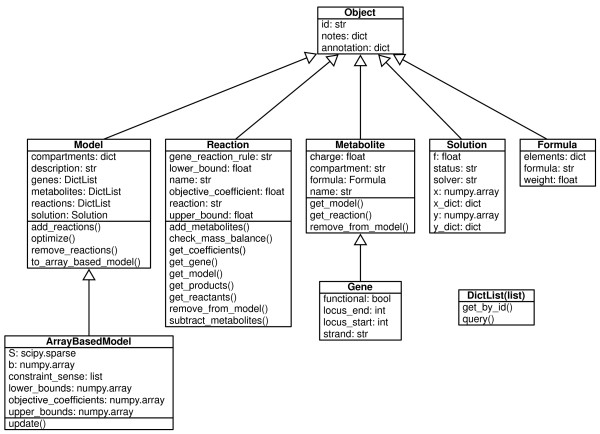
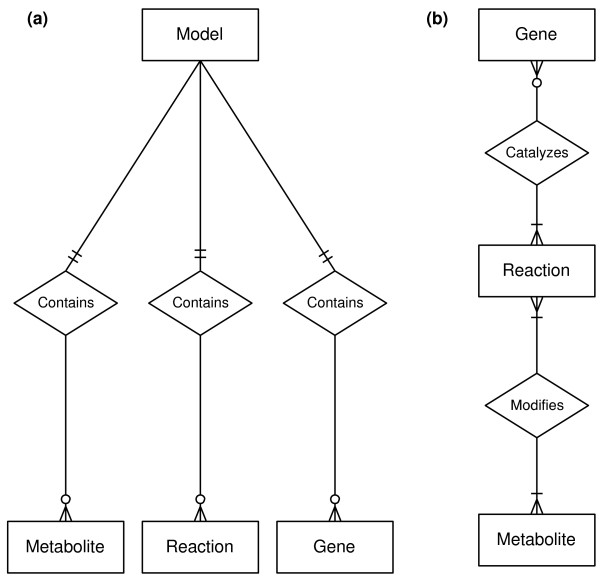
BACKGROUND: COnstraint-Based Reconstruction and Analysis (COBRA) methods are widely used for genome-scale modeling of metabolic networks in both prokaryotes and eukaryotes. Due to the successes with metabolism, there is an increasing effort to apply COBRA methods to reconstruct and analyze integrated models of cellular processes. The COBRA Toolbox for MATLAB is a leading software package for genome-scale analysis of metabolism; however, it was not designed to elegantly capture the complexity inherent in integrated biological networks and lacks an integration framework for the multiomics data used in systems biology. The openCOBRA Project is a community effort to promote constraints-based research through the distribution of freely available software. RESULTS: Here, we describe COBRA for Python (COBRApy), a Python package that provides support for basic COBRA methods. COBRApy is designed in an object-oriented fashion that facilitates the representation of the complex biological processes of metabolism and gene expression. COBRApy does not require MATLAB to function; however, it includes an interface to the COBRA Toolbox for MATLAB to facilitate use of legacy codes. For improved performance, COBRApy includes parallel processing support for computationally intensive processes. CONCLUSION: COBRApy is an object-oriented framework designed to meet the computational challenges associated with the next generation of stoichiometric constraint-based models and high-density omics data sets. AVAILABILITY: http://opencobra.sourceforge.net/
Overview
The claims and statistics of this paper haven’t been checked yet.
Free: it reads the open-access text and checks the first 5 claims that cite a source we can check. Create a free account to check every claim.
Integrity signals
Registry
Cites
Statistics
Figures
Verification
Claims the paper makes
The claims and statistics of this paper haven’t been checked yet.
Free: it reads the open-access text and checks the first 5 claims that cite a source we can check. Create a free account to check every claim.
Self-check
Percentages, sums and reported differences re-computed from the paper’s own numbers.
The self-check needs the paper’s full text.
Citations
Cites
What is flux balance analysis?
Orth, J. D., Thiele, I., & Palsson, B. Ø. (2010) · Nature Biotechnology · doi:10.1038/nbt.1614 · Cited by 3,903 · cited 2×
“A common operation performed with M-Models is to optimize for the maximum flux through a specific reaction in a defined growth medium [35].”
MethodSelf-citationQuantitative prediction of cellular metabolism with constraint-based models: the COBRA Toolbox v2.0
Schellenberger, J., Que, R., Fleming, R. M. T., Thiele, I., Orth, J. D., Feist, A. M., Zielinski, D. C., Bordbar, A., Lewis, N. E., Rahmanian, S., et al. (2011) · Nature Protocols · doi:10.1038/nprot.2011.308 · Cited by 1,835 · cited 3×
“We have previously published the COBRA Toolbox [19] for MATLAB to provide systems biology researchers with a high-level interface to a variety of methods for constraint-based modeling of genome-scale stoichiometric models of cellular biochemistry.”
BackgroundMethodInfluentialSelf-citationSchaechter, M., MaalOe, O., & Kjeldgaard, N. O. (1958) · Journal of General Microbiology · doi:10.1099/00221287-19-3-592 · Cited by 1,435 · cited 1×
“It is important to note that cellular composition can vary as a function of growth rate [37], therefore, for biological accuracy it may be necessary to construct a new biomass reaction if the simulated, or experimentally-observed, growth rate is substantially different [10,38].”
BackgroundBurgard, A. P., Pharkya, P., & Maranas, C. D. (2003) · Biotechnology and Bioengineering · doi:10.1002/bit.10803 · Cited by 1,256 · cited 1×
“The lists of essential genes and synthetic lethal gene-pairs may then be targeted to inhibit microbial growth or excluded from manipulation when constructing designer strains [39].”
BackgroundThe effects of alternate optimal solutions in constraint-based genome-scale metabolic models
Mahadevan, R., & Schilling, C. H. (2003) · Metabolic Engineering · doi:10.1016/j.ymben.2003.09.002 · Cited by 1,203 · cited 4×
“Because constraints-based models are often underdetermined they may provide multiple mathematically-equivalent solutions to a specific question – these equivalent solutions must be assessed with experimental data for biological relevance [18].”
BackgroundMethodInfluentialHigh-throughput generation, optimization and analysis of genome-scale metabolic models
Henry, C. S., DeJongh, M., Best, A. A., Frybarger, P. M., Linsay, B., & Stevens, R. L. (2010) · Nature Biotechnology · doi:10.1038/nbt.1672 · Cited by 1,090 · cited 1×
“Additionally, COBRApy can read SBML-formatted models [32] downloaded from a variety of sources, such as the Model SEED [33] and the BioModels database [34].”
MethodA comprehensive genome-scale reconstruction of Escherichia coli metabolism—2011
Orth, J. D., Conrad, T. M., Na, J., Lerman, J. A., Nam, H., Feist, A. M., & Palsson, B. Ø. (2011) · Molecular Systems Biology · doi:10.1038/msb.2011.65 · Cited by 1,006 · cited 1×
“COBRApy comes with variants of the published metabolic network models (M-Models) for Salmonella enterica Typhimurium LT2 [30] and Escherichia coli K-12 MG1655 [31].”
MethodSelf-citationConstraining the metabolic genotype–phenotype relationship using a phylogeny of in silico methods
Lewis, N. E., Nagarajan, H., & Palsson, B. O. (2012) · Nature Reviews Microbiology · doi:10.1038/nrmicro2737 · Cited by 779 · cited 1×
“…is a constraint-based modeling package that is designed to accommodate the biological complexity of the next generation of COBRA models [10] and provides access to commonly used COBRA methods, such as flux balance analysis [35], flux variability analysis [18], and gene deletion analyses [43].”
MethodSelf-citationUncovering transcriptional regulation of metabolism by using metabolic network topology
Patil, K. R., & Nielsen, J. (2005) · Proceedings of the National Academy of Sciences · doi:10.1073/pnas.0406811102 · Cited by 646 · cited 1×
“(3) cobra.topology: a package for performing structural analysis – the current version contains the reporter metabolites algorithm of Patil & Nielsen [22].”
MethodThermodynamics-Based Metabolic Flux Analysis
Henry, C. S., Broadbelt, L. J., & Hatzimanikatis, V. (2007) · Biophysical Journal · doi:10.1529/biophysj.106.093138 · Cited by 607 · cited 1×
“These constraints include compartmentalization, mass conservation, molecular crowding [11], thermodynamic directionality [12], and transcription factor activity [13].”
Background
Cited by
Items 701–800 of 1,007
Pettersen, J. P., Castillo, S., Jouhten, P., & Almaas, E. (2023) · BMC Bioinformatics · doi:10.1186/s12859-023-05506-7 · Cited by 10
“0)[74] was used to handle the models, and the re321 sulting LP problems were solved by the Gurobi optimizer (version 9.”
MethodEnhanced flux potential analysis links changes in enzyme expression to metabolic flux
Li, X., Walhout, A. J. M., & Yilmaz, L. S. (2025) · Molecular Systems Biology · doi:10.1038/s44320-025-00090-9 · Cited by 11
Qiu, S., Yang, A., Yang, X., Ni, H., Li, W., Yang, Z., Zeng, H., & Wang, Y. (2025) · Metabolic Engineering · doi:10.1016/j.ymben.2025.05.002 · Cited by 10
Kim, J. Y., Lee, J. A., Kim, G. B., Lee, Y., & Lee, S. Y. (2025) · Biotechnology and Bioengineering · doi:10.1002/bit.70072 · Cited by 10
“Reading, writing, and manipulation of the COBRA ‐ compliant SBML files were implemented using COBRApy 0.17.1 (Ebrahim et al. 2013).”
InfluentialGlobal constraint principle for microbial growth laws
Yamagishi, J. F., & Hatakeyama, T. S. (2025) · Proceedings of the National Academy of Sciences · doi:10.1073/pnas.2515031122 · Cited by 10
“Numerical calculations of a CBM method with proteome allocation, constrained allocation flux balance analysis (CAFBA) [28], were performed using the genome-scale E. coli iJO1366 model [44] and the COBRApy package [45].”
Tibocha‐Bonilla, J. D., Santibáñez, R., Weng, Y., Kumar, M., & Zengler, K. (2025) · Cell Systems · doi:10.1016/j.cels.2025.101451 · Cited by 12
Liu, Q., Wu, S., Gong, S., Su, H., Jin, Y., Chen, H., Fan, Y., Yin, R., Ren, X., & Wang, J. (2026) · Environmental Science & Technology · doi:10.1021/acs.est.6c01020 · Cited by 10
Giusto, P. D., Choi, D., Antonakoudis, A., Duraikannan, V. G., Craveur, P., Cowie, N. L., Ganapathy, T., Ramesh, K., Benavides-López, S., Orellana, C. A., et al. (2026) · Cell Systems · doi:10.1016/j.cels.2026.101574 · Cited by 10
Monk, J. M., & Bosi, E. (2017) · Methods in molecular biology · doi:10.1007/978-1-4939-7528-0_7 · Cited by 10
Effects of MCHM on yeast metabolism
Pupo, A., Ku, K., & Gallagher, J. E. G. (2019) · PLoS ONE · doi:10.1371/journal.pone.0223909 · Cited by 10
“The simulations were performed with the COBRApy python package [47], using yeastGEM definition of growth as the objective function to be maximized.”
MethodSynthetic biology design tools for metabolic engineering
Carbonell, P. (2021) · Elsevier eBooks · doi:10.1016/b978-0-12-821477-0.00005-2 · Cited by 10
Singh, R. P., Dutta, A., Bose, T., & Mande, S. S. (2022) · Current Research in Microbial Sciences · doi:10.1016/j.crmicr.2022.100127 · Cited by 10
Linz, A. M., Ma, Y., Scholz, S., Noguera, D. R., & Donohue, T. J. (2022) · Metabolites · doi:10.3390/metabo12040366 · Cited by 10
“In this approach, for each cycle, steady-state simulations were performed with iNovo479, and after each run, steady-state fluxes of substrates and products and biomass production rates were recorded and used to modify the starting conditions for the next cycle. dFBA was run using a custom Python script and COBRApy [24…”
MethodInfluentialHari, A., Zarrabi, A., & Lobo, D. (2024) · NAR Genomics and Bioinformatics · doi:10.1093/nargab/lqae010 · Cited by 10
“COBRApy ( 14 ) is a Python implementation of COBRA and includes a merging tool that can take as input two COBRA model objects and output a combined model.”
BackgroundMethodProbing efficient microbial CO 2 utilisation through metabolic and process modelling
de Vries, P. J. G., Mol, V., Sonnenschein, N., Jensen, T. Ø., & Nielsen, A. T. (2024) · Microbial Biotechnology · doi:10.1111/1751-7915.14414 · Cited by 10
“All stoichiometric modelling was done using COBRApy, a package for constraints-based metabolic modelling for Python (Ebrahim et al., 2013).”
MethodWang, Y., Mao, Z., Dong, J., Zhang, P., Gao, Q., Liu, D., Tian, C., & Ma, H. (2024) · Microbial Cell Factories · doi:10.1186/s12934-024-02415-z · Cited by 12
“Parsimonious Flux Balance Analysis (pFBA) was used for PhPP analysis with the objective of maximum biomass [41].”
MethodIrla, M., Nærdal, I., Virant, D., Brautaset, T., Busche, T., Goranovič, D., Haupka, C., Heux, S., Kosec, G., Rückert, C., et al. (2025) · Metabolic Engineering · doi:10.1016/j.ymben.2025.06.002 · Cited by 10
Transmission of Klebsiella strains and plasmids within and between grey‐headed flying fox colonies
Vezina, B., Judd, L. M., McDougall, F. K., Boardman, W., Power, M. L., Hawkey, J., Brisse, S., Monk, J. M., Holt, K. E., & Wyres, K. L. (2022) · Environmental Microbiology · doi:10.1111/1462-2920.16047 · Cited by 10
“0 (Ebrahim et al., 2013) in a conda environment version 4.”
BackgroundAziz, R. K., Monk, J. M., Andrews, K. A., Nhan, J., Khaw, V. L., Wong, H., Palsson, B. Ø., & Charusanti, P. (2016) · Microbiological Research · doi:10.1016/j.micres.2016.10.006 · Cited by 10
Self-citationGenome analysis of a hyper acetone‐butanol‐ethanol (ABE) producing Clostridium acetobutylicum BKM19
Cho, C., Choe, D., Jang, Y., Kim, K., Kim, W. J., Cho, B., Papoutsakis, E. T., Bennett, G. N., Seung, D. Y., & Lee, S. Y. (2016) · Biotechnology Journal · doi:10.1002/biot.201600457 · Cited by 10
Metabolic characterization and viable delivery of Akkermansia muciniphila for its future application
van der Ark, K. C. H. (2018) · doi:10.18174/427507 · Cited by 10
BOFdat: generating biomass objective function stoichiometric coefficients from experimental dataPreprint
Lachance, J., Monk, J. M., Lloyd, C. J., Seif, Y., Palsson, B. Ø., Rodrigue, S., Feist, A. M., King, Z. A., & Jacques, P. (2018) · bioRxiv (Cold Spring Harbor Laboratory) · doi:10.1101/243881 · Cited by 10
Self-citationImplementation of a Clostridium luticellarii genome-scale model for upgrading syngas fermentations
Scott, W. T., Rockx, S., Mariën, Q., Regueira, A., Candry, P., Ganigué, R., Koehorst, J. J., & Schaap, P. J. (2025) · Computational and Structural Biotechnology Journal · doi:10.1016/j.csbj.2025.01.013 · Cited by 9
Sikazwe, M. K., Malherbe, S. J. M., Louw, J., & Görgens, J. F. (2025) · ACS Sustainable Chemistry & Engineering · doi:10.1021/acssuschemeng.5c01038 · Cited by 9
Systematic design and evaluation of artificial CO2 assimilation pathways
Liu, Y., Chu, G., Dong, X., Luo, H., Mao, Z., Mao, Y., Yuan, Q., & Ma, H. (2025) · Synthetic and Systems Biotechnology · doi:10.1016/j.synbio.2025.05.009 · Cited by 9
“Based on literature and data from the BRENDA database [33,39 – 41], we obtained parameters of catalytic efficiency ( k cat / K m ) for the enzymes involved in 16 carbon fixation reactions.”
Hari, A., Balik-Meisner, M. R., Mav, D., Phadke, D. P., Scholl, E. H., Shah, R., Casey, W., Auerbach, S. S., Wallqvist, A., & Pannala, V. R. (2025) · Toxics · doi:10.3390/toxics13080684 · Cited by 9
“We used the Python package cobrapy (0.29.1) [72] to read the metabolic network model in order to calculate the metabolic subsystem alterations.”
InfluentialA Hybrid Modeling Framework for Predictive Digital Twins of CHO Cell Culture
Richelle, A., Andersson, D., Antonakoudis, A., Jakobsson, J., Pijeaud, S., Vernersson, A., & Trygg, J. (2026) · Computational and Structural Biotechnology Journal · doi:10.34133/csbj.0078 · Cited by 9
“The pipeline was implemented using COBRApy [ 27 ].”
Scott, W. T., Nataya, E. D., Belzer, C., & Schaap, P. J. (2026) · ISME Communications · doi:10.1093/ismeco/ycag077 · Cited by 9
Biomanufacturing by In Vitro Biotransformation (ivBT) Using Purified Cascade Multi-enzymes
Qin, Y., Li, Q., Fan, L., Ning, X., Wei, X., & You, C. (2023) · Advances in biochemical engineering, biotechnology · doi:10.1007/10_2023_231 · Cited by 9
MMP3C: anin-silicoframework to depict cancer metabolic plasticity using gene expression profiles
Chen, X., Deng, M., Wang, Z., & Huang, C. (2023) · Briefings in Bioinformatics · doi:10.1093/bib/bbad471 · Cited by 9
“…of metabolites and computational biology methods, i.e. single-sample gene set enrichment analysis (ssGSEA) [8] and flux balance analysis (FBA) [9] based on bulk or single-cell RNA-seq data could identify the aberrant metabolic flux for diseases, e.g. cancer [10] and Alzheimer’s disease [11].”
MethodA validated pangenome-scale metabolic model for the Klebsiella pneumoniae species complex
Cooper, H. B., Vezina, B., Hawkey, J., Passet, V., López-Fernández, S., Monk, J. M., Brisse, S., Holt, K. E., & Wyres, K. L. (2024) · Microbial Genomics · doi:10.1099/mgen.0.001206 · Cited by 9
“The remaining reactions were manually curated to ensure they had sufficient evidence for inclusion in the KpSC pan v2 model via a literature search [13] and were formatted according to COBRApy conventions [43].”
Lee, G., Lee, S. M., Lee, S., Jeong, C. W., Song, H., Lee, S. Y., Yun, H., Koh, Y., & Kim, H. U. (2024) · Genome biology · doi:10.1186/s13059-024-03208-8 · Cited by 9
“Reading, writing, and manipulation of the COBRA-compliant SBML files were implemented using COBRApy 0.6.0 [77].”
MethodInfluentialLeonidou, N., Ostyn, L., Coenye, T., Crabbé, A., & Dräger, A. (2024) · Microbiology Spectrum · doi:10.1128/spectrum.04006-23 · Cited by 9
“For all FBA simulations, we employed the Constraints-Based Reconstruction and Analysis for Python (COBRApy) (77) package.”
MethodMetabolic growth-coupling strategies for in vivo enzyme selection systems
Alter, T. B., Pieters, P. A., Lloyd, C. J., Feist, A. M., Özdemir, E., Palsson, B. Ø., & Zielinski, D. C. (2025) · Metabolic Engineering Communications · doi:10.1016/j.mec.2025.e00257 · Cited by 9
“COBRApy (Ebrahim et al., 2013) functionalities were integrated to enable intuitive and community-friendly model management.”
Self-citationJaphalekar, K., Srinivasan, S., Viswanathan, G. A., & Venkatesh, K. V. (2021) · Biochemical Engineering Journal · doi:10.1016/j.bej.2021.108297 · Cited by 9
When the Tree Let Us See the Forest: Systems Biology and Natural Variation Studies in Forest Species
Valledor, L., Carbó, M. T. D., Lamelas, L., Escandón, M., Colina, F., Cañal, M. J., & Meijón, M. (2018) · Progress in botany · doi:10.1007/124_2018_22 · Cited by 9
Gower, A. H., Korovin, K., Brunnsåker, D., Tiukova, I., & King, R. D. (2023) · Lecture notes in computer science · doi:10.1007/978-3-031-45275-8_42 · Cited by 9
“3)[8]; in the absence of relevant documentation on a suitable threshold, we found in a discussion for a MATLAB implementation of COBRA that a suitable threshold should be set at 1×10[4].”
BackgroundLiang, X., Liang, Z.-M., Wang, S., Chen, X.-H., Ruan, Y., Zhang, Q., & Zhang, H. (2020) · Journal of Environmental Sciences · doi:10.1016/j.jes.2020.02.012 · Cited by 9
Modelling and multiobjective optimization for simulation of cyanobacterial metabolism
Paula, M. S. (2017) · RiuNet (Universitat Politècnica de València) · doi:10.4995/thesis/10251/90578 · Cited by 9
García-Jiménez, B., Carrasco, J., Medina, J., & Wilkinson, M. D. (2020) · Research Square · doi:10.21203/rs.2.24431/v1 · Cited by 9
“MMODES manages the single GEMs with the COBRApy implementation [69] and solves them with (p)FBA.”
MethodJaxkineticmodel: Neural ordinary differential equations inspired parameterization of kinetic models
van Lent, P., Bunkova, O., Magyar, B., Planken, L., Schmitz, J. P. J., & Abeel, T. (2025) · PLoS Computational Biology · doi:10.1371/journal.pcbi.1012733 · Cited by 8
Unveiling organ-specific metabolism of Citrus clementina
Passi, A., Tec-Campos, D., Kumar, M., Tibocha‐Bonilla, J. D., Zúñiga, C., Peacock, B. B., Hale, A. R., Santibáñez, R., Borneman, J., & Zengler, K. (2025) · Proceedings of the National Academy of Sciences · doi:10.1073/pnas.2503406122 · Cited by 8
Flux sampling and context-specific genome-scale metabolic models for biotechnological applications
Moyer, D. C., Reimertz, J. M., Bass, J. I. F., & Segrè, D. (2025) · Trends in biotechnology · doi:10.1016/j.tibtech.2025.07.010 · Cited by 8
Genome-scale metabolic models in plant stress physiology: implications for future climate resilience
Mangaravite, É., Vinson, C. C., de Almeida, E. L. M., & Williams, T. C. R. (2025) · PLANT PHYSIOLOGY · doi:10.1093/plphys/kiaf406 · Cited by 8
Friedline, S., McDaniel, E., Scarborough, M., Madill, M., Waring, K., Lin, V., Malmstrom, R. R., Goudeau, D., Chrisler, W., Dueholm, M. S., et al. (2025) · Nature Microbiology · doi:10.1038/s41564-025-02146-w · Cited by 9
“Microbial communities were modelled using CobraPy 106 , with each organism represented by a separate compartment within the model.”
Puerner, C. T. S., Morelli, K. A., Kerkaert, J. D., Jones, J. T., Quinn, K. G., DeMichaelis, N., Vellanki, S., Liao, C., & Cramer, R. A. (2025) · mSphere · doi:10.1128/msphere.00752-25 · Cited by 8
“The genome-scale metabolic model for A. fumigatus CEA10 was constructed and analyzed using COBRApy (46) and the IBM CPLEX solver (version 22.1.1).”
InfluentialPhage resistance mutations in a marine bacterium impact biogeochemically relevant cellular processes
Urvoy, M., Howard‐Varona, C., Owusu-Ansah, C., Stai, A. J., Bouranis, J. A., Burris, M., Solonenko, N., Hettich, R. L., Holmfeldt, K., Tfaily, M., et al. (2025) · Nature Microbiology · doi:10.1038/s41564-025-02202-5 · Cited by 8
Synergy and antagonism in a genome-scale model of metabolic hijacking by bacteriophages
Rozum, J. C., Sineath, W., Bohutskyi, P., Quenneville, J., Kim, D. H., Johnson, C., Mehta, A. P., Evans, J. E., Pollock, D. D., Qian, W., et al. (2026) · Science Advances · doi:10.1126/sciadv.aeb7646 · Cited by 8
“This threshold is frequently used in flux analysis and is the default in the cobrapy toolbox ( 44 ).”
Tamasco, G., Kumar, M., Zengler, K., Silva‐Rocha, R., & Silva, R. (2022) · BMC Bioinformatics · doi:10.1186/s12859-022-05056-4 · Cited by 8
“Cobrapy [11] can convert draft models into an S-matrix and perform FBA analysis using optimized algorithms.”
InfluentialSridhar, S., Bhalla, P., Kullu, J., Veerapaneni, S., Sahoo, S., Bhatt, N., & Suraishkumar, G. K. (2023) · Metabolic Engineering · doi:10.1016/j.ymben.2023.08.006 · Cited by 8
Ziegler, A. L., Ullmann, L., Boßmann, M., Stein, K., Liebal, U. W., Mitsos, A., & Blank, L. M. (2024) · Biotechnology and Bioengineering · doi:10.1002/bit.28693 · Cited by 8
“When setting the total carbon flux and varying the acetate flux, the corresponding glucose flux was calculated during FBA. using the software COBRAPy (Ebrahim et al., 2013) and the open source solver GLPK.”
MethodMahout, M., Schwartz, L. H., Attal, R., Bakkar, A., & Pérès, S. (2024) · PLoS ONE · doi:10.1371/journal.pone.0313962 · Cited by 8
“Finally, flux sampling and pFBA used for comparison to EFMs were performed with COBRAPy [20, 55].”
Tailoring microbial fitness through computational steering and CRISPRi-driven robustness regulation
Yang, B. T., Wu, C., Teng, Y., Chou, K., Guarnieri, M. T., & Xiong, W. (2024) · Cell Systems · doi:10.1016/j.cels.2024.11.012 · Cited by 8
Dharmasiddhi, I. P. W., chen, J., Arab, B., Lan, C., Euler, C., Chou, C.-H. P., & Liu, Y. (2025) · Processes · doi:10.3390/pr13020375 · Cited by 8
Martin, M. R., Bittremieux, W., & Hassoun, S. (2025) · Analytical Chemistry · doi:10.1021/acs.analchem.4c01565 · Cited by 8
Dupont-Thibert, C. M., Roy, S., Carneiro, S., Pereira, B., Carreira, R., Vilaça, P., Collin, S., Maréchal, É., Billey, É., Curien, G., et al. (2025) · Bioresource Technology · doi:10.1016/j.biortech.2025.133619 · Cited by 8
Integrating Omics Data to Prioritize Target Genes in Pathogenic Bacteria
Nicolás, M., Costa, M. D. O. C. E., Ramos, P. I. P., dos Santos, M. T., Pérez‐Rueda, E., Marti, M. A., Porto, D. F. D., & Turjanski, A. G. (2020) · Computational biology · doi:10.1007/978-3-030-51862-2_10 · Cited by 8
Error propagation in constraint‐based modeling of Chinese hamster ovary cells
Széliová, D., Iurashev, D., Ruckerbauer, D. E., Koellensperger, G., Borth, N., Melcher, M., & Zanghellini, J. (2020) · Biotechnology Journal · doi:10.1002/biot.202000320 · Cited by 8
Wu, C., Spiller, R., Dowe, N., Bomble, Y. J., & John, P. C. S. (2021) · Frontiers in Bioengineering and Biotechnology · doi:10.3389/fbioe.2021.707749 · Cited by 9
Network Reconstruction and Modelling Made Reproducible with moped
Saadat, N. P., van Aalst, M., & Ebenhöh, O. (2022) · Metabolites · doi:10.3390/metabo12040275 · Cited by 8
“For constraint-based and kinetic analysis, moped offers export as CobraPy and modelbase objects, respectively [19,20].”
MethodDevika, N. T., Katneni, V. K., Jangam, A. K., Nathamuni, S. P., Shekhar, M. S., & Jithendran, K. P. (2023) · Environmental Microbiome · doi:10.1186/s40793-022-00458-6 · Cited by 8
“Simulation of GSM using flux balance and flux variability analysis CobraPy [16], a constraint-based modelling package in python with cplex solver for solving the optimization problems was used for performing simulations.”
MethodBest Practices in Flux Sampling of Constrained-Based Models
Galuzzi, B. G., Milazzo, L., & Damiani, C. (2023) · Lecture notes in computer science · doi:10.1007/978-3-031-25891-6_18 · Cited by 8
MooSeeker: A Metabolic Pathway Design Tool Based on Multi-Objective Optimization Algorithm
Cao, Y., Zhang, T., Zhao, X. W., Jia, X., & Li, B. (2023) · IEEE Transactions on Computational Biology and Bioinformatics · doi:10.1109/tcbb.2023.3307363 · Cited by 8
“In addition, dGPredictor [43] is used to calculate and predict the Gibbs energy of reactions, and cobra [44] is used for calculating theroetical yield.”
MethodUnveiling abundance-dependent metabolic phenotypes of microbial communities
Jiménez, N. E., Acuña, V., Cortés, M. P., Eveillard, D., & Maass, A. (2023) · mSystems · doi:10.1128/msystems.00492-23 · Cited by 8
“615 Availability of data and materials This method was implemented in Python us616 ing COBRApy for constructing community models, FBA, and FVA simulations (73), and 617 it is available at https://github.”
MethodMeriläinen, E., Efimova, E., Santala, V. P., & Santala, S. (2024) · Biotechnology for Biofuels and Bioproducts · doi:10.1186/s13068-024-02526-0 · Cited by 9
“FBA was done by using COBRApy Python package (version 0.28.0) [65].”
MethodInfluentialMathematical basis and toolchain for hierarchical optimization of biochemical networks
Viswan, N. A., Tribut, A., Gasparyan, M. D., Radulescu, O., & Bhalla, U. S. (2024) · PLoS Computational Biology · doi:10.1371/journal.pcbi.1012624 · Cited by 8
Kristjansdottir, T., Hreggviðsson, G. Ó., Guðmundsdóttir, E. E., Björnsdóttir, S. H., Friðjónsson, Ó. H., Stefánsson, S. K., Karlsson, E. N., Vanhalst, J., Reynisson, B., & Guðmundsson, S. (2024) · FEMS Microbiology Ecology · doi:10.1093/femsec/fiae167 · Cited by 8
“Cobrapy [41] was used in all model simulations, along with the GLPK solver.”
Lesiczka, P. M., Azagi, T., Krawczyk, A. I., Scott, W. T., Dirks, R. P., Šimo, L., Dobler, G., Nijsse, B., Schaap, P. J., Sprong, H., et al. (2025) · mSystems · doi:10.1128/msystems.00507-25 · Cited by 8
Synthetic Biology: Computational Modeling Bridging the Gap between In Vitro and In Vivo Reactions
Duschak, V. G. (2015) · Current Synthetic and Systems Biology · doi:10.4172/2332-0737.1000127 · Cited by 8
Using PSAMM for the Curation and Analysis of Genome-Scale Metabolic Models
Dufault‐Thompson, K., Steffensen, J. L., & Zhang, Y. (2017) · Methods in molecular biology · doi:10.1007/978-1-4939-7528-0_6 · Cited by 8
Review of Current Approaches for Implementing Metabolic Reconstruction
Kim, D., Seo, S.-W., Cho, B., Lohumi, S., Hong, S.-J., & Lee, W. (2018) · Journal of Biosystems Engineering · doi:10.5307/jbe.2018.43.1.045 · Cited by 8
Gsmodutils: a python based framework for test-driven genome scale metabolic model development
Gilbert, J., Pearcy, N., Norman, R. O. J., Millat, T., Winzer, K., King, J. R., Hodgman, C. T., Minton, N. P., & Twycross, J. (2019) · Bioinformatics · doi:10.1093/bioinformatics/btz088 · Cited by 8
Ciurans, C., Guerrero, J. M., Martínez‐Monge, I., Dussap, C., de Mas, I. M., & Gòdia, F. (2022) · Frontiers in Plant Science · doi:10.3389/fpls.2022.970410 · Cited by 8
“0 using Cobrapy (Ebrahim et al., 2013) and can be found in Supplementary S5.”
MethodInfluentialPark, J. Y., Lee, S., Ebrahim, A., Scott-Nevros, Z. K., Kim, J., Yang, L., Sastry, A. V., Seo, S. W., Palsson, B. Ø., & Kim, D. (2023) · NAR Genomics and Bioinformatics · doi:10.1093/nargab/lqad006 · Cited by 8
“FBA analysis and MCMC sampling to calculate the metabolic flux FBA analysis and MCMC sampling were performed with the iML1515 E. coli metabolic model (19) and COBRApy (48).”
Self-citationExtracting functionally accurate context-specific models of Atlantic salmon metabolism
Molversmyr, H., Øyås, O., Rotnes, F., & Vik, J. O. (2023) · npj Systems Biology and Applications · doi:10.1038/s41540-023-00280-x · Cited by 8
Nazem‐Bokaee, H., & Maranas, C. D. (2018) · Frontiers in Microbiology · doi:10.3389/fmicb.2018.01855 · Cited by 8
“COBRApy (Ebrahim et al., 2013) with built-in cGLPK (http://www.”
Dynamic Flux Balance Analysis Models in SBMLPreprint
König, M., Watanabe, L. H., Grzegorzewski, J., & Myers, C. J. (2018) · bioRxiv (Cold Spring Harbor Laboratory) · doi:10.1101/245076 · Cited by 8
NCMW: A Python Package to Analyze Metabolic Interactions in the Nasal Microbiome
Gloeckler, M., Dräger, A., & Mostolizadeh, R. (2022) · Frontiers in Bioinformatics · doi:10.3389/fbinf.2022.827024 · Cited by 8
“Community creates several kinds of community models, which all are based on Ebrahim et al., (2013).”
BackgroundCheminformatics for genome-scale metabolic reconstructions
May, J. W. (2015) · Apollo (University of Cambridge) · doi:10.17863/cam.15987 · Cited by 8
“The COBRA toolbox [69,70] and COBRApy [15] are MATLAB and Python toolkits for constraint-based modelling.”
BackgroundMethodUpgrading a cyanobacterial genome-scale model by inclusion of enzymatic constraints
Andrews, F., Scrutton, N. S., & Schwartz, J.-M. (2024) · Algal Research · doi:10.1016/j.algal.2024.103584 · Cited by 7
Flux Sampling Suggests Metabolic Signatures of High Antibody‐Producing CHO Cells
Meeson, K. E., Watson, J., Rosser, S. J., Hawke, E., Pitt, A. R., Moses, T., Pybus, L. P., Rattray, M., Dickson, A. J., & Schwartz, J. (2025) · Biotechnology and Bioengineering · doi:10.1002/bit.28982 · Cited by 7
“Using the cobra sample function (Ebrahim et al. 2013), each of the time phase models were sampled 50,000,000 times and solutions were stored every 10,000 iterations, resulting in 5000 data points per reaction, per model.”
InfluentialPelicaen, R., Weckx, S., Gonze, D., & Vuyst, L. D. (2022) · Frontiers in Microbiology · doi:10.3389/fmicb.2022.1060160 · Cited by 7
“Hereto, the GEM gap filling method of CobraPy was used (Ebrahim et al., 2013), which computes the minimal amount of reactions that need to be added from the iAp386B454 template to obtain in silico growth.”
MethodGenome-scale metabolic network model and phenome of solvent-tolerant Pseudomonas putida S12
Han, S., Kim, D., Kim, Y.-S., & Yoon, S. H. (2024) · BMC Genomics · doi:10.1186/s12864-023-09940-y · Cited by 7
“To provide annotation information of genes, reactions, and metabolites in the sbml file of the model, web links to public databases were generated by COBRApy [37].”
MethodIslam, M. M., Kolling, G. L., Glass, E. M., Goldberg, J. B., & Papin, J. A. (2024) · Microbial Genomics · doi:10.1099/mgen.0.001259 · Cited by 7
“21.0 [50] for 500 times.”
InfluentialLiving bacterial reservoir computers for information processing and sensing
Ahavi, P., Hoang, T.-N.-A., Meyer, P., Berthier, S., Fiorini, F., Castelli, F., Épaulard, O., Gouëllec, A. L., & Faulon, J. (2026) · Cell Systems · doi:10.1016/j.cels.2026.101654 · Cited by 7
Niche-specific metabolic phenotypes can be used to identify antimicrobial targets in pathogens
Glass, E. M., Dillard, L. R., Kolling, G. L., Warren, A. S., & Papin, J. A. (2024) · PLoS Biology · doi:10.1371/journal.pbio.3002907 · Cited by 7
“The models were constructed using publicly available genome sequences from the Bacterial and Viral Bioinformatics Resource Center (BV-BRC) [16] and paired with open-source software including Python, COBRApy [13], and a recently developed GENRE construction algorithm [17], Reconstructor.”
Bacterial microcompartment utilization in the human commensal Escherichia coli Nissle 1917
Clare, C., Rutter, J. W., Fedorec, A. J. H., Frank, S., & Barnes, C. P. (2024) · Journal of Bacteriology · doi:10.1128/jb.00269-24 · Cited by 7
“RNA was treated with DNaseI (amplification grade; Invitrogen) to remove any remaining trace amounts of DNA. cDNA was generated with 450 ng of RNA by use of the Qiagen Whole Transcriptome Amplification Kit as described by the manufacturer.”
MACAW: a method for semi-automatic detection of errors in genome-scale metabolic models
Moyer, D. C., Reimertz, J. M., Segrè, D., & Bass, J. I. F. (2025) · Genome biology · doi:10.1186/s13059-025-03533-6 · Cited by 7
Jiang, B., Quinn-Bohmann, N., Diener, C., Nathan, V. B., Han-Hallett, Y., Reddivari, L., Gibbons, S. M., & Baloni, P. (2025) · PLoS Computational Biology · doi:10.1371/journal.pcbi.1013253 · Cited by 7
“We ran model.optimize function in COBRApy [56] to optimize the sink reaction to check if it could achieve a flux value over 0.”
Gabal, E., Azaizeh, M., & Baloni, P. (2025) · Metabolites · doi:10.3390/metabo15080499 · Cited by 7
“FBA, FVA, and flux sampling were carried out in COBRApy [63], in Python v.3.9.6 while using Gurobi Optimizer v.12.0 to solve LP and MILP problems.”
InfluentialA Standardized Brain Molecular Atlas: A Resource for Systems Modeling and Simulation
Shichkova, P., Coggan, J. S., Markram, H., & Keller, D. X. (2021) · Frontiers in Molecular Neuroscience · doi:10.3389/fnmol.2021.604559 · Cited by 8
Fernández-García, M., Ares-Arroyo, M., Wedel, E., Montero, N., Barbas, C., Rey-Stolle, F., González‐Zorn, B., & García, A. (2023) · International Journal of Molecular Sciences · doi:10.3390/ijms241311150 · Cited by 7
“3) [72], and they were exported into tabular format (File S3).”
BackgroundTubergen, P. J., Medlock, G. L., Moore, A. K., Zhang, X., Papin, J. A., & Danna, C. H. (2023) · PLoS Computational Biology · doi:10.1371/journal.pcbi.1011651 · Cited by 7
“1 [25] and the RAST database [56], and further optimized using the COBRApy toolbox [57].”
MethodCharacterising the metabolic rewiring of extremely slow growing Komagataella phaffii
Coltman, B. L., Rebnegger, C., Gasser, B., & Zanghellini, J. (2024) · Microbial Biotechnology · doi:10.1111/1751-7915.14386 · Cited by 7
Taherkhani, H., KavianFar, A., Aminnezhad, S., Lanjanian, H., Ahmadi, A., Jamalkandi, S. A., & Masoudi‐Nejad, A. (2024) · Heliyon · doi:10.1016/j.heliyon.2024.e24775 · Cited by 7
Leonidou, N., Xia, Y., Friedrich, L., Schütz, M., & Dräger, A. (2024) · PLoS Pathogens · doi:10.1371/journal.ppat.1012528 · Cited by 7
Jilani, S. B., Alahuhta, M., Bomble, Y. J., & Olson, D. G. (2024) · ACS Synthetic Biology · doi:10.1021/acssynbio.4c00405 · Cited by 7
Sui, Y., Han, Y., Qiu, Z., Yan, B., & Zhao, G.-R. (2024) · Applied Biochemistry and Biotechnology · doi:10.1007/s12010-024-05099-8 · Cited by 7
Frioux, C., Dittami, S. M., & Siegel, A. (2020) · Biochemical Society Transactions · doi:10.1042/bst20190667 · Cited by 7
Environmental flexibility does not explain metabolic robustness
Libiseller-Egger, J., Coltman, B. L., Gerstl, M. P., & Zanghellini, J. (2020) · npj Systems Biology and Applications · doi:10.1038/s41540-020-00155-5 · Cited by 7
Metadata
- Authors
- Ebrahim, A., Lerman, J. A., Palsson, B. O., & Hyduke, D. R.
- Affiliations
- University of California San Diego (US)
- Utah State University (US)
- Corresponding author
- Hyduke, Daniel R
- Venue
- BMC Systems Biology
- Published
- 2013-08-08
- Volume
- 7
- Issue
- 1
- Pages
- 74-74
- ISSN
- 1752-0509 (ISSN-L)
- PMC
- PMC3751080
- OpenAlex
- W2048465561
- Cited by
- 1,378
- References
- 41
- Citations by year
- 2026: 152 · 2025: 185 · 2024: 183 · 2023: 168 · 2022: 142 · 2021: 132 · 2020: 112 · 2019: 86 · 2018: 82 · 2017: 54 · 2016: 35 · 2015: 26 · 2014: 16 · 2013: 4
- FWCI
- 12.08
- Type
- journal article
- Language
- en
- Open access
- gold
- doi.org
- Licence
- cc-by
- Locations
- BMC Systems Biology (publishedVersion, cc-by)
- Europe PMC (PubMed Central) (publishedVersion, cc-by)
- PubMed Central (publishedVersion, cc-by)
- PubMed (publishedVersion)
- eScholarship (California Digital Library) (submittedVersion)
- Funders
- U.S. Department of Energy (-AC02-05CH11231, Contract No. DE-AC02-05-CH11231, 05CH11231, No. DE-AC02-05-CH11231, DE AC02 05CH11231, DE-AC02-)
- U.S. Department of Health and Human Services (Y1-AI-8401-01, DE-AC02-05CH11231)
- National Energy Research Scientific Computing Center (DE–AC02–05CH11231, 05CH11231, AC02-05CH11231, Contract No. DE-AC02-05CH11231)
- National Institutes of Health (DE-AC02–05CH11231, GM085764)
- Office of Science (No. DE-AC02- 05-CH11231, DEAC02–05CH11231, AC02-05CH11231, DE-AC02, 05CH11231, Contract No. DE-AC02-05CH11231)
- National Institute of General Medical Sciences (GM 085764, DE-AC02-05CH11231, P50GM085764, GM102098, U01GM102098)
- National Institute of Allergy and Infectious Diseases (Y1-AI-8401, Y1-AI8401-01)
- Topics
- Life Sciences › Biochemistry, Genetics and Molecular Biology › Molecular Biology › Microbial Metabolic Engineering and Bioproduction
- Life Sciences › Biochemistry, Genetics and Molecular Biology › Molecular Biology › Gene Regulatory Network Analysis
- Life Sciences › Biochemistry, Genetics and Molecular Biology › Molecular Biology › Bioinformatics and Genomic Networks
- Keywords
- COBRApy, constraint-based modeling, genome-scale metabolic networks, COBRA toolbox, multi-omics integration, stoichiometric modeling, gene expression, parallel computing, object-oriented framework
- MeSH terms
- Models, Biological, Programming Languages, Genomics, Metabolic Networks and Pathways
About these checks
Registry, retraction, Cites and statistics results are computed, not judged, with one exception: a printed reference that no index lists is read once by a model before it counts as a citation error. Claims are extracted by a model and kept only when their quote appears verbatim in the text; each cited source is then checked, with a model’s help, for whether it says what the claim relies on. Those verdicts can be wrong — read the claim’s quote and the cited source before relying on one.
Statistics and arithmetic are recomputed, not judged.
Confidence bands are shown only for fields calibrated on our annotated test set. None is calibrated yet, so no band is shown.
What counts as a claim ›How we measure confidence ›How we check this ›
Are you an author, or do you see a problem with this page? Request a review
Data sources
Bibliographic data: Semantic Scholar, OpenAlex, Crossref.
Contains information from the Semantic Scholar Academic Graph Datasets, made available under the ODC Attribution License (ODC-BY 1.0).
Semantic Scholar’s data is described in: Kinney, R., et al. (2023). The Semantic Scholar Open Data Platform. arXiv:2301.10140.
