

COBRApy: COnstraints-Based Reconstruction and Analysis for Python
Open accessThe DOI matches its Crossref record; 41 of the 42 references it cites were found in a registry or an index.
Abstract
BACKGROUND: COnstraint-Based Reconstruction and Analysis (COBRA) methods are widely used for genome-scale modeling of metabolic networks in both prokaryotes and eukaryotes. Due to the successes with metabolism, there is an increasing effort to apply COBRA methods to reconstruct and analyze integrated models of cellular processes. The COBRA Toolbox for MATLAB is a leading software package for genome-scale analysis of metabolism; however, it was not designed to elegantly capture the complexity inherent in integrated biological networks and lacks an integration framework for the multiomics data used in systems biology. The openCOBRA Project is a community effort to promote constraints-based research through the distribution of freely available software. RESULTS: Here, we describe COBRA for Python (COBRApy), a Python package that provides support for basic COBRA methods. COBRApy is designed in an object-oriented fashion that facilitates the representation of the complex biological processes of metabolism and gene expression. COBRApy does not require MATLAB to function; however, it includes an interface to the COBRA Toolbox for MATLAB to facilitate use of legacy codes. For improved performance, COBRApy includes parallel processing support for computationally intensive processes. CONCLUSION: COBRApy is an object-oriented framework designed to meet the computational challenges associated with the next generation of stoichiometric constraint-based models and high-density omics data sets. AVAILABILITY: http://opencobra.sourceforge.net/
Overview
The claims and statistics of this paper haven’t been checked yet.
Free: it reads the open-access text and checks the first 5 claims that cite a source we can check. Create a free account to check every claim.
Integrity signals
Registry
Cites
Statistics
Figures
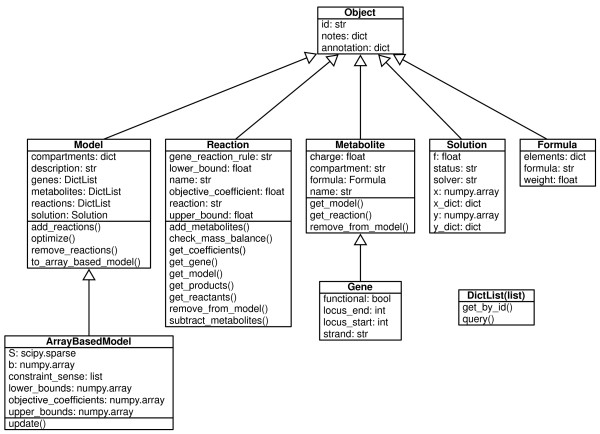
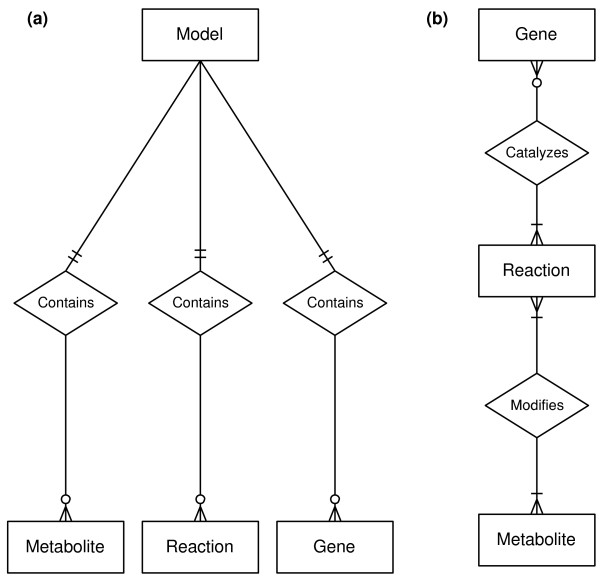
Verification
Claims the paper makes
The claims and statistics of this paper haven’t been checked yet.
Free: it reads the open-access text and checks the first 5 claims that cite a source we can check. Create a free account to check every claim.
Self-check
Percentages, sums and reported differences re-computed from the paper’s own numbers.
The self-check needs the paper’s full text.
Citations
Cites
What is flux balance analysis?
Orth, J. D., Thiele, I., & Palsson, B. Ø. (2010) · Nature Biotechnology · doi:10.1038/nbt.1614 · Cited by 3,903 · cited 2×
“A common operation performed with M-Models is to optimize for the maximum flux through a specific reaction in a defined growth medium [35].”
MethodSelf-citationQuantitative prediction of cellular metabolism with constraint-based models: the COBRA Toolbox v2.0
Schellenberger, J., Que, R., Fleming, R. M. T., Thiele, I., Orth, J. D., Feist, A. M., Zielinski, D. C., Bordbar, A., Lewis, N. E., Rahmanian, S., et al. (2011) · Nature Protocols · doi:10.1038/nprot.2011.308 · Cited by 1,835 · cited 3×
“We have previously published the COBRA Toolbox [19] for MATLAB to provide systems biology researchers with a high-level interface to a variety of methods for constraint-based modeling of genome-scale stoichiometric models of cellular biochemistry.”
BackgroundMethodInfluentialSelf-citationSchaechter, M., MaalOe, O., & Kjeldgaard, N. O. (1958) · Journal of General Microbiology · doi:10.1099/00221287-19-3-592 · Cited by 1,435 · cited 1×
“It is important to note that cellular composition can vary as a function of growth rate [37], therefore, for biological accuracy it may be necessary to construct a new biomass reaction if the simulated, or experimentally-observed, growth rate is substantially different [10,38].”
BackgroundBurgard, A. P., Pharkya, P., & Maranas, C. D. (2003) · Biotechnology and Bioengineering · doi:10.1002/bit.10803 · Cited by 1,256 · cited 1×
“The lists of essential genes and synthetic lethal gene-pairs may then be targeted to inhibit microbial growth or excluded from manipulation when constructing designer strains [39].”
BackgroundThe effects of alternate optimal solutions in constraint-based genome-scale metabolic models
Mahadevan, R., & Schilling, C. H. (2003) · Metabolic Engineering · doi:10.1016/j.ymben.2003.09.002 · Cited by 1,203 · cited 4×
“Because constraints-based models are often underdetermined they may provide multiple mathematically-equivalent solutions to a specific question – these equivalent solutions must be assessed with experimental data for biological relevance [18].”
BackgroundMethodInfluentialHigh-throughput generation, optimization and analysis of genome-scale metabolic models
Henry, C. S., DeJongh, M., Best, A. A., Frybarger, P. M., Linsay, B., & Stevens, R. L. (2010) · Nature Biotechnology · doi:10.1038/nbt.1672 · Cited by 1,090 · cited 1×
“Additionally, COBRApy can read SBML-formatted models [32] downloaded from a variety of sources, such as the Model SEED [33] and the BioModels database [34].”
MethodA comprehensive genome-scale reconstruction of Escherichia coli metabolism—2011
Orth, J. D., Conrad, T. M., Na, J., Lerman, J. A., Nam, H., Feist, A. M., & Palsson, B. Ø. (2011) · Molecular Systems Biology · doi:10.1038/msb.2011.65 · Cited by 1,006 · cited 1×
“COBRApy comes with variants of the published metabolic network models (M-Models) for Salmonella enterica Typhimurium LT2 [30] and Escherichia coli K-12 MG1655 [31].”
MethodSelf-citationConstraining the metabolic genotype–phenotype relationship using a phylogeny of in silico methods
Lewis, N. E., Nagarajan, H., & Palsson, B. O. (2012) · Nature Reviews Microbiology · doi:10.1038/nrmicro2737 · Cited by 779 · cited 1×
“…is a constraint-based modeling package that is designed to accommodate the biological complexity of the next generation of COBRA models [10] and provides access to commonly used COBRA methods, such as flux balance analysis [35], flux variability analysis [18], and gene deletion analyses [43].”
MethodSelf-citationUncovering transcriptional regulation of metabolism by using metabolic network topology
Patil, K. R., & Nielsen, J. (2005) · Proceedings of the National Academy of Sciences · doi:10.1073/pnas.0406811102 · Cited by 646 · cited 1×
“(3) cobra.topology: a package for performing structural analysis – the current version contains the reporter metabolites algorithm of Patil & Nielsen [22].”
MethodThermodynamics-Based Metabolic Flux Analysis
Henry, C. S., Broadbelt, L. J., & Hatzimanikatis, V. (2007) · Biophysical Journal · doi:10.1529/biophysj.106.093138 · Cited by 607 · cited 1×
“These constraints include compartmentalization, mass conservation, molecular crowding [11], thermodynamic directionality [12], and transcription factor activity [13].”
Background
Cited by
Items 401–500 of 1,007
Emerging tools and best practices for studying gut microbial community metabolism
Noecker, C. A., & Turnbaugh, P. J. (2024) · Nature Metabolism · doi:10.1038/s42255-024-01074-z · Cited by 25
“In an approach known as COBRA (COnstraint-Based Reconstruction and Analysis), reference information on genes and metabolites is synthesized into a quantitative stoichiometric framework, which can be used to simulate the effects of perturbations 16,49,50 (Fig.”
Kang, H.-S., Park, B., Oh, S., Pathiraja, D., Kim, J.-Y., Jung, S.-H., Jeong, J., Cha, M., Park, Z., Choi, I., et al. (2021) · Bioresource Technology · doi:10.1016/j.biortech.2021.125879 · Cited by 25
A genetic toolkit and gene switches to limit Mycoplasma growth for biosafety applications
Broto, A., Gaspari, E., Miravet‐Verde, S., dos Santos, V. A. P. M., & Isalan, M. (2022) · Nature Communications · doi:10.1038/s41467-022-29574-0 · Cited by 25
Vieira, V., Ferreira, J., & Rocha, M. (2022) · PLoS Computational Biology · doi:10.1371/journal.pcbi.1009294 · Cited by 25
“We also used the cobrapy package [49] to read genome-scale metabolic models in the standardized Systems Biology Markup Language (SBML) format, manipulate their content and predict phenotypes using pFBA.”
MethodYang, X., Yang, T., Zhang, Z., Zhang, Y., Mei, X., Gao, Y., Wang, N., Jiang, G., Xu, Y., Shen, Q., et al. (2025) · Nature Ecology & Evolution · doi:10.1038/s41559-025-02908-z · Cited by 25
“We used COBRApy 51 with the CPLEX solver v12.”
Shiratsubaki, I. S., Fang, X. D., Souza, R. O. O., Palsson, B. Ø., Silber, A. M., & Siqueira-Neto, J. L. (2020) · PLoS neglected tropical diseases · doi:10.1371/journal.pntd.0008728 · Cited by 24
“Model reconstruction is performed using the toolbox COBRApy [41].”
MethodInfluentialSelf-citationPal, A., Iyer, M. S., Srinivasan, S., Seshasayee, A. S. N., & Venkatesh, K. V. (2022) · Open Biology · doi:10.1098/rsob.210206 · Cited by 24
“Constrained-based flux balance analysis was performed using COBRApy (Ebrahim et al., 2013) by maximization of ATP maintenance (ATPM) reaction flux.”
MethodMoškon, M., & Režen, T. (2023) · Metabolites · doi:10.3390/metabo13010126 · Cited by 24
Bactabolize is a tool for high-throughput generation of bacterial strain-specific metabolic models
Vezina, B., Watts, S. C., Hawkey, J., Cooper, H. B., Judd, L. M., Jenney, A. W. J., Monk, J. M., Holt, K. E., & Wyres, K. L. (2023) · eLife · doi:10.7554/elife.87406 · Cited by 24
Bordel, S. (2018) · Oncotarget · doi:10.18632/oncotarget.24805 · Cited by 24
“After constraining the model and setting an objective function, the flux distribution can be computed using the function flux of the pyTARG library, which itself relies on the COBRApy library.”
MethodPrigent, S., Nielsen, J. C. F., Frisvad, J. C., & Nielsen, J. (2018) · Biotechnology and Bioengineering · doi:10.1002/bit.26739 · Cited by 24
Yan, J., Estanbouli, H., Liao, C., Kim, W., Monk, J. M., Rahman, R., Kamboj, M., Palsson, B. Ø., Qiu, W., & Xavier, J. B. (2019) · PLoS Computational Biology · doi:10.1371/journal.pcbi.1007562 · Cited by 24
“Custom Python codes were developed with the COBRApy package [67] to carry out all metabolic flux modeling and simulations in the paper.”
MethodSelf-citationMedusa: Software to build and analyze ensembles of genome-scale metabolic network reconstructions
Medlock, G. L., Moutinho, T. J., & Papin, J. A. (2020) · PLoS Computational Biology · doi:10.1371/journal.pcbi.1007847 · Cited by 24
Applications of weighted association networks applied to compositional data in biology
Espinoza, J. L., Shah, N., Singh, S., Nelson, K. E., & Dupont, C. L. (2020) · Environmental Microbiology · doi:10.1111/1462-2920.15091 · Cited by 24
“For more grandiose applications, imagine the synergy of explainable artificial intelligence (Gunning, 2017), system-wide cellular modeling (Ebrahim et al. , 2013), and "network-of-networks" (multi-level network) frameworks (Gao et al. , 2014) harnessed by domain experts spanning climate science to…”
BackgroundBrunner, J. D., & Chia, N. (2019) · Journal of The Royal Society Interface · doi:10.1098/rsif.2019.0423 · Cited by 24
“It is worth noting explicitly that our work does not explore the accuracy of specific modeling tools [29, 30, 31, 32], but instead examines whether the mathematical formulation of the model could ever be used to recapitulate the biological dynamics.”
BackgroundPan-genome-scale metabolic modeling of Bacillus subtilis reveals functionally distinct groups
Neal, M., Brakewood, W., Betenbaugh, M. J., & Zengler, K. (2024) · mSystems · doi:10.1128/msystems.00923-24 · Cited by 23
Valencia, L. E., Incha, M. R., Schmidt, M., Pearson, A. N., Thompson, M. G., Roberts, J. B., Mehling, M., Yin, K., Sun, N., Oka, A. M., et al. (2022) · Communications Biology · doi:10.1038/s42003-022-04336-2 · Cited by 23
“In this study, we took advantage of differences in CoA ligase substrate speci fi city to engineer two strains, Δ PP_0763 Δ PP_4549 and Δ PP_4549-50 , that preferentially produce medium-or long-chain FFAs, respectively.”
Evaluating proteome allocation of Saccharomyces cerevisiae phenotypes with resource balance analysis
Dinh, H. V., & Maranas, C. D. (2023) · Metabolic Engineering · doi:10.1016/j.ymben.2023.04.009 · Cited by 23
Network-wide thermodynamic constraints shape NAD(P)H cofactor specificity of biochemical reactions
Bekiaris, P. S., & Klamt, S. (2023) · Nature Communications · doi:10.1038/s41467-023-40297-8 · Cited by 23
Orsi, E., Schulz-Mirbach, H., Cotton, C. A. R., Satanowski, A., Petri, H. M., Arnold, S. L., Grabarczyk, N., Verbakel, R., Jensen, K. S., Donati, S., et al. (2025) · Nature Communications · doi:10.1038/s41467-025-57407-3 · Cited by 23
“…becausethey are arranged in one linearpathway with nobranchpoints, catalyzed by the same enzyme, or the same chemical reaction with different cofactors (catalyzed by two isoenzymes): For each possible single or double knockout, we ran a series of fl ux-balanceanalyses(FBA)usingthecobrapytoolbox 71 .”
Genome Scale Modeling to Study the Metabolic Competition between Cells in the Tumor Microenvironment
Frades, I., Foguet, C., Cascante, M., & Araúzo-Bravo, M. J. (2021) · Cancers · doi:10.3390/cancers13184609 · Cited by 24
Machine Learning and Hybrid Methods for Metabolic Pathway Modeling
Čuperlović‐Culf, M., Nguyen-Tran, T., & Bennett, S. A. L. (2022) · Methods in molecular biology · doi:10.1007/978-1-0716-2617-7_18 · Cited by 25
Kamminga, T., Slagman, S., Bijlsma, J. J. E., dos Santos, V. A. P. M., Diez, M. S., & Schaap, P. J. (2017) · Biotechnology and Bioengineering · doi:10.1002/bit.26347 · Cited by 23
“1 (Ebrahim et al., 2013) was used to create a SBML version compatible with MATLAB v.”
MethodInfluentialRemoving both Internal and Unrealistic Energy-Generating Cycles in Flux Balance AnalysisPreprint
Noor, Ε. (2018) · arXiv (Cornell University) · doi:10.48550/arxiv.1803.04999 · Cited by 23
“The semi-thermodynamic Flux Balance Analysis algorithm was implemented using COBRApy [12] and can be found at https://github.”
MethodSorokin, A., & Goryanin, I. (2023) · Biomolecules · doi:10.3390/biom13030500 · Cited by 22
Santos‐Merino, M., Gargantilla-Becerra, Á., de la Cruz, F., & Nogales, J. (2023) · Frontiers in Microbiology · doi:10.3389/fmicb.2023.1126030 · Cited by 22
“The analysis of gene essentiality was performed using the “single_gene_deletion” function of COBRApy (Supplementary Dataset 1; Ebrahim et al., 2013).”
MethodInfluentialLecomte, M., Cao, W., Aubert, J., Sherman, D. J., Falentin, H., Frioux, C., & Labarthe, S. (2024) · Metabolic Engineering · doi:10.1016/j.ymben.2024.02.014 · Cited by 22
Synthetic Biology Outside the Cell: Linking Computational Tools to Cell-Free Systems
Lewis, D. D., Villarreal, F. D., Wu, F., & Tan, C. (2014) · Frontiers in Bioengineering and Biotechnology · doi:10.3389/fbioe.2014.00066 · Cited by 22
“Several computational tools are available to solve FBA (and its variants, see Gianchandani et al., 2010), as COBRA toolbox for MAT-LAB (Schellenberger et al., 2011) and the open-source version COBRApy (Ebrahim et al., 2013).”
Solving Puzzles With Missing Pieces: The Power of Systems Biology
Yurkovich, J. T., & Palsson, B. Ø. (2015) · Proceedings of the IEEE · doi:10.1109/jproc.2015.2505338 · Cited by 22
Self-citationDinh, H. V., King, Z. A., Palsson, B. Ø., & Feist, A. M. (2018) · Metabolic Engineering Communications · doi:10.1016/j.mec.2018.e00080 · Cited by 22
Self-citationCurran, D. M., Grote, A., Nursimulu, N., Geber, A. B., Voronin, D., Jones, D. R., Ghedin, E., & Parkinson, J. (2020) · eLife · doi:10.7554/elife.51850 · Cited by 22
Cruz, F., Faria, J. P., Rocha, M., Rocha, I., & Dias, Ó. (2020) · Biochemical Society Transactions · doi:10.1042/bst20190840 · Cited by 22
Noreña-Caro, D., Zúñiga, C., Pete, A. J., Saemundsson, S. A., Donaldson, M. R., Adams, A. J., Dooley, K. M., Zengler, K., & Benton, M. G. (2021) · Biochemical Engineering Journal · doi:10.1016/j.bej.2021.108008 · Cited by 22
Curating and comparing 114 strain-specific genome-scale metabolic models of Staphylococcus aureus
Renz, A., & Dräger, A. (2021) · npj Systems Biology and Applications · doi:10.1038/s41540-021-00188-4 · Cited by 24
Population FBA predicts metabolic phenotypes in yeast
Labhsetwar, P., Melo, M. C. R., Cole, J. A., & Luthey-Schulten, Z. (2017) · PLOS Computational Biology · doi:10.1371/journal.pcbi.1005728 · Cited by 21
Microbiome modeling: a beginner's guide
Lange, E., Kranert, L., Krüger, J., Benndorf, D., & Heyer, R. (2024) · Frontiers in Microbiology · doi:10.3389/fmicb.2024.1368377 · Cited by 21
Guo, X., Yu, L., Liu, Y., Xiao, M., Zhang, C., Zhao, J., Chen, W., Tian, F., & Zhai, Q. (2025) · Food Research International · doi:10.1016/j.foodres.2025.116403 · Cited by 20
Emergence and disruption of cooperativity in a denitrifying microbial community
Carr, A. V., Otwell, A. E., Hunt, K. A., Chen, Y., Wilson, J., Faria, J. P., Liu, F., Edirisinghe, J. N., Valenzuela, J. J., Turkarslan, S., et al. (2025) · The ISME Journal · doi:10.1093/ismejo/wraf093 · Cited by 21
“Flux balance analysis (FBA) [29] was used to perform growth simulations for individual models for R12 and 3H11 and species inter - actions in the SynCom using the Python COBRApy suite of tools [41].”
Inclusion of maintenance energy improves the intracellular flux predictions of CHO
Széliová, D., Štor, J., Thiel, I., Weinguny, M., Hanscho, M., Lhota, G., Borth, N., Zanghellini, J., Ruckerbauer, D. E., & Rocha, I. (2021) · PLoS Computational Biology · doi:10.1371/journal.pcbi.1009022 · Cited by 21
“PFBA [24] was performed with the package COBRApy [25] using the solver Gurobi 44 9.”
MethodInfluentialRau, M. H., Gaspar, P., Jensen, M. L., Geppel, A., Neves, A. R., & Zeidan, A. A. (2022) · Applied and Environmental Microbiology · doi:10.1128/aem.00780-22 · Cited by 21
Batianis, C., van Rosmalen, R. P., Major, M., van Ee, C., Kasiotakis, A., Weusthuis, R. A., & dos Santos, V. A. P. M. (2022) · Metabolic Engineering · doi:10.1016/j.ymben.2022.10.002 · Cited by 21
Data-driven transcriptomics analysis identifies PCSK9 as a novel key regulator in liver aging
Arif, M., Mátyás, C., Mukhopadhyay, P., Yokus, B., Trojnár, E., Pálóczi, J., Paes‐Leme, B., Zhao, S., Lohoff, F. W., Haskó, G., et al. (2023) · GeroScience · doi:10.1007/s11357-023-00928-w · Cited by 21
“…extracted the metabolite-gene relationship from the rat genome-scale metabolic model, specifically Rat-GEM 1.2.0 from the Metabolic Atlas website (https:// metab olica tlas . org/ [24], by parsing it using CobraPy [25], and we found 204 altered metabolites (down-regulated) (Supplementary Table 1).”
MethodInfluentialCarbonell, P., Lopez, O., Amberg, A., Pastor, M., & Sanz, F. (2016) · ALTEX · doi:10.14573/altex.1602071 · Cited by 21
SynBiopython: an open-source software library for Synthetic Biology
Yeoh, J. W., Swainston, N., Végh, P., Zulkower, V., Carbonell, P., Holowko, M. B., Gopalacharyulu, P. V., & Poh, C. L. (2021) · Synthetic Biology · doi:10.1093/synbio/ysab001 · Cited by 21
“Such approach should be addressed effortlessly, as examples and tutorials exist in both cameo and COBRApy about adding biochemical species and reactions to genome-scale models in order to represent the genetic circuit of metabolic circuits and pathways.”
MethodShaikh, B. H., Marupilla, G., Wilson, M., Blinov, M. L., Moraru, I. I., & Karr, J. R. (2021) · Nucleic Acids Research · doi:10.1093/nar/gkab411 · Cited by 21
Integrated human/SARS-CoV-2 metabolic models present novel treatment strategies against COVID-19
Bannerman, B. P., Júlvez, J., Oarga, A., Moreno, P. A., Blundell, T. L., & Floto, R. A. (2021) · Life Science Alliance · doi:10.26508/lsa.202000954 · Cited by 21
“We used a previous draft reconstruction of the epithelial cell (Wang et al, 2012) and improved on the context-speci fi city of the GEM with theadditionandsimulationofdatafromthegeneexpressionomnibus on COBRApy (Ebrahim et al, 2013).”
InfluentialGawthrop, P. J., Pan, M., & Crampin, E. J. (2021) · Journal of The Royal Society Interface · doi:10.1098/rsif.2021.0478 · Cited by 21
“coli core model – a welldocumented [8, 51] and readily-available [52] stoichiometric model of a biomolecular system.”
BackgroundLee, S. M., Lee, G., & Kim, H. U. (2022) · Computational and Structural Biotechnology Journal · doi:10.1016/j.csbj.2022.06.027 · Cited by 21
“Reading, writing and manipulation of the COBRA-compliant MATLAB files were implemented using COBRApy 0.22.1 [45].”
MethodInfluentialAziz, R. K., Monk, J. M., Lewis, R. M., Loh, S. I., Mishra, A., Nagle, A. A., Satyanarayana, C., Dhakshinamoorthy, S., Luche, M., Kitchen, D. B., et al. (2015) · Scientific Reports · doi:10.1038/srep16025 · Cited by 21
Self-citationTowards synthetic ecology: strategies for the optimization of microbial community functions
Román, M. S., Arrabal, A., Benitez‐Dominguez, B., Quirós-Rodríguez, I., & Díaz‐Colunga, J. (2025) · Frontiers in Synthetic Biology · doi:10.3389/fsybi.2025.1532846 · Cited by 20
“…development of easy-to-use software packages that implement complex metabolic modeling methods (Belcour et al., 2020; Dukovski et al., 2021; Ebrahim et al., 2013; Frioux et al., 2018; García-Jiménez et al., 2018; Zelezniak et al., 2015) has expanded the use of this approach, allowing…”
Growth-coupled microbial biosynthesis of the animal pigment xanthommatin
Bushin, L. B., Alter, T. B., Alván-Vargas, M. V. G., Dürr, L., Olson, E. C., Avila, M. J., Volke, D. C., Puiggené, Ò., Kim, T., Deravi, L. F., et al. (2025) · Nature Biotechnology · doi:10.1038/s41587-025-02867-7 · Cited by 21
Moretti, S., Niknejad, A., Pagni, M., & Mehl, F. (2025) · Nucleic Acids Research · doi:10.1093/nar/gkaf1286 · Cited by 20
“The pipeline will integrate COBRApy [ 32 ] or COBRA.jl [ 33 ] and extend the normalization process to polymers and for accurate tautomer handling.”
Modeling the metabolic dynamics at the genome-scale by optimized yield analysis
Luo, H., Li, P., Ji, B., & Nielsen, J. (2022) · Metabolic Engineering · doi:10.1016/j.ymben.2022.12.001 · Cited by 20
Benito-Vaquerizo, S., Nouse, N., Schaap, P. J., Hugenholtz, J., Brul, S., López-Contreras, A. M., dos Santos, V. A. P. M., & Diez, M. S. (2022) · Frontiers in Microbiology · doi:10.3389/fmicb.2022.1064013 · Cited by 20
Methanol bioconversion into C3, C4, and C5 platform chemicals by the yeast Ogataea polymorpha
Wefelmeier, K., Schmitz, S., Kösters, B. J., Liebal, U. W., & Blank, L. M. (2024) · Microbial Cell Factories · doi:10.1186/s12934-023-02283-z · Cited by 20
“9.7) with the standard optimization function [71].”
InfluentialSchann, K., Bakker, J., Boinot, M., Kuschel, P., He, H., Nattermann, M., Paczia, N., Erb, T. J., Bar‐Even, A., & Wenk, S. (2024) · Microbial Biotechnology · doi:10.1111/1751-7915.14527 · Cited by 20
“The modelling was conducted with COBRApy (Ebrahim et al., 2013) using the most updated E. coli genome-scale metabolic model i ML1515 (Monk et al., 2017) with curations and changes.”
MethodA quantitative description of light-limited cyanobacterial growth using flux balance analysis
Höper, R., Komkova, D., Zavřel, T., & Steuer, R. (2024) · PLoS Computational Biology · doi:10.1371/journal.pcbi.1012280 · Cited by 20
Personalized Prediction of Proliferation Rates and Metabolic Liabilities in Cancer Biopsies
Diener, C., & Reséndis-Antonio, O. (2016) · Frontiers in Physiology · doi:10.3389/fphys.2016.00644 · Cited by 20
“Regularization was performed using the L1 norm where the regularization strength λ was chosen as the one yielding the smallest mean squared error during crossvalidation.”
MethodBirkel, G. W., Ghosh, A., Kumar, V. S., Weaver, D. S., Ando, D., Backman, T. W. H., Arkin, A. P., Keasling, J. D., & Martín, H. G. (2017) · BMC Bioinformatics · doi:10.1186/s12859-017-1615-y · Cited by 20
“However, the main purpose of jQMM is not to provide a COBRA library, since actively developed open source python libraries such as COBRApy [26] and cameo (http://cameo.”
BackgroundMethodInfluentialWhitmore, L. S., Nguyen, B., Pınar, A., George, A., & Hudson, C. M. (2019) · BMC Bioinformatics · doi:10.1186/s12859-019-3025-9 · Cited by 20
Nguyen, A. D., Pham, D. N., Chau, T. H. T., & Lee, E. Y. (2021) · Microorganisms · doi:10.3390/microorganisms9061236 · Cited by 20
“The iIA407-nDXP model was constructed by adding heterologous reactions for the nDXP reaction and an exchange reaction for converting isopentenyl pyrophosphate (IPP) into iIA407 by Cobrapy (Appendix A) [25].”
MethodLuo, J., Yuan, Q., Mao, Y., Wei, F., Zhao, J., Yu, W., Kong, S., Guo, Y., Cai, J., Liao, X., et al. (2022) · Frontiers in Bioengineering and Biotechnology · doi:10.3389/fbioe.2022.913077 · Cited by 20
Jenior, M. L., Dickenson, M. E., & Papin, J. A. (2022) · npj Systems Biology and Applications · doi:10.1038/s41540-022-00252-7 · Cited by 20
Cell scale host-pathogen modeling: another branch in the evolution of constraint-based methods
Jamshidi, N., & Raghunathan, A. (2015) · Frontiers in Microbiology · doi:10.3389/fmicb.2015.01032 · Cited by 20
“…exist a number of freely available tutorials and implementation tools and packages enabling the use of reconstructions for modeling, analysis, and simulation in the literature (Schellenberger et al., 2011; Liao et al., 2012; Ebrahim et al., 2013; Sadhukhan and Raghunathan, 2014; Palsson, 2015).”
MethodApplications of genome-scale metabolic models of microalgae and cyanobacteria in biotechnology
Guðmundsson, S., Agudo, L., & Nogales, J. (2017) · Elsevier eBooks · doi:10.1016/b978-0-08-101023-5.00004-2 · Cited by 21
Exact and fast algorithms for mixed-integer nonlinear programming
Gleixner, A. (2015) · DepositOnce · doi:10.14279/depositonce-4938 · Cited by 21
Kruse, C. P. S., Calhoun, S., Kamel, B., Edmundson, S. J., Holguin, O., Mach, P. M., McKie-Krisberg, Z. M., Baumgart, L. A., Blaby, I. K., Bowen, B. P., et al. (2025) · Communications Biology · doi:10.1038/s42003-025-09016-5 · Cited by 20
“The model was carried out using the COBRApy toolkit 108 , in accordance with the standard process detailed in ref.”
da Silva, A. C., Lapkin, J., Yin, Q., Muller, E., & Almeida, A. (2026) · Cell Host & Microbe · doi:10.1016/j.chom.2026.01.013 · Cited by 21
Sisakht, M., Solhjoo, A., Mahmoodzadeh, A., Fathalipour, M., Kabiri, M., & Sakhteman, A. (2021) · Computers in Biology and Medicine · doi:10.1016/j.compbiomed.2021.104686 · Cited by 19
“Finally, we used the COBRApy package [34] to perform a flux variability analysis (FVA) to determine the distribution of fluxes for each reaction [35].”
Dillard, L. R., Glass, E. M., Lewis, A. L., Thomas-White, K. J., & Papin, J. A. (2022) · mSystems · doi:10.1128/msystems.00689-22 · Cited by 21
“Gene essentiality was determined using the gene essentiality function in the COBRApy toolbox (58).”
MethodRebnegger, C., Coltman, B. L., Kowarz, V., Peña, D. A., Mentler, A., Troyer, C., Hann, S., Schoeny, H., Koellensperger, G., Mattanovich, D., et al. (2024) · Microbial Cell Factories · doi:10.1186/s12934-024-02314-3 · Cited by 19
“To fully solve the equation, the maximum theoretical product yield (Y PSmax ) needs to be known, which was calculated in COBRApy [71] by employing the K. phaffii genome-scale metabolic model, iMT1026v3 [32]. iMT1026v3 was constrained with a non-growth associated maintenance of 2.81 mmol ATP g − 1 −…”
MethodInfluentialde Almeida, E. L. M., Kerkhoven, E. J., & da Silveira, W. B. (2024) · Biotechnology and Bioprocess Engineering · doi:10.1007/s12257-024-00009-5 · Cited by 19
“The reconstruction, validation, and simulations were performed in COBRApy [78], and the biomass equation was modified with BOFdat [79], a tool to generate biomass objective functions based on experimental data.”
Beura, S., Kundu, P., Das, A. K., & Ghosh, A. (2024) · Scientific Reports · doi:10.1038/s41598-024-63718-0 · Cited by 19
“The draft models were curated using COBRApy tool 62 with Gurobi Optimizer version 9.5.2 in SBML format 63 .”
MethodInfluentialSprent, N., Cheung, C. Y. M., Shameer, S., Ratcliffe, R. G., Sweetlove, L. J., & Töpfer, N. (2024) · The Plant Cell · doi:10.1093/plcell/koae252 · Cited by 19
Reddy, J. V., Singh, S. K., Leibiger, T. M., Lee, K. H., Ierapetritou, M., & Papoutsakis, E. T. (2024) · Metabolic Engineering · doi:10.1016/j.ymben.2024.11.005 · Cited by 19
MicrobeRX: a tool for enzymatic-reaction-based metabolite prediction in the gut microbiome
Ruiz-Moreno, A. J., del Castillo-Izquierdo, Á., Tamargo-Rubio, I., & Fu, J. (2025) · Microbiome · doi:10.1186/s40168-025-02070-5 · Cited by 19
“All metabolic reconstructions were down-loaded (https:// www. vmh. life/ files/ recon struc tions/ AGORA2 version 2.01) and processed using cobrapy 0.26.2 [95].”
InfluentialMendes‐Soares, H., & Chia, N. (2016) · Free Radical Biology and Medicine · doi:10.1016/j.freeradbiomed.2016.12.017 · Cited by 19
“Many constraint-based metabolic modeling tools are available [71], including the COBRA Toolbox [72,73] and COBRApy [74].”
Gapsplit : efficient random sampling for non-convex constraint-based models
Keaty, T. C., & Jensen, P. A. (2020) · Bioinformatics · doi:10.1093/bioinformatics/btz971 · Cited by 19
The Expanding Computational Toolbox for Engineering Microbial Phenotypes at the Genome Scale
Zielinski, D., Patel, A., & Palsson, B. (2020) · Microorganisms · doi:10.3390/microorganisms8122050 · Cited by 10
“1 COBRApy [42]; 2 COBRA Toolbox [17]; 3 COBRAme [20]; 4 GECKO [52]; 5 CAMEO [43]; 6 pyTFA [95]; 7 COPASI [96]; 8 MASSpy [94]; 9 eQuilibrator [89]; 10 SSBIO [106]; 11 Amber [111]; 12 I-TASSER [107]; 13 Bitome [120]; 14 MEME [117]; 15 iModulonDB [125]; 16 PRECISE [28].”
Self-citationAnalysis of metabolic network disruption in engineered microbial hosts due to enzyme promiscuity
Porokhin, V. O., Amin, S. A., Nicks, T. B., Gopinarayanan, V. E., Nair, N. U., & Hassoun, S. (2021) · Metabolic Engineering Communications · doi:10.1016/j.mec.2021.e00170 · Cited by 19
Santala, S., Santala, V. P., Liu, N., & Stephanopoulos, G. N. (2021) · Biotechnology and Bioengineering · doi:10.1002/bit.27740 · Cited by 19
“Flux balance analyses (FBA) were carried out with the COBRApy Python package (version 0.13.3) (Ebrahim et al., 2013).”
MethodInfluentialComputational Framework for Machine-Learning-Enabled 13C Fluxomics
Wu, C., Yu, J., Guarnieri, M. T., & Xiong, W. (2021) · ACS Synthetic Biology · doi:10.1021/acssynbio.1c00189 · Cited by 21
Fernandes, P., Sharma, Y., Zulqarnain, F., McGrew, B., Shrivastava, A., Ehsan, L., Payne, D., Dillard, L. R., Powers, D. A., Aldridge, I., et al. (2023) · Scientific Reports · doi:10.1038/s41598-022-26816-5 · Cited by 19
Basics of genome-scale metabolic modeling and applications on C1-utilization
Kabimoldayev, I., Nguyen, A. D., Yang, L., Park, S., Lee, E. Y., & Kim, D. (2018) · FEMS Microbiology Letters · doi:10.1093/femsle/fny241 · Cited by 19
Smith, R. W., van Rosmalen, R. P., dos Santos, V. A. P. M., & Fleck, C. C. (2018) · BMC Systems Biology · doi:10.1186/s12918-018-0584-8 · Cited by 19
Chia, M., Ng, A. H. Q., Ravikrishnan, A., Mohamed Naim, A. N., Wearne, S., Common, J., & Nagarajan, N. (2026) · Nature Biotechnology · doi:10.1038/s41587-025-02797-4 · Cited by 18
Sveshnikova, A. N., Oftadeh, O., & Hatzimanikatis, V. (2025) · Nature Communications · doi:10.1038/s41467-025-59827-7 · Cited by 18
High yield production of 3-hydroxypropionic acid using Issatchenkia orientalis
Tan, S., Bhagwat, S. S., Martin, T. A., Suthers, P. F., Tran, V. G., Tang, W., Fatma, Z., Maranas, C. D., Guest, J. S., & Zhao, H. (2026) · Nature Communications · doi:10.1038/s41467-025-67621-8 · Cited by 18
“Adding non-native reactions and data processing were performed using the COBRApy package (version 0.29.0) 44 and pandas 45 within Jupyter notebooks 46 .”
InfluentialPolyRound: polytope rounding for random sampling in metabolic networks
Theorell, A., Jadebeck, J. F., Nöh, K., & Stelling, J. (2021) · Bioinformatics · doi:10.1093/bioinformatics/btab552 · Cited by 18
Villada, J. C., Duran, M. F., Lim, C. K., Stein, L. Y., & Lee, P. K. H. (2022) · mSystems · doi:10.1128/msystems.00073-22 · Cited by 18
Mathur, D., Liao, C., Lin, W., Ferlita, A. L., Alaimo, S., Taylor, S. R., Zhong, Y., Iacobuzio–Donahue, C. A., Ferro, A., & Xavier, J. B. (2023) · Cancer Research · doi:10.1158/0008-5472.can-23-0153 · Cited by 18
“Custom Python codes were developed with the COBRApy package (36) to carry out all metabolic fl ux modeling and simulations in the paper.”
MethodKuper, T. J., Islam, M. M., Peirce, S. M., Papin, J. A., & Ford, R. M. (2024) · PLoS Computational Biology · doi:10.1371/journal.pcbi.1012031 · Cited by 18
“To our knowledge this is the first multi-scale metabolic framework to interface with the COBRApy Python package, which is becoming increasingly common to simulate and integrate -omics data into a GENRE [11,25,26].”
MethodLeveraging genome-scale metabolic models to understand aerobic methanotrophs
Wutkowska, M., Tláskal, V., Bordel, S., Stein, L. Y., Nweze, J. A., & Daebeler, A. (2024) · The ISME Journal · doi:10.1093/ismejo/wrae102 · Cited by 18
“…reproducibility in this way enhances the re-usability of the models but also poses a question about (re-)analyzing data generated with software that relies on paid licensed dependencies like the COBRA Toolbox requiring MATLAB [97] versus cobrapy [98] or R packages such as sybil [99], to name a few.”
Ioannou, A., Berkhout, M. D., Scott, W. T., Blijenberg, B., Boeren, S. A., Mank, M., Knol, J., & Belzer, C. (2024) · The ISME Journal · doi:10.1093/ismejo/wrae209 · Cited by 18
NEXT-FBA: A hybrid stoichiometric/data-driven approach to improve intracellular flux predictions
Morrissey, J., Barberi, G., Strain, B., Facco, P., & Kontoravdi, C. (2025) · Metabolic Engineering · doi:10.1016/j.ymben.2025.03.010 · Cited by 18
Modelling microbial metabolic rewiring during growth in a complex medium
Fondi, M., Bosi, E., Presta, L., Natoli, D., & Fani, R. (2016) · BMC Genomics · doi:10.1186/s12864-016-3311-0 · Cited by 19
“The COBRApy package was also used during model expansion and preliminary growth simulations [21].”
Halotolerance mechanisms of the methanotroph Methylomicrobium alcaliphilum
Bordel, S., Pérez, R., Rodríguez, E., Cantera, S., Fernández‐González, N., Martínez, M. A., & Muñoz, R. (2020) · Biotechnology and Bioengineering · doi:10.1002/bit.27506 · Cited by 18
Schroeder, W. L., Kuil, T., van Maris, A. J. A., Olson, D. G., Lynd, L. R., & Maranas, C. D. (2023) · Metabolic Engineering · doi:10.1016/j.ymben.2023.04.003 · Cited by 18
Gotsmy, M., Strobl, F., Weiß, F., Gruber, P., Kraus, B., Mairhofer, J., & Zanghellini, J. (2023) · Microbial Cell Factories · doi:10.1186/s12934-023-02248-2 · Cited by 18
“All model modifications and simulations were performed in Python 3.10 using the CobraPy package [29].”
MethodInfluentialHybrid metabolic network completion
Frioux, C., Schaub, T. H., Schellhorn, S., Siegel, A., & Wanko, P. (2018) · Theory and Practice of Logic Programming · doi:10.1017/s1471068418000455 · Cited by 18
Metadata
- Authors
- Ebrahim, A., Lerman, J. A., Palsson, B. O., & Hyduke, D. R.
- Affiliations
- University of California San Diego (US)
- Utah State University (US)
- Corresponding author
- Hyduke, Daniel R
- Venue
- BMC Systems Biology
- Published
- 2013-08-08
- Volume
- 7
- Issue
- 1
- Pages
- 74-74
- ISSN
- 1752-0509 (ISSN-L)
- PMC
- PMC3751080
- OpenAlex
- W2048465561
- Cited by
- 1,378
- References
- 41
- Citations by year
- 2026: 152 · 2025: 185 · 2024: 183 · 2023: 168 · 2022: 142 · 2021: 132 · 2020: 112 · 2019: 86 · 2018: 82 · 2017: 54 · 2016: 35 · 2015: 26 · 2014: 16 · 2013: 4
- FWCI
- 12.08
- Type
- journal article
- Language
- en
- Open access
- gold
- doi.org
- Licence
- cc-by
- Locations
- BMC Systems Biology (publishedVersion, cc-by)
- Europe PMC (PubMed Central) (publishedVersion, cc-by)
- PubMed Central (publishedVersion, cc-by)
- PubMed (publishedVersion)
- eScholarship (California Digital Library) (submittedVersion)
- Funders
- U.S. Department of Energy (-AC02-05CH11231, Contract No. DE-AC02-05-CH11231, 05CH11231, No. DE-AC02-05-CH11231, DE AC02 05CH11231, DE-AC02-)
- U.S. Department of Health and Human Services (Y1-AI-8401-01, DE-AC02-05CH11231)
- National Energy Research Scientific Computing Center (DE–AC02–05CH11231, 05CH11231, AC02-05CH11231, Contract No. DE-AC02-05CH11231)
- National Institutes of Health (DE-AC02–05CH11231, GM085764)
- Office of Science (No. DE-AC02- 05-CH11231, DEAC02–05CH11231, AC02-05CH11231, DE-AC02, 05CH11231, Contract No. DE-AC02-05CH11231)
- National Institute of General Medical Sciences (GM 085764, DE-AC02-05CH11231, P50GM085764, GM102098, U01GM102098)
- National Institute of Allergy and Infectious Diseases (Y1-AI-8401, Y1-AI8401-01)
- Topics
- Life Sciences › Biochemistry, Genetics and Molecular Biology › Molecular Biology › Microbial Metabolic Engineering and Bioproduction
- Life Sciences › Biochemistry, Genetics and Molecular Biology › Molecular Biology › Gene Regulatory Network Analysis
- Life Sciences › Biochemistry, Genetics and Molecular Biology › Molecular Biology › Bioinformatics and Genomic Networks
- Keywords
- COBRApy, constraint-based modeling, genome-scale metabolic networks, COBRA toolbox, multi-omics integration, stoichiometric modeling, gene expression, parallel computing, object-oriented framework
- MeSH terms
- Models, Biological, Programming Languages, Genomics, Metabolic Networks and Pathways
About these checks
Registry, retraction, Cites and statistics results are computed, not judged, with one exception: a printed reference that no index lists is read once by a model before it counts as a citation error. Claims are extracted by a model and kept only when their quote appears verbatim in the text; each cited source is then checked, with a model’s help, for whether it says what the claim relies on. Those verdicts can be wrong — read the claim’s quote and the cited source before relying on one.
Statistics and arithmetic are recomputed, not judged.
Confidence bands are shown only for fields calibrated on our annotated test set. None is calibrated yet, so no band is shown.
What counts as a claim ›How we measure confidence ›How we check this ›
Are you an author, or do you see a problem with this page? Request a review
Data sources
Bibliographic data: Semantic Scholar, OpenAlex, Crossref.
Contains information from the Semantic Scholar Academic Graph Datasets, made available under the ODC Attribution License (ODC-BY 1.0).
Semantic Scholar’s data is described in: Kinney, R., et al. (2023). The Semantic Scholar Open Data Platform. arXiv:2301.10140.
