

Genomic insights into Wnt signaling in an early diverging metazoan, the ctenophore Mnemiopsis leidyi
Open accessThe DOI matches its Crossref record; 62 of the 62 references it cites were found in a registry or an index.
Abstract
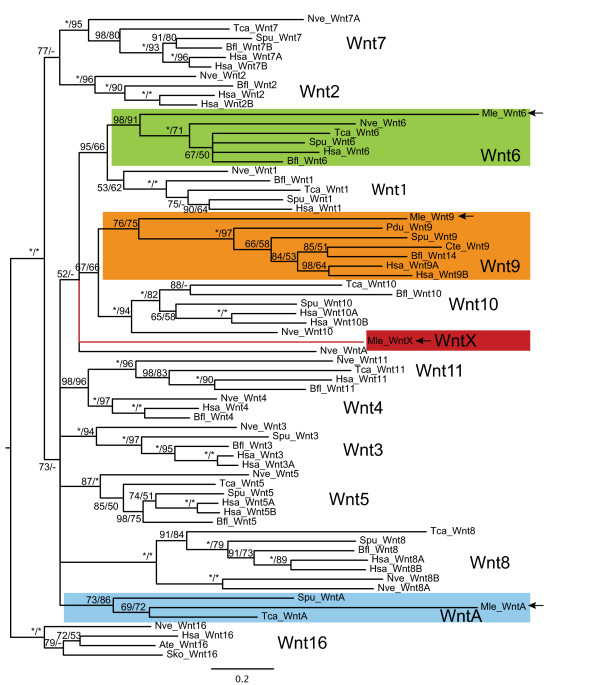
Background: Intercellular signaling pathways are a fundamental component of the integrating cellular behavior required for the evolution of multicellularity. The genomes of three of the four early branching animal phyla (Cnidaria, Placozoa and Porifera) have been surveyed for key components, but not the fourth (Ctenophora). Genomic data from ctenophores could be particularly relevant, as ctenophores have been proposed to be one of the earliest branching metazoan phyla. Results: A preliminary assembly of the lobate ctenophore Mnemiopsis leidyi genome generated using next-generation sequencing technologies were searched for components of a developmentally important signaling pathway, the Wnt/β-catenin pathway. Molecular phylogenetic analysis shows four distinct Wnt ligands ( MlWnt6 , MlWnt9 , MlWntA and MlWntX ), and most, but not all components of the receptor and intracellular signaling pathway were detected. In situ hybridization of the four Wnt ligands showed that they are expressed in discrete regions associated with the aboral pole, tentacle apparati and apical organ. Conclusions: Ctenophores show a minimal (but not obviously simple) complement of Wnt signaling components. Furthermore, it is difficult to compare the Mnemiopsis Wnt expression patterns with those of other metazoans. mRNA expression of Wnt pathway components appears later in development than expected, and zygotic gene expression does not appear to play a role in early axis specification. Notably absent in the Mnemiopsis genome are most major secreted antagonists, which suggests that complex regulation of this secreted signaling pathway probably evolved later in animal evolution.
Overview
The claims and statistics of this paper haven’t been checked yet.
Free: it reads the open-access text and checks the first 5 claims that cite a source we can check. Create a free account to check every claim.
Integrity signals
Registry
Cites
Statistics
Figures
Verification
Claims the paper makes
The claims and statistics of this paper haven’t been checked yet.
Free: it reads the open-access text and checks the first 5 claims that cite a source we can check. Create a free account to check every claim.
Claims other papers make about this one
Each is checked against this paper’s own text: does it say what the citing paper says it does?
The source backs part of the claim, not all of it — or backs it for a different population, condition or comparison.
In the citing paper
“The only other known metazoan Fzd without this motif is the ctenophore Mnemiopsis FzdB 46 (Supplementary Fig. 2; Fig. 2b).”
From Developmental gene expression provides clues to relationships between sponge and eumetazoan body plans (2014) · cites this paper as [46]
Experimental — accuracy not yet measuredThe cited source says what the claim attributes to it.
In the citing paper
“The cell signaling components present in the M. leidyi genome include the RTK family, which predates the origin of Metazoa (40); the TGF-β signaling pathway (33), thought to have evolved in the metazoan common ancestor (39); and the canonical Wnt signaling pathway (34).”
From The Genome of the Ctenophore Mnemiopsis leidyi and Its Implications for Cell Type Evolution (2013) · cites this paper as [34]
The cited source says what the claim attributes to it.
In the citing paper
“The pattern of presence and absence of gene families and signaling pathway components seen in previous studies is consistent with these results (32–36).”
From The Genome of the Ctenophore Mnemiopsis leidyi and Its Implications for Cell Type Evolution (2013) · cites this paper as [34]
In the citing paper
“In addition, members of Bmp and β-catenin signalling are also highly expressed at this region during development6970.”
From Sequential actions of β-catenin and Bmp pattern the oral nerve net in Nematostella vectensis (2014) · cites this paper as [69]
Self-check
Percentages, sums and reported differences re-computed from the paper’s own numbers.
The self-check needs the paper’s full text.
Citations
Cites
MrBayes 3: Bayesian phylogenetic inference under mixed models
Ronquist, F., & Huelsenbeck, J. P. (2003) · Bioinformatics · doi:10.1093/bioinformatics/btg180 · Cited by 29,077 · cited 1×
“The predicted domains or regions of interest were trimmed and aligned using Muscle, then corrected by hand for alignment errors (see Additional file 3, Additional file 4). Bayesian phylogenetic analyses were performed using MrBayes 3.1.2 [ 63 ] using the ‘mixed’ amino acid model with four independent runs of 5 million…”
MethodInfluentialA Simple, Fast, and Accurate Algorithm to Estimate Large Phylogenies by Maximum Likelihood
Guindon, S., & Gascuel, O. (2003) · Systematic Biology · doi:10.1080/10635150390235520 · Cited by 16,806 · cited 1×
“Maximum likelihood analyses were performed using PhyML [64], using the WAG model with 1000 bootstraps.”
MethodThe Wnt Signaling Pathway in Development and Disease
Logan, C. Y., & Nusse, R. (2004) · Annual Review of Cell and Developmental Biology · doi:10.1146/annurev.cellbio.20.010403.113126 · Cited by 5,325 · cited 2×
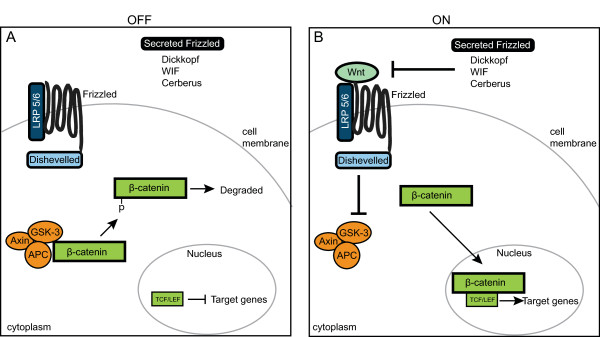
“In this study we examined the Wnt/b-catenin signaling pathway in the ctenophore Mnemiopsis leidyi (Figure 3). In this pathway, the absence of a Wnt ligand results in the shunting of cytoplasmic b-catenin into a ‘destruction complex’ of axin, adenomatous polyposis coli (APC) and glycogen synthase kinase 3 (GSK-3) [ 32…”
BackgroundPrediction of complete gene structures in human genomic DNA
Burge, C., & Karlin, S. (1997) · Journal of Molecular Biology · doi:10.1006/jmbi.1997.0951 · Cited by 4,228 · cited 2×
“A gene model was created by scanning the genomic region using Genscan [61].”
MethodBroad phylogenomic sampling improves resolution of the animal tree of life
Dunn, C. W., Hejnol, A., Matus, D. Q., Pang, K., Browne, W. E., Smith, S. A., Seaver, E., Rouse, G. W., Obst, M., Edgecombe, G. D., et al. (2008) · Nature · doi:10.1038/nature06614 · Cited by 1,921 · cited 1×
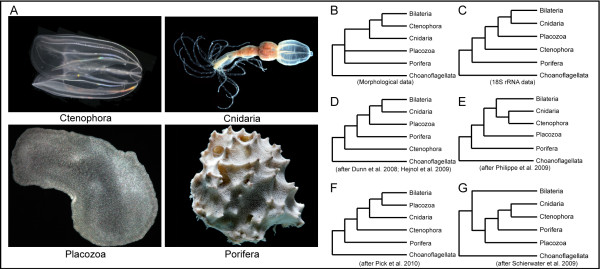
“The ctenophores have been positioned as sister to all other metazoans (Figure 1D) [7,8], grouped with the cnidarians in a clade known as the Coelenterata (Figure 1E) [9], and considered sister to the clade comprising Bilateria, Placozoa and Cnidaria (Figure 1F) [10].”
BackgroundSelf-citationSea Anemone Genome Reveals Ancestral Eumetazoan Gene Repertoire and Genomic Organization
Putnam, N. H., Srivastava, M., Hellsten, U., Dirks, B., Chapman, J., Salamov, A., Terry, A., Shapiro, H., Lindquist, E., Kapitonov, V. V., et al. (2007) · Science · doi:10.1126/science.1139158 · Cited by 1,555 · cited 1×
“The genomes of the anthozoan cnidarian Nematostella vectenis [ 12 ], the hydrozoan cnidarian Hydra magnipapillata [13], the placozoan Trichoplax adhaerens [14] and the sponge Amphimedon queenslandica [15] have already proven to be invaluable resources in the effort to understand the genomic makeup of the earliest meta…”
BackgroundSelf-citationYost, C., Torres, M., Miller, J. R., Huang, E., Kimelman, D., & Moon, R. T. (1996) · Genes & Development · doi:10.1101/gad.10.12.1443 · Cited by 1,165 · cited 1×
“It is known that GSK-3 can phosphorylate b-catenin without requiring the other members of the complex [ 46 ].”
BackgroundThe genome of the choanoflagellate Monosiga brevicollis and the origin of metazoans
King, N., Westbrook, M. J., Young, S. L., Kuo, A., Abedin, M., Chapman, J., Fairclough, S., Hellsten, U., Isogai, Y., Letunic, I., et al. (2008) · Nature · doi:10.1038/nature06617 · Cited by 1,139 · cited 2×
“Along with data from other sponges [16], the genomic data from choanoflagellates [17,18] (the sister group of metazoans) have provided significant insight into the molecular complexity present in the closest extant unicellular ancestor of animals.”
BackgroundThe Amphimedon queenslandica genome and the evolution of animal complexity
Srivastava, M., Simakov, O., Chapman, J., Fahey, B., Gauthier, M. E. A., Mitros, T., Richards, G. S., Conaco, C., Dacre, M., Hellsten, U., et al. (2010) · Nature · doi:10.1038/nature09201 · Cited by 1,049 · cited 2×
“The genomes of the anthozoan cnidarian Nematostella vectenis [12], the hydrozoan cnidarian Hydra magnipapillata [13], the placozoan Trichoplax adhaerens [14] and the sponge Amphimedon queenslandica [15] have already proven to be invaluable resources in the effort to understand the genomic makeup of the earliest metazo…”
BackgroundSMART 6: recent updates and new developments
Letunic, I., Doerks, T., & Bork, P. (2009) · Nucleic Acids Research · doi:10.1093/nar/gkn808 · Cited by 956 · cited 3×
“This predicted protein sequence was then searched for conserved Pfam domains using SMART [62].”
MethodInfluential
Research works printed but not linked: 3
- Reverberi G Ortolani G On the origin of the ciliated plates and of the mesoderm in the ctenophores Acta Embryol Morph Exp 1963 6 175 190
- Hernandez-Nicaise ML Harrison FW, Westfall JA Ctenophora Microscopic Anatomy of Invertebrates: Placozoa, Porifera, Cnidaria and Ctenophora 1991 2 New York: Wiley 359 418
- Tamm SL Shelton GAB Ctenophora Electrical Conduction and Behavior in "Simple" Invertebrates 1982 Oxford: Clarendon 266 358
Cited by
The Genome of the Ctenophore Mnemiopsis leidyi and Its Implications for Cell Type Evolution
Ryan, J. F., Pang, K., Schnitzler, C. E., Nguyen, A.-D., Moreland, R. T., Simmons, D. K., Koch, B. J., Francis, W. R., Havlak, P., Program, N. C. S., et al. (2013) · Science · doi:10.1126/science.1242592 · Cited by 682
“leidyi genome include the RTK family, which predates the origin of Metazoa (40); the TGF-β signaling pathway (33), thought to have evolved in the metazoan common ancestor (39); and the canonical Wnt signaling pathway (34).”
BackgroundSelf-citationLoh, K. M., van Amerongen, R., & Nusse, R. (2016) · Developmental Cell · doi:10.1016/j.devcel.2016.08.011 · Cited by 338
“The lipid is appended by a dedicated enzyme (Porcupine, which is evolutionarily as ancient as Wnt itself [Pang et al., 2010]) and is crucial”
InfluentialFrom nerve net to nerve ring, nerve cord and brain — evolution of the nervous system
Arendt, D., Tosches, M. A., & Marlow, H. (2016) · Nature Reviews Neuroscience · doi:10.1038/nrn.2015.15 · Cited by 279
Phylogenomic Insights into Animal Evolution
Telford, M. J., Budd, G. E., & Philippe, H. (2015) · Current Biology · doi:10.1016/j.cub.2015.07.060 · Cited by 213
The Evolution of the Wnt Pathway
Holstein, T. W. (2012) · Cold Spring Harbor Perspectives in Biology · doi:10.1101/cshperspect.a007922 · Cited by 209
“b-catenin is expressed at the oral pole during gastrulation, whereas the four Wnt ligands are expressed only late at the aboral side of the larva, when tentacles and sensory organs form (Pang et al. 2010).”
BackgroundInfluentialThe hidden biology of sponges and ctenophores
Dunn, C. W., Leys, S. P., & Haddock, S. H. D. (2015) · Trends in Ecology & Evolution · doi:10.1016/j.tree.2015.03.003 · Cited by 212
The Genomic and Cellular Foundations of Animal Origins
Richter, D. J., & King, N. (2013) · Annual Review of Genetics · doi:10.1146/annurev-genet-111212-133456 · Cited by 196
Signalosome assembly by domains undergoing dynamic head-to-tail polymerization
Bienz, M. (2014) · Trends in Biochemical Sciences · doi:10.1016/j.tibs.2014.08.006 · Cited by 157
Leininger, S., Adamski, M., Bergum, B., Guder, C., Liu, J., Laplante, M., Bråte, J., Hoffmann, F., Fortunato, S., Jordal, S., et al. (2014) · Nature Communications · doi:10.1038/ncomms4905 · Cited by 136
How do they do Wnt they do?: regulation of transcription by the Wnt/β‐catenin pathway
Archbold, H. C., Yang, Y. X., Chen, L., & Cadigan, K. M. (2012) · Acta Physiologica · doi:10.1111/j.1748-1716.2011.02293.x · Cited by 141
“Three Wnt genes are found in the demosponge Amphimedon queenslandica (Adamska et al. 2010) and four Wnt genes are present in the Mnemiopsis leidyi genome (Pang et al. 1999).”
BackgroundOn the evolution of bilaterality
Genikhovich, G., & Technau, U. (2017) · Development · doi:10.1242/dev.141507 · Cited by 119
The origin and evolution of Wnt signalling
Holzem, M., Boutros, M., & Holstein, T. W. (2024) · Nature Reviews Genetics · doi:10.1038/s41576-024-00699-w · Cited by 121
“Analyses of Wnt ligands from basal metazoan organisms of Ctenophora, Porifera (sponges) and Placozoa (marine, free-living cell aggregates) indicated that these Wnt proteins are remarkably different from the well-studied Wnt ligand subfamilies in higher metazoan organisms of Cnidaria and Bilateria (animals characterize…”
InfluentialEvolution of the TGF-β Signaling Pathway and Its Potential Role in the Ctenophore, Mnemiopsis leidyi
Pang, K., Ryan, J. F., Baxevanis, A. D., & Martindale, M. Q. (2011) · PLoS ONE · doi:10.1371/journal.pone.0024152 · Cited by 93
“Searches for TGF-b pathway components are similar to those in searches for Wnt pathway components [51], using a reciprocal Blast approach.”
MethodSelf-citationSequential actions of β-catenin and Bmp pattern the oral nerve net in Nematostella vectensis
Watanabe, H., Kuhn, A., Fushiki, M., Agata, K., Özbek, S., Fujisawa, T., & Holstein, T. W. (2014) · Nature Communications · doi:10.1038/ncomms6536 · Cited by 79
Phylogenetic evidence for the modular evolution of metazoan signalling pathways
Babonis, L. S., & Martindale, M. Q. (2017) · Philosophical Transactions of the Royal Society B: Biological Sciences · doi:10.1098/rstb.2015.0477 · Cited by 90
Self-citationPett, W., Ryan, J. F., Pang, K., Mullikin, J. C., Martindale, M. Q., Baxevanis, A. D., & Lavrov, D. V. (2011) · Mitochondrial DNA · doi:10.3109/19401736.2011.624611 · Cited by 89
“The M. leidyi genome sequencing project (Pang et al. 2010; Ryan et al. 2010; unpublished) has produced sequences for several candidate mitochondrial genes.”
BackgroundSelf-citationImproving animal phylogenies with genomic data
Telford, M. J., & Copley, R. R. (2011) · Trends in Genetics · doi:10.1016/j.tig.2011.02.003 · Cited by 83
Anteroposterior axis patterning by early canonical Wnt signaling during hemichordate development
Darras, S., Fritzenwanker, J. H., Uhlinger, K. R., Farrelly, E. R., Pani, A. M., Hurley, I. A., Norris, R. P., Osovitz, M., Terasaki, M. R., Wu, M., et al. (2018) · PLoS Biology · doi:10.1371/journal.pbio.2003698 · Cited by 73
Conservation of Planar Polarity Pathway Function Across the Animal Kingdom
Hale, R., & Strutt, D. I. (2015) · Annual Review of Genetics · doi:10.1146/annurev-genet-112414-055224 · Cited by 79
Jager, M., Dayraud, C., Mialot, A., Quéinnec, E., le Guyader, H., & Manuel, M. (2013) · PLoS ONE · doi:10.1371/journal.pone.0084363 · Cited by 66
“…ctenophores and cnidarians implies however a rather high number of gene losses in the ctenophore lineage, including of many Wnt ligand subfamilies [8] and of several other developmental genes (e.g. some homeobox gene families [31]) as well as gene function modifications, which are not simple to…”
InfluentialRiddiford, N. J., & Olson, P. D. (2011) · Development Genes and Evolution · doi:10.1007/s00427-011-0370-8 · Cited by 76
“Prebilaterian lineages such as the comb jellies, sponges and placozoans possess a handful of recognisable Wnt genes (Pang et al. 2010), whereas an enormous expansion in ligand diversity appears to have occurred in the most recent common ancestor (MRCA) of the Cnidarian and Bilateria (Lee et al.”
BackgroundInfluentialComplex Homology and the Evolution of Nervous Systems
Liebeskind, B. J., Hillis, D. M., Zakon, H. H., & Hofmann, H. A. (2016) · Trends in Ecology & Evolution · doi:10.1016/j.tree.2015.12.005 · Cited by 67
“Interestingly, the developmental toolkit of ctenophores more closely resembles that of sponges, while that of placozoans more closely resembles cnidarians and bilaterians [8,26].”
Lapébie, P., Ruggiero, A., Barreau, C., Chevalier, S., Chang, P., Dru, P., Houliston, E., & Momose, T. (2014) · PLoS Genetics · doi:10.1371/journal.pgen.1004590 · Cited by 64
“Since multi-member Wnt families with early polarized embryonic expression have also been uncovered in other cnidarians [42,43], ctenophores and sponges [44–47] as well as in a range of bilaterian models [48,49], it seems highly probable that Wnt/Fz signaling regulated embryonic patterning in ancestral metazoans, speci…”
BackgroundWnt signaling and polarity in freshwater sponges
Windsor-Reid, P., Matveev, E., McClymont, A., Posfai, D., Hill, A. L., & Leys, S. P. (2018) · BMC Evolutionary Biology · doi:10.1186/s12862-018-1118-0 · Cited by 66
The evolution of animal genomes
Dunn, C. W., & Ryan, J. F. (2015) · Current Opinion in Genetics & Development · doi:10.1016/j.gde.2015.08.006 · Cited by 66
Self-citationInherency of Form and Function in Animal Development and Evolution
Newman, S. A. (2019) · Frontiers in Physiology · doi:10.3389/fphys.2019.00702 · Cited by 62
Structural Architecture and Functional Evolution of Wnts
Bazan, J. F., Janda, C. Y., & Garcia, K. C. (2012) · Developmental Cell · doi:10.1016/j.devcel.2012.07.011 · Cited by 56
Trevino, M. A., Stefanik, D. J., Rodriguez, R., Harmon, S., & Burton, P. M. (2011) · Developmental Dynamics · doi:10.1002/dvdy.22774 · Cited by 64
“, 2011), and ctenophores (Pang et al., 2010).”
BackgroundLebedeva, T. S., Aman, A. J., Graf, T., Niedermoser, I., Zimmermann, B., Kraus, Y. A., Schatka, M., Demilly, A., Technau, U., & Genikhovich, G. (2021) · Nature Communications · doi:10.1038/s41467-021-24346-8 · Cited by 55
Wnt evolution and function shuffling in liberal and conservative chordate genomes
Somorjai, I., Martí‐Solans, J., Diaz-Gracia, M., Nishida, H., Imai, K. S., Escrivá, H., Cañestro, C., & Albalat, R. (2018) · Genome biology · doi:10.1186/s13059-018-1468-3 · Cited by 54
Insights into Frizzled evolution and new perspectives
Schenkelaars, Q., Fierro‐Constaín, L., Renard, E., Hill, A., & Borchiellini, C. (2015) · Evolution & Development · doi:10.1111/ede.12115 · Cited by 57
“In addition, the recent acquisition of theMnemiopsis leidyi genome (Ctenophora) also reveals only two Fzd genes (including MlFZDA containing a 1C-G-2C motif; Pang et al. 2010).”
BackgroundInfluentialSurprisingly rich repertoire of Wnt genes in the demosponge Halisarca dujardini
Borisenko, I., Adamski, M., Ereskovsky, A. V., & Adamska, M. (2016) · BMC Evolutionary Biology · doi:10.1186/s12862-016-0700-6 · Cited by 59
“Representatives of the Wnt family have been identified in all animals studied so far, including so-called “basally branching” or non-bilaterian clades: cnidarians [9, 10], placozoans [11], ctenophores [12, 13] and sponges [14–18].”
BackgroundEvidence of Signaling and Adhesion Roles for β-Catenin in the Sponge Ephydatia muelleri
Schippers, K. J., & Nichols, S. A. (2018) · Molecular Biology and Evolution · doi:10.1093/molbev/msy033 · Cited by 49
“2008), ctenophores (Pang et al. 2010; Jager et al. 2013) and sponges (Srivastava et al.”
Franke, F. A., & Mayer, G. (2014) · PLoS ONE · doi:10.1371/journal.pone.0114383 · Cited by 58
A new paradigm for animal symmetry
Holló, G. (2015) · Interface Focus · doi:10.1098/rsfs.2015.0032 · Cited by 62
“Studying the axial properties of this phylum could be promising [48] since this group has been proposed as the sister group to all metazoans [49–51].”
BackgroundCellular and Molecular Mechanisms of Hydra Regeneration
Reddy, P. C., Gungi, A., & Unni, M. (2019) · Results and problems in cell differentiation · doi:10.1007/978-3-030-23459-1_12 · Cited by 59
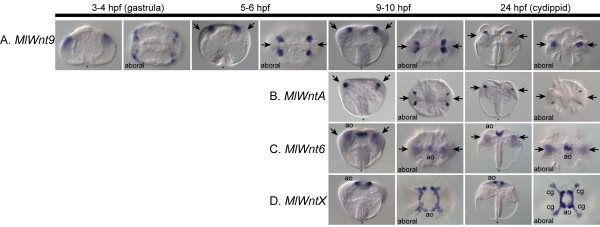
“In the ctenophore Mnemiopsis leidyi, it was observed that the Wnt ligands were expressed in the aboral pole, tentacles and the apical organ indicating their role in polarized pattern formation (Pang et al. 2010).”
BackgroundNicol, B., Guérin, A., Fostier, A., & Guiguen, Y. (2011) · Molecular Reproduction and Development · doi:10.1002/mrd.21404 · Cited by 47
“, 2009), and ctenophores (Pang et al., 2010), suggesting that the diversification of the Wnt family occurred very early in metazoan evolution.”
BackgroundWnt signal transduction pathways: modules, development and evolution
Nayak, L., Bhattacharyya, N. P., & De, R. K. (2016) · BMC Systems Biology · doi:10.1186/s12918-016-0299-7 · Cited by 46
“Loss of the Wnt-2 ortholog in Metazoa is quite an uncommon event.”
BackgroundInfluentialVertebrate Cranial Placodes as Evolutionary Innovations—The Ancestor's Tale
Schlosser, G. (2015) · Current topics in developmental biology/Current Topics in Developmental Biology · doi:10.1016/bs.ctdb.2014.11.008 · Cited by 47
-Catenin-Dependent Wnt Signaling in C. elegans: Teaching an Old Dog a New Trick
Jackson, B. M., & Eisenmann, D. M. (2012) · Cold Spring Harbor Perspectives in Biology · doi:10.1101/cshperspect.a007948 · Cited by 52
“It may have once been assumed this small number was due to some “lower” evolutionary status of nematodes, but genome sequencing of diverse animal species now suggests that the early metazoan common ancestor had a large complement of Wnt genes and that nematode lineages have lost many of these genes (Guder et al. 2006;…”
BackgroundRetracing the path of planar cell polarity
Schenkelaars, Q., Fierro‐Constaín, L., Renard, E., & Borchiellini, C. (2016) · BMC Evolutionary Biology · doi:10.1186/s12862-016-0641-0 · Cited by 46
Simmons, D. K., Pang, K., & Martindale, M. Q. (2012) · EvoDevo · doi:10.1186/2041-9139-3-2 · Cited by 38
“Previous studies have described other genes in different regions of the apical organ of Mnemiopsis, including the T-box genes Tbx2/3 and Brachyury [55], the homeobox genes Prd1 and Prd3 [56], the Wnt genes MlWnt6 and MlWntX [46], as well as the zinc fingers MlGli and MlGlis [57].”
InfluentialSelf-citationSignaling Pathways and Axis Formation in the Lower Metazoa
Holstein, T. W., Watanabe, H., & Özbek, S. (2011) · Current topics in developmental biology/Current Topics in Developmental Biology · doi:10.1016/b978-0-12-385975-4.00012-7 · Cited by 48
“Ctenophores also lack Wnt antagonists related to dkk or other gene families (Pang et al., 2010).”
BackgroundInfluentialUnderstanding Animal Evolution: The Added Value of Sponge Transcriptomics and Genomics
Renard, E., Leys, S. P., Wörheide, G., & Borchiellini, C. (2018) · BioEssays · doi:10.1002/bies.201700237 · Cited by 52
Expression of wnt and frizzled genes during early sea star development
McCauley, B. S., Akyar, E., Filliger, L. Z., & Hinman, V. F. (2013) · Gene Expression Patterns · doi:10.1016/j.gep.2013.07.007 · Cited by 43
Reddy, P. C., Gungi, A., Ubhe, S., Pradhan, S. J., Kolte, A., & Galande, S. (2019) · Communications Biology · doi:10.1038/s42003-019-0680-3 · Cited by 42
Babonis, L. S., DeBiasse, M. B., Francis, W. R., Christianson, L. M., Moss, A. G., Haddock, S. H. D., Martindale, M. Q., & Ryan, J. F. (2018) · Molecular Biology and Evolution · doi:10.1093/molbev/msy171 · Cited by 37
“…C52, C53, and C54 for transcription factors that have been previously characterized in M. leidyi (Pang and Martindale 2008; Jackson et al. 2010; Pang et al. 2010; Yamada et al. 2010; Pang et al. 2011; Reitzel et al. 2011; Schnitzler et al. 2012; Simmons et al. 2012; Schnitzler et al. 2014;…”
BackgroundSelf-citationMartín-Durán, J. M., de Mendoza, A., Sebé-Pedrós, A., Ruiz‐Trillo, I., & Hejnol, A. (2013) · Genome Biology and Evolution · doi:10.1093/gbe/evt102 · Cited by 38
A Comparative Perspective on Wnt/β-Catenin Signalling in Cell Fate Determination
Garcin, C. L., & Habib, S. J. (2017) · Results and problems in cell differentiation · doi:10.1007/978-3-319-53150-2_15 · Cited by 43
Evo-devo of non-bilaterian animals
Lanna, E. (2015) · Genetics and Molecular Biology · doi:10.1590/s1415-475738320150005 · Cited by 43
“Surprisingly, however, WNT ligands and other components are expressed only after gastrulation in the development of comb jellies (Pang et al., 2010), suggesting that the patterning of the primary axis in Ctenophora is set by another mechanism (Ryan and Baxevanis, 2007; Adamska et al., 2011).”
BackgroundMethodA customized Web portal for the genome of the ctenophore Mnemiopsis leidyi
Moreland, R. T., Nguyen, A.-D., Ryan, J. F., Schnitzler, C. E., Koch, B. J., Siewert, K., Wolfsberg, T. G., & Baxevanis, A. D. (2014) · BMC Genomics · doi:10.1186/1471-2164-15-316 · Cited by 34
“contributed to our understanding of the evolution of gene families [5-7], signaling pathways [8,9], protein domains [10], miRNAs [11], and genes involved in the production and detection of light [12].”
BackgroundSelf-citationPotential for clonal animals in longevity and ageing studies
Sköld, H. N., & Obst, M. (2011) · Biogerontology · doi:10.1007/s10522-011-9333-8 · Cited by 34
Repeated Evolution of Identical Domain Architecture in Metazoan Netrin Domain-Containing Proteins
Leclère, L., & Rentzsch, F. (2012) · Genome Biology and Evolution · doi:10.1093/gbe/evs061 · Cited by 38
“…is also present in the placozoan T. adhaerens (with a truncated frizzled-CRD domain not included in the phylogenetic analyses), while both groups of sFRPs are absent from the sequenced ctenophore (Mnemiopsis leidyi; Pang et al. 2010) and sponge genomes (Adamska et al. 2010; Srivastava et al. 2010).”
BackgroundFischer, A., Pang, K., Henry, J. J., & Martindale, M. Q. (2014) · EvoDevo · doi:10.1186/2041-9139-5-4 · Cited by 30
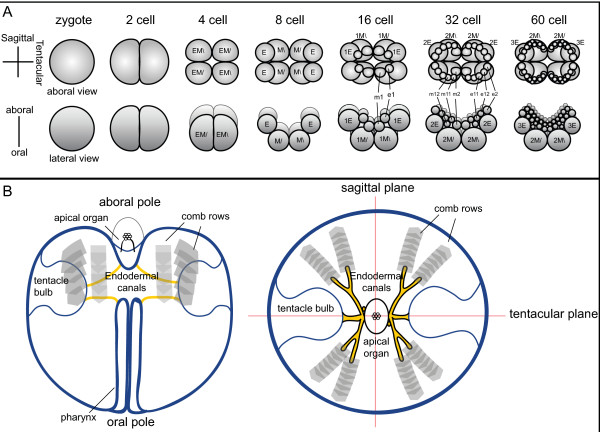
“These planes are defined by axes of rotational symmetry around the oral-aboral axis because diagonally opposed quadrants are more identical to one another than adjacent quadrants [3-610,13,15].”
BackgroundResultSelf-citationSchenkelaars, Q., Quintero, O. A., Hall, C. P., Fierro‐Constaín, L., Renard, E., Borchiellini, C., & Hill, A. (2016) · Developmental Biology · doi:10.1016/j.ydbio.2016.02.026 · Cited by 35
Twist as a new prognostic marker in hematological malignancies
Norozi, F., Ahmadzadeh, A., Shahjahani, M., Shahrabi, S., & Saki, N. (2015) · Clinical & Translational Oncology · doi:10.1007/s12094-015-1357-0 · Cited by 29
Apcdd1 is a dual BMP/Wnt inhibitor in the developing nervous system and skin
Vonica, A., Bhat, N., Phan, K. D., Guo, J., Iancu, L., Weber, J. A., Karger, A., Cain, J. W., Wang, E. C. E., DeStefano, G. M., et al. (2020) · Developmental Biology · doi:10.1016/j.ydbio.2020.03.015 · Cited by 29
Whole-Body Regeneration in the Lobate Ctenophore Mnemiopsis leidyi
Edgar, A., Mitchell, D. G., & Martindale, M. Q. (2021) · Genes · doi:10.3390/genes12060867 · Cited by 29
Self-citationCtenophores: an evolutionary-developmental perspective
Jager, M., & Manuel, M. (2016) · Current Opinion in Genetics & Development · doi:10.1016/j.gde.2016.05.020 · Cited by 27
Reitzel, A. M., Pang, K., & Martindale, M. Q. (2016) · EvoDevo · doi:10.1186/s13227-016-0051-9 · Cited by 28
“In situ hybridization was performed as described previously using an alkaline phosphatase-conjugated digoxigenin antibody (Roche Applied Science) and the substrates nitro-blue tetrazolium (NBT)/5-bromo-4-chloro-3-indolyl phosphate (BCIP) [68].”
MethodInfluentialSelf-citationAnimal multicellularity and polarity without Wnt signaling
Schenkelaars, Q., Pratlong, M., Kodjabachian, L., Fierro‐Constaín, L., Vacelet, J., Bivic, A. L., Renard, E., & Borchiellini, C. (2017) · Scientific Reports · doi:10.1038/s41598-017-15557-5 · Cited by 32
Cell polarity signalling at the birth of multicellularity: What can we learn from the first animals
Wright, B. A., Kvansakul, M., Schierwater, B., & Humbert, P. O. (2022) · Frontiers in Cell and Developmental Biology · doi:10.3389/fcell.2022.1024489 · Cited by 27
Presnell, J. S., Bubel, M. M., Knowles, T., Patry, W. L., & Browne, W. E. (2022) · Nature Protocols · doi:10.1038/s41596-022-00702-w · Cited by 28
The salamander blastema within the broader context of metazoan regeneration
Tajer, B. J., Savage, A. M., & Whited, J. L. (2023) · Frontiers in Cell and Developmental Biology · doi:10.3389/fcell.2023.1206157 · Cited by 26
“Intriguingly, ctenophores lack FGF, and have uniquely evolved and elaborated gene families for other metazoan signaling pathways, such as TGF-β and Wnt (Pang et al., 2010; 2011; Moroz et al., 2014; Edgar et al., 2021).”
BackgroundInfluentialThe research progress of Wnt/β-catenin signaling pathway in colorectal cancer
Zhang, X., Li, C., Wu, Y., & Cui, P. (2023) · Clinics and Research in Hepatology and Gastroenterology · doi:10.1016/j.clinre.2023.102086 · Cited by 24
Costache, V., Hebras, C., Prulière, G., Besnardeau, L., Failla, M., Copley, R. R., Burgess, D. R., Chenevert, J. M., & McDougall, A. (2017) · Nature Communications · doi:10.1038/s41467-017-01048-8 · Cited by 21
Borisenko, I., Bolshakov, F. V., Ereskovsky, A. V., & Lavrov, A. (2021) · Genes · doi:10.3390/genes12060944 · Cited by 26
Kerekes, K., Bányai, L., Trexler, M., & Patthy, L. (2019) · Growth Factors · doi:10.1080/08977194.2019.1626380 · Cited by 21
“The genome of the Ctenophore Mnemiopsis leidyi also contains orthologs of the main components of Wnt signaling: four Wnt ligands, b-catenin, disheveled, two Frizzled receptors, SFRP, transcription factor TCF/LEF, LRP5/6, GSK3b, CK1, APC (Pang et al. 2010), but Mnemiopsis leidyi was found to lack most of the major gene…”
BackgroundInfluentialMartindale, M. Q., & Henry, J. Q. (2015) · Evolutionary Developmental Biology of Invertebrates 1 · doi:10.1007/978-3-7091-1862-7_8 · Cited by 18
Self-citationEmbryonic expression of priapulid Wnt genes
Hogvall, M., Vellutini, B. C., Martín-Durán, J. M., Hejnol, A., Budd, G. E., & Janßen, R. (2019) · Development Genes and Evolution · doi:10.1007/s00427-019-00636-6 · Cited by 18
Asymmetric requirement of surface epithelial β‐catenin during the upper and lower jaw development
Sun, Y., Teng, I., Huo, R., Rosenfeld, M. G., Olson, L. E., Li, X., & Li, X. (2012) · Developmental Dynamics · doi:10.1002/dvdy.23755 · Cited by 17
“The Wnt/b-catenin signaling pathway is one of the most ancient intercellular communication pathways, in which intracellular b-catenin acts as a central node to transduce canonical Wnt signals (Richards and Degnan, 2009; Pang et al., 2010).”
BackgroundWijesena, N. M., Sun, H., Kumburegama, S., & Wikramanayake, A. H. (2021) · Developmental Biology · doi:10.1016/j.ydbio.2021.11.002 · Cited by 13
The logistics of Wnt production and delivery
Alvarez‐Rodrigo, I., Willnow, D., & Vincent, J. (2023) · Current topics in developmental biology/Current Topics in Developmental Biology · doi:10.1016/bs.ctdb.2023.01.006 · Cited by 14
β-catenin-driven endomesoderm specification is a Bilateria-specific novelty
Lebedeva, T. S., Boström, J., Kremnyov, S. V., Mörsdorf, D., Niedermoser, I., Genikhovich, E., Hejnol, A., Adameyko, I. I., & Genikhovich, G. (2025) · Nature Communications · doi:10.1038/s41467-025-57109-w · Cited by 20
Martindale, M. Q., & Lee, P. N. (2013) · Biological Theory · doi:10.1007/s13752-013-0117-z · Cited by 14
“The Wnt pathway is a metazoan invention and components of the pathway have been shown to exist in all three metazoan lineages that branched prior to the cnidarian-bilaterian clade (sponges, ctenophores, and Trichoplax) (Adamska et al. 2007, 2010; Srivastava et al. 2008; Pang et al. 2010), although there is no evidence…”
BackgroundSelf-citationPhylogenetic Origins of Brain Organisers
Robertshaw, E., & Kiecker, C. M. (2012) · Scientifica · doi:10.6064/2012/475017 · Cited by 15
“With respect to the AP axis of the nervous system, conserved patterns of gene expression have led to the idea that a “tripartite brain”—roughly corresponding to the forebrain, midbrain/hindbrain, and spinal cord of vertebrates—is a common feature of bilaterians [4, 5].”
BackgroundSinkovics, J. (2015) · International Journal of Oncology · doi:10.3892/ijo.2015.3102 · Cited by 22
Developmental Signalling and Emergence of Animal Multicellularity
Adamska, M. (2015) · Advances in marine genomics · doi:10.1007/978-94-017-9642-2_20 · Cited by 13
“Analysis of the localization of the Wnt pathway components by specific antibodies would be then necessary to clarify their function during early ctenophore development (Pang et al. 2010).”
BackgroundInfluentialMitchell, D. G., Edgar, A., Mateu, J. R., Ryan, J. F., & Martindale, M. Q. (2024) · Communications Biology · doi:10.1038/s42003-024-05901-7 · Cited by 14
“Interestingly, the M. leidyi genome contains 4 Wnt ligands, none of which we recovered as DEG 123,124 .”
Self-citationDifferential deployment of paralogous W nt genes in the mouse and chick embryo during development
Martin, A., Maher, S., Summerhurst, K., Davidson, D. R., & Murphy, P. (2012) · Evolution & Development · doi:10.1111/j.1525-142x.2012.00534.x · Cited by 17
“Wnts are found in all nonbilaterian groups with three Wnt genes in the sponge Amphimedon (Adamska et al. 2010) and four in the ctenophore Mnemiopsis leidyi (Pang et al. 2010).”
BackgroundBodily Complexity: Integrated Multicellular Organizations for Contraction-Based Motility
Arnellos, A., & Keijzer, F. (2019) · Frontiers in Physiology · doi:10.3389/fphys.2019.01268 · Cited by 17
“Nuclear receptors (NR) are expressed only after the onset of gastrulation, and the same goes (most importantly) for the canonical WNT pathway, while they have fewer ligands and receptors for the canonical WNT pathway than do cnidarians (Mullikin et al., 2010; Pang et al., 2010).”
BackgroundSalinas‐Saavedra, M., & Martindale, M. Q. (2020) · eLife · doi:10.7554/elife.54927 · Cited by 14
Self-citationEvolution of sodium channels and the new view of early nervous system evolution
Liebeskind, B. J. (2011) · Communicative & Integrative Biology · doi:10.4161/cib.17069 · Cited by 12
Sea anemone Frizzled receptors play partially redundant roles in oral-aboral axis patterning
Niedermoser, I., Lebedeva, T. S., & Genikhovich, G. (2022) · Development · doi:10.1242/dev.200785 · Cited by 10
Salinas‐Saavedra, M., Salinas‐Saavedra, M., & Martindale, M. Q. (2018) · Protocol Exchange · doi:10.1038/protex.2018.092 · Cited by 11
Self-citationEdiacara growing pains: modular addition and development in Dickinsonia costata
Evans, S. D., Gehlîng, J. G., Erwin, D. H., & Droser, M. L. (2021) · Paleobiology · doi:10.1017/pab.2021.31 · Cited by 10
“This includes body patterning in poriferan larvae (Adamska et al. 2007), ctenophores (Pang et al. 2010), cnidarians (Finnerty et al. 2004), and placozoans (DuBuc et al. 2019).”
BackgroundVargas, A. M., DeBiasse, M. B., Dykes, L. L., Edgar, A., Hayes, T. D., Groso, D., Babonis, L. S., Martindale, M. Q., & Ryan, J. F. (2024) · NAR Genomics and Bioinformatics · doi:10.1093/nargab/lqae072 · Cited by 11
“We added data from B. ovata and H. californensis into the alignment of Wnt ligands from Pang et al. ( 70 ) and performed a maximum-likelihood phylogenetic analysis.”
Self-citationCombinatorial Wnt signaling landscape during brachiopod anteroposterior patterning
Vellutini, B. C., Martín-Durán, J. M., Børve, A., & Hejnol, A. (2024) · BMC Biology · doi:10.1186/s12915-024-01988-w · Cited by 8
“Ctenophores have only four Wnt, two Frizzled, and one sFRP and their expression is not staggered along the embryonic ectoderm [101].”
BackgroundMethodStudying Ctenophora WBR Using Mnemiopsis leidyi
Ramon-Mateu, J., Edgar, A., Mitchell, D. G., & Martindale, M. Q. (2022) · Methods in molecular biology · doi:10.1007/978-1-0716-2172-1_5 · Cited by 10
Self-citationβ-catenin has an ancestral role in cell fate specification but not cell adhesionPreprint
Salinas‐Saavedra, M., Wikramanayake, A. H., & Martindale, M. Q. (2019) · bioRxiv (Cold Spring Harbor Laboratory) · doi:10.1101/520957 · Cited by 9
Self-citationWnt/β-catenin signalling underpins juvenile Fasciola hepatica growth and development
Armstrong, R., Marks, N. J., Geary, T. G., Harrington, J. L., Selzer, P. M., & Maule, A. G. (2025) · PLoS Pathogens · doi:10.1371/journal.ppat.1012562 · Cited by 9
“While two Fh SFRPs were identified, there is a general paucity of pathway antagonists within the F. hepatica genome, a pattern which appears to be unanimous across several basal metazoan lineages, including Drosophila and C. elegans [35,36].”
Porcupine/Wntless‐dependent trafficking of the conserved WntA ligand in butterflies
Hanly, J. J., Robertson, E. C. N., Corning, O. B. W. H., & Martin, A. (2021) · Journal of Experimental Zoology Part B Molecular and Developmental Evolution · doi:10.1002/jez.b.23046 · Cited by 5
Croce, J. C., & Holstein, T. W. (2014) · Wiley eBooks · doi:10.1002/9781118444122.ch12 · Cited by 9
Ferraioli, A., Digel, L., Sturm, D., Colgren, J. J., Goff, C. L., Jan, A., Soto-Angel, J. J., Naumann, B. T., Kittelmann, M., & Burkhardt, P. (2026) · Science Advances · doi:10.1126/sciadv.aea8399 · Cited by 13
“In the ctenophore Mnemiopsis leidyi , Wnt genes are expressed later in development and show an inverse expression pattern confined to specific domains at the aboral pole ( 35 ).”
Invertebrate Origins of Vertebrate Nervous Systems
Holland, L. Z. (2016) · Elsevier eBooks · doi:10.1016/b978-0-12-804042-3.00001-4 · Cited by 5
β-catenin-dependent endomesoderm specification appears to be a Bilateria-specific co-optionPreprint
Lebedeva, T. S., Boström, J., Mörsdorf, D., Niedermoser, I., Genikhovich, E., Adameyko, I. I., & Genikhovich, G. (2022) · bioRxiv (Cold Spring Harbor Laboratory) · doi:10.1101/2022.10.15.512282 · Cited by 5
“Expression data indicate that cWnt signalling may regulate axial patterning in the earliest branching metazoan groups Ctenophora and Porifera (12-14), and functional analyses of the last 25 years showed the involvement of the graded cWnt signalling in the patterning of the oral-aboral (O-A) axis in the bilaterian sist…”
BackgroundGenome-wide identification and expression profiling of the Wnt gene family in three abalone species
Zhang, Q., Fu, Y., Zhang, Y., & Liu, H. (2024) · Genes & Genomics · doi:10.1007/s13258-024-01579-7 · Cited by 4
“The Wnt gene family plays pivotal roles in a variety of biological processes, including cell proliferation, tissue differentiation and regeneration, apoptosis, and embryonic development (Wikramanayake et al. 2004; Pang et al. 2010; Schaffer et al. 2016).”
Wnt and Frizzled Genes in Echinoderms
Girich, A. S., & Boyko, A. V. (2019) · Russian Journal of Marine Biology · doi:10.1134/s1063074019040072 · Cited by 4
“Wnt signaling probably appears in the most primitive multicellular organisms, since Ctenophora and Placozoa already have two or three Wnt ligands and one or two Frizzled receptors [3, 26, 37, 46].”
BackgroundMartindale, M. Q. (2022) · Current topics in developmental biology/Current Topics in Developmental Biology · doi:10.1016/bs.ctdb.2022.02.002 · Cited by 4
Self-citationEvolutionary Trends in Hox Cluster Genes Utilization: Whether Common Genes Play by General Rules?
Kulakova, M. A. (2018) · Paleontological Journal · doi:10.1134/s0031030118140101 · Cited by 3
Metadata
- Authors
- Pang, K., Ryan, J. F., Program, N. C. S., Mullikin, J. C., Baxevanis, A. D., & Martindale, M. Q.
- Affiliations
- University of Hawaiʻi at Mānoa (US)
- National Institutes of Health (US)
- Corresponding author
- Martindale, Mark Q
- Venue
- EvoDevo
- Published
- 2010-10-04
- Volume
- 1
- Issue
- 1
- Pages
- 10-10
- ISSN
- 2041-9139 (ISSN-L)
- PMC
- PMC2959043
- OpenAlex
- W2123456802
- Cited by
- 115
- References
- 62
- Citations by year
- 2026: 4 · 2025: 3 · 2024: 8 · 2023: 4 · 2022: 6 · 2021: 6 · 2020: 3 · 2019: 10 · 2018: 9 · 2017: 5 · 2016: 9 · 2015: 15 · 2014: 8 · 2013: 6 · 2012: 9
- FWCI
- 3.26
- Type
- journal article
- Language
- en
- Open access
- gold
- doi.org
- Licence
- cc-by
- Locations
- EvoDevo (publishedVersion, cc-by)
- PubMed Central (publishedVersion, cc-by)
- PubMed (publishedVersion)
- DOAJ (DOAJ: Directory of Open Access Journals) (submittedVersion, cc-by-sa)
- Funders
- National Science Foundation
- National Aeronautics and Space Administration
- National Institutes of Health
- National Human Genome Research Institute
- Topics
- Life Sciences › Biochemistry, Genetics and Molecular Biology › Molecular Biology › Developmental Biology and Gene Regulation
- Life Sciences › Agricultural and Biological Sciences › Animal Science and Zoology › Marine Invertebrate Physiology and Ecology
- Life Sciences › Biochemistry, Genetics and Molecular Biology › Molecular Biology › Wnt/β-catenin signaling in development and cancer
- Keywords
- Wnt/β-catenin signaling, Mnemiopsis leidyi, ctenophores, Wnt ligands, genome assembly, molecular phylogeny, gene expression patterns, evolution of multicellularity, axis specification
About these checks
Registry, retraction, Cites and statistics results are computed, not judged, with one exception: a printed reference that no index lists is read once by a model before it counts as a citation error. Claims are extracted by a model and kept only when their quote appears verbatim in the text; each cited source is then checked, with a model’s help, for whether it says what the claim relies on. Those verdicts can be wrong — read the claim’s quote and the cited source before relying on one.
Statistics and arithmetic are recomputed, not judged.
Confidence bands are shown only for fields calibrated on our annotated test set. None is calibrated yet, so no band is shown.
What counts as a claim ›How we measure confidence ›How we check this ›
Are you an author, or do you see a problem with this page? Request a review
Data sources
Bibliographic data: Semantic Scholar, OpenAlex, Crossref.
Contains information from the Semantic Scholar Academic Graph Datasets, made available under the ODC Attribution License (ODC-BY 1.0).
Semantic Scholar’s data is described in: Kinney, R., et al. (2023). The Semantic Scholar Open Data Platform. arXiv:2301.10140.
