

Genomic insights into Wnt signaling in an early diverging metazoan, the ctenophore Mnemiopsis leidyi
Open accessThe DOI matches its Crossref record; 62 of the 62 references it cites were found in a registry or an index.
Abstract
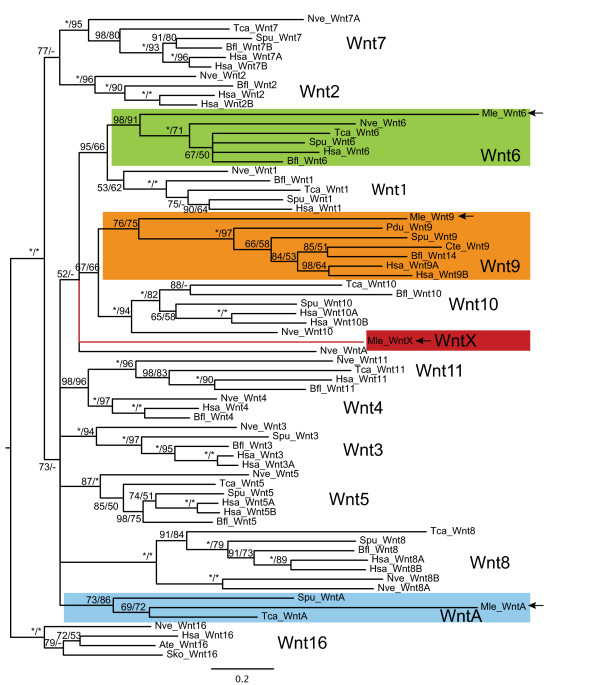
Background: Intercellular signaling pathways are a fundamental component of the integrating cellular behavior required for the evolution of multicellularity. The genomes of three of the four early branching animal phyla (Cnidaria, Placozoa and Porifera) have been surveyed for key components, but not the fourth (Ctenophora). Genomic data from ctenophores could be particularly relevant, as ctenophores have been proposed to be one of the earliest branching metazoan phyla. Results: A preliminary assembly of the lobate ctenophore Mnemiopsis leidyi genome generated using next-generation sequencing technologies were searched for components of a developmentally important signaling pathway, the Wnt/β-catenin pathway. Molecular phylogenetic analysis shows four distinct Wnt ligands ( MlWnt6 , MlWnt9 , MlWntA and MlWntX ), and most, but not all components of the receptor and intracellular signaling pathway were detected. In situ hybridization of the four Wnt ligands showed that they are expressed in discrete regions associated with the aboral pole, tentacle apparati and apical organ. Conclusions: Ctenophores show a minimal (but not obviously simple) complement of Wnt signaling components. Furthermore, it is difficult to compare the Mnemiopsis Wnt expression patterns with those of other metazoans. mRNA expression of Wnt pathway components appears later in development than expected, and zygotic gene expression does not appear to play a role in early axis specification. Notably absent in the Mnemiopsis genome are most major secreted antagonists, which suggests that complex regulation of this secreted signaling pathway probably evolved later in animal evolution.
Overview
The claims and statistics of this paper haven’t been checked yet.
Free: it reads the open-access text and checks the first 5 claims that cite a source we can check. Create a free account to check every claim.
Integrity signals
Registry
Cites
Statistics
Figures
Verification
Claims the paper makes
The claims and statistics of this paper haven’t been checked yet.
Free: it reads the open-access text and checks the first 5 claims that cite a source we can check. Create a free account to check every claim.
Claims other papers make about this one
Each is checked against this paper’s own text: does it say what the citing paper says it does?
The source backs part of the claim, not all of it — or backs it for a different population, condition or comparison.
In the citing paper
“The only other known metazoan Fzd without this motif is the ctenophore Mnemiopsis FzdB 46 (Supplementary Fig. 2; Fig. 2b).”
From Developmental gene expression provides clues to relationships between sponge and eumetazoan body plans (2014) · cites this paper as [46]
Experimental — accuracy not yet measuredThe cited source says what the claim attributes to it.
In the citing paper
“The cell signaling components present in the M. leidyi genome include the RTK family, which predates the origin of Metazoa (40); the TGF-β signaling pathway (33), thought to have evolved in the metazoan common ancestor (39); and the canonical Wnt signaling pathway (34).”
From The Genome of the Ctenophore Mnemiopsis leidyi and Its Implications for Cell Type Evolution (2013) · cites this paper as [34]
The cited source says what the claim attributes to it.
In the citing paper
“The pattern of presence and absence of gene families and signaling pathway components seen in previous studies is consistent with these results (32–36).”
From The Genome of the Ctenophore Mnemiopsis leidyi and Its Implications for Cell Type Evolution (2013) · cites this paper as [34]
In the citing paper
“In addition, members of Bmp and β-catenin signalling are also highly expressed at this region during development6970.”
From Sequential actions of β-catenin and Bmp pattern the oral nerve net in Nematostella vectensis (2014) · cites this paper as [69]
Self-check
Percentages, sums and reported differences re-computed from the paper’s own numbers.
The self-check needs the paper’s full text.
Citations
Cites
MrBayes 3: Bayesian phylogenetic inference under mixed models
Ronquist, F., & Huelsenbeck, J. P. (2003) · Bioinformatics · doi:10.1093/bioinformatics/btg180 · Cited by 29,077 · cited 1×
“The predicted domains or regions of interest were trimmed and aligned using Muscle, then corrected by hand for alignment errors (see Additional file 3, Additional file 4). Bayesian phylogenetic analyses were performed using MrBayes 3.1.2 [ 63 ] using the ‘mixed’ amino acid model with four independent runs of 5 million…”
MethodInfluentialA Simple, Fast, and Accurate Algorithm to Estimate Large Phylogenies by Maximum Likelihood
Guindon, S., & Gascuel, O. (2003) · Systematic Biology · doi:10.1080/10635150390235520 · Cited by 16,806 · cited 1×
“Maximum likelihood analyses were performed using PhyML [64], using the WAG model with 1000 bootstraps.”
MethodThe Wnt Signaling Pathway in Development and Disease
Logan, C. Y., & Nusse, R. (2004) · Annual Review of Cell and Developmental Biology · doi:10.1146/annurev.cellbio.20.010403.113126 · Cited by 5,325 · cited 2×
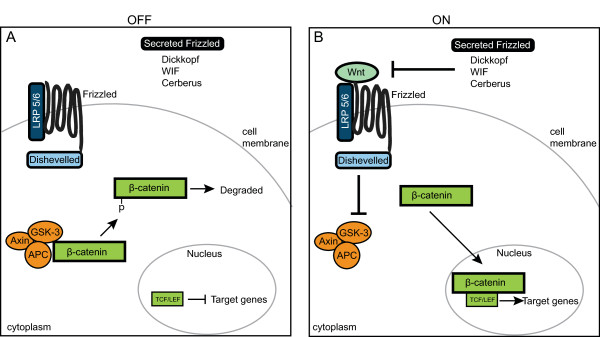
“In this study we examined the Wnt/b-catenin signaling pathway in the ctenophore Mnemiopsis leidyi (Figure 3). In this pathway, the absence of a Wnt ligand results in the shunting of cytoplasmic b-catenin into a ‘destruction complex’ of axin, adenomatous polyposis coli (APC) and glycogen synthase kinase 3 (GSK-3) [ 32…”
BackgroundPrediction of complete gene structures in human genomic DNA
Burge, C., & Karlin, S. (1997) · Journal of Molecular Biology · doi:10.1006/jmbi.1997.0951 · Cited by 4,228 · cited 2×
“A gene model was created by scanning the genomic region using Genscan [61].”
MethodBroad phylogenomic sampling improves resolution of the animal tree of life
Dunn, C. W., Hejnol, A., Matus, D. Q., Pang, K., Browne, W. E., Smith, S. A., Seaver, E., Rouse, G. W., Obst, M., Edgecombe, G. D., et al. (2008) · Nature · doi:10.1038/nature06614 · Cited by 1,921 · cited 1×
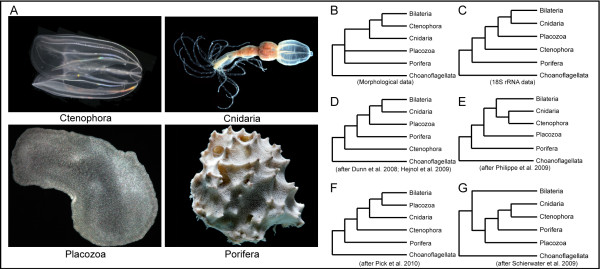
“The ctenophores have been positioned as sister to all other metazoans (Figure 1D) [7,8], grouped with the cnidarians in a clade known as the Coelenterata (Figure 1E) [9], and considered sister to the clade comprising Bilateria, Placozoa and Cnidaria (Figure 1F) [10].”
BackgroundSelf-citationSea Anemone Genome Reveals Ancestral Eumetazoan Gene Repertoire and Genomic Organization
Putnam, N. H., Srivastava, M., Hellsten, U., Dirks, B., Chapman, J., Salamov, A., Terry, A., Shapiro, H., Lindquist, E., Kapitonov, V. V., et al. (2007) · Science · doi:10.1126/science.1139158 · Cited by 1,555 · cited 1×
“The genomes of the anthozoan cnidarian Nematostella vectenis [ 12 ], the hydrozoan cnidarian Hydra magnipapillata [13], the placozoan Trichoplax adhaerens [14] and the sponge Amphimedon queenslandica [15] have already proven to be invaluable resources in the effort to understand the genomic makeup of the earliest meta…”
BackgroundSelf-citationYost, C., Torres, M., Miller, J. R., Huang, E., Kimelman, D., & Moon, R. T. (1996) · Genes & Development · doi:10.1101/gad.10.12.1443 · Cited by 1,165 · cited 1×
“It is known that GSK-3 can phosphorylate b-catenin without requiring the other members of the complex [ 46 ].”
BackgroundThe genome of the choanoflagellate Monosiga brevicollis and the origin of metazoans
King, N., Westbrook, M. J., Young, S. L., Kuo, A., Abedin, M., Chapman, J., Fairclough, S., Hellsten, U., Isogai, Y., Letunic, I., et al. (2008) · Nature · doi:10.1038/nature06617 · Cited by 1,139 · cited 2×
“Along with data from other sponges [16], the genomic data from choanoflagellates [17,18] (the sister group of metazoans) have provided significant insight into the molecular complexity present in the closest extant unicellular ancestor of animals.”
BackgroundThe Amphimedon queenslandica genome and the evolution of animal complexity
Srivastava, M., Simakov, O., Chapman, J., Fahey, B., Gauthier, M. E. A., Mitros, T., Richards, G. S., Conaco, C., Dacre, M., Hellsten, U., et al. (2010) · Nature · doi:10.1038/nature09201 · Cited by 1,049 · cited 2×
“The genomes of the anthozoan cnidarian Nematostella vectenis [12], the hydrozoan cnidarian Hydra magnipapillata [13], the placozoan Trichoplax adhaerens [14] and the sponge Amphimedon queenslandica [15] have already proven to be invaluable resources in the effort to understand the genomic makeup of the earliest metazo…”
BackgroundSMART 6: recent updates and new developments
Letunic, I., Doerks, T., & Bork, P. (2009) · Nucleic Acids Research · doi:10.1093/nar/gkn808 · Cited by 956 · cited 3×
“This predicted protein sequence was then searched for conserved Pfam domains using SMART [62].”
MethodInfluentialThe Trichoplax genome and the nature of placozoans
Srivastava, M., Begovic, E., Chapman, J., Putnam, N. H., Hellsten, U., Kawashima, T., Kuo, A., Mitros, T., Salamov, A., Carpenter, M. L., et al. (2008) · Nature · doi:10.1038/nature07191 · Cited by 889 · cited 17×
“For instance, axin is found in Amphimedon, Trichoplax, Nematostella and bilaterians, but appears to be missing from Mnemiopsis (Table 2).”
BackgroundInfluentialChapman, J. A., Kirkness, E. F., Simakov, O., Hampson, S. E., Mitros, T., Weinmaier, T., Rattei, T., Balasubramanian, P. G., Borman, J., Busam, D., et al. (2010) · Nature · doi:10.1038/nature08830 · Cited by 810 · cited 1×
“The genomes of the anthozoan cnidarian Nematostella vectenis [12], the hydrozoan cnidarian Hydra magnipapillata [ 13 ], the placozoan Trichoplax adhaerens [14] and the sponge Amphimedon queenslandica [15] have already proven to be invaluable resources in the effort to understand the genomic makeup of the earliest meta…”
BackgroundAssessing the root of bilaterian animals with scalable phylogenomic methods
Hejnol, A., Obst, M., Stamatakis, A., Ott, M., Rouse, G. W., Edgecombe, G. D., Martinez, P., Baguñà, J., Bailly, X., Jondelius, U., et al. (2009) · Proceedings of the Royal Society B: Biological Sciences · doi:10.1098/rspb.2009.0896 · Cited by 747 · cited 1×
“The ctenophores have been positioned as sister to all other metazoans (Figure 1D) [7, 8 ], grouped with the cnidarians in a clade known as the Coelenterata (Figure 1E) [9], and considered sister to the clade comprising Bilateria, Placozoa and Cnidaria (Figure 1F) [10].”
BackgroundSelf-citationPhylogenomics Revives Traditional Views on Deep Animal Relationships
Philippe, H., Derelle, R., Lopez, P., Pick, K., Borchiellini, C., Boury-Esnault, N., Vacelet, J., Renard, E., Houliston, E., Quéinnec, E., et al. (2009) · Current Biology · doi:10.1016/j.cub.2009.02.052 · Cited by 695 · cited 1×
“The ctenophores have been positioned as sister to all other metazoans (Figure 1D) [7,8], grouped with the cnidarians in a clade known as the Coelenterata (Figure 1E) [9], and considered sister to the clade comprising Bilateria, Placozoa and Cnidaria (Figure 1F) [10].”
BackgroundWNT signalling molecules act in axis formation in the diploblastic metazoan Hydra
Hobmayer, B., Rentzsch, F., Kuhn, K., Happel, C. M., von Laue, C. C., Snyder, P., Rothbächer, U., & Holstein, T. W. (2000) · Nature · doi:10.1038/35025063 · Cited by 599 · cited 1×
“and plays important roles in axis and cell fate specification [33-40].”
BackgroundUnexpected complexity of the Wnt gene family in a sea anemone
Kusserow, A., Pang, K., Sturm, C., Hrouda, M., Lentfer, J., Schmidt, H. A., Technau, U., von Haeseler, A., Hobmayer, B., Martindale, M. Q., et al. (2005) · Nature · doi:10.1038/nature03158 · Cited by 599 · cited 3×
“The four Mnemiopsis Wnt genes are comparable in number with Amphimedon and Trichoplax, which both possess three, whereas cnidarians and bilaterians possess nearly the full complement of Wnt genes [35,43].”
BackgroundSelf-citationWnt Signaling and the Polarity of the Primary Body Axis
Petersen, C. P., & Reddien, P. W. (2009) · Cell · doi:10.1016/j.cell.2009.11.035 · Cited by 550
The evolution of signalling pathways in animal development
Pires-daSilva, A., & Sommer, R. J. (2003) · Nature Reviews Genetics · doi:10.1038/nrg977 · Cited by 466 · cited 1×
“These systems are used repeatedly in different tissues throughout the life history of organisms [30], with the basic elements of these systems arising early in animal evolution [31].”
BackgroundPhylogeny of the Metazoa Based on Morphological and 18S Ribosomal DNA Evidence
Zrzavý, J. (1998) · Cladistics · doi:10.1006/clad.1998.0070 · Cited by 438 · cited 1×
“Although morphological data suggest that poriferans and placozoans were the earliest metazoan lineages, followed by cnidarians and then ctenophores (Figure 1B) [1,2], molecular studies have led to a number of different hypotheses regarding early animal evolution.”
BackgroundThe Frizzled family: receptors for multiple signal transduction pathways.
Huang, H., & Klein, P. S. (2004) · Genome biology · doi:10.1186/gb-2004-5-7-234 · Cited by 353 · cited 1×
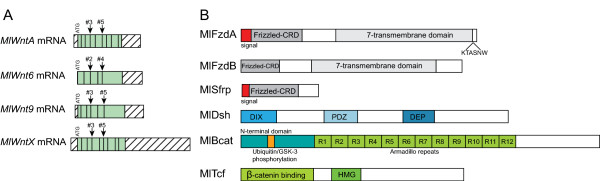
“MlFzdA also has a signal peptide and the intracellular KTXXXW motif (KTASNW), which is thought to bind the PDZ domain of Dsh and is therefore required for canonical Wnt signaling [44].”
BackgroundImproved phylogenomic taxon sampling noticeably affects nonbilaterian relationships
Pick, K. S., Philippe, H., Schreiber, F., Erpenbeck, D., Jackson, D. J., Wrede, P., Wiens, M., Alie, A., Morgenstern, B., Manuel, M., et al. (2010) · Molecular Biology and Evolution · doi:10.1093/molbev/msq089 · Cited by 334
Early evolution of animal cell signaling and adhesion genes
Nichols, S. A., Dirks, W., Pearse, J. S., & King, N. (2006) · Proceedings of the National Academy of Sciences · doi:10.1073/pnas.0604065103 · Cited by 327 · cited 1×
“Along with data from other sponges [ 16 ], the genomic data from choanoflagellates [17,18] (the sister group of metazoans) have provided significant insight into the molecular complexity present in the closest extant unicellular ancestor of animals.”
BackgroundAn ancient role for nuclear β-catenin in the evolution of axial polarity and germ layer segregation
Wikramanayake, A. H., Hong, M., Lee, P. N., Pang, K., Byrum, C. A., Bince, J. M., Xu, R., & Martindale, M. Q. (2003) · Nature · doi:10.1038/nature02113 · Cited by 324 · cited 1×
“and plays important roles in axis and cell fate specification [33-40].”
BackgroundSelf-citationMultiple Wnts are involved in Hydra organizer formation and regeneration
Lengfeld, T., Watanabe, H., Simakov, O., Lindgens, D., Gee, L., Law, L., Schmidt, H. A., Özbek, S., Bode, H., & Holstein, T. W. (2009) · Developmental Biology · doi:10.1016/j.ydbio.2009.02.004 · Cited by 307
Heads or tails: Wnts and anterior–posterior patterning
Yamaguchi, T. P. (2001) · Current Biology · doi:10.1016/s0960-9822(01)00417-1 · Cited by 276 · cited 1×
“A major similarity is that Wnt genes appear to be expressed at the posterior pole of most animals [57,58].”
BackgroundSchierwater, B., Eitel, M., Jakob, W., Osigus, H.-J., Hadrys, H., Dellaporta, S. L., Kolokotronis, S.-O., & DeSalle, R. (2009) · PLoS Biology · doi:10.1371/journal.pbio.1000020 · Cited by 260 · cited 1×
“analysis has even suggested a monophyly of the basal metazoans in the clade ‘Diploblastica’, which is sister to the Bilateria (Figure 1G) [11].”
BackgroundAdamska, M., Degnan, S. M., Green, K. M., Adamski, M., Craigie, A., Larroux, C., & Degnan, B. M. (2007) · PLoS ONE · doi:10.1371/journal.pone.0001031 · Cited by 257 · cited 2×
“Work in the sponge Amphimedon has shown polar localization of a Wnt ligand, suggesting a role in axial specification [41].”
BackgroundCollins, A. G. (1998) · Proceedings of the National Academy of Sciences · doi:10.1073/pnas.95.26.15458 · Cited by 252 · cited 1×
“Studies using 18S ribosomal RNA have suggested that sponges were the earliest branch, followed by ctenophores, thereby making them more basal compared with the classification based on morphological studies (Figure 1C) [3-6].”
Armadillo repeat proteins: beyond the animal kingdom
Coates, J. (2003) · Trends in Cell Biology · doi:10.1016/s0962-8924(03)00167-3 · Cited by 238 · cited 1×
“However, proteins containing Armadillo repeats (such as those in b-catenin) are found in all eukaryotes; these proteins have cytoskeletal functions in fungi and protists, and are involved in intracellular signaling in plants [52].”
BackgroundA receptor tyrosine kinase from choanoflagellates: Molecular insights into early animal evolution
King, N., & Carroll, S. B. (2001) · Proceedings of the National Academy of Sciences · doi:10.1073/pnas.261477698 · Cited by 234 · cited 1×
“Along with data from other sponges [16], the genomic data from choanoflagellates [17,18] (the sister group of metazoans) have provided significant insight into the molecular complexity present in the closest extant unicellular ancestor of animals.”
BackgroundCladistic analyses of the animal kingdom
Nielsen, C., Scharff, N., & Eibye-Jacobsen, D. (1996) · Biological Journal of the Linnean Society · doi:10.1111/j.1095-8312.1996.tb01857.x · Cited by 222 · cited 1×
“Although morphological data suggest that poriferans and placozoans were the earliest metazoan lineages, followed by cnidarians and then ctenophores (Figure 1B) [1,2], molecular studies have led to a number of different hypotheses regarding early animal evolution.”
BackgroundMullikin, J. C., & Ning, Z. (2003) · Genome Research · doi:10.1101/gr.731003 · Cited by 222 · cited 1×
“7 Gb), which were assembled into contigs using the Phusion assembler [60].”
MethodSelf-citationA WNT of things to come: Evolution of Wnt signaling and polarity in cnidarians
LEE, P., PANG, K., MATUS, D., & MARTINDALE, M. (2006) · Seminars in Cell & Developmental Biology · doi:10.1016/j.semcdb.2006.05.002 · Cited by 185
Self-citationA Molecular Phylogenetic Framework for the Phylum Ctenophora Using 18S rRNA Genes
Podar, M., Haddock, S. H. D., Sogin, M. L., & Harbison, G. R. (2001) · Molecular Phylogenetics and Evolution · doi:10.1006/mpev.2001.1036 · Cited by 175 · cited 1×
“Studies using 18S ribosomal RNA have suggested that sponges were the earliest branch, followed by ctenophores, thereby making them more basal compared with the classification based on morphological studies (Figure 1C) [3-6].”
Momose, T., Derelle, R., & Houliston, E. (2008) · Development · doi:10.1242/dev.021543 · Cited by 170 · cited 1×
“and plays important roles in axis and cell fate specification [33-40].”
BackgroundAdherens junctions and β-catenin-mediated cell signalling in a non-metazoan organism
Grimson, M. J., Coates, J. C., Reynolds, J. P., Shipman, M., Blanton, R. L., & Harwood, A. J. (2000) · Nature · doi:10.1038/35047099 · Cited by 153
A new perspective on lower metazoan relationships from 18S rDNA sequences
Kim, J., Kim, W., & Cunningham, C. W. (1999) · Molecular Biology and Evolution · doi:10.1093/oxfordjournals.molbev.a026124 · Cited by 143 · cited 1×
“Studies using 18S ribosomal RNA have suggested that sponges were the earliest branch, followed by ctenophores, thereby making them more basal compared with the classification based on morphological studies (Figure 1C) [3-6].”
Evolutionary Dynamics of the wnt Gene Family: A Lophotrochozoan Perspective
Cho, S.-J., Valles, Y., Giani, V. C., Seaver, E. C., & Weisblat, D. A. (2010) · Molecular Biology and Evolution · doi:10.1093/molbev/msq052 · Cited by 142 · cited 4×
“The four Mnemiopsis Wnt genes are comparable in number with Amphimedon and Trichoplax, which both possess three, whereas cnidarians and bilaterians possess nearly the full complement of Wnt genes [35,43].”
BackgroundResultInfluentialThe phylogenetic position of the comb jellies (Ctenophora) and the importance of taxonomic sampling
Wallberg, A., Thollesson, M., Farris, J. S., & Jondelius, U. (2004) · Cladistics · doi:10.1111/j.1096-0031.2004.00041.x · Cited by 142 · cited 1×
“Studies using 18S ribosomal RNA have suggested that sponges were the earliest branch, followed by ctenophores, thereby making them more basal compared with the classification based on morphological studies (Figure 1C) [3-6].”
Lee, P. N., Kumburegama, S., Marlow, H. Q., Martindale, M. Q., & Wikramanayake, A. H. (2007) · Developmental Biology · doi:10.1016/j.ydbio.2007.05.040 · Cited by 135 · cited 1×
“and plays important roles in axis and cell fate specification [33-40].”
BackgroundSelf-citationThe Dawn of Developmental Signaling in the Metazoa
Richards, G. S., & Degnan, B. M. (2009) · Cold Spring Harbor Symposia on Quantitative Biology · doi:10.1101/sqb.2009.74.028 · Cited by 117
Martindale, M. Q., & Henry, J. Q. (1999) · Developmental Biology · doi:10.1006/dbio.1999.9427 · Cited by 112 · cited 2×
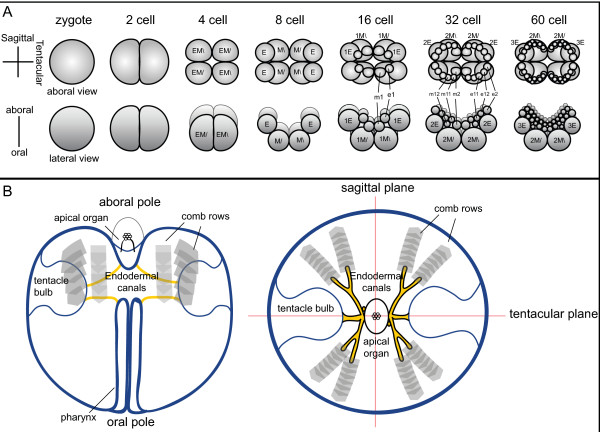
“(A) Early cleavage from egg to 60-cell stage, based on Martindale and Henry [ 20 ] and others.”
BackgroundMethodSelf-citationAn evolutionary conserved role of Wnt signaling in stem cell fate decision
Teo, R., Möhrlen, F., Plickert, G., Müller, W. A., & Frank, U. (2005) · Developmental Biology · doi:10.1016/j.ydbio.2005.10.009 · Cited by 100
WNT/β-Catenin Signalling and Epithelial Patterning in the Homoscleromorph Sponge Oscarella
Lapébie, P., Gazave, E., Ereskovsky, A., Derelle, R., Bézac, C., Renard, E., Houliston, E., & Borchiellini, C. (2009) · PLoS ONE · doi:10.1371/journal.pone.0005823 · Cited by 92
The Dictyostelium repertoire of seven transmembrane domain receptors
Prabhu, Y., & Eichinger, L. (2006) · European Journal of Cell Biology · doi:10.1016/j.ejcb.2006.04.003 · Cited by 87 · cited 1×
“Certain pathway components are also present in organisms such as the slime mold Dictyostelium, which contains a b-catenin-like gene called aardvark, a GSK-3 homolog and Frizzled-like receptors [53,54].”
BackgroundExpansion of the SOX gene family predated the emergence of the Bilateria
Jager, M., Quéinnec, É., Houliston, E., & Manuel, M. (2006) · Molecular Phylogenetics and Evolution · doi:10.1016/j.ympev.2005.12.005 · Cited by 85 · cited 1×
“Discussion To date, existing studies have offered only a partial view of a limited number of gene families in ctenophores [25-29,49-51].”
BackgroundSurprisingly complex T‐box gene complement in diploblastic metazoans
Yamada, A., Pang, K., Martindale, M. Q., & Tochinai, S. (2007) · Evolution & Development · doi:10.1111/j.1525-142x.2007.00154.x · Cited by 75 · cited 4×
“Yamada A, Martindale MQ, Tochinai S: Surprisingly complex T-box gene complement in diploblastic metazoans.”
BackgroundInfluentialSelf-citationSchneider, S. Q., Finnerty, J. R., & Martindale, M. Q. (2003) · Journal of Experimental Zoology Part B: Molecular and Developmental Evolution · doi:10.1002/jez.b.6 · Cited by 70 · cited 2×
“All other metazoan b-catenin proteins examined to date have the two C-terminus motifs (A and B) that are thought to be transactivational domains, except for Caenorhabtidis elegans, which seems to have lost or modified them [ 45 ].”
BackgroundSelf-citationDevelopmental expression of homeobox genes in the ctenophore Mnemiopsis leidyi
Pang, K., & Martindale, M. Q. (2008) · Development Genes and Evolution · doi:10.1007/s00427-008-0222-3 · Cited by 70 · cited 3×
“divergent than other animal genomes, as evidenced by their longer branch lengths in our phylogenies, and this is consistent with previous analyses of homeobox genes ([29] and Ryan et al, submitted).”
BackgroundResultSelf-citationThe establishment of the oral-aboral axis in the ctenophore embryo
Freeman, G. (1977) · Development · doi:10.1242/dev.42.1.237 · Cited by 61
Amiel, A., & Houliston, E. (2008) · Developmental Biology · doi:10.1016/j.ydbio.2008.12.007 · Cited by 60 · cited 1×
“and plays important roles in axis and cell fate specification [33-40].”
BackgroundPresumed photoreceptive cilia in a ctenophore
Horridge, G. A. (1964) · Journal of Cell Science · doi:10.1242/jcs.s3-105.71.311 · Cited by 54
Comb Jellies (Ctenophora): A Model for Basal Metazoan Evolution and Development
Pang, K., & Martindale, M. Q. (2008) · Cold Spring Harbor Protocols · doi:10.1101/pdb.emo106 · Cited by 53
Self-citationFreeman, G. (1976) · Developmental Biology · doi:10.1016/0012-1606(76)90264-5 · Cited by 49 · cited 1×
“The primary adult body axis, the oral–aboral axis, is established at the time of the first cleavage [22] and early cleavages are important for localizing developmental potential [23].”
BackgroundInsights into the early evolution of SOX genes from expression analyses in a ctenophore
Jager, M., Quéinnec, E., Chiori, R., Le Guyader, H., & Manuel, M. (2008) · Journal of Experimental Zoology Part B: Molecular and Developmental Evolution · doi:10.1002/jez.b.21244 · Cited by 46
Hoshiyama, D., Iwabe, N., & Miyata, T. (2007) · FEBS Letters · doi:10.1016/j.febslet.2007.03.027 · Cited by 37 · cited 1×
“Discussion To date, existing studies have offered only a partial view of a limited number of gene families in ctenophores [25-29,49-51].”
BackgroundLoss of the β-catenin homologue aardvark causes ectopic stalk formation in Dictyostelium
Coates, J. C., Grimson, M. J., Williams, R. S. B., Bergman, W., Blanton, R. L., & Harwood, A. J. (2002) · Mechanisms of Development · doi:10.1016/s0925-4773(02)00152-1 · Cited by 35 · cited 1×
“Functional work has shown aardvark to have roles in both adherens junctions and cell signaling (in the form of stalk formation); however this is independent of GSK-3 activity [55].”
BackgroundWang, W., Rohner, N., & Wang, Y. (2023) · Neuromethods · doi:10.1007/978-1-0716-2875-1 · Cited by 31
Yamada, A., & Martindale, M. Q. (2002) · Development Genes and Evolution · doi:10.1007/s00427-002-0248-x · Cited by 30 · cited 2×
“To date, work on ctenophores has focused mainly on different families of transcription factors, including Sox [25], Fox [26], T-box [27] and Homeobox [28,29], yet nothing is known about the cell signaling pathways.”
BackgroundSelf-citationMartinelli, C., & Spring, J. (2005) · FEBS Letters · doi:10.1016/j.febslet.2005.08.008 · Cited by 26 · cited 1×
“Discussion To date, existing studies have offered only a partial view of a limited number of gene families in ctenophores [25-29,49-51].”
BackgroundAncient connection between NKL genes and the mesoderm? Insights from Tlx expression in a ctenophore
Derelle, R., & Manuel, M. (2007) · Development Genes and Evolution · doi:10.1007/s00427-007-0131-x · Cited by 25 · cited 2×
“To date, work on ctenophores has focused mainly on different families of transcription factors, including Sox [25], Fox [26], T-box [27] and Homeobox [ 28 ,29], yet nothing is known about the cell signaling pathways.”
BackgroundMultiple Inductive Signals Are Involved in the Development of the Ctenophore Mnemiopsis leidyi
Henry, J. J., & Martindale, M. Q. (2001) · Developmental Biology · doi:10.1006/dbio.2001.0401 · Cited by 17 · cited 1×
“Many of the early blastomeres in ctenophore embryos display a precocious determination of cell fate that is consistent with segregation of cytoplasmic determinants, although some inductive interactions are known to occur [21].”
BackgroundSelf-citation
Research works printed but not linked: 3
- Reverberi G Ortolani G On the origin of the ciliated plates and of the mesoderm in the ctenophores Acta Embryol Morph Exp 1963 6 175 190
- Hernandez-Nicaise ML Harrison FW, Westfall JA Ctenophora Microscopic Anatomy of Invertebrates: Placozoa, Porifera, Cnidaria and Ctenophora 1991 2 New York: Wiley 359 418
- Tamm SL Shelton GAB Ctenophora Electrical Conduction and Behavior in "Simple" Invertebrates 1982 Oxford: Clarendon 266 358
Cited by
The Genome of the Ctenophore Mnemiopsis leidyi and Its Implications for Cell Type Evolution
Ryan, J. F., Pang, K., Schnitzler, C. E., Nguyen, A.-D., Moreland, R. T., Simmons, D. K., Koch, B. J., Francis, W. R., Havlak, P., Program, N. C. S., et al. (2013) · Science · doi:10.1126/science.1242592 · Cited by 682
“leidyi genome include the RTK family, which predates the origin of Metazoa (40); the TGF-β signaling pathway (33), thought to have evolved in the metazoan common ancestor (39); and the canonical Wnt signaling pathway (34).”
BackgroundSelf-citationLoh, K. M., van Amerongen, R., & Nusse, R. (2016) · Developmental Cell · doi:10.1016/j.devcel.2016.08.011 · Cited by 338
“The lipid is appended by a dedicated enzyme (Porcupine, which is evolutionarily as ancient as Wnt itself [Pang et al., 2010]) and is crucial”
InfluentialFrom nerve net to nerve ring, nerve cord and brain — evolution of the nervous system
Arendt, D., Tosches, M. A., & Marlow, H. (2016) · Nature Reviews Neuroscience · doi:10.1038/nrn.2015.15 · Cited by 279
Phylogenomic Insights into Animal Evolution
Telford, M. J., Budd, G. E., & Philippe, H. (2015) · Current Biology · doi:10.1016/j.cub.2015.07.060 · Cited by 213
The Evolution of the Wnt Pathway
Holstein, T. W. (2012) · Cold Spring Harbor Perspectives in Biology · doi:10.1101/cshperspect.a007922 · Cited by 209
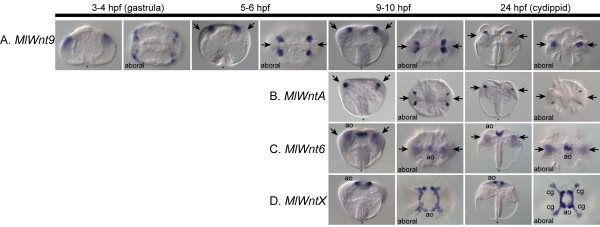
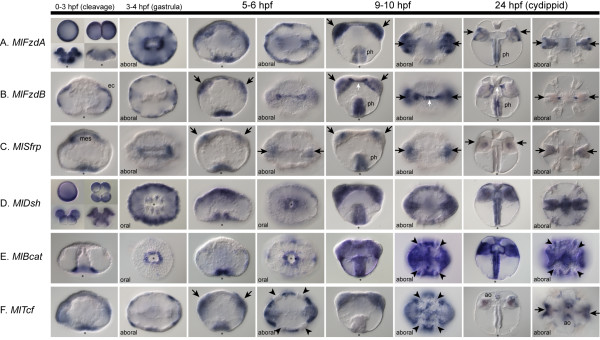
“b-catenin is expressed at the oral pole during gastrulation, whereas the four Wnt ligands are expressed only late at the aboral side of the larva, when tentacles and sensory organs form (Pang et al. 2010).”
BackgroundInfluential
Metadata
- Authors
- Pang, K., Ryan, J. F., Program, N. C. S., Mullikin, J. C., Baxevanis, A. D., & Martindale, M. Q.
- Affiliations
- University of Hawaiʻi at Mānoa (US)
- National Institutes of Health (US)
- Corresponding author
- Martindale, Mark Q
- Venue
- EvoDevo
- Published
- 2010-10-04
- Volume
- 1
- Issue
- 1
- Pages
- 10-10
- ISSN
- 2041-9139 (ISSN-L)
- PMC
- PMC2959043
- OpenAlex
- W2123456802
- Cited by
- 115
- References
- 62
- Citations by year
- 2026: 4 · 2025: 3 · 2024: 8 · 2023: 4 · 2022: 6 · 2021: 6 · 2020: 3 · 2019: 10 · 2018: 9 · 2017: 5 · 2016: 9 · 2015: 15 · 2014: 8 · 2013: 6 · 2012: 9
- FWCI
- 3.26
- Type
- journal article
- Language
- en
- Open access
- gold
- doi.org
- Licence
- cc-by
- Locations
- EvoDevo (publishedVersion, cc-by)
- PubMed Central (publishedVersion, cc-by)
- PubMed (publishedVersion)
- DOAJ (DOAJ: Directory of Open Access Journals) (submittedVersion, cc-by-sa)
- Funders
- National Science Foundation
- National Aeronautics and Space Administration
- National Institutes of Health
- National Human Genome Research Institute
- Topics
- Life Sciences › Biochemistry, Genetics and Molecular Biology › Molecular Biology › Developmental Biology and Gene Regulation
- Life Sciences › Agricultural and Biological Sciences › Animal Science and Zoology › Marine Invertebrate Physiology and Ecology
- Life Sciences › Biochemistry, Genetics and Molecular Biology › Molecular Biology › Wnt/β-catenin signaling in development and cancer
- Keywords
- Wnt/β-catenin signaling, Mnemiopsis leidyi, ctenophores, Wnt ligands, genome assembly, molecular phylogeny, gene expression patterns, evolution of multicellularity, axis specification
About these checks
Registry, retraction, Cites and statistics results are computed, not judged, with one exception: a printed reference that no index lists is read once by a model before it counts as a citation error. Claims are extracted by a model and kept only when their quote appears verbatim in the text; each cited source is then checked, with a model’s help, for whether it says what the claim relies on. Those verdicts can be wrong — read the claim’s quote and the cited source before relying on one.
Statistics and arithmetic are recomputed, not judged.
Confidence bands are shown only for fields calibrated on our annotated test set. None is calibrated yet, so no band is shown.
What counts as a claim ›How we measure confidence ›How we check this ›
Are you an author, or do you see a problem with this page? Request a review
Data sources
Bibliographic data: Semantic Scholar, OpenAlex, Crossref.
Contains information from the Semantic Scholar Academic Graph Datasets, made available under the ODC Attribution License (ODC-BY 1.0).
Semantic Scholar’s data is described in: Kinney, R., et al. (2023). The Semantic Scholar Open Data Platform. arXiv:2301.10140.
