

Stool substitute transplant therapy for the eradication of Clostridium difficile infection: ‘RePOOPulating’ the gut
Open accessThe DOI matches its Crossref record; 27 of the 27 references it cites were found in a registry or an index.
Abstract
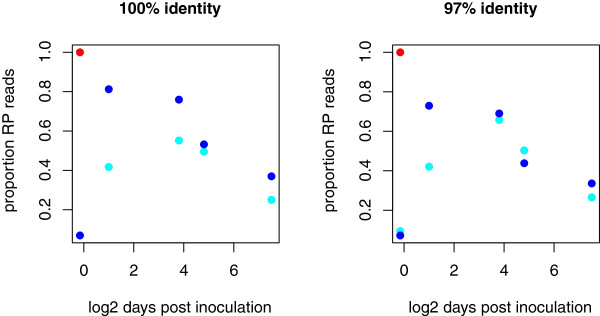
BACKGROUND: Fecal bacteriotherapy ('stool transplant') can be effective in treating recurrent Clostridium difficile infection, but concerns of donor infection transmission and patient acceptance limit its use. Here we describe the use of a stool substitute preparation, made from purified intestinal bacterial cultures derived from a single healthy donor, to treat recurrent C. difficile infection that had failed repeated standard antibiotics. Thirty-three isolates were recovered from a healthy donor stool sample. Two patients who had failed at least three courses of metronidazole or vancomycin underwent colonoscopy and the mixture was infused throughout the right and mid colon. Pre-treatment and post-treatment stool samples were analyzed by 16 S rRNA gene sequencing using the Ion Torrent platform. RESULTS: Both patients were infected with the hyper virulent C. difficile strain, ribotype 078. Following stool substitute treatment, each patient reverted to their normal bowel pattern within 2 to 3 days and remained symptom-free at 6 months. The analysis demonstrated that rRNA sequences found in the stool substitute were rare in the pre-treatment stool samples but constituted over 25% of the sequences up to 6 months after treatment. CONCLUSION: This proof-of-principle study demonstrates that a stool substitute mixture comprising a multi-species community of bacteria is capable of curing antibiotic-resistant C. difficile colitis. This benefit correlates with major changes in stool microbial profile and these changes reflect isolates from the synthetic mixture. CLINICAL TRIAL REGISTRATION NUMBER: CinicalTrials.gov NCT01372943.
Overview
The claims and statistics of this paper haven’t been checked yet.
Free: it reads the open-access text and checks the first 5 claims that cite a source we can check. Create a free account to check every claim.
Integrity signals
Registry
Cites
Statistics
Figures
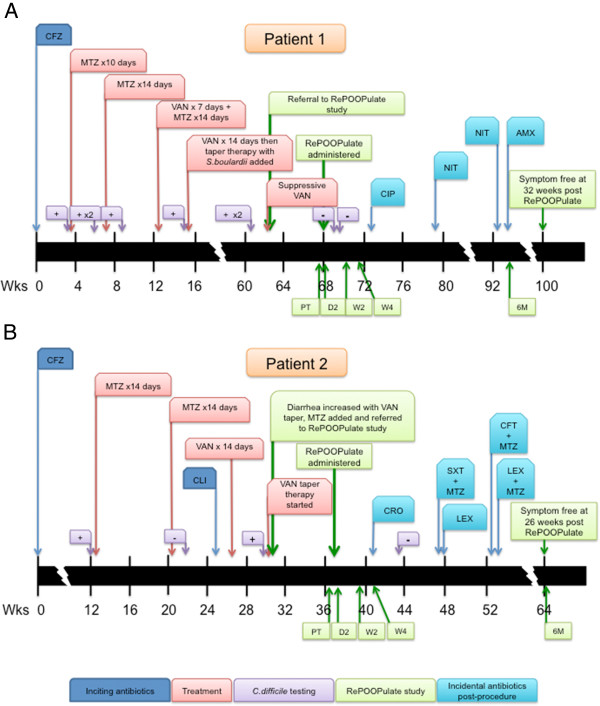
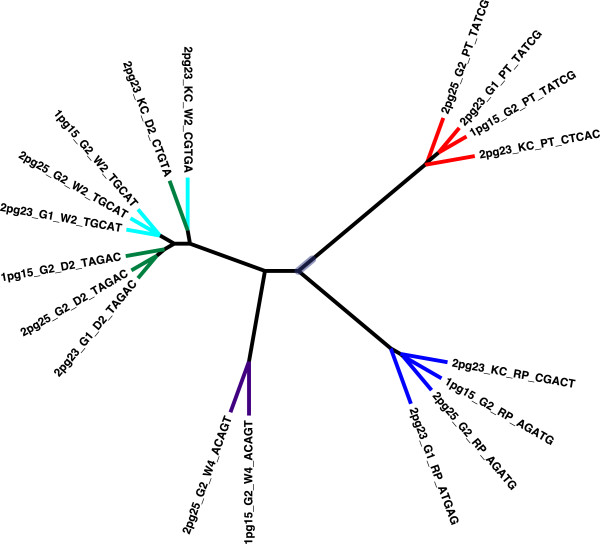
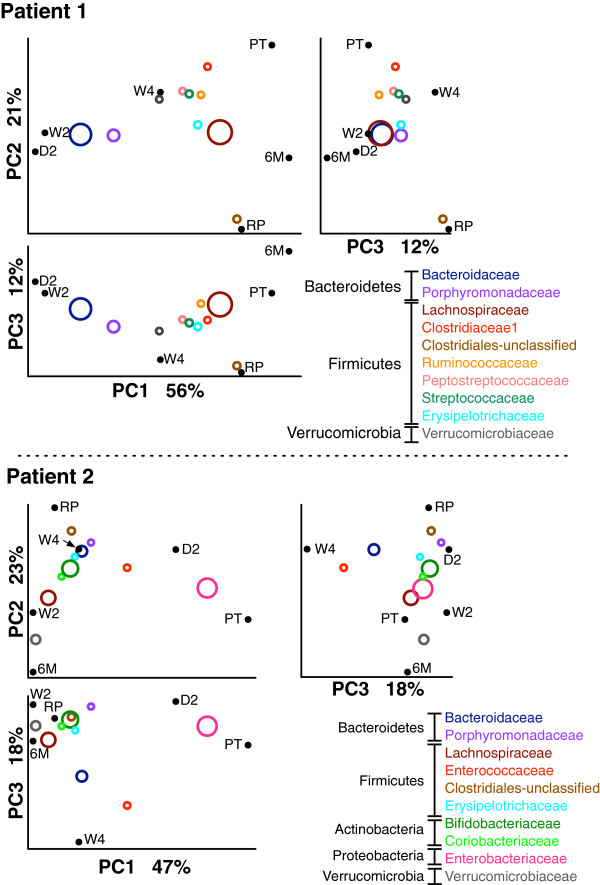
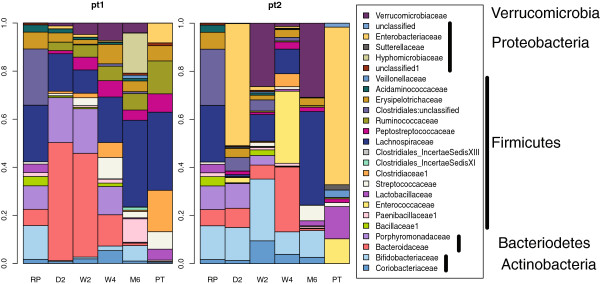
Verification
Claims the paper makes
The claims and statistics of this paper haven’t been checked yet.
Free: it reads the open-access text and checks the first 5 claims that cite a source we can check. Create a free account to check every claim.
Claims other papers make about this one
Each is checked against this paper’s own text: does it say what the citing paper says it does?
The source backs part of the claim, not all of it — or backs it for a different population, condition or comparison.
In the citing paper
“Microbial Ecosystem Therapeutic 4 (MET4) is an orally delivered defined mixture of pure live cultures of intestinal bacteria isolated from the stool of a healthy donor, purified and grown in conditions modeling those of the human distal gut.8”
From First-in-class Microbial Ecosystem Therapeutic 4 (MET4) in combination with immune checkpoint inhibitors in patients with advanced solid tumors (MET4-IO trial) (2023) · cites this paper as [8]
Experimental — accuracy not yet measuredThe check wasn’t confident either way, so it gives no verdict — never disputed.
In the citing paper
“In 2010, Russell et al. report the first pediatric patient treated with FMT via nasogastric tube.118”
From Update on Fecal Microbiota Transplantation 2015: Indications, Methodologies, Mechanisms, and Outlook (2015) · cites this paper as [118]
Experimental — accuracy not yet measuredIn the citing paper
“Microbial consortia (multi-species mixtures of cultivated microbes) represent an intermediate approach intended to balance the ecological and functional complexity of FMT and the practical advantages of cultivated microbes, and have been successfully used as alternatives to FMT for other indications such as Clostridioides difficile infection, 8,9”
In the citing paper
“In children with recurrent CDI and underlying IBD, the data the data is mixed, highlighting the difficulty in distinguishing a clinical response to an infection that may have the same symptoms as the underlying disease.118, 121, 124”
From Update on Fecal Microbiota Transplantation 2015: Indications, Methodologies, Mechanisms, and Outlook (2015) · cites this paper as [118]
In the citing paper
“The case involved a 2 year old child with recalcitrant CDI that had failed an exhaustive course, including probiotics, metronidazole, pulsed-dose vancomycin, rifaximin, and nitazoxanide, who experienced complete resolution of symptoms within 36 hours of FMT.”
From Update on Fecal Microbiota Transplantation 2015: Indications, Methodologies, Mechanisms, and Outlook (2015) · cites this paper as [118]
Self-check
Percentages, sums and reported differences re-computed from the paper’s own numbers.
The self-check needs the paper’s full text.
Citations
Cites
MUSCLE: multiple sequence alignment with high accuracy and high throughput
Edgar, R. C. (2004) · Nucleic Acids Research · doi:10.1093/nar/gkh340 · Cited by 44,662 · cited 1×
“Sequence alignments were built using Muscle [16] and a neighbor-joining tree was generated by ClustalW2 [17].”
MethodQIIME allows analysis of high-throughput community sequencing data
Caporaso, J. G., Kuczynski, J., Stombaugh, J., Bittinger, K., Bushman, F. D., Costello, E. K., Fierer, N., Peña, A. G., Goodrich, J. K., Gordon, J. I., et al. (2010) · Nature Methods · doi:10.1038/nmeth.f.303 · Cited by 34,887 · cited 1×
“0 [15] as follows.”
Clustal W and Clustal X version 2.0
Larkin, M. A., Blackshields, G., Brown, N. P., Chenna, R., McGettigan, P. A., McWilliam, H., Valentin, F., Wallace, I. M., Wilm, A., Lopez, R., et al. (2007) · Bioinformatics · doi:10.1093/bioinformatics/btm404 · Cited by 28,358
UCHIME improves sensitivity and speed of chimera detection
Edgar, R. C., Haas, B. J., Clemente, J. C., Quince, C., & Knight, R. (2011) · Bioinformatics · doi:10.1093/bioinformatics/btr381 · Cited by 15,114
Greengenes, a Chimera-Checked 16S rRNA Gene Database and Workbench Compatible with ARB
DeSantis, T. Z., Hugenholtz, P., Larsen, N., Rojas, M., Brodie, E. L., Keller, K., Huber, T., Dalevi, D., Hu, P., & Andersen, G. L. (2006) · Applied and Environmental Microbiology · doi:10.1128/aem.03006-05 · Cited by 10,891
UniFrac: a New Phylogenetic Method for Comparing Microbial Communities
Lozupone, C., & Knight, R. (2005) · Applied and Environmental Microbiology · doi:10.1128/aem.71.12.8228-8235.2005 · Cited by 8,227 · cited 1×
“Beta-diversity was calculated by the UniFrac algorithm [18].”
MethodEnterotypes of the human gut microbiome
MetaHIT Consortium (additional members), Arumugam, M., Raes, J., Pelletier, E., Le Paslier, D., Yamada, T., Mende, D. R., Fernandes, G. R., Tap, J., Bruls, T., et al. (2011) · Nature · doi:10.1038/nature09944 · Cited by 7,548 · cited 1×
“Similarly, the relevance of patient enterotype [24], which may turn out to be more important than age-matching, has not been fully explored.”
BackgroundCohen, S. H., Gerding, D. N., Johnson, S., Kelly, C. P., Loo, V. G., McDonald, L. C., Pepin, J., & Wilcox, M. H. (2010) · Infection Control & Hospital Epidemiology · doi:10.1086/651706 · Cited by 2,942
NAST: a multiple sequence alignment server for comparative analysis of 16S rRNA genes
DeSantis, T. Z., Hugenholtz, P., Keller, K., Brodie, E. L., Larsen, N., Piceno, Y. M., Phan, R., & Andersen, G. L. (2006) · Nucleic Acids Research · doi:10.1093/nar/gkl244 · Cited by 1,035
Decreased Diversity of the Fecal Microbiome in Recurrent Clostridium difficile–Associated Diarrhea
Chang, J. Y., Antonopoulos, D. A., Kalra, A., Tonelli, A., Khalife, W. T., Schmidt, T. M., & Young, V. B. (2008) · The Journal of Infectious Diseases · doi:10.1086/525047 · Cited by 1,010 · cited 2×
“An association has been made between recurrent disease and intestinal dysbiosis [4], and an inability of certain individuals to reestablish their normal intestinal bacteria is thought to play a leading role in recurrence.”
BackgroundTreating Clostridium difficile infection with fecal microbiota transplantation
Bakken, J. S., Borody, T., Brandt, L. J., Brill, J. V., Demarco, D. C., Franzos, M. A., Kelly, C., Khoruts, A., Louie, T., Martinelli, L. P., et al. (2011) · Clinical Gastroenterology and Hepatology · doi:10.1016/j.cgh.2011.08.014 · Cited by 1,003
Gough, E., Shaikh, H., & Manges, A. R. (2011) · Clinical Infectious Diseases · doi:10.1093/cid/cir632 · Cited by 1,003 · cited 1×
“Many stool transplants have been performed successfully in older patients using young donors that are often related to the patient [22,23].”
BackgroundKhoruts, A., Dicksved, J., Jansson, J. K., & Sadowsky, M. J. (2010) · Journal of Clinical Gastroenterology · doi:10.1097/mcg.0b013e3181c87e02 · Cited by 649 · cited 2×
“Our study showed that the microbiota of both patients adapted characteristics of the stool substitute mixture yet still retained some of their original microbiota, similar to that described for stool transplants [20].”
BackgroundResultClinical Recognition and Diagnosis of Clostridium difficile Infection
Bartlett, J. G., & Gerding, D. N. (2008) · Clinical Infectious Diseases · doi:10.1086/521863 · Cited by 527 · cited 1×
“CDI accounts for 15 to 25% of antibiotic-associated diarrhea [1].”
BackgroundBACTERIOTHERAPY FOR CHRONIC RELAPSING CLOSTRIDIUM DIFFICILE DIARRHOEA IN SIX PATIENTS
Tvede, M., & Rask-Madsen, J. (1989) · The Lancet · doi:10.1016/s0140-6736(89)92749-9 · Cited by 491 · cited 1×
“Recurrent CDI is thought to be largely due to the inability of the normal intestinal microflora to recover and reestablish itself [4,20,21].”
BackgroundBidet, P. (1999) · FEMS Microbiology Letters · doi:10.1016/s0378-1097(99)00204-9 · Cited by 398 · cited 1×
“Isolates were typed using the PCR ribotyping method described by Bidet and colleagues [12].”
MethodMicrobiome profiling by Illumina sequencing of combinatorial sequence-tagged PCR products
Gloor, G. B., Hummelen, R., Macklaim, J. M., Dickson, R. J., Fernandes, A. D., MacPhee, R., & Reid, G. (2010) · PLoS ONE · doi:10.1371/journal.pone.0015406 · Cited by 330 · cited 3×
“A table of counts for sequences grouped at the 97% operational taxonomic unit (OTU) and 100% identical sequence unit identity level were generated for each sample as before [13], keeping all identical sequence unit or OTU sequences that were represented in any sample at a frequency >0.”
MethodResultInfluentialSelf-citationExploring the Diversity of the Bifidobacterial Population in the Human Intestinal Tract
Turroni, F., Foroni, E., Pizzetti, P., Giubellini, V., Ribbera, A., Merusi, P., Cagnasso, P., Bizzarri, B., de'Angelis, G. L., Shanahan, F., et al. (2009) · Applied and Environmental Microbiology · doi:10.1128/aem.02216-08 · Cited by 311 · cited 1×
“were added to higher abundances, reflecting the widely observed underestimated abundances of Actinobacteria, and specifically this genus, in metagenomic analyses of human stool [9,10].”
BackgroundBacteriotherapy for chronic relapsing Clostridium difficile in six patients
Tvede, M. (1989) · The Lancet · Cited by 290
African fermented foods and probiotics
Franz, C. M. A. P., Huch, M., Mathara, J. M., Abriouel, H., Benomar, N., Reid, G., Galvez, A., & Holzapfel, W. H. (2014) · International Journal of Food Microbiology · doi:10.1016/j.ijfoodmicro.2014.08.033 · Cited by 265
Fecal bacteriotherapy for recurrent Clostridium difficile infection
Bakken, J. S. (2009) · Anaerobe · doi:10.1016/j.anaerobe.2009.09.007 · Cited by 218 · cited 2×
“; licensee BioMed Central L Commons Attribution License (http://creativec reproduction in any medium, provided the or Recurrent CDI is defined as complete resolution of CDI while on appropriate therapy followed by recurrence of CDI after treatment has been stopped [3].”
BackgroundFecal Flora Reconstitution for Recurrent Clostridium difficile Infection: Results and Methodology
Rohlke, F., Surawicz, C. M., & Stollman, N. (2010) · Journal of Clinical Gastroenterology · doi:10.1097/mcg.0b013e3181dadb10 · Cited by 165 · cited 1×
“Fecal bacteriotherapy, or ‘stool transplant’ – infusing donor stool into the intestine of the recipient to re-establish normal bacterial microbiota – has shown promising results in preliminary studies [3,5] but concerns about pathogen transmission, patient acceptance and inability to standardize the treatment regimen…”
BackgroundClostridium difficile in food–-innocent bystander or serious threat?
Weese, J. S. (2009) · Clinical Microbiology and Infection · doi:10.1111/j.1469-0691.2009.03108.x · Cited by 144 · cited 2×
“Both patients were infected with ribotype 078, an emerging hypervirulent strain that has been associated with community-associated CDI, as well as with livestock (pigs, cattle, poultry), and food products [25].”
BackgroundMicrobiomic analysis of the bifidobacterial population in the human distal gut
Turroni, F., Marchesi, J. R., Foroni, E., Gueimonde, M., Shanahan, F., Margolles, A., van Sinderen, D., & Ventura, M. (2009) · The ISME Journal · doi:10.1038/ismej.2009.19 · Cited by 137 · cited 1×
“were added to higher abundances, reflecting the widely observed underestimated abundances of Actinobacteria, and specifically this genus, in metagenomic analyses of human stool [9,10].”
BackgroundMETAREP: JCVI metagenomics reports—an open source tool for high-performance comparative metagenomics
Goll, J., Rusch, D. B., Tanenbaum, D. M., Thiagarajan, M., Li, K., Methé, B. A., & Yooseph, S. (2010) · Bioinformatics · doi:10.1093/bioinformatics/btq455 · Cited by 130
A Canadian Working Group report on fecal microbial therapy: microbial ecosystems therapeutics
Allen-Vercoe, E., Reid, G., Viner, N., Gloor, G. B., Hota, S., Kim, P., Lee, C., O’Doherty, K. C., Vanner, S. J., Weese, J. S., et al. (2012) · Canadian Journal of Gastroenterology · doi:10.1155/2012/213828 · Cited by 81 · cited 2×
“The treatment seems equally effective when the young donors are not related [19,23].”
BackgroundSelf-citationPrevalence of Clostridium difficile in horses
Medina‐Torres, C. E., Weese, J. S., & Staempfli, H. R. (2011) · Veterinary Microbiology · doi:10.1016/j.vetmic.2011.04.012 · Cited by 75 · cited 1×
“difficile was isolated from stool samples according to methods described previously [11], using selective media of moxalactam norfloxacin broth (CDMN; Oxoid, Nepean, Ontario, Canada) enriched with 0.”
Method
Cited by
Hill (2014) · doi:10.1038/nrgastro.2014.66 · Cited by 9,592
Cryan, J. F., O'Riordan, K. J., Cowan, C. S. M., Sandhu, K. V., Bastiaanssen, T. F. S., Boehme, M., Codagnone, M. G., Cussotto, S., Fulling, C., Golubeva, A. V., et al. (2019) · Physiological Reviews · doi:10.1152/physrev.00018.2018 · Cited by 5,286
The gut microbiome in health and in disease
Shreiner, A. B., Kao, J. Y., & Young, V. B. (2015) · Current Opinion in Gastroenterology · doi:10.1097/mog.0000000000000139 · Cited by 1,682
Control of pathogens and pathobionts by the gut microbiota
Kamada, N., Chen, G. Y., Inohara, N., & Núñez, G. (2013) · Nature Immunology · doi:10.1038/ni.2608 · Cited by 1,625
Microbiota-mediated colonization resistance against intestinal pathogens
Buffie, C. G., & Pamer, E. G. (2013) · Nature reviews. Immunology · doi:10.1038/nri3535 · Cited by 1,564
Metadata
- Authors
- Petrof, E. O., Gloor, G. B., Vanner, S. J., Weese, S. J., Carter, D., Daigneault, M. C., Brown, E. M., Schroeter, K., & Allen-Vercoe, E.
- Affiliations
- Queen's University (CA)
- Western University (CA)
- University of Guelph (CA)
- Robarts Research Institute (CA)
- Corresponding author
- Petrof, Elaine O
- Venue
- Microbiome
- Published
- 2013-01-09
- Volume
- 1
- Issue
- 1
- Pages
- 3-3
- ISSN
- 2049-2618 (ISSN-L)
- PMC
- PMC3869191
- OpenAlex
- W2140714996
- Cited by
- 731
- References
- 27
- Citations by year
- 2026: 16 · 2025: 19 · 2024: 25 · 2023: 37 · 2022: 40 · 2021: 52 · 2020: 60 · 2019: 63 · 2018: 58 · 2017: 69 · 2016: 87 · 2015: 73 · 2014: 74 · 2013: 56
- FWCI
- 70.52
- Type
- journal article
- Language
- en
- Open access
- gold
- doi.org
- Licence
- cc-by
- creativecommons.org/licenses/by/2.0 (tdm)
- Locations
- Microbiome (publishedVersion, cc-by)
- Europe PMC (PubMed Central) (publishedVersion, cc-by)
- PubMed Central (publishedVersion, cc-by)
- PubMed (publishedVersion)
- Funders
- Physicians' Services Incorporated Foundation
- Canadian Institutes of Health Research
- Topics
- Health Sciences › Medicine › Infectious Diseases › Clostridium difficile and Clostridium perfringens research
- Life Sciences › Biochemistry, Genetics and Molecular Biology › Molecular Biology › Gut microbiota and health
- Health Sciences › Medicine › Gastroenterology › Gastrointestinal motility and disorders
- Keywords
- Clostridium difficile infection, fecal microbiota transplantation, recurrent Clostridium difficile infection, hypervirulent strains, ribotype 078, gut microbiota, metronidazole, vancomycin, 16S rRNA gene sequencing
About these checks
Registry, retraction, Cites and statistics results are computed, not judged, with one exception: a printed reference that no index lists is read once by a model before it counts as a citation error. Claims are extracted by a model and kept only when their quote appears verbatim in the text; each cited source is then checked, with a model’s help, for whether it says what the claim relies on. Those verdicts can be wrong — read the claim’s quote and the cited source before relying on one.
Statistics and arithmetic are recomputed, not judged.
Confidence bands are shown only for fields calibrated on our annotated test set. None is calibrated yet, so no band is shown.
What counts as a claim ›How we measure confidence ›How we check this ›
Are you an author, or do you see a problem with this page? Request a review
Data sources
Bibliographic data: Semantic Scholar, OpenAlex, Crossref.
Contains information from the Semantic Scholar Academic Graph Datasets, made available under the ODC Attribution License (ODC-BY 1.0).
Semantic Scholar’s data is described in: Kinney, R., et al. (2023). The Semantic Scholar Open Data Platform. arXiv:2301.10140.
