

Stool substitute transplant therapy for the eradication of Clostridium difficile infection: ‘RePOOPulating’ the gut
Open accessThe DOI matches its Crossref record; 27 of the 27 references it cites were found in a registry or an index.
Abstract
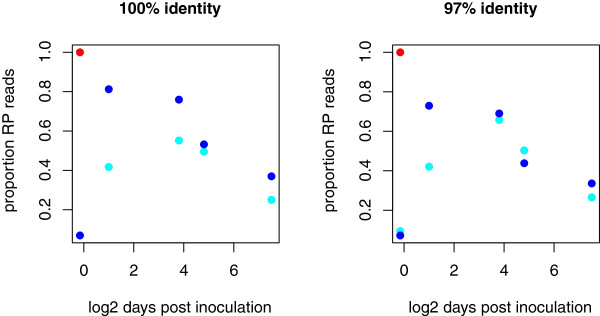
BACKGROUND: Fecal bacteriotherapy ('stool transplant') can be effective in treating recurrent Clostridium difficile infection, but concerns of donor infection transmission and patient acceptance limit its use. Here we describe the use of a stool substitute preparation, made from purified intestinal bacterial cultures derived from a single healthy donor, to treat recurrent C. difficile infection that had failed repeated standard antibiotics. Thirty-three isolates were recovered from a healthy donor stool sample. Two patients who had failed at least three courses of metronidazole or vancomycin underwent colonoscopy and the mixture was infused throughout the right and mid colon. Pre-treatment and post-treatment stool samples were analyzed by 16 S rRNA gene sequencing using the Ion Torrent platform. RESULTS: Both patients were infected with the hyper virulent C. difficile strain, ribotype 078. Following stool substitute treatment, each patient reverted to their normal bowel pattern within 2 to 3 days and remained symptom-free at 6 months. The analysis demonstrated that rRNA sequences found in the stool substitute were rare in the pre-treatment stool samples but constituted over 25% of the sequences up to 6 months after treatment. CONCLUSION: This proof-of-principle study demonstrates that a stool substitute mixture comprising a multi-species community of bacteria is capable of curing antibiotic-resistant C. difficile colitis. This benefit correlates with major changes in stool microbial profile and these changes reflect isolates from the synthetic mixture. CLINICAL TRIAL REGISTRATION NUMBER: CinicalTrials.gov NCT01372943.
Overview
The claims and statistics of this paper haven’t been checked yet.
Free: it reads the open-access text and checks the first 5 claims that cite a source we can check. Create a free account to check every claim.
Integrity signals
Registry
Cites
Statistics
Figures
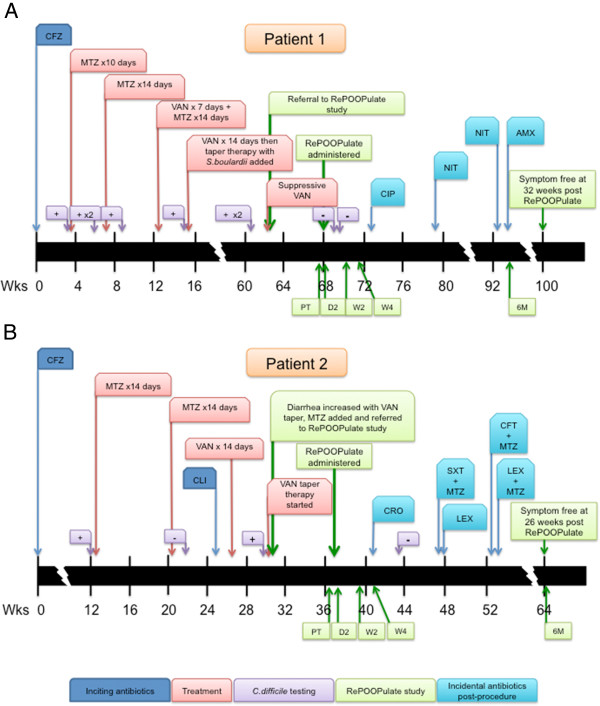
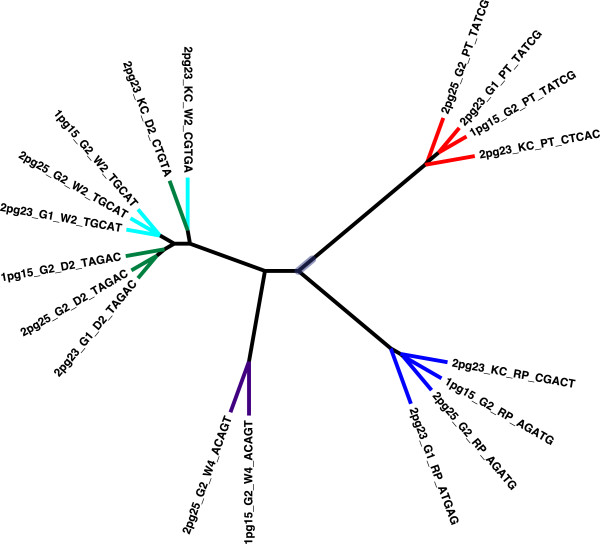
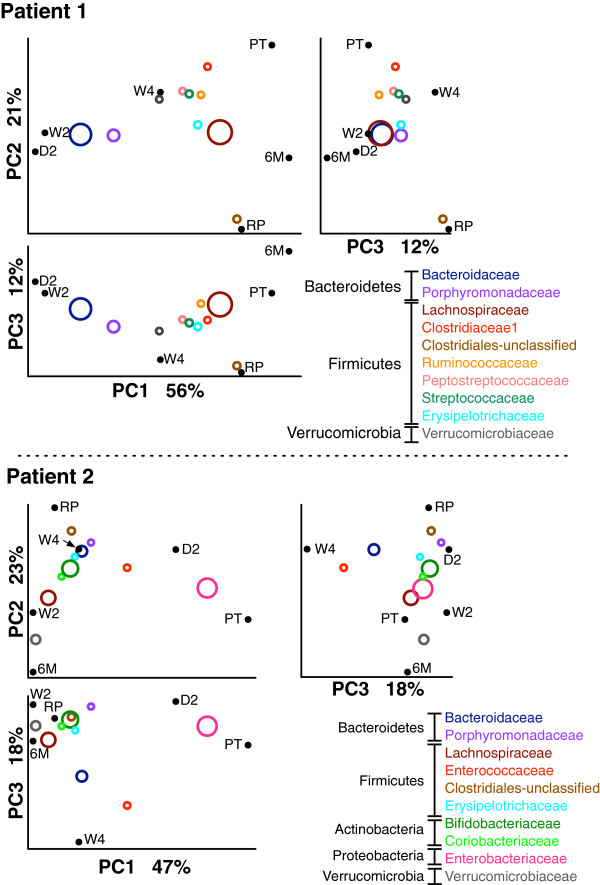
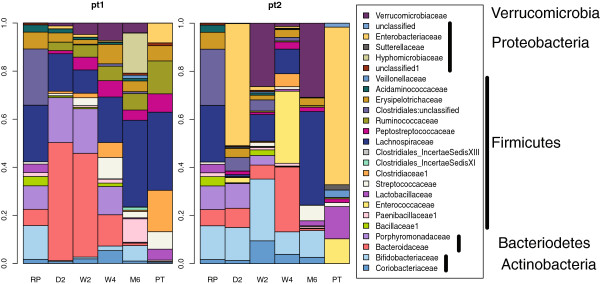
Verification
Claims the paper makes
The claims and statistics of this paper haven’t been checked yet.
Free: it reads the open-access text and checks the first 5 claims that cite a source we can check. Create a free account to check every claim.
Claims other papers make about this one
Each is checked against this paper’s own text: does it say what the citing paper says it does?
The source backs part of the claim, not all of it — or backs it for a different population, condition or comparison.
In the citing paper
“Microbial Ecosystem Therapeutic 4 (MET4) is an orally delivered defined mixture of pure live cultures of intestinal bacteria isolated from the stool of a healthy donor, purified and grown in conditions modeling those of the human distal gut.8”
From First-in-class Microbial Ecosystem Therapeutic 4 (MET4) in combination with immune checkpoint inhibitors in patients with advanced solid tumors (MET4-IO trial) (2023) · cites this paper as [8]
Experimental — accuracy not yet measuredThe check wasn’t confident either way, so it gives no verdict — never disputed.
In the citing paper
“In 2010, Russell et al. report the first pediatric patient treated with FMT via nasogastric tube.118”
From Update on Fecal Microbiota Transplantation 2015: Indications, Methodologies, Mechanisms, and Outlook (2015) · cites this paper as [118]
Experimental — accuracy not yet measuredIn the citing paper
“Microbial consortia (multi-species mixtures of cultivated microbes) represent an intermediate approach intended to balance the ecological and functional complexity of FMT and the practical advantages of cultivated microbes, and have been successfully used as alternatives to FMT for other indications such as Clostridioides difficile infection, 8,9”
In the citing paper
“In children with recurrent CDI and underlying IBD, the data the data is mixed, highlighting the difficulty in distinguishing a clinical response to an infection that may have the same symptoms as the underlying disease.118, 121, 124”
From Update on Fecal Microbiota Transplantation 2015: Indications, Methodologies, Mechanisms, and Outlook (2015) · cites this paper as [118]
In the citing paper
“The case involved a 2 year old child with recalcitrant CDI that had failed an exhaustive course, including probiotics, metronidazole, pulsed-dose vancomycin, rifaximin, and nitazoxanide, who experienced complete resolution of symptoms within 36 hours of FMT.”
From Update on Fecal Microbiota Transplantation 2015: Indications, Methodologies, Mechanisms, and Outlook (2015) · cites this paper as [118]
Self-check
Percentages, sums and reported differences re-computed from the paper’s own numbers.
The self-check needs the paper’s full text.
Citations
Cites
MUSCLE: multiple sequence alignment with high accuracy and high throughput
Edgar, R. C. (2004) · Nucleic Acids Research · doi:10.1093/nar/gkh340 · Cited by 44,662 · cited 1×
“Sequence alignments were built using Muscle [16] and a neighbor-joining tree was generated by ClustalW2 [17].”
MethodQIIME allows analysis of high-throughput community sequencing data
Caporaso, J. G., Kuczynski, J., Stombaugh, J., Bittinger, K., Bushman, F. D., Costello, E. K., Fierer, N., Peña, A. G., Goodrich, J. K., Gordon, J. I., et al. (2010) · Nature Methods · doi:10.1038/nmeth.f.303 · Cited by 34,887 · cited 1×
“0 [15] as follows.”
Clustal W and Clustal X version 2.0
Larkin, M. A., Blackshields, G., Brown, N. P., Chenna, R., McGettigan, P. A., McWilliam, H., Valentin, F., Wallace, I. M., Wilm, A., Lopez, R., et al. (2007) · Bioinformatics · doi:10.1093/bioinformatics/btm404 · Cited by 28,358
UCHIME improves sensitivity and speed of chimera detection
Edgar, R. C., Haas, B. J., Clemente, J. C., Quince, C., & Knight, R. (2011) · Bioinformatics · doi:10.1093/bioinformatics/btr381 · Cited by 15,114
Greengenes, a Chimera-Checked 16S rRNA Gene Database and Workbench Compatible with ARB
DeSantis, T. Z., Hugenholtz, P., Larsen, N., Rojas, M., Brodie, E. L., Keller, K., Huber, T., Dalevi, D., Hu, P., & Andersen, G. L. (2006) · Applied and Environmental Microbiology · doi:10.1128/aem.03006-05 · Cited by 10,891
UniFrac: a New Phylogenetic Method for Comparing Microbial Communities
Lozupone, C., & Knight, R. (2005) · Applied and Environmental Microbiology · doi:10.1128/aem.71.12.8228-8235.2005 · Cited by 8,227 · cited 1×
“Beta-diversity was calculated by the UniFrac algorithm [18].”
MethodEnterotypes of the human gut microbiome
MetaHIT Consortium (additional members), Arumugam, M., Raes, J., Pelletier, E., Le Paslier, D., Yamada, T., Mende, D. R., Fernandes, G. R., Tap, J., Bruls, T., et al. (2011) · Nature · doi:10.1038/nature09944 · Cited by 7,548 · cited 1×
“Similarly, the relevance of patient enterotype [24], which may turn out to be more important than age-matching, has not been fully explored.”
BackgroundCohen, S. H., Gerding, D. N., Johnson, S., Kelly, C. P., Loo, V. G., McDonald, L. C., Pepin, J., & Wilcox, M. H. (2010) · Infection Control & Hospital Epidemiology · doi:10.1086/651706 · Cited by 2,942
NAST: a multiple sequence alignment server for comparative analysis of 16S rRNA genes
DeSantis, T. Z., Hugenholtz, P., Keller, K., Brodie, E. L., Larsen, N., Piceno, Y. M., Phan, R., & Andersen, G. L. (2006) · Nucleic Acids Research · doi:10.1093/nar/gkl244 · Cited by 1,035
Decreased Diversity of the Fecal Microbiome in Recurrent Clostridium difficile–Associated Diarrhea
Chang, J. Y., Antonopoulos, D. A., Kalra, A., Tonelli, A., Khalife, W. T., Schmidt, T. M., & Young, V. B. (2008) · The Journal of Infectious Diseases · doi:10.1086/525047 · Cited by 1,010 · cited 2×
“An association has been made between recurrent disease and intestinal dysbiosis [4], and an inability of certain individuals to reestablish their normal intestinal bacteria is thought to play a leading role in recurrence.”
Background
Cited by
Hill (2014) · doi:10.1038/nrgastro.2014.66 · Cited by 9,592
Cryan, J. F., O'Riordan, K. J., Cowan, C. S. M., Sandhu, K. V., Bastiaanssen, T. F. S., Boehme, M., Codagnone, M. G., Cussotto, S., Fulling, C., Golubeva, A. V., et al. (2019) · Physiological Reviews · doi:10.1152/physrev.00018.2018 · Cited by 5,286
The gut microbiome in health and in disease
Shreiner, A. B., Kao, J. Y., & Young, V. B. (2015) · Current Opinion in Gastroenterology · doi:10.1097/mog.0000000000000139 · Cited by 1,682
Control of pathogens and pathobionts by the gut microbiota
Kamada, N., Chen, G. Y., Inohara, N., & Núñez, G. (2013) · Nature Immunology · doi:10.1038/ni.2608 · Cited by 1,625
Microbiota-mediated colonization resistance against intestinal pathogens
Buffie, C. G., & Pamer, E. G. (2013) · Nature reviews. Immunology · doi:10.1038/nri3535 · Cited by 1,564
The microbiome, cancer, and cancer therapy
Helmink, B. A., Khan, M. A. W., Hermann, A., Gopalakrishnan, V., & Wargo, J. A. (2019) · Nature Medicine · doi:10.1038/s41591-019-0377-7 · Cited by 1,200
Culturing the human microbiota and culturomics
Lagier, J.-C., Dubourg, G., Million, M., Cadoret, F., Bilen, M., Fenollar, F., Levasseur, A., Rolain, J.-M., Fournier, P.-E., & Raoult, D. (2018) · Nature Reviews Microbiology · doi:10.1038/s41579-018-0041-0 · Cited by 872
Clostridium difficile infection
Smits, W. K., Lyras, D., Lacy, D. B., Wilcox, M. H., & Kuijper, E. J. (2016) · Nature Reviews Disease Primers · doi:10.1038/nrdp.2016.20 · Cited by 853
Short chain fatty acids: Microbial metabolites for gut-brain axis signalling
O'Riordan, K. J., Collins, M. K., Moloney, G. M., Knox, E. G., Aburto, M. R., Fülling, C., Morley, S. J., Clarke, G., Schellekens, H., & Cryan, J. F. (2022) · Molecular and Cellular Endocrinology · doi:10.1016/j.mce.2022.111572 · Cited by 713
Human Gut Microbiome: Function Matters
Heintz-Buschart, A., & Wilmes, P. (2018) · Trends in Microbiology · doi:10.1016/j.tim.2017.11.002 · Cited by 740
Meehan, C. J., & Beiko, R. G. (2014) · Genome Biology and Evolution · doi:10.1093/gbe/evu050 · Cited by 715
Ott, S. J., Waetzig, G. H., Rehman, A., Moltzau-Anderson, J., Bharti, R., Grasis, J. A., Cassidy, L., Tholey, A., Fickenscher, H., Seegert, D., et al. (2017) · Gastroenterology · doi:10.1053/j.gastro.2016.11.010 · Cited by 695
Clostridium species as probiotics: potentials and challenges
Guo, P., Zhang, K., Ma, X., & He, P. (2020) · Journal of Animal Science and Biotechnology · doi:10.1186/s40104-019-0402-1 · Cited by 597
Quraishi, M. N., Widlak, M., Bhala, N., Moore, D., Price, M., Sharma, N., & Iqbal, T. H. (2017) · Alimentary Pharmacology & Therapeutics · doi:10.1111/apt.14201 · Cited by 617
Bacterial Communities: Interactions to Scale
Stubbendieck, R. M., Vargas-Bautista, C., & Straight, P. D. (2016) · Frontiers in Microbiology · doi:10.3389/fmicb.2016.01234 · Cited by 572
“As a consequence of functional specialization, cells adopt new growth strategies, which affect how they interact with available microenvironments and their neighbors.”
BackgroundUnderstanding the mechanisms of faecal microbiota transplantation
Khoruts, A., & Sadowsky, M. J. (2016) · Nature Reviews Gastroenterology & Hepatology · doi:10.1038/nrgastro.2016.98 · Cited by 561
Update on Fecal Microbiota Transplantation 2015: Indications, Methodologies, Mechanisms, and Outlook
Kelly, C. R., Kahn, S., Kashyap, P., Laine, L., Rubin, D., Atreja, A., Moore, T., & Wu, G. (2015) · Gastroenterology · doi:10.1053/j.gastro.2015.05.008 · Cited by 572
Polysaccharide Utilization Loci: Fueling Microbial Communities
Grondin, J. M., Tamura, K., Déjean, G., Abbott, D. W., & Brumer, H. (2017) · Journal of Bacteriology · doi:10.1128/jb.00860-16 · Cited by 554
A discrete genetic locus confers xyloglucan metabolism in select human gut Bacteroidetes
Larsbrink, J., Rogers, T. E., Hemsworth, G. R., McKee, L. S., Tauzin, A. S., Spadiut, O., Klinter, S., Pudlo, N. A., Urs, K., Koropatkin, N. M., et al. (2014) · Nature · doi:10.1038/nature12907 · Cited by 523
Fecal microbiota transplantation: in perspective
Gupta, S., Allen-Vercoe, E., & Petrof, E. O. (2016) · Therapeutic Advances in Gastroenterology · doi:10.1177/1756283x15607414 · Cited by 481
“This has led research groups to explore the use of ‘synthetic stool’ products with defined bacterial populations to ameliorate such concerns [Petrof et al. 2013].”
BackgroundSelf-citationGut microbiota: A player in aging and a target for anti-aging intervention
Vaiserman, A. M., Koliada, A. K., & Marotta, F. (2017) · Ageing Research Reviews · doi:10.1016/j.arr.2017.01.001 · Cited by 465
Diagnosis and Treatment of Clostridium difficile in Adults: A Systematic Review
Bagdasarian, N., Rao, K., & Malani, P. N. (2015) · JAMA · doi:10.1001/jama.2014.17103 · Cited by 451
Age‐related changes in the gut microbiota influence systemic inflammation and stroke outcome
Spychala, M. S., Venna, V. R., Jandzinski, M., Doran, S. J., Durgan, D. J., Ganesh, B. P., Ajami, N. J., Putluri, N., Graf, J., Bryan, R. M., et al. (2018) · Annals of Neurology · doi:10.1002/ana.25250 · Cited by 431
Role of the Intestinal Microbiota in Resistance to Colonization by Clostridium difficile
Britton, R. A., & Young, V. B. (2014) · Gastroenterology · doi:10.1053/j.gastro.2014.01.059 · Cited by 446
Resurrecting the intestinal microbiota to combat antibiotic-resistant pathogens
Pamer, E. G. (2016) · Science · doi:10.1126/science.aad9382 · Cited by 418
The Super-Donor Phenomenon in Fecal Microbiota Transplantation
Wilson, B. C., Vatanen, T., Cutfield, W. S., & O'Sullivan, J. M. (2019) · Frontiers in Cellular and Infection Microbiology · doi:10.3389/fcimb.2019.00002 · Cited by 413
“Precision approaches have so far been trialed in CDI treatment but withmixed results (Petrof et al., 2013; Emanuelsson et al., 2014).”
BackgroundMicrobial shifts in the aging mouse gut
Langille, M. G., Meehan, C. J., Koenig, J. E., Dhanani, A. S., Rose, R. A., Howlett, S. E., & Beiko, R. G. (2014) · Microbiome · doi:10.1186/s40168-014-0050-9 · Cited by 437
“Perturbations to human-associated bacterial communities are associated with many disorders such as colon cancer, autoimmune diseases, inflammatory bowel disease, and Clostridium difficile infection [2-8].”
BackgroundCell-Based Therapeutics: The Next Pillar of Medicine
Fischbach, M. A., Bluestone, J. A., & Lim, W. A. (2013) · Science Translational Medicine · doi:10.1126/scitranslmed.3005568 · Cited by 419
The evolution of the use of faecal microbiota transplantation and emerging therapeutic indications.
Allegretti, J. R., Mullish, B. H., Kelly, C., & Fischer, M. (2019) · The Lancet · doi:10.1016/s0140-6736(19)31266-8 · Cited by 358
Computational meta'omics for microbial community studies
Segata, N., Boernigen, D., Tickle, T. L., Morgan, X. C., Garrett, W. S., & Huttenhower, C. (2013) · Molecular Systems Biology · doi:10.1038/msb.2013.22 · Cited by 326
“Recent clinical translation of in vitro communities has demonstrated success as a treatment for chronic C. difficile (Petrof et al , 2013).”
BackgroundMullish, B. H., Quraishi, M. N., Segal, J. P., McCune, V. L., Baxter, M., Marsden, G. L., Moore, D. J., Colville, A., Bhala, N., Iqbal, T. H., et al. (2018) · Gut · doi:10.1136/gutjnl-2018-316818 · Cited by 332
Rebuilding the Gut Microbiota Ecosystem
Gagliardi, A., Totino, V., Cacciotti, F., Iebba, V., Neroni, B., Bonfiglio, G., Trancassini, M., Passariello, C., Pantanella, F., & Schippa, S. (2018) · International Journal of Environmental Research and Public Health · doi:10.3390/ijerph15081679 · Cited by 340
“An artificial bacterial combination of 33 different purified gut bacteria isolated from a healthy donor (stool substitute (RePOOPulate): Acidaminococcus intestinalis, Bacteroides ovatus, Bifidobacterium adolescentis (two strains), Bifidobacterium longum (two strains), Blautia product, Clostridium cocleatum, Collinsell…”
BackgroundInfluentialFecal Microbiota Transplantation: Current Applications, Effectiveness, and Future Perspectives
Choi, H. H., & Cho, Y.-S. (2016) · Clinical Endoscopy · doi:10.5946/ce.2015.117 · Cited by 318
Synthetic microbial ecosystems: an exciting tool to understand and apply microbial communities
De Roy, K., Marzorati, M., Van den Abbeele, P., Van de Wiele, T., & Boon, N. (2014) · Environmental Microbiology · doi:10.1111/1462-2920.12343 · Cited by 313
Khanna, S., Pardi, D. S., Kelly, C. R., Kraft, C. S., Dhere, T., Henn, M. R., Lombardo, M.-J., Vulic, M., Ohsumi, T., Winkler, J., et al. (2016) · Journal of Infectious Diseases · doi:10.1093/infdis/jiv766 · Cited by 321
Microbiome therapeutics — Advances and challenges
Mimee, M., Citorik, R. J., & Lu, T. K. (2016) · Advanced Drug Delivery Reviews · doi:10.1016/j.addr.2016.04.032 · Cited by 317
Gut Microbiota Regulation of T Cells During Inflammation and Autoimmunity
Brown, E. M., Kenny, D. J., & Xavier, R. J. (2019) · Annual Review of Immunology · doi:10.1146/annurev-immunol-042718-041841 · Cited by 312
Self-citationCooperating Commensals Restore Colonization Resistance to Vancomycin-Resistant Enterococcus faecium
Caballero, S., Kim, S., Carter, R. A., Leiner, I. M., Sušac, B., Miller, L., Kim, G. J., Ling, L., & Pamer, E. G. (2017) · Cell Host & Microbe · doi:10.1016/j.chom.2017.04.002 · Cited by 308
“The ability of defined bacterial consortia to provide resistance against C. difficile infection is well established (Lawley et al., 2012; Petrof et al., 2013; Buffie et al., 2015; Tvede et al., 2015).”
Manipulating Bacterial Communities by in situ Microbiome Engineering
Sheth, R. U., Cabral, V., Chen, S. P., & Wang, H. H. (2016) · Trends in Genetics · doi:10.1016/j.tig.2016.01.005 · Cited by 290
Microbiota transplantation: Concept, methodology and strategy for its modernization
FMT-standardization Study Group, Zhang, F., Cui, B., He, X., Nie, Y., Wu, K., & Fan, D. (2018) · Protein & Cell · doi:10.1007/s13238-018-0541-8 · Cited by 300
“The microbial ecosystem therapeutic (MET-1, or “RePOOPulate”) in pilot trials showed an attractive response (Petrof et al., 2013; Martz et al., 2017).”
BackgroundMicrobiota regulation of the mammalian gut-brain axis
Burokas, A., Moloney, R. D., Dinan, T. G., & Cryan, J. F. (2015) · Advances in applied microbiology · doi:10.1016/bs.aambs.2015.02.001 · Cited by 300
Pleiotropy complicates a trade-off between phage resistance and antibiotic resistance
Burmeister, A. R., Fortier, A., Roush, C., Lessing, A. J., Bender, R. G., Barahman, R., Grant, R., Chan, B. K., & Turner, P. E. (2020) · Proceedings of the National Academy of Sciences · doi:10.1073/pnas.1919888117 · Cited by 287
Evidence for greater production of colonic short-chain fatty acids in overweight than lean humans
Rahat-Rozenbloom, S., Fernandes, J., Gloor, G. B., & Wolever, T. M. S. (2014) · International Journal of Obesity · doi:10.1038/ijo.2014.46 · Cited by 290
“DNA extraction and Ion Torrent V6 16S rRNA sequencing were performed as described elsewhere.(20)”
MethodSelf-citationManipulating the gut microbiota to maintain health and treat disease
Scott, K. P., Antoine, J.-M., Midtvedt, T., & van Hemert, S. (2015) · Microbial Ecology in Health & Disease · doi:10.3402/mehd.v26.25877 · Cited by 281
Mechanism of the Gut Microbiota Colonization Resistance and Enteric Pathogen Infection
Khan, I., Bai, Y., Zha, L., Ullah, N., Ullah, H., Shah, S. R. H., Sun, H., & Zhang, C. (2021) · Frontiers in Cellular and Infection Microbiology · doi:10.3389/fcimb.2021.716299 · Cited by 291
“difficile infection which is refractory to chemotherapy (Reeves et al., 2012; Petrof et al., 2013; Nood et al., 2013).”
BackgroundAn integrative view of microbiome-host interactions in inflammatory bowel diseases
Wlodarska, M., Kostic, A. D., & Xavier, R. J. (2015) · Cell Host & Microbe · doi:10.1016/j.chom.2015.04.008 · Cited by 287
“In order to prevent the potential danger of infection from donor stool, Allen-Vercoe and colleagues, among other groups, have been designing syntheticmixtures of bacteria for stool transplant that have been successful in treating C. difficile infection (Petrof et al., 2013).”
BackgroundFecal microbiota transplantation
Vindigni, S. M., & Surawicz, C. M. (2017) · Gastroenterology Clinics of North America · doi:10.1016/j.gtc.2016.09.012 · Cited by 283
Nutrition and the gut microbiome in the elderly
Salazar, N., Valdés-Varela, L., González, S., Gueimonde, M., & de los Reyes-Gavilán, C. G. (2017) · Gut Microbes · doi:10.1080/19490976.2016.1256525 · Cited by 282
“Beyond this, it should be possible to isolate a fecal cocktail of defined bacterial multi-species and/or design synthetic mixtures that could be administered for correcting intestinal dysbiosis, thus avoiding the risk of transmission of potentially harmful microorganisms from donors to recipients.(47)”
BackgroundLegrand, T. P. R. A., Wynne, J. W., Weyrich, L. S., & Oxley, A. P. A. (2020) · Reviews in Aquaculture · doi:10.1111/raq.12375 · Cited by 265
Schubert, A. M., Sinani, H., & Schloss, P. D. (2015) · mBio · doi:10.1128/mbio.00974-15 · Cited by 276
Fecal Microbiota Transplantation: Indications, Methods, Evidence, and Future Directions
Borody, T. J., Paramsothy, S., & Agrawal, G. (2013) · Current Gastroenterology Reports · doi:10.1007/s11894-013-0337-1 · Cited by 275
Beneficial modulation of the gut microbiota
Walsh, C. J., Guinane, C. M., O'Toole, P. W., & Cotter, P. D. (2014) · FEBS Letters · doi:10.1016/j.febslet.2014.03.035 · Cited by 274
“showed that a defined mixture of 33 isolates, when administered during a colonoscopy, cured the CDI of 2 patients who had previously failed to respond to antibiotic treatment [142].”
BackgroundCrosstalk between Gut Microbiota and Host Immunity: Impact on Inflammation and Immunotherapy
Campbell, C., Kandalgaonkar, M. R., Golonka, R. M., Yeoh, B. S., Vijay-Kumar, M., & Saha, P. (2023) · Biomedicines · doi:10.3390/biomedicines11020294 · Cited by 243
An overview of fecal microbiota transplantation: techniques, indications, and outcomes
Brandt, L. J., & Aroniadis, O. C. (2013) · Gastrointestinal Endoscopy · doi:10.1016/j.gie.2013.03.1329 · Cited by 258
The Human Gut Phage Community and Its Implications for Health and Disease
Manrique, P., Dills, M., & Young, M. (2017) · Viruses · doi:10.3390/v9060141 · Cited by 254
The microbiota in inflammatory bowel disease
Sheehan, D., Moran, C., & Shanahan, F. (2015) · Journal of Gastroenterology · doi:10.1007/s00535-015-1064-1 · Cited by 246
Clostridium difficile and the microbiota
Seekatz, A. M., & Young, V. B. (2014) · Journal of Clinical Investigation · doi:10.1172/jci72336 · Cited by 255
“In humans, Petrof et al. reported successful treatment of recurrent CDI in 2 patients with a community consisting of 33 isolates from a healthy donor (94).”
BackgroundPattern recognition receptors in innate immunity, host defense, and immunopathology
Suresh, R., & Mosser, D. M. (2013) · Advances in Physiology Education · doi:10.1152/advan.00058.2013 · Cited by 226
“Alterations in the gut microbiome have been linked to Crohn’s disease and ulcerative colitis, and new strategies to replace the gut microbiota of Clostridiuminfected individuals are proving effective (46).”
BackgroundVindigni, S. M., Zisman, T. L., Suskind, D. L., & Damman, C. J. (2016) · Therapeutic Advances in Gastroenterology · doi:10.1177/1756283x16644242 · Cited by 229
Interactions in the microbiome: communities of organisms and communities of genes
Boon, E., Meehan, C. J., Whidden, C., Wong, D. H.-J., Langille, M. G. I., & Beiko, R. G. (2014) · FEMS Microbiology Reviews · doi:10.1111/1574-6976.12035 · Cited by 230
“The preeminent example in human health is the use of fecal transplants containing a defined mixture of nonpathogenic organisms to cure Clostridium difficile infection (Lawley et al., 2012; Petrof et al., 2013).”
BackgroundMenni, C., Zierer, J., Pallister, T., Jackson, M. A., Long, T., Mohney, R. P., Steves, C. J., Spector, T. D., & Valdes, A. M. (2017) · Scientific Reports · doi:10.1038/s41598-017-10382-2 · Cited by 237
Martens, E. C., Kelly, A. G., Tauzin, A. S., & Brumer, H. (2014) · Journal of Molecular Biology · doi:10.1016/j.jmb.2014.06.022 · Cited by 235
Transmission of the gut microbiota: spreading of health
Browne, H. P., Neville, B. A., Forster, S. C., & Lawley, T. D. (2017) · Nature Reviews Microbiology · doi:10.1038/nrmicro.2017.50 · Cited by 232
Morton, E. R., Lynch, J., Froment, A., Lafosse, S., Heyer, E., Przeworski, M., Blekhman, R., & Ségurel, L. (2015) · PLOS Genetics · doi:10.1371/journal.pgen.1005658 · Cited by 231
Investigations of Bacteroides spp. towards next-generation probiotics
Tan, H., Zhai, Q., & Chen, W. (2019) · Food Research International · doi:10.1016/j.foodres.2018.08.088 · Cited by 213
Probiotics from research to market: the possibilities, risks and challenges
Foligné, B., Daniel, C., & Pot, B. (2013) · Current Opinion in Microbiology · doi:10.1016/j.mib.2013.06.008 · Cited by 195
Leveraging diet to engineer the gut microbiome
Wolter, M., Grant, E. T., Boudaud, M., Steimle, A., Pereira, G. V., Martens, E. C., & Desai, M. S. (2021) · Nature Reviews Gastroenterology & Hepatology · doi:10.1038/s41575-021-00512-7 · Cited by 211
McDonald, J. A. K., Mullish, B. H., Pechlivanis, A., Liu, Z., Brignardello, J., Kao, D., Holmes, E., Li, J. V., Clarke, T. B., Thursz, M. R., et al. (2018) · Gastroenterology · doi:10.1053/j.gastro.2018.07.014 · Cited by 187
Magri, G., Comerma, L., Pybus, M., Sintes, J., Lligé, D., Segura-Garzón, D., Bascones, S., Yeste, A., Grasset, E. K., Gutzeit, C., et al. (2017) · Immunity · doi:10.1016/j.immuni.2017.06.013 · Cited by 194
“, 2016), these commensals may enhance protection against obesity and infection (Biddle et al., 2013; Cho et al., 2012; Petrof et al., 2013).”
BackgroundFecal Transplants: What Is Being Transferred?
Bojanova, D. P., & Bordenstein, S. R. (2016) · PLOS Biology · doi:10.1371/journal.pbio.1002503 · Cited by 190
“There are a few studies in mice and humans that validate the positive effects of cultured bacteria on CDI [10,11] and mucosal barrier function [12].”
BackgroundChanges in the faecal microbiota of mares precede the development of post partum colic
Weese, J. S., Holcombe, S. J., Embertson, R. M., Kurtz, K. A., Roessner, H. A., Jalali, M., & Wismer, S. E. (2015) · Equine Veterinary Journal · doi:10.1111/evj.12361 · Cited by 183
From Stool Transplants to Next-Generation Microbiota Therapeutics
Petrof, E. O., & Khoruts, A. (2014) · Gastroenterology · doi:10.1053/j.gastro.2014.01.004 · Cited by 186
Self-citationEl Hage, R., Hernandez-Sanabria, E., & Van de Wiele, T. (2017) · Frontiers in Microbiology · doi:10.3389/fmicb.2017.01889 · Cited by 185
“This can be because the RePOOPulate community preserved its structure and thus successfully colonized a new environment (Petrof et al., 2013).”
BackgroundInfluentialBober, J. R., Beisel, C. L., & Nair, N. U. (2018) · Annual Review of Biomedical Engineering · doi:10.1146/annurev-bioeng-062117-121019 · Cited by 168
“While FMTs have been successful at treating CDI, their mechanisms of action and knowledge about which constituent species constitute the bioactive component are poorly understood.”
BackgroundReview article: the future of microbiome‐based therapeutics
Gulliver, E. L., Young, R. B., Chonwerawong, M., D'Adamo, G. L., Thomason, T., Widdop, J. T., Rutten, E. L., Rossetto Marcelino, V., Bryant, R. V., Costello, S. P., et al. (2022) · Alimentary Pharmacology & Therapeutics · doi:10.1111/apt.17049 · Cited by 180
Fuentes, S., van Nood, E., Tims, S., Heikamp-de Jong, I., ter Braak, C. J. F., Keller, J. J., Zoetendal, E. G., & de Vos, W. M. (2014) · The ISME Journal · doi:10.1038/ismej.2014.13 · Cited by 175
Aging Microbiota-Gut-Brain Axis in Stroke Risk and Outcome
Honarpisheh, P., Bryan, R. M., & McCullough, L. D. (2022) · Circulation Research · doi:10.1161/circresaha.122.319983 · Cited by 171
A stabilized microbial ecosystem of self-limiting bacteria using synthetic quorum-regulated lysis
Scott, S. R., Din, M. O., Bittihn, P., Xiong, L., Tsimring, L. S., & Hasty, J. (2017) · Nature Microbiology · doi:10.1038/nmicrobiol.2017.83 · Cited by 173
Song, Y., Garg, S., Girotra, M., Maddox, C., von Rosenvinge, E. C., Dutta, A., Dutta, S., & Fricke, W. F. (2013) · PLoS ONE · doi:10.1371/journal.pone.0081330 · Cited by 172
“In addition, this knowledge may provide the insights required to assemble culture-based "probiotic" bacterial mixtures as substitutes for transplantation of fecal samples, as has recently been demonstrated in humans [54] and the mouse model [55].”
BackgroundHost control of the microbiome: Mechanisms, evolution, and disease
Wilde, J., Slack, E. M. C., & Foster, K. R. (2024) · Science · doi:10.1126/science.adi3338 · Cited by 184
“As a result, there is a great interest in potential alternatives, including phage therapy, fecal microbiota transplants, and the delivery of specific microbial consortia ( 114 , 136 , 137 ).”
BackgroundImpact of food grade and nano-TiO2 particles on a human intestinal community
Dudefoi, W., Moniz, K., Allen-Vercoe, E., Ropers, M.-H., & Walker, V. K. (2017) · Food and Chemical Toxicology · doi:10.1016/j.fct.2017.05.050 · Cited by 163
“We thus utilized a defined human gut bacterial community known as microbial ecosystem therapeutic-1 (MET-1), which contains 33 different bacterial strains and was originally established from the collected stool of a healthy donor (Petrof et al., 2013).”
BackgroundMethodSelf-citationThe role of the skin microbiome in atopic dermatitis
Nakatsuji, T., & Gallo, R. L. (2019) · Annals of Allergy, Asthma & Immunology · doi:10.1016/j.anai.2018.12.003 · Cited by 163
Draper, L. A., Ryan, F. J., Smith, M. K., Jalanka, J., Mattila, E., Arkkila, P. A., Ross, R. P., Satokari, R., & Hill, C. (2018) · Microbiome · doi:10.1186/s40168-018-0598-x · Cited by 160
“[10] succeeded in disease resolution for up to 6 months in 2 patients using a combination of 33 bacterial isolates recovered from a healthy donor stool sample.”
BackgroundSalazar, N., Arboleya, S., Valdés, L., Stanton, C., Ross, P., Ruiz, L., Gueimonde, M., & de los Reyes-Gavilán, C. G. (2014) · Frontiers in Genetics · doi:10.3389/fgene.2014.00406 · Cited by 166
“…alternative has currently important ethical concerns and legal barriers (Ratner, 2014); however, it could be considered as proof of principle research that would help to find a definite cocktail of strains to be administered as a corrective measure of intestinal dysbiosis (Petrof et al., 2013).”
Intestinal epithelial barrier functions in ageing
Branca, J. J. V., Gulisano, M., & Nicoletti, C. (2019) · Ageing Research Reviews · doi:10.1016/j.arr.2019.100938 · Cited by 156
Zipursky, J. S., Sidorsky, T. I., Freedman, C. A., Sidorsky, M. N., & Kirkland, K. B. (2012) · Clinical Infectious Diseases · doi:10.1093/cid/cis809 · Cited by 163
Microbiome therapeutics: exploring the present scenario and challenges
Yadav, M., & Chauhan, N. S. (2021) · Gastroenterology report · doi:10.1093/gastro/goab046 · Cited by 181
“FMT has been used efficiently to treat recurrent infections of C. difficile (with a spectacular percentage of recovery) [40] and research is ongoing to test whether FMT can be used for other diseases (with the percentage of success much lower than those observed with CDI) [41].”
InfluentialHow the microbiota shapes rheumatic diseases
Van de Wiele, T., Van Praet, J. T., Marzorati, M., Drennan, M. B., & Elewaut, D. (2016) · Nature Reviews Rheumatology · doi:10.1038/nrrheum.2016.85 · Cited by 159
Lee, P., Yacyshyn, B. R., & Yacyshyn, M. B. (2019) · Diabetes, Obesity and Metabolism · doi:10.1111/dom.13561 · Cited by 151
Next-generation Sequencing of 16S Ribosomal RNA Gene Amplicons
Sanschagrin, S., & Yergeau, E. (2014) · Journal of Visualized Experiments · doi:10.3791/51709 · Cited by 120
Winston, J. A., & Theriot, C. M. (2016) · Anaerobe · doi:10.1016/j.anaerobe.2016.05.003 · Cited by 150
Can probiotics benefit children with autism spectrum disorders?
Navarro, F., Liu, Y., & Rhoads, J. M. (2016) · World Journal of Gastroenterology · doi:10.3748/wjg.v22.i46.10093 · Cited by 154
Donor Recruitment for Fecal Microbiota Transplantation
Paramsothy, S., Borody, T. J., Lin, E., Finlayson, S., Walsh, A. J., Samuel, D., van den Bogaerde, J., Leong, R. W. L., Connor, S., Ng, W., et al. (2015) · Inflammatory Bowel Diseases · doi:10.1097/mib.0000000000000405 · Cited by 149
Impact of the gut microbiota, prebiotics, and probiotics on human health and disease
Lai, H.-C., Young, J., Lin, C.-S., Chang, C.-J., Lu, C.-C., Martel, J., Ojcius, D., & Ko, Y.-F. (2014) · Biomedical Journal · doi:10.4103/2319-4170.138314 · Cited by 153
“difficile infections.([97]) Fecal microbiota transplantation from lean donors to patients with metabolic syndrome has also been reported to induce changes in intestinal microbiota composition and improve insulin resistance.”
BackgroundLachnospiraceae are emerging industrial biocatalysts and biotherapeutics
Zaplana, T., Miele, S., & Tolonen, A. C. (2024) · Frontiers in Bioengineering and Biotechnology · doi:10.3389/fbioe.2023.1324396 · Cited by 168
Aggarwala, V., Mogno, I., Li, Z., Yang, C., Britton, G. J., Chen-Liaw, A., Mitcham, J., Bongers, G., Gevers, D., Clemente, J. C., et al. (2021) · Nature Microbiology · doi:10.1038/s41564-021-00966-0 · Cited by 141
Tidjani Alou, M., Million, M., Traore, S. I., Mouelhi, D., Khelaifia, S., Bachar, D., Caputo, A., Delerce, J., Brah, S., Alhousseini, D., et al. (2017) · Frontiers in Microbiology · doi:10.3389/fmicb.2017.00899 · Cited by 146
“, 2015a), and multispecies probiotics derived from the feces of healthy humans was shown to be an equivalent to fecal microbiota transplantation in the same context (Petrof et al., 2013).”
BackgroundInfluentialMetabolic products of the intestinal microbiome and extremes of atherosclerosis
Bogiatzi, C., Gloor, G. B., Allen‐Vercoe, E., Reid, G., Wong, R. G., Urquhart, B. L., Dinculescu, V., Ruetz, K. N., Velenosi, T. J., Pignanelli, M., et al. (2018) · Atherosclerosis · doi:10.1016/j.atherosclerosis.2018.04.015 · Cited by 148
Self-citationEfficient inter-species conjugative transfer of a CRISPR nuclease for targeted bacterial killing
Hamilton, T. A., Pellegrino, G. M., Therrien, J. A., Ham, D. T., Bartlett, P. C., Karas, B. J., Gloor, G. B., & Edgell, D. R. (2019) · Nature Communications · doi:10.1038/s41467-019-12448-3 · Cited by 146
Self-citationDsouza, M., Menon, R., Crossette, E. M., Bhattarai, S. K., Schneider, J., Kim, Y., Reddy, S., Caballero, S., Felix, C. R., Cornacchione, L. P., et al. (2022) · Cell Host & Microbe · doi:10.1016/j.chom.2022.03.016 · Cited by 150
Metadata
- Authors
- Petrof, E. O., Gloor, G. B., Vanner, S. J., Weese, S. J., Carter, D., Daigneault, M. C., Brown, E. M., Schroeter, K., & Allen-Vercoe, E.
- Affiliations
- Queen's University (CA)
- Western University (CA)
- University of Guelph (CA)
- Robarts Research Institute (CA)
- Corresponding author
- Petrof, Elaine O
- Venue
- Microbiome
- Published
- 2013-01-09
- Volume
- 1
- Issue
- 1
- Pages
- 3-3
- ISSN
- 2049-2618 (ISSN-L)
- PMC
- PMC3869191
- OpenAlex
- W2140714996
- Cited by
- 731
- References
- 27
- Citations by year
- 2026: 16 · 2025: 19 · 2024: 25 · 2023: 37 · 2022: 40 · 2021: 52 · 2020: 60 · 2019: 63 · 2018: 58 · 2017: 69 · 2016: 87 · 2015: 73 · 2014: 74 · 2013: 56
- FWCI
- 70.52
- Type
- journal article
- Language
- en
- Open access
- gold
- doi.org
- Licence
- cc-by
- creativecommons.org/licenses/by/2.0 (tdm)
- Locations
- Microbiome (publishedVersion, cc-by)
- Europe PMC (PubMed Central) (publishedVersion, cc-by)
- PubMed Central (publishedVersion, cc-by)
- PubMed (publishedVersion)
- Funders
- Physicians' Services Incorporated Foundation
- Canadian Institutes of Health Research
- Topics
- Health Sciences › Medicine › Infectious Diseases › Clostridium difficile and Clostridium perfringens research
- Life Sciences › Biochemistry, Genetics and Molecular Biology › Molecular Biology › Gut microbiota and health
- Health Sciences › Medicine › Gastroenterology › Gastrointestinal motility and disorders
- Keywords
- Clostridium difficile infection, fecal microbiota transplantation, recurrent Clostridium difficile infection, hypervirulent strains, ribotype 078, gut microbiota, metronidazole, vancomycin, 16S rRNA gene sequencing
About these checks
Registry, retraction, Cites and statistics results are computed, not judged, with one exception: a printed reference that no index lists is read once by a model before it counts as a citation error. Claims are extracted by a model and kept only when their quote appears verbatim in the text; each cited source is then checked, with a model’s help, for whether it says what the claim relies on. Those verdicts can be wrong — read the claim’s quote and the cited source before relying on one.
Statistics and arithmetic are recomputed, not judged.
Confidence bands are shown only for fields calibrated on our annotated test set. None is calibrated yet, so no band is shown.
What counts as a claim ›How we measure confidence ›How we check this ›
Are you an author, or do you see a problem with this page? Request a review
Data sources
Bibliographic data: Semantic Scholar, OpenAlex, Crossref.
Contains information from the Semantic Scholar Academic Graph Datasets, made available under the ODC Attribution License (ODC-BY 1.0).
Semantic Scholar’s data is described in: Kinney, R., et al. (2023). The Semantic Scholar Open Data Platform. arXiv:2301.10140.
