

Quantitation of small intestinal permeability during normal human drug absorption
Open accessThe DOI matches its Crossref record; 65 of the 66 references it cites were found in a registry or an index.
Abstract
BACKGROUND: Understanding the quantitative relationship between a drug's physical chemical properties and its rate of intestinal absorption (QSAR) is critical for selecting candidate drugs. Because of limited experimental human small intestinal permeability data, approximate surrogates such as the fraction absorbed or Caco-2 permeability are used, both of which have limitations. METHODS: Given the blood concentration following an oral and intravenous dose, the time course of intestinal absorption in humans was determined by deconvolution and related to the intestinal permeability by the use of a new 3 parameter model function ("Averaged Model" (AM)). The theoretical validity of this AM model was evaluated by comparing it to the standard diffusion-convection model (DC). This analysis was applied to 90 drugs using previously published data. Only drugs that were administered in oral solution form to fasting subjects were considered so that the rate of gastric emptying was approximately known. All the calculations are carried out using the freely available routine PKQuest Java (http://www.pkquest.com) which has an easy to use, simple interface. RESULTS: Theoretically, the AM permeability provides an accurate estimate of the intestinal DC permeability for solutes whose absorption ranges from 1% to 99%. The experimental human AM permeabilities determined by deconvolution are similar to those determined by direct human jejunal perfusion. The small intestinal pH varies with position and the results are interpreted in terms of the pH dependent octanol partition. The permeability versus partition relations are presented separately for the uncharged, basic, acidic and charged solutes. The small uncharged solutes caffeine, acetaminophen and antipyrine have very high permeabilities (about 20 x 10-4 cm/sec) corresponding to an unstirred layer of only 45 μm. The weak acid aspirin also has a large AM permeability despite its low octanol partition at pH 7.4, suggesting that it is nearly completely absorbed in the first part of the intestine where the pH is about 5.4. CONCLUSIONS: The AM deconvolution method provides an accurate estimate of the human intestinal permeability. The results for these 90 drugs should provide a useful benchmark for evaluating QSAR models.
Overview
The claims and statistics of this paper haven’t been checked yet.
Free: it reads the open-access text and checks the first 5 claims that cite a source we can check. Create a free account to check every claim.
Integrity signals
Registry
Cites
Statistics
Figures
Verification
Claims the paper makes
The claims and statistics of this paper haven’t been checked yet.
Free: it reads the open-access text and checks the first 5 claims that cite a source we can check. Create a free account to check every claim.
Self-check
Percentages, sums and reported differences re-computed from the paper’s own numbers.
The self-check needs the paper’s full text.
Citations
Cites
Press, W. H., Teukolsky, S. A., Vetterling, W. T., & Flannery, B. P. (1994) · Cited by 15,411
Arzneimittelforschung: Erstanwendung am Menschen in der Phase I
Miletzki, B., & Gleiter, C. H. (2005) · Bundesgesundheitsblatt Gesundheitsforsch.Gesundheitsschutz · doi:10.1007/s00103-005-1024-7 · Cited by 9,355
Measurement of gastrointestinal pH profiles in normal ambulant human subjects
Evans, D. F., Pye, G., Bramley, R., Clark, A. G., Dyson, T. J., & Hardcastle, J. D. (1988) · Gut · doi:10.1136/gut.29.8.1035 · Cited by 1,240 · cited 1×
“[36] reported pH values of 6.”
Transit of pharmaceutical dosage forms through the small intestine.
Davis, S. S., Hardy, J. G., & Fara, J. W. (1986) · Gut · doi:10.1136/gut.27.8.886 · Cited by 853 · cited 1×
“[22] found an average small intestinal half time of about 240 minutes.”
BackgroundPredicting the Impact of Physiological and Biochemical Processes on Oral Drug Bioavailability
Agoram, B., Woltosz, W. S., & Bolger, M. B. (2001) · Advanced Drug Delivery Reviews · doi:10.1016/s0169-409x(01)00179-x · Cited by 651 · cited 1×
“The most widely used quantitative model of intestinal absorption is the “compartmental absorption and transit” (CAT) model which has been incorporated into the commercial program GastroPlusTM [10,11].”
MethodThe dependence of paracetamol absorption on the rate of gastric emptying
HEADING, R. C., NIMMO, J., PRESCOTT, L. F., & TOTHILL, P. (1973) · British Journal of Pharmacology · doi:10.1111/j.1476-5381.1973.tb08339.x · Cited by 568 · cited 1×
“Its intestinal absorption rate is usually assumed to be so fast that its absorption rate is a measure of the rate limiting gastric emptying [24-26].”
BackgroundZhao, Y. H., Le, J., Abraham, M. H., Hersey, A., Eddershaw, P. J., Luscombe, C. N., Boutina, D., Beck, G., Sherborne, B., Cooper, I., et al. (2001) · Journal of Pharmaceutical Sciences · doi:10.1002/jps.1031 · Cited by 526
Lennernaäs, H. (1998) · Journal of Pharmaceutical Sciences · doi:10.1021/js970332a · Cited by 500
Absorption and Drug Development: Solubility, Permeability, and Charge State
Avdeef, A. (2003) · Cited by 483
ON THE MECHANISM OF INTESTINAL ABSORPTION OF DRUGS
Hogben, C. A. M., Tocco, D. J., Brodie, B. B., & Schanker, L. S. (1959) · The Journal of Pharmacology and Experimental Therapeutics · doi:10.1016/s0022-3565(25)12995-9 · Cited by 474 · cited 1×
“[49] used this rapid absorption of aspirin to infer that there must be a pH of about 5.”
MethodA compartmental absorption and transit model for estimating oral drug absorption
Yu, L. X., & Amidon, G. L. (1999) · International Journal of Pharmaceutics · doi:10.1016/s0378-5173(99)00147-7 · Cited by 455 · cited 1×
“The most widely used quantitative model of intestinal absorption is the “compartmental absorption and transit” (CAT) model which has been incorporated into the commercial program GastroPlusTM [10,11].”
MethodAbsorption and Drug Development: Solubility, Permeability, and Charge State
Avdeef, A. (2012) · Wiley eBooks · doi:10.1002/9781118286067 · Cited by 446
Collins, P. J., Horowitz, M., Cook, D. J., Harding, P. E., & Shearman, D. J. (1983) · Gut · doi:10.1136/gut.24.12.1117 · Cited by 412 · cited 2×
“Most of the drugs were administered as oral solutions in fasting subjects and TG was forced to be in the range of 10 to 20 minutes (the normal range for non-caloric fluids [13,14]) and only the two parameters TP and MS were freely adjusted.”
BackgroundKinetics of acetaminophen absorption and gastric emptying in man
Clements, J. A., Heading, R. C., Nimmo, W. S., & Prescott, L. F. (1978) · Clinical Pharmacology & Therapeutics · doi:10.1002/cpt1978244420 · Cited by 369 · cited 1×
“Its intestinal absorption rate is usually assumed to be so fast that its absorption rate is a measure of the rate limiting gastric emptying [24-26].”
BackgroundPrediction of Intestinal First-Pass Drug Metabolism
Yang, J., Jamei, M., Yeo, K., Tucker, G., & Rostami-Hodjegan, A. (2007) · Current Drug Metabolism · doi:10.2174/138920007782109733 · Cited by 366
Wu, C.-Y., Benet, L. Z., Hebert, M. F., Gupta, S. K., Rowland, M., Gomez, D. Y., & Wacher, V. J. (1995) · Clinical Pharmacology & Therapeutics · doi:10.1016/0009-9236(95)90168-x · Cited by 356 · cited 2×
“The hepatic extraction (EH) can be estimated from the liver blood flow (QH) [15] and the whole blood liver clearance (ClH):”
BackgroundNew clinical method for measuring the rate of gastric emptying: the double sampling test meal.
George, J. D. (1968) · Gut · doi:10.1136/gut.9.2.237 · Cited by 354 · cited 3×
“Most of the drugs were administered as oral solutions in fasting subjects and TG was forced to be in the range of 10 to 20 minutes (the normal range for non-caloric fluids [13,14]) and only the two parameters TP and MS were freely adjusted.”
BackgroundAbsorption and Drug Development: Solubility, Permeability, and Charge State
Avdeef, A. (2003) · Wiley eBooks · doi:10.1002/047145026x · Cited by 349
Prediction of intestinal permeability
Egan, W. J., & Lauri, G. (2002) · Advanced Drug Delivery Reviews · doi:10.1016/s0169-409x(02)00004-2 · Cited by 344 · cited 3×
“Although the limitations of this approach are well recognized [1], it is the only available correlate of absorption for most drugs.”
BackgroundMethodInfluentialIntestinal permeability and its relevance for absorption and elimination
Lennernäs, H. (2007) · Xenobiotica · doi:10.1080/00498250701704819 · Cited by 304 · cited 2×
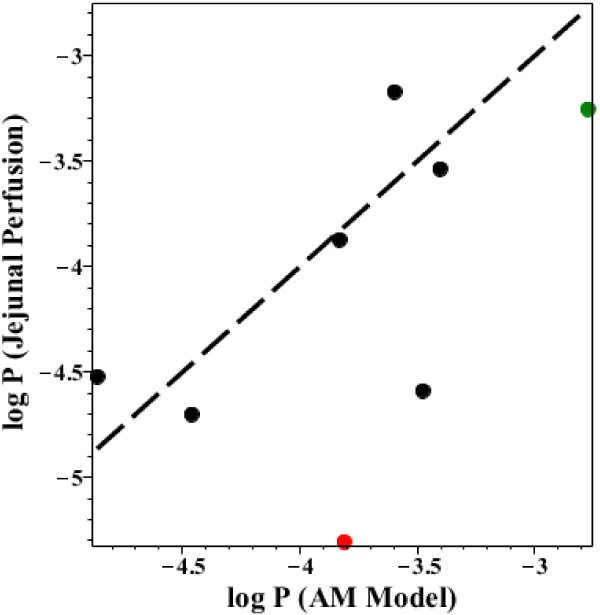
“The experimental perfused human jejunum permeability [18] and the Caco-2 permeability are also listed in Additional file 1: Table 2 if they were available.”
BackgroundAccurate measurement of intestinal transit in the rat
Miller, M. S., Galligan, J. J., & Burks, T. F. (1981) · Journal of Pharmacological Methods · doi:10.1016/0160-5402(81)90110-8 · Cited by 285 · cited 1×
“Unfortunately, no such measurements have been reported for humans or other large mammals (they have been made in rats [19]).”
BackgroundInfluence of Route of Administration on Drug Availability
Rowland, M. (1972) · Journal of Pharmaceutical Sciences · doi:10.1002/jps.2600610111 · Cited by 264 · cited 1×
“[47] for one subject) or 20.”
Prediction of adipose tissue: Plasma partition coefficients for structurally unrelated drugs
Poulin, P., Schoenlein, K., & Theil, F. (2001) · Journal of Pharmaceutical Sciences · doi:10.1002/1520-6017(200104)90:4<436::aid-jps1002>3.0.co;2-p · Cited by 213 · cited 1×
“When necessary, the log Pow values were converted from pH1 to a different pH2 using the following relations (this assumes that only the neutral solute has a finite octanol partition) [17]:”
MethodOvesen, L., Bendtsen, F., Tage-Jensen, U., Pedersen, N. T., Gram, B. R., & Rune, S. J. (1986) · Gastroenterology · doi:10.1016/0016-5085(86)90873-5 · Cited by 208 · cited 1×
“[35] simultaneously measured a fasting pH of 2.”
Bioavailability of cimetidine in man
Walkenstein, S. S., Dubb, J. W., Randolph, W. C., Westlake, W. J., Stote, R. M., & Intoccia, A. P. (1978) · Gastroenterology · doi:10.1016/0016-5085(78)90762-x · Cited by 166
Larregieu, C. A., & Benet, L. Z. (2013) · The AAPS Journal · doi:10.1208/s12248-013-9456-8 · Cited by 158 · cited 3×
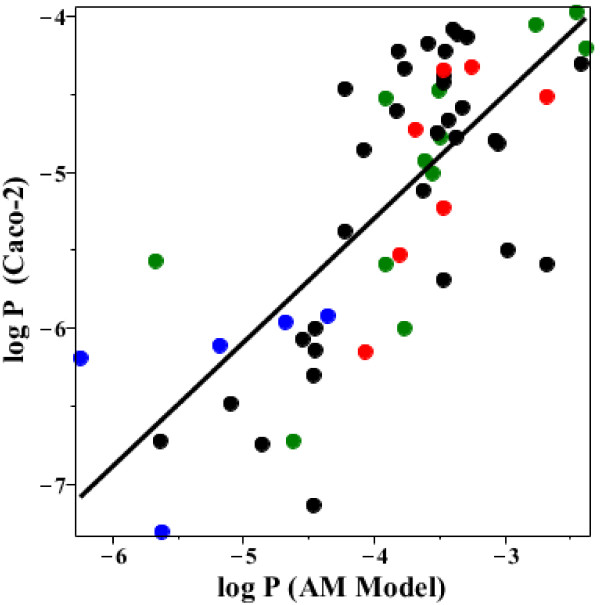
“Larregieu and Benet [59] recently reviewed some of the problems in using Caco-2 as a surrogate for human permeability measurements.”
BackgroundInfluentialJung, N., Lehmann, C., RUBBERT, A., Knispel, M., Hartmann, P., van Lunzen, J., Stellbrink, H., Faetkenheuer, G., & Taubert, D. (2008) · Drug Metabolism and Disposition · doi:10.1124/dmd.108.020826 · Cited by 152 · cited 1×
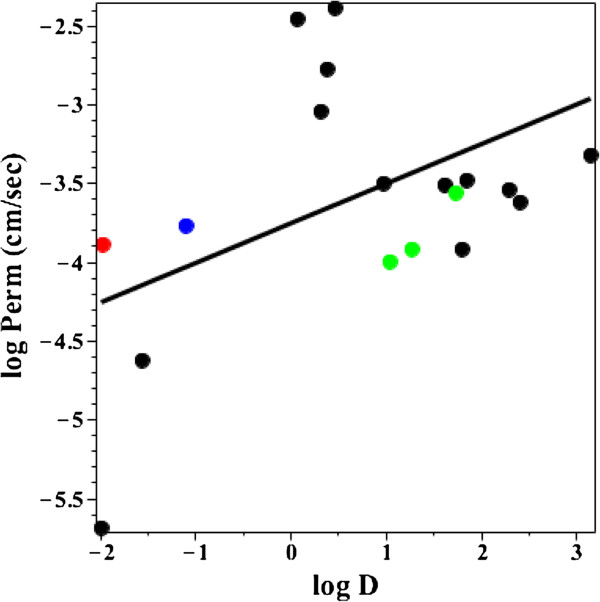
“The blue point is lamivudine which is a substrate for the organic cation transporters [42] and the red point is xylose which has a carrier mediated transport (probably the glucose transport system) [43-45], both of which will increase the “permeability”.”
BackgroundCaride, V. J., Prokop, E. K., Troncale, F. J., Buddoura, W., Winchenbach, K., & McCallum, R. W. (1984) · Gastroenterology · doi:10.1016/s0016-5085(84)80121-3 · Cited by 132 · cited 1×
“[21] reported the time of arrival (time at which a “sustained” increase in breath hydrogen or technetium-diethylenetriaminepentaacetic acid was first detected) of about 73 minutes.”
BackgroundHidalgo, I. J., Hillgren, K. M., Grass, G. M., & Borchardt, R. T. (1991) · Pharmaceutical Research · doi:10.1023/a:1015848205447 · Cited by 128
Fagerholm, U., & Lennernäs, H. (1995) · European Journal of Pharmaceutical Sciences · doi:10.1016/0928-0987(95)00027-b · Cited by 116
pH-Dependent and Carrier-mediated Transport of Salicylic Acid Across Caco-2 Cells
Takanaga, H., Tamai, I., & Tsuji, A. (1994) · Journal of Pharmacy and Pharmacology · doi:10.1111/j.2042-7158.1994.tb03858.x · Cited by 112
Heykants, J. J. P., Hendriks, R., Meuldermans, W., Michiels, M., Scheygrond, H., & Reyntjens, H. (1981) · European Journal of Drug Metabolism and Pharmacokinetics · doi:10.1007/bf03189516 · Cited by 109 · cited 1×
“The extreme example of this for the drugs in Additional file 1: Table 2 is domperidone for which as much as 63% may be cleared by intestinal metabolism [33].”
BackgroundAbsorption prediction from physicochemical parameters
Krämer, S. D. (1999) · Pharmaceutical Science & Technology Today · doi:10.1016/s1461-5347(99)00188-1 · Cited by 101 · cited 1×
“Although more complicated approaches that combine log D with estimates of polar surface area and hydrogen bond donors can improve permeability estimates [39], log D captures the main features and will be focused on here.”
BackgroundDahan, A., & Amidon, G. L. (2008) · Pharmaceutical Research · doi:10.1007/s11095-008-9789-7 · Cited by 93 · cited 1×
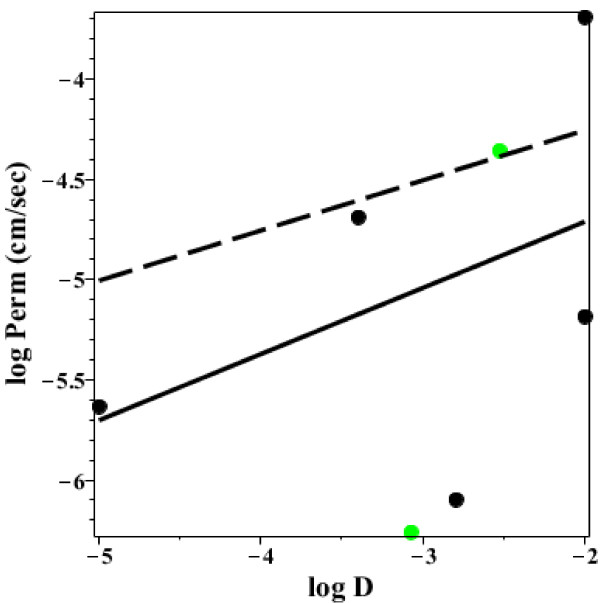
“The 3 green points have P-glycloprotein mediated efflux (digoxin and β-methyl digoxon [40] and colchicine [41]) which should reduce their permeability.”
BackgroundThe Fraction Dose Absorbed, in Humans, and High Jejunal Human Permeability Relationship
Dahan, A., Lennernäs, H., & Amidon, G. L. (2012) · Molecular Pharmaceutics · doi:10.1021/mp300140h · Cited by 88 · cited 7×
“Lennernas and Amidon [4] discuss the various reasons why these measurement of “.”
BackgroundInfluentialMitchell, D. Y., Barr, W. H., Eusebio, R. A., Pallone, K. A., Duke, F. P., Russell, D. A., Nesbitt, J. D., Powell, J. H., & Thompson, G. A. (2001) · Pharmaceutical Research · doi:10.1023/a:1011024200280 · Cited by 88
Absolute and Relative Bioavailability of Oral Acetaminophen Preparations
Ameer, B., Divoll, M., Abernethy, D. R., Greenblatt, D. J., & Shargel, L. (1983) · Journal of Pharmaceutical Sciences · doi:10.1002/jps.2600720832 · Cited by 79 · cited 1×
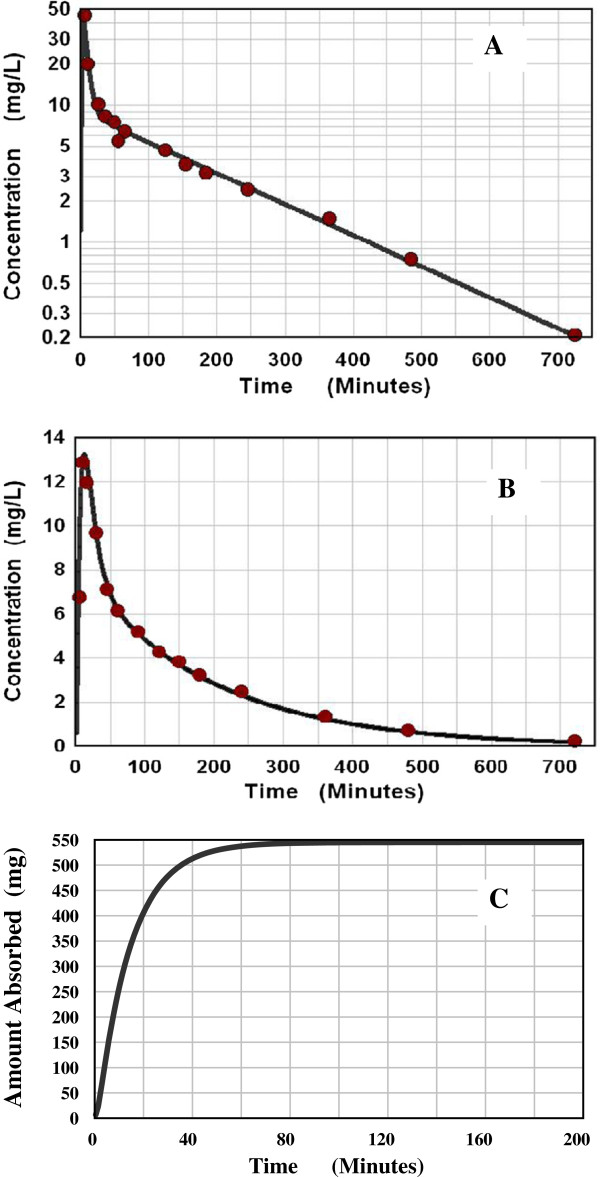
“[27] for a 650 mg IV and oral (elixir) dose (data for one “representative” subject).”
BackgroundpH-microclimate at the luminal surface of the intestinal mucosa of guinea pig and rat
Rechkemmer, G., Wahl, M., Kuschinsky, W., & Engelhardt, W. V. (1986) · Pflügers Archiv - European Journal of Physiology · doi:10.1007/bf00580717 · Cited by 79 · cited 1×
“However, the recognition that the unstirred layer in humans is only about 35 μm [50] makes this idea untenable and direct measurements in guinea pig jejunum do not find evidence for this acidic mircroclimate [51].”
BackgroundThomas, S., Brightman, F. A., Gill, H., Lee, S., & Pufong, B. (2008) · Journal of Pharmaceutical Sciences · doi:10.1002/jps.21305 · Cited by 66
Tsuda, M., Terada, T., Irie, M., Katsura, T., Niida, A., Tomita, K., Fujii, N., & Inui, K. (2006) · Journal of Pharmacology and Experimental Therapeutics · doi:10.1124/jpet.106.102830 · Cited by 61 · cited 1×
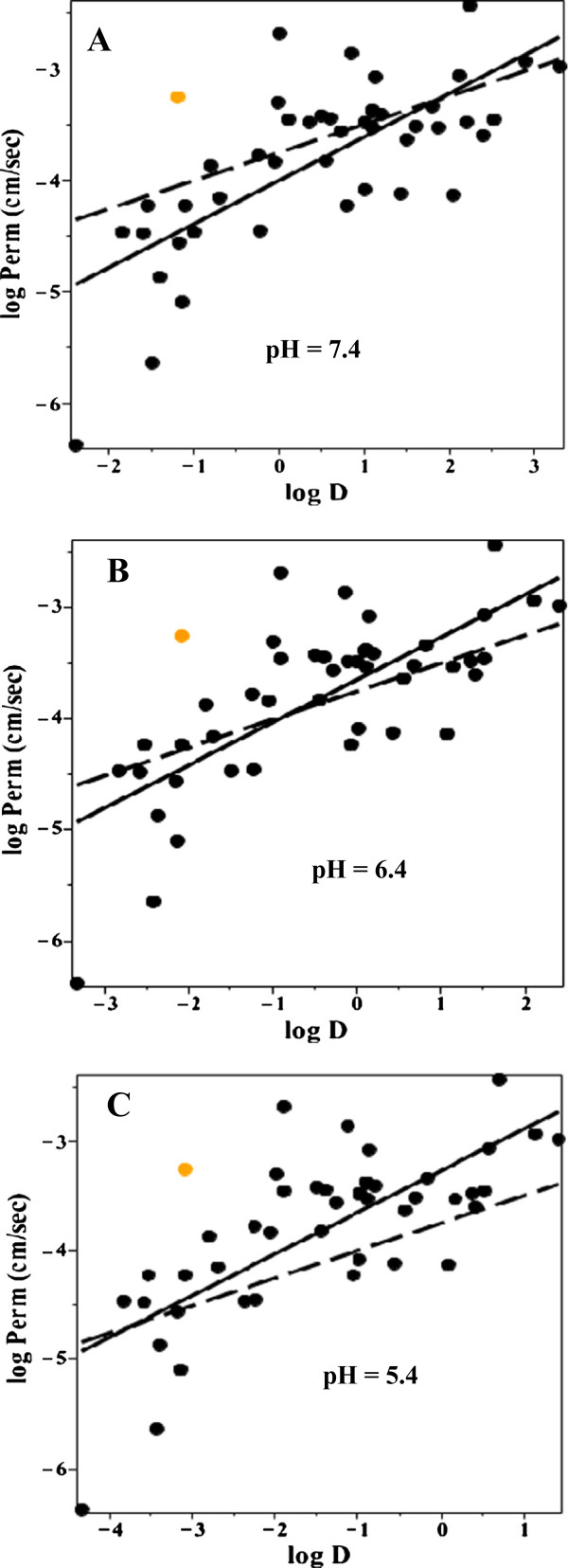
“The orange point is midodrine which is a known substrate for the peptide transport system [46].”
BackgroundCharacterization of small intestinal transit time distribution in humans
Yu, L. X., & Amidon, G. L. (1998) · International Journal of Pharmaceutics · doi:10.1016/s0378-5173(98)00174-4 · Cited by 60 · cited 1×
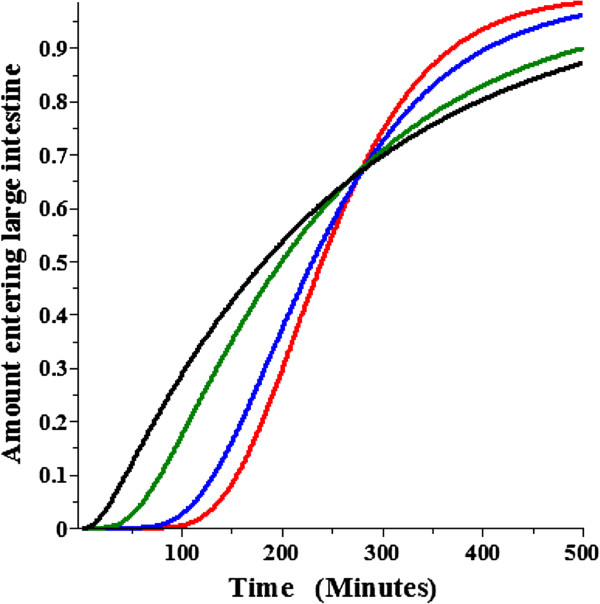
“The experimental measurement in humans that can be used to estimate TD is the distribution of small intestinal transit times determined from the appearance of some nonpermeable label in the large intestine [20].”
BackgroundNi, P. (1980) · International Journal of Pharmaceutics · doi:10.1016/0378-5173(80)90048-4 · Cited by 57 · cited 1×
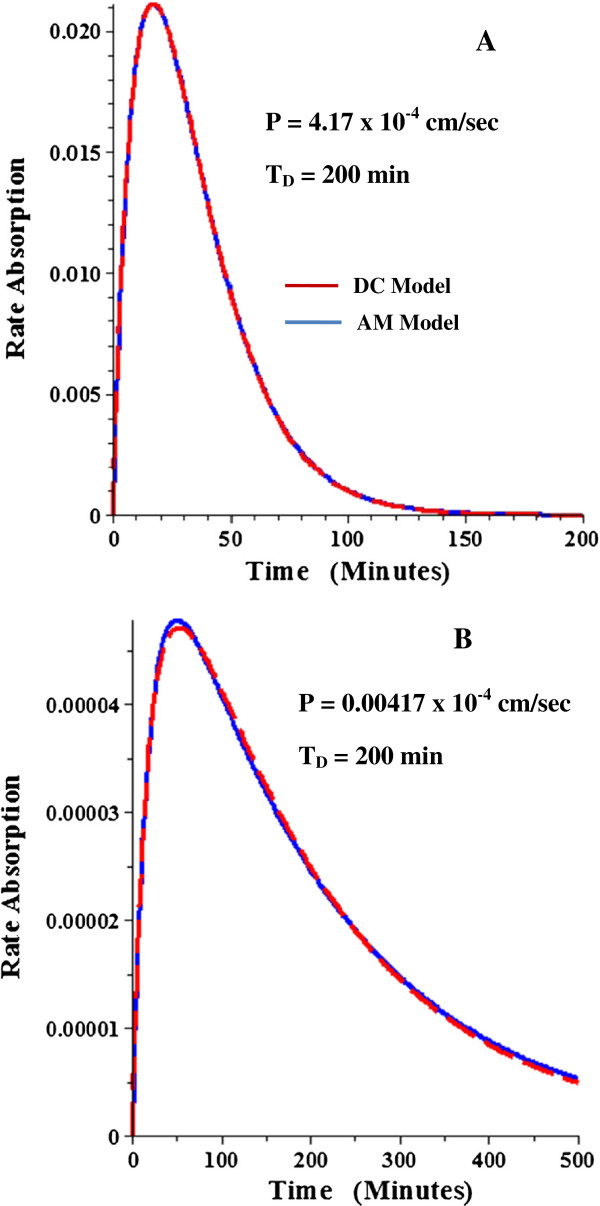
“[12] have described a model of intestinal transit which combines convection, dispersion and absorption (DC model).”
BackgroundBochner, F., Williams, D. B., Morris, P. M., Siebert, D. M., & Lloyd, J. V. (1988) · European Journal of Clinical Pharmacology · doi:10.1007/bf00558267 · Cited by 55 · cited 1×
“[48], average of 6 subjects).”
Xylose transport in the human jejunum
Rolston, D. D. K., & Mathan, V. I. (1989) · Digestive Diseases and Sciences · doi:10.1007/bf01536332 · Cited by 54 · cited 1×
“The blue point is lamivudine which is a substrate for the organic cation transporters [42] and the red point is xylose which has a carrier mediated transport (probably the glucose transport system) [43-45], both of which will increase the “permeability”.”
BackgroundAge Does Not Alter Acetaminophen Absorption
DIVOLL, M., AMEER, B., ABERNETHY, D. R., & GREENBLATT, D. J. (1982) · Journal of the American Geriatrics Society · doi:10.1111/j.1532-5415.1982.tb07093.x · Cited by 53 · cited 1×
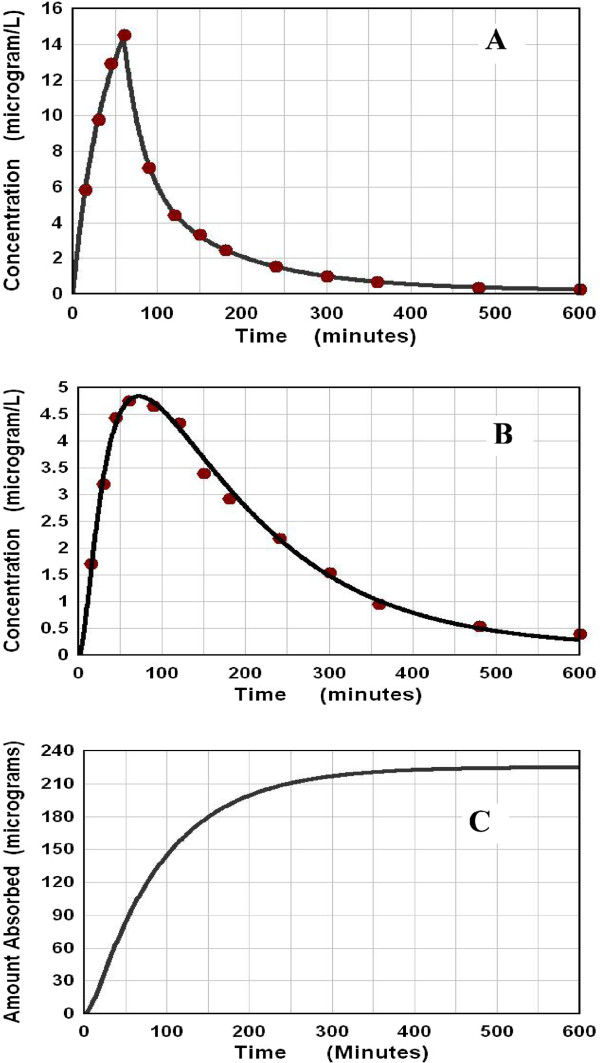
“[28] (650 mg oral elixir data for representative “elderly” subject) has a PM of 54 × 10 and that of Eandi et.”
BackgroundP-glycoprotein-mediated transport of digitoxin, α-methyldigoxin and β-acetyldigoxin
Pauli‐Magnus, C., Mürdter, T. E., Godel, A., Mettang, T., Eichelbaum, M., Klotz, U. E., & Fromm, M. F. (2001) · Naunyn-Schmiedeberg s Archives of Pharmacology · doi:10.1007/s002100000354 · Cited by 49
Human jejunal unstirred layer: evidence for extremely efficient luminal stirring
Levitt, M. D., Strocchi, A., & Levitt, D. G. (1992) · American Journal of Physiology-Gastrointestinal and Liver Physiology · doi:10.1152/ajpgi.1992.262.3.g593 · Cited by 49 · cited 1×
“However, the recognition that the unstirred layer in humans is only about 35 μm [50] makes this idea untenable and direct measurements in guinea pig jejunum do not find evidence for this acidic mircroclimate [51].”
BackgroundSelf-citationAmidon, K. S., Langguth, P., Lennernäs, H., Yu, L., & Amidon, G. L. (2011) · Clinical Pharmacology & Therapeutics · doi:10.1038/clpt.2011.109 · Cited by 44 · cited 1×
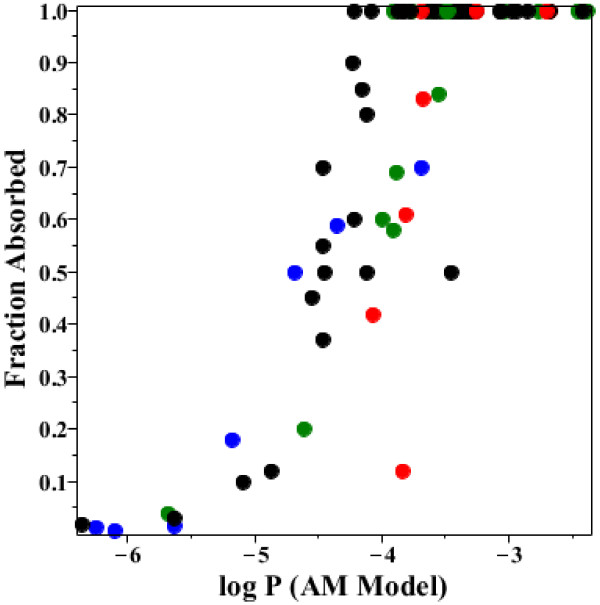
“Although the fraction absorbed is a useful clinical parameter [3], it is a crude measure of permeability.”
BackgroundTamai, I., Takanaga, H., Maeda, H., Yabuuchi, H., Sai, Y., Suzuki, Y., & Tsuji, A. (1997) · Journal of Pharmacy and Pharmacology · doi:10.1111/j.2042-7158.1997.tb06762.x · Cited by 43 · cited 1×
“An alternative explanation is that the salicylates are transported by a monocarboxylic acid carrier system [52,53].”
BackgroundGastrointestinal pH profile in subjects with irritable bowel syndrome.
Lalezari, D. (2012) · PubMed Central · Cited by 42
Knutson, T. W., Fridblom, P., Ahlstrom, H., Magnusson, Å., Tannergren, C., & Lennernäs, H. (2009) · Molecular Pharmaceutics · doi:10.1021/mp800145r · Cited by 41 · cited 1×
“61 cm) [58] and one might expect greater unstirred layers than during the nearly fasting conditions used for the AM studies.”
BackgroundTakagi, M., Taki, Y., Sakane, T., NADAI, T., Sezaki, H., Oku, N., & Yamashita, S. (1998) · Journal of Pharmacology and Experimental Therapeutics · doi:10.1016/s0022-3565(24)37527-5 · Cited by 40 · cited 1×
“[54] suggested this result is an artifact and that pure phospholipid liposomes show the same apparent “carrier” behavior.”
BackgroundAbsolute bioavailability of paracetamol after oral or rectal administration in healthy volunteers.
Eandi, M., Viano, I., & Gamalero, S. R. (1984) · PubMed · Cited by 38
Sparacino, G., Pillonetto, G., Capello, M., Nicolao, G. D., & Cobelli, C. (2002) · Computer Methods and Programs in Biomedicine · doi:10.1016/s0169-2607(00)00151-6 · Cited by 38 · cited 1×
“More sophisticated approaches use generalized functions with varying numbers of parameters [8,9].”
BackgroundEvaluation of components of transport of sugars by dog jejunum in vivo
Levitt, D., Hakim, A., & Lifson, N. (1969) · American Journal of Physiology-Legacy Content · doi:10.1152/ajplegacy.1969.217.3.777 · Cited by 38 · cited 1×
“The blue point is lamivudine which is a substrate for the organic cation transporters [42] and the red point is xylose which has a carrier mediated transport (probably the glucose transport system) [43-45], both of which will increase the “permeability”.”
BackgroundSelf-citationEstimation and model selection in constrained deconvolution
Verotta, D. (1993) · Annals of Biomedical Engineering · doi:10.1007/bf02368641 · Cited by 37 · cited 1×
“More sophisticated approaches use generalized functions with varying numbers of parameters [8,9].”
BackgroundFatty liver in lean patients: is it a different disease?
Machado, M. V., & Cortez‐Pinto, H. (2012) · PubMed Central · Cited by 31
Intestinal Transport of D-Xylose.
Csaaky, T. Z., & Ho, P. (1965) · Experimental Biology and Medicine · doi:10.3181/00379727-120-30548 · Cited by 24
PKQuest_Java: free, interactive physiologically based pharmacokinetic software package and tutorial
Levitt, D. G. (2009) · BMC Research Notes · doi:10.1186/1756-0500-2-158 · Cited by 24
Self-citationLevitt, D. G. (2003) · BMC Clinical Pharmacology · doi:10.1186/1472-6904-3-1 · Cited by 23
Self-citationSöderholm, J. D., Olaison, G., Kald, A., Tagesson, C., & Sjödahl, R. I. (1997) · Digestive Diseases and Sciences · doi:10.1023/a:1018836803254 · Cited by 19 · cited 1×
“For example, the high pressure and volume in the perfusion system may increase access to the intervillous space allowing increased paracellular transport of PEG markers [5].”
BackgroundIntestinal clearance of H2-antagonists
Yuk-Fung, H., Kolars, J. C., Hu, Z., & Fleisher, D. (1994) · Biochemical Pharmacology · doi:10.1016/0006-2952(94)90091-4 · Cited by 18 · cited 1×
“For example, cimetidine has a highly variable bioavailability of about 65% that has been attributed to either low intestinal permeability or intestinal metabolism [31].”
BackgroundOgungbenro, K., Vasist, L., MacLaren, R., Dukes, G. E., Young, M. A., & Aarons, L. J. (2010) · Pharmaceutical Research · doi:10.1007/s11095-010-0290-8 · Cited by 8 · cited 1×
“Its intestinal absorption rate is usually assumed to be so fast that its absorption rate is a measure of the rate limiting gastric emptying [24-26].”
BackgroundZhao, Y., Le, J., Abraham, M. H., Hersey, A., Eddershaw, P. J., Luscombe, C. N., Butina, D., Beck, G., Sherborne, B. S., Cooper, I., et al. (2002) · UCL Discovery (University College London) · Cited by 8
Mackenzie, N. M. (2009) · Biology of the Neonate · doi:10.1159/000242179 · Cited by 4 · cited 1×
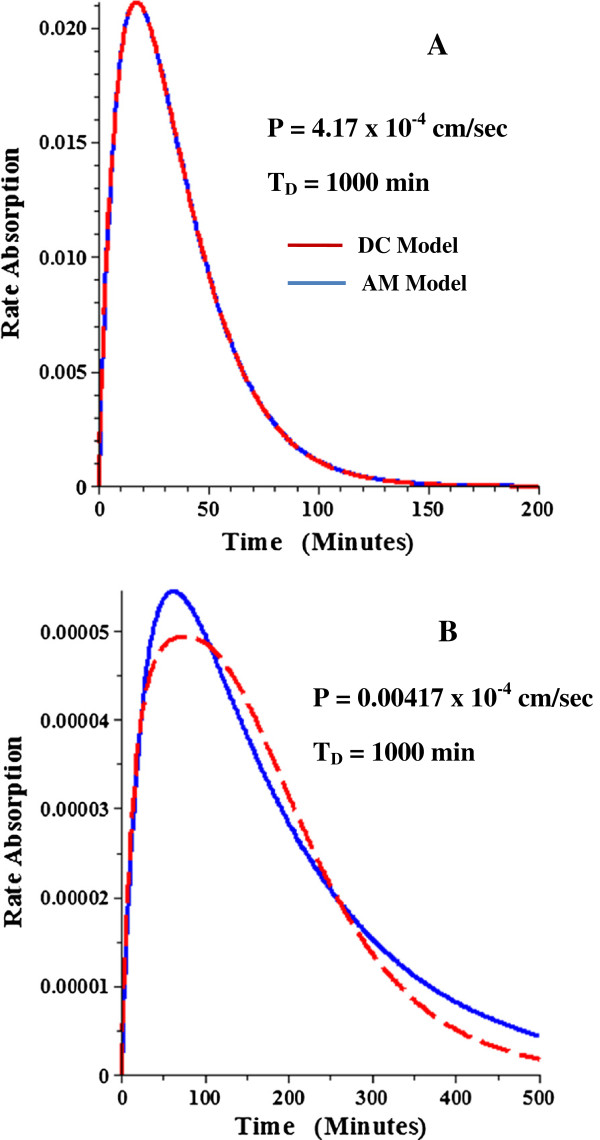
“Since the epithelial cell thickness is about 25 μm [56], this corresponds to an unstirred luminal layer of only about 20 μm, similar to the value of 35 μm found by Levitt et al.”
Result
Research works printed but not linked: 2
- Gray VA Dressman JB Change of pH requirement for simulated intestinal fluid TS Pharmacopeial Forum 1996 22 1 1943 1945
- Lalezari D Gastrointestinal pH profile in subjects with irritible syndrome Ann Gastroenterol 2012 25 4 1 524713794
Cited by
The Safety of Ingested Caffeine: A Comprehensive Review
Temple, J. L., Bernard, C., Lipshultz, S. E., Czachor, J. D., Westphal, J. A., & Mestre, M. A. (2017) · Frontiers in Psychiatry · doi:10.3389/fpsyt.2017.00080 · Cited by 557
“Caffeine is absorbed rapidly and totally in the small intestine in less than 1 h (44) and diffuses rapidly in other tissues (45).”
BackgroundDahlgren, D., Roos, C., Sjögren, E., & Lennernäs, H. (2014) · Journal of Pharmaceutical Sciences · doi:10.1002/jps.24258 · Cited by 141
Metal–Organic Frameworks as Efficient Oral Detoxifying Agents
Rojas, S., Baâti, T., Njim, L., Manchego, L., Neffati, F., Abdeljelil, N., Saguem, S., Serre, C., Najjar, M. F., Zakhama, A., et al. (2018) · Journal of the American Chemical Society · doi:10.1021/jacs.8b04435 · Cited by 110
Levitt, M. D., & Levitt, D. G. (2020) · Clinical and Experimental Gastroenterology · doi:10.2147/ceg.s260600 · Cited by 91
Self-citationLevitt, D. G., & Levitt, M. D. (2014) · Clinical and Experimental Gastroenterology · doi:10.2147/ceg.s64283 · Cited by 83
Self-citation
Metadata
- Authors
- Levitt, D. G.
- Affiliations
- University of Minnesota (US)
- Corresponding author
- Levitt, David G
- ORCID
- Levitt, David G
- Venue
- BMC Pharmacology and Toxicology
- Published
- 2013-06-24
- Volume
- 14
- Issue
- 1
- Pages
- 34-34
- ISSN
- 2050-6511 (ISSN-L)
- PMC
- PMC3734790
- OpenAlex
- W2046132328
- Cited by
- 32
- References
- 66
- Citations by year
- 2026: 4 · 2024: 2 · 2022: 2 · 2021: 3 · 2020: 5 · 2019: 2 · 2018: 2 · 2017: 2 · 2016: 2 · 2015: 4 · 2014: 4
- FWCI
- 2.01
- Type
- journal article
- Language
- en
- Open access
- gold
- doi.org
- Licence
- cc-by
- creativecommons.org/licenses/by/2.0 (tdm)
- Locations
- BMC Pharmacology and Toxicology (publishedVersion, cc-by)
- Europe PMC (PubMed Central) (publishedVersion, cc-by)
- PubMed Central (publishedVersion, cc-by)
- PubMed (publishedVersion)
- Topics
- Life Sciences › Pharmacology, Toxicology and Pharmaceutics › Pharmaceutical Science › Drug Solubulity and Delivery Systems
- Health Sciences › Medicine › Oncology › Drug Transport and Resistance Mechanisms
- Life Sciences › Pharmacology, Toxicology and Pharmaceutics › Drug Discovery › Computational Drug Discovery Methods
- Keywords
- intestinal permeability, small intestinal absorption, drug absorption, deconvolution, averaged model, convection-diffusion model, QSAR, intestinal pH, unstirred layer, caffeine, paracetamol, antipyrine, aspirin
- MeSH terms
- Absorption, Pharmaceutical Preparations, Humans, Intestinal Absorption, Intestine, Small, Models, Biological, Permeability
About these checks
Registry, retraction, Cites and statistics results are computed, not judged, with one exception: a printed reference that no index lists is read once by a model before it counts as a citation error. Claims are extracted by a model and kept only when their quote appears verbatim in the text; each cited source is then checked, with a model’s help, for whether it says what the claim relies on. Those verdicts can be wrong — read the claim’s quote and the cited source before relying on one.
Statistics and arithmetic are recomputed, not judged.
Confidence bands are shown only for fields calibrated on our annotated test set. None is calibrated yet, so no band is shown.
What counts as a claim ›How we measure confidence ›How we check this ›
Are you an author, or do you see a problem with this page? Request a review
Data sources
Bibliographic data: Semantic Scholar, OpenAlex, Crossref.
Contains information from the Semantic Scholar Academic Graph Datasets, made available under the ODC Attribution License (ODC-BY 1.0).
Semantic Scholar’s data is described in: Kinney, R., et al. (2023). The Semantic Scholar Open Data Platform. arXiv:2301.10140.
