

UTILLdb, a Pisum sativum in silicoforward and reverse genetics tool
Open accessThe DOI matches its Crossref record; 44 of the 44 references it cites were found in a registry or an index.
Abstract
The systematic characterization of gene functions in species recalcitrant to Agrobacterium-based transformation, like Pisum sativum, remains a challenge. To develop a high throughput forward and reverse genetics tool in pea, we have constructed a reference ethylmethane sulfonate mutant population and developed a database, UTILLdb, that contains phenotypic as well as sequence information on mutant genes. UTILLdb can be searched online for TILLING alleles, through the BLAST tool, or for phenotypic information about mutants by keywords.
Overview
The claims and statistics of this paper haven’t been checked yet.
Free: it reads the open-access text and checks the first 5 claims that cite a source we can check. Create a free account to check every claim.
Integrity signals
Registry
Cites
Statistics
Figures
Verification
Claims the paper makes
The claims and statistics of this paper haven’t been checked yet.
Free: it reads the open-access text and checks the first 5 claims that cite a source we can check. Create a free account to check every claim.
Self-check
Percentages, sums and reported differences re-computed from the paper’s own numbers.
The self-check needs the paper’s full text.
Citations
Cites
Basic local alignment search tool
Altschul, S. F., Gish, W., Miller, W., Myers, E. W., & Lipman, D. J. (1990) · Journal of Molecular Biology · doi:10.1006/jmbi.1990.9999 · Cited by 98,669 · cited 1×
“UTILLdb may be searched using a sequence, through a BLAST tool [32] or for a phenotypic feature using a keyword search.”
MethodPrimer3 on the WWW for General Users and for Biologist Programmers
Rozen, S., & Skaletsky, H. (2003) · Bioinformatics Methods and Protocols · doi:10.1385/1-59259-192-2:365 · Cited by 15,013 · cited 1×
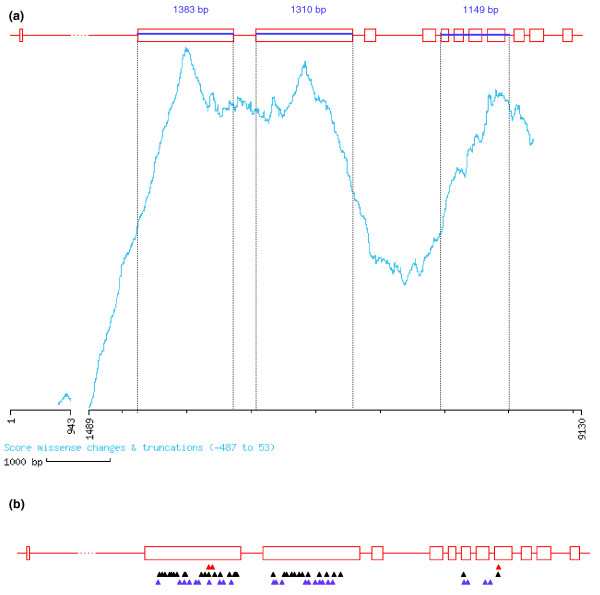
“The CODDLE program (Codons Optimized to Discover Deleterious Lesions [25,26]) combined with the PRIMER3 tool [27] are used to define the best amplicon for TILLING.”
MethodSIFT: predicting amino acid changes that affect protein function
Ng, P. C. (2003) · Nucleic Acids Research · doi:10.1093/nar/gkg509 · Cited by 6,577 · cited 1×
“…of a protein is assessed before systematic phenotyping of the mutant plants, using two different programs: SIFT (Sorting Intolerant From Tolerant) [42], which uses PSI-BLAST alignments, and PARSESNP (Project Aligned Related Sequences and Evaluate SNPs) [43], which provides a position-specific…”
MethodGenome-Wide Insertional Mutagenesis of Arabidopsis thaliana
Alonso, J. M., Stepanova, A. N., Leisse, T. J., Kim, C. J., Chen, H., Shinn, P., Stevenson, D. K., Zimmerman, J., Barajas, P., Cheuk, R., et al. (2003) · Science · doi:10.1126/science.1086391 · Cited by 5,102 · cited 1×
“Several mutagenesis techniques are dedicated to this approach, notably RNA interference suppression [1,2] and insertional mutagenesis by transposon tagging [3,4] or Agrobacterium T-DNA insertion [5].”
MethodCodon usage tabulated from international DNA sequence databases: status for the year 2000
Nakamura, Y. (2000) · Nucleic Acids Research · doi:10.1093/nar/28.1.292 · Cited by 1,254 · cited 1×
“23% G:C content in the coding sequence of the pea genome [37], there are 2.”
BackgroundWaterhouse, P. M., Graham, M. W., & Wang, M.-B. (1998) · Proceedings of the National Academy of Sciences · doi:10.1073/pnas.95.23.13959 · Cited by 1,137 · cited 1×
“Several mutagenesis techniques are dedicated to this approach, notably RNA interference suppression [1,2] and insertional mutagenesis by transposon tagging [3,4] or Agrobacterium T-DNA insertion [5].”
MethodRhee, S. Y. (2003) · Nucleic Acids Research · doi:10.1093/nar/gkg076 · Cited by 920 · cited 1×
“To date, phenotypic databases can be found for tomato [15], rice [16], Lotus japonicus [13] and Arabidopsis [17], and a searchable collection of phenotypic mutants is available for Zea mays [18], Pisum sativum [19] and Arabidopsis thaliana [20].”
BackgroundT argeting I nduced L ocal L esions IN G enomes (TILLING) for Plant Functional Genomics
McCallum, C. M., Comai, L., Greene, E. A., & Henikoff, S. (2000) · Plant Physiology · doi:10.1104/pp.123.2.439 · Cited by 875 · cited 1×
“TILLING (targeting induced local lesions in genomes) uses EMS mutagenesis coupled with gene-specific detection of single-nucleotide mutations [7-9].”
MethodSpectrum of Chemically Induced Mutations From a Large-Scale Reverse-Genetic Screen in Arabidopsis
Greene, E. A., Codomo, C. A., Taylor, N. E., Henikoff, J. G., Till, B. J., Reynolds, S. H., Enns, L. C., Burtner, C., Johnson, J. E., Odden, A. R., et al. (2003) · Genetics · doi:10.1093/genetics/164.2.731 · Cited by 640
Arabidopsis MET1 Cytosine Methyltransferase Mutants
Kankel, M. W., Ramsey, D. E., Stokes, T. L., Flowers, S. K., Haag, J. R., Jeddeloh, J. A., Riddle, N. C., Verbsky, M. L., & Richards, E. J. (2003) · Genetics · doi:10.1093/genetics/163.3.1109 · Cited by 613
Cited by
The Pea TCP Transcription Factor PsBRC1 Acts Downstream of Strigolactones to Control Shoot Branching
Braun, N., de Saint Germain, A., Pillot, J.-P., Boutet-Mercey, S., Dalmais, M., Antoniadi, I., Li, X., Maia-Grondard, A., Le Signor, C., Bouteiller, N., et al. (2012) · PLANT PHYSIOLOGY · doi:10.1104/pp.111.182725 · Cited by 471
“Consequently, a targetinginduced local lesions in genomes (TILLING) approach was initiated using the mutagenized population from the genotype Caméor (Triques et al., 2007; Dalmais et al., 2008).”
BackgroundMethodSelf-citationLegume Crops Phylogeny and Genetic Diversity for Science and Breeding
Smýkal, P., Coyne, C. J., Ambrose, M. J., Maxted, N., Schaefer, H., Blair, M. W., Berger, J., Greene, S. L., Nelson, M. N., Besharat, N., et al. (2015) · Critical Reviews in Plant Sciences · doi:10.1080/07352689.2014.897904 · Cited by 410
“Moreover, the pea variety Cameor was used to develop the TILLING mutant population (Dalmais et al., 2008) and to construct a BAC library, both essential tools for positional cloning and pea genome sequencing (reviewed in Smýkal et al.”
MethodA modified TILLING approach to detect induced mutations in tetraploid and hexaploid wheat
Uauy, C., Paraiso, F., Colasuonno, P., Tran, R. K., Tsai, H., Berardi, S., Comai, L., & Dubcovsky, J. (2009) · BMC Plant Biology · doi:10.1186/1471-2229-9-115 · Cited by 312
“The mutation frequencies for wheat reported here and by Slade et al. [18] are five to ten times higher than mutation rates found in diploids such as barley, pea and Arabidopsis [25,37,38].”
BackgroundInfluentialA cucurbit androecy gene reveals how unisexual flowers develop and dioecy emerges
Boualem, A., Troadec, C., Camps, C., Lemhemdi, A., Morin, H., Sari, M.-A., Fraenkel-Zagouri, R., Kovalski, I., Dogimont, C., Perl-Treves, R., et al. (2015) · Science · doi:10.1126/science.aac8370 · Cited by 314
Self-citationMutagenesis as a Tool in Plant Genetics, Functional Genomics, and Breeding
Sikora, P., Chawade, A., Larsson, M., Olsson, J., & Olsson, O. (2011) · International Journal of Plant Genomics · doi:10.1155/2011/314829 · Cited by 265
“[45]”
Pea (Pisum sativum L.) in the Genomic Era
Smýkal, P., Aubert, G., Burstin, J., Coyne, C. J., Ellis, N. T. H., Flavell, A. J., Ford, R., Hýbl, M., Macas, J., Neumann, P., et al. (2012) · Agronomy · doi:10.3390/agronomy2020074 · Cited by 246
“Naturally occurring diversity can be extended by mutagenesis and refined using a TILLING approach, from which mutations were identified in pea eIF4E gene [47].”
Self-citationAchievements and Challenges in Legume Breeding for Pest and Disease Resistance
Rubiales, D., Fondevilla, S., Chen, W., Gentzbittel, L., Higgins, T. J. V., Castillejo, M. A., Singh, K. B., & Rispail, N. (2015) · Critical Reviews in Plant Sciences · doi:10.1080/07352689.2014.898445 · Cited by 253
“The high potential of this approach in breeding has driven the development of TILLING platforms for pea (Dalmais et al., 2008), common bean (Porch et al.”
BackgroundAn Induced Mutation in Tomato eIF4E Leads to Immunity to Two Potyviruses
Piron, F., Nicolaï, M., Minoïa, S., Piednoir, E., Moretti, A., Salgues, A., Zamir, D., Caranta, C., & Bendahmane, A. (2010) · PLoS ONE · doi:10.1371/journal.pone.0011313 · Cited by 244
Self-citationTILLING - a shortcut in functional genomics
Kurowska, M., Daszkowska-Golec, A., Gruszka, D., Marzec, M., Szurman, M., Szarejko, I., & Maluszynski, M. (2011) · Journal of Applied Genetics · doi:10.1007/s13353-011-0061-1 · Cited by 240
A new mutant genetic resource for tomato crop improvement by TILLING technology
Minoia, S., Petrozza, A., D'Onofrio, O., Piron, F., Mosca, G., Sozio, G., Cellini, F., Bendahmane, A., & Carriero, F. (2010) · BMC Research Notes · doi:10.1186/1756-0500-3-69 · Cited by 221
“The strength and potency of this reverse genetic strategy has been validated by its successful application in both plants (Arabidopsis thaliana [16-18], pea [19], wheat [20], rice [21,22], barley [23], maize [24], soybean [25], Lotus japonicus [26], sorghum [27], tomato [28,29]) and animals (zebrafish [30], drosophila…”
BackgroundMethodInfluentialSelf-citationAlves‐Carvalho, S., Aubert, G., Carrère, S., Cruaud, C., Brochot, A., Jacquin, F., Klein, A., Martin, C., Boucherot, K., Kreplak, J., et al. (2015) · The Plant Journal · doi:10.1111/tpj.12967 · Cited by 192
“Our results will enhance the capacity to transfer knowledge from M. truncatula to pea, using induced mutants (Dalmais et al., 2008) or natural variants of candidate genes for important traits.”
BackgroundResultSelf-citationKaur, S., Pembleton, L. W., Cogan, N. O., Savin, K. W., Leonforte, T., Paull, J., Materne, M., & Forster, J. W. (2012) · BMC Genomics · doi:10.1186/1471-2164-13-104 · Cited by 184
“Current publicly available genetic and genomic tools for field pea and faba bean are limited in extent [20-23], comprising 18,552 and 5,253 ESTs, respectively that are available in Genbank.”
BackgroundABI5 Is a Regulator of Seed Maturation and Longevity in Legumes
Zinsmeister, J., Lalanne, D., Terrasson, E., Chatelain, E., Vandecasteele, C., Vu, B. L., Dubois-Laurent, C., Geoffriau, E., Signor, C. L., Dalmais, M., et al. (2016) · The Plant Cell · doi:10.1105/tpc.16.00470 · Cited by 163
“Pea EMS mutant alleles of Ps-abi5 were obtained using a TILLING approach (Dalmais et al., 2008),which allowed the identification of three independent nonsensemutations thatwere located 59 to the bZIP domain (Figure 7A).”
MethodSelf-citationEngineering Melon Plants with Improved Fruit Shelf Life Using the TILLING Approach
Dahmani, F. Z., Troadec, C., Boualem, A., Lévêque, S., Alsadon, A. A., Al-Doss, A., Dogimont, C., & Bendahmane, A. (2010) · PLoS ONE · doi:10.1371/journal.pone.0015776 · Cited by 165
“Mutation detection was carried out as described previously [22].”
BackgroundMethodResultInfluentialSelf-citationTendril-less Regulates Tendril Formation in Pea Leaves
Hofer, J., Turner, L., Moreau, C., Ambrose, M., Isaac, P., Butcher, S., Weller, J., Dupin, A., Dalmais, M., Le Signor, C., et al. (2009) · The Plant Cell · doi:10.1105/tpc.108.064071 · Cited by 145
“A reverse genetics screen for this gene in an ethane methanesulfonate (EMS)–mutagenized targetinginduced local lesions in genomes (TILLING) population (Dalmais et al., 2008) confirmed the identity of Tl.”
BackgroundSelf-citationGady, A. L. F., Hermans, F. W. K., de Wal, M. H. B. J. V., van Loo, E. N., Visser, R. G. F., & Bachem, C. (2009) · Plant Methods · doi:10.1186/1746-4811-5-13 · Cited by 156
Genomic Tools in Pea Breeding Programs: Status and Perspectives
Tayeh, N., Aubert, G., Pilet‐Nayel, M., Lejeune-Hénaut, I., Warkentin, T. D., & Burstin, J. (2015) · Frontiers in Plant Science · doi:10.3389/fpls.2015.01037 · Cited by 137
“Besides recently available genomic resources such as the pea gene atlas (Alves-Carvalho et al., 2015), whole-genome polymorphism data for multiple genotypes (see Table 2 for full description), BAC libraries developed for the genotypes Cameor (http:// cnrgv.toulouse.inra.fr/fr) and PI 269818 (Coyne et al., 2007), resea…”
MethodSelf-citation(GMO), E. P. O. G. M. O. (2012) · EFSA Journal · doi:10.2903/j.efsa.2012.2943 · Cited by 117
Optimizing TILLING populations for reverse genetics in Medicago truncatula
Signor, C. L., Savois, V. V., Aubert, G., Verdier, J., Nicolas, M., Pagny, G., Moussy, F., Sánchez, M., Baker, D. M., Clarke, J., et al. (2009) · Plant Biotechnology Journal · doi:10.1111/j.1467-7652.2009.00410.x · Cited by 130
Self-citationQuantitative trait loci from identification to exploitation for crop improvement
Kumar, J., Gupta, D. S., Gupta, S., Dubey, S., Gupta, P., & Kumar, S. (2017) · Plant Cell Reports · doi:10.1007/s00299-017-2127-y · Cited by 132
Genetic control of inflorescence architecture in legumes
Benlloch, R., Berbel, A., Ali, L., Gohari, G., Millán, T., & Madueño, F. (2015) · Frontiers in Plant Science · doi:10.3389/fpls.2015.00543 · Cited by 116
“…mutations in homologs of the Arabidopsis TFL1 gene underlie this determinate trait, at least in the grain legume crops where the genetic basis of the phenotype has been elucidated (Foucher et al., 2003; Avila et al., 2007; Liu et al., 2010; Repinski et al., 2012; Dhanasekar and Reddy, 2014).”
Bohra, A., Pandey, M. K., Jha, U. C., Singh, B., Singh, I. P., Datta, D., Chaturvedi, S. K., Nadarajan, N., & Varshney, R. K. (2014) · Theoretical and Applied Genetics · doi:10.1007/s00122-014-2301-3 · Cited by 118
Perry, J. A., Brachmann, A., Welham, T., Binder, A., Charpentier, M., Groth, M. Z., Haage, K., Markmann, K., Wang, T. L., & Parniske, M. (2009) · PLANT PHYSIOLOGY · doi:10.1104/pp.109.142190 · Cited by 118
Biosynthesis of the Halogenated Auxin, 4-Chloroindole-3-Acetic Acid
Tivendale, N. D., Davidson, S. E., Davies, N. W., Smith, J. A., Dalmais, M., Bendahmane, A., Quittenden, L. J., Sutton, L., Bala, R. K., Signor, C. L., et al. (2012) · PLANT PHYSIOLOGY · doi:10.1104/pp.112.198457 · Cited by 96
“PsTAR2 mutants were identified from an ethyl methanesulfonate mutant collection of 4,800 pea lines using TILLING screening as described by Dalmais et al. (2008).”
Self-citationTILLING for allergen reduction and improvement of quality traits in peanut (Arachis hypogaea L.)
Knoll, J. E., Ramos, M. L., Zeng, Y., Holbrook, C. C., Chow, M. C., Chen, S., Maleki, S. J., Bhattacharya, A., & Ozias‐Akins, P. (2011) · BMC Plant Biology · doi:10.1186/1471-2229-11-81 · Cited by 100
“; 1 SNP/669 kb [31]; 1 SNP/200 kb [32]).”
Reserve accumulation in legume seeds
Gallardo, K., Thompson, R., & Burstin, J. (2008) · Comptes Rendus Biologies · doi:10.1016/j.crvi.2008.07.017 · Cited by 94
Self-citationTranslational Genomics in Agriculture: Some Examples in Grain Legumes
Varshney, R. K., Kudapa, H., Pazhamala, L. T., Chitikineni, A., Thudi, M., Bohra, A., Gaur, P. M., Janila, P., Fikre, A., Kimurto, P. K., et al. (2014) · Critical Reviews in Plant Sciences · doi:10.1080/07352689.2014.897909 · Cited by 93
VEGETATIVE1 is essential for development of the compound inflorescence in pea
Berbel, A., Ferrándiz, C., Hecht, V. F. G., Dalmais, M., Lund, O., Sussmilch, F. C., Taylor, S. A., Bendahmane, A., Ellis, N., Beltrán, J. P., et al. (2012) · Nature Communications · doi:10.1038/ncomms1801 · Cited by 97
Self-citationGallardo, K., Courty, P., Signor, C. L., Wipf, D., & Vernoud, V. (2014) · Frontiers in Plant Science · doi:10.3389/fpls.2014.00580 · Cited by 90
Model legumes contribute to faba bean breeding
Rispail, N., Kaló, P., Kiss, G. B., Ellis, N., Gallardo, K., Thompson, R. D., Prats, E., Larrainzar, E., Ladrera, R., González, E. M., et al. (2009) · Field Crops Research · doi:10.1016/j.fcr.2009.03.014 · Cited by 89
“addition, many genomic tools have been and are being developed in these species including proteomic and transcriptomic platforms and functional genomic approaches such as TILLING, RNAi and VIGS silencing techniques (Constantin et al., 2004; Subramanian et al., 2005; Zhang and Ghabrial, 2006; Cooper et al., 2008; Dalma…”
BackgroundSelf-citationMutagenesis and Beyond! Tools for Understanding Legume Biology
Tadege, M., Wang, T. L., Wen, J., Ratet, P., & Mysore, K. S. (2009) · PLANT PHYSIOLOGY · doi:10.1104/pp.109.144097 · Cited by 95
Mazzucato, A., Cellini, F., Bouzayen, M., Zouine, M., Mila, I., Minoïa, S., Petrozza, A., Picarella, M. E., Ruiu, F., & Carriero, F. (2015) · Molecular Breeding · doi:10.1007/s11032-015-0222-8 · Cited by 90
“The pat-2 mutant, an alternative parthenocarpic mutant non-allelic to pat, yields fruits of the same shape and weight as the corresponding wild-type fruits (Philouze et al. 1988).”
BackgroundMethodInduced mutations in tomato SlExp1 alter cell wall metabolism and delay fruit softening
Minoïa, S., Boualem, A., Marcel, F., Troadec, C., Quéméner, B., Cellini, F., Petrozza, A., Vigouroux, J., Lahaye, M., Carriero, F., et al. (2015) · Plant Science · doi:10.1016/j.plantsci.2015.07.001 · Cited by 89
Self-citationDIE NEUTRALIS and LATE BLOOMER 1 Contribute to Regulation of the Pea Circadian Clock
Liew, L. C., Hecht, V. F. G., Laurie, R. E., Knowles, C. L., Schoor, J. K. V., Macknight, R. C., & Weller, J. L. (2009) · The Plant Cell · doi:10.1105/tpc.109.067223 · Cited by 80
“It is possible that other COL genes may have assumed the function of Arabidopsis CO, and this can now be addressed using reverse genetics (Hecht et al., 2005; Dalmais et al., 2008; Tadege et al., 2008).”
BackgroundSzurman‐Zubrzycka, M., Zbieszczyk, J., Marzec, M., Jelonek, J., Chmielewska, B., Kurowska, M. M., Krok, M., Daszkowska‐Golec, A., Guzy‐Wróbelska, J., Gruszka, D., et al. (2018) · Frontiers in Plant Science · doi:10.3389/fpls.2018.00216 · Cited by 92
“…et al., 2005; Uauy et al., 2009; Fitzgerald et al., 2010; Chen et al., 2012), and einkorn wheat (Rawat et al., 2012); legumes and oil crops: pea (Dalmais et al., 2008), common bean (Porch et al., 2009), soybean (Cooper et al., 2008), sunflower (Kumar et al., 2013), rapeseed (Gilchrist et al.,…”
BackgroundEliminating Anti-Nutritional Plant Food Proteins: The Case of Seed Protease Inhibitors in Pea
Clemente, A., Arques, M. D. C., Dalmais, M., Signor, C. L., Chinoy, C. N., Olías, R., Rayner, T., Isaac, P. G., Lawson, D. M., Bendahmane, A., et al. (2015) · PLoS ONE · doi:10.1371/journal.pone.0134634 · Cited by 71
“The generic screening methodologies for mutants among the TILLING population have been described [24].”
BackgroundMethodSelf-citationHenriet, C., Aimé, D., Térézol, M., Kilandamoko, A., Rossin, N., Combes‐Soia, L., Labas, V., Serre, R.-F., Prudent, M., Kreplak, J., et al. (2019) · Journal of Experimental Botany · doi:10.1093/jxb/erz114 · Cited by 75
Pandey, A. K., Rubiales, D., Wang, Y., Fang, P., Sun, T., Liu, N., & Xu, P. (2021) · Theoretical and Applied Genetics · doi:10.1007/s00122-020-03751-5 · Cited by 75
Towards a TILLING platform for functional genomics in Piel de Sapo melons
González, M., Xu, M., Esteras, C., Roig, C., Monforte, A. J., Troadec, C., Pujol, M., Nuez, F., Bendahmane, A., García-Más, J., et al. (2011) · BMC Research Notes · doi:10.1186/1756-0500-4-289 · Cited by 77
“The application of TILLING has proved to be useful in identifying novel alleles in genes controlling traits of agronomic interest in legumes [12-15], cereals [16-23], solanaceous crops [24-26] and Brassica spp [27,28].”
BackgroundSelf-citationLinking Auxin with Photosynthetic Rate via Leaf Venation
McAdam, S. A. M., Eléouët, M. P., Best, M., Brodribb, T. J., Carins‐Murphy, M. R., Cook, S. D., Dalmais, M., Dimitriou, T., Gélinas-Marion, A., Gill, W. M., et al. (2017) · PLANT PHYSIOLOGY · doi:10.1104/pp.17.00535 · Cited by 73
Self-citationSMART – Sunflower Mutant population And Reverse genetic Tool for crop improvement
Kumar, A. P. K., Boualem, A., Bhattacharya, A., Parikh, S., Desai, N., Zambelli, A., Leon, A., Chatterjee, M., & Bendahmane, A. (2013) · BMC Plant Biology · doi:10.1186/1471-2229-13-38 · Cited by 73
“Mutations were detected in the amplified targets using the mismatch-specific endonuclease ENDO1 as previously described (Figure 2, [20,21]).”
MethodSelf-citationA role for an endosperm‐localized subtilase in the control of seed size in legumes
d’Erfurth, I., Signor, C. L., Aubert, G., Sanchez, M., Vernoud, V., Darchy, B., Lherminier, J., Bourion, V., Bouteiller, N., Bendahmane, A., et al. (2012) · New Phytologist · doi:10.1111/j.1469-8137.2012.04296.x · Cited by 68
Self-citationConserved genetic determinant of motor organ identity in Medicago truncatula and related legumes
Chen, J., Moreau, C., Liu, Y., Kawaguchi, M., Hofer, J., Ellis, N., & Chen, R. (2012) · Proceedings of the National Academy of Sciences · doi:10.1073/pnas.1204566109 · Cited by 67
“To extend our genetic analysis, a pea TILLING mutant collection (33) was screened.”
BackgroundClemente, A., Sonnante, G., & Domoney, C. (2011) · Current Protein & Peptide Science · doi:10.2174/138920311796391133 · Cited by 63
“Novel mutants obtained through TILLING [137-139] will add information related to both structure and function, applicable to advances in both feed and food quality.”
BackgroundSakurai, T., Kondou, Y., Akiyama, K., Kurotani, A., Higuchi, M., Ichikawa, T., Kuroda, H., Kusano, M., Mori, M., Saitou, T., et al. (2010) · Plant and Cell Physiology · doi:10.1093/pcp/pcq190 · Cited by 66
Update on the genetic control of flowering in garden pea
Weller, J. L., Hecht, V. F. G., Liew, L. C., Sussmilch, F. C., Wenden, B., Knowles, C. L., & Schoor, J. K. V. (2009) · Journal of Experimental Botany · doi:10.1093/jxb/erp120 · Cited by 61
“We therefore have little evidence so far to suggest that COL genes have a role in the LD promotion of flowering, but are now addressing this question directly by isolation of specific COL mutants in both species using new platforms for reverse genetics (Dalmais et al., 2008; Tadege et al., 2008).”
MethodIdentification of candidate genes for phenolics accumulation in tomato fruit
Matteo, A. D., Ruggieri, V., Sacco, A., Rigano, M. M., Carriero, F., Bolger, A., Fernie, A. R., Frusciante, L., & Barone, A. (2013) · Plant Science · doi:10.1016/j.plantsci.2013.02.001 · Cited by 62
Signor, C. L., Aimé, D., Bordat, A., Belghazi, M., Labas, V., Gouzy, J., Young, N. D., Prosperi, J., Leprince, O., Thompson, R. D., et al. (2017) · New Phytologist · doi:10.1111/nph.14500 · Cited by 61
Self-citationGiner, A., Pascual, L., Bourgeois, M. J., Gyetvai, G., Rios, P., Belén Picó, M., Troadec, C., Bendahmane, A., García-Más, J., & Martín‐Hernández, A. M. (2017) · Scientific Reports · doi:10.1038/s41598-017-10783-3 · Cited by 66
Self-citationPlant science’s next top models
Cesarino, I., Ioio, R. D., Kirschner, G. K., Ogden, M., Picard, K. L., Rast-Somssich, M. I., & Somssich, M. (2020) · Annals of Botany · doi:10.1093/aob/mcaa063 · Cited by 57
Zhu, Q., Smith, S. M., Ayele, M., Yang, L., Jogi, A., Chaluvadi, S. R., & Bennetzen, J. L. (2012) · Genetics · doi:10.1534/genetics.112.144436 · Cited by 56
“…(Greene et al. 2003; Till et al. 2003; Martin et al. 2009), rice (Till et al. 2007; Suzuki et al. 2008), wheat (Slade et al. 2005), maize (Till et al. 2004), sorghum (Xin et al. 2008), pea (Dalmais et al. 2008), soybean (Cooper et al. 2008), tomato (Minoia et al. 2010), and other plant species.”
BackgroundProduction of a High-Efficiency TILLING Population through Polyploidization
Tsai, H., Missirian, V., Ngo, K. J., Tran, R. K., Chan, S. R., Sundaresan, V., & Comai, L. (2013) · PLANT PHYSIOLOGY · doi:10.1104/pp.112.213256 · Cited by 55
Development of a Cucumis sativus TILLinG Platform for Forward and Reverse Genetics
Boualem, A., Fleurier, S., Troadec, C., Audigier, P., Kumar, A. P. K., Chatterjee, M., Alsadon, A. A., Sadder, M. T., Wahb-Allah, M., Al-Doss, A., et al. (2014) · PLoS ONE · doi:10.1371/journal.pone.0097963 · Cited by 69
“Mutation detection was carried out as previously described [12].”
BackgroundMethodResultInfluentialSelf-citationMutagenesis and TILLING to Dissect Gene Function in Plants
Tadele, Z. (2016) · Current Genomics · doi:10.2174/1389202917666160520104158 · Cited by 63
Forward and Reverse Genetics in Crop Breeding
Jankowicz-Cieślak, J., & Till, B. J. (2015) · Springer eBooks · doi:10.1007/978-3-319-22521-0_8 · Cited by 64
Future Prospects for Ascochyta Blight Resistance Breeding in Cool Season Food Legumes
Rubiales, D., & Fondevilla, S. (2012) · Frontiers in Plant Science · doi:10.3389/fpls.2012.00027 · Cited by 52
Genomic and genetic insights into Mendel’s pea genes
Feng, C., Chen, B., Hofer, J. M. I., Shi, Y. Y., Jiang, M., Song, B., Cheng, H., Lu, L., Wang, L., Howard, A., et al. (2025) · Nature · doi:10.1038/s41586-025-08891-6 · Cited by 54
Self-citationCook, S. D., Nichols, D. S., Smith, J., Chourey, P. S., McAdam, E. L., Quittenden, L. J., & Ross, J. J. (2016) · PubMed Central · doi:10.1104/pp.16.00454 · Cited by 54
“…pea (Pisum sativum) tar2-1 (previously tar2; Tivendale et al., 2012) mutant line was previously obtained through targeting-induced local lesions in genomes (TILLING; Dalmais et al., 2008; Tivendale et al., 2012) followed by at least eight generations of backcrossing against a cv Cameor background.”
BackgroundTranslational Research: Exploring and Creating Genetic Diversity
Jacob, P., Avni, A., & Bendahmane, A. (2017) · Trends in Plant Science · doi:10.1016/j.tplants.2017.10.002 · Cited by 53
“On the one hand, a high number of mutations is required for population saturation [32].”
BackgroundSelf-citationOchatt, S. (2014) · Agronomy for Sustainable Development · doi:10.1007/s13593-014-0276-8 · Cited by 47
“truncatula, a leucine-rich RLK gene, Srlk, which is rapidly induced by a salt stress has been identified and it was shown that Srlk RNAi mutants produced transgenic roots whose growth was less inhibited by the presence of salts in the medium (Dalmais et al. 2008).”
BackgroundPhenomic and Genomic Characterization of a Mutant Platform in Cucurbita pepo
García, A., Encarni, A., Parra, G., Manzano, S., Martínez, C., Megías, Z., Cebrián, G., Romero, J., Beltrán, S., Garrido, D., et al. (2018) · Frontiers in Plant Science · doi:10.3389/fpls.2018.01049 · Cited by 47
“In other mutant libraries of Arabidopsis, maize and pea, the frequency of GC to AT transitions represent more than 99% of the EMS mutations (Greene et al., 2003; Till et al., 2004; Dalmais et al., 2008).”
BackgroundChantreau, M., Grec, S., Gutierrez, L., Dalmais, M., Pineau, C. P., Demailly, H., Roux, C. P. L., Tavernier, R., Trouvé, J.-P., Chatterjee, M., et al. (2013) · BMC Plant Biology · doi:10.1186/1471-2229-13-159 · Cited by 49
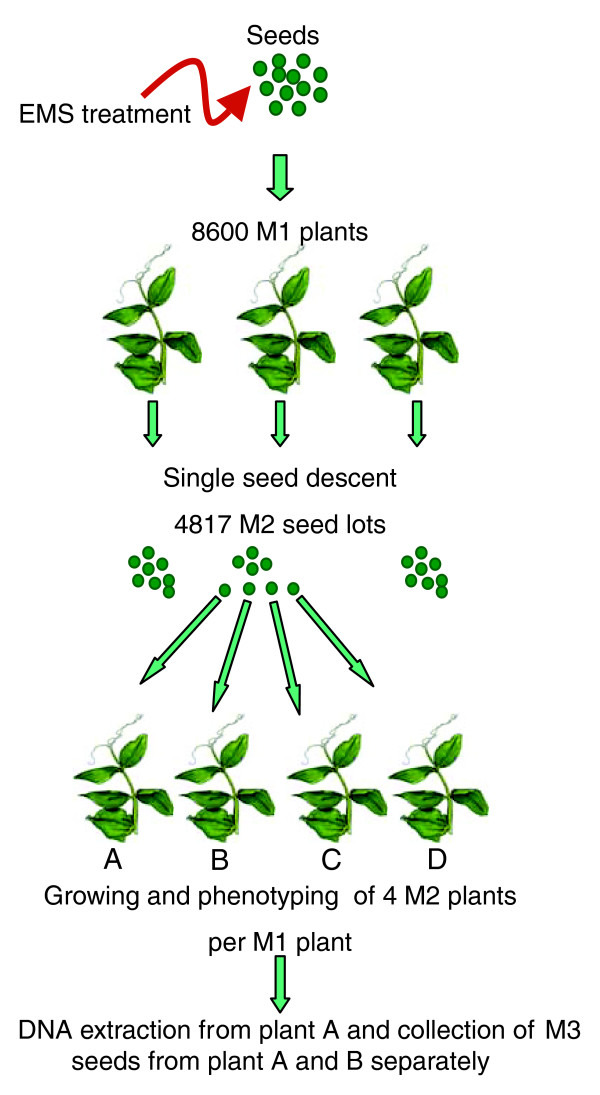
“In order to validate the mutant collection as an efficient reverse genetics tool we extracted DNA from 3,515 lines and successfully TILLed 2 genes involved in lignin biosynthesis using the ENDO1 enzyme as previously described [37,54].”
BackgroundMethodSelf-citationWarkentin, T. D., Smýkal, P., Coyne, C. J., Weeden, N. F., Domoney, C., Bing, D., Leonforte, A., Zong, X., DIXIT, G. P., Boroş, L., et al. (2015) · Handbook of plant breeding · doi:10.1007/978-1-4939-2797-5_2 · Cited by 45
Self-citationExploiting a fast neutron mutant genetic resource in Pisum sativum (pea) for functional genomics
Domoney, C., Knox, M. R., Moreau, C., Ambrose, M. J., Palmer, S., Smith, P., Christodoulou, V., Isaac, P. G., Hegarty, M., Blackmore, T. M., et al. (2013) · Functional Plant Biology · doi:10.1071/fp13147 · Cited by 44
Zuber, H., Poignavent, G., Signor, C. L., Aimé, D., Vieren, E., Tadla, C., Lugan, R., Belghazi, M., Labas, V., Santoni, A., et al. (2013) · The Plant Journal · doi:10.1111/tpj.12350 · Cited by 44
“truncatula and pea (Dalmais et al., 2008; Le Signor et al., 2009).”
Identification of barley mutants in the cultivar ‘Lux’ at the Dhn loci through TILLING
Lababidi, S., Mejlhede, N., Rasmussen, S. K., Backes, G., Al-Said, W., Baum, M., & Jahoor, A. (2009) · Plant Breeding · doi:10.1111/j.1439-0523.2009.01640.x · Cited by 43
Sulima, A. S., Zhukov, V. A., Afonin, A. М., Zhernakov, A. I., Tikhonovich, I. A., & Lutova, L. A. (2017) · Frontiers in Plant Science · doi:10.3389/fpls.2017.01957 · Cited by 39
“The pea TILLING mutants collection (Dalmais et al., 2008) provides opportunities for such analyses.”
BackgroundVicente-Dólera, N., Troadec, C., Moya, M., Río‐Celestino, M. D., Pomares‐Viciana, T., Bendahmane, A., Belén Picó, M., Román, B., & Gómez, P. (2014) · PLoS ONE · doi:10.1371/journal.pone.0112743 · Cited by 43
“The mutation frequency for each amplicon was calculated as previously described by Dalmais et al. 2008 [23].”
MethodSelf-citationRole of a receptor-like kinase K1 in pea Rhizobium symbiosis development
Kirienko, A., Porozov, Y. B., Malkov, N. V., Akhtemova, G. A., Signor, C. L., Thompson, R., Saffray, C., Dalmais, M., Bendahmane, A., Tikhonovich, I. A., et al. (2018) · Planta · doi:10.1007/s00425-018-2944-4 · Cited by 37
Self-citationSmýkal, P., Šafářová, D., Navrátil, M., & Dostálová, R. (2010) · Molecular Breeding · doi:10.1007/s11032-009-9383-7 · Cited by 37
Ashkani, S., Yusop, M. R., Shabanimofrad, M., Azady, A., Ghasemzadeh, A., Azizi, P., & Latif, M. A. (2015) · Current Issues in Molecular Biology · doi:10.21775/cimb.017.057 · Cited by 47
“…et al., 2004), indica rice (Wu et al., 2005; Till et al., 2007b), barley (Caldwell et al., 2004; Talamè et al., 2008), soybean (Cooper et al., 2008), Pisum sativum (Dalmais et al., 2008) and some animal species (Hurlstone et al., 2003; Wienholds et al., 2003; Smits et al., 2004; Stemple, 2004).”
Backgroundβ-Amyrin Synthase1 Controls the Accumulation of the Major Saponins Present in Pea (Pisum sativum)
Vernoud, V., Lebeigle, L., Munier, J., Marais, J., Sánchez, M., Pertuit, D., Rossin, N., Darchy, B., Aubert, G., Signor, C. L., et al. (2021) · Plant and Cell Physiology · doi:10.1093/pcp/pcab049 · Cited by 35
Self-citationGuercio, A. M., Torabi, S., Cornu, D., Dalmais, M., Bendahmane, A., Signor, C. L., Pillot, J.-P., Bris, P. L., Boyer, F., Rameau, C., et al. (2022) · Communications Biology · doi:10.1038/s42003-022-03085-6 · Cited by 36
“Identification and phenotypic examination of Pskai2a and Pskai2b TILLING mutants To investigate the function of PsKAIA and PsKAI2B, mutants in both genes were identified via Targeting‐Induced Local Lesions IN Genomes (TILLING) using the mutagenized Caméor population (44, 45).”
MethodSelf-citationDevelopment of TILLING by sequencing platform towards enhanced leaf yield in tobacco
Reddy, T. V., Dwivedi, S., & Sharma, N. K. (2012) · Industrial Crops and Products · doi:10.1016/j.indcrop.2012.03.031 · Cited by 38
Pea (Pisum sativum L.) in biology prior and after Mendel's discovery
Smýkal, P. (2014) · Czech Journal of Genetics and Plant Breeding · doi:10.17221/2/2014-cjgpb · Cited by 32
“The genomics tools such as fast neutron and TILLING mutant populations were developed for reverse genetics approaches (Dalmais et al. 2008; Wang et al. 2008).”
BackgroundMethodZambelli, A., León, A., & Garcés, R. (2015) · Elsevier eBooks · doi:10.1016/b978-1-893997-94-3.50008-8 · Cited by 31
Pea Breeding for Resistance to Rhizospheric Pathogens
Wohor, O. Z., Rispail, N., Ojiewo, C. O., & Rubiales, D. (2022) · Plants · doi:10.3390/plants11192664 · Cited by 36
Mishra, R. K., Chaudhary, S., Kumar, A., & Kumar, S. (2009) · Planta · doi:10.1007/s00425-009-0931-5 · Cited by 29
“It may be noted here that both UNI and TL genes have been reported to specify transcription factors (Hofer et al. 1997; Dalmais et al. 2008; Hofer et al. 2009) but direct protein interactions have not been demonstrated.”
BackgroundCytogenomics and Mutagenomics in Plant Functional Biology and Breeding
Talukdar, D., & Sinjushin, A. A. (2015) · Springer eBooks · doi:10.1007/978-81-322-2172-2_5 · Cited by 28
TILLING in forage grasses for gene discovery and breeding improvement
Manzanares, C., Yates, S. A., Ruckle, M. E., Nay, M. M., & Studer, B. (2016) · New Biotechnology · doi:10.1016/j.nbt.2016.02.009 · Cited by 28
Martínez‐Fernández, I., Fourquin, C., Lindsay, D. L., Berbel, A., Balanzà, V., Huang, S., Dalmais, M., Signor, C. L., Bendahmane, A., Warkentin, T. D., et al. (2024) · Proceedings of the National Academy of Sciences · doi:10.1073/pnas.2321975121 · Cited by 26
“DNA isolation and pooling, PCR amplification, and mutation detection were performed, as previously described (27).”
MethodSelf-citationTargeted mutation breeding of horticultural plants
Wilde, H., Chen, Y., Jiang, P., & Bhattacharya, A. (2012) · Emirates Journal of Food and Agriculture · doi:10.9755/ejfa.v24i1.10596 · Cited by 31
“The distribution of mutation types in EMS-mutagenized tomato, pea, and melon genes was found to be similar to that of Arabidopsis, but with higher nonsynonymous:synonymous ratios (Dalmais et al., 2008; Dahmani-Mardas et al., 2010; Piron et al., 2010).”
BackgroundMarko, D., El‐Shershaby, A., Carriero, F., Summerer, S., Petrozza, A., Iannacone, R., Schleiff, E., & Fragkostefanakis, S. (2019) · Genes · doi:10.3390/genes10070516 · Cited by 31
“The PCR amplifications were carried out according to the experimental conditions described previously [47].”
Is it the end of TILLING era in plant science?
Szurman‐Zubrzycka, M., Kurowska, M. M., Till, B. J., & Szarejko, I. (2023) · Frontiers in Plant Science · doi:10.3389/fpls.2023.1160695 · Cited by 28
Characterisation of alleles of tomato light signalling genes generated by TILLING
Jones, M. O., Piron‐Prunier, F., Marcel, F., Piednoir-Barbeau, E., Alsadon, A. A., Wahb-Allah, M., Al-Doss, A., Bowler, C., Bramley, P. M., Fraser, P. D., et al. (2012) · Phytochemistry · doi:10.1016/j.phytochem.2012.04.005 · Cited by 26
“, 2005)), pea (Pisum sativum, (Dalmais et al., 2008)), soybean (Glycine max, (Cooper”
Self-citationGenetic Variation Controlling Wrinkled Seed Phenotypes in Pisum: How Lucky Was Mendel?
Rayner, T., Moreau, C., Ambrose, M. J., Isaac, P. G., Ellis, N., & Domoney, C. (2017) · International Journal of Molecular Sciences · doi:10.3390/ijms18061205 · Cited by 24
Advances in tomato research in the post-genome era
Menda, N., Strickler, S. R., & Mueller, L. A. (2013) · Plant Biotechnology · doi:10.5511/plantbiotechnology.13.0904a · Cited by 24
COTIP: Cotton TILLING Platform, a Resource for Plant Improvement and Reverse Genetic Studies
Aslam, U., Cheema, H. M. N., Ahmad, S., Khan, I. A., Malik, W., & Khan, A. A. (2016) · Frontiers in Plant Science · doi:10.3389/fpls.2016.01863 · Cited by 23
“…numerous edible and cash crops including wheat (Slade et al., 2005; Uauy et al., 2009), maize (Till et al., 2004), rice (Till et al., 2007b), pea (Dalmais et al., 2008), potato (Elias et al., 2009), barley (Talamè et al., 2008), tomato (Minoia et al., 2010; Okabe et al., 2011), and sunflower…”
Influentialafila , the origin and nature of a major innovation in the history of pea breeding
Tayeh, N., Hofer, J. M. I., Aubert, G., Jacquin, F., Turner, L., Kreplak, J., Paajanen, P., Signor, C. L., Dalmais, M., Pflieger, S., et al. (2024) · New Phytologist · doi:10.1111/nph.19800 · Cited by 22
Self-citationOptimized methods for random and targeted mutagenesis in field pea (Pisum sativum L.)
Pandey, P. K., Bhowmik, P., & Kagale, S. (2022) · Frontiers in Plant Science · doi:10.3389/fpls.2022.995542 · Cited by 21
“These techniques are especially important for the introduction of genetic variation in crops recalcitrant to Agrobacterium-mediated genetic modifications, such as peas (Dalmais et al., 2008).”
BackgroundInfluentialReverse-genetics by TILLING expands through the plant kingdom
Jankowicz-Cieślak, J., Huynh, O. A., Bado, S., Matijevic, M., & Till, B. J. (2011) · Emirates Journal of Food and Agriculture · Cited by 29
Sussmilch, F. C., Ross, J. J., & Reid, J. B. (2022) · PLANT PHYSIOLOGY · doi:10.1093/plphys/kiac424 · Cited by 24
“Platforms for reverse genetics using Targeting-Induced Local Lesions IN Genomes (TILLING) had been developed for pea (Triques et al., 2007; Dalmais et al., 2008), and were also being successfully adopted in functional studies (e.g. Hofer et al., 2009).”
Efficient Biological Nitrogen Fixation Under Warming Climates
Kantar, F., Shivakumar, B. G., Arrese‐Igor, C., Hafeez, F., González, E. M., Imran, A., & Larrainzar, E. (2010) · Springer eBooks · doi:10.1007/978-90-481-3709-1_15 · Cited by 25
Silletti, M. F., Petrozza, A., Stigliani, A. L., Giorio, G., Cellini, F., D’Ambrosio, C., & Carriero, F. (2012) · Molecular Breeding · doi:10.1007/s11032-012-9824-6 · Cited by 24
“…the internal forward primer P3 (50-CCTCTCCTACACCCCATAGG -30) and the reverse primer P4 (50-AGCCATGTCCGAA AAGACACT-30), labeled at the 50-end with IRDye 700 and IRDye 800 dyes (LI-COR ) respectively, were employed for the second PCR run using specific reaction conditions (Dalmais et al. 2008).”
MethodCharacterization and practical use of self-compatibility in outcrossing grass species
Cropano, C., Place, I., Manzanares, C., Canto, J. D., Lübberstedt, T., Studer, B., & Thorogood, D. (2021) · Annals of Botany · doi:10.1093/aob/mcab043 · Cited by 20
Breeding Strategies of Garden Pea (Pisum sativum L.)
Abdel-Hamid, A. M. E., & Salem, K. F. M. (2021) · Springer eBooks · doi:10.1007/978-3-030-66969-0_9 · Cited by 23
Bean pod mottle virus: a new powerful tool for functional genomics studies in Pisum sativum
Meziadi, C., Blanchet, S., Richard, M. M. S., Pilet‐Nayel, M., Geffroy, V., & Pflieger, S. (2016) · Plant Biotechnology Journal · doi:10.1111/pbi.12537 · Cited by 19
“These features make BPMV the most adapted VIGS vector in pea to make low- to high-throughput VIGS studies.”
BackgroundLiu, S., Ge, F.-Y., Huang, W., Lightfoot, D. A., & Peng, D. (2019) · Theoretical and Applied Genetics · doi:10.1007/s00122-019-03381-6 · Cited by 19
Ellis, N. (2010) · Springer eBooks · doi:10.1007/978-3-642-14387-8_12 · Cited by 18
Petrozza, A., Summerer, S., Melfi, D., Mango, T., Vurro, F., Bettelli, M., Janni, M., Cellini, F., & Carriero, F. (2023) · Genes · doi:10.3390/genes14061284 · Cited by 18
Metadata
- Authors
- Dalmais, M., Schmidt, J., Le Signor, C., Moussy, F., Burstin, J., Savois, V., Aubert, G., Brunaud, V., de Oliveira, Y., Guichard, C., Thompson, R., & Bendahmane, A.
- Affiliations
- Centre National de la Recherche Scientifique (FR)
- Institut National de la Recherche Agronomique (FR)
- Corresponding author
- Bendahmane, Abdelhafid
- Venue
- Genome Biology
- Published
- 2008-02-26
- Volume
- 9
- Issue
- 2
- Pages
- R43-R43
- ISSN
- 1465-6906 (ISSN-L)
- 1474-760X
- PMC
- PMC2374714
- OpenAlex
- W2157584192
- Cited by
- 187
- References
- 44
- Citations by year
- 2026: 8 · 2025: 2 · 2024: 6 · 2023: 10 · 2022: 15 · 2021: 10 · 2020: 5 · 2019: 10 · 2018: 9 · 2017: 10 · 2016: 8 · 2015: 18 · 2014: 12 · 2013: 14 · 2012: 15
- FWCI
- 14.15
- Type
- journal article
- Language
- en
- Open access
- gold
- doi.org
- Licence
- cc-by
- creativecommons.org/licenses/by/2.0/ (tdm)
- creativecommons.org/licenses/by/2.0/ (vor)
- Locations
- Genome biology (publishedVersion, cc-by)
- PubMed Central (publishedVersion, cc-by)
- PubMed (publishedVersion)
- HAL (submittedVersion, cc-by)
- Funders
- European Commission
- Topics
- Life Sciences › Agricultural and Biological Sciences › Plant Science › Plant Genetic and Mutation Studies
- Life Sciences › Agricultural and Biological Sciences › Plant Science › Genetic and Environmental Crop Studies
- Life Sciences › Biochemistry, Genetics and Molecular Biology › Molecular Biology › CRISPR and Genetic Engineering
- Keywords
- Pisum sativum, pea, TILLING, forward genetics, reverse genetics, gene function characterization, mutant phenotypes, online databases, BLAST search
- MeSH terms
- Alleles, DNA Mutational Analysis, Ethyl Methanesulfonate, Mutagens, Mutation, Mutagenesis, Genes, Plant, Pisum sativum, Databases, Genetic
About these checks
Registry, retraction, Cites and statistics results are computed, not judged, with one exception: a printed reference that no index lists is read once by a model before it counts as a citation error. Claims are extracted by a model and kept only when their quote appears verbatim in the text; each cited source is then checked, with a model’s help, for whether it says what the claim relies on. Those verdicts can be wrong — read the claim’s quote and the cited source before relying on one.
Statistics and arithmetic are recomputed, not judged.
Confidence bands are shown only for fields calibrated on our annotated test set. None is calibrated yet, so no band is shown.
What counts as a claim ›How we measure confidence ›How we check this ›
Are you an author, or do you see a problem with this page? Request a review
Data sources
Bibliographic data: Semantic Scholar, OpenAlex, Crossref.
Contains information from the Semantic Scholar Academic Graph Datasets, made available under the ODC Attribution License (ODC-BY 1.0).
Semantic Scholar’s data is described in: Kinney, R., et al. (2023). The Semantic Scholar Open Data Platform. arXiv:2301.10140.
