

The DOI matches its Crossref record; 360 of the 362 references it cites were found in a registry or an index.
Genetics of the phenotypic evolution in sheep: a molecular look at diversity-driving genes
Open accessAbstract
Background: After domestication, the evolution of phenotypically-varied sheep breeds has generated rich biodiversity. This wide phenotypic variation arises as a result of hidden genomic changes that range from a single nucleotide to several thousands of nucleotides. Thus, it is of interest and significance to reveal and understand the genomic changes underlying the phenotypic variation of sheep breeds in order to drive selection towards economically important traits. Review: Various traits contribute to the emergence of variation in sheep phenotypic characteristics, including coat color, horns, tail, wool, ears, udder, vertebrae, among others. The genes that determine most of these phenotypic traits have been investigated, which has generated knowledge regarding the genetic determinism of several agriculturally-relevant traits in sheep. In this review, we discuss the genomic knowledge that has emerged in the past few decades regarding the phenotypic traits in sheep, and our ultimate aim is to encourage its practical application in sheep breeding. In addition, in order to expand the current understanding of the sheep genome, we shed light on research gaps that require further investigation. Conclusions: Although significant research efforts have been conducted in the past few decades, several aspects of the sheep genome remain unexplored. For the full utilization of the current knowledge of the sheep genome, a wide practical application is still required in order to boost sheep productive performance and contribute to the generation of improved sheep breeds. The accumulated knowledge on the sheep genome will help advance and strengthen sheep breeding programs to face future challenges in the sector, such as climate change, global human population growth, and the increasing demand for products of animal origin.
Overview
The claims and statistics of this paper haven’t been checked yet.
Run the check — free, no account needed. It reads the open-access text and checks the sources it cites.
Integrity signals
Registry
Cites
Statistics
Figures
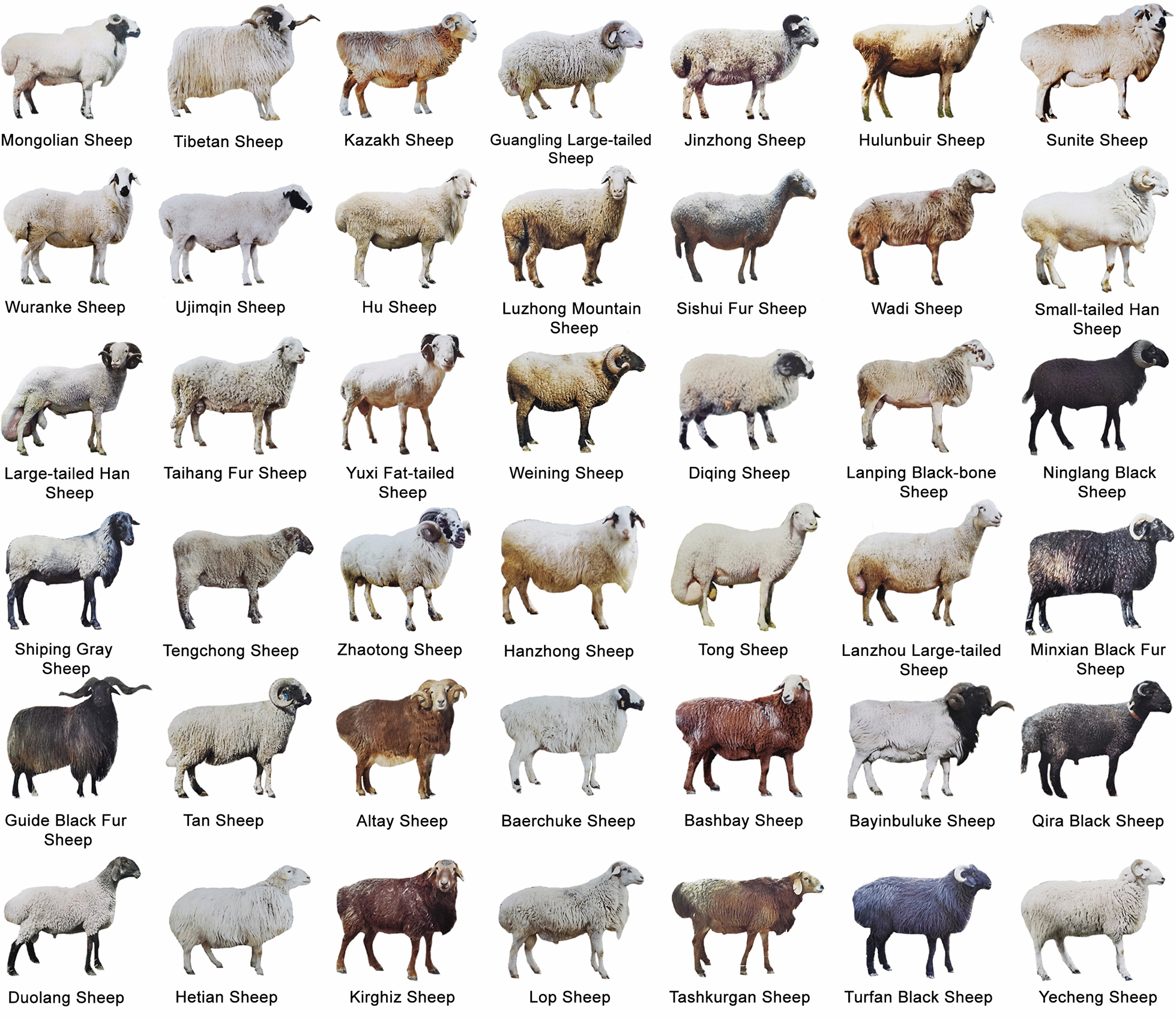
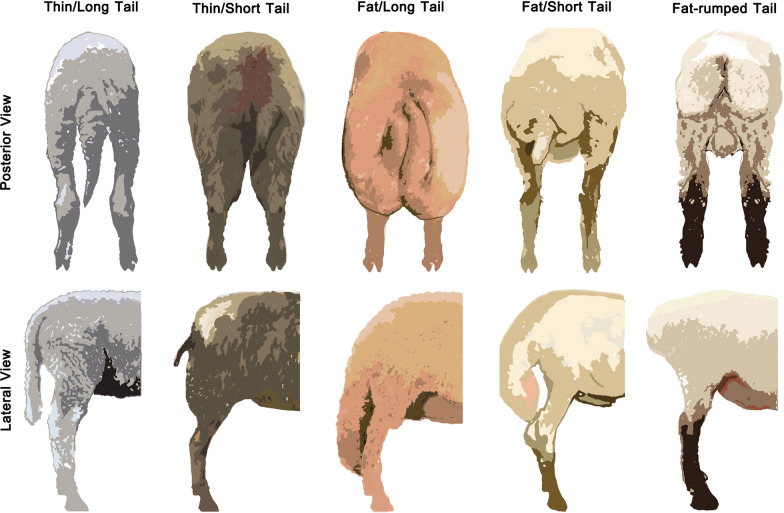
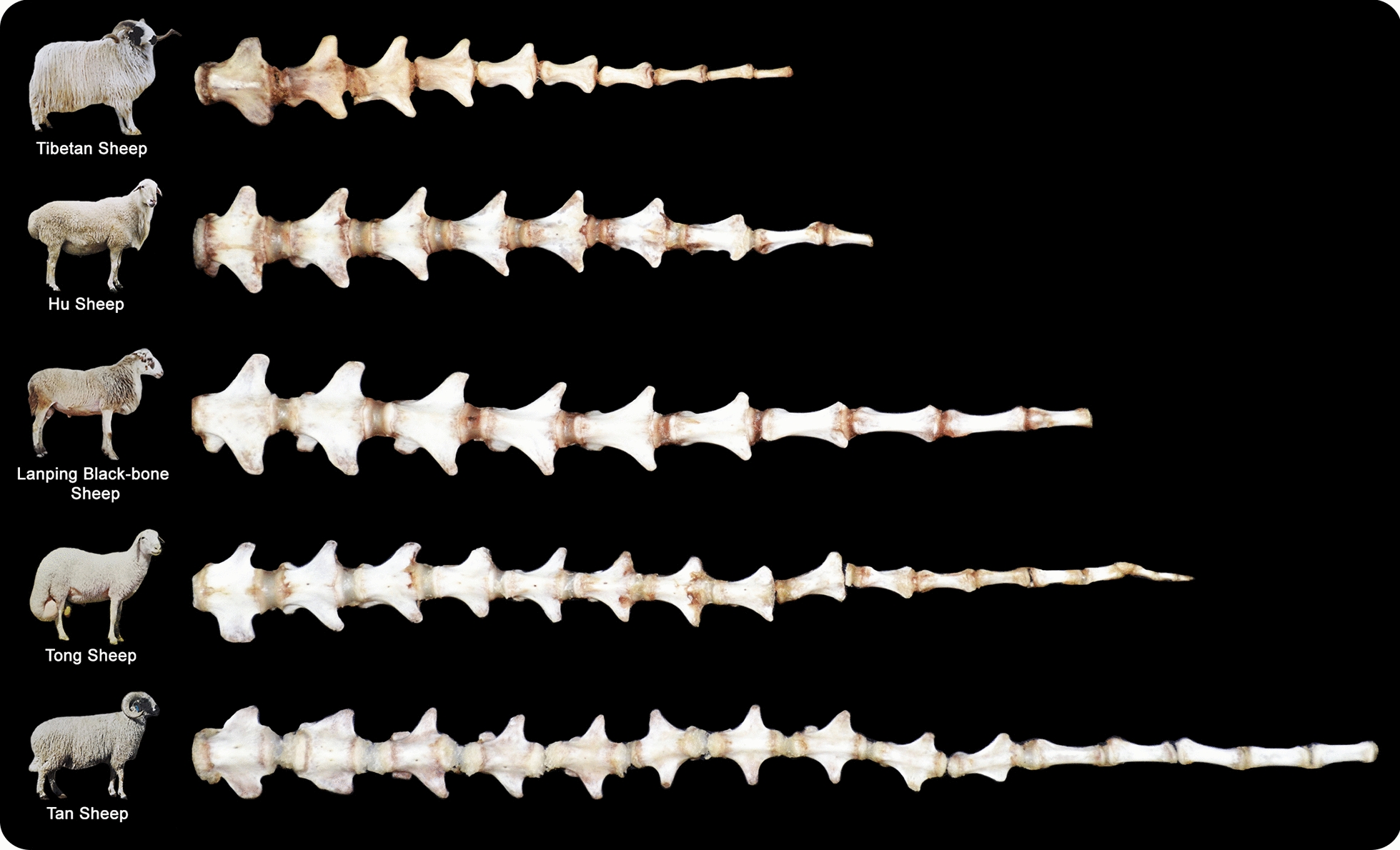
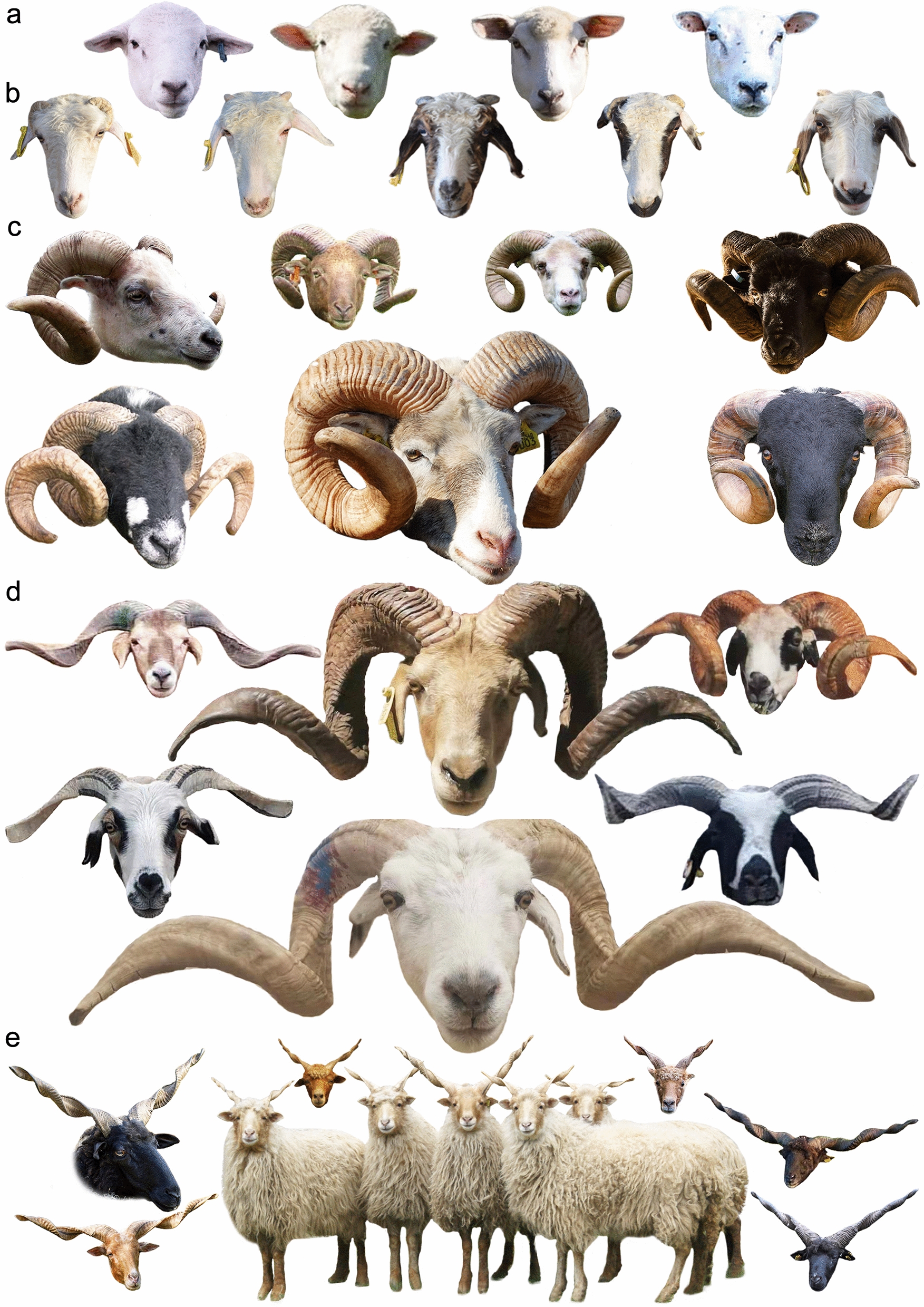
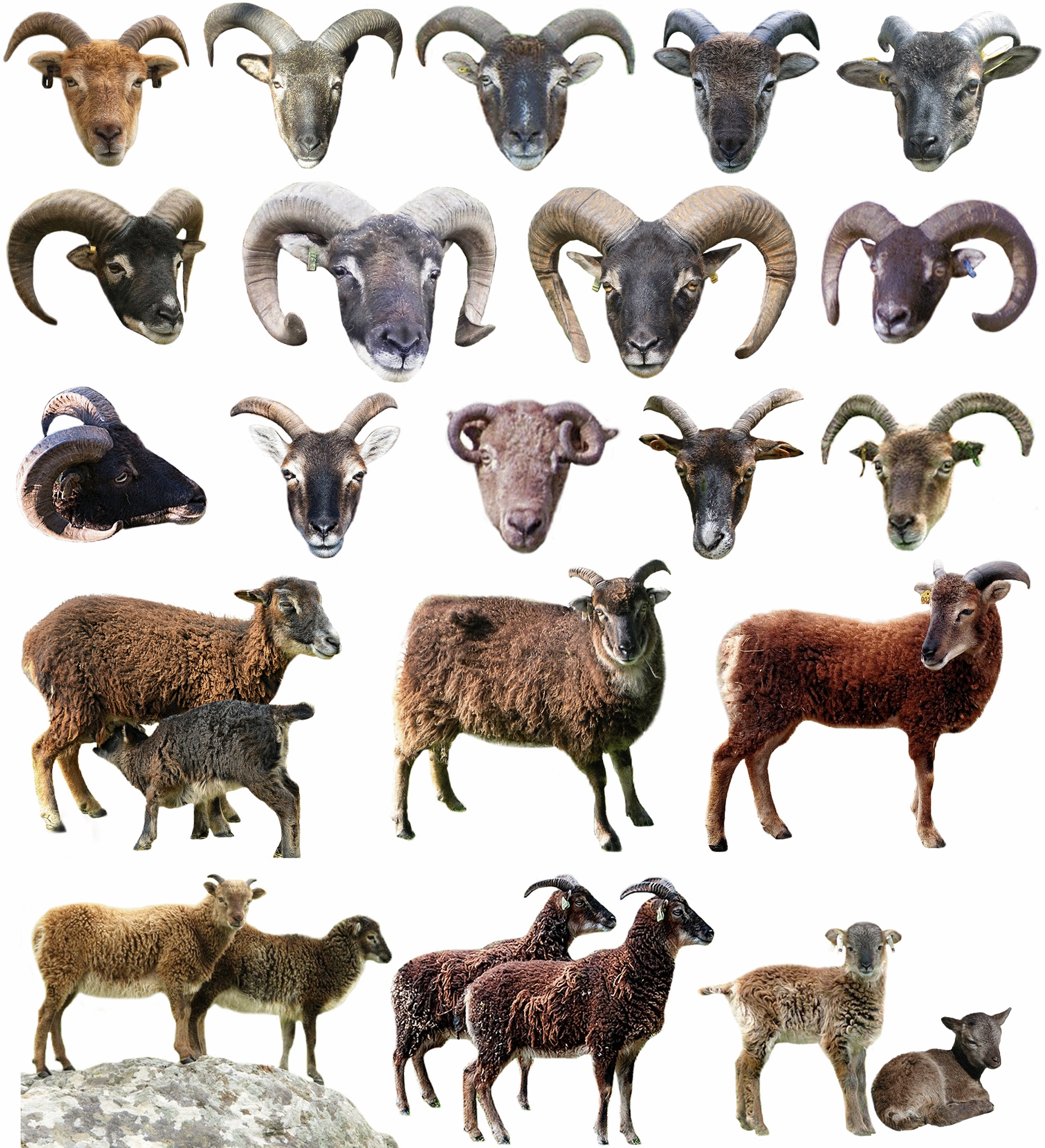
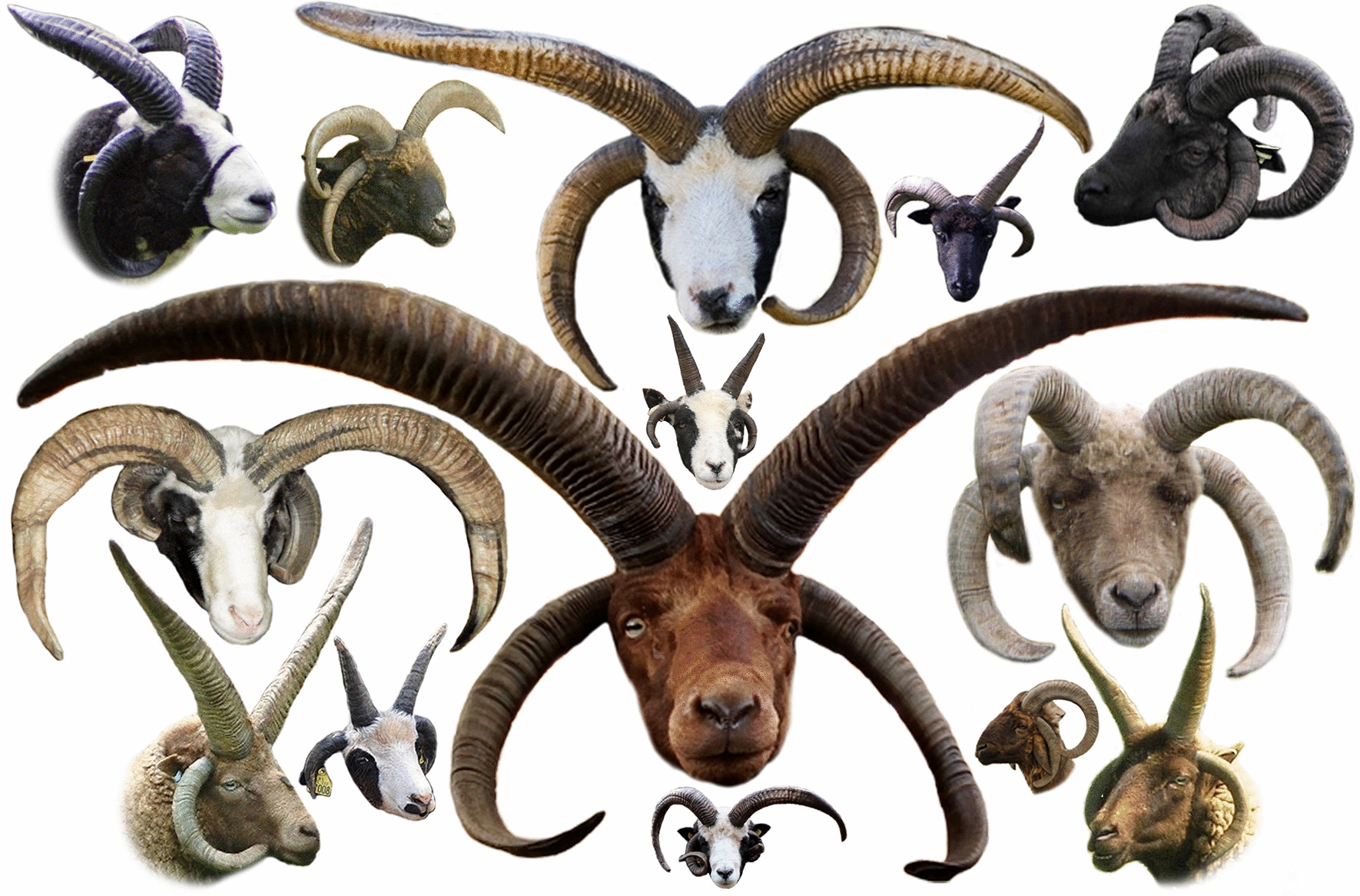
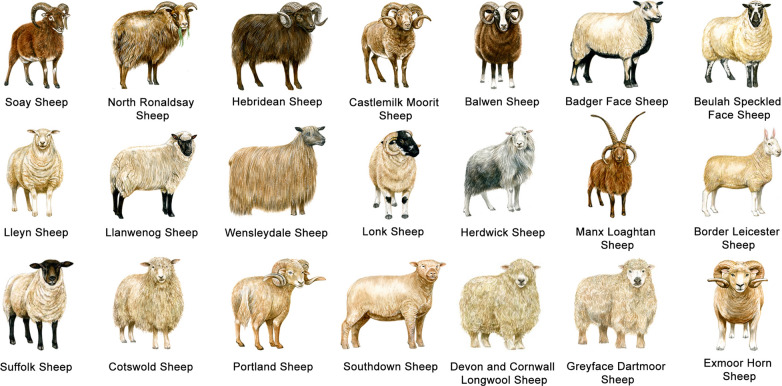
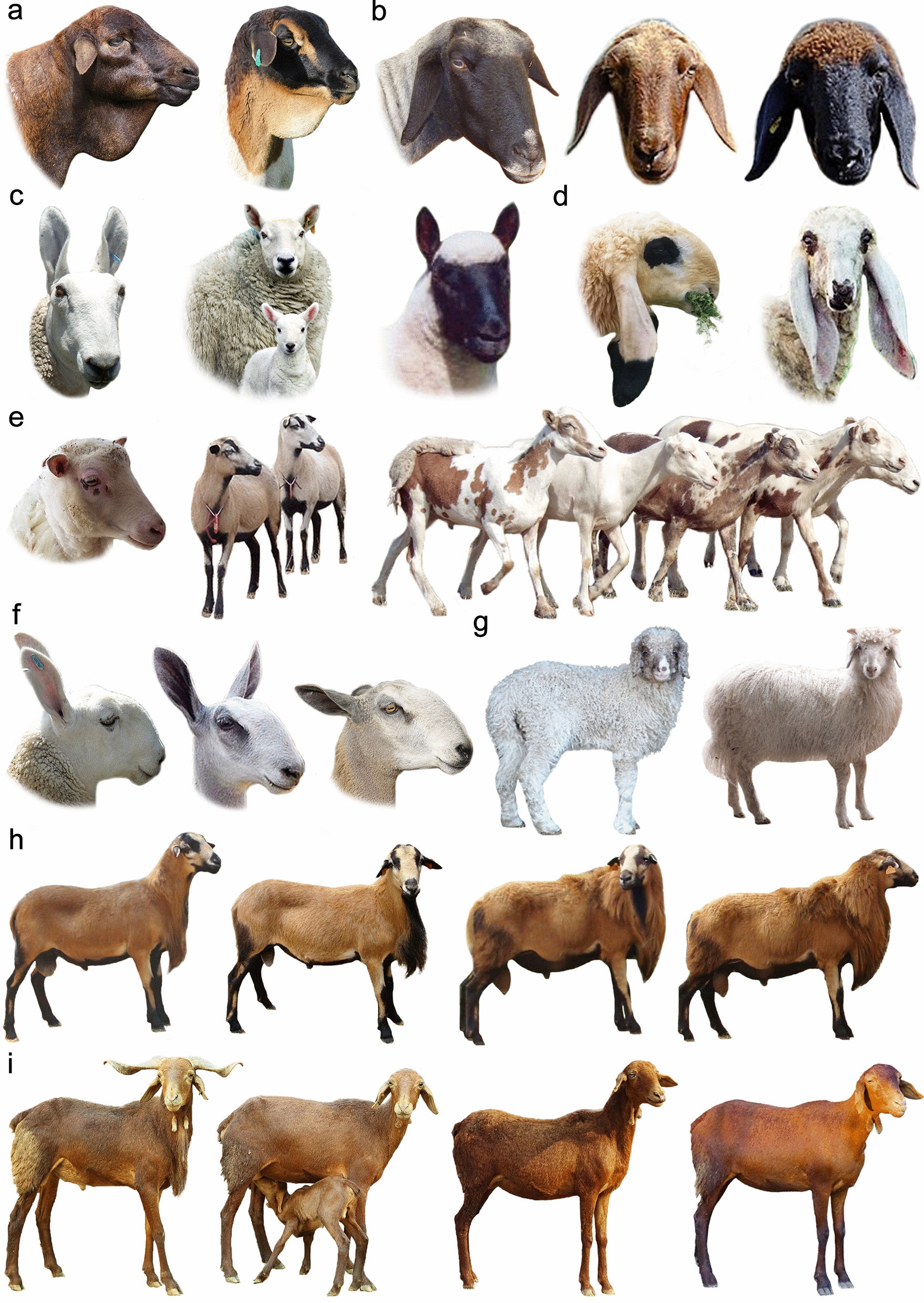
Verification
Claims the paper makes
The claims and statistics of this paper haven’t been checked yet.
Run the check — free, no account needed. It reads the open-access text and checks the sources it cites.
Claims other papers make about this one
Each is checked against this paper’s own text: does it say what the citing paper says it does?
The source backs part of the claim, not all of it — or backs it for a different population, condition or comparison.
In the citing paper
“Importantly, variants of these genes have been shown to associate with wool quality, and are potential selection markers for livestock improvements164–167.”
From Chromosomal-level reference genome assembly of muskox (Ovibos moschatus) from Banks Island in the Canadian Arctic, a resource for conservation genomics (2024) · cites this paper as [166]
Experimental — accuracy not yet measured
Self-check
Percentages, sums and reported differences re-computed from the paper’s own numbers.
The self-check needs the paper’s full text.
Citations
Cites
Clop, A., Marcq, F., Takeda, H., Pirottin, D., Tordoir, X., Bibé, B., Bouix, J., Caiment, F., Elsen, J.-M., Eychenne, F., et al. (2006) · Nature Genetics · doi:10.1038/ng1810 · Cited by 1,260
Kijas, J., Lenstra, J. A., Hayes, B. J., Boitard, S., Porto-Neto, L. R., Cristobal, M. S., Servin, B., McCulloch, R. J., Whan, V., Gietzen, K., et al. (2012) · PLoS Biology · doi:10.1371/journal.pbio.1001258 · Cited by 936
FGF5 as a regulator of the hair growth cycle: Evidence from targeted and spontaneous mutations
Hébert, J. M., Rosenquist, T., Götz, J., & Martin, G. R. (1994) · Cell · doi:10.1016/0092-8674(94)90276-3 · Cited by 589
Revealing the History of Sheep Domestication Using Retrovirus Integrations
Chessa, B., Pereira, F., Arnaud, F., Amorim, A., Goyache, F., Mainland, I. L., Kao, R. R., Pemberton, J. M., Beraldi, D., Stear, M. J., et al. (2009) · Science · doi:10.1126/science.1170587 · Cited by 545
The sheep genome illuminates biology of the rumen and lipid metabolism
Jiang, Y., Xie, M., Chen, W., Talbot, R., Maddox, J. F., Faraut, T., Wu, C., Muzny, D. M., Li, Y., Zhang, W., et al. (2014) · Science · doi:10.1126/science.1252806 · Cited by 514
Self-citationLarge-scale ruminant genome sequencing provides insights into their evolution and distinct traits
Chen, L., Qiu, Q., Jiang, Y., Wang, K., Lin, Z., Li, Z., Bibi, F., Yang, Y., Wang, J., Nie, W., et al. (2019) · Science · doi:10.1126/science.aav6202 · Cited by 441
Self-citationLi, X., Yang, J. H., Shen, M., Xie, X.-L., Liu, G., Xu, Y., Lv, F., Yang, H., Yang, Y., Liu, C., et al. (2020) · Nature Communications · doi:10.1038/s41467-020-16485-1 · Cited by 374
Self-citationLife history trade-offs at a single locus maintain sexually selected genetic variation
Johnston, S. E., Gratten, J., Bérénos, C., Pilkington, J. G., Clutton-Brock, T. H., Pemberton, J. M., & Slate, J. (2013) · Nature · doi:10.1038/nature12489 · Cited by 343
Convergent genomic signatures of domestication in sheep and goats
Alberto, F. J., Boyer, F., Orozco-terWengel, P., Streeter, I., Servin, B., de Villemereuil, P., Benjelloun, B., Librado, P., Biscarini, F., Colli, L., et al. (2018) · Nature Communications · doi:10.1038/s41467-018-03206-y · Cited by 339
Norris, B. J., & Whan, V. (2008) · Genome Research · doi:10.1101/gr.072090.107 · Cited by 307
Research works printed but not linked: 7
- Ryder ML. Fleece colour in sheep and its inheritance. Anim Breed Abstr. 1980;48:305–24.
- Dýrmundsson ÓR. Four-hornedness; a rare peculiarity still found in Icelandic sheep. Icelandic Sheep Breeders North Am Newsl. 2005;9:6–8.
- Posbergh C, Huson H. Making Moorit: Mutations in TYRP1 are responsible for brown coat color in different United States sheep breeds. In: Proceedings of the 11th World Congress on Genetics Applied to Livestock Production: 11–16 February 2018; Auckland; 2018.
- Humphreys D. On a new variety in the breeds of sheep. Philos Trans R Soc Lond. 1813;103:88–95.
- Craven A, Scobie D, Ashby M, Nixon A. Wool follicle characteristics in sheep with differing ventral wool length phenotypes. Proc New Zeal Soc Anim Prod. 2008;68:49–52.
- China National Commission of Animal Genetic Resources. Animal genetic resources in China: sheep and goats. Beijing: China Agriculture Press; 2011.
- Duijvesteijn N, Weerasinghe S, van der Werf JHJ. Production accuracies for polled and horned merino sheep using different genetic models. Proc Assoc Adv Anim Breed Genet. 2017;22:349–52.
Cited by
Sorted by citations
Xu, Y., Wang, B., Jing, J.-N., Ma, R., Luo, Y.-H., Li, X., Yan, Z., Liu, Y.-J., Gao, L., Ren, Y., et al. (2023) · Communications Biology · doi:10.1038/s42003-023-04523-9 · Cited by 83
Wang, W., Zhang, Y., Zhang, X., Li, C., Yuan, L., Zhang, D., Zhao, Y., Li, X., Cheng, J., Lin, C., et al. (2023) · Microbiome · doi:10.1186/s40168-023-01642-7 · Cited by 73
Ding, W., Yanan, L., Xu, B., Chen, P., Li, J., Jian, F., Yu, G., & Huang, S. (2024) · Agriculture · doi:10.3390/agriculture14071060 · Cited by 59
Self-citationPhenotype transition from wild mouflon to domestic sheep
Mereu, P., Pirastru, M., Sanna, D., Bassu, G., Naitana, S., & Leoni, G. G. (2024) · Genetics Selection Evolution · doi:10.1186/s12711-023-00871-6 · Cited by 35
Whole-Genome Resequencing Reveals Selection Signal Related to Sheep Wool Fineness
Zhang, W., Jin, M., Li, T., Lu, Z., Wang, H., Yuan, Z., & Wei, C. (2023) · Animals · doi:10.3390/ani13182944 · Cited by 30
Metadata
- Authors
- Kalds, P., Zhou, S., Gao, Y., Cai, B., Huang, S., Chen, Y., & Wang, X.
- Affiliations
- Arish University (EG)
- Northwest A&F University (CN)
- Ministry of Agriculture and Rural Affairs (CN)
- Corresponding author
- Chen, Yulin
- Wang, Xiaolong
- Venue
- Genetics Selection Evolution
- Published
- 2022-09-09
- Volume
- 54
- Issue
- 1
- Pages
- 61-61
- ISSN
- 0999-193X (ISSN-L)
- 1297-9686
- PMC
- PMC9463822
- OpenAlex
- W4295031434
- Cited by
- 85
- References
- 362
- Citations by year
- 2026: 15 · 2025: 25 · 2024: 24 · 2023: 19 · 2022: 1
- FWCI
- 2.73
- Type
- journal article
- Language
- en
- Open access
- gold
- doi.org
- Locations
- Genetics Selection Evolution (publishedVersion, cc-by)
- PubMed Central (publishedVersion, cc-by)
- PubMed (publishedVersion)
- HAL (submittedVersion, other-oa)
- DOAJ (DOAJ: Directory of Open Access Journals) (submittedVersion, cc-by-sa)
- Funders
- Key Technologies Research and Development Program (2018YFD0502100)
- China Agriculture Research System (CARS-39-12)
- Local Grants (NXTS2018-001, 2018KJXX-009)
- Topics
- Life Sciences › Biochemistry, Genetics and Molecular Biology › Genetics › Genetic and phenotypic traits in livestock
- Life Sciences › Biochemistry, Genetics and Molecular Biology › Genetics › Genetic Mapping and Diversity in Plants and Animals
- Life Sciences › Biochemistry, Genetics and Molecular Biology › Genetics › Animal Genetics and Reproduction
- Keywords
- sheep, phenotypic variability, sheep breeds, coat color, wool traits, udder traits, ear traits, sheep genome, sheep breeding, domestication
- MeSH terms
- Domestication, Animals, Humans, Mammary Glands, Animal, Nucleotides, Phenotype, Sheep, Wool, Genomics
About these checks
Registry, retraction, Cites and statistics results are computed, not judged, with one exception: a printed reference that no index lists is read once by a model before it counts as a citation error. Claims are extracted by a model and kept only when their quote appears verbatim in the text; each cited source is then checked, with a model’s help, for whether it says what the claim relies on. Those verdicts can be wrong — read the claim’s quote and the cited source before relying on one.
Statistics and arithmetic are recomputed, not judged.
Confidence bands are shown only for fields calibrated on our annotated test set. None is calibrated yet, so no band is shown.
What counts as a claim ›How we measure confidence ›How we check this ›
Are you an author, or do you see a problem with this page? Request a review
