

The truth about metagenomics: quantifying and counteracting bias in 16S rRNA studies
Open accessThe DOI matches its Crossref record; 50 of the 52 references it cites were found in a registry or an index.
Abstract
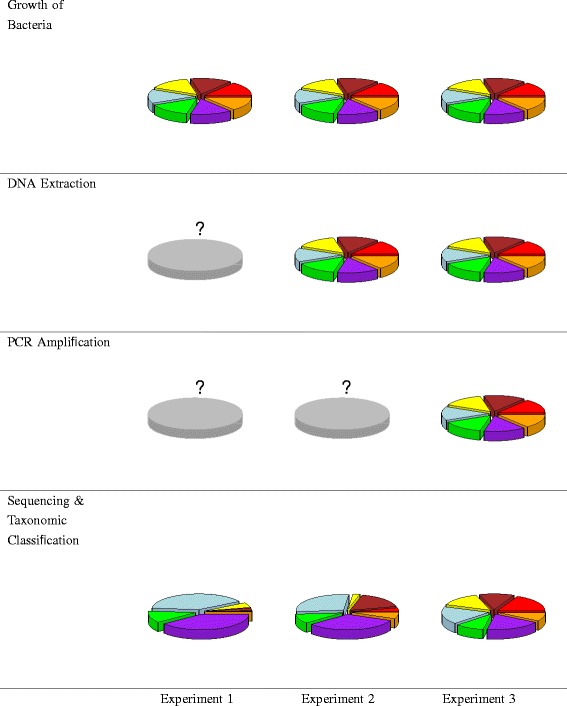
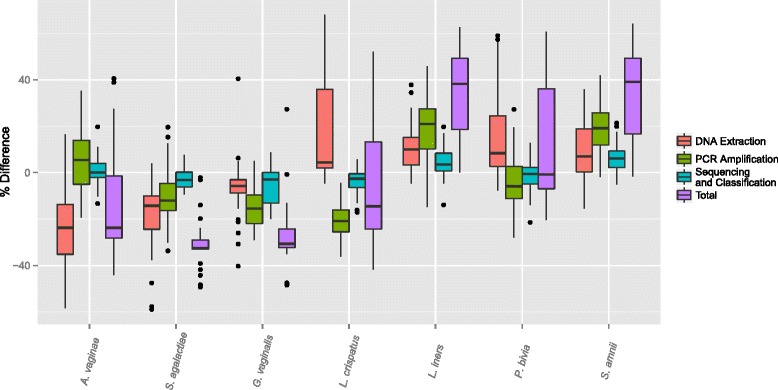
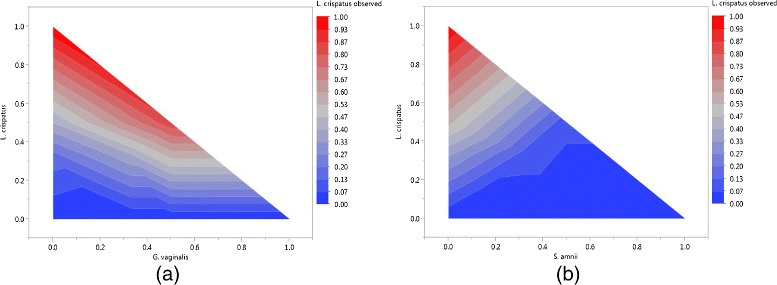
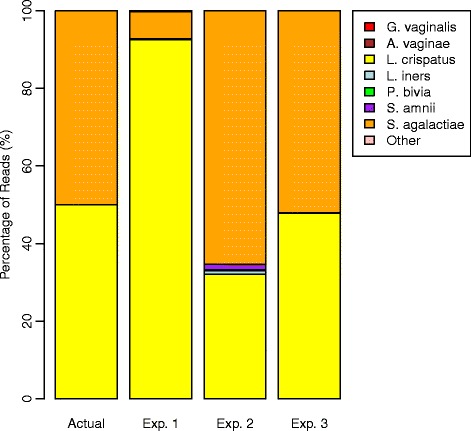
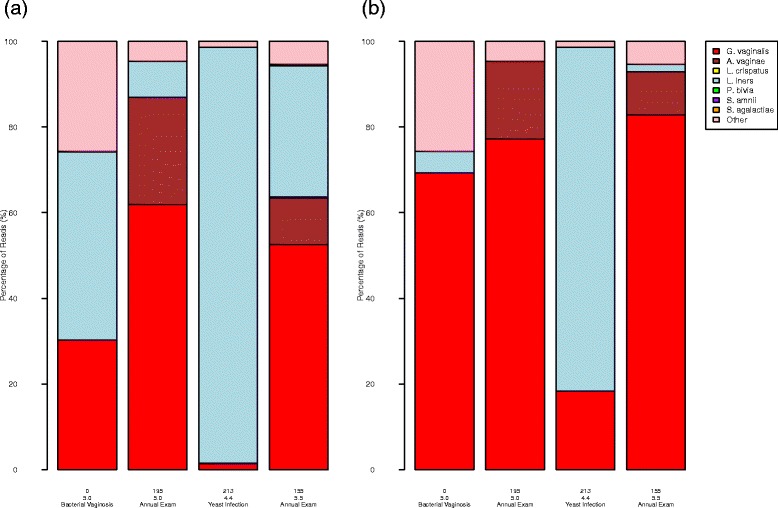
BACKGROUND: Characterizing microbial communities via next-generation sequencing is subject to a number of pitfalls involving sample processing. The observed community composition can be a severe distortion of the quantities of bacteria actually present in the microbiome, hampering analysis and threatening the validity of conclusions from metagenomic studies. We introduce an experimental protocol using mock communities for quantifying and characterizing bias introduced in the sample processing pipeline. We used 80 bacterial mock communities comprised of prescribed proportions of cells from seven vaginally-relevant bacterial strains to assess the bias introduced in the sample processing pipeline. We created two additional sets of 80 mock communities by mixing prescribed quantities of DNA and PCR product to quantify the relative contribution to bias of (1) DNA extraction, (2) PCR amplification, and (3) sequencing and taxonomic classification for particular choices of protocols for each step. We developed models to predict the "true" composition of environmental samples based on the observed proportions, and applied them to a set of clinical vaginal samples from a single subject during four visits. RESULTS: We observed that using different DNA extraction kits can produce dramatically different results but bias is introduced regardless of the choice of kit. We observed error rates from bias of over 85% in some samples, while technical variation was very low at less than 5% for most bacteria. The effects of DNA extraction and PCR amplification for our protocols were much larger than those due to sequencing and classification. The processing steps affected different bacteria in different ways, resulting in amplified and suppressed observed proportions of a community. When predictive models were applied to clinical samples from a subject, the predicted microbiome profiles were better reflections of the physiology and diagnosis of the subject at the visits than the observed community compositions. CONCLUSIONS: Bias in 16S studies due to DNA extraction and PCR amplification will continue to require attention despite further advances in sequencing technology. Analysis of mock communities can help assess bias and facilitate the interpretation of results from environmental samples.
Overview
The claims and statistics of this paper haven’t been checked yet.
Free: it reads the open-access text and checks the first 5 claims that cite a source we can check. Create a free account to check every claim.
Integrity signals
Registry
Cites
Statistics
Figures
Verification
Claims the paper makes
The claims and statistics of this paper haven’t been checked yet.
Free: it reads the open-access text and checks the first 5 claims that cite a source we can check. Create a free account to check every claim.
Claims other papers make about this one
Each is checked against this paper’s own text: does it say what the citing paper says it does?
The source backs part of the claim, not all of it — or backs it for a different population, condition or comparison.
In the citing paper
“Inter-study technical variability in microbiome measurements can sometimes, for example, outweigh biological effects6–9.”
From Assessment of variation in microbial community amplicon sequencing by the Microbiome Quality Control (MBQC) project consortium (2017) · cites this paper as [9]
Experimental — accuracy not yet measuredThe source backs part of the claim, not all of it — or backs it for a different population, condition or comparison.
In the citing paper
“Previous detailed investigations of specific variables in microbiome experiments such as DNA extraction method have, in common with the results we report, enriched for broad classes of Gram-negative rather than Gram-positive bacteria due to technical rather than biological variables9, 24, 27, 28.”
From Assessment of variation in microbial community amplicon sequencing by the Microbiome Quality Control (MBQC) project consortium (2017) · cites this paper as [9]
Experimental — accuracy not yet measuredThe cited source says what the claim attributes to it.
In the citing paper
“our results suggest that microbial physiology, nucleotide composition, protocol biochemistry, and computational assumptions can all interact to induce variation in microbiome assay results9.”
From Assessment of variation in microbial community amplicon sequencing by the Microbiome Quality Control (MBQC) project consortium (2017) · cites this paper as [9]
The cited source says what the claim attributes to it.
In the citing paper
“DNA extraction protocols are a known source of variation between microbial community characterization experiments7–9.”
From Assessment of variation in microbial community amplicon sequencing by the Microbiome Quality Control (MBQC) project consortium (2017) · cites this paper as [9]
In the citing paper
“High-quality evidence that clinical metagenomic assays are effective in guiding patient management will require protocols that minimize potential assay and patient selection bias and compare relevant health outcomes using data sets generated from large patient cohorts119,120.”
From Clinical metagenomics (2019) · cites this paper as [120]
Self-check
Percentages, sums and reported differences re-computed from the paper’s own numbers.
The self-check needs the paper’s full text.
Citations
Cites
An Introduction to the Bootstrap
Efron, B., & Tibshirani, R. J. (1994) · doi:10.1201/9780429246593 · Cited by 40,500
Naïve Bayesian Classifier for Rapid Assignment of rRNA Sequences into the New Bacterial Taxonomy
Wang, Q., Garrity, G. M., Tiedje, J. M., & Cole, J. R. (2007) · Applied and Environmental Microbiology · doi:10.1128/aem.00062-07 · Cited by 19,885 · cited 2×
“Taxonomic classification was performed using the RDP classifier [32] (see Methods).”
MethodSchloss, P. D., Westcott, S. L., Ryabin, T., Hall, J. R., Hartmann, M., Hollister, E. B., Lesniewski, R. A., Oakley, B. B., Parks, D. H., Robinson, C. J., et al. (2009) · Applied and Environmental Microbiology · doi:10.1128/aem.01541-09 · Cited by 19,549 · cited 1×
“Many sources of bias have been identified in 16S rRNA studies using NGS including PCR amplification [4-11], DNA extraction protocol [5,12,13], sequencing artifacts [8,14-18], DNA copy number [19], sampling depth [7,20,21], and primer design [22-25].”
BackgroundClassification and Regression by randomForest
Liaw, A. I., & Wiener, M. C. (2007) · Cited by 18,594
ggplot2: Elegant Graphics for Data Analysis
Wickham, H. (2009) · doi:10.1007/978-0-387-98141-3 · Cited by 14,447
Structure, function and diversity of the healthy human microbiome
The Human Microbiome Project Consortium (2012) · Nature · doi:10.1038/nature11234 · Cited by 11,726
Vaginal microbiome of reproductive-age women
Ravel, J., Gajer, P., Abdo, Z., Schneider, G. M., Koenig, S. S. K., McCulle, S. L., Karlebach, S., Gorle, R., Russell, J., Tacket, C. O., et al. (2011) · Proceedings of the National Academy of Sciences · doi:10.1073/pnas.1002611107 · Cited by 4,254 · cited 1×
“Because of the low diversity, vaginal samples are often classified by the predominant bacterium into community states or types [40].”
BackgroundLauber, C. L., Hamady, M., Knight, R., & Fierer, N. (2009) · Applied and Environmental Microbiology · doi:10.1128/aem.00335-09 · Cited by 4,063 · cited 1×
“Many sources of bias have been identified in 16S rRNA studies using NGS including PCR amplification [4-11], DNA extraction protocol [5,12,13], sequencing artifacts [8,14-18], DNA copy number [19], sampling depth [7,20,21], and primer design [22-25].”
BackgroundThe interaction of TIGIT with PVR and PVRL2 inhibits human NK cell cytotoxicity
Stanietsky, N., Simic, H., Arapovic, J., Toporik, A., Levy, O., Novik, A., Levine, Z., Beiman, M., Dassa, L., Achdout, H., et al. (2009) · Proceedings of the National Academy of Sciences · doi:10.1073/pnas.0903474106 · Cited by 3,524
Chimeric 16S rRNA sequence formation and detection in Sanger and 454-pyrosequenced PCR amplicons
Haas, B. J., Gevers, D., Earl, A. M., Feldgarden, M., Ward, D. V., Giannoukos, G., Ciulla, D., Tabbaa, D., Highlander, S. K., Sodergren, E., et al. (2011) · Genome Research · doi:10.1101/gr.112730.110 · Cited by 3,473 · cited 2×
“Many sources of bias have been identified in 16S rRNA studies using NGS including PCR amplification [4-11], DNA extraction protocol [5,12,13], sequencing artifacts [8,14-18], DNA copy number [19], sampling depth [7,20,21], and primer design [22-25].”
BackgroundMethod
Cited by
Items 101–200 of 555
Quantification of variation and the impact of biomass in targeted 16S rRNA gene sequencing studies
Bender, J. M., Li, F., Adisetiyo, H., Lee, D., Zabih, S., Hung, L. T., Wilkinson, T. A., Pannaraj, P. S., She, R. C., Bard, J. D., et al. (2018) · Microbiome · doi:10.1186/s40168-018-0543-z · Cited by 86
Influence of midgut microbiota in Anopheles stephensi on Plasmodium berghei infections
Kalappa, D. M., Subramani, P. A., Basavanna, S. K., Ghosh, S. K., Sundaramurthy, V., Uragayala, S., Tiwari, S., Anvikar, A. R., & Valecha, N. (2018) · Malaria Journal · doi:10.1186/s12936-018-2535-7 · Cited by 94
Patnaik, S. K., Gomez, E. C., Kannisto, E. D., Punnanitinont, A., Dhillon, S. S., Liu, S., & Yendamuri, S. (2020) · Journal of Thoracic and Cardiovascular Surgery · doi:10.1016/j.jtcvs.2020.01.104 · Cited by 80
Stahl-Rommel, S., Jain, M., Nguyen, H. N., Arnold, R. R., Auñón-Chancellor, S. M., Sharp, G. M., Castro, C. L., John, K. K., Juul, S., Turner, D., et al. (2021) · Genes · doi:10.3390/genes12010106 · Cited by 90
Mohamed, N., Litlekalsøy, J., Ahmed, I. A., Martinsen, E. M. H., Furriol, J., Javier-López, R., Elsheikh, M., Gaafar, N. M., Morgado, L. N., Mundra, S., et al. (2021) · Frontiers in Cellular and Infection Microbiology · doi:10.3389/fcimb.2021.673465 · Cited by 72
McCarthy, D., Jovanović, D., Lintern, A. M., Teakle, I., Barnes, M. P., Deletić, A., Coleman, R. A., Rooney, G., Prosser, T., Coutts, S. A. J., et al. (2016) · Water Research · doi:10.1016/j.watres.2016.11.043 · Cited by 74
Pipeline for amplifying and analyzing amplicons of the V1–V3 region of the 16S rRNA gene
Allen, H. K., Bayles, D. O., Looft, T. P., Trachsel, J., Bass, B. E., Alt, D. P., Bearson, S. M. D., Nicholson, T. L., & Casey, T. A. (2016) · BMC Research Notes · doi:10.1186/s13104-016-2172-6 · Cited by 71
Golob, J. L., Margolis, E. B., Hoffman, N. G., & Fredricks, D. N. (2017) · BMC Bioinformatics · doi:10.1186/s12859-017-1690-0 · Cited by 77
Quantitative Microbial Risk Assessment and Molecular Biology: Paths to Integration
Haas, C. N. (2020) · Environmental Science & Technology · doi:10.1021/acs.est.0c00664 · Cited by 75
Improving the assessment of ecosystem and wildlife health: microbiome as an early indicator
Ribas, M. P., García-Ulloa, M. I., Espunyes, J., & Cabezón, Ó. (2023) · Current Opinion in Biotechnology · doi:10.1016/j.copbio.2023.102923 · Cited by 74
“Despite its known methodological biases [54], researchers have turned to selectively sequence a gene or small subset of genes that serve as a proxy for the entire community composition or a subset of its functionality.”
BackgroundDoes a prenatal bacterial microbiota exist?
Hornef, M. W., & Penders, J. (2017) · Mucosal Immunology · doi:10.1038/mi.2016.141 · Cited by 78
Tousoulis, D., Guzik, T. J., Padró, T., Duncker, D. J., Luca, G. D., Eringa, E. C., Vavlukis, M., Antonopoulos, A. S., Katsimichas, T., Cenko, E., et al. (2022) · Cardiovascular Research · doi:10.1093/cvr/cvac057 · Cited by 77
“9,11,12 Further options for GM analysis include metatranscriptomics, which uses RNA sequencing to profile transcription in microbiomes, providing information on gene expression and the active functional output of the microbiome.”
BackgroundHarvey, J. B. J., Johnson, S. B., Fisher, J. L., Peterson, W. T., & Vrijenhoek, R. C. (2016) · Journal of Experimental Marine Biology and Ecology · doi:10.1016/j.jembe.2016.12.002 · Cited by 74
The microbiome of a striped dolphin (Stenella coeruleoalba) stranded in Portugal
Godoy‐Vitorino, F., Rodríguez-Hilario, A., Alves, A. L. D. S., Gonçalves, F., Cabrera-Colon, B., Mesquita, C. S., Soares-Castro, P., Ferreira, M., Marçalo, A., Vingada, J. V., et al. (2016) · Research in Microbiology · doi:10.1016/j.resmic.2016.08.004 · Cited by 67
PERFect: PERmutation Filtering test for microbiome data
Smirnova, E., Huzurbazar, S. V., & Jafari, F. (2018) · Biostatistics · doi:10.1093/biostatistics/kxy020 · Cited by 74
Cultivating marine bacteria under laboratory conditions: Overcoming the “unculturable” dogma
Rodrigues, C. J. C., & de Carvalho, C. C. C. R. (2022) · Frontiers in Bioengineering and Biotechnology · doi:10.3389/fbioe.2022.964589 · Cited by 72
“In fact, DNA extraction and PCR amplification has been shown to lead to larger bias than those due to sequencing and classification (Brooks et al., 2015).”
Hurst, J. H., McCumber, A. W., Aquino, J. N., Rodriguez, J., Heston, S. M., Lugo, D. J., Rotta, A. T., Turner, N., Pfeiffer, T. S., Gurley, T. C., et al. (2022) · Clinical Infectious Diseases · doi:10.1093/cid/ciac184 · Cited by 66
“Additionally, 16S rRNA gene amplicon experiments have several well-documented biases [40], although we sought to minimize these biases in our study through inclusion of all samples in a single processing run and use of appropriate negative controls.”
Human skin bacterial microbiota homeostasis: A delicate balance between health and disease
Zhu, Y., Yu, X., & Cheng, G. (2023) · mLife · doi:10.1002/mlf2.12064 · Cited by 65
“The majority of human microbiome shotgun metagenomic cataloguing has concentrated on species composition and diversity 21,22 .”
BackgroundMattei, V., Murugesan, S., Hashmi, M. A., Mathew, R., James, N., Singh, P., Kumar, M., Lakshmanan, A. P., Terranegra, A., Khodor, S. A., et al. (2019) · Frontiers in Cellular and Infection Microbiology · doi:10.3389/fcimb.2019.00197 · Cited by 67
“Sources of bias exist at each step of the experimental pipeline, and range from the sample collection methods to the DNA extraction protocols used and sequencing artifacts among others (Brooks et al., 2015).”
Metwally, A. A., Yang, J., Ascoli, C., Dai, Y. D., Finn, P. W., & Perkins, D. L. (2018) · Microbiome · doi:10.1186/s40168-018-0402-y · Cited by 69
“Normalization Since metagenomic samples may have different sequencing depths, the aggregated metagenomic counts need to be normalized among samples [21, 22].”
BackgroundMetagenomic profiling of gut microbiome in early chronic kidney disease
Sato, N., Kakuta, M., Hasegawa, T., Yamaguchi, R., Uchino, E., Murashita, K., Nakaji, S., Imoto, S., Yanagita, M., & Okuno, Y. (2020) · Nephrology Dialysis Transplantation · doi:10.1093/ndt/gfaa122 · Cited by 62
Dahlberg, J., Sun, L., Waller, K. P., Östensson, K., McGuire, M. A., Agenäs, S., & Dicksved, J. (2019) · PLoS ONE · doi:10.1371/journal.pone.0218257 · Cited by 64
Aivelo, T., & Medlar, A. J. (2017) · Parasitology · doi:10.1017/s0031182017000610 · Cited by 70
“Nevertheless, there are similar frustrations in 16S microbial sequencing and the bacterial microbiota research community has applied quantitative methods within these limitations (Brooks et al. 2015; de la Cuesta-Zuluaga and Escobar, 2016).”
BackgroundComparison of Meconium DNA Extraction Methods for Use in Microbiome Studies
Stinson, L. F., Keelan, J. A., & Payne, M. S. (2018) · Frontiers in Microbiology · doi:10.3389/fmicb.2018.00270 · Cited by 71
“This data is in line with previous studies that have shown a high level of variation in microbiome community structure following DNA extraction with different kits (Yuan et al., 2012; WesolowskaAndersen et al., 2014; Brooks et al., 2015; Walker et al., 2015; Vebo et al., 2016).”
ResultZhang, B., Brock, M., Arana, C., Dende, C., van Oers, N. S. C., Hooper, L. V., & Raj, P. (2021) · Frontiers in Cellular and Infection Microbiology · doi:10.3389/fcimb.2021.678522 · Cited by 60
Sicsic, R., Goshen, T., Dutta, R., Kedem-Vaanunu, N., Kaplan-Shabtai, V., Pasternak, Z., Gottlieb, Y., Shpigel, N. Y., & Raz, T. (2018) · Veterinary Research · doi:10.1186/s13567-018-0570-6 · Cited by 59
Antibiotic resistance genes in bacteriophages from diverse marine habitats
Calero‐Cáceres, W., & Balcázar, J. L. (2018) · The Science of The Total Environment · doi:10.1016/j.scitotenv.2018.11.166 · Cited by 63
Dahlhausen, K. E., Doroud, L., Firl, A. J., Polkinghorne, A., & Eisen, J. A. (2018) · PeerJ · doi:10.7717/peerj.4452 · Cited by 57
“456 457 Potential confounding variables that may have influenced our results are sample storage [42], 458 DNA extraction method [43], PCR [44][45], and sequencing [46].”
BackgroundInfluentialZhang, Y., & Liu, W. (2019) · Critical Reviews in Environmental Science and Technology · doi:10.1080/10643389.2019.1571351 · Cited by 60
Combrink, L., Humphreys, I. R., Washburn, Q., Arnold, H. K., Stagaman, K., Kasschau, K. D., Jolles, A. E., Beechler, B. R., & Sharpton, T. J. (2023) · Frontiers in Microbiology · doi:10.3389/fmicb.2023.1092216 · Cited by 59
“Another consideration is that estimates of relative abundance for microbial taxa may be biased by DNA extraction method (Yuan et al., 2012; Wesolowska-Andersen et al., 2014; Brooks et al., 2015; VelásquezMejía et al., 2018).”
MethodRefinement of 16S rRNA gene analysis for low biomass biospecimens
Villette, R., Autaa, G., Hind, S., Holm, J. B., Sabater, A. M., & Larsen, M. (2021) · Scientific Reports · doi:10.1038/s41598-021-90226-2 · Cited by 55
Experimental design considerations in microbiota/inflammation studies
Moore, R. J., & Stanley, D. (2016) · Clinical & Translational Immunology · doi:10.1038/cti.2016.41 · Cited by 58
Metagenomics: Probing pollutant fate in natural and engineered ecosystems
Bouhajja, E., Agathos, S. N., & George, I. (2016) · Biotechnology Advances · doi:10.1016/j.biotechadv.2016.10.006 · Cited by 55
“Their accuracy depends on DNA extraction and reproducibility of 16S rRNA gene amplification, and to a lower extent on sequencing technology and taxonomic classification (Brooks et al. , 2015, Kennedy et al. , 2014).”
BackgroundMcGovern, E., Waters, S. M., Blackshields, G., & McCabe, M. S. (2018) · Frontiers in Microbiology · doi:10.3389/fmicb.2018.01365 · Cited by 58
Khachatryan, L., de Leeuw, R. H., Kraakman, M. E. M., Pappas, N., Raa, M. T., Mei, H., de Knijff, P., & Laros, J. F. J. (2020) · Forensic Science International Genetics · doi:10.1016/j.fsigen.2020.102257 · Cited by 54
Approaches for characterizing and tracking hospital-associated multidrug-resistant bacteria
Blake, K. S., Choi, J., & Dantas, G. A. (2021) · Cellular and Molecular Life Sciences · doi:10.1007/s00018-020-03717-2 · Cited by 55
Sun, S., Zhu, X., Huang, X., Murff, H. J., Ness, R. M., Seidner, D. L., Sorgen, A. A., Blakley, I., Yu, C., Dai, Q., et al. (2021) · Scientific Reports · doi:10.1038/s41598-021-94205-5 · Cited by 58
Schlaberg, R. (2020) · Clinical Chemistry · doi:10.1373/clinchem.2019.303248 · Cited by 49
Egan, C., Rummel, A., Kokkoris, V., Klironomos, J. N., Lekberg, Y., & Hart, M. M. (2018) · Fungal ecology · doi:10.1016/j.funeco.2018.01.004 · Cited by 51
McTaggart, L. R., Copeland, J. K., Surendra, A., Wang, P. W., Husain, S., Coburn, B. A., Guttman, D. S., & Kus, J. V. (2019) · Frontiers in Microbiology · doi:10.3389/fmicb.2019.00512 · Cited by 53
Bacterial signatures and their inflammatory potentials associated with prostate cancer
Brüggemann, H., & Al‐Zeer, M. A. (2020) · Apmis · doi:10.1111/apm.13021 · Cited by 50
Vaher, K., Bogaert, D., Richardson, H., & Boardman, J. P. (2022) · Developmental Review · doi:10.1016/j.dr.2022.101038 · Cited by 49
“DNA extraction has been suggested to be one of the steps that is at most risk of bias in microbiome research (Brooks et al., 2015; McLaren et al., 2019).”
BackgroundCaddey, B., Orsel, K., Naushad, S., Derakhshani, H., & Buck, J. D. (2021) · mSystems · doi:10.1128/msystems.00708-21 · Cited by 59
“and variation in bioinformatic processing (30).”
Gut microbiota in ALS: possible role in pathogenesis?
McCombe, P. A., Henderson, R. D., Lee, A., Lee, J. D., Woodruff, T. M., Restuadi, R., McRae, A., Wray, N. R., Ngo, S., & Steyn, F. J. (2019) · Expert Review of Neurotherapeutics · doi:10.1080/14737175.2019.1623026 · Cited by 46
Rombouts, J. L., Mos, G., Weissbrodt, D. G., Kleerebezem, R., & van Loosdrecht, M. C. M. (2018) · FEMS Microbiology Ecology · doi:10.1093/femsec/fiy233 · Cited by 47
Luo, X., Shen, L., & Meng, F. (2019) · ACS Sustainable Chemistry & Engineering · doi:10.1021/acssuschemeng.8b04853 · Cited by 46
Risely, A., Gillingham, M. A. F., Béchet, A., Brändel, S. D., Heni, A. C., Heurich, M., Menke, S., Manser, M. B., Tschapka, M., Wasimuddin, et al. (2021) · Frontiers in Microbiology · doi:10.3389/fmicb.2021.659918 · Cited by 45
Dietary Shifts May Trigger Dysbiosis and Mucous Stools in Giant Pandas (Ailuropoda melanoleuca)
Williams, C. L., Dill‐McFarland, K. A., Vandewege, M. W., Sparks, D. L., Willard, S. T., Kouba, A. J., Suen, G., & Brown, A. E. (2016) · Frontiers in Microbiology · doi:10.3389/fmicb.2016.00661 · Cited by 49
“Also, a wide range of methodological differences between the two studies, such as fecal sample processing (blending vs. vortexing), DNA extraction, or primer bias, may account for the observed differences (Brooks et al., 2015; Wagner Mackenzie et al., 2015).”
BackgroundDíaz-Torres, O., de Anda, J., Lugo-Melchor, O. Y., Pacheco, A., Orozco-Nunnelly, D. A., Shear, H., Senés‐Guerrero, C., & Hernandez, M. S. G. (2021) · Frontiers in Microbiology · doi:10.3389/fmicb.2021.617151 · Cited by 45
Metagenomics, culturomics, and the human gut microbiota
Amrane, S., Raoult, D., & Lagier, J. (2018) · Expert Review of Anti-infective Therapy · doi:10.1080/14787210.2018.1467268 · Cited by 49
Tourlousse, D. M., Narita, K., Miura, T., Ohashi, A., Matsuda, M., Ohyama, Y., Shimamura, M., Furukawa, M., Kasahara, K., Kameyama, K., et al. (2022) · Microbiology Spectrum · doi:10.1128/spectrum.01915-21 · Cited by 50
Louvel, G., Der Sarkissian, C., Hanghøj, K., & Orlando, L. (2016) · Molecular Ecology Resources · doi:10.1111/1755-0998.12546 · Cited by 42
“16S rDNA-based microbial profiling has, however, a number of limitations, reviewed in Pedersen et al. (2015) and Brooks et al. (2015), including bias during PCR amplification (e.g. taxa-dependent primer binding efficiency or %GC-dependent amplification success), limitations in taxonomic resolution and…”
BackgroundDNA extraction method influences human milk bacterial profiles
Cheema, A. S., Stinson, L. F., Lai, C. T., Geddes, D. T., & Payne, M. (2020) · Journal of Applied Microbiology · doi:10.1111/jam.14780 · Cited by 47
“…demonstrated that the method of DNA extraction can distort the apparent composition of bacterial communities and introduce bias in downstream analyses (de Boer et al. 2010, Yuan et al. 2012, Salter et al. 2014, Brooks et al. 2015, Fouhy et al. 2016, Hugerth and Andersson 2017, Bjerre et al. 2019).”
MethodRocchetti, G., Senizza, A., Gallo, A., Lucini, L., Giuberti, G., & Patrone, V. (2019) · Food Research International · doi:10.1016/j.foodres.2019.03.003 · Cited by 42
Zakaria, N. N., Convey, P., Gómez-Fuentes, C., Zulkharnain, A., Sabri, S., Shaharuddin, N. A., & Ahmad, S. A. (2021) · Microorganisms · doi:10.3390/microorganisms9020419 · Cited by 44
Impact of Lung Microbiota on COPD
Russo, C., Colaianni, V., Ielo, G., Valle, M. S., Spicuzza, L., & Malaguarnera, L. (2022) · Biomedicines · doi:10.3390/biomedicines10061337 · Cited by 43
Understanding and interpreting community sequencing measurements of the vaginal microbiome
Berman, H. L., McLaren, M. R., & Callahan, B. J. (2019) · BJOG An International Journal of Obstetrics & Gynaecology · doi:10.1111/1471-0528.15978 · Cited by 54
Optimizing body fluid recognition from microbial taxonomic profiles
Hanssen, E. N., Liland, K. H., Gill, P., & Snipen, L. G. (2018) · Forensic Science International Genetics · doi:10.1016/j.fsigen.2018.07.012 · Cited by 43
Siegwald, L., Caboche, S., Even, G., Viscogliosi, É., Audebert, C., & Chabé, M. (2019) · Microorganisms · doi:10.3390/microorganisms7100393 · Cited by 43
Zhou, X., Liu, X., Liu, M., Liu, W., Xu, J., & Li, Y. (2024) · Frontiers in Microbiology · doi:10.3389/fmicb.2024.1424795 · Cited by 42
Keisam, S., Romi, W., Ahmed, G., & Jeyaram, K. (2016) · Scientific Reports · doi:10.1038/srep34155 · Cited by 40
Busato, S., Gordon, M., Chaudhari, M., Jensen, I. T., Akyol, T. Y., Andersen, S. U., & Williams, C. (2022) · Current Opinion in Plant Biology · doi:10.1016/j.pbi.2022.102326 · Cited by 42
Unveiling the Bovine Epimural Microbiota Composition and Putative Function
Pacífico, C., Petri, R. M., Ricci, S., Mickdam, E., Wetzels, S. U., Neubauer, V., & Zebeli, Q. (2021) · Microorganisms · doi:10.3390/microorganisms9020342 · Cited by 43
“Technical differences are mainly associated with the selection of the amplified 16S rRNA hypervariable region, the use of different sets of PCR primers, DNA extraction protocols, sequencing platforms, and bioinformatics workflows [12,15,16].”
The classroom microbiome and asthma morbidity in children attending 3 inner-city schools
Lai, P. S., Kolde, R., Franzosa, E. A., Gaffin, J. M., Baxi, S. N., Sheehan, W. J., Gold, D. R., Gevers, D., Xavier, R. J., & Phipatanakul, W. (2018) · Journal of Allergy and Clinical Immunology · doi:10.1016/j.jaci.2018.02.022 · Cited by 40
Albright, M., Chase, A. B., & Martiny, J. B. H. (2019) · mBio · doi:10.1128/mbio.00568-19 · Cited by 38
Marsh, R. L., Aho, C., Beissbarth, J., Bialasiewicz, S., Binks, M., Cervin, A., Kirkham, L. S., Lemon, K. P., Slack, M., & Smith‐Vaughan, H. (2019) · International Journal of Pediatric Otorhinolaryngology · doi:10.1016/j.ijporl.2019.109836 · Cited by 42
“Limitations of microbiota profiling performed with 16S rRNA gene sequencing —Inherent amplification biases mean that a bacterium’s relative abundance may vary depending on the region of the 16S rRNA gene that is analysed [16].”
BackgroundFidler, G., Szilágyi-Tolnai, E., Stágel, A., Remenyik, J., Stündl, L., Gal, F., Bíró, S., & Paholcsek, M. (2020) · Scientific Reports · doi:10.1038/s41598-020-60304-y · Cited by 40
“Omics” Technologies for the Study of Soil Carbon Stabilization: A Review
Overy, D. P., Bell, M. A., Habtewold, J. Z., Helgason, B. L., & Gregorich, E. G. (2021) · Frontiers in Environmental Science · doi:10.3389/fenvs.2021.617952 · Cited by 39
“Although there are bioinformatics tools to specifically identify mRNA and rRNA sequences, low-expressed mRNA genes may be absent in the final sequence reads due to various biases (e.g., incomplete coverage as primers are database-dependent, preferential amplifications, and variable efficiency due to varied annealing t…”
MethodInvestigating the Ocular Surface Microbiome: What Can It Tell Us?
Peter, V. G., Morandi, S. C., Herzog, E. L., Zinkernagel, M. S., & Zysset‐Burri, D. C. (2023) · Clinical ophthalmology · doi:10.2147/opth.s359304 · Cited by 40
Mannion, A. J., Sheh, A., Shen, Z., Dzink-Fox, J., Piazuelo, M. B., Wilson, K. T., Peek, R. M., & Fox, J. G. (2023) · Gut Microbes · doi:10.1080/19490976.2023.2186677 · Cited by 36
Absolute quantification of prokaryotes in the microbiome by 16S rRNA qPCR or ddPCR
Doyle, B., Reynolds, G. Z. M., Dvorak, M., Maghini, D. G., Natarajan, A., & Bhatt, A. S. (2025) · Nature Protocols · doi:10.1038/s41596-025-01165-5 · Cited by 39
Żeber‐Lubecka, N., Kulecka, M., Ambrożkiewicz, F., Paziewska, A., Lechowicz, M., Konopka, E., Majewska, U., Borszewska-Kornacka, M. K., Mikuła, M., Cukrowská, B., et al. (2016) · PLoS ONE · doi:10.1371/journal.pone.0150306 · Cited by 38
“For a quantitative comparison we calculated the total bias [45] by comparing the results of a given assay with the prescribed mixing ratio in a mock community.”
MethodDiet and Gut Microbial Function in Metabolic and Cardiovascular Disease Risk
Meyer, K. A., & Bennett, B. J. (2016) · Current Diabetes Reports · doi:10.1007/s11892-016-0791-x · Cited by 38
“This work revealed the potential for large and differential-by-organism errors, largely attributable to DNA extraction and PCR amplification steps of sample processing[97].”
BackgroundRelevance of plant and fungal DNA metabarcoding in aerobiology
Banchi, E., Pallavicini, A., & Muggia, L. (2019) · Aerobiologia · doi:10.1007/s10453-019-09574-2 · Cited by 40
Claassen-Weitz, S., Gardner‐Lubbe, S., Mwaikono, K. S., du Toit, E., Zar, H. J., & Nicol, M. P. (2020) · BMC Microbiology · doi:10.1186/s12866-020-01795-7 · Cited by 41
Dynamic of microbial community in simultaneous nitrification and denitrification process: A review
Huynh, V. V., Ngo, M. T. T., Itayama, T., Nguyen, M. B., Vo, T., Vo, T.-K.-Q., Le, V., You, S., Nguyen, P.-T., & Bui, X. (2023) · Bioresource Technology Reports · doi:10.1016/j.biteb.2023.101415 · Cited by 32
Primer selection impacts the evaluation of microecological patterns in environmental microbiomes
He, J., Zhou, T., Shen, X., Zhang, N., Sun, C., Lu, S., & Shao, Y. (2023) · iMeta · doi:10.1002/imt2.135 · Cited by 34
“It is worth mentioning that while primer bias plays a critical role, biases in amplicon sequencing can also arise from other factors, including nucleic acid extraction, database bias, and sequencing platforms [21, 22].”
BackgroundChallenges for case-control studies with microbiome data
Brooks, J. P. (2016) · Annals of Epidemiology · doi:10.1016/j.annepidem.2016.03.009 · Cited by 34
Self-citationWalters, T. L., Lamboley, L. M., López‐Figueroa, N. B., Rodríguez‐Santiago, Á. E., Gibson, D., & Frischer, M. E. (2018) · Molecular Ecology · doi:10.1111/mec.14926 · Cited by 35
Culbreath, K., Melanson, S., Gale, J. M., Baker, J. J., Li, F., Saebo, O., Kommedal, Ø., Contreras, D. A., Garner, O. B., & Yang, S. (2019) · Journal of Molecular Diagnostics · doi:10.1016/j.jmoldx.2019.05.002 · Cited by 36
Busi, S. B., Pramateftaki, P. V., Brandani, J., Fodelianakis, S., Peter, H., Halder, R., Wilmes, P., & Battin, T. J. (2020) · PeerJ · doi:10.7717/peerj.9973 · Cited by 36
Yap, P. S. X., Chong, C. W., Kamar, A. A., Yap, I. K. S., Choo, Y. M., Lai, N. M., & Teh, C. S. J. (2021) · Scientific Reports · doi:10.1038/s41598-020-80278-1 · Cited by 36
Demko, A. M., Patin, N., & Jensen, P. R. (2021) · Environmental Microbiology · doi:10.1111/1462-2920.15798 · Cited by 36
Haro, C., Anguita‐Maeso, M., METSIS, M. L., Navas‐Cortés, J. A., & Landa, B. B. (2021) · Frontiers in Plant Science · doi:10.3389/fpls.2021.640829 · Cited by 34
The bacterial biome of ticks and their wildlife hosts at the urban–wildland interface
Egan, S. L., Taylor, C. L., Banks, P. B., Northover, A. S., Ahlstrom, L. A., Ryan, U. M., Irwin, P., & Oskam, C. L. (2021) · Microbial Genomics · doi:10.1099/mgen.0.000730 · Cited by 32
“While the present study reported on the relative abundance of microbes between ticks sampled, it is well known that differences in the 16S copy number limit inferences [132, 133].”
ResultPolyploidy and community structure
Soppa, J. (2017) · Nature Microbiology · doi:10.1038/nmicrobiol.2016.261 · Cited by 38
The bacterial communities of the small intestine and stool in children with short bowel syndrome
Zeichner, S. L., Mongodin, E. F., Hittle, L., Huang, S.-H., & Torres, C. (2019) · PLOS ONE · doi:10.1371/journal.pone.0215351 · Cited by 31
Sinha, R., Ahsan, H., Blaser, M. J., Caporaso, J. G., Carmical, J. R., Chan, A. T., Fodor, A. A., Gail, M. H., Harris, C. C., Helzlsouer, K. J., et al. (2018) · Microbiome · doi:10.1186/s40168-018-0596-z · Cited by 34
Carlson, R. D., Sheth, A. N., Read, T. D., Frisch, M. B., Mehta, C. C., Martin, A. M., Haaland, R. E., Patel, A. S., Pau, C., Kraft, C. S., et al. (2017) · The Journal of Infectious Diseases · doi:10.1093/infdis/jix420 · Cited by 33
Gutierrez, J. M., Ferrocino, I., Giordano, M., Suárez-Quiroz, M. L., González-Ríos, Ó., & Cocolin, L. (2021) · Applied and Environmental Microbiology · doi:10.1128/aem.00425-21 · Cited by 31
Assessment of microbiota:host interactions at the vaginal mucosa interface
Pruski, P., Lewis, H., Lee, Y., Marchesi, J. R., Bennett, P. R., Takáts, Z., & MacIntyre, D. A. (2018) · Methods · doi:10.1016/j.ymeth.2018.04.022 · Cited by 34
Onywera, H., & Meiring, T. L. (2020) · Scientific African · doi:10.1016/j.sciaf.2020.e00278 · Cited by 35
Cohen, N. R., Noble, A. E., Moran, D. M., McIlvin, M. R., Goepfert, T. J., Hawco, N. J., German, C. R., Horner, T. J., Lamborg, C. H., McCrow, J. P., et al. (2021) · Biogeosciences · doi:10.5194/bg-18-5397-2021 · Cited by 30
The Microbiome of Desert CAM Plants: Lessons From Amplicon Sequencing and Metagenomics
Fonseca-García, C., Desgarennes, D., Flores‐Núñez, V. M., & Partida‐Martínez, L. P. (2017) · Elsevier eBooks · doi:10.1016/b978-0-08-102268-9.00012-4 · Cited by 39
Considerations When Designing a Microbiome Study: Implications for Nursing Science
Maki, K. A., Diallo, A. F., Lockwood, M. B., Franks, A. T., Green, S. J., & Joseph, P. V. (2018) · Biological Research For Nursing · doi:10.1177/1099800418811639 · Cited by 30
Recovery of metagenome-assembled genomes from the phyllosphere of 110 rice genotypes
Su, P., Wicaksono, W. A., Li, C., Michl, K., Berg, G., Wang, D., Xiao, Y., Huang, R., Kang, H., Zhang, D., et al. (2022) · Scientific Data · doi:10.1038/s41597-022-01320-7 · Cited by 32
Stojan, I., Trumbić, Ž., Pleić, I. L., & Šantić, D. (2023) · Frontiers in Microbiology · doi:10.3389/fmicb.2023.1151907 · Cited by 35
“On the other hand, it has been shown that 16S copy number may not be sufficient to describe bias in the PCR step (Brooks et al., 2015).”
BackgroundManzari, C., Oranger, A., Fosso, B., Piancone, E., Pesole, G., & D’Erchia, A. M. (2020) · Microbial Genomics · doi:10.1099/mgen.0.000417 · Cited by 32
“Several aspects need to be carefully considered in microbial quantification studies in order to avoid the misinterpretation of experimental results [8, 9].”
BackgroundTourlousse, D. M., Ohashi, A., & Sekiguchi, Y. (2018) · Scientific Reports · doi:10.1038/s41598-018-27314-3 · Cited by 30
Metagenomic and clinical microbiology
Amrane, S., & Lagier, J. (2018) · Human Microbiome Journal · doi:10.1016/j.humic.2018.06.001 · Cited by 28
Metadata
- Authors
- Vaginal Microbiome Consortium (additional members), Brooks, J. P., Edwards, D. J., Harwich, M. D., Rivera, M. C., Fettweis, J. M., Serrano, M. G., Reris, R. A., Sheth, N. U., Huang, B., Girerd, P., Strauss, J. F., Jefferson, K. K., & Buck, G. A.
- Affiliations
- Virginia Commonwealth University (US)
- Corresponding author
- Brooks, J Paul
- ORCID
- Venue
- BMC Microbiology
- Published
- 2015-03-21
- Volume
- 15
- Issue
- 1
- Pages
- 66-66
- ISSN
- 1471-2180 (ISSN-L)
- PMC
- PMC4433096
- OpenAlex
- W2113925621
- Cited by
- 528
- References
- 52
- Citations by year
- 2026: 27 · 2025: 39 · 2024: 28 · 2023: 47 · 2022: 51 · 2021: 73 · 2020: 66 · 2019: 51 · 2018: 57 · 2017: 49 · 2016: 37 · 2015: 3
- FWCI
- 21.14
- Type
- journal article
- Language
- en
- Open access
- gold
- doi.org
- Licence
- cc-by
- creativecommons.org/licenses/by/2.0 (tdm)
- Locations
- BMC Microbiology (publishedVersion, cc-by)
- PubMed Central (publishedVersion, cc-by)
- PubMed (publishedVersion)
- VCU Scholars Compass (Virginia Commonwealth University) (submittedVersion)
- Funders
- National Science Foundation (1127914)
- Thomas F. and Kate Miller Jeffress Memorial Trust
- National Institutes of Health
- National Institute of Allergy and Infectious Diseases (UH3AI08326-01)
- Division of Mathematical Sciences (1127914, DMS 1127914)
- National Institute on Minority Health and Health Disparities (P60MD002256)
- Eunice Kennedy Shriver National Institute of Child Health and Human Development (U54HD080784)
- Topics
- Life Sciences › Biochemistry, Genetics and Molecular Biology › Molecular Biology › Genomics and Phylogenetic Studies
- Life Sciences › Biochemistry, Genetics and Molecular Biology › Molecular Biology › Gut microbiota and health
- Physical Sciences › Environmental Science › Ecology › Microbial Community Ecology and Physiology
- Keywords
- 16S rRNA gene sequencing, mock microbial community, DNA extraction bias, PCR bias, vaginal microbiota, bias quantification, DNA extraction kit comparison
- MeSH terms
- Bacteria, DNA, Bacterial, Female, Humans, Models, Biological, Phylogeny, RNA, Ribosomal, 16S, Specimen Handling, Vagina, Bias, Polymerase Chain Reaction, Artifacts, Genes, rRNA, Metagenomics, Microbial Consortia, High-Throughput Nucleotide Sequencing, Microbiota
About these checks
Registry, retraction, Cites and statistics results are computed, not judged, with one exception: a printed reference that no index lists is read once by a model before it counts as a citation error. Claims are extracted by a model and kept only when their quote appears verbatim in the text; each cited source is then checked, with a model’s help, for whether it says what the claim relies on. Those verdicts can be wrong — read the claim’s quote and the cited source before relying on one.
Statistics and arithmetic are recomputed, not judged.
Confidence bands are shown only for fields calibrated on our annotated test set. None is calibrated yet, so no band is shown.
What counts as a claim ›How we measure confidence ›How we check this ›
Are you an author, or do you see a problem with this page? Request a review
Data sources
Bibliographic data: Semantic Scholar, OpenAlex, Crossref.
Contains information from the Semantic Scholar Academic Graph Datasets, made available under the ODC Attribution License (ODC-BY 1.0).
Semantic Scholar’s data is described in: Kinney, R., et al. (2023). The Semantic Scholar Open Data Platform. arXiv:2301.10140.
