

The truth about metagenomics: quantifying and counteracting bias in 16S rRNA studies
Open accessThe DOI matches its Crossref record; 50 of the 52 references it cites were found in a registry or an index.
Abstract
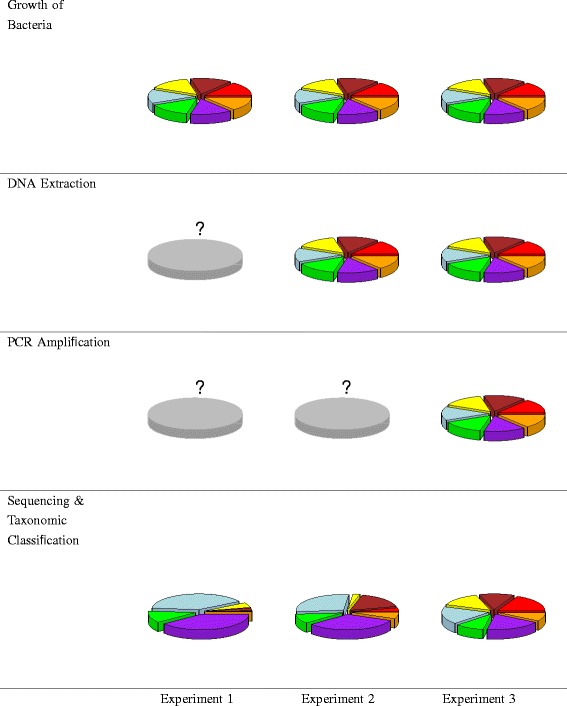
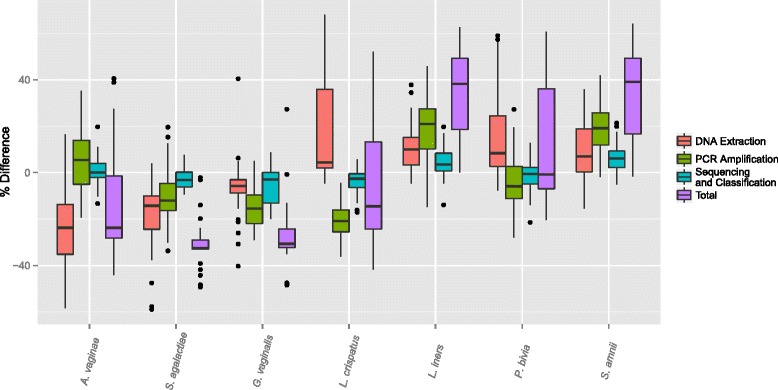
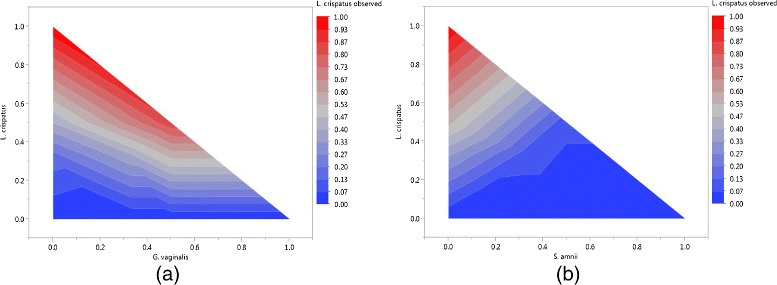
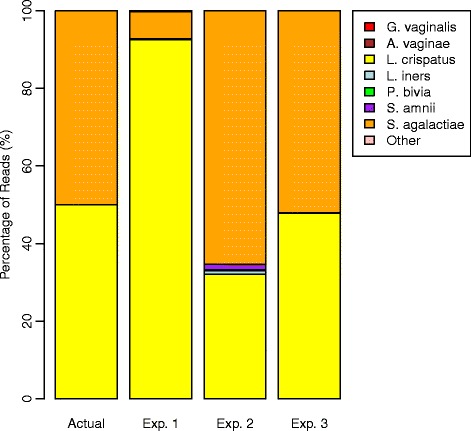
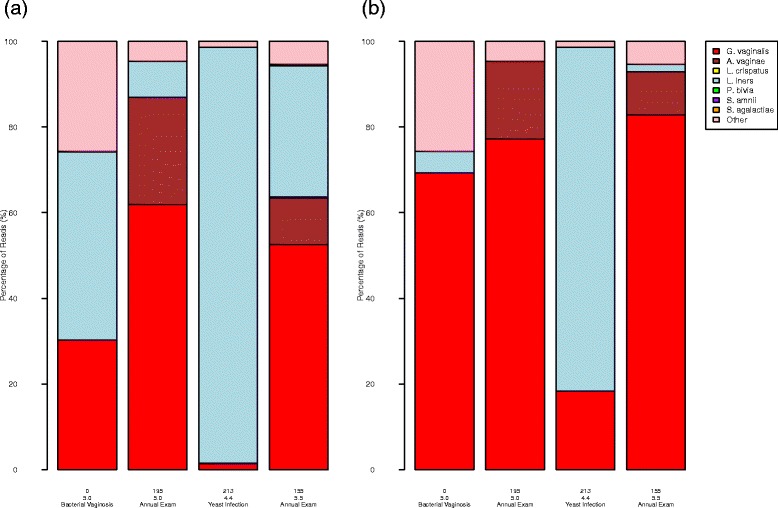
BACKGROUND: Characterizing microbial communities via next-generation sequencing is subject to a number of pitfalls involving sample processing. The observed community composition can be a severe distortion of the quantities of bacteria actually present in the microbiome, hampering analysis and threatening the validity of conclusions from metagenomic studies. We introduce an experimental protocol using mock communities for quantifying and characterizing bias introduced in the sample processing pipeline. We used 80 bacterial mock communities comprised of prescribed proportions of cells from seven vaginally-relevant bacterial strains to assess the bias introduced in the sample processing pipeline. We created two additional sets of 80 mock communities by mixing prescribed quantities of DNA and PCR product to quantify the relative contribution to bias of (1) DNA extraction, (2) PCR amplification, and (3) sequencing and taxonomic classification for particular choices of protocols for each step. We developed models to predict the "true" composition of environmental samples based on the observed proportions, and applied them to a set of clinical vaginal samples from a single subject during four visits. RESULTS: We observed that using different DNA extraction kits can produce dramatically different results but bias is introduced regardless of the choice of kit. We observed error rates from bias of over 85% in some samples, while technical variation was very low at less than 5% for most bacteria. The effects of DNA extraction and PCR amplification for our protocols were much larger than those due to sequencing and classification. The processing steps affected different bacteria in different ways, resulting in amplified and suppressed observed proportions of a community. When predictive models were applied to clinical samples from a subject, the predicted microbiome profiles were better reflections of the physiology and diagnosis of the subject at the visits than the observed community compositions. CONCLUSIONS: Bias in 16S studies due to DNA extraction and PCR amplification will continue to require attention despite further advances in sequencing technology. Analysis of mock communities can help assess bias and facilitate the interpretation of results from environmental samples.
Overview
The claims and statistics of this paper haven’t been checked yet.
Free: it reads the open-access text and checks the first 5 claims that cite a source we can check. Create a free account to check every claim.
Integrity signals
Registry
Cites
Statistics
Figures
Verification
Claims the paper makes
The claims and statistics of this paper haven’t been checked yet.
Free: it reads the open-access text and checks the first 5 claims that cite a source we can check. Create a free account to check every claim.
Claims other papers make about this one
Each is checked against this paper’s own text: does it say what the citing paper says it does?
The source backs part of the claim, not all of it — or backs it for a different population, condition or comparison.
In the citing paper
“Inter-study technical variability in microbiome measurements can sometimes, for example, outweigh biological effects6–9.”
From Assessment of variation in microbial community amplicon sequencing by the Microbiome Quality Control (MBQC) project consortium (2017) · cites this paper as [9]
Experimental — accuracy not yet measuredThe source backs part of the claim, not all of it — or backs it for a different population, condition or comparison.
In the citing paper
“Previous detailed investigations of specific variables in microbiome experiments such as DNA extraction method have, in common with the results we report, enriched for broad classes of Gram-negative rather than Gram-positive bacteria due to technical rather than biological variables9, 24, 27, 28.”
From Assessment of variation in microbial community amplicon sequencing by the Microbiome Quality Control (MBQC) project consortium (2017) · cites this paper as [9]
Experimental — accuracy not yet measuredThe cited source says what the claim attributes to it.
In the citing paper
“our results suggest that microbial physiology, nucleotide composition, protocol biochemistry, and computational assumptions can all interact to induce variation in microbiome assay results9.”
From Assessment of variation in microbial community amplicon sequencing by the Microbiome Quality Control (MBQC) project consortium (2017) · cites this paper as [9]
The cited source says what the claim attributes to it.
In the citing paper
“DNA extraction protocols are a known source of variation between microbial community characterization experiments7–9.”
From Assessment of variation in microbial community amplicon sequencing by the Microbiome Quality Control (MBQC) project consortium (2017) · cites this paper as [9]
In the citing paper
“High-quality evidence that clinical metagenomic assays are effective in guiding patient management will require protocols that minimize potential assay and patient selection bias and compare relevant health outcomes using data sets generated from large patient cohorts119,120.”
From Clinical metagenomics (2019) · cites this paper as [120]
Self-check
Percentages, sums and reported differences re-computed from the paper’s own numbers.
The self-check needs the paper’s full text.
Citations
Cites
An Introduction to the Bootstrap
Efron, B., & Tibshirani, R. J. (1994) · doi:10.1201/9780429246593 · Cited by 40,500
Naïve Bayesian Classifier for Rapid Assignment of rRNA Sequences into the New Bacterial Taxonomy
Wang, Q., Garrity, G. M., Tiedje, J. M., & Cole, J. R. (2007) · Applied and Environmental Microbiology · doi:10.1128/aem.00062-07 · Cited by 19,885 · cited 2×
“Taxonomic classification was performed using the RDP classifier [32] (see Methods).”
MethodSchloss, P. D., Westcott, S. L., Ryabin, T., Hall, J. R., Hartmann, M., Hollister, E. B., Lesniewski, R. A., Oakley, B. B., Parks, D. H., Robinson, C. J., et al. (2009) · Applied and Environmental Microbiology · doi:10.1128/aem.01541-09 · Cited by 19,549 · cited 1×
“Many sources of bias have been identified in 16S rRNA studies using NGS including PCR amplification [4-11], DNA extraction protocol [5,12,13], sequencing artifacts [8,14-18], DNA copy number [19], sampling depth [7,20,21], and primer design [22-25].”
BackgroundClassification and Regression by randomForest
Liaw, A. I., & Wiener, M. C. (2007) · Cited by 18,594
ggplot2: Elegant Graphics for Data Analysis
Wickham, H. (2009) · doi:10.1007/978-0-387-98141-3 · Cited by 14,447
Structure, function and diversity of the healthy human microbiome
The Human Microbiome Project Consortium (2012) · Nature · doi:10.1038/nature11234 · Cited by 11,726
Vaginal microbiome of reproductive-age women
Ravel, J., Gajer, P., Abdo, Z., Schneider, G. M., Koenig, S. S. K., McCulle, S. L., Karlebach, S., Gorle, R., Russell, J., Tacket, C. O., et al. (2011) · Proceedings of the National Academy of Sciences · doi:10.1073/pnas.1002611107 · Cited by 4,254 · cited 1×
“Because of the low diversity, vaginal samples are often classified by the predominant bacterium into community states or types [40].”
BackgroundLauber, C. L., Hamady, M., Knight, R., & Fierer, N. (2009) · Applied and Environmental Microbiology · doi:10.1128/aem.00335-09 · Cited by 4,063 · cited 1×
“Many sources of bias have been identified in 16S rRNA studies using NGS including PCR amplification [4-11], DNA extraction protocol [5,12,13], sequencing artifacts [8,14-18], DNA copy number [19], sampling depth [7,20,21], and primer design [22-25].”
BackgroundThe interaction of TIGIT with PVR and PVRL2 inhibits human NK cell cytotoxicity
Stanietsky, N., Simic, H., Arapovic, J., Toporik, A., Levy, O., Novik, A., Levine, Z., Beiman, M., Dassa, L., Achdout, H., et al. (2009) · Proceedings of the National Academy of Sciences · doi:10.1073/pnas.0903474106 · Cited by 3,524
Chimeric 16S rRNA sequence formation and detection in Sanger and 454-pyrosequenced PCR amplicons
Haas, B. J., Gevers, D., Earl, A. M., Feldgarden, M., Ward, D. V., Giannoukos, G., Ciulla, D., Tabbaa, D., Highlander, S. K., Sodergren, E., et al. (2011) · Genome Research · doi:10.1101/gr.112730.110 · Cited by 3,473 · cited 2×
“Many sources of bias have been identified in 16S rRNA studies using NGS including PCR amplification [4-11], DNA extraction protocol [5,12,13], sequencing artifacts [8,14-18], DNA copy number [19], sampling depth [7,20,21], and primer design [22-25].”
BackgroundMethod
Cited by
Items 201–300 of 555
Planning and Analyzing a Low-Biomass Microbiome Study: A Data Analysis Perspective
Austin, G. I., & Korem, T. (2024) · The Journal of Infectious Diseases · doi:10.1093/infdis/jiae378 · Cited by 30
Pseudomonas in the spotlight: emerging roles in the nodule microbiome
Yu, Y., Crosbie, D. B., & Marín, M. (2025) · Trends in Plant Science · doi:10.1016/j.tplants.2024.12.002 · Cited by 30
Zhao, J., Rodriguez, J., & Martens‐Habbena, W. (2023) · Frontiers in Microbiology · doi:10.3389/fmicb.2023.1140487 · Cited by 32
Decoding the fruit microbiome: A climate smart strategy to manage postharvest decays
Kuruppu, M., Ling, K., Ding, P., Ahmad, K., Ali, A., & Siddiqui, Y. (2023) · Horticultural Plant Journal · doi:10.1016/j.hpj.2023.02.017 · Cited by 33
Sukul, P., Schäkermann, S., Bandow, J. E., Kusnezowa, A., Nowrousian, M., & Leichert, L. I. O. (2017) · Microbiome · doi:10.1186/s40168-017-0247-9 · Cited by 31
Austin, G. I., Kav, A. B., ElNaggar, S., Park, H., Biermann, J., Uhlemann, A., Pe’er, I., & Korem, T. (2025) · Nature Microbiology · doi:10.1038/s41564-025-01954-4 · Cited by 30
“In a landmark study, McLaren et al. 15 provided and validated a mathematical framework for considering variability in microbiome studies, drawing in part on previous efforts 10 .”
Invasions of Host-Associated Microbiome Networks
Murall, C. L., Abbate, J. L., Touzel, M. P., Allen‐Vercoe, E., Alizon, S., Froissart, R., & McCann, K. S. (2017) · Advances in ecological research/Advances in Ecological Research · doi:10.1016/bs.aecr.2016.11.002 · Cited by 29
Metagenomic analysis of bacteria in stallion semen
Al‐Kass, Z., Guo, Y., Pettersson, O. V., Niazi, A., & Morrell, J. M. (2020) · Animal Reproduction Science · doi:10.1016/j.anireprosci.2020.106568 · Cited by 26
Jensen, E., Berryman, D. E., Murphy, E. R., Carroll, R. K., Busken, J., List, E. O., & Broach, W. H. (2019) · BioTechniques · doi:10.2144/btn-2019-0025 · Cited by 28
Anguita‐Maeso, M., Navas‐Cortés, J. A., & Landa, B. B. (2023) · Plants · doi:10.3390/plants12040912 · Cited by 26
“Thus, it has been demonstrated that the method used for DNA extraction can lead to dramatic differences in microbial output composition [86,88], which makes essential the validation of DNA extraction methods with a mock microbial community to ensure an accurate representation of the microbial communities in the sample…”
MethodMarcolla, C. S., Ju, T., & Willing, B. P. (2023) · Applied and Environmental Microbiology · doi:10.1128/aem.00271-23 · Cited by 28
Surrogate hosts: Hunting dogs and recolonizing grey wolves share their endoparasites
Lesniak, I., Franz, M., Heckmann, I., Greenwood, A. D., Hofer, H., & Krone, O. (2017) · International Journal for Parasitology Parasites and Wildlife · doi:10.1016/j.ijppaw.2017.09.001 · Cited by 26
“These methodological limitations might particularly apply to the less commonly detected parasite species that might furthermore be preferentially missed due to another known problem of metagenomic approaches e the PCR amplification bias towards more abundant DNA molecules (Brooks et al., 2015).”
BackgroundMetabolomics as a clinical testing method for the diagnosis of vaginal dysbiosis
Watson, E., & Reid, G. (2018) · American Journal of Reproductive Immunology · doi:10.1111/aji.12979 · Cited by 28
Goés‐Neto, A., Kukharenko, O. E., Orlovska, I., Podolich, O. V., Imchen, M., Kumavath, R., Kato, R. B., de Carvalho, D. S., Tiwari, S., Brenig, B., et al. (2021) · Environmental Microbiology · doi:10.1111/1462-2920.15405 · Cited by 27
Statistical Considerations in the Design and Analysis of Longitudinal Microbiome StudiesPreprint
Silverman, J. D., Shenhav, L., Halperin, E., Mukherjee, S., & David, L. A. (2018) · bioRxiv (Cold Spring Harbor Laboratory) · doi:10.1101/448332 · Cited by 27
Song, F., Kuehl, J. V., Chandran, A., & Arkin, A. P. (2021) · mSystems · doi:10.1128/msystems.00224-21 · Cited by 25
“Among them, DNA extraction is considered to lead to the most striking bias between previously tested protocols (4, 5).”
Cohen, A. J., Gaither, T. W., Srirangapatanam, S., Castellanos, E. R., Enriquez, A., Fergus, K. B., Fadrosh, D. W., Lynch, S. V., Mmonu, N. A., & Breyer, B. N. (2020) · World Journal of Urology · doi:10.1007/s00345-020-03198-9 · Cited by 24
“This degree of sample loss is also in line with prior literature [29, 30].”
Result16S rRNA-Based Taxonomy Profiling in the Metagenomics Era
Ramazzotti, M., & Bacci, G. (2017) · Elsevier eBooks · doi:10.1016/b978-0-08-102268-9.00005-7 · Cited by 23
Identification of Microbiome Etiology Associated With Drug Resistance in Pleural Empyema
Chen, Z., Cheng, H., Cai, Z., Wei, Q., Li, J., Liang, J., Zhang, W., Yu, Z., Liu, D., Liu, L., et al. (2021) · Frontiers in Cellular and Infection Microbiology · doi:10.3389/fcimb.2021.637018 · Cited by 29
An, N., Wang, C., Dou, X., Liu, X., Wu, J., & Cheng, Y. (2022) · Translational Vision Science & Technology · doi:10.1167/tvst.11.2.29 · Cited by 25
“18–21 Those defaults could be improved gradually through detecting more ocular samples.”
Rauer, L., Tomassi, A. D., Müller, C. L., Hülpüsch, C., Traidl‐Hoffmann, C., Reiger, M., & Neumann, A. U. (2023) · Microbiome · doi:10.1016/j.jid.2023.09.249 · Cited by 23
Zeineldin, M. M., Elolimy, A. A., & Barakat, R. (2020) · FEMS Microbiology Ecology · doi:10.1093/femsec/fiaa127 · Cited by 26
Purushothaman, S., Meola, M., Roloff, T. C., Rooney, A. M., & Egli, A. (2024) · Scientific Reports · doi:10.1038/s41598-024-80660-3 · Cited by 24
Okamoto, S., Ogai, K., Mukai, K., & Sugama, J. (2021) · Microorganisms · doi:10.3390/microorganisms9081603 · Cited by 22
Ceuppens, S., Coninck, D. I. M. D., Bottledoorn, N., Nieuwerburgh, F. V., & Uyttendaele, M. (2017) · International Journal of Food Microbiology · doi:10.1016/j.ijfoodmicro.2017.06.016 · Cited by 22
“Additionally, biases on the outcome of 16S amplicon sequencing may be introduced by sample preparation (sampling, DNA extraction), PCR amplification (primer design, mismatches, gene region and length, gene copy number), sequencing (artifacts, depth) and annotation method (Brooks et al. 2015).”
MethodRajan, S., Lindqvist, C. M., Brummer, R. J., Schoultz, I., & Repsilber, D. (2019) · PLoS ONE · doi:10.1371/journal.pone.0222171 · Cited by 28
Do you cov me? Effect of coverage reduction on metagenome shotgun sequencing studies
Cattonaro, F., Spadotto, A., Radović, S., & Marroni, F. (2020) · F1000Research · doi:10.12688/f1000research.16804.4 · Cited by 23
Wang, C., Yu, Y., Xu, X., Wang, D., Shi, X., Liu, L., Deng, Y., Li, L., & Zhang, T. (2025) · Microbiome · doi:10.1186/s40168-024-02009-2 · Cited by 27
Pérez‐Losada, M., Crandall, K. A., & Freishtat, R. J. (2016) · AIMS Microbiology · doi:10.3934/microbiol.2016.2.108 · Cited by 23
“studies and threatening their veracity [10,11].”
Therapeutic Opportunities in the Vaginal Microbiome
Reid, G. (2017) · Microbiology Spectrum · doi:10.1128/microbiolspec.bad-0001-2016 · Cited by 21
Jeanne, T., D’Astous-Pagé, J., & Hogue, R. (2022) · Frontiers in Soil Science · doi:10.3389/fsoil.2022.945888 · Cited by 23
Huang, L., & Chen, C. (2023) · Gut Microbes · doi:10.1080/19490976.2023.2205410 · Cited by 23
Bregnard, D., Leins, A., Cailleau, G., Vieth‐Hillebrand, A., Eichinger, F., Iannotta, J., Hoffmann, R., Uhde, J., Bindschedler, S., Regenspurg, S., et al. (2023) · Geothermal Energy · doi:10.1186/s40517-023-00269-z · Cited by 23
“It is also important to keep in mind that the choice of different DNA extraction techniques will undeniably introduce biases (Brooks et al. 2015).”
BackgroundLorenzi, A. S., Chia, M. A., Lopes, F. Á. C., Silva, G. G. Z., Edwards, R. A., & Bittencourt‐Oliveira, M. D. C. (2019) · The Journal of Microbiology · doi:10.1007/s12275-019-8349-7 · Cited by 21
Implications of taxonomic bias for microbial differential-abundance analysisPreprint
McLaren, M. R., Nearing, J. T., Willis, A. D., Lloyd, K. G., & Callahan, B. J. (2022) · bioRxiv (Cold Spring Harbor Laboratory) · doi:10.1101/2022.08.19.504330 · Cited by 21
“We first examined variation in the mean efficiency across samples under the assumption that bias in the MOMS-PI study was accurately represented by the Brooks et al. (2015) control measurements.”
MethodInfluentialComparing Vaginal and Endometrial Microbiota Using Culturomics: Proof of Concept
Vanstokstraeten, R., Callewaert, E., Blotwijk, S., Rombauts, E., Crombé, F., Emmerechts, K., Soetens, O., Vandoorslaer, K., Geyter, D. D., Allonsius, C. N., et al. (2023) · International Journal of Molecular Sciences · doi:10.3390/ijms24065947 · Cited by 20
“Sci. 2023, 24, 5947 8 of 12 The introduction of contaminating microbial DNA during sample preparation originating from molecular biology grade water, PCR reagents, and DNA extraction kits may swamp the low amount of starting material and generate misleading results.”
BackgroundMethodArstingstall, K. A., DeBano, S. J., Li, X., Wooster, D. E., Rowland, M. M., Burrows, S. J., & Frost, K. E. (2023) · PLoS ONE · doi:10.1371/journal.pone.0282715 · Cited by 20
“Misrepresentation might occur for several reasons including variable gene copy number [22, 23], differences in DNA extraction efficiency [24], and primer amplification bias [25, 26].”
BackgroundClaassen-Weitz, S., Gardner‐Lubbe, S., Xia, Y., Mwaikono, K. S., Mounaud, S. H., Nierman, W. C., Workman, L., Zar, H. J., & Nicol, M. P. (2023) · Microbiome · doi:10.1186/s40168-023-01563-5 · Cited by 20
Bacterial community in ancient permafrost alluvium at the Mammoth Mountain (Eastern Siberia)
Brouchkov, A. V., Kabilov, M. R., Filippova, S. N., Baturina, O. A., Rogov, V., Гальченко, В. Ф., Mulyukin, A. L., Fursova, O. V., & Pogorelko, G. V. (2017) · Gene · doi:10.1016/j.gene.2017.09.021 · Cited by 21
Temperature as competitive strategy determining factor in pulse-fed aerobic bioreactors
Stouten, G. R., Hogendoorn, C., Douwenga, S., Kilias, E. S., Muyzer, G., & Kleerebezem, R. (2019) · The ISME Journal · doi:10.1038/s41396-019-0495-8 · Cited by 22
“Brooks [30] and Sinha [31] showed that biases in 16S studies due to sample handling, DNA extraction and PCR amplification strongly restricts the quantitative interpretation of sequencing results.”
BackgroundCulturomics to Investigate the Endometrial Microbiome: Proof-of-Concept
Vanstokstraeten, R., Mackens, S., Callewaert, E., Blotwijk, S., Emmerechts, K., Crombé, F., Soetens, O., Wybo, I., Vandoorslaer, K., Mostert, L., et al. (2022) · International Journal of Molecular Sciences · doi:10.3390/ijms232012212 · Cited by 20
“Another important drawback is the lack of standardization in the extraction and sequencing protocols [10].”
BackgroundPetit, P. C. M., Pible, O., Eesbeeck, V. V., Alban, C., Steinmetz, G., Mysara, M., Monsieurs, P., Armengaud, J., & Rivasseau, C. (2020) · Microorganisms · doi:10.3390/microorganisms8121857 · Cited by 22
“Direct meta-analysis based on 16S ribosomal RNA (rRNA) gene sequencing (metabarcoding) is a powerful tool to explore microbial community composition in the environment [7]; however, several sources of biases, including, among others, DNA extraction, PCR amplification, the choice of the 16S rRNA primers and the size of…”
MethodIncorporating microbiota data into epidemiologic models: examples from vaginal microbiota research
van de Wijgert, J. H. H. M., & Jespers, V. (2016) · Annals of Epidemiology · doi:10.1016/j.annepidem.2016.03.004 · Cited by 19
Building up a clinical microbiota profiling: a quality framework proposal
Scherz, V., Greub, G., & Bertelli, C. (2021) · Critical Reviews in Microbiology · doi:10.1080/1040841x.2021.1975642 · Cited by 19
“In addition, simple protocol modifications can significantly alter the observed metrics and taxa in microbiota profiles (Brooks et al. 2015; Sinha et al. 2017; Pollock et al. 2018; Hornung et al. 2019) (Supplementary Table 1).”
BackgroundMinich, J. J., Power, C., Melanson, M., Knight, R. D., Webber, C., Rough, K., Bott, N. J., Nowak, B. F., & Allen, E. E. (2020) · Frontiers in Microbiology · doi:10.3389/fmicb.2020.02015 · Cited by 23
A framework for assessing 16S rRNA marker-gene survey data analysis methods using mixtures.
Olson, N. D., Kumar, M. S. B., Li, S., Braccia, D. J., Hao, S., Timp, W., Salit, M., Stine, O. C., & Bravo, H. C. (2020) · Microbiome · doi:10.1186/s40168-020-00812-1 · Cited by 18
Abundo, M. C., Ngunjiri, J. M., Taylor, K. J. M., Ji, H., Ghorbani, A., Mahesh, K. C., Weber, B., Johnson, T. J., & Lee, C.-W. (2021) · PLoS ONE · doi:10.1371/journal.pone.0241732 · Cited by 18
Comparison of Preservation and Extraction Methods on Five Taxonomically Disparate Coral Microbiomes
Pratte, Z. A., & Kellogg, C. A. (2021) · Frontiers in Marine Science · doi:10.3389/fmars.2021.684161 · Cited by 21
“…methodologies that returned the expected microbial communities (Willner et al., 2012; Yuan et al., 2012; Gray et al., 2013; Dominianni et al., 2014; Brooks et al., 2015; Choo et al., 2015; Fouhy et al., 2016; Hallmaier-Wacker et al., 2018; Chen et al., 2019), confirming that no methodology is…”
BackgroundMetch, J. W., Wang, H., Ma, Y., Miller, J. H., Vikesland, P. J., Bott, C. B., Higgins, M. J., Murthy, S. N., & Pruden, A. J. (2019) · Environmental Science Water Research & Technology · doi:10.1039/c9ew00001a · Cited by 18
A revisit to universal single-copy genes in bacterial genomes
Wang, S., Ventolero, M. F. H., Hu, H., & Li, X. (2022) · Scientific Reports · doi:10.1038/s41598-022-18762-z · Cited by 19
“It has been used as the gold standard in 38 amplicon sequencing and demonstrated its power for reliable taxonomic profiling in various 39 metagenomic studies [4, 9-12].”
MethodMaidment, T. I., Pelzer, E., Borg, D. J., Cheung, E., Begun, J., Nitert, M. D., Rae, K. M., Clifton, V. L., & Carey, A. J. (2024) · Frontiers in Cellular and Infection Microbiology · doi:10.3389/fcimb.2024.1435745 · Cited by 21
Mallott, E. K., Malhi, R. S., & Amato, K. R. (2019) · Access Microbiology · doi:10.1099/acmi.0.000060 · Cited by 21
“However, other studies have found that the effects of taq polymerase on 16S community profiling are slight, particularly when compared with the effects of other methodological differences [20, 30].”
BackgroundSelection of microbial biomarkers with genetic algorithm and principal component analysis
Zhang, P., West, N. P., Chen, P.-Y., Thang, M. W. C., Price, G. R., Cripps, A. W., & Cox, A. J. (2019) · BMC Bioinformatics · doi:10.1186/s12859-019-3001-4 · Cited by 18
“It is important to recognise that due to some possible pitfalls in sample processing, the abundance of specific bacterial species and overall community composition can be distorted, thus hampering the analysis and threatening the validity of the research findings [14].”
BackgroundGonzález-de-Salceda, L., & García‐Pichel, F. (2021) · Microbiome · doi:10.1186/s40168-021-01111-z · Cited by 19
A total of 219 metagenome-assembled genomes of microorganisms from Icelandic marine waters
Jégousse, C., Vannier, P., Groben, R., Glöckner, F. O., & Marteinsson, V. (2021) · PeerJ · doi:10.7717/peerj.11112 · Cited by 19
Changes in microbiome during and after travellers’ diarrhea: what we know and what we do not
Rasko, D. A. (2017) · Journal of Travel Medicine · doi:10.1093/jtm/tax017 · Cited by 21
Sensitive multiplex detection of whole bacteria using self-assembled cell binding domain complexes
Kwon, S., Kim, D., Lee, I., Nam, J., Kim, J., & Dordick, J. S. (2018) · Analytica Chimica Acta · doi:10.1016/j.aca.2018.05.008 · Cited by 17
Multi-omic Microbiome Profiles in the Female Reproductive Tract in Early Pregnancy
Jean, S., Huang, B., Parikh, H. I., Edwards, D., Brooks, J. P., Kumar, N. G., Sheth, N. U., Kopardé, V. N., Smirnova, E., Huzurbazar, S. V., et al. (2019) · Infectious Microbes & Diseases · doi:10.1097/im9.0000000000000007 · Cited by 18
Self-citationThe Limits and Avoidance of Biases in Metagenomic Analyses of Human Fecal Microbiota
Bergsten, E., Mestivier, D., & Sobhani, I. (2020) · Microorganisms · doi:10.3390/microorganisms8121954 · Cited by 17
“Briefly, varying DNA-extraction protocols, sequencing technologies, and the bioinformatic processing pipeline, which are applied for taxonomic assignation and quantification, could introduce analytical bias [14].”
MethodLópez, C. D., González, D. M., Vidaki, A., & Kayser, M. (2022) · Frontiers in Microbiology · doi:10.3389/fmicb.2022.886201 · Cited by 17
“This lack can sometimes outweigh the factor(s) of interest and limit the statistical power and generalization of the application (Brooks et al., 2015; Sinha et al., 2015, 2017; Wang and LêCao, 2019).”
BackgroundMitigating temporal mismatches in forensic soil microbial profiles
Pasternak, Z., Luchibia, A. O., Matan, O., Dawson, L., Gafny, R., Shpitzen, M., Avraham, S., & Jurkevitch, É. (2018) · Australian Journal of Forensic Sciences · doi:10.1080/00450618.2018.1450897 · Cited by 16
Hortelano, I., Moreno, Y., Moreno‐Mesonero, L., & Ferrús, M. A. (2020) · Environmental Pollution · doi:10.1016/j.envpol.2020.114768 · Cited by 16
Raime, K., Krjutškov, K., & Remm, M. (2020) · Frontiers in Plant Science · doi:10.3389/fpls.2020.00646 · Cited by 17
“On the other hand, the identification of different microbial and eukaryotic taxa from metagenomic samples with these methods requires different primers and library preparations and cause problems associated with bias in the amplification of the targeted sequence (Brooks et al., 2015; Uyaguari-Diaz et al., 2016).”
BackgroundNanopore- and AI-empowered microbial viability inference
Ürel, H., Benassou, S., Marti, H., Reska, T., Sauerborn, E., de Souza, Y. P. A., Perlas, A., Rayo, E., Biggel, M., Kesselheim, S., et al. (2025) · GigaScience · doi:10.1093/gigascience/giaf100 · Cited by 15
“…database completeness, do not allow for any functional inferences or virulence annotations, and often introduce amplification bias due to differential amplification efficiency and primer mis-matches, which can significantly distort the representation of microbial community compositions [ 7 ].”
Cattonaro, F., Spadotto, A., Radović, S., & Marroni, F. (2018) · F1000Research · doi:10.12688/f1000research.16804.1 · Cited by 16
Chakoory, O., Comtet-Marre, S., & Peyret, P. (2022) · NAR Genomics and Bioinformatics · doi:10.1093/nargab/lqac070 · Cited by 16
“However, this approach can lead to PCR biases and sequence chimera (5), leading to incorrect microbial profiling.”
BackgroundConti, A., Pierantoni, D. C., Robert, V., Corte, L., & Cardinali, G. (2022) · Microbiology Spectrum · doi:10.1128/spectrum.01052-22 · Cited by 19
“For this reason, mock communities have been used to evaluate the performance of a process (7, 8).”
MethodLower respiratory tract microbiome composition and community interactions in smokers
Campos, M., Cickovski, T., Fernandez, M., Jaric, M., Wanner, A., Holt, G. E., Donna, E., Mendes, E. S., Silva‐Herzog, E., Schneper, L. M., et al. (2023) · Access Microbiology · doi:10.1099/acmi.0.000497.v3 · Cited by 16
“The present study focused on bacteria, only one component of the total microbiome that encompasses viruses, fungi [73], archaea and other non- fungal eukaryotes, a limitation that can be overcome by alternative techniques such as whole- genome sequencing [74, 75].”
BackgroundGrégory, D., Chaudet, H., Lagier, J., & Raoult, D. (2018) · Expert Review of Proteomics · doi:10.1080/14789450.2018.1429271 · Cited by 16
Diwan, V., Albrechtsen, H., Smets, B. F., & Dechesne, A. (2018) · Journal of Microbiological Methods · doi:10.1016/j.mimet.2018.05.025 · Cited by 15
Rombouts, J. L., Mos, G., Weissbrodt, D. G., Kleerebezem, R., & van Loosdrecht, M. C. M. (2019) · FEMS Microbiology Ecology · doi:10.1093/femsec/fiz112 · Cited by 15
Ren, A., Zhou, Y., Xu, Z., Jia, T., & Yang, L. (2024) · Current Medicine · doi:10.1007/s44194-024-00039-4 · Cited by 15
“With the advent of metagen-omics and next-generation sequencing technologies, new insights have been gained into the composition, structure, function, and dynamics of the microbiota at various body sites (Yuan et al. 2012; Brooks et al. 2015).”
Recent Advancements in Intestinal Microbiota Analyses: A Review for Non-Microbiologists
Feng, X.-W., Ding, W.-P., Xiong, L., Guo, L., Sun, J., & Xiao, P. (2018) · Current Medical Science · doi:10.1007/s11596-018-1969-z · Cited by 14
Filtering ASVs/OTUs via mutual information-based microbiome network analysis
Mokhtari, E. B., & Ridenhour, B. J. (2022) · BMC Bioinformatics · doi:10.1186/s12859-022-04919-0 · Cited by 14
“Some researchers have proposed using mock communities as a positive control during extraction, amplification, and sequencing alongside experimental samples [7].”
BackgroundMethodInfluentialZlatković, S., Medić, O., Predojević, D. D., Nikolić, I., Simić, G. S., Onjia, A. E., Berić, T., & Stanković, S. (2022) · Water · doi:10.3390/w14030391 · Cited by 14
“As opposed to that, metagenomic 16S amplicon sequencing can discover the most present microbial taxa, and the composition of bacterial communities can be compared [65].”
ResultTechnical versus biological variability in a synthetic human gut community
van de Velde, C., Joseph, C., Simoens, K., Raes, J., Bernaerts, K., & Faust, K. (2022) · Gut Microbes · doi:10.1080/19490976.2022.2155019 · Cited by 14
“Previous studies using mock communities have shown that most of the technical variation is due to extraction and amplification and not from the sequencing step itself.(26,27) The high technical variability of 16S rRNA gene sequencing limits how much biological variability we can see.”
BackgroundMechanistic and Technical Challenges in Studying the Human Microbiome and Cancer Epidemiology
Verma, M. (2016) · Technology in Cancer Research & Treatment · doi:10.1177/1533034616645219 · Cited by 14
Gut microbiome changes in overweight male adults following bowel preparation
Chen, H., Chen, C.-C., Chen, C.-C., Wang, S., Wang, C. L., Huang, C.-H., Liou, J.-S., Liu, T.-W., Peng, H., Lin, F.-M., et al. (2018) · BMC Genomics · doi:10.1186/s12864-018-5285-6 · Cited by 14
Wright, M. L., Podnar, J. W., Longoria, K. D., Nguyen, T. C., Lim, S., Garcia, S. R., & Wylie, D. (2023) · bioRxiv (Cold Spring Harbor Laboratory) · doi:10.1101/2023.02.01.526597 · Cited by 14
Valk, L. C., Frank, J., Cortés, P. D. L. T., Hof, M. V. ‘., van Maris, A. J. A., Pronk, J. T., & van Loosdrecht, M. C. M. (2018) · Applied and Environmental Microbiology · doi:10.1128/aem.01370-18 · Cited by 13
“fluorescence in situ hybridization (FISH) analysis (29, 30) was performed (Fig.”
MethodExploring Diversity of Bacterial Endophyte Communities Using Advanced Sequencing Technology
Tamošiūnė, I., Andriūnaitė, E., Stanys, V., & Baniulis, D. (2019) · Springer eBooks · doi:10.1007/978-981-13-8495-0_20 · Cited by 14
Chen, C., & Tyler, A. D. (2020) · Biology Direct · doi:10.1186/s13062-020-00287-y · Cited by 13
Optimization of Molecular Methods for Detecting Duckweed-Associated Bacteria
Acosta, K., Sorrels, S., Chrisler, W., Huang, W., Gilbert, S., Brinkman, T., Michael, T. P., Lebeis, S. L., & Lam, E. (2023) · Plants · doi:10.3390/plants12040872 · Cited by 14
“This could be tested by isolating nucleic acid from mixtures of bacteria in known concentrations, known as mock communities [84,85].”
BackgroundNovel micelle PCR-based method for accurate, sensitive and quantitative microbiota profiling
Boers, S. A., Hays, J. P., & Jansen, R. (2017) · Scientific Reports · doi:10.1038/srep45536 · Cited by 13
Elevated levels of Merkel cell polyoma virus in the anophthalmic conjunctiva
Siegal, N. K., Gutowski, M., Akileswaran, L., Beauchamp, N. J., Ding, L.-C., Chambers, C. B., & Gelder, R. N. V. (2021) · Scientific Reports · doi:10.1038/s41598-021-92642-w · Cited by 13
Yang, X., Wu, Y., Shu, L., Gu, H., Liu, F., Ding, J., Zeng, J., Wang, C., He, Z., Xu, M., et al. (2024) · Frontiers in Microbiology · doi:10.3389/fmicb.2024.1355859 · Cited by 17
“(Brooks et al., 2015).”
Towards predicting the geographical origin of ancient samples with metagenomic data
Bozzi, D., Neuenschwander, S., Dávalos, D. I. C., da Mota, B. S., Schroeder, H., Moreno-Mayar, J. V., Allentoft, M. E., & Malaspinas, A. (2024) · Scientific Reports · doi:10.1038/s41598-023-40246-x · Cited by 12
Zhao, Z., & Gänzle, M. G. (2025) · Trends in Food Science & Technology · doi:10.1016/j.tifs.2025.105113 · Cited by 12
From air to insight: the evolution of airborne DNA sequencing technologies
Berelson, M. F. G., Heavens, D., Nicholson, P., Clark, M. D., & Leggett, R. M. (2025) · Microbiology · doi:10.1099/mic.0.001564 · Cited by 14
“Biases arising from amplification within metagenomic studies are well documented in the literature [60, 73], with taxa being over-and under-represented in mixed samples after 16S PCR [60].”
Pérez, M., Armengol, E. S., Casale, A. D., Campedelli, I., Aldea‐Perona, A., Otero, M. P., Rodríguez-Palmero, M., Espadaler, J., & Huedo, P. (2025) · Microbiology Spectrum · doi:10.1128/spectrum.00211-25 · Cited by 14
“Also, it cannot be discarded that genome extraction process and 16S amplification might introduce a bias underestimating L. gasseri presence (69).”
Dubart, M., Alonso, P., Barroso‐Bergadà, D., Becker, N., Béthune, K., Bohan, D. A., Boury, C., Cambon, M. C., Canard, E., Chancerel, É., et al. (2021) · Advances in ecological research/Advances in Ecological Research · doi:10.1016/bs.aecr.2021.10.007 · Cited by 14
Evaluating supervised and unsupervised background noise correction in human gut microbiome data
Briscoe, L., Balliu, B., Sankararaman, S., Halperin, E., & Garud, N. R. (2022) · PLoS Computational Biology · doi:10.1371/journal.pcbi.1009838 · Cited by 12
Zhao, N., Guo, J., Zhang, B., Liu, K., Liu, Y., Shen, Y., & Li, J. (2022) · Marine Biotechnology · doi:10.1007/s10126-022-10113-3 · Cited by 12
“One of the bottlenecks in comparing microbial profiles is that different studies use different 16S rRNA gene regions, resulted in common bias (Brooks et al. 2015).”
BackgroundAhuja, J. K. C., Casavale, K. O., Li, Y., Hopperton, K. E., Chakrabarti, S., Hines, E. P., Brooks, S. P. J., Bondy, G. S., MacFarlane, A. J., Weiler, H. A., et al. (2022) · Advances in Nutrition · doi:10.1093/advances/nmac099 · Cited by 15
Univariate and Multivariate Statistical Analysis of Microbiome Data: An Overview
Aldirawi, H., & Morales, F. G. (2023) · Applied Microbiology · doi:10.3390/applmicrobiol3020023 · Cited by 13
The Ocular Microbiome: Micro-Steps Towards Macro-Shift in Targeted Treatment? A Comprehensive Review
Trojacka, E., Izdebska, J., Szaflik, J. P., & Przybek-Skrzypecka, J. (2024) · Microorganisms · doi:10.3390/microorganisms12112232 · Cited by 12
Metagenomic-based approach to a comprehensive understanding of cave microbial diversity
Wiseschart, A., & Pootanakit, K. (2020) · Elsevier eBooks · doi:10.1016/b978-0-12-821265-3.00023-2 · Cited by 13
Preservation methods of honey bee-collected pollen are not a source of bias in ITS2 metabarcoding
Quaresma, A., Brodschneider, R., Gratzer, K., Gray, A. J., Keller, A., Kilpinen, O., Rufino, J., van der Steen, J., Vejsnæs, F., & Pinto, M. A. (2021) · Environmental Monitoring and Assessment · doi:10.1007/s10661-021-09563-4 · Cited by 12
“…pipeline, during sequencing and taxonomic classification (Banchi et al., 2020; Richardson et al., 2017), and upstream, during DNA extraction step (Brooks et al., 2015; Pornon et al., 2016; Schiebelhut et al., 2017; Swenson & Gemeinholzer, 2021) or even further earlier during the tissue…”
BackgroundMaple and hickory leaf litter fungal communities reflect pre-senescent leaf communities
Liber, J. A., Minier, D. H., Stouffer-Hopkins, A., Wyk, J. V., Longley, R., & Bonito, G. M. (2022) · PeerJ · doi:10.7717/peerj.12701 · Cited by 12
Romero, J., Catalán, N., Ramírez, C., Miranda, C. D., Oliva, M., Flores, H., Romero, M., & Rojas, R. (2023) · Fishes · doi:10.3390/fishes8020109 · Cited by 11
Metadata
- Authors
- Vaginal Microbiome Consortium (additional members), Brooks, J. P., Edwards, D. J., Harwich, M. D., Rivera, M. C., Fettweis, J. M., Serrano, M. G., Reris, R. A., Sheth, N. U., Huang, B., Girerd, P., Strauss, J. F., Jefferson, K. K., & Buck, G. A.
- Affiliations
- Virginia Commonwealth University (US)
- Corresponding author
- Brooks, J Paul
- ORCID
- Venue
- BMC Microbiology
- Published
- 2015-03-21
- Volume
- 15
- Issue
- 1
- Pages
- 66-66
- ISSN
- 1471-2180 (ISSN-L)
- PMC
- PMC4433096
- OpenAlex
- W2113925621
- Cited by
- 528
- References
- 52
- Citations by year
- 2026: 27 · 2025: 39 · 2024: 28 · 2023: 47 · 2022: 51 · 2021: 73 · 2020: 66 · 2019: 51 · 2018: 57 · 2017: 49 · 2016: 37 · 2015: 3
- FWCI
- 21.14
- Type
- journal article
- Language
- en
- Open access
- gold
- doi.org
- Licence
- cc-by
- creativecommons.org/licenses/by/2.0 (tdm)
- Locations
- BMC Microbiology (publishedVersion, cc-by)
- PubMed Central (publishedVersion, cc-by)
- PubMed (publishedVersion)
- VCU Scholars Compass (Virginia Commonwealth University) (submittedVersion)
- Funders
- National Science Foundation (1127914)
- Thomas F. and Kate Miller Jeffress Memorial Trust
- National Institutes of Health
- National Institute of Allergy and Infectious Diseases (UH3AI08326-01)
- Division of Mathematical Sciences (1127914, DMS 1127914)
- National Institute on Minority Health and Health Disparities (P60MD002256)
- Eunice Kennedy Shriver National Institute of Child Health and Human Development (U54HD080784)
- Topics
- Life Sciences › Biochemistry, Genetics and Molecular Biology › Molecular Biology › Genomics and Phylogenetic Studies
- Life Sciences › Biochemistry, Genetics and Molecular Biology › Molecular Biology › Gut microbiota and health
- Physical Sciences › Environmental Science › Ecology › Microbial Community Ecology and Physiology
- Keywords
- 16S rRNA gene sequencing, mock microbial community, DNA extraction bias, PCR bias, vaginal microbiota, bias quantification, DNA extraction kit comparison
- MeSH terms
- Bacteria, DNA, Bacterial, Female, Humans, Models, Biological, Phylogeny, RNA, Ribosomal, 16S, Specimen Handling, Vagina, Bias, Polymerase Chain Reaction, Artifacts, Genes, rRNA, Metagenomics, Microbial Consortia, High-Throughput Nucleotide Sequencing, Microbiota
About these checks
Registry, retraction, Cites and statistics results are computed, not judged, with one exception: a printed reference that no index lists is read once by a model before it counts as a citation error. Claims are extracted by a model and kept only when their quote appears verbatim in the text; each cited source is then checked, with a model’s help, for whether it says what the claim relies on. Those verdicts can be wrong — read the claim’s quote and the cited source before relying on one.
Statistics and arithmetic are recomputed, not judged.
Confidence bands are shown only for fields calibrated on our annotated test set. None is calibrated yet, so no band is shown.
What counts as a claim ›How we measure confidence ›How we check this ›
Are you an author, or do you see a problem with this page? Request a review
Data sources
Bibliographic data: Semantic Scholar, OpenAlex, Crossref.
Contains information from the Semantic Scholar Academic Graph Datasets, made available under the ODC Attribution License (ODC-BY 1.0).
Semantic Scholar’s data is described in: Kinney, R., et al. (2023). The Semantic Scholar Open Data Platform. arXiv:2301.10140.
