

Competition assays and physiological experiments of soil and phyllosphere yeasts identify Candida subhashii as a novel antagonist of filamentous fungi
Open accessThe DOI matches its Crossref record; 109 of the 111 references it cites were found in a registry or an index; 15 of the 80 sources its claims cite were checked for support.
Abstract
BACKGROUND: While recent advances in next generation sequencing technologies have enabled researchers to readily identify countless microbial species in soil, rhizosphere, and phyllosphere microbiomes, the biological functions of the majority of these species are unknown. Functional studies are therefore urgently needed in order to characterize the plethora of microorganisms that are being identified and to point out species that may be used for biotechnology or plant protection. Here, we used a dual culture assay and growth analyses to characterise yeasts (40 different isolates) and their antagonistic effect on 16 filamentous fungi; comprising plant pathogens, antagonists, and saprophytes. RESULTS: Overall, this competition screen of 640 pairwise combinations revealed a broad range of outcomes, ranging from small stimulatory effects of some yeasts up to a growth inhibition of more than 80% by individual species. On average, yeasts isolated from soil suppressed filamentous fungi more strongly than phyllosphere yeasts and the antagonistic activity was a species-/isolate-specific property and not dependent on the filamentous fungus a yeast was interacting with. The isolates with the strongest antagonistic activity were Metschnikowia pulcherrima, Hanseniaspora sp., Cyberlindnera sargentensis, Aureobasidium pullulans, Candida subhashii, and Pichia kluyveri. Among these, the soil yeasts (C. sargentensis, A. pullulans, C. subhashii) assimilated and/or oxidized more di-, tri- and tetrasaccharides and organic acids than yeasts from the phyllosphere. Only the two yeasts C. subhashii and M. pulcherrima were able to grow with N-acetyl-glucosamine as carbon source. CONCLUSIONS: The competition assays and physiological experiments described here identified known antagonists that have been implicated in the biological control of plant pathogenic fungi in the past, but also little characterised species such as C. subhashii. Overall, soil yeasts were more antagonistic and metabolically versatile than yeasts from the phyllosphere. Noteworthy was the strong antagonistic activity of the soil yeast C. subhashii, which had so far only been described from a clinical sample and not been studied with respect to biocontrol. Based on binary competition assays and growth analyses (e.g., on different carbon sources, growth in root exudates), C. subhashii was identified as a competitive and antagonistic soil yeast with potential as a novel biocontrol agent against plant pathogenic fungi.
Overview
CoChat Summary
TL;DR
The paper screened 40 naturally occurring yeasts against 16 filamentous fungi in 640 pairwise dual-culture assays and found that some isolates inhibited fungal growth by more than 80%. Among the strongest antagonists was *Candida subhashii*, which the authors conclude is a common, competitive soil yeast with potential as a biocontrol agent.
Key findings
- The screen covered 40 yeast isolates × 16 filamentous fungi = 640 pairwise combinations; outcomes ranged from slight stimulation to >80% growth inhibition of the filamentous fungi.
- On average, soil yeasts suppressed filamentous fungi more strongly than phyllosphere yeasts, and this antagonism was species-/isolate-specific rather than dependent on the filamentous fungus tested.
- The six strongest antagonists were Metschnikowia pulcherrima, Hanseniaspora sp., Cyberlindnera sargentensis, Aureobasidium pullulans, Candida subhashii, and Pichia kluyveri.
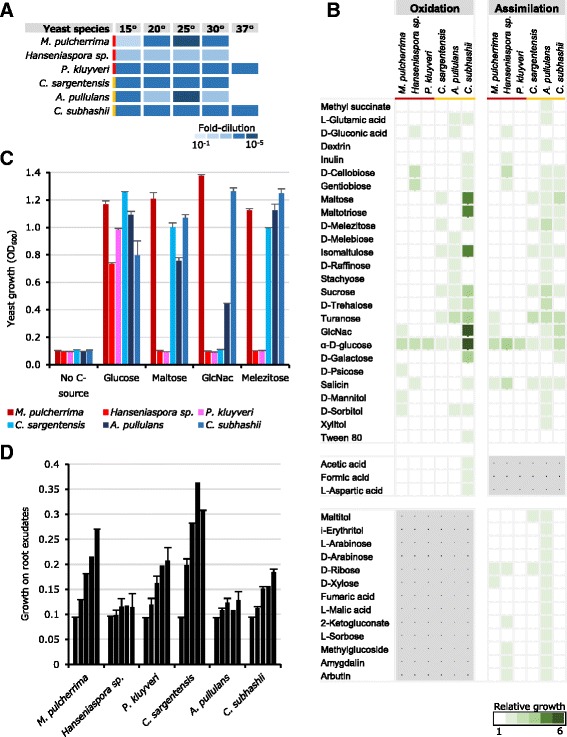
- Among these, C. subhashii and two other soil isolates showed broader metabolic versatility; only C. subhashii and M. pulcherrima could grow on N-acetyl-glucosamine. The *C. subhashii* soil isolate also reached 37 °C growth, and the authors report ~50,000 CFU/g in one potting substrate sample.
Methods
- Design: Binary dual-culture competition assays measured inhibition of filamentous fungi by yeasts, followed by growth/phenotype analyses of the most antagonistic isolates.
- Sample/data: 40 yeast isolates from soil, apple phyllosphere, irrigation water, and a *Drosophila* species were tested against 16 filamentous fungi; the six strongest antagonists were further characterized.
- Main analysis: Relative fungal growth on yeast-overlaid vs control PDA plates was quantified, log2-transformed, clustered, and compared across isolate groups; additional tests assessed temperature growth, carbon-source utilization (Biolog YT MicroPlate), root-exudate growth, and mitochondrial genome phylogeny for *C. subhashii*.
Limitations
- The paper states that the observed antagonism is based on in vitro conditions and that further studies are needed to determine the mode of antagonism and translate laboratory activity to field biocontrol.
- The text makes evident that the study is limited to a specific yeast/fungal set from Swiss agricultural samples and therefore does not establish broader ecological prevalence or efficacy beyond the tested isolates (evident from the sample description).
Model-written summary. Check it against the paper before relying on it.
Integrity signals
Registry
Cites
Statistics
Figures
Verification
Claims the paper makes
9 Valid · 0 Not valid · 21 Not checked · 61 Own results and interpretations
The cited sources support only part of this claim — read each source’s verdict below.
In the paper
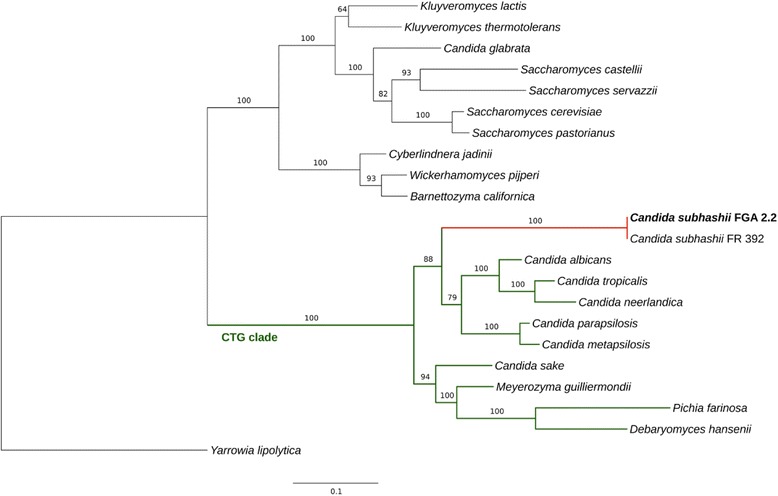
“the identical mitochondrial genomes are in contrast to studies reporting considerable intra-species variation in size, intron content, and recombination in fungal mitochondrial genomes [104–106].”
§ Competition assays and physiological experiments of soil and phyllosphere yeasts identify Candida subhashii as a novel antagonist of filamentous fungi > Discussion > Candida subhashii is an antagonistic soil fungus
What the sources say
- Partly supportedcites [104] Jung PP Friedrich A Reisser C Hou J Schacherer J Mitochondrial genome evolution in a single protoploid yeast species G3 (Bethesda) 2012 2 9 1103 1111 10.1534/g3.112.003152 22973548 PMC3429925 sourceExperimental — accuracy not yet measured
The Discussion reports substantial intraspecific variation in mitochondrial genome size and intron content among the yeast isolates. The passages do not report intraspecific mitochondrial recombination, so this source supports only part of the cited contrast. The statement that the Swiss and clinical C. subhashii genomes are identical is the citing authors’ comparison, not a finding attributed to this source. (LLM, conf=0.88)
- Partly supportedcites [105] Fritsch ES Chabbert CD Klaus B Steinmetz LM A genome-wide map of mitochondrial DNA recombination in yeast Genetics 2014 198 2 755 771 10.1534/genetics.114.166637 25081569 PMC4196626 sourceExperimental — accuracy not yet measured
The Results section, “Intraspecies variability influences recombination hotspot profiles” (page unavailable), reports differences in mitochondrial recombination rates and hotspots between S. cerevisiae crosses. The Discussion section, “The genetic background influences mitochondrial recombination” (page unavailable), notes an additional COX1 intron in one strain. These passages support variation in recombination and intron content, but do not establish intra-species variation in mitochondrial genome size. (LLM, conf=0.86)
- Partly supportedcites [106] Torriani SF Penselin D Knogge W Felder M Taudien S Platzer M McDonald BA Brunner PC Comparative analysis of mitochondrial genomes from closely related Rhynchosporium species reveals extensive intron invasion Fungal Genet Biol 2014 62 34 42 10.1016/j.fgb.2013.11.001 24240058 sourceExperimental — accuracy not yet measured
Our copy of Torriani et al. (2014) does document considerable variation in fungal mt genome size and intron content — the Discussion (Section 4) states that 'Variation in mt genome size among Rhynchosporium spp. is affected mainly by differences in the numbers of introns', with intron content rising from 8.1% in R. orthosporum to ~40% in R. agropyri/R. secalis, and the Introduction reports fungal mt genome sizes from 18.8 to 156.3 kb and intron content from 0% to 75%. However, that variation is INTER-specific (four closely related species diverged ~14,000–35,000 years ago, one genome per species), not intra-species as the citing sentence states; no passage in our copy reports variation among isolates of one species. The 'recombination' element is also not supported: the paper's dynamic processes are horizontal intron transfer (Section 3.2) and co-conversion of flanking exons (Fig. 3), and its Discussion instead notes that mt genes were long assumed to show 'little or no recombination' — a view it says was challenged in animals (Parmakelis et al., 2013; Rand, 2001), not a fungal recombination result. (LLM, conf=0.72)
plain- Asserted: passes — The authors put it forward as true.
- Checkable: passes — It can be checked against evidence.
- Load-bearing: unclear — It is unclear whether the paper’s conclusions depend on it.
- Based: passes — The paper gives a reason why it holds.
- Partly supported
A result the paper reports from its own data — it cites no other source for it, so there is none to check. The quote shows it is in the paper.
In the paper
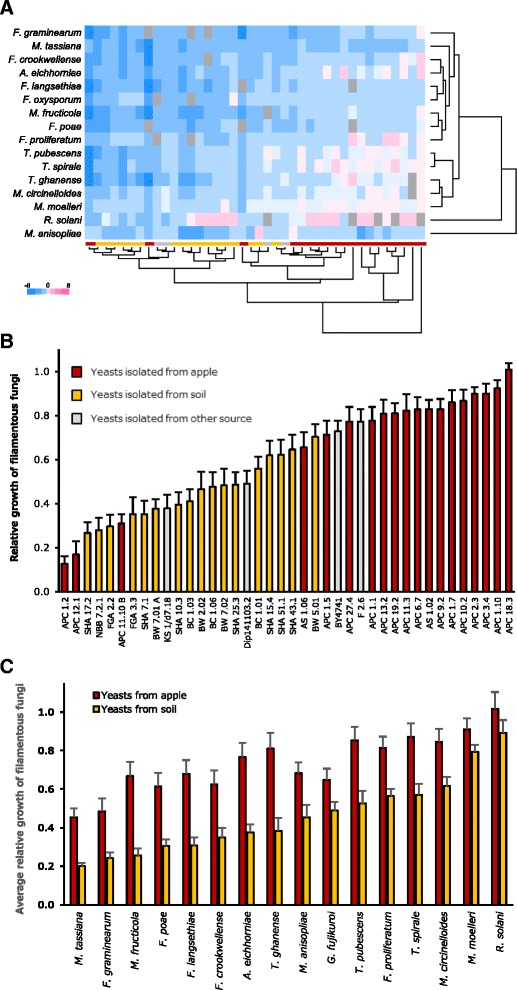
“In 10 interactions with filamentous fungi, M. pulcherrima (APC 1.2) was the most antagonistic yeast isolate among those tested here (average relative growth of 0.1, average rank of 1.9).”
§ Competition assays and physiological experiments of soil and phyllosphere yeasts identify Candida subhashii as a novel antagonist of filamentous fungi > Results > The antagonistic activity of naturally occurring yeasts against filamentous fungi in vitro
plainstates a cause- Asserted: passes — The authors put it forward as true.
- Checkable: passes — It can be checked against evidence.
- Load-bearing: unclear — It is unclear whether the paper’s conclusions depend on it.
- Based: passes — The paper gives a reason why it holds.
A result the paper reports from its own data — it cites no other source for it, so there is none to check. The quote shows it is in the paper.
In the paper
“The level of inhibition ranged from no effect at all (even slight stimulatory activities were detected in some interactions) to a growth reduction of more than 80% as compared to growth on the control plates (in the absence of yeasts).”
§ Competition assays and physiological experiments of soil and phyllosphere yeasts identify Candida subhashii as a novel antagonist of filamentous fungi > Discussion > Binary competition assays identify strongly antagonistic yeasts with potential for biocontrol
plainstates a cause- Asserted: passes — The authors put it forward as true.
- Checkable: passes — It can be checked against evidence.
- Load-bearing: passes — The paper’s conclusions depend on it.
- Based: passes — The paper gives a reason why it holds.
A result the paper reports from its own data — it cites no other source for it, so there is none to check. The quote shows it is in the paper.
In the paper
“During our collection of fungal isolates from Swiss agricultural samples, C. subhashii was repeatedly isolated from agricultural soil and from commercially available potting substrates.”
§ Competition assays and physiological experiments of soil and phyllosphere yeasts identify Candida subhashii as a novel antagonist of filamentous fungi > Results > Candida subhashii is an abundant soil fungus
plain- Asserted: passes — The authors put it forward as true.
- Checkable: passes — It can be checked against evidence.
- Load-bearing: unclear — It is unclear whether the paper’s conclusions depend on it.
- Based: passes — The paper gives a reason why it holds.
A result the paper reports from its own data — it cites no other source for it, so there is none to check. The quote shows it is in the paper.
In the paper
“On average, yeasts isolated from soil suppressed filamentous fungi more strongly than phyllosphere yeasts”
§ Competition assays and physiological experiments of soil and phyllosphere yeasts identify Candida subhashii as a novel antagonist of filamentous fungi > Abstract > Results
plainstates an association- Asserted: passes — The authors put it forward as true.
- Checkable: passes — It can be checked against evidence.
- Load-bearing: unclear — It is unclear whether the paper’s conclusions depend on it.
- Based: passes — The paper gives a reason why it holds.
- Rests on an assumption not shown here.
30 more claims
Create a free account to see all 91 claims and to verify the 17 references still open.
- Probably not a substantial claim. 30
- It may state two separate claims as one. 36
Claims other papers make about this one
Each is checked against this paper’s own text: does it say what the citing paper says it does?
The source backs part of the claim, not all of it — or backs it for a different population, condition or comparison.
In the citing paper
“With respect to competition for space, in vitro experiments performed on solid media seem to ascribe a minor role to a limitation in space. Although most yeasts grow well on agar plates, large differences in their antifungal activities were observed (Hilber-Bodmer et al. 2017).”
From Biocontrol yeasts: mechanisms and applications (2019) · cites this paper as Hilber-Bodmer et al. 2017
Experimental — accuracy not yet measuredThe source backs part of the claim, not all of it — or backs it for a different population, condition or comparison.
In the citing paper
“Among those, M. fructicola and M. pulcherrima are the most studied with respect to biocontrol, are able to inhibit a range of postharvest and plant rot diseases, and include the most potent antagonistic yeasts that have ever been identified”
From Biocontrol yeasts: mechanisms and applications (2019) · cites this paper as Hilber-Bodmer et al. 2017
Experimental — accuracy not yet measuredThe source backs part of the claim, not all of it — or backs it for a different population, condition or comparison.
In the citing paper
“the model S. cerevisiae isolate BY4741 exhibited an intermediate antifungal activity against filamentous fungi and in comparison to a broad collection of wild yeast isolates (Hilber-Bodmer et al. 2017).”
From Biocontrol yeasts: mechanisms and applications (2019) · cites this paper as Hilber-Bodmer et al. 2017
Experimental — accuracy not yet measuredThe source backs part of the claim, not all of it — or backs it for a different population, condition or comparison.
In the citing paper
“a broad range of yeast species occur predominantly in soil, exhibit strong antifungal activity, and could be envisioned as plant protection agents in this environment (Botha 2011; Hilber-Bodmer et al. 2017; Yurkov 2018).”
From Biocontrol yeasts: mechanisms and applications (2019) · cites this paper as Hilber-Bodmer et al. 2017
Experimental — accuracy not yet measuredThe cited source says what the claim attributes to it.
In the citing paper
“In addition, species-specific inhibition does not seem to occur, and a particular yeast is either strongly or weakly antagonistic against most fungi (Hilber-Bodmer et al. 2017).”
From Biocontrol yeasts: mechanisms and applications (2019) · cites this paper as Hilber-Bodmer et al. 2017
Citations
Cites
MUSCLE: multiple sequence alignment with high accuracy and high throughput
Edgar, R. C. (2004) · Nucleic Acids Research · doi:10.1093/nar/gkh340 · Cited by 44,662 · cited 1×
“8 [57] and trimming of overhanging sequences ensured that the amino acid sequences of all genes and all 22 strains were of similar length.”
BackgroundAmplification and direct sequencing of fungal ribosomal RNA genes for phylogenetics
White, T. J., Bruns, T., Lee, S., & Taylor, J. (1990) · PCR Protocols · doi:10.1016/b978-0-12-372180-8.50042-1 · Cited by 36,648 · cited 1×
“In cases where MALDI-TOF did not allow species identification, the fungal ITS region was amplified with primers ITS1f [50] and ITS4 [51], PCR products were directly used for sequencing, and all isolates were assigned a species hypothesis according to the UNITE database [52, 53] (see also Table 1).”
MethodRAxML version 8: a tool for phylogenetic analysis and post-analysis of large phylogenies
Stamatakis, A. (2014) · Bioinformatics · doi:10.1093/bioinformatics/btu033 · Cited by 32,291
PCR protocols — A guide to methods and applications
U.G. (1990) · Trends in Biochemical Sciences · doi:10.1016/0968-0004(90)90252-7 · Cited by 11,702
GARDES, M., & BRUNS, T. D. (1993) · Molecular Ecology · doi:10.1111/j.1365-294x.1993.tb00005.x · Cited by 10,480 · cited 1×
“In cases where MALDI-TOF did not allow species identification, the fungal ITS region was amplified with primers ITS1f [50] and ITS4 [51], PCR products were directly used for sequencing, and all isolates were assigned a species hypothesis according to the UNITE database [52, 53] (see also Table 1).”
MethodThe rhizosphere microbiome and plant health
Berendsen, R. L., Pieterse, C. M. J., & Bakker, P. A. H. M. (2012) · Trends in Plant Science · doi:10.1016/j.tplants.2012.04.001 · Cited by 5,347 · cited 1×
“Microbiomes of plants, rhizosphere, or soil have been elucidated by large-scale, DNA sequencing-based metagenomics approaches [7, 15, 16], but the contributions and functions of the large majority of the species are still mostly unknown.”
BackgroundNonhybrid, finished microbial genome assemblies from long-read SMRT sequencing data
Chin, C.-S., Alexander, D. H., Marks, P., Klammer, A. A., Drake, J., Heiner, C., Clum, A., Copeland, A., Huddleston, J., Eichler, E. E., et al. (2013) · Nature Methods · doi:10.1038/nmeth.2474 · Cited by 4,029
Towards a unified paradigm for sequence‐based identification of fungi
Kõljalg, U., Nilsson, R. H., Abarenkov, K., Tedersoo, L., Taylor, A. F. S., Bahram, M., Bates, S. T., Bruns, T. D., Bengtsson‐Palme, J., Callaghan, T. M., et al. (2013) · Molecular Ecology · doi:10.1111/mec.12481 · Cited by 3,586 · cited 1×
“In cases where MALDI-TOF did not allow species identification, the fungal ITS region was amplified with primers ITS1f [50] and ITS4 [51], PCR products were directly used for sequencing, and all isolates were assigned a species hypothesis according to the UNITE database [52, 53] (see also Table 1).”
MethodBaker Brachmann, C., Davies, A., Cost, G. J., Caputo, E., Li, J., Hieter, P., & Boeke, J. D. (1998) · Yeast · doi:10.1002/(sici)1097-0061(19980130)14:2<115::aid-yea204>3.0.co;2-2 · Cited by 3,401
Defining the core Arabidopsis thaliana root microbiome
Lundberg, D. S., Lebeis, S. L., Paredes, S. H., Yourstone, S., Gehring, J., Malfatti, S., Tremblay, J., Engelbrektson, A., Kunin, V., Rio, T. G. D., et al. (2012) · Nature · doi:10.1038/nature11237 · Cited by 2,879 · cited 1×
“Microbiomes of plants, rhizosphere, or soil have been elucidated by large-scale, DNA sequencing-based metagenomics approaches [7, 15, 16], but the contributions and functions of the large majority of the species are still mostly unknown.”
Background
Research works printed but not linked: 1
- El-Mehlawy AA The rhizosphere yeast fungi as biocontrol agents for wild disease of kidney bena caused by Fusarium oxysporum Int J Agricult Biol 2004 6 2 310 316
Cited by
Biocontrol yeasts: mechanisms and applications
Freimoser, F. M., Rueda-Mejia, M. P., Tilocca, B., & Migheli, Q. (2019) · World Journal of Microbiology and Biotechnology · doi:10.1007/s11274-019-2728-4 · Cited by 462
Self-citationMechanisms of Action of Microbial Biocontrol Agents against Botrytis cinerea
Roca-Couso, R., Flores-Félix, J. D., & Rivas, R. (2021) · Journal of Fungi · doi:10.3390/jof7121045 · Cited by 174
Re-addressing the biosafety issues of plant growth promoting rhizobacteria
Keswani, C., Prakash, O., Bharti, N., Vílchez, J. I., Sansinenea, E., Lally, R. D., Borriss, R., Singh, S. P., Gupta, V. K., Fraceto, L. F., et al. (2019) · Science of The Total Environment · doi:10.1016/j.scitotenv.2019.07.046 · Cited by 161
Prospecting the characteristics and significance of the phyllosphere microbiome
Thapa, S., & Prasanna, R. (2018) · Annals of Microbiology · doi:10.1007/s13213-018-1331-5 · Cited by 171
Fusarium Head Blight From a Microbiome Perspective
Karlsson, I., Persson, P., & Friberg, H. (2021) · Frontiers in Microbiology · doi:10.3389/fmicb.2021.628373 · Cited by 176
Granzow, S., Kaiser, K., Wemheuer, B., Pfeiffer, B., Daniel, R., Vidal, S., & Wemheuer, F. (2017) · Frontiers in Microbiology · doi:10.3389/fmicb.2017.00902 · Cited by 152
Wei, Y., Wu, Y., Yan, Y., Zou, W., Xue, J., Ma, W., Wang, W., Tian, G., & Wang, L. (2018) · PLoS ONE · doi:10.1371/journal.pone.0193097 · Cited by 149
Gore‐Lloyd, D., Sumann, I., Brachmann, A. O., Schneeberger, K., Ortiz‐Merino, R. A., Moreno‐Beltrán, M., Schläfli, M., Kirner, P., Santos Kron, A., Rueda‐Mejia, M. P., et al. (2019) · Molecular Microbiology · doi:10.1111/mmi.14272 · Cited by 102
“The wild-type isolate APC 1.2 (CCOS978; Culture Collection of Switzerland) was originally isolated from apple flowers in Switzerland (Hilber-Bodmer et al., 2017) and was assigned to UNITE SH180747.”
BackgroundMethodInfluentialSelf-citationMillán, A. F., Larraya, L. M., Farrán, I., Ancín, M., & Veramendi, J. (2021) · Biological Control · doi:10.1016/j.biocontrol.2021.104683 · Cited by 116
He, Y., Degraeve, P., & Oulahal, N. (2024) · Heliyon · doi:10.1016/j.heliyon.2024.e24929 · Cited by 116
“…Candida pseudolambica W16 [13], Candida albicans [68,69], Candida oleophila [70], Candida pyralidae Y63 [71], Candida tropicalis [72], Candida subhashii [73], which are envisaged as biological control agents to control mold and postharvest diseases in pome, stone fruits as well as citrus fruits.”
BackgroundMillán, A. F., Gamir, J., Farrán, I., Larraya, L. M., & Veramendi, J. (2022) · Postharvest Biology and Technology · doi:10.1016/j.postharvbio.2022.111995 · Cited by 81
Lutz, S., Thuerig, B., Oberhänsli, T., Mayerhofer, J., Fuchs, J. G., Widmer, F., Freimoser, F. M., & Ahrens, C. H. (2020) · Frontiers in Microbiology · doi:10.3389/fmicb.2020.01810 · Cited by 86
Self-citationGut microbiome approaches to treat obesity in humans
Bianchi, F., Duque, A. L. R. F., Saad, S. M. I., & Sivieri, K. (2019) · Applied Microbiology and Biotechnology · doi:10.1007/s00253-018-9570-8 · Cited by 63
El-Sharkawy, H. H. A., Abo-El-Wafa, T. S. A., & Ibrahim, S. A. (2018) · Journal of Plant Pathology · doi:10.1007/s42161-018-0007-0 · Cited by 46
Marycz, M., Brillowska‐Dąbrowska, A., Cantera, S., et al. (2022) · Chemosphere · doi:10.1016/j.chemosphere.2022.137609 · Cited by 45
Microbial antagonists: diversity, formulation and applications for management of pest–pathogens
Negi, R., Sharma, B., Kaur, S., Kaur, T., Khan, S. S., Kumar, S., Ramniwas, S., Rustagi, S., Singh, S., Kumar, A., et al. (2023) · Egyptian Journal of Biological Pest Control · doi:10.1186/s41938-023-00748-2 · Cited by 63
“In another report, various yeast, i.e., Aureoba-sidium pullulans, Cyberlindnera sargentensis, and Candida subhashii were isolated from soil and this bacterium inhibiting the growth of Rhizoctonia solani (Hilber-Bodmer et al. 2017).”
BackgroundMa, Y., Wu, M., Qin, X., Dong, Q., & Li, Z. (2023) · Food Microbiology · doi:10.1016/j.fm.2023.104242 · Cited by 50
Biocontrol and Probiotic Function of Non-Saccharomyces Yeasts: New Insights in Agri-Food Industry
Comitini, F., Canonico, L., Agarbati, A., & Ciani, M. (2023) · Microorganisms · doi:10.3390/microorganisms11061450 · Cited by 50
“Indeed, they can inhibit a range of postharvest and plant rot diseases, [84, 105,106].”
Mencher-Beltrán, A., Morales, P., Curiel, J. A., Gonzalez, R., & Tronchoni, J. (2020) · Food Microbiology · doi:10.1016/j.fm.2020.103670 · Cited by 46
Rueda-Mejia, M. P., Nägeli, L. G., Lutz, S., Hayes, R. D., Varadarajan, A. R., Grigoriev, I. V., Ahrens, C. H., & Freimoser, F. M. (2021) · Microbial Cell · doi:10.15698/mic2021.08.757 · Cited by 44
“1, which was one of the strongest biocontrol organisms in an in vitro screen [37].”
BackgroundMethodInfluentialSelf-citationWachowska, U., Packa, D., & Wiwart, M. (2017) · Toxins · doi:10.3390/toxins9120408 · Cited by 42
“Many species of rhizosphere or phyllosphere yeasts compete with Fusarium fungi for micronutrients and macronutrients [56].”
BackgroundPandin, C., Vedie, R., Rousseau, T., Coq, D. L., Aymerich, S., & Briandet, R. (2018) · Biological Control · doi:10.1016/j.biocontrol.2018.08.022 · Cited by 45
Sipiczki, M. (2023) · International Journal of Food Microbiology · doi:10.1016/j.ijfoodmicro.2023.110360 · Cited by 43
Comparative Genomics of Aspergillus flavus S and L Morphotypes Yield Insights into Niche Adaptation
Ohkura, M., Cotty, P. J., & Orbach, M. J. (2018) · G3 Genes Genomes Genetics · doi:10.1534/g3.118.200553 · Cited by 40
Morcillo, R. J. L., Baroja‐Fernández, E., López‐Serrano, L., Leal‐López, J., Muñoz, F. J., Bahaji, A., Férez-Gómez, A., & Pozueta‐Romero, J. (2022) · Frontiers in Plant Science · doi:10.3389/fpls.2022.1040515 · Cited by 43
Millán, A. F., Gamir, J., Larraya, L. M., Farrán, I., & Veramendi, J. (2022) · Biological Control · doi:10.1016/j.biocontrol.2022.105033 · Cited by 41
Network analysis reveals the root endophytic fungi associated with Fusarium root rot invasion
Tan, L., Xiao, Y., Zeng, W., Gu, S., Zhai, Z., Wu, S., Li, P., Feng, K., Deng, Y., & Hu, Q. (2022) · Applied Soil Ecology · doi:10.1016/j.apsoil.2022.104567 · Cited by 37
Gross, S., Kunz, L., Müller, D. C., Kron, A. S., & Freimoser, F. M. (2018) · Yeast · doi:10.1002/yea.3321 · Cited by 34
“sargentensis) or the apple phyllosphere (Hanseniaspora sp., M. pulcherrima, P. kluyveri; Hilber‐Bodmer et al., 2017).”
BackgroundMethodInfluentialSelf-citationBarroso‐Bergadà, D., Pauvert, C., Vallance, J., Delière, L., Bohan, D. A., Buée, M., & Vacher, C. (2020) · Molecular Ecology Resources · doi:10.1111/1755-0998.13302 · Cited by 32
“The yeasts Vishniacozyma victoriae and Filobasidium wieringae (ex Cryptococcus wieringae ) were also reported as moderate antagonists of several filamentous fungi (Hilber-Bodmer et al., 2017).”
BackgroundWang, S., Zhang, H., Ruan, C., Yi, L., Deng, L., & Zeng, K. (2021) · International Journal of Food Microbiology · doi:10.1016/j.ijfoodmicro.2021.109384 · Cited by 32
Millán, A. F., Fernández‐Irigoyen, J., Santamaría, E., Larraya, L. M., Farrán, I., & Veramendi, J. (2023) · Biological Control · doi:10.1016/j.biocontrol.2023.105266 · Cited by 36
Baroja‐Fernández, E., Almagro, G., Sánchez‐López, Á. M., Bahaji, A., Gámez‐Arcas, S., Diego, N. D., Doležal, K., Muñoz, F. J., Climent, E., & Pozueta‐Romero, J. (2021) · Frontiers in Plant Science · doi:10.3389/fpls.2021.752653 · Cited by 35
Diversity of yeasts in the soil adjacent to fruit trees of the Rosaceae family
Vadkertiová, R., Dudášová, H., Stratilová, E., & Balaščáková, M. (2019) · Yeast · doi:10.1002/yea.3430 · Cited by 30
Wang, S., Tan, Z., Wang, C., Liu, W., Hang, F., He, X., Ye, D., Li, L., & Sun, J. (2023) · Foods · doi:10.3390/foods12234249 · Cited by 33
Morgan, S., McCarthy, G. C., Watters, B. S., Tantikachornkiat, M., Zigg, I., Cliff, M. A., & Durall, D. M. (2019) · FEMS Yeast Research · doi:10.1093/femsyr/foz049 · Cited by 41
Mixão, V., Hegedűsová, E., Saus, E., Pryszcz, L. P., Cillingová, A., Nosek, J., & Gabaldón, T. (2021) · DNA Research · doi:10.1093/dnares/dsab006 · Cited by 44
“subhashii isolates was reported, suggesting a recent and fast global spreading.(12) Considering the relevance of genomic analysis for our understanding of the evolution of human pathogens, we decided to sequence and analyze the genome of C.”
BackgroundAbdel-Kareem, M. M., Zohri, A.-N. A., & Nasr, S. A. E. E. (2021) · Journal of Plant Diseases and Protection · doi:10.1007/s41348-021-00461-y · Cited by 25
Inhibitory effects of deoxynivalenol on pathogenesis of Candida albicans
Rajasekharan, S. K., Byun, J., & Lee, J. (2018) · Journal of Applied Microbiology · doi:10.1111/jam.14032 · Cited by 25
“The pathogen coexists with moulds in the natural environment and is isolated from food products such as cheese, fruits and vegetables (Mok et al. 1984; Hilber-Bodmer et al. 2017).”
BackgroundStructure and variation of root-associated microbiomes of potato grown in alfisol
Mardanova, A. M., Lutfullin, M. T., Hadieva, G. F., Akosah, Y. A., Pudova, D. S., Kabanov, D. A., Shagimardanova, E. I., Vankov, P. Y., Vologin, S., Gogoleva, N. E., et al. (2019) · World Journal of Microbiology and Biotechnology · doi:10.1007/s11274-019-2761-3 · Cited by 24
Elevated carbon dioxide reduces a common soybean leaf endophyte
Christian, N., Basurto, B. E., Toussaint, A., Xu, X., Ainsworth, E. A., Busby, P. E., & Heath, K. D. (2021) · Global Change Biology · doi:10.1111/gcb.15716 · Cited by 26
Global patterns in culturable soil yeast diversity
Samarasinghe, H., Lu, Y., Aljohani, R., Al-Amad, A., Yoell, H., & Xu, J. (2021) · iScience · doi:10.1016/j.isci.2021.103098 · Cited by 29
Wemheuer, B., Thomas, T., & Wemheuer, F. (2019) · Microorganisms · doi:10.3390/microorganisms7020037 · Cited by 24
Three new species of Tremellomycetes isolated from maize and northern wild rice
Yurkov, A. M., & Kurtzman, C. P. (2019) · FEMS Yeast Research · doi:10.1093/femsyr/foz004 · Cited by 20
Fast and efficient CRISPR-mediated genome editing in Aureobasidium using Cas9 ribonucleoproteins
Kreuter, J., Stark, G., Mach, R. L., Mach-Aigner, A. R., & Zimmermann, C. (2022) · Journal of Biotechnology · doi:10.1016/j.jbiotec.2022.03.017 · Cited by 22
Venkatesh, A., Murray, A. L., Boyle, A. B., Farrington, L. Q., Maher, T. J., Gaora, P. Ó., Wolfe, K. H., O’Brien, C. E., & Butler, G. (2018) · Genome Announcements · doi:10.1128/genomea.00550-18 · Cited by 16
Wang, W., Zhang, D., Wen, H., Wang, Q., Peng, C., & Gao, J. (2018) · PLoS ONE · doi:10.1371/journal.pone.0205891 · Cited by 18
Gut microbiome composition predicts summer core range size in two divergent ungulates
Wolf, J. F., Kriss, K. D., MacAulay, K. M., Munro, K., Patterson, B. R., & Shafer, A. B. A. (2021) · FEMS Microbiology Ecology · doi:10.1093/femsec/fiab048 · Cited by 18
Wachowska, U., Stuper‐Szablewska, K., & Perkowski, J. (2020) · Polish Journal of Environmental Studies · doi:10.15244/pjoes/118427 · Cited by 17
“The role played by yeasts in agroecosystems and their usefulness for inhibiting the development of Fusarium pathogens through antibiosis and competition during the growing season have been widely researched [32-35].”
BackgroundBühlmann, A., Kammerecker, S., Müller, L., Hilber-Bodmer, M., Perren, S., & Freimoser, F. M. (2021) · Horticulturae · doi:10.3390/horticulturae7110459 · Cited by 18
“An amount of 100 µL of culture was added to flat bottom Greiner 96-well plates (Greiner Bio-One GmbH, Kremsmünster, Austria) and measured without a lid in a Spark® multimode plate reader (Tecan Group Ltd., Männedorf, Switzerland).”
BackgroundMethodInfluentialSelf-citationThe Mycotoxin Zearalenone Hinders Candida albicans Biofilm Formation and Hyphal Morphogenesis
Rajasekharan, S. K., Lee, J., Zhao, Y., & Lee, J. (2017) · Indian Journal of Microbiology · doi:10.1007/s12088-017-0690-0 · Cited by 16
Specimen Collection for Translational Studies in Hidradenitis Suppurativa
Byrd, A. S., Dina, Y., Okoh, U. J., et al. (2019) · Scientific Reports · doi:10.1038/s41598-019-48226-w · Cited by 15
Caravaca, F., Torres, P., Díaz, G., & Roldán, A. (2021) · Land Degradation and Development · doi:10.1002/ldr.4133 · Cited by 14
“Among the most abundant fungal indicators at elevated CO2 was Mycosphaerella tassiana, which has been described as a plant pathogenic fungus (Hilber-Bodmer et al., 2017).”
BackgroundXu, C., Zhong, X.-Q., Li, X., Shi, H., & Liu, W. (2020) · Fish & Shellfish Immunology · doi:10.1016/j.fsi.2020.07.011 · Cited by 12
Freimoser, F. M., Mahler, M., McCullough, M., Brachmann, A. O., Nägeli, L. G., Hilber-Bodmer, M., Piel, J., Hoffmann, S. A., & Cai, Y. (2023) · FEMS Yeast Research · doi:10.1093/femsyr/foad053 · Cited by 13
“In a compar ativ e anal ysis of 40 different yeast species and isolates, M. pulcherrima (isolate APC 1.2) was the most antagonistic yeast against filamentous fungi (Hilber-Bodmer et al. 2017 ).”
BackgroundMethodInfluentialSelf-citationLiu, W., Liu, C., Zeren, D., Wang, S., Tan, Z., Hang, F., Liang, X., Xie, C., & Li, K. (2025) · International Journal of Food Microbiology · doi:10.1016/j.ijfoodmicro.2025.111230 · Cited by 16
Krishnamurthy, R., Padma, P. R., & Dhandapani, K. (2020) · Journal of Pure and Applied Microbiology · doi:10.22207/jpam.14.1.55 · Cited by 12
Metagenomics of black grains: new highlights in the understanding of eumycetoma
Santona, A., Mhmoud, N. A., Siddig, E. E., Deligios, M., Fiamma, M., Bakhiet, S. M., Barac, A. M., Paglietti, B., Rubino, S., & Fahal, A. H. (2020) · Transactions of the Royal Society of Tropical Medicine and Hygiene · doi:10.1093/trstmh/traa177 · Cited by 11
Pantothenate Auxotrophy in a Naturally Occurring Biocontrol Yeast
Rueda-Mejia, M. P., Bühlmann, A., Ortiz‐Merino, R. A., Lutz, S., Ahrens, C. H., Künzler, M., & Freimoser, F. M. (2023) · Applied and Environmental Microbiology · doi:10.1128/aem.00884-23 · Cited by 11
“In the past, we have identified several yeasts that strongly inhibit filamentous fungi in binary competition assays in vitro (14).”
BackgroundMethodInfluentialSelf-citationMagoye, E., Hilber-Bodmer, M., Pfister, M., & Freimoser, F. M. (2020) · Antibiotics · doi:10.3390/antibiotics9090602 · Cited by 9
“For species that could not be identified by MALDI-TOF MS, the ITS region was amplified and sequenced as previously described [79].”
MethodSelf-citationSnails as Taxis for a Large Yeast Biodiversity
Akan, M., Michling, F., Matti, K., Krause, S., Muno-Bender, J., & Wendland, J. (2020) · Fermentation · doi:10.3390/fermentation6030090 · Cited by 12
“Thus, a large biodiversity is often found with flowers, fruits or plant exudates [3,4].”
BackgroundHuang, Y., Fan, Z., Cai, Y., Jin, L., & Yu, T. (2021) · Postharvest Biology and Technology · doi:10.1016/j.postharvbio.2021.111486 · Cited by 11
Biofungicides: An Eco-Friendly Approach for Plant Disease Management
Gomes, A. C. D. S., da Silva, R. R., Moreira, S. I., Vicentini, S. N. C., & Ceresini, P. C. (2021) · Elsevier eBooks · doi:10.1016/b978-0-12-819990-9.00036-6 · Cited by 16
Mane, S. S., Dixit, K. K., Lathwal, N., Dhotre, D. P., Kadus, P. A., Shouche, Y. S., & Bhalerao, S. S. (2021) · Journal of Diabetes & Metabolic Disorders · doi:10.1007/s40200-021-00879-z · Cited by 10
dos Santos, A. M., Albuini, F. M., Barros, G. C., Pereira, O. L., da Silveira, W. B., & Fietto, L. G. (2023) · FEMS Yeast Research · doi:10.1093/femsyr/foad007 · Cited by 16
Unveiling the phyllosphere Microbiome: Guardians of tree health and environmental resilience
Alizadeh, M. (2025) · Physiological and Molecular Plant Pathology · doi:10.1016/j.pmpp.2025.102914 · Cited by 11
Hybrids unleashed: exploring the emergence and genomic insights of pathogenic yeast hybrids
del Olmo, V., & Gabaldón, T. (2024) · Current Opinion in Microbiology · doi:10.1016/j.mib.2024.102491 · Cited by 9
Lessons learnt from the fire blight epidemics: a mini review
DOUKKALI, L., Radouane, N., Ezrari, S., Tahiri, A., Tazi, B., Guenoun, F., Amiri, S., & Lahlali, R. (2022) · Indian Phytopathology · doi:10.1007/s42360-022-00509-5 · Cited by 9
Development of antagonistic yeasts for controlling black mold disease of onion
Bagy, H. M. M. K., Abo‐Elyousr, K. A. M., Hesham, A. E., & Sallam, N. M. A. (2023) · Egyptian Journal of Biological Pest Control · doi:10.1186/s41938-023-00664-5 · Cited by 8
“Despite the ability of most yeasts to successful growth on agar plates, they displayed significant differences in their antifungal capacities (Hilber-Bodmer et al. 2017).”
BackgroundSoil and litter legacy effects of pine invasion on subsequent reinvasion and secondary invasion
Dudenhöffer, J., & Hulme, P. E. (2025) · Journal of Ecology · doi:10.1111/1365-2745.70113 · Cited by 8
“For example, Hilber-Bodmer et al. ( 2017 ) found antagonistic interactions between phyl - losphere and soil biota in culture-based competition assays.”
Yeast as plant growth promoter and biocontrol agent
Kapoor, D., & Karnwal, A. (2020) · Elsevier eBooks · doi:10.1016/b978-0-12-821394-0.00017-2 · Cited by 10
Characteristics and genomic mechanism of Absidia spinosa in inhibiting coal spontaneous combustion
Dong, X., Qin, B., Wang, F., et al. (2025) · International Journal of Mining Science and Technology · doi:10.1016/j.ijmst.2025.10.004 · Cited by 5
Antagonism of rice phylloplane fungi against Cercospora oryzae
Mardani, A., & Hadiwiyono, H. (2018) · IOP Conference Series Earth and Environmental Science · doi:10.1088/1755-1315/142/1/012064 · Cited by 5
Amaya, J., & Shimizu, N. (2025) · Mycobiology · doi:10.1080/12298093.2025.2460291 · Cited by 6
“Whether yeasts have a slightly positive, neutral, or inhibitory effect on filamentous fungi is dependent on its source (phyllosphere-derived or soil-derived yeast), the species of yeast, and the species of filamentous fungi that it is interacting with [47].”
Yeast-Based Biosensors for Clinical Diagnostics, Food Control, and Environmental Safety
Gayda, G. Z., Stasyuk, N. Y., Smutok, O. V., Gonchar, M. V., & Sibirny, A. А. (2025) · Grand challenges in biology and biotechnology · doi:10.1007/978-3-031-74726-7_14 · Cited by 4
Chacón‐Navarrete, H., de Toledo, I. G.-Á., Ramos, J., & Ruiz-Castilla, F. J. (2025) · Journal of Fungi · doi:10.3390/jof11040242 · Cited by 5
Vecchio, L., Vitale, A., Aiello, D., Pietro, C. D., Parafati, L., & Polizzi, G. (2025) · Journal of Fungi · doi:10.3390/jof11050384 · Cited by 6
Yeo, H.-T., Do, J., Suh, H., Jang, H. S., Jung, S. W., Park, J. M., You, Y., Hong, J. W., & Yoon, H. (2024) · Journal of Applied Phycology · doi:10.1007/s10811-024-03201-5 · Cited by 4
“The Swiss strains were antagonistic to filamentous fungi with the potential as a novel biocontrol agent against plant pathogenic fungi (Hilber-Bodmer et al. 2017).”
Inferred microbial networks lack replicability: consequences for next-generation biomonitoringPreprint
Pauvert, C., Vallance, J., Delière, L., Bohan, D. A., Buée, M., & Vacher, C. (2019) · bioRxiv (Cold Spring Harbor Laboratory) · doi:10.1101/642199 · Cited by 4
Kreuter, J., Stark, G., Mach, R. L., et al. (2021) · bioRxiv (Cold Spring Harbor Laboratory) · doi:10.1101/2021.07.19.452881 · Cited by 4
“…conditions A. pullulans strains EXF-150 (CBS 100280, (Gostinčar et al., 2014)), ATCC 42023 (Zajic and LeDuy, 1973) and NBB 7.2.1 (CCOS1008, (Hilber-Bodmer et al., 2017)) were maintained on malt extract (MEX) agar at 24°C. Defined medium without yeast extract (Ueda et al., 1963) was used as…”
MethodInfluentialGenome sequence data of the antagonistic soil-borne yeast Cyberlindnera sargentensis (SHA 17.2)
Rueda-Mejia, M. P., Nägeli, L. G., Lutz, S., et al. (2022) · Data in Brief · doi:10.1016/j.dib.2022.107799 · Cited by 4
Self-citationTare Soil Alters the Composition of the Developing Potato Rhizosphere Microbiome
Delventhal, K., Busby, P. E., & Frost, K. E. (2022) · Phytobiomes Journal · doi:10.1094/pbiomes-11-22-0093-r · Cited by 2
Clinical Aureobasidium Isolates Are More Fungicide Sensitive than Many Agricultural Isolates
Magoye, E., Nägeli, L. G., Bühlmann, A., Hilber-Bodmer, M., Keller, P. M., Mühlethaler, K., Riat, A., Schrenzel, J., & Freimoser, F. M. (2023) · Microbiology Spectrum · doi:10.1128/spectrum.05299-22 · Cited by 3
“1 was originally isolated from a soil sample and characterized by genome, transcriptome, and secretome analyses (15, 16).”
Self-citationPhyllosphere of submerged plants: A reservoir of mycobiota
Abdel‐Wareth, M. T. A. (2022) · Elsevier eBooks · doi:10.1016/b978-0-323-91232-7.00005-2 · Cited by 2
The microbial role in the control of phytopathogens—an alternative to agrochemicals
Niekawa, E. T. G., Simionato, A. S., Barazetti, A. R., Cano, B. G., Emiliano, J., Afonso, L., Andreata, M. F. D. L., Dealis, M. L., Chryssafidis, A. L., & Andrade, G. (2021) · Elsevier eBooks · doi:10.1016/b978-0-12-822122-8.00015-7 · Cited by 7
Gore‐Lloyd, D., Sumann, I., Brachmann, A. O., Schneeberger, K., Ortiz‐Merino, R. A., Moreno‐Beltrán, M., Schläfli, M., Kirner, P., Kron, A. S., Wolfe, K. H., et al. (2018) · bioRxiv (Cold Spring Harbor Laboratory) · doi:10.1101/494922 · Cited by 2
“pulcherrima as the overall strongest antagonist (4) and the same isolate was highly competitive against other antifungal yeasts on apples (5).”
BackgroundMethodSelf-citationNägeli, L. G., Schuler, M., Segessemann, T., et al. (2023) · Data in Brief · doi:10.1016/j.dib.2023.109394 · Cited by 2
Self-citationMaruška, A., Mickienė, R., Kaškonienė, V., Grigiškis, S., Stankevičius, M., Drevinskas, T., Kornyšova, O., Donati, E., Tiso, N., Mikašauskaitė, J., et al. (2024) · Microorganisms · doi:10.3390/microorganisms12061242 · Cited by 2
Prince, M., Cunningham, J. P., Sawbridge, T., & McKinnon, A. C. (2026) · Biological Control · doi:10.1016/j.biocontrol.2026.106006 · Cited by 2
Belas, J. P. R., Coelho, C. C. D. S., Gottschalk, L. M. F., Cavalcanti, E. D. C., Freire, D. M. G., & Freitas‐Silva, O. (2026) · Journal of Fungi · doi:10.3390/jof12040298 · Cited by 3
Manik, V. T., Nurcahya, I., Setiaramdani, S., Yulianto, Y., & Undang (2023) · IOP Conference Series Earth and Environmental Science · doi:10.1088/1755-1315/1287/1/012024 · Cited by 2
Rhizosphere fungi and their plant association: Current and future prospects
Suyal, D. C., Prasad, P., Sahu, B., et al. (2020) · Elsevier eBooks · doi:10.1016/b978-0-12-821394-0.00013-5 · Cited by 1
Pantothenate auxotrophy in a naturally occurring biocontrol yeastPreprint
Rueda-Mejia, M. P., Ortiz‐Merino, R. A., Lutz, S., et al. (2022) · bioRxiv (Cold Spring Harbor Laboratory) · doi:10.1101/2022.12.14.519733 · Cited by 1
Self-citationGut microbiome composition predicts summer core range size in a generalist and specialist ungulatePreprint
Wolf, J. F., Kriss, K. D., MacAulay, K. M., Munro, K., Patterson, B. R., & Shafer, A. B. A. (2020) · bioRxiv (Cold Spring Harbor Laboratory) · doi:10.1101/2020.08.04.236638
(2022) · American Journal of Pure and Applied Biosciences · doi:10.34104/ajpab.022.022035
Andersen, C. B., Aleklett, K., Digidarshika, G., et al. (2023) · SSRN Electronic Journal · doi:10.2139/ssrn.4650203
TU_MyCo-Vision: A Deep Learning Tool for Detection of Cell Morphologies in Fungal Microscopic ImagesPreprint
Deopujari, K. J., Schmal, M., Danner, C., et al. (2025) · bioRxiv (Cold Spring Harbor Laboratory) · doi:10.1101/2025.07.23.666349
Prince, M., Cunningham, J. P., Sawbridge, D. T. S., et al. (2025) · SSRN Electronic Journal · doi:10.2139/ssrn.5374248
Cordero-Elvia, J., Galindo‐González, L., Fredua‐Agyeman, R., et al. (2025) · Pathogens · doi:10.3390/pathogens14090904
“Similarly, Candida subhashii has been described as a competitive and antagonistic soil yeast with broad-spectrum activity against multiple plant-pathogenic fungi, supporting its use in biocontrol strategies [74].”
Microbes as Natural Biocontrol Agents in Organic Farming
Ganiyu, S. A., & Buba, M. (2025) · Springer eBooks · doi:10.1007/978-3-031-98700-7_10 · Cited by 1
Luo, N., Zhang, Y., Ren, Z., et al. (2026) · Frontiers in Microbiology · doi:10.3389/fmicb.2026.1763579
Metadata
- Authors
- Hilber-Bodmer, M., Schmid, M., Ahrens, C. H., & Freimoser, F. M.
- Affiliations
- Agroscope (CH)
- SIB Swiss Institute of Bioinformatics (CH)
- Corresponding author
- Freimoser, Florian M.
- Venue
- BMC Microbiology
- Published
- 2017-01-05
- Volume
- 17
- Issue
- 1
- Pages
- 4-4
- ISSN
- 1471-2180 (ISSN-L)
- PMC
- PMC5216558
- OpenAlex
- W2569556289
- Cited by
- 106
- References
- 111
- Citations by year
- 2026: 8 · 2025: 11 · 2024: 4 · 2023: 14 · 2022: 12 · 2021: 18 · 2020: 12 · 2019: 11 · 2018: 13 · 2017: 3
- FWCI
- 4.36
- Type
- journal article
- Language
- en
- Open access
- gold
- doi.org
- Licence
- cc-by
- Locations
- BMC Microbiology (publishedVersion, cc-by)
- PubMed Central (publishedVersion, cc-by)
- PubMed (publishedVersion)
- Funders
- Agroscope
- Topics
- Life Sciences › Immunology and Microbiology › Microbiology › Yeasts and Rust Fungi Studies
- Life Sciences › Agricultural and Biological Sciences › Plant Science › Plant-Microbe Interactions and Immunity
- Life Sciences › Agricultural and Biological Sciences › Plant Science › Mycorrhizal Fungi and Plant Interactions
- Keywords
- soil yeasts, phyllosphere yeasts, antifungal antagonism, filamentous fungi, biological control, Metschnikowia pulcherrima, Aureobasidium pullulans, Pichia kluyveri, carbon source utilization, N-acetylglucosamine, root exudates, plant pathogenic fungi, dual culture assay, yeast physiology
- MeSH terms
- Antibiosis, Candida, DNA, Fungal, Fungi, Plants, Soil, Soil Microbiology, Genome, Fungal, Plant Roots, Malus, Genome, Mitochondrial, Rhizosphere, High-Throughput Nucleotide Sequencing, Biological Control Agents
About these checks
Registry, retraction, Cites and statistics results are computed, not judged, with one exception: a printed reference that no index lists is read once by a model before it counts as a citation error. Claims are extracted by a model and kept only when their quote appears verbatim in the text; each cited source is then checked, with a model’s help, for whether it says what the claim relies on. Those verdicts can be wrong — read the claim’s quote and the cited source before relying on one.
The claim verdicts this report counts are experimental: their accuracy is not yet measured.
A language model drew the claims from the paper on 2026-10-10, under version 3 of the claim definition (model deepseek-v4.1-flash, prompt extract-v3).
A second model labelled each claim on 2026-10-10 (model jev-1.13-20260917, definition revision gold-guideline-v0.2).
Cited sources are checked with a language model’s help (gpt-6-sol and qwen3.8-omni-flash).
Statistics and arithmetic are recomputed, not judged.
Confidence bands are shown only for fields calibrated on our annotated test set. None is calibrated yet, so no band is shown.
What counts as a claim ›How we measure confidence ›How we check this ›
Are you an author, or do you see a problem with this page? Request a review
Data sources
Bibliographic data: Semantic Scholar, OpenAlex, Crossref.
Contains information from the Semantic Scholar Academic Graph Datasets, made available under the ODC Attribution License (ODC-BY 1.0).
Semantic Scholar’s data is described in: Kinney, R., et al. (2023). The Semantic Scholar Open Data Platform. arXiv:2301.10140.
