

Competition assays and physiological experiments of soil and phyllosphere yeasts identify Candida subhashii as a novel antagonist of filamentous fungi
Open accessThe DOI matches its Crossref record; 109 of the 111 references it cites were found in a registry or an index; 15 of the 80 sources its claims cite were checked for support.
Abstract
BACKGROUND: While recent advances in next generation sequencing technologies have enabled researchers to readily identify countless microbial species in soil, rhizosphere, and phyllosphere microbiomes, the biological functions of the majority of these species are unknown. Functional studies are therefore urgently needed in order to characterize the plethora of microorganisms that are being identified and to point out species that may be used for biotechnology or plant protection. Here, we used a dual culture assay and growth analyses to characterise yeasts (40 different isolates) and their antagonistic effect on 16 filamentous fungi; comprising plant pathogens, antagonists, and saprophytes. RESULTS: Overall, this competition screen of 640 pairwise combinations revealed a broad range of outcomes, ranging from small stimulatory effects of some yeasts up to a growth inhibition of more than 80% by individual species. On average, yeasts isolated from soil suppressed filamentous fungi more strongly than phyllosphere yeasts and the antagonistic activity was a species-/isolate-specific property and not dependent on the filamentous fungus a yeast was interacting with. The isolates with the strongest antagonistic activity were Metschnikowia pulcherrima, Hanseniaspora sp., Cyberlindnera sargentensis, Aureobasidium pullulans, Candida subhashii, and Pichia kluyveri. Among these, the soil yeasts (C. sargentensis, A. pullulans, C. subhashii) assimilated and/or oxidized more di-, tri- and tetrasaccharides and organic acids than yeasts from the phyllosphere. Only the two yeasts C. subhashii and M. pulcherrima were able to grow with N-acetyl-glucosamine as carbon source. CONCLUSIONS: The competition assays and physiological experiments described here identified known antagonists that have been implicated in the biological control of plant pathogenic fungi in the past, but also little characterised species such as C. subhashii. Overall, soil yeasts were more antagonistic and metabolically versatile than yeasts from the phyllosphere. Noteworthy was the strong antagonistic activity of the soil yeast C. subhashii, which had so far only been described from a clinical sample and not been studied with respect to biocontrol. Based on binary competition assays and growth analyses (e.g., on different carbon sources, growth in root exudates), C. subhashii was identified as a competitive and antagonistic soil yeast with potential as a novel biocontrol agent against plant pathogenic fungi.
Overview
CoChat Summary
TL;DR
The paper screened 40 naturally occurring yeasts against 16 filamentous fungi in 640 pairwise dual-culture assays and found that some isolates inhibited fungal growth by more than 80%. Among the strongest antagonists was *Candida subhashii*, which the authors conclude is a common, competitive soil yeast with potential as a biocontrol agent.
Key findings
- The screen covered 40 yeast isolates × 16 filamentous fungi = 640 pairwise combinations; outcomes ranged from slight stimulation to >80% growth inhibition of the filamentous fungi.
- On average, soil yeasts suppressed filamentous fungi more strongly than phyllosphere yeasts, and this antagonism was species-/isolate-specific rather than dependent on the filamentous fungus tested.
- The six strongest antagonists were Metschnikowia pulcherrima, Hanseniaspora sp., Cyberlindnera sargentensis, Aureobasidium pullulans, Candida subhashii, and Pichia kluyveri.
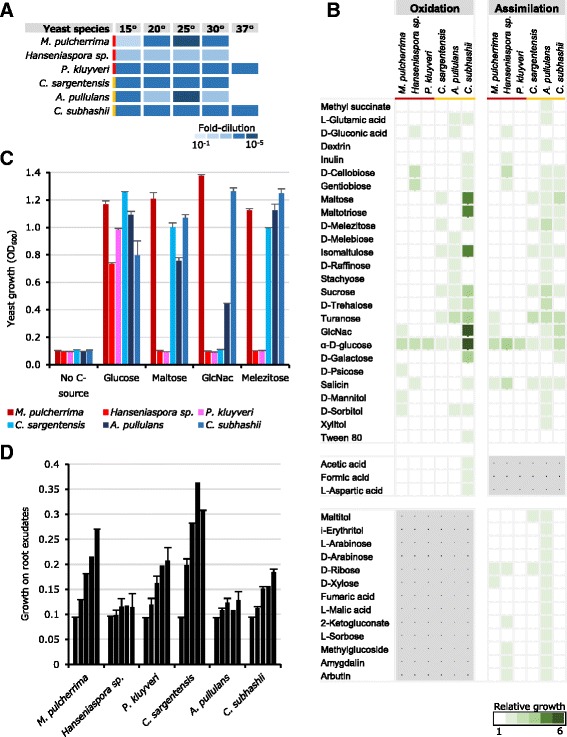
- Among these, C. subhashii and two other soil isolates showed broader metabolic versatility; only C. subhashii and M. pulcherrima could grow on N-acetyl-glucosamine. The *C. subhashii* soil isolate also reached 37 °C growth, and the authors report ~50,000 CFU/g in one potting substrate sample.
Methods
- Design: Binary dual-culture competition assays measured inhibition of filamentous fungi by yeasts, followed by growth/phenotype analyses of the most antagonistic isolates.
- Sample/data: 40 yeast isolates from soil, apple phyllosphere, irrigation water, and a *Drosophila* species were tested against 16 filamentous fungi; the six strongest antagonists were further characterized.
- Main analysis: Relative fungal growth on yeast-overlaid vs control PDA plates was quantified, log2-transformed, clustered, and compared across isolate groups; additional tests assessed temperature growth, carbon-source utilization (Biolog YT MicroPlate), root-exudate growth, and mitochondrial genome phylogeny for *C. subhashii*.
Limitations
- The paper states that the observed antagonism is based on in vitro conditions and that further studies are needed to determine the mode of antagonism and translate laboratory activity to field biocontrol.
- The text makes evident that the study is limited to a specific yeast/fungal set from Swiss agricultural samples and therefore does not establish broader ecological prevalence or efficacy beyond the tested isolates (evident from the sample description).
Model-written summary. Check it against the paper before relying on it.
Integrity signals
Registry
Cites
Statistics
Figures
Verification
Claims the paper makes
9 Valid · 0 Not valid · 21 Not checked · 61 Own results and interpretations
The cited sources support only part of this claim — read each source’s verdict below.
In the paper
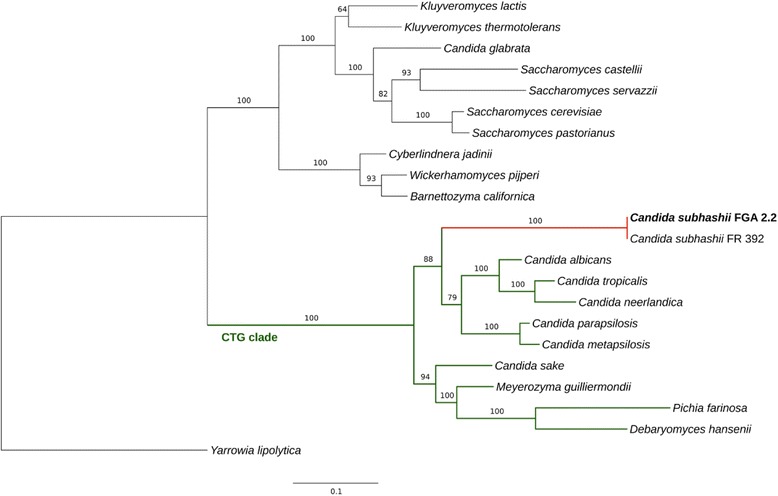
“the identical mitochondrial genomes are in contrast to studies reporting considerable intra-species variation in size, intron content, and recombination in fungal mitochondrial genomes [104–106].”
§ Competition assays and physiological experiments of soil and phyllosphere yeasts identify Candida subhashii as a novel antagonist of filamentous fungi > Discussion > Candida subhashii is an antagonistic soil fungus
What the sources say
- Partly supportedcites [104] Jung PP Friedrich A Reisser C Hou J Schacherer J Mitochondrial genome evolution in a single protoploid yeast species G3 (Bethesda) 2012 2 9 1103 1111 10.1534/g3.112.003152 22973548 PMC3429925 sourceExperimental — accuracy not yet measured
The Discussion reports substantial intraspecific variation in mitochondrial genome size and intron content among the yeast isolates. The passages do not report intraspecific mitochondrial recombination, so this source supports only part of the cited contrast. The statement that the Swiss and clinical C. subhashii genomes are identical is the citing authors’ comparison, not a finding attributed to this source. (LLM, conf=0.88)
- Partly supportedcites [105] Fritsch ES Chabbert CD Klaus B Steinmetz LM A genome-wide map of mitochondrial DNA recombination in yeast Genetics 2014 198 2 755 771 10.1534/genetics.114.166637 25081569 PMC4196626 sourceExperimental — accuracy not yet measured
The Results section, “Intraspecies variability influences recombination hotspot profiles” (page unavailable), reports differences in mitochondrial recombination rates and hotspots between S. cerevisiae crosses. The Discussion section, “The genetic background influences mitochondrial recombination” (page unavailable), notes an additional COX1 intron in one strain. These passages support variation in recombination and intron content, but do not establish intra-species variation in mitochondrial genome size. (LLM, conf=0.86)
- Partly supportedcites [106] Torriani SF Penselin D Knogge W Felder M Taudien S Platzer M McDonald BA Brunner PC Comparative analysis of mitochondrial genomes from closely related Rhynchosporium species reveals extensive intron invasion Fungal Genet Biol 2014 62 34 42 10.1016/j.fgb.2013.11.001 24240058 sourceExperimental — accuracy not yet measured
Our copy of Torriani et al. (2014) does document considerable variation in fungal mt genome size and intron content — the Discussion (Section 4) states that 'Variation in mt genome size among Rhynchosporium spp. is affected mainly by differences in the numbers of introns', with intron content rising from 8.1% in R. orthosporum to ~40% in R. agropyri/R. secalis, and the Introduction reports fungal mt genome sizes from 18.8 to 156.3 kb and intron content from 0% to 75%. However, that variation is INTER-specific (four closely related species diverged ~14,000–35,000 years ago, one genome per species), not intra-species as the citing sentence states; no passage in our copy reports variation among isolates of one species. The 'recombination' element is also not supported: the paper's dynamic processes are horizontal intron transfer (Section 3.2) and co-conversion of flanking exons (Fig. 3), and its Discussion instead notes that mt genes were long assumed to show 'little or no recombination' — a view it says was challenged in animals (Parmakelis et al., 2013; Rand, 2001), not a fungal recombination result. (LLM, conf=0.72)
plain- Asserted: passes — The authors put it forward as true.
- Checkable: passes — It can be checked against evidence.
- Load-bearing: unclear — It is unclear whether the paper’s conclusions depend on it.
- Based: passes — The paper gives a reason why it holds.
- Partly supported
A result the paper reports from its own data — it cites no other source for it, so there is none to check. The quote shows it is in the paper.
In the paper
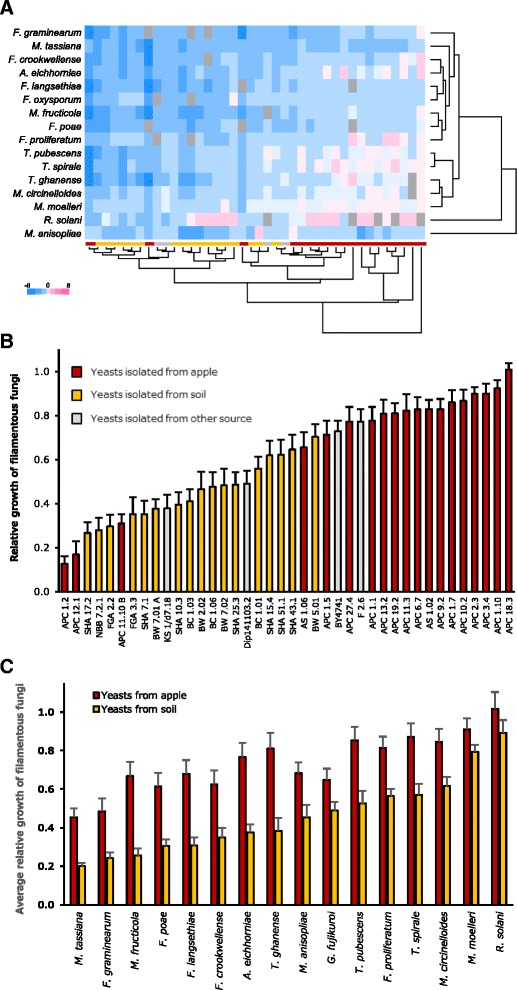
“In 10 interactions with filamentous fungi, M. pulcherrima (APC 1.2) was the most antagonistic yeast isolate among those tested here (average relative growth of 0.1, average rank of 1.9).”
§ Competition assays and physiological experiments of soil and phyllosphere yeasts identify Candida subhashii as a novel antagonist of filamentous fungi > Results > The antagonistic activity of naturally occurring yeasts against filamentous fungi in vitro
plainstates a cause- Asserted: passes — The authors put it forward as true.
- Checkable: passes — It can be checked against evidence.
- Load-bearing: unclear — It is unclear whether the paper’s conclusions depend on it.
- Based: passes — The paper gives a reason why it holds.
A result the paper reports from its own data — it cites no other source for it, so there is none to check. The quote shows it is in the paper.
In the paper
“The level of inhibition ranged from no effect at all (even slight stimulatory activities were detected in some interactions) to a growth reduction of more than 80% as compared to growth on the control plates (in the absence of yeasts).”
§ Competition assays and physiological experiments of soil and phyllosphere yeasts identify Candida subhashii as a novel antagonist of filamentous fungi > Discussion > Binary competition assays identify strongly antagonistic yeasts with potential for biocontrol
plainstates a cause- Asserted: passes — The authors put it forward as true.
- Checkable: passes — It can be checked against evidence.
- Load-bearing: passes — The paper’s conclusions depend on it.
- Based: passes — The paper gives a reason why it holds.
A result the paper reports from its own data — it cites no other source for it, so there is none to check. The quote shows it is in the paper.
In the paper
“During our collection of fungal isolates from Swiss agricultural samples, C. subhashii was repeatedly isolated from agricultural soil and from commercially available potting substrates.”
§ Competition assays and physiological experiments of soil and phyllosphere yeasts identify Candida subhashii as a novel antagonist of filamentous fungi > Results > Candida subhashii is an abundant soil fungus
plain- Asserted: passes — The authors put it forward as true.
- Checkable: passes — It can be checked against evidence.
- Load-bearing: unclear — It is unclear whether the paper’s conclusions depend on it.
- Based: passes — The paper gives a reason why it holds.
A result the paper reports from its own data — it cites no other source for it, so there is none to check. The quote shows it is in the paper.
In the paper
“On average, yeasts isolated from soil suppressed filamentous fungi more strongly than phyllosphere yeasts”
§ Competition assays and physiological experiments of soil and phyllosphere yeasts identify Candida subhashii as a novel antagonist of filamentous fungi > Abstract > Results
plainstates an association- Asserted: passes — The authors put it forward as true.
- Checkable: passes — It can be checked against evidence.
- Load-bearing: unclear — It is unclear whether the paper’s conclusions depend on it.
- Based: passes — The paper gives a reason why it holds.
- Rests on an assumption not shown here.
30 more claims
Create a free account to see all 91 claims and to verify the 17 references still open.
- Probably not a substantial claim. 30
- It may state two separate claims as one. 36
Claims other papers make about this one
Each is checked against this paper’s own text: does it say what the citing paper says it does?
The source backs part of the claim, not all of it — or backs it for a different population, condition or comparison.
In the citing paper
“With respect to competition for space, in vitro experiments performed on solid media seem to ascribe a minor role to a limitation in space. Although most yeasts grow well on agar plates, large differences in their antifungal activities were observed (Hilber-Bodmer et al. 2017).”
From Biocontrol yeasts: mechanisms and applications (2019) · cites this paper as Hilber-Bodmer et al. 2017
Experimental — accuracy not yet measuredThe source backs part of the claim, not all of it — or backs it for a different population, condition or comparison.
In the citing paper
“Among those, M. fructicola and M. pulcherrima are the most studied with respect to biocontrol, are able to inhibit a range of postharvest and plant rot diseases, and include the most potent antagonistic yeasts that have ever been identified”
From Biocontrol yeasts: mechanisms and applications (2019) · cites this paper as Hilber-Bodmer et al. 2017
Experimental — accuracy not yet measuredThe source backs part of the claim, not all of it — or backs it for a different population, condition or comparison.
In the citing paper
“the model S. cerevisiae isolate BY4741 exhibited an intermediate antifungal activity against filamentous fungi and in comparison to a broad collection of wild yeast isolates (Hilber-Bodmer et al. 2017).”
From Biocontrol yeasts: mechanisms and applications (2019) · cites this paper as Hilber-Bodmer et al. 2017
Experimental — accuracy not yet measuredThe source backs part of the claim, not all of it — or backs it for a different population, condition or comparison.
In the citing paper
“a broad range of yeast species occur predominantly in soil, exhibit strong antifungal activity, and could be envisioned as plant protection agents in this environment (Botha 2011; Hilber-Bodmer et al. 2017; Yurkov 2018).”
From Biocontrol yeasts: mechanisms and applications (2019) · cites this paper as Hilber-Bodmer et al. 2017
Experimental — accuracy not yet measuredThe cited source says what the claim attributes to it.
In the citing paper
“In addition, species-specific inhibition does not seem to occur, and a particular yeast is either strongly or weakly antagonistic against most fungi (Hilber-Bodmer et al. 2017).”
From Biocontrol yeasts: mechanisms and applications (2019) · cites this paper as Hilber-Bodmer et al. 2017
Citations
Cites
MUSCLE: multiple sequence alignment with high accuracy and high throughput
Edgar, R. C. (2004) · Nucleic Acids Research · doi:10.1093/nar/gkh340 · Cited by 44,662 · cited 1×
“8 [57] and trimming of overhanging sequences ensured that the amino acid sequences of all genes and all 22 strains were of similar length.”
BackgroundAmplification and direct sequencing of fungal ribosomal RNA genes for phylogenetics
White, T. J., Bruns, T., Lee, S., & Taylor, J. (1990) · PCR Protocols · doi:10.1016/b978-0-12-372180-8.50042-1 · Cited by 36,648 · cited 1×
“In cases where MALDI-TOF did not allow species identification, the fungal ITS region was amplified with primers ITS1f [50] and ITS4 [51], PCR products were directly used for sequencing, and all isolates were assigned a species hypothesis according to the UNITE database [52, 53] (see also Table 1).”
MethodRAxML version 8: a tool for phylogenetic analysis and post-analysis of large phylogenies
Stamatakis, A. (2014) · Bioinformatics · doi:10.1093/bioinformatics/btu033 · Cited by 32,291
PCR protocols — A guide to methods and applications
U.G. (1990) · Trends in Biochemical Sciences · doi:10.1016/0968-0004(90)90252-7 · Cited by 11,702
GARDES, M., & BRUNS, T. D. (1993) · Molecular Ecology · doi:10.1111/j.1365-294x.1993.tb00005.x · Cited by 10,480 · cited 1×
“In cases where MALDI-TOF did not allow species identification, the fungal ITS region was amplified with primers ITS1f [50] and ITS4 [51], PCR products were directly used for sequencing, and all isolates were assigned a species hypothesis according to the UNITE database [52, 53] (see also Table 1).”
MethodThe rhizosphere microbiome and plant health
Berendsen, R. L., Pieterse, C. M. J., & Bakker, P. A. H. M. (2012) · Trends in Plant Science · doi:10.1016/j.tplants.2012.04.001 · Cited by 5,347 · cited 1×
“Microbiomes of plants, rhizosphere, or soil have been elucidated by large-scale, DNA sequencing-based metagenomics approaches [7, 15, 16], but the contributions and functions of the large majority of the species are still mostly unknown.”
BackgroundNonhybrid, finished microbial genome assemblies from long-read SMRT sequencing data
Chin, C.-S., Alexander, D. H., Marks, P., Klammer, A. A., Drake, J., Heiner, C., Clum, A., Copeland, A., Huddleston, J., Eichler, E. E., et al. (2013) · Nature Methods · doi:10.1038/nmeth.2474 · Cited by 4,029
Towards a unified paradigm for sequence‐based identification of fungi
Kõljalg, U., Nilsson, R. H., Abarenkov, K., Tedersoo, L., Taylor, A. F. S., Bahram, M., Bates, S. T., Bruns, T. D., Bengtsson‐Palme, J., Callaghan, T. M., et al. (2013) · Molecular Ecology · doi:10.1111/mec.12481 · Cited by 3,586 · cited 1×
“In cases where MALDI-TOF did not allow species identification, the fungal ITS region was amplified with primers ITS1f [50] and ITS4 [51], PCR products were directly used for sequencing, and all isolates were assigned a species hypothesis according to the UNITE database [52, 53] (see also Table 1).”
MethodBaker Brachmann, C., Davies, A., Cost, G. J., Caputo, E., Li, J., Hieter, P., & Boeke, J. D. (1998) · Yeast · doi:10.1002/(sici)1097-0061(19980130)14:2<115::aid-yea204>3.0.co;2-2 · Cited by 3,401
Defining the core Arabidopsis thaliana root microbiome
Lundberg, D. S., Lebeis, S. L., Paredes, S. H., Yourstone, S., Gehring, J., Malfatti, S., Tremblay, J., Engelbrektson, A., Kunin, V., Rio, T. G. D., et al. (2012) · Nature · doi:10.1038/nature11237 · Cited by 2,879 · cited 1×
“Microbiomes of plants, rhizosphere, or soil have been elucidated by large-scale, DNA sequencing-based metagenomics approaches [7, 15, 16], but the contributions and functions of the large majority of the species are still mostly unknown.”
BackgroundMendes, R., Garbeva, P., & Raaijmakers, J. M. (2013) · FEMS Microbiology Reviews · doi:10.1111/1574-6976.12028 · Cited by 2,820 · cited 1×
“Yet, microbiomes are still a largely untapped resource for protecting crop plants against pathogens and for increasing agricultural productivity [9, 10].”
BackgroundMicrobial interactions and biocontrol in the rhizosphere
Whipps, J. M. (2001) · Journal of Experimental Botany · doi:10.1093/jexbot/52.suppl_1.487 · Cited by 1,934
The UNITE database for molecular identification of fungi – recent updates and future perspectives
Abarenkov, K., Henrik Nilsson, R., Larsson, K., Alexander, I. J., Eberhardt, U., Erland, S., Høiland, K., Kjøller, R., Larsson, E., Pennanen, T., et al. (2010) · New Phytologist · doi:10.1111/j.1469-8137.2009.03160.x · Cited by 1,927 · cited 1×
“In cases where MALDI-TOF did not allow species identification, the fungal ITS region was amplified with primers ITS1f [50] and ITS4 [51], PCR products were directly used for sequencing, and all isolates were assigned a species hypothesis according to the UNITE database [52, 53] (see also Table 1).”
MethodGarbeva, P., van Veen, J. A., & van Elsas, J. D. (2004) · Annual Review of Phytopathology · doi:10.1146/annurev.phyto.42.012604.135455 · Cited by 1,458 · cited 1×
“Soil, in contrast, is a highly heterogeneous and rich habitat with a plethora of niches and thus hosts a complex microbiome [64].”
BackgroundTurner, T. R., James, E. K., & Poole, P. S. (2013) · Genome Biology · doi:10.1186/gb-2013-14-6-209 · Cited by 1,349 · cited 1×
“Microbiomes of plants, rhizosphere, or soil have been elucidated by large-scale, DNA sequencing-based metagenomics approaches [7, 15, 16], but the contributions and functions of the large majority of the species are still mostly unknown.”
BackgroundManipulating the soil microbiome to increase soil health and plant fertility
Chaparro, J. M., Sheflin, A. M., Manter, D. K., & Vivanco, J. M. (2012) · Biology and Fertility of Soils · doi:10.1007/s00374-012-0691-4 · Cited by 1,099
Sharma, R. R., Singh, D., & Singh, R. (2009) · Biological Control · doi:10.1016/j.biocontrol.2009.05.001 · Cited by 1,015
Daniel, R. (2005) · Nature Reviews Microbiology · doi:10.1038/nrmicro1160 · Cited by 862
Not your ordinary yeast: non- Saccharomyces yeasts in wine production uncovered
Jolly, N. P., Varela, C., & Pretorius, I. S. (2014) · FEMS Yeast Research · doi:10.1111/1567-1364.12111 · Cited by 861
Twenty years of postharvest biocontrol research: Is it time for a new paradigm?
Droby, S., Wisniewski, M., Macarisin, D., & Wilson, C. (2009) · Postharvest Biology and Technology · doi:10.1016/j.postharvbio.2008.11.009 · Cited by 758 · cited 1×
“fructicola, is being used for postharvest biocontrol applications against storage diseases of sweet potatoes and carrots [77].”
BackgroundSoil microbes drive the classic plant diversity–productivity pattern
Schnitzer, S. A., Klironomos, J. N., HilleRisLambers, J., Kinkel, L. L., Reich, P. B., Xiao, K., Rillig, M. C., Sikes, B. A., Callaway, R. M., Mangan, S. A., et al. (2011) · Ecology · doi:10.1890/10-0773.1 · Cited by 660 · cited 1×
“Yet, microbiomes are still a largely untapped resource for protecting crop plants against pathogens and for increasing agricultural productivity [9, 10].”
BackgroundReview: Utilization of antagonistic yeasts to manage postharvest fungal diseases of fruit
Liu, J., Sui, Y., Wisniewski, M., Droby, S., & Liu, Y. (2013) · International Journal of Food Microbiology · doi:10.1016/j.ijfoodmicro.2013.09.004 · Cited by 521 · cited 1×
“Other Candida species have also been studied for their biocontrol potential and as commercial plant protection agents against postharvest decay of fruits, based on Candida species, have been developed (see above) [29, 43, 44].”
BackgroundA fungal phylogeny based on 42 complete genomes derived from supertree and combined gene analysis.
(2006) · BMC Evolutionary Biology · doi:10.1186/1471-2148-6-99 · Cited by 475
(2018) · Acta Biologica Szegediensis · doi:10.14232/issn.1588-4082 · Cited by 468
Functional Soil Microbiome: Belowground Solutions to an Aboveground Problem
Lakshmanan, V., Selvaraj, G., & Bais, H. P. (2014) · Plant Physiology · doi:10.1104/pp.114.245811 · Cited by 400 · cited 1×
“In addition to environmental factors and interspecific competition, plants release root exudates and thereby also shape the microbial community in the rhizosphere [6, 65, 66].”
BackgroundParafati, L., Vitale, A., Restuccia, C., & Cirvilleri, G. (2015) · Food Microbiology · doi:10.1016/j.fm.2014.11.013 · Cited by 391 · cited 1×
“expansum) [31, 75, 76] and a related species, M.”
Fungal invasion of the rhizosphere microbiome
Chapelle, E., Mendes, R., Bakker, P. A. H. M., & Raaijmakers, J. M. (2016) · The ISME Journal · doi:10.1038/ismej.2015.82 · Cited by 378 · cited 1×
“In addition to environmental factors and interspecific competition, plants release root exudates and thereby also shape the microbial community in the rhizosphere [6, 65, 66].”
BackgroundLindow, S. E., & Leveau, J. H. J. (2002) · Current Opinion in Biotechnology · doi:10.1016/s0958-1669(02)00313-0 · Cited by 347 · cited 1×
“Due to rapidly fluctuating temperatures, low humidity, scarce nutrient availability, and UV irradiation, the phyllosphere is considered a harsh environment [63], but likely features a lower niche complexity as compared to soil.”
BackgroundDroby, S., Vinokur, V., Weiss, B., Cohen, L., Daus, A., Goldschmidt, E. E., & Porat, R. (2002) · Phytopathology® · doi:10.1094/phyto.2002.92.4.393 · Cited by 325
The Release of Root Exudates as Affected by the Plant's Physiological Status
(2000) · The Rhizosphere · doi:10.1201/9780849384974-9 · Cited by 317
Sipiczki, M. (2006) · Applied and Environmental Microbiology · doi:10.1128/aem.01275-06 · Cited by 291
Bioproducts from Aureobasidium pullulans, a biotechnologically important yeast
Chi, Z., Wang, F., Chi, Z., Yue, L., Liu, G., & Zhang, T. (2009) · Applied Microbiology and Biotechnology · doi:10.1007/s00253-009-1882-2 · Cited by 271
Nassar, A. H., El-Tarabily, K. A., & Sivasithamparam, K. (2005) · Biology and Fertility of Soils · doi:10.1007/s00374-005-0008-y · Cited by 254
Marcet-Houben, M., Ballester, A.-R., de la Fuente, B., Harries, E., Marcos, J. F., González-Candelas, L., & Gabaldón, T. (2012) · BMC Genomics · doi:10.1186/1471-2164-13-646 · Cited by 250
Buzzini, P., Branda, E., Goretti, M., & Turchetti, B. (2012) · FEMS Microbiology Ecology · doi:10.1111/j.1574-6941.2012.01348.x · Cited by 249
Castoria, R., De Curtis, F., Lima, G., Caputo, L., Pacifico, S., & De Cicco, V. (2001) · Postharvest Biology and Technology · doi:10.1016/s0925-5214(00)00186-1 · Cited by 238
Yeast forms dominate fungal diversity in the deep oceans
Bass, D., Howe, A., Brown, N., Barton, H., Demidova, M., Michelle, H., Li, L., Sanders, H., Watkinson, S. C., Willcock, S., et al. (2007) · Proceedings of the Royal Society B: Biological Sciences · doi:10.1098/rspb.2007.1067 · Cited by 234
Using fungi and yeasts to manage vegetable crop diseases
Punja, Z. K., & Utkhede, R. S. (2003) · Trends in Biotechnology · doi:10.1016/s0167-7799(03)00193-8 · Cited by 233
Saravanakumar, D., Ciavorella, A., Spadaro, D., Garibaldi, A., & Gullino, M. L. (2008) · Postharvest Biology and Technology · doi:10.1016/j.postharvbio.2007.11.006 · Cited by 224
Harnessing phytomicrobiome signaling for rhizosphere microbiome engineering
Quiza, L., St-Arnaud, M., & Yergeau, E. (2015) · Frontiers in Plant Science · doi:10.3389/fpls.2015.00507 · Cited by 221
Comparative genomics of emerging pathogens in the Candida glabrata clade.
Gabaldón, T., Martin, T., Marcet-Houben, M., Durrens, P., Bolotin-Fukuhara, M., Lespinet, O., Arnaise, S., Boisnard, S., Aguileta, G., Atanasova, R., et al. (2013) · BMC Genomics · doi:10.1186/1471-2164-14-623 · Cited by 198
Leibinger, W., Breuker, B., Hahn, M., & Mendgen, K. (1997) · Phytopathology® · doi:10.1094/phyto.1997.87.11.1103 · Cited by 192
Fungal communities from methane hydrate-bearing deep-sea marine sediments in South China Sea
Lai, X., Cao, L., Tan, H., Fang, S., Huang, Y., & Zhou, S. (2007) · The ISME Journal · doi:10.1038/ismej.2007.51 · Cited by 191
Effectiveness of Aureobasidium pullulans and Candida oleophila against postharvest strawberry rots
Lima, G., Ippolito, A., Nigro, F., & Salerno, M. (1997) · Postharvest Biology and Technology · doi:10.1016/s0925-5214(96)01302-6 · Cited by 189
Spadaro, D., Vola, R., Piano, S., & Gullino, M. L. (2002) · Postharvest Biology and Technology · doi:10.1016/s0925-5214(01)00172-7 · Cited by 186
Secrets of the subterranean pathosystem of Armillaria
BAUMGARTNER, K., COETZEE, M. P. A., & HOFFMEISTER, D. (2011) · Molecular Plant Pathology · doi:10.1111/j.1364-3703.2010.00693.x · Cited by 184 · cited 1×
“Of particular concern are rot and wilt diseases caused by soilborne fungi, fungal spots, blights and blotches, rusts, mildews, cankers and anthracnoses, as well as postharvest decay of fruits and vegetables [1, 2].”
BackgroundTritagonist as a new term for uncharacterised microorganisms in environmental systems
Freimoser, F. M., Pelludat, C., & Remus-Emsermann, M. N. P. (2016) · The ISME Journal · doi:10.1038/ismej.2015.92 · Cited by 172 · cited 1×
“Microbiota thus consist predominantly of yet uncharacterized bacteria and fungi, tritagonists, that regulate microbial interactions [17].”
BackgroundSelf-citationChemotaxis of Bradyrhizobium japonicum to soybean exudates
Barbour, W. M., Hattermann, D. R., & Stacey, G. (1991) · Applied and Environmental Microbiology · doi:10.1128/aem.57.9.2635-2639.1991 · Cited by 168 · cited 1×
“[55] and used at a final Hilber-Bodmer et al.”
MethodVrieze, M. D., Pandey, P., Bucheli, T. D., Varadarajan, A. R., Ahrens, C. H., Weisskopf, L., & Bailly, A. (2015) · Frontiers in Microbiology · doi:10.3389/fmicb.2015.01295 · Cited by 161
Self-citationEl-Tarabily, K. A. (2004) · Journal of Applied Microbiology · doi:10.1046/j.1365-2672.2003.02043.x · Cited by 152 · cited 1×
“Candida valida, Rhodotorula glutinis and Trichosporon asahii protected sugar beet against the soil pathogen Rhizoctonia solani [38].”
BackgroundInteractions between killer yeasts and pathogenic fungi
Walker, G. M., Mcleod, A. H., & Hodgson, V. J. (1995) · FEMS Microbiology Letters · doi:10.1111/j.1574-6968.1995.tb07476.x · Cited by 152
Bar-Shimon, M., Yehuda, H., Cohen, L., Weiss, B., Kobeshnikov, A., Daus, A., Goldway, M., Wisniewski, M., & Droby, S. (2004) · Current Genetics · doi:10.1007/s00294-003-0471-7 · Cited by 140
Cantrell, S. A., Dianese, J. C., Fell, J. W., Gunde‐Cimerman, N., & Zalar, P. (2011) · Mycologia · doi:10.3852/11-108 · Cited by 137
Biocontrol capability of Metschnikowia pulcherrima against Botrytis postharvest rot of apple
Piano, S., Neyrotti, V., Migheli, Q., & Gullino, M. L. (1997) · Postharvest Biology and Technology · doi:10.1016/s0925-5214(97)00022-7 · Cited by 136 · cited 1×
“expansum) [31, 75, 76] and a related species, M.”
Biocontrol of apple postharvest decay by Aureobasidium pullulans
Mari, M., Martini, C., Spadoni, A., Rouissi, W., & Bertolini, P. (2012) · Postharvest Biology and Technology · doi:10.1016/j.postharvbio.2012.05.014 · Cited by 134
Hanseniaspora uvarum from Winemaking Environments Show Spatial and Temporal Genetic Clustering
Albertin, W., Setati, M. E., Miot-Sertier, C., Mostert, T. T., Colonna-Ceccaldi, B., Coulon, J., Girard, P., Moine, V., Pillet, M., Salin, F., et al. (2016) · Frontiers in Microbiology · doi:10.3389/fmicb.2015.01569 · Cited by 124
Massey, S. E., Moura, G., Beltrão, P., Almeida, R., Garey, J. R., Tuite, M. F., & Santos, M. A. S. (2003) · Genome Research · doi:10.1101/gr.811003 · Cited by 119
Mari, M., Martini, C., Guidarelli, M., & Neri, F. (2012) · Biological Control · doi:10.1016/j.biocontrol.2011.10.013 · Cited by 113
The Genetics of Non-conventional Wine Yeasts: Current Knowledge and Future Challenges
Masneuf-Pomarede, I., Bely, M., Marullo, P., & Albertin, W. (2016) · Frontiers in Microbiology · doi:10.3389/fmicb.2015.01563 · Cited by 111
Pusey, P. L., Stockwell, V. O., & Mazzola, M. (2009) · Phytopathology® · doi:10.1094/phyto-99-5-0571 · Cited by 107
Safety and regulation of yeasts used for biocontrol or biopreservation in the food or feed chain
Sundh, I., & Melin, P. (2010) · Antonie van Leeuwenhoek · doi:10.1007/s10482-010-9528-z · Cited by 103
Yeasts isolated from figs (Ficus carica L.) as biocontrol agents of postharvest fruit diseases
Ruiz-Moyano, S., Martín, A., Villalobos, M. C., Calle, A., Serradilla, M. J., Córdoba, M. G., & Hernández, A. (2016) · Food Microbiology · doi:10.1016/j.fm.2016.01.003 · Cited by 99
Papon, N., Savini, V., Lanoue, A., Simkin, A. J., Crèche, J., Giglioli-Guivarc’h, N., Clastre, M., Courdavault, V., & Sibirny, A. A. (2013) · Current Genetics · doi:10.1007/s00294-013-0391-0 · Cited by 92 · cited 2×
“Candida guilliermondii is a ubiquitously present, saprophytic yeast that has received particularly broad attention because of its presence in clinical samples, the biotechnological production of metabolites and enzymes, applications in bioremediation, or the control of plant pathogenic fungi [42].”
BackgroundGiobbe, S., Marceddu, S., Scherm, B., Zara, G., Mazzarello, V. L., Budroni, M., & Migheli, Q. (2007) · FEMS Yeast Research · doi:10.1111/j.1567-1364.2007.00301.x · Cited by 83
Schreiter, S., Sandmann, M., Smalla, K., & Grosch, R. (2014) · PLoS ONE · doi:10.1371/journal.pone.0103726 · Cited by 80
Taqarort, N., Echairi, A., Chaussod, R., Nouaim, R., Boubaker, H., Benaoumar, A. A., & Boudyach, E. (2008) · World Journal of Microbiology and Biotechnology · doi:10.1007/s11274-008-9849-5 · Cited by 79
Distribution and impact of yeast thermal tolerance permissive for mammalian infection
Robert, V., Cardinali, G., & Casadevall, A. (2015) · BMC Biology · doi:10.1186/s12915-015-0127-3 · Cited by 79 · cited 1×
“subhashii described from Japan [46], is a requirement for human pathogenicity, but many isolates exhibiting this property, more frequently found within the Ascomycota than the Basidiomycota, have not yet been described as mammalian, let alone human pathogens [102].”
BackgroundA Genome-Wide Map of Mitochondrial DNA Recombination in Yeast
Fritsch, E. S., Chabbert, C. D., Klaus, B., & Steinmetz, L. M. (2014) · Genetics · doi:10.1534/genetics.114.166637 · Cited by 77
Türkel, S., & Ener, B. (2009) · Zeitschrift für Naturforschung C · doi:10.1515/znc-2009-5-618 · Cited by 74
Pichia anomala in biocontrol for apples: 20 years of fundamental research and practical applications
Haïssam, J. M. (2011) · Antonie van Leeuwenhoek · doi:10.1007/s10482-010-9541-2 · Cited by 74
Anti-Candida activity of a novel killer toxin from the yeast Williopsis mrakii
Hodgson, V. J., Button, D., & Walker, G. M. (1995) · Microbiology · doi:10.1099/13500872-141-8-2003 · Cited by 73
Cadez, N., Raspor, P., Cock, A. W. A. M., Boekhout, T., & Smith, M. T. (2002) · FEMS Yeast Research · doi:10.1111/j.1567-1364.2002.tb00046.x · Cited by 71
Lahlali, R., Serrhini, M. N., & Mh, J. (2004) · PubMed · Cited by 70
Vegetable Diseases Caused by Soilborne Pathogens
Koike, S. T., Subbarao, K. V., Davis, R. M., & Turini, T. A. (2003) · doi:10.3733/ucanr.8099 · Cited by 70 · cited 1×
“Of particular concern are rot and wilt diseases caused by soilborne fungi, fungal spots, blights and blotches, rusts, mildews, cankers and anthracnoses, as well as postharvest decay of fruits and vegetables [1, 2].”
BackgroundTamm, L., Thuerig, B., Bruns, C., Fuchs, J. G., Köpke, U., Laustela, M., Leifert, C., Mahlberg, N., Nietlispach, B., Schmidt, C. S., et al. (2010) · European Journal of Plant Pathology · doi:10.1007/s10658-010-9612-2 · Cited by 68
(2008) · Acta Biologica Szegediensis · Cited by 67
Kinay, P., & Yildiz, M. (2008) · Biological Control · doi:10.1016/j.biocontrol.2008.03.001 · Cited by 67 · cited 1×
“expansum) [31, 75, 76] and a related species, M.”
Torriani, S. F. F., Penselin, D., Knogge, W., Felder, M., Taudien, S., Platzer, M., McDonald, B. A., & Brunner, P. C. (2014) · Fungal Genetics and Biology · doi:10.1016/j.fgb.2013.11.001 · Cited by 63
Identification of Traits Shared by Rhizosphere-Competent Strains of Fluorescent Pseudomonads
Ghirardi, S., Dessaint, F., Mazurier, S., Corberand, T., Raaijmakers, J. M., Meyer, J.-M., Dessaux, Y., & Lemanceau, P. (2012) · Microbial Ecology · doi:10.1007/s00248-012-0065-3 · Cited by 62
Evolution of ecological dominance of yeast species in high-sugar environments
Williams, K. M., Liu, P., & Fay, J. C. (2015) · Evolution · doi:10.1111/evo.12707 · Cited by 59
Buzzini, P., & Martini, A. (2001) · Medical Mycology · doi:10.1080/mmy.39.6.479.482 · Cited by 56
Eshel, D., Regev, R., Orenstein, J., Droby, S., & Gan-Mor, S. (2009) · Postharvest Biology and Technology · doi:10.1016/j.postharvbio.2009.04.011 · Cited by 52 · cited 1×
“fructicola has been employed as part of a combined strategy to control the soilborne pathogen Thielaviopsis basicola on carrots [41].”
BackgroundLiu, H. M., Guo, J. H., Cheng, Y. J., Liu, P., Long, C. A., & Deng, B. X. (2010) · Letters in Applied Microbiology · doi:10.1111/j.1472-765x.2010.02888.x · Cited by 49
Cyberlindnera, a replacement name for Lindnera Kurtzman et al., nom. illegit.
Minter, D. W. (2009) · Mycotaxon · doi:10.5248/110.473 · Cited by 48
Mitochondrial Genome Evolution in a Single Protoploid Yeast Species
Jung, P. P., Friedrich, A., Reisser, C., Hou, J., & Schacherer, J. (2012) · G3 Genes|Genomes|Genetics · doi:10.1534/g3.112.003152 · Cited by 47
Fričová, D., Valach, M., Farkas, Z. J., Pfeiffer, I., Kucsera, J., Tomáška, Ľ., & Nosek, J. (2010) · Microbiology · doi:10.1099/mic.0.038646-0 · Cited by 45
Mounir, R., Durieux, A., Bodo, E., Allard, C., Simon, J.-P., Achbani, E.-H., El-Jaafari, S., Douira, A., & Jijakli, M.-H. (2007) · Biotechnology Letters · doi:10.1007/s10529-006-9269-2 · Cited by 44
Biological Control of Peach Fungal Pathogens by Commercial Products and Indigenous Yeasts
Restuccia, C., Giusino, F., Licciardello, F., Randazzo, C., Caggia, C., & Muratore, G. (2006) · Journal of Food Protection · doi:10.4315/0362-028x-69.10.2465 · Cited by 38
How microbes can help feed the world
Reid, A. H., & Greene, S. E. (2013) · doi:10.1128/aamcol.dec.2012 · Cited by 37
Zheng, Y., Chen, L., Luo, C.-Y., Zhang, Z.-H., Wang, S.-P., & Guo, L.-D. (2016) · Microbial Ecology · doi:10.1007/s00248-016-0817-6 · Cited by 36 · cited 1×
“In addition to environmental factors and interspecific competition, plants release root exudates and thereby also shape the microbial community in the rhizosphere [6, 65, 66].”
BackgroundIn vitro antimycotic activity of a Williopsis saturnus killer protein against food spoilage yeasts
Goretti, M., Turchetti, B., Buratta, M., Branda, E., Corazzi, L., Vaughan-Martini, A., & Buzzini, P. (2009) · International Journal of Food Microbiology · doi:10.1016/j.ijfoodmicro.2009.02.013 · Cited by 35
Pichia anomala J121: A 30-year overnight near success biopreservation story
Schnürer, J., & Jonsson, A. (2011) · Antonie van Leeuwenhoek · doi:10.1007/s10482-010-9509-2 · Cited by 34
Beneficial microorganisms in agriculture, food and the environment: safety assessment and regulation
(2012) · CABI eBooks · doi:10.1079/9781845938109.0000 · Cited by 32 · cited 1×
“Other Candida species have also been studied for their biocontrol potential and as commercial plant protection agents against postharvest decay of fruits, based on Candida species, have been developed (see above) [29, 43, 44].”
BackgroundCalvo‐Garrido, C., Viñas, İ., Elmer, P. A. G., Usall, J., & Teixidó, N. (2013) · Letters in Applied Microbiology · doi:10.1111/lam.12121 · Cited by 30
Effect of diluent type on viability of yeasts enumerated from foods or pure culture
Mian, M., Fleet, G. H., & Hocking, A. D. (1997) · International Journal of Food Microbiology · doi:10.1016/s0168-1605(96)01208-1 · Cited by 30 · cited 2×
“Soil or plant material (e.g., apple leaves, flowers, bark, skin) was diluted 10-fold (w/v) with peptone water (1 g/ L Bacto Peptone) [48], vigorously mixed, and shaken (20 min, 25 °C, 250 rpm, on an orbital shaker).”
MethodAssociation of Bacteria and Yeasts in Hot Springs
Rikhvanov, E. G., Varakina, N. N., Sozinov, D. Y., & Войников, В. К. (1999) · Applied and Environmental Microbiology · doi:10.1128/aem.65.9.4292-4293.1999 · Cited by 30
Characterization of Candida sp. NY7122, a novel pentose-fermenting soil yeast
Watanabe, I., Ando, A., & Nakamura, T. (2012) · Journal of Industrial Microbiology and Biotechnology · doi:10.1007/s10295-011-1033-5 · Cited by 27 · cited 8×
“This species has only been reported from a patient suffering from peritonitis during a long-term peritoneal dialysis treatment and an isolate highly similar to this type strain (99.8% identity in the 26S rDNA D1/D2 domain, 1.3% sequence difference for the 5.8S-ITS region) was obtained from a soil sample from East Japa…”
BackgroundInfluentialVolatile sulphur compounds and pathways of l-methionine catabolism in Williopsis yeasts
Tan, A. W. J., Lee, P.-R., Seow, Y.-X., Ong, P. K. C., & Liu, S.-Q. (2012) · Applied Microbiology and Biotechnology · doi:10.1007/s00253-012-3963-x · Cited by 26
Identification of a new species,Candida subhashii, as a cause of peritonitis
Adam, H., Groenewald, M., Mohan, S., Richardson, S., Bunn, U., Gibas, C. F. C., Poutanen, S., & Sigler, L. (2009) · Medical Mycology · doi:10.1080/13693780802380545 · Cited by 25 · cited 5×
“This species has only been reported from a patient suffering from peritonitis during a long-term peritoneal dialysis treatment and an isolate highly similar to this type strain (99.8% identity in the 26S rDNA D1/D2 domain, 1.3% sequence difference for the 5.8S-ITS region) was obtained from a soil sample from East Japa…”
BackgroundInfluentialMorrison, W. R., Tuell, J. K., Hausbeck, M. K., & Szendrei, Z. (2011) · Crop Science · doi:10.2135/cropsci2011.01.0032 · Cited by 19 · cited 1×
“Infestations by aggressive, fungal pathogens can severely constrain agricultural production and often the only resort is crop rotation, fallow, or even an abandonment of the cropland [3, 4].”
BackgroundSharma, N. R. (2014) · Wiley-Blackwell eBooks · Cited by 14
DeNittis, M., Querol, A., Zanoni, B., Minati, J. L., & Ambrosoli, R. (2009) · Journal of Applied Microbiology · doi:10.1111/j.1365-2672.2009.04547.x · Cited by 14 · cited 2×
“For each yeast isolate, a suspension with an OD600 of 1 was prepared and 100 μl of this solution were inoculated in each well of a Biolog YT MicroPlateTM (Endotell AG, Allschwil, Switzerland) [54].”
MethodBiological Controls for Preventing Food Deterioration
(2014) · Wiley eBooks · doi:10.1002/9781118533024 · Cited by 14
Freimoser, F. M., Hilber-Bodmer, M., Brunisholz, R., & Drissner, D. (2016) · Chemical and Biological Technologies in Agriculture · doi:10.1186/s40538-016-0058-4 · Cited by 12 · cited 3×
“Species identification was first attempted by MALDITOF as previously described [49].”
MethodInfluentialSelf-citationYeasts From Xerophilic Environments Reveal Antimicrobial Action Against Fruit Pathogenic Molds
Oro, L., Ciani, M., & Comitini, F. (2015) · Journal of Food Safety · doi:10.1111/jfs.12217 · Cited by 10
YEASTS AS ANTAGONISTS AGAINST ERWINIA AMYLOVORA
Seibold, A., Viehrig, M., & Jelkmann, W. (2006) · Acta Horticulturae · doi:10.17660/actahortic.2006.704.56 · Cited by 10
(2006) · KOPS (University of Konstanz) · Cited by 9
Wu, H. ‐., Gao, Z. ‐., Zhou, X. ‐., Shi, X., Wang, M. ‐., Shang, X. ‐., Liu, Y. ‐., Gu, D. ‐., & Wang, W. ‐. (2013) · Soil Use and Management · doi:10.1111/sum.12029 · Cited by 8 · cited 1×
“Infestations by aggressive, fungal pathogens can severely constrain agricultural production and often the only resort is crop rotation, fallow, or even an abandonment of the cropland [3, 4].”
Background
Research works printed but not linked: 1
- El-Mehlawy AA The rhizosphere yeast fungi as biocontrol agents for wild disease of kidney bena caused by Fusarium oxysporum Int J Agricult Biol 2004 6 2 310 316
Cited by
Biocontrol yeasts: mechanisms and applications
Freimoser, F. M., Rueda-Mejia, M. P., Tilocca, B., & Migheli, Q. (2019) · World Journal of Microbiology and Biotechnology · doi:10.1007/s11274-019-2728-4 · Cited by 462
Self-citationMechanisms of Action of Microbial Biocontrol Agents against Botrytis cinerea
Roca-Couso, R., Flores-Félix, J. D., & Rivas, R. (2021) · Journal of Fungi · doi:10.3390/jof7121045 · Cited by 174
Re-addressing the biosafety issues of plant growth promoting rhizobacteria
Keswani, C., Prakash, O., Bharti, N., Vílchez, J. I., Sansinenea, E., Lally, R. D., Borriss, R., Singh, S. P., Gupta, V. K., Fraceto, L. F., et al. (2019) · Science of The Total Environment · doi:10.1016/j.scitotenv.2019.07.046 · Cited by 161
Prospecting the characteristics and significance of the phyllosphere microbiome
Thapa, S., & Prasanna, R. (2018) · Annals of Microbiology · doi:10.1007/s13213-018-1331-5 · Cited by 171
Fusarium Head Blight From a Microbiome Perspective
Karlsson, I., Persson, P., & Friberg, H. (2021) · Frontiers in Microbiology · doi:10.3389/fmicb.2021.628373 · Cited by 176
Metadata
- Authors
- Hilber-Bodmer, M., Schmid, M., Ahrens, C. H., & Freimoser, F. M.
- Affiliations
- Agroscope (CH)
- SIB Swiss Institute of Bioinformatics (CH)
- Corresponding author
- Freimoser, Florian M.
- Venue
- BMC Microbiology
- Published
- 2017-01-05
- Volume
- 17
- Issue
- 1
- Pages
- 4-4
- ISSN
- 1471-2180 (ISSN-L)
- PMC
- PMC5216558
- OpenAlex
- W2569556289
- Cited by
- 106
- References
- 111
- Citations by year
- 2026: 8 · 2025: 11 · 2024: 4 · 2023: 14 · 2022: 12 · 2021: 18 · 2020: 12 · 2019: 11 · 2018: 13 · 2017: 3
- FWCI
- 4.36
- Type
- journal article
- Language
- en
- Open access
- gold
- doi.org
- Licence
- cc-by
- Locations
- BMC Microbiology (publishedVersion, cc-by)
- PubMed Central (publishedVersion, cc-by)
- PubMed (publishedVersion)
- Funders
- Agroscope
- Topics
- Life Sciences › Immunology and Microbiology › Microbiology › Yeasts and Rust Fungi Studies
- Life Sciences › Agricultural and Biological Sciences › Plant Science › Plant-Microbe Interactions and Immunity
- Life Sciences › Agricultural and Biological Sciences › Plant Science › Mycorrhizal Fungi and Plant Interactions
- Keywords
- soil yeasts, phyllosphere yeasts, antifungal antagonism, filamentous fungi, biological control, Metschnikowia pulcherrima, Aureobasidium pullulans, Pichia kluyveri, carbon source utilization, N-acetylglucosamine, root exudates, plant pathogenic fungi, dual culture assay, yeast physiology
- MeSH terms
- Antibiosis, Candida, DNA, Fungal, Fungi, Plants, Soil, Soil Microbiology, Genome, Fungal, Plant Roots, Malus, Genome, Mitochondrial, Rhizosphere, High-Throughput Nucleotide Sequencing, Biological Control Agents
About these checks
Registry, retraction, Cites and statistics results are computed, not judged, with one exception: a printed reference that no index lists is read once by a model before it counts as a citation error. Claims are extracted by a model and kept only when their quote appears verbatim in the text; each cited source is then checked, with a model’s help, for whether it says what the claim relies on. Those verdicts can be wrong — read the claim’s quote and the cited source before relying on one.
The claim verdicts this report counts are experimental: their accuracy is not yet measured.
A language model drew the claims from the paper on 2026-10-10, under version 3 of the claim definition (model deepseek-v4.1-flash, prompt extract-v3).
A second model labelled each claim on 2026-10-10 (model jev-1.13-20260917, definition revision gold-guideline-v0.2).
Cited sources are checked with a language model’s help (gpt-6-sol and qwen3.8-omni-flash).
Statistics and arithmetic are recomputed, not judged.
Confidence bands are shown only for fields calibrated on our annotated test set. None is calibrated yet, so no band is shown.
What counts as a claim ›How we measure confidence ›How we check this ›
Are you an author, or do you see a problem with this page? Request a review
Data sources
Bibliographic data: Semantic Scholar, OpenAlex, Crossref.
Contains information from the Semantic Scholar Academic Graph Datasets, made available under the ODC Attribution License (ODC-BY 1.0).
Semantic Scholar’s data is described in: Kinney, R., et al. (2023). The Semantic Scholar Open Data Platform. arXiv:2301.10140.
