

The heterogeneity statistic I2 can be biased in small meta-analyses
Open accessThe DOI matches its Crossref record; 26 of the 26 references it cites were found in a registry or an index.
Abstract
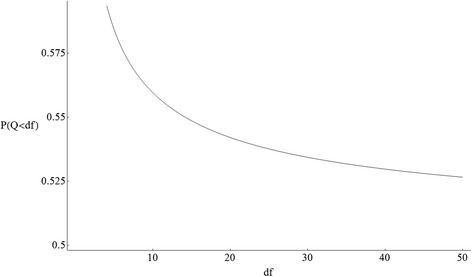
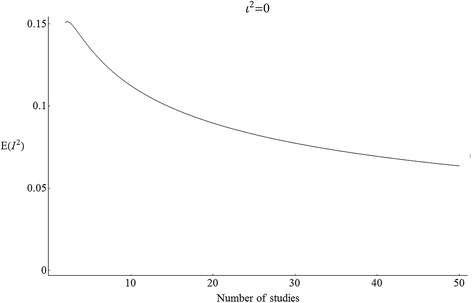
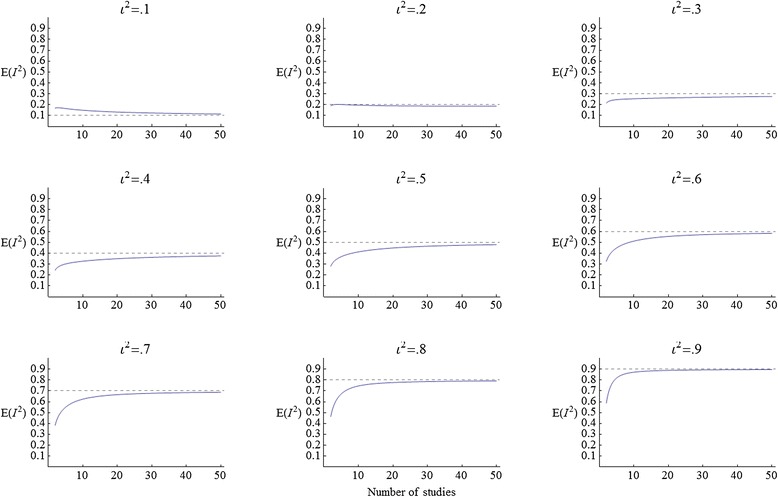
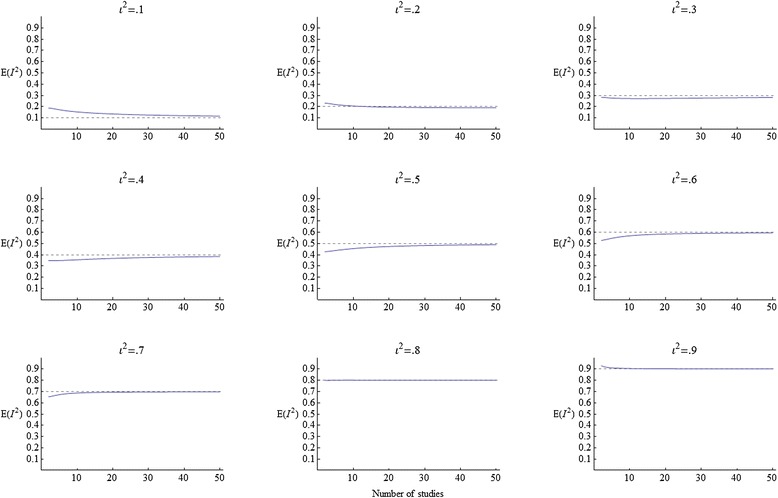
BACKGROUND: Estimated effects vary across studies, partly because of random sampling error and partly because of heterogeneity. In meta-analysis, the fraction of variance that is due to heterogeneity is estimated by the statistic I(2). We calculate the bias of I(2), focusing on the situation where the number of studies in the meta-analysis is small. Small meta-analyses are common; in the Cochrane Library, the median number of studies per meta-analysis is 7 or fewer. METHODS: We use Mathematica software to calculate the expectation and bias of I(2). RESULTS: I(2) has a substantial bias when the number of studies is small. The bias is positive when the true fraction of heterogeneity is small, but the bias is typically negative when the true fraction of heterogeneity is large. For example, with 7 studies and no true heterogeneity, I(2) will overestimate heterogeneity by an average of 12 percentage points, but with 7 studies and 80 percent true heterogeneity, I(2) can underestimate heterogeneity by an average of 28 percentage points. Biases of 12-28 percentage points are not trivial when one considers that, in the Cochrane Library, the median I(2) estimate is 21 percent. CONCLUSIONS: The point estimate I(2) should be interpreted cautiously when a meta-analysis has few studies. In small meta-analyses, confidence intervals should supplement or replace the biased point estimate I(2).
Overview
The claims and statistics of this paper haven’t been checked yet.
Free: it reads the open-access text and checks the first 5 claims that cite a source we can check. Create a free account to check every claim.
Integrity signals
Registry
Cites
Statistics
Figures
Verification
Claims the paper makes
The claims and statistics of this paper haven’t been checked yet.
Free: it reads the open-access text and checks the first 5 claims that cite a source we can check. Create a free account to check every claim.
Claims other papers make about this one
Each is checked against this paper’s own text: does it say what the citing paper says it does?
The source backs part of the claim, not all of it — or backs it for a different population, condition or comparison.
In the citing paper
“The I2 statistic in analyses of a few studies is considered to be uninformative90,91”
From Effects of Tea (Camellia sinensis) or its Bioactive Compounds l-Theanine or l-Theanine plus Caffeine on Cognition, Sleep, and Mood in Healthy Participants: A Systematic Review and Meta-Analysis of Randomized Controlled Trials (2025) · cites this paper as [91]
Experimental — accuracy not yet measuredThe cited source says what the claim attributes to it.
In the citing paper
“The heterogeneity estimates for professional burnout, somatisation, positive affect, negative affect, and resilience may not be reliable given the few comparisons contributing to the effect size (von Hippel, 2015).”
From Intervention Programs Targeting the Mental Health, Professional Burnout, and/or Wellbeing of School Teachers: Systematic Review and Meta-Analyses (2023) · cites this paper as von Hippel, 2015
In the citing paper
“Variation in effect sizes due to heterogeneity (rather than chance) was assessed with I2.54”
From Birth outcomes following intrauterine exposure to electronic nicotine delivery systems: a systematic review and meta-analysis (2026) · cites this paper as [54]
Self-check
Percentages, sums and reported differences re-computed from the paper’s own numbers.
The self-check needs the paper’s full text.
Citations
Cites
Quantifying heterogeneity in a meta‐analysis
Higgins, J. P. T., & Thompson, S. G. (2002) · Statistics in Medicine · doi:10.1002/sim.1186 · Cited by 36,763
The combination of estimates from different experiments
Cochran, W. G. (1954) · Biometrics · doi:10.2307/3001666 · Cited by 5,380
Fixed-and random-effects models in meta-analysis.
Hedges, L. V., & Vevea, J. L. (1998) · Psychological Methods · doi:10.1037/1082-989x.3.4.486 · Cited by 2,977 · cited 2×
“Any reasonable estimator of τ(2) will be limited to nonnegative values, and this will cause bias when the true value of τ(2) is close to zero [15,23].”
BackgroundA Re-Evaluation of Random-Effects Meta-Analysis
Higgins, J. P. T., Thompson, S. G., & Spiegelhalter, D. J. (2009) · Journal of the Royal Statistical Society Series A: Statistics in Society · doi:10.1111/j.1467-985x.2008.00552.x · Cited by 2,569
Bias and Efficiency of Meta-Analytic Variance Estimators in the Random-Effects Model
Viechtbauer, W. (2005) · Journal of Educational and Behavioral Statistics · doi:10.3102/10769986030003261 · Cited by 1,699
Undue reliance on I 2 in assessing heterogeneity may mislead
Rücker, G., Schwarzer, G., Carpenter, J. R., & Schumacher, M. (2008) · BMC Medical Research Methodology · doi:10.1186/1471-2288-8-79 · Cited by 1,287
Uncertainty in heterogeneity estimates in meta-analyses
Ioannidis, J. P. A., Patsopoulos, N. A., & Evangelou, E. (2007) · BMJ · doi:10.1136/bmj.39343.408449.80 · Cited by 1,254
Turner, R. M., Davey, J., Clarke, M. J., Thompson, S. G., & Higgins, J. P. (2012) · International Journal of Epidemiology · doi:10.1093/ije/dys041 · Cited by 837
Melsen, W. G., Bootsma, M. C. J., Rovers, M. M., & Bonten, M. J. M. (2014) · Clinical Microbiology and Infection · doi:10.1111/1469-0691.12494 · Cited by 776
The power of statistical tests in meta-analysis
Hedges, L. V., & Pigott, T. D. (2001) · Psychological Methods · doi:10.1037/1082-989x.6.3.203 · Cited by 716
Research works printed but not linked: 2
- von Hippel PT Osborne C Lincove A Bellows L Mills N The challenges of seeking exceptional teacher preparation programs among many noisy estimates 2014 Rochester, NY Social Science Research Network
- Cochrane Collaborative, “Cochrane Library”, 2015. [Online]. Available: http://www.cochranelibrary.com/. [Accessed: 25-Feb-2015].
Cited by
Items 801–900 of 999
Effects of Worry Postponement on Daily Worry: a Meta-Analysis
Dippel, A., BROSSCHOT, J. F., & Verkuil, B. (2023) · International Journal of Cognitive Therapy · doi:10.1007/s41811-023-00193-x · Cited by 8
Chronopoulou, I., Tziastoudi, M., Pissas, G., Dardiotis, E., Dardioti, M., Golfinopoulos, S., Filippidis, G., Mertens, P. R., Tsironi, E. E., Liakopoulos, V., et al. (2023) · International Journal of Molecular Sciences · doi:10.3390/ijms242216347 · Cited by 6
“Last, but not least, applying the von Hippel correction for the I 2 statistic due to the very small number of studies could offer a new perspective [56].”
BackgroundBiscardi, M., Grossinger, Z., Colantonio, A., Bayley, M. T., & Mollayeva, T. (2024) · Brain Injury · doi:10.1080/02699052.2024.2320163 · Cited by 6
Hung, K.-C., Cheng, C.-M., Liang, S.-C., Sun, C.-K., Chen, C.-M., Cheng, Y., & Chiu, H. (2024) · Brazilian Journal of Psychiatry · doi:10.47626/1516-4446-2023-3428 · Cited by 8
Efficiency of bladder-sparing strategies for bladder cancer: an umbrella review
Li, D.-X., Yu, Q., Wu, R., Wang, J., Feng, D., & Deng, S. (2024) · Therapeutic Advances in Medical Oncology · doi:10.1177/17588359241249068 · Cited by 5
“31,32”
Palacios-Díaz, L., González-García, Á., Sanchez-Urgelles, P., Antuña, S., & Barco, R. (2024) · Connective Tissue Research · doi:10.1080/03008207.2024.2358351 · Cited by 4
O’Connor, M., Olsson, C. A., Lange, K., Downes, M., Moreno‐Betancur, M., Mundy, L. K., Viner, R., Goldfeld, S. R., Patton, G. C., Sawyer, S. M., et al. (2024) · Epidemiology · doi:10.1097/ede.0000000000001798 · Cited by 5
Steyn, S. F. (2025) · Pharmacology Research & Perspectives · doi:10.1002/prp2.70058 · Cited by 8
Diethylpropion and mazindol: An end to the discussion?
Lucchetta, R. C., Riveros, B. S., Pontarolo, R., Radominski, R. B., Otuki, M. F., Fernández-Llimós, F., & Correr, C. J. (2017) · Revista da Associação Médica Brasileira · doi:10.1590/1806-9282.63.03.203 · Cited by 6
Wang, H., Xiao, Y., Ren, X., & Wan, D. (2021) · Bioengineered · doi:10.1080/21655979.2021.1996515 · Cited by 8
Iniesta, R. R., Cook, S., Oversby, G., Koufaki, P., van der Linden, M. L., Vlachopoulos, D., Williams, C. A., & Urquhart, D. S. (2023) · Clinical Nutrition ESPEN · doi:10.1016/j.clnesp.2023.02.006 · Cited by 5
Hung, J., Chen, J., & Chen, O. (2023) · PLoS ONE · doi:10.1371/journal.pone.0279278 · Cited by 5
Sokouti, M., Shafiee‐Kandjani, A. R., Sokouti, M., & Sokouti, B. (2023) · BMC Psychology · doi:10.1186/s40359-023-01313-0 · Cited by 8
“The I2 statistic, used to measure inconsistency, was used to analyze the degree of variation across studies (heterogeneity) [45].”
MethodPROTOCOL: Street outreach conflict mediation programs for reducing violence
Maguire, E. R., Telep, C. W., Abt, T., & Adams, E. B. (2024) · Campbell Systematic Reviews · doi:10.1002/cl2.1388 · Cited by 4
Exposure to Media on Perceptions of Violence as a Function of Trait Aggression and Athletic Status
Gross, C. D., & Mendoza, A. T. O. (2018) · Psi Chi Journal of Psychological Research · doi:10.24839/2325-7342.jn23.2.147 · Cited by 5
Oliveira, C. M., Henderson, L. M., & Hayiou‐Thomas, M. E. (2022) · doi:10.31234/osf.io/ndtg6 · Cited by 5
Teculeasa, F., Golu, F., & Gorbănescu, A. (2023) · Journal of Child & Adolescent Trauma · doi:10.1007/s40653-023-00563-9 · Cited by 6
de Moraes, F. C. A., Wagner, P. H. D. S., da Silva, A. B. N., Matheus, G. T. F. U., Magalhães, M. C. F., & Burbano, R. M. R. (2025) · Clinical Breast Cancer · doi:10.1016/j.clbc.2025.05.022 · Cited by 4
de Moraes, F. C. A., Wagner, P. H. D. S., da Silva, A. B. N., Magalhães, M. C. F., & Burbano, R. M. R. (2025) · Clinical Breast Cancer · doi:10.1016/j.clbc.2025.07.017 · Cited by 6
Reappraisal of the Dilution and Amplification Effect Framework: A Case Study in Lyme Disease
Chen, S., & McFarlane, S. E. (2025) · Ecology and Evolution · doi:10.1002/ece3.71969 · Cited by 6
Acoustic and machine learning methods for speech-based suicide risk assessment: A systematic review
Marie, A., Garnier, M., Bertin, T., Machart, L., Dardenne, G., Quellec, G., & Berrouiguet, S. (2025) · Journal of Affective Disorders · doi:10.1016/j.jad.2025.120569 · Cited by 15
Effectiveness and safety of automated insulin delivery in type 2 diabetes: a meta-analysis
Zeng, B., Jia, H., Yang, S., Zheng, J., Yang, Q., & Dou, L. (2025) · Diabetology & Metabolic Syndrome · doi:10.1186/s13098-025-02014-x · Cited by 4
“Conventionally, thresholds for low, moderate, and substantial heterogeneity are established as I 2 values of 25%, 50%, and 75%, respectively [23].”
The measurement trap: a meta-analytic review of measures in CEO narcissism research
Honsová, P., Kubíček, A., & Pauknerová, D. (2025) · Journal of Managerial Psychology · doi:10.1108/jmp-02-2025-0179 · Cited by 7
Wagner, E. M., Mortazavi, M., Poddighe, L., Baldwin, D. S., Masdrakis, V., Castle, D. J., Serretti, A., Oliva, V., Fanelli, G., Fornaro, M., et al. (2026) · World Psychiatry · doi:10.1002/wps.70072 · Cited by 4
“I 2 was used to assess heterogeneity 38 .”
GÜLER, H. C., & Şeremet, Ç. (2022) · Ege Üniversitesi Ziraat Fakültesi Dergisi · doi:10.20289/zfdergi.1030261 · Cited by 4
“Meta-analizde, heterojenlikten kaynaklanan varyans oranı, I2 istatistiği ile tahmin edilmektedir (von Hippel, 2015).”
Akhtar, M., Jundi, M., Aamer, S., Amani, N., Oda, M., Shelton, T. J., & Wang, D. (2025) · Arthroscopy The Journal of Arthroscopic and Related Surgery · doi:10.1016/j.arthro.2025.02.028 · Cited by 4
“36”
McNally, S. T., Joseph, C. W., & Milne, S. (2025) · Clinical Rehabilitation · doi:10.1177/02692155251322999 · Cited by 5
“72 Furthermore, the insigni fi cant fi ndings of the meta-analysis may have been impacted by the signi fi cant variation in the results of the individual studies, with the MCID falling within the con fi dence interval in favour of the group-based 53 and the individually delivered 50 rehabilitation in…”
Valenzuela‐Fuenzalida, J. J., del Villar-Valdebenito, J., Aburto, L., Berríos, F., Izquierdo, D. N., Rodríguez-Luengo, M., Czerniachowska, M., Nova-Baeza, P., Orellana‐Donoso, M., Suazo-Santibáñez, A., et al. (2025) · Anatomical Science International · doi:10.1007/s12565-025-00855-0 · Cited by 7
Gaudemer, A., Covier, N., Henry–Feugeas, M.-C., Timsit, J., Lavallée, P. C., de Montmollin, É., Lecler, A., Khalil, A., Sonneville, R., & Couffignal, C. (2025) · Annals of Intensive Care · doi:10.1186/s13613-025-01516-1 · Cited by 6
Zhang, H., Gong, Z., Peng, N., Wan, M.-B., Tan, J., & Chen, C. (2025) · Human Vaccines & Immunotherapeutics · doi:10.1080/21645515.2025.2550092 · Cited by 4
Arora, H., Darabi, M. H., Wolsh, C. C., Karnik, K. N., Gensel, J. C., & Farhadi, H. F. (2025) · Global Spine Journal · doi:10.1177/21925682251388412 · Cited by 6
Dedman, D., Cabecinha, M., Williams, R., Evans, S. J. W., Bhaskaran, K., & Douglas, I. (2020) · BMJ Open · doi:10.1136/bmjopen-2020-037405 · Cited by 6
Takkinsatian, P., Mairiang, D., Sangkanjanavanich, S., Chiewchalermsri, C., Tripipitsiriwat, A., & Sompornrattanaphan, M. (2022) · Journal of Asthma and Allergy · doi:10.2147/jaa.s364964 · Cited by 5
“Notably, the sample size of RCTs if subgrouping studies by their outcome definitions in the literature was too small for confident estimation of confidence intervals for generalization.(65) At least five studies are required for random effects modeling for correct confidence interval coverage, so more high quality RCT…”
BackgroundLevison, J. H., Cueto, P. D., Mendoza, J. V., Ashour, D., Lydston, M., Freedberg, K. A., & Shebl, F. M. (2023) · AIDS and Behavior · doi:10.1007/s10461-023-04121-0 · Cited by 4
“Additionally, due to the small number of studies included in the CM/care coordination intervention subgroup, the observed low I 2 statistic might be biased, leading to underestimation of heterogeneity [51].”
BackgroundBrattmyr, M., Lindberg, M. S., Lundqvist, J., Öst, L., Solem, S., Hjemdal, O., & Havnen, A. (2023) · Scandinavian Journal of Psychology · doi:10.1111/sjop.12976 · Cited by 4
Tran, P., Lau, C. W. Z., Joshi, M., Kuehl, M. W., Maddock, H. L., & Banerjee, P. (2024) · Heart Lung and Circulation · doi:10.1016/j.hlc.2024.01.039 · Cited by 4
Nova-Baeza, P., Valenzuela‐Fuenzalida, J. J., Valdivia-Arroyo, R., Becerra-Rodríguez, E. S., Manzo, C. E., Castaño-Gallego, Y. T., Bernal, R. M. L., Oyanedel-Amaro, G., Suazo-Santibáñez, A., Orellana‐Donoso, M., et al. (2024) · Diagnostics · doi:10.3390/diagnostics14232765 · Cited by 4
Kuai, S., Fan, Y., Zhao, Y., Zhang, X., Li, X., & Li, H. (2025) · Brain Injury · doi:10.1080/02699052.2025.2456964 · Cited by 4
Updates on Auditory Outcomes of COVID-19 and Vaccine Side Effects: An Umbrella Review
Jafari, Z., Kolb, B. E., Aiken, S. J., & Wilson, S. (2025) · Journal of Speech Language and Hearing Research · doi:10.1044/2024_jslhr-24-00438 · Cited by 5
Jegathees, T., Jugé, L., Hau, E. K. C., Bilston, L. E., & O’Neill, G. M. (2025) · APL Bioengineering · doi:10.1063/5.0277950 · Cited by 5
“36,37 Sensitivity analysis confirmed that no single study had a qualitative influence on the pooled viscoelastic properties of tested subgroups.”
Pre‐operative epidural analgesia in hip fracture patients ‐ A systematic review and meta‐analysis
Rubin, M. A., Stark, N. F., Hårsmar, S. C., & Møller, A. M. (2020) · Acta Anaesthesiologica Scandinavica · doi:10.1111/aas.13760 · Cited by 8
González, L., Castro, S., Villa, E., & Zomosa, G. (2021) · British Journal of Neurosurgery · doi:10.1080/02688697.2021.1950623 · Cited by 5
“qualitative methodological characteristics and confidence intervals (CIs) were also considered to assess heterogeneity.(50) Risk of bias and quality evaluation”
MethodElshafie, S., Trivedi, R., & Ebell, M. H. (2022) · Journal of Clinical Pharmacy and Therapeutics · doi:10.1111/jcpt.13698 · Cited by 4
“However, the measure of heterogeneity in this subgroup may be overestimated, given the small number of HCV GT3 studies (n = 5).(44) Additionally, the individual CI of four GT3 trials(22,33,38,40) visually overlapped, while NCT01826981(31) uniquely did not.”
ResultStrashun, S., Seliga-Siwecka, J. P., Chioma, R., Zielińska, K., Włodarczyk, K., Villamor, E., Philip, R. K., Assaf, N. A., & Pierro, M. (2022) · BMJ Open · doi:10.1136/bmjopen-2021-059553 · Cited by 4
Hernandez-Garcia, E., Chrysikou, E., Nekhlyudov, L., Gilroy, D. W., & Ordóñez-Mena, J. M. (2022) · BJGP Open · doi:10.3399/bjgpo.2022.0104 · Cited by 4
“If the number of studies is small in the metaanalysis, the I(2) statistic will be interpreted cautiously as it can be biased owing to low statistical power.(74) The significance of the heterogeneity will be tested with the χ(2) test.”
MethodLee, M. A., Hatcher, C., McGuinness, L. A., McBride, N., Battram, T., Wan, W., Fang, S., Wade, K. H., Corbin, L. J., & Timpson, N. J. (2022) · Wellcome Open Research · doi:10.12688/wellcomeopenres.18657.1 · Cited by 6
“The limited number of analyses included in each meta-analysis ( i.e. , 5 studies) prevents meaningful interpretation of heterogeneity statistics 32 and prevented the assessment of publication bias.”
BackgroundLi, K., Chen, S., Wang, C., Li, X., & Li, Y. (2023) · Frontiers in Immunology · doi:10.3389/fimmu.2023.1132466 · Cited by 6
“Additionally, caution should be taken when interpreting the results of the analyses, as the I(2) statistic has been observed to be substantially biased in studies with small sample sizes (27).”
BackgroundGlobal prevalence of preterm birth among Pacific Islanders: A systematic review and meta-analysis
Wu, B., Shabanova, V., Arslanian, K. J., Nyhan, K., Izampuye, E., Taylor, S. N., Muasau-Howard, B. T., Ekeroma, A. J., & Hawley, N. L. (2023) · PLOS Global Public Health · doi:10.1371/journal.pgph.0001000 · Cited by 4
Weaver, A. C., Weaver, D. M., Adams, N., & Yiannikouris, A. (2023) · Toxins · doi:10.3390/toxins15100596 · Cited by 5
“Between-study heterogeneity was evaluated using the calculated heterogeneity statistic ( I 2 ) [89,90].”
MethodQuantifying replicability of multiple studies in a meta-analysis
Xiao, M., Chu, H., Hodges, J. S., & Lin, L. (2024) · The Annals of Applied Statistics · doi:10.1214/23-aoas1806 · Cited by 5
Mickenautsch, S., & Yengopal, V. (2024) · Cureus · doi:10.7759/cureus.68911 · Cited by 5
Introduction to the Special Issue on Open Science Practices: Badges of Honor
Rouse, S. V. (2018) · Psi Chi Journal of Psychological Research · doi:10.24839/2325-7342.jn23.2.94 · Cited by 5
Systematic reviews, meta-analyses, randomized trials, and observational studies
Ranstam, J., & Wagner, P. (2021) · Acta Orthopaedica · doi:10.1080/17453674.2021.1975398 · Cited by 5
Respiratory support in the emergency department: A systematic review and meta‐analysis
O'Donnell, J., Pirret, A. M., Hoare, K., Fenn, R., & McDonald, E. M. (2024) · Worldviews on Evidence-Based Nursing · doi:10.1111/wvn.12718 · Cited by 3
MetaHD: a multivariate meta-analysis model for metabolomics data
Liyanage, J., Prendergast, L. A., Staudte, R. G., & Livera, A. M. D. (2024) · Bioinformatics · doi:10.1093/bioinformatics/btae470 · Cited by 5
Barros, M., Liang, M., Iannucci, N., & Dickinson, R. (2024) · Anesthesia & Analgesia · doi:10.1213/ane.0000000000007223 · Cited by 9
Risk of Nipah Virus Seroprevalence in Healthcare Workers: A Systematic Review with Meta-Analysis
Riccò, M., Cascio, A., Costantino, C., Corrado, S., Zanella, I., Giuri, P. G., & Esposito, S. (2025) · Viruses · doi:10.3390/v17010081 · Cited by 5
“As suggested by Hippel et al. [52], point estimates of I 2 statistics calculated from small meta-analyses may provide misleading guidance over the actual heterogeneity.”
Klapow, M. C., Shea, K., Bohn, T., & Hoffman, D. (2025) · The Journal of Positive Psychology · doi:10.1080/17439760.2025.2461532 · Cited by 10
Zhong, Z., Guo, W., Gu, Q., Pang, T., Li, L., & Hao, A. (2025) · BMC Musculoskeletal Disorders · doi:10.1186/s12891-025-08876-6 · Cited by 8
“If I 2 > 50% and P 0.05, indicating substantial heterogeneity, the random-effects model was employed [21].”
InfluentialSharifibastan, F., Pallesen, S., Morken, K. T. E., Haave, P., & Erevik, E. K. (2025) · Addictive Behaviors · doi:10.1016/j.addbeh.2025.108433 · Cited by 4
Kamrul-Hasan, A. B. M., Pappachan, J. M., Ashraf, H., Nagendra, L., Dutta, D., Kuchay, M. S., & Shaikh, S. S. (2025) · World Journal of Methodology · doi:10.5662/wjm.v15.i4.105478 · Cited by 5
“The specifics of understanding I 2 values have been explained in depth elsewhere[16].”
Hares, N. A., Sanders, J. P., Esliger, D., Thomas, J. J. C., Bourron, B., MacKinnon, H. J., & Madigan, C. D. (2025) · Journal of sport and health science/Journal of Sport and Health Science · doi:10.1016/j.jshs.2025.101083 · Cited by 6
Gasser, B., Schoch, R., Beck, P., Appenzeller‐Herzog, C., & Schmidt-Trucksäss, A. (2025) · Acta cardiologica. Supplementum · doi:10.1080/00015385.2025.2581919 · Cited by 3
Gümüşkaya, O., Donnelly, H. R., Glenn, N., McDonagh, J., Skaros, A., Liang, S. S., MITCHELL, B. G., Bendle, L., Aitken, S., Belramoul, E., et al. (2025) · Journal of Clinical Anesthesia · doi:10.1016/j.jclinane.2025.112075 · Cited by 5
Sanchis‐Gimeno, J. A., Loaiza-Giraldo, J. P., Alruiz, Y., Vergara, M., Navia, M. F., Roman, C. V., Suazo-Santibáñez, A., Nova-Baeza, P., Orellana‐Donoso, M., Oyanedel-Amaro, G., et al. (2025) · Diagnostics · doi:10.3390/diagnostics15232984 · Cited by 3
Sudadi, S., Deviatika, F. E., Rath, G. P., Pradani, M. Y., Naufaldi, F., & Pratomo, B. Y. (2025) · BMC Anesthesiology · doi:10.1186/s12871-025-03523-y · Cited by 3
“Statistical heterogeneity was evaluated using Cochran’s Q test (with P 0.05 considered significant) and quantified by the I² statistic, with thresholds of 25%, 50%, and 75% indicating low, moderate, and high heterogeneity, respectively [15].”
InfluentialGalindo-Herrera, R., Pabón‐Carrasco, M., Romero‐Castillo, R., & Garrido-Bueno, M. (2025) · Nursing Reports · doi:10.3390/nursrep15120430 · Cited by 4
Deep Brain Stimulation for Disorders of Consciousness: An Individual Patient Data Meta-Analysis
Lee, M. J. R., Rao, P. S., Wei, W., Ngai, C. H., Zhang, J. J. Y., Lim, M. J. R., Lo, Y. T., & Chua, K. S. G. (2026) · Neuromodulation Technology at the Neural Interface · doi:10.1016/j.neurom.2025.11.003 · Cited by 3
Fleming, A. M., Sheridan, B., Doño, A., Dinh, T., Meyer, L., Drake, J. A., Hendrick, L. E., Dickson, P. V., Deneve, J. L., Glazer, E. S., et al. (2026) · Annals of Surgical Oncology · doi:10.1245/s10434-026-19175-2 · Cited by 3
Elliott, B., Tomlinson, E., Desai, N., Heald, A. H., Field, B. C. T., Heiß, C., & Whyte, M. (2026) · Diabetes Therapy · doi:10.1007/s13300-026-01843-x · Cited by 4
“Heterogeneity was assessed using Cochran’s Q test, which identified the presence of heterogeneity and the Higgins I 2 statistic, which estimated the extent of variance in the study that is due to heterogeneity [12].”
Manzoni, P., Riccò, M., Tzialla, C., Barera, G., Barba, P. D., Franco, S. D., Pellegrini, G., Crapanzano, E., Nicolini, G., Alba, A., et al. (2026) · Viruses · doi:10.3390/v18030274 · Cited by 4
Chan, G., Gregg, R., Christidis, P., Halliwell, P., Sakellariou, A., Solan, M. C., & Dawe, E. (2026) · The Bone & Joint Journal · doi:10.1302/0301-620x.108b3.bjj-2025-0461.r1 · Cited by 3
Melguizo-Ibáñez, E., Zurita-Ortega, F., Tadeu, P. J. A., Ubago-Jiménez, J. L., & Alonso-Vargas, J. M. (2026) · Educational Psychology Review · doi:10.1007/s10648-026-10146-3 · Cited by 7
Laskar, S., Kundu, S., Das, R., Choudhury, Y., & Ghosh, S. K. (2020) · Meta Gene · doi:10.1016/j.mgene.2020.100688 · Cited by 4
Ahmed, R., Shadis, A., & Ahmed, R. (2022) · International Journal of Audiology · doi:10.1080/14992027.2021.2018511 · Cited by 6
“I2 values are prone to bias when there are fewer studies in use; however, this bias is not substantial enough to dispute the heterogeneity of the pooled mean difference in Figure 3, as the I2 value is 0% (von Hippel 2015).”
BackgroundMoya-Gallardo, E., Fajardo-Gutiérrez, J., Acevedo, K., Verdugo‐Paiva, F., Bravo-Jeria, R., Ortiz-Muñoz, L. E., Briceño, F. A. C., & Espinosa‐Ramírez, M. (2024) · BMJ Open Respiratory Research · doi:10.1136/bmjresp-2024-002431 · Cited by 4
Zhao, J. V., & Zhang, J. (2024) · Nutrients · doi:10.3390/nu16213674 · Cited by 3
“Third, the heterogeneity statistics ( I 2 ) must be approached with caution when the number of studies is limited [54].”
BackgroundYang, Q., Hao, J., Cui, H., Yang, Q., Sun, F., & Zeng, B. (2025) · Acta Diabetologica · doi:10.1007/s00592-025-02454-x · Cited by 3
Hu, A., Lin, Y., Zhu, X., Li, J., Luo, F., & Yu, X. (2025) · Journal of Robotic Surgery · doi:10.1007/s11701-025-02234-3 · Cited by 3
“The results' low to moderate heterogeneity, however, can be deceiving because certain studies may have substantial bias, which would be reflected in the I 2 values [28].”
Nguyen, N., Vancraeynest, D., Pouleur, A., Beaumont, M., Fait, P. E., & Reychler, G. (2025) · Physical Therapy Reviews · doi:10.1080/10833196.2025.2475643 · Cited by 5
Luo, J., Guo, L., Fan, J., Chen, L., & Zhou, J. (2025) · Journal of Robotic Surgery · doi:10.1007/s11701-025-02323-3 · Cited by 3
“This technique was not utilized for comparisons that involved fewer than three studies [13].”
Shi, Y., Zhu, Y., Lan, Y., & Xu, L. (2025) · Frontiers in Medicine · doi:10.3389/fmed.2025.1590971 · Cited by 3
Zhang, J., Li, W., Huang, L.-Z., Lai, S., & Qiu, Z.-K. (2025) · Frontiers in Immunology · doi:10.3389/fimmu.2025.1594998 · Cited by 8
Antony, R., Venkatesan, S., Pavelko, S. L., & Hahs‐Vaughn, D. L. (2025) · Perspectives of the ASHA Special Interest Groups · doi:10.1044/2025_persp-24-00251 · Cited by 5
Satre, D. D., Sarovar, V., Levine, T., Alexeeff, S., Lea, A. N., Sterling, S., Justice, A. C., Guest, J. L., Sterne, J. A. C., Ingle, S. M., et al. (2025) · AIDS · doi:10.1097/qad.0000000000004329 · Cited by 4
Emery, H., McDonald, S., Wong, D. K., Carrier, S. L., Gertler, P., Simpson, G. K., Ownsworth, T., Douglas, J. M., Wearne, T. A., Skromanis, S., et al. (2025) · Neuropsychological Rehabilitation · doi:10.1080/09602011.2025.2558883 · Cited by 4
“…the well-recognized 5-study criteria for moderation e ff ects (Jackson & Turner, 2017), other research highlights that assessments of heterogeneity and moderation e ff ects based on a small number of studies with small samples need to be interpreted with caution (von Hippel, 2015; Zhou & Shen, 2022).”
Neural decoding of continuous upper limb movements: a meta-analysis
fard, M. K., Fallah, A., & Maleki, A. (2020) · Disability and Rehabilitation Assistive Technology · doi:10.1080/17483107.2020.1842919 · Cited by 5
Bekele, B. B., Bogale, B., Negash, S., Tesfaye, M., Getachew, D., Weldekidan, F., & Yosef, T. (2021) · Journal of Diabetes & Metabolic Disorders · doi:10.1007/s40200-021-00878-0 · Cited by 5
Jonas, R. H., Lear, T., Zaninovich, A., Joshua, C., & McGarey, P. O. (2022) · Journal of Voice · doi:10.1016/j.jvoice.2022.06.020 · Cited by 3
Kou, R., Park, J. J., Li, A., Laureano, M., & Crowther, M. A. (2022) · Health Sciences Review · doi:10.1016/j.hsr.2022.100059 · Cited by 3
The effect of incentivization on the conjunction fallacy in judgments: a meta-analysis
Yechiam, E., & Zeif, D. (2023) · Psychological Research · doi:10.1007/s00426-023-01837-5 · Cited by 4
“For the analysis of heterogeneity we used the I2 index and calculated its confidence intervals (following von Hippel, 2015) with bootstrapped standard errors (with 5000 repetitions).”
MethodMkhize, B. C., Mosili, P., Ngubane, P. S., & Khathi, A. (2023) · Adipocyte · doi:10.1080/21623945.2023.2249763 · Cited by 3
Overland, M. R., Trandem, K., Allen, I. E., & Copp, H. L. (2023) · Journal of Pediatric Urology · doi:10.1016/j.jpurol.2023.08.020 · Cited by 4
Alwadani, F. A., Wheeler, K., Pittaway, H., & Turner, A. M. (2024) · Chronic Obstructive Pulmonary Diseases Journal of the COPD Foundation · doi:10.15326/jcopdf.2023.0434 · Cited by 9
Delang, N., Irwin, C. G., Peek, A. L., McGregor, I. S., Desbrow, B., & McCartney, D. (2023) · Journal of Neurochemistry · doi:10.1111/jnc.16000 · Cited by 4
Meregildo-Rodríguez, E. D., Asmat-Rubio, M. G., Bardales‐Zuta, V. H., & Vásquez-Tirado, G. A. (2024) · Frontiers in Pharmacology · doi:10.3389/fphar.2024.1298919 · Cited by 3
Barlow, J., Sragi, Z., Rodriguez, N., Alsen, M., Kappauf, C., Ferrandino, R. M., Chennareddy, S., Kotz, T. A., Kirke, D. N., Teng, M. S., et al. (2024) · Head & Neck · doi:10.1002/hed.27684 · Cited by 4
“9,43 22 The primary factor leading to increased bias across the cohort studies were their retrospective nature and the impact of surgeon selection.”
BackgroundWang, C.-K., Wang, T., Lu, C., Wu, Y., & Hua, M.-W. (2024) · Diagnostics · doi:10.3390/diagnostics14090924 · Cited by 3
Chanie, E. S., Zhang, G., & Souëf, P. N. L. (2024) · Archives of Public Health · doi:10.1186/s13690-024-01321-5 · Cited by 8
Guennouni, M., Hidar, N., Yacoutı, A., Mouallif, M., Hazime, R., Elkhoudri, N., Cherkaoui, M., Madani, S. E., Bourrahouat, A., Hilali, A., et al. (2024) · Nutrition Clinique et Métabolisme · doi:10.1016/j.nupar.2024.04.005 · Cited by 4
Metadata
- Authors
- von Hippel, P. T.
- Venue
- BMC Medical Research Methodology
- Published
- 2015-04-14
- Volume
- 15
- Issue
- 1
- Pages
- 35-35
- ISSN
- 1471-2288 (ISSN-L)
- PMC
- PMC4410499
- OpenAlex
- W2021593215
- Cited by
- 1,229
- References
- 26
- Citations by year
- 2026: 106 · 2025: 185 · 2024: 216 · 2023: 195 · 2022: 173 · 2021: 131 · 2020: 71 · 2019: 63 · 2018: 51 · 2017: 24 · 2016: 9 · 2015: 3
- FWCI
- 26.46
- Type
- journal article
- Language
- en
- Open access
- gold
- doi.org
- Locations
- BMC Medical Research Methodology (publishedVersion, cc-by)
- PubMed Central (publishedVersion, cc-by)
- PubMed (publishedVersion)
- arXiv (Cornell University) (submittedVersion)
- Topics
- Social Sciences › Decision Sciences › Statistics, Probability and Uncertainty › Meta-analysis and systematic reviews
- Physical Sciences › Mathematics › Statistics and Probability › Statistical Methods in Epidemiology
- Social Sciences › Decision Sciences › Statistics, Probability and Uncertainty › Reliability and Agreement in Measurement
- Keywords
- I2 statistic, heterogeneity, estimation bias, between-study variance, confidence intervals, Cochrane Library
- MeSH terms
- Algorithms, Biometry, Humans, Mathematical Computing, Research, Research Design, Software, Meta-Analysis as Topic, Reproducibility of Results, Bias
About these checks
Registry, retraction, Cites and statistics results are computed, not judged, with one exception: a printed reference that no index lists is read once by a model before it counts as a citation error. Claims are extracted by a model and kept only when their quote appears verbatim in the text; each cited source is then checked, with a model’s help, for whether it says what the claim relies on. Those verdicts can be wrong — read the claim’s quote and the cited source before relying on one.
Statistics and arithmetic are recomputed, not judged.
Confidence bands are shown only for fields calibrated on our annotated test set. None is calibrated yet, so no band is shown.
What counts as a claim ›How we measure confidence ›How we check this ›
Are you an author, or do you see a problem with this page? Request a review
Data sources
Bibliographic data: Semantic Scholar, OpenAlex, Crossref.
Contains information from the Semantic Scholar Academic Graph Datasets, made available under the ODC Attribution License (ODC-BY 1.0).
Semantic Scholar’s data is described in: Kinney, R., et al. (2023). The Semantic Scholar Open Data Platform. arXiv:2301.10140.
