

Clinical features, treatment and outcome in neurosarcoidosis: systematic review and meta-analysis
Open accessThe DOI matches its Crossref record; 42 of the 42 references it cites were found in a registry or an index; none of the 7 sources its claims cite is checked for support yet.
Abstract
BACKGROUND: Neurosarcoidosis is a rare variant of sarcoidosis and is only described in small cohort studies. We define clinical features, treatment and outcome of patients with neurosarcoidosis over the last 35 years. METHODS: We performed a systematic review and meta-analysis of studies on neurosarcoidosis published between 1980 and 2016. Studies were included if they reported at least 5 cases. Studies describing one specific neurological presentation were excluded. RESULTS: We identified 29 articles describing 1088 patients diagnosed between 1965 and 2015. Neurosarcoidosis occurred in 5% of patients with systemic sarcoidosis. Mean age at presentation was 43 years and neurological symptoms were the first clinical manifestation of sarcoidosis in 52%. The most commonly reported feature of neurosarcoidosis was cranial neuropathy in 55%, with the facial and optic nerve most commonly affected, followed by headache in 32%. Pleiocytosis and elevated CSF protein were found in 58 and 63%. MRI of the brain showed abnormalities in 70%. Chest X-ray, chest CT, or gallium-67-scintigraphy showed findings consistent with sarcoidosis in 60%, 70% and 69%, respectively. First line therapy with corticosteroids was initiated in 434 of 539 patients (81%). Second and third line therapy was started in 27 and 9%. Outcome consisted of complete remission in 27%, incomplete remission in 32%, stable disease in 24%, deterioration in 6% and death in 5%. CONCLUSION: Neurosarcoidosis has a heterogeneous clinical presentation and the diagnosis can be difficult because of low sensitivity of ancillary investigations. New treatments have emerged, but nevertheless one third of patients do not respond to treatment. Prospective cohort studies and RCTs on treatment are urgently needed.
Overview
CoChat Summary
TL;DR
This systematic review and meta-analysis pooled 29 studies of 1,088 patients with neurosarcoidosis diagnosed between 1965 and 2015, finding heterogeneous clinical features, limited sensitivity of ancillary tests, and substantial treatment nonresponse. Neurosarcoidosis occurred in 5% of systemic sarcoidosis patients, and about one third did not substantially improve despite treatment.
Key findings
- Neurosarcoidosis occurred in 246 of 5,263 reported systemic sarcoidosis cases (5%, range 2–26%); mean age at presentation was 43 years, and neurological symptoms were the first manifestation of sarcoidosis in 344 of 662 patients (52%).
- The most common feature was cranial neuropathy in 572 of 1,047 patients (55%), most often facial nerve palsy (24%) and optic nerve palsy (21%); headache occurred in 271 of 860 patients (32%).
- CSF pleiocytosis was found in 424 of 730 patients (58%) and elevated CSF protein in 457 of 729 patients (63%); brain MRI abnormalities were reported in 70% in the abstract and 78–79% in the results/table (283/362).
- First-line corticosteroids were initiated in 434 of 539 patients (81%), second-line therapy in 144 of 539 (27%), and third-line therapy in 49 of 539 (9%); outcome was complete remission in 27%, incomplete remission in 32%, stable disease in 24%, deterioration in 6%, and death in 5%.
Methods
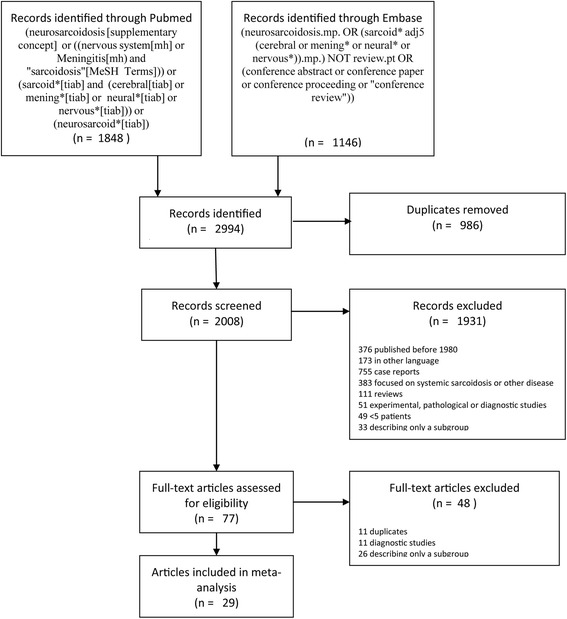
- Systematic review and meta-analysis of PubMed and Embase studies published between 1980 and March 2016 in Dutch, English, French, German, or Spanish.
- Studies were included if they reported at least 5 neurosarcoidosis cases involving at least intracranial manifestations other than isolated hypothalamo-pituitary neurosarcoidosis; studies of one specific neurological presentation and duplicate publications were excluded.
- Pooled reanalysis of published data presented as n/N (%) with 95% confidence intervals; heterogeneity was assessed with Cochrane Q and I² tests.
Limitations
- Stated: all but one study were retrospective, introducing selection bias; most studies were from tertiary referral centres in Europe or the USA; inclusion criteria were heterogeneous and not all items were reported for all patients; patients were included over 30 years, during which mimics such as IgG4-related disease or POEMS syndrome were increasingly recognized; significant heterogeneity was frequent.
- Evident from the text: only 1 of 29 studies was prospective (3%), 24 of 29 (83%) were single-centre, and significant heterogeneity (I² > 50%) occurred for 48 of 110 studied parameters.
Model-written summary. Check it against the paper before relying on it.
Integrity signals
Registry
Cites
Statistics
Figures
Verification
Claims the paper makes
0 Valid · 0 Not valid · 5 Not checked · 39 Own results and interpretations
A result the paper reports from its own data — it cites no other source for it, so there is none to check. The quote shows it is in the paper.
In the paper
“Chest X-ray, chest CT, or gallium-67-scintigraphy showed findings consistent with sarcoidosis in 60%, 70% and 69%, respectively.”
- Also stated in: § Ancillary investigations · plain
“Chest X-ray showed findings consistent with pulmonary or lymph node sarcoidosis in 277 of 461 patients (60%, 95% CI 56–65%) and chest CT in 93 of 132 patients (70%, 95% CI 63–78%).”
§ Clinical features, treatment and outcome in neurosarcoidosis: systematic review and meta-analysis > Abstract > Results
plainn = 461- Asserted: passes — The authors put it forward as true.
- Checkable: passes — It can be checked against evidence.
- Load-bearing: unclear — It is unclear whether the paper’s conclusions depend on it.
- Based: passes — The paper gives a reason why it holds.
- Also stated in: § Ancillary investigations · plain
A result the paper reports from its own data — it cites no other source for it, so there is none to check. The quote shows it is in the paper.
In the paper
“Pleiocytosis and elevated CSF protein were found in 58 and 63%.”
- Also stated in: § Ancillary investigations · plain
“CSF total protein was elevated in 457 of 729 patients (63%, 95% CI 59–66%).”
§ Clinical features, treatment and outcome in neurosarcoidosis: systematic review and meta-analysis > Abstract > Results
plainn = 729- Asserted: passes — The authors put it forward as true.
- Checkable: passes — It can be checked against evidence.
- Load-bearing: unclear — It is unclear whether the paper’s conclusions depend on it.
- Based: passes — The paper gives a reason why it holds.
- Also stated in: § Ancillary investigations · plain
A result the paper reports from its own data — it cites no other source for it, so there is none to check. The quote shows it is in the paper.
In the paper
“New treatments have emerged, but nevertheless one third of patients do not respond to treatment.”
- Also stated in: § Discussion · plain
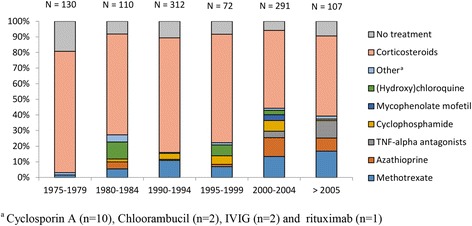
“Over time, second and third line therapy emerged into the treatment of neurosarcoidosis, most recently TNF-alpha antagonists.”
§ Clinical features, treatment and outcome in neurosarcoidosis: systematic review and meta-analysis > Abstract > Conclusion
plain- Asserted: passes — The authors put it forward as true.
- Checkable: passes — It can be checked against evidence.
- Load-bearing: unclear — It is unclear whether the paper’s conclusions depend on it.
- Based: passes — The paper gives a reason why it holds.
- Also stated in: § Discussion · plain
A result the paper reports from its own data — it cites no other source for it, so there is none to check. The quote shows it is in the paper.
In the paper
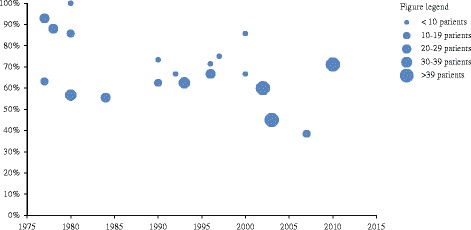
“Seven out of 18 patients (39%; 95% CI 16–62%) who received third line therapy had a favourable outcome.”
§ Clinical features, treatment and outcome in neurosarcoidosis: systematic review and meta-analysis > Results > Outcome
plainn = 18- Asserted: passes — The authors put it forward as true.
- Checkable: passes — It can be checked against evidence.
- Load-bearing: unclear — It is unclear whether the paper’s conclusions depend on it.
- Based: passes — The paper gives a reason why it holds.
A result the paper reports from its own data — it cites no other source for it, so there is none to check. The quote shows it is in the paper.
In the paper
“First line therapy with corticosteroids was initiated in 434 of 539 patients (81%).”
- Also stated in: § Treatment · plain
“First line therapy, consisting of corticosteroids, was initiated in 434 of 539 patients (81%, 95% CI 77–84%); subsequently, 24% of these patients were switched from first line to second or third line therapy.”
§ Clinical features, treatment and outcome in neurosarcoidosis: systematic review and meta-analysis > Abstract > Results
plainn = 539- Asserted: passes — The authors put it forward as true.
- Checkable: passes — It can be checked against evidence.
- Load-bearing: unclear — It is unclear whether the paper’s conclusions depend on it.
- Based: passes — The paper gives a reason why it holds.
- Also stated in: § Treatment · plain
32 more claims
Create a free account to see all 44 claims and to verify the 7 references still open.
- Probably not a substantial claim. 2
- It may state two separate claims as one. 5
Claims other papers make about this one
Each is checked against this paper’s own text: does it say what the citing paper says it does?
In the citing paper
“a meta-analysis of 1,088 patients with NS found that only 31% had systemic disease at presentation, whereas 84% eventually developed systemic manifestations.5”
From Neurosarcoidosis: Pathophysiology, Diagnosis, and Treatment (2021) · cites this paper as [5]
In the citing paper
“A meta-analysis from 2016 noted a favorable outcome with glucocorticoids in 71% of patients with NS.5”
From Neurosarcoidosis: Pathophysiology, Diagnosis, and Treatment (2021) · cites this paper as [5]
In the citing paper
“Combined whole-body FDG-PET/CT scan documented abnormalities consistent with sarcoidosis in 15/19 (78%) patients in 1 series5”
From Neurosarcoidosis: Pathophysiology, Diagnosis, and Treatment (2021) · cites this paper as [5]
In the citing paper
“The most frequent presentations of neurosarcoidosis are headache, cranial nerve dysfunction, ataxia, meningitis, sensory, or motor abnormalities (Table 1) [5,14].”
In the citing paper
“Hypothalamic-pituitary (HP) involvement in neurosarcoidosis is often asymptomatic; however, it can present clinically in the form of endocrine dysfunction (Figure 1).”
8 more claims about this paper
Create a free account to see every claim other papers make about this one.
Self-check
Percentages, sums and reported differences re-computed from the paper’s own numbers.
Each contradiction between two passages listed here was confirmed by an independent check.
Rated major: it would touch a result — a value a result rests on, reported and recomputed p-values on opposite sides of the significance level, two passages that conflict with no sign which is right, or a cited work retracted before this paper was published.
In the paper
§ Clinical features, treatment and outcome in neurosarcoidosis: systematic review and meta-analysis > Results > Treatment
“Deterioration | 19/415 (4)”
§ Clinical features, treatment and outcome in neurosarcoidosis: systematic review and meta-analysis > Results > Outcome
“deterioration in 28 of 465 patients (6%; 95% CI 4–8%).”
Rated minor: it would not touch a result — a value no result rests on, a p-value that stays on the same side of the significance level, or a conflict that is clerical, resolved elsewhere in the paper, or outside its own findings.
In the paper
§ Clinical features, treatment and outcome in neurosarcoidosis: systematic review and meta-analysis > Results > Ancillary investigations
“Gallium-67 scintigraphy | 81/123 (66)”
§ Clinical features, treatment and outcome in neurosarcoidosis: systematic review and meta-analysis > Results > Ancillary investigations
“Gallium-67-scintigraphy findings were consistent with sarcoidosis in 96 of 140 patients (69%, 95% CI 61–76%).”
Rated minor: it would not touch a result — a value no result rests on, a p-value that stays on the same side of the significance level, or a conflict that is clerical, resolved elsewhere in the paper, or outside its own findings.
In the paper
“Stable disease | 100/415 (22)”
§ Clinical features, treatment and outcome in neurosarcoidosis: systematic review and meta-analysis > Results > Treatment
Reported 22 · recomputed 24.096386
Rated minor: it would not touch a result — a value no result rests on, a p-value that stays on the same side of the significance level, or a conflict that is clerical, resolved elsewhere in the paper, or outside its own findings.
In the paper
“In total 652 patients were diagnosed according to Zajicek diagnostic criteria: [8, 9] 159 patients (25%) were classified as having definite neurosarcoidosis, 371 (59%) as probable neurosarcoidosis and 95 (15%) as possible neurosarcoidosis.”
§ Clinical features, treatment and outcome in neurosarcoidosis: systematic review and meta-analysis > Results > Patient characteristics
Reported 652 · recomputed 625
Rated minor: it would not touch a result — a value no result rests on, a p-value that stays on the same side of the significance level, or a conflict that is clerical, resolved elsewhere in the paper, or outside its own findings.
In the paper
“Remission | 126/415 (27)”
§ Clinical features, treatment and outcome in neurosarcoidosis: systematic review and meta-analysis > Results > Treatment
Reported 27 · recomputed 30.361446
4 more findings
Create a free account to see every finding of this check.
Citations
Cites
Stone, J. H., Zen, Y., & Deshpande, V. (2012) · New England Journal of Medicine · doi:10.1056/nejmra1104650 · Cited by 2,616
Iannuzzi, M. C., Rybicki, B. A., & Teirstein, A. S. (2007) · New England Journal of Medicine · doi:10.1056/nejmra071714 · Cited by 1,968
Kamisawa, T., Zen, Y., Pillai, S., & Stone, J. H. (2015) · The Lancet · doi:10.1016/s0140-6736(14)60720-0 · Cited by 1,212
Central nervous system sarcoidosisdiagnosis and management
Zajicek, J. P. (1999) · QJM · doi:10.1093/qjmed/92.2.103 · Cited by 742 · cited 2×
“In addition, corticosteroidassociated side effects occur frequently and can be severe [8, 20].”
BackgroundMethodSarcoidosis and Its Neurological Manifestations
Stern, B. J., Krumholz, A., Johns, C., Scott, P., & Nissim, J. (1985) · Archives of Neurology · doi:10.1001/archneur.1985.04060080095022 · Cited by 714 · cited 1×
“Five studies included patients with the diagnosis based on either histological evidence of non-caseating granulomas or clinical and radiologic findings consistent with the diagnosis sarcoidosis [13, 15, 17, 19, 24].”
MethodInfliximab Therapy in Patients with Chronic Sarcoidosis and Pulmonary Involvement
Baughman, R. P., Drent, M., Kavuru, M., Judson, M. A., Costabel, U., du Bois, R., Albera, C., Brutsche, M., Davis, G., Donohue, J. F., et al. (2006) · American Journal of Respiratory and Critical Care Medicine · doi:10.1164/rccm.200603-402oc · Cited by 714 · cited 1×
“Value of TNF-alpha antagonists has been suggested only in a phase II randomised controlled trial (RCT) in pulmonary sarcoidosis [41].”
BackgroundNeurosarcoidosis: a clinical dilemma
Hoitsma, E., Faber, C. G., Drent, M., & Sharma, O. P. (2004) · The Lancet Neurology · doi:10.1016/s1474-4422(04)00805-1 · Cited by 382 · cited 1×
“Neurologic manifestations described are cranial nerve palsy, aseptic meningitis, peripheral neuropathy and myopathy [5].”
BackgroundDiagnosis and Management of Neurological Sarcoidosis
Lower, E. E. (1997) · Archives of Internal Medicine · doi:10.1001/archinte.157.16.1864 · Cited by 330 · cited 1×
“Five studies included patients with the diagnosis based on either histological evidence of non-caseating granulomas or clinical and radiologic findings consistent with the diagnosis sarcoidosis [13, 15, 17, 19, 24].”
MethodNeurosarcoidosis: Signs, Course and Treatment in 35 Confirmed Cases
Chapelon-Abric, C., Ziza, J. M., Piette, J. C., Lévy, Y., Raguin, G., Wechsler, B., Bitker, M. O., Blétry, O., Laplane, D., Bousser, M., et al. (1990) · Medicine · doi:10.1097/00005792-199009000-00001 · Cited by 324
Presentations and outcomes of neurosarcoidosis: a study of 54 cases
Pawate, S., Moses, H., & Sriram, S. (2009) · QJM: An International Journal of Medicine · doi:10.1093/qjmed/hcp042 · Cited by 267
Cited by
Items 201–300 of 384
Neurosarcoidosis: análisis de una serie de 20 pacientes
Barrios, L. C., Costalago, M. A., Conde, A. H., Ríos, R. A. D. D. L., García-Portales, R., & Martín, G. G. (2020) · Medicina Clínica · doi:10.1016/j.medcli.2020.04.027 · Cited by 2
Neuro-sarcoidosis with isolated optic neuropathy: unmasking the chameleon
Jha, S., Pendyala, S. K., & Tiwari, M. (2024) · The Egyptian Journal of Internal Medicine · doi:10.1186/s43162-024-00322-8 · Cited by 2
“Treatment guidelines propose using glucocorticoids for NS, with high-dose intravenous steroids therapy in vision loss and additional second-line medications: Methotrexate, azathioprine (AZA), and mycophenolate mofetil (MMF) used concurrently with glucocorticoids for initial treatment [9].”
BackgroundGernert, J. A., Sirtl, S., Macke, L., Wittmann, E., Strueven, A., Schwarze, V., Dichtl, K., Neumann, J. H. L., Mayerle, J. V., & Schulz, C. (2021) · Zeitschrift für Gastroenterologie · doi:10.1055/a-1330-9046 · Cited by 2
“Furthermore, we report a remission of neurosarcoidosis under azathioprine therapy, which is used as second-line-immunosuppressant in < 10% of similar cases [9].”
BackgroundKalmarova, K., Kurča, E., Sivák, Š., Michalík, J., Plank, L., Vyšehradský, R., Zeleňák, K., Šutovský, J., & Nosáľ, V. (2019) · Sarcoidosis vasculitis and diffuse lung diseases · doi:10.36141/svdld.v36i1.7168 · Cited by 2
A case of neurosarcoidosis presenting with multiple cranial neuropathies
Mori, S., Kurimoto, T., Ueda, K., Sakamoto, M., Chihara, N., Satake, W., Yamada‐Nakanishi, Y., & Nakamura, M. (2020) · American Journal of Ophthalmology Case Reports · doi:10.1016/j.ajoc.2020.100796 · Cited by 2
Neurological Complications in Systemic Inflammatory Diseases
Casanova, I., Prada, A., de Silanes, C. L., Gonzaga, L., Barrio, L., Eimil, M., Oyanguren, B., Alcántara, P., Saiz, M. A. D. M. B. S. B., Díaz, B. F., et al. (2022) · Current Rheumatology Reviews · doi:10.2174/1573397118666220518094207 · Cited by 2
Cryptococcal Meningitis Developing in a Patient with Neurosarcoidosis
Fukushima, S., Hagiya, H., Yamamoto, Y., Oguni, K., Hasegawa, K., & Otsuka, F. (2022) · Internal Medicine · doi:10.2169/internalmedicine.0879-22 · Cited by 1
Neuroimaging Studies of Secondary Headaches
Chong, C. D., Chirravuri, R., Smith, D., Petrušić, I., & García‐Azorín, D. (2025) · Headache · doi:10.1007/978-3-031-85402-6_4 · Cited by 1
Jayanatha, K., Sapsford, M., Chaptynova, A., & Kumar, A. (2026) · BMJ Case Reports · doi:10.1136/bcr-2026-275128 · Cited by 1
Central nervous system manifestations of systemic autoimmune diseases
Vondenberg, J. A., Kammeyer, R., Piquet, A. L., Moss, B. P., & Hajj‐Ali, R. A. (2024) · Elsevier eBooks · doi:10.1016/b978-0-443-23947-2.00068-0 · Cited by 1
Inflammatory pituitary lesions
Gutenberg, A., & Conrad, J. (2021) · Elsevier eBooks · doi:10.1016/b978-0-12-819949-7.00017-2 · Cited by 1
Cassano, V., Spagni, G., & Iorio, R. (2019) · Neurology · doi:10.1212/wnl.0000000000008253 · Cited by 1
“Corticosteroids are the mainstay of sarcoidosis treatment.(11) Dose and duration of steroid therapy should be tailored on each patient, according to disease severity and treatment response.”
BackgroundInfluentialHutto, S. K. (2025) · Seminars in Neurology · doi:10.1055/a-2601-9030 · Cited by 1
“19,36,37 The spinal meninges (lepto-and pachy-) and spinal nerve roots, including the cauda equina, are also often affected, and can occur in the presence or absence of cordparenchymaldisease.”
Multiple sclerosis mimics that you do not want to miss in the context of 2024 McDonald criteria
Barankiewicz-Tyc, N., Węglewska, M., Kania, K., Ambrosius, W., & Kalinowska, A. (2026) · Neurologia i Neurochirurgia Polska · doi:10.5603/pjnns.110995 · Cited by 1
Worsening Floaters in a 68-Year-Old White Woman
Gundlach, B. S., Maya, M. M., & Tsui, I. (2021) · JAMA Ophthalmology · doi:10.1001/jamaophthalmol.2020.4612 · Cited by 1
Acute Ischemic Stroke in the Setting of Neurosarcoidosis
Suppakitjanusant, P., Srifuengfung, G., Chaisrimaneepan, N., & Avila, M. (2025) · Clinical Case Reports · doi:10.1002/ccr3.70557 · Cited by 1
Waldrop, G. E., Penuela, S. C. D., Barreras, P., Kinder, E., Fitzgerald, K. C., Larman, H. B., Pleasure, S. J., Wilson, M. R., Stern, B. J., Pardo, C. A., et al. (2026) · Neurology Clinical Practice · doi:10.1212/cpj.0000000000200581 · Cited by 1
Morbus Behçet und Sarkoidose aus neurologischer Sicht
Kafke, W., & Buttmann, M. (2019) · Neurologie up2date · doi:10.1055/a-0829-8521 · Cited by 1
“[29] lagen zu 774 von 988 Neurosarkoidosepatienten Liquorbefunde vor.”
BackgroundInfluentialAubart, F. C., Chazal, T., Lhote, R., & Amoura, Z. (2018) · Elsevier eBooks · doi:10.1016/b978-0-323-54429-0.00010-0 · Cited by 1
MATSUNAGA, S., Kimura, Y., Watanabe, N., Akiyama, Y., & Mikuni, N. (2024) · NMC Case Report Journal · doi:10.2176/jns-nmc.2023-0298 · Cited by 1
“2) The etiology of hydrocephalus is categorized into two types: communicating and noncommunicating.”
BackgroundGogia, B., Shah, V., Rai, P. K., Raghuram, K., & Patel, C. (2020) · Journal of Neuroimaging in Psychiatry and Neurology · doi:10.17756/jnpn.2020-034 · Cited by 1
“In the majority of the cases, pulmonary sarcoidosis is present, but isolated neurosarcoidosis has been reported in 22% cases [3].”
BackgroundInfluentialNationwide Analysis of Variables Associated With Sarcoid Inpatient Mortality
Manansala, M., Castellino, J., Arora, S. K., & Manadan, A. M. (2024) · JCR Journal of Clinical Rheumatology · doi:10.1097/rhu.0000000000002162 · Cited by 1
Miquel, L., Testud, B., & Castinetti, F. (2024) · European Journal of Endocrinology · doi:10.1093/ejendo/lvae164 · Cited by 1
Musheyev, B., Barmas-Alamdari, D., Harel, A., Harshan, M., & Li, A. S. (2025) · Journal of VitreoRetinal Diseases · doi:10.1177/24741264251385979 · Cited by 1
“25 It is possible that, given the concern for acute vision loss, these patients may be treated earlier with high-dose steroids, which could mask systemic involvement and limit the utility of these criteria.”
Panhypopituitarism as the first manifestation of sarcoidosis: case report
Уханова, Ю. А., Ilovayskaya, I., & Terpigorev, S. A. (2022) · Problems of Endocrinology · doi:10.14341/probl13115 · Cited by 1
Friedrichs‐Maeder, C., Friedli, C., Kuchen, S., Wiest, R., Hewer, E., Rovó, A., & Chan, A. (2019) · Clinical and Translational Neuroscience · doi:10.1177/2514183x19875064 · Cited by 1
Feature Papers in NeuroSci : From Consciousness to Clinical Neurology
Parnetti, L., Paoletti, F. P., & Gallart-Palau, X. (2023) · MDPI eBooks · doi:10.3390/books978-3-0365-7847-7 · Cited by 1
Fraiman, P. H. A., Valente, A. L., Barreto, M. E. S. F., da Silva, N. L., Filho, F. M. R., Braga, V. L., de Moraes, M. P. M., Pedroso, J. L., & Barsottini, O. G. P. (2023) · Practical Neurology · doi:10.1136/pn-2023-003939 · Cited by 1
Neurosarcoidosis, Coccidioidomycosis, or Both!
Akhavanrezayat, A., Matsumiya, W., Ongpalakorn, P., Ghoraba, H. H., Or, C., Khojasteh, H., Uludağ, G., Yaşar, Ç., Than, N. T. T., Karaca, I., et al. (2023) · International Medical Case Reports Journal · doi:10.2147/imcrj.s434632 · Cited by 1
Looking beyond blurred margins
Chen, J., Korn, B. S., Carey, A. R., & Savino, P. J. (2024) · Survey of Ophthalmology · doi:10.1016/j.survophthal.2024.03.001 · Cited by 1
Neurosarcoidosis manifesting as cavernous sinus syndrome in systemic sarcoidosis
Gao, M., Kwon, G. T., & Amin, M. R. (2024) · BMJ Case Reports · doi:10.1136/bcr-2024-259714 · Cited by 1
Neurosarcoidosis complicated by systemic vasculitis
Carvajal-González, A., Arevalo, O., Beeter, M. C., Umer, S., & Chernyshev, O. Y. (2024) · The American Journal of the Medical Sciences · doi:10.1016/j.amjms.2024.09.008 · Cited by 1
Akhter, S. Z., Fairooz, M., & Khalil, I. (2025) · Radiology Case Reports · doi:10.1016/j.radcr.2025.07.016 · Cited by 1
“MRI imaging plays a crucial role in identifying granulomatous lesions in the brain and pituitary gland, with findings such as nodular leptomeningeal enhancement and thickening of the pituitary gland suggesting the presence of the disease [ 4 ,5 ].”
Neurosarcoidosis: symptoms, diagnosis, and treatment – current state of knowledge
Mazurkiewicz, M. A., & Skrzypczak, I. S. (2025) · Aktualności Neurologiczne · doi:10.15557/an.2025.0002 · Cited by 1
Unmasking Neurosarcoidosis in a Patient With Acute Meningitis Features
Tun, T., Premarathne, T., & Al-Rifaie, I. (2025) · Cureus · doi:10.7759/cureus.97633 · Cited by 1
“Careful exclusion of infectious, neoplastic, and autoimmune mimics, combined with histopathological confirmation, supportive CSF and imaging findings, and multidisciplinary team involvement, facilitated the diagnosis and guided effective therapy [6,7,14].”
Cerebrovascular Manifestations of Neurosarcoidosis – An Overview
Kesav, P., Jacob, A., Hussain, S. I., & John, S. (2026) · Vascular Health and Risk Management · doi:10.2147/vhrm.s505215 · Cited by 1
Rare Neurosarcoidosis Involvements
Serin, G. C., Erol, S., Çelik, G., & Kumbasar, Ö. Ö. (2026) · Respirology Case Reports · doi:10.1002/rcr2.70549 · Cited by 1
Abdominal manifestations of multisystem diseases: a pattern-based imaging review
Saeed, S., Zhao, J., Shi, J., Sommer, D. A., Mingo, S., Ibrahim, S., Helmy, Y., Yaghmai, V., & Helmy, M. (2026) · Abdominal Radiology · doi:10.1007/s00261-026-05641-8 · Cited by 1
A Case of Suspected Neurosarcoidosis Evading Diagnosis With Cervical Biopsy
King, N., Reddy, M. V. S. R. R., Waack, A. L., Hoyt, A. T., & Schroeder, J. L. (2024) · Cureus · doi:10.7759/cureus.62540 · Cited by 1
“Most commonly, patients present in their early 40s with symptoms of cranial neuropathy; however, presentation can vary widely [2-4].”
BackgroundChristensen, P. B., Yavarian, Y., Holm, I., Barzinji, I., & Hilt, C. (2022) · VBN Forskningsportal (Aalborg Universitet) · Cited by 1
Sarcoidosis of the Nervous System
Murphy, O. C., Krumholz, A., & Stern, B. J. (2021) · Elsevier eBooks · doi:10.1016/b978-0-12-819306-8.00049-6 · Cited by 1
Cavalcanti, J. F. B., de Souza, S. C., Lucato, L. T., Glezer, A., & Silva, G. D. (2026) · Pituitary · doi:10.1007/s11102-026-01753-y · Cited by 1
“Neurological involvement, termed neurosarcoidosis (NS), occurs in 5% to 15% of patients [ 1, 2, 4, 5], though subclinical involvement may reach 25% in autopsy and imaging studies [ 3].”
Sökmen, O. (2026) · Journal of the Neurological Sciences · doi:10.1016/j.jns.2026.125957 · Cited by 1
Sarcoidosis Mimicking Skull Base Meningioma
Chaves, J. P. G., Mattozo, C. A., Maeda, A. K., Filla, L., Piva, A. K. D. C., Suzuki, T., da Silva, L. L. G., & Francisco, A. N. (2018) · Arquivos Brasileiros de Neurocirurgia Brazilian Neurosurgery · doi:10.1055/s-0038-1646933 · Cited by 1
Dibaj, P., Kröger, R., Kallenberg, K., Obermann, M., & Harun, A. A. (2018) · Aktuelle Neurologie · doi:10.1055/s-0044-101751 · Cited by 1
Ungprasert, P., & Moss, B. P. (2024) · Springer eBooks · doi:10.1007/978-3-031-24297-7_37-1 · Cited by 1
Allen, J. A. (2024) · Springer eBooks · doi:10.1007/978-3-031-70459-8_10 · Cited by 1
Banerjee, B., Chatterjee, R., & Chandra, A. (2025) · The American Journal of Medicine · doi:10.1016/j.amjmed.2025.08.012 · Cited by 1
Nicolosi, S., Monteleone, G., Bandini, G., Hughes, M., McMahan, Z. H., Bargagli, E., Martone, F. M., Ziosi, G., Confalonieri, P., Confalonieri, M., et al. (2025) · Journal of Clinical Medicine · doi:10.3390/jcm14228231 · Cited by 1
Turabova, C., Reynolds, C. R., Minagar, A., & Davis, D. E. (2018) · Elsevier eBooks · doi:10.1016/b978-0-12-811709-5.00012-0 · Cited by 1
Hydrocephalus and myelopathy: A rare and challenging case of sarcoidosis and review of literature
Alfraji, N., Douedi, S., & Hossain, M. (2020) · Clinical Case Reports · doi:10.1002/ccr3.3003 · Cited by 1
Probable neurosarcoidosis presenting as acute on chronic otorrhoea: a difficult diagnosis
Somani, S. N., Schneider, A. L., Welch, K. C., Alexiev, B. A., & Matsuoka, A. J. (2020) · BMJ Case Reports · doi:10.1136/bcr-2020-237676 · Cited by 1
Unique imaging appearance of neurosarcoidosis as a solitary cystic mass with mural enhancement
Bathla, G., Kandemirli, S. G., Gupta, S., & Agarwal, A. K. (2020) · Surgical Neurology International · doi:10.25259/sni_830_2020 · Cited by 1
“In fact only 31% of patients had known sarcoidosis outside CNS at the time of diagnosis, even though 84% had systemic manifestations at any time during the course of the disease.[4] us, searching for underlying systemic disease helped further establish the diagnosis unequivocally.”
BackgroundLoft, M. K., Rafaelsen, S. R., & Pedersen, M. R. V. (2021) · Acta Radiologica Open · doi:10.1177/2058460120985519 · Cited by 1
Confusion, Hallucinations, and Primary Polydipsia: A Rare Presentation of Neurosarcoidosis
Alakhras, H., Goodman, B. D., Zimmer, M. S., & Aguinaga, S. (2022) · Cureus · doi:10.7759/cureus.21687 · Cited by 1
“He ultimately underwent a brain biopsy which provided a definitive diagnosis of neurosarcoidosis [5].”
BackgroundKrämer, M., Wiethölter, H., & Faiss, J. (2020) · Springer Reference Medizin · doi:10.1007/978-3-662-60676-6_168 · Cited by 1
Maxillary sarcoidosis: a case report
Patel, J., Walker, E., Clarkson, R. J., & Bhakta, S. (2024) · Dental Update · doi:10.12968/denu.2024.51.6.418 · Cited by 1
Beitollahi, A., Berry, H., Gulotta, P. M., Morales, R. E., & Milburn, J. M. (2024) · Ochsner Journal · doi:10.31486/toj.24.0027 · Cited by 1
Hydrocephalus as a Rare Presentation of Neurosarcoidosis—A Case Report
Stauning, A. T., Larsen, C. C., & Holst, A. V. (2025) · SN Comprehensive Clinical Medicine · doi:10.1007/s42399-024-01771-6 · Cited by 1
“In 5–10% of cases, the disease may spread to the nervous system, resulting in neurosarcoidosis [2, 3].”
Byg, K., Ellingsen, T., Wied, J., Peiris, M. D., Lowater, S. J., Sejbæk, T., & Grauslund, J. (2025) · Rheumatology International · doi:10.1007/s00296-025-05818-2 · Cited by 1
“Typical symptoms are cranial neuropathy involving the facial and optic nerves [ 6], headache, and peripheral motor and sensor signs [ 7, 5].”
Neurosarcoidosis Involving the Petrous Apex and Clivus
Lee, L., Richard, H., Canissario, R., Schuman, T. A., & Manzoor, N. F. (2025) · The Laryngoscope · doi:10.1002/lary.32283 · Cited by 1
“With appropriate diagnosis and treatment, more than 50% of patients diagnosed with neurosarcoidosis are able to achieve long-term remission and resolution of their symptomatology [5].”
Qassim, N., Algroosh, F., Hamdan, O., Mohammad, N., Eraidi, S., & Alnaimat, F. (2026) · Rheumatology International · doi:10.1007/s00296-026-06294-y
“This could be attributed to the ongoing disease activity and latency of diagnosis, causing irreversible brain damage [20 ].”
InfluentialSezer, S. S. (2026) · Qeios · doi:10.32388/nd1psw
Demyelinisierende und entzündliche Erkrankungen
Osborn, A. G., & Scheel, M. (2019) · Elsevier eBooks · doi:10.1016/b978-3-437-21041-9.00015-7
Terpigorev, S. A., Bogdanov, R. R., & Dimertsev, A. V. (2026) · Clinical Medicine (Russian Journal) · doi:10.30629/0023-2149-2025-103-12-865-872
Spinal Cord Compression and Myelopathies
Schmalstieg, W. F., & Weinshenker, B. G. (2021) · Springer eBooks · doi:10.1007/978-3-030-75778-6_13
Pohl, H., Kolakowski, L., Neumeier, M. S., & Räz, S. (2026) · Cephalalgia Reports · doi:10.1177/25158163261488715
Rare autoimmune and autoinflammatory neurologic disorders
Verma, N. K., Naik, R. R., Wong, B. H. S., Jayaraman, A., Fazil, M. H. U. T., Lim, K. Y., Cheam, M. S., Yuan, J. C. X., Ting, J. K. Y., Mamidi, A., et al. (2023) · Elsevier eBooks · doi:10.1016/b978-0-323-85841-0.00019-5
Bonella, F., James, W. E., & Spagnolo, P. (2023) · European Respiratory Society eBooks · doi:10.1183/2312508x.10019122
Autoimmune and Inflammatory Multisystem Diseases
Uher, T. (2025) · Springer eBooks · doi:10.1007/978-3-031-98945-2_4
Worsening Paraparesis: A Diagnostic Dilemma for Neurosarcoidosis
Stroia, A., Priyadarshini, S., & Meseeha, M. (2022) · Cureus · doi:10.7759/cureus.25958
“According to a meta-analysis of 1088 patients with neurosarcoidosis, around 50-70% cases will take the form of central and peripheral nervous system involvement [8].”
MethodCNS Syndromes at the Frontier of Autoimmune Encephalitis
Dalmau, J. O., & Graus, F. (2022) · Cambridge University Press eBooks · doi:10.1017/9781108696722.019
The burden of neurosarcoidosis and small fiber neuropathy associated symptoms
Voortman (2019) · Research Publications (Maastricht University) · doi:10.26481/dis.20191129mv
Contemporary management of sarcoidosis
Khine, N. W., & Fletcher, S. (2026) · Frontiers in Medicine · doi:10.3389/fmed.2026.1878683
“(52).”
Judson, M. A., Lower, E. E., Chen, E. S., Sparks, J. A., Farmer, J. R., & Baughman, R. P. (2023) · Springer eBooks · doi:10.1007/978-3-031-23488-0_48
Eaton, J. E., & Pawate, S. (2021) · Springer eBooks · doi:10.1007/978-3-030-61883-4_23
Other Tumors of the Third Ventricle and Tumors of the Lateral Ventricles
Barzaghi, L. R., Ruffino, L., Albano, L., Capitanio, J. F., Gagliardi, F., & Mortini, P. (2024) · Springer eBooks · doi:10.1007/978-3-031-68578-1_22
Nörolojik Hastalıklarda Güncel Tedaviler
Demir, T. G., Çelik, O., Işık, K., Tur, E. K., Koçak, Y., Çevik, D. E., Çolakoğlu, D., Ertekin, A., Taşkın, Y., Şencan, R., et al. (2026) · Akademisyen Kitabevi eBooks · doi:10.37609/akya.3932
Treatment and Management of Infectious, Granulomatous, and Toxic Neuromuscular Disorders
Luciano, C. A., & Caraballo-Cartagena, S. (2021) · Elsevier eBooks · doi:10.1016/b978-0-323-71317-7.00016-0
A young man with transitory hemiparesis and lung infiltrates
Posavec, A. L., Radović, N., & Tekavec-Trkanjec, J. (2021) · Breathe · doi:10.1183/20734735.0069-2021
“MRI of the brain showed abnormalities in 70% of patients and is a gold standard for diagnosis [9].”
BackgroundRadyoloji Başucu Serisi Nöroradyoloji
Hızal, M., Gözgeç, E., Dündar, İ., Kılınç, F., Akçalar, S., Çetinkaya, E., Yılmaz, T. F., Asfuroğlu, B. B., Asfuroğlu, U., Sakçı, Z., et al. (2022) · Akademisyen Kitabevi eBooks · doi:10.37609/akya.1094
Danni isolati dei nervi cranici
Delsanti, R., Cogez, J., Branger, P., & Viader, F. (2023) · EMC - Neurologia · doi:10.1016/s1634-7072(23)47684-2
Neurosarkoidose — wie sicher ist die Diagnose?
Kafke, W., & Buttmann, M. (2018) · NeuroTransmitter · doi:10.1007/s15016-018-6215-1
Seltene Formen der entzündlichen Erkrankungen des Zentralnervensystems
Bachhuber, A. (2022) · Der Radiologe · doi:10.1007/s00117-022-00983-y
“Etwa 9% der Patienten entwickeln durch subependymale Entzündungen, granulomatöse Obstruktionen oder entzündliche Veränderungen der Granulationes arachnoideales einen Hydrozephalus [6].”
BackgroundCase Report:Sarcoidosis with Peripheral neuropathyPreprint
Li, J., Yang, S.-S., Xue, M., & Zhang, M. (2023) · Research Square · doi:10.21203/rs.3.rs-3543181/v1
Journal of Neurology and Neuroscience
(2016) · Journal of Neurology and Neuroscience · doi:10.3823/317
Long-Term Systemic Outcomes of Sarcoidosis in Patients with UveitisPreprint
Abramowicz, S., Jacquot, R., Subtil, F., Cargnelutti, M., Siriphanh, A., Pérard, L., Burillon, C., Jamilloux, Y., Mathis, T., Kodjikian, L., et al. (2026) · Research Square · doi:10.21203/rs.3.rs-10668951/v1
Neutrophil Extracellular Traps in Bacterial Meningitis: A novel therapeutic target for treatment.
Cardoso, J. F. P. (2018) · Portuguese National Funding Agency for Science, Research and Technology (RCAAP Project by FCT)
Wodetzki, T. A. (2023) · Dokumentenrepositorium der RUB (Ruhr University Bochum) · doi:10.13154/294-10662
Autoimmune and Infectious Neuropathies
Abuzinadah, A. R., & Gibbons, C. H. (2019) · Springer eBooks · doi:10.1007/978-981-13-3546-4_10
Otto, C. (2023) · Refubium (Universitätsbibliothek der Freien Universität Berlin) · doi:10.17169/refubium-38781
Autoimmune Encephalitis: The Rheumatologist’s Perspective
Alansari, S. A., & Alsini, H. (2026) · Annals of Rheumatology and Autoimmunity · doi:10.4103/ara.ara_12_24
Conséquences endocriniennes des maladies générales
Kaké, A., Bastin, M., Bakopoulou, S., Thioye, E. M. M., Hage, M. P., & Raffin‐Sanson, M. (2026) · EMC - Endocrinologie - Nutrition · doi:10.1016/s1155-1941(25)41333-x
Wang, A.-G. (2018) · Springer eBooks · doi:10.1007/978-981-10-7668-8_55
Ferriby, D., & Seze, J. D. (2025) · EMC - Neurologia · doi:10.1016/s1634-7072(25)50368-9
Herrero-Morant, A. (2026) · UCrea (University of Cantabria)
Diagnosing Uveitis: Value and Limitations of Current Diagnostic Tests
Groen‐Hakan, F. (2019) · EUR Research Repository (Erasmus University Rotterdam)
Neurologic Manifestations of Rheumatologic Disease
Bhattacharyya, S. (2026) · CONTINUUM Lifelong Learning in Neurology · doi:10.1212/cont.0000000000001662
Timmermans, M. (2018) · RePub (Erasmus University Rotterdam)
Metadata
- Authors
- Fritz, D., van de Beek, D., & Brouwer, M. C.
- Affiliations
- Amsterdam UMC Location University of Amsterdam (NL)
- Corresponding author
- Brouwer, Matthijs C.
- Venue
- BMC Neurology
- Published
- 2016-11-15
- Volume
- 16
- Issue
- 1
- Pages
- 220-220
- ISSN
- 1471-2377 (ISSN-L)
- PMC
- PMC5109654
- OpenAlex
- W2554532091
- Cited by
- 385
- References
- 42
- Citations by year
- 2026: 43 · 2025: 47 · 2024: 54 · 2023: 54 · 2022: 43 · 2021: 40 · 2020: 37 · 2019: 24 · 2018: 31 · 2017: 10 · 2016: 2
- FWCI
- 3.39
- Type
- journal article
- Language
- en
- Open access
- gold
- doi.org
- Licence
- Locations
- BMC Neurology (publishedVersion, cc-by)
- Pure Amsterdam UMC (publishedVersion, other-oa)
- PubMed Central (publishedVersion, cc-by)
- PubMed (publishedVersion)
- Data Archiving and Networked Services (DANS) (submittedVersion)
- Funders
- ZonMw (916.13.078, 016.116.358)
- European Research Council (281156)
- Topics
- Health Sciences › Medicine › Pulmonary and Respiratory Medicine › Sarcoidosis and Beryllium Toxicity Research
- Health Sciences › Medicine › Hematology › Histiocytic Disorders and Treatments
- Health Sciences › Medicine › Infectious Diseases › Fungal Infections and Studies
- Keywords
- neurosarcoidosis, sarcoidosis, cranial neuropathy, facial nerve, optic nerve, headache, pleocytosis, cerebrospinal fluid protein, brain MRI abnormalities, corticosteroid therapy, treatment outcomes, remission, gallium-67 scintigraphy
- MeSH terms
- Adult, Central Nervous System Diseases, Humans, Sarcoidosis
About these checks
Registry, retraction, Cites and statistics results are computed, not judged, with one exception: a printed reference that no index lists is read once by a model before it counts as a citation error. Claims are extracted by a model and kept only when their quote appears verbatim in the text; each cited source is then checked, with a model’s help, for whether it says what the claim relies on. Those verdicts can be wrong — read the claim’s quote and the cited source before relying on one.
A language model drew the claims from the paper on 2026-11-27, under version 3 of the claim definition (model deepseek-v4.1-flash, prompt extract-v3).
A second model labelled each claim on 2026-11-27 (model jev-1.13-20260917, definition revision gold-guideline-v0.2).
Statistics and arithmetic are recomputed, not judged.
Confidence bands are shown only for fields calibrated on our annotated test set. None is calibrated yet, so no band is shown.
What counts as a claim ›How we measure confidence ›How we check this ›
Are you an author, or do you see a problem with this page? Request a review
Data sources
Bibliographic data: Semantic Scholar, OpenAlex, Crossref.
Contains information from the Semantic Scholar Academic Graph Datasets, made available under the ODC Attribution License (ODC-BY 1.0).
Semantic Scholar’s data is described in: Kinney, R., et al. (2023). The Semantic Scholar Open Data Platform. arXiv:2301.10140.
