

The DOI matches its Crossref record; 44 of the 44 references it cites were found in a registry or an index.
Benefits of preparing for childbirth with mindfulness training: a randomized controlled trial with active comparison
Open accessAbstract
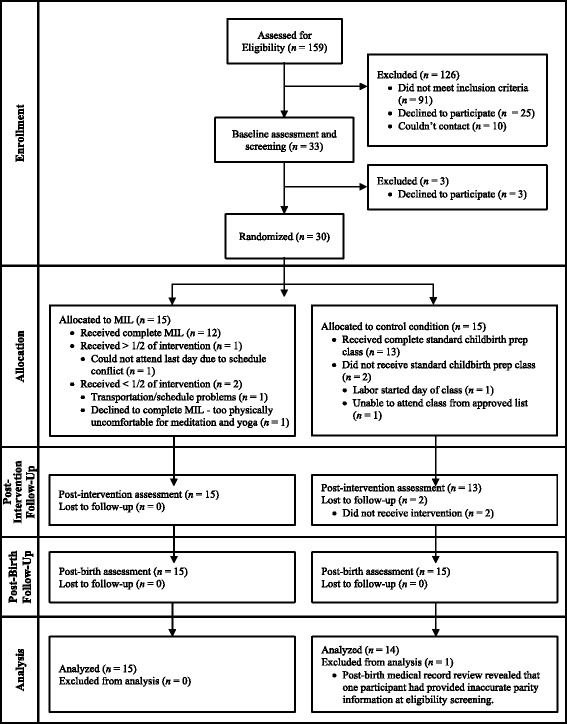
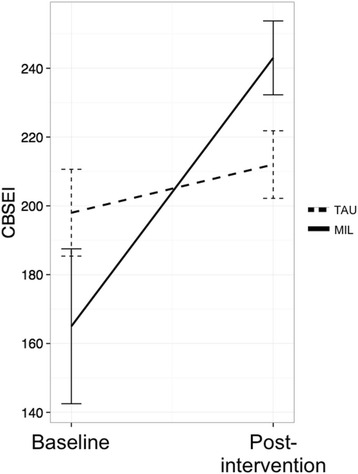
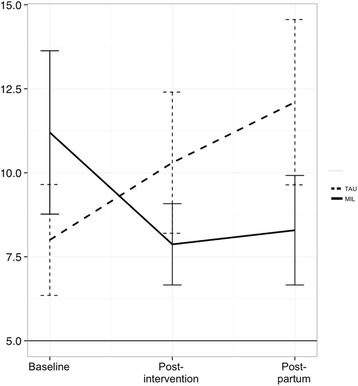
BACKGROUND: Childbirth fear is linked with lower labor pain tolerance and worse postpartum adjustment. Empirically validated childbirth preparation options are lacking for pregnant women facing this problem. Mindfulness approaches, now widely disseminated, can alleviate symptoms of both chronic and acute pain and improve psychological adjustment, suggesting potential benefit when applied to childbirth education. METHODS: This study, the Prenatal Education About Reducing Labor Stress (PEARLS) study, is a randomized controlled trial (RCT; n = 30) of a short, time-intensive, 2.5-day mindfulness-based childbirth preparation course offered as a weekend workshop, the Mind in Labor (MIL): Working with Pain in Childbirth, based on Mindfulness-Based Childbirth and Parenting (MBCP) education. First-time mothers in the late 3rd trimester of pregnancy were randomized to attend either the MIL course or a standard childbirth preparation course with no mind-body focus. Participants completed self-report assessments pre-intervention, post-intervention, and post-birth, and medical record data were collected. RESULTS: In a demographically diverse sample, this small RCT demonstrated mindfulness-based childbirth education improved women's childbirth-related appraisals and psychological functioning in comparison to standard childbirth education. MIL program participants showed greater childbirth self-efficacy and mindful body awareness (but no changes in dispositional mindfulness), lower post-course depression symptoms that were maintained through postpartum follow-up, and a trend toward a lower rate of opioid analgesia use in labor. They did not, however, retrospectively report lower perceived labor pain or use epidural less frequently than controls. CONCLUSIONS: This study suggests mindfulness training carefully tailored to address fear and pain of childbirth may lead to important maternal mental health benefits, including improvements in childbirth-related appraisals and the prevention of postpartum depression symptoms. There is also some indication that MIL participants may use mindfulness coping in lieu of systemic opioid pain medication. A large-scale RCT that captures real-time pain perceptions during labor and length of labor is warranted to provide a more definitive test of these effects. TRIAL REGISTRATION: The ClinicalTrials.gov identifier for the PEARLS study is: NCT02327559 . The study was retrospectively registered on June 23, 2014.
Overview
The claims and statistics of this paper haven’t been checked yet.
Run the check — free, no account needed. It reads the open-access text and checks the sources it cites.
Integrity signals
Registry
Cites
Statistics
Figures
Verification
Claims the paper makes
The claims and statistics of this paper haven’t been checked yet.
Run the check — free, no account needed. It reads the open-access text and checks the sources it cites.
Claims other papers make about this one
Each is checked against this paper’s own text: does it say what the citing paper says it does?
The source backs part of the claim, not all of it — or backs it for a different population, condition or comparison.
In the citing paper
“Given the demonstrated benefit of mindfulness training in pregnancy for improving depression symptoms and preventing depression relapse [12, 20], mindfulness may be especially suited, in combination with CBT-I, for treating insomnia in pregnant women with a history of depression.”
From Online prenatal trial in mindfulness sleep management (OPTIMISM): Protocol for a pilot randomized controlled trial (2020) · cites this paper as [20]
Experimental — accuracy not yet measuredThe cited source says what the claim attributes to it.
In the citing paper
“Further, several brief adaptations of mindfulness-based childbirth and parenting programs exist (e.g., a weekend workshop, 4 vs. 9 weeks [105, 107]), thereby enhancing the accessibility of these interventions.”
From Trajectories of Maternal and Paternal Internalizing Symptoms from Pregnancy to 2 Years Postpartum: Identifying Modifiable Risk and Protective Factors (2024) · cites this paper as [107]
Self-check
Percentages, sums and reported differences re-computed from the paper’s own numbers.
The self-check needs the paper’s full text.
Citations
Cites
The CES-D Scale: A Self-Report Depression Scale for Research in the General Population
Radloff, L. S. (1977) · Applied Psychological Measurement · doi:10.1177/014662167700100306 · Cited by 53,267
The Pain Catastrophizing Scale: Development and validation.
Sullivan, M. J. L., Bishop, S. R., & Pivik, J. (1995) · Psychological Assessment · doi:10.1037//1040-3590.7.4.524 · Cited by 8,227
(2008) · Medical Entomology and Zoology · Cited by 7,477
Kabat-Zinn, J. (1982) · General Hospital Psychiatry · doi:10.1016/0163-8343(82)90026-3 · Cited by 4,255 · cited 1×
“Mindfulness training – long used as a method for promoting coping with chronic pain [7, 8] and shown to be beneficial for acute pain [9, 10] – provides a novel and promising strategy for preparing women for childbirth.”
MethodThe validation of visual analogue scales as ratio scale measures for chronic and experimental pain
Price, D. D., McGrath, P. A., Rafii, A., & Buckingham, B. (1983) · Pain · doi:10.1016/0304-3959(83)90126-4 · Cited by 3,921 · cited 6×
“The VAS is one of the most commonly used pain measures and it has been used successfully to assess labor pain [22].”
MethodInfluentialThe effect of mindfulness based therapy on anxiety and depression: A meta analytic review
Hofmann, S. G., Sawyer, A. T., Witt, A. A., & Oh, D. (2010) · Journal of Consulting and Clinical Psychology · doi:10.1037/a0018555 · Cited by 3,846
Perinatal Depression: A Systematic Review of Prevalence and Incidence
Gavin, N. I., Gaynes, B. N., Lohr, K. N., Meltzer-Brody, S., Gartlehner, G., & Swinson, T. (2005) · Obstetrics & Gynecology · doi:10.1097/01.aog.0000183597.31630.db · Cited by 3,282 · cited 9×
“A robust literature documents the negative impact of PPD on the quality of mother-infant interaction, with studies showing less reciprocal [35] and more intrusive, hostile, disengaged, and withdrawn behavior among mothers with PPD [36, 37].”
BackgroundInfluentialHölzel, B. K., Lazar, S. W., Gard, T., Schuman-Olivier, Z., Vago, D. R., & Ott, U. (2011) · Perspectives on Psychological Science · doi:10.1177/1745691611419671 · Cited by 3,024
Baer, R. A., Smith, G. T., Lykins, E., Button, D., Krietemeyer, J., Sauer, S., Walsh, E., Duggan, D., & Williams, J. M. G. (2008) · Assessment · doi:10.1177/1073191107313003 · Cited by 2,930 · cited 5×
“Mindfulness and mindful body awareness The Five Facet Mindfulness Questionnaire (FFMQ) [25] was used to assess levels of dispositional mindfulness (a tendency to avoid mindlessness in everyday life) at each time point (T1 - T3).”
MethodInfluentialMaternal depression and parenting behavior
Lovejoy, M. C., Graczyk, P. A., O'Hare, E., & Neuman, G. (2000) · Clinical Psychology Review · doi:10.1016/s0272-7358(98)00100-7 · Cited by 2,667 · cited 8×
“A robust literature documents the negative impact of PPD on the quality of mother-infant interaction, with studies showing less reciprocal [35] and more intrusive, hostile, disengaged, and withdrawn behavior among mothers with PPD [36, 37].”
BackgroundInfluential
Cited by
Sorted by citations
Galante, J., Friedrich, C., Dawson, A. F., Modrego-Alarcón, M., Gebbing, P., Delgado-Suárez, I., Gupta, R., Dean, L., Dalgleish, T., White, I. R., et al. (2021) · PLOS Medicine · doi:10.1371/journal.pmed.1003481 · Cited by 319
“Year, Country N Participants (category) Mean Age (SD) Women Outcomes Intervention (category) Control/s (category) Outcome Time Points Xu 2015 [277], China 90 Adults (1) 31 (8) 56% Dis, Mindf Mindfulness training (2) Waitlist (1) Post–int Yazdanimehr 2016 [278,279], Iran 80 Pregnant women (2) 26 (5.2) 100% Anx, Dep, Di…”
BackgroundInfluentialRelaxation techniques for pain management in labour
Smith, C. A., Levett, K. M., Collins, C. T., Armour, M., Dahlen, H. G., & Suganuma, M. (2018) · Cochrane Database of Systematic Reviews · doi:10.1002/14651858.cd009514.pub2 · Cited by 307
Brief Mindfulness-Based Interventions for Acute and Chronic Pain: A Systematic Review
McClintock, A. S., McCarrick, S. M., Garland, E. L., Zeidan, F., & Zgierska, A. E. (2019) · The Journal of Alternative and Complementary Medicine · doi:10.1089/acm.2018.0351 · Cited by 107
Pan, W., Chang, C.-W., Chen, S.-M., & Gau, M. (2019) · BMC Pregnancy and Childbirth · doi:10.1186/s12884-019-2503-4 · Cited by 115
“Although the findings are consistent with previous research that has shown mindfulness to be effective at improving psychological well-being in different perinatal populations [14, 20, 21], the measurements in most of this research were conducted at 4–6 weeks postpartum.”
BackgroundResultWhen Fathers Begin to Falter: A Comprehensive Review on Paternal Perinatal Depression
Bruno, A., Celebre, L., Mento, C., Rizzo, A., Silvestri, M. C., Stefano, R. D., Zoccali, R. A., & Muscatello, M. R. A. (2020) · International Journal of Environmental Research and Public Health · doi:10.3390/ijerph17041139 · Cited by 106
“It was shown that parents who learn mindfulness practice develop an attitude towards a high-quality relationship with their children [99,100].”
BackgroundMindfulness-based programme on the psychological health of pregnant women.
Pan, W.-L., Gau, M., Lee, T.-Y., Jou, H., Liu, C.-Y., & Wen, T.-K. (2019) · Women and Birth · doi:10.1016/j.wombi.2018.04.018 · Cited by 83
Goetz, M., Schiele, C., Müller, M., Matthies, L. M., Deutsch, T. M., Spano, C., Graf, J., Zipfel, S., Bauer, A., Brucker, S. Y., et al. (2020) · Journal of Medical Internet Research · doi:10.2196/17593 · Cited by 85
“Recent studies on MBI for pregnant women have shown generally positive effects, including decline in the symptoms of depression, anxiety, pregnancy-related stress, and increased childbirth self-efficacy [22-25].”
BackgroundSelf-Efficacy in a Nursing Context
Shorey, S., & López, V. (2021) · Springer eBooks · doi:10.1007/978-3-030-63135-2_12 · Cited by 106
Interventions for fear of childbirth including tocophobia
O’Connell, M. A., Khashan, A. S., Leahy‐Warren, P., Stewart, F. J., & O’Neill, S. M. (2021) · Cochrane Database of Systematic Reviews · doi:10.1002/14651858.cd013321.pub2 · Cited by 77
“Duncan 2017 {published data only} * Duncan LG, Cohn MA, Chao MT, Cook JG, Riccobono J, Bardacke N. Benefits of preparing for childbirth with mindfulness training: a randomized controlled trial with active comparison.”
BackgroundWarriner, S., Crane, C., Dymond, M., & Krusche, A. (2018) · Midwifery · doi:10.1016/j.midw.2018.05.004 · Cited by 57
Leng, L. L., Yin, M. X. C., & Ng, S. M. (2023) · Comprehensive Psychiatry · doi:10.1016/j.comppsych.2023.152375 · Cited by 65
Antenatal Fear of Childbirth as a Risk Factor for a Bad Childbirth Experience
Rúger-Navarrete, A., Vázquez-Lara, J. M., Antúnez-Calvente, I., Rodríguez-Díaz, L., Riesco-González, F. J., Palomo-Gómez, R., Gómez-Salgado, J. C., & Fernández-Carrasco, F. J. (2023) · Healthcare · doi:10.3390/healthcare11030297 · Cited by 60
“Epidural anaesthesia initially reduces pain, but interestingly, women who request it are more fearful [10].”
BackgroundHuang, J., Huang, J., Li, Y., & Liao, B. (2021) · BMC Pregnancy and Childbirth · doi:10.1186/s12884-021-04123-7 · Cited by 53
Zaman, A. Y., Fadlalmola, H. A., Ibrahem, S., Ismail, F. H., Abedelwahed, H. H., Ali, A. M., Abdelgadim, N. H., Mustafa, A. M. A., Ahmed, I. H., Ahmed, N. M., et al. (2025) · European Journal of Midwifery · doi:10.18332/ejm/200747 · Cited by 52
Meditation and Mindfulness in Pregnancy and Postpartum: A Review of the Evidence
Babbar, S., Oyarzabal, A. J., & Oyarzabal, E. A. (2021) · Clinical Obstetrics & Gynecology · doi:10.1097/grf.0000000000000640 · Cited by 50
Min, W., Jiang, C., Li, Z., & Wang, Z. (2023) · Journal of Affective Disorders · doi:10.1016/j.jad.2023.03.053 · Cited by 52
The efficacy of mindfulness-based interventions in acute pain: a systematic review and meta-analysis
Shires, A., Sharpe, L., Davies, J. N., & Newton-John, T. R. O. (2020) · Pain · doi:10.1097/j.pain.0000000000001877 · Cited by 43
Singh Solorzano, C., Porciello, G., Violani, C., & Grano, C. (2022) · Journal of Affective Disorders · doi:10.1016/j.jad.2022.05.109 · Cited by 44
Mindfulness-Based Interventions and Body Awareness
Pérez-Peña, M., Notermans, J., Desmedt, O., der Gucht, K. V., & Philippot, P. (2022) · Brain Sciences · doi:10.3390/brainsci12020285 · Cited by 55
“Despite these promising results, two of these studies were underpowered pilot studies [24,25] in need of replication.”
MethodResultYan, H., Wu, Y., & Li, H. (2022) · Journal of Affective Disorders · doi:10.1016/j.jad.2022.03.002 · Cited by 50
Corbally, L., & Wilkinson, M. (2021) · Mindfulness · doi:10.1007/s12671-021-01697-3 · Cited by 44
“…et al.(2013) Zhang and Emory (2015) Beattie et al. (2017) Lonnberg et al. (2020) Pan et al. (2019) Woolhouse et al. (2014) Gambrel and Piercy (2015) Duncan et al. (2017) Q7 = 6.52, p = 0.48; I 2 = 0.01% 1.07 [0.13, 2.01] 0.48 [-0.21, 1.17] 0.35 [-0.53, 1.23] 0.30 [-0.01, 0.61] 0.12 [-0.33,…”
InfluentialHan, L., Bai, H., Lun, B., Li, Y., Wang, Y., & Ni, Q. (2022) · Frontiers in Psychiatry · doi:10.3389/fpsyt.2022.935760 · Cited by 41
Aktaş, S., & Pasinlioğlu, T. (2020) · Journal of Evaluation in Clinical Practice · doi:10.1111/jep.13523 · Cited by 40
Haßdenteufel, K., Müller, M., Abele, H., Brucker, S. Y., Graf, J., Zipfel, S., Bauer, A., Jakubowski, P., Pauluschke‐Fröhlich, J., Wallwiener, M., et al. (2023) · Psychiatry Research · doi:10.1016/j.psychres.2023.115599 · Cited by 40
“Several earlier studies have found mindfulness-based interventions to be effective in reducing mental distress in pregnant women, especially in those at risk for depression and anxiety (Byrne et al., 2014; Duncan et al., 2017; Dunn et al., 2012; Hofmann et al., 2010).”
Abdolalipour, S., Mohammad‐Alizadeh‐Charandabi, S., Mashayekh‐Amiri, S., & Mirghafourvand, M. (2023) · Journal of Affective Disorders · doi:10.1016/j.jad.2023.04.020 · Cited by 36
MacKinnon, A., Madsen, J. W., Giesbrecht, G. F., Campbell, T. S., Carlson, L. E., Dimidjian, S., Letourneau, N. L., Tough, S., & Tomfohr‐Madsen, L. M. (2021) · Mindfulness · doi:10.1007/s12671-020-01585-2 · Cited by 38
Abdollahi, S., Faramarzi, M., Delavar, M. A., Bakouei, F., Chehrazi, M., & Gholinia, H. (2020) · Frontiers in Psychology · doi:10.3389/fpsyg.2020.00787 · Cited by 34
“Also, 18 h of a mindfulnessbased maternity preparedness program improved fear and labor pain, as well as self-efficacy, in pregnant women (Duncan et al., 2017).”
BackgroundLeutenegger, V., Grylka‐Baeschlin, S., Wieber, F., Daly, D., & Pehlke‐Milde, J. (2022) · BMC Pregnancy and Childbirth · doi:10.1186/s12884-022-05178-w · Cited by 33
“The use of pain medication [19, 25, 27] and the mode of birth were investigated in three studies [25–27].”
BackgroundMethodInfluentialLeng, L. L., Yin, M. X. C., Chan, C., & Ng, S. M. (2023) · Journal of Affective Disorders · doi:10.1016/j.jad.2023.04.133 · Cited by 35
Rosseland, L. A., Rème, S. E., Simonsen, T. B., Thoresen, M., Nielsen, C. S., & Eberhard‐Gran, M. (2020) · Scandinavian Journal of Pain · doi:10.1515/sjpain-2020-0025 · Cited by 30
Sbrilli, M. D., Duncan, L. G., Bardacke, N., & Laurent, H. K. (2020) · BMC Pregnancy and Childbirth · doi:10.1186/s12884-020-03318-8 · Cited by 33
Self-citationSacristán-Martín, O., Germán, M. Á. S., García‐Campayo, J., Duncan, L. G., Bardacke, N., Fernández-Alonso, C., Garcia-Sacristan, G., Garcia-Sacristan, D., Barceló‐Soler, A., & Montero‐Marín, J. (2019) · Trials · doi:10.1186/s13063-019-3739-z · Cited by 37
Self-citationInteroception is associated with anxiety and depression in pregnant women: A pilot study
Noda, M., Sato, Y., Suetsugu, Y., & Morokuma, S. (2022) · PLOS ONE · doi:10.1371/journal.pone.0267507 · Cited by 27
“They examined the psychological effects of the Mind in Labor intervention over time [13].”
BackgroundResultShorey, S., Ang, L., & Chee, C. Y. I. (2019) · Nursing Outlook · doi:10.1016/j.outlook.2019.05.004 · Cited by 28
Effect of antenatal education on childbirth self-efficacy: A systematic-review and meta-analysis
Demirci, A. D., Kochan, M., & Kabukçuoğlu, K. (2021) · Current Psychology · doi:10.1007/s12144-021-02418-8 · Cited by 26
Yosep, I., Mardhiyah, A., & Sriati, A. (2023) · Journal of Multidisciplinary Healthcare · doi:10.2147/jmdh.s411849 · Cited by 39
Trapani, S., Caglioni, M., Villa, G., Manara, D. F., & Caruso, R. (2023) · Journal of Integrative and Complementary Medicine · doi:10.1089/jicm.2023.0114 · Cited by 26
Yin, A., Shi, Y., Heinonen, S. T., Räisänen, S., Fang, W., Jiang, H., & Chen, A. (2023) · Journal of Affective Disorders · doi:10.1016/j.jad.2023.11.054 · Cited by 26
Hassanzadeh, R., Abbasalizadeh, F., Meedya, S., Mohammad‐Alizadeh‐Charandabi, S., & Mirghafourvand, M. (2021) · Midwifery · doi:10.1016/j.midw.2021.103154 · Cited by 24
Trait mindfulness during pregnancy and perception of childbirth
Hulsbosch, L. P., Boekhorst, M. G. B. M., Potharst, E. S., Pop, V. J. M., & Nyklíček, I. (2021) · Archives of Women s Mental Health · doi:10.1007/s00737-020-01062-8 · Cited by 23
If It All Comes Down to Bodily Awareness, How Do We Know? Assessing Bodily Awareness
Mehling, W. E. (2020) · Kinesiology Review · doi:10.1123/kr.2020-0021 · Cited by 25
Hassanzadeh, R., Abbasalizadeh, F., Meedya, S., Mohammad‐Alizadeh‐Charandabi, S., & Mirghafourvand, M. (2021) · Nursing Open · doi:10.1002/nop2.787 · Cited by 23
Effect of mindfulness meditation on depression during pregnancy: A meta-analysis
Li, Y., Chen, J., Chen, B., Wang, T., Wu, Z., Huang, X., & Li, S. (2022) · Frontiers in Psychology · doi:10.3389/fpsyg.2022.963133 · Cited by 26
Mindfulness, Interoception, and the Body
Todd, J., & Aspell, J. E. (2022) · Brain Sciences · doi:10.3390/brainsci12060696 · Cited by 32
Factors associated with childbirth self-efficacy: a multicenter cross-sectional study in China
Zhao, Y., Wu, J., Yang, H., Yin, X., Li, D., Qiu, L., Sun, N., & Gong, Y. (2020) · Midwifery · doi:10.1016/j.midw.2020.102883 · Cited by 22
Huynh, T., Kerr, M. L., Kim, C. N., Fourianalistyawati, E., Chang, V. Y., & Duncan, L. G. (2024) · Mindfulness · doi:10.1007/s12671-024-02379-6 · Cited by 38
Self-citationExperiences of Postpartum Women after Mindfulness Childbirth Classes: A Qualitative Study
Kantrowitz‐Gordon, I., Abbott, S., & Hoehn, R. (2018) · Journal of Midwifery & Women s Health · doi:10.1111/jmwh.12734 · Cited by 25
Evidence for Continuing Buprenorphine in the Perioperative Period
Li, A. H.-Y., Schmiesing, C. A., & Aggarwal, A. K. (2020) · Clinical Journal of Pain · doi:10.1097/ajp.0000000000000858 · Cited by 23
Development of the Labor Pain Relief Attitude Questionnaire for pregnant women (LPRAQ-p)
Hulsbosch, L. P., Nyklı́ček, I., Potharst, E. S., Boekhorst, M. G. B. M., & Pop, V. J. M. (2020) · BMC Pregnancy and Childbirth · doi:10.1186/s12884-020-03415-8 · Cited by 21
Rania, N. (2019) · Health Psychology Open · doi:10.1177/2055102919844492 · Cited by 21
“In fact, childbirth fear is related to lower labour pain tolerance and worse postpartum adjustment, and a mindfulness approach can reduce the fear of pain and symptoms of both chronic and acute pain (Duncan et al., 2017).”
BackgroundReangsing, C., Punsuwun, S., & Oerther, S. E. (2024) · Journal of Affective Disorders · doi:10.1016/j.jad.2024.02.049 · Cited by 20
Fear of childbirth in Iran: A systematic review of psychological intervention research
Azizi, M., Kamali, M., Elyasi, F., & Shirzad, M. (2021) · International Journal of Reproductive BioMedicine (IJRM) · doi:10.18502/ijrm.v19i5.9250 · Cited by 20
“Moreover, another study had indicated the effectiveness of mindfulness in improving psychological health status of pregnant women for natural delivery (58).”
BackgroundMeditation as an Adjunct to the Management of Acute Pain
Wipplinger, F., Holthof, N., Andereggen, L., Urman, R. D., Luedi, M. M., & Bello, C. (2023) · Current Pain and Headache Reports · doi:10.1007/s11916-023-01119-0 · Cited by 20
Hicks, L. M., Dayton, C. J., & Victor, B. G. (2018) · Journal of Affective Disorders · doi:10.1016/j.jad.2018.05.044 · Cited by 20
Shahsavan, F., Akbari, N., Gharraee, B., Abolghasemi, J., & Khedmat, L. (2020) · Perspectives In Psychiatric Care · doi:10.1111/ppc.12535 · Cited by 19
Vekhter, D., Robbins, M. S., Minen, M. T., & Buse, D. C. (2020) · Current Pain and Headache Reports · doi:10.1007/s11916-020-00899-z · Cited by 19
Mobile well-being in pregnancy: suggestions from a quasi-experimental controlled study
Carissoli, C., Gasparri, D., Riva, G., & Villani, D. (2021) · Behaviour and Information Technology · doi:10.1080/0144929x.2021.1894484 · Cited by 18
“Source: Feldman, Greeson, and Senville (2010); Duncan et al. (2017); Zessin, Dickhäuser, and Garbade (2015); Mohamadirizi and Kordi (2016); Corno et al. (2018). intervention vs. control) as a between-subjects variable and time (baseline vs. post-intervention, baseline vs. postpartum) as a…”
BackgroundInfluentialZhang, D., Tsang, K. W. K., Duncan, L. G., Yip, B. H. K., Chan, D. C. C., Lee, E. K. P., Gao, T. T., Tam, W. H., Lam, K. Y., Tong, W. H., et al. (2023) · Mindfulness · doi:10.1007/s12671-022-02046-8 · Cited by 17
“Experimental studies in Sweden, the USA, Taiwan, Iran, and Sri Lanka also showed MBCP’s effectiveness in reducing stress, anxiety, and depressive symptoms, leading to a positive state of mind and increased self-efficacy (Agampodi et al., 2018; Duncan et al., 2017; Khoshayand et al., 2019; Lönnberg et al., 2020; Pan et…”
BackgroundSelf-citationGodbout, N., Paradis, A., Rassart, C.-A., Sadikaj, G., Herba, C. M., & Drapeau-Lamothe, M. (2023) · Journal of Affective Disorders · doi:10.1016/j.jad.2023.01.007 · Cited by 17
Pregnant women’s use of a consumer-based meditation mobile app: A descriptive study
Green, J., Neher, T. L., Puzia, M., Laird, B., & Huberty, J. (2022) · Digital Health · doi:10.1177/20552076221089098 · Cited by 19
“Given the unique, temporal stressors that pregnancy confers, pregnant women may benefit and better optimize health outcomes from content that is specifically tailored to their needs during pregnancy.(1,30,31) Social support is also another strategy shown to increase engagement and efficacy in digital health interventi…”
BackgroundShulei, W., Zhang, C., Sun, M., Zhang, D., Luo, Y., Liang, K., Xu, T., Pan, X., Zheng, R., Shangguan, F., et al. (2023) · Frontiers in Psychology · doi:10.3389/fpsyg.2023.1073494 · Cited by 26
“The MBCP aims to teach pregnant women and their partners mindfulness skills to manage negative emotions and stress, during pregnancy and encourage sensitive parenting styles (Duncan and Bardacke, 2010; Duncan et al., 2017).”
BackgroundZhang, Y., Johnston, L., Ma, D., Wang, F., Zheng, X., & Xu, X. (2018) · Ginekologia Polska · doi:10.5603/gp.a2018.0107 · Cited by 17
Phone-Delivered Mindfulness Training for Pregnant Women at Risk for Preterm Birth
Bublitz, M. H., Nillni, Y. I., Livingston, Z., Carpenter, M. W., & Salmoirago‐Blotcher, E. (2019) · The Journal of Alternative and Complementary Medicine · doi:10.1089/acm.2018.0331 · Cited by 17
Mindfulness During Pregnancy and Parental Stress in Mothers Raising Toddlers
Boekhorst, M. G. B. M., Potharst, E. S., Beerthuizen, A., Hulsbosch, L. P., Bergink, V., Pop, V. J. M., & Nyklíček, I. (2020) · Mindfulness · doi:10.1007/s12671-020-01392-9 · Cited by 17
Mohammed, H. H., Hamed, A., Afefy, N. A. F., Sherif, N. A., & Ibrahim, S. M. (2025) · BMC Nursing · doi:10.1186/s12912-025-03471-5 · Cited by 16
“Similarly, Kha-demioore et al. [37] and Firouzan et al. [41] highlighted the dual impact of education and emotional support on alleviating maternal fears and increasing preference for vaginal birth.”
The relationship of trait mindfulness to physical and psychological health during pregnancy
Mennitto, S., Ditto, B., & Costa, D. D. (2020) · Journal of Psychosomatic Obstetrics & Gynecology · doi:10.1080/0167482x.2020.1761320 · Cited by 16
Hassanzadeh, R., Abbasalizadeh, F., Meedya, S., Mohammad‐Alizadeh‐Charandabi, S., & Mirghafourvand, M. (2020) · The Journal of Maternal-Fetal & Neonatal Medicine · doi:10.1080/14767058.2020.1834531 · Cited by 16
Oskoui, B. S., Mehrabi, E., Nourizadeh, R., & Esmaeilpour, K. (2023) · BMC Pregnancy and Childbirth · doi:10.1186/s12884-023-05607-4 · Cited by 15
“Among the non-pharmacological methods for labor pain management and other chronic pain, mindfulnessbased counseling method has been used in some studies [22, 28].”
MethodThe Role of Mindfulness and Self Compassion toward Depression among Pregnant Women
Fourianalistyawati, E., Uswatunnisa, A., & Chairunnisa, A. (2018) · International Journal of Public Health Science (IJPHS) · doi:10.11591/ijphs.v7i3.11662 · Cited by 15
“These experiences can lead to depression in pregnant women [2].”
BackgroundTimmermans, E. (2019) · Journal of Gynecology and Womens Health · doi:10.19080/jgwh.2019.16.555946 · Cited by 13
Srisopa, P., Cong, X. S., Russell, B. S., & Lucas, R. (2021) · Pain Management Nursing · doi:10.1016/j.pmn.2021.05.011 · Cited by 18
Kaya, N., & Güler, H. (2022) · Perspectives In Psychiatric Care · doi:10.1111/ppc.13038 · Cited by 14
Calpbinici, P., & Yücel, Ç. (2022) · Current Psychology · doi:10.1007/s12144-022-03285-7 · Cited by 17
“Childbirth education mainly focuses on eliminating women's lack of knowledge and coping with labor pain (Duncan et al., 2017).”
BackgroundHulsbosch, L. P., Boekhorst, M., Lodder, P., Potharst, E., Nyklíček, I., Bergink, V., Oei, S., Verhoeven, C., & Pop, V. (2022) · BJOG: an International Journal of Obstetrics and Gynaecology · doi:10.1111/1471-0528.17273 · Cited by 13
Factors relating to childbirth self efficacy among pregnant women: a CHAID analysis
Bostan, F. S., & Kabukçuoğlu, K. (2022) · Journal of Obstetrics and Gynaecology · doi:10.1080/01443615.2022.2109412 · Cited by 14
“With an increase in self-efficacy, the birthing process is completed with confidently with uplifting emotions, mother-baby bonding is positively affected and the rate of necessary intervention and caesarean delivery decreases (Duncan et al. 2017; Sun et al. 2020).”
BackgroundA meta-analysis of the effects of mindfulness meditation training on self-reported interoception
Treves, I. N., Chen, Y., Wilson, C. L., Verdonk, C., Qinaʻau, J., Pustejovsky, J. E., Goldberg, S. B., Mehling, W. E., Schuman‐Olivier, Z., & Khalsa, S. S. (2025) · Scientific Reports · doi:10.1038/s41598-025-22661-4 · Cited by 21
“Sixteen studies involved participants with mental health conditions (trauma, depression, substance use, chronic pain of non-physical origin), six involved normative samples, four involved physical health conditions, and the remaining three had other characteristics (e.g. pregnancy; 60 ).”
Mindfulness-Based Interventions for Postpartum Depression: A Systematic Review and Meta-Analysis
Yang, M., Song, B., Jiang, Y., Lin, Y., & Liu, J. (2023) · Iranian Journal of Public Health · doi:10.18502/ijph.v52i12.14311 · Cited by 19
“…controlled trials have shown significant differences in the intervention effects of mindfulness intervention on postpartum depression patients (14,15), and some recent systematic reviews are RCT studies that revealed the positive effectiveness of mindfulness intervention for postpartum…”
BackgroundSun, S., Luo, C., Zeng, X., & Wu, Q. (2024) · Frontiers in Psychology · doi:10.3389/fpsyg.2023.1295242 · Cited by 13
Frankham, L. J., Thorsteinsson, E., & Bartik, W. J. (2024) · BMC Pregnancy and Childbirth · doi:10.1186/s12884-024-06873-6 · Cited by 13
“…childbirth) [42] and lower levels of postnatal depression [e.g., 41, 43, 44], while childbirth self-efficacy is related to a number of factors including: pain experience [45–48], obstetric factors [49–52], fear of childbirth [51, 53, 54], prenatal anxiety [55–57], and peri-natal depression [43].”
BackgroundLengua, L. J., Thompson, S. F., Calhoun, R. E., Long, R. B., Price, C. J., Kantrowitz‐Gordon, I., Shimomaeda, L., Nurius, P. S., Katz, L. F., Sommerville, J. A., et al. (2023) · Mindfulness · doi:10.1007/s12671-023-02096-6 · Cited by 13
Sriasih, N. G. K., Hadi, S. M. C., Suindri, N. N., Surati, M. K., & Mahayati, N. M. D. (2019) · International Journal of Therapeutic Massage & Bodywork Research Education & Practice · doi:10.3822/ijtmb.v12i2.404 · Cited by 13
Kantrowitz-Gordon, I., McCurry, S. M., Landis, C. A., Lee, R., & Wi, D. (2020) · Pilot and Feasibility Studies · doi:10.1186/s40814-020-00675-1 · Cited by 11
“Given the demonstrated benefit of mindfulness training in pregnancy for improving depression symptoms and preventing depression relapse [12, 20], mindfulness may be especially suited, in”
BackgroundHamidi, F., Javadnoori, M., Hosseinifard, S., & Nikbakht, R. (2020) · Family Medicine & Primary Care Review · doi:10.5114/fmpcr.2020.100430 · Cited by 13
“It has also been shown that mindfulness-based trainings can increase the self-efficacy of delivery and decrease depression after delivery [29].”
Backgroundde Mello, R. S. F., de Toledo, S. F., Mendes, A. B., Melarato, C. R., & de Mello, D. S. F. (2021) · Femina · doi:10.61622/0100-7254492202108 · Cited by 12
Sansone, A., Stapleton, P., Patching, A., & Lawrence, Z. (2024) · OBM Integrative and Complementary Medicine · doi:10.21926/obm.icm.2401001 · Cited by 14
Wang, R., Lu, J., & Chow, K. M. (2024) · International Journal of Nursing Studies · doi:10.1016/j.ijnurstu.2024.104858 · Cited by 16
de Moraes, E. V., de Toledo, O. R., David, F. L., GODOI, B. N., Monteiro, K. A., Deluqui, T. C., Teixeira, T. W., Carvalho, A. L., & Avelino, M. M. (2019) · BMC Psychiatry · doi:10.1186/s12888-019-2157-9 · Cited by 12
Doty, M. S., Chen, H.-Y., Ajishegiri, O., Sibai, B. M., Blackwell, S. C., & Chauhan, S. P. (2022) · American Journal of Obstetrics & Gynecology MFM · doi:10.1016/j.ajogmf.2022.100562 · Cited by 12
Matiz, A., Guzzon, D., Crescentini, C., Paschetto, A., & Fabbro, F. (2020) · European Journal of Integrative Medicine · doi:10.1016/j.eujim.2020.101168 · Cited by 11
Cai, F., McCabe, M. G., & Srinivas, S. K. (2023) · American Journal of Obstetrics and Gynecology · doi:10.1016/j.ajog.2023.01.021 · Cited by 11
Skovbjerg, S., Sumbundu, A. D., Kolls, M., Kjærbye‐Thygesen, A., & Fjorback, L. O. (2023) · BMC Complementary Medicine and Therapies · doi:10.1186/s12906-023-04194-3 · Cited by 13
Factors Affecting Women’s Assessment and Satisfaction with Their Childbirth
Konieczka, J., Tomczyk, K., Wilczak, M., & Chmaj-Wierzchowska, K. (2024) · Medicina · doi:10.3390/medicina60010086 · Cited by 11
Effects of mindfulness-based childbirth education on prenatal anxiety: A quasi-experimental study
Innab, A., AlKhunaizi, A. N., Al-Otaibi, A. G., & Moafa, H. (2023) · Acta Psychologica · doi:10.1016/j.actpsy.2023.103978 · Cited by 11
Price, C., Kantrowitz-Gordon, I., & Calhoun, R. (2019) · Complementary Therapies in Clinical Practice · doi:10.1016/j.ctcp.2019.09.005 · Cited by 11
“Interoceptive awareness, studied in one prior MBCP study [18] demonstrated improvement in response to the intervention and in comparison to standard childbirth education.”
BackgroundResultSumińska, S., & Rynkiewicz, A. (2025) · PLoS ONE · doi:10.1371/journal.pone.0322413 · Cited by 12
Telemedicine and Digital Health Solutions in Intrapartum and Postpartum Care
Stone, J. S., & Hirshberg, A. (2024) · Current Obstetrics and Gynecology Reports · doi:10.1007/s13669-024-00394-x · Cited by 10
Downs, D. S., Pauley, A. M., Leonard, K. S., Satti, M. A., Cumbo, N., Teti, I. F., Stephens, M., Corr, T. E., Roeser, R. W., Deimling, T. A., et al. (2021) · Obstetrics and Gynecology · doi:10.1097/aog.0000000000004232 · Cited by 10
Mindfulness and individual, relational, and parental outcomes during the transition to parenthood
Leavitt, C. E., Wikle, J. S., Holmes, E. K., Pierce, H., Eyring, J. B., Gibby, A. L., Brown, A. L., & Leiter, V. K. (2022) · Journal of Social and Personal Relationships · doi:10.1177/02654075221137870 · Cited by 10
“Women who practiced mindfulness also reported lower levels of stress, pregnancy anxiety, negative emotion, and more positive emotion (Duncan et al., 2017).”
BackgroundFirrahmawati, L., Wasityastuti, W., Kandarina, B. J. I., Marti, E., Chandra, L. A., & Sulistianingsih, A. (2025) · BMC Pregnancy and Childbirth · doi:10.1186/s12884-025-07523-1 · Cited by 11
“For example, mindfulness-based interventions are effective in reducing anxiety and improving the overall well-being of pregnant women [16–20].”
Dinç, S., Erdoğan, E., & Doğan, R. A. (2024) · Revista da Associação Médica Brasileira · doi:10.1590/1806-9282.20240167 · Cited by 9
Metadata
- Authors
- Duncan, L. G., Cohn, M. A., Chao, M. T., Cook, J. G., Riccobono, J., & Bardacke, N.
- Affiliations
- University of Wisconsin–Madison (US)
- University of California, San Francisco (US)
- Corresponding author
- Duncan, Larissa G.
- Venue
- BMC Pregnancy and Childbirth
- Published
- 2017-05-12
- Volume
- 17
- Issue
- 1
- Pages
- 140-140
- ISSN
- 1471-2393 (ISSN-L)
- PMC
- PMC5427564
- OpenAlex
- W2613725497
- Cited by
- 224
- References
- 44
- Citations by year
- 2026: 17 · 2025: 29 · 2024: 25 · 2023: 38 · 2022: 32 · 2021: 32 · 2020: 26 · 2019: 13 · 2018: 9 · 2017: 3
- FWCI
- 17.13
- Type
- journal article
- Language
- en
- Open access
- gold
- doi.org
- Locations
- BMC Pregnancy and Childbirth (publishedVersion, cc-by)
- PubMed Central (publishedVersion, cc-by)
- PubMed (publishedVersion)
- DOAJ (DOAJ: Directory of Open Access Journals) (submittedVersion)
- eScholarship (California Digital Library) (submittedVersion)
- Funders
- National Center for Complementary and Integrative Health (K01AT005270, K01AT006545)
- Mt. Zion Health Fund
- Topics
- Social Sciences › Psychology › Clinical Psychology › Mindfulness and Compassion Interventions
- Health Sciences › Medicine › Obstetrics and Gynecology › Maternal and Perinatal Health Interventions
- Health Sciences › Medicine › Public Health, Environmental and Occupational Health › Maternal Mental Health During Pregnancy and Postpartum
- Keywords
- fear of childbirth, labor pain, postpartum depression, childbirth self-efficacy, maternal mental health, primiparous women, childbirth education
- MeSH terms
- Adaptation, Psychological, Adult, Fear, Female, Humans, Labor, Obstetric, Pregnancy, Treatment Outcome, Depression, Postpartum, Self Efficacy, Parturition, Delivery, Obstetric, Pregnant People, Labor Pain, Prenatal Education, Mindfulness
About these checks
Registry, retraction, Cites and statistics results are computed, not judged, with one exception: a printed reference that no index lists is read once by a model before it counts as a citation error. Claims are extracted by a model and kept only when their quote appears verbatim in the text; each cited source is then checked, with a model’s help, for whether it says what the claim relies on. Those verdicts can be wrong — read the claim’s quote and the cited source before relying on one.
Statistics and arithmetic are recomputed, not judged.
Confidence bands are shown only for fields calibrated on our annotated test set. None is calibrated yet, so no band is shown.
What counts as a claim ›How we measure confidence ›How we check this ›
Are you an author, or do you see a problem with this page? Request a review
