

Selective serotonin reuptake inhibitors versus placebo in patients with major depressive disorder. A systematic review with meta-analysis and Trial Sequential Analysis
Open accessThe DOI matches its Crossref record; 192 of the 194 references it cites were found in a registry or an index.
Abstract
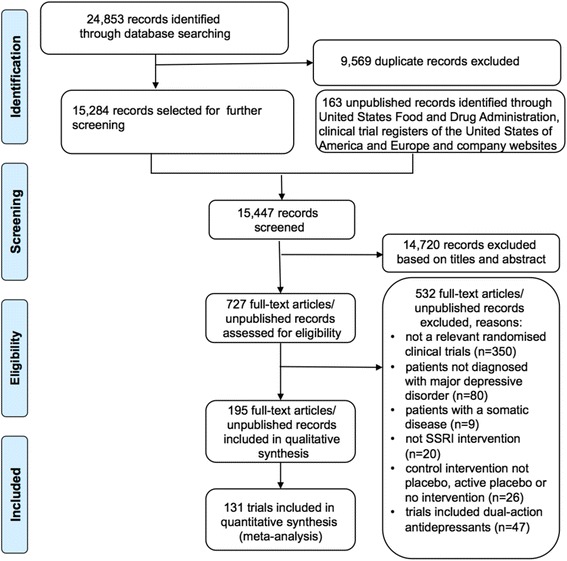
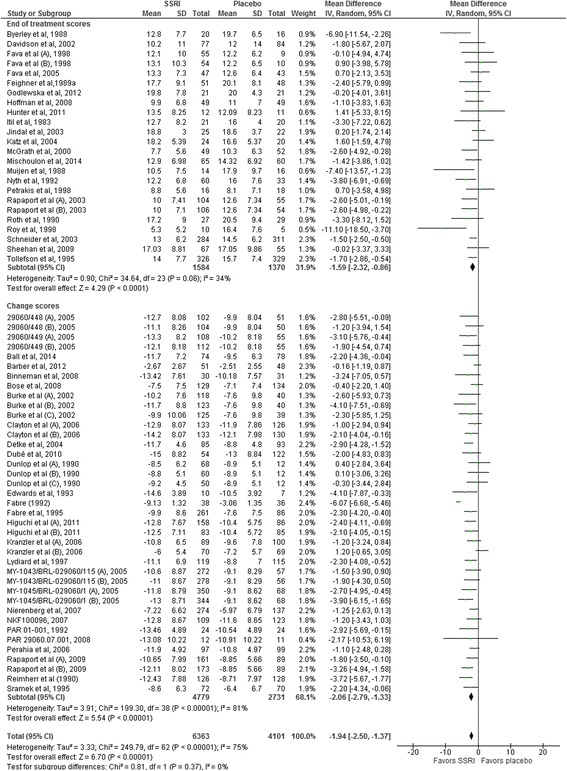
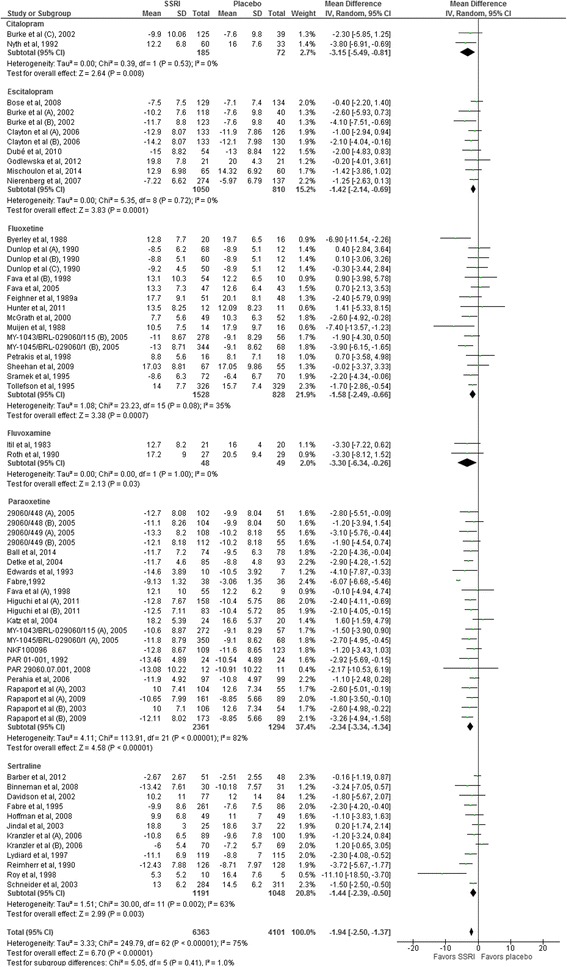
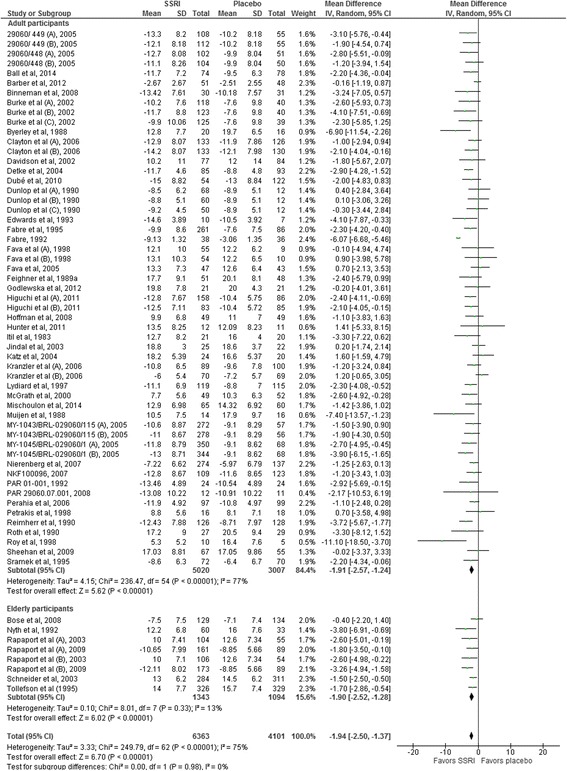
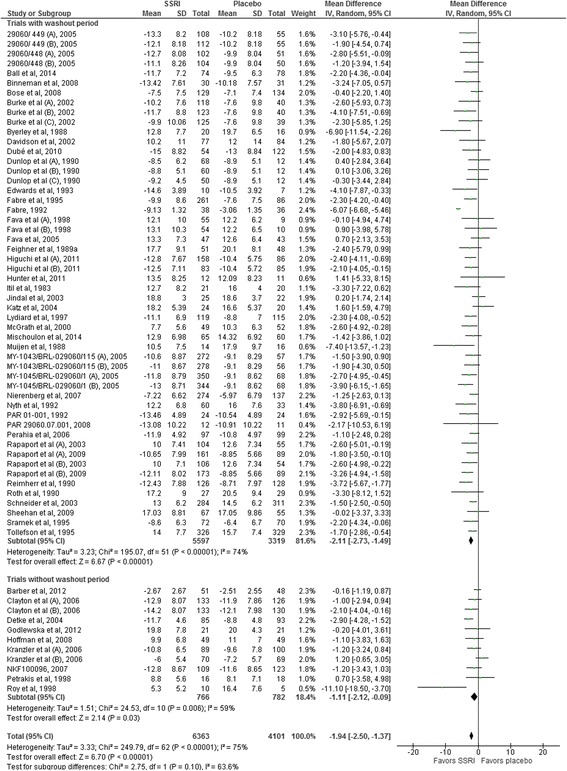
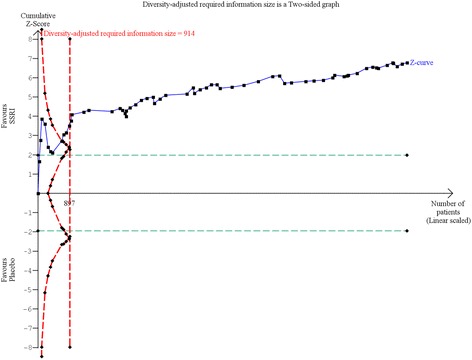
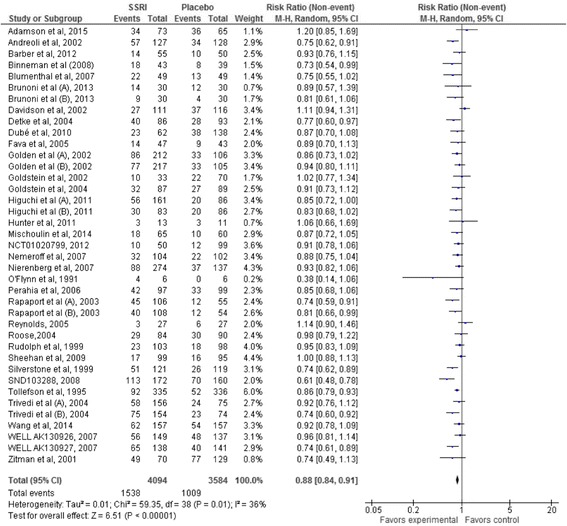
BACKGROUND: The evidence on selective serotonin reuptake inhibitors (SSRIs) for major depressive disorder is unclear. METHODS: Our objective was to conduct a systematic review assessing the effects of SSRIs versus placebo, 'active' placebo, or no intervention in adult participants with major depressive disorder. We searched for eligible randomised clinical trials in The Cochrane Library's CENTRAL, PubMed, EMBASE, PsycLIT, PsycINFO, Science Citation Index Expanded, clinical trial registers of Europe and USA, websites of pharmaceutical companies, the U.S. Food and Drug Administration (FDA), and the European Medicines Agency until January 2016. All data were extracted by at least two independent investigators. We used Cochrane systematic review methodology, Trial Sequential Analysis, and calculation of Bayes factor. An eight-step procedure was followed to assess if thresholds for statistical and clinical significance were crossed. Primary outcomes were reduction of depressive symptoms, remission, and adverse events. Secondary outcomes were suicides, suicide attempts, suicide ideation, and quality of life. RESULTS: ). The effect estimate, however, was below our predefined threshold for clinical significance of 3 HDRS points. SSRIs significantly decreased the risk of no remission (RR 0.88; 95% CI 0.84 to 0.91; P < 0.00001; 34 trials; Trial Sequential Analysis adjusted CI 0.83 to 0.92); Bayes factor (1426.81) did not confirm the effect). SSRIs significantly increased the risks of serious adverse events (OR 1.37; 95% CI 1.08 to 1.75; P = 0.009; 44 trials; Trial Sequential Analysis-adjusted CI 1.03 to 1.89). This corresponds to 31/1000 SSRI participants will experience a serious adverse event compared with 22/1000 control participants. SSRIs also significantly increased the number of non-serious adverse events. There were almost no data on suicidal behaviour, quality of life, and long-term effects. CONCLUSIONS: SSRIs might have statistically significant effects on depressive symptoms, but all trials were at high risk of bias and the clinical significance seems questionable. SSRIs significantly increase the risk of both serious and non-serious adverse events. The potential small beneficial effects seem to be outweighed by harmful effects. SYSTEMATIC REVIEW REGISTRATION: PROSPERO CRD42013004420.
Overview
The claims and statistics of this paper haven’t been checked yet.
Free: it reads the open-access text and checks the first 5 claims that cite a source we can check. Create a free account to check every claim.
Integrity signals
Registry
Cites
Statistics
Figures

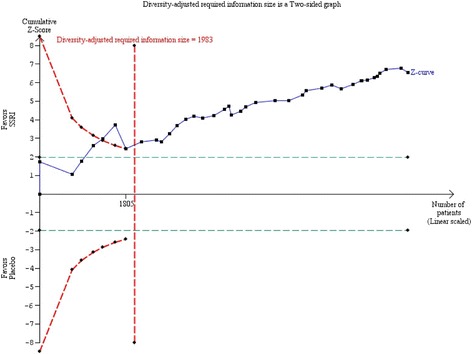
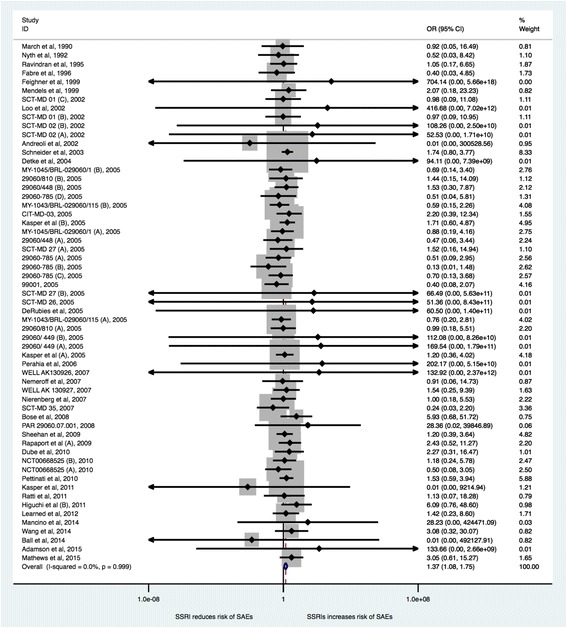
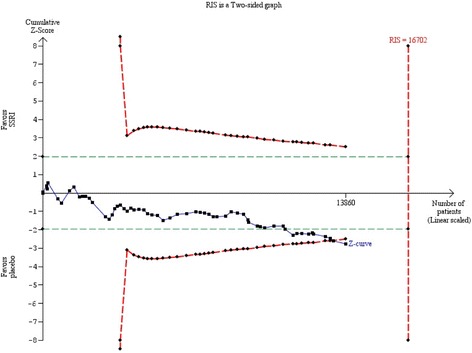
Verification
Claims the paper makes
The claims and statistics of this paper haven’t been checked yet.
Free: it reads the open-access text and checks the first 5 claims that cite a source we can check. Create a free account to check every claim.
Claims other papers make about this one
Each is checked against this paper’s own text: does it say what the citing paper says it does?
The source backs part of the claim, not all of it — or backs it for a different population, condition or comparison.
In the citing paper
“there is extensive evidence that targeting and treating mental disorders has little or mixed impact on suicidal risk [10,11,12].”
From One Size Does Not Fit All: A Comprehensive Clinical Approach to Reducing Suicidal Ideation, Attempts, and Deaths (2019) · cites this paper as [12]
Experimental — accuracy not yet measuredThe source backs part of the claim, not all of it — or backs it for a different population, condition or comparison.
In the citing paper
“That review found, as all other previous reviews have shown, that SSRIs compared with placebo had a statistically significant effect on depressive symptoms.”
From Should antidepressants be used for major depressive disorder? (2020) · cites this paper as [28]
Experimental — accuracy not yet measuredThe source backs part of the claim, not all of it — or backs it for a different population, condition or comparison.
In the citing paper
“The few trials assessing long-term effects showed that such effects seemed even smaller than the short-term effects.”
From Should antidepressants be used for major depressive disorder? (2020) · cites this paper as [28]
Experimental — accuracy not yet measuredThe source backs part of the claim, not all of it — or backs it for a different population, condition or comparison.
In the citing paper
“The primary limitation of all the available evidence on the effects of antidepressants is that the majority of previous trials assessing the effects of antidepressants have been at high or unclear risk of bias.”
From Should antidepressants be used for major depressive disorder? (2020) · cites this paper as [28]
Experimental — accuracy not yet measuredThe source backs part of the claim, not all of it — or backs it for a different population, condition or comparison.
In the citing paper
“The above-mentioned systematic review assessing the effects of SSRIs (see ‘How good are antidepressants?’ section) also concluded that the vast majority of the included trials (39 out of 43 trials) with useful data were at high risk of ‘for profit’ bias.”
From Should antidepressants be used for major depressive disorder? (2020) · cites this paper as [28]
Experimental — accuracy not yet measured
14 more claims about this paper
Create a free account to see every claim other papers make about this one.
Self-check
Percentages, sums and reported differences re-computed from the paper’s own numbers.
The self-check needs the paper’s full text.
Citations
Cites
Meta-analysis in clinical trials
DerSimonian, R., & Laird, N. (1986) · Controlled Clinical Trials · doi:10.1016/0197-2456(86)90046-2 · Cited by 39,552
An inventory for measuring depression
BECK, A. T. (1961) · Archives of General Psychiatry · doi:10.1001/archpsyc.1961.01710120031004 · Cited by 38,032
Hamilton, M. (1960) · Journal of Neurology, Neurosurgery & Psychiatry · doi:10.1136/jnnp.23.1.56 · Cited by 32,817
Dermyshi, E., Wang, Y., Yan, C., Hong, W., Qiu, G., Gong, X., & Zhang, T. (2017) · Neonatology · doi:10.1159/000454668 · Cited by 24,451
A new depression scale designed to be sensitive to change
Montgomery, S. A., & Åsberg, M. (1979) · British Journal of Psychiatry · doi:10.1192/bjp.134.4.382 · Cited by 13,962
GRADE guidelines: 1. Introduction—GRADE evidence profiles and summary of findings tables
Guyatt, G., Oxman, A. D., Akl, E. A., Kunz, R., Vist, G., Brozek, J., Norris, S., Falck-Ytter, Y., Glasziou, P., & deBeer, H. (2011) · Journal of Clinical Epidemiology · doi:10.1016/j.jclinepi.2010.04.026 · Cited by 10,681
Hutton, B., Salanti, G., Caldwell, D. M., Chaimani, A., Schmid, C. H., Cameron, C., Ioannidis, J. P. A., Straus, S., Thorlund, K., Jansen, J. P., et al. (2015) · Annals of Internal Medicine · doi:10.7326/m14-2385 · Cited by 8,269
Scoville, W. B. (1949) · Journal of neurosurgery · doi:10.3171/jns.1949.6.1.0065 · Cited by 7,381
SPIRIT 2013 Statement: Defining Standard Protocol Items for Clinical Trials
Chan, A.-W., Tetzlaff, J. M., Altman, D. G., Laupacis, A., Gøtzsche, P. C., Krleža-Jerić, K., Hróbjartsson, A., Mann, H., Dickersin, K., Berlin, J. A., et al. (2013) · Annals of Internal Medicine · doi:10.7326/0003-4819-158-3-201302050-00583 · Cited by 7,363
Cochrane Handbook for Systematic Reviews of Interventions Version 5.0.1. The Cochrane Collaboration
Higgins, J. P. T., Green, S. R., & Higgins, J. P. T. (2008) · Cited by 7,261
Research works printed but not linked: 9
- Beck A Steer RA Brown GK Beck depression inventory—second edition: manual San Antonio: Psychological Corporation 1996 4 561 571
- The Nordic Cochrane Centre (The Cochrane Collaboration): Review Manager (RevMan) [Computer program]. Version 5.3. In.; 2008.
- Thorlund K Engstrøm J Wetterslev J Brok J Imberger G Gluud C User manual for trial sequential analysis (TSA) 2011 Copenhagen Copenhagen Trial Unit, Centre for Clinical Intervention Research 1 115
- Fabre LF Crismon L Efficacy of fluoxetine in outpatients with major depression Curr Ther Res Clin Exp 1985 37 1 1985
- Rickels K Amsterdam JD Avallone MF Fluoxetine in major depression: A controlled study Curr Ther Res Clin Exp 1986 39 4 1986
- MY-1045/BRL-029060/1 (PAR128) (Unpublished Data) GlaxoSmithKline. A Multicenter, Randomized, Double-Blind, Placebo-Controlled Comparison of Paroxetine and Fluoxetine in the Treatment of Major Depressive Disorder. http://www.gsk-clinicalstudyregister.com/files2/2821.pdf 2005, 1:1–5.
- MY-1043/BRL-029060/115 (Unpublished Data) GlaxoSmithKline. A multicenter, randomized, double-blind, placebo-controlled comparison of paroxetine and fluoxetine in the treatment of major depressive disorder. http://www.gsk-clinicalstudyregister.com/files2/2060.pdf 2005, 175:1–5.
- SCT-MD-26 (Unpublished Data) Forest Research Institute. Two-week double-blind placebo controlled study of escitalopram in the treatment of severe major depression. 2005, 135:2–4.
- SCT-MD-27 (Unpublished Data) Forest Research Institute. A double-blind flexible dose comparison of escitalopram sertraline and placebo in the treatment of major depressive disorder. 2005, 91:5–7.
Cited by
Items 201–300 of 366
Discursive Ethnography: Understanding Psychiatric Discourses and Patient Positions Through Fieldwork
Ringer, A., & Holen, M. (2021) · Springer eBooks · doi:10.1007/978-3-030-68184-5_8 · Cited by 5
Kamp, C. B., Juul, S., Siddiqui, F., Horowitz, M. A., Moncrieff, J., Munkholm, K., Hengartner, M. P., Kirsch, I., Gluud, C. N., & Jakobsen, J. C. (2023) · Systematic Reviews · doi:10.1186/s13643-023-02221-5 · Cited by 5
Self-citationAkram, A., Al‐Sabahy, M., Al-Jedai, A. H., Almudaiheem, H., Farghally, M., Fallata, E. O., Alibrahim, O. A., Shoukry, T. M., Basu, S., Chalouhi, D., et al. (2022) · International Journal of Methods in Psychiatric Research · doi:10.1002/mpr.1952 · Cited by 3
Siddiqui, F., Petersen, J. J., Juul, S., Kamp, C. B., Barbateskovic, M., Moncrieff, J., Horowitz, M. A., Maagaard, M., Katakam, K. K., Gluud, C. N., et al. (2025) · BMJ Open · doi:10.1136/bmjopen-2023-082853 · Cited by 6
“11 12 Moreover, HDRS has been criticised as an outcome to measure depressive symptoms due to its psychometric flaws.”
Self-citationGeekie, J., Read, J., Renton, J. C., & Harrop, C. E. (2017) · Psychology and Psychotherapy Theory Research and Practice · doi:10.1111/papt.12141 · Cited by 4
Effect of in ovo injection of serotonin on the behavior and hormone level in laying hens
Huang, C., Chen, Y., Yue, Q., Hao, E., Wang, D., Zhou, R., Zhao, G., & Chen, H. (2021) · General and Comparative Endocrinology · doi:10.1016/j.ygcen.2021.113824 · Cited by 4
Martineau, S., Cristea, I. A., Chevance, A., Fanelli, D., & Naudet, F. (2023) · BMJ Open · doi:10.1136/bmjopen-2022-062913 · Cited by 4
Kowalczyk, E., Borysowski, J., Ordak, M., Kniotek, M., Radziwoń-Zaleska, M., & Siwek, M. (2024) · Psychiatry Research · doi:10.1016/j.psychres.2024.115730 · Cited by 4
Li, F., Sheih, Y.-T., Lin, M., Chen, Y., Wu, W., Lin, T., Chou, Y., & Sun, C. (2024) · BMC Cardiovascular Disorders · doi:10.1186/s12872-024-04280-5 · Cited by 4
Barton, B. B., Schramm, E., & Voderholzer, U. (2017) · Zeitschrift für Psychiatrie Psychologie und Psychotherapie · doi:10.1024/1661-4747/a000336 · Cited by 5
“Vergleich der Wirksamkeit von Psycho- und Pharmakotherapie und der Kombinationsbehandlung gegenüber einem Placebo Die bereits erwähnte Meta-Analyse von Jakobsen et al. (2017) mit 131 RCT zeigte, dass nach Beendigung der Therapie SSRI zu signifikant besseren Ergebnissen auf der Ha- Abbildung 1.”
BackgroundInfluentialAnticonvulsants: The Psychotropic and Medically Protective Drugs of the Future
Binder, M. R. (2021) · American Journal of Clinical and Experimental Medicine · doi:10.11648/j.ajcem.20210905.18 · Cited by 5
“This can result in a loss of therapeutic effect (as demonstrated by a 50% relapse rate by the end of the first year of treatment [24]) and can potentially leave the patient in a more compromised state than before the medication was started [25-28].”
BackgroundChen, Q., Li, Y., Hu, Y., Liang, W., & Zhang, B. (2021) · BMJ Open · doi:10.1136/bmjopen-2021-054479 · Cited by 7
Jakobsen, S. G., Larsen, C. P., Stenager, E. N., & Christiansen, E. (2022) · Psychological Medicine · doi:10.1017/s0033291722002719 · Cited by 4
“In this study, data on suicidal behaviour and the long-term effect was limited, and all trials were at high risk of bias (Jakobsen et al., 2017).”
BackgroundBarbato, A., Bottesi, G., Biondi, M., Corbo, M., de Girolamo, G., Favaretto, G., Garattini, S. K., Migone, P., Moderato, P., Monzani, E., et al. (2022) · Epidemiology and Psychiatric Sciences · doi:10.1017/s2045796022000713 · Cited by 5
Flasbeck, V., Engelmann, J., Klostermann, B., Juckel, G., & Mavrogiorgou, P. (2023) · Journal of Psychiatric Research · doi:10.1016/j.jpsychires.2023.01.031 · Cited by 4
Willadsen, M., Schwarting, R. K. W., & Wöhr, M. (2023) · Neuropharmacology · doi:10.1016/j.neuropharm.2023.109734 · Cited by 4
A large-scale observational comparison of antidepressants and their effects
Heinz, M. V., Yom‐Tov, E., Mackin, D. M., Matsumura, R., & Jacobson, N. C. (2024) · Journal of Psychiatric Research · doi:10.1016/j.jpsychires.2024.08.001 · Cited by 8
Inhibition of SERT and NMDAR synergistically confers rapid antidepressant effects of ketamine
Luo, H., Chen, M., Ning, Y., Ren, L., Lu, Y., Sun, J., Zhu, X., Ran, M., Guo, J., Lu, C., et al. (2025) · National Science Review · doi:10.1093/nsr/nwaf367 · Cited by 5
“Traditional antidepressant drugs such as SSRIs work by increasing extracellular 5-HT levels through the inhibition of SERT, but they typically take a long time to become effective [4 ,5 ].”
InfluentialStandal, K., Solbakken, O. A., Benth, J. Š., Abbass, A. A., & Heiervang, K. S. (2025) · International Journal of Social Psychiatry · doi:10.1177/00207640251390930 · Cited by 4
“…(Chen & Shan, 2019; Chien & Yip, 2013; Cipriani et al., 2018; Gartlehner et al., 2017; Hasan et al., 2020; Helsedirektoratet, 2013; Hengartner, 2020; Jakobsen et al., 2017, 2020; Khan et al., 2018; Leichsenring et al., 2022; Leucht et al., 2017; Levenberg & Cordner, 2022; Luoma et al., 2020).”
Shintani, Y., Hayata‐Takano, A., Takasaki, I., Kurihara, T., Miyata, A., Yamano, Y., Ikuta, M., Takeshita, R., Murata, K., Oguri, T., et al. (2025) · Molecular Psychiatry · doi:10.1038/s41380-025-03209-4 · Cited by 4
“Despite the availability of various treatments, such as psychotherapy and pharmacotherapy, patients with these conditions continue to deteriorate because of the limited ef fi cacy and undesirable side effects of existing treatments [2, 3].”
Hieronymus, F., Lisinski, A., Näslund, J., & Eriksson, E. (2018) · Acta Neuropsychiatrica · doi:10.1017/neu.2018.15 · Cited by 3
Wang, L., Wang, Q., Jiang, W., Luo, J., Tong, J., Li, X., Fang, F., Wang, H., Zhao, W., Koszycki, D., et al. (2020) · Trials · doi:10.1186/s13063-020-04569-8 · Cited by 3
van den Buuse, M., & Hale, M. W. (2019) · Elsevier eBooks · doi:10.1016/b978-0-12-813146-6.00010-2 · Cited by 13
Sekechi, M., & Chiesa, M. (2022) · British Journal of Psychotherapy · doi:10.1111/bjp.12747 · Cited by 4
Narcissism and central serotonergic neurotransmission in depression
Mavrogiorgou, P., Seltsam, F., Kiefner, D., Flasbeck, V., & Juckel, G. (2022) · The World Journal of Biological Psychiatry · doi:10.1080/15622975.2022.2095026 · Cited by 5
“Meta-analyses showed a reduced density of serotonin transporters in depression (Jakobsen et al. 2017).”
BackgroundFluoxetine Can Cause Epileptogenesis and Aberrant Neurogenesis in Male Wild-Type Mice
Musaelyan, K., Horowitz, M. A., McHugh, S. B., & Szele, F. G. (2023) · Developmental Neuroscience · doi:10.1159/000531478 · Cited by 3
“This is consistent with clinical literature increasingly questioning whether SSRIs exert worthwhile antidepressant effects, re fl ected in recent guidance in England stepping away from the centrality of antidepressants in treating depression [44 – 46].”
ResultLee, Y., Yeo, S., Kim, B., Holzapfel, W. H., & Kang, H. (2023) · Journal of Functional Foods · doi:10.1016/j.jff.2023.105692 · Cited by 7
Pettit, R. S., Sakon, C. M., Kinney, K. E., Brown, C. D., Gallaway, K. A., Wagner, S. A., & Tillman, E. M. (2024) · Pediatric Pulmonology · doi:10.1002/ppul.27402 · Cited by 4
Lee, J., Choi, S., Lee, D.-E., Kang, H.-W., Lee, J., & Kim, J.-H. (2025) · International Journal of Molecular Sciences · doi:10.3390/ijms26052162 · Cited by 4
Ielmini, M., Caselli, I., Ceccon, F., Diurni, M., Poloni, N., & Callegari, C. (2025) · Psychopharmacology Bulletin · doi:10.64719/pb.4416 · Cited by 4
The clinical significance of drug-placebo differences
Kirsch, I. (2017) · Epidemiology and Psychiatric Sciences · doi:10.1017/s2045796017000725 · Cited by 3
“On the other hand, a recent meta-analysis indicates that antidepressant medication has been shown to increase the risk of serious adverse events (Jakobsen et al. 2017).”
BackgroundCosgrove, L., & Vaswani, A. (2018) · Springer eBooks · doi:10.1007/978-3-030-02732-2_3 · Cited by 7
Greydanus, D. E., Patel, D. R., & Rowland, D. C. (2021) · Elsevier eBooks · doi:10.1016/b978-0-12-820472-6.00085-2 · Cited by 4
Periodontal status and the efficacy of the first‐line treatment of major depressive disorder
Jelavić, S., Bajić, Ž., Filipčić, I. Š., Čulina, I. J., Filipčić, I., & Aurer, A. (2021) · Clinical and Experimental Dental Research · doi:10.1002/cre2.492 · Cited by 4
“Selective serotonin reuptake inhibitors (SSRI) are the recommended first line treatment for major depressive disorder (MDD) (National Institute for Health and Care Excellence (NICE), 2018), but their efficacy has been questioned (Jakobsen et al., 2017).”
BackgroundUnraveling the Mysteries of Mental Illness With Psilocybin
Sottile, R., Singh, H., Weisman, A., & Vida, T. (2022) · Cureus · doi:10.7759/cureus.25414 · Cited by 5
“However, the prevalence of undesirable side effects combined with a relatively modest effect size has generated questions as to their ultimate utility [27,28].”
BackgroundMunkholm, K., Homan, S., & Homan, P. (2019) · PsyArXiv (OSF Preprints) · doi:10.31234/osf.io/m4aqc · Cited by 4
Assessing suicide risk in chronic pain management: a narrative review across drug classes
Brezić, N., Gligorevic, S., Candido, K. D., & Knežević, N. N. (2024) · Expert Opinion on Drug Safety · doi:10.1080/14740338.2024.2391999 · Cited by 2
Handoko, K., Neppach, A., Snyder, I., Karim, H. T., Dombrovski, A. Y., & Peciña, M. (2025) · Biological Psychiatry Cognitive Neuroscience and Neuroimaging · doi:10.1016/j.bpsc.2025.01.002 · Cited by 7
Exercise: a narrative review of mechanism and dosage as an antidepressant
Ganjeh, S., Roostayi, M. M., Daryabor, A., Kalantari, K. K., & Rezaeian, Z. S. (2025) · Physical Therapy Reviews · doi:10.1080/10833196.2025.2496862 · Cited by 2
Laursen, D. R. T., Broager, M. I., Damkjær, M. W., Eiset, A. H., Elkjær, M., Faltinsen, E. G., MacLean-Nyegaard, I. R., Nejstgaard, C. H., Paludan‐Müller, A. S., Petersen, L. A. B., et al. (2025) · Journal of Clinical Epidemiology · doi:10.1016/j.jclinepi.2025.111998 · Cited by 2
Li, S.-J., Yuan, Q., Wu, W.-Y., Tan, A., Chen, D., Chen, D., Shan, H., Hu, W., Hu, W., Wu, K., et al. (2025) · Research · doi:10.34133/research.0987 · Cited by 3
Research advances on the pathogenesis and clinical interventions of post-stroke depression
Gao, L., Song, J., Zhao, M., Wang, R., Chen, Y., Li, M., An, H., Zhou, Z., Tan, W., & Huang, Z. (2026) · Frontiers in Neurology · doi:10.3389/fneur.2026.1789695 · Cited by 5
“Pharmacotherapy remains central to first-line management of PSD. Timely pharmacotherapy may improve mood and support functional recovery, with meta-analyses showing SSRIs reduce Hamilton Depression Rating Scale (HAMD) scores by 2–4 points on average (46).”
Zhu, C., von Deneen, K. M., Ibrahim, H. B., Chi, P., Shao, M., Du, W., Zhu, X., Wei, X., Wu, Z., Chi, A., et al. (2026) · Annals of General Psychiatry · doi:10.1186/s12991-026-00650-9 · Cited by 2
“There are also multiple studies indicating that aerobic exercise training (AET) can improve symptoms of depression [23– 27].”
Hjelper antidepressiver mot depresjon?
Næss, M. S. (2017) · Tidsskrift for Den norske legeforening · doi:10.4045/tidsskr.17.0263 · Cited by 2
Dama, M. H., Wu, M., Tassone, V. K., Demchenko, I., Frey, B. N., Milev, R. V., Ravindran, A. V., Parikh, S. V., Rotzinger, S., Lou, W. Y. W., et al. (2023) · Psychiatry Research · doi:10.1016/j.psychres.2023.115222 · Cited by 2
Genetic signatures of suicide attempt behavior: insights and applications
Drago, A. (2024) · Expert Review of Proteomics · doi:10.1080/14789450.2024.2314143 · Cited by 2
Seljeflot, L. M., Blix, H. S., Andersson, Y., & Hynnekleiv, T. (2025) · Tidsskrift for Den norske legeforening · doi:10.4045/tidsskr.24.0531 · Cited by 2
Konstantakopoulos, G., Argyropoulos, D., & Tsionis, A. (2025) · Expert Opinion on Drug Discovery · doi:10.1080/17460441.2025.2552144 · Cited by 2
“Meta-analyses of standard antidepressants typically report somewhat larger effect sizes, with NNT for remission from 5.9 to 7.1, according to our estimations based on response rates [51,54].”
InfluentialMakary, M. K. T., El-Morsy, E.-M. A., Dessoki, H. H., Khalil, D. M., & Radwan, R. S. A. (2025) · Mental Health and Social Inclusion · doi:10.1108/mhsi-05-2025-0139 · Cited by 4
Are the effects of blood pressure lowering treatment diminishing?: meta-regression analyses
Sekizawa, Y., Konishi, Y., & Kimura, M. (2018) · Clinical Hypertension · doi:10.1186/s40885-018-0101-9 · Cited by 2
Högberg, G., & Bremberg, S. G. (2018) · European Journal of Public Health · doi:10.1093/eurpub/cky268 · Cited by 2
Katakam, K. K., Sethi, N. J., Jakobsen, J. C., & Gluud, C. N. (2019) · Acta Neuropsychiatrica · doi:10.1017/neu.2019.24 · Cited by 2
“Janus Christian Jakobsen correctly claimed that we have shown SSRIs to enhance the risk of serious adverse events (SAEs) (Jakobsen et al., 2017a).”
InfluentialSelf-citationAffektive Störungen am Beispiel der unipolaren Depression
Köhler, S., & Walter, H. (2020) · Springer eBooks · doi:10.1007/978-3-662-59038-6_12 · Cited by 4
Kostic, M. V., Radanović, A., & Jovanovic, S. (2021) · Academic Psychiatry · doi:10.1007/s40596-021-01515-x · Cited by 4
Psychopharmacology and Evolution
John‐Smith, P. S., Abed, R., & Brüne, M. (2022) · Cambridge University Press eBooks · doi:10.1017/9781009030564.020 · Cited by 2
The Efficacy of N-Acetyl-Cysteine (NAC) Supplementation in FST Model for Screening Antidepressants
Memudu, A. E. (2022) · Basic and Clinical Neuroscience Journal · doi:10.32598/bcn.2023.2356.2 · Cited by 3
“…due to neuron dysfunction and apoptosis thereby promoting neurogenesis and repairing neuronal damage, as well as normalizing glutamate dysregulation linked to N-methyl-D-aspartate hypofunction (Dean et al., 2011; Zavodnick & Ali, 2014; Deepmala et al., 2015; Jakobsen et al., 2017).”
BackgroundCase-based learning: safe withdrawal and tapering of antidepressants
(2023) · Pharmaceutical journal/The pharmaceutical journal · doi:10.1211/pj.2023.1.196471 · Cited by 2
New Antidepressant Medication: Benefits Versus Adverse Effects
Bogdán, M., Gofiţă, E., Călina, D. C., Turcu-Ştiolică, A., Docea, A. O., Bălşeanu, T. A., Camen, A., Popa, E. G., Rusu, G., Cristofor, I., et al. (2018) · InTech eBooks · doi:10.5772/intechopen.72003 · Cited by 3
“• Serotonin disinhibitor and alpha-2 antagonists (mirtazapine) • Serotonin antagonist and reuptake inhibitors (nefazodone, trazodone) [16, 23] Among the antidepressant groups, SSRIs and SNRIs are preferred because not only of their therapeutic efficacy but also of the relatively small number and decreased severity of…”
BackgroundHughes, S., Lacasse, J. R., & Spaulding‐Givens, J. (2019) · Qualitative Social Work · doi:10.1177/1473325019868292 · Cited by 2
Are Antidepressants Overprescribed? Patients' Experiences of the Prescribing Process
Read, J., Cartwright, C., & Gibson, K. L. (2020) · Ethical Human Psychology and Psychiatry · doi:10.1891/ehpp-d-20-00006 · Cited by 2
Investigation into potential endocrine disruptive effects of Sceletium tortuosum
Louw, L. (2018) · SUNScholar (Stellenbosch University) · Cited by 2
Hengartner, M. P., Jakobsen, J. C., Sorensen, A., & Plöderl, M. (2019) · OSF Preprints (OSF Preprints) · doi:10.31219/osf.io/3tuzy · Cited by 2
Self-citationMunkholm, K., Homan, S., & Homan, P. (2019) · OSF Preprints (OSF Preprints) · doi:10.31219/osf.io/srzx5 · Cited by 2
Chen, V. C., Huang, Y., Chen, Y., Dewey, M. E., Hung, T., & Wu, S. (2026) · Autism Research · doi:10.1002/aur.70302 · Cited by 3
The Etiopathogenic Mosaic of Suicidal Behaviour
Temelie-Olinici, D., Knieling, A., Vâță, D., Solovăstru, L. G., Neamţu, M., Mocanu, M., Pătrașcu, A.-I., Grecu, V.-B., & Leca, D. A. (2025) · Behavioral Sciences · doi:10.3390/bs15010087 · Cited by 1
“These may include the following: attention, caring, protection seeking, comfort, or self-punitive purpose (Nigg, 2016; Jakobsen et al., 2017).”
InfluentialLevati, E., Zazzara, M. B., Iurlaro, A., Marzetti, E., Calvani, R., Pahor, M., Picca, A., Tosato, M., Landi, F., Bernabei, R., et al. (2025) · European Geriatric Medicine · doi:10.1007/s41999-025-01266-0 · Cited by 1
“[25–27] In light of these considerations, how can we interpret results of the present study?”
Placebo Effects in the Treatment of Depression—Implications for the Psychedelic Renaissance
Ansari, M., Elliot, S. I., Holmes, S. E., & Sanacora, G. (2025) · Neurologic Clinics · doi:10.1016/j.ncl.2025.08.009 · Cited by 1
Christoforou, L., & Sutcliffe, K. (2025) · BMC Health Services Research · doi:10.1186/s12913-025-13445-7 · Cited by 2
What Causes Depression during Menopause: A Contemporary Review
Goel, M., & Shea, A. K. (2025) · Current Obstetrics and Gynecology Reports · doi:10.1007/s13669-025-00453-x · Cited by 1
The nature of depression and the biomedical model: ten questions in search of an answer
Fountoulakis, K. Ν. (2026) · Translational Psychiatry · doi:10.1038/s41398-026-03943-5 · Cited by 1
“These studies revealed several problems [75, 76], including the presence of a signi fi cant bias in the publication of antidepressant trials [5], the relatively small effect size in comparison to placebo [1 – 4, 10, 77 – 81] and that initial severity might play a signi fi cant role.”
Precision psychiatry in depression via mechanism based stratification and therapy
Wang, M., Jiang, Y., Wu, C., Liao, J., Zhou, B., Yuan, Y., & Sun, J. (2026) · Targetome · doi:10.48130/targetome-0026-0014 · Cited by 3
Fármacos antidepresivos: eficacia dudosa, efectos adversos y síndrome de abstinencia
Laporte, J. (2026) · FMC - Formación Médica Continuada en Atención Primaria · doi:10.1016/j.fmc.2025.12.004 · Cited by 1
Yan, X., Shao, R., Jin, J., Lu, W., Jiang, Z., Zhang, G., Zhang, Q., Li, X., Tian, X., Stubbs, B., et al. (2026) · JAMA Network Open · doi:10.1001/jamanetworkopen.2026.21568 · Cited by 1
Lundgren, O. (2018) · Linköping University medical dissertations · doi:10.3384/diss.diva-148332 · Cited by 1
“concluded, while there was a substantial risk of bias in most trials, SSRIs might have a statistically significant effect, but the clinical significance seems questionable, and the potential small beneficial effect seem to be outweighed by harmful side-effects [104].”
BackgroundDepression in the elderly and psychobiotics
Vaghef‐Mehrabany, E., Ebrahimi‐Mameghani, M., Sanayei, M., & Vaghef‐Mehrabany, L. (2021) · Elsevier eBooks · doi:10.1016/b978-0-12-817990-1.00044-5 · Cited by 3
Cabrera, B. P., & PALOMERA, P. R. (2018) · Academica-e (Universidad Pública de Navarra) · Cited by 1
Antidepressants and Suicide: 7,829 Inquests in England and Wales, 2003–2020
Read, J. (2023) · Ethical Human Psychology and Psychiatry · doi:10.1891/ehpp-2022-0015 · Cited by 1
Lychee peel extract attenuates depression-like behavior in a rat model of chronic restraint stress
Phachonpai, W., Preedapirom, W., Wuthiyan, K., Junkaew, A., & Tong-un, T. (2024) · Journal of Applied Pharmaceutical Science · doi:10.7324/japs.2024.148021 · Cited by 2
“As depicted in Figure 2A, increased plasma CORT levels were observed in the vehicle + stress rats compared to the naïve control rats ( p O n li n e F i r s t [28], which exert action by inhibiting the reuptake of the serotonin neurotransmitter, leading to increased serotonin signaling [29].”
BackgroundStatistical Learning Methods for Personalized Medicine
Qiu, X. (2018) · doi:10.7916/d85x3scg · Cited by 2
Antidepressant-Related Apathy: Implications for Practice
Plowden, K. O. (2019) · The Journal for Nurse Practitioners · doi:10.1016/j.nurpra.2018.10.018 · Cited by 2
Biogenetic etiologies of OCD: Review and recommendations for clinicians
Schultz, W. (2019) · Journal of Obsessive-Compulsive and Related Disorders · doi:10.1016/j.jocrd.2019.100451 · Cited by 2
An Independent Audit of Pharma Influence in Public Mental Health Trusts in England
Harrop, C. E., Read, J., Geekie, J., & Renton, J. C. (2018) · Ethical Human Psychology and Psychiatry · doi:10.1891/1559-4343.20.3.156 · Cited by 1
“A recent meta-analysis, of 131 randomised placebo-controlled trials of antidepressants, involving 27,422 people, found that the overall effect size did not reach the threshold for “clinical significance” (Jakobsen et al., 2017).”
BackgroundMethodVittengl, J. R. (2022) · Ethical Human Psychology and Psychiatry · doi:10.1891/ehpp-2022-0006 · Cited by 2
Memudu, A. E. (2022) · NIgerian Journal of Neuroscience · doi:10.47081/njn2022.13.3/004 · Cited by 1
Debatten om SSRI-midlene bør omhandle hvem som har utbytte av disse
Malt, U. F. (2017) · Tidsskrift for Den norske legeforening · doi:10.4045/tidsskr.17.0471
“Som støtte for sitt syn henviser Næss også til en dansk metaanalyse (4).”
BackgroundTobyn, G. (2019) · Journal of Herbal Medicine · doi:10.1016/j.hermed.2019.100267 · Cited by 1
Nan, J. K.-M. (2021) · Springer eBooks · doi:10.1007/978-3-030-22009-9_857 · Cited by 1
Happy Pills? The Health Consequences of the Dramatic Increase in Antidepressant Use
Masiero, G., Mazzonna, F., & Steinbach, S. (2021) · The Economic Journal · doi:10.2139/ssrn.3976033 · Cited by 1
“Critics point to methodological issues (e.g., RCT duration and sample size), under-reporting of adverse events during the trials, and questionable clinical significance (e.g., Jakobsen et al., 2017).”
BackgroundAngelica keiskei leaves extract attenuates psychosocial stress in overcrowding-subjected ratsPreprint
Siswanto, F. M. (2024) · bioRxiv (Cold Spring Harbor Laboratory) · doi:10.1101/2024.04.24.591022 · Cited by 1
“This inhibition is then expected to enhance serotonin signaling [36].”
BackgroundDebatten om SSRI bør omhandle hvem som har utbytte av disse
Malt, U. F. (2017) · Tidsskrift for Den norske legeforening · doi:10.4045/tidsskr.17.0448
Næss, M. S. (2017) · Tidsskrift for Den norske legeforening · doi:10.4045/tidsskr.17.0450
Cabrera, B. P., & Ruisoto, P. (2018) · APUNTES DE PSICOLOGÍA · doi:10.55414/ap.v36i1-2.714 · Cited by 1
Gourgouvelis, J. (2017) · e-scholar@UOIT (University of Ontario Institute of Technology)
Efficacy of antidepressants: Ten years of meta-analysis Kirša and associate
Kostic, M. V., & Mandić-Maravić, V. (2017) · Psihijatrija danas · doi:10.5937/psihdan1702091k
Good news regarding SSRI safety in Danish meta-analysis
Hieronymus, F., Lisinski, A., Näslund, J., & Eriksson, E. (2019) · Acta Neuropsychiatrica · doi:10.1017/neu.2019.42
“Shortly after publishing their paper in BMC Psychiatry, the authors commendably reported a number of minor errata in the same journal, such as a misspelling of ‘Nemeroff’ and ‘fluoxetine’ (Jakobsen et al., 2017b).”
BackgroundVinberg, M. (2020) · Bipolar Disorders · doi:10.1111/bdi.12893
Miller, E. W., Shoup, D. S., Recktenwald, M., & Recktenwald, E. W. (2020) · Journal of Affective Disorders Reports · doi:10.1016/j.jadr.2020.100016
Afbouwen van antidepressivaPreprint
Brouwer, S. (2022) · Authorea · doi:10.22541/au.164882447.77664965/v1
Metadata
- Authors
- Jakobsen, J. C., Katakam, K. K., Schou, A., Hellmuth, S. G., Stallknecht, S. E., Leth-Møller, K., Iversen, M., Banke, M. B., Petersen, I. J., Klingenberg, S. L., Krogh, J., Ebert, S. E., Timm, A., Lindschou, J., & Gluud, C.
- Affiliations
- Copenhagen University Hospital (DK)
- University of Copenhagen (DK)
- Corresponding author
- Jakobsen, Janus Christian
- ORCID
- Venue
- BMC Psychiatry
- Published
- 2017-02-08
- Volume
- 17
- Issue
- 1
- Pages
- 162-162
- ISSN
- 1471-244X (ISSN-L)
- PMC
- PMC5299662
- OpenAlex
- W2586384568
- Cited by
- 366
- References
- 194
- Citations by year
- 2026: 30 · 2025: 38 · 2024: 30 · 2023: 38 · 2022: 32 · 2021: 42 · 2020: 35 · 2019: 52 · 2018: 43 · 2017: 26
- FWCI
- 5.42
- Type
- journal article
- Language
- en
- Update notices
- correction (2017-05-03)
- Open access
- gold
- doi.org
- Licence
- cc-by
- Locations
- BMC Psychiatry (publishedVersion, cc-by)
- PubMed Central (publishedVersion, cc-by)
- PubMed (publishedVersion)
- Research at the University of Copenhagen (University of Copenhagen) (publishedVersion, cc-by)
- Funders
- Rigshospitalet
- Copenhagen Trial Unit, Centre for Clinical Intervention Research
- Topics
- Health Sciences › Medicine › Pharmacology (medical) › Treatment of Major Depression
- Health Sciences › Medicine › Psychiatry and Mental health › Mental Health Treatment and Access
- Social Sciences › Psychology › Experimental and Cognitive Psychology › Anxiety, Depression, Psychometrics, Treatment, Cognitive Processes
- Keywords
- selective serotonin reuptake inhibitors, major depressive disorder, antidepressant efficacy, placebo comparison, remission, adverse drug reactions, suicide risk, quality of life, trial bias, antidepressant safety, trial sequential analysis, Bayes factor, quality of evidence, antidepressant-induced mania, antidepressant-induced hypomania
- MeSH terms
- Adult, Depressive Disorder, Humans, Placebos, Quality of Life, Selective Serotonin Reuptake Inhibitors, Antidepressive Agents, Second-Generation, Suicidal Ideation
About these checks
Registry, retraction, Cites and statistics results are computed, not judged, with one exception: a printed reference that no index lists is read once by a model before it counts as a citation error. Claims are extracted by a model and kept only when their quote appears verbatim in the text; each cited source is then checked, with a model’s help, for whether it says what the claim relies on. Those verdicts can be wrong — read the claim’s quote and the cited source before relying on one.
Statistics and arithmetic are recomputed, not judged.
Confidence bands are shown only for fields calibrated on our annotated test set. None is calibrated yet, so no band is shown.
What counts as a claim ›How we measure confidence ›How we check this ›
Are you an author, or do you see a problem with this page? Request a review
Data sources
Bibliographic data: Semantic Scholar, OpenAlex, Crossref.
Contains information from the Semantic Scholar Academic Graph Datasets, made available under the ODC Attribution License (ODC-BY 1.0).
Semantic Scholar’s data is described in: Kinney, R., et al. (2023). The Semantic Scholar Open Data Platform. arXiv:2301.10140.
