

The German version of the Posttraumatic Stress Disorder Checklist for DSM-5 (PCL-5): psychometric properties and diagnostic utility
Open accessThe DOI matches its Crossref record; 33 of the 33 references it cites were found in a registry or an index; 5 of the 61 sources its claims cite were checked for support.
Abstract
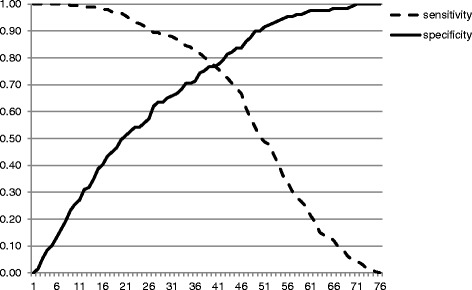
BACKGROUND: The Posttraumatic Stress Disorder (PTSD) Checklist (PCL, now PCL-5) has recently been revised to reflect the new diagnostic criteria of the disorder. METHODS: A clinical sample of trauma-exposed individuals (N = 352) was assessed with the Clinician Administered PTSD Scale for DSM-5 (CAPS-5) and the PCL-5. Internal consistencies and test-retest reliability were computed. To investigate diagnostic accuracy, we calculated receiver operating curves. Confirmatory factor analyses (CFA) were performed to analyze the structural validity. RESULTS: Results showed high internal consistency (α = .95), high test-retest reliability (r = .91) and a high correlation with the total severity score of the CAPS-5, r = .77. In addition, the recommended cutoff of 33 on the PCL-5 showed high diagnostic accuracy when compared to the diagnosis established by the CAPS-5. CFAs comparing the DSM-5 model with alternative models (the three-factor solution, the dysphoria, anhedonia, externalizing behavior and hybrid model) to account for the structural validity of the PCL-5 remained inconclusive. CONCLUSIONS: Overall, the findings show that the German PCL-5 is a reliable instrument with good diagnostic accuracy. However, more research evaluating the underlying factor structure is needed.
Overview
CoChat Summary
## TL;DR
The study validates a German translation of the PCL-5 in a clinical trauma-exposed sample and finds it to be reliable with good diagnostic accuracy against the CAPS-5. However, confirmatory factor analyses did not provide clear support for the DSM-5 factor structure or most alternative models.
## Key findings
- In the analyzed sample, the PCL-5 total score showed high internal consistency, with α = .95, and test-retest reliability was r = .91 over 3 weeks.
- The PCL-5 total score correlated strongly with CAPS-5 total severity, r = .77, and ROC analysis showed good diagnostic accuracy with AUC = .85 (95% CI .81–.90).
- The recommended cutoff of 33 yielded sensitivity = .86, specificity = .68, and overall efficiency = .79; the authors report no other cutoff with higher overall efficiency.
- In structural validity testing, the DSM-5 model fit was only moderate/unsatisfactory, while the dysphoria model fit slightly better (RMSEA .09, CFI .89, TLI .87, SRMR .05; ΔBIC = 14.15), and other models could not be interpreted because of linear dependencies.
## Methods
- German version of the PCL-5 was developed and evaluated in a clinical trauma-exposed sample; 341 participants were included in the analysis, with 352 consenting and 78 completing retest assessment (3 weeks later).
- Participants were assessed with the PCL-5, the CAPS-5 (gold-standard diagnostic interview), and measures of depressive symptoms and general psychopathology (BDI-II, BSI).
- Analyses included internal consistency, test-retest reliability, correlations with CAPS-5, ROC analyses for diagnostic utility, and confirmatory factor analyses of six PTSD symptom-structure models using SPSS 23.0 and Mplus 7.
## Limitations
- The paper states that the sample size was rather modest, which may have affected the CFA results.
- The authors note they could not directly compare subgroups (for example, military/veteran vs. childhood trauma vs. accidental trauma).
- They were unable to conduct discriminant validity analyses because appropriate instruments were not included in the study design.
Model-written summary. Check it against the paper before relying on it.
Integrity signals
Registry
Cites
Statistics
Figures
Verification
Claims the paper makes
4 Valid · 1 Not valid · 21 Not checked · 42 Own results and interpretations
The sources with a verdict support this claim; the rest weren’t checked yet, have no full text we could read, or their verdicts aren’t rated yet.
In the paper
“In addition, high re-test reliability has been found in three studies (r = .66-.84) [6, 8, 9].”
§ The German version of the Posttraumatic Stress Disorder Checklist for DSM-5 (PCL-5): psychometric properties and diagnostic utility > Background > Psychometric properties of the PCL-5
What the sources say
- Not checked yetcites [6] Bovin MJ Marx BP Weathers FW Gallagher MW Rodriguez P Schnurr PP Keane TM Psychometric properties of the PTSD checklist for diagnostic and statistical manual of mental disorders–fifth edition (PCL-5) in veterans Psychol Assess 2016 28 1379 1391 10.1037/pas0000254 26653052 source
- Not checked yetcites [8] Blevins CA Weathers FW Davis MT Witte TK Domino JL The posttraumatic stress disorder checklist for DSM-5 (PCL-5): development and initial psychometric evaluation J Trauma Stress 2015 28 489 498 10.1002/jts.22059 26606250 source
- Supportedcites [9] Sveen J Bondjers K Willebrand M Psychometric properties of the PTSD checklist for DSM-5: a pilot study Eur J Psychotraumatol 2016 7 30165 10.3402/ejpt.v7.30165 27098450 PMC4838990 source
Table 2 (Results > Scoring distribution) reports a significant PCL-5 total-score test–retest correlation of 0.66, matching the lower end of the range attributed collectively to three cited studies. This paper supplies one study in that group; the sentence does not attribute the other studies’ results to it. (LLM, conf=0.91)
plainstates an association- Asserted: passes — The authors put it forward as true.
- Checkable: passes — It can be checked against evidence.
- Load-bearing: unclear — It is unclear whether the paper’s conclusions depend on it.
- Based: passes — The paper gives a reason why it holds.
The sources with a verdict support this claim; the rest weren’t checked yet, have no full text we could read, or their verdicts aren’t rated yet.
In the paper
“To our knowledge, seven published studies to date have tested whether this 4-factor structure can be supported when applying CFA to the PCL-5 [6, 8, 10, 15–18].2”
§ The German version of the Posttraumatic Stress Disorder Checklist for DSM-5 (PCL-5): psychometric properties and diagnostic utility > Background > Structural validity of the PCL-5
What the sources say
- Not checked yetcites [6] Bovin MJ Marx BP Weathers FW Gallagher MW Rodriguez P Schnurr PP Keane TM Psychometric properties of the PTSD checklist for diagnostic and statistical manual of mental disorders–fifth edition (PCL-5) in veterans Psychol Assess 2016 28 1379 1391 10.1037/pas0000254 26653052 source
- Not checked yetcites [8] Blevins CA Weathers FW Davis MT Witte TK Domino JL The posttraumatic stress disorder checklist for DSM-5 (PCL-5): development and initial psychometric evaluation J Trauma Stress 2015 28 489 498 10.1002/jts.22059 26606250 source
- Not checked yetcites [10] Liu P Wang L Cao C Wang R Zhang J Zhang B Wu Q Zhang H Zhao Z Fan G The underlying dimensions of DSM-5 posttraumatic stress disorder symptoms in an epidemiological sample of Chinese earthquake survivors Journal of Anxiety Disorders 2014 28 345 351 10.1016/j.janxdis.2014.03.008 24792723 source
- Not checked yetcites [15] Armour C Tsai J Durham TA Charak R Biehn TL Elhai JD Pietrzak RH Dimensional structure of DSM-5 posttraumatic stress symptoms: support for a hybrid Anhedonia and externalizing behaviors model J Psychiatr Res 2015 61 106 113 10.1016/j.jpsychires.2014.10.012 25479765 source
- Supportedcites [16] Keane TM Rubin A Lachowicz M Brief D Enggasser JL Roy M Hermos J Helmuth E Rosenbloom D Temporal stability of DSM-5 posttraumatic stress disorder criteria in a problem-drinking sample Psychol Assess 2014 26 1138 1145 10.1037/a0037133 24932642 PMC4286303 source
The Methods (Data Analyses) state that the authors performed confirmatory factor analyses of PCL-5 items. The Results (Confirmatory factor analysis of DSM-5 four-factor model) and Conclusions report that they tested and found support for the four-factor structure. This source is cited as one of the seven studies, not as the source of the citing authors’ count of seven. (LLM, conf=0.94)
- Not checked yetcites [17] Pietrzak RH Tsai J Armour C Mota N Harpaz-Rotem I Southwick SM Functional significance of a novel 7-factor model of DSM-5 PTSD symptoms: results from the National Health and resilience in veterans study J Affect Disord 2015 174 522 526 10.1016/j.jad.2014.12.007 25556669 source
- Not checked yetcites [18] Armour C Contractor A Shea T Elhai JD Pietrzak RH Factor structure of the PTSD checklist for DSM-5: relationships among symptom clusters, anger, and impulsivity J Nerv Ment Dis 2016 204 108 115 10.1097/NMD.0000000000000430 26669984 source
hedged- Asserted: passes — The authors put it forward as true.
- Checkable: passes — It can be checked against evidence.
- Load-bearing: unclear — It is unclear whether the paper’s conclusions depend on it.
- Based: passes — The paper gives a reason why it holds.
The cited sources support only part of this claim — read each source’s verdict below.
In the paper
“Even in the minority of studies where acceptable to good fit was found for the DSM-5 model [5, 6, 16, 19], there were other models that showed significantly better fit.”
§ The German version of the Posttraumatic Stress Disorder Checklist for DSM-5 (PCL-5): psychometric properties and diagnostic utility > Background > Structural validity of the PCL-5
What the sources say
- Not checked yetcites [5] Wortmann JH, Jordan AH, Weathers FW, Resick PA, Dondanville KA, Hall-Clark B, Foa EB, Young-McCaughan S, Yarvis JS, Hembree EA et al: Psychometric Analysis of the PTSD Checklist-5 (PCL-5) Among Treatment-Seeking Military Service Members. Psychol Assess. 2016;28:1392–403. 26751087 source
- Not checked yetcites [6] Bovin MJ Marx BP Weathers FW Gallagher MW Rodriguez P Schnurr PP Keane TM Psychometric properties of the PTSD checklist for diagnostic and statistical manual of mental disorders–fifth edition (PCL-5) in veterans Psychol Assess 2016 28 1379 1391 10.1037/pas0000254 26653052 source
- Partly supportedcites [16] Keane TM Rubin A Lachowicz M Brief D Enggasser JL Roy M Hermos J Helmuth E Rosenbloom D Temporal stability of DSM-5 posttraumatic stress disorder criteria in a problem-drinking sample Psychol Assess 2014 26 1138 1145 10.1037/a0037133 24932642 PMC4286303 sourceExperimental — accuracy not yet measured
Keane et al. (2014) supports the first half of the attributed claim: the Results section 'Temporal stability of DSM-5 model' states the freely estimated DSM-5 model 'provided an adequate fit to the data at each time individually' and that 'good model fit was achieved when all time points were evaluated in a single model', and the Conclusions endorse the four-factor DSM-5 structure. But the second half — that other models showed significantly better fit in this study — is not supported: the paper tested only the DSM-5 four-factor structure and nested invariance-constrained versions of that same model (Methods, Data Analyses), never a competing factor model; the only 'preferred' alternative was the more parsimonious equal-loadings constraint of the DSM-5 model itself. Our copy in fact leans the other way, noting in the Abstract that 'four dimensions or factors better account for PTSD symptoms than three factors or other proposed factor structures'. (LLM, conf=0.82)
- Not checked yetcites [19] Tsai J Harpaz-Rotem I Armour C Southwick SM Krystal JH Pietrzak RH Dimensional structure of DSM-5 posttraumatic stress disorder symptoms: results from the national health and resilience in veterans study The Journal of Clinical Psychiatry 2015 76 546 553 10.4088/JCP.14m09091 25562376 source
plain- Asserted: passes — The authors put it forward as true.
- Checkable: passes — It can be checked against evidence.
- Load-bearing: passes — The paper’s conclusions depend on it.
- Based: passes — The paper gives a reason why it holds.
A result the paper reports from its own data — it cites no other source for it, so there is none to check. The quote shows it is in the paper.
In the paper
“In addition, in all tested models correlations between factors were high.”
§ The German version of the Posttraumatic Stress Disorder Checklist for DSM-5 (PCL-5): psychometric properties and diagnostic utility > Discussion
plainstates an association- Asserted: passes — The authors put it forward as true.
- Checkable: passes — It can be checked against evidence.
- Load-bearing: passes — The paper’s conclusions depend on it.
- Based: passes — The paper gives a reason why it holds.
In the paper
“Inter-item correlations were computed as another measure for internal consistency and ranged from .21 to .73, which can be regarded as acceptable [34] (M = .48; re-experiencing items: .55 - .72, avoidance items: .65, negative alterations in cognitions and mood items: .23 - .69, and alterations in arousal and reactivity items: .27 - .73).”
§ The German version of the Posttraumatic Stress Disorder Checklist for DSM-5 (PCL-5): psychometric properties and diagnostic utility > Results > Reliability
What the sources say
- Not checked yetcites [34] Clark LA Watson D Constructing validity: basic issues in objective scale development Psychol Assess 1995 7 309 319 10.1037/1040-3590.7.3.309 source
plainstates an association- Asserted: passes — The authors put it forward as true.
- Checkable: passes — It can be checked against evidence.
- Load-bearing: passes — The paper’s conclusions depend on it.
- Based: passes — The paper gives a reason why it holds.
26 more claims
Create a free account to see all 68 claims and to verify the 56 references still open.
- Probably not a substantial claim. 20
- It may state two separate claims as one. 22
Claims other papers make about this one
Each is checked against this paper’s own text: does it say what the citing paper says it does?
The cited source doesn’t support the claim as written.
In the citing paper
“The clinical cutoff for this measure in non-postpartum samples is reported to be 31–3353, with a high specificity level using this cutoff34”
From AI and narrative embeddings detect PTSD following childbirth via birth stories (2024) · cites this paper as [53]
Checked by a reasoning model — may be wrong.
Experimental — accuracy not yet measured
Statistics recomputed
Every reported test result, recomputed from its test statistic and degrees of freedom. A result shows as not adding up only once an independent check has confirmed it.
- Consistentt(77) = 1.78reported p = .08 · recomputed p = .079
“t(77) = 1.78, p = .08”
Self-check
Percentages, sums and reported differences re-computed from the paper’s own numbers.
Self-check results appear here once an independent check has confirmed them.
Citations
Cites
Diagnostic and Statistical Manual of Mental Disorders
American Psychiatric Association (2013) · doi:10.1176/appi.books.9780890425596 · Cited by 116,369
Diagnostic and Statistical Manual of Mental Disorders
Williams, J. B. W., & First, M. (2013) · Encyclopedia of Social Work · doi:10.1093/acrefore/9780199975839.013.104 · Cited by 109,519
Hu, L., & Bentler, P. M. (1999) · Structural Equation Modeling A Multidisciplinary Journal · doi:10.1080/10705519909540118 · Cited by 108,788
Kass, R. E., & Raftery, A. E. (1995) · Journal of the American Statistical Association · doi:10.1080/01621459.1995.10476572 · Cited by 12,558
The brief symptom inventory: an introductory report.
Derogatis, L. R., & Melisaratos, N. (1983) · Psychological Medicine · doi:10.1017/s0033291700048017 · Cited by 6,650 · cited 1×
“To assess for comorbid depressive and general psychopathological symptoms, the Beck Depression InventoryII (BDI-II; [25, 26]) and the Brief Symptom Inventory (BSI; [27, 28]) were used.”
MethodConstructing validity: Basic issues in objective scale development.
Clark, L. A., & Watson, D. (1995) · Psychological Assessment · doi:10.1037/1040-3590.7.3.309 · Cited by 6,567 · cited 1×
“73, which can be regarded as acceptable [34] (M = .”
BackgroundBlevins, C. A., Weathers, F. W., Davis, M. T., Witte, T. K., & Domino, J. L. (2015) · Journal of Traumatic Stress · doi:10.1002/jts.22059 · Cited by 5,233 · cited 5×
“However, the seven-factor Hybrid Model has been found to be the best fitting model [5, 6, 8, 11, 15, 18].”
MethodResultInfluentialKenny, A. (2018) · Carl Strehlow’s 1909 Comparative Heritage Dictionary: An Aranda, German, Loritja and Dieri to English Dictionary with Introductory Essays · doi:10.22459/cschd.08.2018.04 · Cited by 3,216
Bovin, M. J., Marx, B. P., Weathers, F. W., Gallagher, M. W., Rodriguez, P., Schnurr, P. P., & Keane, T. M. (2016) · Psychological Assessment · doi:10.1037/pas0000254 · Cited by 2,532 · cited 9×
“However, the seven-factor Hybrid Model has been found to be the best fitting model [5, 6, 8, 11, 15, 18].”
MethodResultInfluentialWeathers, F. W., Bovin, M. J., Lee, D. J., Sloan, D. M., Schnurr, P. P., Kaloupek, D. G., Keane, T. M., & Marx, B. P. (2018) · Psychological Assessment · doi:10.1037/pas0000486 · Cited by 1,799
Research works printed but not linked: 9
- Weathers FW Litz BT Huska JA Keane TM PTSD checklist for DSM-IV (PCL) 1994 Boston, MA National Center for PTSD
- Weathers FW Litz B Keane TM Palmieri PA Marx BP Schnurr PP The PTSD checklist for DSM-5 (PCL-5) 2013 National Center for PTSD Boston, MA
- Weathers FW Blake DD Schnurr PP Kaloupek DG Marx BP Keane TM The clinician-administered PTSD scale for DSM-5 (CAPS-5) 2013 National Center for PTSD Boston, MA
- Weathers FW Blake DD Schnurr PP Kaloupek DG Marx BP Keane TM The life events checklist for DSM-5 (LEC-5) 2013 National Center for PTSD Boston, MA
- Schnyder U The clinician-administered PTSD scale for DSM-5 (CAPS-5), German version Unpublished manuscript 2013
- Beck AT Steer RA Brown GK Beck depression inventory-II manual 1996 2 San Antonio Psychological Corporation
- Hautzinger M Keller F Kühner C Beck depressions-Inventar (BDI-II) 2006 Frankfurt Harcourt Test Services
- Franke GH BSI. Brief symptom inventory - deutsche version. Manual 2000 Göttingen Beltz
- Derogatis LR Brief symptom inventory: administration, scoring and procedures manual 1993 4 Minneapolis NCS, Pearson, Inc.
Cited by
Forkus, S. R., Raudales, A. M., Rafiuddin, H. S., Weiss, N. H., Messman, B. A., & Contractor, A. A. (2023) · Clinical Psychology: Science and Practice · doi:10.1037/cps0000111 · Cited by 262
Salivary cortisol in post-traumatic stress disorder: a systematic review and meta-analysis
Pan, X., Wang, Z., Wu, X., Wen, S. W., & Liu, A. (2018) · BMC Psychiatry · doi:10.1186/s12888-018-1910-9 · Cited by 193
Trajectories of grief, depression, and posttraumatic stress in disaster‐bereaved people
Lenferink, L. I. M., Nickerson, A., Keijser, J., Smid, G. E., & Boelen, P. A. (2020) · Depression and Anxiety · doi:10.1002/da.22850 · Cited by 140
“A score of >32 is indicative of probable PTSD caseness (Krüger-Gottschalk et al., 2017).”
BackgroundThe invisible scars of emotional abuse: a common and highly harmful form of childhood maltreatment
Gama, C. M. F., Portugal, L. C. L., Gonçalves, R., de Souza, S., Vilete, L. M. P., Mendlowicz, M. V., Figueira, I. L. D. V., Volchan, E., David, I. A., Oliveira, L., et al. (2021) · BMC Psychiatry · doi:10.1186/s12888-021-03134-0 · Cited by 180
Selecting the “Best” Factor Structure and Moving Measurement Validation Forward: An Illustration
Schmitt, T. A., Sass, D. A., Chappelle, W. L., & Thompson, W. T. (2018) · Journal of Personality Assessment · doi:10.1080/00223891.2018.1449116 · Cited by 166
Motreff, Y., Baubet, T., Pirard, P., Rabet, G., Petitclerc, M., Stene, L. E., Vuillermoz, C., Chauvin, P., & Vandentorren, S. (2019) · Journal of Psychiatric Research · doi:10.1016/j.jpsychires.2019.11.018 · Cited by 117
Psychometric properties of the PCL-5 in a sample of first responders
Morrison, K. I., Su, S., Keck, M., & Beidel, D. C. (2020) · Journal of Anxiety Disorders · doi:10.1016/j.janxdis.2020.102339 · Cited by 112
Cheng, P., Xu, L.-Z., Zheng, W.-H., Ng, R. M. K., Zhang, L., Li, L.-J., & Li, W.-H. (2020) · Journal of Affective Disorders · doi:10.1016/j.jad.2020.08.038 · Cited by 92
Ren, Y., Qian, W., Li, Z., Liu, Z., Zhou, Y., Wang, R., Qi, L., Yang, J., Song, X., Zeng, L., et al. (2020) · Journal of Affective Disorders · doi:10.1016/j.jad.2020.08.045 · Cited by 96
Associations between childhood maltreatment and adult depression: a mediation analysis
Klumparendt, A., Nelson, J., Barenbrügge, J., & Ehring, T. W. (2019) · BMC Psychiatry · doi:10.1186/s12888-019-2016-8 · Cited by 91
Self-citationBrewerton, T. D., Perlman, M. M., Gavidia, I., Suro, G., Genet, J., & Bunnell, D. W. (2020) · International Journal of Eating Disorders · doi:10.1002/eat.23401 · Cited by 80
Roberts, N. P., Kitchiner, N., Lewis, C., Downes, A. J., & Bisson, J. I. (2021) · European Journal of Psychotraumatology · doi:10.1080/20008198.2020.1863578 · Cited by 92
“…2015; Murphy, Ross, Ashwick, Armour, & Busuttil, 2017; Wortmann et al., 2016), mortuary workers (Makhubela, 2018), trauma exposed treatment seekers (Krüger-Gottschalk et al., 2017), firefighters (Carvalho, da Motta, & Pinto-Gouveia, 2020), parents of children with burns injuries (Sveen, Bondjers,…”
BackgroundMethodInfluentialLueger‐Schuster, B., Knefel, M., Glück, T. M., Jagsch, R., Kantor, V., & Weindl, D. (2017) · Child Abuse & Neglect · doi:10.1016/j.chiabu.2017.12.009 · Cited by 92
Pereira‐Lima, K., Loureiro, S. R., Bolsoni, L. M., da Silva, T. D. A., & Osório, F. D. L. (2019) · European Journal of Psychotraumatology · doi:10.1080/20008198.2019.1581020 · Cited by 83
“…efficiency for predicting a SCID-5-CVdiagnosis of PTSD. Previous studies on discriminant validity have showed mixed results, with suggested cutoff points ranging from 31 to 38 (Ashbaugh et al., 2016; Blevins et al., 2015; Bovin et al., 2016; Krüger-Gottschalk et al., 2017; Wortmann et al., 2016).”
BackgroundMethodResultInfluentialCrystal Methamphetamine Use in Sexual Settings Among German Men Who Have Sex With Men
Schecke, H., Lea, T., Bohn, A., Köhler, T., Sander, D., Scherbaum, N., & Deimel, D. (2019) · Frontiers in Psychiatry · doi:10.3389/fpsyt.2019.00886 · Cited by 74
Praag, D. L. G. V., Haghish, E. F., Čović, A., Maas, A. I. R., & von Steinbüchel, N. (2020) · PLoS ONE · doi:10.1371/journal.pone.0231857 · Cited by 77
“The PCL-5 was developed and published in English and has been translated in French [48], in German [49], in Swedish [50], in Chinese [51,52], in Brazilian [53], in Turkish [54], in Arab and Kurdish [55] and in Filipino [56].”
Müller‐Engelmann, M., Schnyder, U., Dittmann, C., Priebe, K., Bohus, M., Thome, J., Fydrich, T., Pfaltz, M. C., & Steil, R. (2018) · Assessment · doi:10.1177/1073191118774840 · Cited by 79
Posttraumatic stress disorder checklist for DSM-5: Psychometric properties in a Japanese population
Ito, M., Takebayashi, Y., Suzuki, Y., & Horikoshi, M. (2018) · Journal of Affective Disorders · doi:10.1016/j.jad.2018.12.086 · Cited by 70
The impact of traumatic childhood experiences on interoception: disregarding one’s own body
Schmitz, M., Back, S. N., Seitz, K. I., Harbrecht, N. K., Streckert, L., Schulz, A., Herpertz, S. C., & Bertsch, K. (2023) · Borderline Personality Disorder and Emotion Dysregulation · doi:10.1186/s40479-023-00212-5 · Cited by 65
“PTSD symptom severity was assessed using the Posttraumatic Stress Disorder Checklist for DSM-5 (PCL-5) [65].”
MethodWeigl, T., Beck-Hiestermann, F. M. L., Stenzel, N., Benson, S., Schedlowski, M., & Garthus‐Niegel, S. (2021) · Frontiers in Psychiatry · doi:10.3389/fpsyt.2021.731537 · Cited by 61
Teymoori, A., Gorbunova, A., Haghish, E. F., Real, R. G. L., Zeldovich, M., Wu, Y.-J., Polinder, S., Asendorf, T., Menon, D. K., & von Steinbüchel, N. (2020) · Journal of Clinical Medicine · doi:10.3390/jcm9030873 · Cited by 71
“We also categorized the PHQ-9 and GAD-7 to test which scale would better detect participants with moderate or severe PTSD cases.”
BackgroundInfluentialLenferink, L. I. M., Nickerson, A., de Keijser, J., Smid, G. E., & Boelen, P. A. (2019) · Clinical Psychological Science · doi:10.1177/2167702619858288 · Cited by 57
Woud, M. L., Blackwell, S. E., Shkreli, L., Würtz, F., Cwik, J. C., Margraf, J., Holmes, E. A., Steudte‐Schmiedgen, S., Herpertz, S., & Kessler, H. (2021) · Psychotherapy and Psychosomatics · doi:10.1159/000514166 · Cited by 58
Seitz, K. I., Bertsch, K., & Herpertz, S. C. (2021) · Journal of Traumatic Stress · doi:10.1002/jts.22660 · Cited by 58
“The PCL-5 is used to measure past-month symptom severity, with items rated on a 5-point Likert scale ranging from 0 (not at all) to 4 (extremely).”
BackgroundMethodInfluentialProceedings from the Consensus Conference on Trauma Patient-Reported Outcome Measures
Sakran, J. V., Ezzeddine, H., Schwab, W. C., Bonne, S. L., Brasel, K. J., Burd, R. S., Cuschieri, J., Ficke, J. R., Gaines, B. A., Giacino, J. T., et al. (2020) · Journal of the American College of Surgeons · doi:10.1016/j.jamcollsurg.2020.01.032 · Cited by 52
Carvalho, T., da Motta, C., & Pinto‐Gouveia, J. (2020) · Journal of Clinical Psychology · doi:10.1002/jclp.22930 · Cited by 66
Mental Health in Anesthesiology and ICU Staff: Sense of Coherence Matters
Schäfer, S. K., Lass‐Hennemann, J., Groesdonk, H. V., Volk, T. J., Bomberg, H., Staginnus, M., Brueckner, A. H., Holz, E., & Michael, T. (2018) · Frontiers in Psychiatry · doi:10.3389/fpsyt.2018.00440 · Cited by 66
Trottier, K. (2020) · European Eating Disorders Review · doi:10.1002/erv.2723 · Cited by 46
Schröder, J., Nick, S., Richter‐Appelt, H., & Briken, P. (2018) · International Journal of Environmental Research and Public Health · doi:10.3390/ijerph15112417 · Cited by 51
“Preliminary validation work recommends a PCL-5 cut-point of 33 to propose a PTSD diagnosis [47,50].”
MethodCoping and rumination as predictors of posttraumatic growth and depreciation
Platte, S., Wiesmann, U., Tedeschi, R. G., & Kehl, D. (2022) · Chinese Journal of Traumatology · doi:10.1016/j.cjtee.2022.02.001 · Cited by 61
AI and narrative embeddings detect PTSD following childbirth via birth stories
Bartal, A., Jagodnik, K. M., Chan, S. J., & Dekel, S. (2024) · Scientific Reports · doi:10.1038/s41598-024-54242-2 · Cited by 45
“The clinical cutoff for this measure in non-postpartum samples is reported to be 31–33 53 , with a high specificity level using this cutoff 34 , and in accordance with this, and to reduce false negatives 34 , we used values of 31 + to define high scores for this study (potential CB-PTSD).”
Wolf, S., Seiffer, B., Zeibig, J., Frei, A. K., Studnitz, T., Welkerling, J., Meinzinger, E., Bauer, L. L., Baur, J., Rosenstiel, S., et al. (2024) · The Lancet Psychiatry · doi:10.1016/s2215-0366(24)00069-5 · Cited by 54
Self-citationCourse of Mental Health in Refugees—A One Year Panel Survey
Kaltenbach, E., Schauer, M., Hermenau, K., Elbert, T. R., & Schalinski, I. (2018) · Frontiers in Psychiatry · doi:10.3389/fpsyt.2018.00352 · Cited by 53
“Studies show a good validity and reliability for the PCL-5 (39, 40).”
Gawlytta, R., Kesselmeier, M., Scherag, A., Niemeyer, H., Böttche, M., Knaevelsrud, C., & Rosendahl, J. (2022) · BMJ Open · doi:10.1136/bmjopen-2021-050305 · Cited by 53
Self-citationBartal, A., Jagodnik, K. M., Chan, S. J., Babu, M. S., & Dekel, S. (2023) · American Journal of Obstetrics & Gynecology MFM · doi:10.1016/j.ajogmf.2022.100834 · Cited by 44
Bartal, A., Jagodnik, K. M., Chan, S. J., Babu, M. S., & Dekel, S. (2022) · doi:10.1101/2022.08.30.22279394 · Cited by 44
“The PCL-5 has strong correspondence with clinician diagnostic assessments and is used to determine provisional PTSD diagnosis,(41) with a reported clinical cutoff of 31.(42) Reliability of the measure was high (Cronbach’s alpha = 0.”
Lenferink, L. I. M., Franzen, M., ten Klooster, P. M., Knaevelsrud, C., Boelen, P. A., & Heeke, C. (2023) · Journal of Affective Disorders · doi:10.1016/j.jad.2023.03.006 · Cited by 49
Self-citationKuester, A., Köhler, K., Ehring, T. W., Knaevelsrud, C., Kober, L., Krüger-Gottschalk, A., Schäfer, I., Schellong, J., Wesemann, U., & Rau, H. (2017) · European Journal of Psychotraumatology · doi:10.1080/20008198.2017.1386988 · Cited by 54
Self-citationBehnke, A., Rojas, R., Karrasch, S., Hitzler, M., & Kolassa, I.-T. (2019) · Frontiers in Psychology · doi:10.3389/fpsyg.2019.02305 · Cited by 40
Tella, M. D., Romeo, A., Zara, G., Castelli, L., & Settanni, M. (2022) · International Journal of Environmental Research and Public Health · doi:10.3390/ijerph19095282 · Cited by 45
“’s [13] validation study on a sample with different traumatic experiences could not obtain interpretable results because of the linear dependence on the seven-factor model.”
BackgroundLi, J., Zhang, W., Chen, W., Yuan, H., Zhang, S., Tian, M., & Qu, Z. (2019) · Journal of Affective Disorders · doi:10.1016/j.jad.2019.05.021 · Cited by 40
Κube, T., Elßner, A. C., & Herzog, P. (2023) · European Journal of Psychotraumatology · doi:10.1080/20008066.2023.2165025 · Cited by 52
Rosendahl, J., Kisyova, H., Gawlytta, R., & Scherag, A. (2019) · Journal of Critical Care · doi:10.1016/j.jcrc.2019.06.016 · Cited by 43
Brewerton, T. D., Suro, G., Gavidia, I., & Perlman, M. M. (2022) · Eating and Weight Disorders - Studies on Anorexia, Bulimia and Obesity · doi:10.1007/s40519-021-01222-4 · Cited by 36
“77) with total CAPS-5 severity scores [48].”
Dissoziation: ein transdiagnostisches Phänomen
Wallis, H., Vogel, M., Junne, F., & Binneböse, M. (2023) · Die Psychotherapie · doi:10.1007/s00278-022-00641-7 · Cited by 38
“Psychother PsychosomMed Psychol62(2):47–51 Krüger-Gottschalk A, Knaevelsrud C, Rau H, Dyer A, Schäfer I, Schellong J, Ehring T (2017) The German version of the Posttraumatic Stress Disorder Checklist for DSM-5 (PCL-5): psychometric properties and diagnostic utility.”
MethodInfluentialExcess costs of mental disorders by level of severity
König, H., König, H.-H., Gallinat, J., Lambert, M., Karow, A., Peth, J., Schulz, H., & Konnopka, A. (2022) · Social Psychiatry and Psychiatric Epidemiology · doi:10.1007/s00127-022-02298-8 · Cited by 41
Brewerton, T. D., Gavidia, I., Suro, G., Perlman, M. M., Genet, J., & Bunnell, D. W. (2021) · European Eating Disorders Review · doi:10.1002/erv.2864 · Cited by 33
Ibrahim, H., Catani, C., Ismail, A. A., & Neuner, F. (2019) · Frontiers in Psychology · doi:10.3389/fpsyg.2019.01505 · Cited by 36
“Previous research showed that there is weak support for the DSM-V model when PCL-5 is applied (Krüger-Gottschalk et al., 2017), but further studies on the factor structure of PTSD using a clinical instrument, such as the Clinician-Administered PTSD Scale for the DSM-V (CAPS-5), are needed to provide significant inform…”
MethodPositive Emotion Dysregulation in Posttraumatic Stress Disorder
Wolkenstein, L., Sommerhoff, A., & Voß, M. (2022) · Journal of Anxiety Disorders · doi:10.1016/j.janxdis.2022.102534 · Cited by 35
A diagnostic questionnaire for childbirth related posttraumatic stress disorder: a validation study
Arora, I. H., Woscoboinik, G. G., Mokhtar, S., Quagliarini, B., Bartal, A., Jagodnik, K. M., Barry, R. L., Edlow, A. G., Orr, S. P., & Dekel, S. (2024) · American Journal of Obstetrics and Gynecology · doi:10.1016/j.ajog.2023.11.1229 · Cited by 32
Joyce, S., Tan, L., Shand, F., Bryant, R. A., & Harvey, S. B. (2018) · Journal of Occupational and Environmental Medicine · doi:10.1097/jom.0000000000001526 · Cited by 39
Böttche, M., Ehring, T. W., Krüger-Gottschalk, A., Rau, H., Schäfer, I., Schellong, J., Dyer, A., & Knaevelsrud, C. (2018) · European Journal of Psychotraumatology · doi:10.1080/20008198.2018.1512264 · Cited by 34
“A total of N = 341 trauma-exposed participants were included (Münster n = 83, Berlin n = 100, Hamburg n = 74, Dresden n = 58, Mannheim n = 26; for details, see Krüger-Gottschalk et al., 2017).”
BackgroundSelf-citationIslam, M. S., Ferdous, M. Z., Sujan, M. S. H., Tasnim, R., Masud, J. H. B., Kundu, S., Mosaddek, A. S. M., Choudhuri, M. S. K., Kira, I. A., & Gozal, D. (2022) · BMC Psychiatry · doi:10.1186/s12888-022-03920-4 · Cited by 32
Wittmann, L., Dimitrijević, A., Ehlers, A., Foa, E. B., Kessler, H., Schellong, J., & Burgmer, M. (2021) · European Journal of Psychotraumatology · doi:10.1080/20008198.2021.1965339 · Cited by 34
“The Hybrid Model (Armour et al., 2015), postulating the seven factors of re-experiencing, avoidance, negative affect, anhedonia, externalizing behaviour, as well as dysphoric and anxious arousals (for the assignment of items to factors compare Kruger-Gottschalk et al., 2017, Table 1).”
MethodResultInfluentialSelf-citationBockhop, F., Zeldovich, M., Cunitz, K., Praag, D. V., van der Vlegel, M., Beißbarth, T., Hagmayer, Y., von Steinbüchel, N., Åkerlund, C. A. I., Amrein, K., et al. (2022) · Scientific Reports · doi:10.1038/s41598-022-20170-2 · Cited by 32
Behnke, A., Conrad, D., Kolassa, I.-T., & Rojas, R. (2019) · European Journal of Psychotraumatology · doi:10.1080/20008198.2019.1606628 · Cited by 26
“The German version of the PTSD Checklist for DSM-5 (PCL-5) (Krüger-Gottschalk, Knaevelsrud, Rau et al., 2017; Weathers et al., 2013) was applied.”
MethodWojujutari, A. K., Idemudia, E. S., & Ugwu, L. E. (2024) · Frontiers in Psychology · doi:10.3389/fpsyg.2024.1354229 · Cited by 26
“…values ranging from 0.83 to 0.97 (Hunt et al., 2018; Müller-Engelmann et al., 2018; Weathers et al., 2018; Kim et al., 2019; Spies et al., 2020; Zaman et al., 2020; Oliveira-Watanabe et al., 2021; Rivest-Beauregard et al., 2022; Resick et al., 2023a,b; Krüger-Gottschalk, 2022; Lu et al., 2022).”
BackgroundInfluentialEffects of appraisal training on responses to a distressing autobiographical event
Woud, M. L., Zlomuzica, A., Cwik, J. C., Margraf, J., Shkreli, L., Blackwell, S. E., Gladwin, T. E., & Ehring, T. W. (2018) · Journal of Anxiety Disorders · doi:10.1016/j.janxdis.2018.03.010 · Cited by 28
“The Posttraumatic Stress Disorder Checklist for DSM 5 (PCL-5; German version Krüger-Gottschalk et al., 2017) is a 20-item self-report measure assessing the DSM-5 symptoms of PTSD, i.e., intrusions, avoidance, changes in negative thoughts and mood, and trauma-related arousal.”
Self-citationHeeke, C., Franzen, M., Hofmann, H., Knaevelsrud, C., & Lenferink, L. I. M. (2022) · Frontiers in Psychiatry · doi:10.3389/fpsyt.2022.878773 · Cited by 33
Self-citationBehnke, A., Karabatsiakis, A., Krumbholz, A., Karrasch, S., Schelling, G., Kolassa, I., & Rojas, R. (2020) · Scientific Reports · doi:10.1038/s41598-020-79859-x · Cited by 25
The role of meaning in life in psychological distress during the COVID-19 pandemic
Seidel-Koulaxis, L. J., Daniels, J. K., & Ostafin, B. D. (2022) · Anxiety Stress & Coping · doi:10.1080/10615806.2022.2113993 · Cited by 31
“Clinically relevant cut-off values were 33 in German adults (Krüger-Gottschalk et al., 2017) and up to 37 in college students (Blevins et al., 2015).”
BackgroundKagee, A., Bantjes, J. R., Saal, W., & Sterley, A. (2021) · Journal of Traumatic Stress · doi:10.1002/jts.22654 · Cited by 26
Screening and Assessment for Psychological Distress among Burn Survivors
Loehr, V. G., Goette, W. F., & Roaten, K. (2022) · European Burn Journal · doi:10.3390/ebj3010008 · Cited by 30
“Several translations of the PCL-5 have been developed by independent researchers including into Arabic, Kurdish dialects [98], German [99], Brazilian Portuguese [100], and French [101].”
Comparing PTSD symptom networks in type I vs. type II trauma survivors
Stefanovic, M., Ehring, T. W., Wittekind, C. E., Kleim, B., Rohde, J., Krüger-Gottschalk, A., Knaevelsrud, C., Rau, H., Schäfer, I., Schellong, J., et al. (2022) · European Journal of Psychotraumatology · doi:10.1080/20008066.2022.2114260 · Cited by 28
“…et al., 2017) comprising 352 traumatised individuals attending di ff erent treatment centers specialised in trauma-related disorders across Germany (a subset of 32 participants were traumatised individuals recruited via newspaper ads; for details on recruitment see Krüger-Gottschalk et al., 2017).”
BackgroundMethodInfluentialSelf-citationHerzog, P., Voderholzer, U., Gärtner, T., Osen, B., Svitak, M., Doerr, R., Rolvering-Dijkstra, M., Feldmann, M., Rief, W., & Brakemeier, E. (2020) · Psychotherapy Research · doi:10.1080/10503307.2020.1802081 · Cited by 26
“The PTSDChecklist for DSM-5 (PCL-5).”
MethodKehyayan, A., Wright, P., Marks, J., Matura, J.-M., Axmacher, N., Herpertz, S., & Kessler, H. (2023) · European Journal of Psychotraumatology · doi:10.1080/20008066.2023.2172258 · Cited by 23
“The German version of PCL-5 shows an internal consistency (Cronbach’s alpha) of 0.95 and a test-retest-reliability of r = 0.91 (Krüger-Gottschalk et al., 2017).”
BackgroundInfluentialOgińska-Bulik, N. J., & Juczyński, Z. (2023) · Psychiatria Polska · doi:10.12740/pp/149460 · Cited by 27
Rojas, R., Hickmann, M., Wolf, S., Kolassa, I., & Behnke, A. (2022) · Clinical Psychology in Europe · doi:10.32872/cpe.6133 · Cited by 34
“With eight qualitative items, the PCL-5 evaluates whether the most stressful life event fulfils the DSM-5 criteria of a traumatic event.”
MethodInfluentialMeasuring types and timing of childhood maltreatment: The psychometric properties of the KERF-40+
Seitz, K. I., Gerhardt, S., von Schroeder, C., Panizza, A., Thekkumthala, D., Bertsch, K., Herpertz, S. C., Schmahl, C. G., & Schalinski, I. (2022) · PLoS ONE · doi:10.1371/journal.pone.0273931 · Cited by 26
Krüger-Gottschalk, A., Ehring, T. W., Knaevelsrud, C., Dyer, A., Schäfer, I., Schellong, J., Rau, H., & Köhler, K. (2022) · European Journal of Psychotraumatology · doi:10.1080/20008198.2021.2010995 · Cited by 24
“The internal consistency for the German version of the PCL-5 was reported with α = .95 for the total scale, test-retest-reliability was reported with r tt = .91 (Krüger-Gottschalk et al., 2017).”
BackgroundMethodInfluentialSelf-citationStability of resilience in times of the COVID‐19 pandemic
Köhne, S., Engert, V., & Rosendahl, J. (2022) · Personality and Mental Health · doi:10.1002/pmh.1560 · Cited by 21
“Life events The Life Events Checklist for DSM-5 (LEC-5) (Krüger-Gottschalk et al., 2017; Weathers et al., 2013) was used to screen for experience of lifetime traumatic events.”
MethodDoering, S., Herpertz, S., Pape, M., Hofmann, T., Rose, M., Imbierowicz, K., Geiser, F., Bierling, A. L., Weidner, K., Rademacher, J., et al. (2023) · Frontiers in Psychiatry · doi:10.3389/fpsyt.2023.1155582 · Cited by 23
“Symptoms of acute stress reaction or post-traumatic stress disorder were measured by means of the German version of the PTSD Checklist for DSM-5 (PCL-5) (15).”
MethodBeyond one-cutoff-fits-all: determining cutoff values for the PTSD checklist for DSM-5 (PCL-5)
Pettrich, A., Schellong, J., Dyer, A., Ehring, T. W., Knaevelsrud, C., Krüger-Gottschalk, A., Nesterko, Y., Schäfer, I., & Glaesmer, H. (2025) · European Journal of Psychotraumatology · doi:10.1080/20008066.2025.2514878 · Cited by 24
Self-citationSeitz, K. I., Ehler, N., Schmitz, M., Schmitz, S. E., Dziobek, I., Herpertz, S. C., & Bertsch, K. (2022) · British Journal of Clinical Psychology · doi:10.1111/bjc.12357 · Cited by 30
“Severity of PTSD symptoms was measured with the German version of the 20-item PTSD Checklist for DSM-5 (PCL-5; Kr € uger-Gottschalk et al., 2017).”
MethodHerzog, P., Barth, C., Rief, W., Brakemeier, E., & Κube, T. (2022) · Cognitive Therapy and Research · doi:10.1007/s10608-022-10290-4 · Cited by 24
“Moreover, future studies using TFP could adapt and validate the intrusion subscale of a more recent PTSD symptom questionnaire based on the DSM-5 (Weathers et al., 2013).”
MethodInfluentialTarsitani, L., Pinucci, I., Tedeschi, F., Patanè, M., Papola, D., Palantza, C., Acartürk, C., Björkenstam, E., Bryant, R. A., Burchert, S., et al. (2022) · BMC Psychiatry · doi:10.1186/s12888-022-04265-8 · Cited by 25
Niemeyer, H., Knaevelsrud, C., Schumacher, S., Engel, S., Kuester, A., Burchert, S., Muschalla, B., Weiss, D., Spies, J., Rau, H., et al. (2020) · BMC Psychiatry · doi:10.1186/s12888-020-02595-z · Cited by 23
Self-citationDeen, A., Biedermann, S. V., Lotzin, A., Krüger-Gottschalk, A., Dyer, A., Knaevelsrud, C., Rau, H., Schellong, J., Ehring, T. W., & Schäfer, I. (2022) · European Journal of Psychotraumatology · doi:10.1080/20008198.2022.2031591 · Cited by 26
“The analyses presented here are part of a larger multicentre study (Krüger-Gottschalk et al., 2017).”
MethodSelf-citationMechanisms of Change in Trauma-Focused Treatment for PTSD: The Role of Rumination
Schumm, H., Krüger-Gottschalk, A., Dyer, A., Pittig, A., Cludius, B., Takano, K., Alpers, G. W., & Ehring, T. W. (2021) · Behaviour Research and Therapy · doi:10.1016/j.brat.2021.104009 · Cited by 27
Self-citationNeurostructural associations with traumatic experiences during child- and adulthood
Siehl, S., Sicorello, M., Herzog, J., Nees, F., Kleindienst, N., Bohus, M., Müller‐Engelmann, M., Steil, R., Priebe, K., Schmahl, C. G., et al. (2022) · Translational Psychiatry · doi:10.1038/s41398-022-02262-9 · Cited by 25
“Further self-report measures included retrospective questionnaires on childhood trauma (Childhood Trauma Questionnaire [CTQ]; [33]), PTSD symptoms (PTSD checklist for DSM-5 [PCL-5] [34] Davidson Trauma Scale [DTS] [35]), and severity of depressive mood (Beck Depression Inventory 2 [BDI-II] [36]).”
MethodBeck-Hiestermann, F. M. L., Hartung, L. K., Richert, N., Miethe, S., & Wiegand-Grefe, S. (2024) · BMC Pregnancy and Childbirth · doi:10.1186/s12884-024-06267-8 · Cited by 19
“PTSD : was assessed using the Post-traumatic Stress Disorder Checklist (PCL-5) [35], German version [36], a newer diagnostic tool that has been adapted to the changed criteria for diagnosing PTSD according to DSM-5.”
BackgroundMethodBachem, R., Maercker, A., Levin, Y., Köhler, K., Willmund, G., Bohus, M., Koglin, S., Roepke, S., Schoofs, N., Priebe, K., et al. (2024) · European Journal of Psychotraumatology · doi:10.1080/20008066.2024.2344364 · Cited by 23
“The German version of the PCL-5 has been found a reliable instrument with good diagnostic accuracy (Krüger-Gottschalk et al., 2017).”
MethodSelf-citationNexhmedin Morina, B. (2020) · European Journal of Psychotraumatology · doi:10.1080/20008198.2020.1834179 · Cited by 19
“Good reliability and validity data of the PCL-5 have been reported (Krüger-Gottschalk et al., 2017).”
BackgroundMitochondrial DNA as a marker for treatment-response in post-traumatic stress disorder
Hummel, E. M., Piovesan, K., Berg, F., Herpertz, S., Kessler, H., Kumsta, R., & Moser, D. (2022) · Psychoneuroendocrinology · doi:10.1016/j.psyneuen.2022.105993 · Cited by 22
The impact of an insecure asylum status on mental health of adult refugees in Germany
Boettcher, V. S., & Neuner, F. (2022) · Clinical Psychology in Europe · doi:10.32872/cpe.6587 · Cited by 21
“%) met DSM-5 criteria for probable PTSD diagnosis.”
MethodInfluentialSpringer, F., Kuba, K., Ernst, J., Friedrich, M., Glaesmer, H., Platzbecker, U., Vučinić, V., Heyne, S., Mehnert-Theuerkauf, A., & Esser, P. (2023) · Acta Oncologica · doi:10.1080/0284186x.2023.2239477 · Cited by 29
“The posttraumatic stress disorder checklist (PCL-5) [23] assesses current PTSD symptoms according to DMS-5 via selfreport and is validated in German language [32].”
MethodHaller, H., Mitzinger, D., & Cramer, H. (2023) · Frontiers in Psychiatry · doi:10.3389/fpsyt.2023.1101046 · Cited by 17
“76 20.81 (13.05|28.60) 0.000 Breath reflex threshold (BHT-1) 27.68 ± 16.64 39.55 ± 22.47 20.53 ± 9.68 22.10 ± 10.04 11.49 (5.00|18.00) 0.001 Breath reflex suppression (BHT-2) 14.50 ± 13.64 21.15 ± 20.07 16.57 ± 20.67 13.91 ± 13.95 8.80 (3.27|14.32) 0.002 CI = Confidence Interval, BAI = Beck Anxiety Inventory, BDI-II =…”
MethodInfluentialLu, W., Yanos, P. T., Waynor, W. R., Jia, Y., Siriram, A., Leong, A., Gill, K. J., & Mueser, K. T. (2022) · European Journal of Psychotraumatology · doi:10.1080/20008198.2022.2038924 · Cited by 19
“…et al., 2015; Ashbaugh et al., 2016; Cheng et al., 2020; Eddinger & McDevitt-Murphy, 2017; Elhai et al., 2011; King, Leskin, King, & Weathers, 1998; Krüger-Gottschalk et al., 2017; Lee et al., 2019; Liu et al., 2014; Simms, Watson, & Doebbelling, 2002; Tsai et al., 2015; Van Praag et al., 2020),…”
BackgroundInfluentialSeefeld, L., Mojahed, A., Thiel, F., Schellong, J., & Garthus‐Niegel, S. (2022) · Frontiers in Psychiatry · doi:10.3389/fpsyt.2022.836350 · Cited by 21
“A short version of the Primary Care PTSD Screen for DSM5 [PC-PTSD-5; (109, 128)] is used to assess PTSD symptoms due to non-birth-related events.”
MethodSelf-citationAssessing Trauma-Related Appraisals by Means of a Scenario-Based Approach
Woud, M. L., Cwik, J. C., de Kleine, R. A., Blackwell, S. E., Würtz, F., & Margraf, J. (2018) · Cognitive Therapy and Research · doi:10.1007/s10608-018-9956-z · Cited by 17
Huang, R.-W., Shen, T., Ge, L.-M., Cao, L., Luo, J., & Wu, S.-Y. (2021) · Psychology Research and Behavior Management · doi:10.2147/prbm.s329380 · Cited by 17
“A brief validated screening tool is essential for the early diagnosis of PTSD.”
MethodInfluentialSabah, A., Hammadi, F., Lee, C., Aljaberi, M. A. A., van Dijk, M., Lin, C., & Griffiths, M. D. (2025) · Psycho-Oncology · doi:10.1002/pon.70109 · Cited by 16
Kaltenbach, E., Hermenau, K., Schauer, M., Dohrmann, K., Elbert, T. R., & Schalinski, I. (2020) · BMC Psychiatry · doi:10.1186/s12888-020-02720-y · Cited by 21
Innovations in the Study of Appraisals and PTSD: A Commentary
McNally, R. J., & Woud, M. L. (2019) · Cognitive Therapy and Research · doi:10.1007/s10608-018-09995-2 · Cited by 20
Associations of dimensions of anger with distress following traumatic bereavement.
Lenferink, L. I. M., Nickerson, A., Kashyap, S., de Keijser, J., & Boelen, P. A. (2022) · Psychological Trauma Theory Research Practice and Policy · doi:10.1037/tra0001275 · Cited by 16
Boger, S., Ehring, T., Schwarzkopf, W., & Werner, G. G. (2020) · Journal of Obsessive-Compulsive and Related Disorders · doi:10.1016/j.jocrd.2020.100587 · Cited by 9
Self-citation(2022) · doi:10.3389/fpsyt.2022.780498 · Cited by 15
Willmund, G., Zimmermann, P. L., Alliger‐Horn, C., Varn, A., Fischer, C., Parent, I., Sobottka, A., Bering, R., Rose, C., Ströhle, A., et al. (2021) · Journal of Marital and Family Therapy · doi:10.1111/jmft.12485 · Cited by 21
Hansen, M., Vægter, H. B., Ravn, S. L., & Andersen, T. E. (2023) · European Journal of Psychotraumatology · doi:10.1080/20008066.2023.2179801 · Cited by 16
“The PCL-5 was originally developed in English but has since been translated into numerous languages (e.g. Brazilian, by Pereira-Lima et al., 2019; German, by Krüger-Gottschalk et al., 2017; Shona, by Verhey et al., 2018; and Tagalog, by Hall et al., 2019), including Danish (Hansen et al., 2017).”
BackgroundKobel, F., Morawa, E., & Erim, Y. (2020) · Frontiers in Psychiatry · doi:10.3389/fpsyt.2020.00542 · Cited by 15
Metadata
- Authors
- Krüger-Gottschalk, A., Knaevelsrud, C., Rau, H., Dyer, A., Schäfer, I., Schellong, J., & Ehring, T.
- Affiliations
- University of Münster (DE)
- Freie Universität Berlin (DE)
- Bundeswehr (DE)
- Heidelberg University (DE)
- Universität Hamburg (DE)
- Technische Universität Dresden (DE)
- Ludwig-Maximilians-Universität München (DE)
- Corresponding author
- Krüger-Gottschalk, Antje
- ORCID
- Venue
- BMC Psychiatry
- Published
- 2017-11-28
- Volume
- 17
- Issue
- 1
- Pages
- 379-379
- ISSN
- 1471-244X (ISSN-L)
- PMC
- PMC5704375
- OpenAlex
- W2771021719
- Semantic Scholar
- ca0a95f3d82f4b551b9bcb3f1200aba35a7fb95d
- Cited by
- 305
- References
- 33
- Citations by year
- 2026: 35 · 2025: 46 · 2024: 48 · 2023: 36 · 2022: 51 · 2021: 24 · 2020: 29 · 2019: 19 · 2018: 14 · 2017: 2
- FWCI
- 21.71
- Type
- journal article
- Language
- en
- Open access
- gold
- doi.org
- Licence
- cc-by
- Locations
- BMC Psychiatry (publishedVersion, cc-by)
- Europe PMC (PubMed Central) (publishedVersion, cc-by)
- PubMed Central (publishedVersion, cc-by)
- PubMed (publishedVersion)
- heiDOK (Heidelberg University) (acceptedVersion, other-oa)
- DOAJ (DOAJ: Directory of Open Access Journals) (submittedVersion, cc-by-sa)
- Open access LMU (Ludwid Maxmilian's Universitat Munchen) (submittedVersion)
- URN:NBN Resolver for Germany & Switzerland (German National Library) (submittedVersion, cc-by)
- Topics
- Social Sciences › Psychology › Clinical Psychology › Posttraumatic Stress Disorder Research
- Social Sciences › Psychology › Experimental and Cognitive Psychology › Anxiety, Depression, Psychometrics, Treatment, Cognitive Processes
- Social Sciences › Decision Sciences › Management Science and Operations Research › Psychometric Methodologies and Testing
- Keywords
- post-traumatic stress disorder, PCL-5, German version, psychometric properties, diagnostic accuracy, DSM-5 diagnostic criteria, CAPS-5, test-retest reliability, internal consistency, factor structure, trauma-exposed individuals
- MeSH terms
- Adaptation, Psychological, Adolescent, Adult, Aged, Depressive Disorder, Major, Major Depressive Disorder, Factor Analysis, Statistical, Female, Germany, Humans, Male, Middle Aged, Psychometrics, Stress Disorders, Post-Traumatic, Translations, Reproducibility of Results, Diagnostic and Statistical Manual of Mental Disorders, Young Adult, Checklist, Anhedonia
About these checks
Registry, retraction, Cites and statistics results are computed, not judged, with one exception: a printed reference that no index lists is read once by a model before it counts as a citation error. Claims are extracted by a model and kept only when their quote appears verbatim in the text; each cited source is then checked, with a model’s help, for whether it says what the claim relies on. Those verdicts can be wrong — read the claim’s quote and the cited source before relying on one.
The claim verdicts this report counts are experimental: their accuracy is not yet measured.
A language model drew the claims from the paper on 2026-10-11, under version 3 of the claim definition (model deepseek-v4.1-flash, prompt extract-v3).
A second model labelled each claim on 2026-10-11 (model jev-1.13-20260917, definition revision gold-guideline-v0.2).
Cited sources are checked with a language model’s help (gpt-6-sol and qwen3.8-omni-flash).
Statistics and arithmetic are recomputed, not judged.
Confidence bands are shown only for fields calibrated on our annotated test set. None is calibrated yet, so no band is shown.
What counts as a claim ›How we measure confidence ›How we check this ›
Are you an author, or do you see a problem with this page? Request a review
Data sources
Bibliographic data: Semantic Scholar, OpenAlex, Crossref.
Contains information from the Semantic Scholar Academic Graph Datasets, made available under the ODC Attribution License (ODC-BY 1.0).
Semantic Scholar’s data is described in: Kinney, R., et al. (2023). The Semantic Scholar Open Data Platform. arXiv:2301.10140.
