

A systematic review of large language model (LLM) evaluations in clinical medicine
Open accessThe DOI matches its Crossref record; 18 of the 18 references it cites were found in a registry or an index.
Abstract
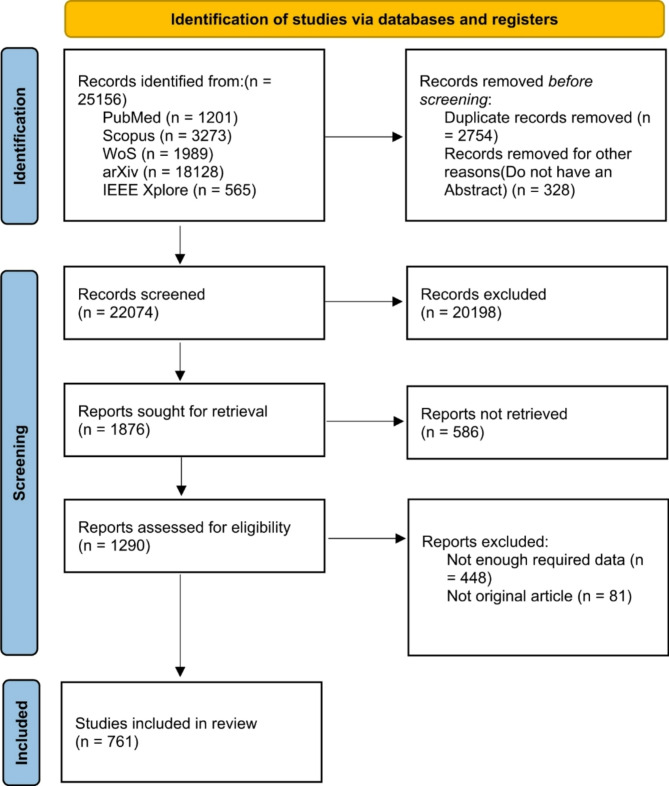
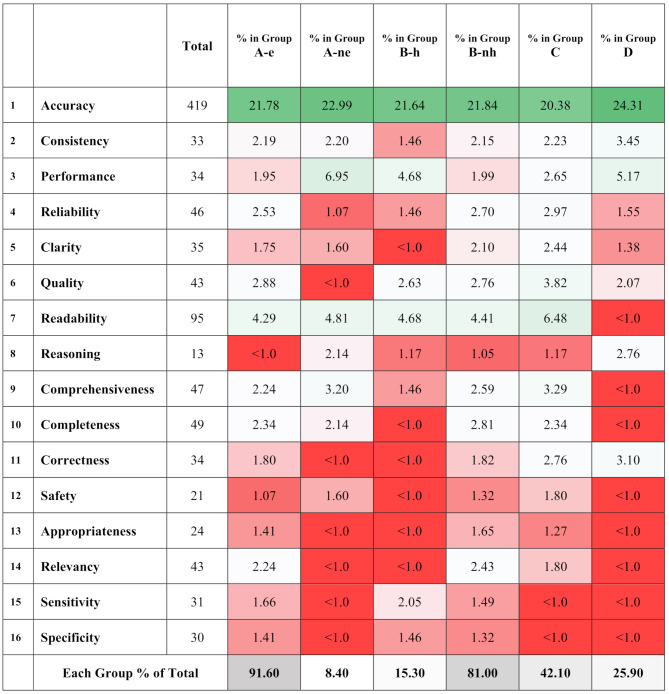
BACKGROUND: Large Language Models (LLMs), advanced AI tools based on transformer architectures, demonstrate significant potential in clinical medicine by enhancing decision support, diagnostics, and medical education. However, their integration into clinical workflows requires rigorous evaluation to ensure reliability, safety, and ethical alignment. OBJECTIVE: This systematic review examines the evaluation parameters and methodologies applied to LLMs in clinical medicine, highlighting their capabilities, limitations, and application trends. METHODS: A comprehensive review of the literature was conducted across PubMed, Scopus, Web of Science, IEEE Xplore, and arXiv databases, encompassing both peer-reviewed and preprint studies. Studies were screened against predefined inclusion and exclusion criteria to identify original research evaluating LLM performance in medical contexts. RESULTS: The results reveal a growing interest in leveraging LLM tools in clinical settings, with 761 studies meeting the inclusion criteria. While general-domain LLMs, particularly ChatGPT and GPT-4, dominated evaluations (93.55%), medical-domain LLMs accounted for only 6.45%. Accuracy emerged as the most commonly assessed parameter (21.78%). Despite these advancements, the evidence base highlights certain limitations and biases across the included studies, emphasizing the need for careful interpretation and robust evaluation frameworks. CONCLUSIONS: The exponential growth in LLM research underscores their transformative potential in healthcare. However, addressing challenges such as ethical risks, evaluation variability, and underrepresentation of critical specialties will be essential. Future efforts should prioritize standardized frameworks to ensure safe, effective, and equitable LLM integration in clinical practice.
Overview
The claims and statistics of this paper haven’t been checked yet.
Free: it reads the open-access text and checks the first 5 claims that cite a source we can check. Create a free account to check every claim.
Integrity signals
Registry
Cites
Statistics
Figures
Verification
Claims the paper makes
The claims and statistics of this paper haven’t been checked yet.
Free: it reads the open-access text and checks the first 5 claims that cite a source we can check. Create a free account to check every claim.
Self-check
Percentages, sums and reported differences re-computed from the paper’s own numbers.
The self-check needs the paper’s full text.
Citations
Cites
Cascella, M., Montomoli, J., Bellini, V., & Bignami, E. (2023) · Journal of Medical Systems · doi:10.1007/s10916-023-01925-4 · Cited by 1,120
Large language models in healthcare and medical domain: A review
Nazi, Z. A., & Peng, W. (2024) · Informatics · doi:10.3390/informatics11030057 · Cited by 415
Current applications and challenges in large language models for patient care: a systematic review
Busch, F., Hoffmann, L., Rueger, C., van Dijk, E. H., Kader, R., Ortiz-Prado, E., Makowski, M. R., Saba, L., Hadamitzky, M., Kather, J. N., et al. (2025) · Communications Medicine · doi:10.1038/s43856-024-00717-2 · Cited by 358
Systematic Review of Large Language Models for Patient Care: Current Applications and Challenges
(2024) · doi:10.1101/2024.03.04.24303733 · Cited by 356
Embracing Large Language Models for Medical Applications: Opportunities and Challenges
Karabacak, M., & Margetis, K. (2023) · Cureus · doi:10.7759/cureus.39305 · Cited by 204 · cited 1×
“Additionally, the unique demands of healthcare require LLMs to interpret and generate specialized medical content with high reliability and contextual relevance [6, 7].”
Assessing the research landscape and clinical utility of large language models: a scoping review
Park, Y.-J., Pillai, A., Deng, J., Guo, E., Gupta, M., Paget, M., & Naugler, C. (2024) · BMC Medical Informatics and Decision Making · doi:10.1186/s12911-024-02459-6 · Cited by 187
Large Language Models for Therapy Recommendations Across 3 Clinical Specialties: Comparative Study
Wilhelm, T. I., Roos, J., & Kaczmarczyk, R. (2023) · Journal of Medical Internet Research · doi:10.2196/49324 · Cited by 133
Future of the Language Models in Healthcare: The Role of Chatgpt
Tustumi, F., Andreollo, N. A., & Aguilar-Nascimento, J. E. D. (2023) · ABCD. Arquivos Brasileiros de Cirurgia Digestiva (São Paulo) · doi:10.1590/0102-672020230002e1727 · Cited by 99
Hoppe, J. M., Auer, M. K., Strüven, A., Massberg, S., & Stremmel, C. (2024) · Journal of Medical Internet Research · doi:10.2196/56110 · Cited by 94
Evaluation of large language models as a diagnostic aid for complex medical cases
Ríos-Hoyo, A., Shan, N. L., Li, A., Pearson, A. T., Pusztai, L., & Howard, F. M. (2024) · Frontiers in Medicine · doi:10.3389/fmed.2024.1380148 · Cited by 66
Research works printed but not linked: 4
- Zhou H, Liu F, Gu B, Zou X, Huang J, Wu J et al. A survey of large language models in medicine: progress, application, and challenge. ArXiv Preprint. 2023;arXiv:231105112.
- Chen X, Xiang J, Lu S, Liu Y, He M, Shi D. Evaluating large language models in medical applications: a survey. ArXiv Preprint. 2024;arXiv:240507468.
- Zhou H, Liu F, Gu B, Zou X, Huang J, Wu J et al. A survey of large language models in medicine: principles, applications, and challenges. arXiv preprint. 2023;arXiv:231105112.
- Liu F, Zhou H, Hua Y, Rohanian O, Clifton L, Clifton DA. Large language models in healthcare: A comprehensive benchmark. MedRxiv. 2024:2024.04.24.24306315.
Cited by
Artificial intelligence in sport: A narrative review of applications, challenges and future trends
Zhou, D., Keogh, J., Ma, Y., Tong, R. K., Khan, A. R., & Jennings, N. R. (2025) · Journal of Sports Sciences · doi:10.1080/02640414.2025.2518694 · Cited by 123
Palm, E., Manikantan, A., Mahal, H., Belwadi, S. S., & Pepin, M. E. (2025) · Frontiers in Artificial Intelligence · doi:10.3389/frai.2025.1691499 · Cited by 80
Moëll, B., & Aronsson, F. S. (2025) · Journal of Medical Internet Research · doi:10.2196/75849 · Cited by 71
“Without evaluation, false confidence in model output can be potentially harmful [16].”
A large language model improves clinicians’ diagnostic performance in complex critical illness cases
Wu, X. C., Huang, Y., & He, Q. (2025) · Critical Care · doi:10.1186/s13054-025-05468-7 · Cited by 66
“ChatGPT, Google Bard/Gemini and Meta Llama accounted for the majority of the evaluations, however, studies evaluating the performance of reasoning models in clinical medicine are lacking [22].”
Gong, E. J., Bang, C. S., Lee, J. J., & Baik, G. H. (2025) · Journal of Medical Internet Research · doi:10.2196/84120 · Cited by 96
“The distinction between knowledge and practice benchmarks remains poorly standardized in the literature, but these results consistently show lower performance on practice-based assessments [6,7].”
InfluentialMansoor, I., Abdullah, M., Rizwan, M. D., & Fraz, M. M. (2025) · Health Information Science and Systems · doi:10.1007/s13755-025-00403-0 · Cited by 56
“The extensive systematic review by Shool et al [24] analyzes 761 studies to focus on evaluation parameters, finding that "accuracy" is the most common metric and that general-domain models dominate the research landscape.”
Belkhouribchia, J., & Pen, J. J. (2025) · Frontiers in Nutrition · doi:10.3389/fnut.2025.1635682 · Cited by 51
Hein, D., Christie, A. L., Holcomb, M. J., Xie, B., Jain, A., Vento, J. A., Rakheja, N., Shakur, A. H., Christley, S., Cowell, L. G., et al. (2025) · npj Digital Medicine · doi:10.1038/s41746-025-01686-z · Cited by 56
A large language model for complex cardiology care
O’Sullivan, J. W., Palepu, A. K., Saab, K. K., Weng, W., Amponsah, D., Cheng, E., Cheng, Y., Chu, E. L., Desai, Y. B., Elezaby, A., et al. (2026) · Nature Medicine · doi:10.1038/s41591-025-04190-9 · Cited by 52
“Despite more than 500 observational LLM papers published in 2024, systematic reviews of LLMs in medicine have consistently shown a lack of RCTs 25–27 .”
Alkalbani, A. M., Alrawahi, A. S., Salah, A., Haghighi, V., Zhang, Y., Alkindi, S. S. A., & Sheng, Q. Z. (2025) · Information · doi:10.3390/info16060489 · Cited by 44
Vavekanand, R., Laghari, A. A., & Kumar, T. (2026) · Iran Journal of Computer Science · doi:10.1007/s42044-025-00360-7 · Cited by 34
“…through self-attention layers [14] While several reviews have explored the use of LLMs in healthcare, they typically focus on specific applications like diagnostic support or patient education, without considering the broad range of medical contexts in which LLMs can be applied [12, 13, 15].”
Du, X., Zhou, Z., Wang, Y., Chuang, Y.-W., Li, Y., Yang, R. C., Zhang, W., Wang, X., Chen, X., Guan, H., et al. (2026) · Journal of the American Medical Informatics Association · doi:10.1093/jamia/ocaf233 · Cited by 73
Zendehbad, S. A., Ghasemi, J., & Khodadad, F. S. (2025) · Healthcare Technology Letters · doi:10.1049/htl2.70020 · Cited by 29
“However, essential areas of constraint remain; unlike the absence of access to appropriate AI regulations, privacy issue, and the ethicality of the application [17].”
Tzanis, E., Adams, L. C., Akinci D’Antonoli, T., Bressem, K. K., Cuocolo, R., Kocak, B., Malamateniou, C., & Klontzas, M. E. (2026) · Diagnostic and Interventional Imaging · doi:10.1016/j.diii.2025.10.002 · Cited by 16
Keçeci, T., & Karagöz, B. (2025) · BMC Medical Informatics and Decision Making · doi:10.1186/s12911-025-03202-5 · Cited by 16
“Supporting these findings at a broader scale, Shool et al. conducted a systematic review of 761 LLM evaluation studies and concluded that while accuracy, readability, and quality were commonly assessed, hallucination rates, model bias, and ethical safety were often neglected [7].”
Sun, Z., Yim, W.-W., Uzuner, Ö., Xia, F., & Yetişgen, M. (2025) · Journal of Biomedical Informatics · doi:10.1016/j.jbi.2025.104866 · Cited by 26
“To address these challenges, researchers have developed diverse methods for hallucination detection, evaluation, and mitigation.”
Al-Thani, S. N., Anjum, S., Bhutta, Z. A., Bashir, S., Majeed, M. A., Khan, A. S., & Bashir, K. (2025) · International Journal of Emergency Medicine · doi:10.1186/s12245-025-00949-6 · Cited by 19
“ChatGPT, a state-of-the-art large language model (LLM) developed by OpenAI, is designed to engage in natural language conversations [1].”
Reimagining patient-reported outcomes in the age of generative AI
Boyer, L., Fernandes, S., Auquier, P., Falissard, B., & Panch, T. (2025) · npj Digital Medicine · doi:10.1038/s41746-025-02006-1 · Cited by 20
“This task diversity complicates efforts to design uni fi ed evaluation strategies 31 , particularly for PROs, where models are expected to capture subtle subjective cues through adaptive dialog, interpret and synthesize free-text data, potentially infer structured outcomes, and generate insights…”
Evaluation of Cancer Survivors’ Experience of Using AI-Based Conversational Tools: Qualitative Study
Khairat, S., Mehraby, H., Masoumi, S., Coffel, M., Rockey-Bartlett, C., Huang, A., Wood, W. A., & Basch, E. (2025) · JMIR Cancer · doi:10.2196/77390 · Cited by 16
Large Language Models in Cancer Imaging: Applications and Future Perspectives
Tordjman, M., Bolger, I., Yuce, M., Restrepo, F., Liu, Z., Dercle, L., McGale, J., Meribout, A., Liu, M., Beddok, A., et al. (2025) · Journal of Clinical Medicine · doi:10.3390/jcm14103285 · Cited by 19
Nejad, A. R., Salimi, F. S. S., Hemmasian, M., Mirzaee, S., Abdiyeva, K., Mousa, R., & Hesaraki, S. (2026) · Intelligence-Based Medicine · doi:10.1016/j.ibmed.2026.100362 · Cited by 12
Altermatt, F. R., Neyem, A., Sumonte, N. I., Villagrán, I., Mendoza, M., Lacassie, H. J., & Delfino, A. E. (2025) · BMC Medical Education · doi:10.1186/s12909-025-08084-9 · Cited by 15
“%) are underrepresented [18].”
Karaca, B., Çakmak, Y. E., & Erkal, D. (2025) · Australian Endodontic Journal · doi:10.1111/aej.70040 · Cited by 13
Agweyu, A., Mwaniki, P., Menon, V., Korom, R., Isaaka, L., Wanyama, C. W., Gill, J., Kiptinness, S., Adan, N., Emmanuel-Fabula, M., et al. (2026) · Nature Medicine · doi:10.1038/s41591-026-04503-6 · Cited by 33
“Their generative nature also raises concerns about accuracy, hallucinated content and bias 22,23 .”
Language models for drug–drug interactions: current applications, pitfalls, and future directions
Meslamani, A. Z. A., & Hajal, A. A. (2025) · Expert Opinion on Drug Metabolism & Toxicology · doi:10.1080/17425255.2025.2551724 · Cited by 16
“Enhancing interpretability is essential for clinicians to have faith in LLM-driven decision support models, according to a new review [115].”
Large Language Models Using Clinical Text in Pediatrics: A Scoping Review
Huang, T., Tse, G., Pageler, N. M., & Bannett, Y. (2026) · JAMA Network Open · doi:10.1001/jamanetworkopen.2026.2443 · Cited by 15
Triantafyllidis, A. K., Segkouli, S., Kokkas, S., Alexiadis, A., Lithoxoidou, E. E., Manias, G., Antoniades, A., Votis, K., & Tzovaras, D. (2025) · Healthcare · doi:10.3390/healthcare14010045 · Cited by 8
“The acceptability, usability, and potential of LLMs in improving health and well-being have been explored in several previous studies [12–14].”
Li, P., Xu, Y., Liu, X., Shen, Z., Wang, Y., Lv, X., Lu, Z., Wu, H., Zhuang, J., & Chen, Y. (2026) · JMIR Medical Informatics · doi:10.2196/81422 · Cited by 9
The value alignment problem in advisory AI: a systematic literature review
Triantafyllopoulos, L., Paxinou, E., Tzanoulinou, D., Verykios, V. S., & Kalles, D. (2026) · AI and Ethics · doi:10.1007/s43681-026-01015-4 · Cited by 10
“A systematic review by Shool et al. [75 ] confirmed the rapid growth of LLMs in clinical practice but highlighted the absence of standardized ethical evaluation frameworks.”
Somwanshi, S. K., Tharayil, A. S., Budhewar, A. S., Velu, G., Thamızhanban, D., K.C.Gayathri, Dasarwar, A. N., Patil, P. G., Somwanshi, S. K., Patil, B. K., et al. (2026) · Advances in computational intelligence and robotics book series · doi:10.4018/979-8-3373-7862-6.ch007 · Cited by 7
Kim, D. H. (2025) · Journal of Personalized Medicine · doi:10.3390/jpm15050175 · Cited by 7
“Advanced technologies such as homomorphic encryption can securely facilitate multi-institutional data sharing without compromising patient privacy, thus addressing one of the critical unmet needs in personalized medicine implementation [54,71].”
Ferretti, R., Rizzi, J. S., Requena, L. S., Bicudo, A. M., & Filho, P. T. H. (2025) · Medical Science Educator · doi:10.1007/s40670-025-02426-4 · Cited by 5
“These variabilities highlight the need for cautions interpretation of AI-generated outputs [32–34].”
Reis, F., Agha-Mir-Salim, L., Hickstein, R., Reis, M., Piper, S. K., Balzer, F., & Boie, S. D. (2026) · Journal of Medical Internet Research · doi:10.2196/84668 · Cited by 10
“Empirical evaluations show notable diagnostic reasoning performance, with some LLMs outperforming traditional tools in differential diagnosis and clinical decision support [6,7].”
Kochanek, A., Zacłona, T., Szucki, M., & Bulanda, N. (2025) · Applied Sciences · doi:10.3390/app151910406 · Cited by 5
Hein, D., Christie, A., Holcomb, M. J., Xie, B., Jain, A., Vento, J., Rakheja, N., Shakur, A. H., Christley, S., Cowell, L. G., et al. (2025) · medRxiv · doi:10.1101/2025.02.11.25322107 · Cited by 6
“63,64 Interpretations could therefore differ between groups.”
AI-simulated clinical consultations: Assessing the potential of ChatGPT to support medical training
Saggar, A., Dimitrova, V., Sarikaya, D., Hogg, D., & Darling, J. C. (2026) · Archives of Disease in Childhood · doi:10.1136/archdischild-2025-329846 · Cited by 4
“9 14 While useful for establishing clinical knowledge, these evaluations rely solely on quantitative metrics and fail to explore the capabilities of LLMs in open-ended discourse.”
Knowledge Integrity in Large Language Models: A State-of-The-Art Review
Abishethvarman, V., Sabrina, F., & Kwan, P. (2025) · Information · doi:10.3390/info16121076 · Cited by 7
Liang, J., Xing, M., Xiang, P., Wang, G., Chen, M., Fang, Q., Zhou, T., Lu, Z., Leng, X., Huang, J., et al. (2026) · npj Digital Medicine · doi:10.1038/s41746-026-02537-1 · Cited by 5
“On the other hand, Experts provided prompts and contextual information to the large language model based on existing literature and clinical experience 37,44 – 49 .”
BASIL DB: bioactive semantic integration and linking database
Jackson, D., Groth, P., & Harmouch, H. (2025) · Journal of Biomedical Semantics · doi:10.1186/s13326-025-00336-3 · Cited by 6
“For more detailed evaluations of the individual NLP tools, we point to previous literature assessing the performance of LLMs [35], RobotReviewer [18], and MetaMap [36].”
Generative Artificial Intelligence Methodology Reporting in Otolaryngology: A Scoping Review
Alter, I. L., Chan, K., Andreadis, K., & Rameau, A. (2025) · The Laryngoscope · doi:10.1002/lary.70165 · Cited by 4
Tini, P., Novi, F., Donnini, F., Perrella, A., Bagnacci, G., Mazzei, M. A., & Minniti, G. C. (2025) · Journal of Neuro-Oncology · doi:10.1007/s11060-025-05254-z · Cited by 8
“Concordance rates of approxi - mately 76–79% against physicians and guidelines indicate that the model has indeed absorbed much of standard oncology practice, consistent with prior reports of LLMs performing well on medical tasks [16– 18 ].”
Performance-Energy Characterization of ML Inference on Heterogeneous Edge AI Platforms
Kohli, P., Jayanth, R., Gupta, N., Fan, H., & Prasanna, V. K. (2025) · IEEE High Performance Extreme Computing Conference · doi:10.1109/hpec67600.2025.11196674 · Cited by 6
Zhong, X. F., & Liu, R. (2026) · Frontiers in Public Health · doi:10.3389/fpubh.2026.1799204 · Cited by 4
Vasiliu, O. (2026) · Frontiers in Public Health · doi:10.3389/fpubh.2026.1816917 · Cited by 6
“…a pathological aspect of the human–computer interaction (HCI), with users tending to attribute social and human-like qualities to technological systems, even when they are aware of their artificial nature, thus contributing to increased engagement and perceived relational closeness (27, 60– 62).”
AI-enhanced resuscitation image production training: advancing diversity and inclusion with GPT-4o
Wittig, J., Ek, J. E., Semeraro, F. F., Montomoli, J., & Bignami, E. G. (2025) · Resuscitation · doi:10.1016/j.resuscitation.2025.110603 · Cited by 4
MERA: Medical Electronic Records Assistant
Ibrahim, A., Khalili, A., Arabi, M., Sattar, A. H. M. S., Hosseini, A., & Serag, A. (2025) · Machine Learning and Knowledge Extraction · doi:10.3390/make7030073 · Cited by 8
“This is especially critical in healthcare, where precision and trustworthiness are essential [40].”
Martin, G. L., & Létinier, L. (2025) · Therapies · doi:10.1016/j.therap.2025.10.001 · Cited by 3
Álvarez‐Martínez, F. J., Esteban, L., Frungillo, L., Butassi, E., Zambon, A., Herranz‐López, M., Aranda, M., Pollastro, F., Fabiano‐Tixier, A., Garcia-Perez, J. V., et al. (2025) · Frontiers in Artificial Intelligence · doi:10.3389/frai.2025.1664303 · Cited by 6
“…studies have attempted to benchmark LLMs in scientific or technical contexts, often focusing on single models or narrow applications such as medical question answering, patient communication, or domain-specific tasks (Shool et al., 2023; Jahan et al., 2024; Li et al., 2024; Wang et al., 2024).”
Carrillo-Larco, R. M., Lovón-Melgarejo, J., Castillo‐Cara, M., & Bravo-Rocca, G. (2026) · Medical Science Educator · doi:10.1007/s40670-026-02692-w · Cited by 5
Mwaniki, P., Musau, W., Isaaka, L., Wanyama, C. W., Menon, V., Denniston, A. K., Liu, X., Emmanuel-Fabula, M., Williams, G., Mateen, B. A., et al. (2026) · BMJ Digital Health & AI · doi:10.1136/bmjdh-2026-000081 · Cited by 3
Gireesh, H., Shukla, L., Shivaprakash, P., Mukherjee, A., Chand, P., & Murthy, P. (2025) · Drug and Alcohol Review · doi:10.1111/dar.70059 · Cited by 6
Pohlmann, P.-F., Glienke, M., Sandkamp, R., Gratzke, C., Schmal, H., Schoeb, D. S., & Fuchs, A. (2025) · Bioengineering · doi:10.3390/bioengineering12121290 · Cited by 3
“The near-equivalence in quantitative outcomes underscores that general LLMs with sufficient complexity can approach specialist model accuracy, but domain adaptation remains crucial for context-appropriate support, reliability, and educational alignment in clinical training [24].”
Ophtimus-V2-Tx: a compact domain-specific LLM for ophthalmic diagnosis and treatment planning
Kwon, M., Jang, K. J., Baek, S. J., Han, Y. S., Choi, H., Lee, I., & Kim, J. H. (2025) · Scientific Reports · doi:10.1038/s41598-025-27410-1 · Cited by 2
“While LLMs have achieved strong performance in medical question answering and clinical reasoning tasks 47,48 , they still face limitations in effectively supporting the end-to-end, structured clinical decision-making process in real-world healthcare environments.”
Lu, J., Huang, J., Guo, Y. H., Wu, Q., Jiang, Z., Yang, T., Bian, J., & Bo, L. (2026) · BMC Anesthesiology · doi:10.1186/s12871-025-03605-x · Cited by 6
Fung, M.-C. (2026) · Medical Review · doi:10.1515/mr-2025-0074 · Cited by 7
More, V., Lu, L., Ding, Z., Ding, Z., Xi, Z., Mizia, S., & Guo, N. (2026) · npj Precision Oncology · doi:10.1038/s41698-025-01265-1 · Cited by 14
“Recent comprehensive reviews have highlighted their transformative potential in healthcare, with appli-cationsspanningclinicaldocumentation,medicaleducation,anddiagnostic support 26 – 28 .”
Suarez, M., Martínez, R., González-Martínez, F., Torres, A. M., & Mateo, J. (2026) · World Journal of Hepatology · doi:10.4254/wjh.v18.i2.114834 · Cited by 4
“In medicine, LLMs are being explored to support clinical decision-making, enhance physician-patient communication, and facilitate interoperability of clinical information[26,27].”
Gao, S., Yu, M., Zheng, Y., Zhang, M., Yang, Z., & Zhang, J. (2026) · BMC Emergency Medicine · doi:10.1186/s12873-026-01521-y · Cited by 5
“Unlike conventional ML, LLMs are deep-learning neural networks pretrained on vast text corpora, enabling them to recognize, translate, predict, or generate human-like content [14, 15].”
Large Language Models in Surgery: Promise, Pitfalls, and Practical Use
Denham, D. T., Wang, C. Y., Maric, E., Hinton, L. R., & Heniford, B. T. (2026) · Journal of Abdominal Wall Surgery · doi:10.3389/jaws.2026.16349 · Cited by 3
Ekmekcioğlu, A., Karaca, B., & Ülgen, A. N. (2026) · BMC Oral Health · doi:10.1186/s12903-026-08009-y · Cited by 4
“…study align with current literature supporting the potential of LLMs to provide reliable, consistent, and comprehensible information in healthcare and dentistry [14, 23]Performance fluctuations observed in complex scenarios corroborate the cautious approach highlighted in previous studies [24, 25].”
Çörekci, A. M., Ateş, B., Öztürk, A. A., & Özdemir, M. (2026) · BMC Pediatrics · doi:10.1186/s12887-026-06851-1 · Cited by 3
“[ 21].”
InfluentialSemantic stability protocol: intercoder reliability for zero-shot classification via AI coders
Hsu, H.-Y., & Hsu, M. (2026) · Quality & Quantity · doi:10.1007/s11135-026-02832-9 · Cited by 4
“…have observed that when using LLMs for text annotation, most original studies conduct only one-time performance evaluations, lacking systematic quantification of test-retest reliability, cross-prompt stability, or cross-run consistency (Sakai and Lam 2025; Shool et al. 2025; Wang et al. 2024).”
Kong, H.-J., & Kim, Y. (2026) · BMC Oral Health · doi:10.1186/s12903-026-08747-z · Cited by 4
“Platforms like OpenAI’s GPT and Google’s Gemini do more than just process vast datasets; they exhibit genuine reasoning capabilities [14].”
Arslan, İ. B., Kumandaş, M. T., Arslan, D., Aslan, K., Saltoğlu, T., Çalışkan, S. A., & Terzi, M. (2026) · Acta Neurologica Belgica · doi:10.1007/s13760-026-03102-z · Cited by 3
“Whereas prior research has predominantly focused on single model assessments, most commonly ChatGPT, our direct comparison of multiple widely used LLMs offers a broader perspective on model performance and limitations within a neurology specific framework [16].”
The digital therapist? LLMs and the future of clinical dialogue
Shi, E. R., Pei, R., & Barceló-Coblijn, L. (2026) · Language and Health · doi:10.1016/j.laheal.2026.100086 · Cited by 5
Bi, C., Zheng, X. H., Zhang, Y., Zhou, S., Song, J., Shang, H., & Shen, B. (2025) · Alzheimer s & Dementia · doi:10.1002/alz.70282 · Cited by 2
“58,59 Nevertheless, general-purpose LLMs trained on non-specialized data may generate hallucinated or inaccurate medical responsesduetoinsufficientdomain-specifictraining.”
Seth, I., Marcaccini, G., Lim, B., Novo, J., Bacchi, S., Cuomo, R., Ross, R. J., & Rozen, W. M. (2025) · Informatics · doi:10.3390/informatics12030086 · Cited by 5
“…including a large systematic review analysing over 500 studies on healthcare applications of LLMs [16], a clinical medicine-focused review mapping evaluation methods across multiple domains [17], and a benchmarking study demonstrating that LLMs encode substantial clinical knowledge [18].”
Cross or Nah? LLMs Get in the Mindset of a Pedestrian in front of Automated Car with an eHMI
Alam, M. S., & Bazilinskyy, P. (2025) · International Conference on Automotive User Interfaces and Interactive Vehicular Applications (AutomotiveUI) · doi:10.1145/3744335.3758477 · Cited by 3
“Since then, numerous Large Language Models (LLMs) have emerged, tailored for specific tasks such as medical analysis [23] and document processing [37], as well as general purpose models such as DeepSeek-VL2 [35] and ChatGPT [1].”
Zhang, J., Ubuzima, P., Huang, G., Lee, E.-H., Wang, Y., Xu, H., Xia, L., & Wu, T. (2025) · BMC Oral Health · doi:10.1186/s12903-025-07540-8 · Cited by 3
“These models hold immense promise for the dental field, with potential applications in education, diagnostics, and patient care [2–4].”
Zhang, H., Yuan, S., Bao, H., Chen, W., Cai, B., Sun, J., Zhu, H., & Lu, W. (2025) · Frontiers in Neurology · doi:10.3389/fneur.2025.1568022 · Cited by 6
“Such an approach would better capture the full spectrum of research, particularly from non-English-speaking regions and emerging research areas, ensuring a more balanced and inclusive representation of global efforts in this critical field (61).”
Liang, P., Chen, J., Gong, X., Huang, H., & Pu, B. (2025) · SSRN Electronic Journal · doi:10.2139/ssrn.5394129 · Cited by 5
Large language models in medicine: current ethical challenges
Kostrov, S. А., & Potapov, M. (2025) · Медицинская этика · doi:10.24075/medet.2025.008 · Cited by 2
Harmonizing organ-at-risk structure names using open-source large language models
Thummerer, A., Maspero, M., van der Bijl, E., Corradini, S., Belka, C., Landry, G., & Kurz, C. (2025) · Physics and Imaging in Radiation Oncology · doi:10.1016/j.phro.2025.100813 · Cited by 4
“Recent advancements in NLP, particularly in large language models (LLMs), present new possibilities for automating complex language-related tasks within the medical domain [8 – 10].”
Exploring chatbot applications in pancreatic disease treatment: potential and pitfalls
Balduzzi, A., Pastena, M. D., Tondato, S., Gronchi, F., Dall’Olio, T., Malleo, G., Pea, A., Paiella, S., & Salvia, R. (2025) · Artificial Intelligence Surgery · doi:10.20517/ais.2025.11 · Cited by 2
Xue, D., & Liao, S. (2025) · Risk Management and Healthcare Policy · doi:10.2147/rmhp.s531777 · Cited by 2
Artificial intelligence in medical imaging: bridging innovation, ethics, and clinical impact
Vadlapudi, V., & Kaladhar, D. S. V. G. K. (2025) · International Journal of Advances in Medicine · doi:10.18203/2349-3933.ijam20253360 · Cited by 3
Mind the data: Evaluating data quality sensitivity in medical LLMs
Han, X., Zhan, Y., Ni, J., Yu, B., & Tao, D. (2025) · Pattern Recognition Letters · doi:10.1016/j.patrec.2025.11.007 · Cited by 2
Barlow, S. H., Chicklore, S., He, Y., Ourselin, S., Wagner, T., Barnes, A., & Cook, G. (2025) · Frontiers in Digital Health · doi:10.3389/fdgth.2025.1702082 · Cited by 3
“It frequently reveals actionable incidental findings (AIFs) (2), medical phenomena, separate from the reason for the scan, requiring clinical intervention or observation (3).”
Jiang, W., Wang, D., Zeng, Y., Huang, J., Xu, C., & Liu, C. (2025) · Journal of Medical Internet Research · doi:10.2196/80770 · Cited by 2
“Our results demonstrated that accuracy was the most frequently reported performance metric in both hospital disclosures and studies [2,45].”
PoETa v2: Toward More Robust Evaluation of Large Language Models in Portuguese
Almeida, T. S., Pires, R., Abonizio, H., Nogueira, R. F., & Pedrini, H. (2025) · IEEE Access · doi:10.1109/access.2025.3645771 · Cited by 14
“The rapid advancement of LLMs has fundamentally transformed natural language processing, enabling substantial progress across a wide range of applications [1], [2], [3], [4].”
Wang, S., Bai, Z., & Gai, Y. (2025) · Health Information Science and Systems · doi:10.1007/s13755-025-00416-9 · Cited by 2
“As such, LLMs have seen rapid adoption in online con-sultation platforms, hospital triage systems, and general medical-information services [19, 20].”
Advances, Evaluation, and Explainability of Large Language Models in Healthcare: A Systematic Review
Amin, S. U., Guizani, M., & Hossain, M. S. (2026) · ACM Transactions on Multimedia Computing Communications and Applications · doi:10.1145/3786334 · Cited by 10
Towards Safe and Trustworthy Healthcare AI: Risk Assessment of Medical Dialogue Using LLMs
Tanioka, H. (2025) · Human-Centric Intelligent Systems · doi:10.1007/s44230-025-00131-4 · Cited by 2
“In a systematic review, Shool et al. [10] summarized evaluation methods and safety gaps across clinical LLM studies, highlighting the absence of unified quantitative testing standards.”
Large Language Model–Based Agents for Physical Activity and Cognitive Training: Scoping Review
Silacci, A., Giachetti, B., Angelini, L., Lopomo, N. F., Andreoni, G., Mugellini, E., Cherubini, M., & Caon, M. (2026) · JMIR AI · doi:10.2196/80123 · Cited by 2
“These observations are consistent with findings from Shool et al [63], who reviewed more than 700 LLM studies in clinical medicine and found that most relied on ad hoc performance indicators—such as accuracy or readability—while neglecting more robust, psychometrically validated tools.”
Evaluation of algorithmic bias in large language models for retinal clinical recommendations
Gandhi, S., Balas, M., Popovic, M. M., Kertes, P. J., Muni, R. H., & Kohly, R. P. (2026) · AJO International · doi:10.1016/j.ajoint.2026.100233 · Cited by 3
Digital therapeutics into geriatric cardiovascular emergency care
Hu, X., Wei, Z., Liu, M., Geng, H., & Zhang, H. (2026) · Frontiers in Digital Health · doi:10.3389/fdgth.2026.1673080 · Cited by 3
Erdem, O., Canbak, T., Acar, A., Ceylan, E. M., Çakıt, H., & Başak, F. (2026) · International Journal of Medical Informatics · doi:10.1016/j.ijmedinf.2026.106341 · Cited by 7
Zhou, C., Gong, Q., Luan, H., 詹文东, Zhu, J., & Zhang, Q. (2026) · Scientific Reports · doi:10.1038/s41598-026-38959-w · Cited by 5
“…role of prompt tuning and fine-tuning in the generation tasks of LLMs. Due to the generative nature of large models, their high sensitivity to input sequences cannot be overlooked; even minute changes in the input sequence might result in significant discrepancies in the generated output 34 .”
CKD-EHR: Clinical Knowledge Distillation for Electronic Health Records
Wang, J., Ling, H., Zhang, L., Zhang, L., Wang, F., Gao, Y., & Li, Z. (2026) · Biomedical Signal Processing and Control · doi:10.1016/j.bspc.2026.110090 · Cited by 4
Gustafsson, J., Lehtonen-Smeds, E. M. P., & Pakkasjärvi, N. A. (2026) · JMIR Medical Education · doi:10.2196/79134 · Cited by 9
“Large language models (LLMs) such as ChatGPT have emerged as promising tools in this context [3].”
Qi, X., Fan, L., Yao, Y., Shen, S., Yang, Z., Zhu, J., & Yang, D. (2026) · Clinica Chimica Acta · doi:10.1016/j.cca.2026.120984 · Cited by 3
Ferdowsi, M., Moustafa, N., Keshk, M., & Turnbull, B. (2026) · Electronics · doi:10.3390/electronics15071519 · Cited by 4
Li, M., 陈塑宇, liu, S., Yang, J., Qin, Y., Chen, Y., & Tai, X. (2026) · Digital Health · doi:10.1177/20552076261443381 · Cited by 4
“34,35 Its emergence represents a milestone in AI development; its clinical applications primarily focus on three domains: medical consultation, patient education, and clinical decision support.”
Wu, Z., Hu, B.-B., Mao, Q.-X., Han, Y., & Zhao, Q. (2026) · Digital Health · doi:10.1177/20552076261444223 · Cited by 4
Artificial intelligence language models for medical text analysis: A systematic review
Sorayaie Azar, A., Bagherzadeh Mohasefi, J., Wiil, U. K., Naemi, A., & Ebrahimi, A. (2026) · Artificial Intelligence in Medicine · doi:10.1016/j.artmed.2026.103441 · Cited by 2
Giorgi, S., Ryan, K., & Kim, J. P. (2026) · npj Digital Medicine · doi:10.1038/s41746-026-02691-6 · Cited by 3
Peters, S. G., Boyum, J. P., Legler, S. R., Heise, K. J., Griffin, A., & Heaton, H. A. (2026) · Journal of the American Medical Informatics Association · doi:10.1093/jamia/ocag076 · Cited by 5
“16 Third, tools should incorporate improved temporal reasoning to mitigate timeline errors, such as assuming an event occurred during hospitalization instead of being present on admission.”
Multimodal artificial intelligence in retinopathy of prematurity: A comprehensive narrative review
Zhao, X., Wu, Z., Wu, S., Cui, K., Lam, W., Wu, W.-C., Yang, W., Lei, B., Huang, S., Wei, W. B., et al. (2026) · Survey of Ophthalmology · doi:10.1016/j.survophthal.2026.05.006 · Cited by 6
Zhao, Y., Miao, Y., Luo, Y., Guo, R., Wang, H., & Wu, Y. N. (2026) · International Journal of Medical Informatics · doi:10.1016/j.ijmedinf.2026.106513 · Cited by 3
Warren, T., van der Weegen, W., Kool, R. B., Hoogendoorn, M., & Timmers, T. (2026) · International Journal of Medical Informatics · doi:10.1016/j.ijmedinf.2026.106525 · Cited by 2
Metadata
- Authors
- Shool, S., Adimi, S., Saboori Amleshi, R., Bitaraf, E., Golpira, R., & Tara, M.
- Affiliations
- Iran University of Medical Sciences (IR)
- Corresponding author
- Tara, Mahmood
- Venue
- BMC Medical Informatics and Decision Making
- Published
- 2025-03-07
- Volume
- 25
- Issue
- 1
- Pages
- 117-117
- ISSN
- 1472-6947 (ISSN-L)
- PMC
- PMC11889796
- OpenAlex
- W4408226143
- Semantic Scholar
- 705a913fd7153069b99a66c03862657122d9f737
- Cited by
- 346
- References
- 16
- Citations by year
- 2026: 244 · 2025: 102
- FWCI
- 20.45
- Type
- journal article
- Language
- en
- Open access
- gold
- doi.org
- Licence
- cc-by-nc-nd
- creativecommons.org/licenses/by-nc-nd/4.0 (tdm)
- creativecommons.org/licenses/by-nc-nd/4.0 (vor)
- Locations
- BMC Medical Informatics and Decision Making (publishedVersion, cc-by-nc-nd)
- Europe PMC (PubMed Central) (publishedVersion, cc-by-nc-nd)
- PubMed Central (publishedVersion, cc-by-nc-nd)
- PubMed (publishedVersion)
- DOAJ (DOAJ: Directory of Open Access Journals) (submittedVersion, cc-by-sa)
- Topics
- Health Sciences › Medicine › Health Informatics › Artificial Intelligence in Healthcare and Education
- Physical Sciences › Computer Science › Artificial Intelligence › Machine Learning in Healthcare
- Health Sciences › Health Professions › Health Information Management › Artificial Intelligence in Healthcare
- Keywords
- large language models, LLM evaluation, clinical medicine, artificial intelligence in healthcare, ChatGPT, GPT-4, evaluation metrics, accuracy, clinical decision support, clinical workflow integration, evaluation bias
- MeSH terms
- Large Language Models, Artificial Intelligence, Humans, Clinical Medicine
About these checks
Registry, retraction, Cites and statistics results are computed, not judged, with one exception: a printed reference that no index lists is read once by a model before it counts as a citation error. Claims are extracted by a model and kept only when their quote appears verbatim in the text; each cited source is then checked, with a model’s help, for whether it says what the claim relies on. Those verdicts can be wrong — read the claim’s quote and the cited source before relying on one.
Statistics and arithmetic are recomputed, not judged.
Confidence bands are shown only for fields calibrated on our annotated test set. None is calibrated yet, so no band is shown.
What counts as a claim ›How we measure confidence ›How we check this ›
Are you an author, or do you see a problem with this page? Request a review
Data sources
Bibliographic data: Semantic Scholar, OpenAlex, Crossref.
Contains information from the Semantic Scholar Academic Graph Datasets, made available under the ODC Attribution License (ODC-BY 1.0).
Semantic Scholar’s data is described in: Kinney, R., et al. (2023). The Semantic Scholar Open Data Platform. arXiv:2301.10140.
