

A systematic review of large language model (LLM) evaluations in clinical medicine
Open accessThe DOI matches its Crossref record; 18 of the 18 references it cites were found in a registry or an index.
Abstract
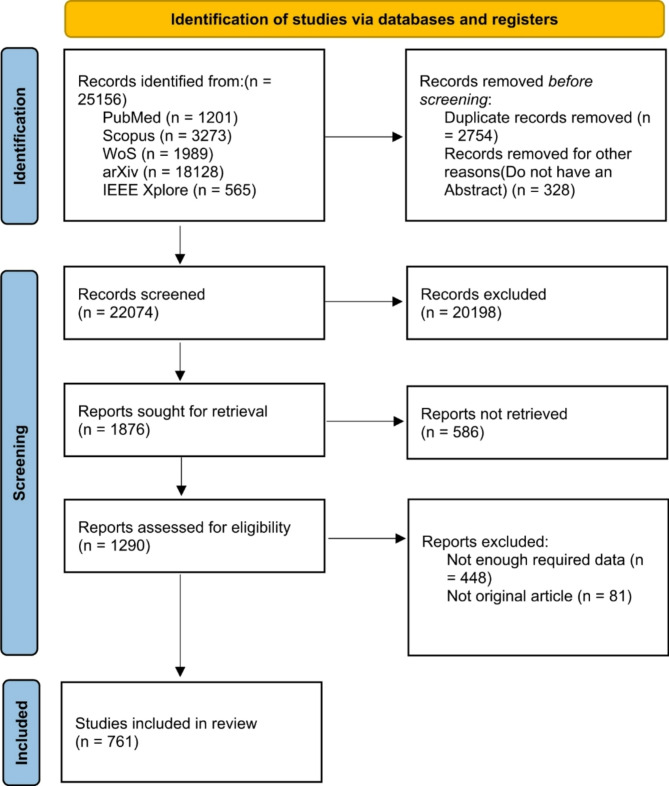
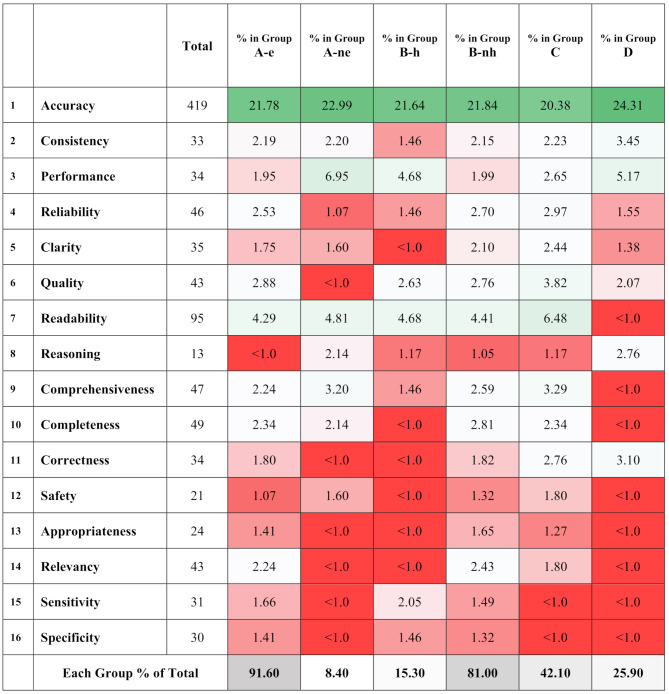
BACKGROUND: Large Language Models (LLMs), advanced AI tools based on transformer architectures, demonstrate significant potential in clinical medicine by enhancing decision support, diagnostics, and medical education. However, their integration into clinical workflows requires rigorous evaluation to ensure reliability, safety, and ethical alignment. OBJECTIVE: This systematic review examines the evaluation parameters and methodologies applied to LLMs in clinical medicine, highlighting their capabilities, limitations, and application trends. METHODS: A comprehensive review of the literature was conducted across PubMed, Scopus, Web of Science, IEEE Xplore, and arXiv databases, encompassing both peer-reviewed and preprint studies. Studies were screened against predefined inclusion and exclusion criteria to identify original research evaluating LLM performance in medical contexts. RESULTS: The results reveal a growing interest in leveraging LLM tools in clinical settings, with 761 studies meeting the inclusion criteria. While general-domain LLMs, particularly ChatGPT and GPT-4, dominated evaluations (93.55%), medical-domain LLMs accounted for only 6.45%. Accuracy emerged as the most commonly assessed parameter (21.78%). Despite these advancements, the evidence base highlights certain limitations and biases across the included studies, emphasizing the need for careful interpretation and robust evaluation frameworks. CONCLUSIONS: The exponential growth in LLM research underscores their transformative potential in healthcare. However, addressing challenges such as ethical risks, evaluation variability, and underrepresentation of critical specialties will be essential. Future efforts should prioritize standardized frameworks to ensure safe, effective, and equitable LLM integration in clinical practice.
Overview
The claims and statistics of this paper haven’t been checked yet.
Free: it reads the open-access text and checks the first 5 claims that cite a source we can check. Create a free account to check every claim.
Integrity signals
Registry
Cites
Statistics
Figures
Verification
Claims the paper makes
The claims and statistics of this paper haven’t been checked yet.
Free: it reads the open-access text and checks the first 5 claims that cite a source we can check. Create a free account to check every claim.
Self-check
Percentages, sums and reported differences re-computed from the paper’s own numbers.
The self-check needs the paper’s full text.
Citations
Cites
Cascella, M., Montomoli, J., Bellini, V., & Bignami, E. (2023) · Journal of Medical Systems · doi:10.1007/s10916-023-01925-4 · Cited by 1,120
Large language models in healthcare and medical domain: A review
Nazi, Z. A., & Peng, W. (2024) · Informatics · doi:10.3390/informatics11030057 · Cited by 415
Current applications and challenges in large language models for patient care: a systematic review
Busch, F., Hoffmann, L., Rueger, C., van Dijk, E. H., Kader, R., Ortiz-Prado, E., Makowski, M. R., Saba, L., Hadamitzky, M., Kather, J. N., et al. (2025) · Communications Medicine · doi:10.1038/s43856-024-00717-2 · Cited by 358
Systematic Review of Large Language Models for Patient Care: Current Applications and Challenges
(2024) · doi:10.1101/2024.03.04.24303733 · Cited by 356
Embracing Large Language Models for Medical Applications: Opportunities and Challenges
Karabacak, M., & Margetis, K. (2023) · Cureus · doi:10.7759/cureus.39305 · Cited by 204 · cited 1×
“Additionally, the unique demands of healthcare require LLMs to interpret and generate specialized medical content with high reliability and contextual relevance [6, 7].”
Assessing the research landscape and clinical utility of large language models: a scoping review
Park, Y.-J., Pillai, A., Deng, J., Guo, E., Gupta, M., Paget, M., & Naugler, C. (2024) · BMC Medical Informatics and Decision Making · doi:10.1186/s12911-024-02459-6 · Cited by 187
Large Language Models for Therapy Recommendations Across 3 Clinical Specialties: Comparative Study
Wilhelm, T. I., Roos, J., & Kaczmarczyk, R. (2023) · Journal of Medical Internet Research · doi:10.2196/49324 · Cited by 133
Future of the Language Models in Healthcare: The Role of Chatgpt
Tustumi, F., Andreollo, N. A., & Aguilar-Nascimento, J. E. D. (2023) · ABCD. Arquivos Brasileiros de Cirurgia Digestiva (São Paulo) · doi:10.1590/0102-672020230002e1727 · Cited by 99
Hoppe, J. M., Auer, M. K., Strüven, A., Massberg, S., & Stremmel, C. (2024) · Journal of Medical Internet Research · doi:10.2196/56110 · Cited by 94
Evaluation of large language models as a diagnostic aid for complex medical cases
Ríos-Hoyo, A., Shan, N. L., Li, A., Pearson, A. T., Pusztai, L., & Howard, F. M. (2024) · Frontiers in Medicine · doi:10.3389/fmed.2024.1380148 · Cited by 66
Research works printed but not linked: 4
- Zhou H, Liu F, Gu B, Zou X, Huang J, Wu J et al. A survey of large language models in medicine: progress, application, and challenge. ArXiv Preprint. 2023;arXiv:231105112.
- Chen X, Xiang J, Lu S, Liu Y, He M, Shi D. Evaluating large language models in medical applications: a survey. ArXiv Preprint. 2024;arXiv:240507468.
- Zhou H, Liu F, Gu B, Zou X, Huang J, Wu J et al. A survey of large language models in medicine: principles, applications, and challenges. arXiv preprint. 2023;arXiv:231105112.
- Liu F, Zhou H, Hua Y, Rohanian O, Clifton L, Clifton DA. Large language models in healthcare: A comprehensive benchmark. MedRxiv. 2024:2024.04.24.24306315.
Cited by
Items 101–200 of 348
Pumpo, M. D., Villani, L., Maio, V., Gualano, M. R., Marziali, E., Maio, L. D., Mancini, R., Boccia, S., Ricciardi, W., & Laurenti, P. (2026) · Public Health · doi:10.1016/j.puhe.2026.106359 · Cited by 2
Exploring the architectures of large language models and impact across multiple domains: a review
Waqas, M., Rajab, R., Laghari, A. A., Kryvinska, N., Hejaili, A. A., Khan, N., Khuhro, M. A., & Zhang, F. (2026) · Artificial Intelligence Review · doi:10.1007/s10462-026-11609-3 · Cited by 2
“Initially, LLMs are trained on massive corpora and then task-specifically fine-tuned (e.g. medical diagnosis or legal analysis) to increase task-specific accuracy (Kumar et al. 2025; Shool et al. 2025 ).”
Data-Driven Vision-Language Models for Remote Sensing: A survey
Zhou, Y., Zhao, S., Yang, X., Li, R., Zhang, T., Lan, M., Chen, C., Ma, L., He, H., & Li, K. (2026) · IEEE Geoscience and Remote Sensing Magazine · doi:10.1109/mgrs.2026.3696441 · Cited by 4
“…and leverage high-quality vision-language datasets for diverse RS application scenarios [88], [89], [90] as well as how to select effective fine-tuning strategies [91], [92], [93], [94], [95] and conduct rigorous performance evaluation [8], [28], [96], [97] based on such high-quality data.”
Quantized Low-Rank Adaptation in Large Language Models for Clinical Text Simplification
Srinivasu, P. N., Samudrala, A., Devesh, P. G., Reddy, S. A., & Nuaim, A. A. (2026) · International Journal of Computational Intelligence Systems · doi:10.1007/s44196-026-01402-z · Cited by 3
“Shool et al. [25] argue that the majority of clinical LLM studies present task metrics such as accuracy or related metrics, while criteria like readability, safety, and user-centred ones such as appropriateness or completeness are less frequently evaluated.”
Andrews, J., Kanjilal, S., Kotton, C., Stretton, B., & Leslie, A. (2026) · Internal Medicine Journal · doi:10.1111/imj.70470 · Cited by 4
Chang, J., Peng, R., Chen, X., Zhu, Y., Miao, R., Cao, Z., & Feng, H. (2026) · Journal of Medical Internet Research · doi:10.2196/84726 · Cited by 4
“Furthermore, the lack of a unified, standardized evaluation framework has led to significant heterogeneity in existing evaluation tools and dimensions, further hindering effective comparisons across studies [150].”
Wang, Q., Ma, S., Sun, J., Qi, X., Zhao, J., Ma, D., Liu, X., An, Q., Zhao, D., & He, S. (2026) · Frontiers in Public Health · doi:10.3389/fpubh.2026.1859078 · Cited by 7
Biswas, S. K., Mondal, R., & Saikia, M. J. (2026) · Future Internet · doi:10.3390/fi18080391 · Cited by 2
“Prominent generative models, including Large Language Models (LLMs) [20,21], GANs [22], and transformer-based generative architectures [23], are capable of learning complex data distributions and generating large volumes of realistic clinical data from trained datasets.”
Zhao, Y., Miao, Y., Guo, R., Luo, Y., Wang, H., & Wu, Y. X. (2026) · Journal of Medical Internet Research · doi:10.2196/90046 · Cited by 2
“This observation aligns with broader health care LLM reviews finding limited high-realism prospective evidence [5,6].”
InfluentialA Scoping Review of LLM-as-a-Judge in Healthcare and the MedJUDGE Framework
Li, C., Akhtar, Z., Kwak, M., Ji, Y., Zhang, H., Obi, T., Ren, Y., Wu, X., Sivarajkumar, S., Lehmann, H. P., et al. (2026) · arXiv · doi:10.48550/arxiv.2604.25933 · Cited by 1
Zheng, Y., Li, S., Liu, Z., Wang, Y. D., Guo, D., Wang, Y., Han, X., & Ouyang, M. (2025) · Journal of Energy Chemistry · doi:10.1016/j.jechem.2025.07.056 · Cited by 2
Peck, S., O'Brien, C., Bourret, J. C., & Agostinelli, D. (2025) · Journal of Applied Behavior Analysis · doi:10.1002/jaba.70029 · Cited by 2
Evaluation of ophthalmic large language models: quantitative vs. qualitative methods
Tan, T. F., Thirunavukarasu, A. J., Quek, C. W. N., & Ting, D. S. W. (2025) · Current Opinion in Ophthalmology · doi:10.1097/icu.0000000000001171 · Cited by 1
Artificial Intelligence (AI) in Patient–Healthcare Relationships: Psychosocial Perspective
Saikia, M. J., & Borthakur, D. (2025) · IEEE Access · doi:10.1109/access.2025.3611818 · Cited by 3
“LLMs have shown significant potential in supporting clinical decision-making across multiple medical fields [64], [65], [66].”
Assessing the quality of large generative models for basic healthcare applications
Reshetnikov, R. V., Александрович, Т. И., Vasilev, Y. A., Федоровна, Ш. Ю., Vladzymyrskyy, A. V., Альфредовна, А. Д., Bezhenova, K. Y., Varyukhina, M. D., Sokolova, M. V., Blokhin, I. A., et al. (2025) · Vrach i informacionnye tehnologii · doi:10.25881/18110193_2025_3_64 · Cited by 1
From ConOps to an Operational Domain Model: Harnessing LLMs for Conceptual Model Design
Gupta, S., Rezayat, S., Burmester, G., Durak, U., Ma, H., & Hartmann, S. (2025) · Lecture notes in computer science · doi:10.1007/978-3-032-08620-4_9 · Cited by 1
Li, J., & Zhang, P. (2025) · Sustainability · doi:10.3390/su17209051 · Cited by 2
Abumelha, M., ALGhamdi, A. S. A.-M., Fayoumi, A. G., & Ragab, M. (2025) · JMIR Medical Informatics · doi:10.2196/78432 · Cited by 4
“This approach encouraged the model to be more conservative when overconfident with incorrect outputs, mitigating LLMs’ inherent overconfidence [34,35].”
Castano-Villegas, N., Llano, I., Villa, M. C., Zea, J., & Velásquez, L. (2026) · Intelligence-Based Medicine · doi:10.1016/j.ibmed.2026.100447 · Cited by 3
Xu, L., Cong, X., Wang, R., Li, N., Liu, X., Wang, R., & Cuiping, X. (2025) · JMIR Medical Informatics · doi:10.2196/78279 · Cited by 2
Yıldız, C., Gökmen, M. Y., Utlu, Ç., Karabay, E. S., Tanık, U., & Pazarcı, Ö. (2025) · Indian Journal of Orthopaedics · doi:10.1007/s43465-025-01653-6 · Cited by 2
Technical review of artificial intelligence in TCR-T therapy
Lee, I., Joo, M., & Chung, J.-M. (2025) · Journal of the National Cancer Center · doi:10.1016/j.jncc.2025.12.003 · Cited by 1
Zheng, Y., Yuan, J., Liu, L., Zhao, W., & Wang, Z. (2025) · ACM International Joint Conference on Pervasive and Ubiquitous Computing (UbiComp) · doi:10.1145/3714394.3756275 · Cited by 1
“Recent systematic reviews show an overwhelming focus on accuracy assessment [3, 18], while essential safety factors receive minimal attention [14].”
Çiçek, V., Zhao, L., Tur, Y., Öz, A., Kılıç, Ş., Durak, G., Şaylık, F., Hayıroğlu, M. İ., Çınar, T., & Bağcı, U. (2026) · Medical Sciences · doi:10.3390/medsci14010033 · Cited by 1
“LLMs are deep neural network models with transformer-based architectures trained on large text datasets, capable of understanding context, generating human-like text, and handling complex language tasks [16].”
Lu, J., Chiu, K. W.-H., Chan, C., Cheng, H.-M., Zhou, J., Justin Christopher, N. G., Tang, F. F. Y., Kan, W. K., Yu, P. L. H., & Seto, W. (2026) · European Journal of Radiology · doi:10.1016/j.ejrad.2026.112689 · Cited by 1
Data Privacy and Security in Large Language Models for Medical Fields
Al-Dhabyani, W. (2025) · Springer eBooks · doi:10.1007/978-3-032-07267-2_7 · Cited by 1
Large Language Models in Radiologic Numerical Tasks: A Thorough Evaluation and Error Analysis
Nowroozi, A., Bondarenko, M., Serapio, A., Schnitzler, T., Brar, S. S., & Sohn, J. H. (2026) · Journal of Imaging Informatics in Medicine · doi:10.1007/s10278-025-01824-9 · Cited by 2
“There is an exponentially growing body of medical research involving LLMs [4], with varying degrees of performance across applications [1, 5].”
The role of large language models in emergency care: a comprehensive benchmarking study
Naderi, B., Liu, L., Ghandehari, A., Khoshons, D., Taylor, R. A., Bhavsar, N., Balasubramanian, S., Tanouye, R., Creech, N., Davidson, C., et al. (2026) · npj Artificial Intelligence · doi:10.1038/s44387-026-00078-2 · Cited by 4
“Overall, these patterns suggest that successive LLM generations are evolving along two partially independent axes: factual recall, which has largely converged among top-tier models, and adaptive reasoning, which continues to advance through architectural and alignment re fi nements 15,18 .”
Jia, S., Yin, Y., Guan, Y., Ying, X., Peijian, S. H. I., Li, C., Yang, Q., Mou, X., Lin, J., Xu, Q., et al. (2026) · npj Digital Medicine · doi:10.1038/s41746-026-02436-5 · Cited by 2
“Large language models (LLMs) provide a transformative approach to clinical text mining through advanced semantic understanding 6 .”
TaLiRAGen: target-aware ligand generation via retrieval-augmented large language models.
Nan, X.-F., You, X., Liu, X., Liu, H.-D., Ji, C.-X., Du, Y.-S., & Song, J. (2026) · Molecular diversity · doi:10.1007/s11030-026-11483-9 · Cited by 2
Saliba, T., & Fahrni, G. (2026) · F1000Research · doi:10.12688/f1000research.178297.1 · Cited by 1
Joshi, S., Mehta, M., Mendoza, M., Rivera, Y. M., & Singh, V. K. (2026) · JMIR Formative Research · doi:10.2196/87465 · Cited by 2
“Our findings suggest that LLMs may be underprepared to detect harmful content in languages underrepresented in training data, potentially exacerbating inequities in multilingual health communication [23-25].”
Yin, C., Sun, X., Dai, A., Ye, X., Lu, Y., Wang, W., Chen, Y., Jiang, H., Yu, J., Chong, S., et al. (2026) · APL Bioengineering · doi:10.1063/5.0299327 · Cited by 2
Çelik, Y. S., Özer, N., Öksüzoğlu, M. E., Macit, Ş. S., Okumuş, H. G., Kaşak, M., Efe, A., & Öztürk, Y. (2026) · Psychiatric Quarterly · doi:10.1007/s11126-026-10275-6 · Cited by 2
Meshram, H. S., Bhagat, C., Puri, S., gadireddy, S. R., Modasia, B., Batheja, V., & Mathur, R. P. (2026) · International Urology and Nephrology · doi:10.1007/s11255-026-05118-z · Cited by 1
“Recent advances in LLMs, such as ChatGPT, Claude, and Google Gemini, have generated increasing interest in their role as a clinical decision-support tool and an educational tool in medicine [12, 13].”
Cheng, Y., Lin, Y., Wu, Y., Huang, L., Chen, T., Weng, W., & Zhang, X. (2026) · Fire · doi:10.3390/fire9040143 · Cited by 1
“The capacity of LLMs to conduct data quality assessment (DQA) using a revised Pedigree Matrix has been evaluated, reporting high accuracy across temporal, geographic, and technology coverage indicators [19].”
Kadirli, K., & Cantürk, A. (2026) · European Journal of Radiology · doi:10.1016/j.ejrad.2026.112838 · Cited by 2
Nguyen, O. T., Ahmad, A., Doering, M. M., & Abraham, J. (2026) · Journal of the American Medical Informatics Association · doi:10.1093/jamia/ocag035 · Cited by 1
Sümbüllü, M., Adam, E. O., ALTUN, E. A., & Arslan, H. (2026) · BMC Oral Health · doi:10.1186/s12903-026-08327-1 · Cited by 2
“Models were selected based on their widespread accessibility, use in clinical contexts, and the availability of prior comparative studies evaluating performance metrics, such as accuracy, clarity, and content completeness [34].”
CARE-ECG: Causal Agent-based Reasoning for Explainable and Counterfactual ECG Interpretation
Khatibi, E., Wang, Z., Sharma, A., Chakrabarty, K., Moosavi, S. R., Firouzi, F., & Rahmani, A. M. (2026) · IEEE/ACM Conference on Connected Health: Applications, Systems and Engineering Technologies · doi:10.1109/chase69719.2026.00043 · Cited by 5
“This motivates grounding-focused designs—e.g., retrieval augmentation, verification, and structured intermediate states—that constrain generation to clinical criteria and reduce unsupported claims [18].”
Yoo, J.-H., Kang, J. H., Yoon, S. M., Yeom, H.-G., Lim, H. J., & Kim, B.-C. (2026) · BMC Oral Health · doi:10.1186/s12903-026-08454-9 · Cited by 1
“In parallel, a growing body of literature has begun to examine the role of LLMs within broader clinical decision support contexts, emphasizing their positioning as supportive tools within existing diagnostic workflows rather than standalone diagnostic authorities [25].”
Naqvi, W. M., Senekki-Florent, P., Rowe, M., Fabiano, L., & Ganjoo, R. (2026) · Medical Teacher · doi:10.1080/0142159x.2026.2667279 · Cited by 1
Large Language Models for Clinical Narrative Processing: Methods, Applications, and Challenges
Livieratos, A., Lin, J., Chasani, P., Gaga, M., Fousekis, F. S., Gogos, C. A., Akinosoglou, K., Katsanos, K. H., & Gamalo, M. (2026) · Methods and Protocols · doi:10.3390/mps9030069 · Cited by 2
Evaluation of Artificial Intelligence-Generated Information About Abdominal Ultrasonography
Şalbaş, A., TEKEL, G. M., Büyüktoka, A. D., Büyüktoka, R. E., Koç, A. M., & Çilengir, A. H. (2026) · Istanbul Medical Journal · doi:10.4274/imj.galenos.2026.95826 · Cited by 2
Yun, L., Hao, Y., Gong, H., & Li, B. (2026) · iScience · doi:10.1016/j.isci.2026.116056 · Cited by 1
Gandhi, S., & Balas, M. (2026) · BMC Medical Ethics · doi:10.1186/s12910-026-01496-2 · Cited by 1
“Large language models (LLMs) have the potential to transform clinical medicine, yet their capacity to embed and amplify societal biases remains a significant concern [1–7].”
Yang, Y., Jia, X., Wang, X., Cao, P., Zhu, J., Wang, C., Yang, Z., & Wen, Q. (2026) · Journal of Translational Medicine · doi:10.1186/s12967-026-08270-3 · Cited by 1
“Their role may also extend beyond text analysis to the coordination of multimodal data, potentially helping to connect imaging features, molecular profiles, and clinical variables within unified representations [170].”
Us, S. G., Mantı, A. Ş., & Mumcu, A. K. (2026) · Healthcare · doi:10.3390/healthcare14121605 · Cited by 1
“As LLM-based chatbots such as ChatGPT, DeepSeek, and Gemini become widely accessible, they are increasingly consulted for diagnostic and therapeutic recommendations across healthcare disciplines [2].”
Wu, D., Chen, K., Wu, X., Jin, J., & Xu, F. (2026) · Infection and Drug Resistance · doi:10.2147/idr.s593763 · Cited by 1
“16,17 In the field of infectious diseases, prior evaluations have shown that although LLMs may assist antibiotic decision-making, their accuracy declines in complex real-world cases, leading to the conclusion that relying solely on LLMs for antibiotic selection currently carries significant…”
AI in respiratory care: findings from the GOLD report
Al-waqeerah, A., Bashah, A., Ghaleb, E., He, H., & Gao, L. (2026) · Journal of Translational Medicine · doi:10.1186/s12967-026-08454-x · Cited by 2
“Simultaneously, artificial intelligence (AI), especially large language model (LLM)-based systems, has rapidly emerged in recent years as tools that can synthesize vast amounts of medical information and produce solutions to clinical queries that are similar to those of a person [11].”
Lai, H., Sousa‐Pinto, B., Cao, C., Moher, D., Estill, J., Liu, J., Zhao, W., Wang, Y., Ye, Z., Tong, B., et al. (2026) · Journal of Clinical Epidemiology · doi:10.1016/j.jclinepi.2026.112383 · Cited by 5
ChatGPT as a digital pharmacist: A systematic review of medication counselling accuracy
Azmakan, H., Nabipour, A., Tehrani, N. G., Najari, N., hafshjani, P. F., Marvast, A. F., Mani, S., Sichani, N. A., Pakdaman, S. F., Shieh, M., et al. (2026) · Intelligence-Based Medicine · doi:10.1016/j.ibmed.2026.100417 · Cited by 4
Everitt, S., & Scobie, C. (2026) · Veterinary Clinics of North America Small Animal Practice · doi:10.1016/j.cvsm.2026.03.015 · Cited by 1
Vollmer, A., Schorn, L., Schrader, F., Kübler, N., Sproll, C. K., Vollmer, M., Singh, D. D., & Saravi, B. (2026) · Diagnostics · doi:10.3390/diagnostics16152456 · Cited by 2
Li, C., Hu, Y., Wang, X., YAO, R., Ye, J., Diao, S., Xiao, Y., Wang, Y., Lai, M., & Yang, W. (2026) · Frontiers in Physiology · doi:10.3389/fphys.2026.1923189 · Cited by 1
Wang, J., Keyes, T., Liang, A. S., Ma, S. P., Shen, J., Liu, J., Ambers, N., Pandya, A., Pandya, R., Hom, J., et al. (2026) · JAMA Network Open · doi:10.1001/jamanetworkopen.2026.29579 · Cited by 3
Buhr, C. R., Müller, L., dos Santos, D. P., Thiem, D. G. E., Ponciano, J.-J., Krüger, M., O’Brien, K., Kaufmann, J., Nolte, H., Gartenschläger, M., et al. (2026) · JMIR AI · doi:10.2196/95081 · Cited by 1
Ferreira, J. C., & Rosa, I. (2026) · Frontiers in Digital Health · doi:10.3389/fdgth.2026.1865568 · Cited by 4
“Second, it addresses an explicit gap identified by Shool et al. (11) and Artsi et al. (12) — the absence of a multidimensional, lifecycle-aware framework — by operationalising five dimensions across pre-and post-deployment phases.”
Reis, Z. S. N., de Albergaria, E. T., Pagano, A. S., Lage, E. M., de Oliveira, F. R., Dias, C. D. S., Oliveira, J. A., Pereira, G. M. V., de Oliveira, I. J. R., Mineiro, É. F., et al. (2025) · doi:10.12688/verixiv.1359.1 · Cited by 1
Leveraging Foundation Models in Maternal and Child Health: A Systematic ReviewPreprint
Mai, X., Liu, Y., Chung, P., Reiss, J. D., Zhou, S., Wong, R. J., Lin, M., Marić, I., Sirota, M., Aghaeepour, N., et al. (2025) · medRxiv · doi:10.1101/2025.08.29.25333768 · Cited by 1
Rouzier, R., Harter, V., Rouzier, E., Ferment, V., Gruau, S., Andre, B., Saumon-Sud, C., Nadin, L., Corroyer‐Dulmont, A., & Vigneron, N. (2025) · medRxiv · doi:10.1101/2025.09.10.25335246 · Cited by 1
Castano-Villegas, N., Villa, M. C., Barrientos, K. M., Llano, I., Velásquez, L., & Zea, J. (2025) · medRxiv · doi:10.1101/2025.09.23.25336206 · Cited by 1
How Large Language Models Can Affect Clinical Reasoning: A Randomized Clinical TrialPreprint
Levels, M., Levels, M., Rounding, Dijksman, Fouarge, D. J. A. G., Fregin, Steens, Velasco, Boer, D., Bont, D., et al. (2025) · medRxiv · doi:10.64898/2025.12.17.25342338 · Cited by 2
Stephenson, C. R., Varayil, J. E., Salonen, B. R., Wight, E. C., Sang, P. D., Ghosh, A. K., Shung, D. L., Croghan, I. T., Schroeder, D. R., & Hurt, R. T. (2026) · Mayo Clinic Proceedings: Digital Health · doi:10.1016/j.mcpdig.2026.100404
“11 OpenEvidence, a context-specific LLM for medical applications, can provide clinical decision support and synthesize peer-reviewed literature and clinical guidelines for health care clinicians.”
Park, M. S., Shin, S.-H., Han, S., Kang, J., Lee, S.-H., Rhim, J. K., Joo, S.-P., Sheen, S. H., Kim, J. E., Sohn, J., et al. (2025) · Research Square · doi:10.21203/rs.3.rs-6542673/v1
Bustamante, M. (2025) · Endoscopy International Open · doi:10.1055/a-2604-7345
TRIPOD+AI ve TRIPOD-LLM Rehberlerine Uyum: Klinik Yapay Zeka Modelleri Nasıl Raporlanmalı?
Varol, B. (2025) · Özgür Yayınları eBooks · doi:10.58830/ozgur.pub780.c3256
Cutler, D., Bakel, T. V., Olar, P., & Fralick, M. (2025) · medRxiv · doi:10.1101/2025.07.04.25330845
Cao, S.-X., Clark, C. C. T., Chien, W. T., Tse, N., Obul, M., Shataer, D., & Liu, H. (2025) · doi:10.2196/preprints.81629
Zhu, W., Jiang, X., Zhang, L., Zhou, P., Xie, X., & Wang, H. (2025) · Journal of Translational Medicine · doi:10.1186/s12967-025-06795-7
“Another limitation is that leveraging the BERT model demands substantial computational resources [28], which may impede model deployment in practical applications.”
AI in Clinical Research: Menacing Disruption or Catalyst for Cognitive Breakthroughs?
Yepes-Calderón, F., & McComb, J. G. (2025) · Communications in computer and information science · doi:10.1007/978-3-032-07175-0_17
AI-Simulated Clinical Consultations: Assessing the Potential of ChatGPT to Support Medical TrainingPreprint
Saggar, A., Dimitrova, V. G., Sarıkaya, D., Hogg, D., & Darling, J. C. (2025) · medRxiv · doi:10.1101/2025.10.07.25337156
Zhang, J. (2025) · International Conference on Mechatronics and Computer Technology Engineering (MCTE) · doi:10.1109/mcte67374.2025.11213659
“…al. [4] pointed out that the lack of robust knowledge representation and security policies in existing models limits their generalization, and Shool et al. [5] summarized the LLM's fitness problem for specific tasks, highlighting the generative model's unstable performance without domain knowledge.”
Evaluating Large Language Models in Interpreting Cervical CytologyPreprint
Geetha, S. D. (2025) · medRxiv · doi:10.1101/2025.11.04.25339501
Joshi, S., Mendoza, M., Rivera, Y. M., & Singh, V. K. (2025) · doi:10.2196/preprints.87465
Large Language Model-Driven Communication Network Topology Generation Method
Wu, H. (2025) · International Conference on Electronic Information Technology (EIT) · doi:10.1109/eit67313.2025.11232251
“Recent breakthroughs in LLMs for natural language understanding, code generation, and structured output have opened a new technological pathway for intelligent communication network planning [5-6].”
Liu, T., Mao, Z., Chai, J., Zhou, H., Qu, Y., Xu, C., & Chi, Y. (2025) · Health Information Science and Systems · doi:10.1007/s13755-025-00385-z
“Large language models (LLMs) have recently gained traction in medical research and healthcare for their capacity to synthesize knowledge and automate analytical tasks [11].”
Shang, L., Chen, Y., Li, R., Zhang, X., Gao, M., Hou, Y., & Zhang, G. K. (2025) · International Journal of Surgery · doi:10.1097/js9.0000000000004062 · Cited by 1
Integrating Visual XAI and LLMs for Interpretable Medical Image Analysis
Lor, X. H., & Lim, C. H. (2025) · Asia-Pacific Signal and Information Processing Association Annual Summit and Conference (APSIPA ASC) · doi:10.1109/apsipaasc65261.2025.11249220
“However, general-domain LLMs often lack nuanced contextual understanding, especially in rare or complex-clinical cases, which may result in shallow or mis-leading outputs [13].”
InfluentialTan, G., Cai, M., Lu, Y. Y., Liu, A. Y., Li, S., Xiao, G., Zhong, L., Li, L., Hu, Y., Liang, Q., et al. (2025) · Frontiers in Immunology · doi:10.3389/fimmu.2025.1661918
A Multidisciplinary Bibliometric Analysis of Differences and Commonalities Between GenAI in Science
Sieciński, K., & Oliński, M. (2025) · Publications · doi:10.3390/publications13040067 · Cited by 1
“In practice, tool selection also depends on the level of transparency, availability of documentation, implementation costs, interface language, and compliance with privacy and security policies in a given sector (Scherbakov et al., 2025; Shool et al., 2025).”
DonnaRosa Project: Exploring Informal Communication Practices Among Breast Cancer Specialists
Ferro, A., Atzori, F., Angiolini, C., Bortolin, M., Cortesi, L., Fabi, A., Fiorio, E., Garrone, O., Gianni, L., Giordano, M., et al. (2025) · Current Oncology · doi:10.3390/curroncol32120704
“In this context, AI may serve as an auxiliary instrument that supports the identification, synthesis, and contextualisation of information, while retaining responsibility for interpretation and application within the professional community [27–29].”
Yang, Y., & Qi, J. (2025) · International journal of human computer interactions · doi:10.1080/10447318.2025.2586693 · Cited by 1
“However, the dynamic memorization mechanism of medical LLMs and the irreversible sensitivity of health data constitute a unique decision-making environment (Shool et al., 2025).”
Cautious integration of large language models in diabetes care: An occupational therapy perspective
Anas (2025) · Intelligent Medicine · doi:10.1016/j.imed.2025.12.012
MedGemma-Critic: Fine-Tuning Medical Language Models for Domain-Specialised Text Evaluation
Liu, S.-R., & Kim, J. (2025) · International Conference on Digital Image Computing: Techniques and Applications · doi:10.1109/dicta68720.2025.11302446
“As summarized in the systematic review by Shool et al. [12], these dimensions have become the prevailing standard, and we adopt them to align with common practice.”
InfluentialTrojacka, E., Przybek-Skrzypecka, J., Izdebska, J., Szaflik, J. P., Qazi, M. A., Azhar, A., & Skrzypecki, J. (2025) · Journal of Clinical Medicine · doi:10.3390/jcm15010283 · Cited by 1
“In parallel, the rapid advancement of large language models (LLMs) offers a trans-formative, yet underutilized, opportunity in medical research [30–32].”
The Transformative Potential of Artificial Intelligence in Latin American Research
Becker, R., & Ghert, M. A. (2026) · Journal of Bone and Joint Surgery · doi:10.2106/jbjs.25.01431
Deschepper, M., Rogge, H., & Colpaert, K. E. (2025) · doi:10.2196/preprints.90374
Devereux, C., Murphy, C. F., Pallin, N. D., Mulligan, B., Araz, K., Jacob, B. M., & Redmond, P. (2026) · HRB Open Research · doi:10.12688/hrbopenres.14302.1
Kowalczyk, A., Loson-Kawalec, M., Bartosik, D., Tabor, A., Starzynski, B., Dadynska, P., Sawina, P., Żerek, M., Sitarek, G., Szymański, D., et al. (2026) · Cureus · doi:10.7759/cureus.101731 · Cited by 2
“Techniques like fine-tuning or prompting are often used to improve their performance [2].”
Gu, S.-Y., Yao, D., Yao, Y., Cen, X., & Yuan, J.-Y. (2026) · BMC Medical Informatics and Decision Making · doi:10.1186/s12911-026-03340-4 · Cited by 1
“Domain 3 (Age) and Subdomain 1.2 (Serum albumin) achieved 100% accuracy in 8 models, showing that clearly defined numerical inputs are consistently well handled by LLMs regardless of parameter size [32].”
InfluentialAdvancing Education Through LLM-Generated Multiple-Choice Questions
Karnyoto, A. S., Ardyanti, A. A. A. P., Monita, V., Haile, Y. A., Intan, I., Sefereh, E. Y., & Pardamean, B. B. (2025) · International Conference on Informatics, Multimedia, Cyber and Information System (ICIMCIS) · doi:10.1109/icimcis68501.2025.11327146
“LLMs have this unique characteristic that sets them apart from generative AI and neural networks [4], [5].”
The Impact of Thinking Mode and Multimodal Analysis on Generative AI’s Assessment of Medical Videos
Alesh, Y., & Shoufan, A. (2025) · IEEE International Conference on e-Health Networking, Applications and Services (Healthcom) · doi:10.1109/healthcom60686.2025.11342571
“…LLMs have shown increasing capabilities in medical question answering and even passing medical licensing exams [24], [25], their application to evaluating the quality and reliability of existing medical content, especially in diverse formats like YouTube videos, is an evolving area [4], [26].”
Khan, T., Ansarullah, A., George, J., Tomalka, J. A., Sékaly, R., Palucka, K., & Chaussabel, D. (2026) · bioRxiv (Cold Spring Harbor Laboratory) · doi:10.64898/2026.01.22.701191
“General-purpose LLMs can summarize biomedical text but often exhibit inconsistent citation behavior, variable reasoning structure (Kontsioti, Maskell and Pirmohamed 2024; Qiu et al. 2025), and occasional hallucinations (Farquhar et al. 2024; Asgari et al. 2025; Omar et al. 2025; Shool et al. 2025).”
Pinto, I., & Idoate, M. G. (2026) · Educación Médica · doi:10.1016/j.edumed.2025.101143 · Cited by 1
Cai, T., Zhang, N., Li, Y., Li, X., Li, X., & Liu, B. (2026) · Research Square · doi:10.21203/rs.3.rs-10586813/v1
He, K., Xiao, Q., Chen, W., Jing, L., Wang, Y., Li, S., Yang, D., Xu, H., Pang, K., Xiao, R., et al. (2026) · doi:10.2196/preprints.92852
Endocrine hypertension in 2025: how AI and multiomics are revolutionizing detection
Fuentes‐Mendoza, J. M., Concepción‐Zavaleta, M. J., Mendoza-Godoy, J. J., Aldave, J. E. Q., Morón-Siguas, J. C., & Paz‐Ibarra, J. (2026) · Expert Review of Cardiovascular Therapy · doi:10.1080/14779072.2026.2634025
Credibility-Weighted Evidence Aggregation Using Hybrid LLM–MCDM for Review-Driven Decision AnalysisPreprint
Rajaeian, M., & Hussain, W. (2026) · SSRN Electronic Journal · doi:10.2139/ssrn.6277363
Liu, T., Zhu, M., & Zhai, S. (2026) · IEEE Annual Computing and Communication Workshop and Conference (CCWC) · doi:10.1109/ccwc67433.2026.11393764
“…reviews reveal that even when LLMs achieve moderate accuracy on standardized medical-exam style questions, their performance may vary significantly by specialty or task type, and they are prone to “hallucinations”— that is, generating plausible but incorrect or unsupported statements [2].”
Metadata
- Authors
- Shool, S., Adimi, S., Saboori Amleshi, R., Bitaraf, E., Golpira, R., & Tara, M.
- Affiliations
- Iran University of Medical Sciences (IR)
- Corresponding author
- Tara, Mahmood
- Venue
- BMC Medical Informatics and Decision Making
- Published
- 2025-03-07
- Volume
- 25
- Issue
- 1
- Pages
- 117-117
- ISSN
- 1472-6947 (ISSN-L)
- PMC
- PMC11889796
- OpenAlex
- W4408226143
- Semantic Scholar
- 705a913fd7153069b99a66c03862657122d9f737
- Cited by
- 346
- References
- 16
- Citations by year
- 2026: 244 · 2025: 102
- FWCI
- 20.45
- Type
- journal article
- Language
- en
- Open access
- gold
- doi.org
- Licence
- cc-by-nc-nd
- creativecommons.org/licenses/by-nc-nd/4.0 (tdm)
- creativecommons.org/licenses/by-nc-nd/4.0 (vor)
- Locations
- BMC Medical Informatics and Decision Making (publishedVersion, cc-by-nc-nd)
- Europe PMC (PubMed Central) (publishedVersion, cc-by-nc-nd)
- PubMed Central (publishedVersion, cc-by-nc-nd)
- PubMed (publishedVersion)
- DOAJ (DOAJ: Directory of Open Access Journals) (submittedVersion, cc-by-sa)
- Topics
- Health Sciences › Medicine › Health Informatics › Artificial Intelligence in Healthcare and Education
- Physical Sciences › Computer Science › Artificial Intelligence › Machine Learning in Healthcare
- Health Sciences › Health Professions › Health Information Management › Artificial Intelligence in Healthcare
- Keywords
- large language models, LLM evaluation, clinical medicine, artificial intelligence in healthcare, ChatGPT, GPT-4, evaluation metrics, accuracy, clinical decision support, clinical workflow integration, evaluation bias
- MeSH terms
- Large Language Models, Artificial Intelligence, Humans, Clinical Medicine
About these checks
Registry, retraction, Cites and statistics results are computed, not judged, with one exception: a printed reference that no index lists is read once by a model before it counts as a citation error. Claims are extracted by a model and kept only when their quote appears verbatim in the text; each cited source is then checked, with a model’s help, for whether it says what the claim relies on. Those verdicts can be wrong — read the claim’s quote and the cited source before relying on one.
Statistics and arithmetic are recomputed, not judged.
Confidence bands are shown only for fields calibrated on our annotated test set. None is calibrated yet, so no band is shown.
What counts as a claim ›How we measure confidence ›How we check this ›
Are you an author, or do you see a problem with this page? Request a review
Data sources
Bibliographic data: Semantic Scholar, OpenAlex, Crossref.
Contains information from the Semantic Scholar Academic Graph Datasets, made available under the ODC Attribution License (ODC-BY 1.0).
Semantic Scholar’s data is described in: Kinney, R., et al. (2023). The Semantic Scholar Open Data Platform. arXiv:2301.10140.
