

Reagent and laboratory contamination can critically impact sequence-based microbiome analyses
Open accessPublished version of a preprint
The DOI matches its Crossref record; 76 of the 76 references it cites were found in a registry or an index.
Abstract
BACKGROUND: The study of microbial communities has been revolutionised in recent years by the widespread adoption of culture independent analytical techniques such as 16S rRNA gene sequencing and metagenomics. One potential confounder of these sequence-based approaches is the presence of contamination in DNA extraction kits and other laboratory reagents. RESULTS: In this study we demonstrate that contaminating DNA is ubiquitous in commonly used DNA extraction kits and other laboratory reagents, varies greatly in composition between different kits and kit batches, and that this contamination critically impacts results obtained from samples containing a low microbial biomass. Contamination impacts both PCR-based 16S rRNA gene surveys and shotgun metagenomics. We provide an extensive list of potential contaminating genera, and guidelines on how to mitigate the effects of contamination. CONCLUSIONS: These results suggest that caution should be advised when applying sequence-based techniques to the study of microbiota present in low biomass environments. Concurrent sequencing of negative control samples is strongly advised.
Overview
The claims and statistics of this paper haven’t been checked yet.
Free: it reads the open-access text and checks the first 5 claims that cite a source we can check. Create a free account to check every claim.
Integrity signals
Registry
Cites
Statistics
Figures
Verification
Claims the paper makes
The claims and statistics of this paper haven’t been checked yet.
Free: it reads the open-access text and checks the first 5 claims that cite a source we can check. Create a free account to check every claim.
Claims other papers make about this one
Each is checked against this paper’s own text: does it say what the citing paper says it does?
The source backs part of the claim, not all of it — or backs it for a different population, condition or comparison.
In the citing paper
“Because the tumor microbiome has a relatively low biomass, contamination of the tumor samples with bacteria or bacterial DNA can be problematic (30, 31).”
From The human tumor microbiome is composed of tumor type–specific intracellular bacteria (2020) · cites this paper as [30]
Experimental — accuracy not yet measuredThe source backs part of the claim, not all of it — or backs it for a different population, condition or comparison.
In the citing paper
“Salter and colleagues14 described such a list (n=94 genera) for DNA extraction kits in metagenomic experiments, including from QiaAmp kits that used the same silica membrane-based DNA purification as those employed in TCGA blood extractions, obtained across four years of “negative blank” sequencing and three high-throughput sequencing centers.”
From RETRACTED ARTICLE: Microbiome analyses of blood and tissues suggest cancer diagnostic approach (2020) · cites this paper as [14]
Experimental — accuracy not yet measuredThe source backs part of the claim, not all of it — or backs it for a different population, condition or comparison.
In the citing paper
“Although the issue of contamination is a common theme in microbiome analyses, 20 amplification cycles and cell-rich starting materials such as oral samples are predicted to be minimally affected [43].”
From Citizen science charts two major “stomatotypes” in the oral microbiome of adolescents and reveals links with habits and drinking water composition (2018) · cites this paper as [43]
Experimental — accuracy not yet measuredThe cited source says what the claim attributes to it.
In the citing paper
“External contaminants were identified and removed using sample analyte concentrations for all TCGA samples (n=17,625), as recently described in the literature16,38, and by using a “blacklist” of microbes identified from reagents in sequencing kits similar to those used in TCGA14.”
From RETRACTED ARTICLE: Microbiome analyses of blood and tissues suggest cancer diagnostic approach (2020) · cites this paper as [14]
The cited source says what the claim attributes to it.
In the citing paper
“Once bacterial DNA has been extracted, the quantity can be so low that contamination from environmental DNA invalidates the results154,155.”
From The microbiota of the respiratory tract: gatekeeper to respiratory health (2017) · cites this paper as [154]
4 more claims about this paper
Create a free account to see every claim other papers make about this one.
Self-check
Percentages, sums and reported differences re-computed from the paper’s own numbers.
The self-check needs the paper’s full text.
Citations
Cites
Trimmomatic: a flexible trimmer for Illumina sequence data
Bolger, A. M., Lohse, M., & Usadel, B. (2014) · Bioinformatics · doi:10.1093/bioinformatics/btu170 · Cited by 65,548 · cited 2×
“Bolger AM, Lohse M, Usadel B: Trimmomatic: a flexible trimmer for Illumina sequence data.”
MethodSchloss, P. D., Westcott, S. L., Ryabin, T., Hall, J. R., Hartmann, M., Hollister, E. B., Lesniewski, R. A., Oakley, B. B., Parks, D. H., Robinson, C. J., et al. (2009) · Applied and Environmental Microbiology · doi:10.1128/aem.01541-09 · Cited by 19,549 · cited 1×
“For the 16S rRNA gene profiling, data were processed using mothur [67].”
MethodLane, D. (1991) · Medical Entomology and Zoology · Cited by 12,696
Nucleic acid techniques in bacterial systematics
Stackebrandt, E. S., & Goodfellow, M. (1991) · Wiley eBooks · Cited by 9,460
Klindworth, A., Pruesse, E., Schweer, T., Peplies, J., Quast, C., Horn, M., & Glöckner, F. O. (2013) · Nucleic Acids Research · doi:10.1093/nar/gks808 · Cited by 8,850 · cited 1×
“Primers used were: S-D-Bact-0564-a-S- 15, 5′AYTGGGYDTAAAGNG and S-D-Bact-0785-b-A-18, 5TACNVGGGTATCTAATCC [65] generating a 253 bp amplicon.”
MethodKozich, J. J., Westcott, S. L., Baxter, N. T., Highlander, S. K., & Schloss, P. D. (2013) · Applied and Environmental Microbiology · doi:10.1128/aem.01043-13 · Cited by 7,112 · cited 3×
“For the nasopharyngeal microbiota study, the data were processed, cleaned and analysed using the mothur Schloss SOP [73] and randomly subsampled to 200 sequence reads per sample.”
MethodInfluentialReducing the Effects of PCR Amplification and Sequencing Artifacts on 16S rRNA-Based Studies
Schloss, P. D., Gevers, D., & Westcott, S. L. (2011) · PLoS ONE · doi:10.1371/journal.pone.0027310 · Cited by 2,112 · cited 2×
“For the nasopharyngeal microbiota study, the data were processed, cleaned and analysed using the mothur Schloss SOP [73] and randomly subsampled to 200 sequence reads per sample.”
MethodInfluentialDetermination of microbial diversity in environmental samples: pitfalls of PCR-based rRNA analysis
v. Wintzingerode, F. (1997) · FEMS Microbiology Reviews · doi:10.1016/s0168-6445(97)00057-0 · Cited by 2,063 · cited 1×
“sequencing technology, read length and depth and bioinformatics analysis techniques [1,2].”
MethodBayesian community-wide culture-independent microbial source tracking
Knights, D., Kuczynski, J., Charlson, E. S., Zaneveld, J., Mozer, M. C., Collman, R. G., Bushman, F. D., Knight, R., & Kelley, S. T. (2011) · Nature Methods · doi:10.1038/nmeth.1650 · Cited by 1,856
Removing Noise From Pyrosequenced Amplicons
Quince, C., Lanzen, A., Davenport, R. J., & Turnbaugh, P. J. (2011) · BMC Bioinformatics · doi:10.1186/1471-2105-12-38 · Cited by 1,592 · cited 2×
“5 percentile value, and chimera checking, which was performed with Perseus [69] instead of UCHIME.”
MethodInfluential
Cited by
Items 201–300 of 1,014
Tracking down the sources of experimental contamination in microbiome studies
Weiss, S., Amir, A., Hyde, E. R., Metcalf, J. L., Song, S. J., & Knight, R. (2014) · Genome Biology · doi:10.1186/s13059-014-0564-2 · Cited by 186
“Salter and colleagues [4] then demonstrated how contamination could affect interpretation of biological stud-”
InfluentialFahner, N. A., Shokralla, S., Baird, D. J., & Hajibabaei, M. (2016) · PLOS ONE · doi:10.1371/journal.pone.0157505 · Cited by 183
“For example, it is known that extraction kits and other reagents used in the lab are not always DNA-free [41,42].”
BackgroundBozzi, D., Rasmussen, J. A., Carøe, C., Sveier, H., Nordøy, K., Gilbert, M. T. P., & Limborg, M. T. (2021) · Animal Microbiome · doi:10.1186/s42523-021-00096-2 · Cited by 183
Microbial ecology of the atmosphere
Šantl-Temkiv, T., Amato, P., Casamayor, E. O., Lee, P. K. H., & Pointing, S. B. (2022) · FEMS Microbiology Reviews · doi:10.1093/femsre/fuac009 · Cited by 171
“Assessment of contamination during sequence-based diversity estimation indicates that at the very low sample DNA template concentrations encountered in air, reagent-derived contaminants may form a significant component of sequenced diversity (Salter et al. 2014).”
Quantifying and Understanding Well-to-Well Contamination in Microbiome Research
Minich, J. J., Sanders, J. G., Amir, A., Humphrey, G., Gilbert, J. A., & Knight, R. (2019) · mSystems · doi:10.1128/msystems.00186-19 · Cited by 182
Goodman, B., & Gardner, H. (2018) · The Journal of Pathology · doi:10.1002/path.5047 · Cited by 187
“For example, in one study, the ‘kitome’ from different lots of DNA extraction kits drove most of the variance in a set of samples observed with metagenomics sequencing [31].”
BackgroundStreet, T. L., Sanderson, N. D., Atkins, B. L., Brent, A. J., Cole, K., Foster, D., McNally, M. A., Oakley, S., Peto, L., Taylor, A., et al. (2017) · Journal of Clinical Microbiology · doi:10.1128/jcm.00462-17 · Cited by 184
Taylor, S. L., Leong, L. E. X., Mobegi, F. M., Choo, J. M., Wesselingh, S., Yang, I. A., Upham, J. W., Reynolds, P. N., Hodge, S., James, A. L., et al. (2019) · American Journal of Respiratory and Critical Care Medicine · doi:10.1164/rccm.201809-1739oc · Cited by 186
Clausen, P. T. L. C., Zankari, E., Aarestrup, F. M., & Lund, O. (2016) · Journal of Antimicrobial Chemotherapy · doi:10.1093/jac/dkw184 · Cited by 184
Marcelino, V. R., Clausen, P. T. L. C., Buchmann, J. P., Wille, M., Iredell, J. R., Meyer, W., Lund, O., Sorrell, T. C., & Holmes, E. C. (2020) · Genome Biology · doi:10.1186/s13059-020-02014-2 · Cited by 185
Reitmeier, S., Hitch, T. C. A., Treichel, N., Fikas, N., Hausmann, B., Ramer-Tait, A. E., Neuhaus, K., Berry, D., Haller, D., Lagkouvardos, I., et al. (2021) · ISME Communications · doi:10.1038/s43705-021-00033-z · Cited by 174
Making big data smart—how to use metagenomics to understand soil quality
Vestergaard, G., Schulz, S., Schöler, A., & Schloter, M. (2017) · Biology and Fertility of Soils · doi:10.1007/s00374-017-1191-3 · Cited by 185
“Use your controls - Shear DNA for shotgun sequencing Salter et al. 2014; Yilmaz et al. 2010 Bioinformatic data analysis -Remove contaminants -Remove adapters -Quality & length filter -Estimate coverage -”
BackgroundMethodInfluentialViral communities of the human gut: metagenomic analysis of composition and dynamics
Aggarwala, V., Liang, G., & Bushman, F. D. (2017) · Mobile DNA · doi:10.1186/s13100-017-0095-y · Cited by 174
“Several studies have characterized the background originating in commercial reagents, and further reported that different kits can bring in different contaminants [36, 37].”
Oral microbiome and pregnancy: A bidirectional relationship
Saadaoui, M., Singh, P., & Khodor, S. A. (2021) · Journal of Reproductive Immunology · doi:10.1016/j.jri.2021.103293 · Cited by 227
A comprehensive analysis of breast cancer microbiota and host gene expression
Thompson, K. J., Ingle, J. N., Tang, X., Chia, N., Jeraldo, P. R., Walther-Antonio, M. R., Kandimalla, K. K., Johnson, S., Yao, J. Z., Harrington, S. C., et al. (2017) · PLOS ONE · doi:10.1371/journal.pone.0188873 · Cited by 183
Mills, J. G., Weinstein, P., Gellie, N. J. C., Weyrich, L. S., Lowe, A. J., & Breed, M. F. (2017) · Restoration Ecology · doi:10.1111/rec.12610 · Cited by 171
“November 2017 Restoration Ecology 869 Moreover, metabarcoding approaches can be hampered by contamination of laboratory reagents, lab ware, sampling devices, and environmental exposure, as the amplification methods used prior to sequencing are sensitive (Salter et al. 2014; Llamas et al. 2017).”
MethodMaljkovic Berry, I., Melendrez, M. C., Bishop-Lilly, K. A., Rutvisuttinunt, W., Pollett, S., Talundzic, E., Morton, L., & Jarman, R. G. (2019) · The Journal of Infectious Diseases · doi:10.1093/infdis/jiz286 · Cited by 173
Panel), E. P. O. B. H. (. B., Koutsoumanis, K., Allende, A., Alvarez‐Ordóñez, A., Bolton, D., Bover‐Cid, S., Chemaly, M., Davies, R., De Cesare, A., Hilbert, F., et al. (2019) · EFSA Journal · doi:10.2903/j.efsa.2019.5898 · Cited by 172
Tumor microbiome links cellular programs and immunity in pancreatic cancer
Ghaddar, B., Biswas, A., Harris, C., Omary, M. B., Carpizo, D. R., Blaser, M. J., & De, S. (2022) · Cancer Cell · doi:10.1016/j.ccell.2022.09.009 · Cited by 181
Gosiewski, T., Ludwig-Galezowska, A. H., Huminska, K., Sroka-Oleksiak, A., Radkowski, P., Salamon, D., Wojciechowicz, J., Kus-Slowinska, M., Bulanda, M., & Wolkow, P. P. (2017) · European Journal of Clinical Microbiology & Infectious Diseases · doi:10.1007/s10096-016-2805-7 · Cited by 175
Boertien, J. M., Pereira, P. A. B., Aho, V. T. E., & Scheperjans, F. (2019) · Journal of Parkinson’s Disease · doi:10.3233/jpd-191711 · Cited by 170
“cal controls for each DNA extraction and PCR kit and 484 to randomize samples both before DNA extraction 485 and library preparation for sequencing, to avoid batch 486 effects [53].”
BackgroundMethodInfluentialGuidelines for preventing and reporting contamination in low-biomass microbiome studies
Fierer, N., Leung, P. M., Lappan, R. J., Eisenhofer, R., Ricci, F., Holland, S. I., Dragone, N. B., Blackall, L. L., Dong, X., Dorador, C., et al. (2025) · Nature Microbiology · doi:10.1038/s41564-025-02035-2 · Cited by 213
“Laboratory reagents and consumables, including extraction and PCR kits, preservation solutions, plastic tubes and even purified water, often contain amplifiable cellular or cell-free DNA from notoriously persistent bacteria (for example, Ral-stonia , Pseudomonas ) 8,72 .”
InfluentialSelf-citationCameron, S. J. S., Lewis, K. E., Huws, S. A., Hegarty, M. J., Lewis, P. D., Pachebat, J. A., & Mur, L. A. J. (2017) · PLOS ONE · doi:10.1371/journal.pone.0177062 · Cited by 182
“All DNA extractions were completed using the same FastDNA SPIN kit box to minimise the potential effect of extraction kit contamination, as previously reported [31].”
BackgroundMethodKarkey, A., Jombart, T., Walker, A. W., Thompson, C. N., Torres, A., Dongol, S., Tran Vu Thieu, N., Pham Thanh, D., Tran Thi Ngoc, D., Voong Vinh, P., et al. (2016) · PLOS Neglected Tropical Diseases · doi:10.1371/journal.pntd.0004346 · Cited by 178
“While many of these genera are known aquatic organisms, there is some overlap with genera that have recently been demonstrated to originate from sample preparation procedures [40].”
BackgroundSelf-citationNelson, M. T., Pope, C. E., Marsh, R. L., Wolter, D. J., Weiss, E. J., Hager, K. R., Vo, A. T., Brittnacher, M. J., Radey, M. C., Hayden, H. S., et al. (2019) · Cell Reports · doi:10.1016/j.celrep.2019.01.091 · Cited by 173
“to be common reagent contaminants (Salter et al., 2014) and were found at < 1% relative abundance in samples.”
BackgroundContribution of Vegetation to the Microbial Composition of Nearby Outdoor Air
Lymperopoulou, D. S., Adams, R. I., & Lindow, S. E. (2016) · Applied and Environmental Microbiology · doi:10.1128/aem.00610-16 · Cited by 171
“deep sequencing is applied to low-biomass samples (32).”
BackgroundAbdelfattah, A., Malacrinò, A., Wisniewski, M., Cacciola, S. O., & Schena, L. (2018) · Biological Control · doi:10.1016/j.biocontrol.2017.07.009 · Cited by 160
“Careless sampling as well as the contamination from solvents, buffers, and reagents used during DNA extraction, purification, and amplification procedures, may lead to misleading results and/or diversity inflation (Salter et al., 2014).”
BackgroundComplementary Microorganisms in Highly Corrosive Biofilms from an Offshore Oil Production Facility
Vigneron, A., Alsop, E. B., Chambers, B., Lomans, B. P., Head, I. M., & Tsesmetzis, N. (2016) · Applied and Environmental Microbiology · doi:10.1128/aem.03842-15 · Cited by 167
“Further, sequences detected in the procedural blank (Burkholderia, Enterobacteriaceae) have previously been identified as recurring contamination from DNA extraction kits and are often observed in analysis of samples where DNA concentrations are low (43).”
BackgroundBledsoe, J. W., Peterson, B. C., Swanson, K. S., & Small, B. C. (2016) · PLOS ONE · doi:10.1371/journal.pone.0166379 · Cited by 170
“[64] rather convincingly showed Bradyrhizobium to be a common contaminant of sequencing datasets, with contamination particularly affecting low biomass samples [65].”
BackgroundExtensive Core Microbiome in Drone-Captured Whale Blow Supports a Framework for Health Monitoring
Apprill, A., Miller, C. A., Moore, M. J., Durban, J. W., Fearnbach, H., & Barrett-Lennard, L. G. (2017) · mSystems · doi:10.1128/msystems.00119-17 · Cited by 168
Stinson, L. F., Keelan, J. A., & Payne, M. S. (2019) · Letters in Applied Microbiology · doi:10.1111/lam.13091 · Cited by 170
“We are not the first to demonstrate the sporadic nature of microbiome contamination (Salter et al. 2014; Lim et al. 2018).”
BackgroundMethodInfluentialMetagenomic sequencing with spiked primer enrichment for viral diagnostics and genomic surveillance
Deng, X., Achari, A., Federman, S., Yu, G., Somasekar, S., Bártolo, I., Yagi, S., Mbala-Kingebeni, P., Kapetshi, J., Ahuka-Mundeke, S., et al. (2020) · Nature Microbiology · doi:10.1038/s41564-019-0637-9 · Cited by 171
Priya, S., Burns, M. B., Ward, T., Mars, R. A. T., Adamowicz, B., Lock, E. F., Kashyap, P. C., Knights, D., & Blekhman, R. (2022) · Nature Microbiology · doi:10.1038/s41564-022-01121-z · Cited by 165
No evidence for a common blood microbiome based on a population study of 9,770 healthy humans
Tan, C. C. S., Ko, K. K. K., Chen, H., Liu, J., Loh, M., SG10K_Health Consortium, Chia, M., & Nagarajan, N. (2023) · Nature Microbiology · doi:10.1038/s41564-023-01350-w · Cited by 162
Marsh, R. L., Kaestli, M., Chang, A. B., Binks, M. J., Pope, C. E., Hoffman, L. R., & Smith-Vaughan, H. C. (2016) · Microbiome · doi:10.1186/s40168-016-0182-1 · Cited by 171
“Low bacterial load was defined as <10(3) GE/μL extracted DNA, as this level was recommended previously for 16S rRNA gene sequencing analyses [24, 25].”
BackgroundMethodResultInfluentialFetal exposure to the maternal microbiota in humans and mice
Younge, N., McCann, J. R., Ballard, J., Plunkett, C., Akhtar, S., Araújo-Pérez, F., Murtha, A., Brandon, D., & Seed, P. C. (2019) · JCI Insight · doi:10.1172/jci.insight.127806 · Cited by 165
“The interpretation of bacterial DNA sequencing data in low–bacterial biomass environments is commonly confounded by background contamination (19).”
BackgroundA New Age in Molecular Diagnostics for Invasive Fungal Disease: Are We Ready?
Kidd, S. E., Chen, S. C.-A., Meyer, W., & Halliday, C. L. (2020) · Frontiers in Microbiology · doi:10.3389/fmicb.2019.02903 · Cited by 166
Next-generation sequencing in neuropathologic diagnosis of infections of the nervous system
(2016) · doi:10.1212/nxi.0000000000000251 · Cited by 171
Muhlebach, M. S., Zorn, B. T., Esther, C. R., Hatch, J. E., Murray, C. P., Turkovic, L., Ranganathan, S. C., Boucher, R. C., Stick, S. M., & Wolfgang, M. C. (2018) · PLOS Pathogens · doi:10.1371/journal.ppat.1006798 · Cited by 165
“As shown previously, the background signal originating from sample collection reagents and DNA extraction kits [39, 40] can dominate extremely low biomass samples and provide a signature for samples that otherwise lack appreciable amounts of bacteria [41].”
BackgroundAshley, S. L., Sjoding, M. W., Popova, A. P., Cui, T. X., Hoostal, M. J., Schmidt, T. M., Branton, W. R., Dieterle, M. G., Falkowski, N. R., Baker, J. M., et al. (2020) · Science Translational Medicine · doi:10.1126/scitranslmed.aau9959 · Cited by 168
“Identification of contaminants and adequacy of sequencing In low-biomass microbiome studies, it is essential to determine the influence of contamination on sequencing results, as reagents used in DNA isolation and library preparation contain bacterial DNA that can contaminate sequencing-based studies of microbial comm…”
BackgroundMethodRelevance of assessing the uterine microbiota in infertility
Moreno, I., & Simon, C. (2018) · Fertility and Sterility · doi:10.1016/j.fertnstert.2018.04.041 · Cited by 167
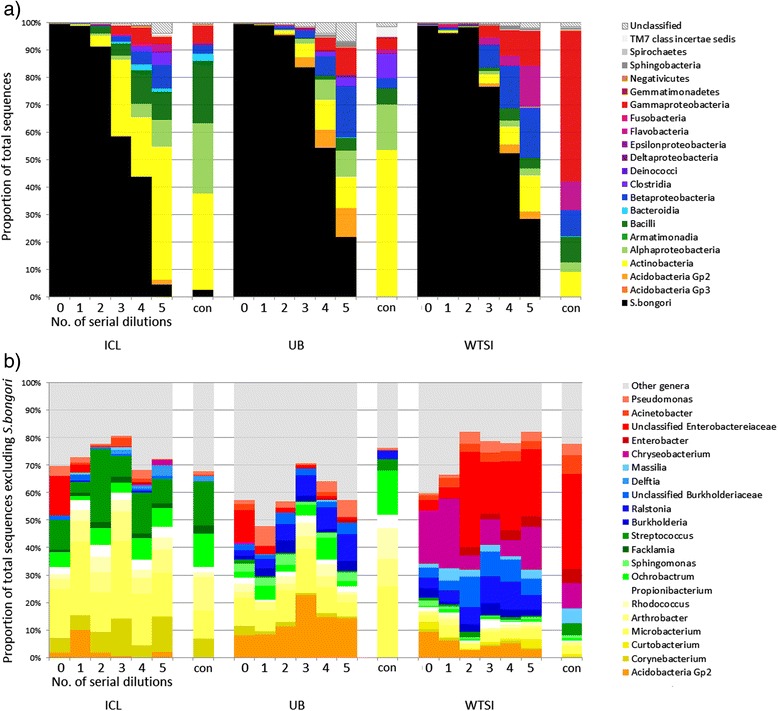
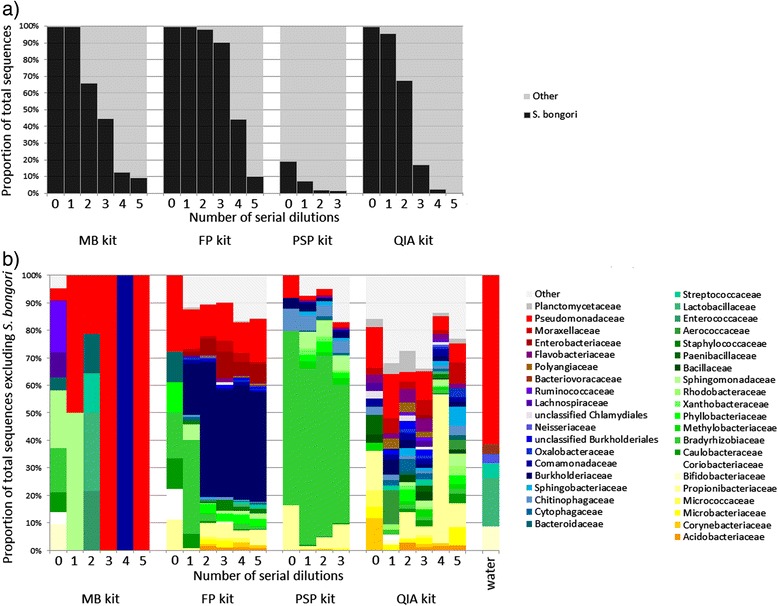
“Research performed by analyzing the resulting microbiome of serial dilutions of a single bacterium Samonella bongori has allowed the identification of the most common bacterial genera arising from bacterial DNA contamination (Table 1) (36).”
BackgroundLiu, Y., Ko, E. Y.-L., Wong, K. K.-W., Chen, X., Cheung, W.-C., Law, T. S.-M., Chung, J. P.-W., Tsui, S. K.-W., Li, T.-C., & Chim, S. S.-C. (2019) · Fertility and Sterility · doi:10.1016/j.fertnstert.2019.05.015 · Cited by 163
Ivy, M. I., Thoendel, M. J., Jeraldo, P. R., Greenwood-Quaintance, K. E., Hanssen, A. D., Abdel, M. P., Chia, N., Yao, J. Z., Tande, A. J., Mandrekar, J. N., et al. (2018) · Journal of Clinical Microbiology · doi:10.1128/jcm.00402-18 · Cited by 165
“This issue becomes particularly relevant for samples containing low bioburdens or where there is lack of an obvious pathogen, such as synovial fluid (29).”
BackgroundMolinero, N., Ruiz, L., Milani, C., Gutiérrez-Díaz, I., Sánchez, B., Mangifesta, M., Segura, J., Cambero, I., Campelo, A. B., García-Bernardo, C. M., et al. (2019) · Microbiome · doi:10.1186/s40168-019-0712-8 · Cited by 161
“However, caution should be taken for the presence of contaminating DNA when applying sequence-based techniques to the study of the microbiome in low biomass environments [23].”
Performance of Microbiome Sequence Inference Methods in Environments with Varying Biomass
Caruso, V. G., Song, X. B., Asquith, M. J., & Karstens, L. (2019) · mSystems · doi:10.1128/msystems.00163-18 · Cited by 184
Large-scale contamination of microbial isolate genomes by Illumina PhiX control
Mukherjee, S., Huntemann, M., Ivanova, N., Kyrpides, N. C., & Pati, A. (2015) · Standards in Genomic Sciences · doi:10.1186/1944-3277-10-18 · Cited by 167
“[17] identified a wide range of contaminants from DNA extraction kits and other laboratory reagents affecting the outcome of cultureindependent microbiota research; while Lusk [18] detected widespread contamination in four independent high throughput sequencing experiments.”
BackgroundA non-endoscopic device to sample the oesophageal microbiota: a case-control study
Elliott, D. R. F., Walker, A. W., O'Donovan, M., Parkhill, J., & Fitzgerald, R. C. (2017) · The Lancet Gastroenterology & Hepatology · doi:10.1016/s2468-1253(16)30086-3 · Cited by 164
Self-citationOptimization of fecal sample processing for microbiome study — The journey from bathroom to bench
Wu, W.-K., Chen, C.-C., Panyod, S., Chen, R.-A., Wu, M.-S., Sheen, L.-Y., & Chang, S.-C. (2019) · Journal of the Formosan Medical Association · doi:10.1016/j.jfma.2018.02.005 · Cited by 162
Multi-Method Characterization of the Human Circulating Microbiome
Whittle, E., Leonard, M. O., Harrison, R., Gant, T. W., & Tonge, D. P. (2019) · Frontiers in Microbiology · doi:10.3389/fmicb.2018.03266 · Cited by 164
A guide to preparation protocols in palynology
Riding, J. B. (2021) · Palynology · doi:10.1080/01916122.2021.1878305 · Cited by 194
A meta-analysis of the bovine gastrointestinal tract microbiota
Holman, D. B., & Gzyl, K. E. (2019) · FEMS Microbiology Ecology · doi:10.1093/femsec/fiz072 · Cited by 166
Sundin, J., Rangel, I., Fuentes, S., Heikamp‐de Jong, I., Hultgren‐Hörnquist, E., de Vos, W. M., & Brummer, R. J. (2015) · Alimentary Pharmacology & Therapeutics · doi:10.1111/apt.13055 · Cited by 164
“Also, reagent and laboratory contamination could critically impact sequencebased microbiota analyses.(29) As recommended, negative”
BackgroundDiversity and Biogeography of Bathyal and Abyssal Seafloor Bacteria
Bienhold, C., Zinger, L., Boetius, A., & Ramette, A. (2016) · PLOS ONE · doi:10.1371/journal.pone.0148016 · Cited by 162
Olomu, I. N., Pena-Cortes, L. C., Long, R. A., Vyas, A., Krichevskiy, O., Luellwitz, R., Singh, P., & Mulks, M. H. (2020) · BMC Microbiology · doi:10.1186/s12866-020-01839-y · Cited by 161
Castelino, M., Eyre, S., Moat, J., Fox, G., Martin, P., Ho, P., Upton, M., & Barton, A. (2017) · BMC Microbiology · doi:10.1186/s12866-017-0927-4 · Cited by 154
“We did not sequence negative controls which are considered as a measure of determining erroneous results [10] due to contamination as there was no detectable product in the samples.”
InfluentialThe microbiology and treatment of human mastitis
Angelopoulou, A., Field, D., Ryan, C. A., Stanton, C., Hill, C., & Ross, R. P. (2018) · Medical Microbiology and Immunology · doi:10.1007/s00430-017-0532-z · Cited by 152
Lappan, R., Imbrogno, K., Sikazwe, C., Anderson, D., Mok, D., Coates, H., Vijayasekaran, S., Bumbak, P., Blyth, C. C., Jamieson, S. E., et al. (2018) · BMC Microbiology · doi:10.1186/s12866-018-1154-3 · Cited by 162
“Samples can be contaminated with DNA found in reagents and the laboratory environment [112], and there is the potential in our study for contamination during sample collection (i.”
BackgroundMcPherson, M. R., Wang, P., Marsh, E. L., Mitchell, R. B., & Schachtman, D. P. (2018) · Journal of Visualized Experiments · doi:10.3791/57932 · Cited by 208
Bindari, Y. R., & Gerber, P. F. (2021) · Poultry Science · doi:10.1016/j.psj.2021.101612 · Cited by 185
“The use of mock bacterial communities of known composition is a recommended technical control in every study to account for the bias introduced by the DNA extraction protocol (Salter et al., 2014).”
MethodThe Ocular Microbiome: Molecular Characterisation of a Unique and Low Microbial Environment
Ozkan, J., & Willcox, M. D. (2019) · Current Eye Research · doi:10.1080/02713683.2019.1570526 · Cited by 159
“Other factors include environmental and reagent contaminant DNA.(66) Each of these variables needs to be carefully considered and/or controlled to ensure representative genomic DNA extraction, amplification and sequencing.”
BackgroundRhizosphere microbiome metagenomics of gray mangroves (Avicennia marina) in the Red Sea
Alzubaidy, H., Essack, M., Malas, T. B., Bokhari, A., Motwalli, O., Kamanu, F., Jamhor, S. A., Mokhtar, N. A., Antunes, A., Simões, M. F., et al. (2015) · Gene · doi:10.1016/j.gene.2015.10.032 · Cited by 178
“Metabolism of aromatic compounds Anthropogenic activities have caused an accumulation of several toxic compounds in the environment, with elevated concentrations commonly found in marine and coastal regions near urban and industrial areas (Santos et al., 2011).”
BackgroundInfluentialAMR, N. G. H. R. U. O. G. S. O. (2020) · BMJ Global Health · doi:10.1136/bmjgh-2019-002244 · Cited by 181
The gut microbiome influences host diet selection behavior
Trevelline, B. K., & Kohl, K. D. (2022) · Proceedings of the National Academy of Sciences · doi:10.1073/pnas.2117537119 · Cited by 183
“In addition to donor and recipient fecal samples, we sequenced five “blank” extractions to control for the possibility of microbial contamination during the extraction procedure and microbial DNA present in commercial extraction kits (60).”
Airway host-microbiome interactions in chronic obstructive pulmonary disease
Wang, Z., Maschera, B., Lea, S., Kolsum, U., Michalovich, D., Horn, S. V., Traini, C., Brown, J. R., Hessel, E. M., & Singh, D. (2019) · Respiratory Research · doi:10.1186/s12931-019-1085-z · Cited by 174
Sheik, C. S., Reese, B. K., Twing, K. I., Sylvan, J. B., Grim, S. L., Schrenk, M. O., Sogin, M. L., & Colwell, F. S. (2018) · Frontiers in Microbiology · doi:10.3389/fmicb.2018.00840 · Cited by 157
Willis, J. R., González-Torres, P., Pittis, A. A., Bejarano, L. A., Cozzuto, L., Andreu-Somavilla, N., Alloza-Trabado, M., Valentín, A., Ksiezopolska, E., Company, C., et al. (2018) · Microbiome · doi:10.1186/s40168-018-0592-3 · Cited by 158
“Although the issue of contamination is a common theme in microbiome analyses, 20 amplification cycles and cell-rich starting materials such as oral samples are predicted to be minimally affected [43].”
BackgroundTiny microbes, enormous impacts: what matters in gut microbiome studies?
Debelius, J., Song, S. J., Vazquez-Baeza, Y., Xu, Z. Z., Gonzalez, A., & Knight, R. (2016) · Genome Biology · doi:10.1186/s13059-016-1086-x · Cited by 147
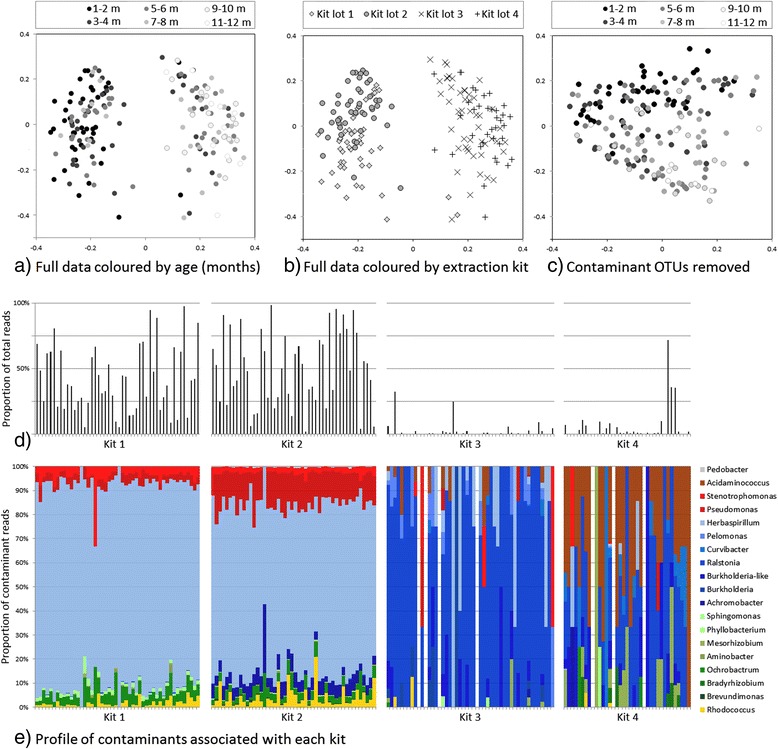
“It was later determined, however, that the samples had been extracted with reagents from two different lots—the differences in the microbial communities were due to reagent contamination and not biological differences [91].”
BackgroundNext-Generation Sequencing in Clinical Microbiology
Mitchell, S. L., & Simner, P. J. (2019) · Clinics in Laboratory Medicine · doi:10.1016/j.cll.2019.05.003 · Cited by 177
Chandler, J., Liu, R. M., & Bennett, S. N. (2015) · Frontiers in Microbiology · doi:10.3389/fmicb.2015.00185 · Cited by 165
Microbial community assembly in marine sediments
Petro, C., Starnawski, P., Schramm, A., & Kjeldsen, K. U. (2017) · Aquatic Microbial Ecology · doi:10.3354/ame01826 · Cited by 164
“…length reflects the minimum sequence length considered in the analysis Aquat Microb Ecol 79: 177–195, 2017 (2015), and removing OTUs represented by a single sequence across a given dataset, all libraries were screened for common laboratory and extraction kit contaminants (Salter et al. 2014).”
BackgroundFrom the Pipeline to the Bedside: Advances and Challenges in Clinical Metagenomics
Chiang, A. D., & Dekker, J. P. (2019) · The Journal of Infectious Diseases · doi:10.1093/infdis/jiz151 · Cited by 177
Stinson, L. F., Payne, M. S., & Keelan, J. A. (2018) · Frontiers in Medicine · doi:10.3389/fmed.2018.00135 · Cited by 145
“Proc Natl Acad Sci U S A (2015) 112(35):11060–5.”
BackgroundInfluentialA clinician's guide to microbiome analysis
Claesson, M. J., Clooney, A. G., & O'Toole, P. W. (2017) · Nature Reviews Gastroenterology & Hepatology · doi:10.1038/nrgastro.2017.97 · Cited by 153
Lin, G., & Lin, X. (2022) · Water Research · doi:10.1016/j.watres.2022.118520 · Cited by 168
Sabat, A. J., van Zanten, E., Akkerboom, V., Wisselink, G., van Slochteren, K., de Boer, R. F., Hendrix, R., Friedrich, A. W., Rossen, J. W. A., & Kooistra-Smid, A. M. D. (2017) · Scientific Reports · doi:10.1038/s41598-017-03458-6 · Cited by 152
Sijen, T., & Harbison, S. (2021) · Genes · doi:10.3390/genes12111728 · Cited by 163
Comparison of microbial DNA enrichment tools for metagenomic whole genome sequencing
Thoendel, M., Jeraldo, P. R., Greenwood-Quaintance, K. E., Yao, J. Z., Chia, N., Hanssen, A. D., Abdel, M. P., & Patel, R. (2016) · Journal of Microbiological Methods · doi:10.1016/j.mimet.2016.05.022 · Cited by 150
“Notably, other bacterial and viral species were also detected in the samples (Table S1), particularly Pseudomonas, Streptococcus, and Propionibacterium species, a finding consistent with previous reports of common contaminants in metagenomic studies of low biomass samples (Salter et al., 2014; Laurence et al., 2014).”
Hjelmsø, M. H., Hellmér, M., Fernández-Cassi, X., Timoneda, N., Lukjančenko, O., Seidel, M., Elsäßer, D., Aarestrup, F. M., Löfström, C., Bofill-Mas, S., et al. (2017) · PLoS ONE · doi:10.1371/journal.pone.0170199 · Cited by 160
The Microbiota of the Human Mammary Ecosystem
Fernández, L., Pannaraj, P. S., Rautava, S., & Rodríguez, J. M. (2020) · Frontiers in Cellular and Infection Microbiology · doi:10.3389/fcimb.2020.586667 · Cited by 156
Analysis of microbial communities in heavy metals-contaminated soils using the metagenomic approach
Hemmat-Jou, M. H., Sinegani, A. A. S., Mirzaie-Asl, A., & Tahmourespour, A. (2018) · Ecotoxicology · doi:10.1007/s10646-018-1981-x · Cited by 154
A 5700 year-old human genome and oral microbiome from chewed birch pitch
Jensen, T. Z. T., Niemann, J., Iversen, K. H., Fotakis, A. K., Gopalakrishnan, S., Vågene, Å. J., Pedersen, M. W., Sinding, M.-H. S., Ellegaard, M. R., Allentoft, M. E., et al. (2019) · Nature Communications · doi:10.1038/s41467-019-13549-9 · Cited by 137
Conditioning Film and Early Biofilm Succession on Plastic Surfaces
Rummel, C. D., Lechtenfeld, O. J., Kallies, R., Benke, A., Herzsprung, P., Rynek, R., Wagner, S., Potthoff, A., Jahnke, A., & Schmitt‐Jansen, M. (2021) · Environmental Science & Technology · doi:10.1021/acs.est.0c07875 · Cited by 152
Emerging roles of intratumor microbiota in cancer metastasis
Fu, A., Yao, B., Dong, T., & Cai, S. (2022) · Trends in Cell Biology · doi:10.1016/j.tcb.2022.11.007 · Cited by 150
Pogoreutz, C., Rädecker, N., Cárdenas, A., Gärdes, A., Wild, C., & Voolstra, C. R. (2018) · Ecology and Evolution · doi:10.1002/ece3.3830 · Cited by 176
“, Pelomonas puraquae, and Simkania negevensis (Salter et al., 2014).”
MethodSze, M. A., & Schloss, P. D. (2019) · mSphere · doi:10.1128/msphere.00163-19 · Cited by 138
“In addition, environmental and reagent contaminants can also have 269 a significant impact on the analysis of low biomass samples (39).”
BackgroundA social niche breadth score reveals niche range strategies of generalists and specialists
von Meijenfeldt, F. A. B., Hogeweg, P., & Dutilh, B. E. (2023) · Nature Ecology & Evolution · doi:10.1038/s41559-023-02027-7 · Cited by 162
Thongsripong, P., Chandler, J., Green, A. B., Kittayapong, P., Wilcox, B. A., Kapan, D. D., & Bennett, S. N. (2017) · Ecology and Evolution · doi:10.1002/ece3.3676 · Cited by 161
“In the future, the use of mock community control, although not common practice at the time of this study, is recommended to quantify sequence contamination (Lusk, 2014; Salter et al., 2014).”
BackgroundNaidoo, C., Nyawo, G. R., Wu, B. G., Walzl, G., Warren, R. M., Segal, L. N., & Theron, G. (2019) · The Lancet Respiratory Medicine · doi:10.1016/s2213-2600(18)30501-0 · Cited by 155
The microbiome: An emerging key player in aging and longevity
Kim, M., & Benayoun, B. A. (2020) · Translational Medicine of Aging · doi:10.1016/j.tma.2020.07.004 · Cited by 143
Deep microbial analysis of multiple placentas shows no evidence for a placental microbiome
Kuperman, A., Zimmerman, A., Hamadia, S., Ziv, O., Gurevich, V, Fichtman, B., Gavert, N., Straussman, R., Rechnitzer, H., Barzilay, M., et al. (2020) · BJOG: An International Journal of Obstetrics & Gynaecology · doi:10.1111/1471-0528.15896 · Cited by 143
Williams, J. E., Carrothers, J. M., Lackey, K. A., Beatty, N. F., Brooker, S. L., Peterson, H. K., Steinkamp, K. M., York, M. A., Shafii, B., Price, W. J., et al. (2018) · Journal of Nutrition · doi:10.1093/jn/nxy299 · Cited by 155
“In most cases, DNA was extracted from infant feces by first cutting the tip of the swab and transferring it to a sterile tube with 0.5 mL TE50 as described above.”
BackgroundInfluentialContact lens-related corneal infection: Intrinsic resistance and its compromise
Fleiszig, S. M. J., Kroken, A. R., Nieto, V., Grosser, M. R., Wan, S. J., Metruccio, M. M. E., & Evans, D. J. (2019) · Progress in Retinal and Eye Research · doi:10.1016/j.preteyeres.2019.100804 · Cited by 162
“One study that explored the accuracy and reliability of 16S rRNA genesequencing found that a sample in which only four known species were intentionally mixed resulted in identification of 13 species (Salter et al., 2014).”
BackgroundWong, A. C.-N., Luo, Y., Jing, X., Franzenburg, S., Bost, A., & Douglas, A. E. (2015) · Applied and Environmental Microbiology · doi:10.1128/aem.01442-15 · Cited by 156
Mueller, N. T., Shin, H., Pizoni, A., Werlang, I. C., Matte, U., Goldani, M. Z., Goldani, H. A. S., & Dominguez-Bello, M. G. (2016) · Scientific Reports · doi:10.1038/srep23133 · Cited by 141
Minich, J. J., Morris, M. M., Brown, M., Doane, M. P., Edwards, M. S., Michael, T. P., & Dinsdale, E. A. (2018) · PLoS ONE · doi:10.1371/journal.pone.0192772 · Cited by 149
Host–microbe interactions: Malassezia and human skin
Grice, E. A., & Dawson, T. L. (2017) · Current Opinion in Microbiology · doi:10.1016/j.mib.2017.10.024 · Cited by 161
Rizal, N. S. M., Neoh, H., Ramli, R., Periyasamy, P. R., Hanafiah, A., Samat, M. N. A., Tan, T. L., Wong, K. K., Nathan, S., Chieng, S., et al. (2020) · Diagnostics · doi:10.3390/diagnostics10100816 · Cited by 160
“Contaminating bacteria and their DNA could be present or introduced in any step of the sequencing workflow: biospecimen, transport media, reagents and disposables [98].”
BackgroundWeinroth, M. D., Belk, A. D., Dean, C. J., Noyes, N. R., Dittoe, D. K., Rothrock, M. J., Ricke, S. C., Myer, P. R., Henniger, M. T., Ramírez, G. A., et al. (2022) · Journal of Animal Science · doi:10.1093/jas/skab346 · Cited by 166
KatharoSeq Enables High-Throughput Microbiome Analysis from Low-Biomass Samples
Minich, J. J., Zhu, Q., Janssen, S., Hendrickson, R., Amir, A., Vetter, R., Hyde, J., Doty, M. M., Stillwell, K., Benardini, J., et al. (2018) · mSystems · doi:10.1128/msystems.00218-17 · Cited by 137
What is new and relevant for sequencing-based microbiome research? A mini-review
Fricker, A. M., Podlesny, D., & Fricke, W. F. (2019) · Journal of Advanced Research · doi:10.1016/j.jare.2019.03.006 · Cited by 162
“As contamination often originates from the laboratory environment, it can be directly influenced by related projects and include microbial signals that are similar to those from the original samples [37].”
BackgroundInfluential
Metadata
- Authors
- Salter, S. J., Cox, M. J., Turek, E. M., Calus, S. T., Cookson, W. O., Moffatt, M. F., Turner, P., Parkhill, J., Loman, N. J., & Walker, A. W.
- Affiliations
- Wellcome Sanger Institute (GB)
- Imperial College London (GB)
- University of Birmingham (GB)
- Mahidol University (TH)
- University of Aberdeen (GB)
- Corresponding author
- Salter, Susannah J
- Walker, Alan W
- ORCID
- Venue
- BMC Biology
- Published
- 2014-11-12
- Volume
- 12
- Issue
- 1
- Pages
- 87-87
- ISSN
- 1741-7007 (ISSN-L)
- PMC
- PMC4228153
- OpenAlex
- W2170486072
- Cited by
- 3,463
- References
- 76
- Citations by year
- 2026: 351 · 2025: 261 · 2024: 265 · 2023: 292 · 2022: 299 · 2021: 394 · 2020: 357 · 2019: 351 · 2018: 319 · 2017: 251 · 2016: 211 · 2015: 98 · 2014: 10
- FWCI
- 77.85
- Type
- journal article
- Language
- en
- Open access
- gold
- doi.org
- Locations
- BMC Biology (publishedVersion, cc-by)
- bioRxiv (Cold Spring Harbor Laboratory) (acceptedVersion, cc-by)
- Europe PMC (PubMed Central) (publishedVersion, cc-by)
- PubMed Central (publishedVersion, cc-by)
- PubMed (publishedVersion)
- Aberdeen University Research Archive (Aberdeen University) (submittedVersion)
- University of Birmingham Research Portal (University of Birmingham) (submittedVersion, cc-by)
- University of Birmingham Research Portal (University of Birmingham) (submittedVersion, other-oa)
- Spiral (Imperial College London) (submittedVersion, cc-by)
- Apollo (University of Cambridge) (submittedVersion, cc-by)
- Apollo (cc-by)
- Greater South Information System
- Funders
- Wellcome Trust (097117, 083735, 083735/Z/07/Z, grant number 098051, 098051, 096964/Z/11/Z, 083735/Z/07)
- Rural and Environment Science and Analytical Services Division
- Scottish Government
- National Institute for Health and Care Research
- University of Aberdeen
- Medical Research Council (098051, MR/J014370/1, MR/L015080/1)
- Topics
- Life Sciences › Biochemistry, Genetics and Molecular Biology › Molecular Biology › Genomics and Phylogenetic Studies
- Life Sciences › Biochemistry, Genetics and Molecular Biology › Molecular Biology › Gut microbiota and health
- Physical Sciences › Environmental Science › Ecology › Microbial Community Ecology and Physiology
- Keywords
- laboratory contamination, reagent contamination, DNA extraction kits, microbiome analysis, 16S rRNA gene sequencing, shotgun metagenomics, contamination reduction
- MeSH terms
- Indicators and Reagents, Laboratories, RNA, Ribosomal, 16S, Salmonella, Polymerase Chain Reaction, Sequence Analysis, DNA, Metagenomics, DNA Contamination, Microbiota
About these checks
Registry, retraction, Cites and statistics results are computed, not judged, with one exception: a printed reference that no index lists is read once by a model before it counts as a citation error. Claims are extracted by a model and kept only when their quote appears verbatim in the text; each cited source is then checked, with a model’s help, for whether it says what the claim relies on. Those verdicts can be wrong — read the claim’s quote and the cited source before relying on one.
Statistics and arithmetic are recomputed, not judged.
Confidence bands are shown only for fields calibrated on our annotated test set. None is calibrated yet, so no band is shown.
What counts as a claim ›How we measure confidence ›How we check this ›
Are you an author, or do you see a problem with this page? Request a review
Data sources
Bibliographic data: Semantic Scholar, OpenAlex, Crossref.
Contains information from the Semantic Scholar Academic Graph Datasets, made available under the ODC Attribution License (ODC-BY 1.0).
Semantic Scholar’s data is described in: Kinney, R., et al. (2023). The Semantic Scholar Open Data Platform. arXiv:2301.10140.
