

Reagent and laboratory contamination can critically impact sequence-based microbiome analyses
Open accessPublished version of a preprint
The DOI matches its Crossref record; 76 of the 76 references it cites were found in a registry or an index.
Abstract
BACKGROUND: The study of microbial communities has been revolutionised in recent years by the widespread adoption of culture independent analytical techniques such as 16S rRNA gene sequencing and metagenomics. One potential confounder of these sequence-based approaches is the presence of contamination in DNA extraction kits and other laboratory reagents. RESULTS: In this study we demonstrate that contaminating DNA is ubiquitous in commonly used DNA extraction kits and other laboratory reagents, varies greatly in composition between different kits and kit batches, and that this contamination critically impacts results obtained from samples containing a low microbial biomass. Contamination impacts both PCR-based 16S rRNA gene surveys and shotgun metagenomics. We provide an extensive list of potential contaminating genera, and guidelines on how to mitigate the effects of contamination. CONCLUSIONS: These results suggest that caution should be advised when applying sequence-based techniques to the study of microbiota present in low biomass environments. Concurrent sequencing of negative control samples is strongly advised.
Overview
The claims and statistics of this paper haven’t been checked yet.
Free: it reads the open-access text and checks the first 5 claims that cite a source we can check. Create a free account to check every claim.
Integrity signals
Registry
Cites
Statistics
Figures
Verification
Claims the paper makes
The claims and statistics of this paper haven’t been checked yet.
Free: it reads the open-access text and checks the first 5 claims that cite a source we can check. Create a free account to check every claim.
Claims other papers make about this one
Each is checked against this paper’s own text: does it say what the citing paper says it does?
The source backs part of the claim, not all of it — or backs it for a different population, condition or comparison.
In the citing paper
“Because the tumor microbiome has a relatively low biomass, contamination of the tumor samples with bacteria or bacterial DNA can be problematic (30, 31).”
From The human tumor microbiome is composed of tumor type–specific intracellular bacteria (2020) · cites this paper as [30]
Experimental — accuracy not yet measuredThe source backs part of the claim, not all of it — or backs it for a different population, condition or comparison.
In the citing paper
“Salter and colleagues14 described such a list (n=94 genera) for DNA extraction kits in metagenomic experiments, including from QiaAmp kits that used the same silica membrane-based DNA purification as those employed in TCGA blood extractions, obtained across four years of “negative blank” sequencing and three high-throughput sequencing centers.”
From RETRACTED ARTICLE: Microbiome analyses of blood and tissues suggest cancer diagnostic approach (2020) · cites this paper as [14]
Experimental — accuracy not yet measuredThe source backs part of the claim, not all of it — or backs it for a different population, condition or comparison.
In the citing paper
“Although the issue of contamination is a common theme in microbiome analyses, 20 amplification cycles and cell-rich starting materials such as oral samples are predicted to be minimally affected [43].”
From Citizen science charts two major “stomatotypes” in the oral microbiome of adolescents and reveals links with habits and drinking water composition (2018) · cites this paper as [43]
Experimental — accuracy not yet measuredThe cited source says what the claim attributes to it.
In the citing paper
“External contaminants were identified and removed using sample analyte concentrations for all TCGA samples (n=17,625), as recently described in the literature16,38, and by using a “blacklist” of microbes identified from reagents in sequencing kits similar to those used in TCGA14.”
From RETRACTED ARTICLE: Microbiome analyses of blood and tissues suggest cancer diagnostic approach (2020) · cites this paper as [14]
The cited source says what the claim attributes to it.
In the citing paper
“Once bacterial DNA has been extracted, the quantity can be so low that contamination from environmental DNA invalidates the results154,155.”
From The microbiota of the respiratory tract: gatekeeper to respiratory health (2017) · cites this paper as [154]
4 more claims about this paper
Create a free account to see every claim other papers make about this one.
Self-check
Percentages, sums and reported differences re-computed from the paper’s own numbers.
The self-check needs the paper’s full text.
Citations
Cites
Trimmomatic: a flexible trimmer for Illumina sequence data
Bolger, A. M., Lohse, M., & Usadel, B. (2014) · Bioinformatics · doi:10.1093/bioinformatics/btu170 · Cited by 65,548 · cited 2×
“Bolger AM, Lohse M, Usadel B: Trimmomatic: a flexible trimmer for Illumina sequence data.”
MethodSchloss, P. D., Westcott, S. L., Ryabin, T., Hall, J. R., Hartmann, M., Hollister, E. B., Lesniewski, R. A., Oakley, B. B., Parks, D. H., Robinson, C. J., et al. (2009) · Applied and Environmental Microbiology · doi:10.1128/aem.01541-09 · Cited by 19,549 · cited 1×
“For the 16S rRNA gene profiling, data were processed using mothur [67].”
MethodLane, D. (1991) · Medical Entomology and Zoology · Cited by 11,719
Nucleic acid techniques in bacterial systematics
Stackebrandt, E. S., & Goodfellow, M. (1991) · Wiley eBooks · Cited by 9,460
Klindworth, A., Pruesse, E., Schweer, T., Peplies, J., Quast, C., Horn, M., & Glöckner, F. O. (2013) · Nucleic Acids Research · doi:10.1093/nar/gks808 · Cited by 8,850 · cited 1×
“Primers used were: S-D-Bact-0564-a-S- 15, 5′AYTGGGYDTAAAGNG and S-D-Bact-0785-b-A-18, 5TACNVGGGTATCTAATCC [65] generating a 253 bp amplicon.”
MethodKozich, J. J., Westcott, S. L., Baxter, N. T., Highlander, S. K., & Schloss, P. D. (2013) · Applied and Environmental Microbiology · doi:10.1128/aem.01043-13 · Cited by 7,112 · cited 3×
“For the nasopharyngeal microbiota study, the data were processed, cleaned and analysed using the mothur Schloss SOP [73] and randomly subsampled to 200 sequence reads per sample.”
MethodInfluentialReducing the Effects of PCR Amplification and Sequencing Artifacts on 16S rRNA-Based Studies
Schloss, P. D., Gevers, D., & Westcott, S. L. (2011) · PLoS ONE · doi:10.1371/journal.pone.0027310 · Cited by 2,112 · cited 2×
“For the nasopharyngeal microbiota study, the data were processed, cleaned and analysed using the mothur Schloss SOP [73] and randomly subsampled to 200 sequence reads per sample.”
MethodInfluentialDetermination of microbial diversity in environmental samples: pitfalls of PCR-based rRNA analysis
v. Wintzingerode, F. (1997) · FEMS Microbiology Reviews · doi:10.1016/s0168-6445(97)00057-0 · Cited by 2,063 · cited 1×
“sequencing technology, read length and depth and bioinformatics analysis techniques [1,2].”
MethodBayesian community-wide culture-independent microbial source tracking
Knights, D., Kuczynski, J., Charlson, E. S., Zaneveld, J., Mozer, M. C., Collman, R. G., Bushman, F. D., Knight, R., & Kelley, S. T. (2011) · Nature Methods · doi:10.1038/nmeth.1650 · Cited by 1,856
Removing Noise From Pyrosequenced Amplicons
Quince, C., Lanzen, A., Davenport, R. J., & Turnbaugh, P. J. (2011) · BMC Bioinformatics · doi:10.1186/1471-2105-12-38 · Cited by 1,592 · cited 2×
“5 percentile value, and chimera checking, which was performed with Perseus [69] instead of UCHIME.”
MethodInfluential
Cited by
Interaction between microbiota and immunity in health and disease
Zheng, D., Liwinski, T., & Elinav, E. (2020) · Cell Research · doi:10.1038/s41422-020-0332-7 · Cited by 3,947
“Contaminating microbial DNA may originate from multiple environmental sources, such as laboratory extraction, amplification and library preparation kits.(251) Notably, the notion of the existence of a placental microbiome and its link to reproductive health was recently challenged by a thorough comparison of results u…”
BackgroundDavis, N. M., Proctor, D. M., Holmes, S. P., Relman, D. A., & Callahan, B. J. (2018) · Microbiome · doi:10.1186/s40168-018-0605-2 · Cited by 3,493
A communal catalogue reveals Earth's multiscale microbial diversity
Thompson, L. R., Sanders, J. G., McDonald, D., Amir, A., Ladau, J., Locey, K. J., Prill, R. J., Tripathi, A., Gibbons, S. M., Ackermann, G., et al. (2017) · Nature · doi:10.1038/nature24621 · Cited by 2,684
BlobToolKit – Interactive Quality Assessment of Genome Assemblies
Challis, R., Richards, E., Rajan, J., Cochrane, G., & Blaxter, M. (2020) · G3 Genes|Genomes|Genetics · doi:10.1534/g3.119.400908 · Cited by 2,610
The human tumor microbiome is composed of tumor type–specific intracellular bacteria
Nejman, D., Livyatan, I., Fuks, G., Gavert, N., Zwang, Y., Geller, L. T., Rotter-Maskowitz, A., Weiser, R., Mallel, G., Gigi, E., et al. (2020) · Science · doi:10.1126/science.aay9189 · Cited by 2,464
Normalization and microbial differential abundance strategies depend upon data characteristics
Weiss, S., Xu, Z. Z., Peddada, S., Amir, A., Bittinger, K., Gonzalez, A., Lozupone, C., Zaneveld, J. R., Vázquez-Baeza, Y., Birmingham, A., et al. (2017) · Microbiome · doi:10.1186/s40168-017-0237-y · Cited by 2,051
“Conversely, it has since been confirmed that low-depth samples contain a higher proportion of contaminants (rRNA not from the intended sample) [55, 56].”
BackgroundShotgun metagenomics, from sampling to analysis
Quince, C., Walker, A. W., Simpson, J. T., Loman, N. J., & Segata, N. (2017) · Nature Biotechnology · doi:10.1038/nbt.3935 · Cited by 2,202
Self-citationBest practices for analysing microbiomes
Knight, R., Vrbanac, A., Taylor, B. C., Aksenov, A., Callewaert, C., Debelius, J., Gonzalez, A., Kosciolek, T., McCall, L.-I., McDonald, D., et al. (2018) · Nature Reviews Microbiology · doi:10.1038/s41579-018-0029-9 · Cited by 2,030
Milani, C., Duranti, S., Bottacini, F., Casey, E., Turroni, F., Mahony, J., Belzer, C., Delgado Palacio, S., Arboleya Montes, S., Mancabelli, L., et al. (2017) · Microbiology and Molecular Biology Reviews · doi:10.1128/mmbr.00036-17 · Cited by 1,950
“bacterial abundance that is typical of human milk samples may lead to biases caused by bacterial contaminants (65).”
BackgroundMethodInfluentialLloyd-Price, J., Abu-Ali, G., & Huttenhower, C. (2016) · Genome Medicine · doi:10.1186/s13073-016-0307-y · Cited by 1,891
“There are considerable difficulties in acquiring metagenomes from such environments and thus most studies have relied on contamination-sensitive amplicon surveys [46] and relatively low-throughput single-cell techniques, such as FISH or microfluidics.”
BackgroundChiu, C. Y., & Miller, S. A. (2019) · Nature Reviews Genetics · doi:10.1038/s41576-019-0113-7 · Cited by 1,620
Clinical Metagenomic Next-Generation Sequencing for Pathogen Detection
Gu, W., Miller, S., & Chiu, C. Y. (2019) · Annual Review of Pathology: Mechanisms of Disease · doi:10.1146/annurev-pathmechdis-012418-012751 · Cited by 1,458
The microbiota of the respiratory tract: gatekeeper to respiratory health
Man, W. H., de Steenhuijsen Piters, W. A. A., & Bogaert, D. (2017) · Nature Reviews Microbiology · doi:10.1038/nrmicro.2017.14 · Cited by 1,384
“Once bacterial DNA has been extracted, the quantity can be so low that contamination from environmental DNA invalidates the results 154, 155 .”
ResultThe oral microbiome – an update for oral healthcare professionals
Kilian, M., Chapple, I. L. C., Hannig, M., Marsh, P. D., Meuric, V., Pedersen, A. M. L., Tonetti, M. S., Wade, W. G., & Zaura, E. (2016) · British Dental Journal · doi:10.1038/sj.bdj.2016.865 · Cited by 1,269
The microbiome in early life: Implications for health outcomes
Tamburini, S., Shen, N., Wu, H. C., & Clemente, J. C. (2016) · Nature Medicine · doi:10.1038/nm.4142 · Cited by 1,213
Contamination in Low Microbial Biomass Microbiome Studies: Issues and Recommendations
Eisenhofer, R., Minich, J. J., Marotz, C., Cooper, A., Knight, R., & Weyrich, L. S. (2019) · Trends in Microbiology · doi:10.1016/j.tim.2018.11.003 · Cited by 1,146
Environmental DNA: For Biodiversity Research and Monitoring
Taberlet, P., Bonin, A., Zinger, L., & Coissac, E. (2018) · doi:10.1093/oso/9780198767220.001.0001 · Cited by 1,059
Perez-Muñoz, M. E., Arrieta, M.-C., Ramer-Tait, A. E., & Walter, J. (2017) · Microbiome · doi:10.1186/s40168-017-0268-4 · Cited by 1,096
“Work by Salter and colleagues [90] has systematically demonstrated that the lower the amount of bacterial DNA in a sample, the higher the proportion of sequences that can be attributed to contamination.”
BackgroundChen, C., Song, X., Wei, W., Zhong, H., Dai, J., Lan, Z., Li, F., Yu, X., Feng, Q., Wang, Z., et al. (2017) · Nature Communications · doi:10.1038/s41467-017-00901-0 · Cited by 984
“(7) Pseudomonadaceae(9) Dechloromonas sp.”
RETRACTED ARTICLE: Microbiome analyses of blood and tissues suggest cancer diagnostic approach
Poore, G. D., Kopylova, E., Zhu, Q., Carpenter, C., Fraraccio, S., Wandro, S., Kosciolek, T., Janssen, S., Metcalf, J., Song, S. J., et al. (2020) · Nature · doi:10.1038/s41586-020-2095-1 · Cited by 989
RetractedMycobiome diversity: high-throughput sequencing and identification of fungi
Nilsson, R. H., Anslan, S., Bahram, M., Wurzbacher, C., Baldrian, P., & Tedersoo, L. (2019) · Nature Reviews Microbiology · doi:10.1038/s41579-018-0116-y · Cited by 941
Tumor-resident intracellular microbiota promotes metastatic colonization in breast cancer
Fu, A., Yao, B., Dong, T., Chen, Y., Yao, J., Liu, Y., Li, H., Bai, H., Liu, X., Zhang, Y., et al. (2022) · Cell · doi:10.1016/j.cell.2022.02.027 · Cited by 981
Blauwkamp, T. A., Thair, S., Rosen, M. J., Blair, L., Lindner, M. S., Vilfan, I. D., Kawli, T., Christians, F. C., Venkatasubrahmanyam, S., Wall, G. D., et al. (2019) · Nature Microbiology · doi:10.1038/s41564-018-0349-6 · Cited by 962
The Microbiome and the Respiratory Tract
Dickson, R. P., Erb-Downward, J. R., Martinez, F. J., & Huffnagle, G. B. (2016) · Annual Review of Physiology · doi:10.1146/annurev-physiol-021115-105238 · Cited by 953
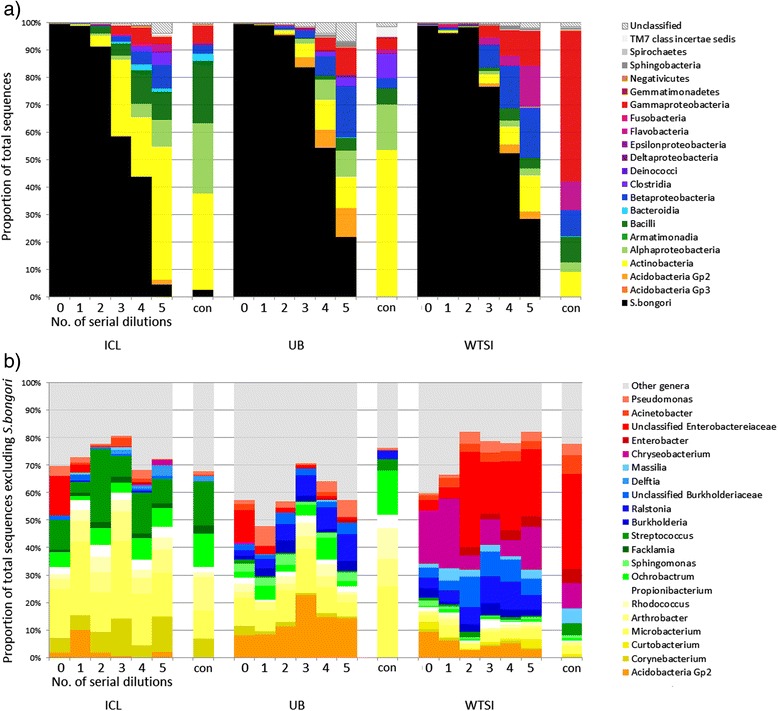
“(25) demonstrated a clear dose-response relationship between progressive dilution of bacterial DNA and contamination by sequences derived from laboratory reagents.”
BackgroundCharacterization of the gut microbiome using 16S or shotgun metagenomics
Jovel, J., Patterson, J., Wang, W., Hotte, N., O'Keefe, S., Mitchel, T., Perry, T., Kao, D., Mason, A. L., Madsen, K. L., et al. (2016) · Frontiers in Microbiology · doi:10.3389/fmicb.2016.00459 · Cited by 942
Multiple sclerosis patients have a distinct gut microbiota compared to healthy controls
Chen, J., Chia, N., Kalari, K. R., Yao, J. Z., Novotna, M., Paz Soldan, M. M., Luckey, D. H., Marietta, E. V., Jeraldo, P. R., Chen, X., et al. (2016) · Scientific Reports · doi:10.1038/srep28484 · Cited by 933
Towards standards for human fecal sample processing in metagenomic studies
Costea, P. I., Zeller, G., Sunagawa, S., Pelletier, E., Alberti, A., Levenez, F., Tramontano, M., Driessen, M., Hercog, R., Jung, F.-E., et al. (2017) · Nature Biotechnology · doi:10.1038/nbt.3960 · Cited by 893
Systematic improvement of amplicon marker gene methods for increased accuracy in microbiome studies
Gohl, D. M., Vangay, P., Garbe, J., MacLean, A., Hauge, A., Becker, A., Gould, T. J., Clayton, J. B., Johnson, T. J., Hunter, R., et al. (2016) · Nature Biotechnology · doi:10.1038/nbt.3601 · Cited by 819
Simner, P. J., Miller, S., & Carroll, K. C. (2018) · Clinical Infectious Diseases · doi:10.1093/cid/cix881 · Cited by 821
“The contamination can critically impact results obtained from samples especially those containing low microbial biomass [27, 28].”
BackgroundFungal Biodiversity and Their Role in Soil Health
Frąc, M., Hannula, S. E., Bełka, M., & Jędryczka, M. (2018) · Frontiers in Microbiology · doi:10.3389/fmicb.2018.00707 · Cited by 691
“…are: sufficient biological replication (Prosser, 2010), sufficient sequencing depth (Smith and Peay, 2014; Weiss et al., 2015), adequate coverage of target organisms (i.e., primer selection and DNA extraction), and the avoidance of contamination and bias (Salter et al., 2014; Schöler et al., 2017).”
BackgroundDickson, R. P., Singer, B. H., Newstead, M. W., Falkowski, N. R., Erb-Downward, J. R., Standiford, T. J., & Huffnagle, G. B. (2016) · Nature Microbiology · doi:10.1038/nmicrobiol.2016.113 · Cited by 724
Fröhlich, E. E., Farzi, A., Mayerhofer, R., Reichmann, F., Jačan, A., Wagner, B., Zinser, E., Bordag, N., Magnes, C., Fröhlich, E., et al. (2016) · Brain Behavior and Immunity · doi:10.1016/j.bbi.2016.02.020 · Cited by 720
Human placenta has no microbiome but can contain potential pathogens
de Goffau, M. C., Lager, S., Sovio, U., Gaccioli, F., Cook, E., Peacock, S. J., Parkhill, J., Charnock-Jones, D. S., & Smith, G. C. S. (2019) · Nature · doi:10.1038/s41586-019-1451-5 · Cited by 691
“However, several studies which applied sequencing-based methods informed by the potential for false positive results due to contamination 6–8 have failed to detect a placental microbiome 9–12 .”
Self-citationThe human virome: assembly, composition and host interactions
Liang, G., & Bushman, F. D. (2021) · Nature Reviews Microbiology · doi:10.1038/s41579-021-00536-5 · Cited by 624
Disease Suppressive Soils: New Insights from the Soil Microbiome
Schlatter, D., Kinkel, L., Thomashow, L., Weller, D., & Paulitz, T. (2017) · Phytopathology® · doi:10.1094/phyto-03-17-0111-rvw · Cited by 609
IDTAXA: a novel approach for accurate taxonomic classification of microbiome sequences
Murali, A., Bhargava, A., & Wright, E. S. (2018) · Microbiome · doi:10.1186/s40168-018-0521-5 · Cited by 597
“Interestingly, the sequences corresponding to these unexpected groups were distant from any of the known 16S rRNA gene sequences included in the mock microbiome sample, suggesting that they were likely artifacts of contamination [34, 35].”
BackgroundA review of methods and databases for metagenomic classification and assembly
Breitwieser, F. P., Lu, J., & Salzberg, S. L. (2019) · Briefings in Bioinformatics · doi:10.1093/bib/bbx120 · Cited by 566
Miller, S., Naccache, S. N., Samayoa, E., Messacar, K., Arevalo, S., Federman, S., Stryke, D., Pham, E., Fung, B., Bolosky, W. J., et al. (2019) · Genome Research · doi:10.1101/gr.238170.118 · Cited by 572
“2012), or known laboratory reagent contaminants (Zheng et al. 2011; Salter et al. 2014; Strong et al. 2014; Wilson et al. 2016) were not reported, nor were viruses detected in the NTC and attributed to crosscontamination.”
BackgroundCurrent challenges and best-practice protocols for microbiome analysis
Bharti, R., & Grimm, D. G. (2021) · Briefings in Bioinformatics · doi:10.1093/bib/bbz155 · Cited by 592
“minimizing the time of sample collection and using aseptic laboratory resources, including gloves, masks and head covers, help to reduce contamination [50].”
BackgroundThe Microbiome Quality Control Project Consortium, Sinha, R., Abu-Ali, G., Vogtmann, E., Fodor, A. A., Ren, B., Amir, A., Schwager, E., Crabtree, J., Ma, S., et al. (2017) · Nature Biotechnology · doi:10.1038/nbt.3981 · Cited by 587
Miller, S., Naccache, S., Samayoa, E., Messacar, K., Arevalo, S., Federman, S., Stryke, D., Pham, E., Fung, B., Bolosky, W., et al. (2018) · doi:10.1101/330381 · Cited by 583
Glassing, A., Dowd, S. E., Galandiuk, S., Davis, B., & Chiodini, R. J. (2016) · Gut Pathogens · doi:10.1186/s13099-016-0103-7 · Cited by 568
“Most DNA sequence-based publications describing the microbial communities of low-biomass environments do not carry out sequencing of negative controls, or do not describe their contaminant removal or identification procedures [12].”
BackgroundMethodInfluentialThe Madness of Microbiome: Attempting To Find Consensus “Best Practice” for 16S Microbiome Studies
Pollock, J., Glendinning, L., Wisedchanwet, T., & Watson, M. (2018) · Applied and Environmental Microbiology · doi:10.1128/aem.02627-17 · Cited by 575
“contained different types of contaminating DNA (99).”
Pavian: interactive analysis of metagenomics data for microbiome studies and pathogen identification
Breitwieser, F. P., & Salzberg, S. L. (2020) · Bioinformatics · doi:10.1093/bioinformatics/btz715 · Cited by 483
Schrödinger’s microbes: Tools for distinguishing the living from the dead in microbial ecosystems
Emerson, J. B., Adams, R. I., Román, C. M. B., Brooks, B., Coil, D. A., Dahlhausen, K., Ganz, H. H., Hartmann, E. M., Hsu, T., Justice, N. B., et al. (2017) · Microbiome · doi:10.1186/s40168-017-0285-3 · Cited by 515
“An additional application of PMA that is particularly useful for lowbiomass samples is in the removal of contaminating extracellular DNA from commercial PCR reagents [77], to which low-biomass samples may be particularly sensitive.”
BackgroundOptimizing methods and dodging pitfalls in microbiome research
Kim, D., Hofstaedter, C. E., Zhao, C., Mattei, L., Tanes, C., Clarke, E., Lauder, A., Sherrill-Mix, S., Chehoud, C., Kelsen, J., et al. (2017) · Microbiome · doi:10.1186/s40168-017-0267-5 · Cited by 541
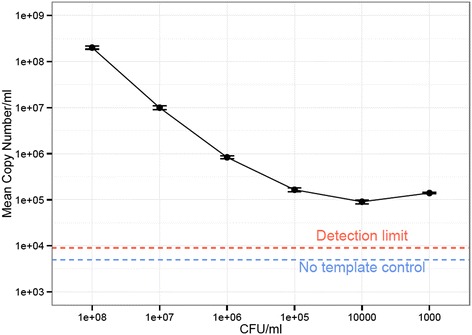
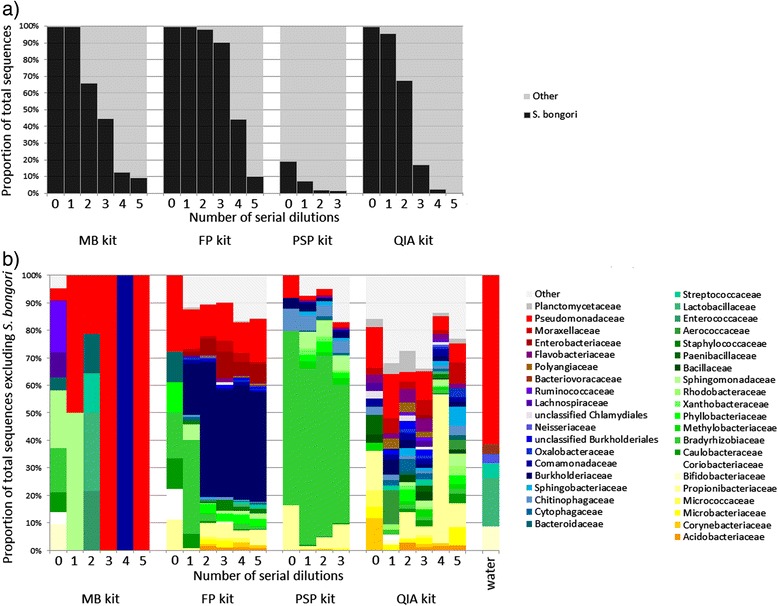
“demonstrated that serial dilutions of a bacterial culture produced more contaminating 16S sequence reads and fewer “real” reads with each subsequent dilution, until contamination accounted for the majority of total sequences [23].”
BackgroundInfluentialBacterial topography of the healthy human lower respiratory tract
Dickson, R. P., Erb-Downward, J. R., Freeman, C. M., McCloskey, L., Falkowski, N. R., Huffnagle, G. B., & Curtis, J. L. (2017) · mBio · doi:10.1128/mbio.02287-16 · Cited by 548
Primer, Pipelines, Parameters: Issues in 16S rRNA Gene Sequencing
Abellan-Schneyder, I., Matchado, M. S., Reitmeier, S., Sommer, A., Sewald, Z., Baumbach, J., List, M., & Neuhaus, K. (2021) · mSphere · doi:10.1128/msphere.01202-20 · Cited by 498
“(115) V1-V3 27F 534R AGA GTT TGA TYM TGG CTC AG ATT ACC GCG GCT GCT GG Universal 57 Walker et al.”
BackgroundThe dynamic lung microbiome in health and disease
Natalini, J. G., Singh, S., & Segal, L. N. (2023) · Nature Reviews Microbiology · doi:10.1038/s41579-022-00821-x · Cited by 523
Lauder, A. P., Roche, A. M., Sherrill-Mix, S., Bailey, A., Laughlin, A. L., Bittinger, K., Leite, R., Elovitz, M. A., Parry, S., & Bushman, F. D. (2016) · Microbiome · doi:10.1186/s40168-016-0172-3 · Cited by 539
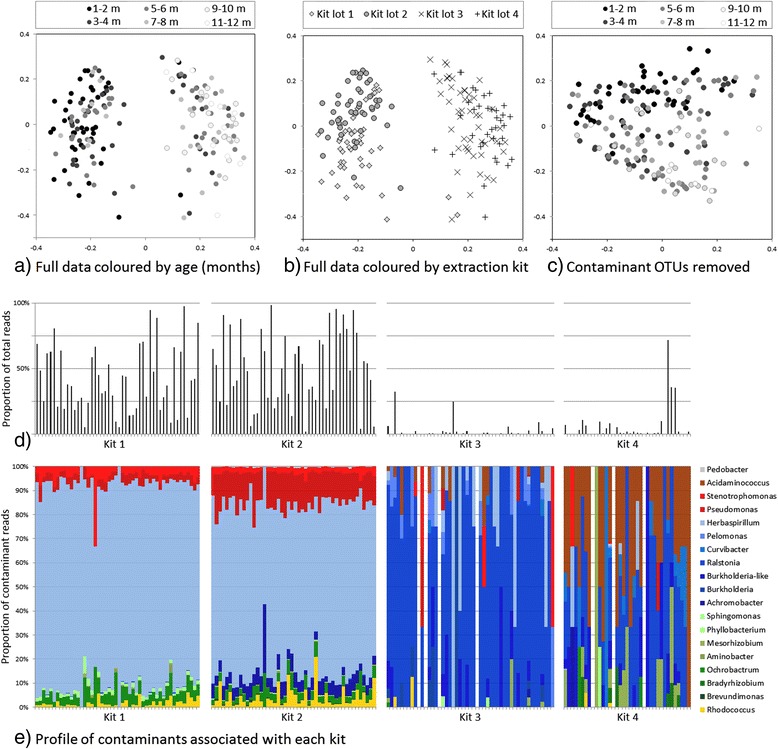
“Recent control studies from others documented bacterial DNA contamination in DNA purification kits and differences among manufacturers, paralleling results here [9, 10].”
BackgroundResultInfluentialMoossavi, S., Sepehri, S., Robertson, B., Bode, L., Goruk, S., Field, C. J., Lix, L. M., de Souza, R. J., Becker, A. B., Mandhane, P. J., et al. (2019) · Cell Host & Microbe · doi:10.1016/j.chom.2019.01.011 · Cited by 510
“Potential reagent contaminants (Salter et al., 2014) were identified using decontam package based on either the frequency of the ASV in the negative control or the negative correlation with DNA concentration (Davis et al., 2018).”
MethodMenstruation: science and society
Critchley, H. O. D., Babayev, E., Bulun, S. E., Clark, S., Garcia-Grau, I., Gregersen, P. K., Kilcoyne, A., Kim, J.-Y. J., Lavender, M., Marsh, E. E., et al. (2020) · American Journal of Obstetrics and Gynecology · doi:10.1016/j.ajog.2020.06.004 · Cited by 448
Genomes of Subaerial Zygnematophyceae Provide Insights into Land Plant Evolution
Cheng, S., Xian, W., Fu, Y., Marin, B., Keller, J., Wu, T., Sun, W., Li, X., Xu, Y., Zhang, Y., et al. (2019) · Cell · doi:10.1016/j.cell.2019.10.019 · Cited by 524
Shen, Z., Xiao, Y., Kang, L., Ma, W., Shi, L., Zhang, L., Zhou, Z., Yang, J., Zhong, J., Yang, D., et al. (2020) · Clinical Infectious Diseases · doi:10.1093/cid/ciaa203 · Cited by 513
“The names of all viruses are in blue, with contaminant genera reported by Salter and colleagues [27] in red.”
BackgroundCaterpillars lack a resident gut microbiome
Hammer, T. J., Janzen, D. H., Hallwachs, W., Jaffe, S. P., & Fierer, N. (2017) · Proceedings of the National Academy of Sciences · doi:10.1073/pnas.1707186114 · Cited by 481
“Inconsistencies could arise from methodological factors such as contamination of low-biomass samples (30), starvation before sampling, sequencing of extracellular DNA, and the use of laboratory-raised insects or artificial diets (27, 31, 32).”
BackgroundFunctional horizontal gene transfer from bacteria to eukaryotes
Husnik, F., & McCutcheon, J. P. (2018) · Nature Reviews Microbiology · doi:10.1038/nrmicro.2017.137 · Cited by 480
KrakenUniq: confident and fast metagenomics classification using unique k-mer counts
Breitwieser, F. P., Baker, D. N., & Salzberg, S. L. (2018) · Genome Biology · doi:10.1186/s13059-018-1568-0 · Cited by 474
“Sequence contamination of the samples—introduced from laboratory kits or the environment during sample extraction, handling, or sequencing—can yield high numbers of spurious identifications [2, 3].”
BackgroundLung microbiome: new insights into the pathogenesis of respiratory diseases
Li, R., Li, J., & Zhou, X. (2024) · Signal Transduction and Targeted Therapy · doi:10.1038/s41392-023-01722-y · Cited by 434
“52,69,439 This limitation has resulted in the composition and function of the lung microbiome remaining incompletely characterized.”
BackgroundDNA metabarcoding—Need for robust experimental designs to draw sound ecological conclusions
Zinger, L., Bonin, A., Alsos, I. G., Bálint, M., Bik, H., Boyer, F., Chariton, A. A., Creer, S., Coissac, E., Deagle, B. E., et al. (2019) · Molecular Ecology · doi:10.1111/mec.15060 · Cited by 438
Lung microbiome dynamics in COPD exacerbations
Wang, Z., Bafadhel, M., Haldar, K., Spivak, A., Mayhew, D., Miller, B. E., Tal-Singer, R., Johnston, S. L., Ramsheh, M. Y., Barer, M. R., et al. (2016) · European Respiratory Journal · doi:10.1183/13993003.01406-2015 · Cited by 459
Altered intestinal microbiota–host mitochondria crosstalk in new onset Crohn’s disease
Mottawea, W., Chiang, C.-K., Mühlbauer, M., Starr, A. E., Butcher, J., Abujamel, T., Deeke, S. A., Brandel, A., Zhou, H., Shokralla, S., et al. (2016) · Nature Communications · doi:10.1038/ncomms13419 · Cited by 442
Diversity within Species: Interpreting Strains in Microbiomes
Van Rossum, T., Ferretti, P., Maistrenko, O. M., & Bork, P. (2020) · Nature Reviews Microbiology · doi:10.1038/s41579-020-0368-1 · Cited by 441
Exploring deep microbial life in coal-bearing sediment down to ~2.5 km below the ocean floor
Inagaki, F., Hinrichs, K.-U., Kubo, Y., Bowles, M. W., Heuer, V. B., Hong, W.-L., Hoshino, T., Ijiri, A., Imachi, H., Ito, M., et al. (2015) · Science · doi:10.1126/science.aaa6882 · Cited by 413
Païssé, S., Valle, C., Servant, F., Courtney, M., Burcelin, R., Amar, J., & Lelouvier, B. (2016) · Transfusion · doi:10.1111/trf.13477 · Cited by 416
“Moreover, many reagents required in the sequencing pipeline, including most of the Taq polymerases available on the market, contain nonnegligible amounts of bacterial DNA, which add a background to the analysis of the blood microbiome and can be misinterpreted as bacteria present in the samples.(25,26) We have set up…”
MethodMicrobiota‐derived extracellular vesicles in interkingdom communication in the gut
Díaz‐Garrido, N., Badia, J., & Baldomà, L. (2021) · Journal of Extracellular Vesicles · doi:10.1002/jev2.12161 · Cited by 405
“Nevertheless, when sequence-based techniques are used to study the microbiome in samples with low biomass, it is essential to avoid contamination during sample processing (Salter et al., 2014).”
MethodQuestioning the fetal microbiome illustrates pitfalls of low-biomass microbial studies
Kennedy, K. M., de Goffau, M. C., Perez-Muñoz, M. E., Arrieta, M.-C., Bäckhed, F., Bork, P., Braun, T., Bushman, F. D., Dore, J., de Vos, W. M., et al. (2023) · Nature · doi:10.1038/s41586-022-05546-8 · Cited by 371
“…of low-biomass samples by 16S rRNA gene amplicon sequencing is challenging as DNA contamination can occur from the microbial DNA present in reagents, tools, instruments, and DNA isolation kits 34-36 and through cross-contamination between PCR tubes/wells, sequencing runs, or sequencing lanes 35 .”
InfluentialSelf-citationThe Not-so-Sterile Womb: Evidence That the Human Fetus Is Exposed to Bacteria Prior to Birth
Stinson, L. F., Boyce, M. C., Payne, M. S., & Keelan, J. A. (2019) · Frontiers in Microbiology · doi:10.3389/fmicb.2019.01124 · Cited by 389
Uterine Microbiota: Residents, Tourists, or Invaders?
Baker, J. M., Chase, D. M., & Herbst-Kralovetz, M. M. (2018) · Frontiers in Immunology · doi:10.3389/fimmu.2018.00208 · Cited by 392
Church, D. L., Cerutti, L., Gürtler, A., Griener, T., Zelazny, A., & Emler, S. (2020) · Clinical Microbiology Reviews · doi:10.1128/cmr.00053-19 · Cited by 349
“bacterial DNA from commercial products (60, 95).”
BackgroundHugerth, L. W., & Andersson, A. F. (2017) · Frontiers in Microbiology · doi:10.3389/fmicb.2017.01561 · Cited by 356
“Finally, for samples of low microbial density, such as patient blood samples, minute amounts of DNA or cellular contamination in any reagent or piece of equipment used in extraction will generate spurious reads (Salter et al., 2014).”
BackgroundThe dormant blood microbiome in chronic, inflammatory diseases
Potgieter, M., Bester, J., Kell, D. B., & Pretorius, E. (2015) · FEMS Microbiology Reviews · doi:10.1093/femsre/fuv013 · Cited by 383
“Fibrosis stage in HIV/HCV coinfection Balagopal et al. (2008); Montes-de-Oca et al. (2011); Page, Nelson and Kelleher (2011); Lin, Weinberg and Chung (2013); Sacchi et al. (2015) Hepatitis C virus (HCV) infection French et al. (2013); Munteanu et al. (2014) HIV/AIDS infection Sandler and Douek…”
BackgroundMethodInfluentialElovitz, M. A., Gajer, P., Riis, V., Brown, A. G., Humphrys, M. S., Holm, J. B., & Ravel, J. (2019) · Nature Communications · doi:10.1038/s41467-019-09285-9 · Cited by 370
Host–microorganism interactions in lung diseases
Marsland, B. J., & Gollwitzer, E. S. (2014) · Nature Reviews Immunology · doi:10.1038/nri3769 · Cited by 351
Recognizing the reagent microbiome
de Goffau, M. C., Lager, S., Salter, S. J., Wagner, J., Kronbichler, A., Charnock-Jones, D. S., Peacock, S. J., Smith, G. C. S., & Parkhill, J. (2018) · Nature Microbiology · doi:10.1038/s41564-018-0202-y · Cited by 370
Self-citationLung Microbiota Predict Clinical Outcomes in Critically Ill Patients
Dickson, R. P., Schultz, M. J., van der Poll, T., Schouten, L. R., Falkowski, N. R., Luth, J. E., Sjoding, M. W., Brown, C. A., Chanderraj, R., Huffnagle, G. B., et al. (2020) · American Journal of Respiratory and Critical Care Medicine · doi:10.1164/rccm.201907-1487oc · Cited by 362
“Microbiota of Lung Specimens from Critically Ill Patients Are Distinct from Those of Background Sequencing Controls Low-biomass microbiome studies are vulnerable to contamination due to bacterial DNA present in reagents used in DNA extraction and library preparation (33).”
BackgroundmNGS in clinical microbiology laboratories: on the road to maturity
Han, D., Li, Z., Li, R., Tan, P., Zhang, R., & Li, J. (2019) · Critical Reviews in Microbiology · doi:10.1080/1040841x.2019.1681933 · Cited by 361
“For example, a profile of common contaminants in reagents and laboratory environments has been generated by examining quality control samples (Salter et al. 2014; de Goffau et al. 2018), and this information can be taken into account in further studies.”
BackgroundCompositional data analysis of the microbiome: fundamentals, tools, and challenges
Tsilimigras, M. C. B., & Fodor, A. A. (2016) · Annals of Epidemiology · doi:10.1016/j.annepidem.2016.03.002 · Cited by 348
The oral–gut microbiome axis in health and disease
Kunath, B. J., De Rudder, C., Laczny, C. C., Letellier, E., & Wilmes, P. (2024) · Nature Reviews Microbiology · doi:10.1038/s41579-024-01075-5 · Cited by 316
“…kitome whereby, if no appropriate negative controls are used, contaminant bacterial DNA originating from DNA extraction and/or sequencing reagents leads to the false identification of the same bacterial taxa in different samples, even though such taxa are not present in the actual samples 47,48 .”
Septic-Associated Encephalopathy: a Comprehensive Review
Mazeraud, A., Righy, C., Bouchereau, E., Benghanem, S., Bozza, F. A., & Sharshar, T. (2020) · Neurotherapeutics · doi:10.1007/s13311-020-00862-1 · Cited by 328
“Thus, targeting microbiota in the ICU could be a relevant therapy in the future [47, 48].”
BackgroundNext-generation sequencing diagnostics of bacteremia in septic patients
Grumaz, S., Stevens, P., Grumaz, C., Decker, S. O., Weigand, M. A., Hofer, S., Brenner, T., von Haeseler, A., & Sohn, K. (2016) · Genome Medicine · doi:10.1186/s13073-016-0326-8 · Cited by 351
“Since several Xanthomonas species are described as well-known contaminants, we excluded Xanthomonas reads as well as the Illumina sequencing spike-in PhiX [18].”
InfluentialClinical and biological insights from viral genome sequencing
Houldcroft, C. J., Beale, M. A., & Breuer, J. (2017) · Nature Reviews Microbiology · doi:10.1038/nrmicro.2016.182 · Cited by 334
“For example, murine leukaemia virus 114, 115 and parvovirus-like sequences 116, 117 are just two of many contaminants that can come from common laboratory reagents, such as nucleic acid extraction columns 118 .”
BackgroundControlling for Contaminants in Low-Biomass 16S rRNA Gene Sequencing Experiments
Karstens, L., Asquith, M., Davin, S., Fair, D., Gregory, W. T., Wolfe, A. J., Braun, J., & McWeeney, S. (2019) · mSystems · doi:10.1128/msystems.00290-19 · Cited by 326
“(7), demonstrating the magnitude of error from biological data sets harboring contaminants unaddressed by suitable control procedures on a mixed microbial sample.”
BackgroundInfluentialComprehensive benchmarking and ensemble approaches for metagenomic classifiers
McIntyre, A. B. R., Ounit, R., Afshinnekoo, E., Prill, R. J., Hénaff, E., Alexander, N., Minot, S. S., Danko, D., Foox, J., Ahsanuddin, S., et al. (2017) · Genome Biology · doi:10.1186/s13059-017-1299-7 · Cited by 342
“Previous studies have also detected contamination with both [46].”
BackgroundResultComparative Gut Microbiota of 59 Neotropical Bird Species
Hird, S. M., Sánchez, C., Carstens, B. C., & Brumfield, R. T. (2015) · Frontiers in Microbiology · doi:10.3389/fmicb.2015.01403 · Cited by 332
Metagenomics: The Next Culture-Independent Game Changer
Forbes, J. D., Knox, N. C., Ronholm, J., Pagotto, F., & Reimer, A. (2017) · Frontiers in Microbiology · doi:10.3389/fmicb.2017.01069 · Cited by 330
“Studies have attempted to address the issue of contaminants (Salter et al., 2014) and host DNA (Hasan et al., 2016) with variable success.”
BackgroundScaling up: A guide to high‐throughput genomic approaches for biodiversity analysis
Porter, T. M., & Hajibabaei, M. (2018) · Molecular Ecology · doi:10.1111/mec.14478 · Cited by 305
“The sensitive nature of the method makes the problem of contaminants in laboratory products more pernicious, highlighting the importance of running negative controls (Salter et al., 2014).”
BackgroundSkin Microbiome Surveys Are Strongly Influenced by Experimental Design
Meisel, J. S., Hannigan, G. D., Tyldsley, A. S., SanMiguel, A. J., Hodkinson, B. P., Zheng, Q., & Grice, E. A. (2016) · Journal of Investigative Dermatology · doi:10.1016/j.jid.2016.01.016 · Cited by 327
“Second, studies investigating low-biomass sites, such as the skin, must also take sequencing depth into account and www.jidonline.org 953 954 use appropriate controls (Salter et al., 2014).”
BackgroundCoral bacterial community structure responds to environmental change in a host-specific manner
Ziegler, M., Grupstra, C. G. B., Barreto, M. M., Eaton, M., BaOmar, J., Zubier, K., Al-Sofyani, A., Turki, A. J., Ormond, R., & Voolstra, C. R. (2019) · Nature Communications · doi:10.1038/s41467-019-10969-5 · Cited by 328
It's all relative: analyzing microbiome data as compositions
Gloor, G. B., Wu, J. R., Pawlowsky-Glahn, V., & Egozcue, J. J. (2016) · Annals of Epidemiology · doi:10.1016/j.annepidem.2016.03.003 · Cited by 323
The Healthy Human Blood Microbiome: Fact or Fiction?
Castillo, D. J., Rifkin, R. F., Cowan, D. A., & Potgieter, M. (2019) · Frontiers in Cellular and Infection Microbiology · doi:10.3389/fcimb.2019.00148 · Cited by 318
“This is particularly problematic as the detection of >90 microbial genera in DNA extraction and library preparation controls (Salter et al., 2014; Lauder et al., 2016) highlights the influence that contaminants derived from reagents and laboratory environments exert on sequence-based HBM analyses.”
BackgroundLower Airway Dysbiosis Affects Lung Cancer Progression
Tsay, J.-C. J., Wu, B. G., Sulaiman, I., Gershner, K., Schluger, R., Li, Y., Yie, T.-A., Meyn, P., Olsen, E., Perez, L., et al. (2021) · Cancer Discovery · doi:10.1158/2159-8290.cd-20-0263 · Cited by 322
“(coming from the reagents, bronchoscopy or sequencing noise)(64,65).”
BackgroundCao, Y., Fanning, S., Proos, S., Jordan, K., & Srikumar, S. (2017) · Frontiers in Microbiology · doi:10.3389/fmicb.2017.01829 · Cited by 298
“…rDNA sequencing studies take negative controls into consideration (Claesson et al., 2010; Wu et al., 2011; Park et al., 2012; Bull-Otterson et al., 2013; Burns et al., 2015; Burke and Darling, 2016), and most of these use negative controls applied only in during the PCR step (Salter et al., 2014).”
BackgroundMethodHannigan, G. D., Meisel, J. S., Tyldsley, A. S., Zheng, Q., Hodkinson, B. P., SanMiguel, A. J., Minot, S., Bushman, F. D., & Grice, E. A. (2015) · mBio · doi:10.1128/mbio.01578-15 · Cited by 291
“Many shotgun metagenomic studies of low-biomass communities have not addressed background contamination by sequencing and analysis of appropriate negative controls, resulting in erroneous conclusions (47).”
BackgroundPathogen-mediated manipulation of arthropod microbiota to promote infection
Abraham, N. M., Liu, L., Jutras, B. L., Yadav, A. K., Narasimhan, S., Gopalakrishnan, V., Ansari, J. M., Jefferson, K. K., Cava, F., Jacobs-Wagner, C., et al. (2017) · Proceedings of the National Academy of Sciences · doi:10.1073/pnas.1613422114 · Cited by 314
“Therefore, although the tick gutassociated microbes might not be conserved across different regions, with several published reports suggesting a large diversity (46–49), and others suggesting that inflated diversities are due to environmental contaminants (50), we used multiple criteria (see SI Appendix) to accurately…”
Method16S rRNA Next Generation Sequencing Analysis Shows Bacteria in Alzheimer’s Post-Mortem Brain
Emery, D. C., Shoemark, D. K., Batstone, T. E., Waterfall, C. M., Coghill, J. A., Cerajewska, T. L., Davies, M., West, N. X., & Allen, S. J. (2017) · Frontiers in Aging Neuroscience · doi:10.3389/fnagi.2017.00195 · Cited by 317
“These contaminants vary between repeat experiments, are laboratory and operator-specific and can derive from any stage in the metagenomics sequencing process, including DNA-extraction kits and molecular biologygrade water (Salter et al., 2014).”
BackgroundInfluentialFouhy, F., Deane, J., Rea, M. C., O’Sullivan, Ó., Ross, R. P., O’Callaghan, G., Plant, B. J., & Stanton, C. (2015) · PLOS ONE · doi:10.1371/journal.pone.0119355 · Cited by 309
“Studies have shown that the DNA extraction procedure, primers and sequencing platform used, can impact on the accuracy of the results achieved [8 – 10].”
Not all animals need a microbiome
Hammer, T. J., Sanders, J. G., & Fierer, N. (2019) · FEMS Microbiology Letters · doi:10.1093/femsle/fnz117 · Cited by 307
Taylor, S. L., Leong, L. E. X., Choo, J. M., Wesselingh, S., Yang, I. A., Upham, J. W., Reynolds, P. N., Hodge, S., James, A. L., Jenkins, C., et al. (2018) · Journal of Allergy and Clinical Immunology · doi:10.1016/j.jaci.2017.03.044 · Cited by 314
“Spurious operational taxonomic units (OTUs) were removed systematically by using previous reports of common laboratory sequencing contaminants.(17) Bacterial burden was quantified with quantitative PCR (qPCR) for the 16S rRNA gene.”
MethodHow uterine microbiota might be responsible for a receptive, fertile endometrium
Benner, M., Ferwerda, G., Joosten, I., & van der Molen, R. G. (2018) · Human Reproduction Update · doi:10.1093/humupd/dmy012 · Cited by 304
MinION Analysis and Reference Consortium: Phase 1 data release and analysis
Ip, C. L. C., Loose, M., Tyson, J. R., de Cesare, M., Brown, B. L., Jain, M., Leggett, R. M., Eccles, D. A., Zalunin, V., Urban, J. M., et al. (2015) · F1000Research · doi:10.12688/f1000research.7201.1 · Cited by 316
“delftia), species implicated in kit contamination (Salter et al., 2014) at percentages comparable to those inferred from the BWA-MEM alignments.”
BackgroundInfluential
Metadata
- Authors
- Salter, S. J., Cox, M. J., Turek, E. M., Calus, S. T., Cookson, W. O., Moffatt, M. F., Turner, P., Parkhill, J., Loman, N. J., & Walker, A. W.
- Affiliations
- Wellcome Sanger Institute (GB)
- Imperial College London (GB)
- University of Birmingham (GB)
- Mahidol University (TH)
- University of Aberdeen (GB)
- Corresponding author
- Salter, Susannah J
- Walker, Alan W
- ORCID
- Venue
- BMC Biology
- Published
- 2014-11-12
- Volume
- 12
- Issue
- 1
- Pages
- 87-87
- ISSN
- 1741-7007 (ISSN-L)
- PMC
- PMC4228153
- OpenAlex
- W2170486072
- Cited by
- 3,463
- References
- 76
- Citations by year
- 2026: 351 · 2025: 261 · 2024: 265 · 2023: 292 · 2022: 299 · 2021: 394 · 2020: 357 · 2019: 351 · 2018: 319 · 2017: 251 · 2016: 211 · 2015: 98 · 2014: 10
- FWCI
- 77.85
- Type
- journal article
- Language
- en
- Open access
- gold
- doi.org
- Locations
- BMC Biology (publishedVersion, cc-by)
- bioRxiv (Cold Spring Harbor Laboratory) (acceptedVersion, cc-by)
- Europe PMC (PubMed Central) (publishedVersion, cc-by)
- PubMed Central (publishedVersion, cc-by)
- PubMed (publishedVersion)
- Aberdeen University Research Archive (Aberdeen University) (submittedVersion)
- University of Birmingham Research Portal (University of Birmingham) (submittedVersion, cc-by)
- University of Birmingham Research Portal (University of Birmingham) (submittedVersion, other-oa)
- Spiral (Imperial College London) (submittedVersion, cc-by)
- Apollo (University of Cambridge) (submittedVersion, cc-by)
- Apollo (cc-by)
- Greater South Information System
- Funders
- Wellcome Trust (097117, 083735, 083735/Z/07/Z, grant number 098051, 098051, 096964/Z/11/Z, 083735/Z/07)
- Rural and Environment Science and Analytical Services Division
- Scottish Government
- National Institute for Health and Care Research
- University of Aberdeen
- Medical Research Council (098051, MR/J014370/1, MR/L015080/1)
- Topics
- Life Sciences › Biochemistry, Genetics and Molecular Biology › Molecular Biology › Genomics and Phylogenetic Studies
- Life Sciences › Biochemistry, Genetics and Molecular Biology › Molecular Biology › Gut microbiota and health
- Physical Sciences › Environmental Science › Ecology › Microbial Community Ecology and Physiology
- Keywords
- laboratory contamination, reagent contamination, DNA extraction kits, microbiome analysis, 16S rRNA gene sequencing, shotgun metagenomics, contamination reduction
- MeSH terms
- Indicators and Reagents, Laboratories, RNA, Ribosomal, 16S, Salmonella, Polymerase Chain Reaction, Sequence Analysis, DNA, Metagenomics, DNA Contamination, Microbiota
About these checks
Registry, retraction, Cites and statistics results are computed, not judged, with one exception: a printed reference that no index lists is read once by a model before it counts as a citation error. Claims are extracted by a model and kept only when their quote appears verbatim in the text; each cited source is then checked, with a model’s help, for whether it says what the claim relies on. Those verdicts can be wrong — read the claim’s quote and the cited source before relying on one.
Statistics and arithmetic are recomputed, not judged.
Confidence bands are shown only for fields calibrated on our annotated test set. None is calibrated yet, so no band is shown.
What counts as a claim ›How we measure confidence ›How we check this ›
Are you an author, or do you see a problem with this page? Request a review
Data sources
Bibliographic data: Semantic Scholar, OpenAlex, Crossref.
Contains information from the Semantic Scholar Academic Graph Datasets, made available under the ODC Attribution License (ODC-BY 1.0).
Semantic Scholar’s data is described in: Kinney, R., et al. (2023). The Semantic Scholar Open Data Platform. arXiv:2301.10140.
