

Building the case for actionable ethics in digital health research supported by artificial intelligence
Open accessThe DOI matches its Crossref record; 25 of the 25 references it cites were found in a registry or an index.
Abstract
The digital revolution is disrupting the ways in which health research is conducted, and subsequently, changing healthcare. Direct-to-consumer wellness products and mobile apps, pervasive sensor technologies and access to social network data offer exciting opportunities for researchers to passively observe and/or track patients 'in the wild' and 24/7. The volume of granular personal health data gathered using these technologies is unprecedented, and is increasingly leveraged to inform personalized health promotion and disease treatment interventions. The use of artificial intelligence in the health sector is also increasing. Although rich with potential, the digital health ecosystem presents new ethical challenges for those making decisions about the selection, testing, implementation and evaluation of technologies for use in healthcare. As the 'Wild West' of digital health research unfolds, it is important to recognize who is involved, and identify how each party can and should take responsibility to advance the ethical practices of this work. While not a comprehensive review, we describe the landscape, identify gaps to be addressed, and offer recommendations as to how stakeholders can and should take responsibility to advance socially responsible digital health research.
Overview
The claims and statistics of this paper haven’t been checked yet.
Free: it reads the open-access text and checks the first 5 claims that cite a source we can check. Create a free account to check every claim.
Integrity signals
Registry
Cites
Statistics
Figures
Verification
Claims the paper makes
The claims and statistics of this paper haven’t been checked yet.
Free: it reads the open-access text and checks the first 5 claims that cite a source we can check. Create a free account to check every claim.
Claims other papers make about this one
Each is checked against this paper’s own text: does it say what the citing paper says it does?
The cited source says what the claim attributes to it.
In the citing paper
“there remains a pressing need to operationalise ethics throughout the development pipeline of AI for healthcare [18].”
From Operationalising ethics in artificial intelligence for healthcare: a framework for AI developers (2023) · cites this paper as [18]
Self-check
Percentages, sums and reported differences re-computed from the paper’s own numbers.
The self-check needs the paper’s full text.
Citations
Cites
boyd, D., & Crawford, K. (2012) · Information, Communication & Society · doi:10.1080/1369118x.2012.678878 · Cited by 5,479 · cited 1×
“No doubt, important societal conversations are needed to shape how these sociotechnical systems influence our lives as individuals, as well as the impact on society [5].”
BackgroundArtificial intelligence in healthcare: past, present and future
Jiang, F., Jiang, Y., Zhi, H., Dong, Y., Li, H., Ma, S., Wang, Y., Dong, Q., Shen, H., & Wang, Y. (2017) · Stroke and Vascular Neurology · doi:10.1136/svn-2017-000101 · Cited by 4,837 · cited 1×
“For example, electronic health records provide training data for machine learning that inform algorithms, which can detect anomalies more accurately than trained humans – particularly in the fields of cancer, cardiology, and retinopathy [8].”
Background(2003) · Manual for Research Ethics Committees · doi:10.1017/cbo9780511550089.028 · Cited by 3,413
Research Commentary—The Digital Transformation of Healthcare: Current Status and the Road Ahead
Agarwal, R., Gao, G. (., DesRoches, C., & Jha, A. K. (2010) · Information Systems Research · doi:10.1287/isre.1100.0327 · Cited by 952 · cited 1×
“The digital revolution is disrupting the ways in which health research is conducted, and subsequently, changing healthcare [1 – 3].”
BackgroundPrediction Models for Suicide Attempts and Deaths: A Systematic Review and Simulation
Belsher, B. E., Smolenski, D. J., Pruitt, L. D., Bush, N. E., Beech, E. H., Workman, D. E., Morgan, R. L., Evatt, D. P., Tucker, J., & Skopp, N. A. (2019) · JAMA Psychiatry · doi:10.1001/jamapsychiatry.2019.0174 · Cited by 540 · cited 1×
“For example, a recent review of the predictive validity of models for suicide attempts and death found that most are currently less than 1%; a number at which they are not yet deemed to be clinical viable [22].”
BackgroundThe Menlo Report: Ethical Principles Guiding Information and Communication Technology Research
Kenneally, E., & Dittrich, D. (2012) · SSRN Electronic Journal · doi:10.2139/ssrn.2445102 · Cited by 363 · cited 1×
“Researchers began to study related ethical issues over 20 years ago, when electronic health records technology was being conceptualized [13], and as new forms of pervasive information communication technologies produce data, guiding principles and standards are emerging within academic research centers [14–16] and ind…”
BackgroundTechnology to Support Aging in Place: Older Adults’ Perspectives
Wang, S., Bolling, K., Mao, W., Reichstadt, J., Jeste, D., Kim, H.-C., & Nebeker, C. (2019) · Healthcare · doi:10.3390/healthcare7020060 · Cited by 326
Self-citationLupton, D. (2014) · Sociology of Health & Illness · doi:10.1111/1467-9566.12109 · Cited by 287 · cited 1×
“The rise of digital health technologies has resulted in vast quantities of both qualitative and quantitative ‘ big data ’ , which contain valuable information about user interactions and trans-actions that may potentially benefit patients and care-givers [4].”
BackgroundThe history and future of digital health in the field of behavioral medicine
Arigo, D., Jake-Schoffman, D. E., Wolin, K., Beckjord, E., Hekler, E. B., & Pagoto, S. L. (2019) · Journal of Behavioral Medicine · doi:10.1007/s10865-018-9966-z · Cited by 189 · cited 1×
“…mobile apps (e.g., Fitbit, Strava), wearable research tools (e.g., SenseCam, ActivPAL), and access to social network data offer exciting opportunities for individuals [6], as well as traditional health researchers [7], to passively observe and/or track individual behavior ‘ in the wild ’ and 24/7.”
BackgroundDigital Medicine: A Primer on Measurement
Coravos, A., Goldsack, J. C., Karlin, D. R., Nebeker, C., Perakslis, E., Zimmerman, N., & Erb, M. K. (2019) · Digital Biomarkers · doi:10.1159/000500413 · Cited by 159 · cited 2×
“Value is based on the product being valid and reliable, which means that scientific research is needed before a product is deployed within the health sector [12].”
BackgroundSelf-citation
Research works printed but not linked: 5
- Joyce M Leclerc O Westhues K Xue H Digital therapeutics: preparing for takeoff 2018 New York McKinsey & Company
- Sears M AI bias and the ‘people factor AI development 2018 Jersey City Forbes Media
- Rabinovitz J Your computer may know you have Parkinson’s. Shall it tell you? 2018 Stanford Stanford Magazine
- Initiative on Ethics of Autonomous and Intelligent Systems. https://standards.ieee.org/industry-connections/ec/autonomous-systems.html. Accessed 07 June 2019.
- The Institute for Ethics in Artificial Intelligence. 2019. https://www.tum.de/en/about-tum/news/press-releases/details/article/35190. Accessed 07 June 2019.
Cited by
The ethics of AI in health care: A mapping review
Morley, J., Machado, C. C. V., Burr, C., Cowls, J., Joshi, I., Taddeo, M., & Floridi, L. (2020) · Social Science & Medicine · doi:10.1016/j.socscimed.2020.113172 · Cited by 1,105
“…analysis is essential but also challenging because, although bioethical principles for clinical research and healthcare are well established, and issues related to privacy, effectiveness, accessibility and utility are clear (Nebeker et al., 2019), other issues are less obvious (Char et al., 2018).”
BackgroundArtificial intelligence in business: State of the art and future research agenda
Loureiro, S. M. C., Guerreiro, J., & Tussyadiah, I. (2021) · Journal of Business Research · doi:10.1016/j.jbusres.2020.11.001 · Cited by 554
“…some initiatives are already in place to develop some of these best practices, such as AI for Humanity or the Institute for Ethics in Artificial Intelligence (Nebeker et al., 2019), there is a growing concern that, as AI becomes more intelligent, humans would be unable to control its evolution.”
BackgroundLee, E. E., Torous, J., De Choudhury, M., Depp, C. A., Graham, S. A., Kim, H.-C., Paulus, M. P., Krystal, J. H., & Jeste, D. V. (2021) · Biological Psychiatry: Cognitive Neuroscience and Neuroimaging · doi:10.1016/j.bpsc.2021.02.001 · Cited by 429
Self-citationThe Recent Progress and Applications of Digital Technologies in Healthcare: A Review
Senbekov, M., Saliev, T., Bukeyeva, Z., Almabayeva, A., Zhanaliyeva, M., Aitenova, N., Toishibekov, Y., & Fakhradiyev, I. (2020) · International Journal of Telemedicine and Applications · doi:10.1155/2020/8830200 · Cited by 415
“There is fear that digital health will be accessible only for a wealthy cohort of the population [145].”
BackgroundInfluentialResponsible AI—two frameworks for ethical design practice
Peters, D., Vold, K., Robinson, D., & Calvo, R. A. (2020) · IEEE Transactions on Technology and Society · doi:10.1109/tts.2020.2974991 · Cited by 293
“[31] have cautioned: “it is critical that the minimal requirements used to make a digital health technology”
BackgroundLi, F., Ruijs, N., & Lu, Y. (2022) · AI · doi:10.3390/ai4010003 · Cited by 239
Čartolovni, A., Tomičić, A., & Lazić Mosler, E. (2022) · International Journal of Medical Informatics · doi:10.1016/j.ijmedinf.2022.104738 · Cited by 267
Artificial Intelligence in Endodontics: Current Applications and Future Directions
Aminoshariae, A., Kulild, J., & Nagendrababu, V. (2021) · Journal of Endodontics · doi:10.1016/j.joen.2021.06.003 · Cited by 226
Is Human Digital Twin possible?
Shengli, W. (2021) · Computer Methods and Programs in Biomedicine Update · doi:10.1016/j.cmpbup.2021.100014 · Cited by 233
Babel, A., Taneja, R., Mondello Malvestiti, F., Monaco, A., & Donde, S. (2021) · Frontiers in Digital Health · doi:10.3389/fdgth.2021.669869 · Cited by 199
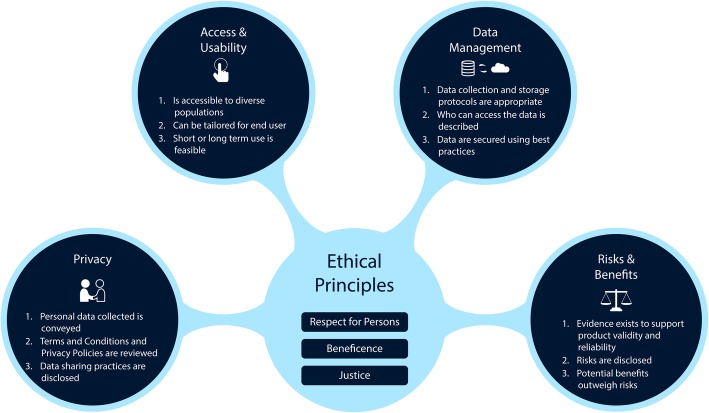
“Thus, the development and use of AI in healthcare research and practice require careful consideration of ethical principles, risks and benefits, privacy, access and usability, and data management (68).”
Xue, P., Ng, M. T. A., & Qiao, Y. (2020) · BMC Medicine · doi:10.1186/s12916-020-01613-x · Cited by 176
Ethical issues in using ambient intelligence in health-care settings
Martinez-Martin, N., Luo, Z., Kaushal, A., Adeli, E., Haque, A., Kelly, S. S., Wieten, S., Cho, M. K., Magnus, D., Fei-Fei, L., et al. (2021) · The Lancet Digital Health · doi:10.1016/s2589-7500(20)30275-2 · Cited by 165
Perski, O., Hébert, E. T., Naughton, F., Hekler, E. B., Brown, J., & Businelle, M. S. (2022) · Addiction · doi:10.1111/add.15687 · Cited by 150
Ethics of Artificial Intelligence in Medicine and Ophthalmology
Abdullah, Y. I., Schuman, J. S., Shabsigh, R., Caplan, A., & Al-Aswad, L. A. (2021) · Asia-Pacific Journal of Ophthalmology · doi:10.1097/apo.0000000000000397 · Cited by 151
“66 Patient-related ethics in AI are based on these rights.”
BackgroundPrakash, S., Balaji, J. N., Joshi, A., & Surapaneni, K. M. (2022) · Journal of Personalized Medicine · doi:10.3390/jpm12111914 · Cited by 159
Operationalising ethics in artificial intelligence for healthcare: a framework for AI developers
Solanki, P., Grundy, J., & Hussain, W. (2023) · AI and Ethics · doi:10.1007/s43681-022-00195-z · Cited by 157
“As such, there remains a pressing need to operationalise ethics throughout the development pipeline of AI for healthcare [18].”
BackgroundInfluentialPrecision Health: The Role of the Social and Behavioral Sciences in Advancing the Vision
Hekler, E., Tiro, J. A., Hunter, C. M., & Nebeker, C. (2020) · Annals of Behavioral Medicine · doi:10.1093/abm/kaaa018 · Cited by 150
Self-citationHutson, J., Jeevanjee, T., Graaf, V. V., Lively, J., Weber, J., Weir, G., Arnone, K., Carnes, G., Vosevich, K., Plate, D., et al. (2022) · Creative Education · doi:10.4236/ce.2022.1312253 · Cited by 189
The Ethics of AI in Health Care: A Mapping Review
Morley, J., Machado, C. C. V., Burr, C., Cowls, J., Joshi, I., Taddeo, M., & Floridi, L. (2020) · Philosophical studies series · doi:10.1007/978-3-030-81907-1_18 · Cited by 160
Schuller, B. W., Schuller, D. M., Qian, K., Liu, J., Zheng, H., & Li, X. (2021) · Frontiers in Digital Health · doi:10.3389/fdgth.2021.564906 · Cited by 126
“All of these cannot be discussed here – rather, we can provide pointers for the interested reader as starting points [46, 47, 48].”
Specific challenges posed by artificial intelligence in research ethics
Bouhouita-Guermech, S., Gogognon, P., & Bélisle-Pipon, J.-C. (2023) · Frontiers in Artificial Intelligence · doi:10.3389/frai.2023.1149082 · Cited by 93
“Many are contemplating using digital health ELSI to encourage the implementation of ethical standards in AI when laws and regulations are lacking in it (Nebeker et al., 2019).”
BackgroundInfluentialCar, J., Sheikh, A., Wicks, P., & Williams, M. S. (2019) · BMC Medicine · doi:10.1186/s12916-019-1382-x · Cited by 126
“Ethical considerations around big data sets are also the focus of this collection ’ s Opinion from Nebeker and Tor-ous [35], who outline ways in which the rapidly evolving landscape of technology presents new and volatile challenges.”
BackgroundHolzinger, A., Weippl, E., Tjoa, A. M., & Kieseberg, P. (2021) · Lecture Notes in Computer Science · doi:10.1007/978-3-030-84060-0_1 · Cited by 100
“As the importance of medical AI will certainly continue to grow strongly in the coming years, it is imperative that legal and ethical issues are always considered together [53,54].”
BackgroundA Research Ethics Framework for the Clinical Translation of Healthcare Machine Learning
McCradden, M. D., Anderson, J. A., A. Stephenson, E., Drysdale, E., Erdman, L., Goldenberg, A., & Zlotnik Shaul, R. (2022) · The American Journal of Bioethics · doi:10.1080/15265161.2021.2013977 · Cited by 114
Harnessing consumer smartphone and wearable sensors for clinical cancer research
Low, C. A. (2020) · npj Digital Medicine · doi:10.1038/s41746-020-00351-x · Cited by 120
Ethics review of big data research: What should stay and what should be reformed?
Ferretti, A., Ienca, M., Sheehan, M., Blasimme, A., Dove, E. S., Farsides, B., Friesen, P., Kahn, J., Karlen, W., Kleist, P., et al. (2021) · BMC Medical Ethics · doi:10.1186/s12910-021-00616-4 · Cited by 124
“Today, biomedical projects leverage unconventional data sources (e.g., social media), partially inscrutable data analytics tools (e.g., machine learning), and unprecedented volumes of data [3–5].”
BackgroundSelf-citationResearch integrity in the era of artificial intelligence: Challenges and responses
Chen, Z., Chen, C., Yang, G., He, X., Chi, X., Zeng, Z., & Chen, X. (2024) · Medicine · doi:10.1097/md.0000000000038811 · Cited by 109
The Sociotechnical Ethics of Digital Health: A Critique and Extension of Approaches From Bioethics
Shaw, J., & Donia, J. (2021) · Frontiers in Digital Health · doi:10.3389/fdgth.2021.725088 · Cited by 119
“The most common is some form of principlist approach, one that relies on a series of bioethical principles to guide assessment of the ethical implications of any given area of human activity (23, 24, 27, 28).”
BackgroundTranslating promise into practice: a review of machine learning in suicide research and prevention
Kirtley, O. J., van Mens, K., Hoogendoorn, M., Kapur, N., & de Beurs, D. (2022) · The Lancet Psychiatry · doi:10.1016/s2215-0366(21)00254-6 · Cited by 100
Astromskė, K., Peičius, E., & Astromskis, P. (2020) · AI & Society · doi:10.1007/s00146-020-01008-9 · Cited by 116
Kassam, I., Ilkina, D., Kemp, J., Roble, H., Carter-Langford, A., & Shen, N. (2023) · Journal of Medical Internet Research · doi:10.2196/42507 · Cited by 103
“Although the public is supportive of investments in these technologies [14,15], there is also a corresponding concern about the potential for unethical or harmful uses of their PHI [16-18], especially as it relates to use by commercial entities.”
Assessing the accuracy of automatic speech recognition for psychotherapy
Miner, A. S., Haque, A., Fries, J. A., Fleming, S. L., Wilfley, D. E., Terence Wilson, G., Milstein, A., Jurafsky, D., Arnow, B. A., Stewart Agras, W., et al. (2020) · npj Digital Medicine · doi:10.1038/s41746-020-0285-8 · Cited by 81
The Debate on the Ethics of AI in Health Care: a Reconstruction and Critical Review
Morley, J., Machado, C., Burr, C., Cowls, J., Taddeo, M., & Floridi, L. (2019) · SSRN Electronic Journal · doi:10.2139/ssrn.3486518 · Cited by 66
Ogundiya, O., Rahman, T. J., Valnarov-Boulter, I., & Young, T. (2024) · Journal of Medical Internet Research · doi:10.2196/60312 · Cited by 74
“Traces of a learner’s digital data, reflecting their behaviors on the web, may potentially be gathered as part of big data when using digital health technologies in education [99].”
Brall, C., Berlin, C., Zwahlen, M., Ormond, K. E., Egger, M., & Vayena, E. (2021) · PLoS ONE · doi:10.1371/journal.pone.0249141 · Cited by 77
“One approach to rebuilding public confidence in research using non-traditional data is to strengthen regulations that differentiate between voluntarily given or involuntarily observed data–for the current regulatory situation resembles the “Wild West” [29].”
BackgroundThe Challenges of Big Data for Research Ethics Committees: A Qualitative Swiss Study
Ferretti, A., Ienca, M., Velarde, M. R., Hurst, S., & Vayena, E. (2021) · Journal of Empirical Research on Human Research Ethics · doi:10.1177/15562646211053538 · Cited by 62
“Yet, the rapidity with which AI technology and big data applications evolve further complicates RECs’ and IRBs’ attempts to get up to speed in their subject matter knowledge (Nebeker et al., 2019; Prosperi & Bian, 2019).”
BackgroundKiekens, G., Robinson, K., Tatnell, R., & Kirtley, O. J. (2021) · JMIR Mental Health · doi:10.2196/30915 · Cited by 56
“Poor digital literacy may threaten adequate informed consent [98], especially for passively collected data.”
BackgroundHine, C. (2021) · Research Ethics · doi:10.1177/17470161211022790 · Cited by 52
“Within health-care there is a complex patchwork of responsibilities regarding ethical compliance for AI across clinical settings and direct-to-consumer products (Nebeker et al., 2019).”
BackgroundKim, M., Patrick, K., Nebeker, C., Godino, J., Stein, S., Klasnja, P., Perski, O., Viglione, C., Coleman, A., & Hekler, E. B. (2024) · Journal of Medical Internet Research · doi:10.2196/49208 · Cited by 55
“When necessary, the authors used first-hand knowledge based on their participation in expert consensus statements in related fields [7,32,33]; experience with both the research methods and community practices delineated in the Framework [8,32,34]; experience teaching graduate-level methods courses…”
Self-citationDing, X., Shang, B., Xie, C., Xin, J., & Yu, F. (2025) · Humanities and Social Sciences Communications · doi:10.1057/s41599-025-04564-x · Cited by 55
“…Xu et al. 2021), offering numerous advantages across sectors such as ef fi ciency and speed (Davenport 2018; Spronck et al. 2006), 24/7 availability (Nebeker et al. 2019; Stephens et al. 2019), high precision and accuracy (Dlamini et al. 2020; Partel et al. 2019), cost savings (Salehi and…”
Research on digital technology use in cardiology: bibliometric analysis
Yeung, A. W. K., Kulnik, S. T., Parvanov, E. D., Fassl, A., Eibensteiner, F., Völkl-Kernstock, S., Kletecka-Pulker, M., Crutzen, R., Gutenberg, J., Höppchen, I., et al. (2022) · Journal of Medical Internet Research · doi:10.2196/36086 · Cited by 44
“These developments have considerable potential for positive change but also require delicate handling of personal data and privacy issues in accordance with data standards [41], legal and ethical considerations [42,43], and social considerations [44,45].”
BackgroundA Literature Review on Ethics for AI in Biomedical Research and Biobanking
Kargl, M., Plass, M., & Müller, H. (2022) · Yearbook of Medical Informatics · doi:10.1055/s-0042-1742516 · Cited by 50
“Nebeker et al. , developed a digital-health decision-making framework and an associated checklist to help researchers and other concerned stakeholders with selecting and evaluating digital technologies for use in health research and healthcare [18].”
BackgroundInfluentialFuner, F., Liedtke, W., Tinnemeyer, S., Klausen, A. D., Schneider, D., Zacharias, H. U., Langanke, M., & Salloch, S. (2024) · Journal of Medical Ethics · doi:10.1136/jme-2022-108814 · Cited by 36
Kwaśnicka, D., Keller, J., Perski, O., Potthoff, S., ten Hoor, G. A., Ainsworth, B., Crutzen, R., Dohle, S., van Dongen, A., Heino, M. T. J., et al. (2022) · Health Psychology Review · doi:10.1080/17437199.2022.2046482 · Cited by 47
“…(Lehne et al., 2019), privacy (Filkins et al., 2016), data protection and security (e.g., di ff erential user permission, data control at patient level) (Nebeker et al., 2019), but none – as far as we are aware – focus on the issue of open, evidence-based and context-speci fi c evaluation,…”
BackgroundMartin, C., DeStefano, K., Haran, H., Zink, S., Dai, J., Ahmed, D., Razzak, A. N., Lin, K., Kogler, A., Waller, J., et al. (2022) · Intelligent Medicine · doi:10.1016/j.ibmed.2022.100073 · Cited by 29
Kolovson, S., Pratap, A., Duffy, J., Allred, R., Munson, S. A., & Areán, P. A. (2020) · International Conference on Pervasive Computing Technologies for Healthcare · doi:10.1145/3421937.3422025 · Cited by 46
“Lastly, future work could seek to: (1) Collect and understand participants behavior (adherence) while enrolled in a remote digital health study; (2) Design and test a consent process for passive data collection to be sure it is effective in educating participants [35, 36] and know if it affects participants attitudes…”
BackgroundStuck in translation: Stakeholder perspectives on impediments to responsible digital health
Landers, C., Vayena, E., Amann, J., & Blasimme, A. (2023) · Frontiers in Digital Health · doi:10.3389/fdgth.2023.1069410 · Cited by 45
“The combination of regulatory uncertainty and fast-paced innovation has led some commentators to describe digital health research as a Wild West, where innovation offshoots can be morally questionable, but remain unaffected by regulation (17).”
BackgroundManole, A., Cârciumaru, R., Brînzaș, R., & Manole, F. (2024) · Information · doi:10.3390/info16010011 · Cited by 44
Narrative Health Analytics: Integrating Empathy, Data, and Ethics in Patient-Centered Healthcare
Atento, R. G., Quinto, L., Espelita, C. A. M. H., & Juan, F. M. Z. S. (2025) · International Journal of Health & Business Analytics · doi:10.65166/yxgx8e59 · Cited by 37
“Legal – ethical scholarship further documents risks of privacy loss, secondary use of data, and reidentification harms — threats that disproportionately affect already-marginalized populations (Maher et al., 2019; Price & Cohen, 2019; Maeckelberghe et al., 2023; Nebeker et al., 2019).”
Desafios bioéticos do uso da inteligência artificial em hospitais
Nunes, H. D. C., Guimarães, R. M. C., & Dadalto, L. (2022) · Revista Bioética · doi:10.1590/1983-80422022301509pt · Cited by 37
Ho, C. W.-L., & Caals, K. (2021) · Seminars in Nephrology · doi:10.1016/j.semnephrol.2021.05.009 · Cited by 43
Sync fast and solve things-best practices for responsible digital health
Landers, C., Blasimme, A., & Vayena, E. (2024) · npj Digital Medicine · doi:10.1038/s41746-024-01105-9 · Cited by 35
“Ourparticipantsaddressedabroadspectrumof obstaclestoresponsibledigitalhealthinnovationasrecurrentlyidenti fi ed in the literature: the role of stakeholders, regulation and ethics 3,21 – 25 .”
BackgroundExploring the societal implications of digital mental health technologies: A critical review
Stein, O. A., & Prost, A. (2024) · SSM - Mental Health · doi:10.1016/j.ssmmh.2024.100373 · Cited by 39
Naturally occurring language as a source of evidence in suicide prevention
Resnik, P., Foreman, A., Kuchuk, M., Schafer, K. M., & Pinkham, B. (2020) · Suicide and Life-Threatening Behavior · doi:10.1111/sltb.12674 · Cited by 42
Babu, A., & Mandal, D. (2024) · ACS Applied Energy Materials · doi:10.1021/acsaem.3c02642 · Cited by 36
Artificial Intelligence in Endurance Sports: Metabolic, Recovery, and Nutritional Perspectives
Grivas, G. V., & Safari, K. (2025) · Nutrients · doi:10.3390/nu17203209 · Cited by 34
“A central concern is opacity around data ownership and secondary use: consumer technologies frequently rely on vague terms of service that permit reuse of (even “anonymized”) data for commercial or research purposes without meaningful user engagement [78].”
Artificial intelligence in melanoma: A systematic review
Zhang, S., Wang, Y., Zheng, Q., Li, J., Huang, J., & Long, X. (2022) · Journal of Cosmetic Dermatology · doi:10.1111/jocd.15323 · Cited by 31
Governance for safe and responsible AI in healthcare organisations: a scoping review of frameworks
Wang, A., Freeman, S., & Magrabi, F. (2026) · npj Digital Medicine · doi:10.1038/s41746-026-02679-2 · Cited by 35
Ethical issues in direct-to-consumer healthcare: A scoping review
Nagappan, A., Kalokairinou, L., & Wexler, A. (2024) · PLOS Digital Health · doi:10.1371/journal.pdig.0000452 · Cited by 29
Albulushi, A., Kindi, D. I. A., Moawwad, N., Kamel, A. M., Khan, A. M., Moustafa, M. A., & Kalbani, A. A. (2024) · International Journal of Cardiology · doi:10.1016/j.ijcard.2024.132116 · Cited by 25
Evaluating Users’ Experiences of a Child Multimodal Wearable Device: Mixed Methods Approach
McElwain, N. L., Fisher, M. C., Nebeker, C., Bodway, J. M., Islam, B., & Hasegawa‐Johnson, M. (2024) · JMIR Human Factors · doi:10.2196/49316 · Cited by 25
“Through a series of team discussions, we developed an initial codebook focusing on areas that fell into the larger categories outlined in the Digital Health Checklist [20].”
MethodInfluentialSelf-citationPredicting patient outcomes in psychiatric hospitals with routine data: a machine learning approach
Wolff, J., Gary, A., Jung, D., Normann, C., Kaier, K., Binder, H., Domschke, K., Klimke, A., & Franz, M. (2020) · BMC Medical Informatics and Decision Making · doi:10.1186/s12911-020-1042-2 · Cited by 23
Kerr, J. I., Naegelin, M., Benk, M., von Wangenheim, F., Meins, E., Viganò, E., & Ferrario, A. (2023) · Journal of Medical Internet Research · doi:10.2196/44131 · Cited by 24
“However, despite the urgency of addressing the ethical concerns that arise from the use of digital health technology [13-15, 57, 58 ]”
InfluentialNavigating the ethics of remote research data collection
Gelinas, L. C., Morrell, W., White, S., & Bierer, B. E. (2021) · Clinical Trials · doi:10.1177/17407745211027245 · Cited by 22
Brand, T., Herrera-Espejel, P. S., Muellmann, S., Wiersing, R., & Busse, H. (2024) · Bundesgesundheitsblatt - Gesundheitsforschung - Gesundheitsschutz · doi:10.1007/s00103-024-03832-6 · Cited by 20
Suicide prevention is everyone's business: Challenges and opportunities for Google
Kirtley, O. J., & O’Connor, R. C. (2020) · Social Science & Medicine · doi:10.1016/j.socscimed.2019.112691 · Cited by 22
“…of technological innovation it is paramount that technology companies and suicide prevention researchers work together in order to tackle emerging ethical issues arising from these kind of interventions, which currently operate largely beyond official regulatory oversight (Nebeker et al., 2019).”
BackgroundEpistemic inequality in the digital era: Unpacking biases in digital mental health
Tomičić, A., & Gjorgjioska, M. A. (2024) · Theory & Psychology · doi:10.1177/09593543241279131 · Cited by 19
“Ethics committees should be mandatory in digital health strategy, both nationally and internationally (Nebeker et al., 2019).”
Singh, V., Sarkar, S., Gaur, V., Grover, S., & Singh, O. P. (2024) · Indian Journal of Psychiatry · doi:10.4103/indianjpsychiatry.indianjpsychiatry_926_23 · Cited by 22
“31-33] As noted above, freedom from bias is essential for widespread practical use.”
Responsible living labs: what can go wrong?
Habibipour, A. (2024) · Journal of Information Communication and Ethics in Society · doi:10.1108/jices-11-2023-0137 · Cited by 24
Physiological Data: Challenges for Privacy and Ethics
Davis, K. M., & Ruotsalo, T. (2025) · Computer · doi:10.1109/mc.2024.3404994 · Cited by 22
“While some users may appreciate such a service, others are likely to find it invasive. perspective of health and medical research, [14], [21], but the subject of pairing physiological and non-physiological in everyday applications has not been adequately explored.”
Advancing youth co-design of ethical guidelines for AI-powered digital mental health tools
Figueroa, C. A., Ramos, G., Psihogios, A. M., Ekuban, E., Bansie, P., de Haas, M., Karnik, N. S., Ajilore, O., Anderson, E. E., & Stiles‐Shields, C. (2025) · Nature Mental Health · doi:10.1038/s44220-025-00467-7 · Cited by 23
“In addition, several checklists for DHI research ethics have been published to guide researchers through various stages of the research process, including informed consent, language regarding data ownership, sharing and monitoring, and accessibility to diverse populations 28,29 .”
Poli, C. D., & Oyebode, J. R. (2023) · PLoS ONE · doi:10.1371/journal.pone.0296223 · Cited by 18
“…a framework rooted in experimental, biomedical research to assess social sciences and research using non-experimental methods (e.g., big data research [18], social media research [19], research using machine learning [20], eth-nography [21] and digital ethnography [22]) are well documented [23–26].”
BackgroundDeriving symptom networks from digital phenotyping data in serious mental illness
Hays, R., Keshavan, M. S., Wisniewski, H., & Torous, J. B. (2020) · BJPsych Open · doi:10.1192/bjo.2020.94 · Cited by 20
Self-citationSystematic review of co-design in digital health for COVID-19 research
Nusir, M., & Rekik, M. (2022) · Universal Access in the Information Society · doi:10.1007/s10209-022-00964-x · Cited by 19
“It is the responsibility of all stakeholders to ensure the use of trustworthy and ethically reliable AI and to avoid the misuse of AI technologies [74, 75].”
Hourani, D., Darling, S. J., Cameron, E., Dromey, J. A., Crossley, L. H., Kanagalingam, S., Muscara, F., Gwee, A., Gell, G., Hiscock, H., et al. (2021) · Frontiers in Digital Health · doi:10.3389/fdgth.2021.661708 · Cited by 20
“New ethical challenges continue to arise, and it is important to share knowledge and resources about identifying those challenges and steps to address them including the Connected and Open Research Ethics (CORE) initiative (43), Transparency for Trust (T4T) principles (44), and ethical navigation aids (45).”
BackgroundTeaching User Experience Design Ethics to Engineering Students: Lessons Learned
Vilaza, G. N., & Bækgaard, P. (2022) · Frontiers in Computer Science · doi:10.3389/fcomp.2022.793879 · Cited by 17
Sucala, M. L., Cole-Lewis, H. J., Arigo, D., Oser, M. L., Goldstein, S. P., Hekler, E. B., & Diefenbach, M. A. (2020) · Translational Behavioral Medicine · doi:10.1093/tbm/ibaa034 · Cited by 17
“…to digital health, behavioral scientists must acknowledge and act on their collective responsibility to recognize and prevent the unintended consequences introduced by biased algorithms that could exacerbate such disparities, as well as ensure that they support a patient-centered approach [32, 33].”
BackgroundDesafíos bioéticos del uso de la inteligencia artificial en los hospitales
Nunes, H. D. C., Guimarães, R. M. C., & Dadalto, L. (2022) · Revista Bioética · doi:10.1590/1983-80422022301509es · Cited by 15
Artificial Intelligence in Pediatric Nephrology—A Call for Action
Filler, G., Gipson, D. S., Iyamuremye, D., & Ferris, M. (2022) · Advances in Kidney Disease and Health · doi:10.1053/j.akdh.2022.11.001 · Cited by 15
Developing a standardized framework for evaluating health apps using natural language processing
Herpertz, J., Dwyer, B., Taylor, J., Opel, N., & Torous, J. B. (2025) · Scientific Reports · doi:10.1038/s41598-025-96369-w · Cited by 17
“findings illustrate the broader issue, as the health app ecosystem continues to be described as a “Wild West” of unregulated products, characterized by a lack of quality assurance and consistent oversight 15,16 .”
Self-citationSmartphones within Psychological Science
Ellis, D. A. (2020) · Cambridge University Press eBooks · doi:10.1017/9781108671408 · Cited by 15
Trusting the bot: Addressing the ethical challenges of consumer digital mental health therapy
Martinez‐Martin, N. (2020) · Developments in neuroethics and bioethics · doi:10.1016/bs.dnb.2020.03.003 · Cited by 18
Wolff, J., Hefner, G., Normann, C., Kaier, K., Binder, H., Domschke, K., Hiemke, C., Marschollek, M., & Klimke, A. (2021) · BMJ Open · doi:10.1136/bmjopen-2020-045276 · Cited by 14
Barriers to Artificial Intelligence Adoption in Healthcare Management: A Systematic Review
Assadullah, M. M. (2019) · SSRN Electronic Journal · doi:10.2139/ssrn.3530598 · Cited by 13
HUMAN FACTORS AND ERGONOMICS IN DESIGN OF A 3 : AUTOMATION, AUTONOMY, AND ARTIFICIAL INTELLIGENCE
Sawyer, B. D., Miller, D., Canham, M., & Karwowski, W. (2021) · Wiley eBooks · doi:10.1002/9781119636113.ch52 · Cited by 20
Machine learning for prognosis of oral cancer : What are the ethical challenges?
Alabi, R. O., Vartiainen, T., & Elmusrati, M. S. (2020) · Osuva (University of Vaasa) · Cited by 19
The Debate on the Ethics of AI in Health Care: a Reconstruction and Critical ReviewPreprint
Morley, J. (2019) · OSF Preprints (OSF Preprints) · doi:10.31219/osf.io/n7y2g · Cited by 13
“…is challenging because – although bioethical principles for clinical research and healthcare are well established, and issues related to privacy, effectiveness, accessibility and utility are clear (Nebeker, Torous, & Bartlett Ellis, 2019) – other issues are less obvious (Char et al., 2018).”
BackgroundBouhouita-Guermech, S., & Haidar, H. (2024) · Asian Bioethics Review · doi:10.1007/s41649-024-00292-7 · Cited by 13
“…developers and tech companies, its deployers, the medical institution, the AI system itself or all of these stakeholders collectively, and how (Brill et al. 2019; Brall et al. 2019; D. S. Char et al. 2018; Bleher and Braun 2022; Chauhan and Gullapalli 2021; Nebeker et al. 2019; Silven et al. 2022)?”
Application of Machine learning algorithms in diagnosis and detection of psychological disorders
Aryal, Y., Maag, A., & Gunasekera, N. (2020) · International Conference on Innovative Technologies in Intelligent Systems and Industrial Applications (CITISIA) · doi:10.1109/citisia50690.2020.9371801 · Cited by 11
“…the big-data there are some challenges in technical integrations but also have more challenging issues such as data privacy, accessibility and ownership which must be carefully handled as the medical records contains the personal information about the patients and must be secured [28], [33]-[34].”
BackgroundYang, E. F., Shah, D. V., Tahk, A. M., Vjorn, O., Dietz, S., Pe‐Romashko, K., Bailey, E., Gicquelais, R. E., Hwang, J., Gustafson, D. H., et al. (2023) · New Media & Society · doi:10.1177/14614448231158653 · Cited by 11
“…the benefits of curbing the HIV and opioid epidemic at the community level while providing social and instrumental support to PLWH and SUD) and (2) actionable ethics during the program process, namely ongoing privacy, security, trust, and accountability (Mello and Wang, 2020; Nebeker et al., 2019).”
BackgroundAlmohanna, A. A. S., Meedya, S., Vlahu‐Gjorgievska, E., & Win, K. T. (2024) · International Journal of Human-Computer Interaction · doi:10.1080/10447318.2024.2394726 · Cited by 11
“These primarily come from potential breaches of users’ values that should inform the design and implementation of such technologies (Nebeker et al., 2019).”
Crawford, A. W., Fichtner, L., Guntrum, L. G., Jänsch, S., Krösche, N., Soulier, E., & Süß, C.-A. (2024) · Research Ethics · doi:10.1177/17470161241270787 · Cited by 12
“IRBs may lack internal expertise to address every topic presented for review, particularly given the rapid change underway in areas such as digital field research, big data, AI, and data protection (e.g. Ferretti et al., 2020; Nebeker et al., 2019).”
Chilumukuru, N. S., Priyadarshini, P., & Ezunkpe, Y. (2025) · JMIR Formative Research · doi:10.2196/62996 · Cited by 10
“While these advances are significant, challenges noted in prior work, including class imbalance effects [42] and unresolved ethical concerns about data sharing [30,31], remain relevant to our implementation and highlight areas for future improvement.”
InfluentialDiabetes Technology Meeting 2021
Xu, N. Y., Nguyen, K. T., DuBord, A. Y., Pickup, J. C., Sherr, J. L., Teymourian, H., Cengiz, E., Ginsberg, B. H., Cobelli, C., Ahn, D. T., et al. (2022) · Journal of Diabetes Science and Technology · doi:10.1177/19322968221090279 · Cited by 11
“76 The session then discussed some recent applications of AI in diabetes.”
BackgroundEthics of Digital Health in Islamic Perspective
Gamon, A. M. I. (2023) · Journal of Science and Technology · doi:10.20428/jst.v28i1.1993 · Cited by 12
Bartenschlager, C. C., Gassner, U. M., Römmele, C., Brunner, J. O., Schlögl-Flierl, K., & Ziethmann, P. (2024) · Artificial Intelligence in Medicine · doi:10.1016/j.artmed.2024.102873 · Cited by 12
Nittas, V., Ormond, K. E., Vayena, E., & Blasimme, A. (2025) · BMC Cancer · doi:10.1186/s12885-025-13621-2 · Cited by 11
“Overall, discussions about the ethical and regulatory aspects of digital health and big data-driven health research primarily revolved around privacy, data protection, and equity [34–36].”
Ethical Considerations Surrounding the Use of AI-Interventions in Application of Mental Healthcare
Verma, M., Chanthar, K. M. M. V., & Beg, M. J. (2025) · Advances in medical technologies and clinical practice book series · doi:10.4018/979-8-3693-3112-5.ch009 · Cited by 11
Bioethical challenges related to the use of artificial intelligence in hospitals
Nunes, H. D. C., Guimarães, R. M. C., & Dadalto, L. (2022) · Revista Bioética · doi:10.1590/1983-80422022301509en · Cited by 9
Metadata
- Authors
- Nebeker, C., Torous, J., & Bartlett Ellis, R. J.
- Affiliations
- University of California San Diego (US)
- Beth Israel Deaconess Medical Center (US)
- Corresponding author
- Nebeker, Camille
- Venue
- BMC Medicine
- Published
- 2019-07-17
- Volume
- 17
- Issue
- 1
- Pages
- 137-137
- ISSN
- 1741-7015 (ISSN-L)
- PMC
- PMC6636063
- OpenAlex
- W2957730340
- Cited by
- 241
- References
- 25
- Citations by year
- 2026: 42 · 2025: 46 · 2024: 31 · 2023: 33 · 2022: 28 · 2021: 22 · 2020: 35 · 2019: 4
- FWCI
- 1.09
- Type
- journal article
- Language
- en
- Open access
- gold
- doi.org
- Licence
- cc-by
- creativecommons.org/licenses/by/4.0/ (tdm)
- creativecommons.org/licenses/by/4.0/ (vor)
- Locations
- BMC Medicine (publishedVersion, cc-by)
- PubMed Central (publishedVersion, cc-by)
- PubMed (publishedVersion)
- DOAJ (DOAJ: Directory of Open Access Journals) (submittedVersion, cc-by-sa)
- eScholarship (California Digital Library) (submittedVersion)
- IUScholarWorks (Indiana University) (submittedVersion)
- Purdue University Indianapolis (Indiana University) (submittedVersion)
- Funders
- Robert Wood Johnson Foundation (72876)
- Foundation for the National Institutes of Health (1K23MH116130-01)
- Topics
- Health Sciences › Medicine › Health Informatics › Artificial Intelligence in Healthcare and Education
- Physical Sciences › Computer Science › Artificial Intelligence › Ethics and Social Impacts of AI
- Health Sciences › Medicine › Public Health, Environmental and Occupational Health › Ethics in Clinical Research
- Keywords
- digital health research, research ethics, artificial intelligence in healthcare, personal health data, passive data collection, mobile health apps, wearable sensors, social network data, stakeholder responsibility, ethical governance, personalized medicine
- MeSH terms
- Artificial Intelligence, Delivery of Health Care, Health Promotion, Health Services Research, Humans, Professional Practice, Precision Medicine, Inventions, Mobile Applications
About these checks
Registry, retraction, Cites and statistics results are computed, not judged, with one exception: a printed reference that no index lists is read once by a model before it counts as a citation error. Claims are extracted by a model and kept only when their quote appears verbatim in the text; each cited source is then checked, with a model’s help, for whether it says what the claim relies on. Those verdicts can be wrong — read the claim’s quote and the cited source before relying on one.
Statistics and arithmetic are recomputed, not judged.
Confidence bands are shown only for fields calibrated on our annotated test set. None is calibrated yet, so no band is shown.
What counts as a claim ›How we measure confidence ›How we check this ›
Are you an author, or do you see a problem with this page? Request a review
Data sources
Bibliographic data: Semantic Scholar, OpenAlex, Crossref.
Contains information from the Semantic Scholar Academic Graph Datasets, made available under the ODC Attribution License (ODC-BY 1.0).
Semantic Scholar’s data is described in: Kinney, R., et al. (2023). The Semantic Scholar Open Data Platform. arXiv:2301.10140.
