

Processing of collagen based biomaterials and the resulting materials properties
Open accessThe DOI matches its Crossref record; 514 of the 514 references it cites were found in a registry or an index.
Abstract
Collagen, the most abundant extracellular matrix protein in animal kingdom belongs to a family of fibrous proteins, which transfer load in tissues and which provide a highly biocompatible environment for cells. This high biocompatibility makes collagen a perfect biomaterial for implantable medical products and scaffolds for in vitro testing systems. To manufacture collagen based solutions, porous sponges, membranes and threads for surgical and dental purposes or cell culture matrices, collagen rich tissues as skin and tendon of mammals are intensively processed by physical and chemical means. Other tissues such as pericardium and intestine are more gently decellularized while maintaining their complex collagenous architectures. Tissue processing technologies are organized as a series of steps, which are combined in different ways to manufacture structurally versatile materials with varying properties in strength, stability against temperature and enzymatic degradation and cellular response. Complex structures are achieved by combined technologies. Different drying techniques are performed with sterilisation steps and the preparation of porous structures simultaneously. Chemical crosslinking is combined with casting steps as spinning, moulding or additive manufacturing techniques. Important progress is expected by using collagen based bio-inks, which can be formed into 3D structures and combined with live cells. This review will give an overview of the technological principles of processing collagen rich tissues down to collagen hydrolysates and the methods to rebuild differently shaped products. The effects of the processing steps on the final materials properties are discussed especially with regard to the thermal and the physical properties and the susceptibility to enzymatic degradation. These properties are key features for biological and clinical application, handling and metabolization.
Overview
The claims and statistics of this paper haven’t been checked yet.
Free: it reads the open-access text and checks the first 5 claims that cite a source we can check. Create a free account to check every claim.
Integrity signals
Registry
Cites
Statistics
Figures
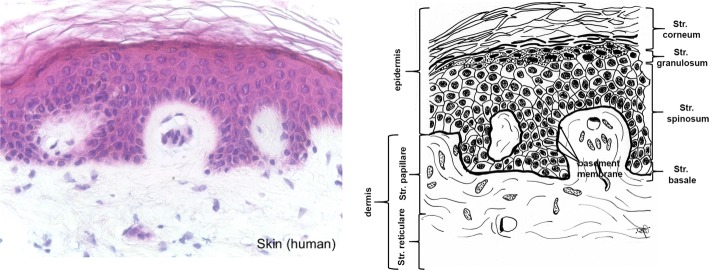
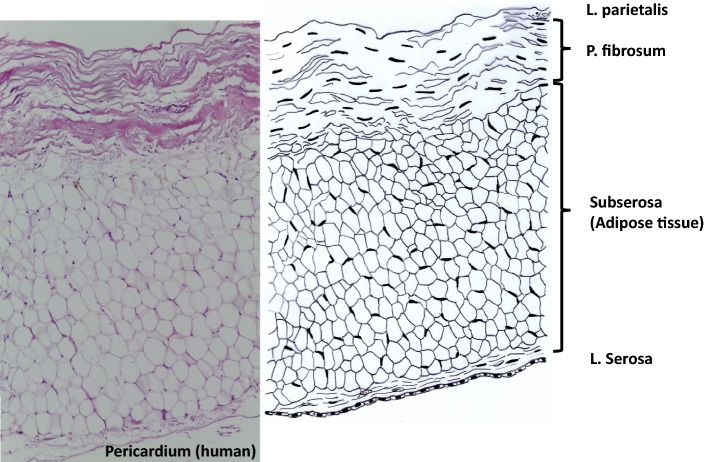
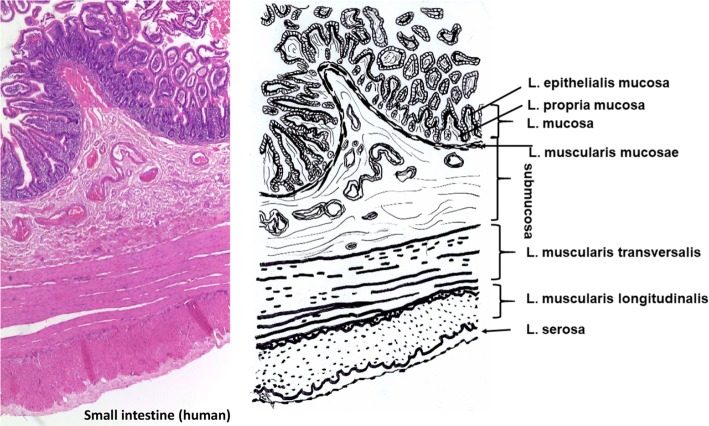
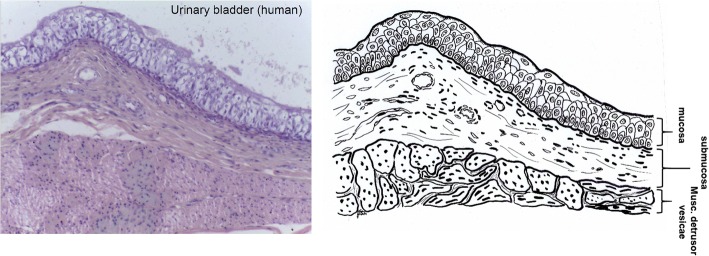
Verification
Claims the paper makes
The claims and statistics of this paper haven’t been checked yet.
Free: it reads the open-access text and checks the first 5 claims that cite a source we can check. Create a free account to check every claim.
Claims other papers make about this one
Each is checked against this paper’s own text: does it say what the citing paper says it does?
The source backs part of the claim, not all of it — or backs it for a different population, condition or comparison.
In the citing paper
“which can be associated with the reduction of lipid-soluble components, leaving behind only the denatured ECM molecules and water-soluble substances [65].”
From Effects of Various Decellularization Methods for the Development of Decellularized Extracellular Matrix from Tilapia (Oreochromis niloticus) Viscera (2024) · cites this paper as [65]
Experimental — accuracy not yet measured
Self-check
Percentages, sums and reported differences re-computed from the paper’s own numbers.
The self-check needs the paper’s full text.
Citations
Cites
1 retracted
Thompson, J. A., Haudenschild, C. C., Anderson, K. D., DiPietro, J. M., Anderson, W. F., & Maciag, T. (1989) · Proceedings of the National Academy of Sciences · doi:10.1073/pnas.86.20.7928 · Cited by 138
RetractedMolecular Mechanisms of Stress-Responsive Changes in Collagen and Elastin Networks in Skin
Aziz, J., Shezali, H., Radzi, Z., Yahya, N. A., Abu Kassim, N. H., Czernuszka, J., & Rahman, M. T. (2016) · Skin Pharmacology and Physiology · doi:10.1159/000447017 · Cited by 7,323
Collagen Structure and Stability
Shoulders, M. D., & Raines, R. T. (2009) · Annual Review of Biochemistry · doi:10.1146/annurev.biochem.77.032207.120833 · Cited by 3,923 · cited 1×
“Oxidation of lysine and hydroxylysine by lysyloxidase initiates the formation of the various natural enzyme-derived crosslinks [62, 508].”
BackgroundPolymers for 3D Printing and Customized Additive Manufacturing
Ligon, S. C., Liska, R., Stampfl, J., Gurr, M., & Mülhaupt, R. (2017) · Chemical Reviews · doi:10.1021/acs.chemrev.7b00074 · Cited by 3,741 · cited 1×
“Though metals and ceramics are processed as well, polymers are the most intensively utilized materials class [283].”
BackgroundAn overview of tissue and whole organ decellularization processes
Crapo, P. M., Gilbert, T. W., & Badylak, S. F. (2011) · Biomaterials · doi:10.1016/j.biomaterials.2011.01.057 · Cited by 3,591 · cited 7×
“The exact impact is unclear, however [20].”
BackgroundInfluentialMatrix Metalloproteinases: A Review
Birkedal-Hansen, H., Moore, W. G. I., Bodden, M. K., Windsor, L. J., Birkedal-Hansen, B., DeCarlo, A., & Engler, J. A. (1993) · Critical Reviews in Oral Biology & Medicine · doi:10.1177/10454411930040020401 · Cited by 2,970
Perfusion-decellularized matrix: using nature's platform to engineer a bioartificial heart
Ott, H. C., Matthiesen, T. S., Goh, S.-K., Black, L. D., Kren, S. M., Netoff, T. I., & Taylor, D. A. (2008) · Nature Medicine · doi:10.1038/nm1684 · Cited by 2,650 · cited 1×
“These investigations aimed to save the complex structures of the organs, especially the vascular networks and the mechanical stability of the constructs [18, 23, 214, 218, 260, 261] and others.”
BackgroundThe status, challenges, and future of additive manufacturing in engineering
Gao, W., Zhang, Y., Ramanujan, D., Ramani, K., Chen, Y., Williams, C. B., Wang, C. C. L., Shin, Y. C., Zhang, S., & Zavattieri, P. D. (2015) · Computer-Aided Design · doi:10.1016/j.cad.2015.04.001 · Cited by 2,631
Electrospinning of Collagen Nanofibers
Matthews, J. A., Wnek, G. E., Simpson, D. G., & Bowlin, G. L. (2002) · Biomacromolecules · doi:10.1021/bm015533u · Cited by 2,251
Decellularization of tissues and organs
Gilbert, T. W., Sellaro, T. L., & Badylak, S. F. (2006) · Biomaterials · doi:10.1016/j.biomaterials.2006.02.014 · Cited by 2,222 · cited 2×
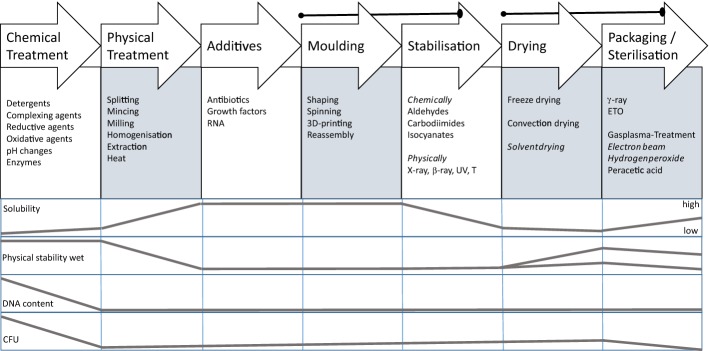
“Nevertheless, after one or repeated freeze–thaw cycles, decellularization comprises an intensive treatment with complexing agents, surfactants, also alkaline and acids and possibly enzymes [3, 4, 20, 21].”
Background
Research works printed but not linked: 18
- 29. International Consensus. Acellular matrices for the treatment of wounds-an expert working group review. London: Wounds International; 2010.
- 68. Burjanadze T, Kiziria E, Mikeladze S. Molecular mechanism for the phylogenetic change of thermostability of fibril- forming collagen. Evidence that (Gly-X-Hyp) triplets are main factors determining stability of collagen. Bull Georg Natl Acad Sci. 2010;4:137-41.
- Gosline J, Lillie M, Carrington E, Guerette P, Ortlepp C, Savage K. Elastic proteins: biological roles and mechanical properties. Philos Trans R Soc B Biol Sci. 2002;357:121–32. https://doi.org/10.1098/rstb.2001.1022 . · DOI · Paper page
- Cu Y, Saltzman WM. Mathematical modeling of molecular diffusion through mucus. Adv Drug Deliv Rev. 2009;61:101–14. https://doi.org/10.1016/j.addr.2008.09.006 . · DOI · Paper page
- Savic Z, Savic I. Sausage Casings. 2nd ed. Wien: VICTUS International; 2016.
- Kanda N, Morimoto N, Ayvazyan AA, Takemoto S, Kawai K, Nakamura Y, Sakamoto Y, Taira T, Suzuki S. Evaluation of a novel collagen-gelatin scaffold for achieving the sustained release of basic fibroblast growth factor in a diabetic mouse model: sustained release of bFGF from CGS-accelerated tissue regeneration in diabetic mice. J Tissue Eng Regen Med. 2014;8:29–40. https://doi.org/10.1002/term.1492 . · DOI
- Hong N, Yang G-H, Lee J, Kim G. 3D bioprinting and its in vivo applications. J Biomed Mater Res B Appl Biomater. 2018;106:444–59. https://doi.org/10.1002/jbm.b.33826 . · DOI · Paper page
- Landmann W. The machines in the tannery: a review of leather produciong machinery and equipment in current use. Liverpool: World Trades Pub; 2003.
- Nageotte J. Coagulation fibrillaire in vitro du collagène dissous dans un acide dilué. Hebd Seances Acad Sci. 1927;184:115.
- Kühn K. The classical collagens: types I, II and III in structure and function of collagen types. New York: Academic Press; 1987. p. 1–42.
- Schroepfer M. Influences on thermal stability of fibrous collagen—calorimetric investigations. In: Talk at 5th Freiberg collagen symposium. Freiberg. 2012.
- Song M, Wang W, Ye Q, Bu S, Shen Z, Zhu Y. The repairing of full-thickness skin deficiency and its biological mechanism using decellularized human amniotic membrane as the wound dressing. Mater Sci Eng C. 2017;77:739–47. https://doi.org/10.1016/j.msec.2017.03.232 . · DOI
- Schloegl W, Klein A, Fürst R, Leicht U, Volkmer E, Schieker M, Jus S, Guebitz GM, Stachel I, Meyer M, Wiggenhorn M, Friess W. Residual transglutaminase in collagen—effects, detection, quantification, and removal. Eur J Pharm Biopharm. 2012;80:282–8. https://doi.org/10.1016/j.ejpb.2011.10.018 . · DOI
- Cooper R, Morré DJ, Morré DM. Medicinal benefits of green tea: part I. Review of noncancer health benefits. J Altern Complement Med. 2005;11:521–8. https://doi.org/10.1089/acm.2005.11.521 . · DOI · Paper page
- Oetjen G-W, Haseley P. Transplants, collagen. Weinheim: Wiley-VCH; 2004. p. 333–40.
- Edwards JH, Herbert A, Jones GL, Manfield IW, Fisher J, Ingham E. The effects of irradiation on the biological and biomechanical properties of an acellular porcine superflexor tendon graft for cruciate ligament repair. J Biomed Mater Res B Appl Biomater. 2017;105:2477–86. https://doi.org/10.1002/jbm.b.33786 . · DOI · Paper page
- Ruef C, Harbarth S, Henry A, Pittet D. Sterilisation mit ethylenoxid: anwendungen und grenzen, swiss-noso–nosokomiale infekt. Spit. 1997;4:3–6.
- Mizuno K, Boudko SP, Engel J, Bächinger HP. Kinetic hysteresis in collagen folding. Biophys J. 2010;98:3004–14. https://doi.org/10.1016/j.bpj.2010.03.019 . · DOI
Cited by
Mathew-Steiner, S. S., Roy, S., & Sen, C. K. (2021) · Bioengineering · doi:10.3390/bioengineering8050063 · Cited by 993
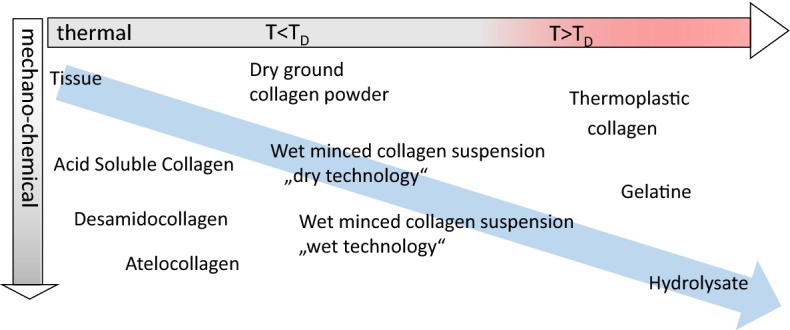
“The technological processing of collagen tissues to hydrolysates and subsequent rebuilding into formats used for clinical applications was recently reviewed [98].”
MethodFish Collagen: Extraction, Characterization, and Applications for Biomaterials Engineering
Jafari, H., Lista, A., Siekapen, M. M., Ghaffari-Bohlouli, P., Nie, L., Alimoradi, H., & Shavandi, A. (2020) · Polymers · doi:10.3390/polym12102230 · Cited by 520
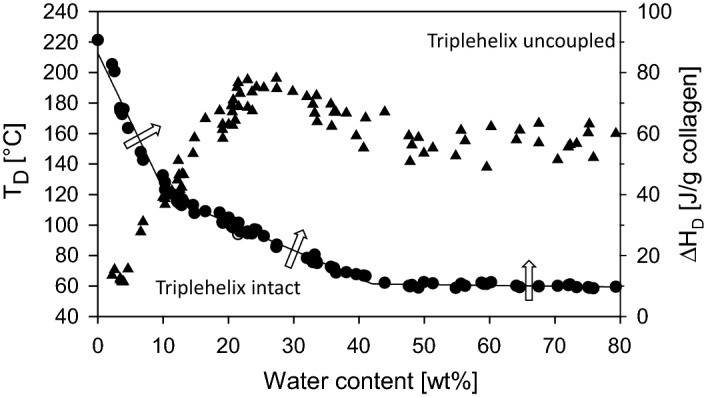
“Moreover, a network of water molecules surrounds the triple helices, ensuring the thermal stability of the triple helices due to the high denaturation enthalpy, which directly reflects the number of hydrogen bonds, as well as functions as a sensitive parameter of the degree of the triple helical structure [30].”
BackgroundInfluentialAmirrah, I. N., Lokanathan, Y., Zulkiflee, I., Wee, M. F. M. R., Motta, A., & Fauzi, M. B. (2022) · Biomedicines · doi:10.3390/biomedicines10092307 · Cited by 426
“There are 28 types of collagen that have been identified and well characterised [4].”
BackgroundNatural Polymeric Scaffolds in Bone Regeneration
Filippi, M., Born, G., Chaaban, M., & Scherberich, A. (2020) · Frontiers in Bioengineering and Biotechnology · doi:10.3389/fbioe.2020.00474 · Cited by 376
“In vertebrates, they account for 28 distinct types coded by at least 45 different genes (Meyer, 2019).”
BackgroundBiobased materials for active food packaging: A review
Atta, O. M., Manan, S., Shahzad, A., Ul-Islam, M., Ullah, M. W., & Yang, G. (2022) · Food Hydrocolloids · doi:10.1016/j.foodhyd.2021.107419 · Cited by 351
Metadata
- Authors
- Meyer, M.
- Affiliations
- Forschungsinstitut für Leder und Kunststoffbahnen (DE)
- Corresponding author
- Meyer, Michael
- ORCID
- Meyer, Michael
- Venue
- BioMedical Engineering OnLine
- Published
- 2019-03-18
- Volume
- 18
- Issue
- 1
- Pages
- 24-24
- ISSN
- 1475-925X (ISSN-L)
- PMC
- PMC6423854
- OpenAlex
- W2939654433
- Cited by
- 539
- References
- 511
- Citations by year
- 2026: 46 · 2025: 63 · 2024: 82 · 2023: 76 · 2022: 119 · 2021: 88 · 2020: 54 · 2019: 10
- FWCI
- 4.30
- Type
- journal article
- Language
- en
- Open access
- gold
- doi.org
- Licence
- cc-by
- creativecommons.org/licenses/by/4.0/ (tdm)
- Locations
- BioMedical Engineering OnLine (publishedVersion, cc-by)
- Europe PMC (PubMed Central) (publishedVersion, cc-by)
- PubMed Central (publishedVersion, cc-by)
- PubMed (publishedVersion)
- DOAJ (DOAJ: Directory of Open Access Journals) (submittedVersion)
- Topics
- Physical Sciences › Materials Science › Biomaterials › Collagen: Extraction and Characterization
- Physical Sciences › Materials Science › Biomaterials › Silk-based biomaterials and applications
- Health Sciences › Medicine › Surgery › Tissue Engineering and Regenerative Medicine
- Keywords
- collagen, collagen-based biomaterials, decellularization, tissue processing, scaffolds, porous sponge, membranes, chemical crosslinking, drying methods, sterilization, enzymatic degradation, thermal stability, bioinks, 3D bioprinting, collagen peptides, biocompatibility
- MeSH terms
- Animals, Biocompatible Materials, Collagen, Humans, Materials Testing, Mechanical Phenomena
About these checks
Registry, retraction, Cites and statistics results are computed, not judged, with one exception: a printed reference that no index lists is read once by a model before it counts as a citation error. Claims are extracted by a model and kept only when their quote appears verbatim in the text; each cited source is then checked, with a model’s help, for whether it says what the claim relies on. Those verdicts can be wrong — read the claim’s quote and the cited source before relying on one.
Statistics and arithmetic are recomputed, not judged.
Confidence bands are shown only for fields calibrated on our annotated test set. None is calibrated yet, so no band is shown.
What counts as a claim ›How we measure confidence ›How we check this ›
Are you an author, or do you see a problem with this page? Request a review
Data sources
Bibliographic data: Semantic Scholar, OpenAlex, Crossref.
Contains information from the Semantic Scholar Academic Graph Datasets, made available under the ODC Attribution License (ODC-BY 1.0).
Semantic Scholar’s data is described in: Kinney, R., et al. (2023). The Semantic Scholar Open Data Platform. arXiv:2301.10140.
