

Processing of collagen based biomaterials and the resulting materials properties
Open accessThe DOI matches its Crossref record; 514 of the 514 references it cites were found in a registry or an index.
Abstract
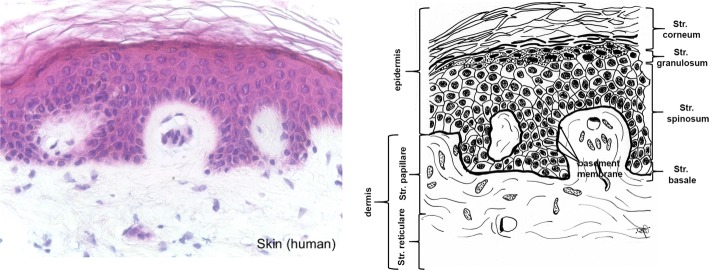
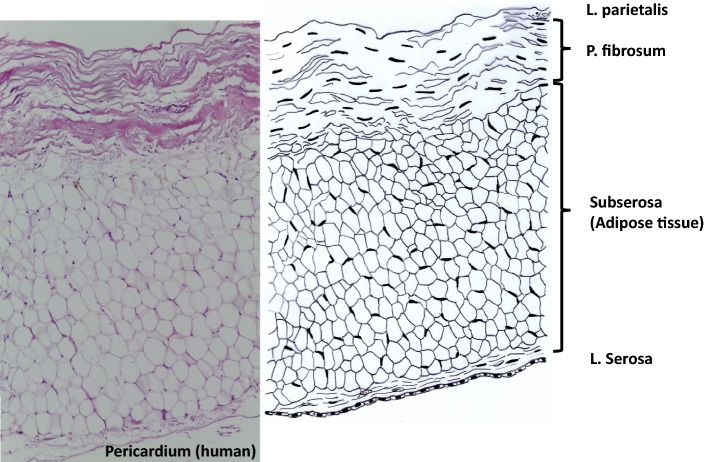
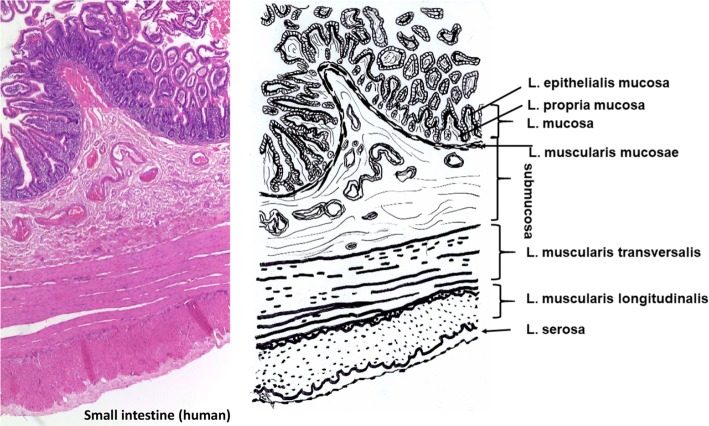
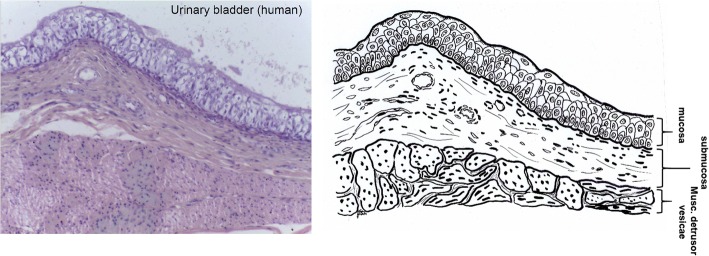
Collagen, the most abundant extracellular matrix protein in animal kingdom belongs to a family of fibrous proteins, which transfer load in tissues and which provide a highly biocompatible environment for cells. This high biocompatibility makes collagen a perfect biomaterial for implantable medical products and scaffolds for in vitro testing systems. To manufacture collagen based solutions, porous sponges, membranes and threads for surgical and dental purposes or cell culture matrices, collagen rich tissues as skin and tendon of mammals are intensively processed by physical and chemical means. Other tissues such as pericardium and intestine are more gently decellularized while maintaining their complex collagenous architectures. Tissue processing technologies are organized as a series of steps, which are combined in different ways to manufacture structurally versatile materials with varying properties in strength, stability against temperature and enzymatic degradation and cellular response. Complex structures are achieved by combined technologies. Different drying techniques are performed with sterilisation steps and the preparation of porous structures simultaneously. Chemical crosslinking is combined with casting steps as spinning, moulding or additive manufacturing techniques. Important progress is expected by using collagen based bio-inks, which can be formed into 3D structures and combined with live cells. This review will give an overview of the technological principles of processing collagen rich tissues down to collagen hydrolysates and the methods to rebuild differently shaped products. The effects of the processing steps on the final materials properties are discussed especially with regard to the thermal and the physical properties and the susceptibility to enzymatic degradation. These properties are key features for biological and clinical application, handling and metabolization.
Overview
The claims and statistics of this paper haven’t been checked yet.
Free: it reads the open-access text and checks the first 5 claims that cite a source we can check. Create a free account to check every claim.
Integrity signals
Registry
Cites
Statistics
Figures
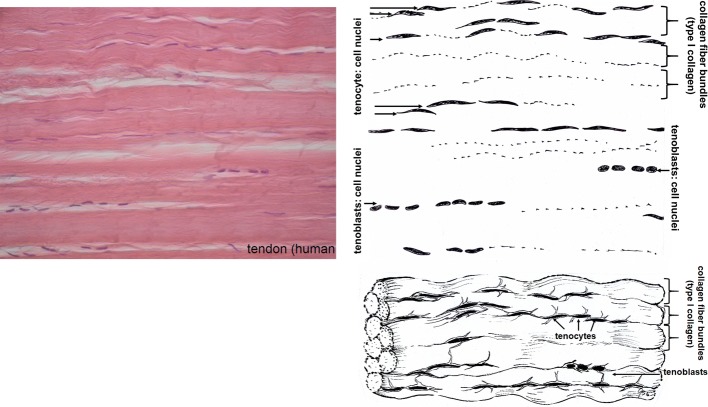
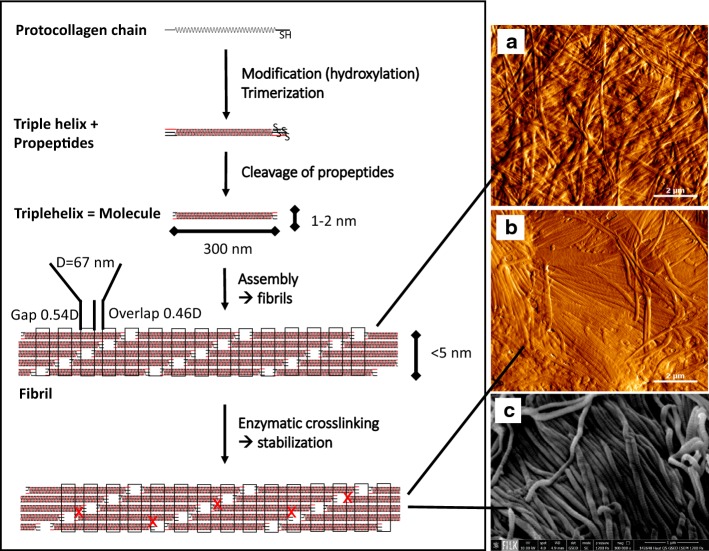
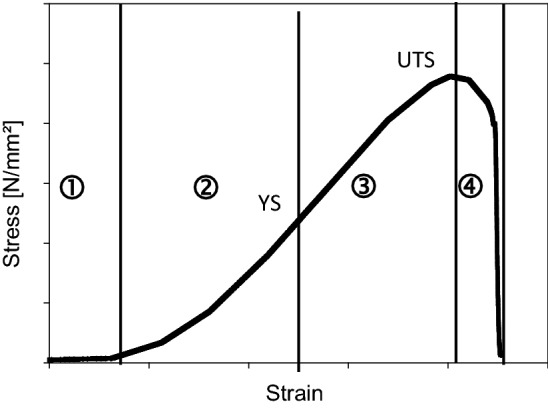
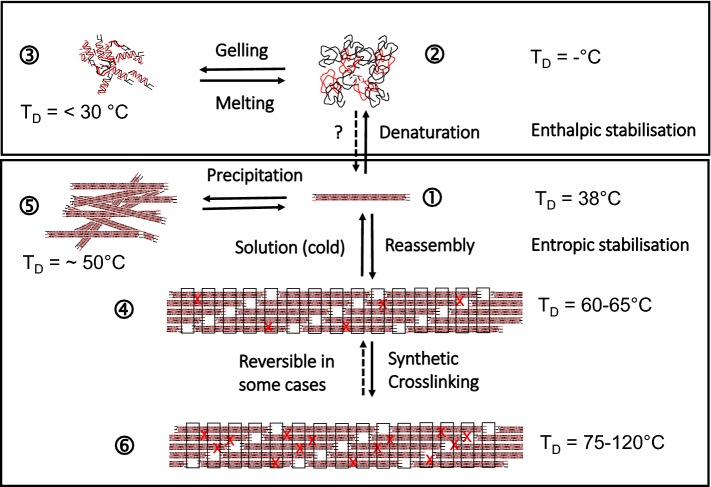
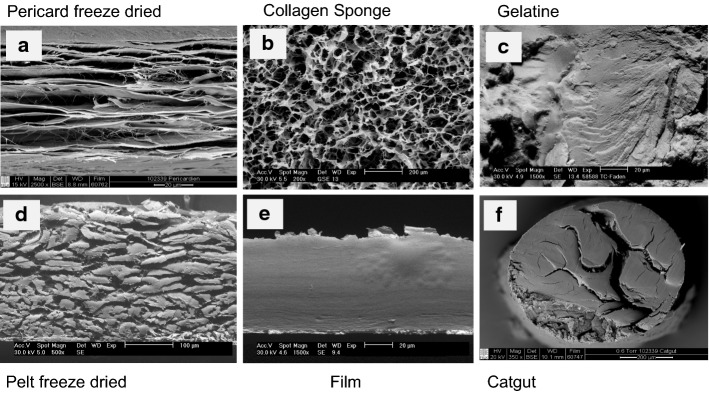
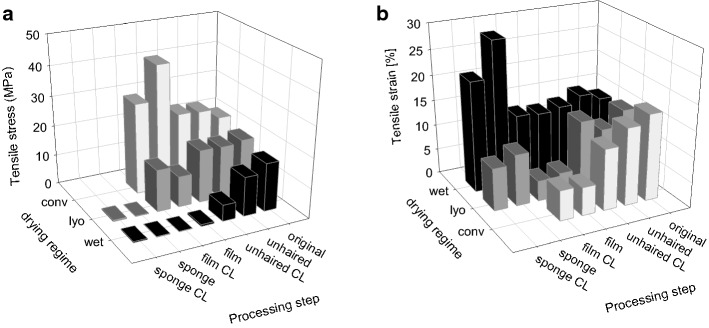
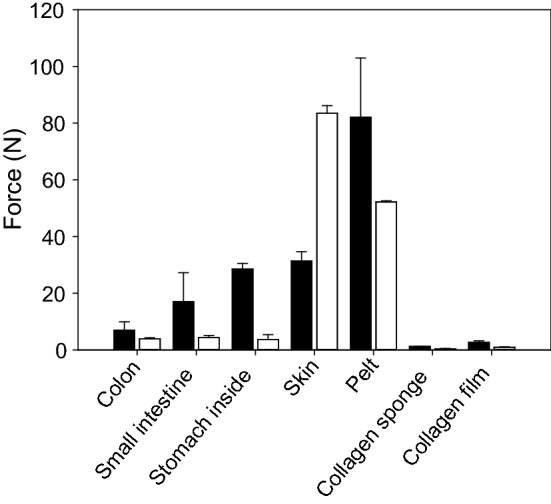
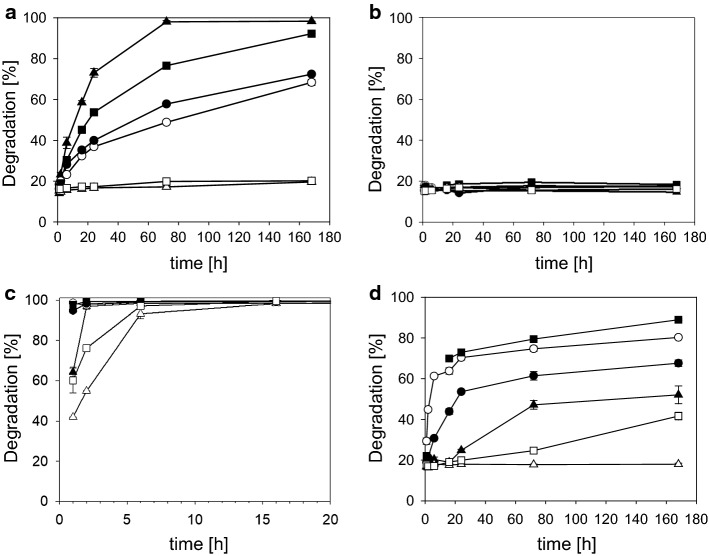
Verification
Claims the paper makes
The claims and statistics of this paper haven’t been checked yet.
Free: it reads the open-access text and checks the first 5 claims that cite a source we can check. Create a free account to check every claim.
Claims other papers make about this one
Each is checked against this paper’s own text: does it say what the citing paper says it does?
The source backs part of the claim, not all of it — or backs it for a different population, condition or comparison.
In the citing paper
“which can be associated with the reduction of lipid-soluble components, leaving behind only the denatured ECM molecules and water-soluble substances [65].”
From Effects of Various Decellularization Methods for the Development of Decellularized Extracellular Matrix from Tilapia (Oreochromis niloticus) Viscera (2024) · cites this paper as [65]
Experimental — accuracy not yet measured
Self-check
Percentages, sums and reported differences re-computed from the paper’s own numbers.
The self-check needs the paper’s full text.
Citations
Cites
1 retracted
Thompson, J. A., Haudenschild, C. C., Anderson, K. D., DiPietro, J. M., Anderson, W. F., & Maciag, T. (1989) · Proceedings of the National Academy of Sciences · doi:10.1073/pnas.86.20.7928 · Cited by 138
RetractedMolecular Mechanisms of Stress-Responsive Changes in Collagen and Elastin Networks in Skin
Aziz, J., Shezali, H., Radzi, Z., Yahya, N. A., Abu Kassim, N. H., Czernuszka, J., & Rahman, M. T. (2016) · Skin Pharmacology and Physiology · doi:10.1159/000447017 · Cited by 7,323
Collagen Structure and Stability
Shoulders, M. D., & Raines, R. T. (2009) · Annual Review of Biochemistry · doi:10.1146/annurev.biochem.77.032207.120833 · Cited by 3,923 · cited 1×
“Oxidation of lysine and hydroxylysine by lysyloxidase initiates the formation of the various natural enzyme-derived crosslinks [62, 508].”
BackgroundPolymers for 3D Printing and Customized Additive Manufacturing
Ligon, S. C., Liska, R., Stampfl, J., Gurr, M., & Mülhaupt, R. (2017) · Chemical Reviews · doi:10.1021/acs.chemrev.7b00074 · Cited by 3,741 · cited 1×
“Though metals and ceramics are processed as well, polymers are the most intensively utilized materials class [283].”
BackgroundAn overview of tissue and whole organ decellularization processes
Crapo, P. M., Gilbert, T. W., & Badylak, S. F. (2011) · Biomaterials · doi:10.1016/j.biomaterials.2011.01.057 · Cited by 3,591 · cited 7×
“The exact impact is unclear, however [20].”
BackgroundInfluentialMatrix Metalloproteinases: A Review
Birkedal-Hansen, H., Moore, W. G. I., Bodden, M. K., Windsor, L. J., Birkedal-Hansen, B., DeCarlo, A., & Engler, J. A. (1993) · Critical Reviews in Oral Biology & Medicine · doi:10.1177/10454411930040020401 · Cited by 2,970
Perfusion-decellularized matrix: using nature's platform to engineer a bioartificial heart
Ott, H. C., Matthiesen, T. S., Goh, S.-K., Black, L. D., Kren, S. M., Netoff, T. I., & Taylor, D. A. (2008) · Nature Medicine · doi:10.1038/nm1684 · Cited by 2,650 · cited 1×
“These investigations aimed to save the complex structures of the organs, especially the vascular networks and the mechanical stability of the constructs [18, 23, 214, 218, 260, 261] and others.”
BackgroundThe status, challenges, and future of additive manufacturing in engineering
Gao, W., Zhang, Y., Ramanujan, D., Ramani, K., Chen, Y., Williams, C. B., Wang, C. C. L., Shin, Y. C., Zhang, S., & Zavattieri, P. D. (2015) · Computer-Aided Design · doi:10.1016/j.cad.2015.04.001 · Cited by 2,631
Electrospinning of Collagen Nanofibers
Matthews, J. A., Wnek, G. E., Simpson, D. G., & Bowlin, G. L. (2002) · Biomacromolecules · doi:10.1021/bm015533u · Cited by 2,251
Decellularization of tissues and organs
Gilbert, T. W., Sellaro, T. L., & Badylak, S. F. (2006) · Biomaterials · doi:10.1016/j.biomaterials.2006.02.014 · Cited by 2,222 · cited 2×
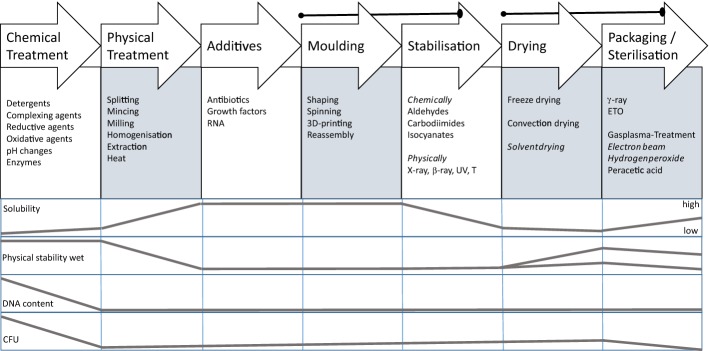
“Nevertheless, after one or repeated freeze–thaw cycles, decellularization comprises an intensive treatment with complexing agents, surfactants, also alkaline and acids and possibly enzymes [3, 4, 20, 21].”
Background
Research works printed but not linked: 18
- 29. International Consensus. Acellular matrices for the treatment of wounds-an expert working group review. London: Wounds International; 2010.
- 68. Burjanadze T, Kiziria E, Mikeladze S. Molecular mechanism for the phylogenetic change of thermostability of fibril- forming collagen. Evidence that (Gly-X-Hyp) triplets are main factors determining stability of collagen. Bull Georg Natl Acad Sci. 2010;4:137-41.
- Gosline J, Lillie M, Carrington E, Guerette P, Ortlepp C, Savage K. Elastic proteins: biological roles and mechanical properties. Philos Trans R Soc B Biol Sci. 2002;357:121–32. https://doi.org/10.1098/rstb.2001.1022 . · DOI · Paper page
- Cu Y, Saltzman WM. Mathematical modeling of molecular diffusion through mucus. Adv Drug Deliv Rev. 2009;61:101–14. https://doi.org/10.1016/j.addr.2008.09.006 . · DOI · Paper page
- Savic Z, Savic I. Sausage Casings. 2nd ed. Wien: VICTUS International; 2016.
- Kanda N, Morimoto N, Ayvazyan AA, Takemoto S, Kawai K, Nakamura Y, Sakamoto Y, Taira T, Suzuki S. Evaluation of a novel collagen-gelatin scaffold for achieving the sustained release of basic fibroblast growth factor in a diabetic mouse model: sustained release of bFGF from CGS-accelerated tissue regeneration in diabetic mice. J Tissue Eng Regen Med. 2014;8:29–40. https://doi.org/10.1002/term.1492 . · DOI
- Hong N, Yang G-H, Lee J, Kim G. 3D bioprinting and its in vivo applications. J Biomed Mater Res B Appl Biomater. 2018;106:444–59. https://doi.org/10.1002/jbm.b.33826 . · DOI · Paper page
- Landmann W. The machines in the tannery: a review of leather produciong machinery and equipment in current use. Liverpool: World Trades Pub; 2003.
- Nageotte J. Coagulation fibrillaire in vitro du collagène dissous dans un acide dilué. Hebd Seances Acad Sci. 1927;184:115.
- Kühn K. The classical collagens: types I, II and III in structure and function of collagen types. New York: Academic Press; 1987. p. 1–42.
- Schroepfer M. Influences on thermal stability of fibrous collagen—calorimetric investigations. In: Talk at 5th Freiberg collagen symposium. Freiberg. 2012.
- Song M, Wang W, Ye Q, Bu S, Shen Z, Zhu Y. The repairing of full-thickness skin deficiency and its biological mechanism using decellularized human amniotic membrane as the wound dressing. Mater Sci Eng C. 2017;77:739–47. https://doi.org/10.1016/j.msec.2017.03.232 . · DOI
- Schloegl W, Klein A, Fürst R, Leicht U, Volkmer E, Schieker M, Jus S, Guebitz GM, Stachel I, Meyer M, Wiggenhorn M, Friess W. Residual transglutaminase in collagen—effects, detection, quantification, and removal. Eur J Pharm Biopharm. 2012;80:282–8. https://doi.org/10.1016/j.ejpb.2011.10.018 . · DOI
- Cooper R, Morré DJ, Morré DM. Medicinal benefits of green tea: part I. Review of noncancer health benefits. J Altern Complement Med. 2005;11:521–8. https://doi.org/10.1089/acm.2005.11.521 . · DOI · Paper page
- Oetjen G-W, Haseley P. Transplants, collagen. Weinheim: Wiley-VCH; 2004. p. 333–40.
- Edwards JH, Herbert A, Jones GL, Manfield IW, Fisher J, Ingham E. The effects of irradiation on the biological and biomechanical properties of an acellular porcine superflexor tendon graft for cruciate ligament repair. J Biomed Mater Res B Appl Biomater. 2017;105:2477–86. https://doi.org/10.1002/jbm.b.33786 . · DOI · Paper page
- Ruef C, Harbarth S, Henry A, Pittet D. Sterilisation mit ethylenoxid: anwendungen und grenzen, swiss-noso–nosokomiale infekt. Spit. 1997;4:3–6.
- Mizuno K, Boudko SP, Engel J, Bächinger HP. Kinetic hysteresis in collagen folding. Biophys J. 2010;98:3004–14. https://doi.org/10.1016/j.bpj.2010.03.019 . · DOI
Cited by
Mathew-Steiner, S. S., Roy, S., & Sen, C. K. (2021) · Bioengineering · doi:10.3390/bioengineering8050063 · Cited by 993
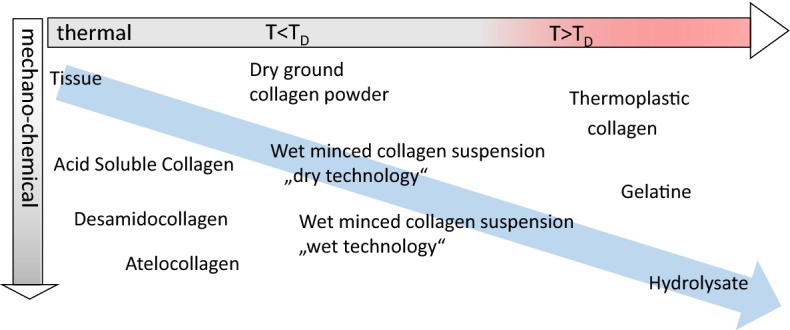
“The technological processing of collagen tissues to hydrolysates and subsequent rebuilding into formats used for clinical applications was recently reviewed [98].”
MethodFish Collagen: Extraction, Characterization, and Applications for Biomaterials Engineering
Jafari, H., Lista, A., Siekapen, M. M., Ghaffari-Bohlouli, P., Nie, L., Alimoradi, H., & Shavandi, A. (2020) · Polymers · doi:10.3390/polym12102230 · Cited by 520
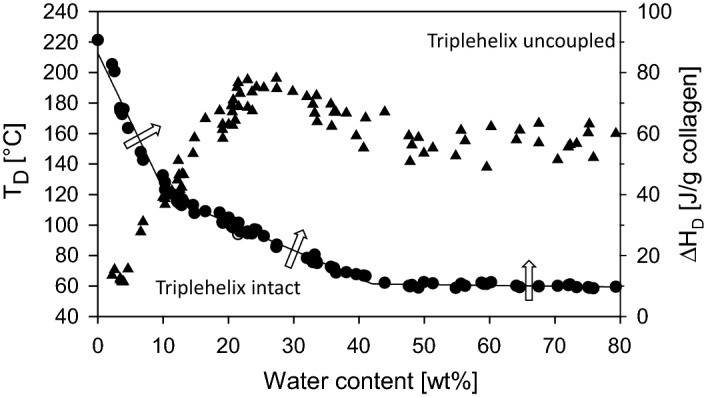
“Moreover, a network of water molecules surrounds the triple helices, ensuring the thermal stability of the triple helices due to the high denaturation enthalpy, which directly reflects the number of hydrogen bonds, as well as functions as a sensitive parameter of the degree of the triple helical structure [30].”
BackgroundInfluentialAmirrah, I. N., Lokanathan, Y., Zulkiflee, I., Wee, M. F. M. R., Motta, A., & Fauzi, M. B. (2022) · Biomedicines · doi:10.3390/biomedicines10092307 · Cited by 426
“There are 28 types of collagen that have been identified and well characterised [4].”
BackgroundNatural Polymeric Scaffolds in Bone Regeneration
Filippi, M., Born, G., Chaaban, M., & Scherberich, A. (2020) · Frontiers in Bioengineering and Biotechnology · doi:10.3389/fbioe.2020.00474 · Cited by 376
“In vertebrates, they account for 28 distinct types coded by at least 45 different genes (Meyer, 2019).”
BackgroundBiobased materials for active food packaging: A review
Atta, O. M., Manan, S., Shahzad, A., Ul-Islam, M., Ullah, M. W., & Yang, G. (2022) · Food Hydrocolloids · doi:10.1016/j.foodhyd.2021.107419 · Cited by 351
Collagen- and hyaluronic acid-based hydrogels and their biomedical applications
Xu, Q., Torres, J. E., Hakim, M., Babiak, P. M., Pal, P., Battistoni, C. M., Nguyen, M., Panitch, A., Solorio, L., & Liu, J. C. (2021) · Materials Science and Engineering: R: Reports · doi:10.1016/j.mser.2021.100641 · Cited by 318
Selection of Collagen Membranes for Bone Regeneration: A Literature Review
Sbricoli, L., Guazzo, R., Annunziata, M., Gobbato, L., Bressan, E., & Nastri, L. (2020) · Materials · doi:10.3390/ma13030786 · Cited by 253
Current Insights into Collagen Type I
Naomi, R., Ridzuan, P. M., & Bahari, H. (2021) · Polymers · doi:10.3390/polym13162642 · Cited by 254
“The mounted films have effective sterilization and are malleable after hydration, without losing their mechanical force [44].”
BackgroundBiomaterials / bioinks and extrusion bioprinting
Chen, X. B., Fazel Anvari-Yazdi, A., Duan, X., Zimmerling, A., Gharraei, R., Sharma, N. K., Sweilem, S., & Ning, L. (2023) · Bioactive Materials · doi:10.1016/j.bioactmat.2023.06.006 · Cited by 244
“There are a number of different types of collagens that have been identified; some collagens are more compatible with bioprinting applications than others [69].”
BackgroundRen, Y., Fan, L., Alkildani, S., Liu, L., Emmert, S., Najman, S., Rimashevskiy, D., Schnettler, R., Jung, O., Xiong, X., et al. (2022) · International Journal of Molecular Sciences · doi:10.3390/ijms232314987 · Cited by 234
Prasathkumar, M., & Sadhasivam, S. (2021) · International Journal of Biological Macromolecules · doi:10.1016/j.ijbiomac.2021.07.067 · Cited by 223
Natural-Based Biomaterial for Skin Wound Healing (Gelatin vs. Collagen): Expert Review
Naomi, R., Bahari, H., Ridzuan, P. M., & Othman, F. (2021) · Polymers · doi:10.3390/polym13142319 · Cited by 222
“This property makes both of these materials the main choices for implantable medical products for in vitro testing [5].”
BackgroundCollagen-based formulations for wound healing: A literature review
Sharma, S., Rai, V. K., Narang, R. K., & Markandeywar, T. S. (2022) · Life Sciences · doi:10.1016/j.lfs.2021.120096 · Cited by 208
Klimek, K., & Ginalska, G. (2020) · Polymers · doi:10.3390/polym12040844 · Cited by 205
“Consequently, their presence may lead to immune response by body [15,40,43].”
BackgroundInfluentialCollagen-Based Tissue Engineering Strategies for Vascular Medicine
Copes, F., Pien, N., Van Vlierberghe, S., Boccafoschi, F., & Mantovani, D. (2019) · Frontiers in Bioengineering and Biotechnology · doi:10.3389/fbioe.2019.00166 · Cited by 203
Organic waste valorisation towards circular and sustainable biocomposites
Lizundia, E., Luzi, F., & Puglia, D. (2022) · Green Chemistry · doi:10.1039/d2gc01668k · Cited by 184
Salvatore, L., Gallo, N., Natali, M. L., Terzi, A., Sannino, A., & Madaghiele, M. (2021) · Frontiers in Bioengineering and Biotechnology · doi:10.3389/fbioe.2021.644595 · Cited by 181
“%) allows to isolate fibers of several hundred micrometers, while with the “dry” homogenization (10–15% of dry matter contents in an aqueous system), thicker fibers of several centimeters long are achieved (Meyer, 2019).”
BackgroundInfluentialComparison of the Technical Performance of Leather, Artificial Leather, and Trendy Alternatives
Meyer, M., Dietrich, S., Schulz, H., & Mondschein, A. (2021) · Coatings · doi:10.3390/coatings11020226 · Cited by 177
“The grown skin tissue shows a very high mechanical stability (tensile strength, tear strength), which is by 100 to 1000 times higher than that of the microorganism-based materials [5,10,11,25,26,28].”
BackgroundSelf-citationBiofabrication of natural hydrogels for cardiac, neural, and bone Tissue engineering Applications
Elkhoury, K., Morsink, M., Sanchez-Gonzalez, L., Kahn, C., Tamayol, A., & Arab-Tehrany, E. (2021) · Bioactive Materials · doi:10.1016/j.bioactmat.2021.03.040 · Cited by 162
Application of Collagen-Based Hydrogel in Skin Wound Healing
Zhang, Y., Wang, Y., Li, Y., Yang, Y., Jin, M., Lin, X., Zhuang, Z., Guo, K., Zhang, T., & Tan, W. (2023) · Gels · doi:10.3390/gels9030185 · Cited by 158
“There is a causal relationship between the self-assembly of the collagen base and collagen concentration [35,36].”
BackgroundInnovative Human Three-Dimensional Tissue-Engineered Models as an Alternative to Animal Testing
Bédard, P., Gauvin, S., Ferland, K., Caneparo, C., Pellerin, È., Chabaud, S., & Bolduc, S. (2020) · Bioengineering · doi:10.3390/bioengineering7030115 · Cited by 158
Recent advances in the local antibiotics delivery systems for management of osteomyelitis
Wassif, R. K., Elkayal, M., Shamma, R. N., & Elkheshen, S. A. (2021) · Drug Delivery · doi:10.1080/10717544.2021.1998246 · Cited by 144
“The high biocompatibility of collagen makes it ideal biomaterial to be used as scaffolding material (Meyer, 2019).”
BackgroundOliveira, V. D. M., Assis, C. R. D., Costa, B. D. A. M., Neri, R. C. D. A., Monte, F. T. D., Freitas, H. M. S. D. C. V., França, R. C. P., Santos, J. F., Bezerra, R. D. S., & Porto, A. L. F. (2021) · Journal of Molecular Structure · doi:10.1016/j.molstruc.2020.129023 · Cited by 144
Nature-derived materials for the fabrication of functional biodevices
Pradhan, S., Brooks, A. K., & Yadavalli, V. K. (2020) · Materials Today Bio · doi:10.1016/j.mtbio.2020.100065 · Cited by 147
“Collagen is usually extracted from tissues using organic solvents [86].”
BackgroundMethodInfluentialValorization of Starch to Biobased Materials: A Review
Falua, K. J., Pokharel, A., Babaei‐Ghazvini, A., Ai, Y., & Acharya, B. (2022) · Polymers · doi:10.3390/polym14112215 · Cited by 154
Precision Fermentation as an Alternative to Animal Protein, a Review
Knychala, M. M., Boing, L. A., Ienczak, J. L., Trichez, D., & Stambuk, B. U. (2024) · Fermentation · doi:10.3390/fermentation10060315 · Cited by 164
“Due to its physical properties, collagen is used in several industries [182].”
BackgroundStepanovska, J., Supova, M., Hanzalek, K., Broz, A., & Matejka, R. (2021) · Biomedicines · doi:10.3390/biomedicines9091137 · Cited by 112
“Aldimines can spontaneously undergo an Amadori rearrangement to produce ketoimines, such as other types of immature collagen crosslinks [36,40].”
BackgroundAdvanced application of collagen-based biomaterials in tissue repair and restoration
Zhu, J., Li, Z., Zou, Y., Lu, G., Ronca, A., D’Amora, U., Liang, J., Fan, Y., Zhang, X., & Sun, Y. (2022) · Journal of Leather Science and Engineering · doi:10.1186/s42825-022-00102-6 · Cited by 123
“Collagen derived from the skin and Achilles tendon of pigs, cattle, sheep and other animals has been widely used in different studies, owing to the low cost and high yield [28].”
BackgroundEngineered 3D Polymer and Hydrogel Microenvironments for Cell Culture Applications
Fan, D., Staufer, U., & Accardo, A. (2019) · Bioengineering · doi:10.3390/bioengineering6040113 · Cited by 113
Willemse, J., van Tienderen, G., van Hengel, E., Schurink, I., van der Ven, D., Kan, Y., de Ruiter, P., Rosmark, O., Westergren-Thorsson G, G., Schneeberger, K., et al. (2022) · Biomaterials · doi:10.1016/j.biomaterials.2022.121473 · Cited by 106
Grabska-Zielińska, S., & Sionkowska, A. (2021) · Materials · doi:10.3390/ma14061510 · Cited by 110
Wu, S., Zhao, W., Sun, M., He, P. L., Lv, H., Wang, Q., Zhang, S., Wu, Q., Ling, P., Chen, S., et al. (2022) · Applied Materials Today · doi:10.1016/j.apmt.2022.101542 · Cited by 113
Biocompatible and Biomaterials Application in Drug Delivery System in Oral Cavity
Hakim, L. K., Yazdanıan, M., Alam, M. M. R., Abbasi, K., Tebyanian, H., Tahmasebi, E., Khayatan, D., Seifalian, A. M., Ranjbar, R., & Yazdanian, A. (2021) · Evidence-based Complementary and Alternative Medicine · doi:10.1155/2021/9011226 · Cited by 113
“biological tissues and improves or replaces any organ, tissue, or body function [13].”
BackgroundAn Overview of Extracellular Matrix-Based Bioinks for 3D Bioprinting
Wang, H., Yu, H., Zhou, X., Zhang, J., Zhou, H., Hao, H., Ding, L., Li, H., Gu, Y., Ma, J., et al. (2022) · Frontiers in Bioengineering and Biotechnology · doi:10.3389/fbioe.2022.905438 · Cited by 134
“To manufacture collagen, collagen rich tissues as skin and tendon of mammals are intensively processed by physical and chemical means (Meyer, 2019).”
BackgroundTissue engineering applications of recombinant human collagen: a review of recent progress
Cao, L., Zhang, Z., Yuan, D., Yu, M., & Min, J. (2024) · Frontiers in Bioengineering and Biotechnology · doi:10.3389/fbioe.2024.1358246 · Cited by 106
“To date, 29 types of collagens have been identi fi ed, with types I, II, and III constituting over 90% of the total collagen in the human body (Meyer, 2019; Naomi et al., 2021).”
BackgroundKatrilaka, C., Karipidou, N., Petrou, N., Manglaris, C., Katrilakas, G., Tzavellas, A.-N., Pitou, M., Tsiridis, E. E., Choli‐Papadopoulou, T., & Aggeli, A. (2023) · Materials · doi:10.3390/ma16124425 · Cited by 101
From cells-on-a-chip to organs-on-a-chip: scaffolding materials for 3D cell culture in microfluidics
Terrell, J. A., Jones, C. G., Kabandana, G. K. M., & Chen, C. (2020) · Journal of Materials Chemistry B · doi:10.1039/d0tb00718h · Cited by 93
Functional biomaterials for tendon/ligament repair and regeneration
Tang, Y., Wang, Z., Xiang, L., Zhao, Z., & Cui, W. (2022) · Regenerative Biomaterials · doi:10.1093/rb/rbac062 · Cited by 102
“If a tendon or ligament breaks, the repair process is relatively slow compared with other musculoskeletal tissues [23].”
BackgroundCollagen as a Biomaterial for Skin and Corneal Wound Healing
Sklenářová, R., Akla, N., Latorre, M. J., Ulrichová, J., & Franková, J. (2022) · Journal of Functional Biomaterials · doi:10.3390/jfb13040249 · Cited by 80
“Currently, biomedical companies manufacture many implants from collagen-rich tissues derived from human or animal sources [13].”
BackgroundThe current applications of nano and biomaterials in drug delivery of dental implant
Hakim, L. K., Yari, A., Nikparto, N., Mehraban, S. H., Cheperli, S., Asadi, A., Darehdor, A. A., Nezaminia, S., Dortaj, D., Nazari, Y., et al. (2024) · BMC Oral Health · doi:10.1186/s12903-024-03911-9 · Cited by 97
“Dental research studies hyaluronic acid, gelatin, collagen, and chitosan due to their capabilities as native tissues [30–32].”
BackgroundA New Biomaterial Derived from Aloe vera—Acemannan from Basic Studies to Clinical Application
Bai, Y., Niu, Y., Qin, S., & Ma, G. (2023) · Pharmaceutics · doi:10.3390/pharmaceutics15071913 · Cited by 98
Biomaterials for Soft Tissue Repair and Regeneration: A Focus on Italian Research in the Field
Bonferoni, M. C., Caramella, C. M., Catenacci, L., Conti, B., Dorati, R., Ferrari, F., Genta, I., Modena, T., Perteghella, S., Rossi, S., et al. (2021) · Pharmaceutics · doi:10.3390/pharmaceutics13091341 · Cited by 85
Ye, B., Wu, B., Su, Y., Sun, T., & Guo, X. (2022) · Polymers · doi:10.3390/polym14214566 · Cited by 83
“Collagen, as the basic structural component of connective tissue, maintains its structural and biological integrity [31].”
BackgroundBioinspired Hydrogels as Platforms for Life-Science Applications: Challenges and Opportunities
Bercea, M. (2022) · Polymers · doi:10.3390/polym14122365 · Cited by 81
Collagen constitutes about 12% in females and 17% in males of the total protein in mice
Tarnutzer, K., Sankar, D. S., Dengjel, J., & Ewald, C. Y. (2023) · Scientific Reports · doi:10.1038/s41598-023-31566-z · Cited by 94
Cadâr, E., Pesterau, A.-M., Prasacu, I., Ionescu, A.-M., Pascale, C., Dragan, A.-M.-L., Sîrbu, R., & Tomescu, C. L. (2024) · Antioxidants · doi:10.3390/antiox13080919 · Cited by 94
Gu, J., Jiao, K., Li, J., Yan, J., Wang, K., Wang, F., Liu, Y., Tay, F. R., Chen, J., & Niu, L. (2021) · Bioactive Materials · doi:10.1016/j.bioactmat.2021.12.019 · Cited by 78
“It has been used extensively for different biomedical applications [12].”
BackgroundAn Overview of the Use of Equine Collagen as Emerging Material for Biomedical Applications
Gallo, N., Natali, M. L., Sannino, A., & Salvatore, L. (2020) · Journal of Functional Biomaterials · doi:10.3390/jfb11040079 · Cited by 77
“The structure of tendon is such that the collagen fibers are aligned in the main load bearing direction and fiber diameter is larger than in skin [61,62].”
BackgroundGeng, J., Xia, X., Teng, L., Wang, L., Chen, L., Guo, X., Belingon, B., Li, J., Feng, X., Li, X., et al. (2021) · Journal of Controlled Release · doi:10.1016/j.jconrel.2021.11.032 · Cited by 71
Polymeric biomaterials-based tissue engineering for wound healing: a systemic review
Das, P., Manna, S., Roy, S., Nandi, S. K., & Basak, P. (2023) · Burns & Trauma · doi:10.1093/burnst/tkac058 · Cited by 76
Biomaterials for Adhesion in Orthopedic Applications: A Review
Zaokari, Y., Persaud, A., & Ibrahim, A. (2020) · Engineered Regeneration · doi:10.1016/j.engreg.2020.07.002 · Cited by 97
An insight on type I collagen from horse tendon for the manufacture of implantable devices
Salvatore, L., Gallo, N., Aiello, D., Lunetti, P., Barca, A., Blasi, L., Madaghiele, M., Bettini, S., Giancane, G., Hasan, M., et al. (2020) · International Journal of Biological Macromolecules · doi:10.1016/j.ijbiomac.2020.03.082 · Cited by 65
Salvatore, L., Natali, M. L., Brunetti, C., Sannino, A., & Gallo, N. (2023) · Polymers · doi:10.3390/polym15041020 · Cited by 76
Dressings for burn wound: a review
Noor, A., Afzal, A., Masood, R., Khaliq, Z., Ahmad, S., Ahmad, F., Qadir, M.-B., & Irfan, M. (2022) · Journal of Materials Science · doi:10.1007/s10853-022-07056-4 · Cited by 72
“[62] Meyer M (2019) Processing of collagen based biomaterials and the resulting materials properties.”
BackgroundYin, B., Sun, W., Zhang, X. Y., & Liew, K. M. (2022) · Composites Part B Engineering · doi:10.1016/j.compositesb.2022.110213 · Cited by 66
Horue, M., Berti, I. R., Cacicedo, M. L., & Castro, G. R. (2021) · Bioresource Technology · doi:10.1016/j.biortech.2021.125671 · Cited by 63
Type I Collagen-Fibrin Mixed Hydrogels: Preparation, Properties and Biomedical Applications
Coradin, T., Wang, K., Law, T., & Trichet, L. (2020) · Gels · doi:10.3390/gels6040036 · Cited by 64
“Recent trends include new materials processing approaches [66] and use of collagen scaffolds as hosts for stem cells both in vitro and in vivo [67].”
BackgroundAhmed, Z., Powell, L. C., Matin, N., Mearns‐Spragg, A., Thornton, C. A., Khan, I. M., & Francis, L. W. (2021) · Marine Drugs · doi:10.3390/md19080405 · Cited by 59
“Collagen belongs to a family of fibrous and non-fibrous proteins and contributes to cartilage tissue architecture and strength, while also promoting cell growth, differentiation and migration [7,8].”
BackgroundJovanović, M., Petrović, M., Cvijić, S., Tomić, N., Stojanović, D., Ibric, S. R., & Uskoković, P. S. (2021) · Pharmaceutics · doi:10.3390/pharmaceutics13122143 · Cited by 67
The Role of Collagen-Based Biomaterials in Chronic Wound Healing and Sports Medicine Applications
Yeung, D. A., & Kelly, N. H. (2021) · Bioengineering · doi:10.3390/bioengineering8010008 · Cited by 55
Cruz, M. D. A., de Araújo, T. A. T., Avanzi, I. R., Parisi, J. R., de Andrade, A. L. M., & Rennó, A. C. M. (2021) · Marine Biotechnology · doi:10.1007/s10126-020-10011-6 · Cited by 55
“It has been proposed that Col on wounds serves as a template for directing healing, supports fibroblast growth, attachment, differentiation, and migration of keratinocytes directly (Meyer 2019).”
BackgroundInfluentialLong-Term Stability and Biocompatibility of Pericardial Bioprosthetic Heart Valves
Williams, D. F., Bezuidenhout, D., de Villiers, J., Human, P., & Zilla, P. (2021) · Frontiers in Cardiovascular Medicine · doi:10.3389/fcvm.2021.728577 · Cited by 59
“As noted by Meyer (53), the tight fibrous structure of cross-linked pericardium is a massive obstacle for molecular diffusion, and the hydrodynamic volume of molecules in this tissue structure will correspond to their molecular weights and hydrophobicity.”
BackgroundInfluentialAdditive Biomanufacturing with Collagen Inks
Chan, W. W., Yeo, D., Tan, V., Singh, S., Choudhury, D., & Naing, M. W. (2020) · Bioengineering · doi:10.3390/bioengineering7030066 · Cited by 61
Current Progress in Vascular Engineering and Its Clinical Applications
Jouda, H., Murillo, L. L., & Wang, T. (2022) · Cells · doi:10.3390/cells11030493 · Cited by 66
“Collagen, among other natural polymers such as elastin and fibrin, can be extracted from animal sources such as bovine tendons or porcine skin, making it widely available and cost effective [25].”
BackgroundLiu, Y., Xu, L. J., & Liang, A. (2022) · Frontiers in Bioengineering and Biotechnology · doi:10.3389/fbioe.2022.1042128 · Cited by 61
“Collagen, a natural protein in the extracellular matrix of bone, has become an ideal biomaterial for scaffolding material due to its high biocompatibility (Meyer, 2019).”
BackgroundDecellularized extracellular matrix bioinks and their application in skin tissue engineering
Khoshnood, N., & Zamanian, A. (2020) · Bioprinting · doi:10.1016/j.bprint.2020.e00095 · Cited by 53
Collagen multifilament spinning
Tonndorf, R., Aibibu, D., & Cherif, C. (2019) · Materials Science and Engineering C · doi:10.1016/j.msec.2019.110105 · Cited by 55
Zhou, T., Zheng, K., Sui, B., Boccaccini, A. R., & Sun, J. (2020) · International Journal of Biological Macromolecules · doi:10.1016/j.ijbiomac.2020.09.033 · Cited by 57
Koeck, K. S., Salehi, S., Humeník, M., & Scheibel, T. (2021) · Advanced Functional Materials · doi:10.1002/adfm.202112238 · Cited by 53
Wang, F., Xia, D., Wang, S., Gu, R., Yang, F., Zhao, X., Liu, X., Zhu, Y., Liu, H., Xu, Y., et al. (2022) · Bioactive Materials · doi:10.1016/j.bioactmat.2021.10.019 · Cited by 50
“However, Col membranes lack space maintenance capacity and degrade too rapidly [19]; they only maintain barrier integrity for about 30 days [20,21].”
BackgroundShi, P., He, X., Cong, H., Yu, B., & Shen, Y. (2024) · ACS Materials Letters · doi:10.1021/acsmaterialslett.3c01546 · Cited by 53
Abid, U., Gill, Y. Q., Irfan, M. S., Umer, R., & Saeed, F. (2021) · International Journal of Biological Macromolecules · doi:10.1016/j.ijbiomac.2021.03.057 · Cited by 52
Inhomogeneities in 3D Collagen Matrices Impact Matrix Mechanics and Cancer Cell Migration
Hayn, A., Fischer, T., & Mierke, C. T. (2020) · Frontiers in Cell and Developmental Biology · doi:10.3389/fcell.2020.593879 · Cited by 53
“Collagen fibers from tendon are described as crimped and more uniform as the even fibers of the skin and thus exhibit different mechanical properties (Meyer, 2019) matched to the tissues they are part of.”
BackgroundSilk-Reinforced Collagen Hydrogels with Raised Multiscale Stiffness for Mesenchymal Cells 3D Culture
Sanz-Fraile, H., Amoros, S., Mendizabal, I., Galvez-Monton, C., Prat-Vidal, C., Bayes-Genis, A., Navajas, D., Farre, R., & Otero, J. (2020) · Tissue Engineering Part A · doi:10.1089/ten.tea.2019.0199 · Cited by 46
“41 Moreover, acid extraction of type I collagen is known to better preserve telopeptides in the tropocollagen molecules than pepsin-based solubilization, 42 and thus it produces collagen fibrils with enhanced capabilities to interact between them and with other proteins, 43 as confirmed by SEM images.”
Pei, Y., Jordan, K. E., Xiang, N., Parker, R. N., Mu, X., Zhang, L., Feng, Z., Chen, Y., Li, C., Guo, C., et al. (2021) · ACS Applied Materials & Interfaces · doi:10.1021/acsami.0c20330 · Cited by 47
Recombinant and genetic code expanded collagen-like protein as a tailorable biomaterial
Meganathan, I., Pachaiyappan, M., Aarthy, M., Radhakrishnan, J., Mukherjee, S., Shanmugam, G., You, J., & Ayyadurai, N. (2022) · Materials Horizons · doi:10.1039/d2mh00652a · Cited by 50
3D-Printed Hybrid Collagen/GelMA Hydrogels for Tissue Engineering Applications
Nagaraj, A., Etxabide, A., Naffa, R., Zidan, G., & Seyfoddin, A. (2022) · Biology · doi:10.3390/biology11111561 · Cited by 54
Collagen-Based Hydrogels for the Eye: A Comprehensive Review
Rana, D., Desai, N., Salave, S., Karunakaran, B., Giri, J., Benival, D. M., Gorantla, S., & Kommineni, N. (2023) · Gels · doi:10.3390/gels9080643 · Cited by 54
“Factors such as the concentration and type of extraction reagents, temperature, pH, incubation time, and mechanical forces must be carefully adjusted based on the source material and target collagen type [64].”
BackgroundIslam, J., & Solval, K. M. (2025) · Marine Drugs · doi:10.3390/md23050190 · Cited by 60
Mechanical Properties of Porcine and Fish Skin-Based Collagen and Conjugated Collagen Fibers
Ahn, H., Gong, D. J., Lee, H. H., Seo, J. Y., Song, K., Eom, S. J., & Yeo, S. Y. (2021) · Polymers · doi:10.3390/polym13132151 · Cited by 43
“The unique triple helical structure of collagen consists of two α1 chains and one α2 chain, which form an amino acid array in the form of glycine-X-Y such as proline and hydroxyproline [2].”
BackgroundElfawy, L. A., Ng, C. Y., Amirrah, I. N., Mazlan, Z., Wen, A. P. Y., Fadilah, N. I. M., Maarof, M., Lokanathan, Y., & Fauzi, M. B. (2023) · Pharmaceuticals · doi:10.3390/ph16050701 · Cited by 53
“The following are only a few examples of different sources of proteins: bovine and ovine tendons, pigs’ skin, rat tails, chicken, horses, jellyfish, craps, and starfish (Figure 4) [115].”
BackgroundRecent advances in chemically defined and tunable hydrogel platforms for organoid culture
Agarwal, T., Celikkin, N., Costantini, M., Maiti, T. K., & Makvandi, P. (2021) · Bio-Design and Manufacturing · doi:10.1007/s42242-021-00126-7 · Cited by 48
3D bioprinting for the repair of articular cartilage and osteochondral tissue
Chartrain, N. A., Gilchrist, K. H., Ho, V. B., & Klarmann, G. J. (2022) · Bioprinting · doi:10.1016/j.bprint.2022.e00239 · Cited by 44
Effect of citric acid on collagen sheets processed by compression
Andonegi, M., de la Caba, K., & Guerrero, P. (2019) · Food Hydrocolloids · doi:10.1016/j.foodhyd.2019.105427 · Cited by 41
Aoyama, S., Nakagawa, R., Mulé, J. J., & Mailloux, A. W. (2021) · Frontiers in Immunology · doi:10.3389/fimmu.2021.675538 · Cited by 43
“The precise methodologies used to manufacture commercial collagen matrix products should be carefully considered prior to implementation in iTLS approaches since most collagen-based matrixes are derived from animal or human tissues (86).”
BackgroundMethodReview of collagen type I-based hydrogels: focus on composition-structure-properties relationships
Figueiredo, M. P., Rodríguez-Fernández, S., Copes, F., & Mantovani, D. (2025) · npj Biomedical Innovations. · doi:10.1038/s44385-025-00018-w · Cited by 57
Dasgupta, A., Sori, N., Petrova, S. P., Maghdouri‐White, Y., Thayer, N., Kemper, N., Polk, S., Leathers, D., Coughenour, K., Dascoli, J., et al. (2021) · Acta Biomaterialia · doi:10.1016/j.actbio.2021.04.028 · Cited by 39
The Collagen Origin Influences the Degradation Kinetics of Guided Bone Regeneration Membranes
Vallecillo‐Rivas, M., Toledano‐Osorio, M., Vallecillo, C., Toledano, M., & Osorio, R. (2021) · Polymers · doi:10.3390/polym13173007 · Cited by 40
“Furthermore, tendon collagen fibers are crimped, in contrast to skin fibers, which are even fibers [17].”
BackgroundInfluentialCrosslinking strategies of decellularized extracellular matrix in tissue regeneration
Qiao, S., Peijie, T., & Jiang, N. (2023) · Journal of Biomedical Materials Research Part A · doi:10.1002/jbm.a.37650 · Cited by 42
Fernández-Cervantes, I., Rodríguez‐Fuentes, N., León-Deniz, L. V., Alcántara-Quintana, L. E., Cervantes‐Uc, J. M., Kao, W. A. H., Cerón-Espinosa, J. D., Cauich‐Rodríguez, J. V., & Castaño, V. M. (2020) · Materials Science and Engineering C · doi:10.1016/j.msec.2020.110748 · Cited by 43
Water retention capabilities of collagen, gelatin and peptide as studied by IR/QCM/RH system
Kudo, S., & Nakashima, S. (2020) · Spectrochimica Acta Part A Molecular and Biomolecular Spectroscopy · doi:10.1016/j.saa.2020.118619 · Cited by 41
A natural deep eutectic solvent (NADES) as potential excipient in collagen-based products
Grønlien, K. G., Pedersen, M. E., & Tønnesen, H. H. (2020) · International Journal of Biological Macromolecules · doi:10.1016/j.ijbiomac.2020.04.026 · Cited by 44
“The amino acid tyrosine is located at the telopeptides, and cleavage of these will result in a low tyrosine content [4,5].”
BackgroundYadav, T. C., & Bachhuka, A. (2023) · Journal of Materials Chemistry B · doi:10.1039/d3tb01040f · Cited by 44
Physicochemical and Biological Performance of Aloe Vera-Incorporated Native Collagen Films
Andonegi, M., Irastorza, A., Izeta, A., de la Caba, K., & Guerrero, P. (2020) · Pharmaceutics · doi:10.3390/pharmaceutics12121173 · Cited by 40
Effects of Impacted Lower Third Molar Extraction on Periodontal Tissue of the Adjacent Second Molar
Zhang, Y., Chen, X., Zhou, Z., Hao, Y., Li, H., Cheng, Y., Ren, X., & Wang, X. (2021) · Therapeutics and Clinical Risk Management · doi:10.2147/tcrm.s298147 · Cited by 37
“Filling Collagen Sponge Collagen sponge, a kind of biomedical material with a similar structure to human collagen, is the main constituent protein of the extracellular matrix and an important component of tissues and scaffolds for cells.(62) Studies have shown that filling the collagen sponge after ILTM extraction ben…”
BackgroundAdamiano, A., Scialla, S., Carella, F., Casella, M., Camerini, S., Quarta, A., Muntiu, A., Ferrari, F., Vitali, A., Iafisco, M., et al. (2022) · Journal of Cleaner Production · doi:10.1016/j.jclepro.2022.135656 · Cited by 38
Biomaterials and advanced technologies for the evaluation and treatment of ovarian aging
Wu, M., Guo, Y., Wei, S., Xue, L., Tang, W., Chen, D., Xiong, J., Huang, Y., Fu, F., Wu, C., et al. (2022) · Journal of Nanobiotechnology · doi:10.1186/s12951-022-01566-8 · Cited by 40
“It transmits loads in tissues and provides a highly biocompatible environment for cells [195].”
BackgroundCommon Beans as a Source of Amino Acids and Cofactors for Collagen Biosynthesis
Añazco, C. C., Ojeda, P. G., & Guerrero‐Wyss, M. (2023) · Nutrients · doi:10.3390/nu15214561 · Cited by 38
“If the manufacturing and processing is considered, collagen derived from animal sources goes through specific extraction and processing methods to maintain its structure and functionality [119].”
MethodFish collagen for skin wound healing: a systematic review in experimental animal studies
de Souza, A., Cruz, M. D. A., de Araújo, T. A. T., Parisi, J. R., do Vale, G. C. A., Sousa, K. D. S. J., Ribeiro, D. A., Granito, R. N., & Rennó, A. C. M. (2022) · Cell and Tissue Research · doi:10.1007/s00441-022-03625-w · Cited by 40
“Many different raw materials can be used for wound dressing manufacturing, including collagen (Meyer 2019; Raz et al.”
BackgroundCollagen-Based Medical Devices for Regenerative Medicine and Tissue Engineering
Abedi, M., Shafiee, M., Afshari, F., Mohammadi, H., & Ghasemi, Y. (2023) · Applied Biochemistry and Biotechnology · doi:10.1007/s12010-023-04793-3 · Cited by 37
“At the end, the substance is freeze-dried and cleaned to make it germ-free [118].”
Influential
Metadata
- Authors
- Meyer, M.
- Affiliations
- Forschungsinstitut für Leder und Kunststoffbahnen (DE)
- Corresponding author
- Meyer, Michael
- ORCID
- Meyer, Michael
- Venue
- BioMedical Engineering OnLine
- Published
- 2019-03-18
- Volume
- 18
- Issue
- 1
- Pages
- 24-24
- ISSN
- 1475-925X (ISSN-L)
- PMC
- PMC6423854
- OpenAlex
- W2939654433
- Cited by
- 539
- References
- 511
- Citations by year
- 2026: 46 · 2025: 63 · 2024: 82 · 2023: 76 · 2022: 119 · 2021: 88 · 2020: 54 · 2019: 10
- FWCI
- 4.30
- Type
- journal article
- Language
- en
- Open access
- gold
- doi.org
- Licence
- cc-by
- creativecommons.org/licenses/by/4.0/ (tdm)
- Locations
- BioMedical Engineering OnLine (publishedVersion, cc-by)
- Europe PMC (PubMed Central) (publishedVersion, cc-by)
- PubMed Central (publishedVersion, cc-by)
- PubMed (publishedVersion)
- DOAJ (DOAJ: Directory of Open Access Journals) (submittedVersion)
- Topics
- Physical Sciences › Materials Science › Biomaterials › Collagen: Extraction and Characterization
- Physical Sciences › Materials Science › Biomaterials › Silk-based biomaterials and applications
- Health Sciences › Medicine › Surgery › Tissue Engineering and Regenerative Medicine
- Keywords
- collagen, collagen-based biomaterials, decellularization, tissue processing, scaffolds, porous sponge, membranes, chemical crosslinking, drying methods, sterilization, enzymatic degradation, thermal stability, bioinks, 3D bioprinting, collagen peptides, biocompatibility
- MeSH terms
- Animals, Biocompatible Materials, Collagen, Humans, Materials Testing, Mechanical Phenomena
About these checks
Registry, retraction, Cites and statistics results are computed, not judged, with one exception: a printed reference that no index lists is read once by a model before it counts as a citation error. Claims are extracted by a model and kept only when their quote appears verbatim in the text; each cited source is then checked, with a model’s help, for whether it says what the claim relies on. Those verdicts can be wrong — read the claim’s quote and the cited source before relying on one.
Statistics and arithmetic are recomputed, not judged.
Confidence bands are shown only for fields calibrated on our annotated test set. None is calibrated yet, so no band is shown.
What counts as a claim ›How we measure confidence ›How we check this ›
Are you an author, or do you see a problem with this page? Request a review
Data sources
Bibliographic data: Semantic Scholar, OpenAlex, Crossref.
Contains information from the Semantic Scholar Academic Graph Datasets, made available under the ODC Attribution License (ODC-BY 1.0).
Semantic Scholar’s data is described in: Kinney, R., et al. (2023). The Semantic Scholar Open Data Platform. arXiv:2301.10140.
