

Processing of collagen based biomaterials and the resulting materials properties
Open accessThe DOI matches its Crossref record; 514 of the 514 references it cites were found in a registry or an index.
Abstract
Collagen, the most abundant extracellular matrix protein in animal kingdom belongs to a family of fibrous proteins, which transfer load in tissues and which provide a highly biocompatible environment for cells. This high biocompatibility makes collagen a perfect biomaterial for implantable medical products and scaffolds for in vitro testing systems. To manufacture collagen based solutions, porous sponges, membranes and threads for surgical and dental purposes or cell culture matrices, collagen rich tissues as skin and tendon of mammals are intensively processed by physical and chemical means. Other tissues such as pericardium and intestine are more gently decellularized while maintaining their complex collagenous architectures. Tissue processing technologies are organized as a series of steps, which are combined in different ways to manufacture structurally versatile materials with varying properties in strength, stability against temperature and enzymatic degradation and cellular response. Complex structures are achieved by combined technologies. Different drying techniques are performed with sterilisation steps and the preparation of porous structures simultaneously. Chemical crosslinking is combined with casting steps as spinning, moulding or additive manufacturing techniques. Important progress is expected by using collagen based bio-inks, which can be formed into 3D structures and combined with live cells. This review will give an overview of the technological principles of processing collagen rich tissues down to collagen hydrolysates and the methods to rebuild differently shaped products. The effects of the processing steps on the final materials properties are discussed especially with regard to the thermal and the physical properties and the susceptibility to enzymatic degradation. These properties are key features for biological and clinical application, handling and metabolization.
Overview
The claims and statistics of this paper haven’t been checked yet.
Free: it reads the open-access text and checks the first 5 claims that cite a source we can check. Create a free account to check every claim.
Integrity signals
Registry
Cites
Statistics
Figures
Verification
Claims the paper makes
The claims and statistics of this paper haven’t been checked yet.
Free: it reads the open-access text and checks the first 5 claims that cite a source we can check. Create a free account to check every claim.
Claims other papers make about this one
Each is checked against this paper’s own text: does it say what the citing paper says it does?
The source backs part of the claim, not all of it — or backs it for a different population, condition or comparison.
In the citing paper
“which can be associated with the reduction of lipid-soluble components, leaving behind only the denatured ECM molecules and water-soluble substances [65].”
From Effects of Various Decellularization Methods for the Development of Decellularized Extracellular Matrix from Tilapia (Oreochromis niloticus) Viscera (2024) · cites this paper as [65]
Experimental — accuracy not yet measured
Self-check
Percentages, sums and reported differences re-computed from the paper’s own numbers.
The self-check needs the paper’s full text.
Citations
Cites
1 retracted
Thompson, J. A., Haudenschild, C. C., Anderson, K. D., DiPietro, J. M., Anderson, W. F., & Maciag, T. (1989) · Proceedings of the National Academy of Sciences · doi:10.1073/pnas.86.20.7928 · Cited by 138
RetractedMolecular Mechanisms of Stress-Responsive Changes in Collagen and Elastin Networks in Skin
Aziz, J., Shezali, H., Radzi, Z., Yahya, N. A., Abu Kassim, N. H., Czernuszka, J., & Rahman, M. T. (2016) · Skin Pharmacology and Physiology · doi:10.1159/000447017 · Cited by 7,323
Collagen Structure and Stability
Shoulders, M. D., & Raines, R. T. (2009) · Annual Review of Biochemistry · doi:10.1146/annurev.biochem.77.032207.120833 · Cited by 3,923 · cited 1×
“Oxidation of lysine and hydroxylysine by lysyloxidase initiates the formation of the various natural enzyme-derived crosslinks [62, 508].”
BackgroundPolymers for 3D Printing and Customized Additive Manufacturing
Ligon, S. C., Liska, R., Stampfl, J., Gurr, M., & Mülhaupt, R. (2017) · Chemical Reviews · doi:10.1021/acs.chemrev.7b00074 · Cited by 3,741 · cited 1×
“Though metals and ceramics are processed as well, polymers are the most intensively utilized materials class [283].”
BackgroundAn overview of tissue and whole organ decellularization processes
Crapo, P. M., Gilbert, T. W., & Badylak, S. F. (2011) · Biomaterials · doi:10.1016/j.biomaterials.2011.01.057 · Cited by 3,591 · cited 7×
“The exact impact is unclear, however [20].”
BackgroundInfluentialMatrix Metalloproteinases: A Review
Birkedal-Hansen, H., Moore, W. G. I., Bodden, M. K., Windsor, L. J., Birkedal-Hansen, B., DeCarlo, A., & Engler, J. A. (1993) · Critical Reviews in Oral Biology & Medicine · doi:10.1177/10454411930040020401 · Cited by 2,970
Perfusion-decellularized matrix: using nature's platform to engineer a bioartificial heart
Ott, H. C., Matthiesen, T. S., Goh, S.-K., Black, L. D., Kren, S. M., Netoff, T. I., & Taylor, D. A. (2008) · Nature Medicine · doi:10.1038/nm1684 · Cited by 2,650 · cited 1×
“These investigations aimed to save the complex structures of the organs, especially the vascular networks and the mechanical stability of the constructs [18, 23, 214, 218, 260, 261] and others.”
BackgroundThe status, challenges, and future of additive manufacturing in engineering
Gao, W., Zhang, Y., Ramanujan, D., Ramani, K., Chen, Y., Williams, C. B., Wang, C. C. L., Shin, Y. C., Zhang, S., & Zavattieri, P. D. (2015) · Computer-Aided Design · doi:10.1016/j.cad.2015.04.001 · Cited by 2,631
Electrospinning of Collagen Nanofibers
Matthews, J. A., Wnek, G. E., Simpson, D. G., & Bowlin, G. L. (2002) · Biomacromolecules · doi:10.1021/bm015533u · Cited by 2,251
Decellularization of tissues and organs
Gilbert, T. W., Sellaro, T. L., & Badylak, S. F. (2006) · Biomaterials · doi:10.1016/j.biomaterials.2006.02.014 · Cited by 2,222 · cited 2×
“Nevertheless, after one or repeated freeze–thaw cycles, decellularization comprises an intensive treatment with complexing agents, surfactants, also alkaline and acids and possibly enzymes [3, 4, 20, 21].”
BackgroundBiomedical applications of collagen
Lee, C. H., Singla, A., & Lee, Y. (2001) · International Journal of Pharmaceutics · doi:10.1016/s0378-5173(01)00691-3 · Cited by 1,945
Printing three-dimensional tissue analogues with decellularized extracellular matrix bioink
Pati, F., Jang, J., Ha, D.-H., Won Kim, S., Rhie, J.-W., Shim, J.-H., Kim, D.-H., & Cho, D.-W. (2014) · Nature Communications · doi:10.1038/ncomms4935 · Cited by 1,904 · cited 1×
“[312] used decellularized porcine heart and cartilage which was physically homogenized in cold state, freeze-dried, pepsinised, filtrated and neutralized.”
MethodFreezing of living cells: mechanisms and implications
Mazur, P. (1984) · American Journal of Physiology-Cell Physiology · doi:10.1152/ajpcell.1984.247.3.c125 · Cited by 1,816 · cited 1×
“It is expected that very high or very low freezing rates damage the cells more intensively [334, 335].”
BackgroundCOLLAGENS: Molecular Biology, Diseases, and Potentials for Therapy
Prockop, D. J., & Kivirikko, K. I. (1995) · Annual Review of Biochemistry · doi:10.1146/annurev.bi.64.070195.002155 · Cited by 1,623
Current advances and future perspectives in extrusion-based bioprinting
Ozbolat, I. T., & Hospodiuk, M. (2016) · Biomaterials · doi:10.1016/j.biomaterials.2015.10.076 · Cited by 1,572
KADLER, K. E., HOLMES, D. F., TROTTER, J. A., & CHAPMAN, J. A. (1996) · Biochemical Journal · doi:10.1042/bj3160001 · Cited by 1,449 · cited 1×
“In contrast to earlier investigations, which assumed crosslinking as a reason of these stable aggregates [189, 190], de Wild et al.”
ResultAdvanced protein glycosylation in diabetes and aging
Brownlee, M. D. (1995) · Annual Review of Medicine · doi:10.1146/annurev.med.46.1.223 · Cited by 1,312
Van Der Rest, M., & Garrone, R. (1991) · The FASEB Journal · doi:10.1096/fasebj.5.13.1916105 · Cited by 1,271
Additive manufacturing of tissues and organs
Melchels, F. P. W., Domingos, M. A. N., Klein, T. J., Malda, J., Bartolo, P. J., & Hutmacher, D. W. (2012) · Progress in Polymer Science · doi:10.1016/j.progpolymsci.2011.11.007 · Cited by 1,213
Collagens, modifying enzymes and their mutations in humans, flies and worms
Myllyharju, J. (2004) · Trends in Genetics · doi:10.1016/j.tig.2003.11.004 · Cited by 1,180
Structure of the tendon connective tissue
Kannus, P. (2000) · Scandinavian Journal of Medicine & Science in Sports · doi:10.1034/j.1600-0838.2000.010006312.x · Cited by 1,148 · cited 1×
“They are able to buffer longitudinal, and to some extent transversal, horizontal and rotational forces during movement [50].”
BackgroundFriess, W. (1998) · European Journal of Pharmaceutics and Biopharmaceutics · doi:10.1016/s0939-6411(98)00017-4 · Cited by 1,130 · cited 4×
“Nevertheless, after one or repeated freeze–thaw cycles, decellularization comprises an intensive treatment with complexing agents, surfactants, also alkaline and acids and possibly enzymes [3, 4, 20, 21].”
BackgroundInfluentialStability of proteins. Proteins which do not present a single cooperative system.
Privalov, P. L. (1982) · PubMed · Cited by 1,120
The bioink: A comprehensive review on bioprintable materials
Hospodiuk, M., Dey, M., Sosnoski, D., & Ozbolat, I. T. (2017) · Biotechnology Advances · doi:10.1016/j.biotechadv.2016.12.006 · Cited by 1,118
Structurally Distinct Collagen Types
Bornstein, P., & Sage, H. (1980) · Annual Review of Biochemistry · doi:10.1146/annurev.bi.49.070180.004521 · Cited by 1,063
Transglutaminases: Nature’s biological glues
GRIFFIN, M., CASADIO, R., & BERGAMINI, C. M. (2002) · Biochemical Journal · doi:10.1042/bj20021234 · Cited by 1,042 · cited 1×
“They are widely spread in the animate world from microorganisms up to mammals and plants [403].”
BackgroundCollagen-based biomaterials for wound healing
Chattopadhyay, S., & Raines, R. T. (2014) · Biopolymers · doi:10.1002/bip.22486 · Cited by 1,041
Badylak, S. F., Taylor, D., & Uygun, K. (2011) · Annual Review of Biomedical Engineering · doi:10.1146/annurev-bioeng-071910-124743 · Cited by 1,041 · cited 1×
“These investigations aimed to save the complex structures of the organs, especially the vascular networks and the mechanical stability of the constructs [18, 23, 214, 218, 260, 261] and others.”
BackgroundMaterials for additive manufacturing
Bourell, D., Kruth, J. P., Leu, M., Levy, G., Rosen, D., Beese, A. M., & Clare, A. (2017) · CIRP Annals · doi:10.1016/j.cirp.2017.05.009 · Cited by 1,034 · cited 1×
“principles and possible materials have been recently summarized in a high number of publications focusing on the principles [284], on synthetic materials as metals, ceramics and synthetic polymers [285], more comprehensively on machines, processes and”
BackgroundSpecific proteins mediate enhanced osteoblast adhesion on nanophase ceramics
Webster, T. J., Ergun, C., Doremus, R. H., Siegel, R. W., & Bizios, R. (2000) · Journal of Biomedical Materials Research · doi:10.1002/1097-4636(20000905)51:3<299::aid-jbm2>3.0.co;2-8 · Cited by 995
Immune response to biologic scaffold materials
Badylak, S. F., & Gilbert, T. W. (2008) · Seminars in Immunology · doi:10.1016/j.smim.2007.11.003 · Cited by 857
Gelatin-Methacryloyl Hydrogels: Towards Biofabrication-Based Tissue Repair
Klotz, B. J., Gawlitta, D., Rosenberg, A. J. W. P., Malda, J., & Melchels, F. P. W. (2016) · Trends in Biotechnology · doi:10.1016/j.tibtech.2016.01.002 · Cited by 846
Elastic proteins: biological roles and mechanical properties
Gosline, J., Lillie, M., Carrington, E., Guerette, P., Ortlepp, C., & Savage, K. (2002) · Philosophical Transactions of the Royal Society of London. Series B: Biological Sciences · doi:10.1098/rstb.2001.1022 · Cited by 838 · cited 1×
“The elastin network stores the energy and resets after unloading [41, 116, 118, 119].”
BackgroundFolk, J. E. (1980) · Annual Review of Biochemistry · doi:10.1146/annurev.bi.49.070180.002505 · Cited by 835
THE DETERMINATION OF COLLAGEN AND ELASTIN IN TISSUES
Neuman, R. E., & Logan, M. A. (1950) · Journal of Biological Chemistry · doi:10.1016/s0021-9258(18)56248-7 · Cited by 817 · cited 1×
“It is found in different concentrations especially in blood vessels, ligaments and to some extent in skin [47, 88, 89].”
BackgroundProtein Glycation, Diabetes, and Aging
Ulrich, P. (2001) · Recent Progress in Hormone Research · doi:10.1210/rp.56.1.1 · Cited by 810
The Theory of Membrane Equilibria.
Donnan, F. G. (1924) · Chemical Reviews · doi:10.1021/cr60001a003 · Cited by 807 · cited 1×
“This swelling has been explained by the Donnan potential and by the rejection of charged protein chains which lead to an influx of surrounding water into the tissue [342].”
BackgroundSchuurman, W., Levett, P. A., Pot, M. W., van Weeren, P. R., Dhert, W. J. A., Hutmacher, D. W., Melchels, F. P. W., Klein, T. J., & Malda, J. (2013) · Macromolecular Bioscience · doi:10.1002/mabi.201200471 · Cited by 790 · cited 1×
“Furthermore, gelatine was combined with other biopolymers such as hyaluronic acid [300, 301], alginate [302], fibrin [303], chitosan [304] and silk [305] but also polyethyleneglycol [306].”
BackgroundCharacterization of the anisotropic mechanical properties of excised human skin
Ní Annaidh, A., Bruyère, K., Destrade, M., Gilchrist, M. D., & Otténio, M. (2012) · Journal of the Mechanical Behavior of Biomedical Materials · doi:10.1016/j.jmbbm.2011.08.016 · Cited by 763
Collagens and collagen-related diseases
Myllyharju, J., & Kivirikko, K. I. (2001) · Annals of Medicine · doi:10.3109/07853890109002055 · Cited by 756 · cited 1×
“Other types are arranged more like a network or like a rope of pearls, some types (FACIT) are associated in low amounts with the fibril forming types and others are found as part of membranes [55, 64, 65] (Table 2).”
BackgroundCollagen fibrillogenesis: fibronectin, integrins, and minor collagens as organizers and nucleators
Kadler, K. E., Hill, A., & Canty-Laird, E. G. (2008) · Current Opinion in Cell Biology · doi:10.1016/j.ceb.2008.06.008 · Cited by 756 · cited 1×
“Their assembly is thought to be cell and enzymatically supported by additional molecular organisers as fibronectin, integrins and minor collagens [60].”
BackgroundInfluence of freezing rate on pore structure in freeze-dried collagen-GAG scaffolds
O’Brien, F. J., Harley, B. A., Yannas, I. V., & Gibson, L. (2004) · Biomaterials · doi:10.1016/s0142-9612(03)00630-6 · Cited by 750
Additive manufacturing of biomaterials
Bose, S., Ke, D., Sahasrabudhe, H., & Bandyopadhyay, A. (2018) · Progress in Materials Science · doi:10.1016/j.pmatsci.2017.08.003 · Cited by 738
Privalov, P. L. (1982) · Advances in Protein Chemistry · doi:10.1016/s0065-3233(08)60468-4 · Cited by 731 · cited 1×
“Miles [181] assumed an irreversible rate process, while others interpreted the calorimetric results as an equilibrium of monomers and trimers [58, 134, 136, 148].”
BackgroundCalcification of Tissue Heart Valve Substitutes: Progress Toward Understanding and Prevention
Schoen, F. J., & Levy, R. J. (2005) · The Annals of Thoracic Surgery · doi:10.1016/j.athoracsur.2004.06.033 · Cited by 725
The science and technology of gelatin
Veis, A. (1978) · Journal of Colloid and Interface Science · doi:10.1016/0021-9797(78)90323-5 · Cited by 703
Cross-linking of dermal sheep collagen using a water-soluble carbodiimide
Olde Damink, L. H. H., Dijkstra, P. J., van Luyn, M. J. A., van Wachem, P. B., Nieuwenhuis, P., & Feijen, J. (1996) · Biomaterials · doi:10.1016/0142-9612(96)81413-x · Cited by 697 · cited 1×
“Sheep skin samples treated with NHS combined with EDC showed an increase of TD by 10 K and one-third more transformed NH-groups compared to samples without this activation [248].”
BackgroundHierarchical Structure and Nanomechanics of Collagen Microfibrils from the Atomistic Scale Up
Gautieri, A., Vesentini, S., Redaelli, A., & Buehler, M. J. (2011) · Nano Letters · doi:10.1021/nl103943u · Cited by 690
Mechanisms of maturation and ageing of collagen
Bailey, A. J., Paul, R. G., & Knott, L. (1998) · Mechanisms of Ageing and Development · doi:10.1016/s0047-6374(98)00119-5 · Cited by 672 · cited 4×
“The number of crosslinks increases with age [77].”
BackgroundInfluentialMethods of tissue decellularization used for preparation of biologic scaffolds and in vivo relevance
Keane, T. J., Swinehart, I. T., & Badylak, S. F. (2015) · Methods · doi:10.1016/j.ymeth.2015.03.005 · Cited by 670 · cited 1×
“In decellularization protocols often freezing and thawing cycles are used to effectively damage the cells by physical means [20, 332, 333].”
Fibrillar Structure and Mechanical Properties of Collagen
Fratzl, P., Misof, K., Zizak, I., Rapp, G., Amenitsch, H., & Bernstorff, S. (1998) · Journal of Structural Biology · doi:10.1006/jsbi.1998.3966 · Cited by 667 · cited 1×
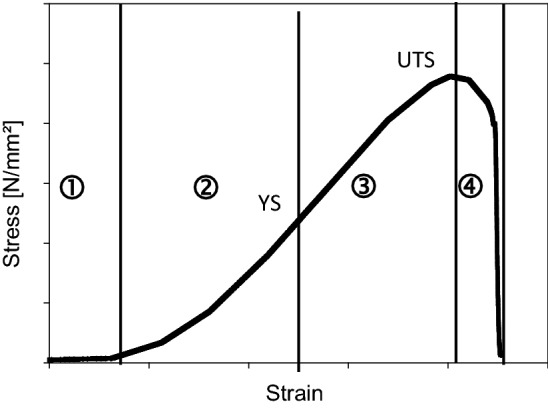
“During tension measurement the tension curves then decrease not abruptly but stepwise with slight oscillation [42, 104, 115].”
BackgroundLubarsky, B., & Krasnow, M. A. (2003) · Cell · doi:10.1016/s0092-8674(02)01283-7 · Cited by 660
Bioprinted Amniotic Fluid-Derived Stem Cells Accelerate Healing of Large Skin Wounds
Skardal, A., Mack, D., Kapetanovic, E., Atala, A., Jackson, J. D., Yoo, J., & Soker, S. (2012) · Stem Cells Translational Medicine · doi:10.5966/sctm.2012-0088 · Cited by 660 · cited 1×
“Furthermore, gelatine was combined with other biopolymers such as hyaluronic acid [300, 301], alginate [302], fibrin [303], chitosan [304] and silk [305] but also polyethyleneglycol [306].”
BackgroundNon-thermal plasma technologies: New tools for bio-decontamination
Moreau, M., Orange, N., & Feuilloley, M. G. J. (2008) · Biotechnology Advances · doi:10.1016/j.biotechadv.2008.08.001 · Cited by 657
Collagen self-assembly and the development of tendon mechanical properties
Silver, F. H., Freeman, J. W., & Seehra, G. P. (2003) · Journal of Biomechanics · doi:10.1016/s0021-9290(03)00135-0 · Cited by 645 · cited 1×
“The properties depend on the fibre composition and architecture which is regulated among other things by proteoglycans [120, 121].”
BackgroundDirect-write bioprinting of cell-laden methacrylated gelatin hydrogels
Bertassoni, L. E., Cardoso, J. C., Manoharan, V., Cristino, A. L., Bhise, N. S., Araujo, W. A., Zorlutuna, P., Vrana, N. E., Ghaemmaghami, A. M., Dokmeci, M. R., et al. (2014) · Biofabrication · doi:10.1088/1758-5082/6/2/024105 · Cited by 642
Hydration structure of a collagen peptide
Bella, J., Brodsky, B., & Berman, H. M. (1995) · Structure · doi:10.1016/s0969-2126(01)00224-6 · Cited by 641
Nonthermal plasma — A tool for decontamination and disinfection
Scholtz, V., Pazlarova, J., Souskova, H., Khun, J., & Julak, J. (2015) · Biotechnology Advances · doi:10.1016/j.biotechadv.2015.01.002 · Cited by 638
Electrospinning of collagen and elastin for tissue engineering applications
Buttafoco, L., Kolkman, N. G., Engbers-Buijtenhuijs, P., Poot, A. A., Dijkstra, P. J., Vermes, I., & Feijen, J. (2006) · Biomaterials · doi:10.1016/j.biomaterials.2005.06.024 · Cited by 627
Lysine post-translational modifications of collagen
Yamauchi, M., & Sricholpech, M. (2012) · Essays in Biochemistry · doi:10.1042/bse0520113 · Cited by 626
Liu, D., Nikoo, M., Boran, G., Zhou, P., & Regenstein, J. M. (2015) · Annual Review of Food Science and Technology · doi:10.1146/annurev-food-031414-111800 · Cited by 625
Plasma sterilization. Methods and mechanisms
Moisan, M., Barbeau, J., Crevier, M.-C., Pelletier, J., Philip, N., & Saoudi, B. (2002) · Pure and Applied Chemistry · doi:10.1351/pac200274030349 · Cited by 616
Antoine, E. E., Vlachos, P. P., & Rylander, M. N. (2014) · Tissue Engineering Part B: Reviews · doi:10.1089/ten.teb.2014.0086 · Cited by 611 · cited 1×
“It is used as drug delivery system [4, 10, 11], as matrices for tissue engineering [12, 13], topical hemostyptics [14], for soft tissue repair [15], and as membrane for diverse applications [16, 17].”
BackgroundWang, Y., Azaïs, T., Robin, M., Vallée, A., Catania, C., Legriel, P., Pehau-Arnaudet, G., Babonneau, F., Giraud-Guille, M.-M., & Nassif, N. (2012) · Nature Materials · doi:10.1038/nmat3362 · Cited by 605 · cited 1×
“10b), and other authors observed adsorption for calcium ions [166, 170], surfactants [167, 171, 172], growth factors [173–176], but also endotoxins [177–180].”
BackgroundAnatomy, histology and immunohistochemistry of normal human skin.
Kanitakis, J. (2002) · PubMed · Cited by 592
Parry, D. A. D., Barnes, G. R. G., & Craig, A. S. (1978) · Proceedings of the Royal Society of London. Series B. Biological Sciences · doi:10.1098/rspb.1978.0107 · Cited by 581
Lee, W., Debasitis, J. C., Lee, V. K., Lee, J.-H., Fischer, K., Edminster, K., Park, J.-K., & Yoo, S.-S. (2009) · Biomaterials · doi:10.1016/j.biomaterials.2008.12.009 · Cited by 578
Bulpitt, P., & Aeschlimann, D. (1999) · Journal of Biomedical Materials Research · doi:10.1002/(sici)1097-4636(199911)47:2<152::aid-jbm5>3.0.co;2-i · Cited by 560
Type I collagen is thermally unstable at body temperature
Leikina, E., Mertts, M. V., Kuznetsova, N., & Leikin, S. (2002) · Proceedings of the National Academy of Sciences · doi:10.1073/pnas.032307099 · Cited by 552 · cited 1×
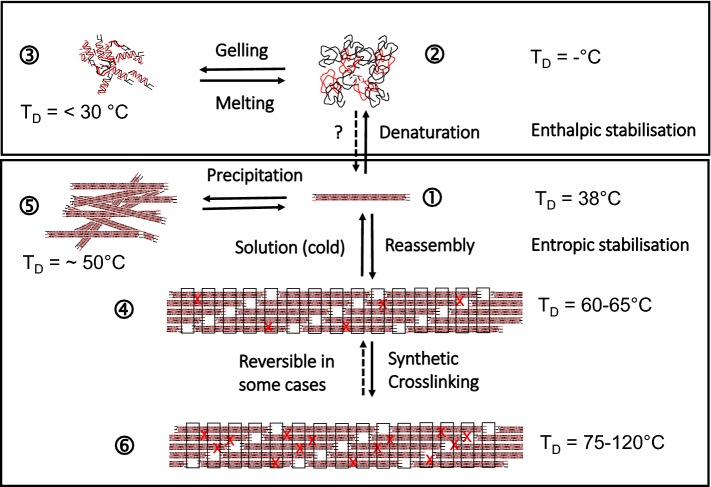
“TD of fully hydrated soluble collagen (1) is near body temperature of mammals [131].”
BackgroundBunyaratavej, P., & Wang, H. (2001) · Journal of Periodontology · doi:10.1902/jop.2001.72.2.215 · Cited by 545 · cited 1×
“It is used as drug delivery system [4, 10, 11], as matrices for tissue engineering [12, 13], topical hemostyptics [14], for soft tissue repair [15], and as membrane for diverse applications [16, 17].”
BackgroundIon effects on the solution structure of biological macromolecules
Von Hippel, P. H., & Schleich, T. (1969) · Accounts of Chemical Research · doi:10.1021/ar50021a001 · Cited by 540 · cited 1×
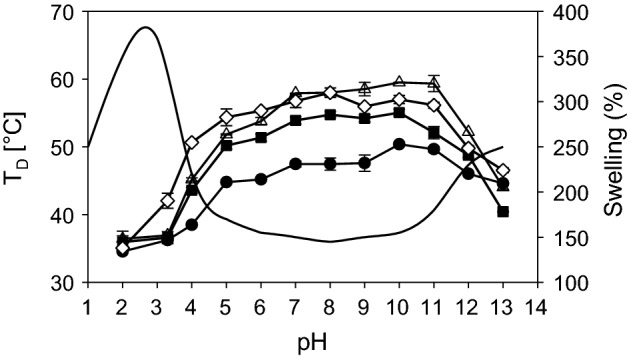
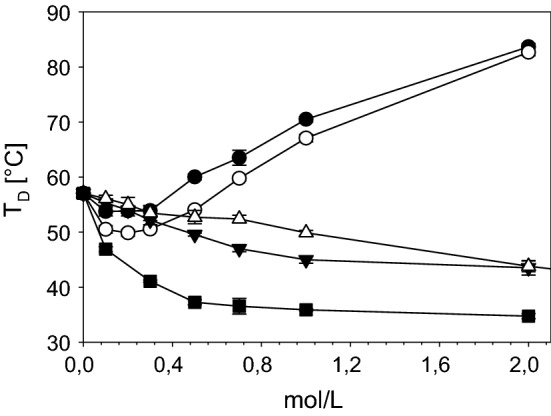
“Concentrations higher than 500 mM/L have been found to further increase TD [316, 345, 346].”
BackgroundMartinez, M. N., & Amidon, G. L. (2002) · The Journal of Clinical Pharmacology · doi:10.1177/00970002042006005 · Cited by 536
Characteristics of the Aging Skin
Farage, M. A., Miller, K. W., Elsner, P., & Maibach, H. I. (2013) · Advances in Wound Care · doi:10.1089/wound.2011.0356 · Cited by 535
Characterisation of acid-soluble collagen from skin and bone of bigeye snapper (Priacanthus tayenus)
Kittiphattanabawon, P., Benjakul, S., Visessanguan, W., Nagai, T., & Tanaka, M. (2005) · Food Chemistry · doi:10.1016/j.foodchem.2004.02.042 · Cited by 534
The collagen triple-helix structure
Brodsky, B., & Ramshaw, J. A. M. (1997) · Matrix Biology · doi:10.1016/s0945-053x(97)90030-5 · Cited by 532
Glutaraldehyde as a crosslinking agent for collagen-based biomaterials
Olde Damink, L. H. H., Dijkstra, P. J., Van Luyn, M. J. A., Van Wachem, P. B., Nieuwenhuis, P., & Feijen, J. (1995) · Journal of Materials Science: Materials in Medicine · doi:10.1007/bf00123371 · Cited by 527
Kjærgaard, K., Dreyer, C. H., Ditzel, N., Andreasen, C. M., Chen, L., Sheikh, S. P., Overgaard, S., & Ding, M. (2016) · Stem Cells International · doi:10.1155/2016/3846971 · Cited by 524
Biomaterials in the development and future of vascular grafts
Xue, L., & Greisler, H. P. (2003) · Journal of Vascular Surgery · doi:10.1067/mva.2003.88 · Cited by 519
Elastin as a biomaterial for tissue engineering
Daamen, W. F., Veerkamp, J. H., van Hest, J. C. M., & van Kuppevelt, T. H. (2007) · Biomaterials · doi:10.1016/j.biomaterials.2007.06.025 · Cited by 518 · cited 2×
“Recent developments add elastin as elastic component to prevent wound contraction (Matriderm®) to improve angiogenesis, and elastin is as well proposed to be used as sole biomaterial [13, 94, 98].”
BackgroundCharacterization of collagen peptides by sodium dodecylsulfate-polyacrylamide electrophoresis
Furthmayr, H., & Timpl, R. (1971) · Analytical Biochemistry · doi:10.1016/0003-2697(71)90173-4 · Cited by 516
Extracellular matrix-based biomaterial scaffolds and the host response
Aamodt, J. M., & Grainger, D. W. (2016) · Biomaterials · doi:10.1016/j.biomaterials.2016.02.003 · Cited by 509 · cited 1×
“DNA remnants have been found in many final products [314, 399], but it is not clear whether DNA itself causes adverse effects or DNA only acts as marker for cellular remnants [400].”
BackgroundElastin and collagen fibre microstructure of the human aorta in ageing and disease: a review
Tsamis, A., Krawiec, J. T., & Vorp, D. A. (2013) · Journal of The Royal Society Interface · doi:10.1098/rsif.2012.1004 · Cited by 506
Recombinant collagen and gelatin for drug delivery
Olsen, D. (2003) · Advanced Drug Delivery Reviews · doi:10.1016/j.addr.2003.08.008 · Cited by 506 · cited 2×
“coli, yeast, mammalian cell culture, insects, and also plants [11, 51, 52].”
BackgroundNeutral Salts: The Generality of Their Effects on the Stability of Macromolecular Conformations
von Hippel, P. H., & Wong, K.-Y. (1964) · Science · doi:10.1126/science.145.3632.577 · Cited by 481 · cited 1×
“Concentrations higher than 500 mM/L have been found to further increase TD [316, 345, 346].”
BackgroundQuantification of DNA in Biologic Scaffold Materials
Gilbert, T. W., Freund, J. M., & Badylak, S. F. (2009) · Journal of Surgical Research · doi:10.1016/j.jss.2008.02.013 · Cited by 481 · cited 2×
“DNA remnants have been found in many final products [314, 399], but it is not clear whether DNA itself causes adverse effects or DNA only acts as marker for cellular remnants [400].”
BackgroundA Comprehensive Review of Topical Hemostatic Agents: Efficacy and Recommendations for Use
Achneck, H. E., Sileshi, B., Jamiolkowski, R. M., Albala, D. M., Shapiro, M. L., & Lawson, J. H. (2010) · Annals of Surgery · doi:10.1097/sla.0b013e3181c3bcca · Cited by 481 · cited 1×
“It is used as drug delivery system [4, 10, 11], as matrices for tissue engineering [12, 13], topical hemostyptics [14], for soft tissue repair [15], and as membrane for diverse applications [16, 17].”
BackgroundThe Macromolecular Chemistry of Gelatin
Veis, A. (1964) · Medical Entomology and Zoology · Cited by 473
Current Status of Bioinks for Micro-Extrusion-Based 3D Bioprinting
Panwar, A., & Tan, L. (2016) · Molecules · doi:10.3390/molecules21060685 · Cited by 472 · cited 2×
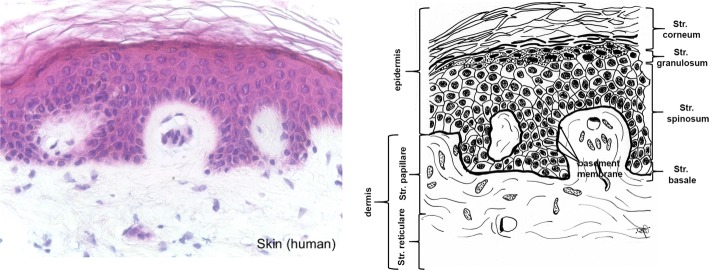
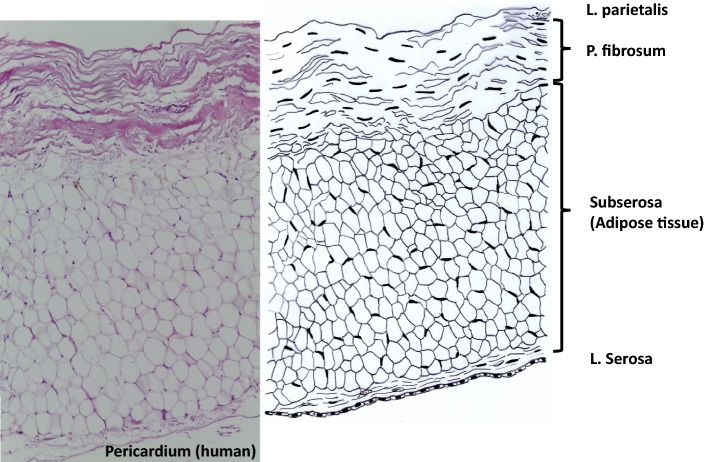
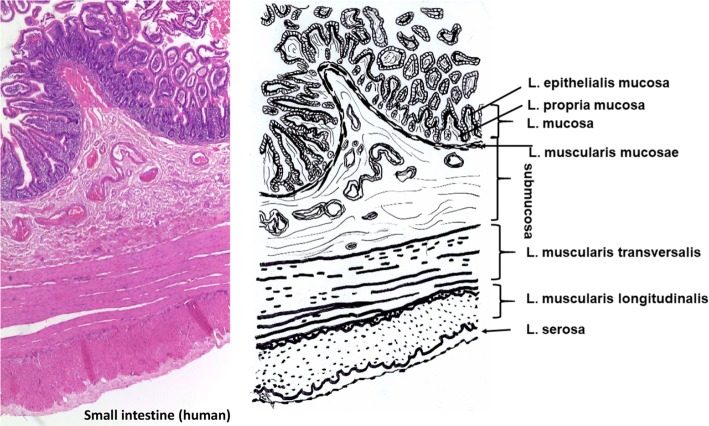
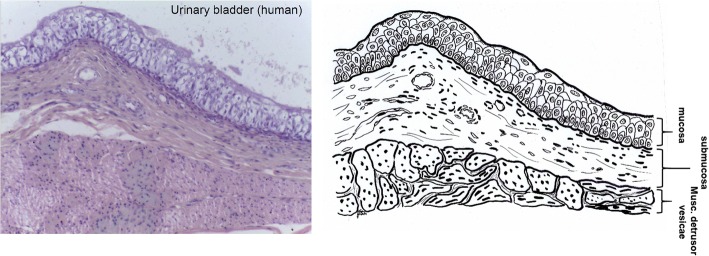
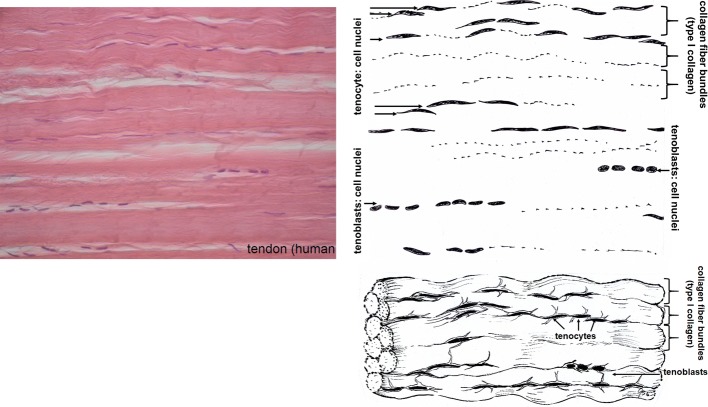
“(All histological pictures and drawings were kindly supplied by Gundula Schulze-Tanzil, Institut für Anatomie, Paracelsus Medizinische Privatuniversität (PMU), Salzburg and Nürnberg, Nürnberg, Germany) highly oriented.”
BackgroundTherapeutic Strategies for Tendon Healing Based on Novel Biomaterials, Factors and Cells
Gross, G., & Hoffmann, A. (2013) · Pathobiology · doi:10.1159/000347059 · Cited by 467
Fu, M.-X., Wells-Knecht, K. J., Blackledge, J. A., Lyons, T. J., Thorpe, S. R., & Baynes, J. W. (1994) · Diabetes · doi:10.2337/diab.43.5.676 · Cited by 464
Additive Manufacturing of Biomaterials, Tissues, and Organs
Zadpoor, A. A., & Malda, J. (2017) · Annals of Biomedical Engineering · doi:10.1007/s10439-016-1719-y · Cited by 462
Conformational Stability of Collagen Relies on a Stereoelectronic Effect
Bretscher, L. E., Jenkins, C. L., Taylor, K. M., DeRider, M. L., & Raines, R. T. (2001) · Journal of the American Chemical Society · doi:10.1021/ja005542v · Cited by 461
Enzymatic and nonenzymatic cross‐linking of collagen and elastin
Reiser, K., McCormick, R. J., & Rucker, R. B. (1992) · The FASEB Journal · doi:10.1096/fasebj.6.7.1348714 · Cited by 450 · cited 1×
“Oxidation of lysine and hydroxylysine by lysyloxidase initiates the formation of the various natural enzyme-derived crosslinks [62, 508].”
BackgroundZheng, M. H., Chen, J., Kirilak, Y., Willers, C., Xu, J., & Wood, D. (2005) · Journal of Biomedical Materials Research Part B: Applied Biomaterials · doi:10.1002/jbm.b.30170 · Cited by 441 · cited 1×
“DNA remnants have been found in many final products [314, 399], but it is not clear whether DNA itself causes adverse effects or DNA only acts as marker for cellular remnants [400].”
BackgroundOn the tear resistance of skin
Yang, W., Sherman, V. R., Gludovatz, B., Schaible, E., Stewart, P., Ritchie, R. O., & Meyers, M. A. (2015) · Nature Communications · doi:10.1038/ncomms7649 · Cited by 440
Control of pore structure and size in freeze‐dried collagen sponges
Schoof, H., Apel, J., Heschel, I., & Rau, G. (2001) · Journal of Biomedical Materials Research · doi:10.1002/jbm.1028 · Cited by 430 · cited 1×
“Aligned pores and tubelike channels of small size can be achieved by polar temperature gradients [263, 448, 449].”
BackgroundZhang, G., Ezura, Y., Chervoneva, I., Robinson, P. S., Beason, D. P., Carine, E. T., Soslowsky, L. J., Iozzo, R. V., & Birk, D. E. (2006) · Journal of Cellular Biochemistry · doi:10.1002/jcb.20776 · Cited by 423 · cited 1×
“The properties depend on the fibre composition and architecture which is regulated among other things by proteoglycans [120, 121].”
BackgroundPieper, J. (1999) · Biomaterials · doi:10.1016/s0142-9612(98)00240-3 · Cited by 418
HOLZAPFEL, G. A. (2001) · Handbook of Materials Behavior Models · doi:10.1016/b978-012443341-0/50107-1 · Cited by 415
Methods for the treatment of collagenous tissues for bioprostheses
Khor, E. (1997) · Biomaterials · doi:10.1016/s0142-9612(96)00106-8 · Cited by 415 · cited 1×
“Water-based systems or DMSO were used to stabilize pericardium by polyurethane prepolymers which still possess reactive isocyanate groups [354, 418].”
MethodMethods of endotoxin removal from biological preparations: a review.
Magalhães, P. O., Lopes, A. M., Mazzola, P. G., Rangel‐Yagui, C. D. O., Penna, T. C. V., & Pessoa, A. (2007) · PubMed · Cited by 414
Polyphenols, oral health and disease: A review
Petti, S., & Scully, C. (2009) · Journal of Dentistry · doi:10.1016/j.jdent.2009.02.003 · Cited by 411
Endotoxin: The uninvited guest
Gorbet, M. B., & Sefton, M. V. (2005) · Biomaterials · doi:10.1016/j.biomaterials.2005.04.063 · Cited by 410
Gelation of aqueous gelatin solutions. I. Structural investigation
Djabourov, M., Leblond, J., & Papon, P. (1988) · Journal de Physique · doi:10.1051/jphys:01988004902031900 · Cited by 410
Biodegradation of differently cross‐linked collagen membranes: an experimental study in the rat
Rothamel, D., Schwarz, F., Sager, M., Herten, M., Sculean, A., & Becker, J. (2005) · Clinical Oral Implants Research · doi:10.1111/j.1600-0501.2005.01108.x · Cited by 408 · cited 2×
“[254] compared the degradation of differently prepared biomembranes in vivo with and without crosslinking (Table 9).”
BackgroundEl-Naggar, L. J., & Beal, J. L. (1980) · Journal of Natural Products · doi:10.1021/np50012a001 · Cited by 402
Pins, G. D., Christiansen, D. L., Patel, R., & Silver, F. H. (1997) · Biophysical Journal · doi:10.1016/s0006-3495(97)78247-x · Cited by 390
Weadock, K. S., Miller, E. J., Bellincampi, L. D., Zawadsky, J. P., & Dunn, M. G. (1995) · Journal of Biomedical Materials Research · doi:10.1002/jbm.820291108 · Cited by 385 · cited 2×
“However, each physical treatment causes at once also chain scissions and it depends on the conditions which effect occurs preferably [439, 440].”
BackgroundThe application of recombinant human collagen in tissue engineering
Yang, C., Hillas, P. J., B??ez, J. A., Nokelainen, M., Balan, J., Tang, J., Spiro, R., & Polarek, J. W. (2004) · BioDrugs · doi:10.2165/00063030-200418020-00004 · Cited by 385 · cited 1×
“coli, yeast, mammalian cell culture, insects, and also plants [11, 51, 52].”
BackgroundMechanobiology of force transduction in dermal tissue
Silver, F. H., Siperko, L. M., & Seehra, G. P. (2003) · Skin Research and Technology · doi:10.1034/j.1600-0846.2003.00358.x · Cited by 380 · cited 2×
“The elastin network stores the energy and resets after unloading [41, 116, 118, 119].”
BackgroundThree-Dimensional BioAssembly Tool for Generating Viable Tissue-Engineered Constructs
Smith, C. M., Stone, A. L., Parkhill, R. L., Stewart, R. L., Simpkins, M. W., Kachurin, A. M., Warren, W. L., & Williams, S. K. (2004) · Tissue Engineering · doi:10.1089/1076327042500274 · Cited by 373 · cited 1×
“Collagen was first used as reassembled gel from collagen solutions combined with polyethylene–polypropylene–copolymers [307] and with many of the cited other biopolymers, some of them also being modified with acrylic groups to allow photo-crosslinking [297, 308–310].”
MethodMathematical models of skin permeability: An overview
Mitragotri, S., Anissimov, Y. G., Bunge, A. L., Frasch, H. F., Guy, R. H., Hadgraft, J., Kasting, G. B., Lane, M. E., & Roberts, M. S. (2011) · International Journal of Pharmaceutics · doi:10.1016/j.ijpharm.2011.02.023 · Cited by 368
The Heat Precipitation of Collagen from Neutral Salt Solutions: Some Rate-Regulating Factors
Gross, J., & Kirk, D. (1958) · Journal of Biological Chemistry · doi:10.1016/s0021-9258(18)64764-7 · Cited by 365 · cited 1×
“These solutions reassemble to form gels by buffering acid soluble collagen in cold state and increasing the temperature to body temperature [223].”
BackgroundMedicinal Benefits of Green Tea: Part I. Review of Noncancer Health Benefits
Cooper, R., Morré, D. J., & Morré, D. M. (2005) · The Journal of Alternative and Complementary Medicine · doi:10.1089/acm.2005.11.521 · Cited by 360
Buehler, M. J. (2008) · Journal of the Mechanical Behavior of Biomedical Materials · doi:10.1016/j.jmbbm.2007.04.001 · Cited by 356
Novel collagen scaffolds with predefined internal morphology made by solid freeform fabrication
Sachlos, E. (2003) · Biomaterials · doi:10.1016/s0142-9612(02)00528-8 · Cited by 350
Toward engineering functional organ modules by additive manufacturing
Marga, F., Jakab, K., Khatiwala, C., Shepherd, B., Dorfman, S., Hubbard, B., Colbert, S., & Gabor, F. (2012) · Biofabrication · doi:10.1088/1758-5082/4/2/022001 · Cited by 348
Gao, G., Yonezawa, T., Hubbell, K., Dai, G., & Cui, X. (2015) · Biotechnology Journal · doi:10.1002/biot.201400635 · Cited by 340 · cited 1×
“Furthermore, gelatine was combined with other biopolymers such as hyaluronic acid [300, 301], alginate [302], fibrin [303], chitosan [304] and silk [305] but also polyethyleneglycol [306].”
BackgroundBiodegradable Polymer Membranes Applied in Guided Bone/Tissue Regeneration: A Review
Wang, J., Wang, L., Zhou, Z., Lai, H., Xu, P., Liao, L., & Wei, J. (2016) · Polymers · doi:10.3390/polym8040115 · Cited by 339 · cited 1×
“Table 9 Degradation in vivo of commercial products based on different tissue sources and differently crosslinked [254, 507]”
BackgroundStenzel, K. H., Miyata, T., & Rubin, A. L. (1974) · Annual Review of Biophysics and Bioengineering · doi:10.1146/annurev.bb.03.060174.001311 · Cited by 336 · cited 2×
“In case of extrusion of collagen suspensions through dies with rotating installations in cold state, collagen fibres are oriented in specific angles leading to higher mechanical stability in various directions than by extrusion without this adjustment [2, 222].”
BackgroundThe Native and Denatured States of Soluble Collagen
Boedtker, H., & Doty, P. (1956) · Journal of the American Chemical Society · doi:10.1021/ja01598a024 · Cited by 332 · cited 1×
“chains which then adopt a coiled structure of one-third in length [337, 338].”
BackgroundGelatin-Based Materials in Ocular Tissue Engineering
Rose, J., Pacelli, S., Haj, A., Dua, H., Hopkinson, A., White, L., & Rose, F. (2014) · Materials · doi:10.3390/ma7043106 · Cited by 327
Engel, J., & Prockop, D. J. (1991) · Annual Review of Biophysics and Biophysical Chemistry · doi:10.1146/annurev.bb.20.060191.001033 · Cited by 319 · cited 1×
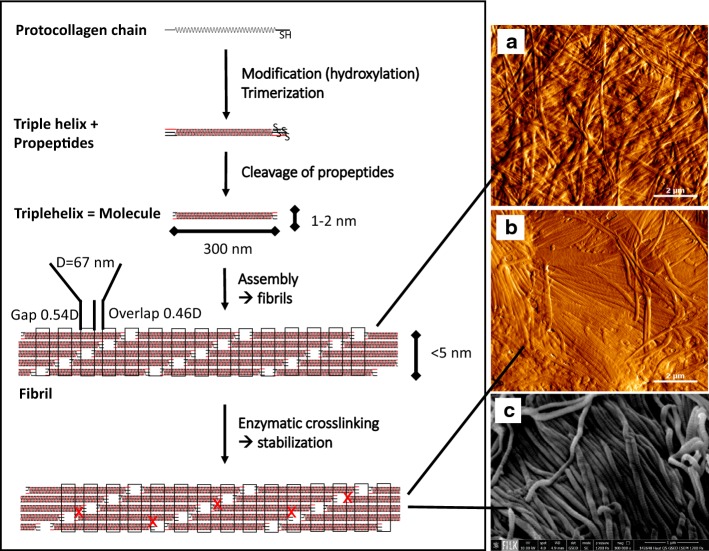
“Because trimer formation is 1000 times faster than the cis–trans isomerisation, this isomerisation is the rate limiting step in collagen trimerisation [74].”
BackgroundThe use of local agents: bone wax, gelatin, collagen, oxidized cellulose
Schonauer, C., Tessitore, E., Barbagallo, G., Albanese, V., & Moraci, A. (2004) · European Spine Journal · doi:10.1007/s00586-004-0727-z · Cited by 318
The elastic properties of elastin
Hoeve, C. A. J., & Flory, P. J. (1974) · Biopolymers · doi:10.1002/bip.1974.360130404 · Cited by 312 · cited 1×
“It assures the recovery of connective tissues under low load conditions and it endures billions of flexes without failing [13, 92, 93].”
BackgroundGelatine Handbook: Theory and Industrial Practice
Schrieber, R., & Gareis, H. (2007) · doi:10.1002/9783527610969 · Cited by 311
Methionine oxidation and reduction in proteins
Kim, G., Weiss, S. J., & Levine, R. L. (2014) · Biochimica et Biophysica Acta (BBA) - General Subjects · doi:10.1016/j.bbagen.2013.04.038 · Cited by 311 · cited 2×
“Methionine is transferred into methionine sulfoxide or methionine sulfone, hypochlorite can lead to desamidation as well, and crosslinking may occur by generation of dityrosine [372, 373].”
BackgroundResultBalasubramani, M., Kumar, T. R., & Babu, M. (2001) · Burns · doi:10.1016/s0305-4179(01)00018-3 · Cited by 309
The macromolecular chemistry of gelatin
Mandl, I. (1965) · Archives of Biochemistry and Biophysics · doi:10.1016/0003-9861(65)90257-2 · Cited by 309
Gaetani, R., Feyen, D. A. M., Verhage, V., Slaats, R., Messina, E., Christman, K. L., Giacomello, A., Doevendans, P. A. F. M., & Sluijter, J. P. G. (2015) · Biomaterials · doi:10.1016/j.biomaterials.2015.05.005 · Cited by 307 · cited 1×
“Furthermore, gelatine was combined with other biopolymers such as hyaluronic acid [300, 301], alginate [302], fibrin [303], chitosan [304] and silk [305] but also polyethyleneglycol [306].”
BackgroundBadylak, S. F. (2014) · Annals of Biomedical Engineering · doi:10.1007/s10439-013-0963-7 · Cited by 307
Angele, P., Abke, J., Kujat, R., Faltermeier, H., Schumann, D., Nerlich, M., Kinner, B., Englert, C., Ruszczak, Z., Mehrl, R., et al. (2004) · Biomaterials · doi:10.1016/j.biomaterials.2003.09.066 · Cited by 303
Evolution of Bioinks and Additive Manufacturing Technologies for 3D Bioprinting
Jose, R. R., Rodriguez, M. J., Dixon, T. A., Omenetto, F., & Kaplan, D. L. (2016) · ACS Biomaterials Science & Engineering · doi:10.1021/acsbiomaterials.6b00088 · Cited by 302 · cited 1×
“[313] formulated the requirements for an advanced bioink.”
BackgroundProcess development of an acellular dermal matrix (ADM) for biomedical applications
Chen, R.-N., Ho, H.-O., Tsai, Y.-T., & Sheu, M.-T. (2004) · Biomaterials · doi:10.1016/j.biomaterials.2003.09.070 · Cited by 299 · cited 1×
“has been used to remove intact epithelial sheets and epidermis from their substrates [387], but it was necessary to combine it with trypsin to remove all cellular components to effectively decellularize a porcine dermis [388].”
BackgroundCollagen—emerging collagen based therapies hit the patient
Abou Neel, E. A., Bozec, L., Knowles, J. C., Syed, O., Mudera, V., Day, R., & Hyun, J. K. (2013) · Advanced Drug Delivery Reviews · doi:10.1016/j.addr.2012.08.010 · Cited by 296 · cited 1×
“Soluble collagen can also be used to coat surfaces of cell culture well plates and to manufacture films, and it was used to prepare more complex materials such as multiple layered sheets, tube-like structures and capsules [224].”
MethodPolyelectrolyte gelatin-chitosan hydrogel optimized for 3D bioprinting in skin tissue engineering
Ng, W. L., Yeong, W. Y., & Naing, M. W. (2024) · International Journal of Bioprinting · doi:10.18063/ijb.2016.01.009 · Cited by 293 · cited 1×
“Furthermore, gelatine was combined with other biopolymers such as hyaluronic acid [300, 301], alginate [302], fibrin [303], chitosan [304] and silk [305] but also polyethyleneglycol [306].”
BackgroundMiller, E. J., Epstein, E. H., & Piez, K. A. (1971) · Biochemical and Biophysical Research Communications · doi:10.1016/0006-291x(71)90006-4 · Cited by 291
Plasma Sterilization: A Review of Parameters, Mechanisms, and Limitations
Lerouge, S., Wertheimer, M. R., & Yahia, L. (2001) · Plasmas and Polymers · doi:10.1023/a:1013196629791 · Cited by 290
Christiansen, D. L., Huang, E. K., & Silver, F. H. (2000) · Matrix Biology · doi:10.1016/s0945-053x(00)00089-5 · Cited by 290
Anatomy and Organization of Human Skin
McGrath, J. A., Eady, R. A. J., & Pope, F. M. (2004) · Rook's Textbook of Dermatology · doi:10.1002/9780470750520.ch3 · Cited by 289 · cited 2×
“For long time skin has been discussed as largest organ [32, 33] but neither by weight nor by area this seems to be true [34].”
BackgroundFunctional anatomy of the Achilles tendon
Doral, M. N., Alam, M., Bozkurt, M., Turhan, E., Atay, O. A., Dönmez, G., & Maffulli, N. (2010) · Knee Surgery, Sports Traumatology, Arthroscopy · doi:10.1007/s00167-010-1083-7 · Cited by 289
Collagen-based devices for soft tissue repair
Pachence, J. M. (1996) · Journal of Biomedical Materials Research · doi:10.1002/(sici)1097-4636(199621)33:1<35::aid-jbm6>3.0.co;2-n · Cited by 288 · cited 1×
“It is used as drug delivery system [4, 10, 11], as matrices for tissue engineering [12, 13], topical hemostyptics [14], for soft tissue repair [15], and as membrane for diverse applications [16, 17].”
BackgroundCollagen- vs. Gelatine-Based Biomaterials and Their Biocompatibility: Review and Perspectives
Gorgieva, S., & Kokol, V. (2011) · Biomaterials Applications for Nanomedicine · doi:10.5772/24118 · Cited by 286
Miles, C. A., Avery, N. C., Rodin, V. V., & Bailey, A. J. (2005) · Journal of Molecular Biology · doi:10.1016/j.jmb.2004.12.001 · Cited by 285 · cited 1×
“It predominates more and more upon increasing dehydration of collagen [142, 155, 156].”
BackgroundAging Differences in Ethnic Skin.
Vashi, N. A., Maymone, M. B. C., & Kundu, R. V. (2016) · PubMed Central · Cited by 284
Crosslinking of collagen gels by transglutaminase
Orban, J. M., Wilson, L. B., Kofroth, J. A., El‐Kurdi, M. S., Maul, T. M., & Vorp, D. A. (2004) · Journal of Biomedical Materials Research Part A · doi:10.1002/jbm.a.20110 · Cited by 283 · cited 1×
“It was found that porcine Tgase was able to slightly increase TD of collagen up to 66 °C which argues for crosslinking of the triple helices [404].”
BackgroundPolymer-in-a-Box Mechanism for the Thermal Stabilization of Collagen Molecules in Fibers
Miles, C. A., & Ghelashvili, M. (1999) · Biophysical Journal · doi:10.1016/s0006-3495(99)77476-x · Cited by 283 · cited 1×
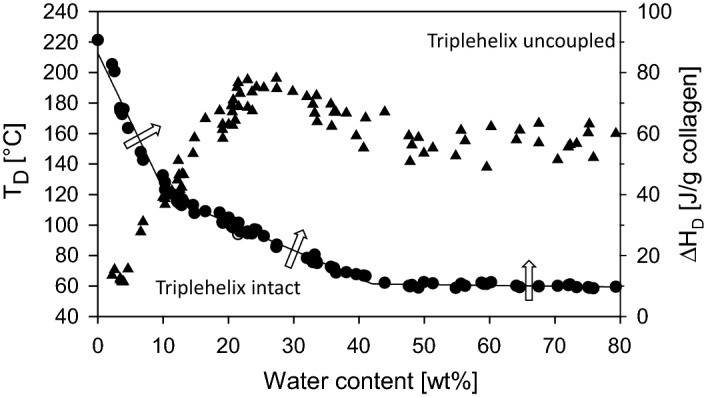
“The collagen molecules are separated and uncoupled from the stabilizing surrounding collagen molecules [135, 343, 344], and the material appears glassy and partly transparent.”
BackgroundTendon augmentation grafts: a systematic review
Longo, U. G., Lamberti, A., Maffulli, N., & Denaro, V. (2010) · British Medical Bulletin · doi:10.1093/bmb/ldp051 · Cited by 280
Nuclear Magnetic Resonance Study of Collagen Hydration
Berendsen, H. J. C. (1962) · The Journal of Chemical Physics · doi:10.1063/1.1732460 · Cited by 278 · cited 1×
“While most investigations only rendered indirect hints regarding such water network [133, 141, 142], Bella et al.”
BackgroundCollagen structure: new tricks from a very old dog
Bella, J. (2016) · Biochemical Journal · doi:10.1042/bj20151169 · Cited by 277 · cited 1×
“X-ray diffraction studies in the middle of the 20th century and further biochemical and physicochemical investigations showed that these stabilizing bonds are located between N–H of glycine (Gly) and the C=O of other amino acids in X-position of the following strand [138].”
BackgroundGelation of aqueous gelatin solutions. II. Rheology of the sol-gel transition
Djabourov, M., Leblond, J., & Papon, P. (1988) · Journal de Physique · doi:10.1051/jphys:01988004902033300 · Cited by 273
Parry, D. A. D. (1988) · Biophysical Chemistry · doi:10.1016/0301-4622(88)87039-x · Cited by 272 · cited 2×
“lung, nerves or cornea) or transfer high loads (large diameters in tendons) [102].”
BackgroundpH effects on collagen fibrillogenesis in vitro: Electrostatic interactions and phosphate binding
Li, Y., Asadi, A., Monroe, M. R., & Douglas, E. P. (2009) · Materials Science and Engineering: C · doi:10.1016/j.msec.2009.01.001 · Cited by 271 · cited 2×
“Fibrillation only occurs in the isoelectric range with the highest fibrillation rate in the range of minutes at pH 9.2 in saline phosphate buffer (PBS) [187].”
InfluentialDamar, S., & Balaban, M. O. (2006) · Journal of Food Science · doi:10.1111/j.1365-2621.2006.tb12397.x · Cited by 270
The impact of detergents on the tissue decellularization process: A ToF-SIMS study
White, L. J., Taylor, A. J., Faulk, D. M., Keane, T. J., Saldin, L. T., Reing, J. E., Swinehart, I. T., Turner, N. J., Ratner, B. D., & Badylak, S. F. (2017) · Acta Biomaterialia · doi:10.1016/j.actbio.2016.12.033 · Cited by 268 · cited 3×
“However, highly effective organic additives, especially surfactants and applied enzymes, are difficult to detect, though ToF–SIMS seems to become a powerful tool for such analyses [172].”
BackgroundStrategies for tissue and organ decellularization
Gilbert, T. W. (2012) · Journal of Cellular Biochemistry · doi:10.1002/jcb.24130 · Cited by 267
Lee, P. L. M., Dawson, M. N., Neill, S. P., Robins, P., Houghton, J. D. R., Doyle, T. K., & Hays, G. C. (2013) · Journal of The Royal Society Interface · Cited by 266
Golomb, G., Schöen, F. J., Smith, M. S., Linden, J. A., Dixon, M., & Levy, R. J. (1987) · PubMed Central · Cited by 263
Always cleave up your mess: targeting collagen degradation to treat tissue fibrosis
McKleroy, W., Lee, T.-H., & Atabai, K. (2013) · American Journal of Physiology-Lung Cellular and Molecular Physiology · doi:10.1152/ajplung.00418.2012 · Cited by 261
Engel, J. (1991) · Annual Review of Biophysics and Biomolecular Structure · doi:10.1146/annurev.biophys.20.1.137 · Cited by 260
Miles, C. A., Burjanadze, T. V., & Bailey, A. J. (1995) · Journal of Molecular Biology · doi:10.1006/jmbi.1994.0035 · Cited by 256
Structure, Stability and Folding of the Collagen Triple Helix
Engel, J., & Bächinger, H. P. (2005) · Topics in Current Chemistry · doi:10.1007/b103818 · Cited by 254 · cited 1×
“Miles [181] assumed an irreversible rate process, while others interpreted the calorimetric results as an equilibrium of monomers and trimers [58, 134, 136, 148].”
BackgroundMussel byssus and biomolecular materials
Deming, T. J. (1999) · Current Opinion in Chemical Biology · doi:10.1016/s1367-5931(99)80018-0 · Cited by 253
Biomaterials for Tissue Engineering
Lee, E. J., Kasper, F. K., & Mikos, A. G. (2014) · Annals of Biomedical Engineering · doi:10.1007/s10439-013-0859-6 · Cited by 252
Brinkman, W. T., Nagapudi, K., Thomas, B. S., & Chaikof, E. L. (2003) · Biomacromolecules · doi:10.1021/bm0257412 · Cited by 246
3D bioprinting and its in vivo applications
Hong, N., Yang, G., Lee, J., & Kim, G. (2018) · Journal of Biomedical Materials Research Part B: Applied Biomaterials · doi:10.1002/jbm.b.33826 · Cited by 243
Sterilization using high-pressure carbon dioxide
Zhang, J., Davis, T. A., Matthews, M. A., Drews, M. J., LaBerge, M., & An, Y. H. (2006) · The Journal of Supercritical Fluids · doi:10.1016/j.supflu.2005.05.005 · Cited by 243
The effects of the Maillard reaction on the physical properties and cell interactions of collagen
Avery, N. C., & Bailey, A. J. (2006) · Pathologie Biologie · doi:10.1016/j.patbio.2006.07.005 · Cited by 240 · cited 3×
“The use of further reductive agents, especially to investigate chemical or structural effects on collagen, is limited to analytical approaches [87, 370, 371].”
BackgroundZeugolis, D. I., Paul, G. R., & Attenburrow, G. (2009) · Journal of Biomedical Materials Research Part A · doi:10.1002/jbm.a.32031 · Cited by 239 · cited 2×
“Nevertheless, there are three ways to produce fibres of high yardage [232, 265] (and the cited literature therein).”
BackgroundMethodChemical Modifications of Biopolymers by Quinones and Quinone Methides
Peter, M. G. (1989) · Angewandte Chemie International Edition in English · doi:10.1002/anie.198905551 · Cited by 239
Avery, N. C., & Bailey, A. J. (2005) · Scandinavian Journal of Medicine & Science in Sports · doi:10.1111/j.1600-0838.2005.00464.x · Cited by 237 · cited 2×
“Glucose, ribose and other sugars and sugar oxidation products react with lysine, hydroxylysine and arginine to form complex products from which only a few have been characterized to date [76, 87].”
BackgroundGoddard, D. R., & Michaelis, L. (1934) · Journal of Biological Chemistry · doi:10.1016/s0021-9258(18)75436-7 · Cited by 236
The role of elastin in the mechanical properties of skin
Oxlund, H., Manschot, J., & Viidik, A. (1988) · Journal of Biomechanics · doi:10.1016/0021-9290(88)90172-8 · Cited by 235 · cited 1×
“It assures the recovery of connective tissues under low load conditions and it endures billions of flexes without failing [13, 92, 93].”
BackgroundWood, G. C. (1960) · Biochemical Journal · doi:10.1042/bj0750605 · Cited by 233
Biologic Scaffolds for Regenerative Medicine: Mechanisms of In vivo Remodeling
Londono, R., & Badylak, S. F. (2015) · Annals of Biomedical Engineering · doi:10.1007/s10439-014-1103-8 · Cited by 232 · cited 3×
“causes an intensive cascade of interactions with the host tissue [28].”
BackgroundInfluentialBiofabrication of Cell‐Loaded 3D Spider Silk Constructs
Schacht, K., Jüngst, T., Schweinlin, M., Ewald, A., Groll, J., & Scheibel, T. (2015) · Angewandte Chemie International Edition · doi:10.1002/anie.201409846 · Cited by 232 · cited 1×
“Furthermore, gelatine was combined with other biopolymers such as hyaluronic acid [300, 301], alginate [302], fibrin [303], chitosan [304] and silk [305] but also polyethyleneglycol [306].”
BackgroundKonno, K., Hirayama, C., Yasui, H., & Nakamura, M. (1999) · Proceedings of the National Academy of Sciences · doi:10.1073/pnas.96.16.9159 · Cited by 228 · cited 1×
“Though the exact reaction mechanism is not clear, the kinetics of the reaction and the stability of reaction products are similar to that of glutaraldehyde [194, 437, 438].”
BackgroundAcellular matrix: A biomaterials approach for coronary artery bypass and heart valve replacement
Wilson, G. J., Courtman, D. W., Klement, P., Michael Lee, J., & Yeger, H. (1995) · The Annals of Thoracic Surgery · doi:10.1016/0003-4975(95)98967-y · Cited by 227
Electrospinning of Collagen Nanofiber Scaffolds from Benign Solvents
Dong, B., Arnoult, O., Smith, M. E., & Wnek, G. E. (2009) · Macromolecular Rapid Communications · doi:10.1002/marc.200800634 · Cited by 227
Stenn, K. S., Link, R., Moellmann, G., Madri, J., & Kuklinska, E. (1989) · Journal of Investigative Dermatology · doi:10.1111/1523-1747.ep12277593 · Cited by 223 · cited 1×
“has been used to remove intact epithelial sheets and epidermis from their substrates [387], but it was necessary to combine it with trypsin to remove all cellular components to effectively decellularize a porcine dermis [388].”
BackgroundBrown, B. N., Freund, J. M., Han, L., Rubin, J. P., Reing, J. E., Jeffries, E. M., Wolf, M. T., Tottey, S., Barnes, C. A., Ratner, B. D., et al. (2011) · Tissue Engineering Part C: Methods · doi:10.1089/ten.tec.2010.0342 · Cited by 223 · cited 2×
“The use of nucleases seems not to be necessary, because nuclease-free protocols are available which as well lead to sufficiently low DNA levels [390, 393].”
BackgroundDevelopment and characterisation of a new bioink for additive tissue manufacturing
Melchels, F. P. W., Dhert, W. J. A., Hutmacher, D. W., & Malda, J. (2014) · Journal of Materials Chemistry B · doi:10.1039/c3tb21280g · Cited by 222
Decellularization for whole organ bioengineering
Arenas-Herrera, J. E., Ko, I. K., Atala, A., & Yoo, J. J. (2013) · Biomedical Materials · doi:10.1088/1748-6041/8/1/014106 · Cited by 221 · cited 1×
“These investigations aimed to save the complex structures of the organs, especially the vascular networks and the mechanical stability of the constructs [18, 23, 214, 218, 260, 261] and others.”
BackgroundCollagen fibril formation. Evidence for a multistep process.
Gelman, R. A., Williams, B. R., & Piez, K. A. (1979) · Journal of Biological Chemistry · doi:10.1016/s0021-9258(17)30289-2 · Cited by 220
Cross-linking of Gelatine by Dehydration
YANNAS, I. V., & TOBOLSKY, A. V. (1967) · Nature · doi:10.1038/215509b0 · Cited by 220 · cited 1×
“DHT is also used to harden gelatine [443].”
BackgroundThe interaction of aldehydes with collagen
Bowes, J. H., & Cater, C. W. (1968) · Biochimica et Biophysica Acta (BBA) - Protein Structure · doi:10.1016/0005-2795(68)90156-6 · Cited by 219 · cited 2×
“The most common are formaldehyde and glutaraldehyde, but both of them react differently and several reaction channels are discussed [409, 410].”
BackgroundStability of a biological tissue fixed with a naturally occurring crosslinking agent (genipin)
Sung, H.-W., Liang, I.-L., Chen, C.-N., Huang, R.-N., & Liang, H.-F. (2001) · Journal of Biomedical Materials Research · doi:10.1002/1097-4636(20010615)55:4<538::aid-jbm1047>3.0.co;2-2 · Cited by 213
Radiation sterilization of tissue allografts: A review
Singh, R., Singh, D., & Singh, A. (2016) · World Journal of Radiology · doi:10.4329/wjr.v8.i4.355 · Cited by 211
Mechanism of Cell Damage During Freezing and Thawing and its Prevention
FARRANT, J. (1965) · Nature · doi:10.1038/2051284a0 · Cited by 208 · cited 1×
“It is expected that very high or very low freezing rates damage the cells more intensively [334, 335].”
BackgroundAging-associated modifications of collagen affect its degradation by matrix metalloproteinases
Panwar, P., Butler, G. S., Jamroz, A., Azizi, P., Overall, C. M., & Brömme, D. (2018) · Matrix Biology · doi:10.1016/j.matbio.2017.06.004 · Cited by 208
Syed, O., Walters, N. J., Day, R. M., Kim, H.-W., & Knowles, J. C. (2014) · Acta Biomaterialia · doi:10.1016/j.actbio.2014.08.024 · Cited by 205
Khoshnoodi, J., Cartailler, J.-P., Alvares, K., Veis, A., & Hudson, B. G. (2006) · Journal of Biological Chemistry · doi:10.1074/jbc.r600025200 · Cited by 205
Comparative histology and immunohistochemistry of porcine versus human skin
Debeer, S., Le Luduec, J.-B., Kaiserlian, D., Laurent, P., Nicolas, J.-F., Dubois, B., & Kanitakis, J. (2013) · European Journal of Dermatology · doi:10.1684/ejd.2013.2060 · Cited by 205 · cited 2×
“The basal layer (stratum basale or germinativum) consists of mitotically active keratinocytes on a basement membrane which consists of collagen type IV adjacent to the dermis [35].”
BackgroundElastic fiber during development and aging
Pasquali-Ronchetti, I., & Baccarani-Contri, M. (1997) · Microscopy Research and Technique · doi:10.1002/(sici)1097-0029(19970815)38:4<428::aid-jemt10>3.0.co;2-l · Cited by 203 · cited 1×
“While the epidermis consists of the structure protein keratin, the dermis is mainly built from collagen fibres which partly co-organize with elastin fibers [37].”
BackgroundGelation Kinetics of Gelatin: A Master Curve and Network Modeling
Normand, V., Muller, S., Ravey, J.-C., & Parker, A. (2000) · Macromolecules · doi:10.1021/ma9909455 · Cited by 202 · cited 4×
“Depending on how the tissue is processed, distinct peaks (gelatine type B) or broad peakless distributions (gelatine type A) are observed [151, 152, 206, 207].”
BackgroundInfluentialEffective terminal sterilization using supercritical carbon dioxide
White, A., Burns, D., & Christensen, T. W. (2006) · Journal of Biotechnology · doi:10.1016/j.jbiotec.2005.12.033 · Cited by 201
Gilbert, T. W., Wognum, S., Joyce, E. M., Freytes, D. O., Sacks, M. S., & Badylak, S. F. (2008) · Biomaterials · doi:10.1016/j.biomaterials.2008.08.022 · Cited by 200 · cited 1×
“Small intestine submucosa (SIS) shows fibres in longitudinal orientation, the fibres of pericard and also urinary bladder are locally oriented but not over larger areas [45, 113, 114].”
BackgroundThe use of dermal substitutes in burn surgery: Acute phase
Shahrokhi, S., Arno, A., & Jeschke, M. G. (2014) · Wound Repair and Regeneration · doi:10.1111/wrr.12119 · Cited by 198
Successive epoxy and carbodiimide cross-linking of dermal sheep collagen
Zeeman, R., Dijkstra, P. J., van Wachem, P. B., van Luyn, M. J. A., Hendriks, M., Cahalan, P. T., & Feijen, J. (1999) · Biomaterials · doi:10.1016/s0142-9612(98)00242-7 · Cited by 193 · cited 1×
“[421] treated sheep skin collagen with BDDGE over 7 days at ambient temperatures in aqueous buffers and achieved crosslinking of carboxylic groups under acidic conditions.”
BackgroundCollagen based barrier membranes for periodontal guided bone regeneration applications
Sheikh, Z., Qureshi, J., Alshahrani, A. M., Nassar, H., Ikeda, Y., Glogauer, M., & Ganss, B. (2017) · Odontology · doi:10.1007/s10266-016-0267-0 · Cited by 193 · cited 1×
“It is used as drug delivery system [4, 10, 11], as matrices for tissue engineering [12, 13], topical hemostyptics [14], for soft tissue repair [15], and as membrane for diverse applications [16, 17].”
Background
Research works printed but not linked: 18
- 29. International Consensus. Acellular matrices for the treatment of wounds-an expert working group review. London: Wounds International; 2010.
- 68. Burjanadze T, Kiziria E, Mikeladze S. Molecular mechanism for the phylogenetic change of thermostability of fibril- forming collagen. Evidence that (Gly-X-Hyp) triplets are main factors determining stability of collagen. Bull Georg Natl Acad Sci. 2010;4:137-41.
- Gosline J, Lillie M, Carrington E, Guerette P, Ortlepp C, Savage K. Elastic proteins: biological roles and mechanical properties. Philos Trans R Soc B Biol Sci. 2002;357:121–32. https://doi.org/10.1098/rstb.2001.1022 . · DOI · Paper page
- Cu Y, Saltzman WM. Mathematical modeling of molecular diffusion through mucus. Adv Drug Deliv Rev. 2009;61:101–14. https://doi.org/10.1016/j.addr.2008.09.006 . · DOI · Paper page
- Savic Z, Savic I. Sausage Casings. 2nd ed. Wien: VICTUS International; 2016.
- Kanda N, Morimoto N, Ayvazyan AA, Takemoto S, Kawai K, Nakamura Y, Sakamoto Y, Taira T, Suzuki S. Evaluation of a novel collagen-gelatin scaffold for achieving the sustained release of basic fibroblast growth factor in a diabetic mouse model: sustained release of bFGF from CGS-accelerated tissue regeneration in diabetic mice. J Tissue Eng Regen Med. 2014;8:29–40. https://doi.org/10.1002/term.1492 . · DOI
- Hong N, Yang G-H, Lee J, Kim G. 3D bioprinting and its in vivo applications. J Biomed Mater Res B Appl Biomater. 2018;106:444–59. https://doi.org/10.1002/jbm.b.33826 . · DOI · Paper page
- Landmann W. The machines in the tannery: a review of leather produciong machinery and equipment in current use. Liverpool: World Trades Pub; 2003.
- Nageotte J. Coagulation fibrillaire in vitro du collagène dissous dans un acide dilué. Hebd Seances Acad Sci. 1927;184:115.
- Kühn K. The classical collagens: types I, II and III in structure and function of collagen types. New York: Academic Press; 1987. p. 1–42.
- Schroepfer M. Influences on thermal stability of fibrous collagen—calorimetric investigations. In: Talk at 5th Freiberg collagen symposium. Freiberg. 2012.
- Song M, Wang W, Ye Q, Bu S, Shen Z, Zhu Y. The repairing of full-thickness skin deficiency and its biological mechanism using decellularized human amniotic membrane as the wound dressing. Mater Sci Eng C. 2017;77:739–47. https://doi.org/10.1016/j.msec.2017.03.232 . · DOI
- Schloegl W, Klein A, Fürst R, Leicht U, Volkmer E, Schieker M, Jus S, Guebitz GM, Stachel I, Meyer M, Wiggenhorn M, Friess W. Residual transglutaminase in collagen—effects, detection, quantification, and removal. Eur J Pharm Biopharm. 2012;80:282–8. https://doi.org/10.1016/j.ejpb.2011.10.018 . · DOI
- Cooper R, Morré DJ, Morré DM. Medicinal benefits of green tea: part I. Review of noncancer health benefits. J Altern Complement Med. 2005;11:521–8. https://doi.org/10.1089/acm.2005.11.521 . · DOI · Paper page
- Oetjen G-W, Haseley P. Transplants, collagen. Weinheim: Wiley-VCH; 2004. p. 333–40.
- Edwards JH, Herbert A, Jones GL, Manfield IW, Fisher J, Ingham E. The effects of irradiation on the biological and biomechanical properties of an acellular porcine superflexor tendon graft for cruciate ligament repair. J Biomed Mater Res B Appl Biomater. 2017;105:2477–86. https://doi.org/10.1002/jbm.b.33786 . · DOI · Paper page
- Ruef C, Harbarth S, Henry A, Pittet D. Sterilisation mit ethylenoxid: anwendungen und grenzen, swiss-noso–nosokomiale infekt. Spit. 1997;4:3–6.
- Mizuno K, Boudko SP, Engel J, Bächinger HP. Kinetic hysteresis in collagen folding. Biophys J. 2010;98:3004–14. https://doi.org/10.1016/j.bpj.2010.03.019 . · DOI
Cited by
Mathew-Steiner, S. S., Roy, S., & Sen, C. K. (2021) · Bioengineering · doi:10.3390/bioengineering8050063 · Cited by 993
“The technological processing of collagen tissues to hydrolysates and subsequent rebuilding into formats used for clinical applications was recently reviewed [98].”
MethodFish Collagen: Extraction, Characterization, and Applications for Biomaterials Engineering
Jafari, H., Lista, A., Siekapen, M. M., Ghaffari-Bohlouli, P., Nie, L., Alimoradi, H., & Shavandi, A. (2020) · Polymers · doi:10.3390/polym12102230 · Cited by 520
“Moreover, a network of water molecules surrounds the triple helices, ensuring the thermal stability of the triple helices due to the high denaturation enthalpy, which directly reflects the number of hydrogen bonds, as well as functions as a sensitive parameter of the degree of the triple helical structure [30].”
BackgroundInfluentialAmirrah, I. N., Lokanathan, Y., Zulkiflee, I., Wee, M. F. M. R., Motta, A., & Fauzi, M. B. (2022) · Biomedicines · doi:10.3390/biomedicines10092307 · Cited by 426
“There are 28 types of collagen that have been identified and well characterised [4].”
BackgroundNatural Polymeric Scaffolds in Bone Regeneration
Filippi, M., Born, G., Chaaban, M., & Scherberich, A. (2020) · Frontiers in Bioengineering and Biotechnology · doi:10.3389/fbioe.2020.00474 · Cited by 376
“In vertebrates, they account for 28 distinct types coded by at least 45 different genes (Meyer, 2019).”
BackgroundBiobased materials for active food packaging: A review
Atta, O. M., Manan, S., Shahzad, A., Ul-Islam, M., Ullah, M. W., & Yang, G. (2022) · Food Hydrocolloids · doi:10.1016/j.foodhyd.2021.107419 · Cited by 351
Metadata
- Authors
- Meyer, M.
- Affiliations
- Forschungsinstitut für Leder und Kunststoffbahnen (DE)
- Corresponding author
- Meyer, Michael
- ORCID
- Meyer, Michael
- Venue
- BioMedical Engineering OnLine
- Published
- 2019-03-18
- Volume
- 18
- Issue
- 1
- Pages
- 24-24
- ISSN
- 1475-925X (ISSN-L)
- PMC
- PMC6423854
- OpenAlex
- W2939654433
- Cited by
- 539
- References
- 511
- Citations by year
- 2026: 46 · 2025: 63 · 2024: 82 · 2023: 76 · 2022: 119 · 2021: 88 · 2020: 54 · 2019: 10
- FWCI
- 4.30
- Type
- journal article
- Language
- en
- Open access
- gold
- doi.org
- Licence
- cc-by
- creativecommons.org/licenses/by/4.0/ (tdm)
- Locations
- BioMedical Engineering OnLine (publishedVersion, cc-by)
- Europe PMC (PubMed Central) (publishedVersion, cc-by)
- PubMed Central (publishedVersion, cc-by)
- PubMed (publishedVersion)
- DOAJ (DOAJ: Directory of Open Access Journals) (submittedVersion)
- Topics
- Physical Sciences › Materials Science › Biomaterials › Collagen: Extraction and Characterization
- Physical Sciences › Materials Science › Biomaterials › Silk-based biomaterials and applications
- Health Sciences › Medicine › Surgery › Tissue Engineering and Regenerative Medicine
- Keywords
- collagen, collagen-based biomaterials, decellularization, tissue processing, scaffolds, porous sponge, membranes, chemical crosslinking, drying methods, sterilization, enzymatic degradation, thermal stability, bioinks, 3D bioprinting, collagen peptides, biocompatibility
- MeSH terms
- Animals, Biocompatible Materials, Collagen, Humans, Materials Testing, Mechanical Phenomena
About these checks
Registry, retraction, Cites and statistics results are computed, not judged, with one exception: a printed reference that no index lists is read once by a model before it counts as a citation error. Claims are extracted by a model and kept only when their quote appears verbatim in the text; each cited source is then checked, with a model’s help, for whether it says what the claim relies on. Those verdicts can be wrong — read the claim’s quote and the cited source before relying on one.
Statistics and arithmetic are recomputed, not judged.
Confidence bands are shown only for fields calibrated on our annotated test set. None is calibrated yet, so no band is shown.
What counts as a claim ›How we measure confidence ›How we check this ›
Are you an author, or do you see a problem with this page? Request a review
Data sources
Bibliographic data: Semantic Scholar, OpenAlex, Crossref.
Contains information from the Semantic Scholar Academic Graph Datasets, made available under the ODC Attribution License (ODC-BY 1.0).
Semantic Scholar’s data is described in: Kinney, R., et al. (2023). The Semantic Scholar Open Data Platform. arXiv:2301.10140.
