

KRAS oncogene in non-small cell lung cancer: clinical perspectives on the treatment of an old target
Open accessThe DOI matches its Crossref record; 158 of the 160 references it cites were found in a registry or an index.
Abstract
Lung neoplasms are the leading cause of death by cancer worldwide. Non-small cell lung cancer (NSCLC) constitutes more than 80% of all lung malignancies and the majority of patients present advanced disease at onset. However, in the last decade, multiple oncogenic driver alterations have been discovered and each of them represents a potential therapeutic target. Although KRAS mutations are the most frequently oncogene aberrations in lung adenocarcinoma patients, effective therapies targeting KRAS have yet to be developed. Moreover, the role of KRAS oncogene in NSCLC remains unclear and its predictive and prognostic impact remains controversial. The study of the underlying biology of KRAS in NSCLC patients could help to determine potential candidates to evaluate novel targeted agents and combinations that may allow a tailored treatment for these patients. The aim of this review is to update the current knowledge about KRAS-mutated lung adenocarcinoma, including a historical overview, the biology of the molecular pathways involved, the clinical relevance of KRAS mutations as a prognostic and predictive marker and the potential therapeutic approaches for a personalized treatment of KRAS-mutated NSCLC patients.
Overview
The claims and statistics of this paper haven’t been checked yet.
Free: it reads the open-access text and checks the first 5 claims that cite a source we can check. Create a free account to check every claim.
Integrity signals
Registry
Cites
Statistics
Figures
Verification
Claims the paper makes
The claims and statistics of this paper haven’t been checked yet.
Free: it reads the open-access text and checks the first 5 claims that cite a source we can check. Create a free account to check every claim.
Claims other papers make about this one
Each is checked against this paper’s own text: does it say what the citing paper says it does?
In the citing paper
“Standard therapeutic approaches for KRAS G12C-mutant solid tumors vary but generally consist of nonselective chemotherapy, immunotherapy, or both, with therapy resulting in modest benefits in previously treated patients.8,9”
From Single-Agent Divarasib (GDC-6036) in Solid Tumors with a KRAS G12C Mutation (2023) · cites this paper as [8]
Self-check
Percentages, sums and reported differences re-computed from the paper’s own numbers.
The self-check needs the paper’s full text.
Citations
Cites
Cancer incidence and mortality worldwide: Sources, methods and major patterns in GLOBOCAN 2012
Ferlay, J., Soerjomataram, I., Dikshit, R., Eser, S., Mathers, C., Rebelo, M., Parkin, D. M., Forman, D., & Bray, F. (2015) · International Journal of Cancer · doi:10.1002/ijc.29210 · Cited by 28,766
Siegel, R. L., Miller, K. D., & Jemal, A. (2016) · CA: A Cancer Journal for Clinicians · doi:10.3322/caac.21332 · Cited by 16,003
Paclitaxel–Carboplatin Alone or with Bevacizumab for Non–Small-Cell Lung Cancer
Sandler, A., Gray, R., Perry, M. C., Brahmer, J., Schiller, J. H., Dowlati, A., Lilenbaum, R., & Johnson, D. H. (2006) · New England Journal of Medicine · doi:10.1056/nejmoa061884 · Cited by 5,761 · cited 1×
“Those poor results have been significantly improved over the last decade through different therapeutic strategies such as the incorporation of a third antiangiogenic drug to a platinum-based doublet [7], the combination of cisplatin with the antifolate drug pemetrexed [8] and the implementation of pemetrexed maintenan…”
BackgroundIdentification of the transforming EML4–ALK fusion gene in non-small-cell lung cancer
Soda, M., Choi, Y. L., Enomoto, M., Takada, S., Yamashita, Y., Ishikawa, S., Fujiwara, S.-I., Watanabe, H., Kurashina, K., Hatanaka, H., et al. (2007) · Nature · doi:10.1038/nature05945 · Cited by 5,439 · cited 1×
“Non-small cell lung cancer (NSCLC) comprises about 80% of all lung cancer cases [3].”
BackgroundComparison of Four Chemotherapy Regimens for Advanced Non–Small-Cell Lung Cancer
Schiller, J. H., Harrington, D., Belani, C. P., Langer, C., Sandler, A., Krook, J., Zhu, J., & Johnson, D. H. (2002) · New England Journal of Medicine · doi:10.1056/nejmoa011954 · Cited by 4,955 · cited 1×
“In fact, the effect of the combination of different chemotherapeutic agents with a platinum compound in patients with advanced disease observed no significant differences between the different doublets tested [6].”
BackgroundAnaplastic Lymphoma Kinase Inhibition in Non–Small-Cell Lung Cancer
Kwak, E. L., Bang, Y.-J., Camidge, D. R., Shaw, A. T., Solomon, B., Maki, R. G., Ou, S.-H. I., Dezube, B. J., Jänne, P. A., Costa, D. B., et al. (2010) · New England Journal of Medicine · doi:10.1056/nejmoa1006448 · Cited by 4,446 · cited 1×
“whom no molecular targets for a personalized therapy are identified [11].”
BackgroundSystematic RNA interference reveals that oncogenic KRAS-driven cancers require TBK1
Barbie, D. A., Tamayo, P., Boehm, J. S., Kim, S. Y., Moody, S. E., Dunn, I. F., Schinzel, A. C., Sandy, P., Meylan, E., Scholl, C., et al. (2009) · Nature · doi:10.1038/nature08460 · Cited by 3,890 · cited 2×
“Activity modulation of NF-kB by preventing the degradation of NF-kB inhibitor (IkB) using proteasome inhibitors or knocking down TKB1 (an IkB kinase that enhances NK-kB) translates into apoptosis of KRAS-mutated cells [118].”
BackgroundCOMPARISON OF FOUR CHEMOTHERAPY REGIMENS FOR ADVANCED NON-SMALL-CELL LUNG CANCER
Chiller, J. O. H. S., Arrington, D. A. H., Elani, C. H. P. B., Anger, C., Andler, A. L. S., Rook, J. A. K., Hu, J., & Ohnson, D. A. H. J. (2002) · Cited by 3,730
Scagliotti, G. V., Parikh, P., von Pawel, J., Biesma, B., Vansteenkiste, J., Manegold, C., Serwatowski, P., Gatzemeier, U., Digumarti, R., Zukin, M., et al. (2008) · Journal of Clinical Oncology · doi:10.1200/jco.2007.15.0375 · Cited by 3,203
K-Ras(G12C) inhibitors allosterically control GTP affinity and effector interactions
Ostrem, J. M., Peters, U., Sos, M. L., Wells, J. A., & Shokat, K. M. (2013) · Nature · doi:10.1038/nature12796 · Cited by 2,557 · cited 1×
“Moreover, different strategies for direct inhibition of specific KRAS-mutated proteins using several strategies such as an irreversible allosteric inhibitor of G12C RAS to prevent GTP-KRAS formation [37], compounds that target the guanine nucleotide binding pocket (SML-873-1) [86] or allele-specific inhibitors (ARS-85…”
Background
Research works printed but not linked: 1
- D.E. Gerber, R C., D. Morgensztern, J. Cetnar, R. Kelly, S.S. Ramalingam, D.R. Spigel, W. Jeong, P. Scaglioni, M. Li, M. Keegan, J. Horobin, T.F. Burns, Phase II Study of Defactinib, VS-6063, a Focal Adhesion Kinase (FAK) Inhibitor, in Patients with KRAS Mutant Non-Small Cell Lung Cancer (NSCLC). Paper presented at: 16th World Conference on Lung Cancer, Denver 2015.
Cited by
Items 101–200 of 315
Singh, V., Guleria, P., Malik, P. S., Mohan, A., Thulkar, S. P., Pandey, R. M., Luthra, K., Arava, S. K., Ray, R., & Jain, D. (2018) · Current Problems in Cancer · doi:10.1016/j.currproblcancer.2018.12.003 · Cited by 23
MZF1 mediates oncogene-induced senescence by promoting the transcription of p16INK4A
Wu, D., Tan, H., Su, W., Cheng, D., Wang, G., Wang, J., Ma, D. A., Dong, G. M., & Sun, P. (2021) · Oncogene · doi:10.1038/s41388-021-02110-y · Cited by 22
“Results from these analyses of human patient data thus suggest that MZF1 may be a tumor suppresser in NSCLC and PAAD.”
InfluentialCotargeting a MYC/eIF4A-survival axis improves the efficacy of KRAS inhibitors in lung cancer
Nardi, F., Perurena, N., Schade, A. E., Li, Z.-H., Ngo, K., Ivanova, E. V., Saldanha, A., Li, C., Gokhale, P. C., Hata, A. N., et al. (2023) · Journal of Clinical Investigation · doi:10.1172/jci167651 · Cited by 21
“1 Introduction While activating mutations in the KRAS oncogene occur in nearly one-third of non–small cell lung cancers (NSCLCs), effective therapeutic options for these malignancies remain limited (1).”
Research progress on the occurrence and therapeutic mechanism of ferroptosis in NSCLC
Zhang, Y., Guo, R., Li, J., & Zhu, L. (2021) · Naunyn-Schmiedeberg s Archives of Pharmacology · doi:10.1007/s00210-021-02178-z · Cited by 21
“RAS mutations occur in nearly 30% of lung cancer cases and show a significant correlation with poor prognosis (Cox et al. 2014; Román et al. 2018).”
BackgroundGenetic Profile of Adenomatoid Odontogenic Tumor and Ameloblastoma. A Systematic Review
Marín, C. C. N., Niklander, S. E., & Flores, R. (2021) · Frontiers in Oral Health · doi:10.3389/froh.2021.767474 · Cited by 25
Biological Activities, Pharmacokinetics and Toxicity of Nootkatone: A Review
Sahu, B. D., Jha, A. K., Gairola, S., Kundu, S., Doye, P., Syed, A. M., Ram, C., Kulhari, U., Kumar, N., & Murty, U. S. (2022) · Mini-Reviews in Medicinal Chemistry · doi:10.2174/1389557522666220214092005 · Cited by 24
Wang, M., Zhu, L., Yang, X., Li, J., Liu, Y., & Ying, T. (2023) · Frontiers in Pharmacology · doi:10.3389/fphar.2023.1132158 · Cited by 27
“KRAS mutations are associated with treatment efficacy and prognosis in NSCLC (Wood et al., 2016; Ferrer et al., 2018; Roman et al., 2018).”
BackgroundChantharasamee, J., Poungvarin, N., Danchaivijitr, P., & Techawatanawanna, S. (2019) · BMC Cancer · doi:10.1186/s12885-019-5913-9 · Cited by 24
Advances in deubiquitinating enzymes in lung adenocarcinoma
Zhou, X., Li, R., Liu, X., & Qu, Y.-Q. (2021) · Journal of Cancer · doi:10.7150/jca.56532 · Cited by 22
“Mutation, fusion, deletion, overexpression, and suppression of these genes affect the biological process of tumor cells[9-11].”
BackgroundNovikova, S. E., Shushkova, N. A., Farafonova, T. E., Tikhonova, O. V., Kamyshinsky, R. A., & Zgoda, V. G. (2020) · International Journal of Molecular Sciences · doi:10.3390/ijms21186601 · Cited by 20
“The presence of a mutation in a KRAS gene determines resistance to EGFR tyrosine kinase inhibitor therapy [28].”
BackgroundDaemen, A., Cooper, J. E., Myrta, S., Wongchenko, M. J., Lin, E., Long, J. E., Foreman, O., Modrusan, Z. D., Tremayne, J. R., de la Cruz, C. C., et al. (2021) · Clinical Cancer Research · doi:10.1158/1078-0432.ccr-20-1835 · Cited by 24
“Previous clinical trials performed in the KRAS-mutant subset have largely been unsuccessful with low response rates (7).”
MethodBioactive PI3-kinase/Akt/mTOR Inhibitors in Targeted Lung Cancer Therapy
Ghareghomi, S., Atabaki, V., Abdollahzadeh, N., Ahmadian, S., & Ghoran, S. H. (2021) · Advanced Pharmaceutical Bulletin · doi:10.34172/apb.2023.003 · Cited by 26
“Chemical structures of natural flavonoids (19-37)”
Poole, J. C., Wu, S., Lu, T. T., Vibat, C. R. T., Pham, A., Samuëlsz, E., Patel, M., Chen, J. W., Daher, T., Singh, V., et al. (2019) · PLoS ONE · doi:10.1371/journal.pone.0223112 · Cited by 20
Frost, M. G., Jensen, K. J., Gotfredsen, D. R., Sørensen, A. M. S., Ankarfeldt, M. Z., Louie, K. S., Sroczynski, N., Jakobsen, E. H., Andersen, J. L., Jimenez‐Solem, E., et al. (2022) · Lung Cancer · doi:10.1016/j.lungcan.2023.02.021 · Cited by 19
Apoptosis Induction of Agave lechuguilla Torrey Extract on Human Lung Adenocarcinoma Cells (SK-LU-1)
Anguiano-Sevilla, L. A., Lugo‐Cervantes, E., Ordaz‐Pichardo, C., Rosas‐Trigueros, J. L., & Jaramillo‐Flores, M. E. (2018) · International Journal of Molecular Sciences · doi:10.3390/ijms19123765 · Cited by 20
“Several genetic alterations have been described in NSLC, with EGFR, K-Ras and ALK being the most frequently altered oncogenes, which act as genomic drivers of tumors [36].”
BackgroundXiang, L., Fu, X., Wang, X., Li, W., Zheng, X., Nan, K., & Tian, T. (2020) · Frontiers in Oncology · doi:10.3389/fonc.2020.559896 · Cited by 22
“In addition, patients with KRAS-mutant advanced non-small cell lung cancer (NSCLC) exhibit inferior responses to cytotoxic chemotherapy as well as decreased progression-free survival (PFS) and overall survival (OS) compared to patients harboring native KRAS (4).”
BackgroundNovel considerations on EGFR-based therapy as a contributor to cancer cell death in NSCLC
Peng, W., Yao, C., Pan, Q., Zhang, Z., Ye, J., Shen, B., Zhou, G., & Fang, Y. (2023) · Frontiers in Oncology · doi:10.3389/fonc.2023.1120278 · Cited by 18
“However, in many cases, patients with early-stage NSCLC do not show typical clinical symptoms, making early screening of NSCLC very difficult, resulting in more than half of NSCLC patients already developed local or distant metastases at diagnosis (5).”
BackgroundYang, Q., To, K. K. W., Hu, G., Fu, K., Yang, C. H., Zhu, S., Pan, C., Wang, F., Luo, K.-W., & Fu, L. (2024) · Cell Communication and Signaling · doi:10.1186/s12964-024-01698-4 · Cited by 18
Current perspectives of KRAS in non-small cell lung cancer
Harris, E., & Thawani, R. (2024) · Current Problems in Cancer · doi:10.1016/j.currproblcancer.2024.101106 · Cited by 18
Identification of monotonically differentially expressed genes for non-small cell lung cancer
Tian, S. (2019) · BMC Bioinformatics · doi:10.1186/s12859-019-2775-8 · Cited by 17
The novel rexinoid MSU-42011 is effective for the treatment of preclinical Kras-driven lung cancer
Moerland, J. A., Zhang, D., Reich, L. A., Carapellucci, S., Lockwood, B., Leal, A. S., Krieger-Burke, T., Aleiwi, B., Ellsworth, E. L., & Liby, K. T. (2020) · Scientific Reports · doi:10.1038/s41598-020-79260-8 · Cited by 17
Xu, Z., Qin, F., Yuan, L., Wei, J., Sun, Y., Qin, J., Deng, K., Zheng, T., & Li, S. (2021) · Frontiers in Oncology · doi:10.3389/fonc.2021.691915 · Cited by 18
“Apart from EGFR mutations, KRAS mutations were the most common mutations in LUAD (25), and we discovered that hypermethylation of cg26055062 and cg04625338 predicted good prognosis in LUAD patients with KRSA mutations (Figure 3A).”
BackgroundHu, X., Xiang, J., Li, Y., Yan, X., Xu, S., Gao, X., & Qiao, S. (2022) · Biological and Pharmaceutical Bulletin · doi:10.1248/bpb.b21-00843 · Cited by 17
KRAS RENAISSANCE(S) in Tumor Infiltrating B Cells in Pancreatic Cancer
Meng, Q., Valentini, D., Rao, M., & Maeurer, M. J. (2018) · Frontiers in Oncology · doi:10.3389/fonc.2018.00384 · Cited by 17
“Lung (3) and gastrointestinal cancers commonly harbor KRAS mutations, with 90–95% of pancreatic cancer lesions (particularly pancreatic ductal adenocarcinoma (PDAC)) carrying a point mutation at the G12 locus (4), the most common being KRASG12D and KRASG12V.”
BackgroundAdvances of single-cell genomics and epigenomics in human disease: where are we now?
Kamies, R., & Martinez-Jimenez, C. (2020) · Mammalian Genome · doi:10.1007/s00335-020-09834-4 · Cited by 12
Shetu, S. A., James, N., Rivera, G., & Bandyopadhyay, D. (2023) · Current Issues in Molecular Biology · doi:10.3390/cimb45030124 · Cited by 16
Roh, J.-I., Lee, J., Sung, Y.-H., Oh, J., Hyeon, D. Y., Kim, Y., Lee, S., Devkota, S., Kim, H. J., Park, B.-M., et al. (2020) · Oncogene · doi:10.1038/s41388-020-01399-5 · Cited by 18
Kwon, M., Hong, J. Y., Kim, S. T., Kim, K., & Lee, J. (2020) · Pathology - Research and Practice · doi:10.1016/j.prp.2020.152947 · Cited by 17
Epidemiologic Features of NSCLC Gene Alterations in Hispanic Patients from Puerto Rico
Zheng, R., Yin, Z., Alhatem, A., Lyle, D., You, B., Jiang, A. S., Liu, D., Jobbágy, Z., Wang, Q., Aisner, S. C., et al. (2020) · Cancers · doi:10.3390/cancers12123492 · Cited by 19
“Globally, KRAS mutations are the most common mutations in NSCLC and considered a negative prognostic factor [30].”
Synthetic Vulnerabilities in the KRAS Pathway
Román, M., Hwang, E. E., & Sweet-Cordero, A. (2022) · Cancers · doi:10.3390/cancers14122837 · Cited by 16
“The majority of oncogenic RAS mutations are observed in codons 12, 13 and 61, and each of these are associated with differences in patient survival, downstream signaling outputs and oncogenic potential [6].”
BackgroundSelf-citationLiang, H., Zhu, Y. M., & Wu, Y. (2023) · Frontiers in Oncology · doi:10.3389/fonc.2023.1135324 · Cited by 19
Targeting Mutant KRAS for Anticancer Therapy
Chen, F., Alphonse, M. P., Liu, Y., & Liu, Q. (2019) · Current Topics in Medicinal Chemistry · doi:10.2174/1568026619666190902151307 · Cited by 16
Werner, J. A., Davies, R., Wahlstrom, J. L., Dahal, U. P., Jiang, M., Stauber, J., David, B., Siska, W. D., Thomas, B., Ishida, K., et al. (2021) · Toxicology and Applied Pharmacology · doi:10.1016/j.taap.2021.115578 · Cited by 15
Cao, H., Ma, Z., Li, Y., Zhang, Y., & Chen, H. (2023) · Journal of Thoracic and Cardiovascular Surgery · doi:10.1016/j.jtcvs.2023.04.037 · Cited by 16
Downregulation of miR‑3934‑5p enhances A549 cell sensitivity to cisplatin by targeting TP53INP1
Ren, A., Wen, Z., & Zheng, L. (2019) · Experimental and Therapeutic Medicine · doi:10.3892/etm.2019.7718 · Cited by 18
“Lung cancer is the most common type of cancer worldwide with a high incidence (1,800,000 new cases estimated in 2012) and mortality rate (1,600,000 cases annually) (1).”
BackgroundFrequency of KRAS p.Gly12Cys Mutation in Brazilian Patients With Lung Cancer
Cavagna, R. D. O., de Paula, F. E., Sant'Anna, D., Santana, I. V. V., da Silva, V. D., da Silva, E. C. A., Bacchi, C. E., Miziara, J. E., Dias, J. M., Marchi, P. D., et al. (2021) · JCO Global Oncology · doi:10.1200/go.20.00615 · Cited by 16
“Age, years Median (range) 64 (21-94) 64 (31-87) .”
Oya, Y., & Mitsudomi, T. (2023) · Translational Lung Cancer Research · doi:10.21037/tlcr-23-97 · Cited by 16
“21037/tlcr-23-97 Although KRAS was the first oncogene cloned from human cancers, including lung cancer, in the early 1980s (1), there were few targeted therapies against KRAS until recently (2).”
BackgroundNaproxen inhibits spontaneous lung adenocarcinoma formation in KrasG12V mice
Kumar, G., Madka, V., Singh, A. K., Farooqui, M., Stratton, N. C., Lightfoot, S. A., Mohammed, A., & Rao, C. V. (2021) · Neoplasia · doi:10.1016/j.neo.2021.05.010 · Cited by 18
Imaizumi, T., Akaiwa, M., Abe, T., Nigawara, T., Koike, T., Satake, Y., Watanabe, K., Kaneko, O., Amano, Y., Mori, K., et al. (2022) · Bioorganic & Medicinal Chemistry · doi:10.1016/j.bmc.2022.116949 · Cited by 15
Kim, H. R., Park, S. J., Cho, Y. S., Mudhibadhi, M. K., Choi, J. U., Lee, N. K., Chung, S. W., Kweon, S., Park, J., Kim, B., et al. (2024) · Journal of Controlled Release · doi:10.1016/j.jconrel.2024.06.028 · Cited by 13
Exploring AI tools and multi-omics for precision medicine in lung cancer therapy
Sahu, A., Nema, P., Rajak, D., Purohit, A., Rawal, R., Soni, V., & Kashaw, S. K. (2025) · Cytokine & Growth Factor Reviews · doi:10.1016/j.cytogfr.2025.06.001 · Cited by 13
Surien, O., Ghazali, A. R., & Masre, S. F. (2019) · Biomedical & Pharmacology Journal · doi:10.13005/bpj/1617 · Cited by 15
KRAS Mutations in Papillary Fibroelastomas
Bois, M. C., Milosevic, D., Kipp, B. R., & Maleszewski, J. J. (2020) · The American Journal of Surgical Pathology · doi:10.1097/pas.0000000000001448 · Cited by 13
“3) History of instrumentation or XRT†, n (%) 6 (12) 1 (5)”
BackgroundDai, D., Shi, R., Han, S., Jin, H., & Wang, X. (2020) · Medicine · doi:10.1097/md.0000000000021478 · Cited by 15
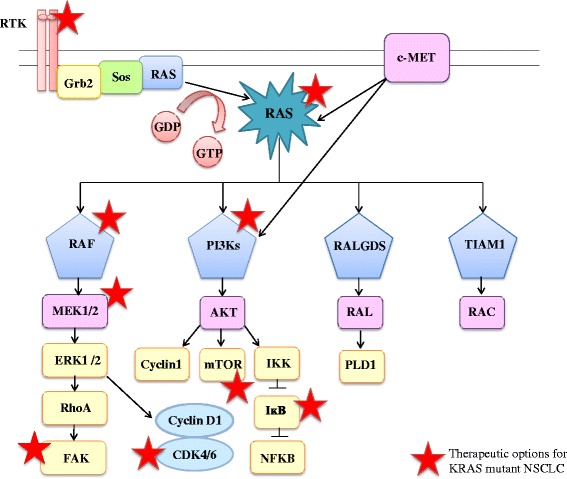
“In KRAS mutant (KRAS MT) LUAD, many indirect strategies were developed to target the downstream pathways of KRAS such as RAF/MAPK/ ERK pathway, PI3K/AKT/mTOR pathway, and RHO-FAK pathway.([9]) The KRAS downstream targets remain worth to be discovered.”
BackgroundQiu, G., Xue, L., Zhu, X., Lu, X., Liu, L., Wang, Z., Li, X., Huang, C., & Liu, J. (2022) · Frontiers in Oncology · doi:10.3389/fonc.2022.756489 · Cited by 13
Lee, S.-H., Jeon, Y., Kang, J. H., Jang, H., Lee, H., & Kim, S. (2020) · Cancers · doi:10.3390/cancers12061382 · Cited by 13
“Although KRAS is the gene most frequently mutated in lung adenocarcinoma, an effective KRAS-targeted therapy has not yet been developed [1,2].”
BackgroundDahal, U. P., Rock, B. M., Rodgers, J., Shen, X., Wang, Z., & Wahlstrom, J. L. (2022) · Drug Metabolism and Disposition · doi:10.1124/dmd.121.000798 · Cited by 13
“G12C mutation has only been reported to exist in tumors, not normal tissue (Roman et al., 2018).”
BackgroundWang, P., van der Hoeven, D., Ye, N., Chen, H., Liu, Z., Ma, X., Montufar‐Solis, D., Rehl, K. M., Cho, K., Thapa, S., et al. (2021) · European Journal of Medicinal Chemistry · doi:10.1016/j.ejmech.2021.113381 · Cited by 12
Oncogenic dependency on STAT3 serine phosphorylation in KRAS mutant lung cancer
Alhayyani, S., McLeod, L., West, A. C., Balic, J. J., Hodges, C., Yu, L., Smith, J. A., Prodanovic, Z., Bozinovski, S., Kumar, B., et al. (2021) · Oncogene · doi:10.1038/s41388-021-02134-4 · Cited by 13
Elevation of EIF4G1 promotes non‐small cell lung cancer progression by activating mTOR signalling
Lü, Y., Yu, S., Wang, G., Ma, Z., Fu, X., Cao, Y., Li, Q., & Xu, Z. (2021) · Journal of Cellular and Molecular Medicine · doi:10.1111/jcmm.16340 · Cited by 13
Molecular pathways in periampullary cancer: An overview
Apurva, A., Sattar, R. S. A., Ali, A., Nimisha, Sharma, A. K., Kumar, A., Santoshi, S., & Saluja, S. S. (2022) · Cellular Signalling · doi:10.1016/j.cellsig.2022.110461 · Cited by 12
Alvarez, J. G. B., Janse, S., Owen, D. H., Kiourtsis, S., Bertino, E. M., He, K., Carbone, D. P., & Otterson, G. A. (2020) · Clinical Lung Cancer · doi:10.1016/j.cllc.2020.11.007 · Cited by 12
Role of SHP2/PTPN11 in the occurrence and prognosis of cancer: A systematic review and meta‑analysis
Li, S., Wang, X., Li, Q., & Li, C. (2022) · Oncology Letters · doi:10.3892/ol.2022.13605 · Cited by 11
“Previous reports also showed that SHP2/PTPN11 can regulate KRAS G12C signaling and the tumor microenvironment (35,36).”
Liu, Q., Wu, H., Yu, Z., Rao, H., Yu, Z., Huang, Q., & Zhong, Z. (2022) · The Clinical Respiratory Journal · doi:10.1111/crj.13472 · Cited by 10
“Non-small cell lung cancer (NSCLC) accounts for more than 80% of all patients with lung cancer.(6,7) In recent years, personalized molecular targeted therapy as the core has become a research hotspot in the treatment of lung cancer.”
BackgroundHao, F. (2022) · Clinical & Translational Oncology · doi:10.1007/s12094-022-02826-7 · Cited by 10
“As epithelial-mesenchymal transition (EMT) status is an important cancer hallmark [51], it can be divided into two different phenotypes based on EMT status in NSCLC-KRAS-dependent and -independent tumors [52].”
BackgroundYe, X., Liu, X., Yin, N., Song, W., Jin Wei, L. U., Yang, Y., & Chen, X. (2022) · Frontiers in Immunology · doi:10.3389/fimmu.2022.956519 · Cited by 10
“However, it is worth noting that patients with KRAS mutations showed a better response to PD-1 inhibitors, and PFS and OS are also improved (28, 29).”
BackgroundPrognostic Indicators for Precision Treatment of Non-Small Cell Lung Carcinoma
Ghosh, D. D., McDonald, H. G., Dutta, R., Krishnan, K., Thilakan, J., Paul, M. K., Arya, N., Rao, M., & Rangnekar, V. M. (2024) · Cells · doi:10.3390/cells13211785 · Cited by 13
“EGFR, also called HER1, and KRAS, a GTPase, are involved in cellular signal transduction by Raf/MEK/ERK, PI3K/AKT/mTOR, and RalGDS/RalAIB pathways, and interestingly, their mutations are mutually exclusive [71].”
BackgroundTRIM66 Promotes Malignant Progression of Non-Small-Cell Lung Cancer Cells via Targeting MMP9
Xu, Y., Yang, Q., Fang, Z., Tan, X., Zhang, M., & Chen, W. (2022) · Computational and Mathematical Methods in Medicine · doi:10.1155/2022/6058720 · Cited by 10
Direct KRAS inhibition: progress, challenges, and a glimpse into the future
Grapsa, D., & Syrigos, K. (2020) · Expert Review of Anticancer Therapy · doi:10.1080/14737140.2020.1760093 · Cited by 11
“rily depend on KRAS for their survival and proliferation, and may be driven by other genetic alterations [2,12], thus further suggesting that targetable oncogenic drivers may be just the tip of”
BackgroundCyclin D1 expression in KRAS mutant non-small cell lung cancer—old wine into new skins
Goh, K. Y., & Lim, W. (2020) · Translational Lung Cancer Research · doi:10.21037/tlcr-20-639 · Cited by 10
“Non-small cell lung cancer (NSCLC) comprises >80% of cases (3).”
BackgroundGanzinelli, M., Linardou, H., Alvisi, M. F., Caiola, E., Russo, G. L., Cecere, F. L., Bettini, A., Psyrri, A. K., Milella, M., Rulli, E., et al. (2021) · ESMO Open · doi:10.1016/j.esmoop.2020.100034 · Cited by 9
KRAS G12C mutation: from undruggable target to potentially agnostic biomarker
Osta, B. E. E. (2023) · Translational Lung Cancer Research · doi:10.21037/tlcr-23-174 · Cited by 10
“Transl Lung Cancer Res 2023;12(6):1147-1151 | https://dx.”
BackgroundCytosolic DNA sensor AIM2 promotes KRAS ‐driven lung cancer independent of inflammasomes
Alanazi, M. A., Weng, T., McLeod, L., Gearing, L. J., Smith, J. A., Kumar, B., Saad, M. I., & Jenkins, B. J. (2024) · Cancer Science · doi:10.1111/cas.16171 · Cited by 13
Lung cancer in young patients: tumour characteristics and treatment in an Irish population
Cullivan, S., Mhaolcatha, S. N., Henry, M. T., Muhammad, N. K., Mullally, W. J., Bambury, R. M., Burke, L. M., & Kennedy, M. P. (2019) · Translational Cancer Research · doi:10.21037/tcr.2019.06.22 · Cited by 9
“Therefore further data regarding molecular diagnostics, PD-L1 expression and tumour mutational burden in young lung cancer patients is not only desirable but essential and could have meaningful clinical implications (25).”
BackgroundMeljen, V. T., Mittenzwei, R., Wong, J., Puechl, A. M., Whitaker, R. S., Broadwater, G., Hall, A. H. S., Bean, S. M., Bentley, R. C., Elvin, J. A., et al. (2021) · International Journal of Gynecological Pathology · doi:10.1097/pgp.0000000000000747 · Cited by 9
A critical ETV4/Twist1/Vimentin axis in Ha-RAS-induced aggressive breast cancer
Liu, W., Gajendran, B., Sample, K. M., Wang, C., Hu, A., Chen, B., Li, Y., Zacksenhaus, E., & Ben‐David, Y. (2022) · Cancer Gene Therapy · doi:10.1038/s41417-022-00471-4 · Cited by 9
“One class of driver genes that are frequently mutated in BC and other types of cancer is the RAS pathway [7, 8].”
BackgroundColorectal cancer-derived exosomes and modulation KRAS signaling
Wan, Y. H., Liu, Q. S., Wan, S. S., & Wang, R. W. (2022) · Clinical & Translational Oncology · doi:10.1007/s12094-022-02877-w · Cited by 11
“As a result of the compounds’ affinity for KRASG12C switch II pocket (S-IIP), RAS begins to prioritize guanosine diphosphate (GDP) over guanosine triphosphate (GTP), resulting in a buildup of inactivated RAS-GDP [54].”
BackgroundInfluentialTrametinib downregulates survivin expression in RB1-positive KRAS -mutant lung adenocarcinoma cells
Sumi, T., Hirai, S., Yamaguchi, M., Tanaka, Y., Tada, M., Niki, T., Takahashi, H., & Sakuma, Y. (2018) · Biochemical and Biophysical Research Communications · doi:10.1016/j.bbrc.2018.04.230 · Cited by 10
Karn, R., & Emerson, I. A. (2019) · Journal of Biomolecular Structure and Dynamics · doi:10.1080/07391102.2019.1620635 · Cited by 10
“…Crown, 2017), PIK3CA (PI3K/AKT/mTOR pathway) (Ganesan et al., 2013; Janku et al., 2011), EGFR (Khandekar, Piotrowska, Willers, & Sequist, 2018; Liao et al., 2018), PTEN (Jamaspishvili et al., 2018; Lu et al., 2018), KRAS (Rom an et al., 2018), BRAF (Lu et al., 2018) and GATA3 (Takaku et al., 2018).”
Kim, D. H., Sp, N., Kang, D. Y., Jo, E. S., Rugamba, A., Jang, K., & Yang, Y. M. (2020) · Anticancer Research · doi:10.21873/anticanres.14145 · Cited by 9
Ishida, K., Werner, J. A., Davies, R., Fan, F., Thomas, B., Wahlstrom, J. L., Lipford, J. R., & Monticello, T. M. (2021) · International Journal of Toxicology · doi:10.1177/10915818211022965 · Cited by 10
Salmani-Javan, E., Jadid, M. F. S., & Zarghami, N. (2024) · PubMed Central · doi:10.22038/ijbms.2023.72407.15749 · Cited by 16
KRASG12C Inhibitors in Non-Small Cell Lung Cancer: A Review
Tang, M., Wu, Y., Bai, X., & Lü, Y. (2024) · OncoTargets and Therapy · doi:10.2147/ott.s473368 · Cited by 9
“28 The binding of GTP to KRAS promotes the binding of effectors to trigger signal transduction pathways, including the mitogen-activated protein kinase pathway.”
BackgroundProgress in antitumor mechanisms and applications of phenformin (Review)
Zhong, Q., Li, D., & Yang, X. (2024) · Oncology Reports · doi:10.3892/or.2024.8810 · Cited by 8
“KRAS represents the most frequently mutated gene in lung adenocarcinoma, but no effective KRAS‑targeted therapy has been developed (93).”
BackgroundKazeminasab, S., Emamalizadeh, B., Khoubnasabjafari, M., & Jouyban, A. (2020) · Pharmaceutical Sciences · doi:10.34172/ps.2020.46 · Cited by 8
Gragnano, G., Nacchio, M., Sgariglia, R., Conticelli, F., Iaccarino, A., Luca, C. D., Troncone, G., & Malapelle, U. (2021) · Journal of Clinical Pathology · doi:10.1136/jclinpath-2021-207416 · Cited by 9
Li, L., Feng, R., Li, Y., Yu, X., Liu, Y., Zhao, Y., & Liu, Z. (2022) · Free Radical Biology and Medicine · doi:10.1016/j.freeradbiomed.2022.09.013 · Cited by 9
Bruggemann, L., Falls, Z., Mangione, W., Schwartz, S. A., Battaglia, S., Aalinkeel, R., Mahajan, S. D., & Samudrala, R. (2023) · International Journal of Molecular Sciences · doi:10.3390/ijms24020997 · Cited by 8
External Quality Assessment Schemes for Biomarker Testing in Oncology
Casteren, K. V., Keppens, C., Schuuring, E. M. D., Deans, Z. C., Normanno, N., Patton, S. J., & Dequeker, E. M. C. (2020) · Journal of Molecular Diagnostics · doi:10.1016/j.jmoldx.2020.02.011 · Cited by 8
The Role of Transcriptional Factor Brachyury on Cell Cycle Regulation in Non-small Cell Lung Cancer
Xu, J., Chen, M., Wu, Y., Zhang, H., Zhou, J., Wang, D., Zou, T., & Shen, J. (2020) · Frontiers in Oncology · doi:10.3389/fonc.2020.01078 · Cited by 8
“Activated Ras oncogenes have been found in a variety of human tumors (24), and K-Ras has been considered as the most commonly altered oncogene in NSCLC, especially in adenocarcinoma (25, 26).”
BackgroundZhou, J., Kang, Y., Gao, Y., Ye, X., Zhang, H., & Xie, T. (2024) · Biochemical Pharmacology · doi:10.1016/j.bcp.2024.116709 · Cited by 8
Panoramic view of MDH1: driving cancer progression and shaping the tumor immune microenvironment
Lou, Y., Lou, Y., Cheng, Y., Xu, B., Chen, H., & Dai, Y. (2025) · Frontiers in Immunology · doi:10.3389/fimmu.2025.1631449 · Cited by 7
Mahajan, S., Majumder, A., Stewart, P. A., Chen, Y. A., Adhikari, E., Fang, B., Yan, Y., Lawrence, H. R., Kinose, F., Koomen, J. M., et al. (2022) · ACS Chemical Biology · doi:10.1021/acschembio.2c00018 · Cited by 8
Effects of KRAS Genetic Interactions on Outcomes in Cancers of the Lung, Pancreas, and Colorectum
Grabski, I. N., Heymach, J. V., Kehl, K. L., Kopetz, S., Lau, K. S., Riely, G. J., Schrag, D., Yaeger, R. D., Irizarry, R. A., & Haigis, K. M. (2023) · Cancer Epidemiology Biomarkers & Prevention · doi:10.1158/1055-9965.epi-23-0262 · Cited by 8
Shum, E., Durmuş, N., Pehlivan, S., Lu, Y., Zhang, Y., Arslan, A. A., Shao, Y., & Reibman, J. (2022) · International Journal of Environmental Research and Public Health · doi:10.3390/ijerph19137618 · Cited by 7
“KRAS mutations are more commonly associated with lung cancers diagnosed in smokers and are reported to be positive in about 40% of cases [34,35].”
BackgroundLiu, Y., Gao, Y. J., Wang, Y., Zhao, C., Zhang, Z., Li, B., & Zhang, T. (2022) · BMC Cancer · doi:10.1186/s12885-022-10236-9 · Cited by 7
“It has been recognized that oncogenic mutations in KRAS gene result in hyper-activation of downstream signaling cascades that lead to uncontrolled cell proliferation and survival, so as to tumorgenesis [5, 6].”
BackgroundZhang, M., Jiang, N., Cui, R., Du, S., Ou, H., Chen, T., Ge, R., Ma, D., & Zhang, J. (2019) · Journal of Cellular and Molecular Medicine · doi:10.1111/jcmm.14584 · Cited by 7
Overview of Current Immunotherapies Targeting Mutated KRAS Cancers
Hoo, W. P. Y., Siak, P. Y., & In, L. L. A. (2019) · Current Topics in Medicinal Chemistry · doi:10.2174/1568026619666190904163524 · Cited by 8
Lewintre, E. J., Sureda, B. M., González-Larriba, J. L., Rodríguez‐Abreu, D., Juan, Ó., Blasco, A., Dómine, M., Provencio, M., Garde, J., Alvarez, R. M., et al. (2021) · Frontiers in Oncology · doi:10.3389/fonc.2021.695038 · Cited by 8
Self-citationSuresh, K. S., Rosario, O. L. D., Kallem, M., Singh, G., Shah, A., Zheng, L., Yun, X., Philip, N. M., Putcha, N., McClure, M. B., et al. (2023) · Physiological Genomics · doi:10.1152/physiolgenomics.00155.2022 · Cited by 7
Hadi, R., Pandey, R. K., Shukla, S., Husain, N., Islam, M. H., Singhal, A., Tripathi, S., & Garg, R. (2020) · Journal of Carcinogenesis · doi:10.4103/jcar.jcar_11_20 · Cited by 7
“[3‐5] KRAS mutations result in the loss of intrinsic GTPase activity leading to the deregulation of cell proliferation signals.[6]”
Yang, Q., Deng, H., Xia, H., Xu, M., Pan, G.-T., Mao, J., Tao, S., Yamanaka, K., & An, Y. (2019) · Free Radical Research · doi:10.1080/10715762.2019.1642472 · Cited by 6
Jaylet, T., Chauhan, V., Mezquita, L., Boroumand, N., Laurent, O., Elihn, K., Lundholm, L., Armant, O., & Audouze, K. (2025) · Frontiers in Public Health · doi:10.3389/fpubh.2025.1571290 · Cited by 7
Next generation sequencing for detection of EGFR alterations in NSCLC: is more better?
Batra, U., Nathany, S., Sharma, M., Jain, P., & Mehta, A. (2020) · Journal of Clinical Pathology · doi:10.1136/jclinpath-2020-207212 · Cited by 7
Osei, E. K., Lumini, J., Gunasekara, D., Osei, B., Asare, A. G., & Laflamme, R. (2019) · Journal of Radiotherapy in Practice · doi:10.1017/s1460396919000876 · Cited by 6
Uncommon targets in non-small cell lung cancer: Everyone wants a slice of cake
Toma, A. D., Russo, G. L., Signorelli, D., Pagani, F., Randon, G., Galli, G., Prelaj, A., Ferrara, R., Proto, C., Ganzinelli, M., et al. (2021) · Critical Reviews in Oncology/Hematology · doi:10.1016/j.critrevonc.2021.103299 · Cited by 6
Wang, Y., Peng, L., Zhao, M., Xiong, Y., Xue, J., Li, B., Huang, Z., Liu, X., Yang, X., Song, Y., et al. (2022) · Translational Lung Cancer Research · doi:10.21037/tlcr-22-629 · Cited by 6
“Patients with KRAS mutant NSCLC generally have shortened survival time when treated with conventional antitumor therapies compared to patients with wild-type KRAS (5).”
Lee, S. H., Kim, E. Y., Han, J. M., Han, G., & Chang, Y. S. (2023) · Cancer Research and Treatment · doi:10.4143/crt.2022.1527 · Cited by 7
Swart, E. M., Noordhof, A. L., Damhuis, R. A. M., Kunst, P. W. A., Ruysscher, D. D., Hendriks, L. E. L., van Geffen, W. H., & Aarts, M. J. (2023) · Lung Cancer · doi:10.1016/j.lungcan.2023.107290 · Cited by 7
Zhao, Y., & Brasier, A. R. (2019) · Biotarget · doi:10.21037/biotarget.2019.09.01 · Cited by 6
“Divided into two distinct classes of non-small carcinoma (adenocarcinoma) and small cell carcinomas, lung cancer is the leading cause of cancer deaths worldwide (4).”
Background
Metadata
- Authors
- Román, M., Baraibar, I., López, I., Nadal, E., Rolfo, C., Vicent, S., & Gil-Bazo, I.
- Affiliations
- Clinica Universidad de Navarra (ES)
- Centro de Investigación Médica Aplicada (ES)
- Institut Català d'Oncologia (ES)
- Antwerp University Hospital (BE)
- Navarre Institute of Health Research (ES)
- Venue
- Molecular Cancer
- Published
- 2018-02-19
- Volume
- 17
- Issue
- 1
- Pages
- 33-33
- ISSN
- 1476-4598 (ISSN-L)
- PMC
- PMC5817724
- OpenAlex
- W2795913084
- Cited by
- 301
- References
- 158
- Citations by year
- 2026: 11 · 2025: 18 · 2024: 25 · 2023: 31 · 2022: 39 · 2021: 62 · 2020: 64 · 2019: 37 · 2018: 13
- FWCI
- 7.84
- Type
- journal article
- Language
- en
- Open access
- gold
- doi.org
- Licence
- cc-by
- Locations
- Molecular Cancer (publishedVersion, cc-by)
- PubMed Central (publishedVersion, cc-by)
- PubMed (publishedVersion)
- Deposito Adademico Digital Universidad De Navarra (University of Navarra) (submittedVersion, cc-by)
- DOAJ (DOAJ: Directory of Open Access Journals) (submittedVersion, cc-by-sa)
- Zenodo (CERN European Organization for Nuclear Research) (submittedVersion, cc-by)
- Funders
- Ministerio de Educación, Gobierno de España (FPU15/00173)
- Instituto de Salud Carlos III (SAF2013-46423-R, PI11/00976, PI15/02223)
- FP7 People: Marie-Curie Actions (618312 KRASmiR FP7-PEOPLE-2013-CIG)
- Worldwide Cancer Research (16-0224)
- RTICC (RD12/0036/0040)
- Topics
- Health Sciences › Medicine › Pulmonary and Respiratory Medicine › Lung Cancer Treatments and Mutations
- Health Sciences › Medicine › Oncology › Lung Cancer Research Studies
- Life Sciences › Biochemistry, Genetics and Molecular Biology › Molecular Biology › Protein Kinase Regulation and GTPase Signaling
- Keywords
- KRAS mutation, non-small cell lung cancer, lung adenocarcinoma, KRAS-targeted therapy, prognostic factors, predictive biomarkers, molecular pathways, personalized treatment, KRAS inhibitors
- MeSH terms
- Animals, Antineoplastic Agents, Carcinoma, Non-Small-Cell Lung, Humans, Lung Neoplasms, Mutation, Genes, ras
About these checks
Registry, retraction, Cites and statistics results are computed, not judged, with one exception: a printed reference that no index lists is read once by a model before it counts as a citation error. Claims are extracted by a model and kept only when their quote appears verbatim in the text; each cited source is then checked, with a model’s help, for whether it says what the claim relies on. Those verdicts can be wrong — read the claim’s quote and the cited source before relying on one.
Statistics and arithmetic are recomputed, not judged.
Confidence bands are shown only for fields calibrated on our annotated test set. None is calibrated yet, so no band is shown.
What counts as a claim ›How we measure confidence ›How we check this ›
Are you an author, or do you see a problem with this page? Request a review
Data sources
Bibliographic data: Semantic Scholar, OpenAlex, Crossref.
Contains information from the Semantic Scholar Academic Graph Datasets, made available under the ODC Attribution License (ODC-BY 1.0).
Semantic Scholar’s data is described in: Kinney, R., et al. (2023). The Semantic Scholar Open Data Platform. arXiv:2301.10140.
