

Crosstalk between cancer cells and tumor associated macrophages is required for mesenchymal circulating tumor cell-mediated colorectal cancer metastasis
Open accessThe DOI matches its Crossref record; 55 of the 55 references it cites were found in a registry or an index.
Abstract
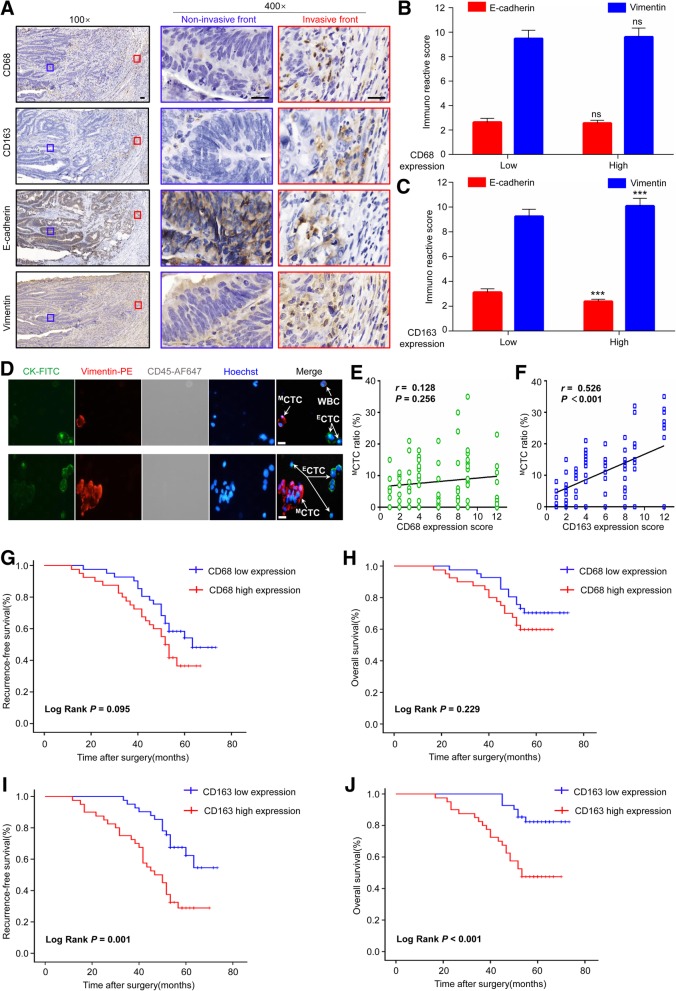
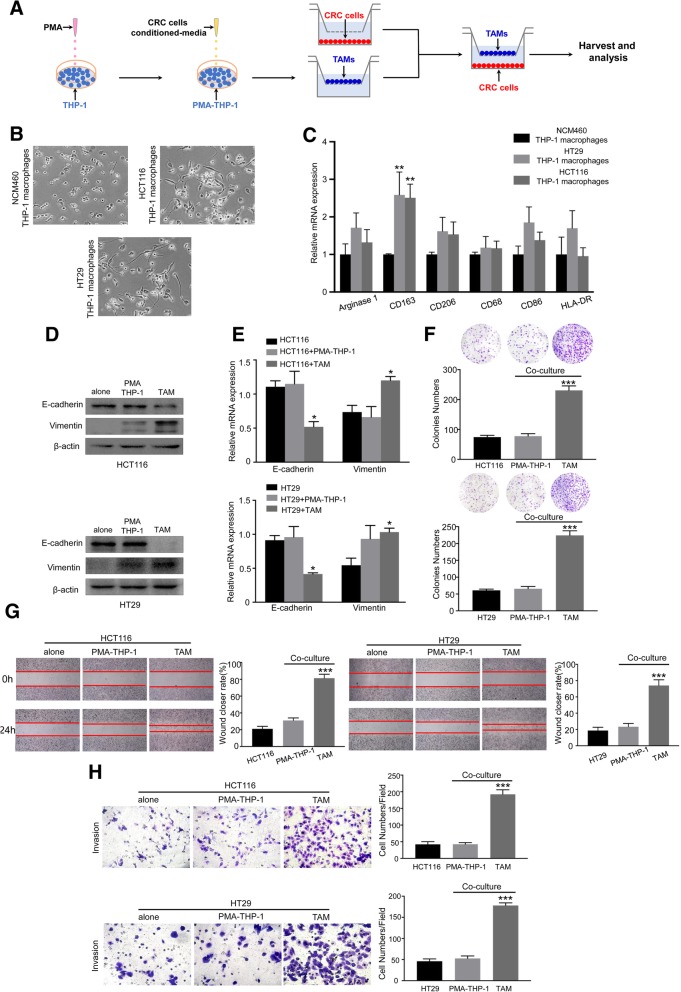
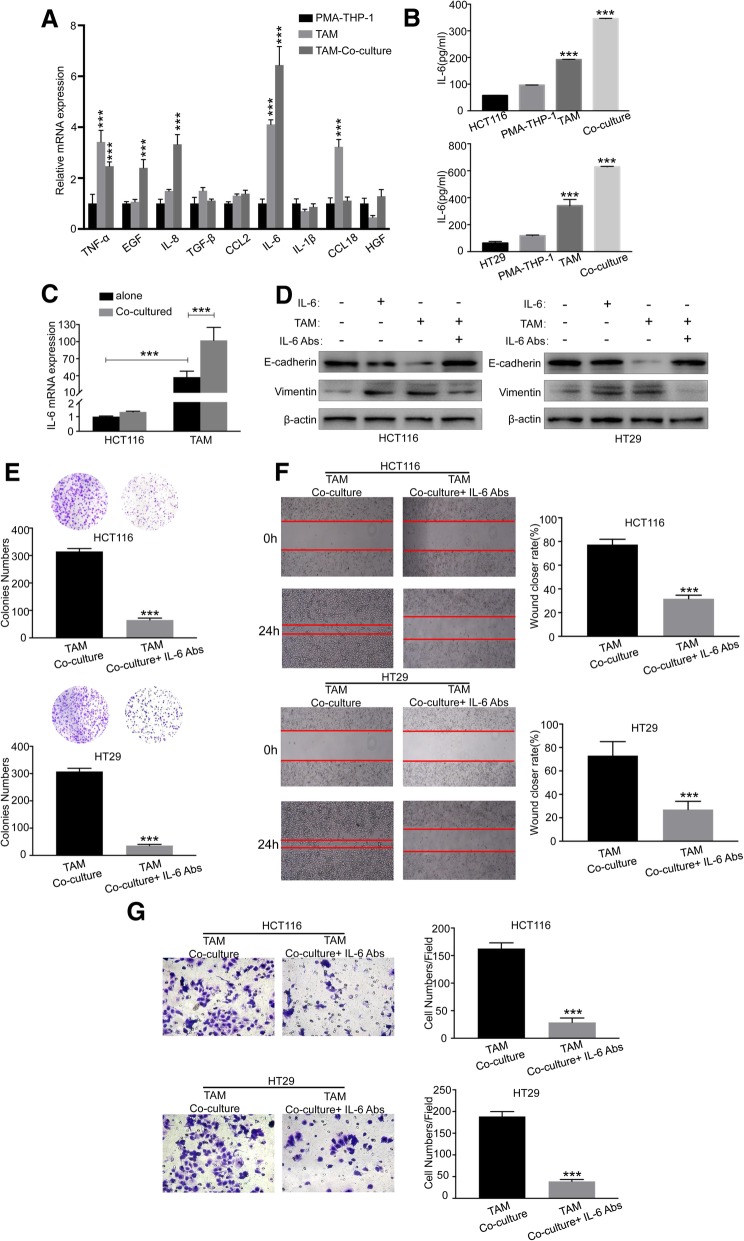
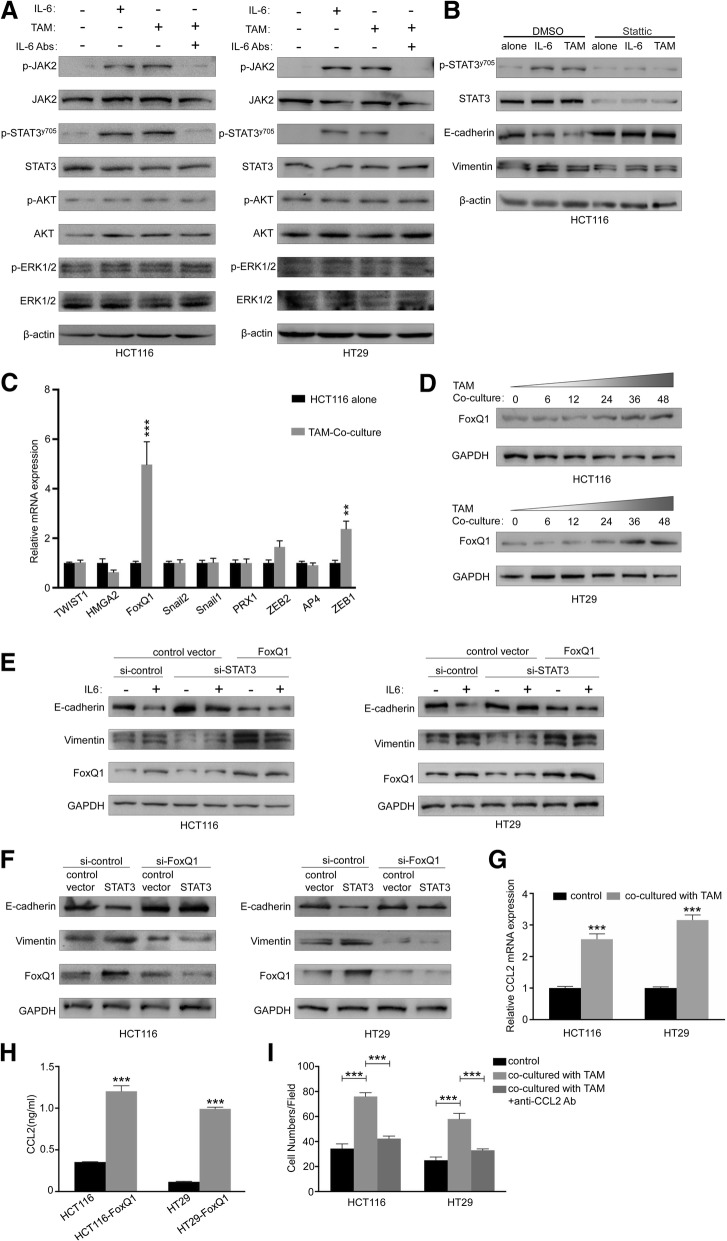
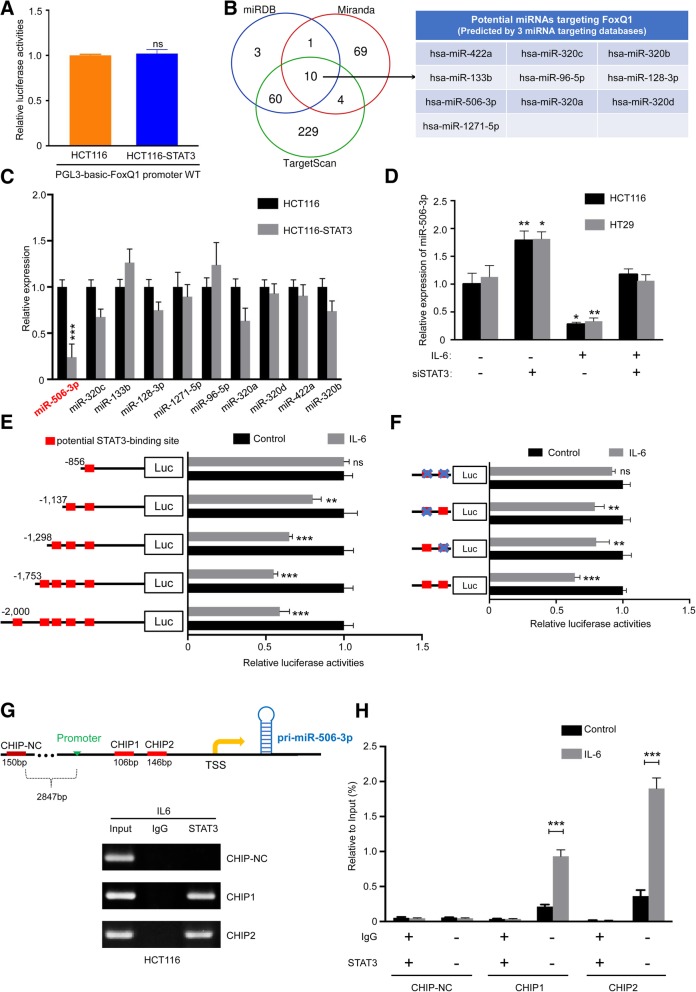
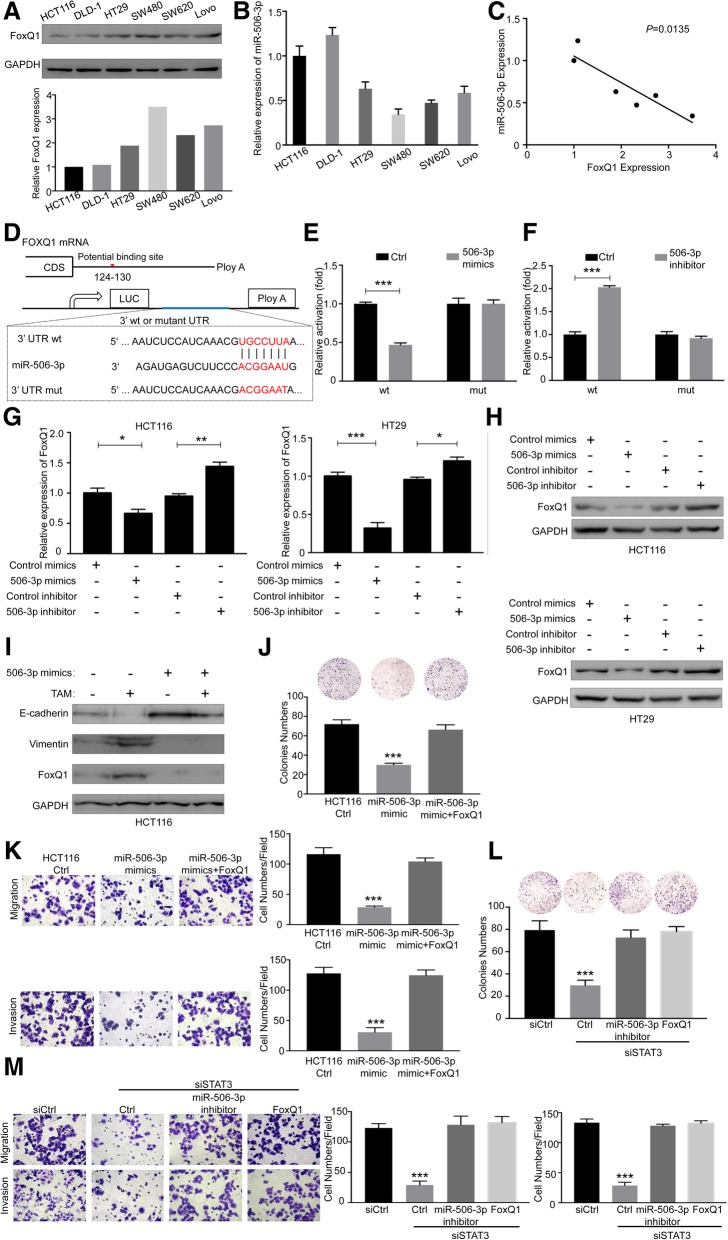
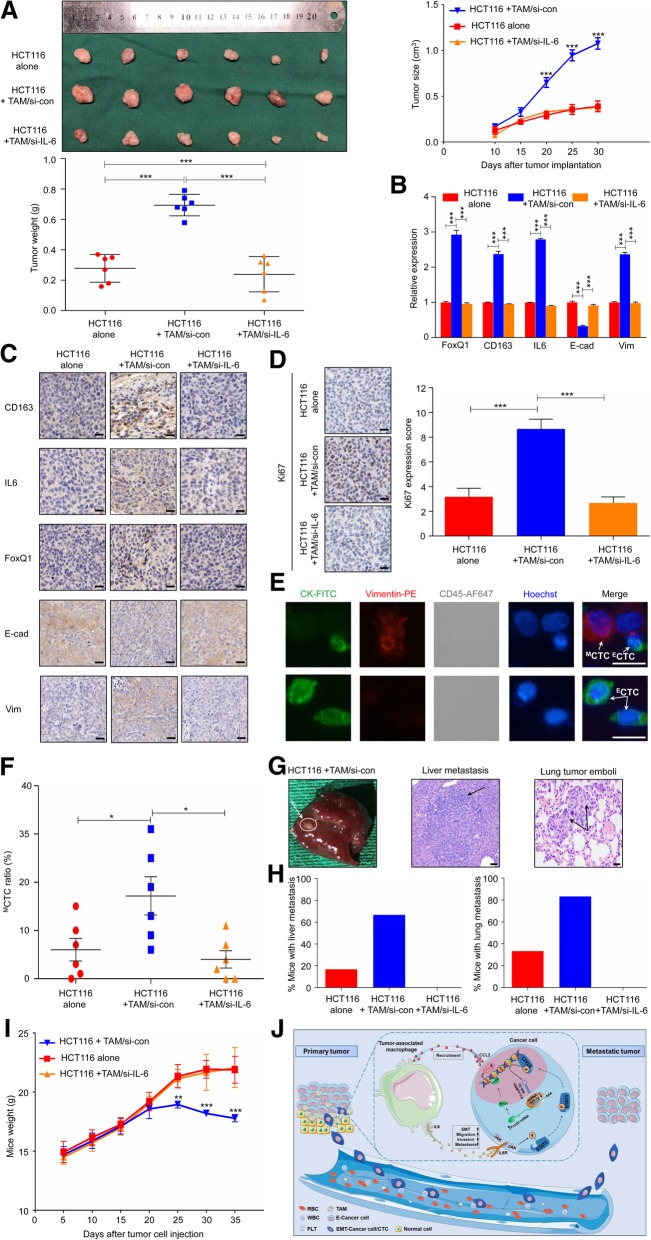
BACKGROUND: Tumor-associated macrophages (TAMs) are major components of tumor microenvironment that frequently associated with tumor metastasis in human cancers. Circulating tumor cell (CTC), originating from primary tumor sites, is considered to be the precursors of tumor metastasis. However, the regulatory mechanism of TAMs in CTC-mediated tumor metastasis still remains unclear. METHODS: Immunohistochemical staining was used to detect the macrophages infiltration (CD68 and CD163), epithelial-mesenchymal transition (EMT) markers (E-cadherin and Vimentin) expression in serial sections of human colorectal cancer (CRC) specimens. Then, the correlations between macrophages infiltration and clinicopathologic features, mesenchymal CTC ratio, and patients' prognosis were analyzed. A co-culture assay in vitro was used to evaluate the role of TAMs on CRC EMT, migration and invasion, and ELISA, luciferase reporter assay and CHIP were performed to uncover the underlying mechanism. Furthermore, an in vivo model was carried out to confirm the effect of TAMs on mesenchymal CTC-mediated metastasis. RESULTS: TAMs infiltrated in invasive front was associated with EMT, mesenchymal CTC ratio, and poor prognosis in patients with CRC. CRC-conditioned macrophages regulated EMT program to enhance CRC cells migration and invasion by secreting IL6. TAMs-derived IL6 activated the JAK2/STAT3 pathway, and activated STAT3 transcriptionally inhibited the tumor suppressor miR-506-3p in CRC cells. miR-506-3p, a key miRNA regulating FoxQ1, was downregulated in CRC cells, resulting in increased FoxQ1 expression, which in turn led to the production of CCL2 that promoted macrophage recruitment. Inhibition of CCL2 or IL6 broke this loop and reduced macrophage migration and mesenchymal CTC-mediated metastasis, respectively. CONCLUSIONS: Our data indicates that TAMs induce EMT program to enhance CRC migration, invasion, and CTC-mediated metastasis by regulating the JAK2/STAT3/miR-506-3p/FoxQ1 axis, which in turn leads to the production of CCL2 that promote macrophage recruitment, revealing a new cross-talk between immune cells and tumor cells in CRC microenvironment.
Overview
The claims and statistics of this paper haven’t been checked yet.
Free: it reads the open-access text and checks the first 5 claims that cite a source we can check. Create a free account to check every claim.
Integrity signals
Registry
Cites
Statistics
Figures
Verification
Claims the paper makes
The claims and statistics of this paper haven’t been checked yet.
Free: it reads the open-access text and checks the first 5 claims that cite a source we can check. Create a free account to check every claim.
Claims other papers make about this one
Each is checked against this paper’s own text: does it say what the citing paper says it does?
The cited source says what the claim attributes to it.
In the citing paper
“In this line, a study in human colorectal cancer (CRC) specimens and in vitro co-culture, revealed that TAMs induce EMT program to enhance CRC invasion, migration, and CTC-mediated metastasis by producing IL6 to activate JAK2/STAT3 axis and inhibit the suppressive role of miR-506-3p on FoxQ1 expression.”
From Tumor microenvironment complexity and therapeutic implications at a glance (2020) · cites this paper as [94]
Self-check
Percentages, sums and reported differences re-computed from the paper’s own numbers.
The self-check needs the paper’s full text.
Citations
Cites
Siegel, R. L., Miller, K. D., & Jemal, A. (2015) · CA: A Cancer Journal for Clinicians · doi:10.3322/caac.21254 · Cited by 11,853
Molecular mechanisms of epithelial–mesenchymal transition
Lamouille, S., Xu, J., & Derynck, R. (2014) · Nature Reviews Molecular Cell Biology · doi:10.1038/nrm3758 · Cited by 8,091
Macrophage Diversity Enhances Tumor Progression and Metastasis
Qian, B.-Z., & Pollard, J. W. (2010) · Cell · doi:10.1016/j.cell.2010.03.014 · Cited by 5,188 · cited 1×
“Macrophages in the TME, referred to as tumor-associated macrophages (TAMs), are one of the most abundant types of cells, and exhibit different phenotypes and functions in response to various microenvironmental signals generated from tumor and stromal cells [14].”
BackgroundCCL2 recruits inflammatory monocytes to facilitate breast-tumour metastasis
Qian, B.-Z., Li, J., Zhang, H., Kitamura, T., Zhang, J., Campion, L. R., Kaiser, E. A., Snyder, L. A., & Pollard, J. W. (2011) · Nature · doi:10.1038/nature10138 · Cited by 2,874
Berns, K., Horlings, H. M., Hennessy, B. T., Madiredjo, M., Hijmans, E. M., Beelen, K., Linn, S. C., Gonzalez-Angulo, A. M., Stemke-Hale, K., Hauptmann, M., et al. (2007) · Cancer Cell · doi:10.1016/j.ccr.2007.08.030 · Cited by 1,627
Dissecting the metastatic cascade
Pantel, K., & Brakenhoff, R. H. (2004) · Nature Reviews Cancer · doi:10.1038/nrc1370 · Cited by 1,281 · cited 1×
“Furthermore, CTC disseminate from primary tumor by undergoing EMT that allow them to penetrate blood vessels [35], and CTC was thought to have stronger invasive and metastatic ability [36].”
BackgroundApplied bioinformatics for the identification of regulatory elements
Wasserman, W. W., & Sandelin, A. (2004) · Nature Reviews Genetics · doi:10.1038/nrg1315 · Cited by 1,228 · cited 1×
“To validate whether transcription of miR-506-3p was directly activated by STAT3, we performed bioinformatics analysis of miR-506-3p promoter region to reveal potential transcription factor binding sites and five potential STAT3-binding sites were revealed by Jaspar [32] (Additional file 1: Figure S3A and Additional fi…”
MethodIliopoulos, D., Jaeger, S. A., Hirsch, H. A., Bulyk, M. L., & Struhl, K. (2010) · Molecular Cell · doi:10.1016/j.molcel.2010.07.023 · Cited by 830 · cited 1×
“For example, STAT3 activated by IL6 directly upregulated the miR-21 and miR-181b-1, which was shown to be necessary for the epigenetic switch linking inflammation to cancer [53].”
BackgroundSu, S., Liu, Q., Chen, J., Chen, J., Chen, F., He, C., Huang, D., Wu, W., Lin, L., Huang, W., et al. (2014) · Cancer Cell · doi:10.1016/j.ccr.2014.03.021 · Cited by 772 · cited 1×
“Our results were in accordance with previous study, which comprehensively demonstrated that CCL18 TAMs infiltration in the tumor invasive front might establish an aggressive TME and could regulate breast cancer cells an EMT shift to increase metastatic ability [33].”
ResultSelf-citationWang, X., Luo, G., Zhang, K., Cao, J., Huang, C., Jiang, T., Liu, B., Su, L., & Qiu, Z. (2018) · Cancer Research · doi:10.1158/0008-5472.can-17-3841 · Cited by 767 · cited 1×
“Additionally, Wang and colleagues revealed that pancreatic cancer (PC) cells activated macrophages to the M2 phenotype, which then promoted EMT progress to increase migration and invasion of PC cells [23].”
BackgroundInterleukin-6 induces an epithelial-mesenchymal transition phenotype in human breast cancer cells
Sullivan, N. J., Sasser, A. K., Axel, A. E., Vesuna, F., Raman, V, Ramirez, N., Oberyszyn, T. M., & Hall, B. M. (2009) · Oncogene · doi:10.1038/onc.2009.180 · Cited by 757 · cited 1×
“As a key cytokine linked to inflammation-associated cancer, IL6 is implicated in the facilitation of angiogenesis, tumorigenesis and progression by complicated mechanisms, such as increasing expression of invasion-related genes (Twist and MMP-1) and anti-apoptotic factors (Bcl-2 and Bcl-xL), and activation of PI3K, ER…”
BackgroundIL-6R/STAT3/miR-34a feedback loop promotes EMT-mediated colorectal cancer invasion and metastasis
Rokavec, M., Öner, M. G., Li, H., Jackstadt, R., Jiang, L., Lodygin, D., Kaller, M., Horst, D., Ziegler, P. K., Schwitalla, S., et al. (2014) · Journal of Clinical Investigation · doi:10.1172/jci73531 · Cited by 753
High Macrophage Infiltration along the Tumor Front Correlates with Improved Survival in Colon Cancer
Forssell, J., Öberg, A., Henriksson, M. L., Stenling, R., Jung, A., & Palmqvist, R. (2007) · Clinical Cancer Research · doi:10.1158/1078-0432.ccr-06-2073 · Cited by 566 · cited 1×
“In terms of CRC, the exact roles of TAMs are seem to be somewhat contradictory [20, 21].”
BackgroundEMT and inflammation: inseparable actors of cancer progression
Suarez‐Carmona, M., Lesage, J., Cataldo, D., & Gilles, C. (2017) · Molecular Oncology · doi:10.1002/1878-0261.12095 · Cited by 566
Clusters of circulating tumor cells traverse capillary-sized vessels
Au, S. H., Storey, B. D., Moore, J. C., Tang, Q., Chen, Y.-L., Javaid, S., Sarioglu, A. F., Sullivan, R., Madden, M. W., O’Keefe, R., et al. (2016) · Proceedings of the National Academy of Sciences · doi:10.1073/pnas.1524448113 · Cited by 478
EMT, CTCs and CSCs in tumor relapse and drug-resistance
Mitra, A., Mishra, L., & Li, S. (2015) · Oncotarget · doi:10.18632/oncotarget.4037 · Cited by 465
A breast cancer stem cell niche supported by juxtacrine signalling from monocytes and macrophages
Lu, H., Clauser, K. R., Tam, W. L., Fröse, J., Ye, X., Eaton, E. N., Reinhardt, F., Donnenberg, V. S., Bhargava, R., Carr, S. A., et al. (2014) · Nature Cell Biology · doi:10.1038/ncb3041 · Cited by 459
Macrophages orchestrate breast cancer early dissemination and metastasis
Linde, N., Casanova-Acebes, M., Sosa, M. S., Mortha, A., Rahman, A., Farias, E., Harper, K., Tardio, E., Reyes Torres, I., Jones, J., et al. (2018) · Nature Communications · doi:10.1038/s41467-017-02481-5 · Cited by 413 · cited 1×
“In breast cancer, inflammatory monocytes could be continually recruit by CCL2 produced by cancer cells and differentiate into TAMs that facilitate the subsequent growth of metastatic cells [50].”
BackgroundAnnals of Clinical Laboratory Science
Kay, H. E. M. (1973) · Journal of Clinical Pathology · doi:10.1136/jcp.26.1.82-c · Cited by 303
Qi, L.-N., Xiang, B.-D., Wu, F.-X., Ye, J.-Z., Zhong, J.-H., Wang, Y.-Y., Chen, Y.-Y., Chen, Z.-S., Ma, L., Chen, J., et al. (2018) · Cancer Research · doi:10.1158/0008-5472.can-17-2459 · Cited by 301
Specific Capture and Release of Circulating Tumor Cells Using Aptamer‐Modified Nanosubstrates
Shen, Q., Xu, L., Zhao, L., Wu, D., Fan, Y., Zhou, Y., OuYang, W., Xu, X., Zhang, Z., Song, M., et al. (2013) · Advanced Materials · doi:10.1002/adma.201300082 · Cited by 300
Self-citationYin, Y., Yao, S., Hu, Y., Feng, Y., Li, M., Bian, Z., Zhang, J., Qin, Y., Qi, X., Zhou, L., et al. (2017) · Clinical Cancer Research · doi:10.1158/1078-0432.ccr-17-1283 · Cited by 296
Wolf, M. J., Hoos, A., Bauer, J., Boettcher, S., Knust, M., Weber, A., Simonavicius, N., Schneider, C., Lang, M., Stürzl, M., et al. (2012) · Cancer Cell · doi:10.1016/j.ccr.2012.05.023 · Cited by 290 · cited 1×
“showed that CCL2 produced by CRC cells could also foster vascularization and intravasation [49].”
BackgroundHerrera, M., Herrera, A., Domínguez, G., Silva, J., García, V., García, J. M., Gómez, I., Soldevilla, B., Muñoz, C., Provencio, M., et al. (2013) · Cancer Science · doi:10.1111/cas.12096 · Cited by 289
Penny, H. L., Sieow, J. L., Adriani, G., Yeap, W. H., See Chi Ee, P., San Luis, B., Lee, B., Lee, T., Mak, S. Y., Ho, Y. S., et al. (2016) · OncoImmunology · doi:10.1080/2162402x.2016.1191731 · Cited by 254 · cited 1×
“colleagues also reported that pancreatic ductal adenocarcinoma-generated TAMs expressed both M1 (IL-1β, IL6, and TNF-α) and M2 (CD163, CD206 and Arg1) markers [43].”
BackgroundIL-6 Mediates Cross-Talk between Tumor Cells and Activated Fibroblasts in the Tumor Microenvironment
Karakasheva, T. A., Lin, E. W., Tang, Q., Qiao, E., Waldron, T. J., Soni, M., Klein-Szanto, A. J., Sahu, V., Basu, D., Ohashi, S., et al. (2018) · Cancer Research · doi:10.1158/0008-5472.can-17-2268 · Cited by 250
Yokobori, T., Iinuma, H., Shimamura, T., Imoto, S., Sugimachi, K., Ishii, H., Iwatsuki, M., Ota, D., Ohkuma, M., Iwaya, T., et al. (2013) · Cancer Research · doi:10.1158/0008-5472.can-12-0326 · Cited by 249 · cited 1×
“Moreover, numerous studies demonstrated mesenchymal CTC (CTC) had more prognostic value than total CTC, which was positively associated with tumor progression and poor patient’s survival in CRC, and knowing about the phenotype traits of CTC could give more information about CRC development [8, 9].”
BackgroundDaurkin, I., Eruslanov, E., Stoffs, T., Perrin, G. Q., Algood, C., Gilbert, S. M., Rosser, C. J., Su, L.-M., Vieweg, J., & Kusmartsev, S. (2011) · Cancer Research · doi:10.1158/0008-5472.can-11-1261 · Cited by 235
Nagorsen, D., Voigt, S., Berg, E., Stein, H., Thiel, E., & Loddenkemper, C. (2007) · Journal of Translational Medicine · doi:10.1186/1479-5876-5-62 · Cited by 228
BMP4 Induces M2 Macrophage Polarization and Favors Tumor Progression in Bladder Cancer
Martínez, V. G., Rubio, C., Martínez-Fernández, M., Segovia, C., López-Calderón, F., Garín, M. I., Teijeira, A., Munera-Maravilla, E., Varas, A., Sacedón, R., et al. (2017) · Clinical Cancer Research · doi:10.1158/1078-0432.ccr-17-1004 · Cited by 210
Chen, T., Li, Q., Wu, J., Wu, Y., Peng, W., Li, H., Wang, J., Tang, X., Peng, Y., & Fu, X. (2018) · Cancer Immunology, Immunotherapy · doi:10.1007/s00262-018-2233-x · Cited by 195 · cited 1×
“At present, regarding the roles of TAMs in EMT and tumor metastasis, most studies mainly focused on M2-polarized phenotype [39, 42].”
BackgroundZhang, H., Meng, F., Liu, G., Zhang, B., Zhu, J., Wu, F., Ethier, S. P., Miller, F., & Wu, G. (2011) · Cancer Research · doi:10.1158/0008-5472.can-10-2825 · Cited by 177 · cited 1×
“Among them, FoxQ1 plays an important role in the invasion and metastasis of many cancers [46, 47].”
BackgroundHe, K.-F., Zhang, L., Huang, C.-F., Ma, S.-R., Wang, Y.-F., Wang, W.-M., Zhao, Z.-L., Liu, B., Zhao, Y.-F., Zhang, W.-F., et al. (2014) · BioMed Research International · doi:10.1155/2014/838632 · Cited by 172 · cited 1×
“At present, the clinical associations of high CD163 TAMs infiltration with poor clinical outcomes had been widely shown in numerous human cancers [37, 38], however, whether CD163 TAMs, especially infiltrated in invasive front, contribute to better or poorer prognosis still remains contradictory in terms of CRC [39, 40…”
BackgroundFOXQ1 Regulates Epithelial-Mesenchymal Transition in Human Cancers
Qiao, Y., Jiang, X., Lee, S. T., Karuturi, R. K. M., Hooi, S. C., & Yu, Q. (2011) · Cancer Research · doi:10.1158/0008-5472.can-10-2787 · Cited by 168 · cited 1×
“Among them, FoxQ1 plays an important role in the invasion and metastasis of many cancers [46, 47].”
BackgroundZhang, Y., Sime, W., Juhas, M., & Sjölander, A. (2013) · European Journal of Cancer · doi:10.1016/j.ejca.2013.06.005 · Cited by 163 · cited 1×
“In terms of CRC, the exact roles of TAMs are seem to be somewhat contradictory [20, 21].”
BackgroundLi, Y., Xu, S.-C., Li, J., Han, K.-Q., Pi, H.-F., Zheng, L., Zuo, G.-H., Huang, X.-B., Li, H.-Y., Zhao, H.-Z., et al. (2013) · Cell Death and Disease · doi:10.1038/cddis.2013.347 · Cited by 159 · cited 1×
“Furthermore, CTC disseminate from primary tumor by undergoing EMT that allow them to penetrate blood vessels [35], and CTC was thought to have stronger invasive and metastatic ability [36].”
BackgroundXia, L., Huang, W., Tian, D., Zhang, L., Qi, X., Chen, Z., Shang, X. C., Nie, Y., & Wu, K. (2013) · Hepatology · doi:10.1002/hep.26735 · Cited by 156 · cited 4×
“In hepatocellular carcinoma (HCC), HCC-derived IL-8 stimulated the M2 polarization of TAMs, which promoted the EMT and invasive potential of HCC cells [22].”
BackgroundInfluentialFang, L.-Y., Izumi, K., Lai, K.-P., Liang, L., Li, L., Miyamoto, H., Lin, W.-J., & Chang, C. (2013) · Cancer Research · doi:10.1158/0008-5472.can-12-3228 · Cited by 154
Xiao, P., Long, X., Zhang, L., Ye, Y., Guo, J., Liu, P., Zhang, R., Ning, J., Yu, W., Wei, F., et al. (2018) · OncoImmunology · doi:10.1080/2162402x.2018.1440166 · Cited by 153
M2‐like macrophages induce colon cancer cell invasion via matrix metalloproteinases
Vinnakota, K., Zhang, Y., Selvanesan, B. C., Topi, G., Salim, T., Sand‐Dejmek, J., Jönsson, G., & Sjölander, A. (2017) · Journal of Cellular Physiology · doi:10.1002/jcp.25808 · Cited by 130 · cited 2×
“At present, the clinical associations of high CD163 TAMs infiltration with poor clinical outcomes had been widely shown in numerous human cancers [37, 38], however, whether CD163 TAMs, especially infiltrated in invasive front, contribute to better or poorer prognosis still remains contradictory in terms of CRC [39, 40…”
BackgroundPark, J. Y., Sung, J., Lee, J.-H., Park, Y.-K., Kim, Y. W., Kim, G. Y., Won, K. Y., & Lim, S. (2015) · Clinics and Research in Hepatology and Gastroenterology · doi:10.1016/j.clinre.2015.09.005 · Cited by 113
Mack, P. C., Redman, M. W., Chansky, K., Williamson, S. K., Farneth, N. C., Lara, P. N., Franklin, W. A., Le, Q.-T., Crowley, J. J., & Gandara, D. R. (2008) · Journal of Clinical Oncology · doi:10.1200/jco.2008.17.0662 · Cited by 110
Tumor-associated macrophages remodeling EMT and predicting survival in colorectal carcinoma
Li, S., Xu, F., Zhang, J., Wang, L., Zheng, Y., Wu, X., Wang, J., Huang, Q., & Lai, M. (2018) · OncoImmunology · doi:10.1080/2162402x.2017.1380765 · Cited by 109 · cited 1×
“demonstrated that CD68 TAMs could both decrease Snail expression and inhibit tumor buds which negatively related with EMT phenotype in CRC [34].”
BackgroundHuang, R., Su, P., Liao, Y.-P., Wu, T.-I., Hsu, Y., Lin, W., Wang, H.-C., Weng, Y., Ou, Y., Huang, T. H. ‐., et al. (2016) · Clinical Cancer Research · doi:10.1158/1078-0432.ccr-16-0863 · Cited by 104
miR-182-5p Induced by STAT3 Activation Promotes Glioma Tumorigenesis
Xue, J., Zhou, A., Wu, Y., Morris, S.-A., Lin, K., Amin, S., Verhaak, R., Fuller, G., Xie, K., Heimberger, A. B., et al. (2016) · Cancer Research · doi:10.1158/0008-5472.can-15-3073 · Cited by 93 · cited 1×
“Furthermore, STAT3-mediated activation of miR-182-5p had been shown to upregulate the proliferative and invasive capacities by directly targeting PCDH8 in glioma cells [54].”
BackgroundMicalizzi, D. S., Haber, D. A., & Maheswaran, S. (2017) · Molecular Oncology · doi:10.1002/1878-0261.12081 · Cited by 82 · cited 1×
“CTC, which gains more mesenchymal traits by EMT, is easy to survive and metastasize [11, 12].”
BackgroundWang, S., Zhang, C., Wang, G., Cheng, B., Wang, Y., Chen, F., Chen, Y., Feng, M., & Xiong, B. (2016) · Theranostics · doi:10.7150/thno.15284 · Cited by 71
Self-citation(2013) · Science Foundation in China · doi:10.1088/issn.1005-0841 · Cited by 71
Smith, D. A., Kiba, A., Zong, Y., & Witte, O. N. (2013) · Molecular Cancer Research · doi:10.1158/1541-7786.mcr-13-0238 · Cited by 60 · cited 1×
“To determine what downstream signals in the tumor cells responded to IL6 secretion by TAMs, we looked at ERK, Akt, and STAT3 pathway, which all have been reported to be activated upon stimulation with IL6 [28, 29].”
BackgroundFeasibility of a novel one-stop ISET device to capture CTCs and its clinical application
Chen, F., Wang, S., Fang, Y., Zheng, L., Zhi, X., Cheng, B., Chen, Y., Zhang, C., Shi, D., Song, H., et al. (2016) · Oncotarget · doi:10.18632/oncotarget.13823 · Cited by 59 · cited 2×
“, Wuhan, China) as described in our previous study [7].”
BackgroundMethodSelf-citationZugowski, C., Lieder, F., Müller, A., Gasch, J., Corvinus, F. M., Moriggl, R., & Friedrich, K. (2011) · Biological Chemistry · doi:10.1515/bc.2011.038 · Cited by 51 · cited 1×
“As a key cytokine linked to inflammation-associated cancer, IL6 is implicated in the facilitation of angiogenesis, tumorigenesis and progression by complicated mechanisms, such as increasing expression of invasion-related genes (Twist and MMP-1) and anti-apoptotic factors (Bcl-2 and Bcl-xL), and activation of PI3K, ER…”
BackgroundYang, C., Zhang, N., Wang, S., Shi, D., Zhang, C., Liu, K., & Xiong, B. (2018) · Journal of Translational Medicine · doi:10.1186/s12967-018-1521-8 · Cited by 51
Self-citationGuo, J., Yan, Y., Yan, Y., Guo, Q., Zhang, M., Zhang, J., & Goltzman, D. (2017) · Oncology Reports · doi:10.3892/or.2017.5877 · Cited by 42
MicroRNA-506 Inhibits Malignancy of Colorectal Carcinoma Cells by Targeting LAMC1.
Caihua, Z., Liu, T., & Zhang, G. (2016) · PubMed · Cited by 24
miR-506 inhibits cell proliferation and invasion by targeting TET family in colorectal cancer.
Wu, M., Zhang, Y., Tang, A., & Tian, L. (2016) · PubMed Central · Cited by 14
Research works printed but not linked: 3
- Su S Liu Q Chen J Chen J Chen F He C Huang D Wu W Lin L Huang W A positive feedback loop between mesenchymal-like cancer cells and macrophages is essential to breast cancer metastasis Cancer Cell 2014 25 605 620 10.1016/j.ccr.2014.03.021 24823638 · DOI · Paper page
- Pantel K Brakenhoff RH Dissecting the metastatic cascade Nat Rev Cancer 2004 4 448 10.1038/nrc1370 15170447 · DOI · Paper page
- Guo J Yan Y Yan Y Guo Q Zhang M Zhang J Goltzman D Tumor-associated macrophages induce the expression of FOXQ1 to promote epithelial-mesenchymal transition and metastasis in gastric cancer cells Oncol Rep 2017 38 2003 2010 10.3892/or.2017.5877 28791370 PMC5652949 · DOI
Cited by
Macrophages in immunoregulation and therapeutics
Chen, S., Saeed, A. F. U. H., Liu, Q., Jiang, Q., Xu, H., Xiao, G. G., Rao, L., & Duo, Y. (2023) · Signal Transduction and Targeted Therapy · doi:10.1038/s41392-023-01452-1 · Cited by 2,229
“Furthermore, CCL2 production upon activating this axis may aid in macrophage recruitment.(316) High TCF4 expression was also linked to macrophage recruitment and polarization in metastatic locations.”
BackgroundSelf-citationTumor microenvironment complexity and therapeutic implications at a glance
Baghban, R., Roshangar, L., Jahanban-Esfahlan, R., Seidi, K., Ebrahimi-Kalan, A., Jaymand, M., Kolahian, S., Javaheri, T., & Zare, P. (2020) · Cell Communication and Signaling · doi:10.1186/s12964-020-0530-4 · Cited by 1,784
“Blockade of IL6 or CCL2 demolishes this loop as evidenced by reduced mesenchymal CTC-mediated metastasis and macrophage migration, respectively [94] .”
BackgroundCirculating tumor cells: biology and clinical significance
Lin, D., Shen, L., Luo, M., Zhang, K., Li, J., Yang, Q., Zhu, F., Zhou, D., Zheng, S., Chen, Y., et al. (2021) · Signal Transduction and Targeted Therapy · doi:10.1038/s41392-021-00817-8 · Cited by 993
Metabolism, metabolites, and macrophages in cancer
Li, M., Yang, Y., Xiong, L., Jiang, P., Wang, J., & Li, C. (2023) · Journal of Hematology & Oncology · doi:10.1186/s13045-023-01478-6 · Cited by 507
“Furthermore, TAMs have been implicated in facilitating tumour invasion and metastasis [29, 30].”
BackgroundThree-Dimensional Spheroids as In Vitro Preclinical Models for Cancer Research
Pinto, B., Henriques, A. C., Silva, P. M. A., & Bousbaa, H. (2020) · Pharmaceutics · doi:10.3390/pharmaceutics12121186 · Cited by 440
“The TME, mainly through hypoxia and secreted cytokines, promotes the M2 phenotype which favors, amongst others, tissue repair and tumor invasion and progression [19,20].”
Background
Metadata
- Authors
- Wei, C., Yang, C., Wang, S., Shi, D., Zhang, C., Lin, X., Liu, Q., Dou, R., & Xiong, B.
- Affiliations
- Zhongnan Hospital of Wuhan University (CN)
- Corresponding author
- Xiong, Bin
- Venue
- Molecular Cancer
- Published
- 2019-03-30
- Volume
- 18
- Issue
- 1
- Pages
- 64-64
- ISSN
- 1476-4598 (ISSN-L)
- PMC
- PMC6441214
- OpenAlex
- W2948024202
- Cited by
- 833
- References
- 55
- Citations by year
- 2026: 60 · 2025: 129 · 2024: 148 · 2023: 147 · 2022: 173 · 2021: 100 · 2020: 66 · 2019: 8
- FWCI
- 34.76
- Type
- journal article
- Language
- en
- Open access
- gold
- doi.org
- Licence
- cc-by
- creativecommons.org/licenses/by/4.0/ (tdm)
- Locations
- Molecular Cancer (publishedVersion, cc-by)
- PubMed Central (publishedVersion, cc-by)
- PubMed (publishedVersion)
- DOAJ (DOAJ: Directory of Open Access Journals) (submittedVersion, cc-by-sa)
- Funders
- National Natural Science Foundation of China ((81572874, 81702411)
- Topics
- Life Sciences › Immunology and Microbiology › Immunology › Immune cells in cancer
- Health Sciences › Medicine › Oncology › Cancer Cells and Metastasis
- Life Sciences › Biochemistry, Genetics and Molecular Biology › Molecular Biology › Mechanisms of cancer metastasis
- Keywords
- tumor-associated macrophages, circulating tumor cells, colorectal cancer, metastasis, epithelial-mesenchymal transition, interleukin-6, JAK2/STAT3 signaling, miR-506-3p, FOXQ1, MCP-1, macrophage recruitment, tumor microenvironment, cell migration and invasion
- MeSH terms
- Animals, Cell Movement, Female, Follow-Up Studies, Humans, Liver Neoplasms, Lung Neoplasms, Macrophages, Male, Mice, Nude, Middle Aged, Neoplastic Cells, Circulating, Neoplasm Invasiveness, Prognosis, Tumor Cells, Cultured, Biomarkers, Tumor, Colorectal Neoplasms, Signal Transduction, Gene Expression Regulation, Neoplastic, Survival Rate, Apoptosis, Xenograft Model Antitumor Assays, Cell Proliferation, Mice, Epithelial-Mesenchymal Transition, Tumor Microenvironment
About these checks
Registry, retraction, Cites and statistics results are computed, not judged, with one exception: a printed reference that no index lists is read once by a model before it counts as a citation error. Claims are extracted by a model and kept only when their quote appears verbatim in the text; each cited source is then checked, with a model’s help, for whether it says what the claim relies on. Those verdicts can be wrong — read the claim’s quote and the cited source before relying on one.
Statistics and arithmetic are recomputed, not judged.
Confidence bands are shown only for fields calibrated on our annotated test set. None is calibrated yet, so no band is shown.
What counts as a claim ›How we measure confidence ›How we check this ›
Are you an author, or do you see a problem with this page? Request a review
Data sources
Bibliographic data: Semantic Scholar, OpenAlex, Crossref.
Contains information from the Semantic Scholar Academic Graph Datasets, made available under the ODC Attribution License (ODC-BY 1.0).
Semantic Scholar’s data is described in: Kinney, R., et al. (2023). The Semantic Scholar Open Data Platform. arXiv:2301.10140.
