

Natural killer cells in cancer biology and therapy
Open accessThe DOI matches its Crossref record; 269 of the 269 references it cites were found in a registry or an index.
Abstract
The tumor microenvironment is highly complex, and immune escape is currently considered an important hallmark of cancer, largely contributing to tumor progression and metastasis. Named for their capability of killing target cells autonomously, natural killer (NK) cells serve as the main effector cells toward cancer in innate immunity and are highly heterogeneous in the microenvironment. Most current treatment options harnessing the tumor microenvironment focus on T cell-immunity, either by promoting activating signals or suppressing inhibitory ones. The limited success achieved by T cell immunotherapy highlights the importance of developing new-generation immunotherapeutics, for example utilizing previously ignored NK cells. Although tumors also evolve to resist NK cell-induced cytotoxicity, cytokine supplement, blockade of suppressive molecules and genetic engineering of NK cells may overcome such resistance with great promise in both solid and hematological malignancies. In this review, we summarized the fundamental characteristics and recent advances of NK cells within tumor immunometabolic microenvironment, and discussed potential application and limitations of emerging NK cell-based therapeutic strategies in the era of presicion medicine.
Overview
The claims and statistics of this paper haven’t been checked yet.
Free: it reads the open-access text and checks the first 5 claims that cite a source we can check. Create a free account to check every claim.
Integrity signals
Registry
Cites
Statistics
Figures
Verification
Claims the paper makes
The claims and statistics of this paper haven’t been checked yet.
Free: it reads the open-access text and checks the first 5 claims that cite a source we can check. Create a free account to check every claim.
Claims other papers make about this one
Each is checked against this paper’s own text: does it say what the citing paper says it does?
The source backs part of the claim, not all of it — or backs it for a different population, condition or comparison.
In the citing paper
“Due to this difference in cytokine secretion profile, NK cells have the potential to be developed as “off-the-shelf” CAR products with a lower risk of inducing CRS compared to CAR-T cells.”
From Multiple myeloma: signaling pathways and targeted therapy (2024) · cites this paper as [267]
Experimental — accuracy not yet measuredThe source backs part of the claim, not all of it — or backs it for a different population, condition or comparison.
In the citing paper
“Importantly, NK cells do not produce IL-1 and IL-6, which are key cytokines involved in the development of CRS [266, 267].”
From Multiple myeloma: signaling pathways and targeted therapy (2024) · cites this paper as [267]
Experimental — accuracy not yet measured
Self-check
Percentages, sums and reported differences re-computed from the paper’s own numbers.
The self-check needs the paper’s full text.
Citations
Cites
1 retracted
Meyaard, L., de Vries, A.-R. V. D. V., Ruiter, T. E.-D., Lanier, L. L., Phillips, J. H., & Clevers, H. C. (2001) · The Journal of Experimental Medicine · doi:10.1084/jem.194.1.107 · Cited by 43
RetractedHallmarks of Cancer: The Next Generation
Hanahan, D., & Weinberg, R. A. (2011) · Cell · doi:10.1016/j.cell.2011.02.013 · Cited by 66,590 · cited 2×
“Background The diversity of infiltrating stromal cells occurring in human cancers exceeds 30 distinct subgroups, reflecting the huge complexity of the tumor microenvironment (TME), thereby deeply affecting the treatment option for each patient [1].”
BackgroundRobust enumeration of cell subsets from tissue expression profiles
Newman, A. M., Liu, C. L., Green, M. R., Gentles, A. J., Feng, W., Xu, Y., Hoang, C. D., Diehn, M., & Alizadeh, A. A. (2015) · Nature Methods · doi:10.1038/nmeth.3337 · Cited by 13,224
Axicabtagene Ciloleucel CAR T-Cell Therapy in Refractory Large B-Cell Lymphoma
Neelapu, S. S., Locke, F. L., Bartlett, N. L., Lekakis, L. J., Miklos, D. B., Jacobson, C. A., Braunschweig, I., Oluwole, O. O., Siddiqi, T., Lin, Y., et al. (2017) · New England Journal of Medicine · doi:10.1056/nejmoa1707447 · Cited by 6,030
Self-citationTisagenlecleucel in children and young adults with B-cell lymphoblastic leukemia
Maude, S. L., Laetsch, T. W., Buechner, J., Rives, S., Boyer, M., Bittencourt, H., Bader, P., Verneris, M. R., Stefanski, H. E., Myers, G. D., et al. (2018) · New England Journal of Medicine · doi:10.1056/nejmoa1709866 · Cited by 5,735
Chimeric Antigen Receptor T Cells for Sustained Remissions in Leukemia
Maude, S. L., Frey, N., Shaw, P. A., Aplenc, R., Barrett, D. M., Bunin, N. J., Chew, A., Gonzalez, V. E., Zheng, Z., Lacey, S. F., et al. (2014) · New England Journal of Medicine · doi:10.1056/nejmoa1407222 · Cited by 5,413
TGFβ attenuates tumour response to PD-L1 blockade by contributing to exclusion of T cells
Mariathasan, S., Turley, S. J., Nickles, D., Castiglioni, A., Yuen, K., Wang, Y., Kadel III, E. E., Koeppen, H., Astarita, J. L., Cubas, R., et al. (2018) · Nature · doi:10.1038/nature25501 · Cited by 5,400
IFN-γ–related mRNA profile predicts clinical response to PD-1 blockade
Ayers, M., Lunceford, J., Nebozhyn, M., Murphy, E., Loboda, A., Kaufman, D. R., Albright, A., Cheng, J. D., Kang, S. P., Shankaran, V., et al. (2017) · Journal of Clinical Investigation · doi:10.1172/jci91190 · Cited by 3,788
The Tumor Microenvironment Innately Modulates Cancer Progression
Hinshaw, D. C., & Shevde, L. A. (2019) · Cancer Research · doi:10.1158/0008-5472.can-18-3962 · Cited by 3,270 · cited 1×
“However, the specific role of NK cells remains controversial and largely depends on distinct cancer types [109].”
BackgroundEmerging Biological Principles of Metastasis
Lambert, A. W., Pattabiraman, D. R., & Weinberg, R. A. (2017) · Cell · doi:10.1016/j.cell.2016.11.037 · Cited by 3,067 · cited 1×
“Apart from primary tumor proliferation, metastasis remains lethal, accounting for the majority of cancerassociated deaths, and invasion-metastasis cascade is largely attributable to the immune escape [136].”
Background
Research works printed but not linked: 1
- Chiossone L Dumas P-Y Vienne M Vivier E Natural killer cells and other innate lymphoid cells in cancer Nature Reviews Immunol 2018 18 671 688 30209347 · DOI · Paper page
Cited by
Items 101–200 of 911
Immunomodulatory effect of locoregional therapy in the tumor microenvironment
Xie, L., & Meng, Z. (2023) · Molecular Therapy · doi:10.1016/j.ymthe.2023.01.017 · Cited by 43
Natural killer cell-based cancer immunotherapy: from basics to clinical trials
Shi, Y., Hao, D., Qian, H., & Tao, Z. (2024) · Experimental Hematology and Oncology · doi:10.1186/s40164-024-00561-z · Cited by 49
“Additionally, NK cells also express other non-MHC dependent inhibitory receptors, including killer lectin-like receptor G1, CD96, TIGIT, and LAG3 [21].”
BackgroundInfluentialInterferon-γ orchestrates leptomeningeal anti-tumour response
Remšík, J., Tong, X., Kunes, R., Li, M., Estrera, R., Snyder, J., Thomson, C., Osman, A. M., Chabot, K., Sener, U. T., et al. (2025) · Nature · doi:10.1038/s41586-025-09012-z · Cited by 48
Melanoma Stem Cells Educate Neutrophils to Support Cancer Progression
Anselmi, M., Fontana, F., Marzagalli, M., Gagliano, N., Sommariva, M., & Limonta, P. (2022) · Cancers · doi:10.3390/cancers14143391 · Cited by 40
Comprehensive Analysis of Immune Implications and Prognostic Value of SPI1 in Gastric Cancer
Huang, J., Chen, W., Jie, Z., & Jiang, M. (2022) · Frontiers in Oncology · doi:10.3389/fonc.2022.820568 · Cited by 38
Advances in CAR-NK cell therapy for hematological malignancies
Yang, R., Yang, Y., Liu, R., Wang, Y., Yang, R., & He, A. (2024) · Frontiers in Immunology · doi:10.3389/fimmu.2024.1414264 · Cited by 46
“PD-1 and 2B4 are examples of the non-MHC-I-speci fi c inhibitory receptors (10, 11).”
BackgroundInfluentialNatural Killer Cells in Hepatic Ischemia-Reperfusion Injury
Huang, M., Cai, H., Han, B., Xia, Y., Kong, X., & Gu, J. (2022) · Frontiers in Immunology · doi:10.3389/fimmu.2022.870038 · Cited by 45
“Moreover, in contrast to Eomes deficiency reducing bone marrow and peripheral c-NK cell numbers, Eomes are not required for hepatic lr-NK development (18, 19).”
ResultHarnessing natural product polysaccharides against lung cancer and revisit its novel mechanism
Tian, W., Huang, J., Zhang, W., Wang, Y., Jin, R., Guo, H., Tang, Y., Wang, Y., Lai, H., & Leung, E. L. (2023) · Pharmacological Research · doi:10.1016/j.phrs.2023.107034 · Cited by 43
Development of Platinum Complexes for Tumor Chemoimmunotherapy
Jin, S., Guo, Y., & Wang, X. (2024) · Chemistry - A European Journal · doi:10.1002/chem.202302948 · Cited by 39
Liu, D., Liu, L., Zhao, X., Zhang, X., Chen, X., Che, X., & Wu, G. (2025) · Critical Reviews in Oncology/Hematology · doi:10.1016/j.critrevonc.2025.104702 · Cited by 43
Huang, H., Chang, C., Wang, C., & Lin, K. (2021) · Cells · doi:10.3390/cells10010067 · Cited by 43
“In gastric cancer, metastasis is facilitated by TGFβ1/Snail signaling that decreased expression of E-cadherin and increased expression of N-cadherin [106].”
BackgroundInfluentialNatural killer cells in pancreatic cancer stroma
Fincham, R. E. A., Delvecchio, F. R., Goulart, M. R., Yeong, J. P.-S., & Kocher, H. M. (2021) · World Journal of Gastroenterology · doi:10.3748/wjg.v27.i24.3483 · Cited by 40
The transcription factor RUNX2 drives the generation of human NK cells and promotes tissue residency
Wahlen, S., Matthijssens, F., Loocke, W. V., Taveirne, S., Kiekens, L., Persyn, E., Ammel, E. V., Vos, Z. D., Munter, S. D., Matthys, P., et al. (2022) · eLife · doi:10.7554/elife.80320 · Cited by 38
TIMP1 and TIMP2 Downregulate TGFβ Induced Decidual-like Phenotype in Natural Killer Cells
Albini, A., Gallazzi, M., Palano, M. T., Carlini, V., Ricotta, R., Bruno, A., Stetler‐Stevenson, W. G., & Noonan, D. M. (2021) · Cancers · doi:10.3390/cancers13194955 · Cited by 36
The Immune Microenvironment in Gastric Cancer: Prognostic Prediction
Ma, M., Sun, J., Liu, Z., Ouyang, S., Zhang, Z., Zeng, Z., Li, J., & Kang, W. (2022) · Frontiers in Oncology · doi:10.3389/fonc.2022.836389 · Cited by 40
“Natural killer cells (NK cells) are natural immune cells with the ability to kill tumour cells (97).”
BackgroundTargeting Mitochondria with ClpP Agonists as a Novel Therapeutic Opportunity in Breast Cancer
Wedam, R., Greer, Y. E., Wisniewski, D. J., Weltz, S., Kundu, M., Voeller, D. M., & Lipkowitz, S. (2023) · Cancers · doi:10.3390/cancers15071936 · Cited by 37
Evolving perspectives regarding the role of the PD-1/PD-L1 pathway in gastric cancer immunotherapy
Yu, X., Zhai, X., Wu, J., Feng, Q., Hu, C., Zhu, L., & Zhou, Q. (2023) · Biochimica et Biophysica Acta (BBA) - Molecular Basis of Disease · doi:10.1016/j.bbadis.2023.166881 · Cited by 36
Natural killer cell-mediated immune surveillance in cancer: Role of tumor microenvironment
Saadh, M. J., Rasulova, I., Khalil, M. N. A., Farahim, F., Sârbu, I., Ciongradi, C. I., Omar, T. M., Alhili, A., Jawad, M. J., Hani, T., et al. (2024) · Pathology - Research and Practice · doi:10.1016/j.prp.2024.155120 · Cited by 41
Huang, M., Peng, X., Yang, L., Yang, S., Li, X., Tang, S., Li, B., Jin, H., Wu, B., Liu, J., et al. (2020) · Cancer Letters · doi:10.1016/j.canlet.2020.11.005 · Cited by 39
Liu, Z., Qi, T., Li, X., Yao, Y., Othmane, B., Chen, J., Zu, X., Ou, Z., & Hu, J. (2021) · Frontiers in Immunology · doi:10.3389/fimmu.2021.791924 · Cited by 42
Cao, J., Yuan, X., Sun, X., Meng, F., Li, H., Hong, Z., Liu, Y., Zhai, X., Ma, J., Peng, S., et al. (2023) · ACS Materials Letters · doi:10.1021/acsmaterialslett.2c01093 · Cited by 35
Platelets in the tumor microenvironment and their biological effects on cancer hallmarks
Chen, L., Zhu, C., Pan, F., Chen, Y., Xiong, L., Li, Y., Chu, X., & Huang, G. (2023) · Frontiers in Oncology · doi:10.3389/fonc.2023.1121401 · Cited by 44
Progress in nanoparticle-based regulation of immune cells
Fan, Y.-N., Zhao, G., Zhang, Y., Ye, Q., Sun, Y., Shen, S., Liu, Y., Xu, C., & Wang, J. (2023) · Medical Review · doi:10.1515/mr-2022-0047 · Cited by 36
“CD56dim NK cells are characterized by their killing ability [186].”
Background(Im)maturity in Tumor Ecosystem
Mortezaee, K., & Majidpoor, J. (2022) · Frontiers in Oncology · doi:10.3389/fonc.2021.813897 · Cited by 38
Jiao, R., Lin, X., Zhang, Q., Zhang, Y., Qin, W., Yang, Q., Xu, C. S., Chen, F., & Zhang, K. (2023) · Progress in Materials Science · doi:10.1016/j.pmatsci.2023.101230 · Cited by 38
Li, G., Che, X., Wang, S., Liu, D., Xie, D., Jiang, B., Zheng, Z., Xu, Z., & Wu, G. (2025) · Annals of Medicine · doi:10.1080/07853890.2024.2447403 · Cited by 55
Dong, H., Song, G., Wang, Z., Wu, X., Wang, Q., & Wang, Y. (2025) · Frontiers in Immunology · doi:10.3389/fimmu.2025.1671519 · Cited by 37
“Dysregulated NK cell activity has been implicated in cancer progression, viral persistence, and autoimmune disorders (50 – 52).”
Zheng, X. W., Nie, K., Han, T., Cheng, L., Zhang, Z., Peng, W., & Shi, D. (2021) · Journal of Immunology Research · doi:10.1155/2021/6439975 · Cited by 38
“[38], high infiltration of NK cells has been associated with poor prognosis in some tumors, which may be because tumor-associated macrophages, monocytes, and other immune cells impair their function [39, 40].”
BackgroundTreating Multiple Myeloma in the Context of the Bone Marrow Microenvironment
Ho, M., Xiao, A. H., Yi, D., Zanwar, S., & Bianchi, G. (2022) · Current Oncology · doi:10.3390/curroncol29110705 · Cited by 34
Ovarian cancer treatment and natural killer cell-based immunotherapy
Fan, Z., Han, D., Fan, X., & Zhao, L. (2023) · Frontiers in Immunology · doi:10.3389/fimmu.2023.1308143 · Cited by 33
Moxibustion for the Treatment of Cancer and its Complications: Efficacies and Mechanisms
Lu, S., Wang, B., Wang, J., Guo, Y., Li, S., Zhao, S., Yang, Y., Feng, Y., & Xu, Z. (2023) · Integrative Cancer Therapies · doi:10.1177/15347354231198089 · Cited by 40
Zhu, A., Bai, Y., Nan, Y., & Ju, D. (2024) · Clinical and Translational Medicine · doi:10.1002/ctm2.70046 · Cited by 34
“11 Conversely, many cancer cells, including colorectal and lung cancer cells, up-regulate the expression of activating ligands such as MHC class I polypeptide-related sequence A/B (MICA/B).”
BackgroundWEE1 inhibition reverses trastuzumab resistance in HER2-positive cancers
Jin, M.-H., Nam, A., Bang, J., Oh, K.-S., Seo, H.-R., Kim, J.-M., Yoon, J., Kim, T., & Oh, D. (2021) · Gastric Cancer · doi:10.1007/s10120-021-01176-7 · Cited by 36
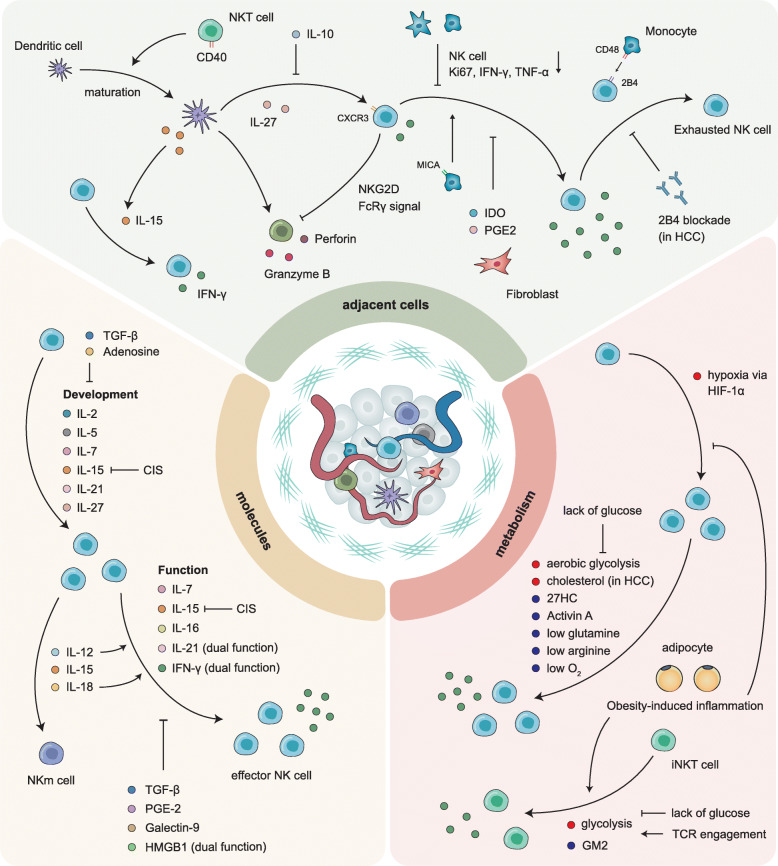
“Effector NK cells are also negatively affected by galectin-9 level [45].”
BackgroundPalano, M. T., Gallazzi, M., Cucchiara, M., Barbaro, A. D. L., Gallo, D., Bassani, B., Bruno, A., & Mortara, L. (2021) · Vaccines · doi:10.3390/vaccines9121488 · Cited by 33
Wang, L., Chen, J., Chen, Q., Song, H., Wang, Z., Wen, X., Jin, S., Song, X., Yang, H., & Zhao, W. (2023) · Oxidative Medicine and Cellular Longevity · doi:10.1155/2023/6480848 · Cited by 36
Local Strength-Based Human Resource Management Strategy for Developing the Quality of MTsN 3 Malang
Suryaningsih, D. (2021) · At-Tasyrih jurnal pendidikan dan hukum Islam · doi:10.55849/attasyrih.v7i2.141 · Cited by 32
Immune modulatory microRNAs in tumors, their clinical relevance in diagnosis and therapy
Vaxevanis, C., Bachmann, M. P., & Seliger, B. (2024) · Journal for ImmunoTherapy of Cancer · doi:10.1136/jitc-2024-009774 · Cited by 34
“6 The importance of both effector cells in controlling tumor growth has been strengthened by the link between a high density of CD8 + T and NK cells with a good prognosis in the majority of tumor patients.”
BackgroundGhosh, S., Dutta, R. K., Goswami, D., Ghatak, D., & De, R. (2025) · Biochimica et Biophysica Acta (BBA) - Reviews on Cancer · doi:10.1016/j.bbcan.2025.189471 · Cited by 38
Ma, W., Morris, S., & Jamieson, C. H. M. (2025) · Cytokine & Growth Factor Reviews · doi:10.1016/j.cytogfr.2025.10.001 · Cited by 35
Ponath, V., Hoffmann, N., Bergmann, L., Maeder, C., Alhamwe, B. A., Preußer, C., & von Strandmann, E. P. (2021) · International Journal of Molecular Sciences · doi:10.3390/ijms22042189 · Cited by 32
(Dis)similarities between the Decidual and Tumor Microenvironment
Krstić, J., Deutsch, A. J. A., Fuchs, J., Gauster, M., Sparovec, T. G., Hiden, U., Krappinger, J. C., Moser, G., Pansy, K., Szmyra, M., et al. (2022) · Biomedicines · doi:10.3390/biomedicines10051065 · Cited by 36
“Additionally, B cells and neutrophils are also frequently found in the TME [180–183] but rarely found in the decidua.”
BackgroundThe Notch Signaling Pathway Contributes to Angiogenesis and Tumor Immunity in Breast Cancer
Jiang, N., Hu, Y., Wang, M., Zhao, Z., & Li, M. (2022) · Breast Cancer Targets and Therapy · doi:10.2147/bctt.s376873 · Cited by 40
“Notch and Natural Killer Cells In the immunological environment of BCs, natural killer cells (NK), the principal effector cells of innate immunity, are diverse.(90) NK cells not only predict BC remission rates and overall survival, but different subtypes have substantial ramifications for mammary gland growth and tole…”
BackgroundHe, J., Yan, Y., Zhang, J., Wei, Z., Li, H., & Xing, L. (2023) · Frontiers in Immunology · doi:10.3389/fimmu.2023.1298683 · Cited by 35
The Tumor Stroma of Squamous Cell Carcinoma: A Complex Environment That Fuels Cancer Progression
Buruiană, A., Gheban, B., Gheban-Roşca, I. A., Georgiu, C., Crișan, D., & Crişan, M. (2024) · Cancers · doi:10.3390/cancers16091727 · Cited by 37
“Part of the innate immune system, NK cells provide rapid responses and can target tumor cells without prior sensitization [206].”
BackgroundKarmakar, S., Pal, P., & Lal, G. (2021) · ImmunoTargets and Therapy · doi:10.2147/itt.s306109 · Cited by 32
Hoffmann, E., Gerwing, M., Niland, S., Niehoff, R., Masthoff, M., Geyer, C., Wachsmuth, L., Wilken, E., Höltke, C., Heindel, W. L., et al. (2023) · Journal for ImmunoTherapy of Cancer · doi:10.1136/jitc-2022-006092 · Cited by 33
Cell Membrane Biomimetic Nano-Delivery Systems for Cancer Therapy
Xia, Z., Mu, W., Yuan, S., Fu, S., Liu, Y., & Zhang, N. (2023) · Pharmaceutics · doi:10.3390/pharmaceutics15122770 · Cited by 34
C/EBPβ-dependent autophagy inhibition hinders NK cell function in cancer
Portale, F., Carriero, R., Iovino, M., Kunderfranco, P., Pandini, M., Marelli, G., Morina, N., Lazzeri, M., Casale, P., Colombo, P., et al. (2024) · Nature Communications · doi:10.1038/s41467-024-54355-2 · Cited by 36
“Within the tumor, NK cells are exposed to extracellular factors secreted by cells of the TME, resulting in a profound alteration of their transcriptional pro fi le, differentiation status, and metabolic program, ultimately leading to the loss of their effector functions 21,22 .”
Bridging epigenomics and tumor immunometabolism: molecular mechanisms and therapeutic implications
Xie, X., Liu, W. L., Yuan, Z., Chen, H.-Q., & Mao, W. (2025) · Molecular Cancer · doi:10.1186/s12943-025-02269-y · Cited by 33
Roles of ubiquitination in the crosstalk between tumors and the tumor microenvironment (Review)
Zhang, X., Meng, T., Cui, S., Liu, D., Pang, Q., & Wang, P. (2022) · International Journal of Oncology · doi:10.3892/ijo.2022.5374 · Cited by 32
Trichinella spiralis as a Potential Antitumor Agent: An Update
Sadr, S., Yousefsani, Z. S., Simab, P. A., Alizadeh, H. J. R., Lotfalizadeh, N., & Borji, H. (2023) · World s Veterinary Journal · doi:10.54203/scil.2023.wvj7 · Cited by 36
Antitumor Mechanisms of Molecules Secreted by Trypanosoma cruzi in Colon and Breast Cancer: A Review
Sadr, S., Ghiassi, S., Lotfalizadeh, N., Simab, P. A., Hajjafari, A., & Borji, H. (2023) · Anti-Cancer Agents in Medicinal Chemistry · doi:10.2174/1871520623666230529141544 · Cited by 33
Castillo-Peña, A., & Molina‐Pinelo, S. (2023) · Frontiers in Immunology · doi:10.3389/fimmu.2023.1279495 · Cited by 32
“Castillo-Peña and Molina-Pinelo 10.3389/fimmu.2023.1279495 Frontiers in Immunology frontiersin.org elimination mediated by NK cells, leading to a procarcinogenic immune response (44).”
BackgroundInfluentialTumor-infiltrating immune cells state-implications for various breast cancer subtypes
Xu, T., Zhang, H., Yang, B. B., Qadir, J., Yuan, H., & Ye, T. (2025) · Frontiers in Immunology · doi:10.3389/fimmu.2025.1550003 · Cited by 36
“NK cells can recognize and eliminate cells that do not express MHC Class I, so that BC cells could escape from the cytotoxic effects mediated by T cells in this mechanism (115).”
Shang, J., Hu, S., & Wang, X. (2024) · Experimental Hematology and Oncology · doi:10.1186/s40164-024-00481-y · Cited by 30
“Decreased concentration of extracellular glucose and following reduced glycolysis and oxidative phosphorylation (OXPHOS) attenuate cytotoxic ability of NK cells, for example, by reducing IFN-γ and Fas ligand levels [54].”
BackgroundAdvancements in strategies for overcoming the blood–brain barrier to deliver brain-targeted drugs
Qu, Z., Luo, J., Li, Z., Yang, R., Zhao, J., Chen, X., Yu, S., & Shu, H. (2024) · Frontiers in Aging Neuroscience · doi:10.3389/fnagi.2024.1353003 · Cited by 34
Chang, Y., Chang, M., Bao, X., & Dong, C. (2024) · Bioactive Materials · doi:10.1016/j.bioactmat.2024.08.046 · Cited by 39
“For instance, maintenance chemotherapy in acute lymphoblastic leukemia patient can significantly suppress peripheral blood NK cell levels [138].”
BackgroundMolecular Mechanism for Malignant Progression of Gastric Cancer Within the Tumor Microenvironment
Matsuoka, T., & Yashiro, M. (2024) · International Journal of Molecular Sciences · doi:10.3390/ijms252111735 · Cited by 33
Kim, E. J., Cho, Y., Kim, D. H., Ko, D., Do, E., Kim, S., Kim, Y. M., Jung, J. S., Kang, Y., Ji, W., et al. (2021) · Cancer Research and Treatment · doi:10.4143/crt.2021.986 · Cited by 28
“peripheral blood leukocytes and are considered as a major type of immune cells that can kill foreign target cells [13,14].”
BackgroundZenhausern, R., Day, A. S., Safavinia, B., Han, S., Rudy, P. E., Won, Y., & Yoon, J. (2021) · Biosensors and Bioelectronics · doi:10.1016/j.bios.2021.113916 · Cited by 29
Krug, A., Martinez-Turtos, A., & Verhoeyen, E. (2021) · Cancers · doi:10.3390/cancers14010183 · Cited by 32
Cellular immunotherapy for medulloblastoma
Schakelaar, M. Y., Monnikhof, M., Crnko, S., Pijnappel, E. W., Meeldijk, J., ten Broeke, T., & Bovenschen, N. (2022) · Neuro-Oncology · doi:10.1093/neuonc/noac236 · Cited by 32
Xie, Y., Li, P., Sun, D. I., Qi, Q., Ma, S., Zhao, Y., Zhang, S., Wang, T., Wang, J., Li, S., et al. (2023) · Cancer Research · doi:10.1158/0008-5472.can-22-3402 · Cited by 31
“Because the main cellular components of T/B cells depleted preparations are NK cells, monocytes and dendritic cells, whichrelatedtotherapidandpowerfulantitumorfunctionofimmune cells such as NK cells in innate immunity, play an important role in tumor progression (36).”
BackgroundJangid, A. K., Kim, S., Park, H. W., Kim, H. J., & Kim, K. (2023) · Biomacromolecules · doi:10.1021/acs.biomac.3c00916 · Cited by 28
van der Sluijs, J. V. E., van Ens, D., Thordardottir, S., Vodegel, D., Hermens, I. A. T., van der Waart, A. B., Falkenburg, J. H. F., Kester, M. G. D., de Rink, I., Heemskerk, M. H. M., et al. (2021) · Cancer Immunology Immunotherapy · doi:10.1007/s00262-021-02899-3 · Cited by 31
Yao, B., Yang, Q., Yao, Y., Li, Y., Peng, H., Wu, S., Wang, L., Zhang, S., Huang, M., Wang, E., et al. (2021) · Frontiers in Immunology · doi:10.3389/fimmu.2021.680611 · Cited by 27
Self-citationTM4SF5-mediated liver malignancy involves NK cell exhaustion-like phenotypes
Sun, H., Kim, E., Ryu, J., Lee, H.-J., Shin, E., Lee, M., Lee, H., Lee, J., Yoon, J., Song, D., et al. (2021) · Cellular and Molecular Life Sciences · doi:10.1007/s00018-021-04051-x · Cited by 29
“These interacting signals eventually lead to the activation and functional status of NK cells [11].”
BackgroundImmunomodulatory effects of regorafenib: Enhancing the efficacy of anti-PD-1/PD-L1 therapy
Liu, J., Tao, H., Yuan, T., Li, J., Li, J., Liang, H., Huang, Z., & Zhang, E. (2022) · Frontiers in Immunology · doi:10.3389/fimmu.2022.992611 · Cited by 32
“The majority of treatment approaches targeting the tumor microenvironment concentrate on T cell immunity while ignoring the role of NK cells (87).”
BackgroundResearch progress on the immunomodulatory mechanism of acupuncture in tumor immune microenvironment
Wang, N., Zhao, L., Zhang, D., & Kong, F. (2023) · Frontiers in Immunology · doi:10.3389/fimmu.2023.1092402 · Cited by 33
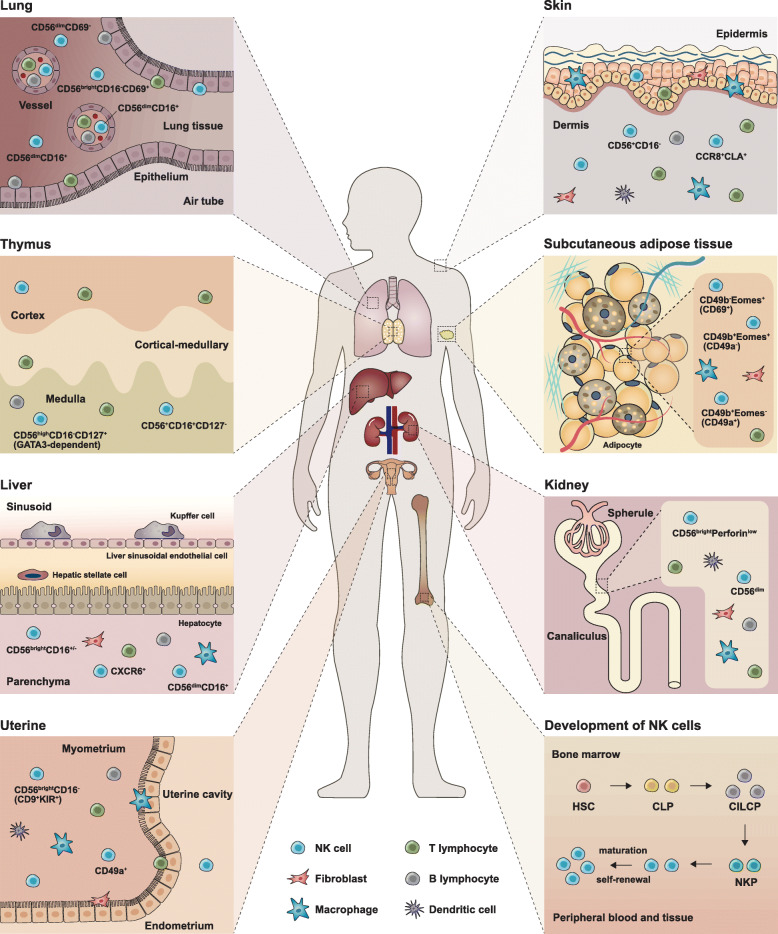
“Frontiers in Immunology 02 Natural killer cells NK cells are innate lymphocytes that are recognized in various organs (19).”
BackgroundKrathumkhet, N., Imae, T., Wang, F., Yuan, C.-C., Gaol, J. M. L., & Paradee, N. (2023) · Bioelectrochemistry · doi:10.1016/j.bioelechem.2023.108430 · Cited by 27
Role of N6‐methyladenosine RNA modification in cancer
Qu, Y., Gao, N., Zhang, S., Gao, L., He, B., Wang, C., Gong, C., Shi, Q., Li, Z., Yang, S., et al. (2024) · MedComm · doi:10.1002/mco2.715 · Cited by 31
He, J. N., Gao, Y., Sun, Z., & Liu, S. (2025) · Frontiers in Immunology · doi:10.3389/fimmu.2025.1529403 · Cited by 27
Liu, L., Wan, W., Chang, Y., Ao, L., Xu, Y., & Xu, X. (2025) · Journal of Experimental & Clinical Cancer Research · doi:10.1186/s13046-025-03527-z · Cited by 36
“Natural killer (NK) cells, defined by Herberman et al. in 1976 [139], primarily exert innate cytotoxic functions in the TME [140].”
Zhuo, C., Yi, T., Pu, J., Cen, X., Zhou, Y., Feng, S., Cheng, W., Chen, P., Wang, W. T., Bao, C., et al. (2020) · Aging · doi:10.18632/aging.202430 · Cited by 26
“The malignant behavior of tumor cells depends not only on the tumor cells themselves, but also on the communication between tumor cells and the tumor microenvironment [10].”
BackgroundNeutrophils in Tumorigenesis: Missing Targets for Successful Next Generation Cancer Therapies?
Tolle, F., Umansky, V., Utikal, J. S., Kreis, S., & Bréchard, S. (2021) · International Journal of Molecular Sciences · doi:10.3390/ijms22136744 · Cited by 28
Boosting Anti-tumour Immunity Using Adjuvant Apigenin
Xiao, C., Najafi, M., Huang, J., Chen, X., & Chang, Z. (2022) · Anti-Cancer Agents in Medicinal Chemistry · doi:10.2174/1871520622666220523151409 · Cited by 29
The role of myeloid-derived suppressor cells in liver cancer
Zhou, S., Zhao, Z., Zhong, H., Ren, Z., Li, Y., Wang, H., & Qiu, Y. (2023) · Discover Oncology · doi:10.1007/s12672-023-00681-8 · Cited by 27
“M-MDSC produces stronger immunosuppressive activity than PMN-MDSC due to the fact that M-MDSC expresses Arg-1 and produces IL-10, TGF-β and NO, while PMN-MDSC produces more ROS (present for a shorter period of time).”
BackgroundInfluentialImmune evasion and therapeutic opportunities based on natural killer cells
Zhang, J., Guo, F., Li, L., Zhang, S., & Wang, Y. (2023) · Chinese Journal of Cancer Research · doi:10.21147/j.issn.1000-9604.2023.03.07 · Cited by 28
Wang, F., Zhang, G., Xu, T., Ma, J., Wang, J., Liu, S., Tang, Y., Jin, S., Li, J., & Xing, N. (2024) · Journal of Experimental & Clinical Cancer Research · doi:10.1186/s13046-024-02955-7 · Cited by 32
“As the main effector cell type in innate immunity, NK cells are capable of killing tumor cells at a very early stage and rely on the “missing self” and “induced self” modes to identify target cells by maintaining a precise balance between activating co-stimulatory and inhibitory signals [35].”
BackgroundDomagała, J., Grzywa, T. M., Baranowska, I., Justyniarska, M., Tannir, R., Graczyk‐Jarzynka, A., Kusowska, A., Łęcka, M., Poręba, M., Fidyt, K., et al. (2025) · Cancer Research · doi:10.1158/0008-5472.can-24-0749 · Cited by 27
Pharmacological ascorbate as a novel therapeutic strategy to enhance cancer immunotherapy
Zaher, A., Stephens, L. M., Miller, A. M., Hartwig, S. M., Stolwijk, J. M., Petronek, M. S., Zacharias, Z. R., Wadas, T. J., Monga, V., Cullen, J. J., et al. (2022) · Frontiers in Immunology · doi:10.3389/fimmu.2022.989000 · Cited by 26
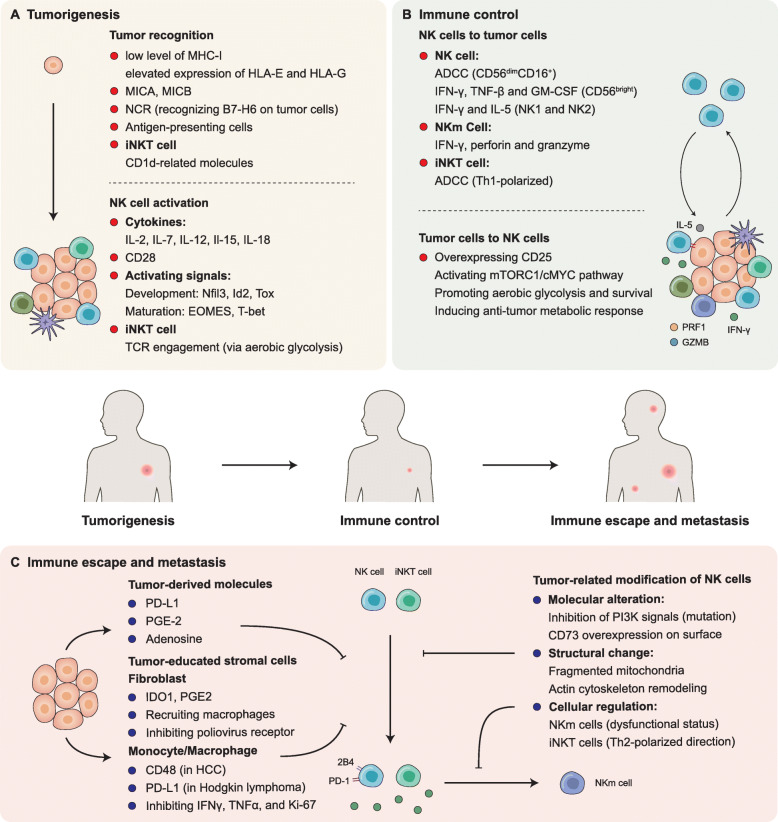
“However, NK cells can recognize cancer cells regardless of their MHC-I status as they can recognize other surface markers on tumor cells (55, 57), highlighting their importance in anti-tumor immunity and as targets for immunotherapy.”
BackgroundSrinivasarao, D. A., Shah, S., Famta, P., Vambhurkar, G. B., Jain, N., Pindiprolu, S. K. S. S., Sharma, A., Kumar, R., Padhy, H. P., Kumari, M., et al. (2024) · Drug Delivery and Translational Research · doi:10.1007/s13346-024-01673-z · Cited by 26
Anti-Mesothelin CAR-NK cells as a novel targeted therapy against cervical cancer
Kutle, I., Polten, R., Stalp, J. L., Hachenberg, J., Todzey, F., Hass, R., Zimmermann, K., von der Ohe, J., von Kaisenberg, C., Neubert, L., et al. (2024) · Frontiers in Immunology · doi:10.3389/fimmu.2024.1485461 · Cited by 27
Immunotherapy of osteosarcoma based on immune microenvironment modulation
Lian, H., Zhang, J., Hou, S., Ma, S., Yu, J., Zhao, W., Zhao, D., & Zhang, Z. (2025) · Frontiers in Immunology · doi:10.3389/fimmu.2024.1498060 · Cited by 31
“The cytoplasm of NK cells is abundant and contains large asplenophilic granules, and the content of granules is positively correlated with the killing activity of NK cells (62).”
Moorthy, A., Eochagáin, A. N., & Buggy, D. J. (2021) · Frontiers in Oncology · doi:10.3389/fonc.2021.802592 · Cited by 26
“NK cells are particularly important in preventing tumorigenesis and metastasis (17).”
BackgroundMultipurposing CARs: Same engine, different vehicles
Hossian, A. K. M. N., Hackett, C. S., Brentjens, R. J., & Rafiq, S. (2022) · Molecular Therapy · doi:10.1016/j.ymthe.2022.02.012 · Cited by 25
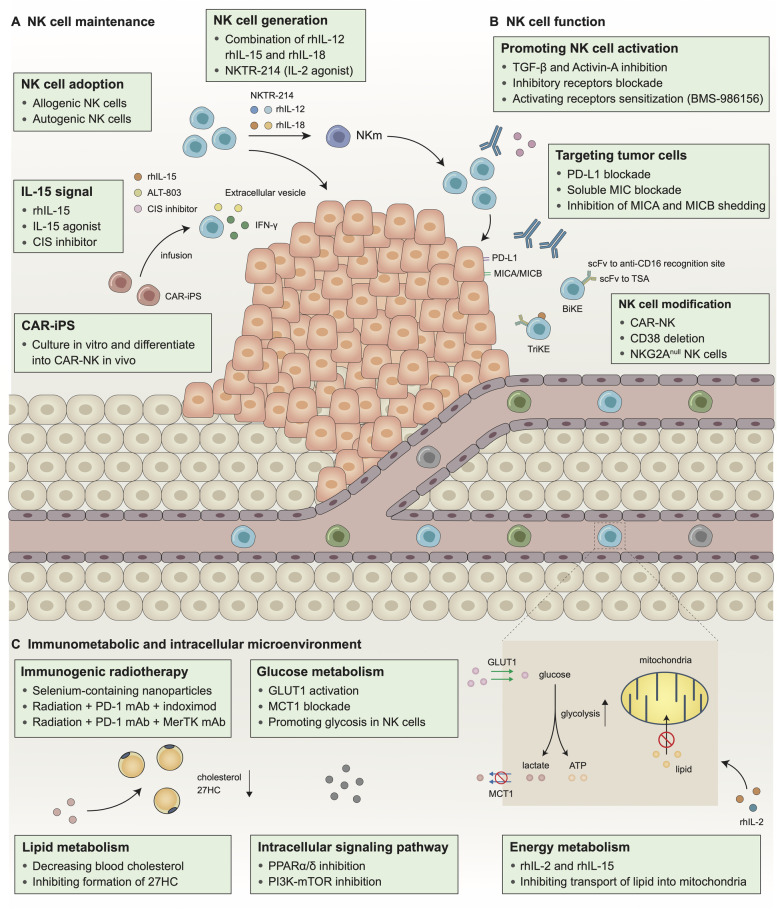
“Thus, a primary NK cell-based CAR approach may not need to be modified to include a suicide gene as a safety switch to reduce the CRS and other harmful side effects of long-lasting CAR T cells such as on-target, off-tumor toxicities.(14,110,111) However, suicide switches may still be necessary in CAR NK cells that are…”
BackgroundWang, L., Chen, Z., Liu, G., & Pan, Y. (2022) · Genes & Diseases · doi:10.1016/j.gendis.2022.07.009 · Cited by 26
“Figure 4 Communication betwee factors (IL-10, PGE2, IDO1/2, and TGF-b).(18,76) Pro-inflammatory and immunosuppressive factors released by macrophages may influence the maturation and function of NK cells.”
BackgroundSmall extracellular vesicle TGF-β in cancer progression and immune evasion
Hosseini, R., Hosseinzadeh, N., Asef‐Kabiri, L., Akbari, A., Ghezelbash, B., Sarvnaz, H., & Akbari, M. E. (2023) · Cancer Gene Therapy · doi:10.1038/s41417-023-00638-7 · Cited by 28
Baptista, B. G., Lima, L. S., Ribeiro, M. M., Britto, I. K., Alvarenga, L., Kemp, J. A., Cardozo, L., Berretta, A. A., & Mafra, D. (2023) · The EPMA Journal · doi:10.1007/s13167-023-00330-8 · Cited by 25
Zero-Carbon and Carbon-Neutral Fuels: A Review of Combustion Products and Cytotoxicity
Jin, C., Li, X., Xu, T., Dong, J., Geng, Z., Liu, J., Ding, C., Hu, J., ALAOUI, A. E., Zhao, Q., et al. (2023) · Energies · doi:10.3390/en16186507 · Cited by 25
Advancements in technology for characterizing the tumor immune microenvironment
Yan, H., Ju, X., Huang, A., & Yuan, J. (2024) · International Journal of Biological Sciences · doi:10.7150/ijbs.92525 · Cited by 26
“…adaptive immune responses by capturing and presenting antigens to T cells, playing a critical role in initiating and shaping adaptive immune responses [13, 14], while NK cells are innate immune cells that eliminate infected and cancerous cells by releasing cytotoxic molecules and cytokines [15].”
BackgroundHarnessing Natural Killer Cells in Cancer Immunotherapy: A Review of Mechanisms and Novel Therapies
St‐Pierre, F., Bhatia, S., & Chandra, S. (2021) · Cancers · doi:10.3390/cancers13081988 · Cited by 25
“This effectively results in genetic modification of immune cells [76].”
BackgroundZhang, S., Chen, J., Cheng, F., & Fang, Z. (2024) · International Journal of Molecular Sciences · doi:10.3390/ijms252413722 · Cited by 25
Natural killer cell engagers for cancer immunotherapy
Nikkhoi, S. K., Li, G., & Hatefi, A. (2025) · Frontiers in Oncology · doi:10.3389/fonc.2024.1483884 · Cited by 28
Platelets in cancer and immunotherapy: functional dynamics and therapeutic opportunities
Cai, C., Liu, Y., Lu, R., Fan, X., Zeng, S., & Gan, P. (2025) · Experimental Hematology and Oncology · doi:10.1186/s40164-025-00676-x · Cited by 25
“NK cells serve as critical guardians against hematogenous metastasis, eliminating CTCs through contact-dependent cytotoxicity regulated by a balance of activating and inhibitory receptors [40].”
Extracellular Vesicles as Mediators of Therapy Resistance in the Breast Cancer Microenvironment
Samuels, M., Cilibrasi, C., Papanastasopoulos, P., & Giamas, G. (2022) · Biomolecules · doi:10.3390/biom12010132 · Cited by 24
Yan, L., He, J., Liao, X., Liang, T., Zhu, J. X., Wei, W., He, Y., Zhou, X., & Peng, T. (2022) · Gland Surgery · doi:10.21037/gs-21-909 · Cited by 25
“NK cells are an important mediator of the anti-tumor immune response and kill malignant cells (63).”
BackgroundZhang, S.-W., Wang, H., Ding, X., Xiao, Y.-L., Shao, Z.-M., You, C., Gu, Y., & Jiang, Y. (2022) · Fundamental Research · doi:10.1016/j.fmre.2022.03.009 · Cited by 26
“NK cells are the primary immune cell population that eliminates malignant cells autonomously without prior sensitization or recognition of specific tumor antigens [32] .”
BackgroundSelf-citationPalano, M. T., Gallazzi, M., Cucchiara, M., Dehò, F., Capogrosso, P., Bruno, A., & Mortara, L. (2022) · Exploration of Targeted Anti-tumor Therapy · doi:10.37349/etat.2022.00108 · Cited by 26
“As shared features of cell anergy in cancers, NK cells have been reported have decreased levels of NKG2D (a major activator receptor), together with impaired degranulation capabilities and reduced production and release of cytolytic molecules, such as perforin, granzymes, and IFNγ (Figure 2I) [136, 140].”
BackgroundJiang, M., Fiering, S., & Shao, Q. (2023) · Frontiers in Oncology · doi:10.3389/fonc.2023.1153066 · Cited by 23
Metadata
- Authors
- Wu, S.-Y., Fu, T., Jiang, Y.-Z., & Shao, Z.-M.
- Affiliations
- Shanghai Medical College of Fudan University (CN)
- Corresponding author
- Jiang, Yi-Zhou
- Shao, Zhi-Ming
- Venue
- Molecular Cancer
- Published
- 2020-08-06
- Volume
- 19
- Issue
- 1
- Pages
- 120-120
- ISSN
- 1476-4598 (ISSN-L)
- PMC
- PMC7409673
- OpenAlex
- W3046958019
- Semantic Scholar
- 39d8edf4e0dc0327b06f47529d0bf8fcfde417e6
- Cited by
- 863
- References
- 268
- Citations by year
- 2026: 77 · 2025: 199 · 2024: 219 · 2023: 170 · 2022: 122 · 2021: 70 · 2020: 5
- FWCI
- 8.96
- Type
- journal article
- Language
- en
- Open access
- gold
- doi.org
- Licence
- cc-by
- creativecommons.org/licenses/by/4.0 (tdm)
- creativecommons.org/licenses/by/4.0 (vor)
- Locations
- Molecular Cancer (publishedVersion, cc-by)
- PubMed Central (publishedVersion, cc-by)
- PubMed (publishedVersion)
- DOAJ (DOAJ: Directory of Open Access Journals) (submittedVersion, cc-by-sa)
- Funders
- National Natural Science Foundation of China (81572583, 81874112, 81874113, 81502278, 81922048)
- Shanghai Education Development Foundation (17CG01)
- Fudan University
- Shanghai Municipal Education Commission (17CG01)
- Topics
- Life Sciences › Immunology and Microbiology › Immunology › Immune Cell Function and Interaction
- Health Sciences › Medicine › Oncology › Cancer Immunotherapy and Biomarkers
- Life Sciences › Immunology and Microbiology › Immunology › Immune cells in cancer
- Keywords
- natural killer cells, tumor microenvironment, immune evasion, NK cell therapy, NK cell resistance, tumor immunometabolism, NK cell engineering, innate immunity, hematologic malignancies, solid tumors, precision medicine
- MeSH terms
- Animals, Disease Susceptibility, Energy Metabolism, Humans, Immunity, Innate, Immunotherapy, Killer Cells, Natural, Neoplasms, Signal Transduction, Biomarkers, Disease Progression, Disease Management, Immunomodulation, Tumor Microenvironment
About these checks
Registry, retraction, Cites and statistics results are computed, not judged, with one exception: a printed reference that no index lists is read once by a model before it counts as a citation error. Claims are extracted by a model and kept only when their quote appears verbatim in the text; each cited source is then checked, with a model’s help, for whether it says what the claim relies on. Those verdicts can be wrong — read the claim’s quote and the cited source before relying on one.
Statistics and arithmetic are recomputed, not judged.
Confidence bands are shown only for fields calibrated on our annotated test set. None is calibrated yet, so no band is shown.
What counts as a claim ›How we measure confidence ›How we check this ›
Are you an author, or do you see a problem with this page? Request a review
Data sources
Bibliographic data: Semantic Scholar, OpenAlex, Crossref.
Contains information from the Semantic Scholar Academic Graph Datasets, made available under the ODC Attribution License (ODC-BY 1.0).
Semantic Scholar’s data is described in: Kinney, R., et al. (2023). The Semantic Scholar Open Data Platform. arXiv:2301.10140.
