

Natural killer cells in cancer biology and therapy
Open accessThe DOI matches its Crossref record; 269 of the 269 references it cites were found in a registry or an index.
Abstract
The tumor microenvironment is highly complex, and immune escape is currently considered an important hallmark of cancer, largely contributing to tumor progression and metastasis. Named for their capability of killing target cells autonomously, natural killer (NK) cells serve as the main effector cells toward cancer in innate immunity and are highly heterogeneous in the microenvironment. Most current treatment options harnessing the tumor microenvironment focus on T cell-immunity, either by promoting activating signals or suppressing inhibitory ones. The limited success achieved by T cell immunotherapy highlights the importance of developing new-generation immunotherapeutics, for example utilizing previously ignored NK cells. Although tumors also evolve to resist NK cell-induced cytotoxicity, cytokine supplement, blockade of suppressive molecules and genetic engineering of NK cells may overcome such resistance with great promise in both solid and hematological malignancies. In this review, we summarized the fundamental characteristics and recent advances of NK cells within tumor immunometabolic microenvironment, and discussed potential application and limitations of emerging NK cell-based therapeutic strategies in the era of presicion medicine.
Overview
The claims and statistics of this paper haven’t been checked yet.
Free: it reads the open-access text and checks the first 5 claims that cite a source we can check. Create a free account to check every claim.
Integrity signals
Registry
Cites
Statistics
Figures
Verification
Claims the paper makes
The claims and statistics of this paper haven’t been checked yet.
Free: it reads the open-access text and checks the first 5 claims that cite a source we can check. Create a free account to check every claim.
Claims other papers make about this one
Each is checked against this paper’s own text: does it say what the citing paper says it does?
The source backs part of the claim, not all of it — or backs it for a different population, condition or comparison.
In the citing paper
“Due to this difference in cytokine secretion profile, NK cells have the potential to be developed as “off-the-shelf” CAR products with a lower risk of inducing CRS compared to CAR-T cells.”
From Multiple myeloma: signaling pathways and targeted therapy (2024) · cites this paper as [267]
Experimental — accuracy not yet measuredThe source backs part of the claim, not all of it — or backs it for a different population, condition or comparison.
In the citing paper
“Importantly, NK cells do not produce IL-1 and IL-6, which are key cytokines involved in the development of CRS [266, 267].”
From Multiple myeloma: signaling pathways and targeted therapy (2024) · cites this paper as [267]
Experimental — accuracy not yet measured
Self-check
Percentages, sums and reported differences re-computed from the paper’s own numbers.
The self-check needs the paper’s full text.
Citations
Cites
1 retracted
Meyaard, L., de Vries, A.-R. V. D. V., Ruiter, T. E.-D., Lanier, L. L., Phillips, J. H., & Clevers, H. C. (2001) · The Journal of Experimental Medicine · doi:10.1084/jem.194.1.107 · Cited by 43
RetractedHallmarks of Cancer: The Next Generation
Hanahan, D., & Weinberg, R. A. (2011) · Cell · doi:10.1016/j.cell.2011.02.013 · Cited by 66,590 · cited 2×
“Background The diversity of infiltrating stromal cells occurring in human cancers exceeds 30 distinct subgroups, reflecting the huge complexity of the tumor microenvironment (TME), thereby deeply affecting the treatment option for each patient [1].”
BackgroundRobust enumeration of cell subsets from tissue expression profiles
Newman, A. M., Liu, C. L., Green, M. R., Gentles, A. J., Feng, W., Xu, Y., Hoang, C. D., Diehn, M., & Alizadeh, A. A. (2015) · Nature Methods · doi:10.1038/nmeth.3337 · Cited by 13,224
Axicabtagene Ciloleucel CAR T-Cell Therapy in Refractory Large B-Cell Lymphoma
Neelapu, S. S., Locke, F. L., Bartlett, N. L., Lekakis, L. J., Miklos, D. B., Jacobson, C. A., Braunschweig, I., Oluwole, O. O., Siddiqi, T., Lin, Y., et al. (2017) · New England Journal of Medicine · doi:10.1056/nejmoa1707447 · Cited by 6,030
Self-citationTisagenlecleucel in children and young adults with B-cell lymphoblastic leukemia
Maude, S. L., Laetsch, T. W., Buechner, J., Rives, S., Boyer, M., Bittencourt, H., Bader, P., Verneris, M. R., Stefanski, H. E., Myers, G. D., et al. (2018) · New England Journal of Medicine · doi:10.1056/nejmoa1709866 · Cited by 5,735
Chimeric Antigen Receptor T Cells for Sustained Remissions in Leukemia
Maude, S. L., Frey, N., Shaw, P. A., Aplenc, R., Barrett, D. M., Bunin, N. J., Chew, A., Gonzalez, V. E., Zheng, Z., Lacey, S. F., et al. (2014) · New England Journal of Medicine · doi:10.1056/nejmoa1407222 · Cited by 5,413
TGFβ attenuates tumour response to PD-L1 blockade by contributing to exclusion of T cells
Mariathasan, S., Turley, S. J., Nickles, D., Castiglioni, A., Yuen, K., Wang, Y., Kadel III, E. E., Koeppen, H., Astarita, J. L., Cubas, R., et al. (2018) · Nature · doi:10.1038/nature25501 · Cited by 5,400
IFN-γ–related mRNA profile predicts clinical response to PD-1 blockade
Ayers, M., Lunceford, J., Nebozhyn, M., Murphy, E., Loboda, A., Kaufman, D. R., Albright, A., Cheng, J. D., Kang, S. P., Shankaran, V., et al. (2017) · Journal of Clinical Investigation · doi:10.1172/jci91190 · Cited by 3,788
The Tumor Microenvironment Innately Modulates Cancer Progression
Hinshaw, D. C., & Shevde, L. A. (2019) · Cancer Research · doi:10.1158/0008-5472.can-18-3962 · Cited by 3,270 · cited 1×
“However, the specific role of NK cells remains controversial and largely depends on distinct cancer types [109].”
BackgroundEmerging Biological Principles of Metastasis
Lambert, A. W., Pattabiraman, D. R., & Weinberg, R. A. (2017) · Cell · doi:10.1016/j.cell.2016.11.037 · Cited by 3,067 · cited 1×
“Apart from primary tumor proliferation, metastasis remains lethal, accounting for the majority of cancerassociated deaths, and invasion-metastasis cascade is largely attributable to the immune escape [136].”
Background
Research works printed but not linked: 1
- Chiossone L Dumas P-Y Vienne M Vivier E Natural killer cells and other innate lymphoid cells in cancer Nature Reviews Immunol 2018 18 671 688 30209347 · DOI · Paper page
Cited by
Items 201–300 of 911
Zhang, Z., Liu, B., Lin, Z., Mei, L., Chen, R., & Li, Z. (2024) · The FASEB Journal · doi:10.1096/fj.202400622rr · Cited by 29
Qu, R., Zhao, Y., & Zhang, Y. (2024) · Translational Cancer Research · doi:10.21037/tcr-24-679 · Cited by 24
“Moreover, the TME is vitally important for delaying the response of tumor cells to chemotherapy and interfering with immune surveillance, both contributing to tumor growth (2) .”
NK and cells with NK-like activities in cancer immunotherapy-clinical perspectives
Mortezaee, K., & Majidpoor, J. (2022) · Medical Oncology · doi:10.1007/s12032-022-01735-7 · Cited by 23
Current Developments in NK Cell Engagers for Cancer Immunotherapy: Focus on CD16A and NKp46
Shin, M. H., Oh, E., & Minn, D. (2024) · Immune Network · doi:10.4110/in.2024.24.e34 · Cited by 23
“Approximately 90%–95% of blood NK cells are CD56 dim NK cells (20).”
BackgroundSong, X., Jiao, X., Yan, H., Yu, L., Jiang, L., Zhang, M., Chen, L., Ju, M., Wang, L., Wei, Q., et al. (2021) · Frontiers in Cell and Developmental Biology · doi:10.3389/fcell.2021.622018 · Cited by 22
Mechanism underlying circRNA dysregulation in the TME of digestive system cancer
Wu, Z., Yu, X., Zhang, S., He, Y., & Guo, W. (2022) · Frontiers in Immunology · doi:10.3389/fimmu.2022.951561 · Cited by 27
Roles of circRNAs in regulating the tumor microenvironment
Liu, T., Long, K., Zhu, Z., Song, Y., Chen, C., Xu, G. W., & Ke, X. (2023) · Medical Oncology · doi:10.1007/s12032-023-02194-4 · Cited by 24
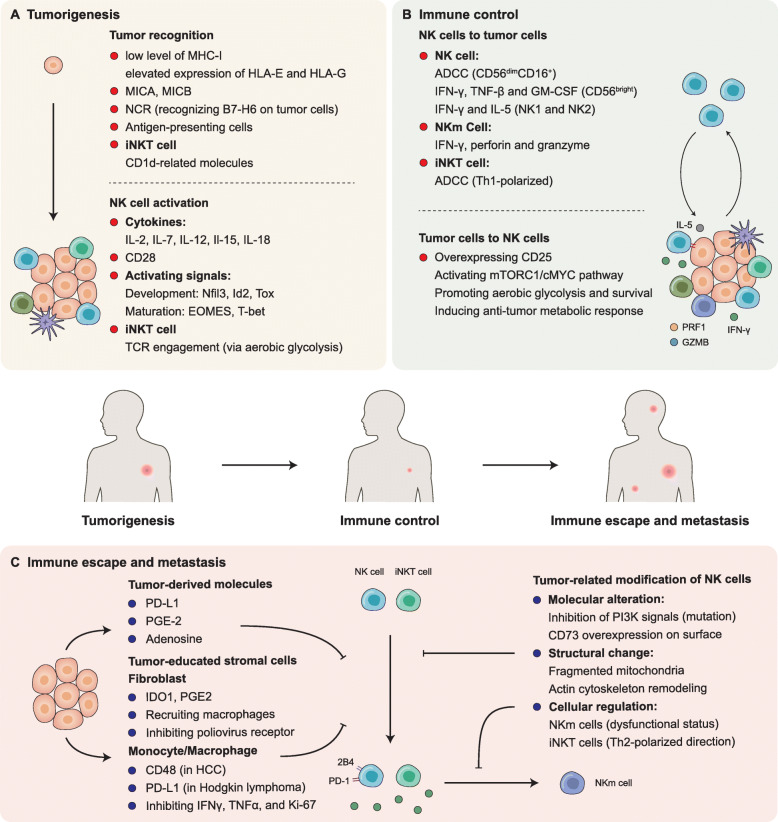
“Developing tumors utilize multiple mechanisms to evade NK cell-mediated immune surveillance, resulting in limited access of NK cells to the tumor bed, altered NK cell phenotype and function, and loss of immunogenicity, which impedes recognition of tumor cells by NK cell receptors [122, 123].”
BackgroundBao, X., Wang, W., Chen, X., Feng, Y., Xu, X., Sun, G., Li, B., Liu, X., Li, Z., & Yang, J. (2022) · Frontiers in Immunology · doi:10.3389/fimmu.2022.963931 · Cited by 24
“Frontiers in Immunology 11 proliferation and apoptosis of NK cells to promote the immune response processes (114, 115).”
BackgroundParseh, B., Khosravi, A., Fazel, A., Ai, J., Ebrahimi‐Barough, S., Verdi, J., & Shahbazi, M. (2022) · Frontiers in Cell and Developmental Biology · doi:10.3389/fcell.2022.895284 · Cited by 22
Erbe, A. K., Diccianni, M. B., Mody, R. J., Naranjo, A. H., Zhang, F. F., Birstler, J., Kim, K., Feils, A. S., Hung, J., London, W. B., et al. (2023) · Journal for ImmunoTherapy of Cancer · doi:10.1136/jitc-2022-006530 · Cited by 21
Natural killer cell therapy targeting cancer stem cells: Old wine in a new bottle
Guo, F., Zhang, Y., Bai, L., & Cui, J. (2023) · Cancer Letters · doi:10.1016/j.canlet.2023.216328 · Cited by 23
Wang, Y., Chen, S., Xiao, X., Yang, F., Wang, J., Zong, H., Gao, Y., Huang, C., Xu, X., Fang, M., et al. (2023) · Precision Clinical Medicine · doi:10.1093/pcmedi/pbad021 · Cited by 25
Preoperative glucose-to-lymphocyte ratio predicts survival in cancer
Liu, L., Zhang, B.-B., Li, Y.-Z., Huang, W., Niu, Y., Jia, Q.-C., Wang, W. J., Yuan, J., Miao, S., Wang, R., et al. (2024) · Frontiers in Endocrinology · doi:10.3389/fendo.2024.1284152 · Cited by 24
“Furthermore, its profound role in immune surveillance that protects the host from tumor development has also been observed in mice and humans (11).”
BackgroundBelgiovine, C., Mebelli, K., Raffaele, A., Cicco, M. D., Rotella, J., Pedrazzoli, P., Zecca, M., Riccipetitoni, G., & Comoli, P. (2024) · International Journal of Molecular Sciences · doi:10.3390/ijms25063225 · Cited by 25
Breast Cancer Immune Landscape: Interplay Between Systemic and Local Immunity
Gerashchenko, T. S., Frolova, A. A., Patysheva, M. R., Fedorov, A. A., Stakheyeva, M. N., Denisov, E. V., & Чердынцева, Н. В. (2024) · Advanced Biology · doi:10.1002/adbi.202400140 · Cited by 26
Beyond CAR-T: The rise of CAR-NK cell therapy in asthma immunotherapy
Taheri, M. M., Javan, F., Poudineh, M., & Athari, S. S. (2024) · Journal of Translational Medicine · doi:10.1186/s12967-024-05534-8 · Cited by 21
“Additionally, NK cells differ from Treg cells in the absence of CD3 [157].”
BackgroundLi, J., Zhou, W., Wang, H., Huang, M., & Deng, H. (2024) · MedComm · doi:10.1002/mco2.70019 · Cited by 27
Murugan, S., Rousseau, B., & Sarkar, D. K. (2021) · Cancers · doi:10.3390/cancers13194858 · Cited by 23
Wong, P. Y., Chan, C. Y. K., Xue, H. D. G., Goh, C. C., Cheu, J. W., Tse, A. P., Zhang, M. S., Zhang, Y., & Wong, C. C. (2024) · JCI Insight · doi:10.1172/jci.insight.170532 · Cited by 22
The ovarian cancer-associated microbiome contributes to the tumor’s inflammatory microenvironment
Zhang, M., Mo, J., Huang, W., Bao, Y., Luo, X., & Yuan, L. (2024) · Frontiers in Cellular and Infection Microbiology · doi:10.3389/fcimb.2024.1440742 · Cited by 22
“As innate lymphocytes with cytocidal activity, natural killer (NK) cells respond rapidly by exerting direct killing (Crinier et al., 2020; Wu et al., 2020), which can be inhibited by microbiome-related factors (Figure 3C).”
BackgroundMetabolic reprogramming of NK cells drives anti-tumor immunity
Yang, P., Wang, W., Liu, Q., Mu, S., Zha, Y., Yan, W., Yuan, B., & Yang, J. (2025) · Critical Reviews in Oncology/Hematology · doi:10.1016/j.critrevonc.2025.104859 · Cited by 24
Chen, X., Chen, Y., Xin, Z., Lin, M., Hao, Z., Chen, D., He, T., Zhao, L., Wu, D., Wu, P., et al. (2022) · European Journal of Immunology · doi:10.1002/eji.202149608 · Cited by 21
Bohne, A., Grundler, E., Knüttel, H., Fürst, A., & Völkel, V. (2023) · Cancers · doi:10.3390/cancers15133381 · Cited by 21
The development and benefits of metformin in various diseases
Dong, Y., Qi, Y., Jiang, H., Tian, M., Zhang, Y., Peng, C. S., Li, W.-C., Zhang, Y., Zhou, Y., Zang, Y., et al. (2023) · Frontiers of Medicine · doi:10.1007/s11684-023-0998-6 · Cited by 21
Ma, Y., Li, Y., Wu, T., Li, Y., & Wang, Q. (2023) · Cancers · doi:10.3390/cancers15205048 · Cited by 25
“…immunotherapy has become an indispensable approach to cancer treatment, as it can activate a patient’s defence mechanism to target and eliminate malignant cells e ff ectively [37]. treatment, as it can activate a patient’s defence mechanism to target and eliminate malignant cells effectively [37].”
BackgroundBeyond CAR T cells: exploring alternative cell sources for CAR-like cellular therapies
Tsiverioti, C. A., Gottschlich, A., Trefny, M. P., Theurich, S., Anders, H., Kroiß, M., & Kobold, S. (2024) · Biological Chemistry · doi:10.1515/hsz-2023-0317 · Cited by 23
NK cell based immunotherapy against oral squamous cell carcinoma
Zhang, Y., Xie, J., Wu, H., Huang, J., Zheng, D., Wang, S., Jia, X., He, Z., Gong, Y., Ju, L., et al. (2024) · Frontiers in Immunology · doi:10.3389/fimmu.2024.1440764 · Cited by 27
“The ef fi cacy of NK cells hinges on the intricate dynamics between these inhibitory and activating signals (61, 62).”
BackgroundJung, D., Baek, Y. S., Lee, I. J., Kim, K. Y., Jang, H., Hwang, S., Jung, J., Moon, Y., Park, K., Choi, Y., et al. (2021) · Journal of Experimental & Clinical Cancer Research · doi:10.1186/s13046-021-02089-0 · Cited by 23
“to evaluate the application of allogeneic NK-based immunotherapy [14, 15], more studies are needed to assess the best practices.”
BackgroundWei, Q., Xia, M., Zhang, Q., & Wang, Z. (2022) · Gland Surgery · doi:10.21037/gs-22-134 · Cited by 24
“They are also important immunomodulatory cells that regulate T lymphocytes, B lymphocytes, and bone marrow stem cells, among others, by releasing lymphokines (IFN, IL-2), preventing the spread of circulating tumor cells and inhibiting the viability of microscopic cancer foci that are freed during surgery (22).”
BackgroundKhadela, A. D., Shah, Y. B., Mistry, P. S., Bodiwala, K. B., & Avinash, C. B. (2023) · Technology in Cancer Research & Treatment · doi:10.1177/15330338221150559 · Cited by 22
Chen, M., Jiang, J., & Hou, J. (2023) · Biomarker Research · doi:10.1186/s40364-023-00502-8 · Cited by 22
“Numerous studies have demonstrated the significance roles of NK cells in killing cancer cells or in tumor progression regulation [193, 195, 196].”
BackgroundImmune dysregulation and potential targeted therapy in myelodysplastic syndrome
Zhang, X., Yang, X., Ma, L., Zhang, Y., & Wei, J. (2023) · Therapeutic Advances in Hematology · doi:10.1177/20406207231183330 · Cited by 23
Vicente, J. J., Khan, K., Tillinghast, G., McFaline‐Figueroa, J. L., Sancak, Y., & Stella, N. (2024) · Journal of Translational Medicine · doi:10.1186/s12967-024-05234-3 · Cited by 21
Li, Y., Zhu, T., Chen, J., Liu, K., Wei, C., Fang, Q., Huang, X., & Shan, H. (2024) · Advanced Functional Materials · doi:10.1002/adfm.202401355 · Cited by 20
Zhang, H., Cao, X., Gui, R., Li, Y., Zhao, X., Mei, J., Zhou, B., & Wang, M. (2024) · International Immunopharmacology · doi:10.1016/j.intimp.2024.113181 · Cited by 22
Recent advances in tumor immunotherapy based on NK cells
Chen, M., Zhang, B., Mu, X. N., Zhang, B., Yang, T., Zhang, G., Gu, Y., Pei, B., & Liang, S. (2025) · Frontiers in Immunology · doi:10.3389/fimmu.2025.1595533 · Cited by 27
“Functionally, NK cells resemble CD8+ T cells in their cytotoxic activity, but they lack CD3 and T cell receptors (19 – 21).”
Immune cell-based therapies for solid tumors, current challenges and therapeutic advances
Torabi, S., Yekzaman, E., Taherkhani, S., Talachi, N., Khoshravesh, R., Khosravi, A., Salehi, M., Zarrabi, A., & Vosough, M. (2025) · Cell Communication and Signaling · doi:10.1186/s12964-025-02632-y · Cited by 22
“Another approach is to engineer NKT cells to produce cytokines, such as IL-2 or IL-15, which can enhance their anti-tumor activity and promote their proliferation and survival [150].”
Kou, L., Xie, X., Chen, X., Li, B., Li, J., & Li, Y. (2023) · Cancer Immunology Immunotherapy · doi:10.1007/s00262-023-03568-3 · Cited by 19
“…and CD8 + T cells in TME can mediate the innate and adaptive immune responses, but specific cytokines such as transforming growth factor-β (TGF-β), IL-10, and interferon (IFN) in TME can interfere with the action of NK cells and CD8 + T cells and promote the immune escape of tumor cells [17, 29].”
BackgroundAdoptive cell immunotherapy for breast cancer: harnessing the power of immune cells
Li, X., Zhu, Y., Yi, J., Deng, Y., Lei, B., & Ren, H. (2023) · Journal of Leukocyte Biology · doi:10.1093/jleuko/qiad144 · Cited by 19
Zou, Y.-T., Li, J., Chai, J.-Y., Hu, Y., Zhang, W., & Zhang, Q. (2024) · Biochemical and Biophysical Research Communications · doi:10.1016/j.bbrc.2024.149513 · Cited by 20
The role of exhausted natural killer cells in the immunopathogenesis and treatment of leukemia
Barshidi, A., Ardeshiri, K., Ebrahimi, F., Alian, F., Shekarchi, A. A., Hojjat‐Farsangi, M., & Jadidi‐Niaragh, F. (2024) · Cell Communication and Signaling · doi:10.1186/s12964-023-01428-2 · Cited by 18
“While T cells have very diverse antigen receptors and identify antigens depending on MHC molecules [6, 7].”
BackgroundThe investigation of oncolytic viruses in the field of cancer therapy
Yuan, Z., Zhang, Y., Wang, X., Wang, X., Ren, S., He, X., Su, J., Zheng, A., Guo, S., Chen, Y., et al. (2024) · Frontiers in Oncology · doi:10.3389/fonc.2024.1423143 · Cited by 21
Sedloev, D. N., Chen, Q., Unglaub, J. M., Schanda, N., Hao, Y., Besiridou, E., Neuber, B., Schmitt, A., Raffel, S., Liu, Y., et al. (2024) · Journal of Hematology & Oncology · doi:10.1186/s13045-024-01604-y · Cited by 19
miR-17–5p/STAT3/H19: A novel regulatory axis tuning ULBP2 expression in young breast cancer patients
Abdelhamid, A. M., Zeinelabdeen, Y. A., Manie, T., Khallaf, E., Assal, R. A., & Youness, R. A. (2024) · Pathology - Research and Practice · doi:10.1016/j.prp.2024.155638 · Cited by 19
Ren, S., Zhang, Y., Wang, X., Su, J., Wang, X., Yuan, Z., He, X., Guo, S., Chen, Y., Deng, S., et al. (2025) · Frontiers in Immunology · doi:10.3389/fimmu.2025.1526967 · Cited by 22
“NK cells play a crucial role in immune surveillance against tumors and, apart from exerting cytotoxic effects, secrete various cytokines, with INF-g being the most prevalent (49).”
Qian, D., Xie, Y., Huang, M., & Gu, J. (2022) · Journal of Cancer · doi:10.7150/jca.69278 · Cited by 18
“received increasing attention due to its possible role in the early stages of tumor development [87].”
BackgroundGrottoli, M., Carrega, P., Zullo, L., Dellepiane, C., Rossi, G., Parisi, F., Barletta, G., Zinoli, L., Coco, S., Alama, A., et al. (2022) · Cancers · doi:10.3390/cancers14205046 · Cited by 18
Chiu, Y.-S., Wang, K.-L., & Wu, K.-L. (2025) · Frontiers in Bioengineering and Biotechnology · doi:10.3389/fbioe.2025.1644318 · Cited by 17
“Immune cell-based therapies, including cytokine induced killer (CIK) cells (Schmeel et al., 2015), natural killer (NK) cells (Wu et al., 2020), dendritic cells (DCs) (Li et al., 2009), and gamma-delta ( γδ ) T cells (Arias-Badia et al., 2024), have demonstrated promising antitumor activity in…”
Ren, T., Sun, L., Zheng, Y., Jiang, Y., Guo, Y., & Ma, J. (2025) · International Journal of Surgery · doi:10.1097/js9.0000000000002636 · Cited by 21
Self-citationThe Multifaceted Role of Osteopontin in Modulating the Tumor Microenvironment
Gu, Y., & Muller, W. J. (2025) · Cancer Research · doi:10.1158/0008-5472.can-25-1486 · Cited by 21
“In addition to their intrinsic cytotoxicity, NK cells can also abundantly secrete cytokines and initiate the relay to adaptive immunity (21).”
Unraveling the tumor immune microenvironment of lung adenocarcinoma using single-cell RNA sequencing
Song, L., Gong, Y., Wang, E., Huang, J., & Li, Y. (2024) · Therapeutic Advances in Medical Oncology · doi:10.1177/17588359231210274 · Cited by 21
“20,21 The primary function of dendritic cells (DCs) is to act as a bridge between innate and adaptive immune responses.”
BackgroundKoumpis, E., Papoudou‐Bai, A., Papathanasiou, K., Kolettas, E., Kanavaros, P., & Hatzimichael, E. C. (2024) · Current Issues in Molecular Biology · doi:10.3390/cimb46070420 · Cited by 20
“Dysregulation of NK cell function has a vital role in cancer development, since it leads to both the uncontrolled proliferation of cancer cells and the development of metastases [52,53].”
BackgroundBispecific antibodies for immune cell retargeting against cancer
Chen, R. P., Shinoda, K., Rampuria, P., Jin, F., Bartholomew, T., Zhao, C., Yang, F., & Chaparro‐Riggers, J. F. (2022) · Expert Opinion on Biological Therapy · doi:10.1080/14712598.2022.2072209 · Cited by 18
LncRNA NCAL1 potentiates natural killer cell cytotoxicity through the Gab2-PI3K-AKT pathway
Niu, C., Li, M., Chen, Y., Zhang, X., Zhu, S., Zhou, X., Zhou, L., Li, Z., Xu, J., Hu, J., et al. (2022) · Frontiers in Immunology · doi:10.3389/fimmu.2022.970195 · Cited by 19
“Therefore, NK cell therapy is a promising immunotherapy strategy for treating various cancers (7, 8).”
BackgroundInnate immune activation in vitiligo: mechanisms and pathophysiological implications
Wang, Y., Cao, J., Liu, X., Xiong, C., Xu, D., & Bian, F. (2025) · Frontiers in Immunology · doi:10.3389/fimmu.2025.1631074 · Cited by 22
“Among them, NK cells play a particularly signi fi cant role in vitiligo by exerting direct cytotoxic effects on melanocytes and shaping the broader immune response (80 – 82).”
Li, Q., Zhang, P., Hu, H., Huang, H., Pan, D., Mao, G., & Hu, B. (2022) · Respiratory Research · doi:10.1186/s12931-022-02110-w · Cited by 19
“NK cells involved in tumor immunity can be divided into resting and activated subtypes [48].”
BackgroundChiad, Z., & Chojecki, A. L. (2023) · Best Practice & Research Clinical Haematology · doi:10.1016/j.beha.2023.101476 · Cited by 18
Ali, U., Vungarala, S., & Tiriveedhi, V. (2024) · Genes · doi:10.3390/genes15020162 · Cited by 22
Zhou, H., Shen, Y., Zheng, G., Zhang, B., Wang, A., Zhang, J., Hu, H., Lin, J., Liu, S., Luan, X., et al. (2024) · Clinical and Translational Medicine · doi:10.1002/ctm2.1701 · Cited by 24
Larkin, R. M., Lopez, D. C., Robbins, Y. L., Lassoued, W., Canubas, K., Warner, A., Karim, B. O., Vulikh, K., Hodge, J. W., Floudas, C. S., et al. (2024) · Journal of Translational Medicine · doi:10.1186/s12967-024-05339-9 · Cited by 17
“Natural killer (NK) cells are viable therapeutic targets known to kill adjacent cells independent of antigen presentation [16].”
BackgroundRegulation of the PD-1/PD-L1 Axis and NK Cell Dysfunction by Exosomal miR-552-5p in Gastric Cancer
Tang, C.-W., Yang, J., Qin, J.-W., Wu, H., Cui, H.-P., Ge, L.-Y., & Liu, A. (2024) · Digestive Diseases and Sciences · doi:10.1007/s10620-024-08536-0 · Cited by 19
“The involvement of activating receptors such as NKG2D and natural cytotoxic receptors such as NKp30, NKp44, and NKp46 is crucial for NK cell activation and killing capacity [4, 5].”
BackgroundImmunological Effects of Proton Radiotherapy: New Opportunities and Challenges in Cancer Therapy
Zhang, A., Fan, L., Liu, Q., Zuo, X., & Zhu, J. (2025) · Cancer Innovation · doi:10.1002/cai2.70003 · Cited by 16
“Through antibody ‐ dependent cell ‐ mediated cytotoxicity, NK cells also kill antibody ‐ coated tumour cells [48, 49].”
Wang, D., Xu, Y., Huang, T., Peng, W., Zhu, D., Zhou, X., & Wu, Q. (2022) · Phytomedicine · doi:10.1016/j.phymed.2022.154315 · Cited by 17
Gao, H., Liu, M., Zhang, Y., Zhang, L., & Xie, B. (2022) · Cancer Cell International · doi:10.1186/s12935-022-02697-6 · Cited by 19
“inducing graft-versus-host disease (GvHD) and thus resultant improved allogeneic hematopoietic stem cell (HSC)-based hematopoiesis reconstruction [4, 5].”
BackgroundKong, H., & Kim, S. B. (2022) · Immune Network · doi:10.4110/in.2022.22.e38 · Cited by 16
“In particular, NK cells express proteins such as activation receptors NKG2D, NKp30, NKp40, and NKp46 on the cell surface, and CD94-NKG2A, KIR, and inhibitory proteins can detect and destroy tumor cells (69).”
BackgroundLeptomeningeal anti-tumor immunity follows unique signaling principlesPreprint
Remšík, J., Tong, X., Kunes, R., Li, M., Osman, A. M., Chabot, K., Sener, U. T., Wilcox, J. A., Isakov, D., Snyder, J., et al. (2023) · bioRxiv (Cold Spring Harbor Laboratory) · doi:10.1101/2023.03.17.533041 · Cited by 21
Xiao, F., Hu, B., Si, Z., Yang, H., & Xie, J. (2023) · Molecular Immunology · doi:10.1016/j.molimm.2023.04.011 · Cited by 15
Bakker, D., Bakker, W. J., Bekkenk, M. W., & Luiten, R. M. (2023) · Cells · doi:10.3390/cells12202441 · Cited by 16
“Natural killer (NK) cells are a subset of ILC that are able to kill tumor cells by secreting perforins and granzymes [32], while other ILC1 lack cytotoxic properties.”
BackgroundTsunedomi, R., Shindo, Y., Nakajima, M., Yoshimura, K., & Nagano, H. (2023) · Expert Review of Molecular Diagnostics · doi:10.1080/14737159.2023.2281482 · Cited by 15
“NK cells express several inhibitory receptors (e.g. KIR, CD94-NKG2A) and activating receptors (e.g. NKG2D, NKp30, NKp44, NKp46) that mediate their fate and the recognition of ligands on transformed cells [187].”
BackgroundNatural killer cell-related prognosis signature predicts immune response in colon cancer patients
Li, M., Song, J., Wang, L., Wang, Q., Huang, Q., & Mo, D. (2023) · Frontiers in Pharmacology · doi:10.3389/fphar.2023.1253169 · Cited by 15
“In the innate immune system, natural killer (NK) cells are one of the major types of cells that in fi ltrate tumors and increase the likelihood of a better prognosis in CRC (Becker et al., 2016; Wu et al., 2020a; Guillerey, 2020).”
BackgroundPan, C., Jiang, X., Liu, C., Wei, J., Wang, Y., Yang, C., & Gan, Y. (2023) · Chemical Engineering Journal · doi:10.1016/j.cej.2023.148120 · Cited by 18
Tang, L., Xu, H., Wu, T., Wu, W., Lu, Y., Gu, J., Wang, X., Zhou, M., Chen, Q., Sun, X., et al. (2024) · Discover Oncology · doi:10.1007/s12672-024-00902-8 · Cited by 18
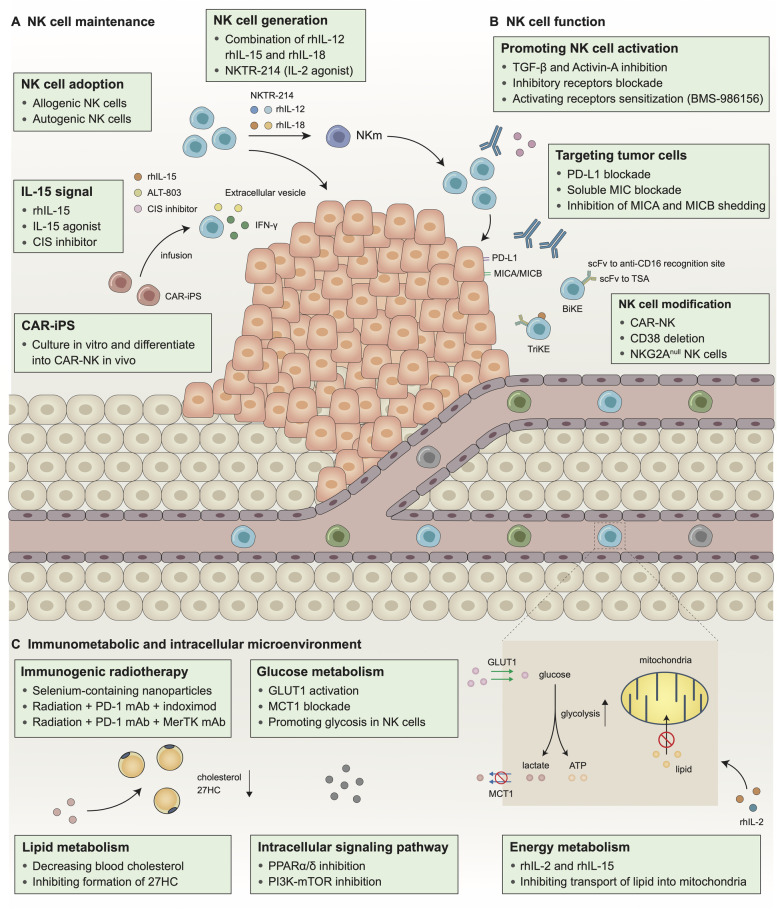
“Although tumors also evolve to resist NK cell-induced cytotoxicity, strategies such as cytokine support, blockade of inhibitory molecules, and genetic engineering of NK cells may overcome this resistance and hold great potential for treating both solid tumors and hematologic malignancies [55].”
BackgroundDynamic Hybrid Module-Driven NK Cell Stimulation and Release for Tumor Immunotherapy
Jiao, D., Hao, M., Sun, R., Ren, X., Wei, Y., Ding, M., Yue, X., Wu, Z., Li, C., Gao, L., et al. (2024) · Nano Letters · doi:10.1021/acs.nanolett.4c00425 · Cited by 17
Anticancer Effects of I-BET151, an Inhibitor of Bromodomain and Extra-Terminal Domain Proteins
Lai, J., Liu, Z., Zhao, Y., Ma, C., & Huang, H. (2021) · Frontiers in Oncology · doi:10.3389/fonc.2021.716830 · Cited by 16
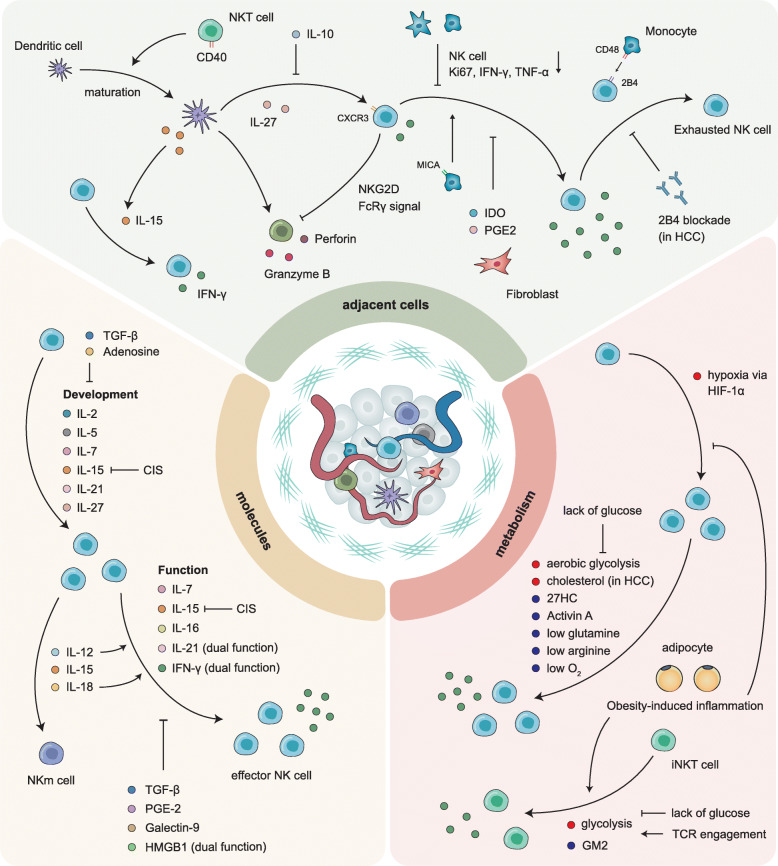
“It interacts with extracellular matrix, cancer cells, stromal cells, and metabolites in TME to exert antitumor immunity (27).”
BackgroundExercise Training Improves Mitochondrial Bioenergetics of Natural Killer Cells
LIN, M.-L., HSU, C.-C., FU, T.-C., LIN, Y.-T., HUANG, Y.-C., & WANG, J.-S. (2021) · Medicine & Science in Sports & Exercise · doi:10.1249/mss.0000000000002842 · Cited by 19
“Natural cytotoxicity that is mediated by natural killer (NK) cells is crucial in enabling the innate immune system to cope efficiently with malignancies (1).”
BackgroundSelf-citationHDAC7 inhibits cell proliferation via NudCD1/GGH axis in triple‑negative breast cancer
Zhu, M., Liu, N., Lin, J., Wang, J., Lai, H., & Liu, Y. (2022) · Oncology Letters · doi:10.3892/ol.2022.13619 · Cited by 16
“Studies have supported that low infiltration of NK cells in tumor tissues is associated with poor outcome (60,61).”
The Influence of the microbiome on the innate immune microenvironment of solid tumors
Charles, A. M., & Thomas, R. M. (2023) · Neoplasia · doi:10.1016/j.neo.2023.100878 · Cited by 15
Harnessing the Immunological Effects of Radiation to Improve Immunotherapies in Cancer
Hannon, G., Lesch, M. L., & Gerber, S. A. (2023) · International Journal of Molecular Sciences · doi:10.3390/ijms24087359 · Cited by 15
Smart Design of Nanostructures for Boosting Tumor Immunogenicity in Cancer Immunotherapy
Yin, B., Wong, W., Ng, Y. M., Yang, M., Leung, F. K., & Wong, S. H. D. (2023) · Pharmaceutics · doi:10.3390/pharmaceutics15051427 · Cited by 16
Natural killer cell therapy in hepatocellular carcinoma: a comprehensive review
Tavakoli, S., Salavatipour, M. S., Rahnama, M. A., Abdolahi, S., Hassanzadeh, A., Ghazvinian, Z., Verdi, J., Vousooghi, N., Manoochehrabadi, S., Chahardouli, B., et al. (2025) · Discover Oncology · doi:10.1007/s12672-025-03138-2 · Cited by 19
“The production of autologous NK cells is feasible, accessible, and well-tolerated without the challenges associated with HLA-mismatched cellular therapies [47, 49, 50].”
Guo, Q., Wang, P., Liu, Q., Hao, Y., Gao, Y., Qi, Y., Xu, R., Chen, H., Xin, M., Wu, X., et al. (2022) · Nucleic Acids Research · doi:10.1093/nar/gkac892 · Cited by 18
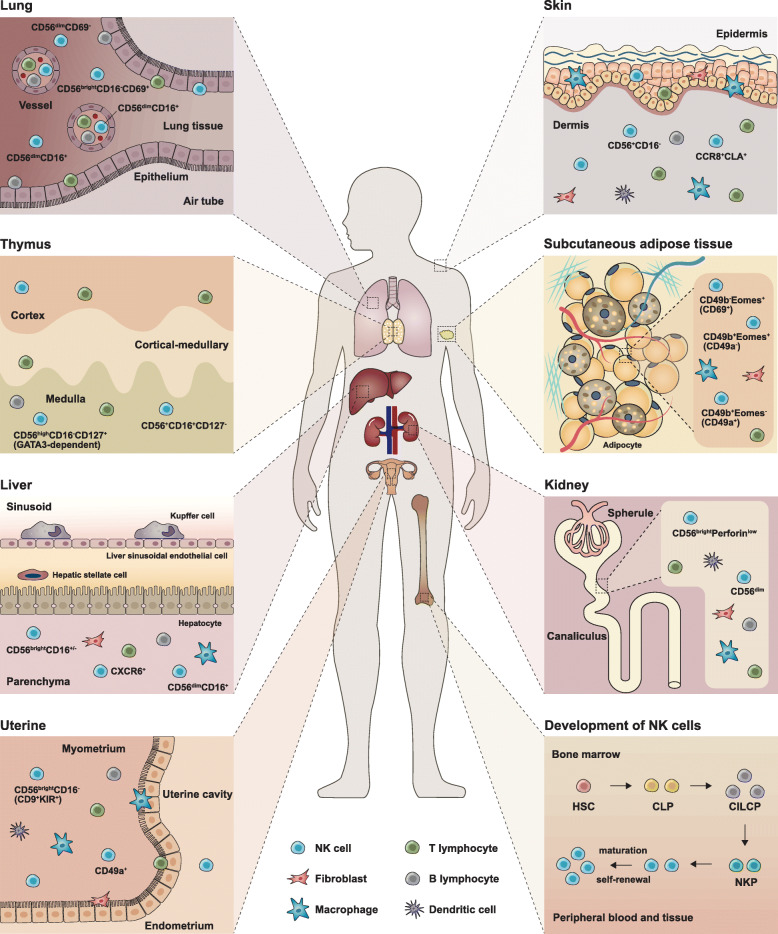
“NK cells gradually develop from haematopoietic stem cells (HSCs) through common lymphoid progenitors (CLPs) and NK-cell precursors (NKPs) and then migrate to peripheral blood (cNK cells) or tissue (trNK cells) (9).”
Immunoregulatory framework and the role of miRNA in the pathogenesis of NSCLC – A systematic review
Samarth, N. H., Gulhane, P., & Singh, S. (2022) · Frontiers in Oncology · doi:10.3389/fonc.2022.1089320 · Cited by 18
“But, the persistent exposure of NK cells with the cancer cells, alter the NK cells to immunosuppressive state through tumour derived molecules (PGE-2, PDL-1 and adenosine) and stromal cell (fibroblast, macrophage and monocyte) educated by the tumour which in turn leads to immune escape phenomena (113).”
BackgroundOu, Z., Lu, Y., Da-yong, X., & Luo, Z. (2023) · Frontiers in Immunology · doi:10.3389/fimmu.2023.1271603 · Cited by 18
Angelopoulou, A. (2024) · International Journal of Molecular Sciences · doi:10.3390/ijms25105414 · Cited by 16
Tao, J., Zhang, J., Li, H., Zhou, Y., & Guan, C. (2024) · Critical Reviews in Oncology/Hematology · doi:10.1016/j.critrevonc.2024.104553 · Cited by 18
Nanoimmunotherapy: the smart trooper for cancer therapy
Parveen, S., Konde, D. V., Paikray, S. K., Tripathy, N. S., Sahoo, L., Samal, H. B., & Dilnawaz, F. (2025) · Exploration of Targeted Anti-tumor Therapy · doi:10.37349/etat.2025.1002308 · Cited by 15
KLRG1 expression induces functional exhaustion of NK cells in colorectal cancer patients
Xu, C., Cao, K., Ma, A., Zheng, M., Xu, Y., & Tang, L. (2025) · Cancer Immunology Immunotherapy · doi:10.1007/s00262-025-04059-3 · Cited by 14
Natural killer cell membrane manipulation for augmented immune synapse and anticancer efficacy
Ryu, M., Kim, E., Kim, S., & Kim, K. (2025) · Materials Today Bio · doi:10.1016/j.mtbio.2025.101965 · Cited by 22
CD1dhiPD-L1hiCD27+ Regulatory Natural Killer Subset Suppresses Atopic Dermatitis
Min, K. Y., Koo, J., Noh, G., Lee, D., Jo, M. G., Lee, J. E., Kang, M., Hyun, S. Y., Choi, W. S., & Kim, H. S. (2022) · Frontiers in Immunology · doi:10.3389/fimmu.2021.752888 · Cited by 14
“They are known to play a crucial role in eliminating infected or tumor cells through secretion of intrinsic digestive enzymes (50, 51).”
BackgroundZhang, D., Lü, W., Zhuo, Z., Mei, H., Wu, X., & Cui, Y. (2022) · Discover Oncology · doi:10.1007/s12672-022-00506-0 · Cited by 15
“NK cells have an important position in the process of antitumor innate immunity and are highly heterogeneous in the TME; they can inhibit tumor cell proliferation and migration to distant colonization by exerting natural cytotoxicity [54, 55].”
BackgroundXin, S., Mao, J., Cui, K., Li, Q., Chen, L., Li, Q., Tu, B., Liu, X., Wang, T., Wang, S., et al. (2022) · Frontiers in Molecular Biosciences · doi:10.3389/fmolb.2022.974722 · Cited by 14
“Highly infiltratedCD8T cells andNK cells in highrisk patients have antitumor effects (Wu et al., 2020; Yanai et al., 2021).”
BackgroundLi, S., Du, H., Gan, D., Li, X., Zao, X., & Ye, Y. (2023) · Frontiers in Pharmacology · doi:10.3389/fphar.2023.1200114 · Cited by 16
“NK cells recognized and killed certain abnormal cells, including those with excessive DNA damage or in preparation for division during the cell cycle (Wu et al., 2020).”
BackgroundJiang, D., Zhang, J., Mao, Z., Shi, J., & Ma, P. (2023) · Biomedicine & Pharmacotherapy · doi:10.1016/j.biopha.2023.115004 · Cited by 15
Li, W., Hu, Z., Chen, C., Chen, T., Yao, Z., Li, W., & Yang, Z. (2023) · Cancer Medicine · doi:10.1002/cam4.6274 · Cited by 15
Mechanism and clinical application of thymosin in the treatment of lung cancer
Liu, Y., & Lu, J. (2023) · Frontiers in Immunology · doi:10.3389/fimmu.2023.1237978 · Cited by 17
Cancer‐derived non‐coding RNAs endow tumor microenvironment with immunosuppressive properties
Hu, T., Shi, R., Gu, Y., Zhou, H., Fang, Y., Xu, T., Xu, Y., Wu, X., Ma, L., & Shu, Y. (2023) · Wiley Interdisciplinary Reviews - RNA · doi:10.1002/wrna.1822 · Cited by 19
“They not only produce proinflammatory cytokines to promote tumor-antagonizing activities, but also elicit tumor-killing responses by secreting perforin and granzyme (X. Lei et al., 2020; S.-Y. Wu, Fu, et al., 2020).”
BackgroundCombination treatment of HCC with SBRT and immune checkpoint inhibition
Podesta, C., Kayani, M., Goody, R. B., & Samson, A. (2023) · Critical Reviews in Oncology/Hematology · doi:10.1016/j.critrevonc.2023.104191 · Cited by 14
Role of tumor-derived exosomes mediated immune cell reprograming in cancer
Liu, Z., Chen, Z., Zhang, J., Liu, J., Liu, J., Zhang, Z., Cai, M., & Zhang, Z. (2024) · Gene · doi:10.1016/j.gene.2024.148601 · Cited by 14
The Role of Natural Killer Cells in Oncolytic Virotherapy: Friends or Foes?
Franks, M. L., An, J.-H., & Leavenworth, J. W. (2024) · Vaccines · doi:10.3390/vaccines12070721 · Cited by 14
Yang, M., Chen, Y.-H., Feng, C., Zhang, M., Wang, H., Zheng, Y., & Li, X. (2024) · Frontiers in Immunology · doi:10.3389/fimmu.2024.1455925 · Cited by 13
“Previous understanding indicated that NK cell activity is governed by a delicate balance of various activating and inhibitory receptors on their surface (29).”
Background
Metadata
- Authors
- Wu, S.-Y., Fu, T., Jiang, Y.-Z., & Shao, Z.-M.
- Affiliations
- Shanghai Medical College of Fudan University (CN)
- Corresponding author
- Jiang, Yi-Zhou
- Shao, Zhi-Ming
- Venue
- Molecular Cancer
- Published
- 2020-08-06
- Volume
- 19
- Issue
- 1
- Pages
- 120-120
- ISSN
- 1476-4598 (ISSN-L)
- PMC
- PMC7409673
- OpenAlex
- W3046958019
- Semantic Scholar
- 39d8edf4e0dc0327b06f47529d0bf8fcfde417e6
- Cited by
- 863
- References
- 268
- Citations by year
- 2026: 77 · 2025: 199 · 2024: 219 · 2023: 170 · 2022: 122 · 2021: 70 · 2020: 5
- FWCI
- 8.96
- Type
- journal article
- Language
- en
- Open access
- gold
- doi.org
- Licence
- cc-by
- creativecommons.org/licenses/by/4.0 (tdm)
- creativecommons.org/licenses/by/4.0 (vor)
- Locations
- Molecular Cancer (publishedVersion, cc-by)
- PubMed Central (publishedVersion, cc-by)
- PubMed (publishedVersion)
- DOAJ (DOAJ: Directory of Open Access Journals) (submittedVersion, cc-by-sa)
- Funders
- National Natural Science Foundation of China (81572583, 81874112, 81874113, 81502278, 81922048)
- Shanghai Education Development Foundation (17CG01)
- Fudan University
- Shanghai Municipal Education Commission (17CG01)
- Topics
- Life Sciences › Immunology and Microbiology › Immunology › Immune Cell Function and Interaction
- Health Sciences › Medicine › Oncology › Cancer Immunotherapy and Biomarkers
- Life Sciences › Immunology and Microbiology › Immunology › Immune cells in cancer
- Keywords
- natural killer cells, tumor microenvironment, immune evasion, NK cell therapy, NK cell resistance, tumor immunometabolism, NK cell engineering, innate immunity, hematologic malignancies, solid tumors, precision medicine
- MeSH terms
- Animals, Disease Susceptibility, Energy Metabolism, Humans, Immunity, Innate, Immunotherapy, Killer Cells, Natural, Neoplasms, Signal Transduction, Biomarkers, Disease Progression, Disease Management, Immunomodulation, Tumor Microenvironment
About these checks
Registry, retraction, Cites and statistics results are computed, not judged, with one exception: a printed reference that no index lists is read once by a model before it counts as a citation error. Claims are extracted by a model and kept only when their quote appears verbatim in the text; each cited source is then checked, with a model’s help, for whether it says what the claim relies on. Those verdicts can be wrong — read the claim’s quote and the cited source before relying on one.
Statistics and arithmetic are recomputed, not judged.
Confidence bands are shown only for fields calibrated on our annotated test set. None is calibrated yet, so no band is shown.
What counts as a claim ›How we measure confidence ›How we check this ›
Are you an author, or do you see a problem with this page? Request a review
Data sources
Bibliographic data: Semantic Scholar, OpenAlex, Crossref.
Contains information from the Semantic Scholar Academic Graph Datasets, made available under the ODC Attribution License (ODC-BY 1.0).
Semantic Scholar’s data is described in: Kinney, R., et al. (2023). The Semantic Scholar Open Data Platform. arXiv:2301.10140.
