

Wnt signaling in colorectal cancer: pathogenic role and therapeutic target
Open accessThe DOI matches its Crossref record; 276 of the 276 references it cites were found in a registry or an index.
Abstract
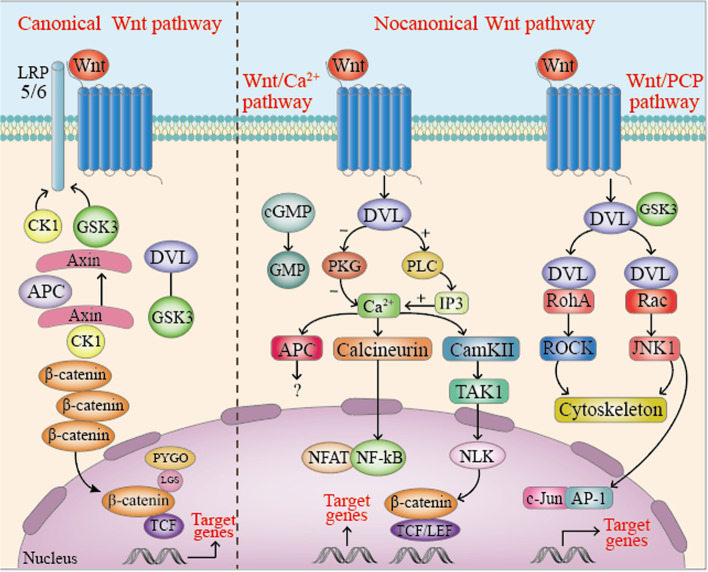
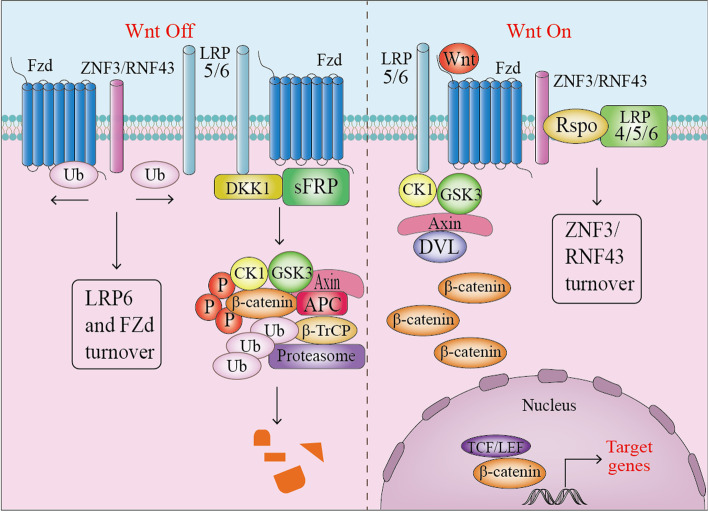
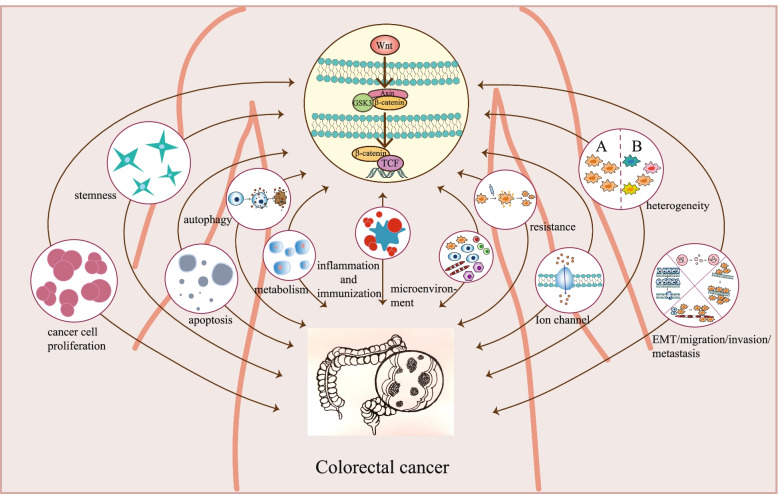
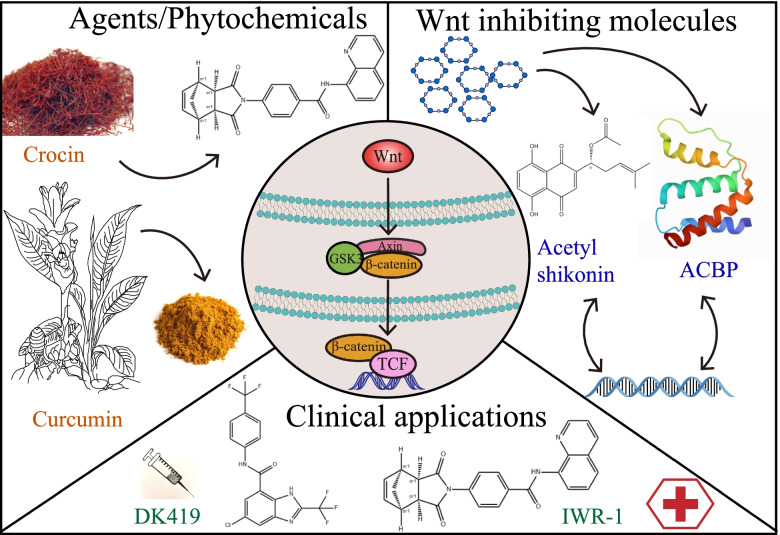
Background: The Wnt signaling pathway is a complex network of protein interactions that functions most commonly in embryonic development and cancer, but is also involved in normal physiological processes in adults. The canonical Wnt signaling pathway regulates cell pluripotency and determines the differentiation fate of cells during development. The canonical Wnt signaling pathway (also known as the Wnt/β-catenin signaling pathway) is a recognized driver of colon cancer and one of the most representative signaling pathways. As a functional effector molecule of Wnt signaling, the modification and degradation of β-catenin are key events in the Wnt signaling pathway and the development and progression of colon cancer. Therefore, the Wnt signaling pathway plays an important role in the pathogenesis of diseases, especially the pathogenesis of colorectal cancer (CRC). Objective: Inhibit the Wnt signaling pathway to explore the therapeutic targets of colorectal cancer. Methods: Based on studying the Wnt pathway, master the biochemical processes related to the Wnt pathway, and analyze the relevant targets when drugs or inhibitors act on the Wnt pathway, to clarify the medication ideas of drugs or inhibitors for the treatment of diseases, especially colorectal cancer. Results: Wnt signaling pathways include: Wnt/β-catenin or canonical Wnt signaling pathway, planar cell polarity (Wnt-PCP) pathway and Wnt-Ca 2+ signaling pathway. The Wnt signaling pathway is closely related to cancer cell proliferation, stemness, apoptosis, autophagy, metabolism, inflammation and immunization, microenvironment, resistance, ion channel, heterogeneity, EMT/migration/invasion/metastasis. Drugs/phytochemicals and molecular preparations for the Wnt pathway of CRC treatment have now been developed. Wnt inhibitors are also commonly used clinically for the treatment of CRC. Conclusion: The development of drugs/phytochemicals and molecular inhibitors targeting the Wnt pathway can effectively treat colorectal cancer clinically.
Overview
The claims and statistics of this paper haven’t been checked yet.
Free: it reads the open-access text and checks the first 5 claims that cite a source we can check. Create a free account to check every claim.
Integrity signals
Registry
Cites
Statistics
Figures
Verification
Claims the paper makes
The claims and statistics of this paper haven’t been checked yet.
Free: it reads the open-access text and checks the first 5 claims that cite a source we can check. Create a free account to check every claim.
Claims other papers make about this one
Each is checked against this paper’s own text: does it say what the citing paper says it does?
The source backs part of the claim, not all of it — or backs it for a different population, condition or comparison.
In the citing paper
“Multiple agents targeting both canonical and the β-catenin-independent non-canonical Wnt signaling including v-ATPase inhibitors and anti-RSPO antibody are undergoing clinical trials in CRC and other malignancies [119,120].”
From Recent Advances in Therapeutic Strategies to Improve Colorectal Cancer Treatment (2024) · cites this paper as [120]
Experimental — accuracy not yet measured
Self-check
Percentages, sums and reported differences re-computed from the paper’s own numbers.
The self-check needs the paper’s full text.
Citations
Cites
4 retracted
RETRACTED: Phytosomal curcumin inhibits tumor growth in colitis‐associated colorectal cancer
Marjaneh, R. M., Rahmani, F., Hassanian, S. M., Rezaei, N., Hashemzehi, M., Bahrami, A., Ariakia, F., Fiuji, H., Sahebkar, A., Avan, A., et al. (2018) · Journal of Cellular Physiology · doi:10.1002/jcp.26538 · Cited by 200
RetractedAmerizadeh, F., Rezaei, N., Rahmani, F., Hassanian, S. M., Moradi‐Marjaneh, R., Fiuji, H., Boroumand, N., Tirkani, A. N., Ghayour‐Mobarhan, M., Ferns, G. A., et al. (2018) · Journal of Cellular Biochemistry · doi:10.1002/jcb.27367 · Cited by 97
RetractedSun, J., Zhang, T., Cheng, M., Hong, L., Zhang, C., Xie, M., Sun, P., Fan, R., Wang, Z., Wang, L., et al. (2019) · Journal of Experimental & Clinical Cancer Research · doi:10.1186/s13046-019-1098-y · Cited by 65
RetractedHuang, T., Zhang, Q., Ren, W., Yan, B., Liang, Y., Tang, T., Lin, H. L., & Zhang, Y. (2020) · Cell Biology International · doi:10.1002/cbin.11358 · Cited by 52
RetractedWnt/β-Catenin Signaling, Disease, and Emerging Therapeutic Modalities
Nusse, R., & Clevers, H. (2017) · Cell · doi:10.1016/j.cell.2017.05.016 · Cited by 4,342
Targeting the Wnt/β-catenin signaling pathway in cancer
Zhang, Y., & Wang, X. (2020) · Journal of Hematology & Oncology · doi:10.1186/s13045-020-00990-3 · Cited by 1,431
Wnt signaling in development and tissue homeostasis
Steinhart, Z., & Angers, S. (2018) · Development · doi:10.1242/dev.146589 · Cited by 821
Wnt/β-catenin signaling in cancer stemness and malignant behavior
Fodde, R., & Brabletz, T. (2007) · Current Opinion in Cell Biology · doi:10.1016/j.ceb.2007.02.007 · Cited by 785
Hu, J. L., Wang, W., Lan, X. L., Zeng, Z. C., Liang, Y. S., Yan, Y. R., Song, F. Y., Wang, F. F., Zhu, X. H., Liao, W. J., et al. (2019) · Molecular Cancer · doi:10.1186/s12943-019-1019-x · Cited by 773 · cited 1×
“In terms of mechanism, the increased expression of miR-92a-3p activates the Wnt/β-catenin pathway, inhibits mitochondrial apoptosis by directly inhibiting FBXW7 and MOAP1, and promotes the stem cell, EMT, and metastasis of colorectal cancer cells [128].”
BackgroundWnt signaling in breast cancer: biological mechanisms, challenges and opportunities
Xu, X., Zhang, M., Xu, F., & Jiang, S. (2020) · Molecular Cancer · doi:10.1186/s12943-020-01276-5 · Cited by 588
Cancer stem cells (CSCs) in cancer progression and therapy
Najafi, M., Farhood, B., & Mortezaee, K. (2019) · Journal of Cellular Physiology · doi:10.1002/jcp.27740 · Cited by 573
Katoh, M. (2017) · International Journal of Oncology · doi:10.3892/ijo.2017.4129 · Cited by 465
Therapeutic potential of targeting the Wnt/β-catenin signaling pathway in colorectal cancer
Cheng, X., Xu, X., Chen, D., Zhao, F., & Wang, W. (2019) · Biomedicine & Pharmacotherapy · doi:10.1016/j.biopha.2018.11.082 · Cited by 417
Chronic ulcerative colitis and colorectal cancer
Rogler, G. (2014) · Cancer Letters · doi:10.1016/j.canlet.2013.07.032 · Cited by 413
How autophagy controls the intestinal epithelial barrier
Foerster, E. G., Mukherjee, T., Cabral-Fernandes, L., Rocha, J. D. B., Girardin, S. E., & Philpott, D. J. (2022) · Autophagy · doi:10.1080/15548627.2021.1909406 · Cited by 397
Autophagy negatively regulates Wnt signalling by promoting Dishevelled degradation
Gao, C., Cao, W., Bao, L., Zuo, W., Xie, G., Cai, T., Fu, W., Zhang, J., Wu, W., Zhang, X., et al. (2010) · Nature Cell Biology · doi:10.1038/ncb2082 · Cited by 389
Wnt addiction of genetically defined cancers reversed by PORCN inhibition
Madan, B., Ke, Z., Harmston, N., Ho, S. Y., Frois, A. O., Alam, J., Jeyaraj, D. A., Pendharkar, V, Ghosh, K., Virshup, I. H., et al. (2016) · Oncogene · doi:10.1038/onc.2015.280 · Cited by 341
5-FU promotes stemness of colorectal cancer via p53-mediated WNT/β-catenin pathway activation
Cho, Y.-H., Ro, E. J., Yoon, J.-S., Mizutani, T., Kang, D.-W., Park, J.-C., Il Kim, T., Clevers, H., & Choi, K.-Y. (2020) · Nature Communications · doi:10.1038/s41467-020-19173-2 · Cited by 336
Autolysosomal β‐catenin degradation regulates Wnt‐autophagy‐p62 crosstalk
Petherick, K. J., Williams, A. C., Lane, J. D., Ordóñez‐Morán, P., Huelsken, J., Collard, T. J., Smartt, H. J., Batson, J., Malik, K., Paraskeva, C., et al. (2013) · The EMBO Journal · doi:10.1038/emboj.2013.123 · Cited by 319
Wnt Signaling and Its Significance Within the Tumor Microenvironment: Novel Therapeutic Insights
Patel, S., Alam, A., Pant, R., & Chattopadhyay, S. (2019) · Frontiers in Immunology · doi:10.3389/fimmu.2019.02872 · Cited by 285
Notch post-translationally regulates β-catenin protein in stem and progenitor cells
Kwon, C., Cheng, P., King, I. N., Andersen, P., Shenje, L., Nigam, V., & Srivastava, D. (2011) · Nature Cell Biology · doi:10.1038/ncb2313 · Cited by 284
Redox signaling in the gastrointestinal tract
Pérez, S., Taléns-Visconti, R., Rius-Pérez, S., Finamor, I., & Sastre, J. (2017) · Free Radical Biology and Medicine · doi:10.1016/j.freeradbiomed.2016.12.048 · Cited by 273
Osada, T., Chen, M., Yang, X. Y., Spasojevic, I., Vandeusen, J. B., Hsu, D., Clary, B. M., Clay, T. M., Chen, W., Morse, M. A., et al. (2011) · Cancer Research · doi:10.1158/0008-5472.can-10-3978 · Cited by 271
GSK-3β in DNA repair, apoptosis, and resistance of chemotherapy, radiotherapy of cancer
Lin, J., Song, T., Li, C., & Mao, W. (2020) · Biochimica et Biophysica Acta (BBA) - Molecular Cell Research · doi:10.1016/j.bbamcr.2020.118659 · Cited by 268
Santiago, L., Daniels, G., Wang, D., Deng, F., & Lee, P. (2017) · PubMed · Cited by 246
Wnt signaling pathway in cancer immunotherapy
Zhou, Y., Xu, J., Luo, H., Meng, X., Chen, M., & Zhu, D. (2022) · Cancer Letters · doi:10.1016/j.canlet.2021.10.034 · Cited by 233
Li, Q., Lai, Q., He, C., Fang, Y., Yan, Q., Zhang, Y., Wang, X., Gu, C., Wang, Y., Ye, L., et al. (2019) · Journal of Experimental & Clinical Cancer Research · doi:10.1186/s13046-019-1330-9 · Cited by 232
Genetic and epigenetic characteristics of inflammatory bowel disease-associated colorectal cancer
Rajamäki, K., Taira, A., Katainen, R., Välimäki, N., Kuosmanen, A., Plaketti, R.-M., Seppälä, T. T., Ahtiainen, M., Wirta, E.-V., Vartiainen, E., et al. (2021) · Gastroenterology · doi:10.1053/j.gastro.2021.04.042 · Cited by 230
Wnt Signaling in vascular eye diseases
Wang, Z., Liu, C.-H., Huang, S., & Chen, J. (2019) · Progress in Retinal and Eye Research · doi:10.1016/j.preteyeres.2018.11.008 · Cited by 211
Kavitha, K., Kowshik, J., Kishore, T. K. K., Baba, A. B., & Nagini, S. (2013) · Biochimica et Biophysica Acta (BBA) - General Subjects · doi:10.1016/j.bbagen.2013.05.032 · Cited by 209
Hu, Y.-B., Yan, C., Mu, L., Mi, Y. –., Zhao, H., Hu, H., Li, X.-L., Tao, D.-D., Wu, Y.-Q., Gong, J.-P., et al. (2019) · Oncogene · doi:10.1038/s41388-018-0557-9 · Cited by 200
Self-citationBoon, E. M. J., Keller, J. J., Wormhoudt, T. A. M., Giardiello, F. M., Offerhaus, G. J. A., van der Neut, R., & Pals, S. T. (2004) · British Journal of Cancer · doi:10.1038/sj.bjc.6601505 · Cited by 190
Kim, W. K., Kwon, Y., Jang, M., Park, M., Kim, J., Cho, S.-Y., Jang, D. G., Lee, W.-B., Jung, S. H., Choi, H. J., et al. (2019) · Scientific Reports · doi:10.1038/s41598-019-54890-9 · Cited by 177
Multiple functions of the noncanonical Wnt pathway
Gómez‐Orte, E., Sáenz‐Narciso, B., Moreno, S., & Cabello, J. (2013) · Trends in Genetics · doi:10.1016/j.tig.2013.06.003 · Cited by 175
Oncogenic KRAS signalling promotes the Wnt/β-catenin pathway through LRP6 in colorectal cancer
Lemieux, E., Cagnol, S., Beaudry, K., Carrier, J., & Rivard, N. (2015) · Oncogene · doi:10.1038/onc.2014.416 · Cited by 164
Wang, M., Chen, D., Chen, L., Cao, G., Zhao, H., Liu, D., Vaziri, N. D., Guo, Y., & Zhao, Y. (2018) · British Journal of Pharmacology · doi:10.1111/bph.14333 · Cited by 163
Self-citationKeerthivasan, S., Aghajani, K., Dose, M., Molinero, L., Khan, M. W., Venkateswaran, V., Weber, C., Emmanuel, A. O., Sun, T., Bentrem, D. J., et al. (2014) · Science Translational Medicine · doi:10.1126/scitranslmed.3007607 · Cited by 161
Canonical Wnt suppressor, Axin2, promotes colon carcinoma oncogenic activity
Wu, Z.-Q., Brabletz, T., Fearon, E., Willis, A. L., Hu, C. Y., Li, X.-Y., & Weiss, S. J. (2012) · Proceedings of the National Academy of Sciences · doi:10.1073/pnas.1203015109 · Cited by 160
Targeting the WNT Signaling Pathway in Cancer Therapeutics
Tai, D., Wells, K., Arcaroli, J., Vanderbilt, C., Aisner, D. L., Messersmith, W. A., & Lieu, C. H. (2015) · The Oncologist · doi:10.1634/theoncologist.2015-0057 · Cited by 159
Heljäsvaara, R., Aikio, M., Ruotsalainen, H. J., & Pihlajaniemi, T. A. (2016) · Matrix Biology · doi:10.1016/j.matbio.2016.10.002 · Cited by 155
Tam, B. Y. Y., Chiu, K., Chung, H., Bossard, C., Nguyen, J. D., Creger, E., Eastman, B. W., Mak, C. C., Ibanez, M., Ghias, A., et al. (2019) · Cancer Letters · doi:10.1016/j.canlet.2019.09.009 · Cited by 154
Wnt signaling inhibits cementoblast differentiation and promotes proliferation
Nemoto, E., 越川, 洋., Kanaya, S., Tsuchiya, M., Tamura, M., Somerman, M. J., & Shimauchi, H. (2009) · Bone · doi:10.1016/j.bone.2008.12.029 · Cited by 150
Xiao, Z., Qu, Z., Chen, Z., Fang, Z., Zhou, K., Huang, Z., Guo, X., & Zhang, Y. (2018) · Cellular Physiology and Biochemistry · doi:10.1159/000489110 · Cited by 150
Jenei, V., Sherwood, V., Howlin, J., Linnskog, R., Säfholm, A., Axelsson, L., & Andersson, T. (2009) · Proceedings of the National Academy of Sciences · doi:10.1073/pnas.0909409106 · Cited by 147
Blocking MIR155HG/miR-155 axis inhibits mesenchymal transition in glioma
Wu, X., Wang, Y., Yu, T., Nie, E., Hu, Q., Wu, W., Zhi, T., Jiang, K., Wang, X., Lu, X., et al. (2017) · Neuro-Oncology · doi:10.1093/neuonc/nox017 · Cited by 145
Chemoradiotherapy Resistance in Colorectal Cancer Cells is Mediated by Wnt/β-catenin Signaling
Emons, G., Spitzner, M., Reineke, S., Möller, J., Auslander, N., Kramer, F., Hu, Y., Beissbarth, T., Wolff, H. A., Rave-Fränk, M., et al. (2017) · Molecular Cancer Research · doi:10.1158/1541-7786.mcr-17-0205 · Cited by 144
Wnt/β-Catenin Signaling as a Molecular Target by Pathogenic Bacteria
Silva-García, O., Valdez-Alarcón, J. J., & Baizabal-Aguirre, V. M. (2019) · Frontiers in Immunology · doi:10.3389/fimmu.2019.02135 · Cited by 142
Shi, J., Li, F., Luo, M., Wei, J., & Liu, X. (2017) · Mediators of Inflammation · doi:10.1155/2017/3520581 · Cited by 137
The WNT/ROR Pathway in Cancer: From Signaling to Therapeutic Intervention
Menck, K., Heinrichs, S., Baden, C., & Bleckmann, A. (2021) · Cells · doi:10.3390/cells10010142 · Cited by 137
Zhang, W., Ruan, X., Li, Y., Zhi, J., Hu, L., Hou, X., Shi, X., Wang, X., Wang, J., Ma, W., et al. (2022) · Theranostics · doi:10.7150/thno.66142 · Cited by 133
Role of Wnt/β‐Catenin Signaling in the Chemoresistance Modulation of Colorectal Cancer
Yuan, S., Tao, F., Zhang, X., Zhang, Y., Sun, X., & Wu, D. (2020) · BioMed Research International · doi:10.1155/2020/9390878 · Cited by 131 · cited 1×
“Studies have shown that Wnt/−catenin signaling plays a key role in tumorigenesis and tumor development, and its function of inhibiting cell apoptosis can promote tumor chemoresistance [38].”
BackgroundTea polyphenols and their chemopreventive and therapeutic effects on colorectal cancer
Wang, S.-T., Cui, W., Pan, D., Jiang, M., Chang, B., & Sang, L.-X. (2020) · World Journal of Gastroenterology · doi:10.3748/wjg.v26.i6.562 · Cited by 128
Qi, L., Sun, B., Liu, Z., Cheng, R., Li, Y., & Zhao, X. (2014) · Journal of Experimental & Clinical Cancer Research · doi:10.1186/preaccept-1203114799135709 · Cited by 127
Yu, X., Shi, W., Zhang, Y., Wang, X., Sun, S., Song, Z., Liu, M., Zeng, Q., Cui, S., & Qu, X. (2017) · Scientific Reports · doi:10.1038/srep42226 · Cited by 125
Self-citationReddy, D., Kumavath, R., Ghosh, P., & Barh, D. (2019) · Biomolecules · doi:10.3390/biom9120792 · Cited by 124
Vadde, R., Sarojamma, V., Jinka, R., Merchant, N., Bramhachari, P. V., & Nagaraju, G. P. (2017) · Critical Reviews in Oncology/Hematology · doi:10.1016/j.critrevonc.2017.02.025 · Cited by 121
de la Roche, M., Rutherford, T. J., Gupta, D., Veprintsev, D. B., Saxty, B., Freund, S. M., & Bienz, M. (2012) · Nature Communications · doi:10.1038/ncomms1680 · Cited by 120
Ma, X., Yan, W., Dai, Z., Gao, X., Ma, Y., Xu, Q., Jiang, J., & Zhang, S. (2016) · Drug Design Development and Therapy · doi:10.2147/dddt.s102541 · Cited by 120
Wnt/β-catenin signaling in melanoma: Preclinical rationale and novel therapeutic insights
Xue, G., Romano, E., Massi, D., & Mandalà, M. (2016) · Cancer Treatment Reviews · doi:10.1016/j.ctrv.2016.06.009 · Cited by 119
β-Catenin and the morphogenesis of colorectal cancer
Brabletz, T., Jung, A., & Kirchner, T. (2002) · Archiv für Pathologische Anatomie und Physiologie und für Klinische Medicin · doi:10.1007/s00428-002-0642-9 · Cited by 116
Wnt signaling during BMP‐2 stimulation of mesenchymal chondrogenesis
Fischer, L., Boland, G., & Tuan, R. S. (2002) · Journal of Cellular Biochemistry · doi:10.1002/jcb.10091 · Cited by 116
Kaur, M., Velmurugan, B., Tyagi, A., Agarwal, C., Singh, R. P., & Agarwal, R. (2010) · Neoplasia · doi:10.1593/neo.10188 · Cited by 110
Kim, N. H., Cha, Y. H., Eun Kang, S., Mi Lee, Y., Lee, I., Young Cha, S., Kyung Ryu, J., Min Na, J., Park, C., Yoon, H., et al. (2013) · Cell Cycle · doi:10.4161/cc.24739 · Cited by 110
Yamamoto, H., Yoo, S. K., Nishita, M., Kikuchi, A., & Minami, Y. (2007) · Genes to Cells · doi:10.1111/j.1365-2443.2007.01128.x · Cited by 109
Huang, D., & Du, X. (2008) · World Journal of Gastroenterology · doi:10.3748/wjg.14.1823 · Cited by 103
Glycogen synthase kinase 3 in Wnt signaling pathway and cancer
Tejeda‐Muñoz, N., & Robles‐Flores, M. (2015) · IUBMB Life · doi:10.1002/iub.1454 · Cited by 102
Yu, B., Ye, X., Du, Q., Zhu, B., & Zhai, Q. (2017) · Cellular Physiology and Biochemistry · doi:10.1159/000475941 · Cited by 100
Li, X., Hu, W., Zhou, J., Huang, Y., Peng, J., Yuan, Y., Yu, J., & Zheng, S. S. (2017) · Cell Communication and Signaling · doi:10.1186/s12964-017-0192-z · Cited by 99
Quandt, J., Arnovitz, S., Haghi, L., Woehlk, J., Mohsin, A., Okoreeh, M. K., Mathur, P., Emmanuel, A. O., Osman, A., Krishnan, M., et al. (2021) · Nature Immunology · doi:10.1038/s41590-021-00889-2 · Cited by 99
The role of WNT10B in physiology and disease
Wend, P., Wend, K., Krum, S. A., & Miranda‐Carboni, G. A. (2012) · Acta Physiologica · doi:10.1111/j.1748-1716.2011.02296.x · Cited by 97
Wnt signaling: Role in LTP, neural networks and memory
Oliva, C. A., Vargas, J., & Inestrosa, N. C. (2013) · Ageing Research Reviews · doi:10.1016/j.arr.2013.03.006 · Cited by 96
Caspi, M., Wittenstein, A., Kazelnik, M., Shor-Nareznoy, Y., & Rosin‐Arbesfeld, R. (2020) · Advanced Drug Delivery Reviews · doi:10.1016/j.addr.2020.12.010 · Cited by 96
Wnt pathway modulators in cancer therapeutics: An update on completed and ongoing clinical trials
Neiheisel, A., Kaur, M., Ma, N., Havard, P., & Shenoy, A. K. (2022) · International Journal of Cancer · doi:10.1002/ijc.33811 · Cited by 96
CircAGFG1 drives metastasis and stemness in colorectal cancer by modulating YY1/CTNNB1
Zhang, L., Dong, X., Yan, B., Yu, W., & Shan, L. (2020) · Cell Death and Disease · doi:10.1038/s41419-020-2707-6 · Cited by 95
Nitric Oxide (NO) and NO Synthases (NOS)-Based Targeted Therapy for Colon Cancer
Wang, H., Wang, L., Xie, Z., Zhou, S. Y., Li, Y., Zhou, Y., & Sun, M. (2020) · Cancers · doi:10.3390/cancers12071881 · Cited by 94
Cancer‐associated fibroblasts secrete Wnt2 to promote cancer progression in colorectal cancer
Aizawa, T., Karasawa, H., Funayama, R., Shirota, M., Suzuki, T., Maeda, S., Suzuki, H., Yamamura, A., Naitoh, T., Nakayama, K., et al. (2019) · Cancer Medicine · doi:10.1002/cam4.2523 · Cited by 92
Roles of Wnt Target Genes in the Journey of Cancer Stem Cells
Kim, J.-H., Park, S.-Y., Jun, Y., Kim, J.-Y., & Nam, J.-S. (2017) · International Journal of Molecular Sciences · doi:10.3390/ijms18081604 · Cited by 91
Schrör, K. (2011) · Best Practice & Research Clinical Gastroenterology · doi:10.1016/j.bpg.2011.10.016 · Cited by 88
Bidirectional KCNQ1:β-catenin interaction drives colorectal cancer cell differentiation
Rapetti‐Mauss, R., Bustos, V., Thomas, W., McBryan, J., Harvey, H. M., Lajczak, N., Madden, S. F., Pellissier, B., Borgèse, F., Soriani, O., et al. (2017) · Proceedings of the National Academy of Sciences · doi:10.1073/pnas.1702913114 · Cited by 88
Kim, W. K., Byun, W. S., Chung, H., Oh, J., Park, H. J., Choi, J. S., & Lee, S. K. (2018) · Biochemical Pharmacology · doi:10.1016/j.bcp.2018.03.009 · Cited by 88
Tewari, D., Bawari, S., Sharma, S., DeLiberto, L. K., & Bishayee, A. (2021) · Pharmacology & Therapeutics · doi:10.1016/j.pharmthera.2021.107876 · Cited by 88
Chen, L., Song, Z., Huang, S., Wang, R., Qin, W., Guo, J., & Lin, Z. (2015) · Cell and Tissue Research · doi:10.1007/s00441-015-2333-2 · Cited by 83
Yang, S., Sun, S., Xu, W., Yu, B., Wang, G., & Wang, H. (2020) · Molecular Medicine Reports · doi:10.3892/mmr.2020.10983 · Cited by 80
Ye, G.-D., Sun, G., Jiao, P., Chen, C., Liu, Q., Xiao-li, H., Zhang, R., Cai, W., Li, S.-N., Wu, J., et al. (2015) · Gastroenterology · doi:10.1053/j.gastro.2015.11.041 · Cited by 78
Zhu, G.-X., Gao, D., Shao, Z., Chen, L., Ding, W., & Yu, Q. (2020) · Molecular Medicine Reports · doi:10.3892/mmr.2020.11744 · Cited by 78
miR-603 promotes glioma cell growth via Wnt/β-catenin pathway by inhibiting WIF1 and CTNNBIP1
Guo, M., Zhang, X., Wang, G., Sun, J., Jiang, Z., Khadarian, K. A., Yu, S., Zhao, Y., Xie, C., Zhang, K. X., et al. (2015) · Cancer Letters · doi:10.1016/j.canlet.2015.02.003 · Cited by 77
Lee, M. A., Park, J.-H., Rhyu, S. Y., Oh, S.-T., Kang, W.-K., & Kim, H.-N. (2014) · BMC Cancer · doi:10.1186/1471-2407-14-125 · Cited by 77
Tentler, J. J., Nallapareddy, S., Tan, A. C., Spreafico, A., Pitts, T. M., Morelli, M. P., Selby, H. M., Kachaeva, M. I., Flanigan, S. A., Kulikowski, G. N., et al. (2010) · Molecular Cancer Therapeutics · doi:10.1158/1535-7163.mct-10-0376 · Cited by 77
Anthocyanins/anthocyanidins and colorectal cancer: What is behind the scenes?
Moraes, L. F. D. S., Sun, X., Pelúzio, M. D. C. G., & Zhu, M. J. (2017) · Critical Reviews in Food Science and Nutrition · doi:10.1080/10408398.2017.1357533 · Cited by 77
Cushioning the cartilage: a canonical Wnt restricting matter
Monteagudo, S., & Lories, R. J. U. (2017) · Nature Reviews Rheumatology · doi:10.1038/nrrheum.2017.171 · Cited by 77
Bryja, V., Červenka, I., & Čajánek, L. (2017) · Critical Reviews in Biochemistry and Molecular Biology · doi:10.1080/10409238.2017.1350135 · Cited by 76
Shi, L., Xi, J., Xu, X., Peng, B., & Zhang, B. (2018) · Biomedicine & Pharmacotherapy · doi:10.1016/j.biopha.2018.10.080 · Cited by 76
Kushwaha, P., Khedgikar, V., Gautam, J., Dixit, P., Chillara, R., Verma, A., Thakur, R. K., Mishra, D. P., Singh, D. R., Maurya, R., et al. (2014) · Cell Death and Disease · doi:10.1038/cddis.2014.350 · Cited by 75
Han, Y., Peng, Y., Liu, S., Wang, X., Cai, C., Guo, C., Chen, Y., Gao, L., Huang, Q., He, M. Y., et al. (2022) · Journal of Experimental & Clinical Cancer Research · doi:10.1186/s13046-021-02190-4 · Cited by 75
Tian, S., Hu, J., Tao, K., Wang, J., Chu, Y., Li, J., Liu, Z., Ding, X., Xu, L., Li, Q., et al. (2018) · Experimental Cell Research · doi:10.1016/j.yexcr.2018.02.004 · Cited by 74
Huang, L., Liu, Z., Hu, J., Luo, Z., Zhang, C., Wang, L., & Wang, Z. (2020) · Pharmacological Research · doi:10.1016/j.phrs.2020.104774 · Cited by 74
Yan, R., Fan, X., Xiao, Z., Liu, H., Huang, X., Liu, J., Zhang, S., Yao, J., An, G., & Ge, Y. (2022) · Cancer Letters · doi:10.1016/j.canlet.2022.01.030 · Cited by 73
Song, J., Shu, H., Zhang, L., & Xiong, J. (2019) · Journal of Cellular Biochemistry · doi:10.1002/jcb.27743 · Cited by 72
Xue, M., Liang, H. W., Ji, X., Zhou, Z., Liu, Y., Sun, T., & Zhang, L. (2020) · The Journal of Nutritional Biochemistry · doi:10.1016/j.jnutbio.2020.108396 · Cited by 72
Serafino, A., Moroni, N., Psaila, R., Zonfrillo, M., Andreola, F., Wannenes, F., Mercuri, L., Rasi, G., & Pierimarchi, P. (2012) · Biochimica et Biophysica Acta (BBA) - Molecular Basis of Disease · doi:10.1016/j.bbadis.2012.02.016 · Cited by 71
Shan, Z., An, N., Qin, J., Yang, J., Sun, H., & Yang, W. (2018) · Biomedicine & Pharmacotherapy · doi:10.1016/j.biopha.2018.02.123 · Cited by 69
Sànchez‐Tilló, E., de Barrios, O., Siles, L., Amendola, P. G., Darling, D. S., Cuatrecasas, M., Castells, A., & Postigo, A. A. (2013) · Clinical Cancer Research · doi:10.1158/1078-0432.ccr-12-2675 · Cited by 68
Multifunctional DDX3: dual roles in various cancer development and its related signaling pathways.
Zhao, L., Mao, Y., Zhou, J., Zhao, Y., Cao, Y., & Chen, X. '. (2016) · PubMed · Cited by 68
Constitutive activation of canonical Wnt signaling disrupts choroid plexus epithelial fate
Parichha, A., Suresh, V., Chatterjee, M., Kshirsagar, A., Ben‐Reuven, L., Olender, T., Taketo, M. M., Radošević, V., Bobić‐Rasonja, M., Trnski, S., et al. (2022) · Nature Communications · doi:10.1038/s41467-021-27602-z · Cited by 67
Aceto, G. M., Catalano, T., & Curia, M. C. (2020) · BioMed Research International · doi:10.1155/2020/1726309 · Cited by 66
Yang, D., Li, Q., Shang, R., Yao, L., Wu, L., Zhang, M., Zhang, L., Xu, M. L., Lu, Z., Zhou, J. N., et al. (2020) · Journal of Experimental & Clinical Cancer Research · doi:10.1186/s13046-020-01774-w · Cited by 66
WNT receptor signalling in lung physiology and pathology
Skronska-Wasek, W., Gosens, R., Königshoff, M., & Baarsma, H. A. (2018) · Pharmacology & Therapeutics · doi:10.1016/j.pharmthera.2018.02.009 · Cited by 65
Li, N., Li, J., Mi, Q., Xie, Y., Li, P., Wang, L., Binang, H., Wang, Q., Wang, Y., Chen, Y., et al. (2020) · Journal of Cellular and Molecular Medicine · doi:10.1111/jcmm.15713 · Cited by 64
Liu, C., Zhang, W., Wang, J., Si, T., & Xing, W. (2021) · Cancer Science · doi:10.1111/cas.15101 · Cited by 64
Zarić, J., Joseph, J.-M., Tercier, S., Sengstag, T., Ponsonnet, L., Delorenzi, M., & Rüegg, C. (2011) · Oncogene · doi:10.1038/onc.2011.218 · Cited by 63
Chen, B., Zhang, D., Kuai, J., Cheng, M., Fang, X., & Li, G. (2017) · Tumor Biology · doi:10.1177/1010428317715155 · Cited by 63
Sikder, M. O. F., Sivaprakasam, S., Brown, T. P., Thangaraju, M., Bhutia, Y. D., & Ganapathy, V. (2020) · Biochemical Journal · doi:10.1042/bcj20200099 · Cited by 61
Agarwal, S., Afaq, F., Bajpai, P., Kim, H., Elkholy, A., Behring, M. P., Chandrashekar, D. S., Diffalha, S. A., Khushman, M. M., Sugandha, S. P., et al. (2022) · Molecular Oncology · doi:10.1002/1878-0261.13201 · Cited by 61
Hassanian, S. M., Ardeshirylajimi, A., Dinarvand, P., & Rezaie, A. R. (2016) · Journal of Thrombosis and Haemostasis · doi:10.1111/jth.13477 · Cited by 60
Ding, Y., Chen, X., Wang, B., Yu, B., & Ge, J. (2018) · European Journal of Pharmacology · doi:10.1016/j.ejphar.2018.02.020 · Cited by 59
Fischer, M. M., Yeung, V. P., Cattaruzza, F., Hussein, R., Yen, W.-C., Murriel, C., Evans, J. W., O’Young, G., Brunner, A. L., Wang, M., et al. (2017) · Scientific Reports · doi:10.1038/s41598-017-15704-y · Cited by 58
Yi, H., Li, G., Long, Y., Liang, W., Cui, H., Zhang, B., Tan, Y., Li, Y., Shen, L., Deng, D., et al. (2020) · Oncogene · doi:10.1038/s41388-020-1351-z · Cited by 58
Lee, S. C., Kim, O., Lee, S. K., & Kim, S. (2015) · Oncotarget · doi:10.18632/oncotarget.4354 · Cited by 57
Inhibition of Pannexin 1 Reduces the Tumorigenic Properties of Human Melanoma Cells
Freeman, T. J., Sayedyahossein, S., Johnston, D. E., Sanchez‐Pupo, R. E., O’Donnell, B. L., Huang, K., Lakhani, Z., Nouri‐Nejad, D., Barr, K., Harland, L. T. G., et al. (2019) · Cancers · doi:10.3390/cancers11010102 · Cited by 57
Song, L., Li, Y., He, B., & Gong, Y. (2015) · Clinical Colorectal Cancer · doi:10.1016/j.clcc.2015.02.001 · Cited by 56
Zhao, Y., Li, B., Wang, G., Ge, S., Ximing, L., Xu, G., & Liu, H. (2019) · Molecules · doi:10.3390/molecules24142660 · Cited by 56
Cancer Stem Cells, Pluripotency, and Cellular Heterogeneity
Atlasi, Y., Looijenga, L. H. J., & Fodde, R. (2014) · Current topics in developmental biology/Current Topics in Developmental Biology · doi:10.1016/b978-0-12-416022-4.00013-5 · Cited by 55
MicroRNA therapy inhibits hepatoblastoma growth in vivo by targeting β‐catenin and Wnt signaling
Indersie, É., Lesjean, S., Hooks, K. B., Sagliocco, F. A., Ernault, T., Cairo, S., Merched-Sauvage, M., Rullier, A., Bail, B. L., Taque, S., et al. (2017) · Hepatology Communications · doi:10.1002/hep4.1029 · Cited by 55
Zhang, G., Lf, L., Wang, C.-Y., Wang, Y., & Wl, M. (2018) · PubMed · doi:10.26355/eurrev_201812_16513 · Cited by 55
CD11b deficiency suppresses intestinal tumor growth by reducing myeloid cell recruitment
Zhang, Q.-Q., Hu, X.-W., Liu, Y.-L., Ye, Z.-J., Gui, Y.-H., Zhou, D.-L., Qi, C.-L., He, X.-D., Wang, H., & Wang, L.-J. (2015) · Scientific Reports · doi:10.1038/srep15948 · Cited by 54
Li, Q., Huyan, T., Cai, S., Huang, Q., Zhang, M., Peng, H., Zhang, Y., Liu, N., & Zhang, W. (2020) · The FASEB Journal · doi:10.1096/fj.202000347r · Cited by 54
Ji, Z., Mi, A., Li, M., Li, Q., & Qin, C. (2021) · Journal of Cancer · doi:10.7150/jca.51565 · Cited by 54
Role and Regulation of Wnt/β-Catenin in Hepatic Perivenous Zonation and Physiological Homeostasis
Goel, C., Monga, S. P., & Nejak-Bowen, K. (2022) · The American Journal of Pathology · doi:10.1016/j.ajpath.2021.09.007 · Cited by 53
Zhang, Y. (2017) · Biochemical and Biophysical Research Communications · doi:10.1016/j.bbrc.2017.04.086 · Cited by 52
Muñoz-Galván, S., Lucena-Cacace, A., Pérez, M., Otero-Albiol, D., Gómez-Cambronero, J., & Carnero, A. (2018) · Oncogene · doi:10.1038/s41388-018-0527-2 · Cited by 52
Resveratrol and Colorectal Cancer: A Molecular Approach to Clinical Researches
Vernousfaderani, E. K., Akhtari, N., Rezaei, S., Rezaee, Y., Shiranirad, S., Mashhadi, M., Hashemi, A., Khankandi, H. P., & Behzad, S. (2021) · Current Topics in Medicinal Chemistry · doi:10.2174/1568026621666211105093658 · Cited by 52
Mesalamine modulates intercellular adhesion through inhibition of p-21 activated kinase-1
Khare, V., Lyakhovich, A., Dammann, K. W., Lang, M., Borgmann, M., Tichý, B., Pospı́šilová, Š., Luciani, G., Campregher, C., Evstatiev, R., et al. (2012) · Biochemical Pharmacology · doi:10.1016/j.bcp.2012.10.026 · Cited by 51
Garg, B., Giri, B., Majumder, K., Dudeja, V., Banerjee, S., & Saluja, A. K. (2016) · Cancer Letters · doi:10.1016/j.canlet.2016.11.026 · Cited by 51
Lombardo, G., Gili, M., Grange, C., Cavallari, C., Dentelli, P., Togliatto, G., Taverna, D., Camussi, G., & Brizzi, M. F. (2017) · Oncogene · doi:10.1038/s41388-017-0034-x · Cited by 51
Inoue, M., Uchida, Y., Edagawa, M., Hirata, M., Mitamura, J., Miyamoto, D., Taketani, K., Sekine, S., Kawauchi, J., & Kitajima, S. (2018) · PLoS ONE · doi:10.1371/journal.pone.0194160 · Cited by 51
Li, B., Orton, D., Neitzel, L. R., Astudillo, L., Shen, C., Long, J., Chen, X., Kirkbride, K. C., Doundoulakis, T., Guerra, M. L., et al. (2017) · Science Signaling · doi:10.1126/scisignal.aak9916 · Cited by 50
Zhou, X., Lin, X., Xiong, Y., Jiang, L., Li, W., Li, J., & Wu, L. (2016) · International Immunopharmacology · doi:10.1016/j.intimp.2016.02.029 · Cited by 49
Ozaki, Y., Koide, M., Furuya, Y., Ninomiya, T., Yasuda, H., Nakamura, M., Kobayashi, Y., Takahashi, N., Yoshinari, N., & Udagawa, N. (2017) · PLoS ONE · doi:10.1371/journal.pone.0184904 · Cited by 49
Kureel, J., John, A. A., Prakash, R., & Singh, D. R. (2017) · Journal of Cellular Biochemistry · doi:10.1002/jcb.26490 · Cited by 49
CD133: An emerging prognostic factor and therapeutic target in colorectal cancer
Akbari, M., Shomali, N., Faraji, A., Shanehbandi, D., Asadi, M., Mokhtarzadeh, A., Shabani, A., & Baradaran, B. (2020) · Cell Biology International · doi:10.1002/cbin.11243 · Cited by 49
Babu, K., Hu, Z., Chien, S.-C., Garriga, G., & Kaplan, J. M. (2011) · Neuron · doi:10.1016/j.neuron.2011.05.034 · Cited by 48
Effect of Wnt signaling pathway on pathogenesis and intervention of neuropathic pain
Zhao, Y., & Yang, Z. (2018) · Experimental and Therapeutic Medicine · doi:10.3892/etm.2018.6512 · Cited by 48
Shao, T., Zheng, Z., Chen, Y.-C., Wu, Q., Huang, G., Li, F., Zeng, W., & Lv, X. (2019) · Life Sciences · doi:10.1016/j.lfs.2019.117087 · Cited by 48
PIK3C3 Inhibition Promotes Sensitivity to Colon Cancer Therapy by Inhibiting Cancer Stem Cells
Kumar, B., Ahmad, R., Sharma, S., Gowrikumar, S., Primeaux, M., Rana, S., Natarajan, A., Oupický, D., Hopkins, C. R., Dhawan, P., et al. (2021) · Cancers · doi:10.3390/cancers13092168 · Cited by 48
Zhang, X., Yao, J., Shi, H., Gao, B., Zhou, H., Zhang, Y., Zhao, D., Gao, S., Wang, C., & Zhang, L. (2021) · Cell Death and Disease · doi:10.1038/s41419-021-03794-6 · Cited by 48
Yamamoto, D., Oshima, H., Wang, D., Takeda, H., Kita, K., Lei, X., Nakayama, M., 村上, 和., Ohama, T., Takemura, H., et al. (2022) · The Journal of Pathology · doi:10.1002/path.5868 · Cited by 48
ARHGAP25: A negative regulator of colorectal cancer (CRC) metastasis via the Wnt/β-catenin pathway
Li, T., Zhu, Y., Gu, Y., Zheng, J., & Yang, J. (2019) · European Journal of Pharmacology · doi:10.1016/j.ejphar.2019.172476 · Cited by 47
Jiang, M., Kang, Y., Sewastianik, T., Wang, J., Tanton, H., Alder, K., Dennis, P. S., Yu, X., Wang, Z., Liu, R., et al. (2020) · Nature Communications · doi:10.1038/s41467-019-13842-7 · Cited by 47
Self-citationβ-Catenin inhibition shapes tumor immunity and synergizes with immunotherapy in colorectal cancer
Wang, C., Yan, J., Yin, P., Gui, L., Ji, L., Ma, B., & Gao, W.-Q. (2020) · OncoImmunology · doi:10.1080/2162402x.2020.1809947 · Cited by 46
Ou-Yang, J., Huang, L.-H., & Sun, X. (2016) · Gynecologic and Obstetric Investigation · doi:10.1159/000447632 · Cited by 45
Tang, X., Zha, L., Li, H., Liao, G., Huang, Z., Peng, X., & Wang, Z. (2017) · Oncology Reports · doi:10.3892/or.2017.5923 · Cited by 45
Liu, W., Chen, Y., Xie, H., Guo, Y., Ren, D., Li, Y., Xu, J., Li, D., Wang, X., Zhao, M., et al. (2017) · Journal of Cellular and Molecular Medicine · doi:10.1111/jcmm.13362 · Cited by 45
Pimozide suppresses colorectal cancer via inhibition of Wnt/β-catenin signaling pathway
Ren, Y., Tao, J., Jiang, Z., Guo, D., & Tang, J. (2018) · Life Sciences · doi:10.1016/j.lfs.2018.08.027 · Cited by 45
Gαi2-induced conductin/axin2 condensates inhibit Wnt/β-catenin signaling and suppress cancer growth
Miete, C., Solis, G. P., Koval, A., Brückner, M., Katanaev, V. L., Behrens, J., & Bernkopf, D. B. (2022) · Nature Communications · doi:10.1038/s41467-022-28286-9 · Cited by 45
Jiang, S., Song, C., Gu, X., Wang, M., Miao, D., Lv, J., & Liu, Y. (2018) · Cellular Physiology and Biochemistry · doi:10.1159/000489156 · Cited by 44
Yu, J. Q., Xie, Y., Li, M., Zhou, F., Zhong, Z., Liu, Y., Wang, F., & Qi, J. (2019) · Oncology Letters · doi:10.3892/ol.2019.10709 · Cited by 44
Targeting chemoresistant colorectal cancer via systemic administration of a BMP7 variant
Veschi, V., Mangiapane, L. R., Nicotra, A., Franco, S. D., Scavo, E., Apuzzo, T., Sardina, D. S., Fiori, M. E., Benfante, A., Colorito, M. L., et al. (2019) · Oncogene · doi:10.1038/s41388-019-1047-4 · Cited by 44
Yang, W., Li, Y., Ai, Y., Obianom, O. N., Guo, D., Yang, H., Sakamuru, S., Xia, M., Shu, Y., & Xue, F. (2019) · Journal of Medicinal Chemistry · doi:10.1021/acs.jmedchem.9b01252 · Cited by 43
Self-citationOliveira, L. F. S., Predes, D., Borges, H. L., & Abreu, J. G. (2022) · Cancers · doi:10.3390/cancers14020403 · Cited by 43
Arcaroli, J. J., Quackenbush, K. S., Purkey, A., Powell, R. W., Pitts, T. M., Bagby, S. M., Tan, A. C., Cross, B. R., McPhillips, K. L., Song, E.-K., et al. (2013) · British Journal of Cancer · doi:10.1038/bjc.2013.361 · Cited by 41
Rimonabant Kills Colon Cancer Stem Cells without Inducing Toxicity in Normal Colon Organoids
Fiore, D., Ramesh, P., Proto, M., Piscopo, C., Franceschelli, S., Anzelmo, S., Medema, J. P., Bifulco, M., & Gazzerro, P. (2018) · Frontiers in Pharmacology · doi:10.3389/fphar.2017.00949 · Cited by 41
Reposition of the Fungicide Ciclopirox for Cancer Treatment
Huang, Z., & Huang, S. (2021) · Recent Patents on Anti-Cancer Drug Discovery · doi:10.2174/1574892816666210211090845 · Cited by 41
Ku, M. J., Kim, J. H., Lee, J., Cho, J. Y., Chun, T., & Lee, S. Y. (2015) · Molecular and Cellular Biochemistry · doi:10.1007/s11010-015-2331-4 · Cited by 40
Wnt/β-Catenin Signaling Pathway in Skin Carcinogenesis and Therapy
Li, J., Ji, L., Chen, J., Zhang, W., & Ye, Z. (2015) · BioMed Research International · doi:10.1155/2015/964842 · Cited by 40
Liu, H., Zhang, C., Ma, Y., He, H., Wang, J.-P., & Shao, R. (2016) · Life Sciences · doi:10.1016/j.lfs.2016.02.098 · Cited by 40
XAV939: From a Small Inhibitor to a Potent Drug Bioconjugate When Delivered by Gold Nanoparticles
Afifi, M. M., Austin, L. A., Mackey, M. A., & El‐Sayed, M. A. (2014) · Bioconjugate Chemistry · doi:10.1021/bc400271x · Cited by 39
Wang, J., Min, H., Hu, B., Xue, X., & Liu, Y. (2019) · Journal of Cellular Biochemistry · doi:10.1002/jcb.29358 · Cited by 39
Fan, H., Hsieh, Y.-C., Li, L.-H., Chang, C.-C., Janoušková, K., Ramani, M. V., Subbaraju, G. V., Cheng, K., & Cheng, K.-T. (2020) · International Journal of Molecular Sciences · doi:10.3390/ijms21228839 · Cited by 39
GSK-3: An important kinase in colon and pancreatic cancers
Vidrí, R. J., & Fitzgerald, T. L. (2020) · Biochimica et Biophysica Acta (BBA) - Molecular Cell Research · doi:10.1016/j.bbamcr.2019.118626 · Cited by 38
Miao, J., Jiang, Y., Wang, D., Zhou, J., Fan, C., Jiao, F., Liu, B., Zhang, J., Wang, Y., & ZHANG, Q. (2015) · Oncology Reports · doi:10.3892/or.2015.4290 · Cited by 37
Malcomson, F. C., Willis, N. D., & Mathers, J. C. (2015) · Proceedings of The Nutrition Society · doi:10.1017/s002966511500004x · Cited by 37
Liu, R., Deng, P., Zhang, Y., Wang, Y., & Peng, C. (2021) · World Journal of Surgical Oncology · doi:10.1186/s12957-021-02164-y · Cited by 37
Wen, S., Chen, Y., Deng, C., Zhang, C.-Q., & Jiang, M. (2018) · Phytomedicine · doi:10.1016/j.phymed.2018.12.033 · Cited by 36
Ye, Z.-N., Yuan, F., Liu, J., Peng, X., An, T., Li, X., Kong, L., Qiu, M., & Li, Y. (2019) · Molecules · doi:10.3390/molecules24061146 · Cited by 36
VSTM2A suppresses colorectal cancer and antagonizes Wnt signaling receptor LRP6
Dong, Y., Zhang, Y., Kang, W., Wang, G., Chen, H., Higashimori, A., Nakatsu, G., Go, M. Y. Y., TONG, J. H. M., Zheng, S., et al. (2019) · Theranostics · doi:10.7150/thno.34989 · Cited by 36
Xie, L., Zhai, R., Chen, T., Gao, C., Xue, R., Wang, N., Wang, J., Xu, Y., & Gui, D. (2020) · Drug Design Development and Therapy · doi:10.2147/dddt.s235491 · Cited by 36
Sain, A., Sahu, S., & Naskar, D. (2021) · British Journal Of Nutrition · doi:10.1017/s0007114521002919 · Cited by 36
Jiang, Y., Sheng, H., Meng, L., Yue, H., Li, B., Zhang, A., Dong, Y., & Liu, Y. (2017) · World Journal of Surgical Oncology · doi:10.1186/s12957-016-1084-1 · Cited by 35
TrpC5 regulates differentiation through the Ca2+/Wnt5a signalling pathway in colorectal cancer
Chen, Z., Tang, C., Zhu, Y., Xie, M., He, D., Pan, Q., Zhang, P., Hua, D., Wang, T., Jin, L., et al. (2016) · Clinical Science · doi:10.1042/cs20160759 · Cited by 34
Cheng, C., Liao, P.-N., Ho, A., Lim, K., Chang, J., Su, Y.-W., Chen, C. G., Chiang, Y.-W., Yang, B.-L., Lin, H., et al. (2018) · Journal of Biomedical Science · doi:10.1186/s12929-018-0456-y · Cited by 34
Wang, J.-F., Xu, H.-J., He, Z., Yin, Q., & Cheng, W. (2020) · Neural Plasticity · doi:10.1155/2020/4297483 · Cited by 34
Self-citationXie, J., Zhang, Y., Hu, X., Lv, R., Xiao, D., Li, J., & Bao, Q. (2015) · Medical Oncology · doi:10.1007/s12032-015-0592-0 · Cited by 33
SFRP5 inhibits gastric epithelial cell migration induced by macrophage-derived Wnt5a
Zhao, C., Ma, H., Bu, X., Wang, W., & Zhang, N. (2012) · Carcinogenesis · doi:10.1093/carcin/bgs309 · Cited by 33
Zhu, P., Liang, H., Huang, X., Qinglei, Z., Liu, Y., Lv, J., & Ming, L. (2020) · OncoTargets and Therapy · doi:10.2147/ott.s254997 · Cited by 33
Jiang, M., Wang, L., Cao, A.-L., Zhao, J., Chen, X., Wang, Y., Wang, H., & Peng, W. (2015) · Cellular Physiology and Biochemistry · doi:10.1159/000430128 · Cited by 32
Protein interactions of FAM134B with EB1 and APC/beta‐catenin in vitro in colon carcinoma
Islam, F., Chaousis, S., Wahab, R., Gopalan, V., & Lam, A. K.-Y. (2018) · Molecular Carcinogenesis · doi:10.1002/mc.22871 · Cited by 32
Wang, H., Wen, C., Chen, S., Wang, F., He, L., Li, W., Zhou, Q., Yu, W. K., Huang, L., Chen, J., et al. (2020) · Biochemical Pharmacology · doi:10.1016/j.bcp.2020.114014 · Cited by 32
Kang, Q., Gong, J., Wang, M., Wang, Q., Chen, F., & Cheng, K. (2019) · Journal of Agricultural and Food Chemistry · doi:10.1021/acs.jafc.9b05733 · Cited by 32
A silyl andrographolide analogue suppresses Wnt/β-catenin signaling pathway in colon cancer
Reabroi, S., Chairoungdua, A., Saeeng, R., Kasemsuk, T., Saengsawang, W., Zhu, W., & Piyachaturawat, P. (2018) · Biomedicine & Pharmacotherapy · doi:10.1016/j.biopha.2018.02.119 · Cited by 31
Behrouj, H., Seghatoleslam, A., Mokarram, P., & Ghavami, S. (2021) · Canadian Journal of Physiology and Pharmacology · doi:10.1139/cjpp-2020-0449 · Cited by 31
Hossain, M., Ahmed, G., Naser, I. B., Shinmyo, Y., Ito, A., Riyadh, M. A., Felemban Athary Abdulhaleem, M., Song, X., Ohta, K., & Tanaka, H. (2012) · Developmental Biology · doi:10.1016/j.ydbio.2012.11.029 · Cited by 30
Genetic and epigenetic markers in colorectal cancer screening: recent advances
Singh, M. P., Rai, S., Suyal, S., Singh, S. K., Singh, N. K., Agarwal, A., & Srivastava, S. (2017) · Expert Review of Molecular Diagnostics · doi:10.1080/14737159.2017.1337511 · Cited by 30
Wu, Y., Chen, W., Gong, L., Ke, C., Wang, H., & Cai, Y. (2018) · Medical Science Monitor · doi:10.12659/msm.910105 · Cited by 30
HOXA13 promotes colon cancer progression through β-catenin-dependent WNT pathway
Gu, Y. J., Gu, J., Shen, K., Zhou, H., Hao, J., Li, F., Yu, H. T., Chen, Y., Li, J., Li, Y., et al. (2020) · Experimental Cell Research · doi:10.1016/j.yexcr.2020.112238 · Cited by 30
Li, R., Liu, J., Ma, J., Sun, X., Wang, Y., Yan, J., Yu, Q., Diao, J., Yang, C., Reid, L. M., et al. (2022) · Biomaterials · doi:10.1016/j.biomaterials.2021.121266 · Cited by 30 · cited 1×
“Wnt signaling is one of the core mechanisms regulating tissue morphogenesis during embryogenesis and repair [68].”
BackgroundSaraswati, S., Deskins, D. L., Holt, G. E., & Young, P. P. (2012) · Wound Repair and Regeneration · doi:10.1111/j.1524-475x.2012.00767.x · Cited by 29
Farhana, L., Dawson, M. I., Das, J., Murshed, F., Xia, Z., Hadden, T. J., Hatfield, J. S., & Fontana, J. A. (2012) · Journal of Oncology · doi:10.1155/2012/796729 · Cited by 29
Lee, S. G., Cho, Y., Cha, P.-H., Yoon, J.-S., Ro, E. J., Jeong, W.-J., Park, J., Kim, H., Kim, T. I., Min, D. S., et al. (2018) · Experimental & Molecular Medicine · doi:10.1038/s12276-018-0182-2 · Cited by 29
Tian, B., Yao, L., Sheng, Z., Wan, P., Qiu, X., Wang, J., & Xu, T. (2018) · Journal of Cellular Physiology · doi:10.1002/jcp.26827 · Cited by 29
Zhou, J., Xiao, D., Qiu, T., Li, J., & Liu, Z. (2020) · Technology in Cancer Research & Treatment · doi:10.1177/1533033820977525 · Cited by 29
Cited by
Jomova, K., Alomar, S. Y., Alwasel, S. H., Nepovimova, E., Kuca, K., & Valko, M. (2024) · Archives of Toxicology · doi:10.1007/s00204-024-03696-4 · Cited by 1,445
“GPx2 was identified as a target of the Wnt signaling pathway and plays an important role in normal physiological processes, embryonal development, and pathological processes such as cancer (Zhao et al. 2022).”
BackgroundChen, B., Yu, P., Chan, W. N., Xie, F., Zhang, Y., Liang, L., Leung, K. T., Lo, K. W., Yu, J., Tse, G. M. K., et al. (2024) · Signal Transduction and Targeted Therapy · doi:10.1038/s41392-023-01679-y · Cited by 420
Wnt/β-catenin signaling pathway in carcinogenesis and cancer therapy
Song, P., Gao, Z., Bao, Y., Chen, L., Huang, Y., Liu, Y., Dong, Q., & Wei, X. (2024) · Journal of Hematology & Oncology · doi:10.1186/s13045-024-01563-4 · Cited by 382
“Non-steroidal anti-inflammatory drugs have also been found to block cancer signaling pathways by inhibiting the activation of Wnt/β-catenin and reducing expression of its target genes via inhibition of β-catenin-mediated transcription [355].”
BackgroundZhang, B., Shi, H., & Wang, H. (2023) · Journal of Multidisciplinary Healthcare · doi:10.2147/jmdh.s410301 · Cited by 347
“Cancer is a genetic disorder and several types of cancers have been identified; 54,55 therefore, it is no surprise that AI advancements have helped oncology in particular.”
Zhao, H., Ren, S., Yang, H., Tang, S., Guo, C., Liu, M., Tao, Q., Ming, T., & Xu, H. (2022) · Biomedicine & Pharmacotherapy · doi:10.1016/j.biopha.2022.113559 · Cited by 225
Self-citation
Metadata
- Authors
- Zhao, H., Ming, T., Tang, S., Ren, S., Yang, H., Liu, M., Tao, Q., & Xu, H.
- Affiliations
- Chengdu University of Traditional Chinese Medicine (CN)
- Corresponding author
- Xu, Haibo
- Venue
- Molecular Cancer
- Published
- 2022-07-14
- Volume
- 21
- Issue
- 1
- Pages
- 144-144
- ISSN
- 1476-4598 (ISSN-L)
- PMC
- PMC9281132
- OpenAlex
- W4285391272
- Cited by
- 857
- References
- 275
- Citations by year
- 2026: 151 · 2025: 276 · 2024: 245 · 2023: 169 · 2022: 15
- FWCI
- 18.63
- Type
- journal article
- Language
- en
- Open access
- gold
- doi.org
- Licence
- cc-by
- creativecommons.org/licenses/by/4.0 (tdm)
- creativecommons.org/licenses/by/4.0 (vor)
- Locations
- Molecular Cancer (publishedVersion, cc-by)
- PubMed Central (publishedVersion, cc-by)
- PubMed (publishedVersion)
- DOAJ (DOAJ: Directory of Open Access Journals) (submittedVersion, cc-by-sa)
- Funders
- National Natural Science Foundation of China (81173598, 81573813)
- Chengdu University of Traditional Chinese Medicine (GJJJ2021003)
- Chengdu University
- Sichuan Provincial Administration of Traditional Chinese Medicine (2021XYCZ007, 2021MS447)
- Health Commission of Sichuan Province (21PJ107)
- Topics
- Life Sciences › Biochemistry, Genetics and Molecular Biology › Molecular Biology › Wnt/β-catenin signaling in development and cancer
- Health Sciences › Medicine › Oncology › Colorectal Cancer Treatments and Studies
- Health Sciences › Medicine › Oncology › Cancer Cells and Metastasis
- Keywords
- Wnt signaling, colorectal cancer, Wnt/β-catenin signaling, β-catenin degradation, therapeutic target, Wnt inhibitors, cancer stemness, epithelial-mesenchymal transition, drug resistance, tumor microenvironment, phytochemicals
- MeSH terms
- Cell Movement, Colonic Neoplasms, Humans, Colorectal Neoplasms, Cell Line, Tumor, Cell Proliferation, beta Catenin, Epithelial-Mesenchymal Transition, Tumor Microenvironment, Wnt Signaling Pathway
About these checks
Registry, retraction, Cites and statistics results are computed, not judged, with one exception: a printed reference that no index lists is read once by a model before it counts as a citation error. Claims are extracted by a model and kept only when their quote appears verbatim in the text; each cited source is then checked, with a model’s help, for whether it says what the claim relies on. Those verdicts can be wrong — read the claim’s quote and the cited source before relying on one.
Statistics and arithmetic are recomputed, not judged.
Confidence bands are shown only for fields calibrated on our annotated test set. None is calibrated yet, so no band is shown.
What counts as a claim ›How we measure confidence ›How we check this ›
Are you an author, or do you see a problem with this page? Request a review
Data sources
Bibliographic data: Semantic Scholar, OpenAlex, Crossref.
Contains information from the Semantic Scholar Academic Graph Datasets, made available under the ODC Attribution License (ODC-BY 1.0).
Semantic Scholar’s data is described in: Kinney, R., et al. (2023). The Semantic Scholar Open Data Platform. arXiv:2301.10140.
