

Precision medicine in the era of artificial intelligence: implications in chronic disease management
Open accessThe DOI matches its Crossref record; 154 of the 157 references it cites were found in a registry or an index.
Abstract
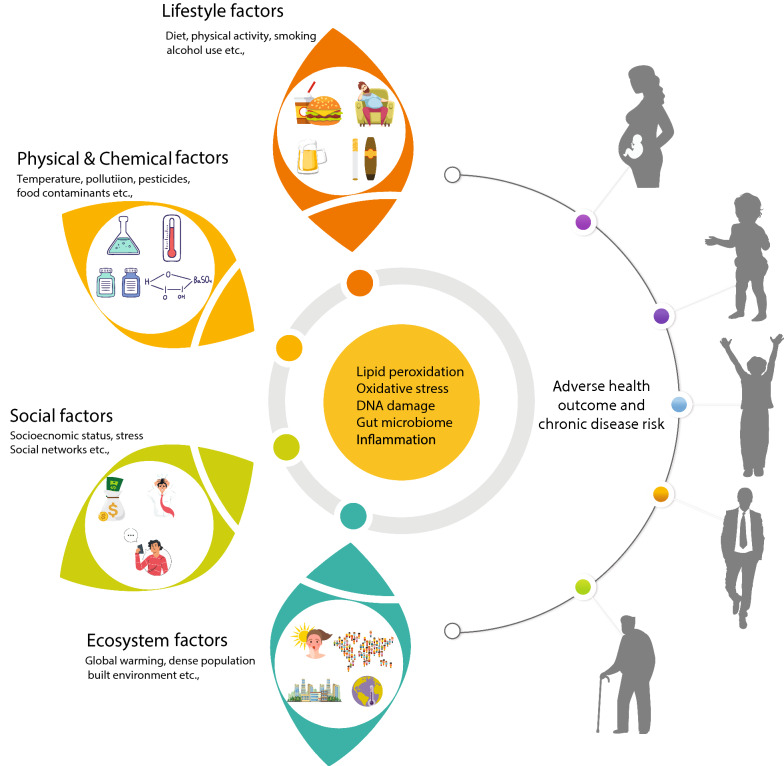
Aberrant metabolism is the root cause of several serious health issues, creating a huge burden to health and leading to diminished life expectancy. A dysregulated metabolism induces the secretion of several molecules which in turn trigger the inflammatory pathway. Inflammation is the natural reaction of the immune system to a variety of stimuli, such as pathogens, damaged cells, and harmful substances. Metabolically triggered inflammation, also called metaflammation or low-grade chronic inflammation, is the consequence of a synergic interaction between the host and the exposome—a combination of environmental drivers, including diet, lifestyle, pollutants and other factors throughout the life span of an individual. Various levels of chronic inflammation are associated with several lifestyle-related diseases such as diabetes, obesity, metabolic associated fatty liver disease (MAFLD), cancers, cardiovascular disorders (CVDs), autoimmune diseases, and chronic lung diseases. Chronic diseases are a growing concern worldwide, placing a heavy burden on individuals, families, governments, and health-care systems. New strategies are needed to empower communities worldwide to prevent and treat these diseases. Precision medicine provides a model for the next generation of lifestyle modification. This will capitalize on the dynamic interaction between an individual’s biology, lifestyle, behavior, and environment. The aim of precision medicine is to design and improve diagnosis, therapeutics and prognostication through the use of large complex datasets that incorporate individual gene, function, and environmental variations. The implementation of high-performance computing (HPC) and artificial intelligence (AI) can predict risks with greater accuracy based on available multidimensional clinical and biological datasets. AI-powered precision medicine provides clinicians with an opportunity to specifically tailor early interventions to each individual. In this article, we discuss the strengths and limitations of existing and evolving recent, data-driven technologies, such as AI, in preventing, treating and reversing lifestyle-related diseases.
Overview
The claims and statistics of this paper haven’t been checked yet.
Free: it reads the open-access text and checks the first 5 claims that cite a source we can check. Create a free account to check every claim.
Integrity signals
Registry
Cites
Statistics
Figures
Verification
Claims the paper makes
The claims and statistics of this paper haven’t been checked yet.
Free: it reads the open-access text and checks the first 5 claims that cite a source we can check. Create a free account to check every claim.
Claims other papers make about this one
Each is checked against this paper’s own text: does it say what the citing paper says it does?
The source backs part of the claim, not all of it — or backs it for a different population, condition or comparison.
In the citing paper
“In particular, edge AI with distributed and secure DL has been demonstrated to be able to significantly improve the reliability, accuracy, scalability, privacy and security for precision medicine and Internet of Medical Things [313], including medical imaging, drug development, and chronic disease management [314].”
From Edge artificial intelligence for 6g: vision, enabling technologies, and applications (2022) · cites this paper as [314]
Experimental — accuracy not yet measured
Self-check
Percentages, sums and reported differences re-computed from the paper’s own numbers.
The self-check needs the paper’s full text.
Citations
Cites
Dermatologist-level classification of skin cancer with deep neural networks
Esteva, A., Kuprel, B., Novoa, R. A., Ko, J., Swetter, S. M., Blau, H. M., & Thrun, S. (2017) · Nature · doi:10.1038/nature21056 · Cited by 14,362
James, S. L., Abate, D., Abate, K. H., Abay, S. M., Abbafati, C., Abbasi, N., Abbastabar, H., Abd-Allah, F., Abdela, J., Abdelalim, A., et al. (2018) · The Lancet · doi:10.1016/s0140-6736(18)32279-7 · Cited by 13,867
Vos, T., Abajobir, A. A., Abate, K. H., Abbafati, C., Abbas, K. M., Abd-Allah, F., Abdulkader, R. S., Abdulle, A. M., Abebo, T. A., Abera, S. F., et al. (2017) · The Lancet · doi:10.1016/s0140-6736(17)32154-2 · Cited by 13,220
Sudlow, C., Gallacher, J., Allen, N., Beral, V., Burton, P., Danesh, J., Downey, P., Elliott, P., Green, J., Landray, M., et al. (2015) · PLOS Medicine · doi:10.1371/journal.pmed.1001779 · Cited by 12,728
High-performance medicine: the convergence of human and artificial intelligence
Topol, E. J. (2019) · Nature Medicine · doi:10.1038/s41591-018-0300-7 · Cited by 10,450
Diet rapidly and reproducibly alters the human gut microbiome
David, L. A., Maurice, C. F., Carmody, R. N., Gootenberg, D. B., Button, J. E., Wolfe, B. E., Ling, A. V., Devlin, A. S., Varma, Y., Fischbach, M. A., et al. (2014) · Nature · doi:10.1038/nature12820 · Cited by 10,100
Obesity is associated with macrophage accumulation in adipose tissue
Weisberg, S. P., McCann, D., Desai, M., Rosenbaum, M., Leibel, R. L., & Ferrante, A. W. (2003) · Journal of Clinical Investigation · doi:10.1172/jci200319246 · Cited by 10,041 · cited 1×
“Such systemic inflammation characterized as ‘low-grade’ was associated with elevated levels of inflammatory mediators and increased immune cell infiltration in peripheral tissues without altering the primary function of the tissue [16, 17].”
BackgroundGenome-wide association study of 14,000 cases of seven common diseases and 3,000 shared controls
The Wellcome Trust Case Control Consortium, Management Committee, Burton, P. R., Clayton, D. G., Cardon, L. R., Craddock, N., Deloukas, P., Duncanson, A., Kwiatkowski, D. P., McCarthy, M. I., et al. (2007) · Nature · doi:10.1038/nature05911 · Cited by 9,442
The UK Biobank resource with deep phenotyping and genomic data
Bycroft, C., Freeman, C., Petkova, D., Band, G., Elliott, L. T., Sharp, K., Motyer, A., Vukcevic, D., Delaneau, O., O’Connell, J., et al. (2018) · Nature · doi:10.1038/s41586-018-0579-z · Cited by 8,876
Forouzanfar, M. H., Afshin, A., Alexander, L. T., Anderson, H. R., Bhutta, Z. A., Biryukov, S., Brauer, M., Burnett, R., Cercy, K., Charlson, F. J., et al. (2016) · The Lancet · doi:10.1016/s0140-6736(16)31679-8 · Cited by 7,698
Cited by
Items 101–200 of 408
Cangelosi, G., Conti, A., Caggianelli, G., Panella, M., Petrelli, F., Mancin, S., Ratti, M., & Masini, A. (2025) · Medicina · doi:10.3390/medicina61081403 · Cited by 31
“Chronic conditions such as diabetes, hypertension, cardiovascular, and respiratory diseases represent a substantial burden for public healthcare systems and require coordinated, continuous, and patient-centered management strategies [90,91].”
Importance-aware adaptive dataset distillation
Li, G., Togo, R., Ogawa, T., & Haseyama, M. (2024) · Neural Networks · doi:10.1016/j.neunet.2024.106154 · Cited by 31
“This integration provides valuable insights crucial for personalized medicine and disease prediction in an era marked by the prevalence of diverse medical data types [77, 78].”
BackgroundBolliger, M. J., Wasinger, D., Brunmair, J., Hagn, G., Wolf, M., Preindl, K., Reiter, B., Bileck, A., Gerner, C., Fitzal, F., et al. (2025) · The EPMA Journal · doi:10.1007/s13167-025-00396-6 · Cited by 14
“Today, 3PM promotes the combination of clinical parameters, as well as environmental and behavioural factors using data-driven bioinformatics [5, 22], with a preference for evidence-based research data.”
Santosh, K., & Gaur, L. (2021) · SpringerBriefs in applied sciences and technology · doi:10.1007/978-981-16-6768-8_5 · Cited by 15
Dimmick, H. L., van Rassel, C. R., MacInnis, M. J., & Ferber, R. (2023) · Frontiers in Sports and Active Living · doi:10.3389/fspor.2023.1283316 · Cited by 14
Zhang, C., Liu, S., & Chen, G. (2024) · Aging and Disease · doi:10.14336/ad.2024.0478 · Cited by 16
“For instance, precision medicine approaches, which involve designing and refining diagnostics, treatments, and predictions using large, complex datasets that include individual genetics, functionalities, and environmental changes, have become mainstream [48].”
Artificial Intelligence in Precision Medicine and Patient-Specific Drug Design
Ranjan, S., Singh, A., & Yadav, R. (2025) · Biomedical & Pharmacology Journal · doi:10.13005/bpj/3088 · Cited by 17
Aliberti, S. M., Capunzo, M., Galimberti, D., Accardi, G., Aiello, A., Calabrò, A., Caruso, C., & Candore, G. (2025) · International Journal of Molecular Sciences · doi:10.3390/ijms26104796 · Cited by 14
Disulfidptosis: A New Target for Parkinson’s Disease and Cancer
Liu, T., Kong, X., & Wei, J. (2024) · Current Issues in Molecular Biology · doi:10.3390/cimb46090600 · Cited by 12
Ng, J. Y. (2025) · Integrative Medicine Research · doi:10.1016/j.imr.2025.101142 · Cited by 12
“88 However, challenges such as data privacy, maintaining human touch in patient care, and mitigating algorithmic bias must be addressed.”
Vuong, Q., Sari, N. P. W. P., La, V., & Nguyen, M.-H. (2025) · Discover Public Health · doi:10.1186/s12982-025-00987-8 · Cited by 13
“Beyond individual use, AI could analyze large-scale data on natural exposure and health outcomes [191, 192].”
Huang, H., Lyu, W., Hasan, M. M., & Houser, S. H. (2025) · Journal of Medical Internet Research · doi:10.2196/76126 · Cited by 14
Jarallah, S., Wirayuda, A. A. B., Alsamara, M., Barkat, K., Al-Mahrezi, A. M., & Chan, M. F. (2024) · Environment Development and Sustainability · doi:10.1007/s10668-024-05265-2 · Cited by 11
Mintoo, A. A., Saimon, A. S. M., Bakhsh, M. M., & Akter, M. (2022) · American Journal of Scholarly Research and Innovation · doi:10.63125/sdz8km60 · Cited by 33
Reichelt, S., Merle, U., Klauß, M., Kahlert, C., Lurje, G., Mehrabi, A., & Czigány, Z. (2024) · Liver International · doi:10.1111/liv.15917 · Cited by 13
Rehman, W., Thanganadar, H., Idrees, S., Mehmood, A., Azeez, F. K., Almaimani, H. A., Rajpoot, P. L., & Mohammed, M. (2024) · PLoS ONE · doi:10.1371/journal.pone.0308187 · Cited by 11
The value of simulation testing for the evaluation of ambient digital scribes: a case report
Biro, J. M., Handley, J. L., Mickler, J., Reddy, S., Kottamasu, V., Ratwani, R. M., & Cobb, N. K. (2025) · Journal of the American Medical Informatics Association · doi:10.1093/jamia/ocaf052 · Cited by 10
Revolutionizing public health through digital health technology
Tian, H., Zhang, K., Zhang, J., Shi, J., Qiu, H., Hou, N., Han, F., Kan, C., & Sun, X. (2025) · Psychology Health & Medicine · doi:10.1080/13548506.2025.2458254 · Cited by 12
“AI can also help doctors understand patients’ conditions and needs through the analysis of big data, providing more accurate solutions for disease prevention and management (Subramanian et al., 2020).”
Requirements engineering for older adult digital health software: A systematic literature review
Xiao, Y., Grundy, J., & Madugalla, A. K. (2025) · Information and Software Technology · doi:10.1016/j.infsof.2025.107718 · Cited by 11
Global research trends in AI-assisted blood glucose management: a bibliometric study
Li, Y., Wang, Y., Xing, M., Liu, T., & Xiang, D. (2025) · Frontiers in Endocrinology · doi:10.3389/fendo.2025.1579640 · Cited by 12
“Continued collaboration and innovation will be essential for overcoming current challenges and harnessing the full potential of AI to improve diabetes care worldwide (39, 40, 43 – 46).”
Platelet-Rich Plasma in the Treatment of Musculoskeletal Disease in 2025 and Beyond
Rothrauff, B. B., Featherall, J. T., Uppstrom, T. J., Gohring, G., Nelson, A. L., Evans, T. A., Millett, P. J., Provencher, M. T., Philippon, M. J., & Huard, J. (2026) · The American Journal of Sports Medicine · doi:10.1177/03635465251395284 · Cited by 11
“128 At the same time, in vitro micro-physiological systems (ie, ‘‘organs on a chip’’) offer the prospect of testing many iterations of drugs or orthobiologic formulations on human cells that may obviate some need for animal models, which are costly, are at times ethically challenging, and often…”
Alfehaid, L., Alsuhebany, N., Tawfik, Y. M. K., Alowais, S. A., Adnan, S., Alfriah, J., Al-Abdelmuhsin, L., Alshehri, A. M., & Yami, M. S. A. (2026) · Frontiers in Cardiovascular Medicine · doi:10.3389/fcvm.2025.1738139 · Cited by 11
Hua, H., Zhou, Y., Li, W., Zhang, J., Deng, Y., & Khoo, B. L. (2024) · Biomicrofluidics · doi:10.1063/5.0172146 · Cited by 12
Artificial intelligence in autoimmune bullous dermatoses
Manuelyan, K., Dragolov, M., Drenovska, K., Shahid, M., & Vassileva, S. (2024) · Clinics in Dermatology · doi:10.1016/j.clindermatol.2024.06.008 · Cited by 10
Wada, Y., Nishiyama, M., Uehara, H., Sato, K. C., Hamamoto, Y., Ogihara, H., Nishi, A., Asakawa, T., & Yamamoto, M. (2022) · Gene · doi:10.1016/j.gene.2022.146262 · Cited by 11
Zhang, J., Zhang, B., Li, T., Li, Y., Zhu, Q., Wang, X., & Lu, T. (2024) · Frontiers in Cardiovascular Medicine · doi:10.3389/fcvm.2024.1375768 · Cited by 9
Artificial Intelligence, Machine Learning, and Natural Language Processing
Shoenbill, K. A., Kasthurirathne, S. N., & Mendonça, E. A. (2023) · Springer eBooks · doi:10.1007/978-3-031-29171-5_36 · Cited by 15
Minghui, Y., Hu, Y., & Lu, Z. (2023) · Digital Health · doi:10.1177/20552076231221057 · Cited by 11
Machine Learning Based Diagnostic Paradigm in Viral and Non-Viral Hepatocellular Carcinoma
Asif, A., Ahmed, F., Zeeshan, Khan, J. A., Allogmani, E., El-Rashidy, N. M., Manzoor, S., & Anwar, M. S. (2024) · IEEE Access · doi:10.1109/access.2024.3369491 · Cited by 10
“Continuous evidence shows the implementation of machine learning approaches with improved prediction system for diagnosis of multiple disease including breast cancer and NAFLD, and postprandial glycemic responses [12].”
BackgroundJia, Q., Chen, Y., Zen, Q., Chen, S., Liu, S., Wang, T., & Yuan, X. (2024) · Chronic Obstructive Pulmonary Diseases Journal of the COPD Foundation · doi:10.15326/jcopdf.2023.0446 · Cited by 12
Olia, J. B. H., Raman, A., Hsu, C., Alkhayyat, A., & Nourazarian, A. (2025) · Computers in Biology and Medicine · doi:10.1016/j.compbiomed.2025.109984 · Cited by 10
Erdmann, A., Rehmann‐Sutter, C., & Bozzaro, C. (2022) · Journal of Personalized Medicine · doi:10.3390/jpm12040574 · Cited by 9
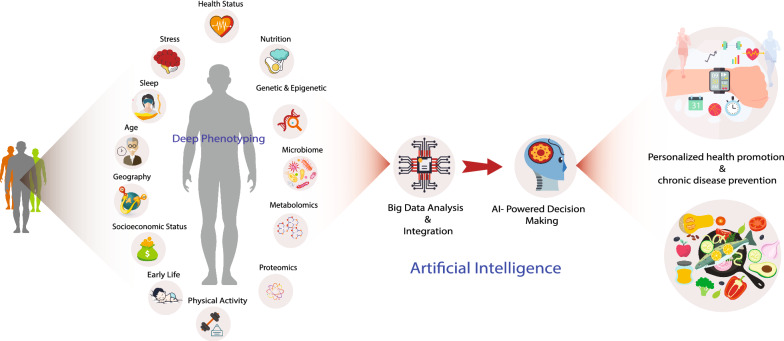
“With deep phenotyping and artificial intelligence, a large amount of individual data can be processed for each patient: data on health status, nutrition, genetics and epigenetics, microbiome, metabolomics, proteomics, physical activity, stress, sleep, age, geography, socioeconomic status and early life [7].”
BackgroundBaumgärtner, C., & Brislinger, D. (2025) · Clinical and Translational Medicine · doi:10.1002/ctm2.70096 · Cited by 9
Arshad, M. T., Maqsood, S., Ikram, A., & Xu, B. (2025) · Journal of Future Foods · doi:10.1016/j.jfutfo.2025.07.025 · Cited by 9
Lou, J.-J., & Zeng, J. (2025) · World Journal of Gastroenterology · doi:10.3748/wjg.v31.i47.111900 · Cited by 10
“Multimodal models that combine liver stiffness, MRI-PDFF, glycemia, lipids, BMI, and comorbidities can generate individualized response predictions and quantify how fibrosis modulates expected benefit, thereby informing choices that pertain to exercise, diet, and pharmacotherapy[27,64].”
Artificial Intelligence for Gastroenterology Practice: A Modified Delphi Consensus
Gross, S., Shaukat, A., Afzali, A., Ahn, J. C., Bajaj, J. S., Barkin, J. A., Bilal, M., Chawla, S., Coelho–Prabhu, N., Enslin, S., et al. (2026) · The American Journal of Gastroenterology · doi:10.14309/ajg.0000000000003944 · Cited by 8
AI and Big Data for Intelligent Health: Promise and Potential
Mota, A. L., Ferraciolli, S. F., Ayres, A. S., Polsin, L. L. M., Leite, C. D. C., & Kitamura, F. (2022) · Integrated science · doi:10.1007/978-3-031-11199-0_1 · Cited by 9
The application of biosensors in precision medicine
Brazaca, L. C., & Sempionatto, J. R. (2024) · Elsevier eBooks · doi:10.1016/b978-0-443-15380-8.00006-0 · Cited by 9
Clinical Perspectives, Eligibility, and Success Criteria for Bariatric/Metabolic Surgery
Perdomo, C. M., Landecho, M. F., Valentí, V., Moncada, R., & Frühbeck, G. (2024) · Advances in experimental medicine and biology · doi:10.1007/978-3-031-63657-8_23 · Cited by 8
Li, Y., Shi, Q., Yang, J., & Ran, L. (2025) · Frontiers in Public Health · doi:10.3389/fpubh.2024.1510735 · Cited by 11
Transforming Preventive Healthcare with Machine Learning Technologies
Karataş, M., Zare, Z., & Zheng, Y. (2025) · Journal of Operations Intelligence · doi:10.31181/jopi31202538 · Cited by 12
Artificial Intelligence in Cardiovascular Diseases
Bashir, S., Ahanger, A. N., Assad, A., Bhat, M. R., & Macha, M. A. (2025) · Springer eBooks · doi:10.1007/978-981-96-8176-1_10 · Cited by 11
Supported self-management in asthma
Pinnock, H., McClatchey, K., & Hui, C. Y. (2023) · European Respiratory Society eBooks · doi:10.1183/2312508x.10001723 · Cited by 8
Sheikh, K., Sayeed, S., Asif, A., Siddiqui, M. F., Rafeeq, M. M., Sahu, A., & Ahmad, S. (2022) · Studies in computational intelligence · doi:10.1007/978-981-19-6379-7_13 · Cited by 12
Dimmick, H. L., Jewett, G., Korngut, L. W., & Ferber, R. (2024) · Muscle & Nerve · doi:10.1002/mus.28282 · Cited by 7
Decoding Immunodeficiencies with Artificial Intelligence: A New Era of Precision Medicine
Sciaccotta, R., Barone, P., Murdaca, G., Fazio, M., Stagno, F., Gangemi, S., Genovese, S., & Allegra, A. (2025) · Biomedicines · doi:10.3390/biomedicines13081836 · Cited by 7
“The integration of high-performance computing (HPC) and AI in chronic illness management enhances risk prediction accuracy, facilitating customized early treatments [115].”
Zhu, Z., Ren, K., Duan, X., Hu, X., Lv, Y., Wang, D., Jin, H., & Zhang, L. (2025) · Nutrition · doi:10.1016/j.nut.2025.112937 · Cited by 7
Singla, B., Afridi, S., Vayolipoyil, S., Ahmed, T., Afzaal, S., Saleem, K., Malik, M., & Qudsia, M. (2025) · Cureus · doi:10.7759/cureus.91514 · Cited by 15
“Especially useful in chronic diseases such as diabetes, cardiovascular, and cancer when timely and individual care are crucial [9].”
Future Prospects and Challenges in the Implementation of AI and ML in Pharma Sector
Pokhriyal, P., Chavda, V. P., & Pathak, M. (2023) · Wiley eBooks · doi:10.1002/9781119865728.ch17 · Cited by 8
Xiao, S. D., Dong, Y., Xia, Y., Xu, H., Weng, F., Liang, G., Yi, Q., & Ai, C. (2024) · Journal of Multidisciplinary Healthcare · doi:10.2147/jmdh.s482427 · Cited by 7
“4) Enhancing the quality of care for specific NCDs, such as inflammatory bowel disease, 30 decompensated cirrhosis, 31 heart failure, 32 and cancer.”
BackgroundShao, C., & Zhang, H. (2023) · The Journal of Supercomputing · doi:10.1007/s11227-023-05795-y · Cited by 7
Zhang, B., Miao, B., Fu, S., Coarfa, C., Kumar, R., Kuntala, P. K., Park, B., Grimm, S. L., Jangid, R. K., Colacino, J. A., et al. (2025) · bioRxiv (Cold Spring Harbor Laboratory) · doi:10.1101/2025.07.28.667191 · Cited by 10
AI IN HEALTHCARE: THE NEXT FRONTIER IN MEDICAL DIAGNOSIS
Mittal, M. (2025) · INTERNATIONAL JOURNAL OF INFORMATION TECHNOLOGY AND MANAGEMENT INFORMATION SYSTEMS · doi:10.34218/ijitmis_16_02_091 · Cited by 6
“These systems have demonstrated particular effectiveness in identifying high-risk patients, achieving early detection rates of up to 94.8% for complications in diabetes management when incorporating multiple data streams, including clinical, molecular, and lifestyle factors [7].”
InfluentialMunir, F., Chopra, H., Nasir, M. H., Simhachalam, L. V., Anis, Z. B., Bano, S., Islam, N., Baig, A. A., Heyat, M. B. B., Parveen, S., et al. (2025) · International Journal of Systems Assurance Engineering and Management · doi:10.1007/s13198-025-02801-9 · Cited by 6
Huneault, H. E., Tiwari, P., Jarrell, Z. R., Smith, M. R., Chen, C.-Y., Tovar, A. R., Sanchez-Torres, C., Gillespie, S. E., Bai, S., Carrillo-Larco, R. M., et al. (2026) · Nature Communications · doi:10.1038/s41467-026-69735-z · Cited by 6
“Advances in precision healthcare are rede fi ning the management of metabolic disorders by developing treatments tailored to patients ’ unique biochemical and physiological pro fi les 63 .”
Komasawa, N. (2024) · Anesthesia Research · doi:10.3390/anesthres1010005 · Cited by 10
Ahmed, K. M., Das, B. C., Saadati, Y., & Amini, M. H. (2024) · Big and integrated artificial intelligence · doi:10.1007/978-3-031-57567-9_4 · Cited by 6
AI and Chronic Diseases From Data Integration to Clinical Implementation
Joshi, H. (2024) · Advances in healthcare information systems and administration book series · doi:10.4018/979-8-3693-6577-9.ch002 · Cited by 8
Integrating statistical design and inference: A roadmap for robust and trustworthy medical AI
Wei, Q., Cui, M., Liu, Z., Liu, Z., Feng, G., Li, Y., Christiani, D. C., Li, L., Wang, J., Hao, Y., et al. (2025) · The Innovation Medicine · doi:10.59717/j.xinn-med.2025.100145 · Cited by 8
AI in Healthcare: Applications and Challenges
Chan, E. W. L. (2021) · International e-Journal of Science Medicine & Education · doi:10.56026/imu.15.3.1 · Cited by 6
Kumar, D., Ingole, A., & Choudhari, S. G. (2023) · Cureus · doi:10.7759/cureus.48482 · Cited by 7
“Precision healthcare involves data science techniques that have the potential to adapt early therapies for each patient [7,8].”
BackgroundInfluentialArtificial Intelligence Driven Bibliometric Insights: Pioneering Down Syndrome Research
Shafi, S., Reshi, A. A., Shah, A., Al-Mutairi, R. H., Al-Mutairi, G. N., & Ahmad, A. (2024) · International Journal of experimental research and review · doi:10.52756/ijerr.2024.v37spl.006 · Cited by 6
“The emergence of artificial intelligence (AI) in DS research has the potential to revolutionize our understanding of the condition, enabling early detection and personalized treatment (Gupta et al., 2022; Rivera-Bonet, 2023; Subramanian et al., 2020).”
BackgroundFotami, S. G. H., Mannuru, N. R., Bevara, R. V. K., & Mannuru, A. (2024) · InfoScience Trends · doi:10.61186/ist.202401.01.12 · Cited by 8
Navigating the Future of PCOS Treatment: The Precision Medicine Paradigm
Sunil, A. T., Jo, C., Sanigha, P. S., Kolasseri, A. E., Tamizhselvi, R., & Jayanthi, S. (2024) · Current pharmacogenomics and personalized medicine (Online)/Current pharmacogenomics and personalized medicine · doi:10.2174/0118756921331801240820115132 · Cited by 6
Current advancements of machine learning in healthcare
Deshmukh, S. S., Kulkarni, N., Manoharan, A., Vinarski, B. M., & Ramanujam, A. (2024) · Elsevier eBooks · doi:10.1016/b978-0-443-15504-8.00001-6 · Cited by 6
Artificial intelligence in asthma health literacy: a comparative analysis of ChatGPT versus Gemini
Høj, S., Backer, V., Ulrik, C. S., Sigsgaard, T., & Meteran, H. (2025) · Journal of Asthma · doi:10.1080/02770903.2025.2495729 · Cited by 7
“In recent years, precision medicine and digital health innovations have reshaped chronic disease management (5,6).”
Introduction to Precision Wellness
Khaitan, J., Raza, A. M., & Ghosh, J. (2025) · Advances in computational intelligence and robotics book series · doi:10.4018/979-8-3693-9521-9.ch001 · Cited by 6
Empowering Healthcare through Precision Medicine: Unveiling the Nexus of Social Factors and Trust
Tan, B. T. N., Khan, M. I., Saleh, A., Wangchuk, D., Talukder, M. J. H., & Kinght-Agarwal, C. R. (2023) · Healthcare · doi:10.3390/healthcare11243177 · Cited by 6
“stated earlier, PM represents a paradigm shift in healthcare [20], promising personalized factors [21].”
BackgroundKolaszyńska, O., & Lorkowski, J. (2024) · Applied Bionics and Biomechanics · doi:10.1155/2024/2991243 · Cited by 8
Trends in Biomedical Materials and Devices in Recent Decades
Narayan, R. J. (2023) · Biomedical Materials & Devices · doi:10.1007/s44174-023-00134-4 · Cited by 6
Khalifa, A., & Hussein, R. (2026) · Journal of Medical Systems · doi:10.1007/s10916-026-02391-4 · Cited by 5
Zou, X. C., Yuan, R. M., Zhou, J., Zheng, G. H., Jin, M., Zeng, T., & Chao, H. C. (2026) · European journal of medical research · doi:10.1186/s40001-025-03700-2 · Cited by 5
“Similarly, machine learning, leveraging multi-dimensional data to construct predictive models through artificial intelligence (AI), aids clinicians in identifying high-risk patients for various diseases and predicting surgical complications [13, 14].”
Afzal, H., Jahangir, T., Mei, Y., Madden, A., Sarker, A., & Kim, S. (2024) · Frontiers in Public Health · doi:10.3389/fpubh.2023.1309490 · Cited by 6
“Several existing studies have employed ML to predict an extensive range of chronic health conditions, such as autoimmune, cardiovascular, cerebrovascular, hepatic, metabolic, neurodegenerative, pulmonary, renal, and rheumatic diseases, as well as cancers (56–61).”
Underestimated anxiety in chronic diseases: A cross-sectional study on specific risk factors
Chen, Y., Chieh‐Shan, W. U., & Qian, W. (2025) · Medicine · doi:10.1097/md.0000000000041791 · Cited by 6
“[1] A number of chronic diseases affect a substantial portion of the population, including hypertension, diabetes mellitus, cardiovascular diseases, chronic obstructive pulmonary disease, stroke, and hyperlipidemia.”
Soufan, F., Tukur, H. N., Tamir, R. G., Muhirwa, E., Wojtara, M. S., & Uwishema, O. (2025) · Health Science Reports · doi:10.1002/hsr2.70588 · Cited by 5
“…the integration of AI ‐ powered precision medicine is providing healthcare workers with the power to develop individualized cardiovascular plans against environmental factors and is, with time, beginning to shift the whole healthcare and public health system towards a new holistic paradigm [51].”
Riasi, A., Delrobaei, M., & Salari, M. (2025) · Scientific Reports · doi:10.1038/s41598-025-04217-8 · Cited by 5
Individualized Medicine in Africa: Bringing the Practice Into the Realms of Population Heterogeneity
Hussein, A. A., Hamad, R., Newport, M. J., & Ibrahim, M. E. (2022) · Frontiers in Genetics · doi:10.3389/fgene.2022.853969 · Cited by 5
AI-Driven Healthcare Delivery in Pakistan: A Framework for Systemic Improvement
Zahoor, I., Ihtsham, S., Ramzan, M. U., Raza, A. A., & Ali, B. (2024) · ACM SIGCAS/SIGCHI Conference on Computing and Sustainable Societies (COMPASS) · doi:10.1145/3674829.3675058 · Cited by 7
Nouranı, E., Koutrouli, M., Xie, Y., Vagiaki, D., Pyysalo, S., Nastou, K. C., Brunak, S., & Jensen, L. J. (2024) · Bioinformatics · doi:10.1093/bioinformatics/btae613 · Cited by 5
“Numerous studies illustrate the association between an unhealthy lifestyle and an elevated risk of chronic disease as well as the potential of reducing the risk by adopting a healthy lifestyle (Subramanian et al. 2020, Nyberg et al. 2020, Tobias et al. 2023).”
Comparison and Evaluation of Studies on Precision Medicine using AI
Kamala, Y. L., Rao, K. V. S. N. R., & Josephine, B. M. (2022) · International Conference on Sustainable Computing and Data Communication Systems (ICSCDS) · doi:10.1109/icscds53736.2022.9760969 · Cited by 5
The Impact of Artificial Intelligence on Diagnostic Medicine
Wheatley, M. (2024) · Premier Journal of Artificial Intelligence · doi:10.70389/pjai.100007 · Cited by 6
Eser, H. Y. (2025) · Dusunen Adam The Journal of Psychiatry and Neurological Sciences · doi:10.14744/dajpns.2024.00266 · Cited by 4
Chrono-Colonic Delivery in Engineering Time-Responsive Systems for Site-Specific Therapy
Sarkar, R., Biswas, P., Mukherjee, D. R., Tanbir, S., Biswas, B., Rahaman, M. M., & Santra, S. (2025) · Journal of Drug Delivery and Therapeutics · doi:10.22270/jddt.v15i10.7398 · Cited by 7
Generative-AI Based Health Advisory System for Patients with Chronic Diseases
Chuang, Y., Chang, R.-C., Cheng, Y., Huang, S., Yu, T., & Shu, K. (2025) · Mobile Networks and Applications · doi:10.1007/s11036-025-02472-7 · Cited by 4
Burgio, E., Porru, A., Pettini, C., Pettini, M., Vaglini, I., Gemignani, A., Fratini, F., & Lucangeli, D. (2026) · Current Issues in Molecular Biology · doi:10.3390/cimb48020163 · Cited by 5
“It has been reported that crucial developmental mechanisms can be disrupted by various factors, including premature birth, maternal stress, exposure to environmental pollutants (found in the umbilical cord and placenta), and maternal inflammatory or metabolic disorders [14,15].”
Na, J., Huang, L., Wang, L. J., Ni, Y., Chen, Y., Luo, Q., & Li, Y. (2026) · Biomaterials · doi:10.1016/j.biomaterials.2026.124209 · Cited by 5
Low-grade systemic inflammation and peripheral airway function
Färdig, M., Zaigham, S., Engström, G., Janson, C., Wollmer, P., & Malinovschi, A. (2024) · ERJ Open Research · doi:10.1183/23120541.00674-2024 · Cited by 4
“Inflammation is a natural immune reaction to numerous triggers including germs, allergens and irritants [1], in which innate immune cells such as eosinophils, neutrophils, lymphocytes and monocytes [2] alongside the acute-phase C-reactive protein (CRP) [3] are activated.”
Prusty, A. K., Parida, P., Prusty, P. K., Swain, S., Jena, B. R., Yadav, R. N., Das, S., & Ratha, B. N. (2024) · Journal of Angiotherapy · doi:10.25163/angiotherapy.879806 · Cited by 5
Emerging AI impact in the healthcare sector: A review
Kumar, M., Kumar, R., Arisham, D. K., Gupta, R. K., Naudiyal, P., Goutam, G., & Mavi, A. K. (2025) · European Journal of Environment and Public Health · doi:10.29333/ejeph/15905 · Cited by 4
“It is crucial to address the ethical risks that come with implementing AI, especially with regard to patient autonomy, informed consent and violations of data privacy and confidentiality [26, 27].”
Tonde, B., Traore, M. M., Landa, P., Côté, A., & Laberge, M. (2025) · BMJ Open · doi:10.1136/bmjopen-2024-093771 · Cited by 4
“43 Furthermore, gener-alisability remains a major concern, as many models are developed on specific cohorts, restricting their applicability across diverse healthcare settings.”
Artificial intelligence and aging: potential and precautions
Marks, R. (2023) · MOJ Gerontology & Geriatrics · doi:10.15406/mojgg.2023.08.00308 · Cited by 6
Huang, X., Peng, H., Huang, J., Yu, R., Hu, Z., & Peng, X. (2022) · Gastroenterology report · doi:10.1093/gastro/goad054 · Cited by 4
Ghosh, S., Mohanty, R., Santra, A., Saha, A., Agrawal, A., Shrivastava, S., Roy, C., Mazumder, I., Das, D., & Mahmood, S. H. (2024) · International Journal of Rheumatic Diseases · doi:10.1111/1756-185x.15185 · Cited by 5
Luo, Z., Lv, J., & Zou, K. (2025) · Frontiers in Medicine · doi:10.3389/fmed.2025.1553970 · Cited by 6
“In chronic disease management, AI technology mainly relies on data-driven intelligent algorithms to analyze and predict patients’ health status and provide personalized health management plans (47).”
Penhaskashi, J., Danesh, J., Naeim, A., Independent Researcher, U. H., Golshirazi, J., Hedvat, J., & Chiappelli, F. (2025) · Bioinformation · doi:10.6026/973206300210105 · Cited by 4
Artificial Intelligence in GI endoscopy: what to expect
Aso, M. C., Sostres, C., & Lanas, Á. (2025) · Frontiers in Medicine · doi:10.3389/fmed.2025.1588873 · Cited by 4
Single-cell precision nanotechnology in vivoPreprint
Molbay, M., Kick, B., Zhao, S., Todorov, M. I., Ohn, T., Roth, S., Simats, A., Singh, V., Khalin, I., Pan, C., et al. (2023) · bioRxiv (Cold Spring Harbor Laboratory) · doi:10.1101/2023.07.24.550304 · Cited by 4
Komeyer, V., Eickhoff, S. B., Grefkes, C., Patil, K. R., & Raimondo, F. (2024) · medRxiv · doi:10.1101/2024.02.02.24302198 · Cited by 4
“AI has proven promising in enhancing inflammatory disease risk prediction and facilitating personalized early interventions 5 .”
BackgroundArtificial intelligence in diabetes management
Thomas, A., Gopi, V. P., & Francis, B. (2024) · Advances in Artificial Intelligence · doi:10.1016/b978-0-443-19073-5.00002-1 · Cited by 3
Emerging Approaches in Data-Driven Drug Discovery for Rare Diseases
Abbas, M. A. E., Parayangat, M., Al-Hamami, M. A., Elshafie, H., Al-Shamri, M. Y. H., & Resmi, R. (2025) · Current Drug Metabolism · doi:10.2174/0113892002383220250729100138 · Cited by 5
Metadata
- Authors
- Subramanian, M., Wojtusciszyn, A., Favre, L., Boughorbel, S., Shan, J., Letaief, K. B., Pitteloud, N., & Chouchane, L.
- Affiliations
- Weill Cornell Medicine (US)
- Centre Hospitalier Universitaire Vaudois (CH)
- Sidra Medical and Research Center (QA)
- Hong Kong University of Science and Technology (HK)
- Cornell University (US)
- Corresponding author
- Pitteloud, Nelly
- Chouchane, Lotfi
- ORCID
- Venue
- Journal of Translational Medicine
- Published
- 2020-12
- Volume
- 18
- Issue
- 1
- Pages
- 472-472
- ISSN
- 1479-5876 (ISSN-L)
- PMC
- PMC7725219
- OpenAlex
- W3112526052
- Semantic Scholar
- 3e3ac5bc42cac45f2a00101f031469e577d7337f
- Cited by
- 362
- References
- 157
- Citations by year
- 2026: 62 · 2025: 115 · 2024: 86 · 2023: 52 · 2022: 33 · 2021: 14
- FWCI
- 1.88
- Type
- journal article
- Language
- en
- Open access
- gold
- doi.org
- Licence
- cc-by
- creativecommons.org/licenses/by/4.0/ (tdm)
- creativecommons.org/licenses/by/4.0/ (vor, 8 d)
- Locations
- Journal of Translational Medicine (publishedVersion, cc-by)
- PubMed Central (publishedVersion, cc-by)
- PubMed (publishedVersion)
- SERVAL (Université de Lausanne) (publishedVersion, cc-by)
- IRIS (submittedVersion, cc-by)
- DOAJ (DOAJ: Directory of Open Access Journals) (submittedVersion, cc-by-sa)
- Rare & Special e-Zone (The Hong Kong University of Science and Technology) (submittedVersion)
- Funders
- Weill Cornell Medicine-Qatar (BMRP)
- Topics
- Health Sciences › Medicine › Health Informatics › Artificial Intelligence in Healthcare and Education
- Health Sciences › Health Professions › Health Information Management › Artificial Intelligence in Healthcare
- Health Sciences › Medicine › Public Health, Environmental and Occupational Health › Technology and Human Factors in Education and Health
- Keywords
- precision medicine, artificial intelligence, chronic disease management, metabolic inflammation, low-grade inflammation, exposome, lifestyle-related diseases, metabolic dysfunction, diabetes mellitus, obesity, non-alcoholic fatty liver disease, cardiovascular disease, autoimmune disease, chronic lung disease, risk prediction, high-performance computing, personalized medicine
- MeSH terms
- Artificial Intelligence, Chronic Disease, Diabetes Mellitus, Humans, Disease Management, Precision Medicine
About these checks
Registry, retraction, Cites and statistics results are computed, not judged, with one exception: a printed reference that no index lists is read once by a model before it counts as a citation error. Claims are extracted by a model and kept only when their quote appears verbatim in the text; each cited source is then checked, with a model’s help, for whether it says what the claim relies on. Those verdicts can be wrong — read the claim’s quote and the cited source before relying on one.
Statistics and arithmetic are recomputed, not judged.
Confidence bands are shown only for fields calibrated on our annotated test set. None is calibrated yet, so no band is shown.
What counts as a claim ›How we measure confidence ›How we check this ›
Are you an author, or do you see a problem with this page? Request a review
Data sources
Bibliographic data: Semantic Scholar, OpenAlex, Crossref.
Contains information from the Semantic Scholar Academic Graph Datasets, made available under the ODC Attribution License (ODC-BY 1.0).
Semantic Scholar’s data is described in: Kinney, R., et al. (2023). The Semantic Scholar Open Data Platform. arXiv:2301.10140.
